

 English
 English
 русский
 Français
 Español
 Português
 عربى
عربى
Cat:Glue -coated Protective Film
● The super tough polyethylene film with super high adhesion can stop the glass splitting and falling off during window glass demolition process;● Non...
See Details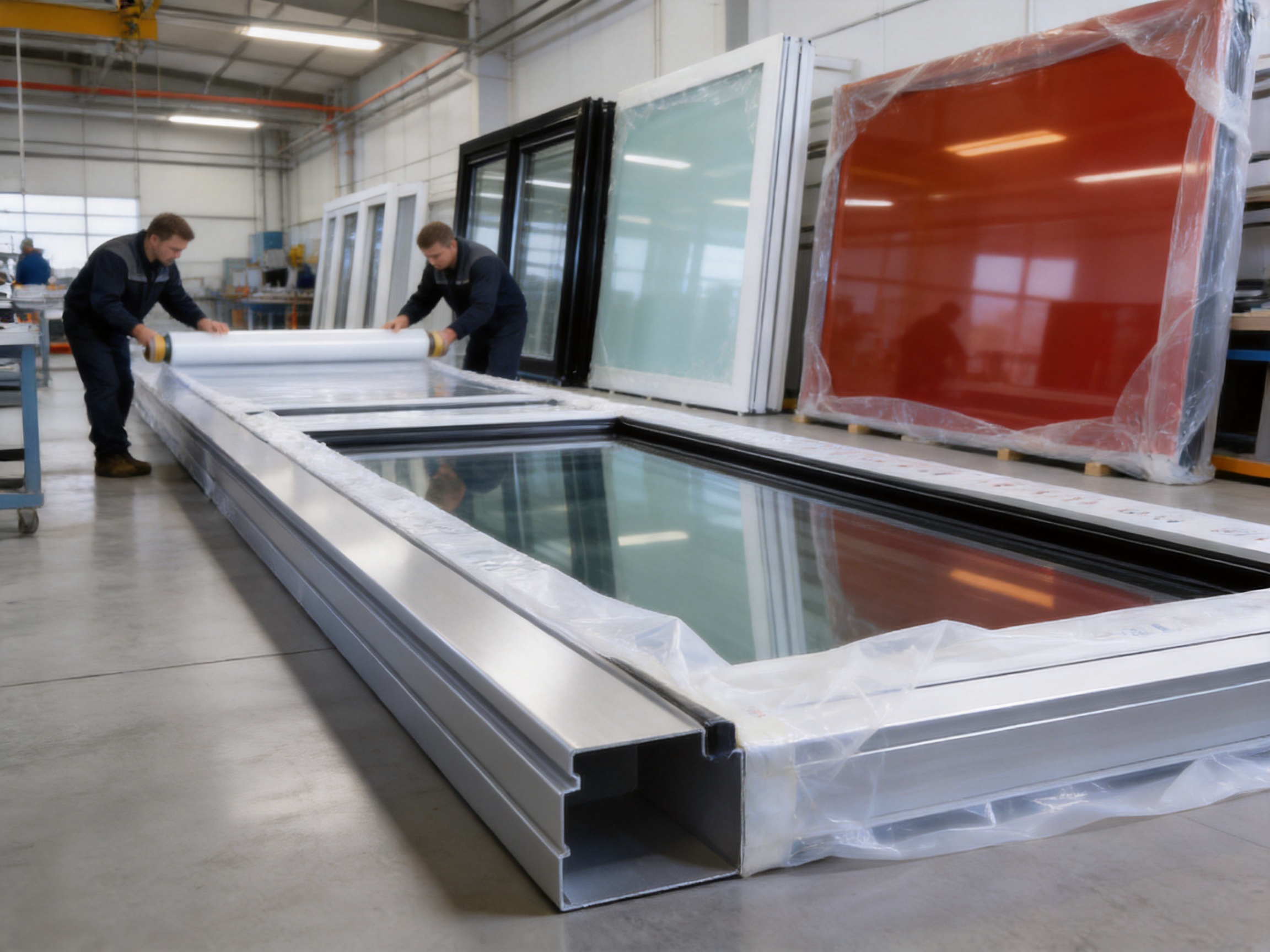
Aluminum profiles, aluminum windows and doors, and coated aluminum plates are widely used in construction, transportation, industrial equipment, interior decoration, and architectural projects. These products are valued for their strength, corrosion resistance, light weight, attractive appearance, and design flexibility. However, their surfaces can be damaged easily during extrusion, cutting, bending, coating, assembly, handling, storage, transportation, and installation. Fine scratches, dust, fingerprints, water marks, scuffs, and adhesive contamination can reduce the visual quality of the finished product and create additional rework costs.
Protective film for aluminum profiles is a temporary surface protection material designed to help preserve product appearance throughout manufacturing, logistics, and installation. It combines a flexible plastic backing with a pressure-sensitive adhesive layer. When correctly selected and applied, the film creates a removable barrier between the aluminum surface and external sources of damage. It can remain in place during multiple processing or handling stages and can be removed before final inspection or delivery to the end user.
The protective film supplied by Wuxi Qida Tape Co., Ltd. is developed for aluminum profiles, aluminum window and door frames, coated aluminum plates, and related finished or semi-finished products. The product is available in multiple thicknesses, widths, roll lengths, colors, adhesive types, and printing options. Its performance is intended to balance reliable adhesion with clean removal, while its manufacturing process allows customized specifications for different surfaces, production conditions, and transportation requirements.
Aluminum is durable as a structural material, but its visible surface can still be vulnerable to mechanical and environmental damage. An unprotected profile may contact metal racks, tools, cutting equipment, packaging materials, other profiles, or workers’ gloves during production. Even a small amount of friction can create a mark that becomes highly visible on anodized, painted, powder-coated, polished, brushed, or decorative surfaces.
Aluminum window and door systems often pass through several production stages. Profiles may be cut to length, drilled, milled, assembled with hardware, fitted with seals, glazed, packaged, and loaded for shipment. At each stage, the surface can encounter pressure, vibration, dust, moisture, and accidental contact. Protective film helps separate the finished surface from these risks and supports a cleaner, more controlled production process.
Coated aluminum plates have an additional protection requirement. Their visual appearance depends on the integrity of the coating, including its color uniformity, gloss, texture, and surface finish. A scratch or abrasion may expose the substrate or create a visible defect that cannot be corrected easily after production. A suitable protective film helps preserve the coating during forming, cutting, transportation, and installation.
Temporary protection also has an economic function. Without protective film, manufacturers may need to inspect products more frequently, replace damaged pieces, carry out polishing or refinishing, or accept delays caused by rework. By reducing surface damage before delivery, protective film can help lower handling costs, improve production flow, and protect the reputation of the manufacturer and installer.
This glue-coated protective film is designed for temporary protection of aluminum profiles, aluminum window and door products, and coated aluminum plates. The film uses a pressure-sensitive adhesive that bonds to the target surface without requiring heat, water, or a separate application process. It can be applied by hand or with suitable laminating equipment, depending on product dimensions and production requirements.
The adhesive is specially formulated to provide stable adhesion during the intended protection period while allowing the film to be removed with minimal effort. A properly selected adhesive should hold the film in place during normal handling and transportation but should not leave adhesive residue when the film is removed under appropriate conditions.
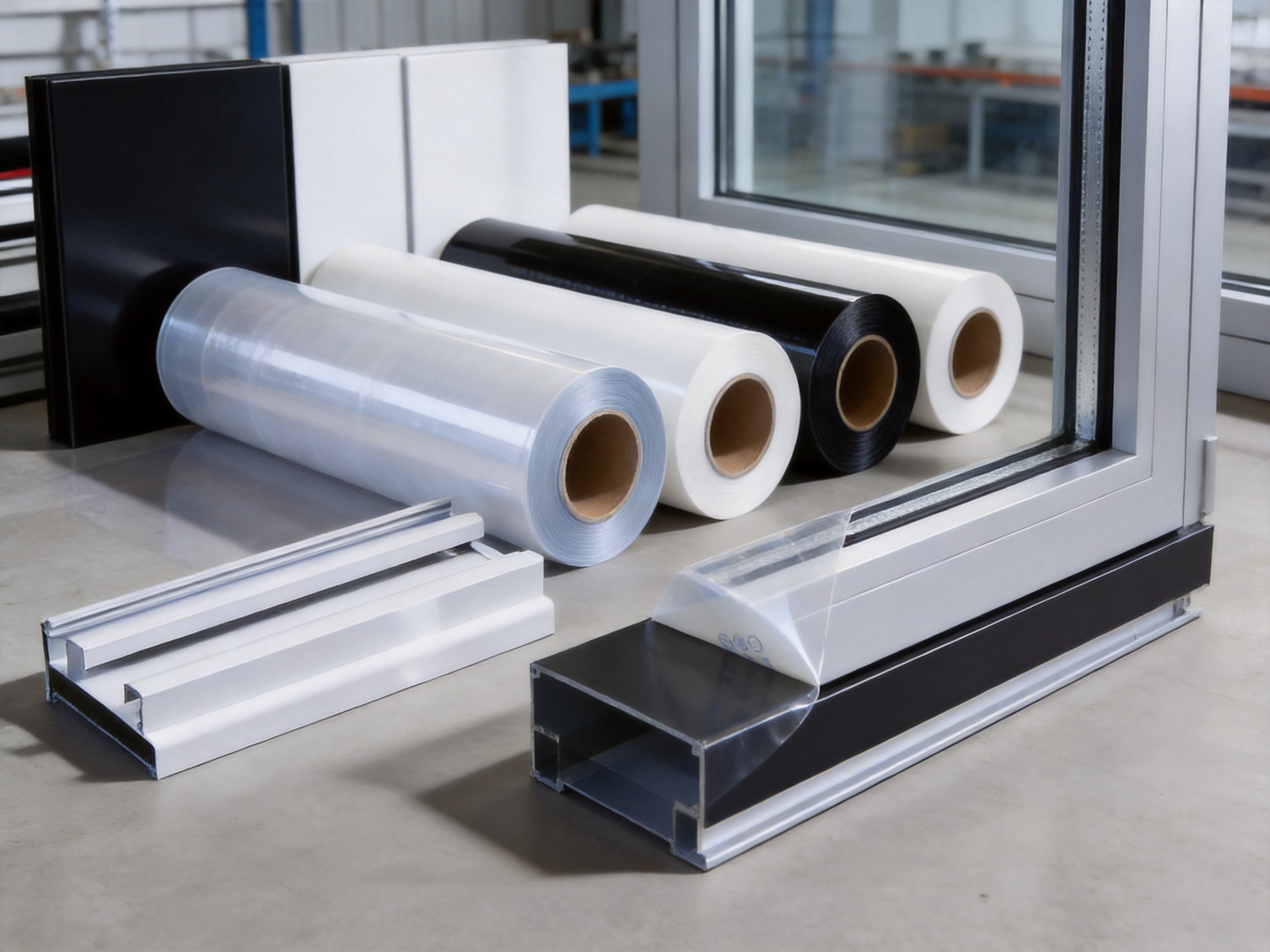
The film can be manufactured in black and white, black, white, or clear versions. Color selection can support product identification, process management, branding, and visual inspection. Clear or translucent film can allow operators to inspect the protected surface without removing the film, while colored film can provide a clear indication that a surface has been protected.
Customized printing is available in up to three colors. Manufacturers can print a company logo, product information, handling instructions, installation reminders, warnings, or other application guidance. Printing can also help prevent unauthorized substitution of materials and improve communication between production, packaging, logistics, and installation teams.
The product range includes thicknesses from 50 micrometers to 120 micrometers, widths from 18 millimeters to 1,500 millimeters, and roll lengths from 100 meters to 2,000 meters. The broad specification range enables the film to be matched to narrow aluminum strips, standard profiles, large decorative panels, and high-volume automated production lines.
| Item | Available specification or performance |
| Application | Aluminum profiles, aluminum windows and doors, coated aluminum plates |
| Film thickness | 50 micrometers to 120 micrometers |
| Film width | 18 millimeters to 1,500 millimeters |
| Roll length | 100 meters to 2,000 meters |
| Elongation | At least 300 percent, according to the listed specification |
| Adhesion level | High to very high, selected according to application |
| Adhesive options | Rubber adhesive or acrylic adhesive |
| Film colors | Black and white, black, white, or clear |
| Printing | Up to three colors |
| UV resistance | Approximately six to twelve months, depending on specification and exposure conditions |
| Removal | Designed for easy removal without adhesive residue under suitable conditions |
A protective film is useful only when it remains securely attached to the surface during the required protection period. If the film lifts at the edges, forms excessive wrinkles, or detaches during handling, the exposed area may be damaged. Stable adhesion helps maintain coverage while profiles and panels are moved through production, bundled for storage, loaded onto vehicles, or installed at a project site.
The adhesion level can be selected from high to very high according to the surface finish and application environment. Different aluminum surfaces require different adhesive behaviors. A smooth coated panel may need a different adhesion balance from an extruded profile with a textured or slightly uneven surface. The availability of rubber and acrylic adhesive options gives customers greater flexibility when selecting a specification.
Stable adhesion does not mean that the film should be permanently bonded. The objective is controlled temporary adhesion. The film should hold during normal use and then release in a manageable way when protection is no longer required. This balance is one of the most important performance factors separating a suitable surface protection film from a general-purpose plastic sheet.
Removal performance has a direct effect on production efficiency. If a film tears into small pieces, leaves adhesive behind, or requires excessive scraping, the cost of surface protection can increase significantly. The specially formulated adhesive used for this product is intended to support easy application and removal without leaving glue residue on the protected surface when the film is used within the recommended conditions.
Clean removal helps reduce labor during final inspection, installation, and handover. Workers can peel the film from the edge of a profile or panel and dispose of it without using aggressive solvents or time-consuming cleaning procedures. This is especially important for large architectural projects, where thousands of window frames, doors, or panels may need to be uncovered before completion.
Removal conditions still matter. The timing of removal, surface temperature, storage conditions, exposure to sunlight, and the compatibility of the adhesive with the substrate can influence results. Customers should evaluate the film on their exact aluminum finish and define a removal schedule for long-term or outdoor applications.
Aluminum products are frequently stored outdoors or transported through changing weather conditions. Rain, sunlight, heat, humidity, and temperature variation can affect a temporary protective material. The product is designed with good weatherability for outdoor exposure and UV resistance of up to six to twelve months, depending on the selected specification and actual exposure conditions.
UV resistance helps the film maintain its physical integrity and support clean removal during extended outdoor storage or installation. It is particularly useful for construction materials that may remain on site for several months before the building envelope is completed. The exact service period should be confirmed according to the film grade, local climate, surface temperature, and exposure intensity.
Outdoor exposure can vary considerably between regions. Strong sunlight, high temperatures, coastal humidity, industrial pollution, and repeated wet-dry cycles may place greater demands on a protective film than indoor storage. For this reason, customers should provide application information when requesting a quotation or sample. The manufacturer can then recommend a suitable adhesive, thickness, color, and exposure period.
Aluminum profiles are not always flat. They may include channels, grooves, corners, raised sections, rounded edges, or complex architectural shapes. A film with good flexibility and high elongation can conform more effectively to these profiles during application. The listed elongation is at least 300 percent, providing a substantial level of stretch for many profile protection requirements.
Flexibility can help reduce the risk of splitting when the film is applied around corners or shaped sections. It also supports smoother coverage on long profiles and helps the film accommodate minor movement during handling. However, excessive stretching during application should be avoided because it can create tension, shrinkage, wrinkles, or edge lifting after application.
For best results, the film should be applied to a clean, dry surface using consistent pressure. Operators should avoid trapping dust, moisture, or air beneath the film. On complex profiles, application tools or customized film widths may help achieve better coverage and reduce material waste.
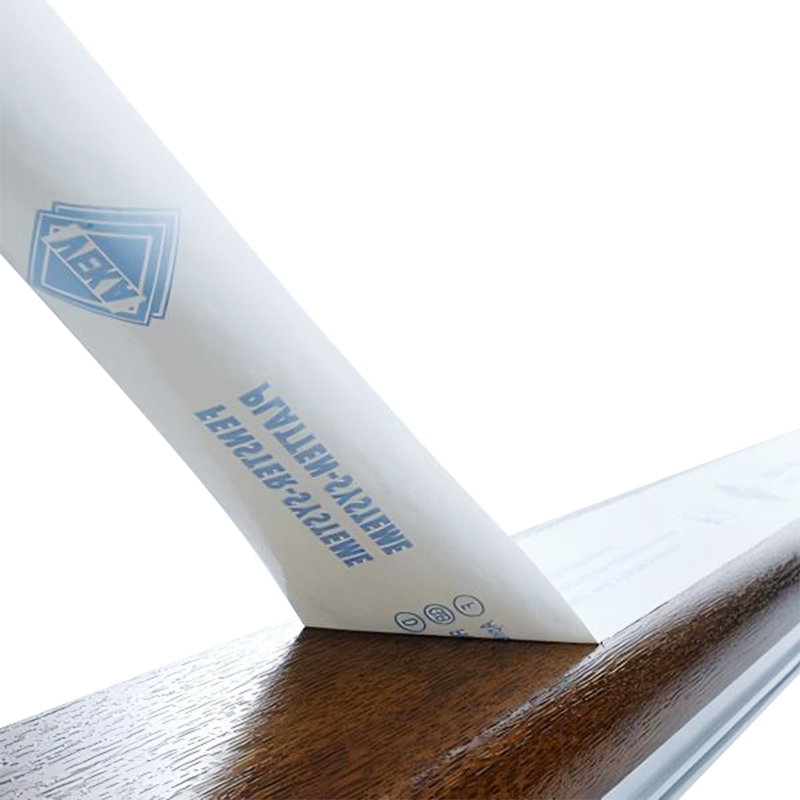
Printing provides more than a decorative function. A logo can identify the protected product and strengthen brand visibility during transportation and installation. Application instructions can remind workers to remove the film after a specific stage. Warnings can communicate handling requirements, storage limitations, or the correct direction of peeling.
Up to three colors can be printed according to the customer’s design. The print layout can be adjusted to suit the film width, repeat distance, roll direction, and packaging method. Customers may request a simple logo, a repeating message, a combination of logo and instructions, or a customized pattern for product recognition.
Printed film is particularly useful for manufacturers supplying multiple product lines. Different colors or messages can help distinguish indoor and outdoor grades, different adhesive levels, different surface finishes, or products intended for different project stages. This can reduce the risk of applying an unsuitable film during production.
Extruded aluminum profiles are used in curtain walls, partitions, railings, furniture, industrial frames, solar equipment, transportation systems, and many other applications. Their surfaces may be anodized, powder-coated, painted, polished, brushed, or otherwise treated. Protective film can be applied after extrusion and surface finishing to reduce damage during cutting, machining, assembly, packing, and delivery.
For long profiles, roll width and film flexibility are important. Narrow film can protect a specific visible face, while wider film can cover multiple surfaces or large flat sections. The film can be supplied in widths from 18 millimeters to 1,500 millimeters, allowing customers to select a format that corresponds to their profile dimensions and application equipment.
Protecting only the visible side may be sufficient for some applications, while other products require complete or multi-sided coverage. The correct approach depends on the profile design, the location of contact points, the packing method, and the expectations of the final customer. Technical consultation and trial application are recommended for profiles with deep grooves, sharp transitions, or unusual surface treatments.
Window and door frames can be damaged during cutting, corner assembly, hardware installation, glazing, stacking, delivery, and construction-site installation. Protective film helps preserve the frame surface while workers handle the product and fit it into the building structure.
The film can protect against scratches caused by tools, masonry dust, metal fasteners, packaging straps, and contact with other frames. It can also help reduce contamination from fingerprints, sealants, cement dust, and general construction debris. When printed with a removal instruction, the film can remind installers or project managers to remove it before final handover.
For doors and windows installed in buildings that are still undergoing interior or exterior work, temporary protection can be valuable for an extended period. A UV-resistant grade may be selected when the frames are exposed to sunlight before glazing, cladding, or final finishing work is complete. The expected construction schedule should be considered when selecting the protection period.
Coated aluminum plates are used in building façades, signage, interior decoration, vehicle bodies, equipment housings, and other visual applications. Their coating provides color and surface functionality, but it may be vulnerable to scratches during cutting, bending, forming, stacking, and transportation.
Protective film can cover the coated face and reduce contact with abrasive particles or adjacent sheets. Clear or translucent options allow the underlying color and finish to remain visible for inspection. Printed versions can identify the manufacturer, coating type, product direction, or processing instructions.
For coated plates, the adhesive must be compatible with the coating system. Different paint chemistries, gloss levels, textures, and curing conditions can influence adhesion and removal. A trial test should be conducted on the actual coated material, especially when the plate will be exposed to outdoor conditions or remain protected for a long period.
Protective Film For Aluminum Profile ;Aluminum Window & Door,Coated Aluminum Plate
Some users attempt to protect aluminum surfaces with ordinary polyethylene sheets, paper, loose packaging film, or general-purpose tape. These materials may provide basic separation but do not necessarily deliver the combination of adhesion, flexibility, weather resistance, clean removal, and customization required for professional surface protection.
A loose sheet may move during transportation and expose edges or corners. General packaging film may not adhere consistently to the surface and may require additional tape or straps. Paper can absorb moisture, tear, release fibers, or become difficult to remove after exposure. General-purpose adhesive tape may leave residue or be too aggressive for a coated finish.
A purpose-designed protective film is engineered as a complete system. The backing film provides mechanical coverage and flexibility, while the adhesive layer provides controlled contact with the surface. Film thickness, adhesive formulation, printing, color, roll dimensions, and UV performance can be specified together rather than assembled from unrelated materials.
Compared with low-grade alternatives, a well-manufactured protective film can provide more consistent roll quality, more predictable adhesion, better edge performance, and improved removal behavior. Consistency is especially important for automated or high-volume production, where small variations can cause repeated stoppages or defects across many units.
The product also offers a wider range of customization than a standard stock film. Customers can select rubber or acrylic adhesive, specify thickness from 50 to 120 micrometers, request widths suitable for their profiles or panels, choose a film color, and add up to three colors of printing. This makes it possible to optimize the material for both performance and operating cost.
Rubber adhesive systems are often selected when strong initial tack and reliable contact are important. They can be suitable for applications where the film must grip the surface quickly during manual application or where the substrate has a particular texture. The exact formulation should be matched to the aluminum finish, protection period, and environmental conditions.
Rubber adhesive performance may vary according to temperature, sunlight, and long-term exposure. For this reason, the adhesive grade should be selected based on the customer’s actual use conditions rather than only on nominal adhesion. A test sample can help confirm whether the film applies smoothly, remains stable, and removes cleanly after the planned storage or processing period.
Acrylic adhesive systems are available for customers seeking a different balance of adhesion, aging performance, and clean removal. Acrylic options may be selected for particular coated surfaces or for applications requiring stable behavior during longer protection periods. The product range includes acrylic water adhesive and acrylic solvent adhesive capabilities within the manufacturer’s broader production offering.
The choice between acrylic and rubber adhesive should consider the substrate, coating, surface energy, application temperature, exposure duration, storage environment, and removal schedule. A film that performs well on one aluminum coating may not be the best choice for another. Product selection based on technical data and practical testing is therefore an important part of the purchasing process.
Compatibility testing should be performed before full-scale production, particularly for newly developed coatings, unusual surface textures, recycled substrates, or long outdoor exposure. A typical test may include application to representative panels, observation of adhesion over time, exposure to temperature and sunlight, and removal after the intended protection period.
The test should examine whether the film lifts, wrinkles, shrinks, bubbles, transfers adhesive, changes the surface gloss, or affects the coating. It should also evaluate the ease of application by the actual operators who will use the product. This practical approach helps identify problems that may not be visible in a short laboratory check.
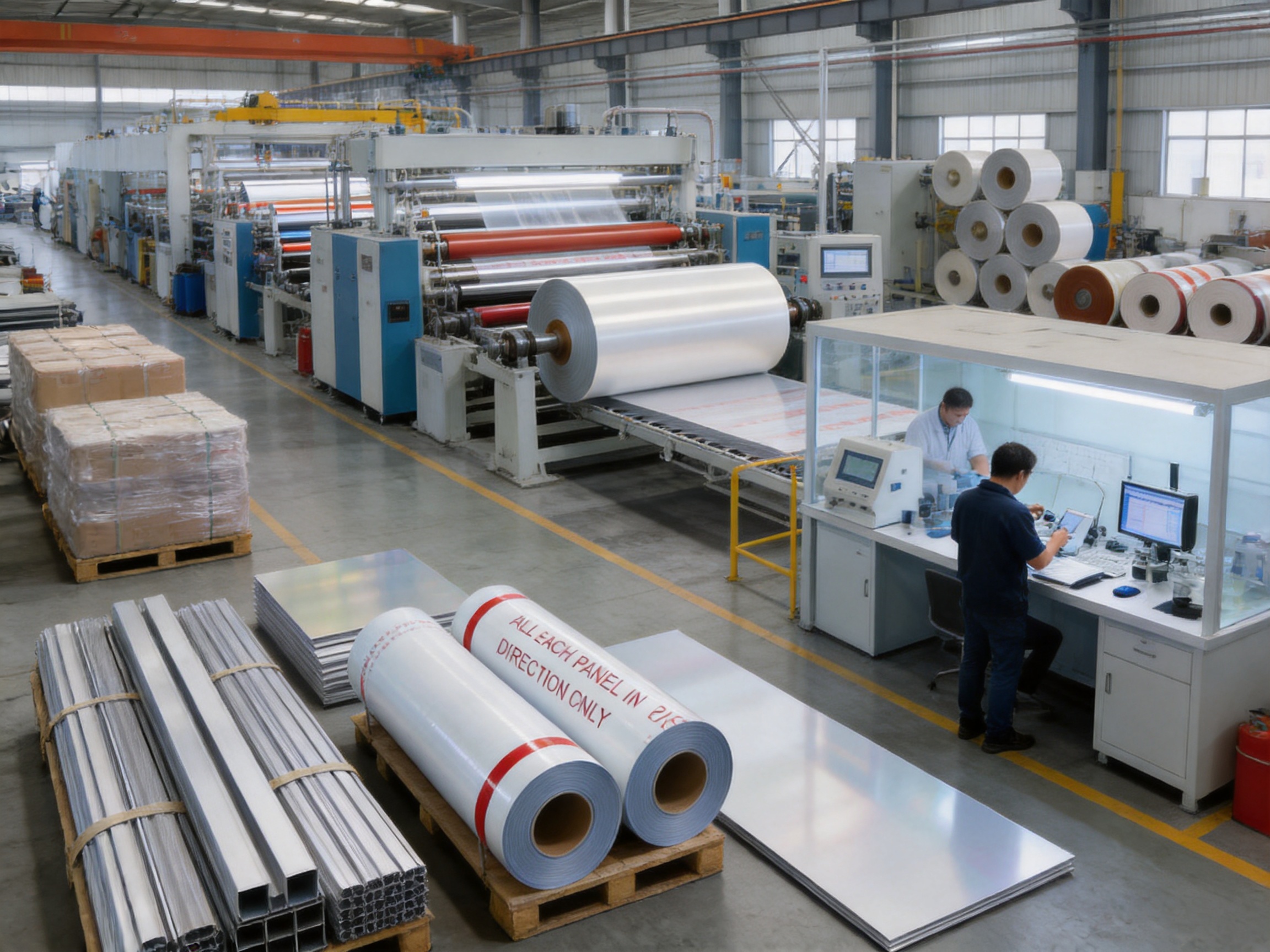
The performance of protective film depends on more than the adhesive formula. Backing film quality, coating uniformity, printing accuracy, rewinding tension, slitting precision, packaging, and storage all influence the final product. Wuxi Qida Tape Co., Ltd. completes key production stages in its own factory, including backing film production, adhesive coating, logo printing, rewinding, slitting, and packaging.
The backing film provides the main mechanical barrier between the aluminum surface and external contact. During production, control of thickness, clarity, tensile behavior, elongation, and surface condition is important. A uniform backing supports consistent application and helps the film conform to profiles and panels without unexpected weak areas.
The available thickness range of 50 to 120 micrometers allows the film to be adapted to different protection demands. A thinner film may be appropriate for light handling or narrow profile faces, while a thicker grade may be preferred where the product will face more substantial contact, stacking, or transportation stress.
Film production must also maintain a suitable surface for adhesive coating. Contamination, uneven treatment, or irregular web tension can affect coating uniformity and final adhesion. Advanced production equipment and in-process inspection help reduce these risks and support stable roll-to-roll performance.
Adhesive coating is one of the most critical stages in the manufacturing process. The adhesive must be applied evenly across the film width at a controlled coating weight. Variations may result in areas that adhere too weakly, areas that are difficult to remove, or inconsistent behavior between the beginning and end of a roll.
Production control includes monitoring coating conditions, drying or curing requirements, web tension, line speed, and adhesive viscosity. The selected process depends on whether the product uses rubber adhesive, acrylic water adhesive, or acrylic solvent adhesive. Careful control helps the finished film achieve a stable balance between tack, peel adhesion, holding performance, and removability.
In-house coating capability gives the manufacturer greater control over customization. Instead of relying entirely on standard adhesive products, the production and technical teams can adjust specifications to meet customer requirements based on samples, technical data sheets, surface conditions, and protection periods.
Printed protective film must maintain clear, repeatable images and legible instructions across the roll. Printing control includes ink selection, color consistency, registration, drying, and resistance to handling. The printing process should not compromise the backing film or adhesive performance.
Customers can provide artwork, logos, text, symbols, or application instructions for review. The production team can then confirm the printable area, repeat length, number of colors, and suitability of the design for the selected film width. Accurate printing supports product identification while maintaining a professional appearance during delivery and installation.
Rewinding converts the coated and printed master roll into usable rolls with controlled tension and smooth edges. Correct winding helps prevent telescoping, blocking, wrinkles, and uneven roll formation. It also improves the operator’s ability to unwind and apply the film without sudden tension changes.
Slitting is used to produce the required widths, from narrow strips to wide sheets. Precise slitting is important for aluminum profiles with fixed face dimensions and for automated application equipment. Clean edges reduce the chance of edge splitting and make it easier to align the film during application.
Packaging protects the finished rolls from moisture, dust, impact, and deformation before they reach the customer. Roll identification should include relevant information such as product type, size, adhesive grade, batch information, and quantity. Clear identification supports traceability and reduces the chance of using the wrong grade in production.
Packaging can be adapted to export requirements, warehouse handling, and customer preferences. The company serves customers in China and exports to Europe, North America, Australia, the Middle East, Japan, and other regions. Experience with international shipments helps support practical arrangements for different destinations and logistics conditions.
Wuxi Qida Tape Co., Ltd. is a factory specializing in the development, production, and marketing of protective films and surface protection solutions. Founded in 1999, the company has a factory area of approximately 20,000 square meters, more than 95 experienced staff members, and an annual production capacity of over 12,000 tons.
The company has introduced advanced machines from Germany and operates under ISO 9001 and ISO 14001 management systems. ISO 9001 supports structured quality management, while ISO 14001 reflects attention to environmental management. These systems help organize production procedures, documentation, process monitoring, corrective actions, and continual improvement.
Experienced technicians and engineers support product development and application analysis. The company works with research and development institutes to introduce innovative protective film products and improve existing solutions. This technical orientation is valuable when a customer needs more than a standard roll size or a general-purpose adhesive.
Qida Tape maintains a testing laboratory and advanced inspection equipment for product evaluation. Testing can support the review of film thickness, adhesion, tensile behavior, elongation, appearance, printing, roll quality, and removal performance. Systematic inspection helps identify variations before products are shipped to customers.
The company’s production processes are completed in its own factory. This includes backing film production, adhesive coating, logo printing, rewinding, slitting, and packaging. Controlling these stages internally can improve communication between departments, shorten response time for customized orders, and provide better traceability from raw materials to finished rolls.
Qida Tape offers acrylic water adhesive, acrylic solvent adhesive, and natural rubber adhesive options for different industry requirements. Its wider product portfolio covers protective solutions for stainless steel, aluminum, pre-coated metal, plastic panels, ceramic, carpets, decorative laminates, glass, and other surfaces. This cross-industry experience contributes to a broader understanding of surface compatibility and temporary protection challenges.
The company’s compliance and testing portfolio includes ISO9001, ISO14001, SGS, RoHS, REACH, PFAS, and Prop 65 testing. Customers should confirm the specific certification or test documentation applicable to the exact product grade and destination market. The availability of compliance support can be important for international projects and customers with formal material approval procedures.
Aluminum manufacturers do not all use the same production methods or work under the same conditions. A profile manufacturer supplying standard construction products may require a different film from a producer of high-gloss decorative panels. A customer shipping locally may have different requirements from an exporter whose products spend weeks in transit and storage.
Customization can begin with the substrate. Customers may provide information about anodized aluminum, powder-coated aluminum, painted aluminum, brushed finishes, polished surfaces, or other treatments. The technical team can use this information to recommend an appropriate adhesive level and film construction.
Customization can also address the protection period. Some applications require protection for only a few days during internal processing. Others require several months of storage, transportation, or construction-site exposure. UV resistance, adhesive selection, film thickness, and packaging can be considered together to create a more suitable specification.
Film dimensions should correspond to the product and the application method. Narrow rolls can be used for individual profile faces or narrow decorative strips. Wider rolls can protect panels and large flat sections. Roll length can be selected according to the customer’s production speed, storage space, and equipment capacity.
Printed content can be customized for different markets and languages. The customer may request a logo, instructions such as “Remove Before Installation,” warnings about outdoor exposure, or a message identifying the protected side. The available printing capacity of up to three colors provides flexibility while retaining a practical production format.
Qida Tape can develop products according to customer technical data sheets or samples. This is useful when a customer is replacing an existing film, solving a removal problem, reducing material cost, or seeking improved performance on a new coating. Sample evaluation allows the technical teams to compare actual application results before a larger order is released.
The aluminum surface should be clean, dry, and free from loose dust, oil, moisture, and processing contaminants before application. If the surface has recently been coated or treated, it should be sufficiently cured according to the coating supplier’s instructions. Applying film to an unstable or contaminated surface can reduce adhesion and increase the possibility of residue or edge lifting.
The film should be aligned carefully before full contact is made. For long profiles or large panels, application may begin from one end while the film is gradually pressed onto the surface. A soft applicator, roller, or suitable laminating device can help create even pressure and reduce trapped air.
Operators should avoid excessive stretching. The film needs enough tension to remain smooth, but too much tension can cause shrinkage or lifting later. Corners and edges should receive particular attention because they are common points of contact and potential failure. If the profile has deep grooves or sharp transitions, the selected film should be evaluated in advance.
Finished rolls should be stored in a clean, dry environment away from direct sunlight, excessive heat, and sharp objects. Rolls should remain in their original packaging until needed. Heavy pressure, impact, or improper stacking may deform the roll and affect unwinding performance.
During handling, workers should avoid dragging protected profiles across rough surfaces. Protective film reduces the risk of damage but does not make the product immune to severe abrasion, impact, or improper storage. Good handling procedures should be used together with the film.
The film should be removed according to the agreed protection schedule. Removal is generally easiest when the film is peeled from a corner or edge at a controlled angle and speed. If the product has been exposed to strong sunlight or unusual temperatures, a small test area should be checked before full removal.
After removal, the surface should be inspected for scratches, coating defects, dust, or other issues. Any remaining packaging materials should be collected and managed in accordance with the customer’s waste-handling procedures and local regulations.
Surface protection can improve efficiency by reducing interruptions caused by accidental damage. When an aluminum profile is scratched during assembly, the production team may need to stop, investigate the cause, replace the part, or perform corrective finishing. If the damage is discovered after shipment, the cost may include return logistics, project delay, replacement production, and customer dissatisfaction.
Protective film provides a visible and practical layer of control. Operators can see whether the film is intact and whether a product has passed through the required protection stages. Printed instructions can standardize handling between departments and help prevent premature removal.
Film also helps organize responsibility. When a product remains covered during transportation and installation, the surface is less exposed to casual contact. The installation team can remove the film at the planned stage, after nearby construction work has been completed. This approach can reduce the need for repeated cleaning and repair before final handover.
For high-volume manufacturers, consistent film dimensions and roll quality can support faster application. Film widths that match the product reduce trimming, while appropriate roll lengths reduce changeovers. A suitable adhesive reduces the need for additional fastening materials or temporary tape.
The economic benefit is not limited to material cost. A slightly higher-quality protective film may offer better total value if it reduces rework, improves delivery reliability, lowers labor requirements, and prevents complaints about surface appearance. Customers should evaluate the complete protection cost rather than comparing only the price per roll.
Surface damage can result in rejected products, replacement components, additional coating, extra transport, and wasted raw materials. By helping prevent damage, protective film can contribute indirectly to more efficient use of aluminum, coatings, energy, and labor. Avoiding rework is an important part of reducing the environmental impact of manufacturing and construction.
Wuxi Qida Tape Co., Ltd. operates with an ISO 14001 environmental management system. Environmental management may include control of production processes, resource use, waste handling, and continuous improvement. Customers seeking environmental documentation should request information relevant to the product grade and project requirements.
Protective film itself should be managed responsibly after removal. Because the film is a temporary material, customers should plan collection, sorting, storage, and disposal or recycling according to local facilities and regulations. The practical approach depends on the backing film, adhesive type, contamination level, and available waste-processing systems.
Sustainability should be assessed across the entire application. A film that reduces product rejection and transportation damage may provide meaningful benefits even though it becomes a waste stream after use. At the same time, material consumption should be controlled through correct width selection, efficient application, and removal at the appropriate time.
Quality assurance begins with clear technical communication. Before production, the customer and supplier should confirm the protected surface, film color, thickness, width, roll length, adhesive type, adhesion level, printing design, UV exposure, and expected removal time. A written specification helps ensure that both sides evaluate the same requirements.
Batch management and inspection records can support traceability. If a customer identifies an issue, information about the roll, batch, production date, and application conditions can help the technical team investigate efficiently. This is particularly important for large projects where material may be applied over an extended period.
Qida Tape serves customers in around 90 export areas and has experience supplying markets in Europe, North America, Australia, the Middle East, Japan, and other regions. International supply requires attention to packaging, documentation, production scheduling, transit time, and destination requirements. The company’s export experience supports communication with distributors, fabricators, construction suppliers, and original equipment manufacturers.
OEM and ODM services allow customers to purchase film under their own brand or develop a customized product for a specific application. Custom printing and technical development can help distributors differentiate their offering and help manufacturers standardize protection across multiple production sites.
When selecting protective film for aluminum products, buyers should first identify the surface finish. Anodized, powder-coated, painted, brushed, polished, and textured surfaces may require different adhesive behaviors. The film should be tested on the actual finish rather than selected only by appearance or nominal thickness.
The next consideration is the expected protection period. Short internal handling may require a different specification from long-term outdoor exposure. If the film will be exposed to sunlight, the customer should request a UV-resistant grade and provide the expected duration and climate conditions.
Application method is also important. Manual application may benefit from a forgiving film with good flexibility and easy alignment. Automated application may require precise width, controlled unwind behavior, consistent thickness, and stable roll formation. The film should be compatible with the customer’s application equipment.
Buyers should also determine whether the film must cover one face, several faces, or the entire product. This affects width, roll length, application speed, and material consumption. For complex aluminum profiles, customers should provide drawings, photographs, samples, or dimensional information whenever possible.
Finally, buyers should define printing and packaging requirements. A printed logo or instruction may support brand recognition and installation control. Packaging should protect the rolls during storage and shipment and provide enough identification for warehouse management.
The film is designed primarily for aluminum profiles, aluminum window and door frames, and coated aluminum plates. It can also be evaluated for other compatible metal or decorative surfaces after testing. The correct grade depends on the surface finish, adhesive compatibility, protection period, and environmental conditions.
Available film thicknesses range from 50 micrometers to 120 micrometers. The appropriate thickness depends on the expected level of handling, abrasion, transportation, and installation risk. Customers can discuss their application with the manufacturer to select a suitable grade.
Yes. Widths are available from 18 millimeters to 1,500 millimeters. Narrow rolls can protect selected faces or strips on aluminum profiles, while wider rolls can be used for large plates and panels.
Yes. Customized printing is available in up to three colors. Customers can request logos, handling information, application instructions, removal reminders, or other suitable content.
The adhesive is specially formulated for easy application and removal without leaving residue under suitable conditions. Actual performance depends on the surface coating, application temperature, exposure time, UV exposure, storage conditions, and removal procedure. Testing on the customer’s material is recommended before bulk production.
The product offers good weatherability and UV resistance of up to approximately six to twelve months, depending on the grade and exposure conditions. Customers should provide details about sunlight intensity, climate, expected protection period, and storage or installation conditions before selecting a specification.
Neither adhesive is universally correct for every application. Rubber or acrylic adhesive should be selected according to surface finish, required adhesion, exposure time, temperature, and removal expectations. Qida Tape offers technical support and sample evaluation to help customers compare suitable options.
It can be evaluated for complex profiles, including products with grooves, corners, and shaped sections. The film offers high flexibility and listed elongation of at least 300 percent. Proper application technique and compatibility testing are especially important for unusual shapes or sharp transitions.
The company completes backing film production, adhesive coating, logo printing, rewinding, slitting, and packaging in its own factory. This integrated capability supports quality control, customization, production coordination, and traceability.
Yes. The company provides customized solutions based on customer technical data sheets or samples. OEM and ODM support can include film dimensions, adhesive selection, printing, packaging, and product development for specific aluminum applications.
Wuxi Qida Tape Co., Ltd. is certified under ISO 9001 and ISO 14001 management systems. Its stated product compliance and testing support include SGS, RoHS, REACH, PFAS, and Prop 65 testing. Customers should request documentation for the exact product and destination market.
Customers should provide information about the aluminum surface, coating type, product dimensions, application method, protection period, indoor or outdoor exposure, required film color, printing, and expected order quantity. A sample trial on the actual surface can then be arranged to evaluate application, adhesion, aging, and removal.
Choosing an integrated manufacturer can simplify purchasing and technical management. Instead of coordinating separate suppliers for backing film, adhesive coating, printing, slitting, and packaging, customers can work with one production partner. This can improve communication and reduce the possibility of inconsistent specifications between production stages.
In-house manufacturing also supports faster response to technical changes. If a customer needs a different width, adhesive level, printed pattern, or roll length, the factory can review the request through its own production and engineering teams. This is especially beneficial for OEM customers and manufacturers developing new aluminum products.
A strong supplier should provide more than a product catalog. It should help customers understand the relationship between surface energy, coating type, adhesion, UV exposure, application technique, and removal timing. Qida Tape’s engineers and technicians work with customer samples and technical data to help select or develop a suitable protective solution.
Reliable quality control is another important advantage. Consistent coating, accurate slitting, smooth rewinding, and secure packaging help reduce production interruptions. For international buyers, documented management systems, testing support, export experience, and responsive communication can add value throughout the purchasing process.
Protective film for aluminum profiles, aluminum windows and doors, and coated aluminum plates is an important production and logistics tool. It helps shield visible surfaces from scratches, dust, moisture, fingerprints, abrasion, and other forms of damage during processing, transportation, storage, and installation.
The product described in this article combines flexible backing film, stable pressure-sensitive adhesion, clean removal performance, weatherability, UV resistance, and customization options. Available thicknesses from 50 to 120 micrometers, widths from 18 to 1,500 millimeters, roll lengths from 100 to 2,000 meters, rubber or acrylic adhesive options, multiple colors, and up to three-color printing allow the film to be adapted to many aluminum applications.
Its advantages over basic protective materials include more controlled adhesion, better suitability for long profiles and coated panels, improved application convenience, clearer product identification, and the ability to match film performance to actual production conditions. When selected and applied correctly, it can help reduce rework, improve production efficiency, lower handling costs, and protect the appearance and value of aluminum products.
Wuxi Qida Tape Co., Ltd. supports these product advantages through integrated manufacturing, advanced equipment, in-house adhesive coating and converting, laboratory testing, experienced technical personnel, OEM and ODM capability, and ISO 9001 and ISO 14001 management systems. With production experience dating back to 1999 and an annual capacity of more than 12,000 tons, the company is positioned to supply both standard and customized protective film solutions.
For a successful project, buyers should provide detailed information about the substrate, coating, application method, exposure environment, protection period, dimensions, printing, and removal requirements. A sample test on the actual aluminum product remains the best way to confirm compatibility and performance before a full production order.
1. Wuxi Qida Tape Co., Ltd. Product Information: Protective Film for Aluminum Profile, Aluminum Window and Door, and Coated Aluminum Plate.
2. Wuxi Qida Tape Co., Ltd. Technical Information: Protective Film Thickness, Width, Roll Length, Adhesive Options, Printing, and UV Resistance.
3. Wuxi Qida Tape Co., Ltd. Company Profile: Manufacturing Equipment, Production Capacity, Research and Development, and Export Markets.
4. ISO 9001 Quality Management Systems: General Principles and Requirements.
5. ISO 14001 Environmental Management Systems: Requirements with Guidance for Use.
6. General Principles of Pressure-Sensitive Adhesive Film Application and Removal.
7. General Practices for Testing Coated Metal Surfaces for Adhesive Compatibility and Temporary Protection.
8. General Considerations for Packaging, Handling, Storage, and Transportation of Finished Aluminum Products.
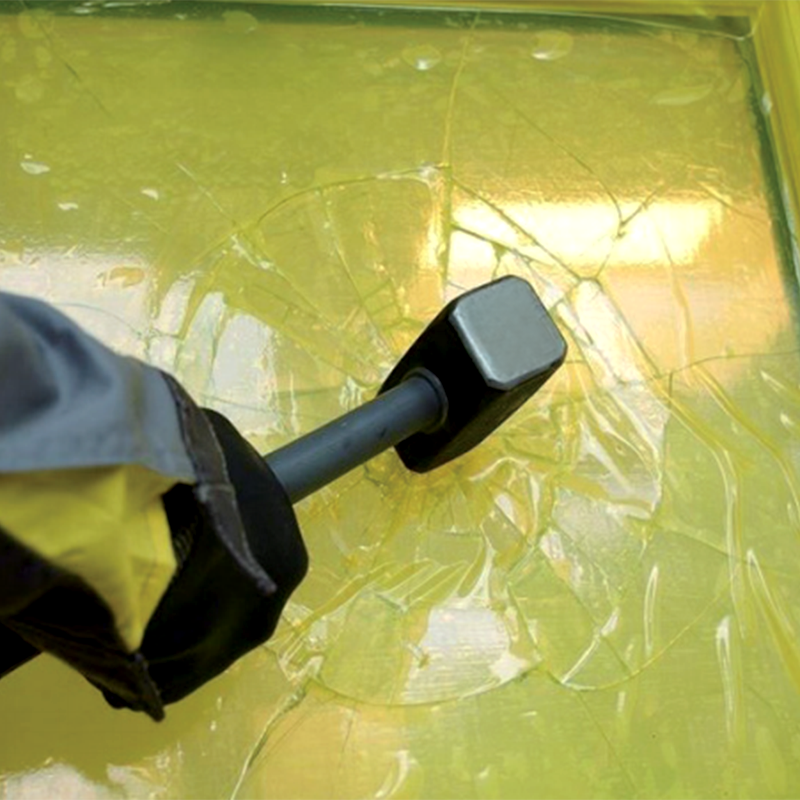
● The super tough polyethylene film with super high adhesion can stop the glass splitting and falling off during window glass demolition process;● Non...
See Details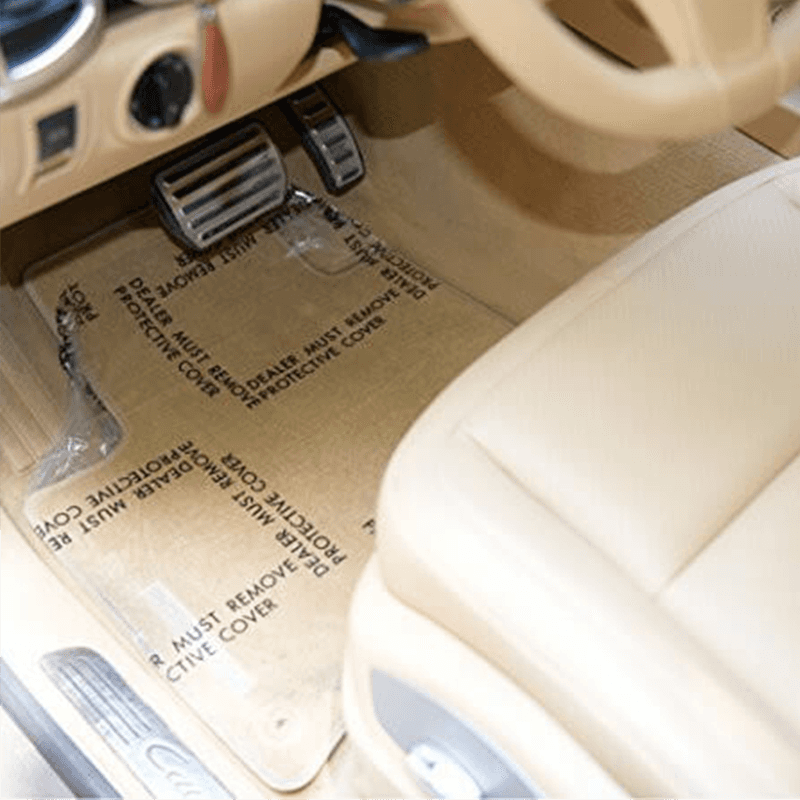
● Distance of each perforation die-cut ranges from 100mm to 1200mm;● Can peel off each die-cut piece of protective film at the perforated line easily;...
See Details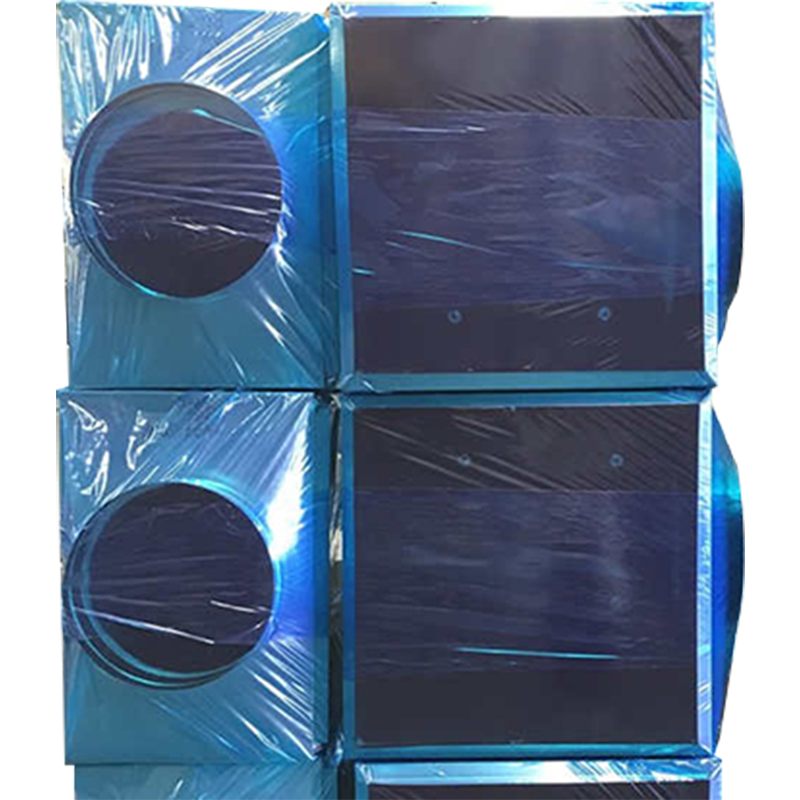
● The super-tough polyethylene film resists puncture and penetration by liquid and dirt during storage, transportation, and installation of the ductwo...
See Details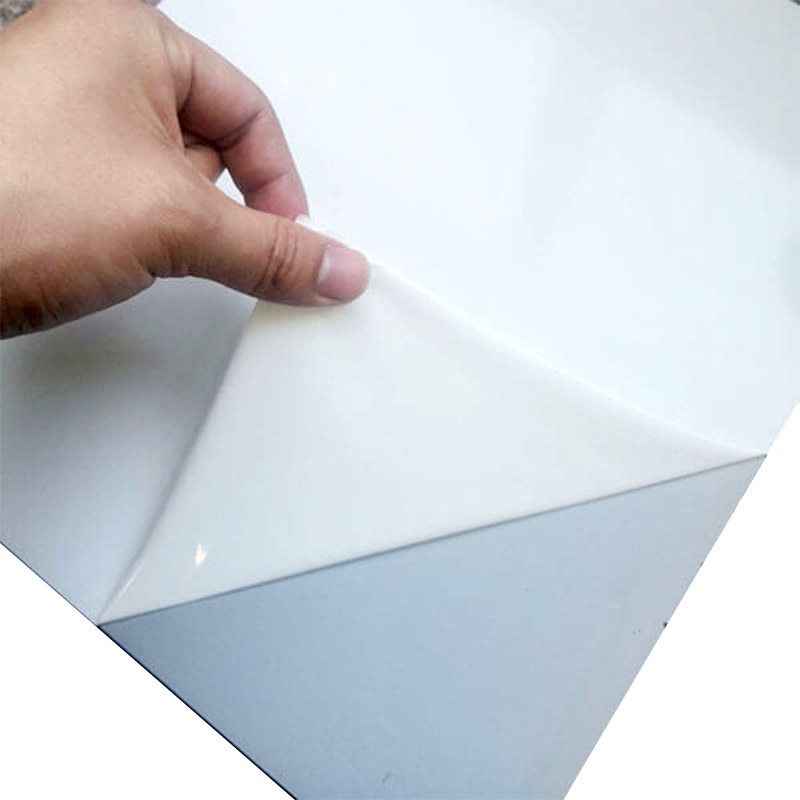
● The super tough polyethylene film with super high adhesion can stop parts of the glass or mirror from splintering away and injuring people when it i...
See Details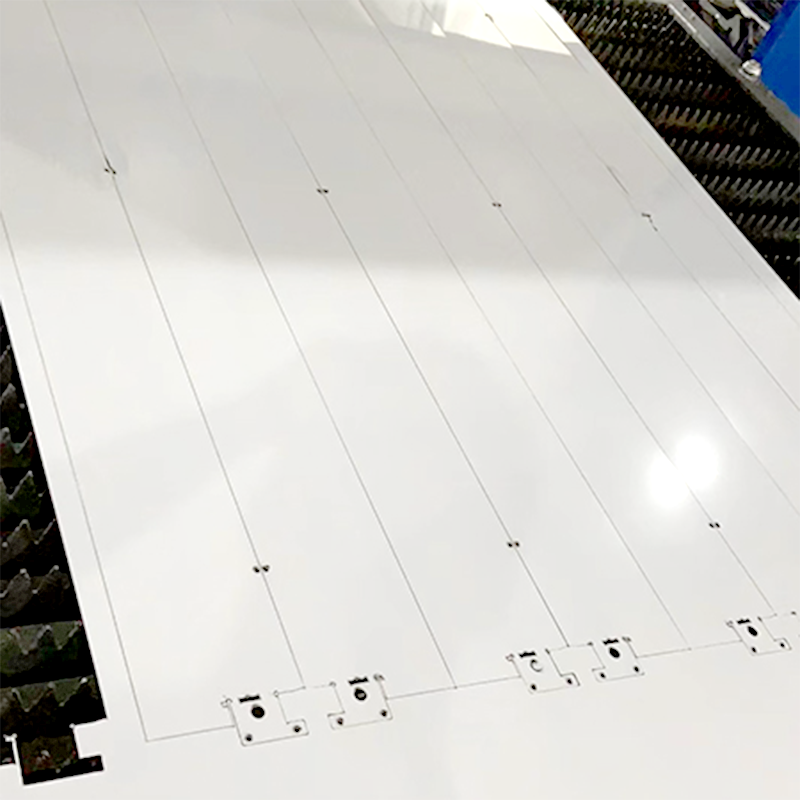
● The specially formulated natural rubber adhesive suitable for both CO2 and Fiber laser cutting processes;● High cutting quality without burr or trac...
See Details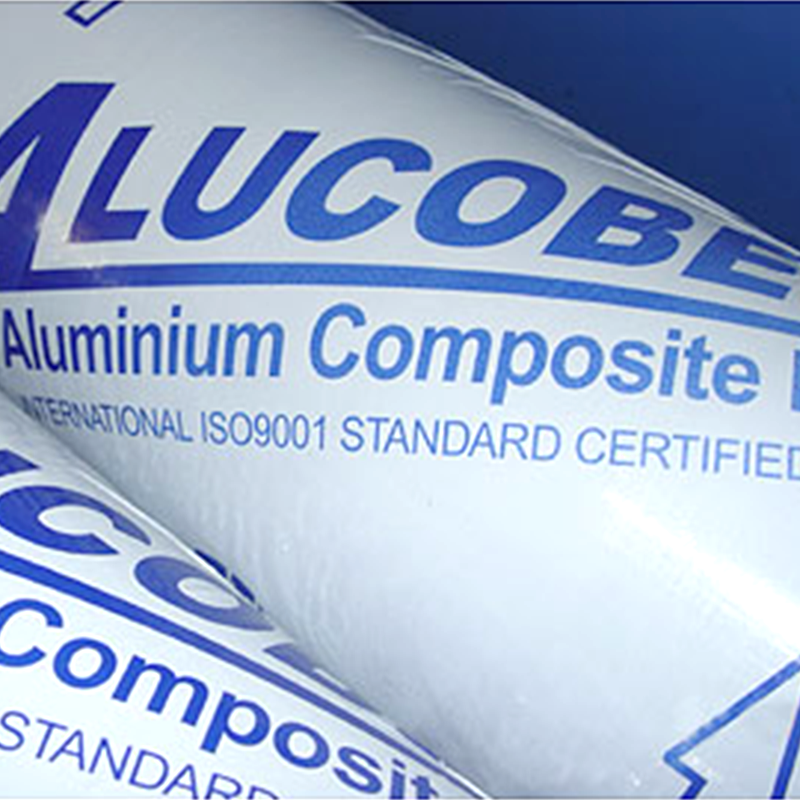
● The specially formulated adhesive ensures easy application and removal without leaving residue glue; ● The super-tough polyethylene film protects ag...
See Details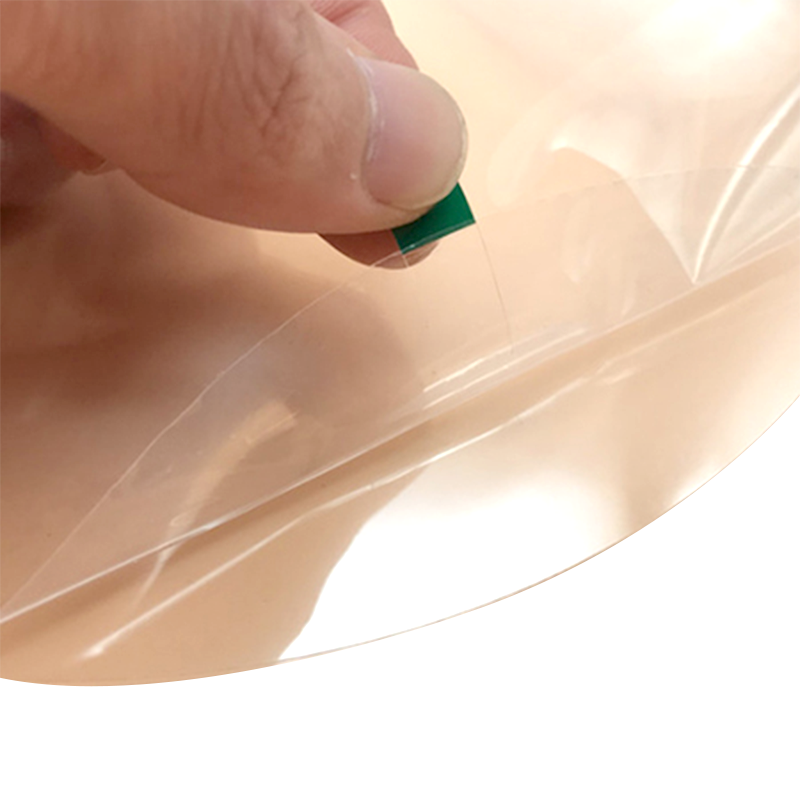
● Suitable for plastic sheets’ drilling, cutting, routing, thermoforming, bending, or post-fabrication operations;● No “ghost shadow” or “fish eye” af...
See Details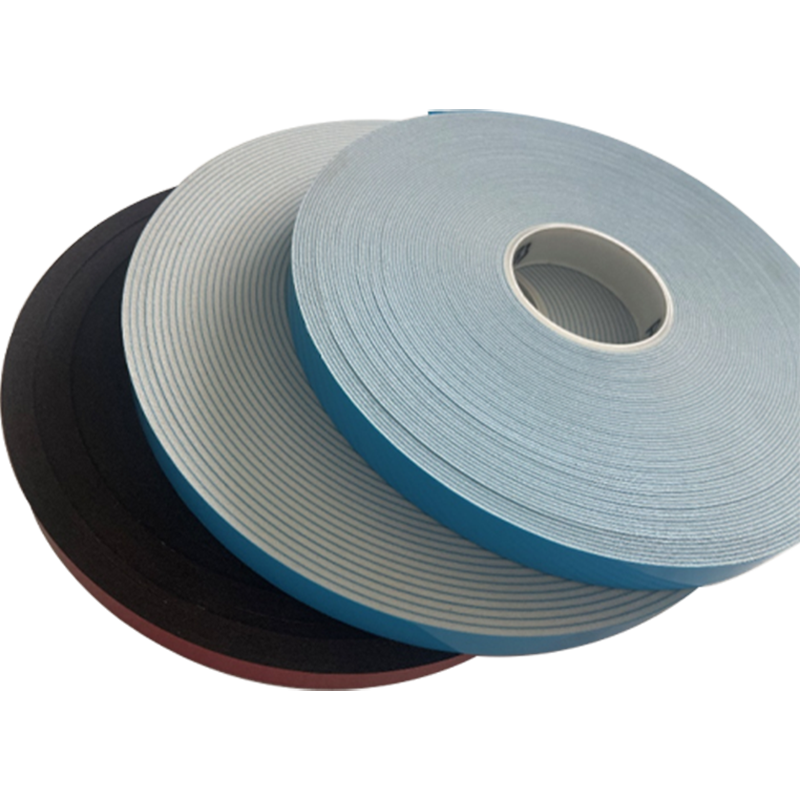
● Waterproof - the desirable material for waterproofing. ● Dust-proof - positive performance of dust prevention.● Low resilience - prevent the deforma...
See Details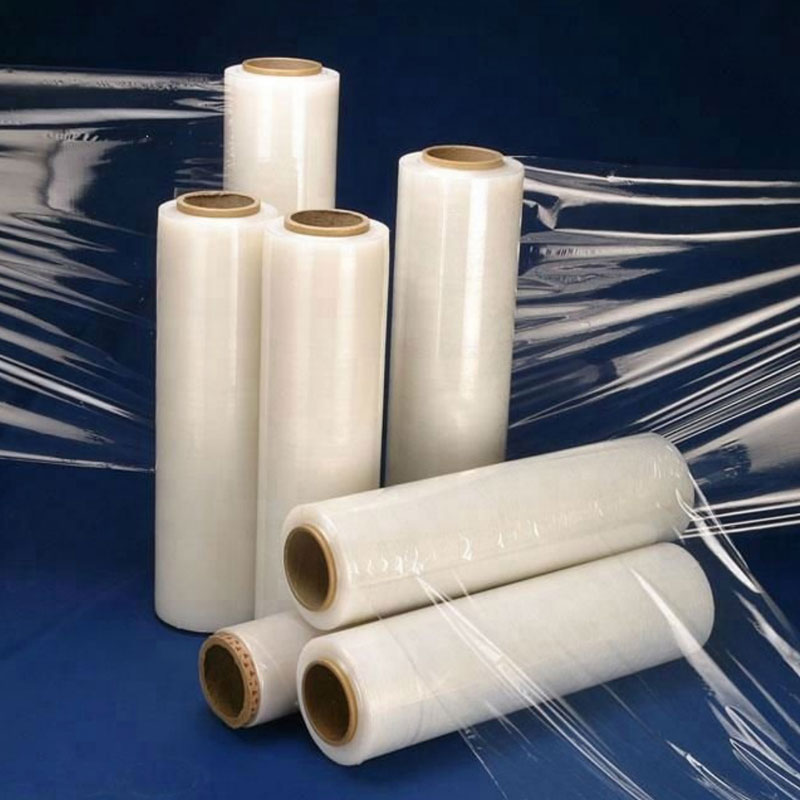
● Small roll size for convenient manual application;● Excellent puncture and tear resistance ; ● A self-adhering-each layer of film bonds to the next ...
See Details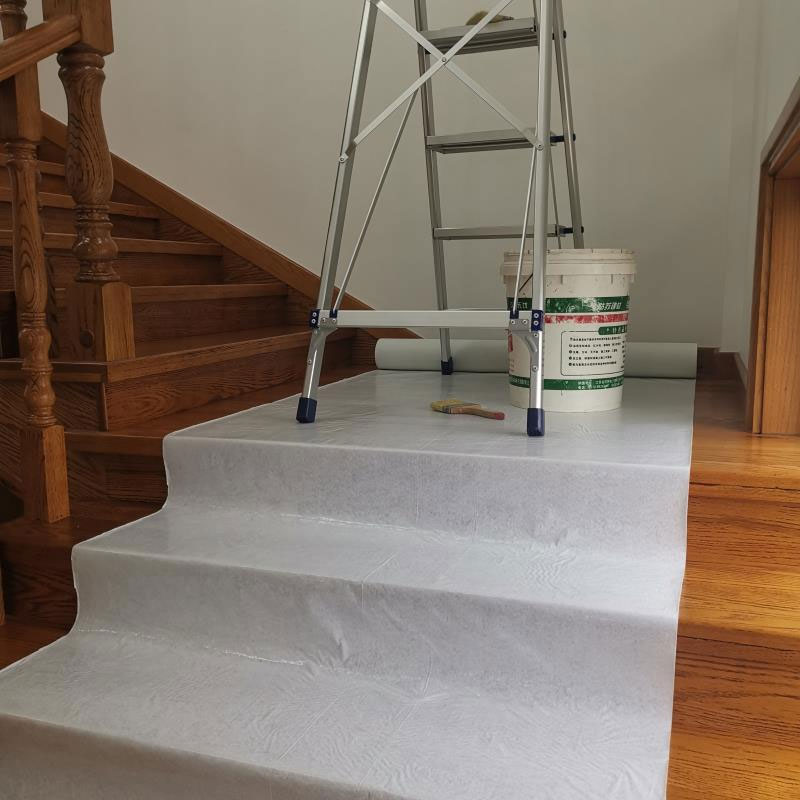
This product has non-woven synthetic fleece in middle; Breathable PE film adhered onto top of the non-woven fabric, which is coated with self adhesive...
See DetailsWe’re a reliable partner that shapes our expertise into success for your project.

Copyright 2024 Wuxi Qida Tape Co., Ltd. All Rights Reserved
 Wholesale Protective Film/Foil Manufacturers
Privacy
Wholesale Protective Film/Foil Manufacturers
Privacy