

 English
 English
 русский
 Français
 Español
 Português
 عربى
عربى
Cat:Glue -coated Protective Film
● Good weatherability for outdoor exposure; ● Stable adhesion level; ● UV resistance for up to 12 months; ● Can print customized logo or application i...
See Details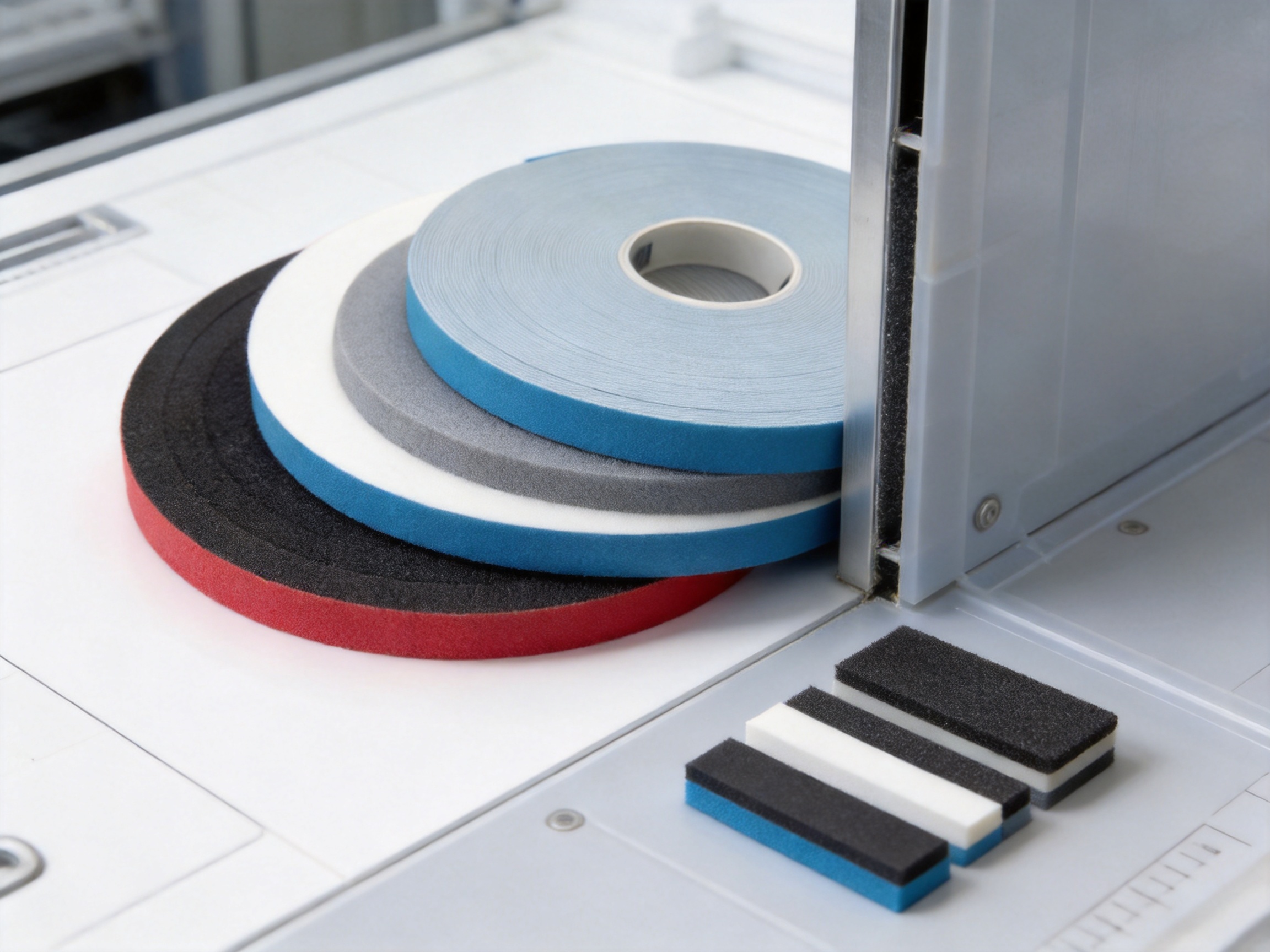
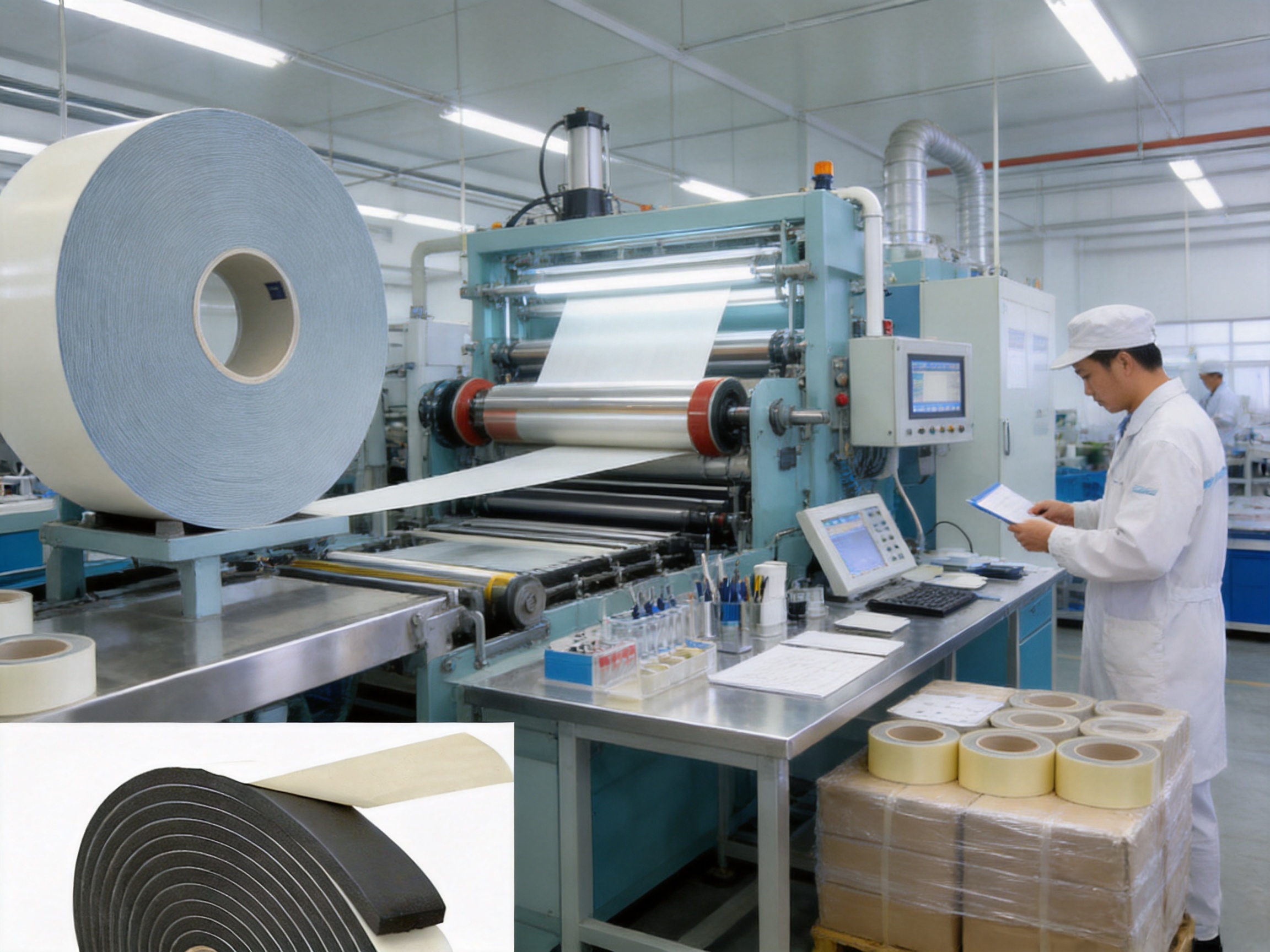
Double-sided foam tape is a versatile bonding material designed to join two surfaces while providing sealing, cushioning, vibration control, and gap compensation. Unlike conventional single-sided tape, it carries adhesive on both sides of a flexible foam substrate. This construction allows the tape to replace certain mechanical fasteners, simplify assembly, improve appearance, and create a more evenly distributed bond across a wide range of materials.
Modern manufacturing, packaging, electronics, automotive production, construction, furniture assembly, signage, and appliance manufacturing all require reliable bonding solutions. In these industries, adhesive performance must be balanced with ease of application, dimensional stability, weather resistance, shock absorption, and clean removal or long-term durability. Double-sided foam tape can satisfy these requirements when the substrate, adhesive system, thickness, liner, and converting process are correctly selected.
Qida Tape, manufactured by Wuxi Qida Tape Co., Ltd., is developed for customers seeking customizable foam tape solutions and dependable production capacity. The product range includes foam tapes based on IXPE and PVC substrates, with acrylic solvent or silicone adhesive options, multiple foam colors, several liner colors, and thicknesses suitable for different bonding and sealing requirements. The manufacturer’s experience in adhesive coating, rewinding, slitting, printing, inspection, and packaging supports both standard orders and application-specific development.
Double-sided foam tape consists of a foam carrier coated with adhesive on both sides and protected by a release liner. Before use, the liner is removed to expose the adhesive surface. One side is applied to the first substrate, and the second liner is removed before the other component is positioned and pressed into place.
The foam carrier is the central structural element. It provides thickness, flexibility, compressibility, and the ability to adapt to uneven or slightly irregular surfaces. The adhesive controls initial tack, final bonding strength, temperature resistance, aging performance, and compatibility with materials such as metal, glass, plastic, painted panels, wood, and ceramic.
The release liner protects the adhesive during storage, transportation, die-cutting, and assembly. Polyethylene liners in blue, red, or white are available for different product identification and processing requirements. A colored liner can also make it easier for operators to identify the release side during manual or automated application.
Compared with thin adhesive transfer films, foam tape can fill small gaps and absorb movement between bonded components. Compared with mechanical fasteners, it can reduce visible holes, stress concentrations, corrosion points, and assembly steps. Compared with some liquid adhesives, it is clean, immediately handleable, and easier to convert into rolls, strips, pads, or custom die-cut shapes.
The product can be configured according to the intended application. IXPE and PVC substrates offer different combinations of flexibility, resilience, surface adaptation, and environmental resistance. Foam color may be black, white, or gray, while the release liner may be blue, red, or white. Standard thickness options include 0.8 mm, 1.0 mm, 1.6 mm, 2.0 mm, 2.5 mm, and 3.0 mm, with additional specifications available for customized projects.
Item |
Available specification or characteristic |
Application significance |
Foam substrate |
IXPE or PVC |
Provides flexibility, cushioning, thickness, and surface conformity |
Foam color |
Black, white, or gray |
Supports product appearance and visual identification requirements |
Release liner color |
Blue, red, or white polyethylene liner |
Protects the adhesive and supports convenient handling |
Thickness |
0.8 mm, 1.0 mm, 1.6 mm, 2.0 mm, 2.5 mm, 3.0 mm, and other options |
Controls gap filling, cushioning, compression, and appearance |
Adhesive type |
Acrylic solvent or silicone |
Allows selection according to substrate and service environment |
Elongation |
At least 160 percent according to the supplied specification |
Allows the tape to accommodate movement and handling during application |
Heat resistance |
-30°C to 90°C |
Supports use across a broad range of indoor and outdoor conditions |
Specifications should always be confirmed against the final application. A tape used for interior signage may require different properties from one used on an exterior metal panel, an automotive component, or a packaging line. Surface energy, cleanliness, contact pressure, load direction, exposure time, temperature cycling, and expected service life all influence the final selection.
The primary advantage of double-sided foam tape is its ability to create a continuous bond between two surfaces. Adhesive is distributed across the contact area rather than concentrated around screws, rivets, clips, or individual weld points. This can improve the visual appearance of finished products and reduce local stress on thin or delicate materials.
Acrylic solvent adhesive provides a practical option for many general industrial and commercial applications. It can offer good adhesion to common materials and can be engineered for reliable performance under temperature changes and outdoor exposure. Silicone adhesive is suitable for projects that require specialized compatibility or performance at challenging temperatures and on selected low-energy surfaces. The correct adhesive must be matched to the substrate, because no single adhesive formulation performs identically on every material.
Foam tape also benefits from the ability to make intimate contact with a surface. When the tape is applied with suitable pressure, the foam can conform to minor surface irregularities and increase the effective contact area. This feature is particularly useful for panels, trims, signs, decorative components, moldings, and other parts that are not perfectly flat.
The closed or dense structure of suitable foam materials can help limit the passage of moisture, dust, and air through a bonded joint. When the tape is applied continuously and compressed appropriately, it can form a useful sealing barrier around gaps and interfaces. This is valuable for enclosures, display assemblies, panels, packaging components, and other products where contamination or moisture intrusion must be reduced.
Double-sided foam tape should not automatically be considered a replacement for a fully engineered waterproofing system. The final result depends on joint design, compression, surface preparation, edge exposure, temperature, and the continuity of the tape. Nevertheless, its sealing support is an important advantage over many thin, rigid, or discontinuous bonding methods.
Dust can enter through small gaps between panels, frames, trims, and covers. The compressible foam layer helps close these spaces and reduces the number of open pathways through the assembly. This is useful in equipment housings, interior fixtures, electronic products, display structures, and packaging applications where a cleaner internal environment is desired.
Dust prevention also contributes to product appearance. When dust is prevented from accumulating in visible gaps, the finished assembly can look cleaner and more complete. For manufacturers, this may reduce the need for additional sealing strips or secondary finishing operations.
Low resilience can be beneficial when the tape is required to remain in a stable position after compression. A tape with excessive recovery force may place stress on a panel, force components apart, or cause deformation between a frame and the bonded material. The supplied product is designed to support applications in which controlled deformation and stable contact are important.
This property is especially useful when joining panels with slight thickness variations or when compensating for small gaps. The tape can help distribute pressure more evenly and reduce the risk of visible distortion. The appropriate thickness should be selected carefully: a thicker tape may offer better gap filling, while a thinner tape may provide a lower-profile appearance and more precise positioning.
Foam has a natural capacity to absorb and disperse mechanical energy. According to the supplied product information, the tape can provide an absorption rate of more than 55 percent under specified conditions. Actual results vary with foam density, thickness, impact force, temperature, compression, and test method, but the underlying benefit remains important: the foam layer can reduce the direct transmission of vibration and impact between bonded components.
In automotive applications, this can support door trim, hood insulation, interior fittings, seals, and selected chassis-related cushioning functions. In electronics, foam tape can help protect sensitive components from minor vibration and movement. In packaging, it can stabilize products and reduce the effect of shocks experienced during handling and transportation.
Foam tape does not replace a complete impact-protection design for heavy or fragile products. It works best as part of a broader system that may include molded inserts, corrugated materials, protective films, corner guards, or other cushioning components. Its advantage is that it combines bonding and cushioning in one thin, easily processed product.
Manufactured products may encounter cold warehouses, hot production areas, sunlight, vehicle interiors, outdoor environments, and repeated temperature changes. The specified heat-resistance range of approximately -30°C to 90°C allows the tape to serve many general industrial applications. Acrylic and silicone adhesive choices can help customers select a product more appropriate for their temperature and aging requirements.
Humidity resistance is also important. Moisture can weaken an adhesive interface, promote corrosion in an exposed joint, or create surface contamination. A well-selected foam tape, applied to clean and dry surfaces, can maintain more stable performance in humid conditions than an unsuitable general-purpose tape.
Environmental resistance should be evaluated through application testing. Factors such as ultraviolet radiation, chemical contact, water immersion, condensation, thermal cycling, and long-term load may influence performance. Qida Tape can assist customers in identifying a suitable formulation and specification according to technical data, samples, and intended service conditions.
Mechanical fasteners provide high holding strength in many applications, but they require holes, tools, additional components, and accurate alignment. Holes can weaken thin materials, interrupt protective coatings, create corrosion points, or reduce the visual quality of finished products. Fasteners may also concentrate stress around a small area.
Double-sided foam tape distributes the load along the bonded surface and does not require drilling. It can reduce assembly noise and simplify installation. It also creates a smooth appearance without exposed screw heads or clips. However, mechanical fasteners may remain preferable for very heavy loads, structural joints, high-temperature environments, or applications that require easy disassembly. The best solution is determined by the load, safety requirements, and product design.
Liquid adhesives can provide strong bonds, but they may require mixing, dispensing equipment, curing time, ventilation, or strict control of coating weight. Excess adhesive can squeeze out from the joint and require cleaning. Some formulations also have odor, volatile components, or complicated storage requirements.
Foam tape is supplied in a ready-to-use format. It can be die-cut, slit, rewound, and applied with manual or automatic equipment. There is no wet curing stage after the components are joined, which can improve production flow. Operators can also apply a controlled amount of adhesive through the predetermined tape width and length.
Liquid adhesives may still be preferred for complex geometries, large structural surfaces, high-load applications, or joints requiring complete wetting of porous materials. Foam tape is most competitive where clean handling, speed, cushioning, gap filling, and consistent dimensions are priorities.
Thin film tape can offer a low-profile bond and may be suitable for flat surfaces with close tolerances. However, it generally provides less cushioning and gap compensation than foam tape. It may also be less effective where surfaces are slightly uneven or where vibration isolation is needed.
Double-sided foam tape occupies more space, but that thickness creates practical performance benefits. It can absorb movement, close small gaps, protect surfaces from direct contact, and provide a softer interface between components. Customers can choose a thinner grade where appearance and dimensional control are more important, or a thicker grade where cushioning and surface adaptation are required.
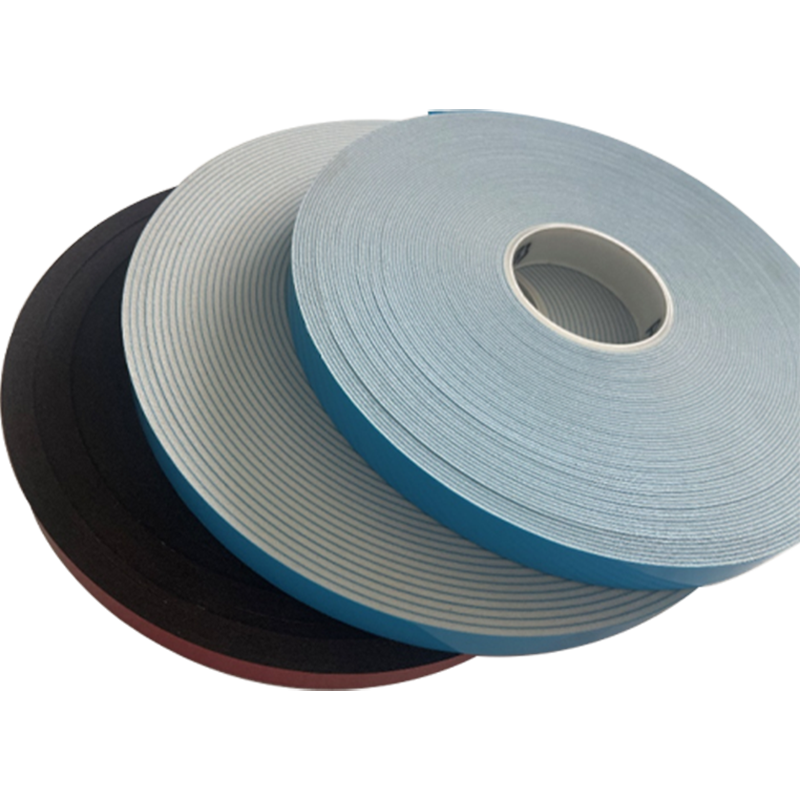
Packaging must protect products during storage, loading, transportation, and delivery. Movement inside a carton or container can cause scratching, impact damage, breakage, or surface contamination. Double-sided foam tape can hold selected components in place and reduce movement during handling.
Fragile items such as glass products, ceramic articles, display pieces, and decorative components can benefit from the tape’s combination of adhesion and cushioning. Electronic equipment, precision instruments, and high-value products may also use foam tape to secure parts inside a package or to attach protective pads and inserts.
When used for packaging, the tape should be applied to clean, compatible surfaces. The bond area must be sufficient for the product weight and expected acceleration. For heavy items, tape should supplement rather than replace appropriate structural packaging. Product testing should include vibration, drop, compression, and temperature-humidity conditions that represent the distribution route.
Packaging joints and interfaces can allow moisture, air, and dust to enter. Foam tape can help close these pathways when applied as a continuous strip or custom-cut shape. Its compressibility allows it to adapt to minor variation between packaging components.
This function is relevant to products requiring improved cleanliness or environmental separation. Food, pharmaceutical, electronic, and precision-product packaging may benefit from a more controlled internal environment, provided that all materials and adhesive formulations meet the relevant regulatory and product-contact requirements.
Transportation exposes packages to vibration, sudden impacts, stacking pressure, and repeated handling. The foam layer can absorb part of the energy transferred through the packaging structure. It can also prevent two components from rubbing directly against each other, reducing abrasion and surface marks.
The tape’s performance is influenced by thickness and compression. A thicker foam layer may provide greater cushioning, while excessive compression may reduce its ability to absorb additional movement. Packaging engineers should test the completed package rather than relying only on the nominal properties of the tape.
Modern packaging lines require materials that can be processed quickly and consistently. Foam tape can be slit into narrow rolls, rewound into customer-specified lengths, die-cut into shapes, or supplied with printed liners and other identification features. These formats support manual assembly as well as automated dispensing and application.
Accurate coating, converting, and winding are particularly important for automation. Uneven roll edges, telescoping, inconsistent release force, or variable adhesive thickness can interrupt a high-speed line. A manufacturer with integrated process control can help reduce these risks by managing coating, curing, slitting, rewinding, inspection, and packaging as connected operations.
Automotive manufacturing requires materials that can withstand vibration, temperature changes, humidity, cleaning agents, and long service periods. Double-sided foam tape is used in selected areas where bonding, sealing, positioning, noise reduction, or cushioning are required.
Possible applications include interior trim, emblems, moldings, nameplates, door components, hood insulation, cable management, instrument-panel parts, weather-related interfaces, and protective pads. The tape can support a cleaner appearance than exposed fasteners and can simplify the assembly of lightweight components.
Foam tape can also reduce rattling and secondary noise by creating a soft interface between components. When two panels or fittings move slightly against each other, the foam layer can reduce direct contact and help absorb minor vibration. This can contribute to a quieter and more comfortable vehicle interior.
Automotive applications require careful qualification. Surface coatings, plasticizers, low-surface-energy plastics, oil contamination, heat exposure, and long-term vibration may affect adhesion. The adhesive type, foam thickness, primer requirements, and application pressure should be determined through testing with the actual materials and production conditions.
Electronic equipment often combines metal, glass, plastic, coated panels, and delicate internal components. A bonding material must provide reliable attachment without damaging the surfaces or adding unnecessary weight. Double-sided foam tape can join housings, attach displays, position components, cushion covers, and reduce vibration around sensitive assemblies.
The tape’s cushioning layer is useful when components have different thermal expansion rates or when a rigid connection could create localized stress. It can also help prevent rattling in appliance panels, control modules, display frames, and small equipment housings.
For electronics, cleanliness and dimensional consistency are essential. Adhesive residue, liner fragments, dust, and poorly controlled die-cut edges can affect product quality. Qida Tape’s production and inspection capabilities are intended to support controlled converting and reliable delivery for customers requiring repeatable roll or die-cut formats.
Electronic applications may also require attention to electrical insulation, outgassing, flame behavior, chemical resistance, and compatibility with protective coatings. These properties should be specified and verified separately because they are not automatically guaranteed by the presence of a foam substrate.
Double-sided foam tape can be used to attach decorative panels, trims, signs, mirrors, frames, moldings, and selected interior elements. Its ability to fill minor gaps and create a concealed bond is attractive in architectural and furniture applications where appearance is important.
In furniture manufacturing, the tape can support the attachment of edge profiles, decorative laminates, labels, protective pads, and lightweight fittings. It may reduce the need for visible screws and improve the speed of final assembly. In interior construction, it can be used for selected non-structural components, signage, panel accessories, and trim installation.
Outdoor signs and building-related products require special consideration of sunlight, rain, wind load, substrate expansion, and temperature cycling. Acrylic adhesive systems may be selected for suitable weathering performance, while silicone systems may be considered where particular substrate or temperature requirements exist. The designer must ensure that the tape is not assigned a structural role beyond its tested capacity.
Retail displays, advertising boards, exhibition structures, and identification signs frequently require clean, concealed, and fast assembly. Double-sided foam tape can attach logos, lettering, lightweight panels, display accessories, and decorative elements without visible fasteners.
Black, white, and gray foam colors allow the product to be selected according to the visual design. A white foam tape may suit light-colored components, while black tape can provide a discreet edge behind dark panels. A red, blue, or white release liner can support production identification and prevent accidental removal before the correct assembly stage.
For display products, the tape can also reduce vibration and prevent components from shifting during transportation. Custom slit widths and die-cut pieces can reduce waste and improve placement accuracy. This is especially useful when repeated components must be applied in a consistent position.
Double Sided Foam Tape
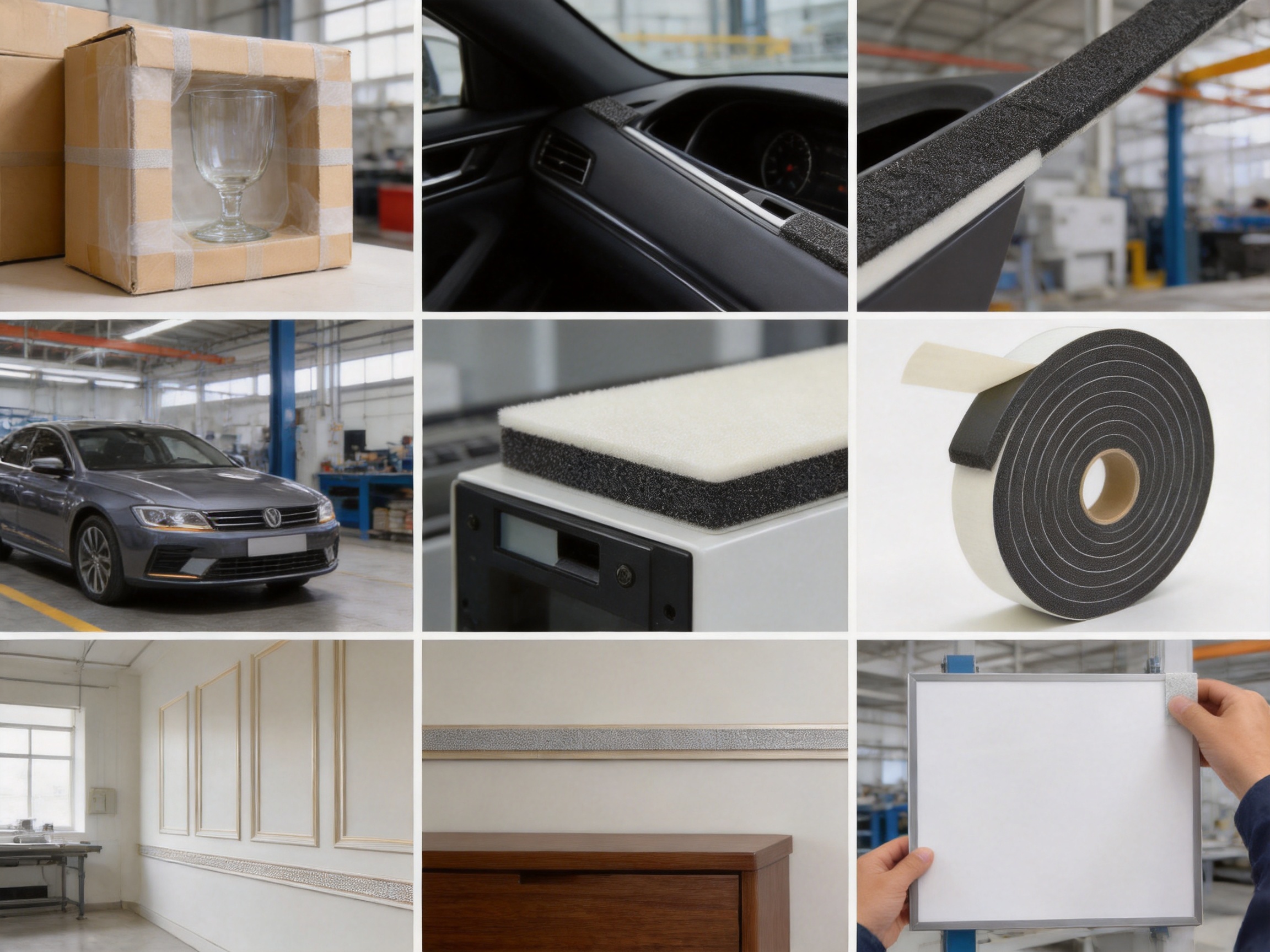
The performance of foam tape is not determined only by the raw materials. Manufacturing control affects coating uniformity, adhesive anchorage, foam thickness, liner release, roll stability, edge quality, and final usability. Qida Tape operates a production system that includes backing film production, adhesive coating, logo printing, rewinding, slitting, and packaging within its own factory.
The process begins with the selection and preparation of the foam substrate. IXPE and PVC materials may be used according to the required flexibility, thickness, cushioning behavior, and surface properties. Control of the substrate helps maintain consistent dimensions and supports reliable adhesive coating.
Foam thickness is important because even small variation can affect compression, gap filling, product appearance, and automated assembly. Controlled material handling and inspection help identify thickness deviations before the product reaches the coating or converting stage.
The adhesive is selected according to the required bond strength, tack, temperature resistance, environmental resistance, and substrate compatibility. Acrylic solvent and silicone adhesive systems provide different performance profiles and allow the manufacturer to offer more than one solution rather than forcing every customer into a single formulation.
During coating, the adhesive must be applied evenly across the foam surface. Coating weight, viscosity, drying or curing conditions, line speed, and web tension all influence the result. An uneven coating can cause weak areas, excessive ooze, inconsistent tack, or poor release-liner contact. Advanced coating equipment and experienced process technicians are therefore central to reliable product quality.
After coating, the adhesive may require controlled drying, curing, or aging. These stages help stabilize the adhesive layer and reduce variation between production batches. Process records and in-line inspection can support traceability and help identify the cause of any deviation.
The release liner protects the adhesive until application. It must remain securely attached during winding and transportation while still allowing controlled removal by the customer. If the liner releases too easily, the roll may telescope or the adhesive may become exposed. If release force is too high, manual or automatic application may be slowed.
Liner selection and lamination conditions are adjusted according to adhesive formulation and customer handling requirements. Color choices also support product identification, especially when several grades are used on one assembly line.
Some customers require printed logos, product information, batch markings, or branded release liners. Printing can help with identification and improve production organization. Rewinding converts master rolls into customer-sized rolls with controlled length and tension.
Slitting determines the final width. High-quality slitting should produce clean edges without excessive dust, deformation, adhesive transfer, or uneven winding. Accurate widths are essential for automated equipment, narrow bonding lines, and applications where the tape must fit into a defined channel.
Custom die-cutting may also be provided for pads, circles, strips, frames, tabs, and other shapes. Die-cut products can reduce manual trimming and improve assembly consistency. They are particularly useful when the same tape shape is applied repeatedly to a standardized component.
Quality control may include inspection of appearance, thickness, width, roll length, liner condition, adhesive coating, release behavior, and winding quality. Depending on the application, testing can also evaluate peel adhesion, holding power, tensile properties, elongation, temperature resistance, aging, and environmental performance.
Qida Tape maintains a testing laboratory and uses inspection equipment to support product quality. A laboratory environment enables the manufacturer to compare materials, assess production batches, investigate customer feedback, and support the development of customized products.
Customers with demanding applications should provide technical data sheets, drawings, sample materials, service temperatures, expected loads, and environmental conditions. This information allows the manufacturer to recommend a more suitable construction and helps establish meaningful acceptance criteria.
Wuxi Qida Tape Co., Ltd. is a manufacturer specializing in protective films, adhesive tapes, and surface protection solutions. The company’s product knowledge extends across stainless steel, aluminum, pre-coated metal, plastic panels, ceramic, carpets, decorative laminates, glass, and other surfaces. This broad experience is relevant to foam tape because many foam tape projects involve bonding or protecting these same types of substrates.
The company was founded in 1999 and operates a factory area of approximately 20,000 square meters with more than 95 experienced employees. Its reported annual production capacity exceeds 12,000 tons, providing a foundation for both ongoing supply and larger-volume customer programs.
Qida Tape has introduced advanced machinery from Germany and operates under ISO 9001 and ISO 14001 management systems. ISO 9001 supports a structured approach to quality management, process control, documentation, and continuous improvement. ISO 14001 supports environmental management and encourages more systematic control of environmental responsibilities.
The company’s production processes include backing film production, adhesive coating, logo printing, rewinding, slitting, and packaging. Keeping these operations within its own factory can improve coordination between departments, shorten communication paths, support better production scheduling, and simplify the management of customer-specific requirements.
A strong research and development team allows Qida Tape to develop products according to customer samples or technical data sheets. This is valuable when a standard tape does not provide the required combination of thickness, liner, adhesive, color, width, or environmental performance. Customized development can also help customers reduce unnecessary material costs by selecting a construction that matches the actual application.
The company offers acrylic water adhesive, acrylic solvent adhesive, and natural rubber adhesive across its broader adhesive product range. For the double-sided foam tape described here, acrylic solvent and silicone options are identified. The availability of multiple adhesive technologies demonstrates the importance of formulation flexibility and application-specific selection.
Qida Tape serves customers in China and exports to Europe, North America, Australia, the Middle East, Japan, and other regions. Its products are reported to have been supplied to around 90 export areas. International experience can assist with documentation, packaging, shipment coordination, quality expectations, and communication across different markets.
Product compliance and testing support include ISO9001, ISO14001, SGS, RoHS, REACH, PFAS, and Prop 65-related testing or management requirements, according to the supplied company information. Specific compliance status should be confirmed for each product grade, batch, market, and intended application. Regulatory requirements can change, and a customer should request the appropriate current declarations and test reports before commercial use.
Start by identifying the materials to be bonded. Metal, glass, painted metal, ABS, PVC, acrylic, polycarbonate, wood, ceramic, and coated panels can have different surface energies and chemical characteristics. Some plastics contain plasticizers that may migrate into the adhesive. Powder-coated or painted surfaces may vary in cleanliness and coating adhesion.
Whenever possible, test the tape on the actual production material rather than a general sample. The surface finish, coating, curvature, texture, and contamination level can change the result. If the surface is low-energy, textured, dusty, oily, or porous, additional preparation or a different adhesive may be necessary.
Thickness affects more than appearance. It influences the tape’s ability to fill gaps, absorb movement, cushion components, and accommodate tolerances. A 0.8 mm or 1.0 mm grade may be appropriate for a low-profile bond. A 1.6 mm, 2.0 mm, 2.5 mm, or 3.0 mm grade may be better for larger gaps or greater cushioning.
Excessive thickness can reduce dimensional control or create unwanted edge visibility. Insufficient thickness may prevent full contact with both surfaces. The correct choice should be based on the joint design, compression level, expected movement, and finished appearance.
List the minimum and maximum temperatures, humidity, exposure to rain or sunlight, cleaning chemicals, oil, solvents, vibration, and mechanical load. Determine whether the bond is indoors, outdoors, in a vehicle, near a heat source, or in a refrigerated environment.
The stated operating range of -30°C to 90°C is suitable for many general uses, but application testing remains important. Short-term temperature exposure and continuous long-term exposure can produce different results. Repeated thermal cycling may also place more stress on the bond than a constant temperature.
Bond strength depends on the tape’s width, length, adhesive properties, surface preparation, application pressure, and load direction. Shear loads are often handled differently from peel or tensile loads. A bond that performs well under distributed shear may fail if an edge is lifted repeatedly.
Designers should avoid relying on a small number of narrow strips for heavy components unless testing confirms the design. Increasing the bond area, rounding exposed edges, using wider tape, and preventing peel forces can improve performance. For safety-critical or structural applications, the tape should be evaluated with appropriate engineering methods and may need to work together with mechanical retention.
The application surface should generally be clean, dry, and free from dust, oil, grease, loose coatings, and moisture. Components should be aligned before contact because repositioning may reduce the final bond. Adequate pressure is needed to bring the adhesive into intimate contact with the substrate.
Application temperature can affect tack and wet-out. Very cold surfaces may slow adhesion development, while excessively hot surfaces may change handling characteristics. The tape should be stored in suitable conditions and protected from contamination until use.
Good installation begins with surface preparation. Wipe the bonding surfaces with a compatible cleaning agent and allow them to dry fully. Do not apply tape over loose dust, condensation, oil, or unstable paint. If a primer, surface treatment, or abrasion step is required, it should be validated before production.
Cut or dispense the tape to the required length before removing the liner. Avoid touching the adhesive with fingers because skin oils can reduce adhesion. Apply one side to the first substrate and press firmly across the tape surface. Remove the second liner only when the mating component is ready.
Align the components carefully and apply uniform pressure. Pressure helps the adhesive contact surface irregularities and improves initial bonding. Large panels should be applied progressively to reduce trapped air and wrinkles. Narrow strips should be positioned so that the expected load remains within the bonded area.
Do not immediately subject the bond to maximum load unless the adhesive has been designed for instant high performance and testing confirms it. Many adhesive systems develop greater final strength over time. The required dwell time depends on the formulation, substrate, temperature, and application pressure.
During production, operators should check roll edges, liner removal, tape placement, wrinkles, gaps, exposed adhesive, and contamination. Simple visual controls can prevent many assembly defects. For automated lines, dispensing tension, feed speed, cut length, and release force should be monitored.
Industrial customers often need more than a standard roll. Foam tape can be customized by substrate, adhesive type, thickness, width, roll length, foam color, liner color, printing, and die-cut shape. These options can help integrate the tape into an existing assembly process.
Narrow slit rolls are suitable for small bonding areas, cable management, trim attachment, and precision assembly. Wider rolls can be used for panels, large signs, and packaging surfaces. Die-cut pads can reduce waste and ensure that the same amount of material is used on every unit.
Printed liners or logos can support brand identification and help prevent mixing of similar materials. Packaging can be adapted for manual handling, warehouse storage, export shipment, or automated production. Customers should communicate core dimensions, tolerances, roll orientation, core size, and packaging requirements before order confirmation.
Customization is most effective when supported by samples and technical discussion. Qida Tape’s engineers and technicians can evaluate customer requirements and help develop products according to technical data sheets or physical samples. This approach can be particularly useful for new product launches, replacement of imported materials, and process improvement projects.
Environmental performance is increasingly important in adhesive tape selection. Customers may require information about restricted substances, chemical composition, packaging materials, emissions, recyclability, and waste management. The supplied company information identifies ISO 14001 management and references RoHS, REACH, PFAS, SGS, and Prop 65-related testing or compliance support.
Compliance must be reviewed for the specific construction. A foam substrate, adhesive, liner, ink, and packaging system may each contribute to the overall regulatory profile. Customers should request current documentation for the exact product grade and destination market.
Using foam tape can reduce the number of mechanical parts in an assembly and may lower material consumption when it replaces additional brackets, clips, or sealing components. Its light weight can also support lightweight product design. These potential benefits should be evaluated together with disposal practices and the difficulty of separating bonded materials at the end of service life.
Safety during production includes proper storage, handling, ventilation where applicable, protection from contamination, and compliance with the adhesive supplier’s technical and safety information. Operators should use suitable personal protective equipment when cleaning surfaces or handling chemicals.
Adhesive tape appears simple, but reliable performance depends on a series of connected variables. A manufacturer with experience in film production, coating, converting, laboratory testing, and international supply can provide more than a roll of tape. It can help identify the reason for a bonding failure, adjust the construction, control production variation, and support the customer through trial and scale-up.
Qida Tape’s experience in protective films and surface protection provides knowledge of different substrates and industrial processing conditions. Its products are used to protect materials during bending, pressing, roll forming, painting, transportation, and installation. This background supports a practical understanding of how films and adhesive materials behave in real manufacturing environments.
Integrated production can improve responsiveness. When backing production, coating, printing, rewinding, slitting, and packaging are coordinated internally, the manufacturer can make changes more efficiently and maintain clearer control over product identity and batch information.
Production capacity is another advantage for customers planning regular supply. A large factory area, experienced staff, advanced equipment, and reported annual capacity of more than 12,000 tons can support both standard-volume orders and long-term programs. Capacity alone does not guarantee suitability, so customers should still evaluate samples, specifications, quality documentation, and delivery performance.
International sales experience can also help with export packaging, labeling, communication, and documentation. For customers in Europe, North America, Australia, the Middle East, Japan, and other markets, a supplier familiar with global requirements may reduce the administrative burden associated with sourcing.
A structured evaluation can reduce the risk of selecting an unsuitable product. First, define the application: substrates, bond area, component weight, load direction, temperature, humidity, chemical exposure, expected life, and assembly method.
Second, request representative samples in the proposed thickness, width, adhesive type, and liner format. Test the tape on actual production surfaces after the same cleaning or coating process used in manufacturing.
Third, measure initial tack and bond development. Check whether the tape can be positioned accurately and whether it remains attached during handling. If the product will be used in an automated line, test the roll format, release behavior, dispensing speed, and cut accuracy.
Fourth, conduct environmental and mechanical testing. Depending on the application, this may include peel, shear, tensile, vibration, impact, humidity, thermal cycling, water exposure, ultraviolet exposure, and chemical-contact testing.
Finally, approve a written specification covering the substrate, adhesive, thickness, width, liner, color, roll length, tolerances, packaging, inspection criteria, and documentation. Clear specifications help maintain consistency when the product moves from trial production to regular supply.
It can bond many common materials, including metal, plastic, glass, painted panels, wood, ceramic, laminates, and selected coated surfaces. Performance depends on surface energy, cleanliness, coating stability, texture, and the adhesive formulation. Actual substrate testing is recommended before mass production.
The described product is available with IXPE or PVC foam substrates. These materials provide different combinations of flexibility, cushioning, dimensional stability, and surface adaptability. The appropriate option depends on the application and required environmental performance.
Available thicknesses include 0.8 mm, 1.0 mm, 1.6 mm, 2.0 mm, 2.5 mm, and 3.0 mm, with other thicknesses available for customized requirements. Selection should consider gap size, compression, cushioning, appearance, and component tolerances.
The foam structure and continuous adhesive layer can support moisture resistance and sealing. However, waterproof performance depends on application design, compression, edge exposure, surface preparation, and environmental conditions. A complete assembly test should be performed when waterproofing is important.
It may be suitable for selected outdoor applications because the specified heat-resistance range is approximately -30°C to 90°C and the product is designed for weather and humidity resistance. Outdoor use should be validated for ultraviolet exposure, rain, wind load, thermal cycling, and the specific substrates involved.
Yes. The foam carrier provides cushioning and can absorb and disperse a portion of vibration and impact energy. The supplied information indicates an absorption rate of more than 55 percent under specified conditions. Actual performance depends on thickness, density, compression, impact level, temperature, and test method.
It can replace some mechanical fasteners in lightweight, non-structural, or decorative applications. It is not automatically a replacement for fasteners in heavy, safety-critical, structural, or high-temperature assemblies. Engineers should compare the actual load and service conditions before changing the joining method.
The product information identifies acrylic solvent and silicone adhesive options. These adhesives have different compatibility and environmental characteristics. The choice should be based on substrate, temperature, humidity, chemical exposure, required holding power, and expected service life.
Yes. Customization may include foam type, adhesive, thickness, width, roll length, foam color, liner color, printing, and die-cut format. Qida Tape can also develop products according to customer technical data sheets or samples.
Store the tape in a clean, dry environment and protect it from excessive heat, moisture, direct sunlight, dust, and chemical contamination. Keep rolls in their original packaging until use and avoid damaging the edges. Specific storage and shelf-life recommendations should be confirmed for the selected product grade.
Customers should provide the materials to be bonded, dimensions, required thickness, service temperature, environmental exposure, load, application method, desired roll or die-cut format, and any regulatory requirements. Samples, drawings, and technical data sheets can help the manufacturer recommend a suitable construction.
Double-sided foam tape combines strong bonding with cushioning, sealing support, dust prevention, gap compensation, vibration reduction, and convenient processing. These advantages make it a practical alternative or supplement to mechanical fasteners, liquid adhesives, and thin film tapes in many industrial applications.
The product described here is available with IXPE or PVC foam substrates, acrylic solvent or silicone adhesive options, multiple colors, polyethylene release liners, and thicknesses from approximately 0.8 mm to 3.0 mm and beyond. Its specified elongation and temperature range support a broad variety of manufacturing, packaging, automotive, electronics, furniture, signage, and interior applications.
Performance depends on correct selection and installation. Surface preparation, bond area, load direction, temperature, humidity, compression, and aging conditions must be considered before approval. A professional manufacturer can support this process through samples, application analysis, customized construction, laboratory testing, and controlled production.
Wuxi Qida Tape Co., Ltd. combines adhesive product development with integrated manufacturing operations, advanced equipment, experienced technicians, internal testing, quality and environmental management systems, and international supply experience. Its ability to manage backing production, coating, printing, rewinding, slitting, packaging, and customized development makes it a suitable sourcing partner for customers seeking consistent double-sided foam tape and broader surface protection solutions.
1. Wuxi Qida Tape Co., Ltd., Double-Sided Foam Tape product specifications and application information.
2. Wuxi Qida Tape Co., Ltd., Company profile, manufacturing capabilities, quality systems, and product compliance information.
3. ISO 9001, Quality management systems requirements.
4. ISO 14001, Environmental management systems requirements with guidance for use.
5. General principles of pressure-sensitive adhesive tape selection, surface preparation, bonding, and performance evaluation.
6. General packaging engineering practices for product fixation, cushioning, vibration protection, and distribution testing.
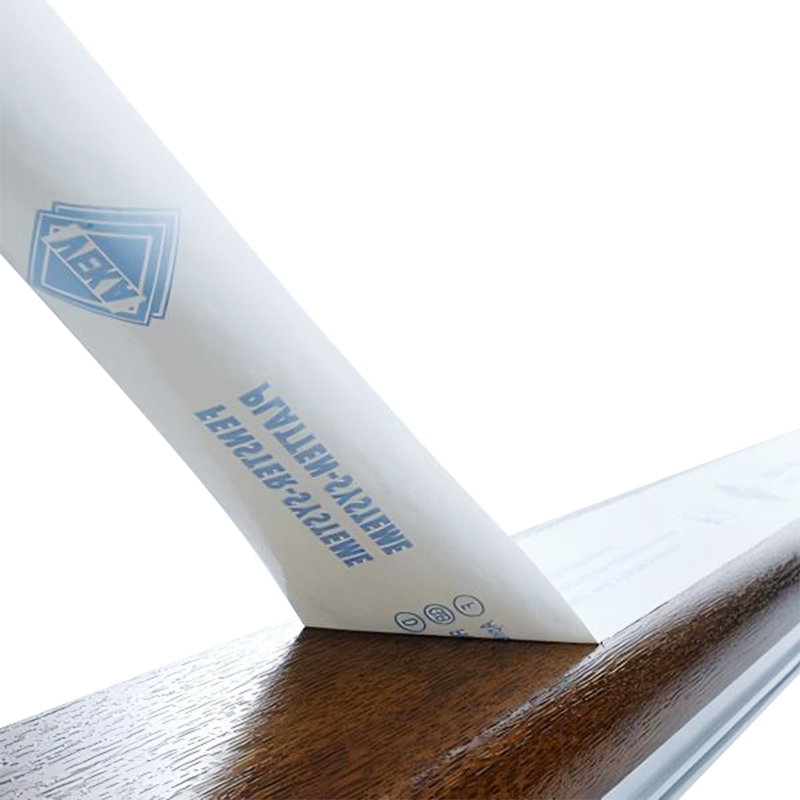
● Good weatherability for outdoor exposure; ● Stable adhesion level; ● UV resistance for up to 12 months; ● Can print customized logo or application i...
See Details
● Protect window glass against paint splatters, dirt, staining, and spillages during painting, building, plastering, tiling, general maintenance and r...
See Details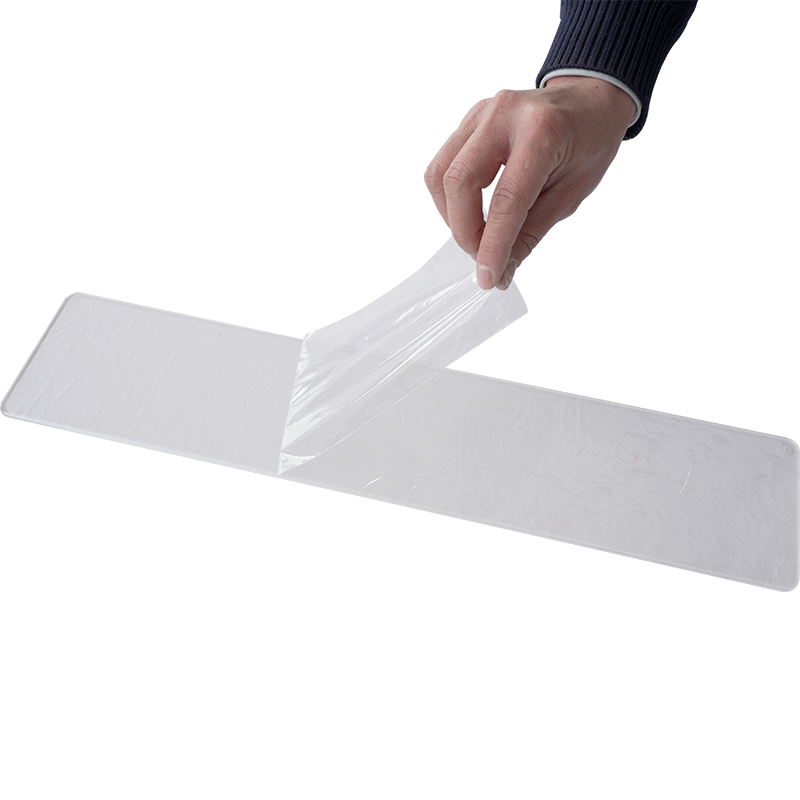
● No “ghost shadow” or “fish eye” after removal; ● Low gel content, soft and stable adhesion plus easy-peel removal with no surface damage or curling;...
See Details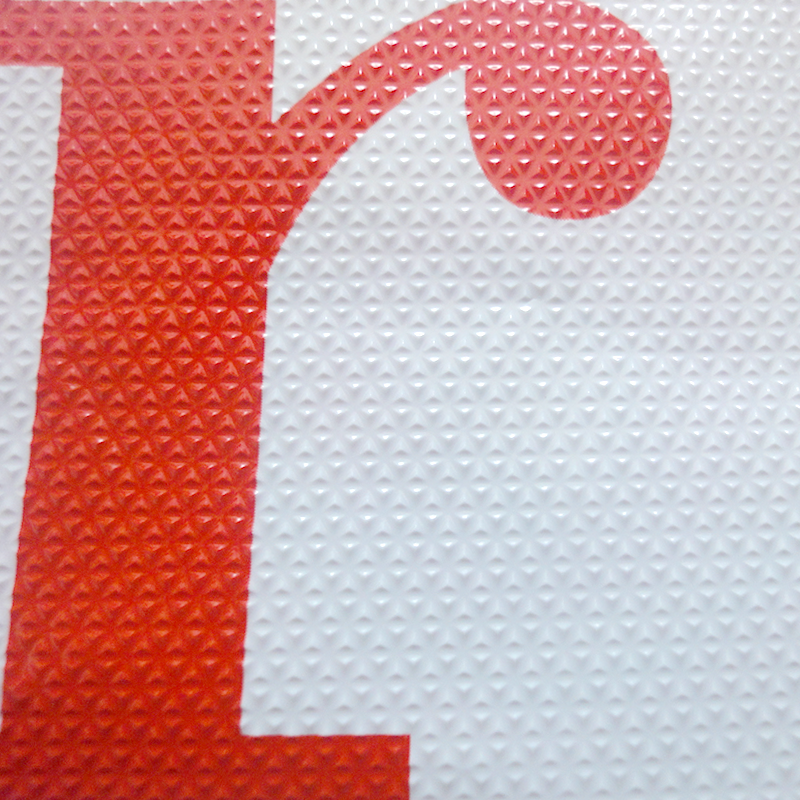
● Anti-slip; ● Embossed film surface to guarantee trip safety;● Tough puncture-resistant polyethylene film;● Can be coated with or without adhesive;● ...
See Details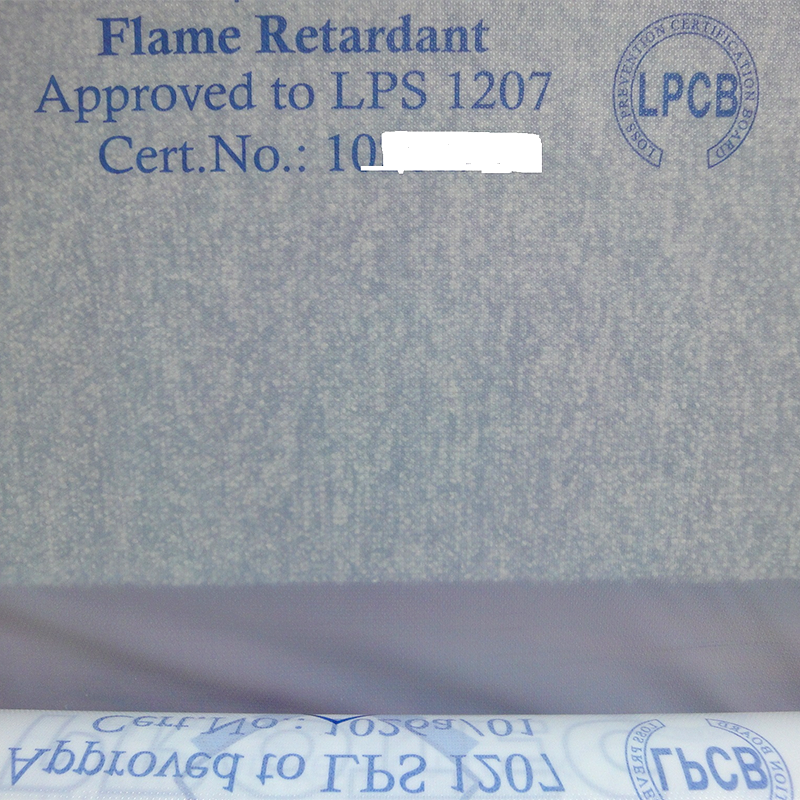
● Prevents costly damages in case of fire /flame;● Meet the strict international test standards of loss prevention; ● Extensive selection for flame re...
See Details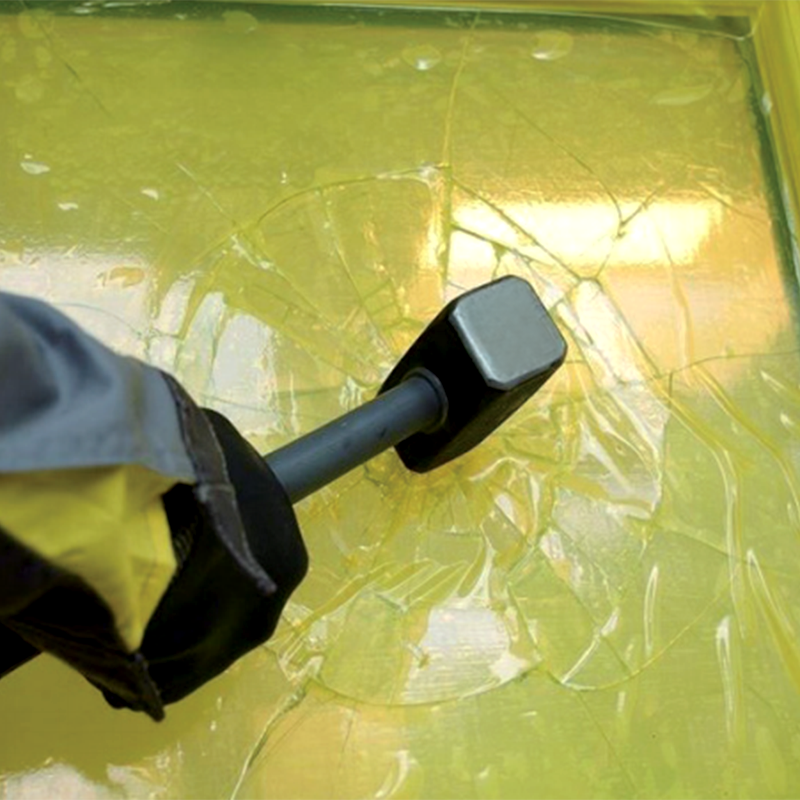
● The super tough polyethylene film with super high adhesion can stop the glass splitting and falling off during window glass demolition process;● Non...
See Details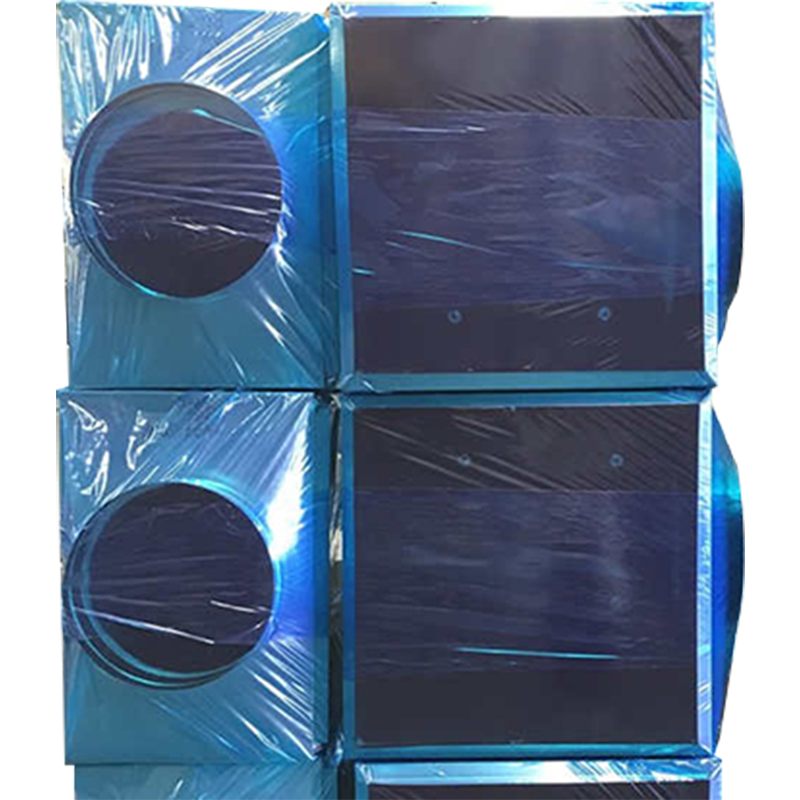
● The super-tough polyethylene film resists puncture and penetration by liquid and dirt during storage, transportation, and installation of the ductwo...
See Details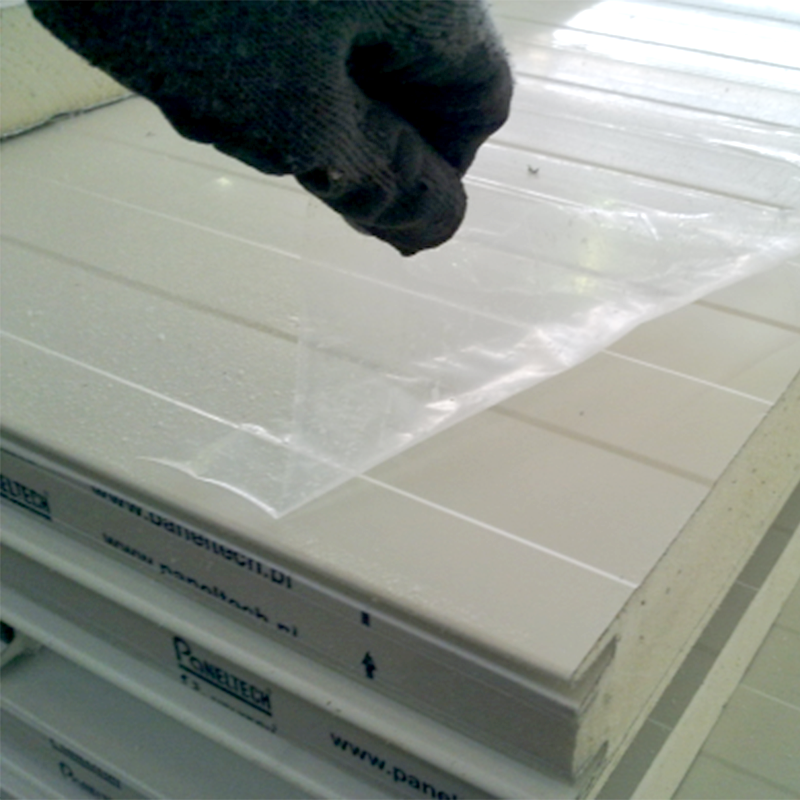
● The specially formulated adhesive ensures easy application and removal without leaving residue glue on the sandwich panels; ● The super-tough polyet...
See Details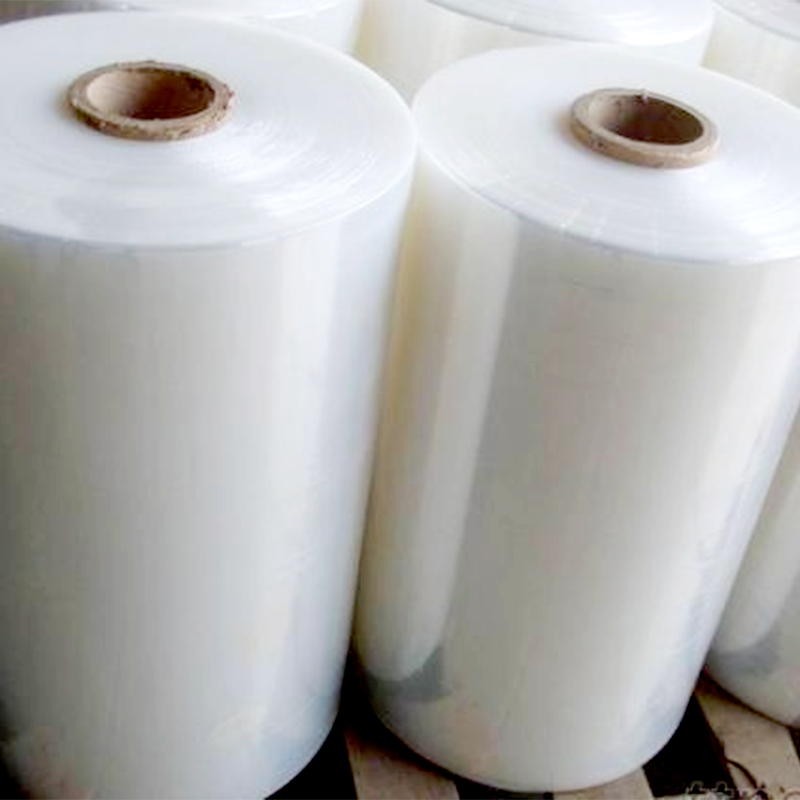
● Excellent puncture and tear resistance; ● Self-adhering-each layer of film bonds to the next for added strength; ● Big roll size to save cost and re...
See Details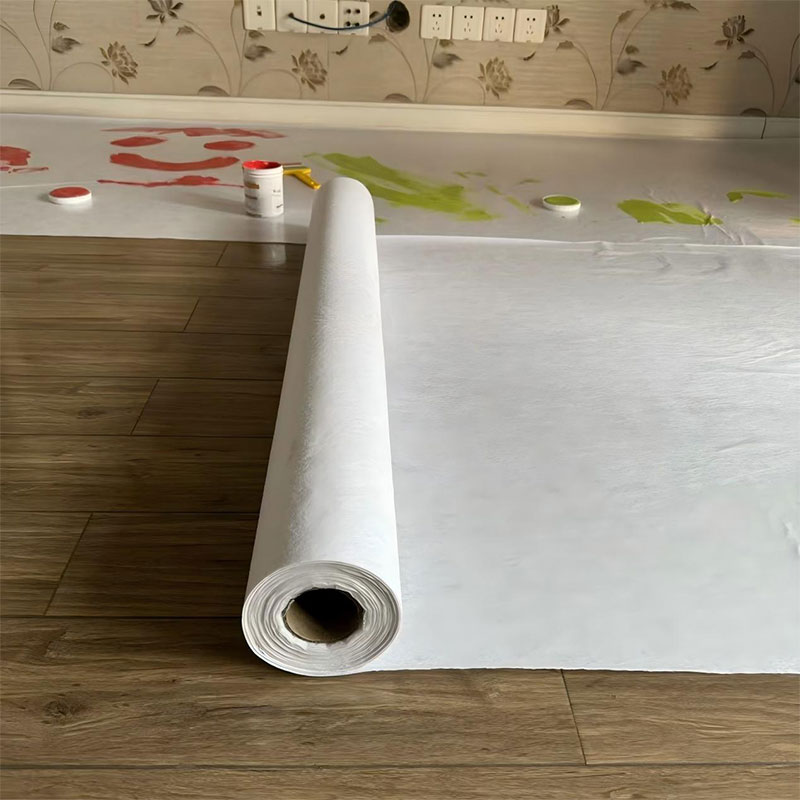
This product has non-woven synthetic fleece in middle; PE film adhered onto top of the non-woven fabric, which is coated with self adhesive glue on it...
See DetailsWe’re a reliable partner that shapes our expertise into success for your project.

Copyright 2024 Wuxi Qida Tape Co., Ltd. All Rights Reserved
 Wholesale Protective Film/Foil Manufacturers
Privacy
Wholesale Protective Film/Foil Manufacturers
Privacy