

 English
 English
 русский
 Français
 Español
 Português
 عربى
عربى
Cat:Glue -coated Protective Film
● Good weatherability for outdoor exposure; ● Stable adhesion level; ● UV resistance for up to 12 months; ● Can print customized logo or application i...
See Details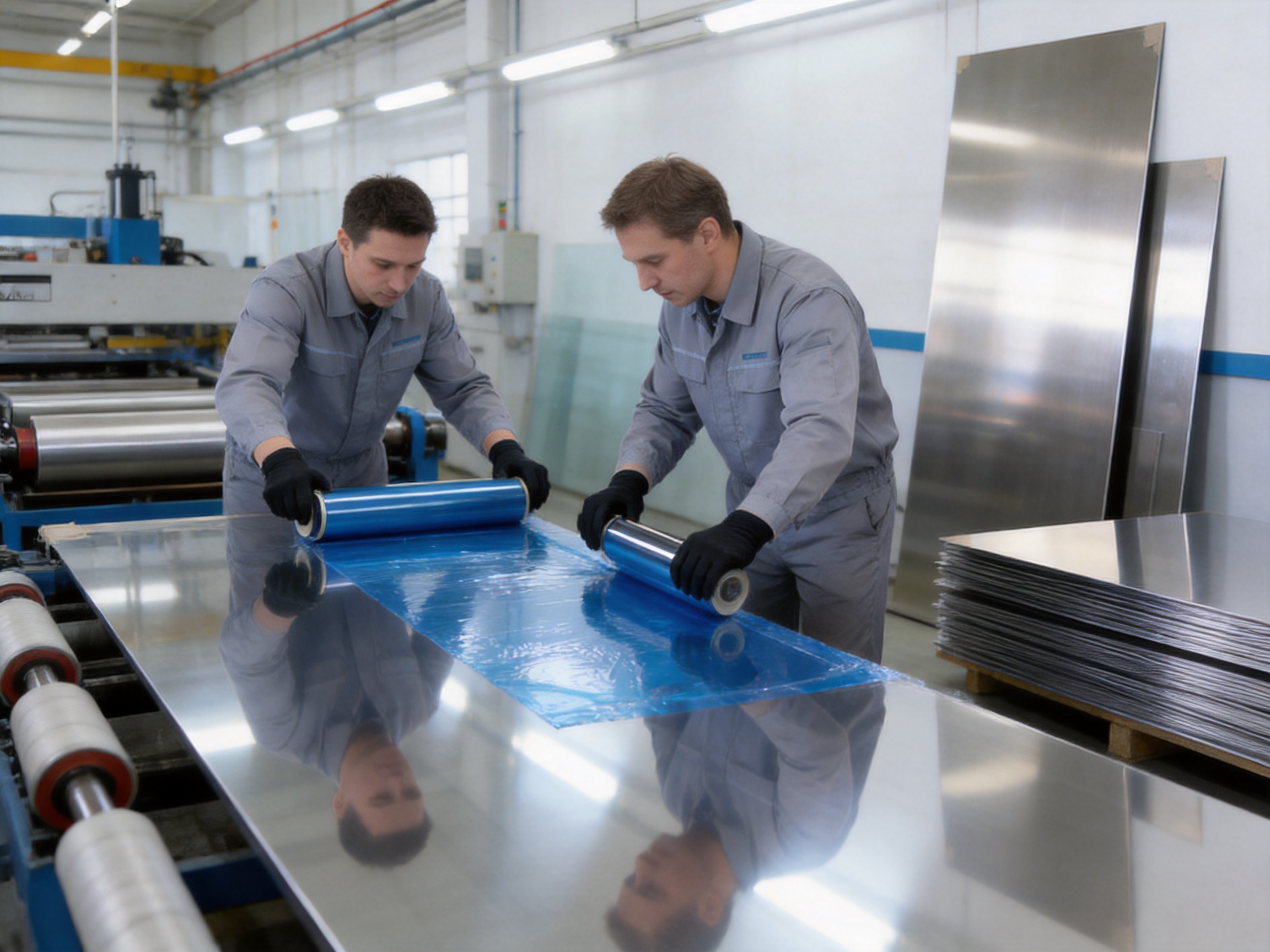
Stainless steel, colored steel, and mirrored steel plates are widely used in architecture, interior decoration, transportation, household appliances, industrial equipment, elevators, doors, ceilings, façades, and precision fabrication. Their visual appearance and surface quality often determine the value of the finished product. A fine scratch, adhesive mark, dust imprint, polishing defect, or chemical stain can reduce the commercial value of an otherwise high-quality metal plate.
Protective film for stainless steel plates, colored steel plates, and mirrored steel plates provides a temporary surface barrier during manufacturing, processing, storage, transportation, installation, and final handling. The film is coated with a carefully controlled adhesive layer and applied directly to the finished metal surface. It helps prevent scratches, abrasion, fingerprints, dust, moisture, and other contamination while allowing the material to pass through the supply chain in a clean and presentable condition.
Wuxi Qida Tape Co., Ltd. develops and manufactures glue-coated protective film for demanding surface protection applications. Its product range is designed for stainless steel, prepainted metal, mirrored surfaces, aluminum, plastic panels, glass, decorative laminates, ceramics, carpets, and other materials that require temporary protection. The company combines film production, adhesive coating, printing, slitting, rewinding, inspection, and packaging within its own manufacturing system.
The protective film described in this article is suitable for stainless steel plate, colored steel plate, and mirrored steel plate applications. It can be supplied with different thicknesses, widths, roll lengths, colors, adhesive levels, adhesive technologies, and printing options. This flexibility enables customers to select a protective film according to surface finish, forming process, storage period, transportation conditions, and removal requirements.
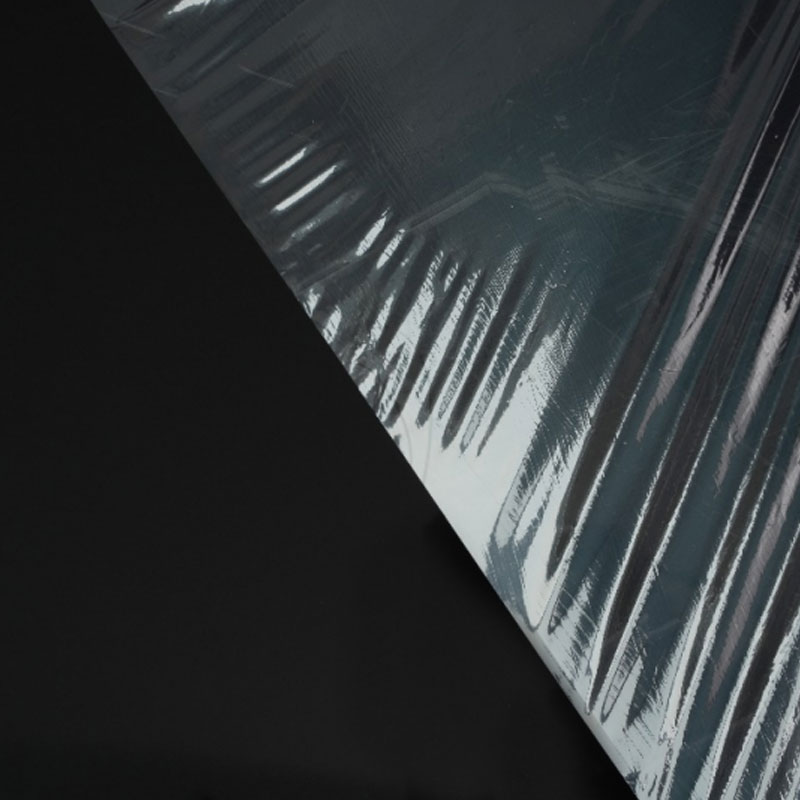
Protective Film For Stainless Steel Plate ;Colored Steel Plate ;Mirrored Steel Plate
Metal plate surfaces may appear durable, but their decorative and functional finishes can be vulnerable during production and logistics. Stainless steel is resistant to corrosion, yet its polished, brushed, embossed, or colored surface may be easily scratched by metal-to-metal contact. A mirrored plate has a highly reflective finish that can reveal even minor marks. A colored steel plate may have a paint or coating layer that can be damaged by friction, pressure, solvents, and rough handling.
Steel plates are commonly moved through several operations before reaching the end user. These operations may include leveling, cutting, bending, stamping, punching, drilling, laser processing, roll forming, polishing, welding, assembly, packaging, and installation. At each stage, the surface can come into contact with tools, tables, rollers, clamps, gloves, packaging materials, and other plates.
Without a temporary protective layer, small particles trapped between a plate and a processing surface may create linear scratches. Stacking and unstacking may cause scuffing. Forklift movement may result in impact marks. Dust and oil may contaminate the surface. During installation, workers may accidentally touch or rub the finished plate, leaving fingerprints or construction debris.
A suitable protective film acts as a sacrificial layer. Instead of the metal surface receiving the abrasion or contamination, the film absorbs the contact. After processing, transportation, or installation, the film can be removed to reveal a clean surface. This reduces rework, cleaning, rejection, and customer complaints.
Manufacturing environments combine speed, pressure, movement, and contact. Even when equipment is properly maintained, rollers, guides, tables, and handling tools can introduce a risk of surface damage. Protective film creates separation between the finished surface and these potential sources of abrasion.
For stainless steel and mirrored steel, the film helps preserve the appearance created by polishing, brushing, coloring, or other finishing operations. For prepainted and colored steel, it helps reduce the risk of coating marks and surface contamination during subsequent fabrication. The correct adhesive level allows the film to remain in place while the plate is processed without bonding so aggressively that removal becomes difficult.
Steel plates may be transported by truck, container, rail, or ship. Vibration and movement can cause adjacent materials to rub against one another. Packaging may shift, and metal edges may press against protected faces. A protective film helps separate the surface from packaging materials and reduces the chance of abrasion during handling.
During storage, plates may remain in warehouses or outdoor environments for weeks or months. A film with suitable UV resistance can provide protection during an extended storage period. The film also helps prevent dust and incidental contamination from settling directly on the finished surface.
At the installation site, decorative steel plates may be exposed to construction dust, cement particles, cutting debris, tools, ladders, and repeated handling. Keeping the protective film in place until the final stage helps installers maintain a clean working surface. Once adjacent construction work is complete, the film can be removed before inspection or handover.
The product is a glue-coated protective film developed for stainless steel plate, colored steel plate, mirrored steel plate, and related finished metal surfaces. It is a temporary surface protection material rather than a permanent coating. The backing film provides mechanical separation, while the adhesive layer provides controlled attachment to the protected surface.
The film can be manufactured with low, medium, high, or very high adhesion depending on the application. Low-adhesion grades are often suitable for smooth, sensitive, or short-term applications. Higher adhesion grades may be selected for rougher surfaces, vertical handling, forming processes, longer storage, or conditions where edge lifting must be minimized.
Adhesive technology can be selected between rubber-based and acrylic systems. The appropriate selection depends on the surface energy of the metal, the required holding power, the expected exposure time, the processing conditions, temperature, humidity, and the desired removal behavior.
| Item | Available Specification or Option | Application Consideration |
| Product type | Glue-coated temporary protective film | Surface protection during processing, storage, transport, and installation |
| Typical protected surfaces | Stainless steel, colored steel, prepainted metal, mirrored steel, and related finished panels | Choose adhesive and thickness according to surface finish |
| Film thickness | 30 micrometers to 80 micrometers | Higher thickness may provide increased handling protection |
| Film width | 500 millimeters to 2,250 millimeters | Suitable for narrow panels and wide metal coils or sheets |
| Roll length | 100 meters to 2,000 meters | Selected according to production speed and converting equipment |
| Elongation | At least 300 percent | Supports flexibility and adaptation during handling and forming |
| Adhesion level | Low to very high | Matched to surface texture, process conditions, and storage period |
| Adhesive type | Rubber or acrylic | Selected according to bonding and removal requirements |
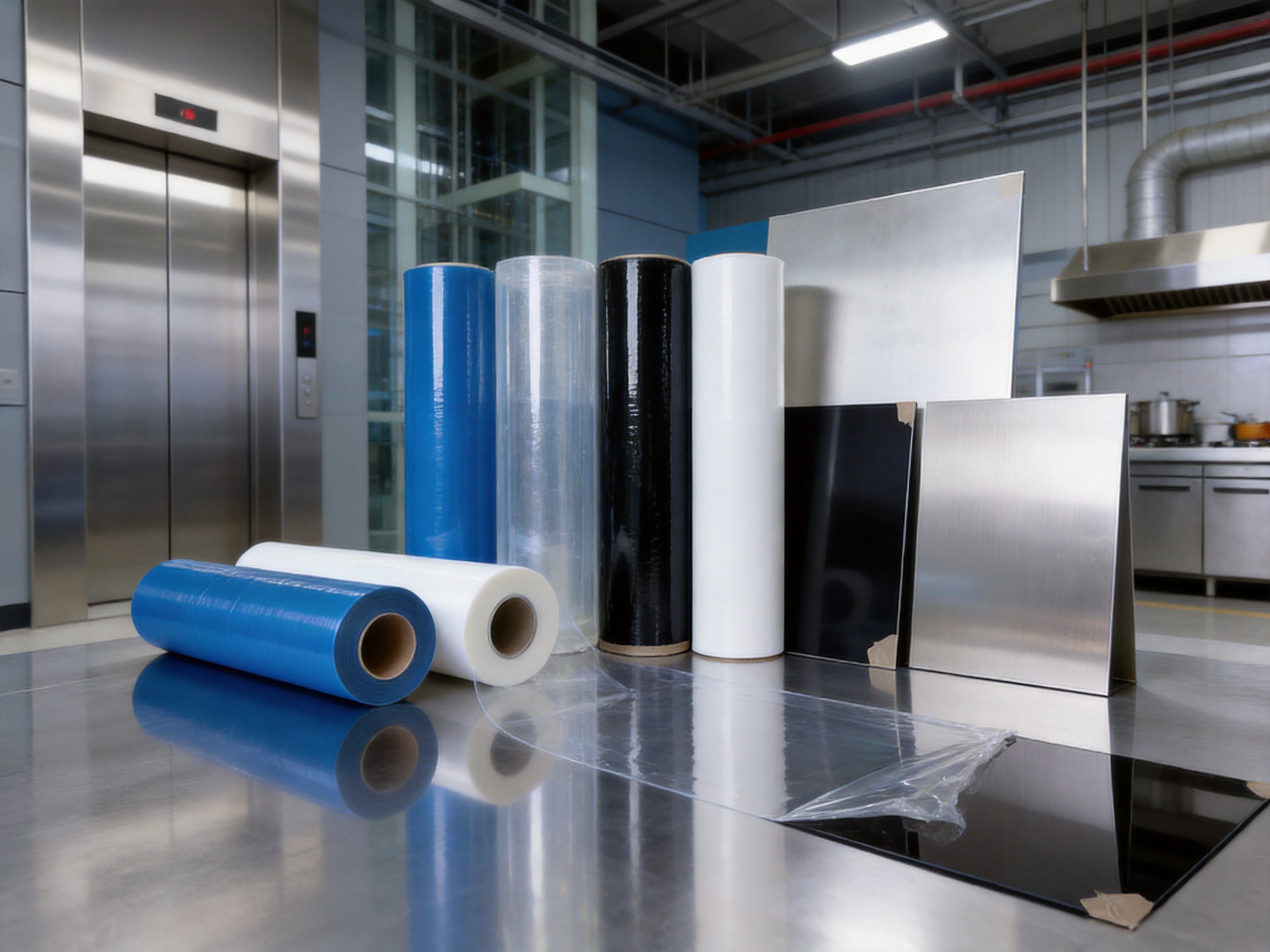
| Film colors | Blue, clear, black and white, black, white, and other options | Color can support visual identification and application control |
| Printing | Zero to three colors | Suitable for logos, instructions, warnings, or product identification |
| UV resistance | Approximately three to six months, depending on grade and conditions | Outdoor exposure should be evaluated before use |
The values in the table represent available product ranges and should be confirmed for each order. Actual performance depends on the selected backing film, adhesive formulation, surface condition, application temperature, exposure environment, storage conditions, and removal timing.
The primary function of the film is to reduce mechanical damage. The backing layer separates the metal surface from tables, rollers, packaging, tools, and neighboring products. During normal handling, the film absorbs much of the rubbing and incidental contact that could otherwise mark the steel.
This protection is especially valuable for mirrored steel plates, where a small scratch may be highly visible under direct or angled lighting. It is also important for colored and prepainted plates because a surface mark may expose a coating defect or create a visible contrast against the surrounding color.
Protective film cannot replace careful handling, correct packaging, or suitable processing controls. However, it provides an additional layer of security that helps reduce the effects of unavoidable contact throughout the manufacturing and delivery process.
Stable adhesion is essential for a temporary protective film. If adhesion is too weak, the film may lift at the edges, wrinkle, or detach during cutting, bending, stacking, and transportation. If adhesion is too strong, removal may require excessive force or may increase the risk of adhesive transfer and surface disturbance.
The product is available in multiple adhesion levels to accommodate different surfaces and processes. This allows buyers to avoid the limitations of a one-grade-fits-all film. A smooth mirrored plate, a brushed stainless steel plate, and a coated colored plate may require different adhesive performance even when the products have similar dimensions.
Controlled coating and quality inspection help maintain consistency from one roll to the next. Stable adhesion supports predictable application, fewer interruptions, and more reliable removal at the end of the protection period.
One of the most important requirements for temporary protection is clean removal. After the film has completed its function, it should be removable without leaving a visible adhesive layer, sticky patches, or difficult-to-clean marks on the steel plate.
The product is designed for easy application and removal when used under appropriate conditions. Its adhesive system is selected to provide sufficient holding power while supporting clean release. This helps reduce post-processing labor and minimizes the need for solvents or aggressive cleaning methods.
Clean removal is particularly important for decorative metal products. Residue may attract dust, affect gloss, interfere with later coating or assembly, and create an unattractive appearance for the end customer. A reliable protective film helps ensure that the final surface is ready for inspection, installation, or delivery.
Some protective films may leave uneven visual areas after removal. These areas can appear as ghost shadows, patches, or fish-eye-like defects caused by uneven adhesive contact, residue, migration, or interaction with the protected surface. Such defects are unacceptable on high-gloss and mirrored materials.
The product is developed to help prevent ghost shadow and fish-eye effects after removal. This characteristic is important for stainless steel decorative panels, reflective surfaces, colored steel, and other applications where uniform appearance is a primary quality requirement.
Surface testing should still be carried out before large-scale use. The condition of the plate, the protective film storage period, application pressure, temperature, and exposure time can all influence the final result. Qida Tape can help customers select and test an appropriate grade based on actual samples and technical data.
Exposure to sunlight and ultraviolet radiation can affect the performance of a protective film. A film intended for outdoor storage or long transportation periods must be evaluated for resistance to UV exposure. Depending on the grade and environmental conditions, the product can provide UV resistance for approximately three to six months.
UV resistance helps maintain film integrity and removal performance during temporary outdoor exposure. It can also reduce the risk of embrittlement, excessive aging, adhesive change, and difficult removal caused by prolonged sunlight.
Because UV intensity varies by region, season, orientation, temperature, and storage method, customers should communicate their expected exposure conditions before selecting a product. A film designed for indoor storage may not be suitable for extended outdoor use.
Protective film can be printed in up to three colors. Customized printing may include a company logo, product name, application instructions, removal instructions, handling warnings, batch identification, or directional markings.
Printing provides both branding and process control benefits. It can help workers identify the correct film, understand which side should be applied, and follow the recommended removal timing. Printed instructions may also remind users not to expose the film beyond its recommended service period.
For customers shipping products through multiple facilities, printed film offers a simple way to maintain product identification. It can also make the protected material appear more professional and organized during transportation and installation.
Stainless steel is used in kitchen equipment, elevators, wall panels, doors, handrails, machinery, appliances, and architectural components. The material may be supplied with a bright, brushed, satin, hairline, embossed, colored, or polished surface.
Protective film helps preserve these finishes against scratches, dust, fingerprints, and processing marks. For brushed surfaces, it can reduce cross-direction scuffing. For polished surfaces, it helps maintain uniform reflectivity. For colored stainless steel, it helps protect the visual finish and reduce contamination during fabrication and installation.
Colored steel plates are typically produced with a decorative or functional coating. The coating may be selected for appearance, corrosion resistance, weather performance, or application-specific requirements. During cutting, forming, stacking, and transportation, the coating may be exposed to abrasion or marking.
A protective film creates a temporary barrier over the painted or coated surface. It helps limit direct contact and keeps dust or handling contamination away from the finished face. Depending on the coating characteristics, customers can select an adhesive grade that balances holding power with clean removal.
Mirrored steel plates are highly sensitive to visible defects because their reflective surfaces amplify small imperfections. Surface protection is therefore important from the moment the plate leaves the polishing line until final installation.
The film helps prevent scratches and contact marks during fabrication and delivery. It also supports cleaner installation because workers can leave the film in place while surrounding construction work is completed. The film should be removed carefully and within the recommended period to reveal the intended reflective finish.
With suitable testing and adhesive selection, related protective film grades may also be used on aluminum sheets, plastic panels, decorative laminates, glass, ceramic surfaces, and other smooth or finished materials. The correct grade depends on surface energy, texture, coating chemistry, temperature, and exposure time.
A protective film is a functional combination of backing film and adhesive. Each component contributes to performance, and the final product must be considered as a system rather than as a simple plastic sheet.
The backing film provides flexibility, tensile strength, elongation, and basic resistance to handling damage. Thickness options from 30 micrometers to 80 micrometers allow the product to be matched to the level of mechanical protection required.
Thinner films may be appropriate for smooth surfaces, short protection periods, manual application, and applications where low material consumption is preferred. Thicker films may provide increased resistance to handling, tearing, and abrasion, particularly for large panels or demanding transportation conditions.
The high elongation specification, listed as at least 300 percent, supports flexibility during application and handling. Flexible film can conform more effectively to broad surfaces and moderate contours, reducing the risk of premature lifting caused by excessive stiffness.
The adhesive must remain attached during the protection period but release cleanly when the film is removed. Rubber and acrylic adhesive systems offer different performance characteristics and can be selected according to the application.
Rubber adhesive may provide strong initial tack and useful bonding behavior across various surfaces. Acrylic adhesive can offer stable aging characteristics and may be preferred for certain exposure conditions. The most suitable choice depends on the exact plate finish and the customer’s process requirements.
Adhesive coating uniformity is critical. Variations in coating weight can cause inconsistent adhesion, visible application differences, difficult removal, or localized residue. Controlled coating equipment and inspection procedures help maintain a more uniform adhesive layer across the film width and along the roll length.
Clear film allows the protected surface to remain visible and may be useful when operators need to inspect the surface during processing. Blue film is commonly used for clear visual identification and can make the protective layer easy to recognize. Black, white, and black-and-white options may support specific branding, product identification, or light-control requirements.
Color selection should consider the production environment, printing requirements, inspection method, and customer preference. The film color does not replace the need for correct application and surface testing.
Qida Tape’s manufacturing system covers the major stages required to produce and convert protective film. Completing these processes within its own factory helps the company manage quality, customization, production scheduling, and technical communication more efficiently.
The manufacturing process begins with the production or preparation of the backing film. Resin selection, film thickness, mechanical properties, surface treatment, color, and winding quality are considered according to the intended application.
Consistent thickness is important because variation may affect application, roll formation, cutting performance, and protection. The film must also maintain suitable flexibility and strength so that it can be applied without excessive tearing or stretching.
Adhesive formulation is selected according to the required adhesion range and surface compatibility. The formulation may be adjusted for low, medium, high, or very high adhesion applications. Technical personnel consider the protected material, surface roughness, coating type, processing temperature, exposure period, and removal method.
Adhesive development is not limited to maximum bonding strength. The objective is balanced performance. The adhesive must hold the film securely while minimizing residue, surface interaction, and removal difficulty. This balance is especially important for high-gloss, colored, and mirrored surfaces.
The adhesive is coated onto the backing film using controlled production equipment. Coating conditions such as coating weight, line speed, drying, temperature, tension, and cleanliness influence the final performance of the product.
Proper drying and curing help stabilize the adhesive before the film is wound. Insufficient control may lead to transfer, blocking, odor, inconsistent tack, or changes in adhesion during storage. Qida Tape’s production team monitors the coating process to help ensure repeatable quality.
When required, the protective film is printed with one to three colors. The printing process is coordinated with the film construction and adhesive performance so that printed information remains legible during handling.
Customers can provide artwork, logos, text, symbols, or instructions for evaluation. Printing can be adapted to production needs such as product identification, application direction, removal reminders, and brand communication.
Large coated rolls are rewound and slit into the widths required by the customer. Widths from 500 millimeters to 2,250 millimeters are available, subject to production and order specifications.
Slitting accuracy is important for automated application and efficient material use. Clean edges help reduce tearing, telescoping, uneven winding, and handling problems. Rewinding tension must also be controlled so the roll remains stable without excessive compression or adhesive blocking.
Quality control may include inspection of film thickness, width, appearance, winding condition, printing, adhesion, release behavior, elongation, and packaging. Testing can also include application and removal trials on customer-provided metal samples.
Because protective film performance depends on the interaction between film and surface, sample testing is an important part of product selection. A film that performs well on one stainless steel finish may not provide the same result on a painted, textured, or highly polished surface.
Finished rolls are packaged to reduce damage during storage and transportation. Packaging should protect the film from dust, moisture, crushing, edge impact, and excessive heat. Roll identification can include product grade, width, length, batch information, and customer order details.
Qida Tape has developed its protective film business around manufacturing experience, engineering support, and continuous product improvement. The company was founded in 1999 and operates a factory covering approximately 20,000 square meters. It employs more than 95 experienced staff members and has an annual production capacity exceeding 12,000 tons.
The company has introduced advanced machines from Germany and operates under ISO 9001 and ISO 14001 management systems. ISO 9001 supports structured quality management, process control, traceability, corrective action, and continuous improvement. ISO 14001 supports environmental management and responsible control of production-related impacts.
Qida Tape also maintains a testing laboratory and uses inspection equipment to evaluate product performance. These capabilities support more consistent manufacturing and help technical staff investigate customer requirements, production issues, and new application opportunities.
The company’s compliance and product testing framework includes SGS, RoHS, REACH, PFAS, and Prop 65-related testing or documentation, depending on the product and customer requirement. Specific compliance documentation should be confirmed for each product grade and destination market.
Many protective film suppliers rely heavily on external converters or separate service providers. An integrated manufacturing system can provide advantages in communication, customization, quality coordination, and production scheduling.
At Qida Tape, processes including backing film production, adhesive coating, logo printing, rewinding, slitting, and packaging are completed within its own factory. This structure allows the company to coordinate changes more directly and reduce unnecessary handoffs between suppliers.
Integrated production is especially useful for OEM and ODM projects. Customers may require a particular width, thickness, color, adhesion level, printing design, roll length, carton configuration, or packaging label. An in-house production chain makes it easier to evaluate these requirements and develop a practical manufacturing plan.
Protective film applications continue to change as surface finishes, coatings, forming methods, and environmental requirements evolve. Qida Tape works with research and development institutes and maintains a technical team of engineers and technicians to support product improvement.
Research and development may focus on adhesive stability, low-residue removal, UV resistance, surface compatibility, coating uniformity, printing, film strength, and process efficiency. The objective is to provide more reliable solutions for real manufacturing conditions rather than simply offering standard film dimensions.
Qida Tape serves customers in China and exports to Europe, North America, Australia, the Middle East, Japan, and other regions. Its products reach around 90 export areas. International experience helps the company understand differences in packaging, documentation, quality expectations, climate conditions, and logistics requirements.
For international buyers, supplier communication is an important part of product quality. Clear technical specifications, sample confirmation, packaging standards, delivery coordination, and after-sales support can reduce misunderstandings and improve project reliability.
Generic protective film may provide basic coverage, but it is not always optimized for finished metal surfaces. A film selected only by thickness may fail because its adhesive level, backing properties, UV resistance, or removal behavior is unsuitable for the application.
Qida Tape offers adhesion levels from low to very high. This is an advantage over suppliers that provide only one standard adhesion grade. Application-specific adhesion helps customers address different combinations of surface finish, processing pressure, temperature, storage duration, and removal timing.
The availability of rubber and acrylic adhesive options allows the product to be adjusted for different technical requirements. Customers are not limited to a single adhesive technology when working with smooth, coated, painted, or polished surfaces.
Widths from 500 millimeters to 2,250 millimeters and roll lengths from 100 meters to 2,000 meters support both manual and industrial applications. Customers can choose a format that fits their application equipment and reduces unnecessary material waste.
Customized colors, printed information, thicknesses, widths, roll lengths, and adhesive levels allow the product to be integrated into existing production systems. Customization can help reduce the need for secondary processing or relabeling.
The film is developed with attention to visual defects such as ghost shadow, fish-eye appearance, adhesive residue, and uneven removal. These characteristics are particularly important for decorative and reflective steel plates and may not be addressed adequately by general-purpose films.
Qida Tape combines production capability with technical assistance. Its engineers can review customer samples and technical data sheets to recommend a suitable product. This support is valuable when a buyer is changing surface finish, processing method, or protection period.
Selecting a protective film should begin with the exact surface and process rather than with price alone. The following factors should be reviewed before placing a production order.
Identify whether the surface is polished, mirrored, brushed, hairline, embossed, painted, prepainted, coated, textured, or otherwise treated. Smooth, high-gloss surfaces may require a different adhesive level from textured or rougher surfaces.
Explain whether the film will remain on the plate during cutting, bending, punching, stamping, roll forming, drilling, polishing, or assembly. Mechanical stress and heat generated during processing may influence film selection.
Specify how long the film is expected to remain on the product. A short indoor protection period may require different performance from several months of storage or transportation. Longer periods require attention to adhesive aging, UV resistance, temperature, and clean removal.
Indoor storage is generally less demanding than outdoor exposure. If the film will be exposed to sunlight, rain, humidity, or significant temperature changes, the customer should provide details so that an appropriate UV-resistant grade can be considered.
Application should normally be performed on a clean and dry surface within the recommended temperature range. Very low or very high temperatures can affect tack, conformability, and removal behavior.
Manual application may require a more flexible film and a suitable initial tack. Automatic or semi-automatic application may require consistent roll tension, controlled release, accurate width, and stable winding. Customers should provide information about equipment speed and application direction.
Determine whether the film will be removed manually at the installation site, by the customer, or by a downstream processor. If removal will occur after a long storage period, testing should be conducted to verify that the film can still be removed cleanly.
If operators need instructions or product identification, determine the number of printing colors, artwork format, text language, logo dimensions, and placement requirements. Printing should be approved before mass production.
For best results, the steel plate should be clean, dry, and free from oil, dust, loose particles, and processing chemicals before film application. Surface contamination can reduce adhesion uniformity and may create visible marks beneath the film.
The film should be aligned carefully with the plate edge. Apply it gradually rather than dropping the entire roll onto the surface at once. A roller, squeegee, or similar tool may be used to reduce trapped air and wrinkles, provided that the tool does not scratch the film or the plate.
Apply consistent pressure across the surface, especially near edges and corners. Avoid stretching the film excessively during application because excessive tension may cause shrinkage, edge lifting, or stress after installation.
After application, inspect the film for wrinkles, bubbles, lifting edges, contamination, and incomplete contact. If the film is intended to remain during forming or transportation, confirm that the selected adhesion level is sufficient for the process.
During storage, keep protected rolls in a clean, dry location away from direct sunlight, excessive heat, and chemicals. Finished steel plates should be stacked and supported correctly to prevent excessive pressure, movement, and edge damage.
When removal is required, lift one corner and peel the film back steadily. Avoid tearing the film into small pieces unless the application requires it. If the film has been exposed for an extended period, conduct a small-area removal test before removing a full batch.
Temporary surface protection can support resource efficiency by reducing scratches, rejected panels, rework, cleaning chemicals, and replacement materials. Protecting a finished plate through the supply chain helps preserve the energy and resources already used to manufacture and finish the metal.
Qida Tape is committed to selecting materials and production processes that meet applicable environmental requirements. Its management system includes ISO 14001, and product compliance may include RoHS, REACH, PFAS, and Prop 65-related testing or documentation according to customer and market needs.
Protective film should be managed responsibly after removal. Customers should follow local waste handling and recycling requirements. Where recycling infrastructure is available, clean film waste may be separated from metal and other packaging materials. The appropriate disposal route depends on the film structure, adhesive system, contamination level, and local regulations.
Environmental performance should be evaluated across the entire product life cycle. A thinner film may reduce material consumption, while a thicker film may prevent more product damage in a demanding application. The best choice is the film that provides adequate protection with efficient use of material and reliable processing performance.
Protective film requirements often differ between customers. A metal service center may need wide rolls for coil processing, while a fabricator may require narrower rolls for individual panels. An architectural project may need printed installation instructions, while an appliance manufacturer may require a specific low-adhesion grade for a delicate coated surface.
Qida Tape provides OEM and ODM services for customized protective film. Customers can submit technical data sheets, surface samples, drawings, packaging requirements, or target performance information. The technical team can then review the application and recommend a suitable construction.
Customization may include film thickness, width, roll length, color, adhesive type, adhesion level, UV resistance, printing, core size, label information, carton arrangement, and pallet configuration. Sample approval before mass production helps confirm application and removal performance.
For large projects, customers may also discuss batch consistency, delivery schedules, export packaging, quality documentation, inspection standards, and product traceability. These factors are important when protective film is used as part of a high-volume manufacturing process.
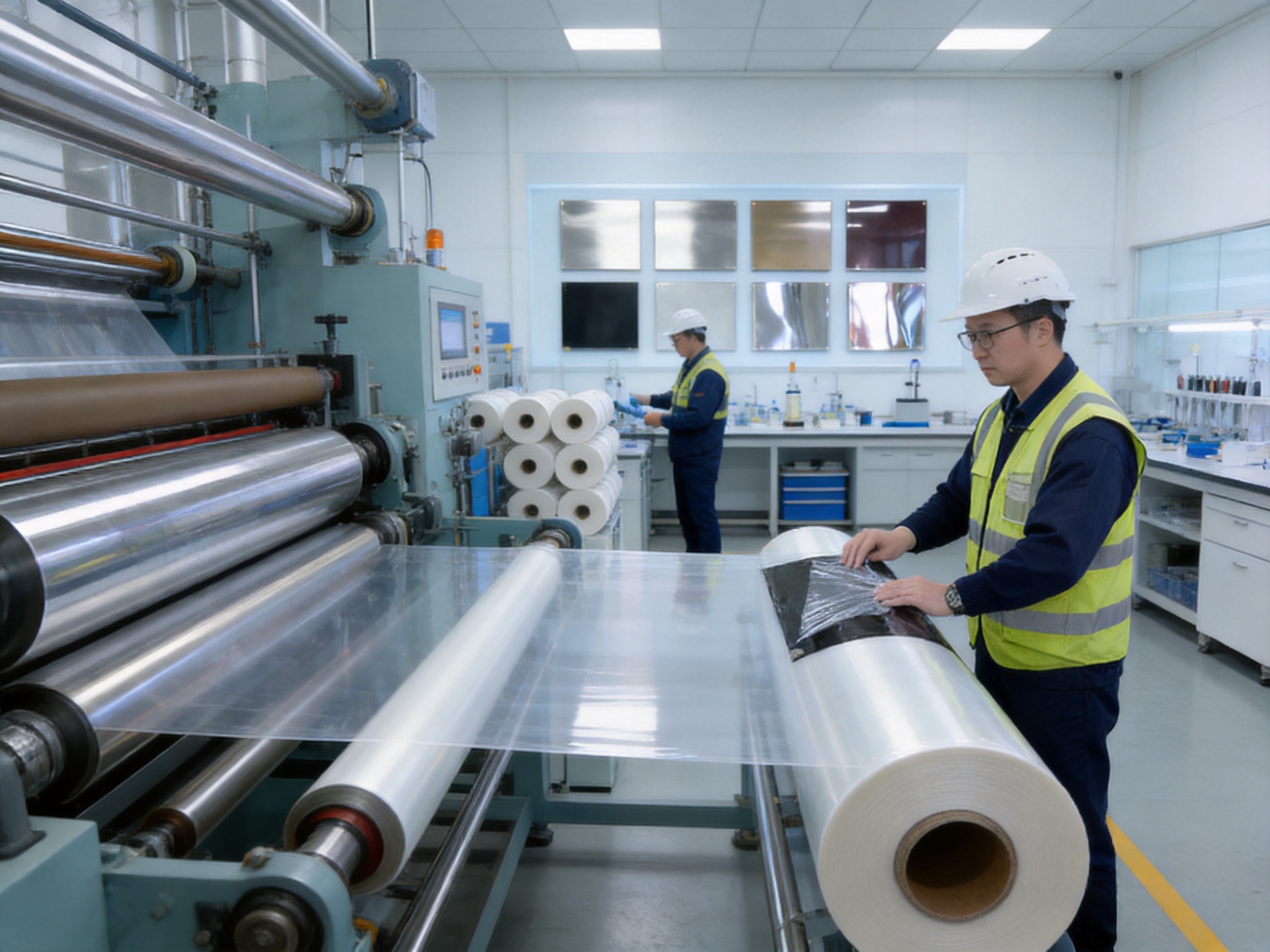
The use of properly selected protective film can create benefits throughout the customer’s operation. These benefits are not limited to surface appearance; they can also affect labor, production efficiency, logistics, and customer satisfaction.
When the metal surface is protected during processing and transportation, fewer panels may require polishing, cleaning, repainting, or replacement. This can reduce labor and material costs while helping production teams maintain delivery schedules.
A reliable film reduces the need for workers to repeatedly inspect and clean surfaces between operations. It can remain in place while the plate moves through suitable processes, allowing the material to progress more efficiently.
Customers receive steel plates with a cleaner and more consistent appearance. After the film is removed, the intended decorative surface can be presented without transport dust, fingerprints, or incidental abrasion.
Keeping the film on the plate during installation protects the finished surface from construction activity. This is useful for elevators, façades, wall panels, doors, ceilings, kitchens, and other projects where installation occurs before the surrounding work is complete.
Controlled film thickness, coating, adhesion, printing, slitting, and packaging can help customers achieve more predictable results than they might obtain from inconsistent general-purpose material.
The product is primarily designed for stainless steel plates, colored steel plates, prepainted metal, and mirrored steel plates. Other surfaces, including aluminum, plastic panels, decorative laminates, glass, and ceramics, may be considered after application testing.
Available thicknesses range from approximately 30 micrometers to 80 micrometers. The correct thickness depends on the required mechanical protection, handling conditions, processing method, and cost target.
Yes. Printing in zero to three colors is available. Customers may print logos, application instructions, removal reminders, warnings, directional information, or product identification.
Common options include blue, clear, black and white, black, and white. Other colors may be discussed according to order quantity, printing requirements, and production feasibility.
The product is designed for clean removal without adhesive residue when the correct grade is selected and the film is applied, stored, and removed under suitable conditions. Testing is recommended for every new surface, coating, and extended exposure period.
Stable adhesion means that the film remains attached during the intended protection period and does not easily lift, wrinkle, or detach during normal handling. At the same time, it should remain removable without excessive force or surface damage.
Depending on the selected grade and environmental conditions, UV resistance is available for approximately three to six months. Outdoor exposure should be reviewed with the supplier because sunlight intensity, temperature, humidity, and geographic location affect performance.
Some grades are suitable for use during bending, roll forming, or other fabrication operations. The correct product depends on the forming pressure, radius, temperature, tool condition, and surface finish. Sample testing should be completed before production use.
Neither adhesive type is universally better. Rubber and acrylic systems provide different combinations of tack, holding power, aging behavior, and removal characteristics. The best option depends on the plate surface, protection period, environment, and processing conditions.
Yes. Widths from 500 millimeters to 2,250 millimeters and roll lengths from 100 meters to 2,000 meters are available within the product range. Specific dimensions should be confirmed according to production capability and order requirements.
Protective film should be stored in a clean, dry area away from direct sunlight, excessive heat, moisture, chemicals, and heavy pressure. Rolls should remain properly packaged until use and should be handled carefully to prevent edge damage.
The appropriate duration depends on the film grade, surface, indoor or outdoor conditions, temperature, UV exposure, and customer process. The recommended period should be confirmed before use, especially for long-term storage or outdoor exposure.
Yes. The company’s engineers and technicians can review customer samples, technical data sheets, and application requirements. OEM and ODM development may cover adhesive level, thickness, width, color, printing, roll format, and packaging.
Qida Tape operates under ISO 9001 and ISO 14001 management systems. Depending on the product and destination market, documentation or testing related to SGS, RoHS, REACH, PFAS, and Prop 65 may be available. Customers should confirm the exact documents required for their project.
Protective film performance is determined by more than the appearance of the film roll. A specialized manufacturer understands the relationship between backing film, adhesive, surface finish, coating chemistry, process conditions, and removal behavior.
A specialized supplier can help prevent common problems such as insufficient adhesion, edge lifting, adhesive transfer, film tearing, poor printing, uneven coating, difficult removal, and inconsistent roll quality. It can also provide a more suitable product when the application involves polished, painted, mirrored, textured, or sensitive surfaces.
Qida Tape’s experience in protective films, its integrated factory, engineering support, quality systems, testing laboratory, and international supply experience allow it to serve customers that require more than a standard commodity film. The company’s production capacity and customization capabilities support both regular orders and application-specific development.
For buyers, the most important benefit is a more complete solution. Instead of selecting a film only by price or nominal thickness, customers can work with a manufacturer to define the required protection level, adhesion, exposure period, printing, dimensions, packaging, and quality documentation.
Protective film for stainless steel plates, colored steel plates, and mirrored steel plates is an essential temporary protection solution for modern metal processing and distribution. It helps preserve surface appearance and reduces the risk of scratches, abrasion, dust, fingerprints, coating damage, ghost shadows, fish-eye effects, and adhesive residue.
The product range offers thicknesses from 30 micrometers to 80 micrometers, widths from 500 millimeters to 2,250 millimeters, roll lengths from 100 meters to 2,000 meters, multiple adhesion levels, rubber or acrylic adhesive systems, several film colors, customized printing, and UV resistance of approximately three to six months depending on grade and conditions.
Its advantages include stable adhesion, easy application, clean removal, flexibility, customized identification, and suitability for a wide range of decorative and finished metal surfaces. These qualities are supported by Qida Tape’s integrated manufacturing processes, advanced equipment, quality management systems, technical team, testing laboratory, OEM and ODM capabilities, and international service experience.
Choosing the right protective film begins with understanding the surface, process, exposure environment, and removal requirements. With proper product selection and sample testing, protective film can improve production efficiency, reduce rework, protect product value, and help ensure that steel plates reach their final users in the intended condition.
1. ISO 9001, Quality Management Systems: Requirements.
2. ISO 14001, Environmental Management Systems: Requirements with Guidance for Use.
3. General technical principles for temporary surface protection materials used on finished metal products.
4. Industrial guidance on adhesive-coated polymer films for manufacturing, transportation, storage, and installation.
5. Product information and technical specifications supplied by Wuxi Qida Tape Co., Ltd.
6. General practices for handling, storage, application, and removal of temporary protective films.
7. Applicable RoHS, REACH, PFAS, Prop 65, and related product compliance requirements for target markets.
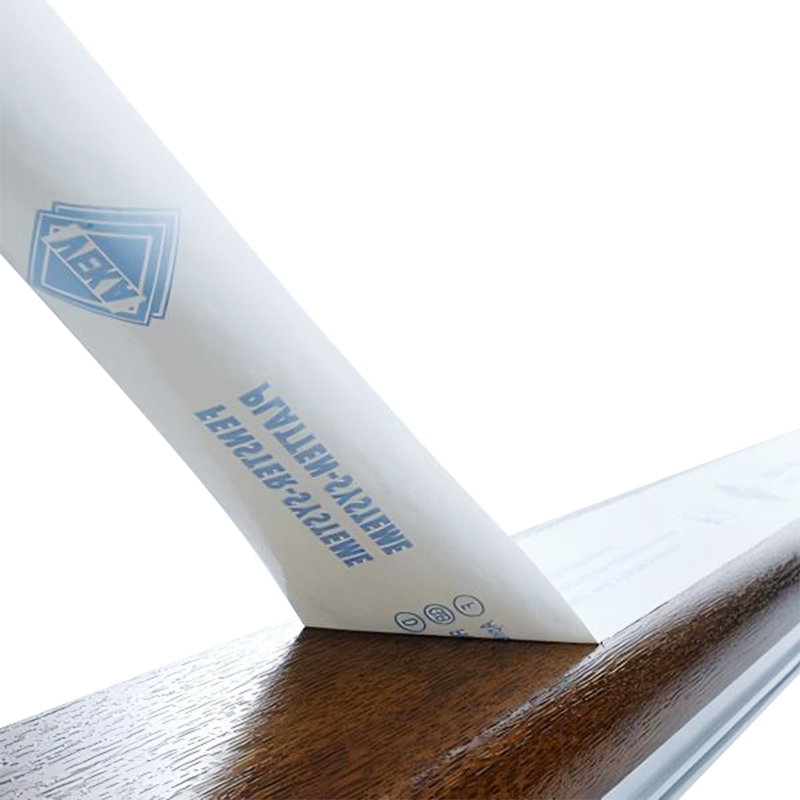
● Good weatherability for outdoor exposure; ● Stable adhesion level; ● UV resistance for up to 12 months; ● Can print customized logo or application i...
See Details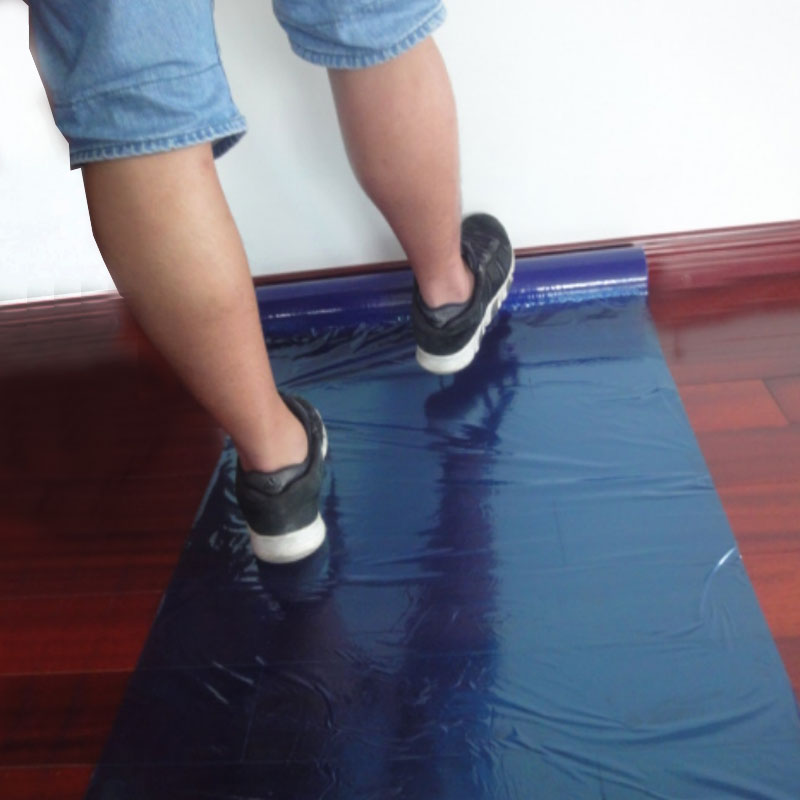
● Patented adhesive formula suits all hard surfaces such as hardwood floors, laminate floors, ceramic, marble, tile, granite, vinyl, worktops, and gla...
See Details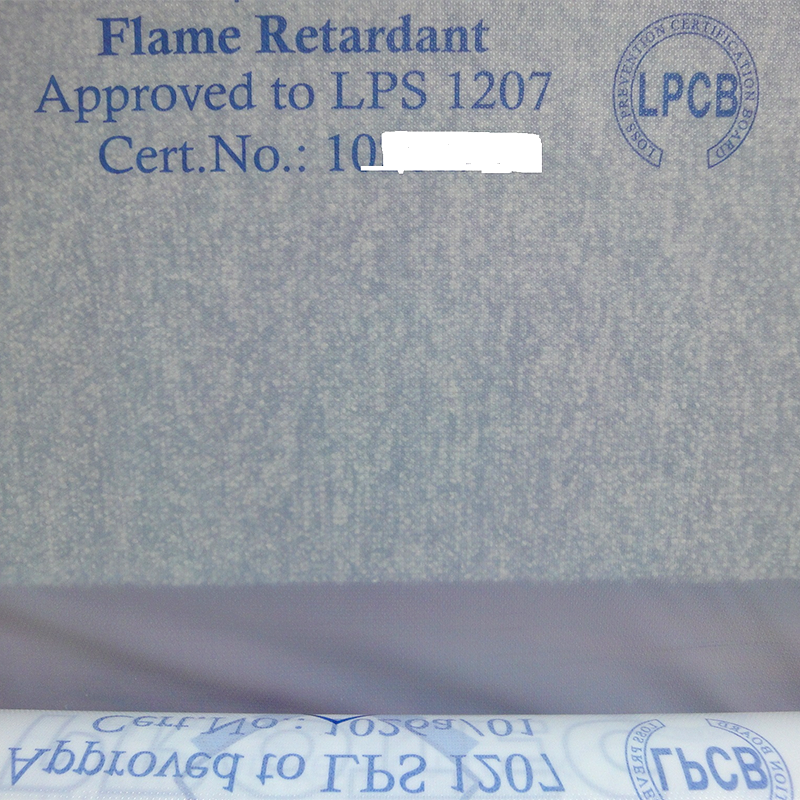
● Prevents costly damages in case of fire /flame;● Meet the strict international test standards of loss prevention; ● Extensive selection for flame re...
See Details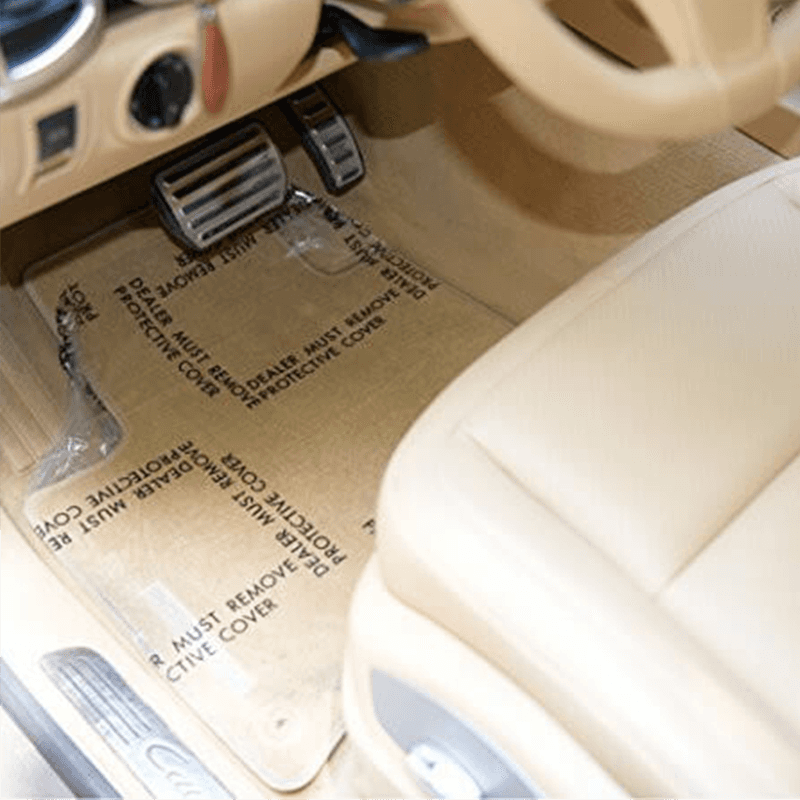
● Distance of each perforation die-cut ranges from 100mm to 1200mm;● Can peel off each die-cut piece of protective film at the perforated line easily;...
See Details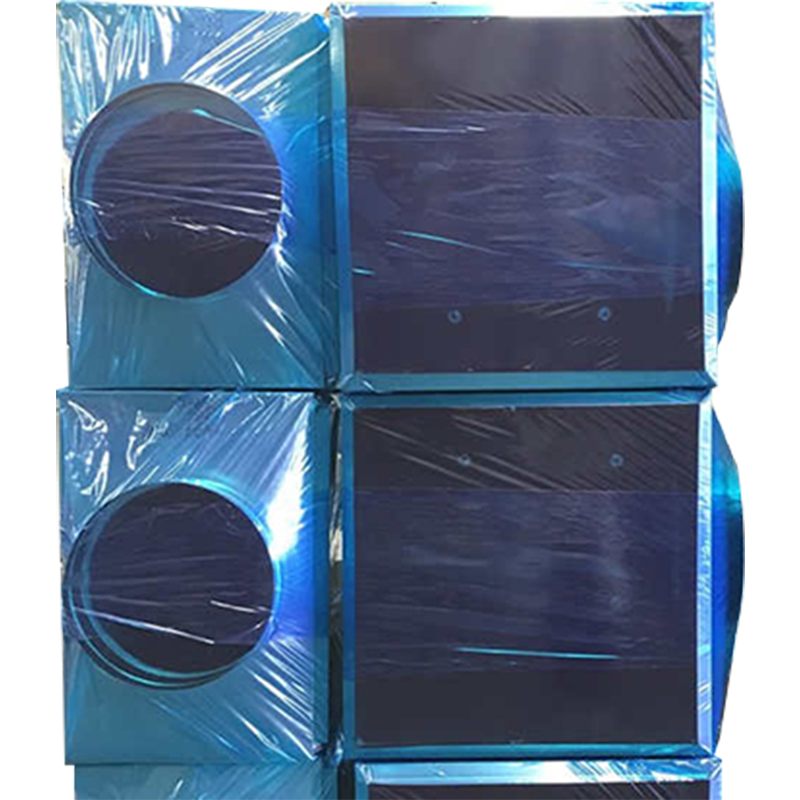
● The super-tough polyethylene film resists puncture and penetration by liquid and dirt during storage, transportation, and installation of the ductwo...
See Details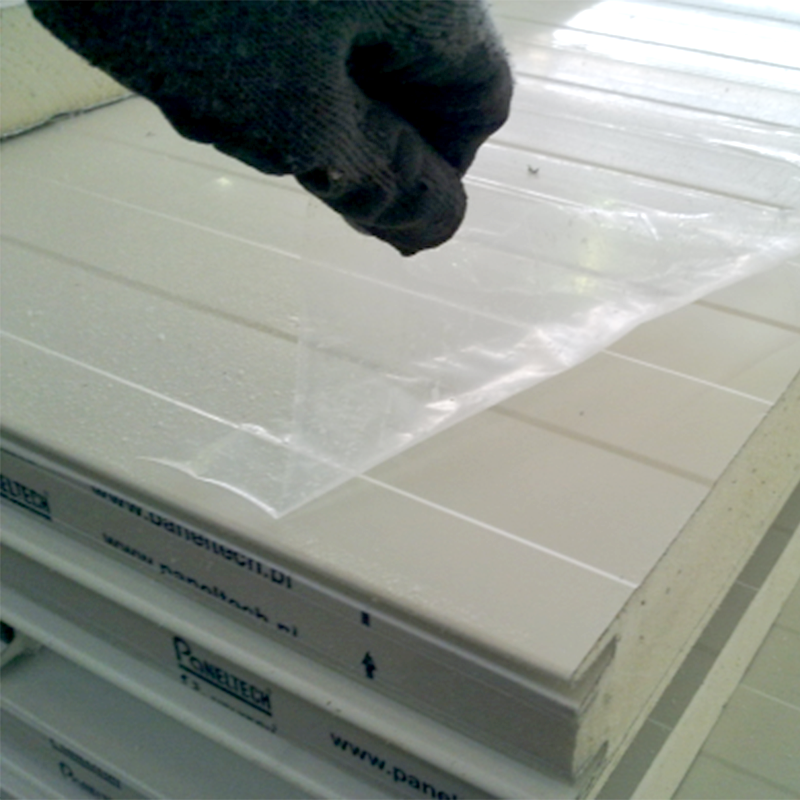
● The specially formulated adhesive ensures easy application and removal without leaving residue glue on the sandwich panels; ● The super-tough polyet...
See Details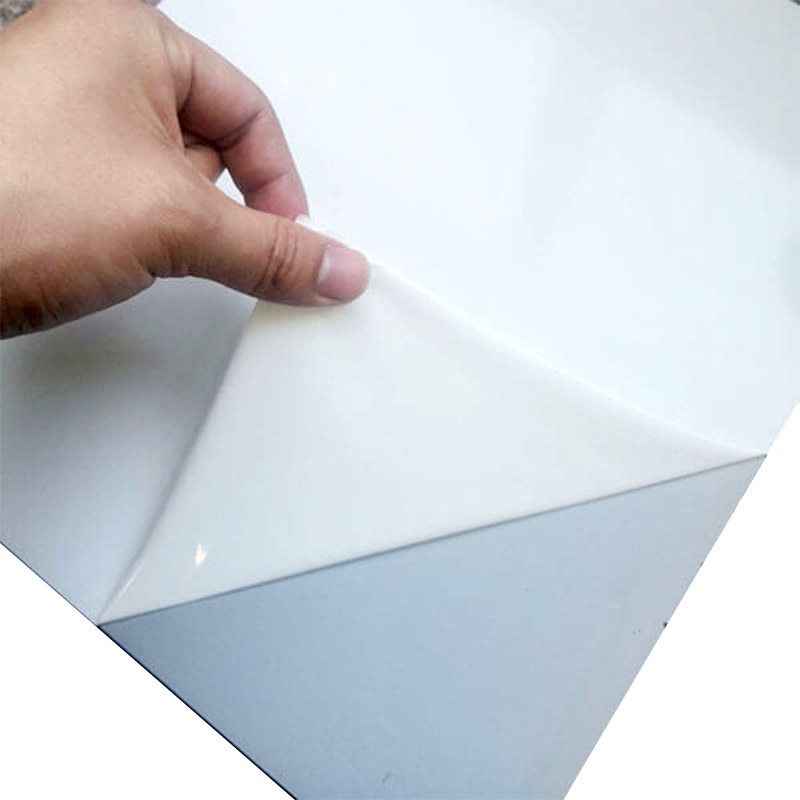
● The super tough polyethylene film with super high adhesion can stop parts of the glass or mirror from splintering away and injuring people when it i...
See Details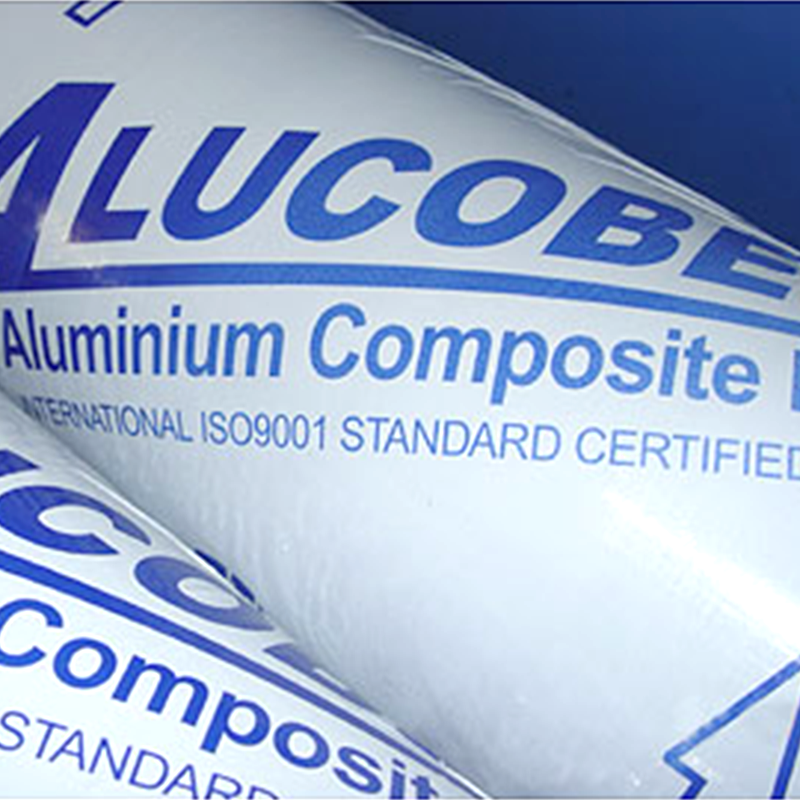
● The specially formulated adhesive ensures easy application and removal without leaving residue glue; ● The super-tough polyethylene film protects ag...
See Details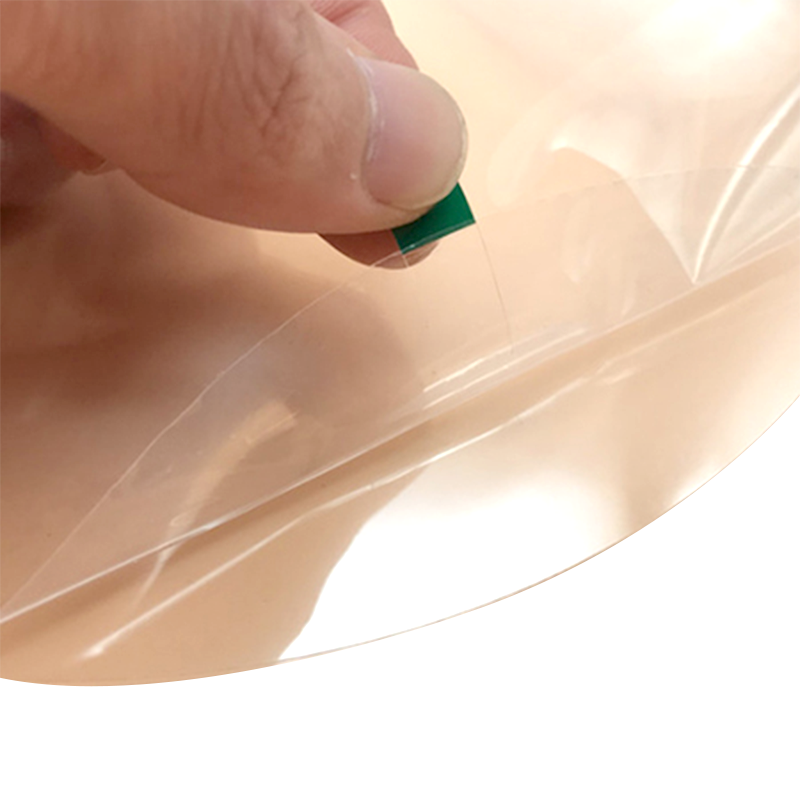
● Suitable for plastic sheets’ drilling, cutting, routing, thermoforming, bending, or post-fabrication operations;● No “ghost shadow” or “fish eye” af...
See Details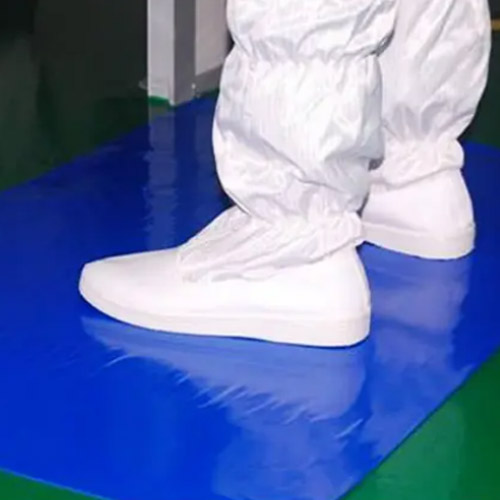
● Options for either 30 or 60 layers per mat; can be packed with four mats, eight mats, or ten mats per carton;● Remove dirt effect: ≥99.9% (5 steps);...
See DetailsWe’re a reliable partner that shapes our expertise into success for your project.

Copyright 2024 Wuxi Qida Tape Co., Ltd. All Rights Reserved
 Wholesale Protective Film/Foil Manufacturers
Privacy
Wholesale Protective Film/Foil Manufacturers
Privacy