

 English
 English
 русский
 Français
 Español
 Português
 عربى
عربى
Cat:Glue -coated Protective Film
● Good weatherability for outdoor exposure; ● Stable adhesion level; ● UV resistance for up to 12 months; ● Can print customized logo or application i...
See Details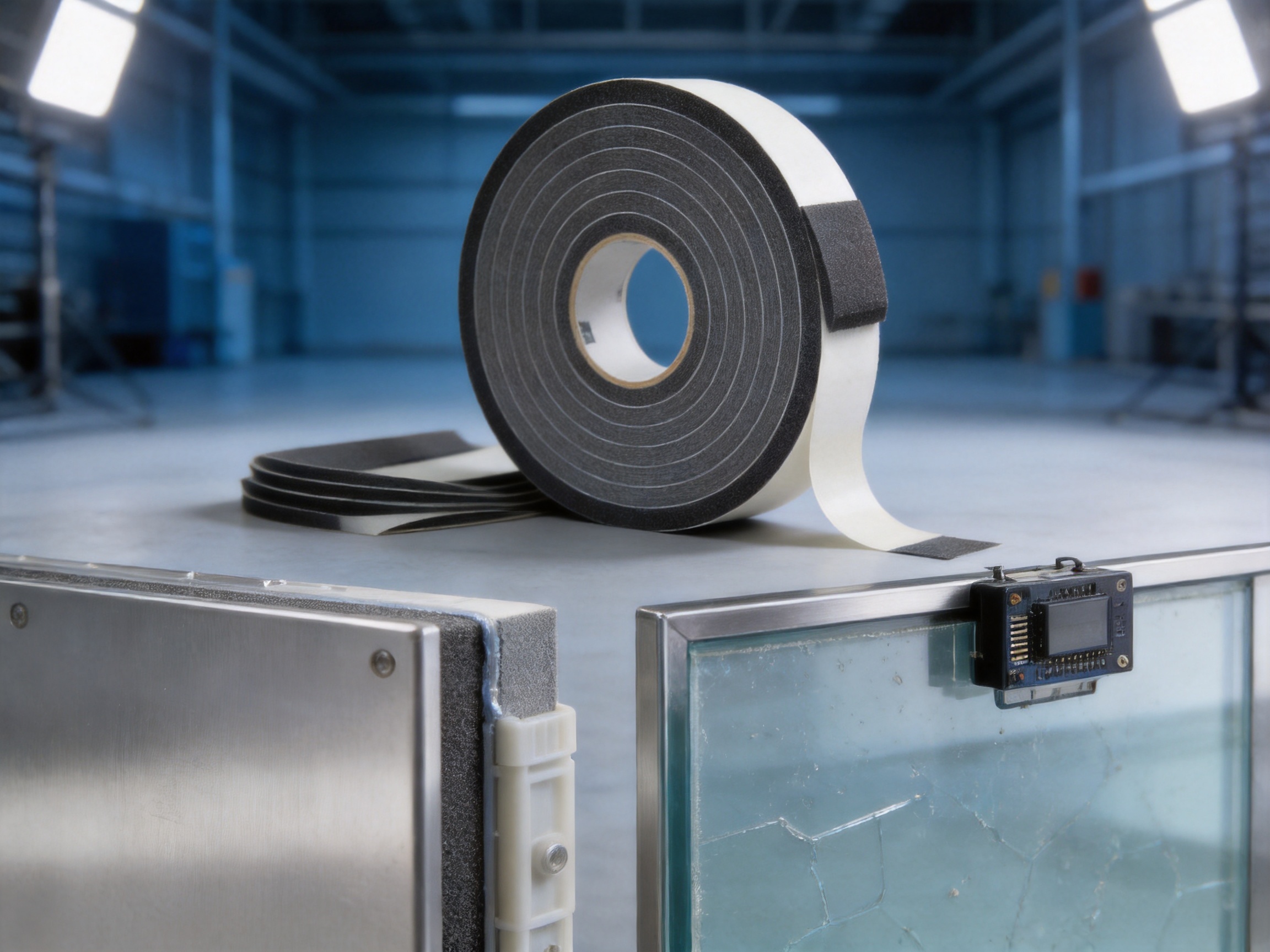
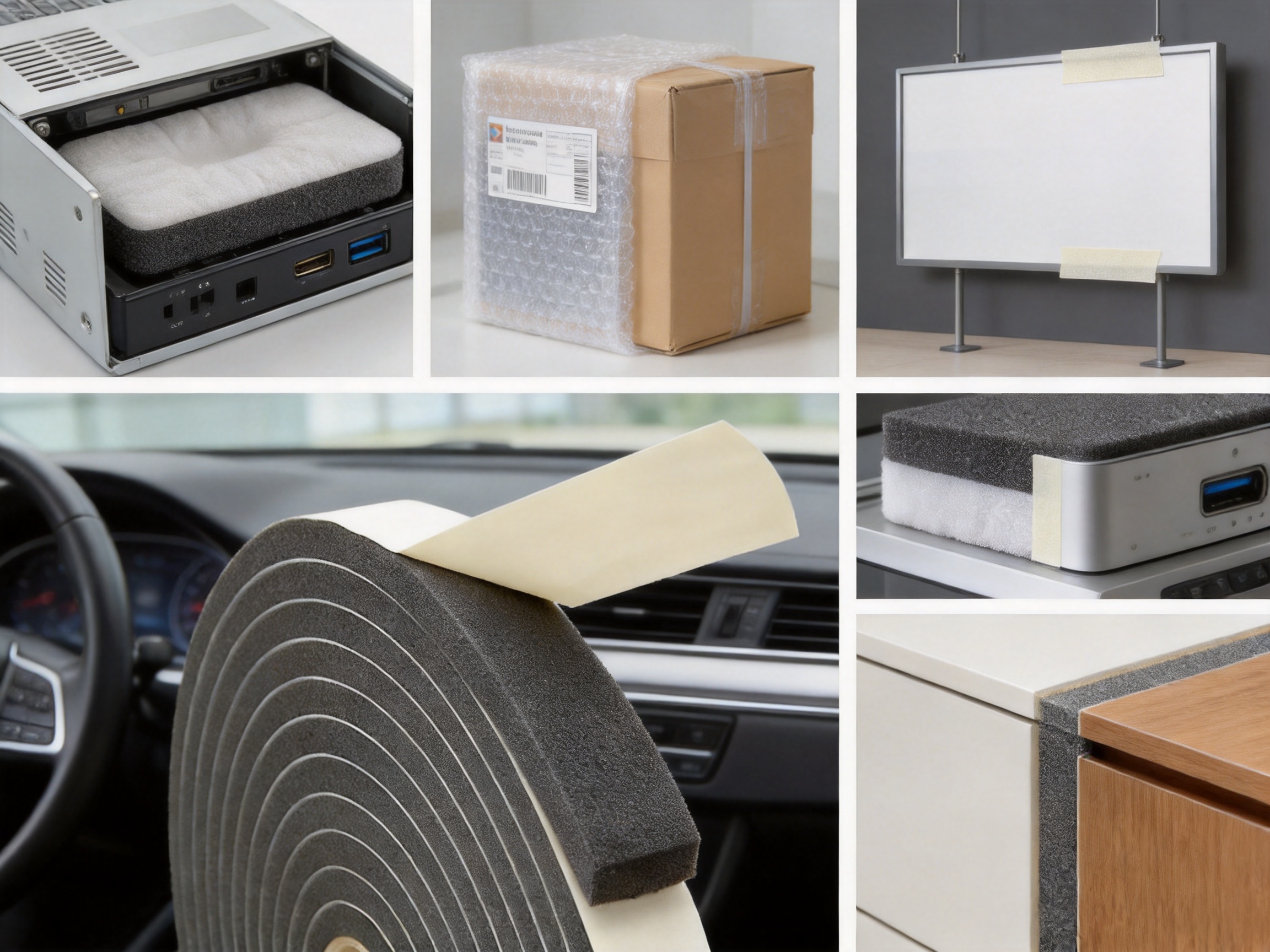
Double sided foam tape is a versatile bonding material designed to join two surfaces while also providing sealing, cushioning, vibration control, and gap-filling performance. Unlike conventional single-sided adhesive tape, it carries adhesive on both faces of a foam substrate. This structure enables the tape to bond components without visible mechanical fasteners while accommodating differences in surface texture, thermal expansion, and minor dimensional variation.
Modern manufacturing, packaging, construction, automotive assembly, electronics, signage, furniture production, and general industrial fabrication all require reliable bonding solutions. In many of these applications, the bonding material must do more than simply hold two surfaces together. It may also need to resist moisture, prevent dust penetration, absorb impact, reduce vibration, maintain dimensional stability, and perform across changing temperatures. Double sided foam tape addresses these requirements by combining a flexible foam carrier with a carefully selected adhesive system.
High-quality products can be manufactured with IXPE or PVC foam substrates, acrylic solvent adhesives, silicone adhesives, and several liner colors and thickness options. This range allows manufacturers to select a product according to the surface energy, environmental exposure, required holding power, appearance, and converting method of the final application.
Double sided foam tape is a pressure-sensitive adhesive tape with a foam carrier coated on both sides. The foam provides thickness, elasticity, resilience control, impact absorption, and the ability to compensate for uneven surfaces. The two adhesive layers create a strong bond between the tape and the surfaces being joined.
A removable or protective polyethylene liner covers the adhesive before use. This liner protects the adhesive from dust, moisture, and premature contact. During application, the liner is removed, one side of the tape is applied to the first surface, and the remaining liner is removed before the second surface is bonded.
The product can be supplied in different foam colors, including black, white, and gray. The polyethylene liner may be blue, red, or white, depending on customer preference and production requirements. Standard thicknesses include 0.8 millimeters, 1.0 millimeter, 1.6 millimeters, 2.0 millimeters, 2.5 millimeters, and 3.0 millimeters, with additional thicknesses available for customized applications.
In comparison with rigid fastening methods, double sided foam tape distributes stress over a wider bonding area. Screws, clips, and rivets often concentrate force at individual points and may require drilling, special tooling, or additional finishing. Foam tape can reduce the number of assembly steps, improve product appearance, and help protect the bonded surfaces from localized damage.
The foam substrate acts as the structural and functional center of the tape. IXPE, or irradiated cross-linked polyethylene, is valued for its closed-cell structure, good dimensional stability, low water absorption, and resistance to many environmental conditions. Its fine cell structure can provide a smooth surface for adhesive coating and consistent thickness throughout the roll.
PVC foam is another useful substrate option. It offers flexibility, conformability, and a broad range of processing possibilities. Depending on the grade, PVC foam can be used for interior components, signs, decorative materials, and general mounting applications that require a soft and adaptable carrier.
The choice between IXPE and PVC depends on the customer’s requirements. Important considerations include the bonding surface, temperature range, compression behavior, resistance to moisture, expected service life, color, and converting process. A professional manufacturer can recommend the most suitable substrate after reviewing the application conditions.
The adhesive system determines much of the tape’s initial tack, ultimate adhesion, temperature resistance, chemical stability, and aging performance. Acrylic solvent adhesive is suitable for applications that require reliable long-term bonding and good resistance to environmental exposure. Silicone adhesive may be selected for specialized surfaces or applications requiring particular temperature or release characteristics.
Because both sides of the product can be engineered independently, the tape may be adapted for surfaces with different bonding requirements. For example, one side may require higher initial tack while the other side may require improved adhesion to a low-surface-energy material. This flexibility creates advantages over simpler adhesive products that use the same formulation on both sides.
The polyethylene liner protects the adhesive before installation. A high-quality liner should release cleanly without damaging the adhesive layer or leaving excessive transfer on the tape. It should also remain stable during slitting, rewinding, storage, transportation, and automated die-cutting.
Blue, red, and white liner options can help users identify different tape specifications in a production environment. Color selection can also support product differentiation, work instructions, and quality-control procedures. When the liner is removed, the adhesive should remain uniform and free from contamination.
Product characteristic | Available or typical specification | Application value |
Foam substrate | IXPE or PVC | Provides cushioning, conformability, and gap filling |
Foam color | Black, white, or gray | Supports appearance and product identification requirements |
Polyethylene liner | Blue, red, or white | Protects the adhesive and assists visual identification |
Thickness | 0.8, 1.0, 1.6, 2.0, 2.5, 3.0 millimeters, and customized options | Allows selection according to gap, compression, and cushioning needs |
Adhesive type | Acrylic solvent or silicone | Supports different surfaces and environmental conditions |
Elongation | At least 160 percent according to the supplied specification | Helps the tape accommodate movement and complex shapes |
Heat resistance | Approximately -30°C to 90°C according to the supplied specification | Provides service capability across a broad temperature range |
The most important advantage of double sided foam tape is its ability to create a stable bond on both sides. Once the adhesive has made adequate contact with clean and suitable surfaces, the tape can hold components without the need for visible screws, rivets, clips, or liquid adhesive application.
The pressure-sensitive adhesive develops contact through applied pressure. As pressure is applied, the adhesive flows into small surface irregularities and increases the actual contact area. This behavior helps the tape bond to materials such as metal, plastic, glass, wood, coated panels, and many decorative surfaces.
Bond strength depends on surface cleanliness, surface energy, contact area, pressure, temperature, dwell time, and the specific adhesive formulation. For this reason, professional selection and application are essential. A quality manufacturer can provide technical guidance rather than treating every application as identical.
The closed-cell foam structure helps reduce water penetration through the carrier. When the tape is properly compressed against suitable surfaces, it can support sealing around gaps, edges, joints, and interfaces. This feature is valuable in applications where moisture, condensation, or splashing water may affect the assembled components.
Double sided foam tape is not automatically a substitute for every engineered waterproofing system. The final result depends on joint design, surface condition, compression, exposure time, temperature, and adhesive compatibility. Nevertheless, its combination of conformability and adhesion makes it a practical material for improving the moisture resistance of many assemblies.
Dust and airborne particles can enter through small gaps between panels, frames, covers, and enclosures. Foam tape can fill these irregularities and create a more continuous interface. By limiting open gaps, it helps reduce dust accumulation inside or behind the assembled parts.
This dust-control function is particularly useful in electronic equipment, display assemblies, furniture panels, advertising structures, and interior components. It can also improve the perceived quality of a product by creating a cleaner, more finished joint.
Low resilience means that the foam does not aggressively spring back after compression. This property can help reduce deformation between a panel and a frame. A tape with excessive rebound may create stress, movement, or visible separation after installation. A controlled-resilience foam can maintain more stable contact while accommodating moderate surface variation.
Dimensional stability is also important during converting and assembly. If the foam changes significantly in width, thickness, or length during processing, it may create installation problems. Consistent substrate production and controlled adhesive coating help improve roll quality and finished-product reliability.
Foam is capable of absorbing and dispersing part of the energy generated by impact, vibration, and movement. The supplied product information indicates an absorption rate of more than 55 percent under the relevant test conditions. The exact result will depend on foam density, thickness, compression, impact energy, temperature, and test method.
In practical use, the cushioning effect can protect components from repeated minor impacts and reduce direct contact between hard surfaces. This is beneficial in automotive assemblies, electronic equipment, packaging, furniture, signage, and interior construction. The foam layer can also reduce rattling and help isolate vibration between joined parts.
According to the supplied specification, the tape can operate within a temperature range of approximately -30°C to 90°C. This range allows use in many indoor and outdoor environments, although the actual suitability must be confirmed for the full service cycle and exposure conditions.
Temperature resistance involves more than the ability to survive a short period of heat. A good application assessment should consider the time at temperature, pressure on the bond, thermal cycling, ultraviolet exposure, humidity, and the expansion rates of the joined materials. Acrylic solvent and silicone adhesive systems may perform differently under these conditions, so adhesive selection should be based on the application rather than price alone.
The foam carrier can interrupt the direct transmission of vibration and sound between two components. Although double sided foam tape is not a complete acoustic treatment, it may reduce rattling, panel noise, and structure-borne vibration. In vehicles, cabinets, appliances, and equipment housings, this can contribute to a quieter and more comfortable product.
Sound performance depends on the thickness and density of the foam, the frequency of the vibration, the rigidity of the components, and the design of the joint. The tape is most effective when it is integrated into a broader noise-control strategy.
Mechanical fasteners provide strong point fixation, but they often require holes, tools, brackets, and additional labor. Drilling can weaken panels and may expose surfaces to corrosion or cracking. Fasteners can also remain visible and affect the appearance of finished products.
Double sided foam tape can provide a clean, continuous bond without drilling. It distributes load across the bonding area and can reduce the number of parts required for assembly. For lightweight panels, trim, nameplates, decorative elements, and covers, this may lower production time and simplify design.
Liquid adhesives can create strong bonds, but they may require mixing, dispensing equipment, curing time, ventilation, and careful control of application quantity. Excess liquid adhesive may spread beyond the joint or contaminate finished surfaces.
Foam tape arrives in a ready-to-use format. It can be unwound, cut, laminated, die-cut, and applied with relatively simple equipment. There is no mixing operation, and the adhesive is already distributed at a controlled thickness. This supports cleaner assembly and more predictable material consumption.
Single-sided tape generally requires the tape backing to remain exposed on one side. Double sided foam tape places the carrier between the two bonded surfaces, creating a concealed attachment. This improves appearance and allows the foam to perform as a spacer, cushion, and seal.
The hidden construction is especially useful for signs, decorative panels, mirrors, trim, electronic components, and furniture parts. It can provide a more integrated appearance than exposed tape or external brackets.
Rigid mounting materials may not accommodate uneven surfaces or differences in thermal movement. Foam tape can conform to moderate irregularities and maintain contact across a broader area. Its flexibility can reduce stress concentration and help prevent cracking or premature separation when components move slightly.
This advantage is important when bonding materials with different coefficients of thermal expansion, such as metal to plastic or glass to coated panels. The foam layer can act as a compliant interface between the materials.
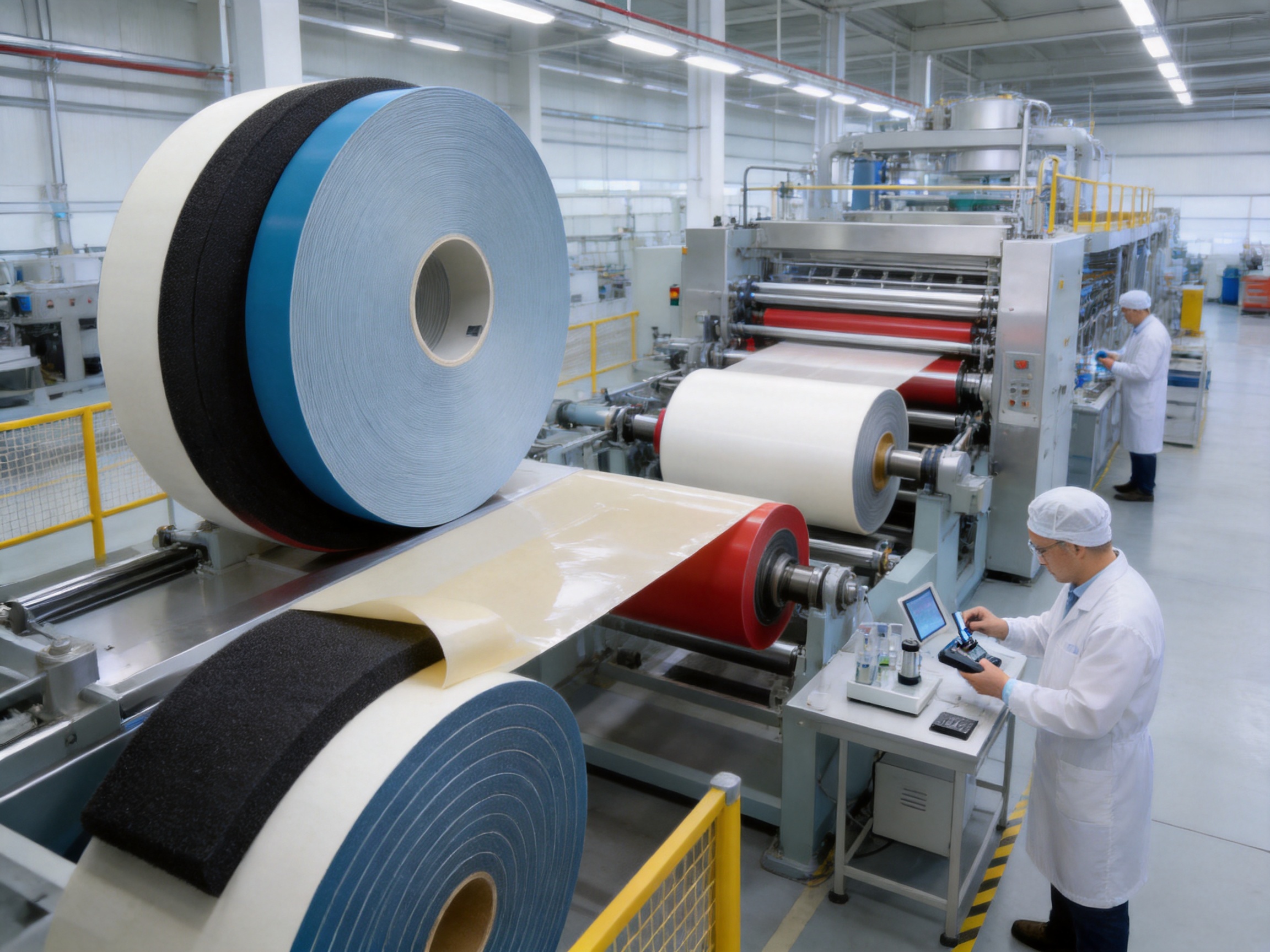
Manufacturing begins with the preparation or sourcing of a controlled foam substrate. The foam must meet requirements for thickness, density, color, cell structure, elongation, surface condition, and dimensional consistency. If the foam surface is not suitable for coating, it may require treatment or conditioning to improve adhesive anchorage.
Quality control at this stage helps prevent defects later in production. Operators and technicians inspect roll width, thickness, edge condition, surface cleanliness, and winding quality. Consistent foam preparation is necessary for smooth coating, accurate slitting, and reliable customer conversion.
The adhesive is prepared according to the intended product specification. Acrylic solvent adhesive and silicone adhesive have different performance profiles, so formulation control is essential. The manufacturer must manage viscosity, solids content, coating behavior, drying conditions, and storage stability.
Raw materials should be checked before entering production. Batch identification and traceability allow the manufacturer to investigate performance differences and maintain consistency from one production run to another. Proper formulation control also supports stable initial tack, peel adhesion, holding power, and temperature performance.
Coating equipment applies adhesive to the foam substrate in a controlled and uniform layer. The coating line must maintain accurate tension, speed, coating weight, and drying conditions. Uneven adhesive thickness may cause weak areas, excessive transfer, liner problems, or inconsistent bonding.
Advanced production equipment imported from Germany supports stable processing and accurate control. Modern coating machinery can improve coating uniformity, production efficiency, and repeatability. It also allows the manufacturer to produce different specifications with controlled changes in adhesive type, thickness, and roll format.
During solvent-based adhesive production, drying and ventilation are particularly important. The coating process must remove solvents to the required level while preserving adhesive performance. Safe handling, environmental controls, and process monitoring are essential parts of responsible manufacturing.
After adhesive coating, the protective polyethylene liner is laminated to the adhesive surface. The lamination process must avoid wrinkles, trapped air, contamination, and excessive liner tension. The liner should release smoothly during application while remaining securely attached during storage and converting.
Accurate lamination is especially important for products supplied to automated production lines. Small liner defects can interfere with die-cutting, roll feeding, robotic placement, or high-speed assembly. Stable liner performance contributes to lower waste and fewer stoppages for the customer.
Large master rolls are rewound and slit into the widths required by customers. Slitting precision affects edge quality, roll alignment, winding tightness, and ease of application. Poorly controlled slitting may produce telescoping, loose edges, adhesive contamination, or uneven roll lengths.
The tape can also be converted into sheets, narrow rolls, strips, pads, or die-cut shapes. Die-cutting allows the tape to match the geometry of a component and can reduce manual trimming during assembly. A manufacturer with in-house rewinding, slitting, printing, and packaging capabilities can coordinate the full process more efficiently.
Quality testing may include thickness measurement, width measurement, peel adhesion, tack, holding power, elongation, liner release, temperature resistance, and visual inspection. Tests should be performed under defined conditions because adhesive performance can vary with temperature, humidity, pressure, and dwell time.
A testing laboratory equipped with inspection instruments allows production teams to verify materials before shipment. It also supports product development when customers require a new thickness, adhesive combination, liner, color, or roll format.
Inspection should not be limited to the finished roll. Monitoring raw materials, coating parameters, drying conditions, lamination, and slitting provides earlier detection of problems. This process-based approach is more effective than relying only on final inspection.
Finished rolls must be protected from dust, moisture, excessive heat, and crushing during storage and transportation. Packaging should preserve roll shape and prevent damage to the adhesive edges. Product labels should identify specifications, batch information, production date, and handling requirements where applicable.
Traceability is valuable for industrial customers because it connects the delivered product with raw material batches, coating records, inspection results, and packaging information. It supports customer confidence and makes corrective action more efficient if a technical issue occurs.
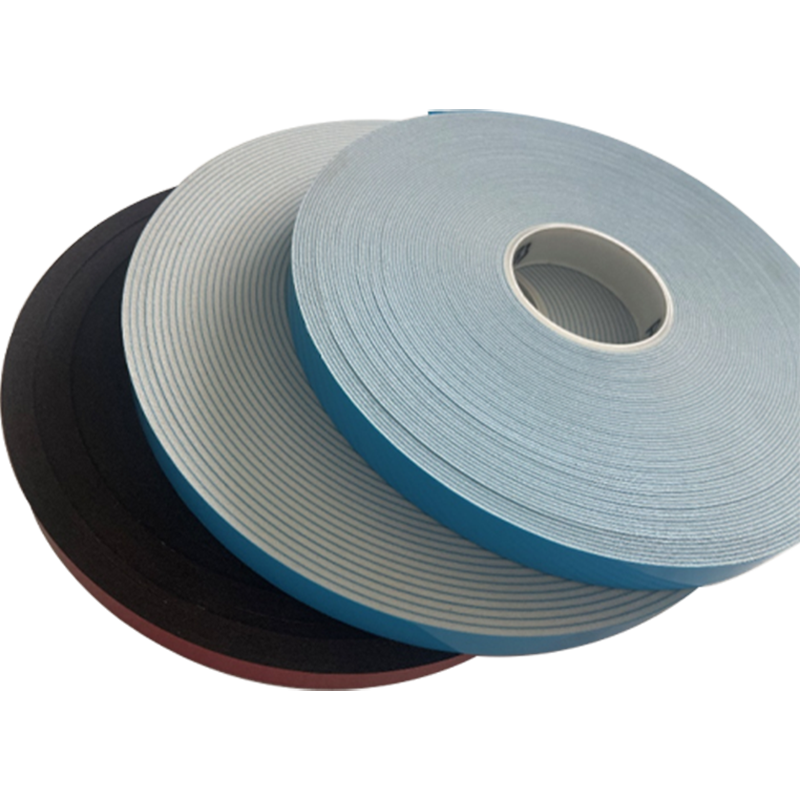
Double Sided Foam Tape
Not all foam tapes with similar appearance have the same performance. Differences in foam structure, adhesive chemistry, coating precision, liner quality, and storage conditions can affect the final bond. A supplier’s manufacturing capability is therefore as important as the product name or nominal thickness.
Wuxi Qida Tape Co., Ltd. operates as a manufacturer of protective films and surface protection products, including double sided foam tape. Its factory integrates multiple steps such as backing film production, adhesive coating, logo printing, rewinding, slitting, and packaging. In-house control over these operations can improve coordination between departments and reduce dependence on unrelated subcontractors.
The company was founded in 1999 and has a factory area of approximately 20,000 square meters, more than 95 experienced employees, and annual production capacity exceeding 12,000 tons. This scale supports both standard production and customized orders. It also provides the capacity needed for customers requiring stable supply across multiple locations or product lines.
Advanced machines imported from Germany contribute to coating and converting performance. Equipment alone, however, does not guarantee quality. Skilled technicians, experienced engineers, documented procedures, laboratory testing, and disciplined maintenance are all necessary to use advanced machinery effectively.
The company maintains management systems certified under ISO 9001 and ISO 14001. ISO 9001 supports quality-management practices, while ISO 14001 addresses environmental-management processes. These systems encourage documented procedures, controlled production, continual improvement, and more responsible resource management.
Qida Tape also reports testing and compliance support related to SGS, RoHS, REACH, PFAS, and Prop 65 requirements. The specific compliance requirement for a project should always be confirmed according to the final product, market, adhesive formulation, substrate, and customer documentation. Nevertheless, the ability to work with international standards is important for export customers and regulated industries.
Industrial customers rarely need a single universal tape. They may require a defined width, length, thickness, color, liner, adhesive type, packaging format, or die-cut shape. A flexible manufacturer should be able to adjust the product without compromising process control.
Thickness selection is one of the most important decisions. A thinner tape may be suitable for close-fitting components, labels, trim, or lightweight mounting. A thicker tape can provide greater gap filling, cushioning, and tolerance compensation. Excessive thickness, however, may create unwanted movement or reduce the stability of a joint. The correct choice depends on the design and load.
Foam color can be selected according to visual requirements. Black foam may be useful for dark components or applications where edge visibility must be minimized. White foam may be appropriate for light-colored surfaces, while gray can provide a neutral appearance for general industrial use.
Liner color can support internal identification and work instructions. Customers may also require printed liners, logos, specific roll lengths, or special packaging. Logo printing and customized packaging can help prevent material mix-ups and strengthen product traceability.
Adhesive selection should be based on the surface and operating environment. Acrylic solvent adhesive may be chosen for durable general-purpose bonding and environmental resistance. Silicone adhesive may be considered for specialized surfaces or temperature-related requirements. Before mass production, customers should test the selected product on actual substrates under realistic conditions.
Qida Tape’s technical team can develop products according to customer samples or technical data sheets. This capability is valuable when a customer is replacing an existing product, optimizing an assembly process, or developing a new component. Technical cooperation can include sample preparation, trial production, performance testing, and specification confirmation.
Automotive production uses adhesive materials in trim, emblems, interior panels, seals, insulation, cable management, vibration control, and decorative components. Double sided foam tape can provide concealed attachment while absorbing vibration generated by road movement and engine operation.
In door assemblies and interior trim, the foam may help reduce rattling and create a more stable interface. In sound insulation and cushioning applications, it can reduce direct contact between panels. It may also support the installation of lightweight decorative parts without drilling or visible fasteners.
Automotive applications require careful attention to temperature, humidity, plasticizer migration, surface contamination, and long-term aging. The tape must be compatible with painted metals, plastics, textiles, and coated surfaces. Validation should include thermal cycling, humidity exposure, vibration, and peel or shear testing under the expected load.
Electronic equipment often contains delicate components that should be protected from vibration, impact, dust, and moisture. Double sided foam tape can be used to mount lightweight parts, secure displays, attach bezels, position protective components, and reduce movement within an enclosure.
The tape’s cushioning capability can prevent direct hard-surface contact. Its sealing effect can help reduce the entry of dust around selected interfaces. For appliances and equipment housings, the tape may also reduce panel vibration and unwanted noise.
Electronic applications require attention to outgassing, electrical insulation, flame behavior, temperature, and chemical compatibility. Product selection should be based on the equipment design and applicable industry requirements. The tape should not be used beyond the manufacturer’s validated conditions.
Double sided foam tape has several roles in packaging. It can secure products inside cartons, attach protective inserts, stabilize components, close selected interfaces, and provide cushioning against vibration. Fragile items such as glass products, ceramic goods, instruments, and electronic devices can benefit from the tape’s combination of holding power and energy absorption.
During transportation, packages may experience sudden impacts, repeated vibration, compression, and changes in humidity. A foam tape used inside the package can help reduce movement and keep the product in the intended position. This may lower the risk of scratches, breakage, and surface damage.
The material can also improve packaging efficiency. It is supplied in rolls and can be cut, laminated, or die-cut for fast application. Automated packaging lines can apply prepared tape pieces with consistent placement, reducing manual labor and material variation.
Environmental considerations are increasingly important in packaging. Using the correct amount of a high-performance tape may reduce the need for excessive protective materials. Some modern products may incorporate recyclable or lower-impact materials, but sustainability claims must be verified for the specific construction and disposal system.
In construction and interior design, double sided foam tape can mount decorative panels, signs, trim, lightweight fixtures, and selected surface materials. The concealed bond helps create clean lines and avoids visible screw heads or brackets.
Furniture manufacturers can use the tape to attach edging, decorative strips, labels, panels, and cushioning elements. Its ability to conform to small irregularities can help improve contact between components. In interior applications, the tape can also reduce rattling between panels and provide a more finished appearance.
Surface preparation is essential. Dust, oil, release agents, moisture, and loose coatings can reduce adhesion. Smooth, clean, dry, and compatible surfaces normally provide better results. Some low-energy plastics or textured surfaces may require a primer, mechanical preparation, or a specialized adhesive formulation.
Signs, displays, nameplates, and promotional panels often require a neat attachment method that does not distract from the printed design. Double sided foam tape can mount letters, logos, display elements, and lightweight panels while keeping the attachment hidden.
The foam layer can compensate for minor differences between the sign and the mounting surface. It can also provide a small stand-off distance that improves visual depth. Black, white, and gray foam options allow customers to coordinate the tape with the sign structure or minimize edge visibility.
Outdoor signage requires additional evaluation of ultraviolet exposure, rain, wind load, thermal cycling, and substrate expansion. The tape should be selected according to the size and weight of the sign, the bonding area, the mounting orientation, and the expected service life. Temporary positioning and permanent structural attachment should not be treated as the same application.
Before selecting the tape, identify the materials to be joined and examine their surface energy, texture, cleanliness, coating, flexibility, and expected movement. Determine whether the application is indoors or outdoors and whether it will encounter water, humidity, chemicals, vibration, or temperature changes.
Remove dust, grease, oil, loose particles, and other contaminants. Use a cleaning method compatible with the substrate. Allow the surface to dry completely before applying the tape. Cleaning agents should not leave a residue that interferes with adhesive contact.
Cut the tape to the required length or shape without touching the adhesive unnecessarily. Die-cut parts can improve placement accuracy for high-volume production. The bonding area should be large enough to support the load, and sharp corners should be considered carefully because they may create stress concentration.
Apply the tape smoothly to avoid wrinkles and trapped air. Use firm, even pressure across the full area. Pressure-sensitive adhesive requires intimate contact with the surface, so simply placing the tape without pressing may result in reduced performance.
Remove the remaining polyethylene liner immediately before the second surface is attached. Align the components accurately because repositioning may be difficult after full contact. Apply pressure again after joining the parts.
Initial adhesion may develop quickly, but final bond strength can increase over time. Avoid applying excessive load immediately after assembly unless the process has been validated. The required dwell time depends on the adhesive, substrate, temperature, and application design.
Surface energy influences how easily the adhesive wets the substrate. Metals and glass often provide favorable bonding surfaces when clean, while some plastics may be more difficult. Low-surface-energy materials may require a specialized adhesive or surface treatment.
Temperature affects both the adhesive and the substrate. Application at very low temperatures may reduce initial tack, while excessive heat may soften the adhesive or increase stress during cooling. The application temperature and service temperature should be evaluated separately.
Humidity and water exposure can affect the interface, especially when surfaces are porous, contaminated, or poorly sealed. The foam may resist moisture, but the joint design must also prevent water from attacking the adhesive edge.
Load direction is important. Peel forces are generally more demanding than shear forces because they concentrate stress at the edge of the bond. Where possible, designs should maximize the bonding area and reduce edge lifting.
Storage conditions also influence performance. Rolls should be kept in a clean, dry environment away from direct sunlight and excessive heat. The product should remain in its original packaging until use. Customers should follow the supplier’s recommended storage period and stock rotation practices.
Responsible manufacturing includes control of solvents, waste, emissions, energy use, and packaging materials. An ISO 14001 environmental-management system can help organize these activities through documented objectives, monitoring, and continual improvement.
Product compliance is application-specific. Customers may need documentation related to restricted substances, chemical registration, regional regulations, or material declarations. Qida Tape reports support related to RoHS, REACH, PFAS, Prop 65, and SGS testing. Buyers should request current documentation for the exact product construction being purchased.
Workplace safety is also important during coating, slitting, and converting. Solvent handling, ventilation, fire prevention, machine guarding, personal protective equipment, and waste management must be controlled according to applicable regulations.
During customer use, operators should follow safe handling instructions. The tape should not be exposed to conditions beyond its validated specification. If the product is used in a structural, load-bearing, electrical, medical, or safety-critical application, additional testing and approval may be necessary.
A dependable supplier should be able to provide technical specifications, samples, stable batch quality, production capacity, and responsive communication. Price is important, but a low unit price may not represent the lowest total cost if the tape causes line stoppages, rework, product returns, or premature failures.
Buyers should ask about the foam substrate, adhesive chemistry, thickness tolerance, liner type, operating temperature, test methods, roll dimensions, storage life, and available compliance documents. They should also confirm whether the supplier can support custom widths, die-cut parts, printed liners, and special packaging.
Manufacturing integration is a significant advantage. A supplier that controls backing production, coating, printing, rewinding, slitting, and packaging can often respond faster to specification changes and investigate quality issues more effectively. In-house engineering and laboratory resources further improve product-development support.
Export experience is another consideration. Qida Tape serves customers in China and numerous international markets, including Europe, North America, Australia, the Middle East, and Japan. Experience with different markets can help a supplier understand documentation, packaging, communication, and quality expectations.
Technical service should continue after the quotation stage. The best supplier relationship includes application review, sample testing, process recommendations, corrective action, and continuous improvement. This is especially valuable when the tape is being integrated into an automated assembly line.
It can bond many metals, plastics, glass, wood, coated panels, laminates, and decorative materials when the surfaces are clean, dry, and compatible with the selected adhesive. Actual performance depends on surface energy, texture, coating, temperature, and load.
The foam carrier can provide good resistance to water penetration and help seal gaps when properly compressed. However, waterproof performance depends on the adhesive, joint design, edge exposure, surface condition, and environmental conditions. A specific application should be tested before approval.
Choose thickness according to the size of the gap, required cushioning, surface irregularity, compression, and desired appearance. Common options include 0.8, 1.0, 1.6, 2.0, 2.5, and 3.0 millimeters. Thicker tape is not automatically stronger or better.
IXPE is a cross-linked polyethylene foam known for its closed-cell structure, dimensional stability, and low moisture absorption. PVC foam offers flexibility and conformability for many general-purpose applications. The correct choice depends on the substrate, environmental exposure, temperature, and performance requirements.
It may be suitable for outdoor applications when the selected adhesive and foam construction have been validated for ultraviolet exposure, rain, wind, humidity, temperature cycling, and the expected service life. Outdoor mounting should be evaluated according to the actual load and joint design.
In many lightweight mounting and assembly applications, it can reduce or eliminate visible mechanical fasteners. It should not automatically replace structural fasteners in safety-critical or heavily loaded applications. The complete assembly must be tested under realistic conditions.
Surfaces should be clean, dry, stable, and free from dust, oil, grease, release agents, and loose coatings. Some difficult plastics or textured surfaces may require special treatment or a different adhesive system.
Yes. The foam carrier can absorb and disperse part of the energy from vibration and impact. The supplied product information indicates an absorption rate above 55 percent under relevant test conditions. Results vary with thickness, density, compression, temperature, and test method.
Customization may include thickness, width, roll length, foam color, liner color, adhesive type, printing, die-cut shapes, and packaging. Customers should provide drawings, samples, technical data sheets, or application details for evaluation.
Qida Tape reports ISO 9001 and ISO 14001 certification, in-house testing, advanced inspection equipment, and production processes that include coating, printing, rewinding, slitting, and packaging. Customers should request current certificates and test reports for the specific project.
Store rolls in a clean, dry environment away from direct sunlight, excessive heat, moisture, and contamination. Keep them in the original packaging until use and follow the supplier’s recommended storage and stock rotation instructions.
Useful information includes the bonded materials, surface condition, tape thickness, width, roll length, required quantity, operating temperature, indoor or outdoor exposure, load direction, expected service life, application method, and any compliance or packaging requirements.
Double sided foam tape combines strong two-sided adhesion with cushioning, sealing, dust prevention, vibration reduction, sound reduction, and gap-filling capability. Its concealed construction can improve product appearance while reducing the need for drilling, brackets, liquid adhesives, and other mechanical assembly methods.
IXPE and PVC foam options, acrylic solvent and silicone adhesive systems, multiple thicknesses, several colors, and customized roll formats allow the product to serve diverse industries. Automotive, electronics, packaging, furniture, construction, signage, appliances, and general manufacturing can all benefit when the tape is correctly selected and applied.
The competitive advantage of a professional supplier is not based only on the finished roll. It also depends on backing consistency, adhesive formulation, coating precision, liner performance, converting accuracy, laboratory testing, traceability, compliance support, and technical service. Qida Tape’s integrated factory operations, advanced German equipment, experienced technical personnel, quality and environmental management systems, customization capability, and international supply experience provide a strong foundation for industrial customers seeking dependable tape solutions.
For the best result, buyers should evaluate the entire application rather than selecting tape by thickness or price alone. A properly engineered double sided foam tape can simplify assembly, improve protection, reduce visible hardware, support automation, and contribute to a more durable finished product.
1. Pressure-Sensitive Tape Council, technical principles of pressure-sensitive adhesive tapes and bonding performance.
2. ASTM International, standard methods for evaluating peel adhesion, holding power, tensile properties, and elongation of adhesive materials.
3. International Organization for Standardization, ISO 9001 quality management systems requirements.
4. International Organization for Standardization, ISO 14001 environmental management systems requirements.
5. Technical information supplied for IXPE and PVC foam-based double sided adhesive tape products.
6. General industrial guidance on surface preparation, pressure-sensitive adhesive application, storage, and environmental exposure testing.
7. Product and manufacturing information provided by Wuxi Qida Tape Co., Ltd.
For product selection, samples, technical evaluation, and customized specifications, contact Wuxi Qida Tape Co., Ltd. at sales@qidatape.com or by telephone at 0086-13771122281.
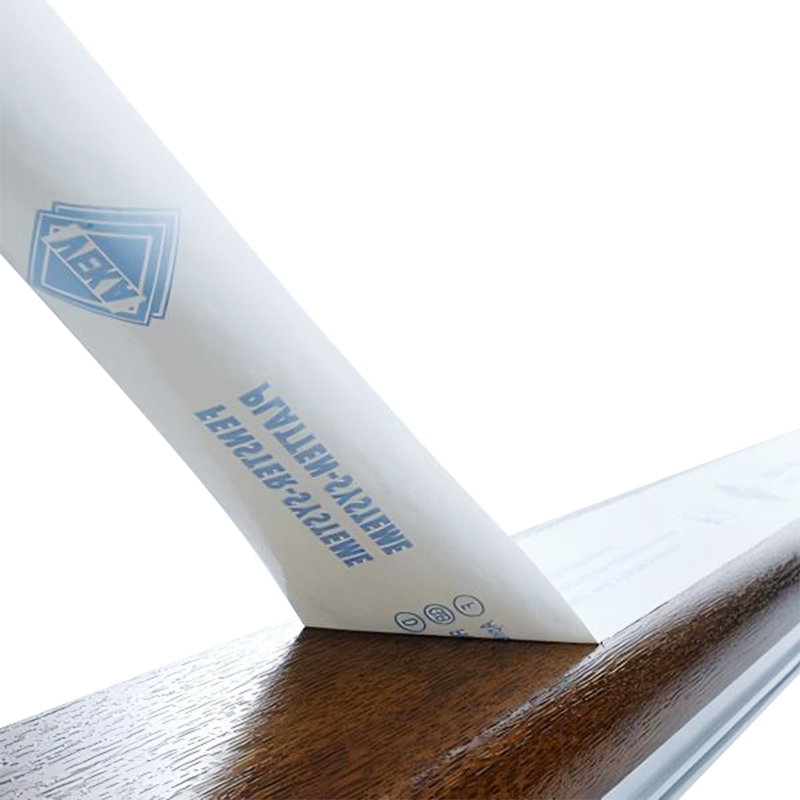
● Good weatherability for outdoor exposure; ● Stable adhesion level; ● UV resistance for up to 12 months; ● Can print customized logo or application i...
See Details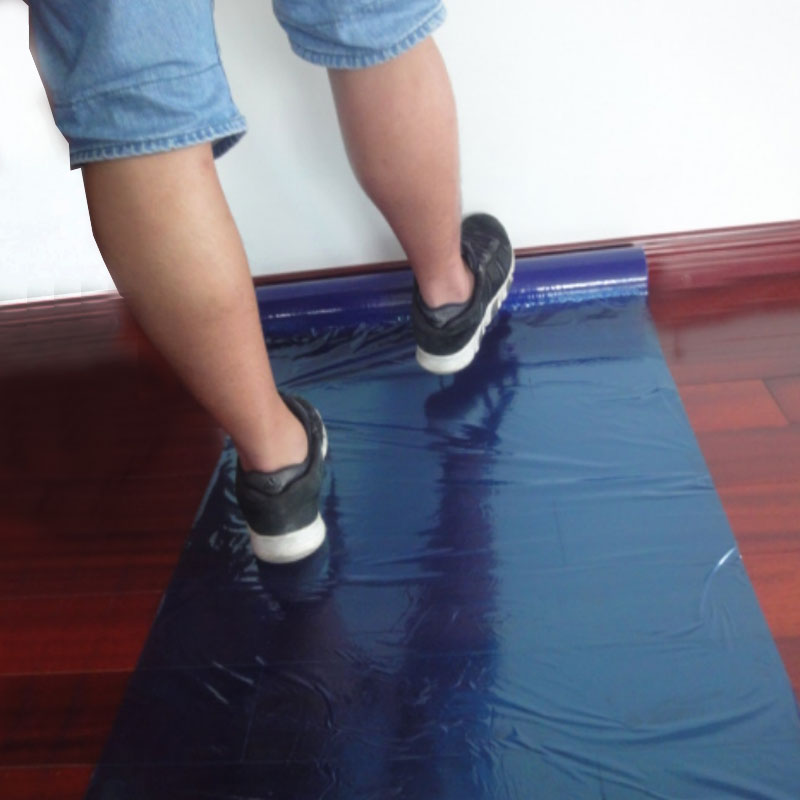
● Patented adhesive formula suits all hard surfaces such as hardwood floors, laminate floors, ceramic, marble, tile, granite, vinyl, worktops, and gla...
See Details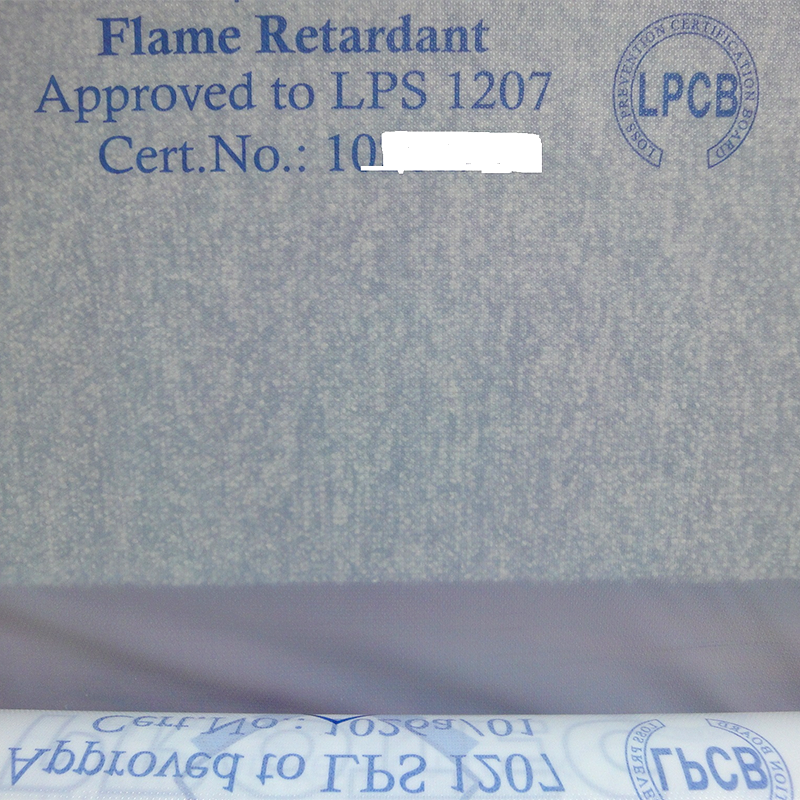
● Prevents costly damages in case of fire /flame;● Meet the strict international test standards of loss prevention; ● Extensive selection for flame re...
See Details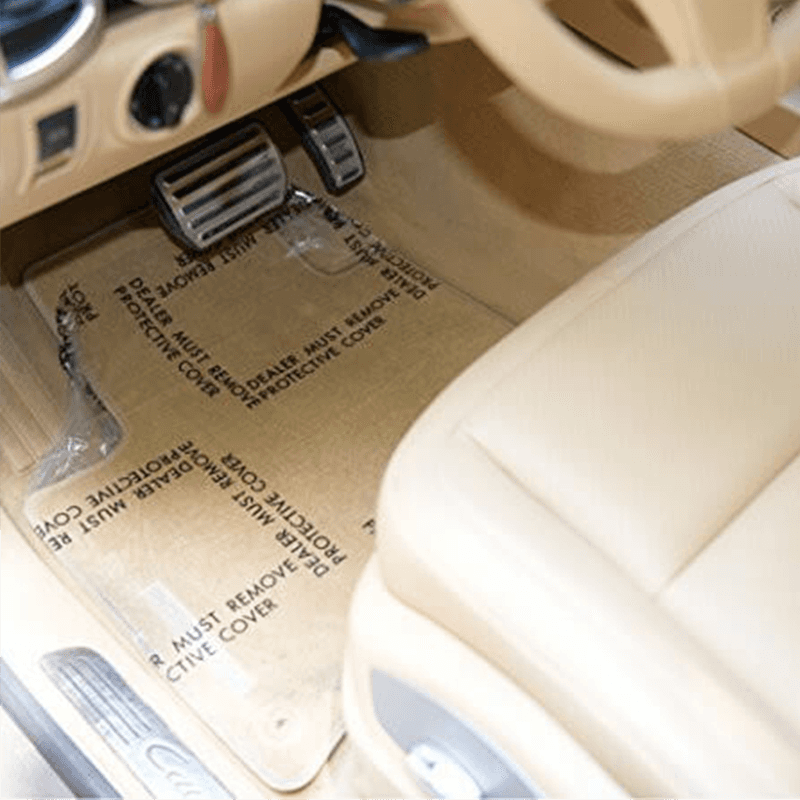
● Distance of each perforation die-cut ranges from 100mm to 1200mm;● Can peel off each die-cut piece of protective film at the perforated line easily;...
See Details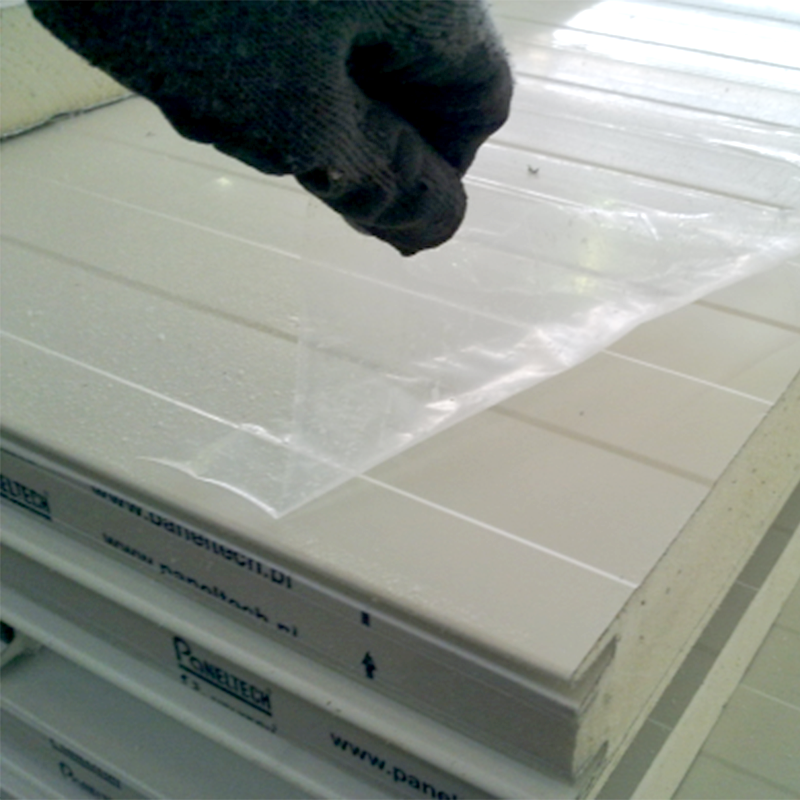
● The specially formulated adhesive ensures easy application and removal without leaving residue glue on the sandwich panels; ● The super-tough polyet...
See Details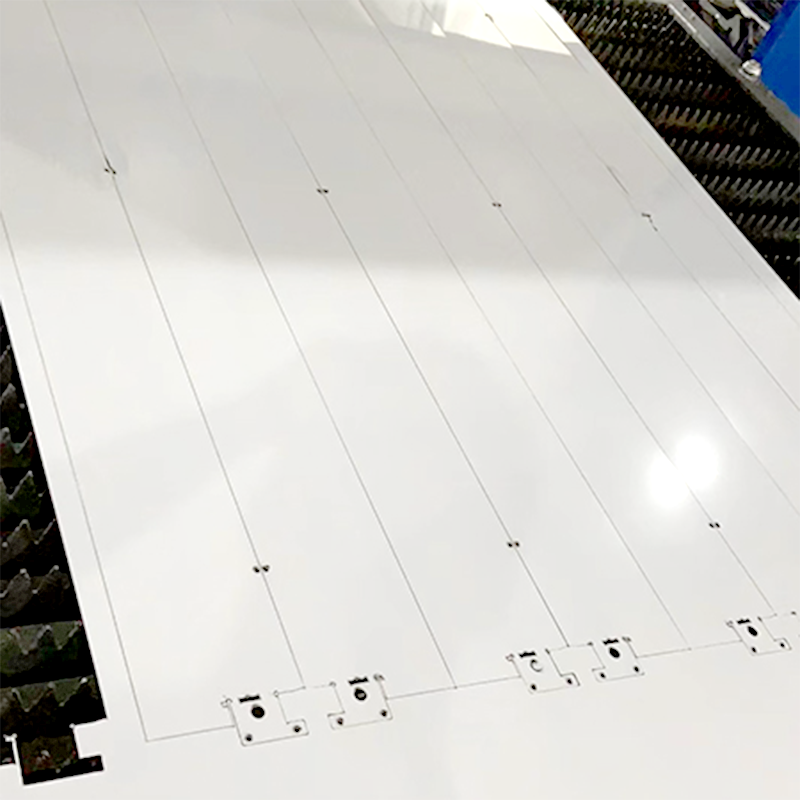
● The specially formulated natural rubber adhesive suitable for both CO2 and Fiber laser cutting processes;● High cutting quality without burr or trac...
See Details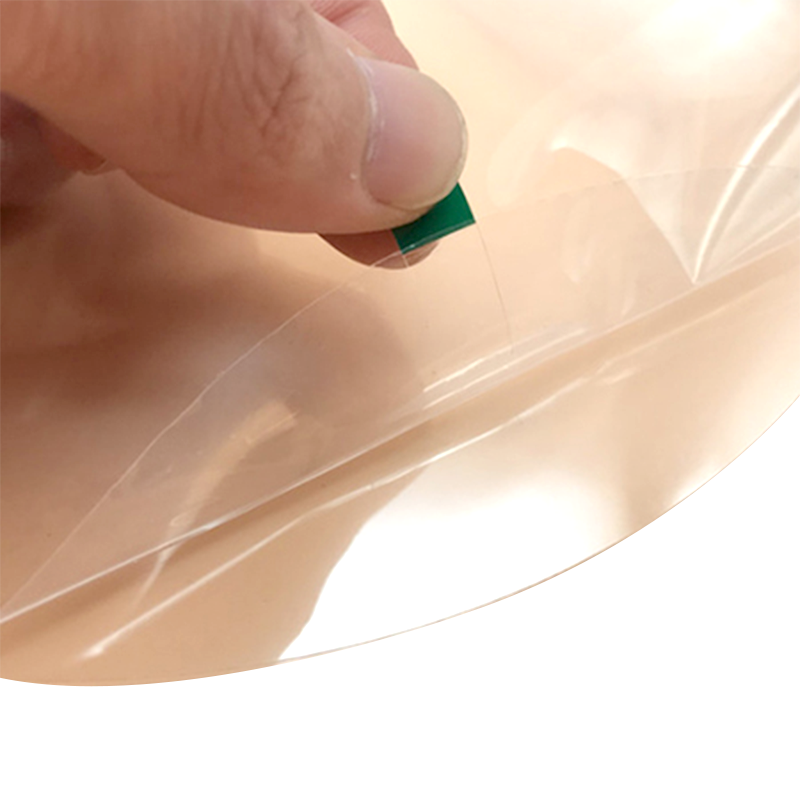
● Suitable for plastic sheets’ drilling, cutting, routing, thermoforming, bending, or post-fabrication operations;● No “ghost shadow” or “fish eye” af...
See Details
● Waterproof - the desirable material for waterproofing. ● Dust-proof - positive performance of dust prevention.● Low resilience - prevent the deforma...
See Details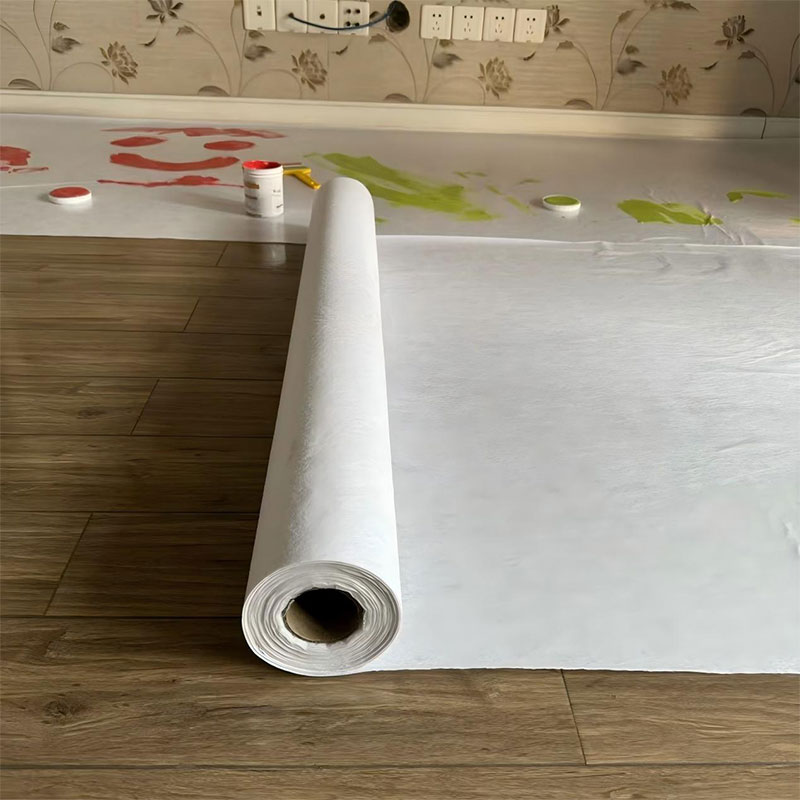
This product has non-woven synthetic fleece in middle; PE film adhered onto top of the non-woven fabric, which is coated with self adhesive glue on it...
See Details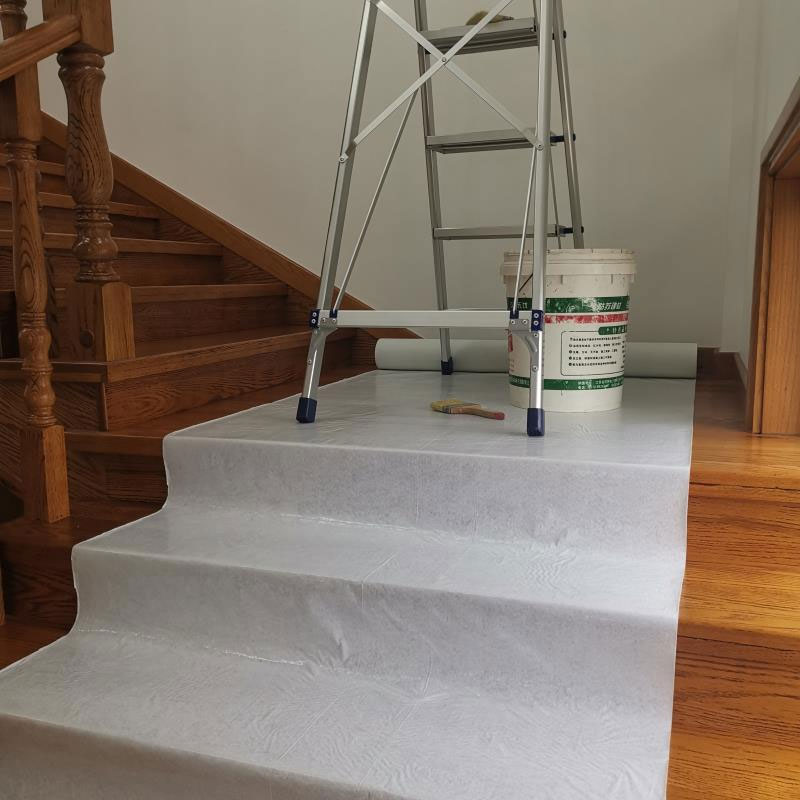
This product has non-woven synthetic fleece in middle; Breathable PE film adhered onto top of the non-woven fabric, which is coated with self adhesive...
See DetailsWe’re a reliable partner that shapes our expertise into success for your project.

Copyright 2024 Wuxi Qida Tape Co., Ltd. All Rights Reserved
 Wholesale Protective Film/Foil Manufacturers
Privacy
Wholesale Protective Film/Foil Manufacturers
Privacy