

 English
 English
 русский
 Français
 Español
 Português
 عربى
عربى

Cat:Glue -coated Protective Film
● Protect window glass against paint splatters, dirt, staining, and spillages during painting, building, plastering, tiling, general maintenance and r...
See Details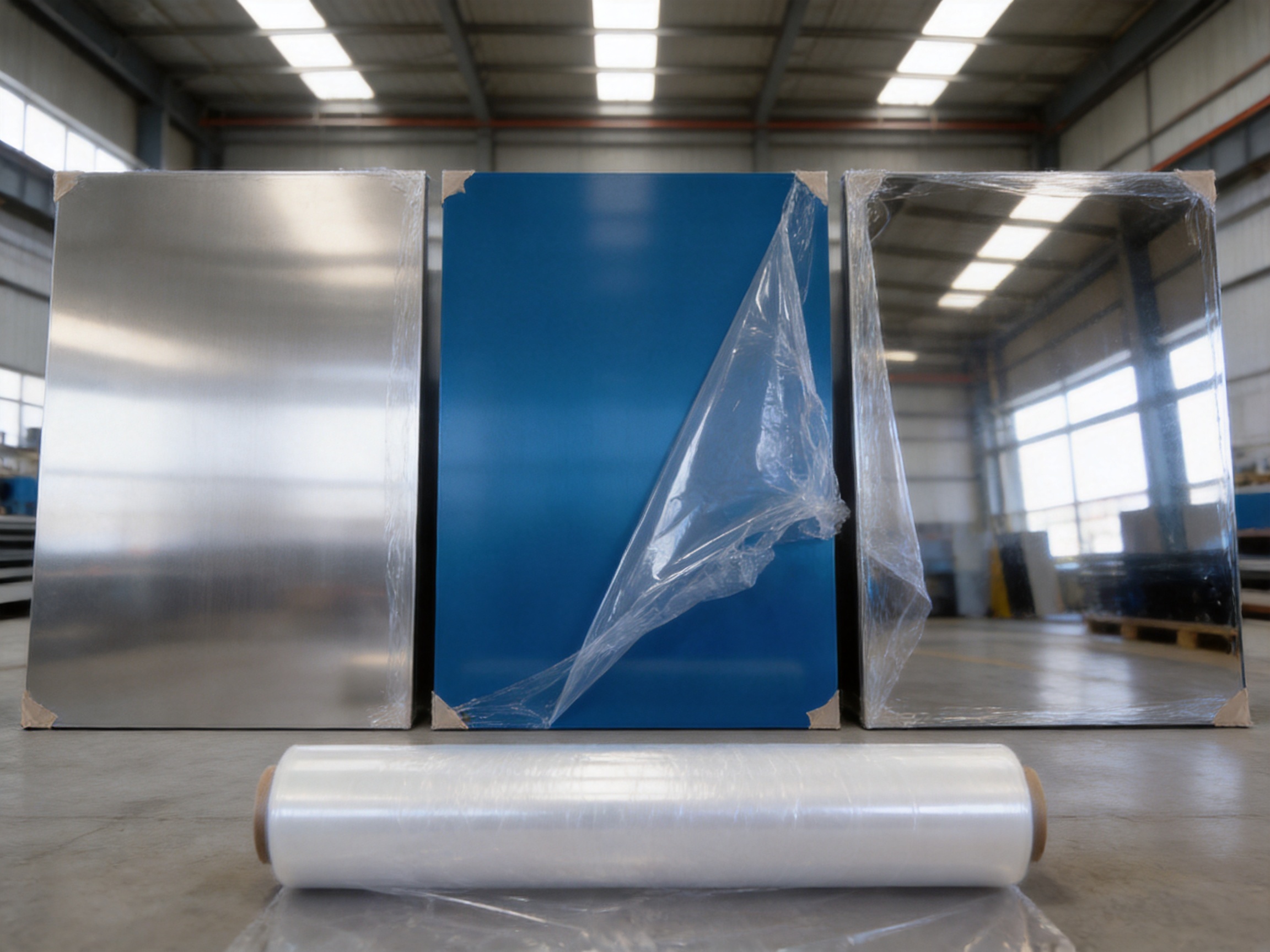
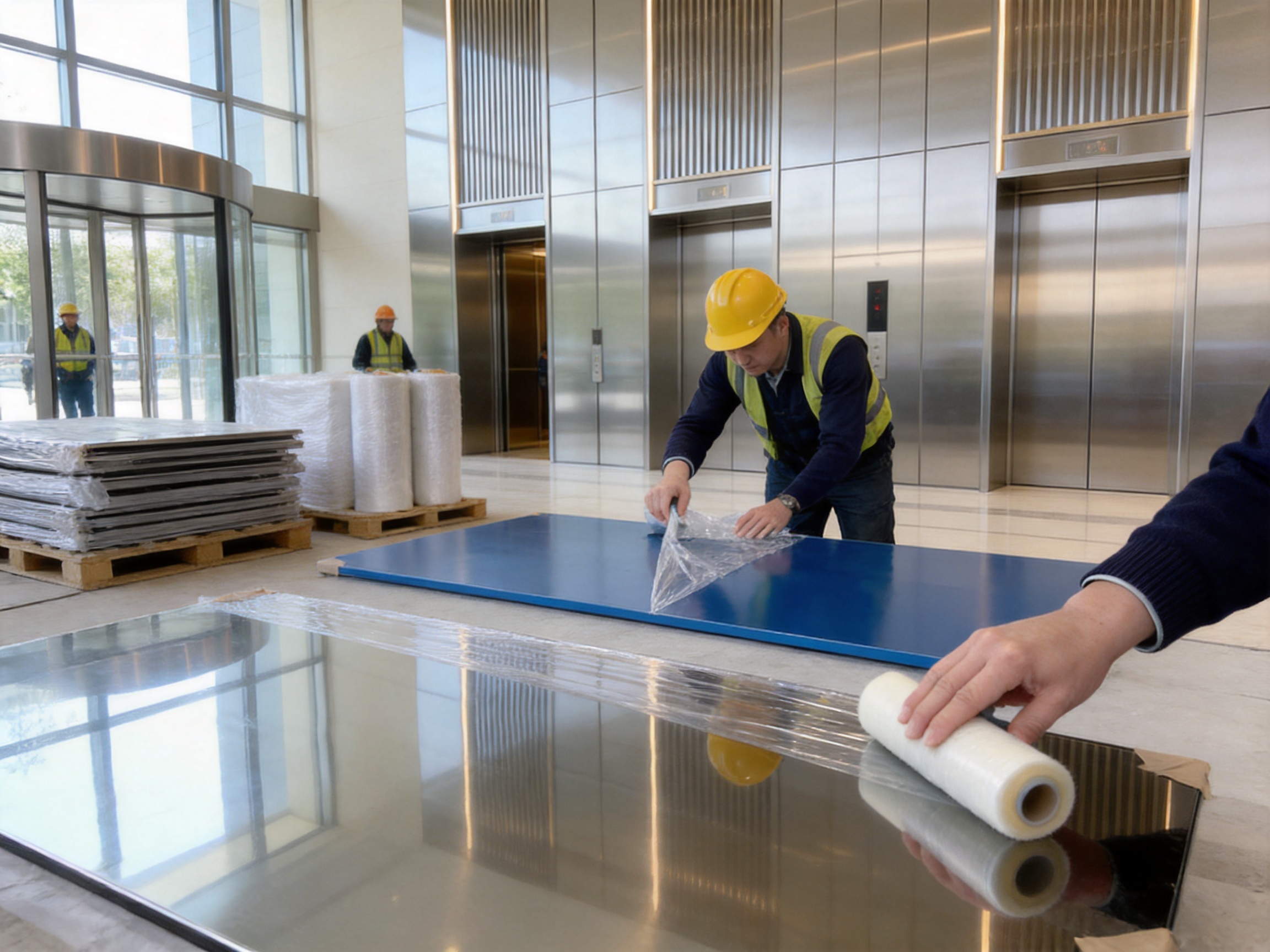
Steel plates with polished, coated, painted, or decorative surfaces require reliable protection throughout manufacturing, storage, transportation, fabrication, and installation. A small scratch, stain, adhesive mark, or chemical spot can reduce the visual quality and commercial value of an otherwise high-grade material. Protective Film for Stainless Steel Plate, Colored Steel Plate, and Mirrored Steel Plate is designed to provide a temporary surface barrier that helps maintain the original appearance of metal products until the protection is no longer required.
This glue-coated protective film combines a flexible plastic backing with a carefully controlled adhesive layer. Once applied to the plate, it helps shield the surface from abrasion, dust, handling marks, moisture-related contamination, and common damage encountered during processing and delivery. After the project or production stage is complete, the film can be removed, normally without leaving adhesive residue when the correct film grade is selected and applied under suitable conditions.
Wuxi Qida Tape Co., Ltd. manufactures customized protective film solutions for stainless steel, prepainted metal, aluminum, plastic panels, glass, decorative laminates, ceramics, carpets, and other surfaces. The company supports different thicknesses, widths, roll lengths, adhesive levels, film colors, and printing requirements, allowing buyers to select a product that matches their production conditions rather than relying on a one-size-fits-all film.
Steel plates are frequently exposed to multiple handling and processing stages before they reach the final user. A plate may be uncoiled, cut, bent, punched, polished, drilled, formed, stacked, transported, and installed. Each stage creates opportunities for surface damage. Even when the steel itself retains its structural strength, damage to the visible surface can result in rejection, rework, customer complaints, or reduced selling value.
Stainless steel plates are especially sensitive to visible scratches and contamination because their appearance is often a major reason for choosing them. Brushed, satin, polished, and mirrored stainless steel surfaces are used in elevators, wall panels, kitchens, architectural features, appliances, transportation equipment, and commercial interiors. A linear scratch or cloudy mark may be highly visible under direct lighting and can be difficult or impossible to restore economically.
Colored steel plates and prepainted metal products also need protection. Their coatings provide color, corrosion resistance, and decorative value, but the coated surface can be damaged by friction, pressure, tools, packaging materials, or contact with other plates. Protective film helps separate the finished coating from adjacent surfaces during stacking, forming, transportation, and installation.
Mirrored steel plates present an additional challenge. Their reflective finish reveals fingerprints, dust, scuffing, and small imperfections more readily than many other surfaces. A temporary protective layer helps preserve gloss and reflection while the product is being moved through the supply chain.
The protective film is a glue-coated film intended for temporary protection of stainless steel plates, colored steel plates, mirrored steel plates, and related prepainted or decorative metal surfaces. The film backing provides mechanical coverage, while the adhesive enables the film to remain attached during normal handling and processing.
The adhesive can be selected according to the substrate, surface energy, processing temperature, application duration, and required removal performance. Available adhesive options include rubber-based and acrylic systems. Adhesion levels range from low to very high, enabling the product to be matched with smooth polished surfaces, painted panels, textured finishes, and other substrates with different bonding requirements.
The film can be supplied in blue, clear, black and white, black, white, and other customized colors. Printing is available in up to three colors, allowing customers to add a company logo, handling message, installation instruction, product identification, or removal reminder. Printed film can improve product recognition and help prevent incorrect application or premature removal during processing.
Property |
Available Specification |
Film thickness |
30 micrometers to 80 micrometers |
Film width |
500 millimeters to 2,250 millimeters |
Roll length |
100 meters to 2,000 meters |
Elongation |
At least 300 percent, depending on specification |
Adhesion level |
Low to very high |
Adhesive type |
Rubber-based or acrylic |
Film colors |
Blue, clear, black, white, black and white, and customized options |
Printing |
Up to three colors |
UV resistance |
Approximately three to six months, depending on grade and conditions |
Specifications should be confirmed against the customer’s substrate, application environment, storage conditions, and required protection period. Actual performance can vary according to surface cleanliness, temperature, humidity, ultraviolet exposure, contact pressure, and the type of coating or finish being protected.
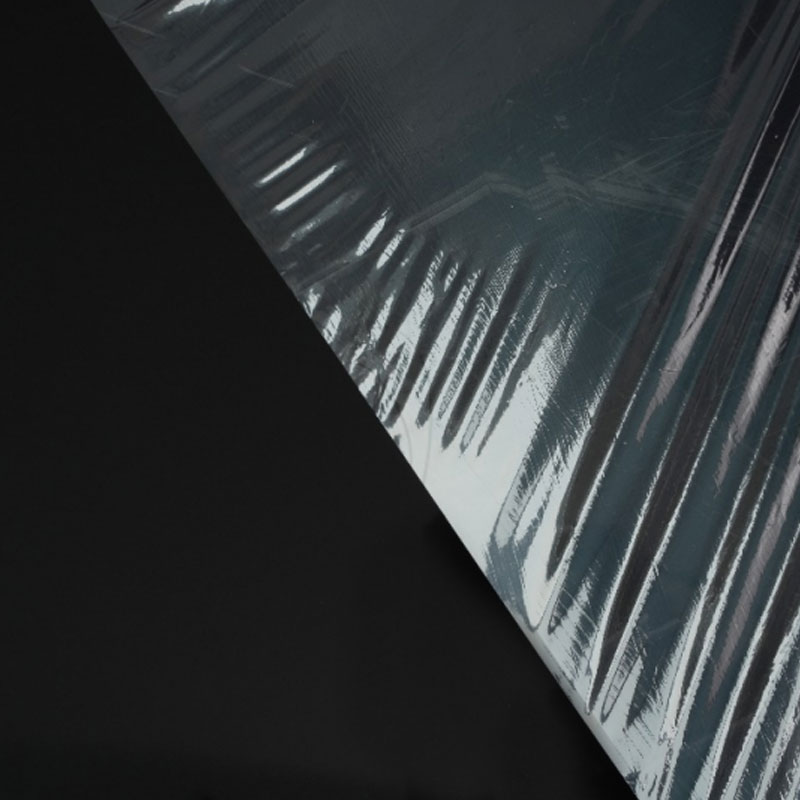
Protective Film For Stainless Steel Plate ;Colored Steel Plate ;Mirrored Steel Plate
The main function of the film is to reduce the risk of surface damage during handling. The backing film acts as a sacrificial barrier between the steel plate and external objects. When plates are stacked, moved, cut, bent, or transported, the film helps absorb or reduce the effects of light friction and contact.
This function is particularly valuable for polished and mirrored finishes. Without temporary protection, a plate may be damaged by metal-to-metal contact, pallet surfaces, lifting equipment, packaging straps, tools, or other materials. Applying protective film before these operations helps manufacturers preserve the visible surface and reduce avoidable rejects.
A protective film must do more than adhere strongly. It must also be removable at the correct time. Excessively aggressive or unstable adhesive can leave residue, transfer onto the substrate, or become difficult to remove after prolonged exposure. The product is designed to provide a stable balance between holding power and removability.
When the correct grade is chosen and application instructions are followed, the film can be removed easily and is intended to leave no adhesive residue after removal. This helps reduce cleaning labor, solvent use, production interruptions, and the risk of damaging the protected finish during post-processing cleanup.
Stable adhesion is essential because the film must remain in position while the plate is handled. A film that lifts at the edges, forms loose sections, or moves during bending may expose the surface and create operational problems. The available adhesion range allows the film to be selected for different metal surfaces and application needs.
Low-adhesion grades may be suitable for smooth, clean surfaces and shorter protection periods. Higher-adhesion grades may be selected for more demanding conditions, textured coatings, or applications in which the film must remain attached during additional processing. Selection should be based on testing rather than adhesion strength alone, because the easiest-to-remove product is not always the best product for every surface.
Some steel plates remain outdoors or near windows during storage, construction, or transportation. Ultraviolet exposure can cause certain films and adhesives to degrade, lose cohesion, become brittle, or transfer adhesive to the substrate. Selected grades of this protective film provide UV resistance for approximately three to six months, depending on the specification and environmental conditions.
UV resistance does not mean that the film should remain outdoors indefinitely. The recommended protection period should be confirmed before use, especially in regions with intense sunlight, high temperatures, strong humidity, or large temperature changes. Removing the film within the specified period helps preserve removal performance.
The film offers high elongation, with a listed value of at least 300 percent depending on the product specification. Flexibility allows the material to conform more effectively to the surface during application and helps it accommodate moderate movement during handling or forming.
High elongation is useful when protecting wide plates, curved sections, formed components, or surfaces that may experience tension during application. It can also help reduce tearing when the film is being unrolled or cut. However, the film should still be applied without excessive stretching, because over-tension can cause shrinkage, edge lifting, or uneven adhesion after application.
Printed protective film can perform both a marketing and an operational function. A logo can identify the manufacturer or distributor. A message such as “Remove Before Installation” can help ensure that the film is removed at the appropriate stage. Handling instructions can remind workers not to use sharp tools directly against the protected surface.
Printing in up to three colors provides flexibility for different branding and instruction requirements. Customers may request customized artwork, repeated logos, product codes, arrows, warnings, or application information, subject to artwork review and production conditions.
Film color can be selected according to production and marketing needs. Clear film allows the original plate appearance to remain visible during inspection. Blue film provides a strong visual indication that the surface is protected. Black, white, or black-and-white film may be used for product identification, contrast, or customized branding.
Colored film can also help warehouse and installation teams identify protected products quickly. When several surface finishes are being processed in the same facility, different film colors may support internal product management. The selected color should not interfere with quality inspection or create confusion about whether the film has already been removed.
Stainless steel is used where appearance, hygiene, durability, and corrosion resistance are important. Common applications include architectural panels, elevators, kitchen equipment, appliances, shop fittings, doors, vehicle components, and industrial enclosures.
Protective film can be applied to stainless steel before cutting, bending, punching, transportation, or installation. The correct adhesive grade helps hold the film to the surface while limiting the risk of residue. For highly polished surfaces, a transparent or lightly colored film may be preferred when visual inspection is required. For long production routes, an application-specific grade should be tested for compatibility with the finish.
Prepainted steel plates contain a factory-applied coating that provides color and additional surface performance. These products are widely used in roofing, cladding, doors, partitions, equipment housings, and decorative construction systems.
During roll forming or fabrication, the coating may contact guides, rollers, tables, tools, and other components. A suitable protective film can reduce scuffing and contamination during these operations. It can also protect the painted finish while sheets are stacked or transported to a construction site.
Compatibility testing is important for prepainted metal because coatings vary in resin type, gloss, curing level, texture, and surface energy. The film should be evaluated for adhesion stability, removal force, residue, and any possible effect on color or gloss after the intended protection period.
Mirrored steel is selected for its highly reflective surface. It is often used in decorative walls, columns, elevators, furniture, displays, hospitality interiors, and premium architectural projects. Because reflections reveal even small marks, protection is critical from the moment the surface is finished.
A film with suitable clarity, smoothness, and adhesive performance can help preserve the reflective effect. During installation, the film may protect against fingerprints, dust, light scratches, and contact with packaging materials. It should be removed carefully after the surrounding work is complete and before final presentation.
The performance of protective film depends on more than the raw materials listed on a technical data sheet. Film thickness uniformity, adhesive coating control, winding quality, printing accuracy, slitting precision, and packaging all influence the customer’s production experience. Wuxi Qida Tape Co., Ltd. completes major production processes in its own factory, supporting greater control from backing film production through final packaging.
The backing film provides the physical foundation of the product. It must have consistent thickness, adequate tensile strength, suitable elongation, and a surface that can receive the selected adhesive. Control of the backing material helps the final film unwind smoothly and maintain stable dimensions during application.
Manufacturing parameters are monitored to reduce variation across the roll. Uniform backing film is important for wide-format products because thickness differences can affect winding, application tension, appearance, and cutting performance. A stable backing also helps the film resist tearing during normal handling.
Adhesive coating is one of the most important stages in protective film production. The adhesive must be applied evenly across the backing without significant coating gaps, streaks, bubbles, or thickness variation. The coating formulation is selected according to the required adhesion level, removal characteristics, substrate type, and expected protection period.
Qida Tape offers acrylic water adhesive, acrylic solvent adhesive, and natural rubber adhesive systems. These options allow the company to address different customer requirements. Acrylic systems are commonly selected where aging and stable performance are important, while rubber-based systems may be suitable for particular adhesion and application conditions. The final choice should be confirmed through technical evaluation.
Coating parameters, drying conditions, line speed, and curing behavior must be controlled carefully. Inadequate drying can affect odor, adhesion, and residue performance. Excessive drying or unsuitable formulation balance may reduce the desired bonding level. Process control helps maintain consistency between production batches.
Printing is completed when customers require a colored film or customized identification. Artwork is reviewed before production to confirm dimensions, repeat length, color requirements, text, symbols, and positioning. Accurate printing is important when the film serves as both a protective material and a branding or instruction carrier.
Printing must be compatible with the film surface and production process. The printed layer should remain legible during winding, transportation, and application. Customers may provide logos, technical instructions, safety messages, or application reminders for evaluation by the manufacturer.
Large master rolls are converted into customer-specific widths and lengths through rewinding and slitting. Precision in this stage affects roll edges, winding tension, telescoping resistance, roll appearance, and ease of use on automatic or manual application equipment.
Available widths from 500 millimeters to 2,250 millimeters support both standard and wide steel plate applications. Roll lengths from 100 meters to 2,000 meters can be selected according to the customer’s equipment, storage capacity, consumption rate, and shipping requirements.
Quality control may include checks of film thickness, width, roll length, appearance, adhesion, tensile behavior, elongation, printing, and removability. The company operates a testing laboratory and uses inspection equipment to support product evaluation.
For a protective film application, laboratory measurements should be supplemented by practical trials on the actual steel plate. Testing the film on the customer’s surface helps identify differences caused by coating chemistry, polishing oil, surface roughness, storage temperature, or processing conditions. A small production trial can prevent larger problems after full-scale application.
Finished rolls must be protected against moisture, impact, dust, and deformation during storage and transportation. Appropriate packaging supports the condition of the roll edges and reduces the possibility of damage before use. Packaging can also include product labels, batch information, dimensions, adhesive type, and handling instructions.
Because Qida Tape serves domestic and overseas customers, packaging and shipment planning can be adapted to different order quantities and export requirements. Buyers should communicate destination conditions, container loading preferences, storage limitations, and any special labeling requirements before production.
Generic protective film may appear similar from a distance, but important differences can affect performance. A low-cost film may have inconsistent adhesive coating, weak backing, poor edge stability, insufficient UV resistance, or excessive residue after removal. These problems can create costs that are not visible when the initial purchase price is considered alone.
The first advantage of a professionally engineered product is application matching. Stainless steel, prepainted steel, and mirrored steel do not all have the same surface characteristics. A film that performs well on one plate may adhere too strongly or too weakly to another. A manufacturer with multiple adhesive options and adjustable specifications can provide a more appropriate solution.
The second advantage is production flexibility. Customers may need a wide roll, a particular thickness, a specific color, a certain protection period, or printed instructions. Standard generic products may not meet these requirements. Customized production helps reduce unnecessary conversion work and can improve compatibility with existing application equipment.
The third advantage is process control. A manufacturer that controls backing production, adhesive coating, printing, slitting, and packaging in its own factory can coordinate these stages more efficiently. This supports traceability, more direct technical communication, and faster response when customers need a product adjustment.
The fourth advantage is technical support. The most suitable protective film is determined by more than the name of the substrate. Factors include surface finish, coating type, plate temperature, application speed, storage duration, outdoor exposure, removal timing, and whether the plate will be bent or formed. Experienced technicians can help customers evaluate these conditions and select a suitable construction.
The fifth advantage is a broader approach to compliance and responsible manufacturing. Qida Tape’s management and product compliance information includes ISO 9001, ISO 14001, SGS, RoHS, REACH, PFAS, and Prop 65 testing or related systems, depending on the product and requirement. Customers should request current documentation for the specific order and destination market.
The steel plate should be clean, dry, and free from dust, loose particles, excessive oil, and other contaminants before application. Contamination between the adhesive and substrate may cause bubbles, weak adhesion, edge lifting, or uneven removal. If cleaning is necessary, the cleaning method should be compatible with the surface finish and coating.
Application temperature affects adhesive wet-out and bonding. Very cold conditions may prevent the adhesive from contacting the surface properly, while very high temperatures may increase initial adhesion or accelerate aging. The recommended temperature range should be confirmed with the supplier for the selected grade.
The film should be applied smoothly without excessive stretching. Moderate pressure can help remove air and improve contact, but aggressive tension may cause the film to retract later, particularly on wide panels or around edges. Mechanical applicators should be adjusted to match the film thickness, width, and line speed.
Edges are often the first areas where lifting begins. The plate should be handled in a way that avoids catching loose film on equipment or adjacent materials. If the application involves bending, forming, or outdoor storage, edge behavior should be included in the initial trial.
Protective film is a temporary product. It should not be left on the substrate longer than necessary, especially in high-temperature, humid, or high-UV environments. The stated UV resistance period is approximately three to six months depending on the film grade and conditions, but the customer’s actual environment may shorten or extend practical performance.
Removal should generally be carried out by lifting an edge and pulling the film back at a controlled angle. Extremely rapid pulling may tear the film, while aggressive tools may scratch the steel surface. If the film has been exposed beyond the recommended period, removal should be tested in a small area before proceeding across the entire plate.
Protective film can be integrated into several points of a steel plate production system. A coil processor may apply film after surface finishing and before cutting. A fabricator may apply it before bending or punching. A distributor may use it during warehouse storage and delivery. A construction contractor may leave it in place until installation is finished.
In automated lines, roll width, winding quality, unwind direction, core size, and film tension are important. In manual application, ease of handling, visible film edges, and resistance to tearing may be more important. Qida Tape can discuss these operating conditions when developing a customized product.
For large architectural projects, printed film can help identify different panels, indicate installation direction, and communicate removal instructions. For appliance or equipment manufacturers, the film may protect finished housings until final assembly and customer delivery. For metal service centers, standardized film colors and labels can help organize different product grades or customer orders.
Protection also supports quality management. When a plate arrives at the next process with its surface intact, the receiving department can focus on fabrication rather than sorting or repairing damage. Reducing rework can improve line efficiency, material utilization, delivery reliability, and customer satisfaction.
Temporary protection products should be selected with attention to their complete life cycle. This includes raw material selection, adhesive formulation, manufacturing energy, packaging, transportation, use period, removal, and disposal. Although protective film is designed for temporary use, it can prevent the waste associated with rejected or refinished metal panels.
Qida Tape states that it is committed to materials and production processes that meet environmental requirements. The company operates under ISO 14001-related environmental management practices and provides product compliance information associated with standards and testing such as RoHS, REACH, PFAS, and Prop 65, where applicable.
Customers should confirm the exact compliance documentation needed for their market, application, and product specification. Disposal should follow local requirements. In many cases, removed film should be collected separately from metal scrap so that recycling and waste handling can be managed more efficiently.
Environmental performance should also be balanced with functional performance. Choosing a film that prevents surface damage may reduce the need to replace, repaint, polish, or discard valuable steel products. A technically appropriate protective film can therefore contribute to material efficiency even though it is itself a temporary component.
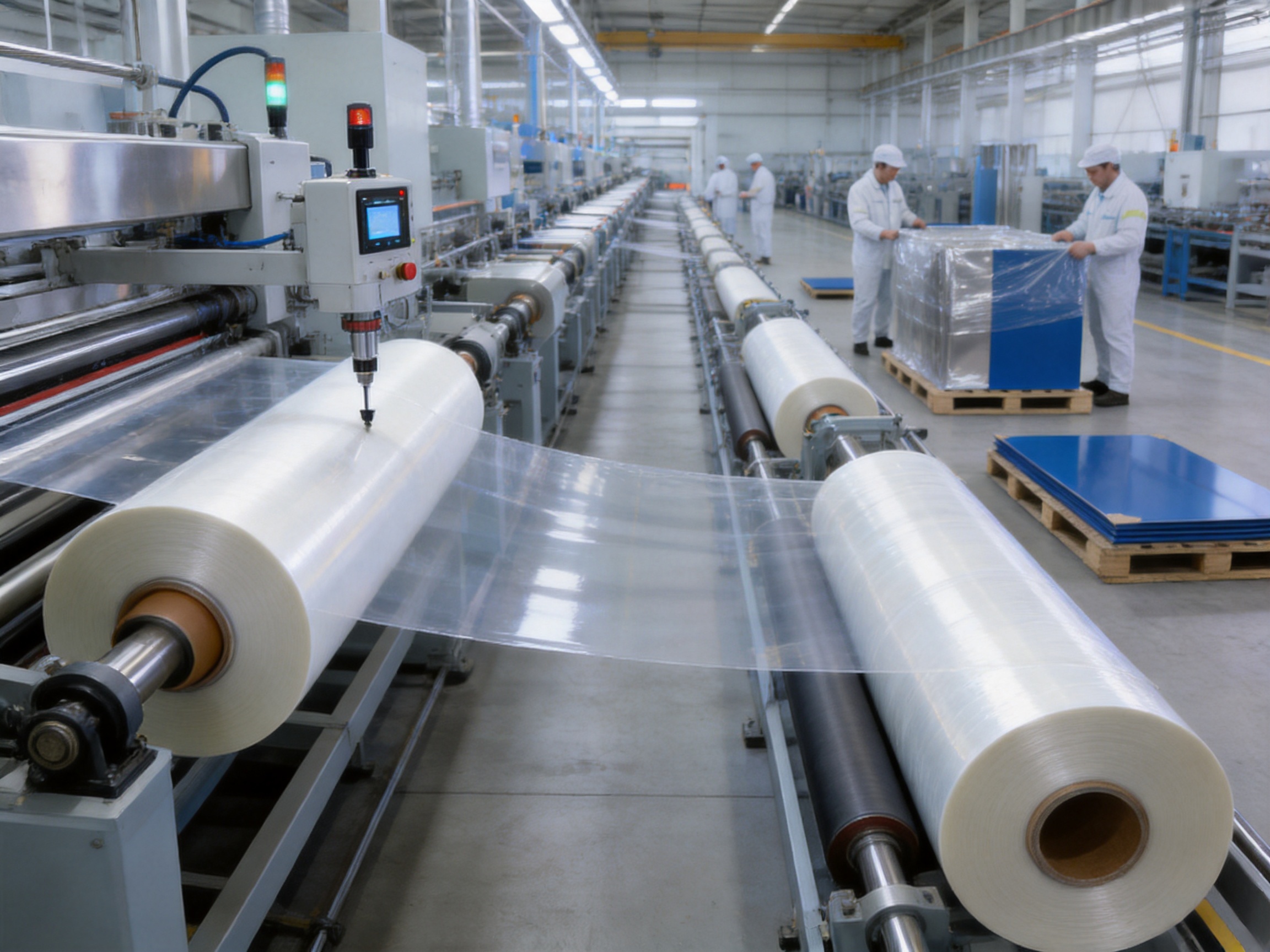
Qida Tape provides OEM and ODM support for protective film requirements. Customization may include thickness, width, roll length, adhesive level, adhesive type, film color, printing, core dimensions, packaging, and product labeling.
Thickness selection influences handling strength, flexibility, appearance, and cost. A thinner film may be suitable for light protection and easy manual application. A thicker film may be preferred for more demanding handling or when greater resistance to tearing is required. The correct choice depends on the plate and process rather than thickness alone.
Width can be tailored to the plate dimensions or the customer’s application equipment. Wide rolls can reduce the number of seams on large sheets, while narrower rolls may be easier to manage for small parts or manual application. Roll length should be selected to balance production efficiency with storage and handling requirements.
Adhesive selection is central to customization. A low adhesion grade may support clean removal from sensitive polished surfaces, while a higher adhesion grade may be necessary for textured or coated surfaces. Acrylic and rubber adhesive systems can offer different balances of initial tack, aging behavior, removability, and temperature performance.
Printing can be supplied for brand visibility, product identification, technical instructions, or warnings. Before production, customers should provide clear artwork files and confirm the intended printing repeat, colors, location, and text. The manufacturer can review whether the requested design is suitable for the selected film construction.
Wuxi Qida Tape Co., Ltd. was founded in 1999 and specializes in protective films and surface protection solutions. The company reports a factory area of approximately 20,000 square meters, more than 95 experienced staff members, and annual production capacity exceeding 12,000 tons.
The company’s production activities include backing film production, adhesive coating, logo printing, rewinding, slitting, inspection, and packaging. Completing these processes within its own factory supports production coordination and gives customers a direct manufacturing contact for technical discussions and order management.
Qida Tape has introduced advanced machinery from Germany and maintains experienced technicians and engineers. It also works with research and development institutes to develop new protective film products. This combination of production capability and technical development is useful for customers whose surfaces or processing conditions do not match standard market products.
The company serves customers in China and exports to Europe, North America, Australia, the Middle East, Japan, and other regions. Its products are used for stainless steel, aluminum, pre-coated metal, plastic panels, ceramic, carpets, decorative laminates, glass, and other surfaces.
Technical support is available during product selection. Customers can provide a technical data sheet, a sample of the surface, details of the intended protection period, or information about their application process. Engineers can then help evaluate the film construction and recommend trial testing before regular production.
Start by identifying the exact substrate. “Stainless steel” may refer to brushed, polished, mirrored, embossed, or coated material, and each finish can respond differently to adhesive contact. For colored steel, identify the coating type, gloss, texture, and curing condition where possible.
Next, determine the processing route. A plate that will only be stored and transported may require a different film from one that will undergo roll forming, punching, bending, or cutting. Mechanical movement, pressure, heat, and contact with rollers can affect the required backing strength and adhesion level.
Protection duration is also important. Short-term indoor use may require a simpler construction, while outdoor or extended storage may require enhanced UV resistance and aging performance. The expected removal date should be established before choosing the film.
Environmental conditions should be recorded. Consider temperature, humidity, sunlight, dust, chemical exposure, warehouse conditions, and transportation distance. These factors influence both adhesion and the risk of residue after removal.
Finally, perform a practical trial. Apply the film to a representative area and observe initial bonding, appearance, edge stability, handling performance, and removal after the intended period. Testing on the actual plate is one of the most reliable ways to confirm suitability.
The product is primarily intended for stainless steel plates, colored steel plates, prepainted metal, and mirrored steel plates. Depending on the adhesive grade, it may also be adapted for aluminum, plastic panels, glass, decorative laminates, and other surfaces. Compatibility should be verified by testing.
The film is designed for clean removal without adhesive residue when the appropriate grade is used under suitable conditions. Surface cleanliness, temperature, UV exposure, protection duration, and removal technique can affect results. A trial is recommended for new substrates or extended applications.
Selected grades provide UV resistance for approximately three to six months. The actual period depends on the product construction and environmental exposure. Strong sunlight, high temperature, humidity, and prolonged storage can affect performance, so the film should be removed within the recommended period.
Yes. Printing of customized logos, handling messages, and application instructions is available in up to three colors, subject to artwork and production review.
Common options include blue, clear, black, white, and black-and-white constructions. Other colors may be discussed for specific branding or identification requirements.
Listed thicknesses range from 30 micrometers to 80 micrometers. Available widths range from 500 millimeters to 2,250 millimeters, with roll lengths from 100 meters to 2,000 meters. Custom specifications should be confirmed with the manufacturer.
Neither adhesive type is universally better. Acrylic and rubber adhesives provide different performance characteristics. The best choice depends on the metal finish, required adhesion, storage duration, temperature, UV exposure, and removal requirements. Technical trials should guide the final selection.
It may be used for suitable forming applications, particularly where the film has adequate flexibility and adhesion. The specific process should be tested because forming radius, pressure, machine speed, and plate coating can affect performance.
Lift one corner or edge and pull the film back steadily at a controlled angle. Avoid sharp tools that may scratch the substrate. If the film has remained on the plate for an extended period, test removal in a small area first.
Yes. Qida Tape supports customized film thickness, width, length, adhesive level, adhesive type, color, printing, packaging, and other production requirements based on customer specifications or samples.
Useful information includes the substrate type and surface finish, plate dimensions, required film width and length, protection period, indoor or outdoor use, processing steps, application method, desired adhesive level, film color, printing requirements, order quantity, packaging requirements, and destination market.
Protective Film for Stainless Steel Plate, Colored Steel Plate, and Mirrored Steel Plate is an important process material for maintaining surface quality from production through final installation. Its value comes from the combination of scratch protection, stable adhesion, clean removability, flexibility, optional UV resistance, customized colors, and printed identification.
The product is most effective when it is selected according to the actual substrate and operating environment. A professional manufacturer can provide more than a standard roll of film by offering adhesive choices, custom dimensions, printing, technical support, production control, and quality documentation.
With in-house backing film production, adhesive coating, printing, rewinding, slitting, testing, and packaging, Wuxi Qida Tape Co., Ltd. provides an integrated manufacturing source for temporary surface protection. Its experience, export service, product customization, and focus on research and development support customers in metal processing, construction, transportation, appliances, architecture, and other industries.
For buyers seeking a reliable protective film supplier, the best purchasing approach is to provide representative samples and complete application information, conduct a practical trial, confirm the required technical specifications, and establish clear storage and removal procedures. This process helps ensure that the selected film protects the steel surface effectively while supporting efficient production and clean final presentation.
1. Wuxi Qida Tape Co., Ltd., Protective Film Product Specifications and Technical Information.
2. International Organization for Standardization, ISO 9001 Quality Management Systems.
3. International Organization for Standardization, ISO 14001 Environmental Management Systems.
4. Technical guidance on temporary surface protection for coated and decorative metal products.
5. General industry practices for pressure-sensitive adhesive selection, application, aging, and removal.
6. Regulatory and product compliance references related to RoHS, REACH, PFAS, and Prop 65 requirements.
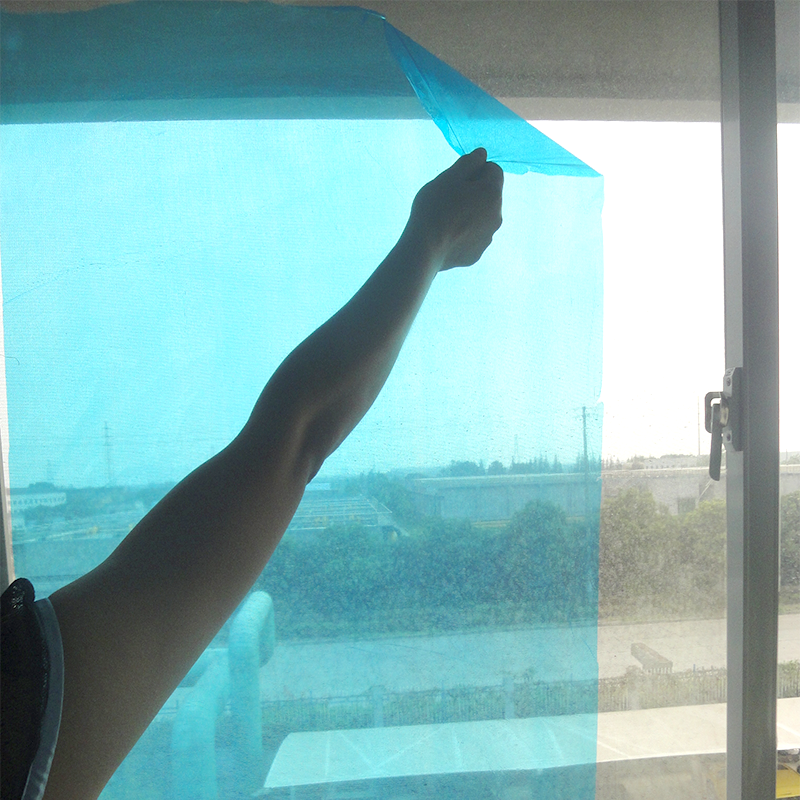
● Protect window glass against paint splatters, dirt, staining, and spillages during painting, building, plastering, tiling, general maintenance and r...
See Details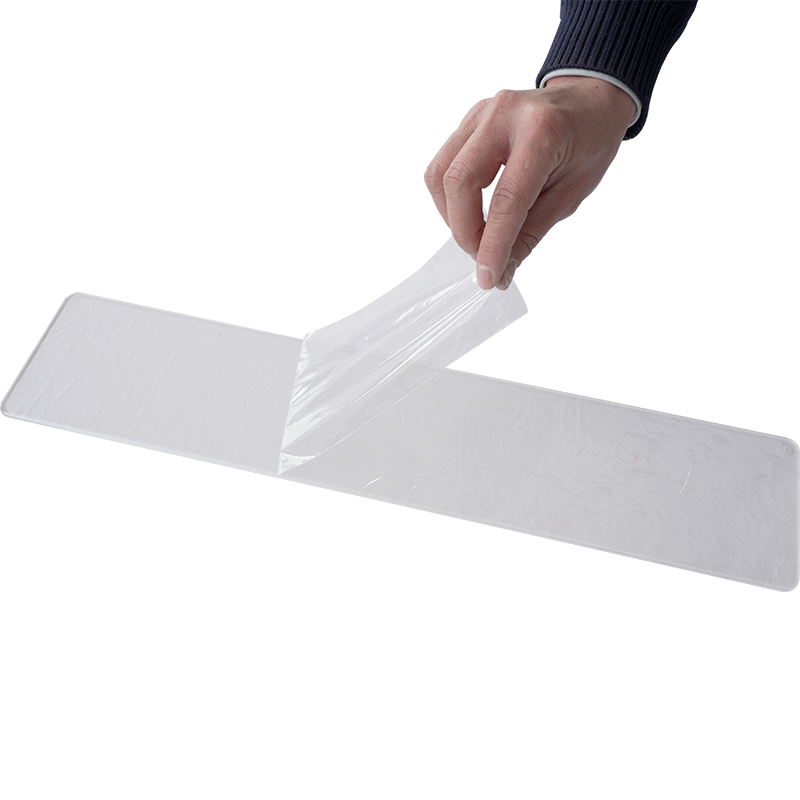
● No “ghost shadow” or “fish eye” after removal; ● Low gel content, soft and stable adhesion plus easy-peel removal with no surface damage or curling;...
See Details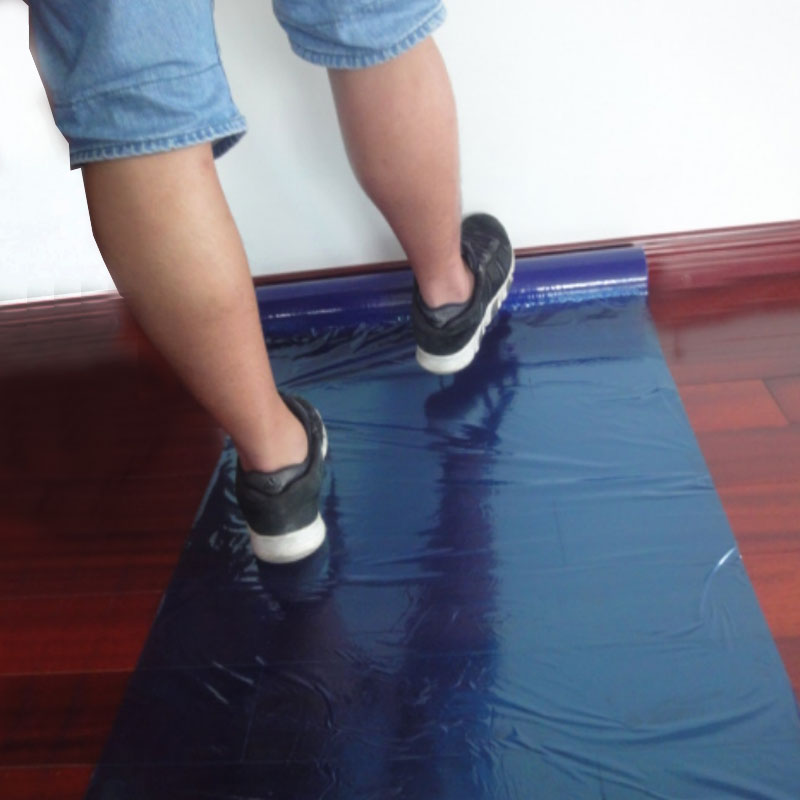
● Patented adhesive formula suits all hard surfaces such as hardwood floors, laminate floors, ceramic, marble, tile, granite, vinyl, worktops, and gla...
See Details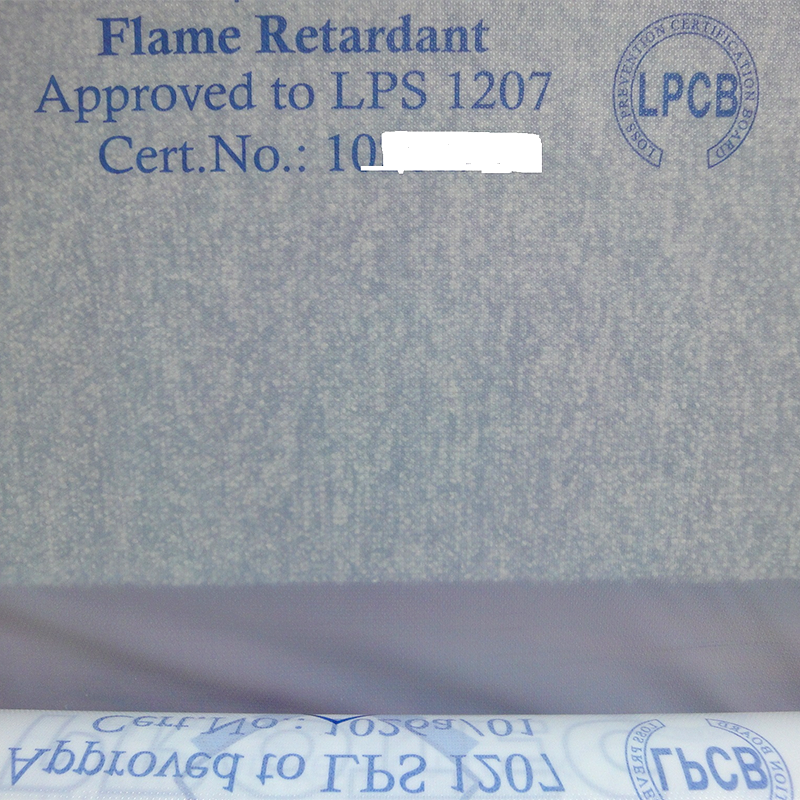
● Prevents costly damages in case of fire /flame;● Meet the strict international test standards of loss prevention; ● Extensive selection for flame re...
See Details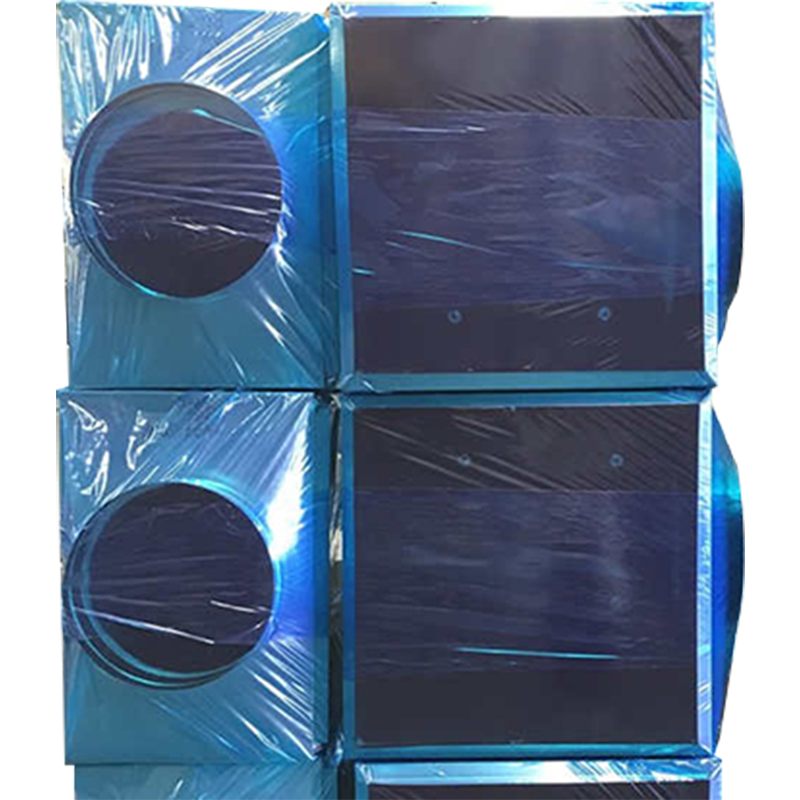
● The super-tough polyethylene film resists puncture and penetration by liquid and dirt during storage, transportation, and installation of the ductwo...
See Details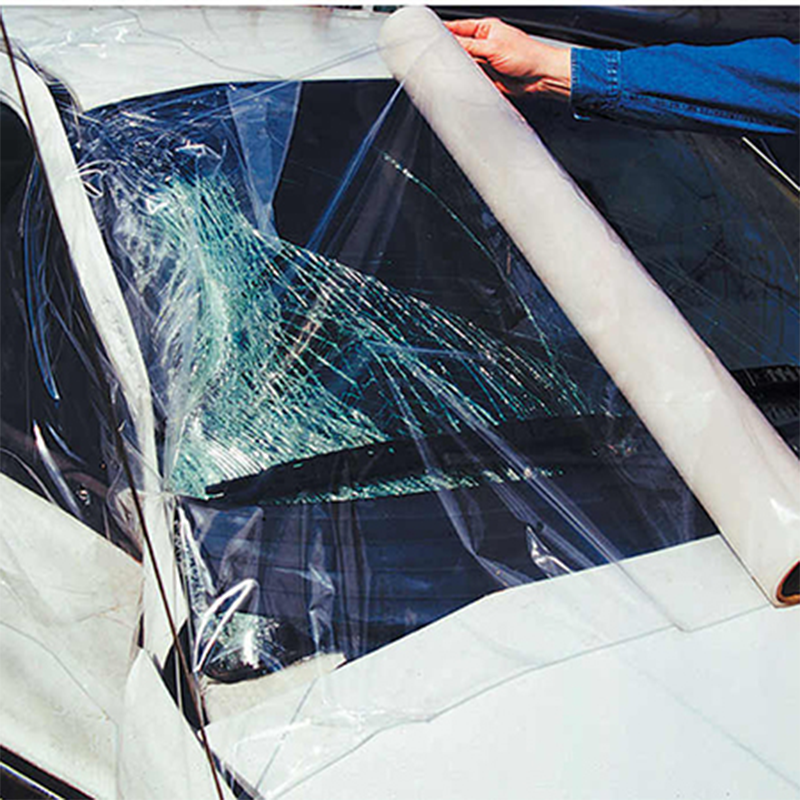
● The super-tough polyethylene film resists puncture and penetration by rain, snow, debris, and dirt during the transportation and storage of the cras...
See Details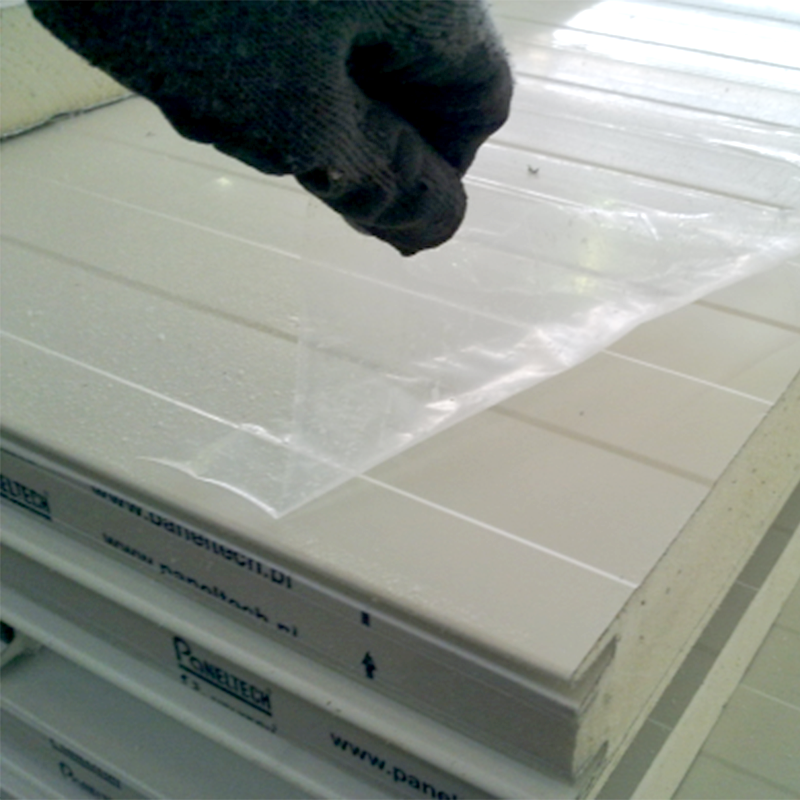
● The specially formulated adhesive ensures easy application and removal without leaving residue glue on the sandwich panels; ● The super-tough polyet...
See Details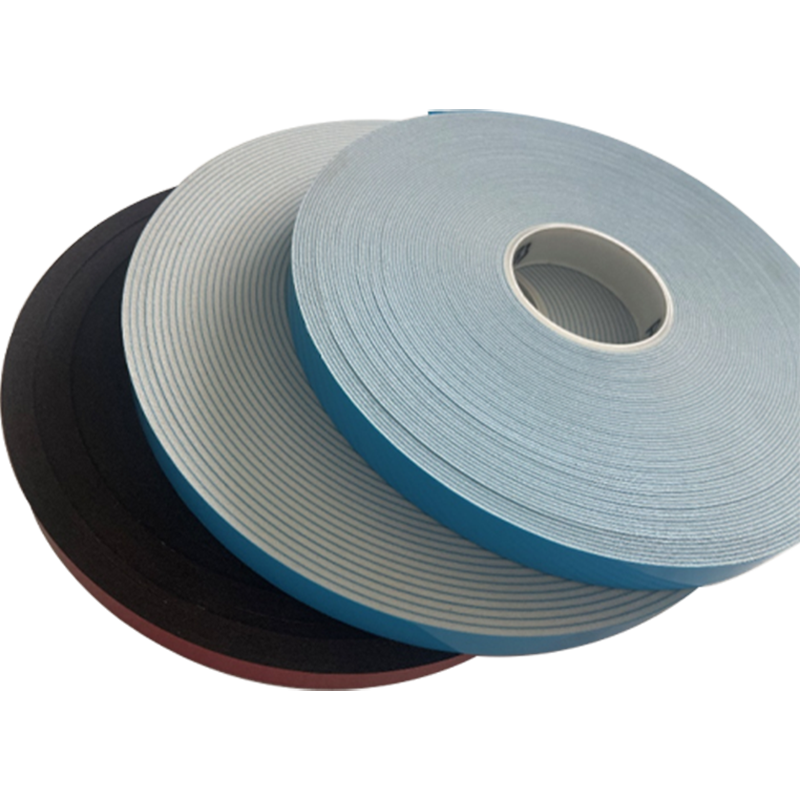
● Waterproof - the desirable material for waterproofing. ● Dust-proof - positive performance of dust prevention.● Low resilience - prevent the deforma...
See Details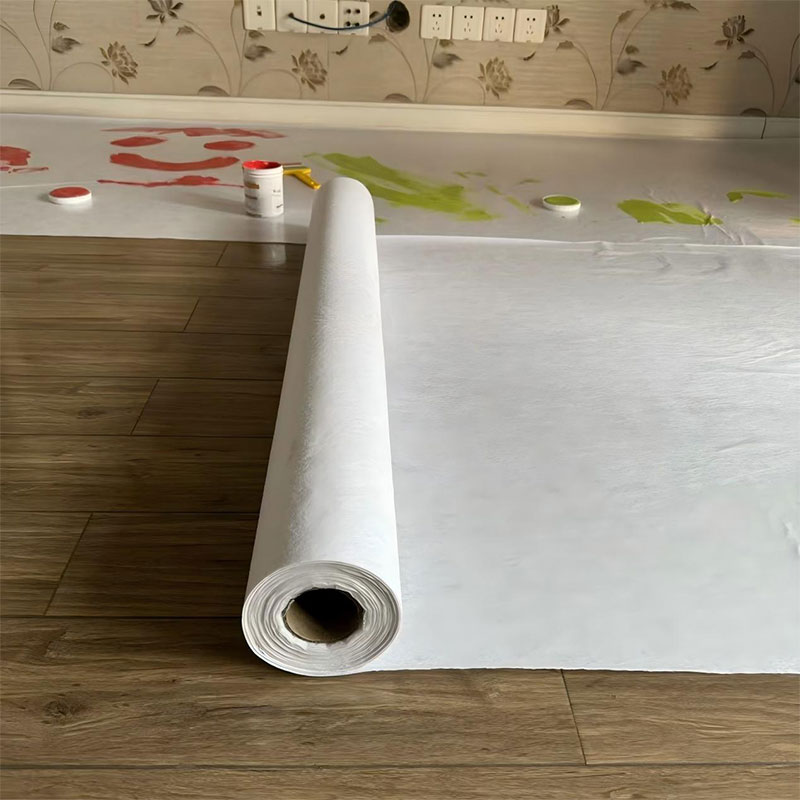
This product has non-woven synthetic fleece in middle; PE film adhered onto top of the non-woven fabric, which is coated with self adhesive glue on it...
See Details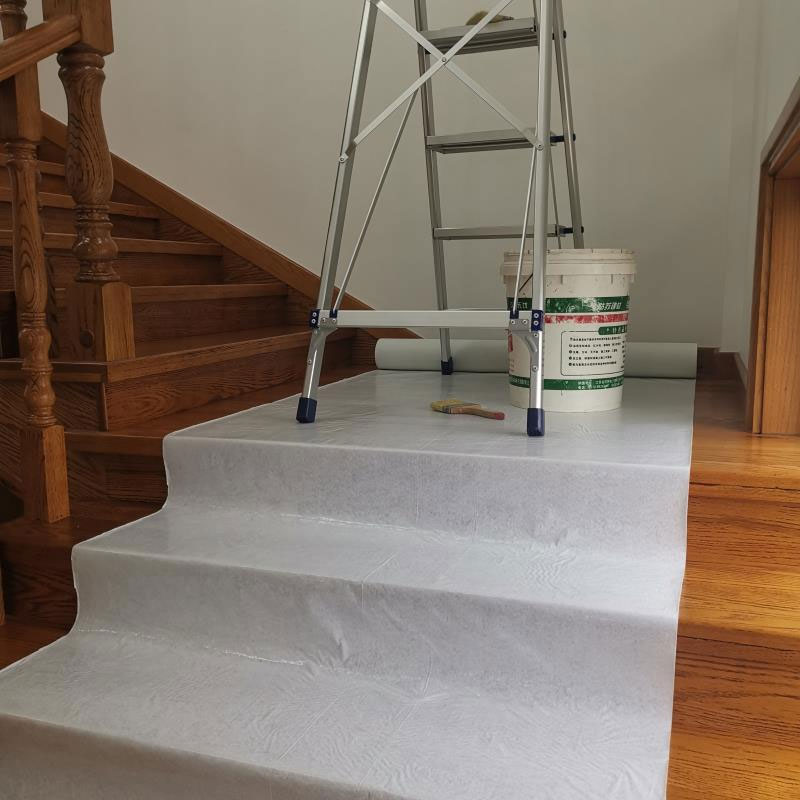
This product has non-woven synthetic fleece in middle; Breathable PE film adhered onto top of the non-woven fabric, which is coated with self adhesive...
See DetailsWe’re a reliable partner that shapes our expertise into success for your project.

Copyright 2024 Wuxi Qida Tape Co., Ltd. All Rights Reserved
 Wholesale Protective Film/Foil Manufacturers
Privacy
Wholesale Protective Film/Foil Manufacturers
Privacy