

 English

 English
 русский
 Français
 Español
 Português
 عربى


Cat:Glue -coated Protective Film
● No “ghost shadow” or “fish eye” after removal; ● Stable adhesion level; ● UV resistance for up to 6 months; ● Can print customized logo or applicati...
See Details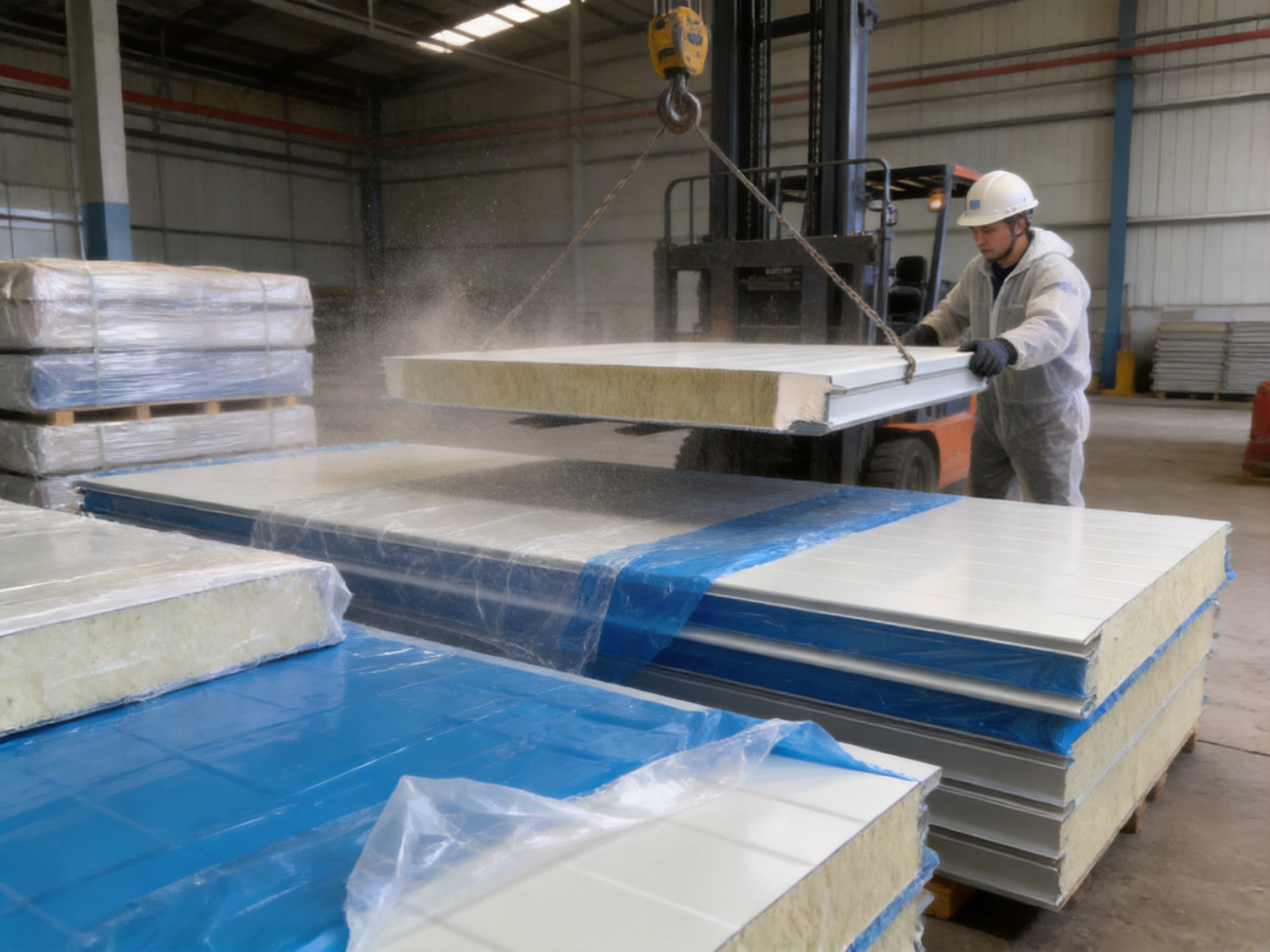
Protective Film For Sandwich Panel
Sandwich panels are widely used in modern construction, refrigeration, cold storage, industrial buildings, agricultural facilities, warehouses, and modular structures. Their insulated core and durable outer skins provide an efficient combination of thermal performance, structural stability, and fast installation. However, even a well-designed sandwich panel can be damaged before it reaches its final position. Scratches, dirt, moisture, scuff marks, drilling debris, cutting dust, adhesive contamination, and handling impacts can affect both appearance and performance.
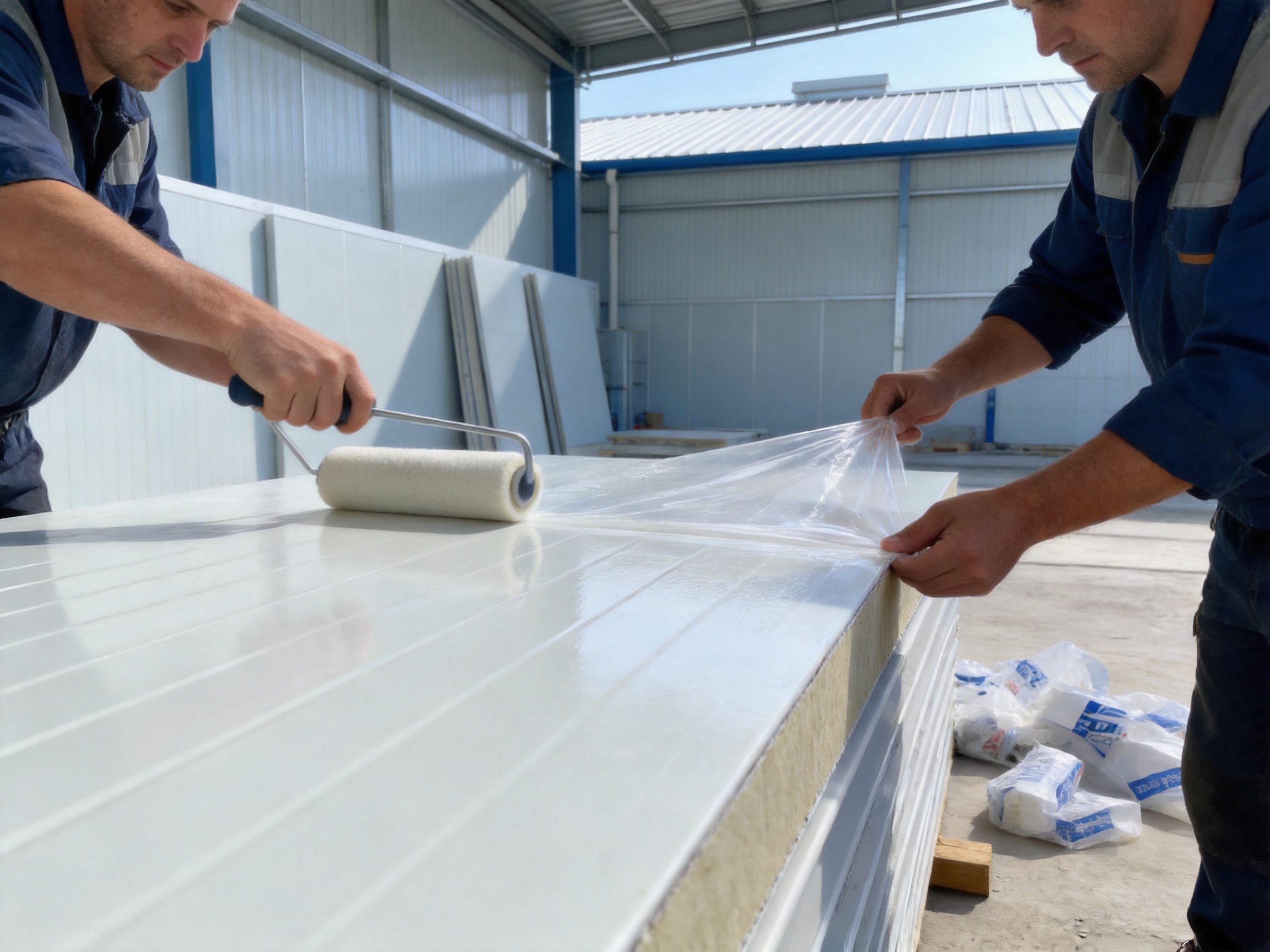
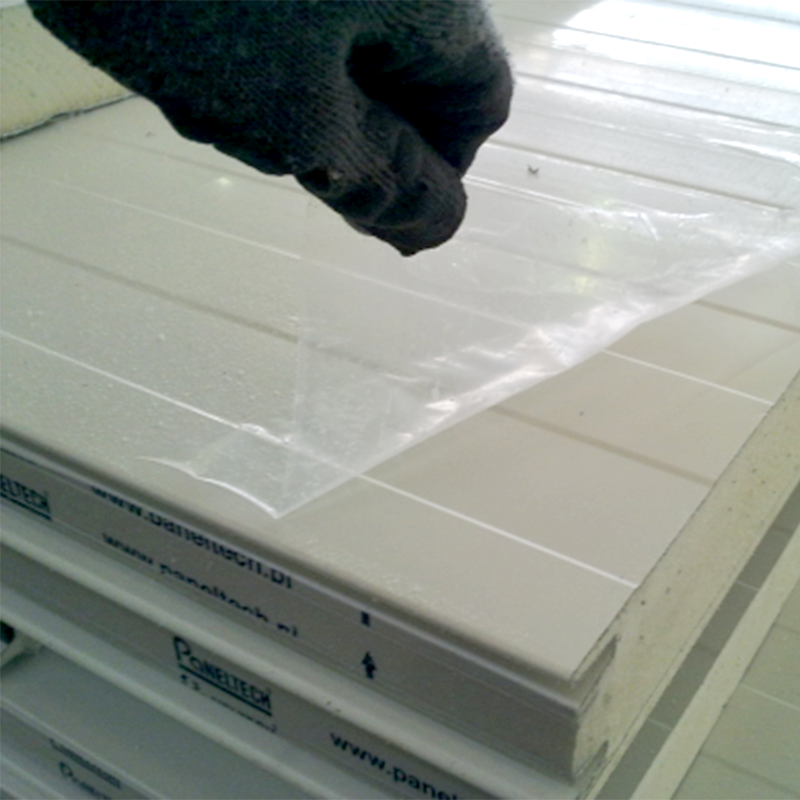
Protective film for sandwich panels provides a practical temporary barrier between the panel surface and the surrounding environment. It is applied during production, transportation, storage, cutting, drilling, fabrication, and installation, then removed when the project is complete or when the panel surface is ready for final inspection. A properly selected film protects the panel without creating a second problem, such as difficult removal, adhesive residue, discoloration, or surface damage.
The protective film described in this article is a glue-coated polyethylene film designed specifically for the temporary protection of sandwich panels. It combines a tough polyethylene backing with a specially formulated acrylic adhesive. The result is a flexible, printable, and removable protection solution that can be customized for different panel materials, handling conditions, exposure periods, widths, colors, and project requirements.
Sandwich panels usually consist of two outer skins bonded to an insulating core. Depending on the application, the skins may be made from pre-painted steel, stainless steel, aluminum, coated metal, or other engineered materials. The visible surface can be smooth, lightly textured, profiled, glossy, matte, or specially coated. Although these materials are designed for durability, their surface finishes may be vulnerable to damage during manufacturing and construction.
During production, panels may pass through cutting, profiling, stacking, packaging, and internal transportation operations. During delivery, vibration and friction can cause panels to rub against packaging materials or against one another. At the construction site, workers may cut openings, drill fixing points, move panels with lifting equipment, and install adjacent components. Dust, metal fragments, tools, footwear, and construction materials can leave marks on unprotected surfaces.
A protective film creates a sacrificial layer over the panel. Instead of the finished surface receiving the abrasion or contamination, the temporary film absorbs or blocks the contact. Once the installation process is complete, the film can be peeled away to reveal a cleaner and more attractive panel surface.
The film is particularly valuable when the panel has a decorative, high-gloss, pre-painted, or color-sensitive finish. Even minor scratches can reduce visual quality and create additional cleaning or repair work. In large construction projects, replacing damaged panels or correcting surface defects can cause delays and increase labor costs. Protective film helps reduce these avoidable risks.
The backing film is made from polyethylene, a flexible thermoplastic material commonly used for temporary surface protection. Polyethylene offers a useful balance of toughness, flexibility, tear resistance, and processability. It can conform to flat or slightly profiled panel surfaces while maintaining enough strength for handling and removal.
The super-tough backing helps protect sandwich panels from scratches, dust, marks, and ordinary impact during transportation and installation. It also allows the film to be unwound, applied, printed, slit, and packaged efficiently. Compared with a fragile film, a tougher polyethylene backing is less likely to break during application or peel-off operations.
Backing strength is especially important when installers need to remove long sections of film from large panels. A film that tears repeatedly can leave small pieces on the surface, increase labor time, and make the removal process frustrating. The selected polyethylene structure is designed to provide more reliable handling in practical working conditions.
The adhesive used for this protective film is acrylic and is formulated for temporary surface protection. Adhesive selection is one of the most important factors in a protective film because the adhesive must hold the film securely during handling while still allowing clean removal after use.
The product provides a medium adhesion level. This means that it is intended to maintain contact with the panel during normal transportation, cutting, drilling, and installation while avoiding unnecessarily aggressive bonding. The balance between adhesion and removability is essential. Excessively weak adhesion may allow lifting, edge contamination, or premature film loss. Excessively strong adhesion may create removal difficulty or leave residue.
The specially formulated adhesive is designed to remove cleanly without leaving glue on the sandwich panel under appropriate application and storage conditions. This clean-removal characteristic reduces the need for solvent cleaning and lowers the risk of damaging painted or coated surfaces during post-installation cleanup.
Sandwich panels are often stored outdoors or installed before the building envelope is fully completed. As a result, a protective film may be exposed to sunlight, heat, humidity, rain, and changing weather conditions. The product can provide UV resistance for up to six months, subject to the specific panel surface, climate, storage conditions, and application environment.
UV resistance helps the film remain functional during temporary outdoor exposure. Without suitable resistance, a film may become brittle, lose flexibility, discolor, or become more difficult to remove after prolonged sunlight. A film designed for temporary outdoor use gives project managers greater flexibility when installation schedules change.
UV performance should not be interpreted as permanent weatherproofing. Protective film is a temporary product and should be removed within the recommended period. Project teams should evaluate actual exposure conditions, including temperature, solar intensity, humidity, and the type of panel coating, before selecting a storage and removal schedule.
The film can be printed with a customized logo, handling instruction, product identification, warning statement, or application message. Printing is available in up to three colors. This option transforms the protective film from a simple barrier into a useful communication tool across the production and installation chain.
Printed instructions may remind workers to remove the film after installation, identify the correct panel orientation, communicate handling precautions, or distinguish one panel type from another. A company logo can also improve product identification and support brand visibility while panels are stored or installed on a construction site.
Customized printing is particularly useful for manufacturers supplying multiple customers or panel types. Clear visual information helps reduce incorrect handling and can support quality-control procedures. Printing specifications, ink compatibility, artwork, color requirements, and minimum order quantities should be confirmed during the technical quotation stage.
The standard product range offers several options to accommodate different sandwich panel dimensions and protection requirements. The following specifications provide a general reference for product selection.
| Property | Available Specification | Application Significance |
|---|---|---|
| Backing material | Polyethylene film | Flexible and tough temporary surface protection |
| Film thickness | 30 to 50 micrometers | Allows selection between handling convenience and protection strength |
| Width | 150 to 1,500 millimeters | Suitable for narrow components and wide sandwich panel surfaces |
| Roll length | 500 to 2,000 meters | Supports different production and installation volumes |
| Elongation | At least 300 percent | Helps the film conform to surfaces and tolerate handling stress |
| Adhesion level | Medium | Balances secure holding with clean removal |
| Adhesive type | Acrylic | Designed for temporary protection and residue control |
| Film colors | Transparent clear, blue, and other options | Provides product visibility or visual identification |
| Printing | Zero to three colors | Enables customized logos and application instructions |
| Typical UV resistance | Up to six months | Supports temporary outdoor storage and exposure |
The figures above should be considered standard range information rather than a substitute for application testing. Panel coatings, surface energy, texture, temperature, exposure period, and installation method can affect actual performance. A technical evaluation using production samples is recommended before large-scale adoption.
Some low-cost protective films focus mainly on initial adhesion. Although such films may remain attached during handling, they can become difficult to remove later. Strong adhesive buildup, edge tearing, and residue may require scraping or chemical cleaning. This creates additional labor and may affect the panel coating.
Other films use very low adhesion to simplify removal, but they may lift at the edges, collect dust beneath the film, or fall away during transportation. The protective film for sandwich panels is designed around a medium acrylic adhesion level to provide a more practical balance. It is intended to remain in place during ordinary operations while being removable without leaving adhesive residue when used correctly.
Sandwich panels may be exposed to more than one type of handling risk. A film that is sufficient for clean indoor storage may not be sufficient for transportation, cutting, drilling, and installation. The tough polyethylene backing provides protection throughout several stages rather than addressing only one short operation.
The film helps separate the panel surface from abrasive packaging, dust, handling tools, and incidental contact. Its high elongation also supports flexible handling when the film is applied across broad surfaces or around minor changes in panel geometry.
Not every temporary film is suitable for outdoor exposure. Films that are not formulated for sunlight may degrade faster than expected and become brittle or difficult to peel. The available UV resistance of up to six months provides a longer working window for projects involving outdoor storage, phased construction, or delayed installation.
This capability can be valuable for panel manufacturers, distributors, contractors, and building owners that need to manage unpredictable schedules. Nevertheless, proper planning remains necessary. The film should be removed within the specified period, and users should consider regional weather conditions and the type of panel coating.
Standard films often provide no space for project-specific communication. Customized printing allows the user to identify the product, display a logo, or add instructions that are relevant to a particular manufacturing and installation process.
This feature can support inventory control, reduce mixing between product specifications, and remind site personnel that the film is temporary. Printed information is especially helpful when panels move between several companies before final installation.
Sandwich panels are manufactured in different widths and may have different surface profiles. A protective film that is available only in one narrow width can require multiple strips, increasing seams and application time. The width range of 150 to 1,500 millimeters allows users to select a roll that more closely matches the panel surface.
Roll lengths from 500 to 2,000 meters provide flexibility for different purchasing volumes. Smaller rolls may be more suitable for limited projects, while longer rolls can improve production efficiency for high-volume panel manufacturers.
Construction is one of the most important applications for sandwich panel protective film. Panels are used for exterior walls, roofs, partitions, cleanrooms, workshops, warehouses, and modular structures. During construction, several trades may work near the panel surface, increasing the possibility of accidental damage.
Protective film helps preserve the panel finish while frames are installed, fasteners are fitted, joints are sealed, and adjacent materials are handled. It also helps protect panels from dust and marks while the building is still being completed. Transparent or lightly colored film permits the panel color and general condition to remain visible during inspection.
For pre-painted metal sandwich panels, maintaining the surface appearance is important because the exterior finish is part of the building’s visual identity. Removing temporary protection after the surrounding work is finished can reveal a cleaner surface and reduce final cleaning requirements.
Cold rooms, refrigerated warehouses, food-processing facilities, and pharmaceutical storage areas commonly use insulated sandwich panels. In these environments, cleanliness and surface integrity are particularly important. Dirt and construction debris can become difficult to remove from joints, corners, or textured finishes.
Protective film can shield panels during transportation and assembly, helping prevent contamination before the facility enters service. Users should select the appropriate film based on the expected temperature during storage and installation. The protective film is primarily intended for temporary protection before commissioning, not as a permanent internal lining or substitute for a hygienic surface system.
When used correctly, the film can help keep the panel surface cleaner while doors, refrigeration equipment, lighting, drainage, and internal fittings are installed. It can also reduce the need for aggressive cleaning chemicals that might affect certain coated surfaces.
Sandwich panels are vulnerable to friction and impact while they are loaded, stacked, strapped, transported, unloaded, and moved around a site. Even when panels are carefully packaged, vibration can cause contact between panel surfaces and protective materials.
A protective film provides an additional barrier during these movements. It can reduce the likelihood of scratches caused by incidental rubbing and help keep dust away from the finished surface. The film also allows quality personnel to inspect the panel visually without immediately removing the protection.
For long-distance transportation, users should combine protective film with suitable packaging, separators, edge protection, and load-securing procedures. Protective film is not intended to replace proper mechanical protection or correct stacking practices.
Manufacturing plants, distribution centers, workshops, and industrial warehouses use sandwich panels for walls, ceilings, partitions, and enclosures. These sites may contain machinery, metal components, tools, packaging materials, and chemicals that create surface risks.
Protective film helps limit damage from ordinary abrasion and construction activity. In applications involving chemical exposure, the film and adhesive should be evaluated for compatibility before use. Standard protective film should not be assumed to resist every solvent, oil, acid, alkaline cleaner, or industrial chemical.
Agricultural buildings may experience humidity, dust, changing temperatures, and exposure to outdoor conditions. Sandwich panels are used in barns, storage buildings, processing areas, and equipment shelters because of their insulation and structural benefits.
Protective film can help preserve panel appearance while buildings are erected in demanding environments. Its temporary barrier function can reduce exposure to mud, dust, moisture, and handling marks. For agricultural projects, installation timing and removal planning are particularly important because films left in place too long may become more difficult to remove after prolonged exposure.
The first selection factor is the panel surface. Steel, aluminum, stainless steel, coated metal, and composite materials can have different surface energies, coatings, textures, and chemical characteristics. An adhesive that performs well on one surface may not provide the same result on another.
Before production use, the film should be tested on the actual panel finish. The test should examine initial adhesion, edge lifting, bubble formation, clean removal, residue, color change, and any effect on the coating. Testing is also important when the panel includes a special paint system, protective varnish, anti-fingerprint treatment, embossed texture, or low-surface-energy coating.
The expected period of protection should be defined before selecting a film. Short-term protection during factory handling may require different characteristics from protection during several months of outdoor storage. A longer period may increase the importance of UV resistance, temperature stability, adhesion retention, and clean removal.
Users should establish a maximum application period and inspection schedule. If the project is delayed, the condition of the film should be checked rather than assuming that the original schedule remains valid. Removing and replacing the film may be preferable to leaving a degraded film on the panel indefinitely.
Application conditions influence film performance. Dust, moisture, oil, condensation, and extreme temperatures can reduce contact between the adhesive and the panel surface. Application should generally be performed on a clean, dry surface under conditions recommended by the supplier.
Outdoor application requires additional attention to wind, sunlight, temperature changes, and rain. Wind can introduce wrinkles or airborne dirt beneath the film. Rain or condensation can interfere with adhesion. If panels are cold, the adhesive may require more time to establish contact. A small trial area can help confirm the correct procedure.
Film thickness affects handling, protection, and removal. Thicker films generally provide greater resistance to abrasion and tearing, while thinner films may be easier to apply and more economical for light-duty protection. The 30-to-50-micrometer range allows users to select an appropriate balance.
Panel shape and work intensity should be considered together. Smooth, flat panels in clean indoor storage may not require the same thickness as panels exposed to repeated cutting, drilling, and outdoor handling. The objective is not simply to select the thickest film, but to select the film that provides adequate protection without unnecessary material use.
Adhesion should be strong enough to resist lifting during the intended process but not so aggressive that it damages the coating. Medium adhesion is a practical choice for many sandwich panel applications, but the final decision should be confirmed through testing.
Removal should be performed within the recommended period. The user should pull the film steadily rather than tearing it sharply. If a panel has been exposed to high heat or strong sunlight, the film may need to be removed carefully and inspected for adhesive transfer.
Before applying the film, the panel surface should be free from loose dust, oil, water, condensation, and other contaminants. Cleaning methods should be compatible with the panel coating. Harsh solvents, abrasive pads, or unapproved cleaners may damage the surface before the film is even applied.
The panel should be inspected for existing damage. Applying film over a dirty or damaged area can make later inspection more difficult and may trap contamination against the surface.
The film should be aligned carefully with the panel edge. Correct alignment reduces exposed areas and prevents excessive overlap. For wide panels, two people or suitable application equipment may be helpful to control the film and reduce wrinkling.
The release liner or film edge should be removed gradually while the protective film is pressed onto the panel. Applying the film progressively helps prevent large air pockets and allows the operator to correct alignment during the process.
A soft squeegee, roller, or other suitable tool can be used to press the film evenly against the surface. Excessive pressure should be avoided if it could scratch the panel through trapped particles. The goal is consistent contact without stretching the film unnecessarily.
Wrinkles, bubbles, and lifted edges should be corrected as soon as they are noticed. If repositioning is required, the film should be peeled back carefully and reapplied rather than pulled aggressively across the surface.
After application, the operator should inspect the film for full coverage, edge contact, trapped debris, excessive wrinkles, and visible damage. Printed instructions or logos should also be checked for legibility if customized printing is used.
Inspection records may be useful for large projects. They can include the panel batch, film batch, application date, operator, surface type, and expected removal date. Such records help identify the cause if a performance issue occurs later.
Protective film should be removed when the panel is no longer exposed to the main construction risks or before the maximum recommended application period expires. Removal should begin at a corner or edge. The film should be pulled back at a controlled angle and steady speed.
If resistance is unusually high, the operator should stop and investigate. Possible causes include extended UV exposure, contamination, extreme temperature, incompatible coating, or excessive adhesive aging. Test removal on a small area before continuing across the entire panel.
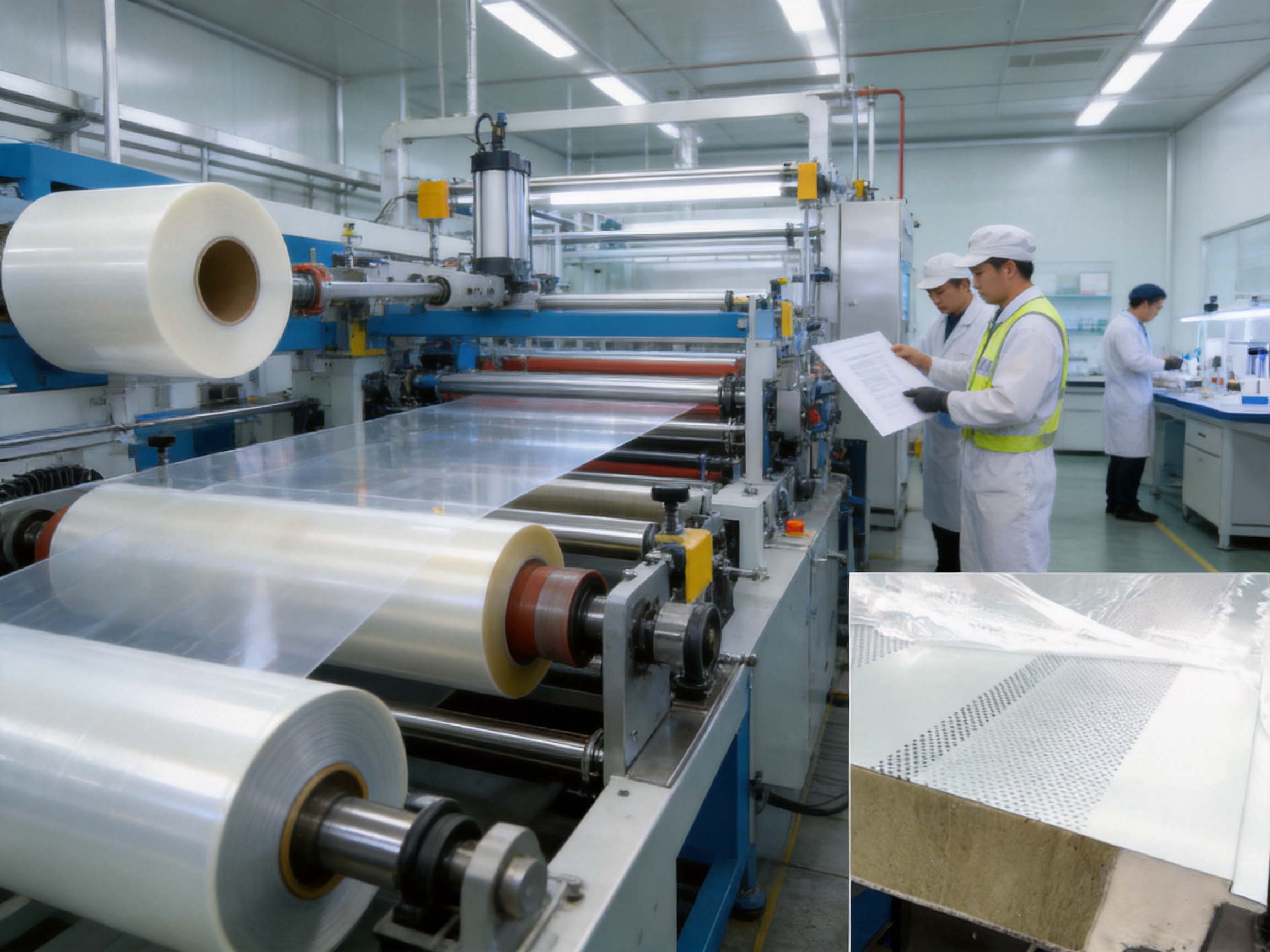
Wuxi Qida Tape Co., Ltd. is a factory specializing in the development, production, and marketing of protective films and surface protection materials. Its manufacturing capabilities cover several stages of the product process, including backing film production, adhesive coating, logo printing, rewinding, slitting, and packaging.
Producing the backing film within the company’s own facility gives the manufacturer greater control over thickness, width, mechanical properties, and material consistency. The polyethylene film can be prepared for the intended adhesive system and end-use requirements instead of relying solely on an unrelated standard film.
Control at the backing stage is important because variations in thickness, surface treatment, tensile behavior, and elongation can affect coating performance and application quality. Internal production also helps the technical team coordinate film structure with customer specifications.
The adhesive coating process determines the amount, uniformity, and functional behavior of the acrylic adhesive. Consistent coating is essential for stable adhesion across the roll. Excessive coating may increase residue and removal force, while insufficient or uneven coating may cause edge lifting and inconsistent protection.
Advanced coating equipment and controlled production procedures help the manufacturer manage coating weight, drying conditions, web tension, and roll quality. These factors contribute to the medium adhesion level and clean-removal performance expected from the product.
After coating, the film can be printed with up to three colors according to approved artwork and technical requirements. The printing stage must be coordinated with film handling, ink adhesion, drying, and roll winding to maintain a clean and usable product.
Rewinding and slitting convert larger master rolls into customer-specified widths and lengths. Accurate slitting reduces uneven edges and helps ensure that the film runs smoothly through customer application equipment. Packaging protects the finished rolls during storage and transportation.
Qida Tape maintains a testing laboratory and uses inspection equipment to evaluate product quality. Depending on the product specification, quality control may include checks of film thickness, width, roll length, appearance, adhesion, elongation, tensile behavior, print quality, and removal performance.
Quality control is not limited to final inspection. Effective manufacturing requires control of incoming materials, production parameters, work-in-process rolls, finished products, and packaging. This approach helps reduce variation and supports repeatable performance for customers with ongoing purchasing programs.
The company operates under ISO 9001 and ISO 14001 management systems. ISO 9001 supports structured quality-management practices, while ISO 14001 addresses environmental-management processes. The company also reports product compliance and testing related to SGS, RoHS, REACH, PFAS, and Prop 65 requirements.
Compliance requirements vary according to destination market, product formulation, application, and customer documentation needs. Buyers should confirm the specific certificates, test reports, declarations, and regulatory documents required for their project before placing an order.
Qida Tape was founded in 1999 and operates a factory area of approximately 20,000 square meters. The company has more than 95 experienced staff members and an annual production capacity exceeding 12,000 tons. Its products are supplied in China and exported to Europe, North America, Australia, the Middle East, Japan, and other regions.
The company’s product range includes protective films for stainless steel, aluminum, pre-coated metal, plastic panels, ceramic, carpets, decorative laminates, glass, and other surfaces. This broad experience supports technical understanding across different substrates and processing environments.
One of the company’s key strengths is customization. Customers can provide technical data sheets, drawings, samples, target widths, required roll lengths, color preferences, adhesive requirements, and printed artwork. The manufacturer can then evaluate the specification and recommend a suitable construction.
Multiple adhesive options are available, including acrylic water adhesive, acrylic solvent adhesive, and natural rubber adhesive. This range allows the company to match adhesive behavior with different substrates, application periods, environmental conditions, and removal requirements.
The company’s own production processes support coordinated project management. Instead of separating film production, adhesive coating, printing, slitting, and packaging among several unrelated suppliers, Qida Tape can manage these stages within its factory. This can simplify communication, reduce coordination risk, and improve control of customized orders.
Technical engineers and experienced technicians assist customers with product selection and application evaluation. For sandwich panel manufacturers and construction-material distributors, this support can be valuable when a standard film does not provide the required balance of adhesion, protection, and removability.
Temporary protective film should be selected and used responsibly. Choosing the correct thickness, width, and roll length helps avoid unnecessary material consumption. Applying the film only to surfaces that require protection can also reduce waste.
Efficient converting and accurate slitting help reduce offcuts. Proper storage protects unused rolls from heat, moisture, dust, and direct sunlight, which helps prevent premature deterioration and unnecessary disposal. Removing the film at the correct time also avoids the need for aggressive cleaning procedures.
Environmental considerations should be evaluated across the entire product life cycle. Users may need to review local requirements for disposal, recycling, or energy recovery of used polyethylene film. The adhesive and printed ink system may also affect disposal options, so project-specific environmental policies should be followed.
Qida Tape’s ISO 14001 environmental-management certification reflects the company’s structured approach to environmental management. Customers seeking sustainability documentation should request the relevant product and factory information for their purchasing region.
Edge lifting may result from dust, oil, moisture, inadequate pressure, an unsuitable surface, or application at an unfavorable temperature. The panel should be cleaned and dried before application, and the film should be pressed firmly but smoothly along the edge.
Bubbles and wrinkles are often caused by uneven application, excessive speed, trapped debris, or poor alignment. Applying the film gradually with a suitable roller or squeegee can reduce these problems. Large bubbles should be corrected rather than ignored because they may collect dust or reduce protection.
Residue can be associated with excessive exposure time, high temperature, strong sunlight, incompatible coating, contamination, or unsuitable adhesive selection. Users should follow the recommended protection period and perform compatibility testing before production use.
Film breakage may occur when the backing has degraded, when the film is pulled too sharply, or when it has been applied for too long. Removing the film steadily and at a controlled angle can help. If the film has been exposed outdoors for an extended period, early removal is preferable to waiting until visible degradation occurs.
Discoloration may result from interaction between the adhesive and the coating, prolonged sunlight, heat, or contamination trapped under the film. A sample test under representative exposure conditions is the best way to identify potential risk before full-scale use.
Before ordering protective film for sandwich panels, buyers should prepare clear technical information. This reduces quotation time and helps the manufacturer recommend a suitable specification.
| Information to Confirm | Examples |
|---|---|
| Panel substrate | Pre-painted steel, aluminum, stainless steel, composite panel, or other material |
| Surface finish | Smooth, embossed, glossy, matte, textured, coated, or laminated |
| Protection period | Factory handling, transportation, installation, short-term storage, or extended outdoor exposure |
| Application location | Indoor factory, covered warehouse, outdoor storage, construction site, or mixed environment |
| Required film width | Based on panel dimensions and desired coverage |
| Required thickness | Selected according to abrasion and handling conditions |
| Adhesive preference | Medium acrylic adhesion or another specified adhesive system |
| Film color | Transparent clear, blue, or custom color requirement |
| Printing | None, logo, warning, product code, or installation instruction |
| Roll length and packaging | Standard roll, jumbo roll, individual cartons, pallets, or export packaging |
| Testing requirements | Sample approval, adhesion testing, residue testing, UV exposure, or compliance documents |
A sample approval process is recommended for new applications. The customer and manufacturer can agree on test conditions, acceptance criteria, storage duration, removal method, and inspection results before mass production begins.
It is used to protect sandwich panel surfaces from scratches, dirt, marks, abrasion, drilling debris, cutting dust, and incidental damage during transportation, storage, fabrication, and installation. It is a temporary protection layer and is removed after the main handling and construction risks have passed.
The acrylic adhesive is specially formulated for clean removal without leaving adhesive residue when the film is correctly selected, applied, stored, and removed within the recommended period. Actual results depend on the panel coating, temperature, UV exposure, contamination, and application duration. Testing on the actual surface is recommended.
The film offers UV resistance for up to six months under suitable conditions. The actual service period can vary according to sunlight intensity, climate, temperature, humidity, panel surface, and storage conditions. It should be treated as a temporary film and removed according to the supplier’s recommendation.
The standard thickness range is 30 to 50 micrometers. The best thickness depends on the required level of abrasion protection, handling conditions, surface profile, application method, and desired balance between strength and ease of use.
Standard widths range from 150 to 1,500 millimeters, and roll lengths range from 500 to 2,000 meters. Customized dimensions can be discussed according to the panel size, application equipment, order quantity, and packaging requirements.
Yes. Customized printing is available in up to three colors. Logos, product identification, application instructions, removal reminders, and handling notices can be considered subject to artwork approval and production requirements.
The film can be evaluated for many sandwich panel surfaces, including coated steel and aluminum, but compatibility should not be assumed automatically. Different coatings and materials have different surface characteristics. A trial on the actual panel is recommended before full-scale use.
Yes. One of its purposes is to protect the panel surface during cutting, drilling, and installation. However, the film does not replace safe operating procedures, appropriate tools, dust control, or mechanical protection. The film should be inspected after intensive processing.
Check whether the surface was clean and dry, whether the film was applied at a suitable temperature, and whether sufficient pressure was used during application. If edge lifting continues, a different adhesive level or product construction may be required.
Begin at a corner or edge and peel the film steadily at a controlled angle. Avoid sudden tearing. If resistance is high, stop and test a small area. Extended exposure, heat, UV radiation, contamination, and surface incompatibility may affect removal performance.
Qida Tape offers acrylic water adhesive, acrylic solvent adhesive, and natural rubber adhesive options for different requirements. The appropriate adhesive depends on the panel surface, protection period, environmental conditions, and removal expectations.
Customers should provide the panel material, surface coating, panel width, desired film width, required thickness, protection period, indoor or outdoor conditions, estimated quantity, roll length, color, printing requirements, and any existing performance standards or samples.
Protective film for sandwich panels is a simple but important component of quality control across the panel supply chain. By creating a temporary barrier against scratches, dirt, marks, abrasion, and handling damage, it helps preserve the appearance and condition of panels from production through installation.
The product described here combines a tough polyethylene backing, medium acrylic adhesion, high elongation, flexible width and roll-length options, UV resistance for up to six months, and customized printing of up to three colors. Its key advantage is the balance between reliable protection and clean removal. This balance helps reduce labor, cleaning requirements, and the risk of damage associated with unsuitable temporary films.
Wuxi Qida Tape Co., Ltd. supports this product with integrated manufacturing capabilities, including backing film production, adhesive coating, printing, rewinding, slitting, packaging, laboratory testing, and quality inspection. Its ISO 9001 and ISO 14001 management systems, international testing experience, customization capability, multiple adhesive options, and production capacity provide a practical foundation for both standard and customized orders.
For the best result, protective film should be selected according to the panel surface, protection period, exposure environment, application method, and removal schedule. Sample testing remains the most reliable way to confirm compatibility. When correctly specified and applied, sandwich panel protective film can support cleaner production, safer transportation, more efficient installation, and a better final appearance.
1. ISO 9001, Quality Management Systems — Requirements.
2. ISO 14001, Environmental Management Systems — Requirements with Guidance for Use.
3. ASTM D1000, Standard Specification for Pressure-Sensitive Adhesive-Coated Tapes Used for Electrical and Electronic Applications.
4. ASTM D3330, Standard Test Method for Peel Adhesion of Pressure-Sensitive Tape.
5. ASTM D3654, Standard Test Methods for Shear Adhesion of Pressure-Sensitive Tapes.
6. ASTM D882, Standard Test Method for Tensile Properties of Thin Plastic Sheeting.
7. ASTM G154, Standard Practice for Operating Fluorescent Ultraviolet Lamp Apparatus for Exposure of Nonmetallic Materials.
8. ISO 4892, Plastics — Methods of Exposure to Laboratory Light Sources.
9. Technical product information for polyethylene temporary surface protection films and acrylic adhesive systems.
10. Manufacturer technical information for protective film used on sandwich panels, including product specifications, customization options, manufacturing processes, and quality-management capabilities.
11. General principles of temporary surface protection for coated metals, composite panels, construction materials, and finished architectural surfaces.
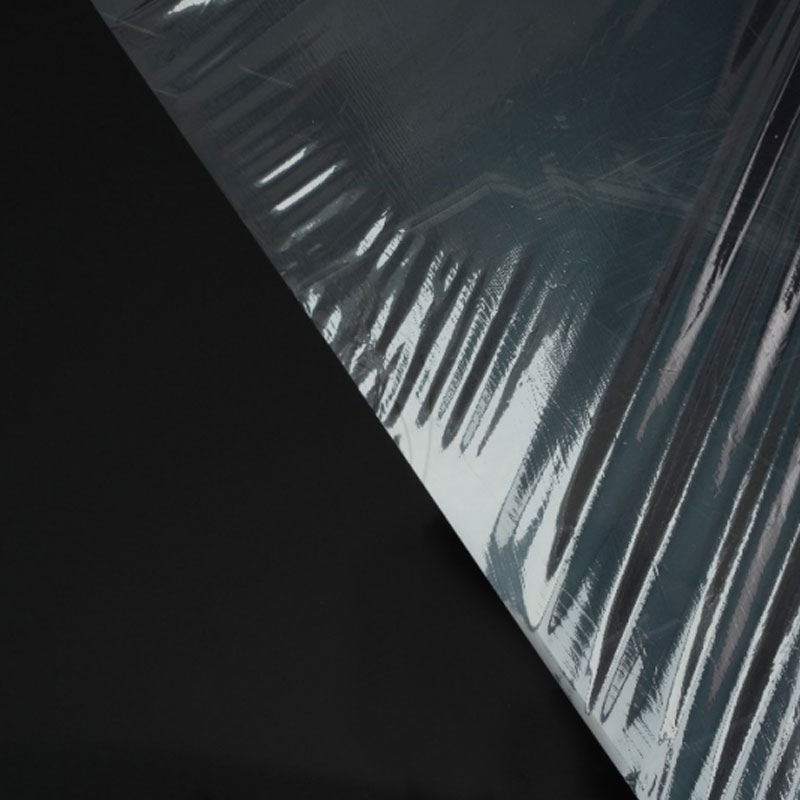
● No “ghost shadow” or “fish eye” after removal; ● Stable adhesion level; ● UV resistance for up to 6 months; ● Can print customized logo or applicati...
See Details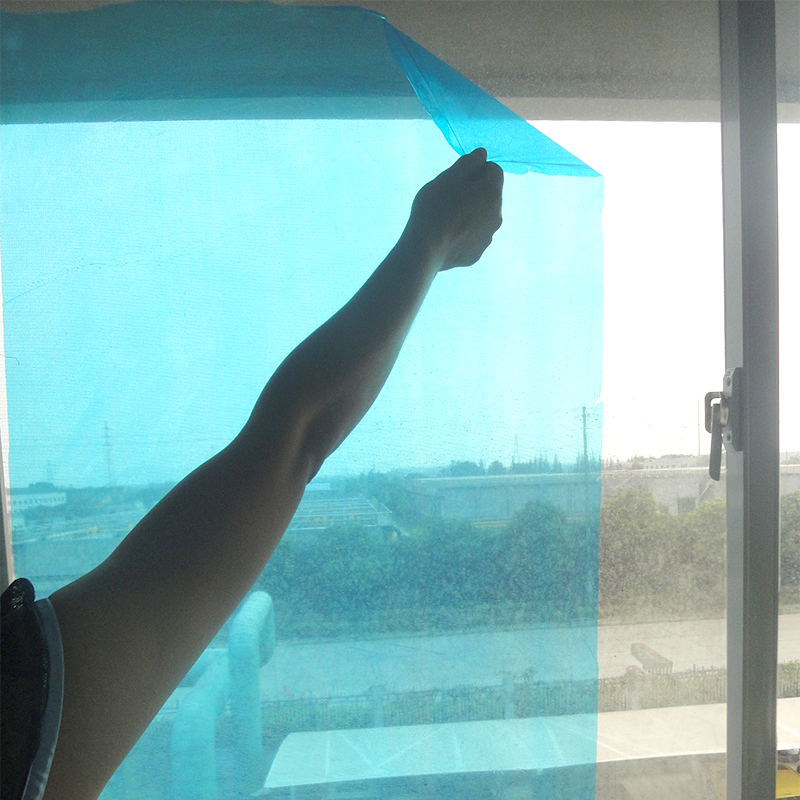
● Protect window glass against paint splatters, dirt, staining, and spillages during painting, building, plastering, tiling, general maintenance and r...
See Details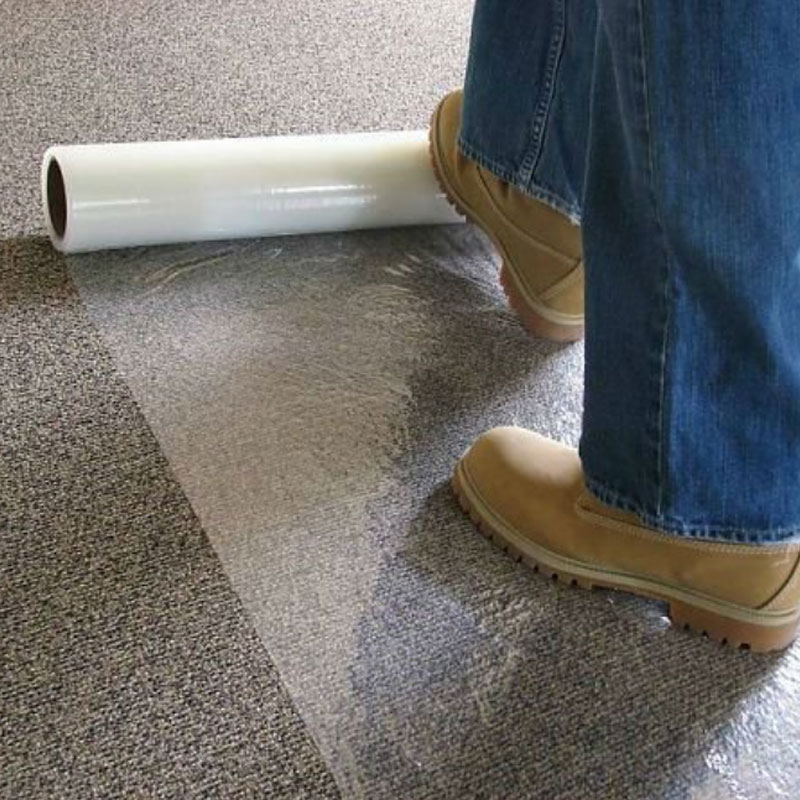
● Protects carpet against staining, paint spillage and dirt during painting, building, remodeling, plastering, tiling, decoration, general maintenance...
See Details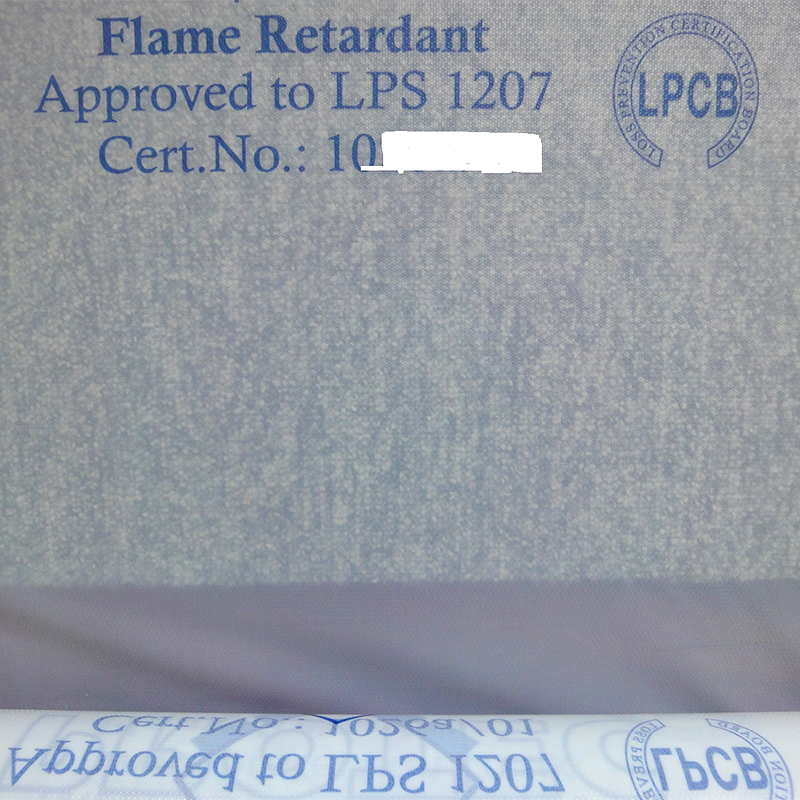
● Prevents costly damages in case of fire /flame;● Meet the strict international test standards of loss prevention; ● Extensive selection for flame re...
See Details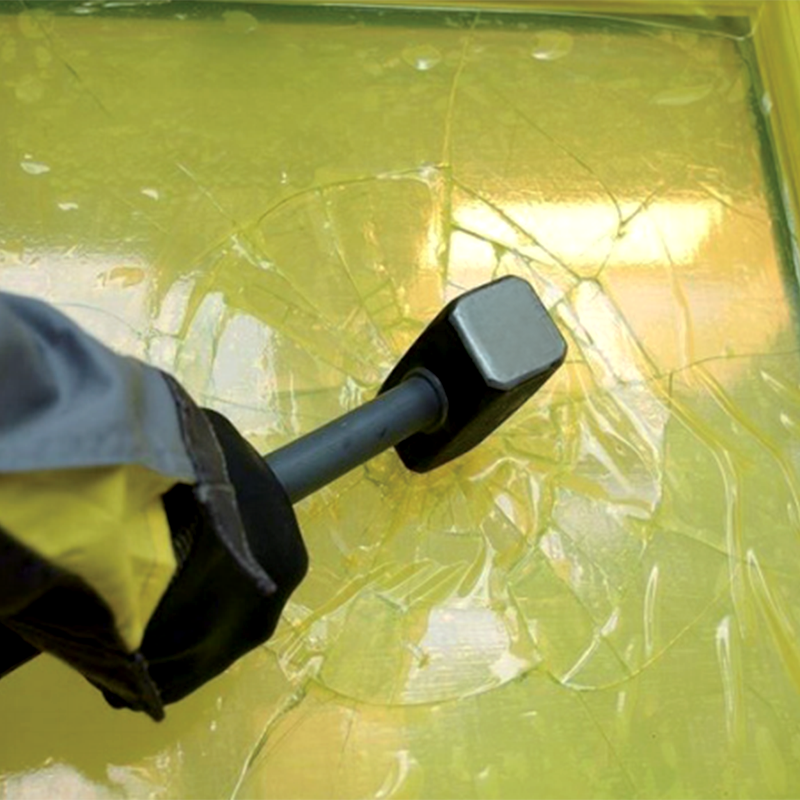
● The super tough polyethylene film with super high adhesion can stop the glass splitting and falling off during window glass demolition process;● Non...
See Details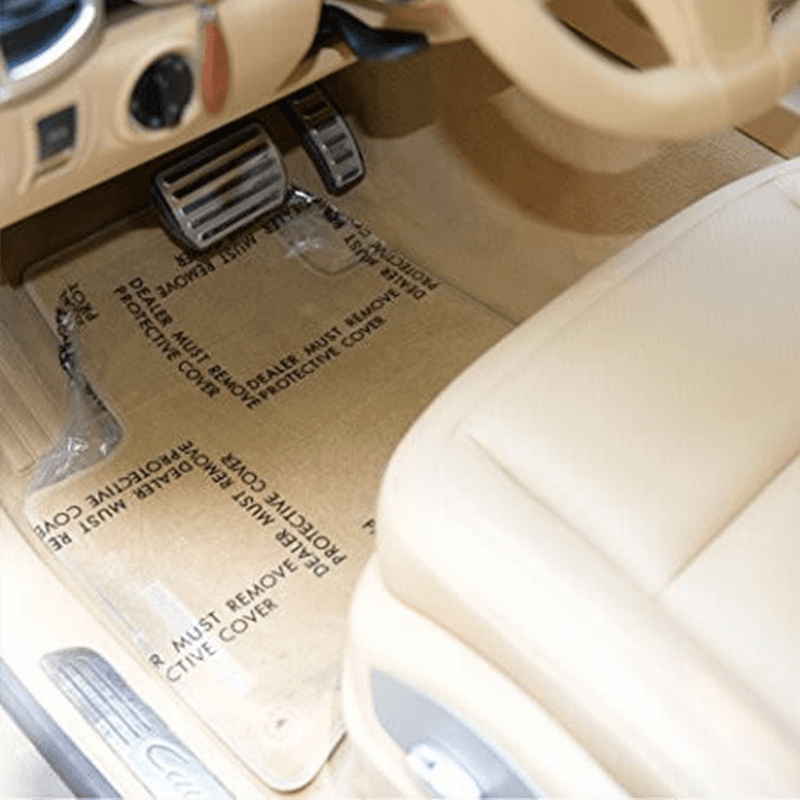
● Distance of each perforation die-cut ranges from 100mm to 1200mm;● Can peel off each die-cut piece of protective film at the perforated line easily;...
See Details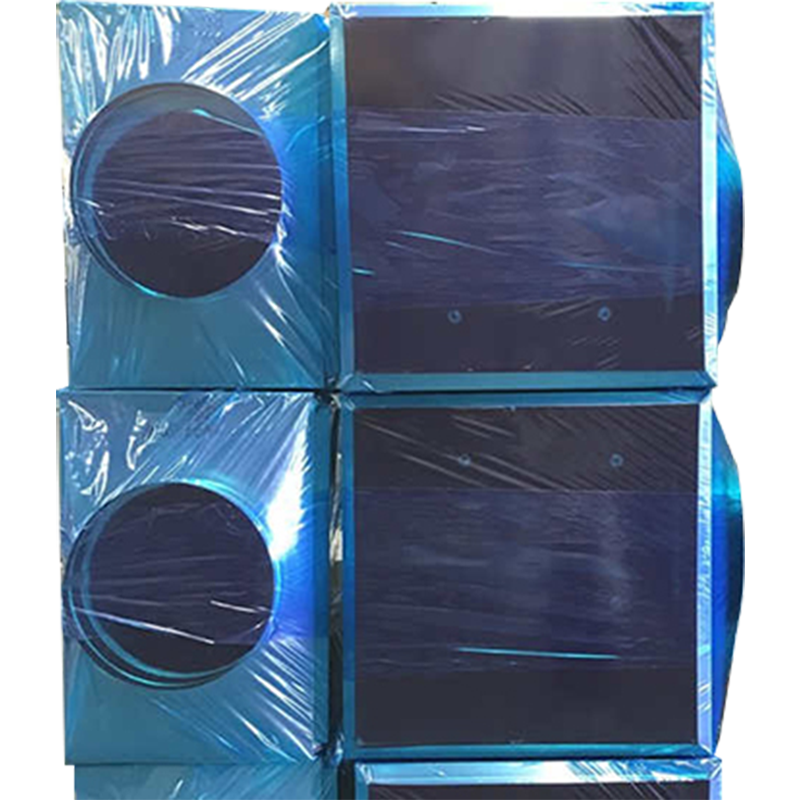
● The super-tough polyethylene film resists puncture and penetration by liquid and dirt during storage, transportation, and installation of the ductwo...
See Details
● The specially formulated adhesive ensures easy application and removal without leaving residue glue; ● The super-tough polyethylene film protects ag...
See Details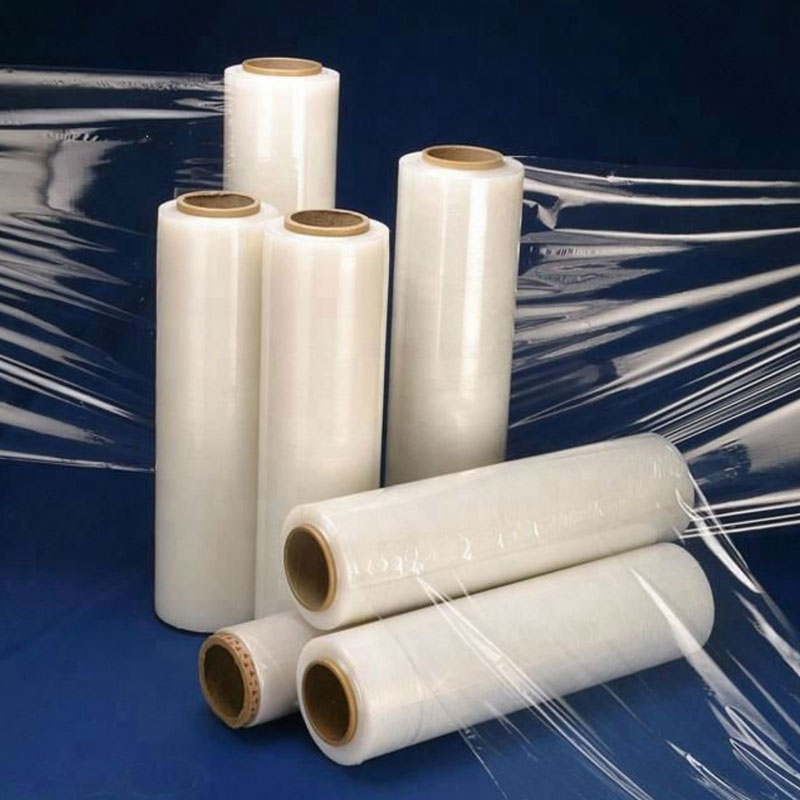
● Small roll size for convenient manual application;● Excellent puncture and tear resistance ; ● A self-adhering-each layer of film bonds to the next ...
See Details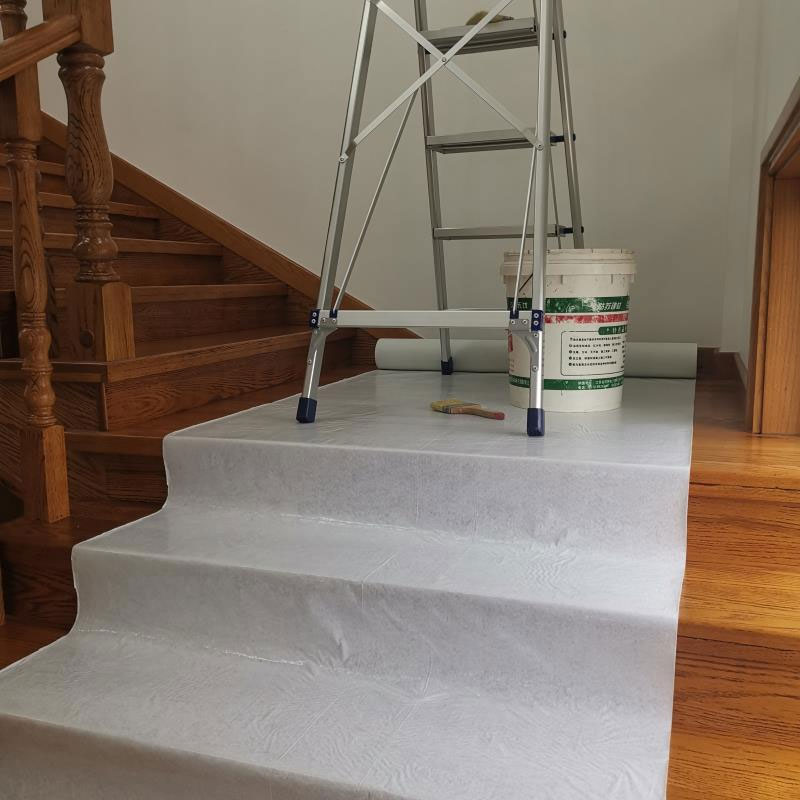
This product has non-woven synthetic fleece in middle; Breathable PE film adhered onto top of the non-woven fabric, which is coated with self adhesive...
See DetailsWe’re a reliable partner that shapes our expertise into success for your project.
Copyright 2024 Wuxi Qida Tape Co., Ltd. All Rights Reserved
 Wholesale Protective Film/Foil Manufacturers
Privacy