

 English

 English
 русский
 Français
 Español
 Português
 عربى


Cat:Glue -coated Protective Film
● Good weatherability for outdoor exposure; ● Stable adhesion level; ● UV resistance for up to 12 months; ● Can print customized logo or application i...
See Details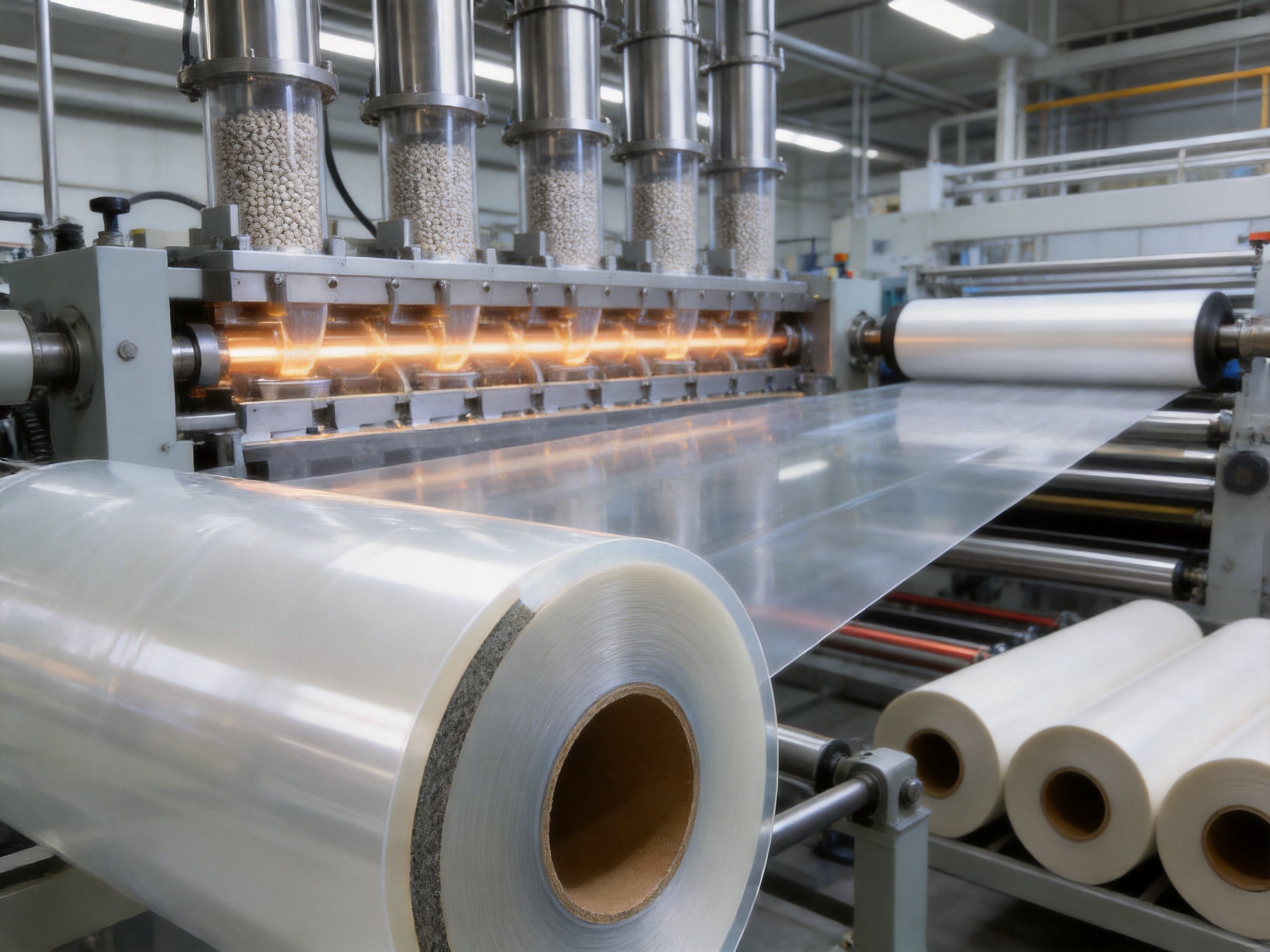
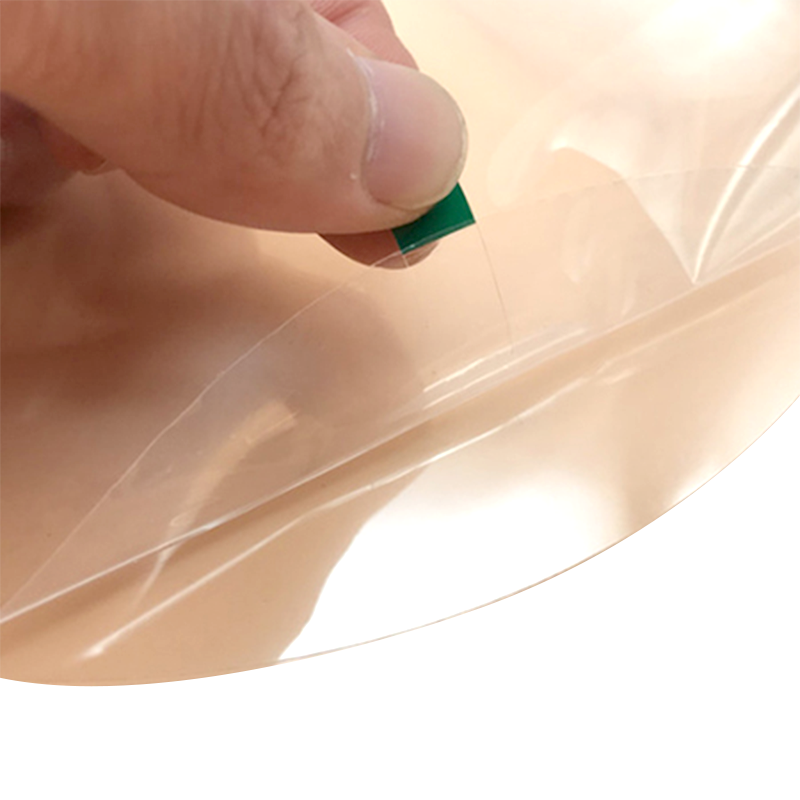
Co-extruded self-adhesive protective film is a temporary surface protection material designed to protect finished or semi-finished products during fabrication, handling, storage, transportation, installation, and post-processing. It combines a flexible plastic carrier with a low-adhesion layer in a multilayer structure produced through co-extrusion technology. The resulting film can adhere securely to many smooth surfaces while remaining easy to remove when protection is no longer required.
Modern manufacturers increasingly require protective materials that do more than prevent scratches. A suitable protective film must also remain stable during drilling, cutting, routing, bending, thermoforming, and other fabrication operations. It should resist tearing, maintain clarity or color stability, avoid adhesive transfer, and release cleanly without damaging the protected surface. Co-extruded self-adhesive protective film is developed to meet these requirements across a broad range of plastic, glass, composite, and decorative surfaces.
Wuxi Qida Tape Co., Ltd. is a China-based manufacturer specializing in protective films and surface protection solutions. Its production capabilities include backing film manufacturing, adhesive formulation and coating, co-extrusion, logo printing, rewinding, slitting, inspection, and packaging. By controlling major production stages in its own factory, the company can offer customized specifications, stable quality, competitive pricing, and technical support for different industrial applications.
Co-extruded self-adhesive protective film is a multilayer plastic film manufactured by extruding different polymer materials simultaneously in a molten state. The layers are joined through a specially designed die to form one continuous film structure. Depending on the product design, the structure may include a strong carrier layer, a functional surface layer, and a low-adhesion or self-adhesive layer.
The carrier layer provides the film with tensile strength, elongation, flexibility, and resistance to handling damage. The adhesive layer provides controlled attachment to the target surface. Additional functional layers may improve clarity, weather resistance, printability, surface protection, or resistance to processing conditions. Because the material properties of each layer can be selected independently, co-extrusion makes it possible to achieve a balance that would be difficult to obtain with a single-layer film.
Unlike a simple plastic sheet, the product is engineered for temporary adhesion. It must stay in place during transportation and fabrication without excessive movement, yet it must peel away efficiently when the protected article is ready for the next process. This balance between adhesion and removability is one of the most important performance characteristics of a high-quality protective film.
The film is available in clear, white, foggy clear, and other customized colors. It can also be printed with company logos, handling instructions, product information, or application warnings in up to three colors. Printing can help identify the protected product, reinforce correct installation, and provide branding opportunities without affecting the primary protective function.
The exact specification of co-extruded self-adhesive protective film can be adjusted according to the protected material, processing conditions, storage period, and customer requirements. The following values represent the standard range provided for this product family.
Specification |
Typical Range or Option |
Film thickness |
30 to 60 micrometers |
Film width |
100 to 2,250 millimeters |
Roll length |
100 to 2,000 meters |
Elongation |
300 percent or higher |
Adhesion level |
Low adhesion |
Adhesive structure |
Co-extruded adhesive layer |
Film color |
Clear, white, foggy clear, or customized options |
Printing |
Up to three colors |
Ultraviolet resistance |
Approximately three to six months, depending on conditions |
These ranges allow the material to serve both standard packaging and specialized industrial protection requirements. Thickness, width, roll length, adhesive strength, and printing can be coordinated with a customer’s equipment and production workflow. Before mass production, surface testing is recommended because adhesion depends on the substrate material, surface energy, temperature, humidity, storage time, and application method.
Co-extruded Self-Adhesive Protective Film
Co-extrusion is a manufacturing process in which two or more polymer materials are melted and delivered through separate extruders into one multilayer die. The die combines the molten streams in a controlled arrangement before the material exits as a continuous film. The layer structure is formed during extrusion rather than by laminating separate films after production.
The first stage is the selection and preparation of raw materials. The carrier may be based on polyethylene, polypropylene, or other suitable polymer systems. The adhesive layer may use a pressure-sensitive resin system selected for low adhesion, stable tack, clean removal, and compatibility with the target surface. Additives may also be used to support clarity, color stability, ultraviolet resistance, processing stability, and print performance.
Raw materials must be inspected and prepared before entering the extrusion equipment. Moisture, contamination, inconsistent particle size, or unsuitable additives can affect film appearance and mechanical properties. Careful material preparation helps reduce gels, fisheyes, bubbles, uneven thickness, and other defects that could influence the final application.
Prepared materials are fed into separate extruders. Inside each extruder, controlled heating and screw rotation melt and mix the polymer. The screw design, temperature profile, pressure, and throughput must be coordinated so that each material reaches a uniform and stable molten condition.
Stable melt processing is essential for protective film production. Excessive heat may cause discoloration or polymer degradation, while insufficient heat may create poor mixing and an uneven film surface. Precise process control supports consistent thickness, smooth appearance, and reliable interlayer bonding.
The molten materials are directed into separate flow channels within a multilayer co-extrusion die. The die brings the materials together in a controlled sequence and regulates the thickness of each layer. Depending on the design, the adhesive layer may be positioned on one side of the carrier while the opposite side is optimized for handling, printing, or surface appearance.
Uniform flow is important because variations in layer thickness can change adhesion, strength, and release behavior. The die temperature, flow balance, pressure, and output rate are adjusted to maintain a stable interface between layers. A well-controlled interface helps prevent delamination, inconsistent tack, and weak points during film application or removal.
After leaving the die, the multilayer film is cooled and shaped. Cooling solidifies the polymer structure and stabilizes the film dimensions. The cooling rate must be managed carefully because it can influence clarity, shrinkage, flatness, and internal stress.
Proper shaping helps the film lie flat on the protected substrate and reduces problems such as curling, wrinkling, or edge lifting. These characteristics are particularly important when the film is applied to large panels, sheets, profiles, or formed components.
Depending on the order requirements, the film may receive surface treatment, logo printing, or application instructions. Printing inks and treatment methods must be selected to provide adequate adhesion without contaminating the adhesive layer or affecting film removability.
The finished film is then wound into rolls using controlled tension. Excessive winding tension can cause blocking, deformation, or telescoping, while insufficient tension can create loose rolls and handling problems. Rewinding and slitting equipment are used to produce the required widths and roll formats before final inspection and packaging.
A conventional single-layer film has to perform many functions through one material. Improving strength may reduce softness, while increasing tack may make clean removal more difficult. Co-extrusion separates these functions among different layers, allowing each layer to be optimized for a specific purpose.
The carrier can be designed for flexibility and mechanical strength, while the adhesive layer can be formulated for controlled low adhesion. Additional functional properties, such as ultraviolet resistance or improved printability, can be incorporated without requiring a completely separate product structure. This multilayer approach provides a more balanced performance profile than many basic films.
The product is designed with a low-adhesion characteristic suitable for temporary protection. It should attach firmly enough to remain in position during handling, cutting, drilling, routing, and transportation, but it should not create excessive peel force during removal.
Stable adhesion is especially important when the film remains on the product for an extended period. Unstable adhesive behavior can lead to edge lifting, adhesive transfer, surface staining, or a sharp increase in peel strength. The co-extruded adhesive layer is developed to provide a softer and more controlled bonding behavior when used under suitable conditions.
One of the primary advantages of this protective film is clean removability. When correctly selected and applied, the film can be peeled away without leaving visible adhesive residue, ghost shadows, fish eyes, or permanent marks. This helps reduce post-processing cleaning and supports a faster transition to the next manufacturing or installation stage.
Clean removal is particularly valuable for transparent or glossy surfaces. Minor contamination that may be hidden on an opaque panel can become highly visible on acrylic, polycarbonate, glass, or polished decorative surfaces. A film that removes cleanly helps preserve the visual quality of the finished product.
An elongation of 300 percent or higher allows the film to accommodate moderate stretching during application and handling. High elongation helps the film follow curved surfaces, formed edges, and irregular profiles without immediate tearing.
Flexibility is also useful during thermoforming, bending, and post-fabrication operations. The film can move with the substrate as long as the processing temperature, forming depth, and mechanical stress remain within the recommended range. Application trials should be performed for severe forming operations because different substrates and process conditions place different demands on the film.
Clear protective film allows operators to inspect the protected surface without removing the film. This is useful for quality checks, inventory identification, installation alignment, and transportation inspection. White and foggy clear options can be selected when visual contrast, light diffusion, or product identification is preferred.
High clarity and color stability help maintain a professional appearance during storage and delivery. The film is designed to resist unwanted visual changes under normal recommended conditions. UV exposure, temperature, humidity, and storage duration can influence appearance, so the stated ultraviolet resistance period should be treated as a guideline rather than a universal guarantee.
The product can provide ultraviolet resistance for approximately three to six months, depending on the formulation and exposure environment. This makes it suitable for temporary outdoor storage, transportation, construction staging, and installation periods where products may be exposed to sunlight before final use.
Outdoor performance depends on solar intensity, regional climate, surface temperature, moisture, pollution, and the color of the protected substrate. For applications involving prolonged direct sunlight or severe weather, customers should confirm the required service period through sample testing and technical consultation.
The film is intended for use on a broad range of smooth or relatively smooth materials. Typical substrates include acrylic, polyester, polyethylene terephthalate, polycarbonate, polyvinyl chloride, acrylonitrile butadiene styrene, polystyrene, styrene acrylonitrile, glass, and glass or fiber-reinforced plastic.
Each substrate has a different surface energy, texture, coating composition, and sensitivity to adhesive contact. A film that performs well on one material may not behave identically on another. Qida Tape’s technical team can help customers evaluate film selection based on the substrate, process, storage period, and removal requirements.
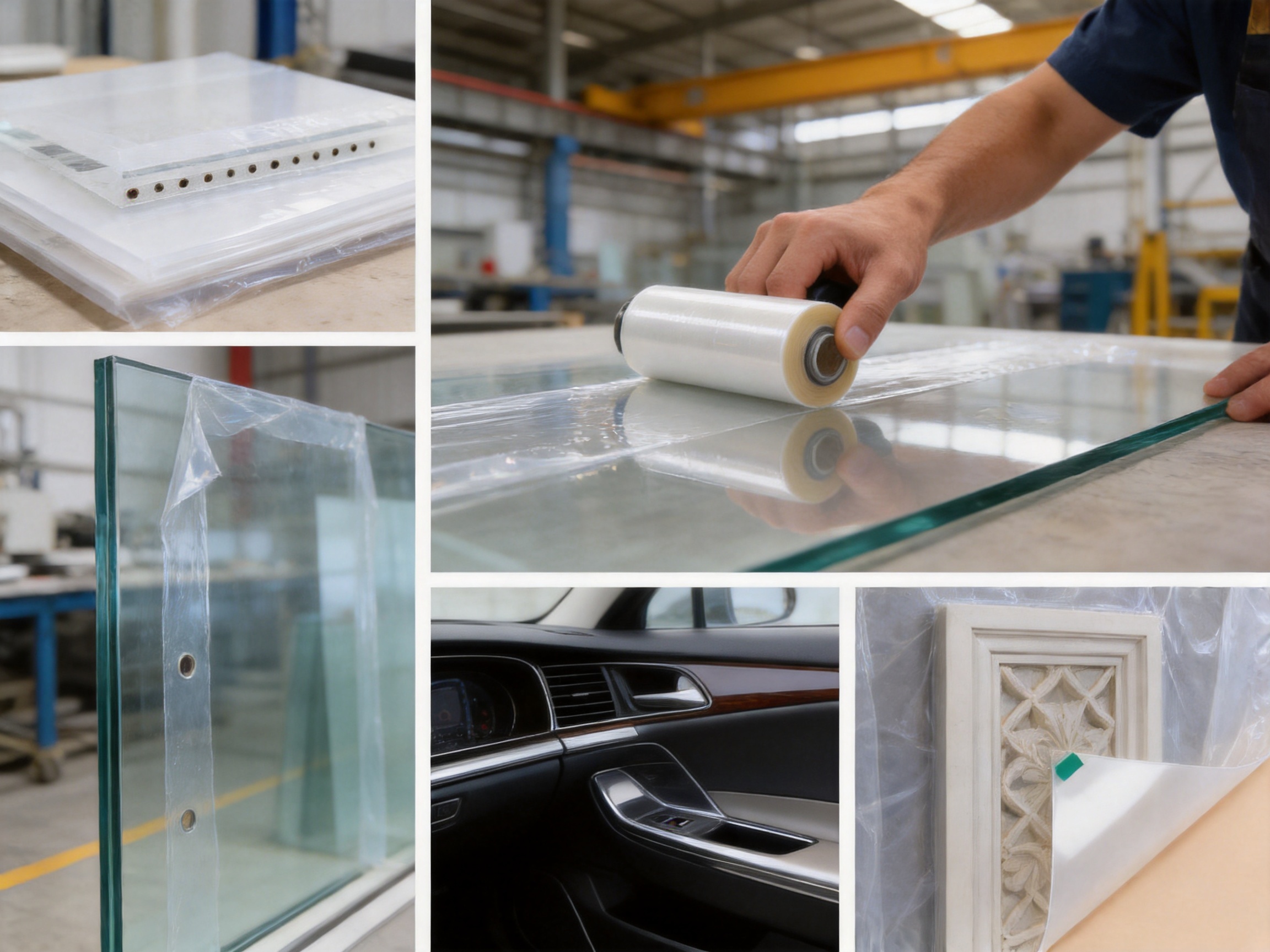
Plastic sheet manufacturers use protective film to preserve the appearance and surface quality of products before they reach fabricators, distributors, installers, or end users. Sheets can be scratched by contact with cutting tables, rollers, tools, packaging materials, and other sheets during processing. A temporary protective layer provides a barrier against these common sources of damage.
During drilling and cutting, chips and tool contact may mark the sheet surface. Protective film helps shield the visible face from incidental abrasion and handling marks. It can also make it easier for operators to identify the protected side during processing.
The film should be applied smoothly before fabrication, with the substrate free from dust, oil, moisture, and loose particles. Proper application reduces the possibility of bubbles or wrinkles that could interfere with cutting accuracy or create pressure points.
Routing and milling operations can expose plastic sheets to vibration, chips, and repeated contact with workholding equipment. The film provides temporary protection while the sheet is positioned and processed. Its flexibility and elongation help it remain attached over broad areas during normal movement.
For high-speed routing or operations that generate substantial heat, users should confirm that the film will not soften excessively or interfere with chip evacuation. Technical trials can determine the best thickness and adhesive level for the specific equipment.
Thermoforming and bending change the shape of a sheet and place stress on both the substrate and the protective film. A flexible film with high elongation can be suitable for selected forming operations, especially where the forming depth and temperature are moderate.
Before full-scale production, users should test the film on the actual substrate and forming cycle. Evaluation should include edge lifting, surface contact, film stretching, adhesive behavior, and removal after forming. If the application involves high temperatures or complex shapes, a specialized high-temperature protective film may be more appropriate.
After machining or forming, the film can remain in place to protect the finished component during assembly, storage, transportation, and installation. This is useful for products that may be handled several times before reaching the final location.
Keeping the film on the product through the appropriate stages can reduce rework, cleaning labor, and claims related to cosmetic damage. It also helps maintain a consistent appearance across products delivered to different customers or job sites.
In construction, protective film may be applied to glass, acrylic panels, decorative laminates, plastic panels, and other visible surfaces. These materials can be exposed to dust, mortar splashes, tools, transport frames, and contact with adjacent components during installation.
A removable film helps protect the surface until construction is substantially complete. When the film is removed at the correct stage, the installer can reveal a clean and visually consistent surface without extensive cleaning. Clear film is suitable when visibility is important, while white or foggy clear versions may be selected for identification or light-control purposes.
Automotive parts often require protection from scratches and contamination during molding, trimming, assembly, logistics, and final delivery. Protective film can be used on selected plastic panels, trim components, glossy surfaces, and other parts where cosmetic quality is important.
Automotive applications generally require careful compatibility testing. Surface coatings, molded textures, plasticizers, and temperature changes can affect adhesive performance. The film must be selected according to the component’s material, storage period, processing temperature, and required removal force.
Electronic housings, display components, control panels, and appliance surfaces can be damaged by fingerprints, dust, scratches, and contact during assembly or transportation. A clear protective film allows the product to remain visually inspectable while reducing handling damage.
For high-gloss and transparent parts, clean removal and low adhesive residue are essential. The film should also be tested for compatibility with coatings, antistatic treatments, and printed surfaces. Correct packaging and controlled storage help preserve film performance until application.
Glass and glass-reinforced plastic surfaces are often used where appearance, light transmission, and durability are important. Protective film can reduce scuffing and contamination during cutting, edge treatment, transportation, and installation.
Reinforced plastic may have a different surface texture or resin composition from ordinary plastic sheet. Therefore, adhesion testing should be performed on the actual grade and finish. The selected film should conform to the surface without excessive force and should release without leaving a visible shadow.
Wuxi Qida Tape Co., Ltd. has specialized in protective films and surface protection solutions since 1999. Its factory covers approximately 20,000 square meters and employs more than 95 experienced staff members. The company reports an annual production capacity of more than 12,000 tons and serves customers in approximately 90 export areas.
The company’s manufacturing model covers multiple stages in one organization. These stages include backing film production, adhesive coating, co-extrusion, logo printing, rewinding, slitting, inspection, and packaging. Internal control of these processes can simplify communication, improve production coordination, and support more consistent product specifications.
Qida Tape has introduced advanced machinery from Germany to support film production and processing. Modern equipment contributes to more stable extrusion, coating, winding, slitting, and inspection. Equipment capability is important for maintaining width accuracy, roll quality, thickness consistency, surface appearance, and production efficiency.
Equipment alone does not determine product quality. Skilled operators, documented procedures, preventive maintenance, process monitoring, and final inspection are also necessary. The company combines equipment investment with experienced technicians and engineers to manage the details that influence protective film performance.
Different substrates and manufacturing operations require different adhesive levels, film thicknesses, widths, and performance characteristics. Qida Tape maintains an R&D team and works with research and development institutes to develop new protective film solutions.
The company can develop products according to customer technical data sheets or samples. This is useful when a standard film does not meet a customer’s requirements for adhesion, release, color, width, roll length, printing, or outdoor service. Customization may also help customers improve application efficiency and reduce material waste.
Qida Tape offers acrylic water adhesive, acrylic solvent adhesive, and natural rubber adhesive systems for different requirements. The choice of adhesive can influence initial tack, aging behavior, removability, temperature resistance, surface compatibility, and production cost.
Although the featured product uses a co-extruded adhesive structure, the company’s broader adhesive capabilities demonstrate its ability to work with different surface protection technologies. Technical selection should consider the target substrate, storage time, temperature, humidity, outdoor exposure, and removal conditions.
The company operates under ISO 9001 and ISO 14001 management systems. ISO 9001 focuses on quality management processes, while ISO 14001 addresses environmental management practices. Together, these systems support a structured approach to production control, documentation, continual improvement, and environmental responsibility.
Qida Tape also reports product and compliance testing associated with SGS, RoHS, REACH, PFAS, and Proposition 65 requirements. The specific applicability of each test depends on the product, market, and customer specification. Buyers should request current documentation for the exact film being purchased and the destination market.
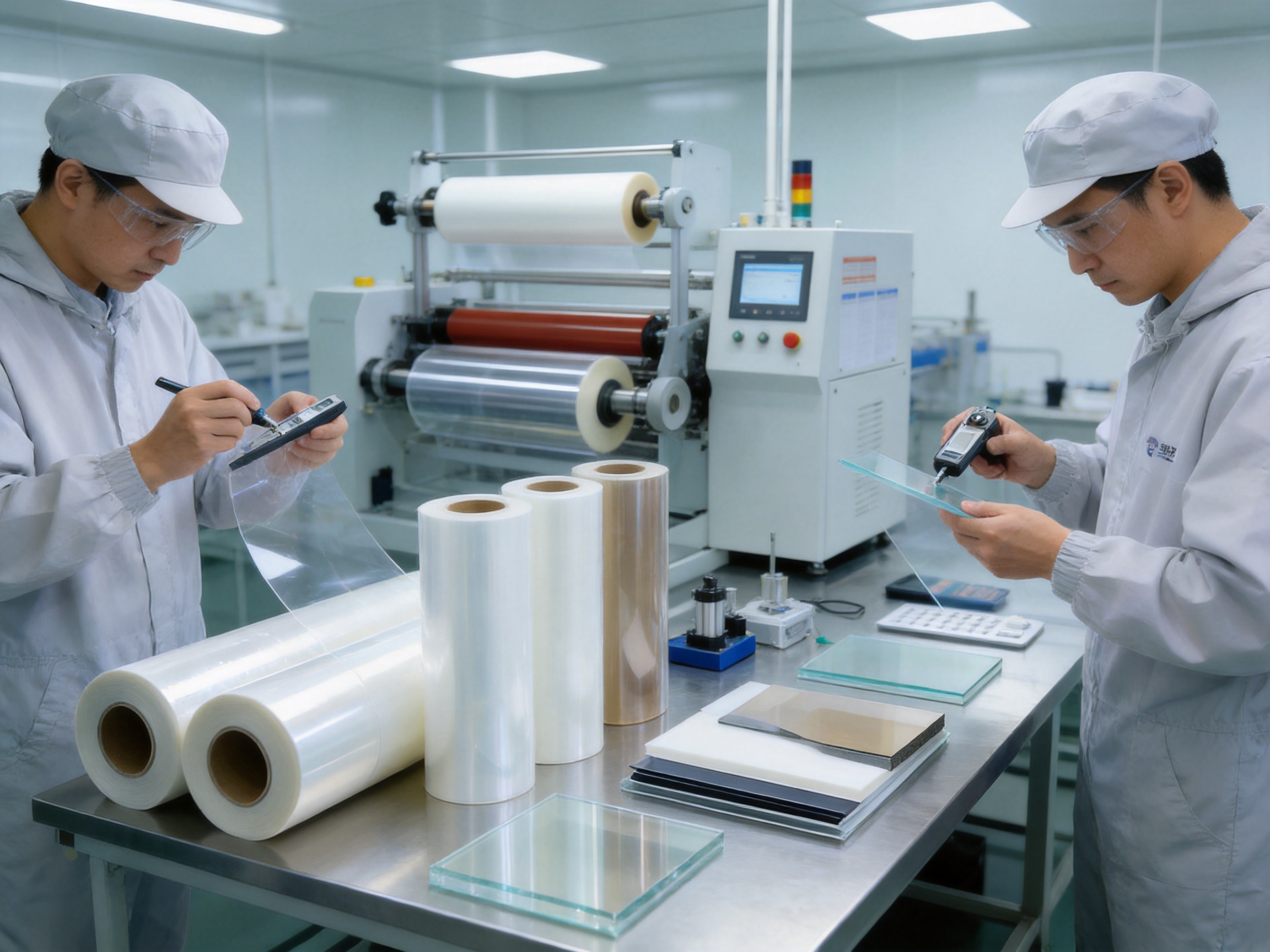
The company maintains a testing laboratory and uses inspection equipment to assess product quality. Testing may involve appearance, thickness, width, tensile properties, elongation, adhesion, peel behavior, winding quality, and removal performance.
For protective films, laboratory data should be combined with application trials. A film can meet general physical specifications but still require adjustment for a particular coated panel, plastic grade, or processing method. Application testing helps verify real-world performance before large-scale production.
Protective film requirements differ significantly between industries. A distributor may need standard clear rolls, while a sheet manufacturer may require a customized width, specific low adhesion, printed instructions, and a defined roll length. Qida Tape can coordinate production according to the customer’s application and equipment.
Film thickness can be selected within the available range to balance protection, flexibility, material consumption, and handling. Wider rolls can improve production efficiency on large panels, while narrow slit rolls may be suitable for profiles, components, or automated application equipment.
Width tolerance and roll winding quality are important for customers using laminators, cutting systems, or high-speed application lines. Clear specifications at the quotation and sampling stages help prevent mismatch between the film roll and the customer’s equipment.
Adhesion can be adjusted according to the surface and expected service period. A very smooth, high-energy surface may require a different adhesive level from a textured or coated surface. The film should remain in place during transportation without creating excessive removal force after storage.
Customers should provide information about the substrate, surface finish, application temperature, storage temperature, anticipated outdoor exposure, and removal period. This information helps engineers select a suitable adhesive system and recommend an appropriate test plan.
Clear film is commonly selected when surface visibility is required. White film can improve visual identification, while foggy clear film may provide a less reflective appearance. Customized colors can support product differentiation or process control.
Printing can include logos, arrows, instructions, warnings, recycling information, or other messages. Up to three colors are available for the stated product range. Printed content should be reviewed for legibility, ink adhesion, and resistance to handling before final approval.
Roll lengths from 100 to 2,000 meters can be considered according to customer requirements and production equipment. Longer rolls may reduce changeover frequency, while shorter rolls may be easier to handle manually or may better suit smaller orders.
Packaging should protect the film from dust, moisture, crushing, and excessive heat during transportation and storage. Rolls should be kept in a clean, dry environment and protected from direct sunlight. The recommended storage conditions and shelf life should be confirmed with the supplier.
Good application practice is necessary to obtain the expected performance from any protective film. The substrate should be clean, dry, and free from dust, oil, release agents, loose particles, and excessive moisture. If the surface has recently been painted, coated, cleaned, or treated, adequate curing and drying time should be allowed.
The film should be applied at a suitable temperature. Very cold conditions can reduce conformability and affect adhesion, while excessive heat can increase tack or accelerate aging. Application pressure should be sufficient to establish contact but not so high that it causes unwanted adhesive transfer or surface deformation.
During application, operators should avoid trapping air, wrinkles, and contamination beneath the film. A clean applicator, roller, or squeegee can help produce a smooth result. Edges should be checked carefully because edge lifting is more likely when the film has been applied over dust, moisture, sharp corners, or highly curved areas.
Removal should generally be carried out by lifting one corner and peeling the film back at a controlled angle. Extremely rapid removal may increase the chance of tearing, while very slow removal under unfavorable conditions may increase peel force. The ideal removal method depends on the substrate, storage period, temperature, and film specification.
Before large-scale use, a small sample test should be completed. The test should examine application appearance, adhesion after the intended storage time, resistance to handling, removal force, residue, surface gloss, color, and any ghost shadow or fish-eye effect. Testing is especially important for sensitive plastics, coated surfaces, and long outdoor exposure.
Protective film is often treated as a simple packaging material, but its performance can directly affect production efficiency, product appearance, rework rates, and customer satisfaction. A specialized manufacturer understands that film selection involves more than thickness and price.
A specialized supplier can evaluate the relationship between film structure, adhesive chemistry, substrate properties, processing conditions, and storage time. This technical approach helps customers avoid common problems such as excessive adhesion, premature lifting, adhesive residue, film tearing, poor clarity, and inconsistent roll quality.
Qida Tape’s integrated capabilities allow it to support customers from initial product selection through sampling, customization, mass production, inspection, and delivery. Its manufacturing experience, R&D resources, technical staff, quality systems, and export service provide a foundation for supplying protective film to both domestic and international markets.
Compared with a supplier that only converts purchased master rolls, an integrated manufacturer may have greater control over the film structure, adhesive system, printing, slitting, and packaging. This can be valuable when customers require consistent performance across repeated orders or need a rapid response to technical changes.
When purchasing co-extruded self-adhesive protective film, buyers should establish clear acceptance criteria. These may include thickness tolerance, width tolerance, roll length, core dimensions, appearance, elongation, tensile strength, adhesive level, removal behavior, printing accuracy, and packaging condition.
Appearance inspection should check for gels, fisheyes, bubbles, streaks, wrinkles, contamination, color variation, and edge damage. Transparent films require particular attention because small defects can be visible on clear or glossy substrates.
Adhesion testing should be performed on the actual target surface whenever possible. Test results can vary according to surface energy, coating type, roughness, temperature, dwell time, and peel angle. A standard laboratory value should not be assumed to represent every application.
Roll inspection should verify that the film is wound evenly without telescoping, loose edges, blocking, crushed cores, or excessive wrinkles. Correct winding protects the film during transport and helps the customer install it efficiently.
Documentation should include the technical data sheet, applicable compliance information, packaging details, storage recommendations, and batch identification. Traceability can assist with production control and investigation if an application issue occurs.
Protective film helps reduce product waste by preventing cosmetic damage during manufacturing and logistics. When a surface remains usable instead of being rejected or refinished, the customer may reduce material consumption, energy use, labor, and transportation associated with replacement.
Co-extrusion can also support efficient material design because each layer is engineered for a specific function. The carrier can provide strength while the adhesive layer provides controlled bonding, helping avoid unnecessary use of a single high-cost material throughout the entire film structure.
Many protective film materials are based on polymer systems that may be recyclable where suitable collection and recycling infrastructure exists. Recycling depends on local regulations, contamination levels, adhesive composition, and available processing facilities. Users should follow local waste-management requirements rather than assuming that every used film can enter the same recycling stream.
Environmental performance also includes manufacturing management. ISO 14001-based systems can help organize environmental objectives, resource management, waste control, and continual improvement. Customers seeking specific sustainability declarations should request current product and factory documentation.
The film is suitable for many plastic sheets and smooth surfaces, including acrylic, polyester, polyethylene terephthalate, polycarbonate, polyvinyl chloride, acrylonitrile butadiene styrene, polystyrene, styrene acrylonitrile, glass, and glass or fiber-reinforced plastic. Compatibility should always be verified with a sample because surface coatings and finishes can change adhesive behavior.
Yes. It is designed for applications involving drilling, cutting, routing, and other post-fabrication operations. The film helps protect the visible surface from scratches, chips, and handling marks. Users should confirm that the film’s temperature resistance and adhesion level are suitable for the specific tools and processing speed.
When properly selected, applied, stored, and removed under recommended conditions, the film is designed for clean removal with minimal or no adhesive residue. Long exposure, high temperature, ultraviolet radiation, incompatible coatings, and contaminated surfaces can affect removal performance, so application testing is recommended.
Low adhesion means that the film is designed to provide temporary attachment rather than permanent bonding. It should stay in position during normal handling while requiring relatively low force to remove. The actual peel force depends on the substrate, dwell time, temperature, pressure, and surface condition.
The stated ultraviolet resistance is approximately three to six months, depending on the product specification and environmental conditions. Strong sunlight, high surface temperatures, humidity, pollution, and prolonged outdoor storage may reduce the practical service period. Testing is advised for projects with strict outdoor exposure requirements.
Yes. The product can be printed with customized logos, application instructions, handling messages, or other information. Up to three colors are available for the stated specification. The printing layout and ink performance should be approved before mass production.
Standard options include clear, white, and foggy clear. Other colors may be considered for customized orders. Color selection should be based on whether the customer needs surface visibility, product identification, branding, or visual contrast.
Typical thicknesses range from 30 to 60 micrometers, and widths range from 100 to 2,250 millimeters. Roll lengths can range from 100 to 2,000 meters. Final availability depends on the product structure, order quantity, equipment, and customer requirements.
The film should be stored in a clean, dry location away from direct sunlight, excessive heat, moisture, dust, and sharp objects. Rolls should remain in their original packaging until use whenever possible. Customers should confirm the recommended storage temperature and shelf life for the specific order.
Yes. Qida Tape can develop protective film according to customer samples or technical data sheets. Customization may include film thickness, width, roll length, adhesive level, color, printing, and packaging. The customer should provide detailed information about the target surface and application conditions.
Adhesive performance varies according to the substrate’s surface energy, roughness, coating, temperature, humidity, and storage period. A sample test confirms that the film applies smoothly, stays attached during the required process, and removes cleanly without surface damage or residue.
Co-extruded self-adhesive protective film provides a practical solution for protecting plastic sheets, glass, composite panels, decorative surfaces, and other valuable materials. Its multilayer structure combines carrier strength, high elongation, controlled low adhesion, clarity, weather resistance, and clean removability in one engineered product.
The film is suitable for drilling, cutting, routing, thermoforming, bending, transportation, installation, and post-fabrication protection. Its availability in different thicknesses, widths, colors, roll lengths, and printed formats allows it to serve a wide range of industrial requirements.
Wuxi Qida Tape Co., Ltd. strengthens this product offering through integrated manufacturing, advanced equipment, adhesive expertise, R&D support, quality inspection, international compliance experience, and customization capability. Its factory-based production model helps customers obtain consistent protective film solutions while receiving technical assistance for substrate compatibility and application performance.
For buyers comparing protective film suppliers, the most important factors are not only price and appearance. Film structure, adhesive stability, clean removal, processing compatibility, roll quality, customization capability, documentation, and technical service all influence the total value of the product. With appropriate testing and specification control, co-extruded self-adhesive protective film can help reduce surface damage, lower rework, simplify handling, and preserve the appearance of finished products from production through final installation.
1. Wuxi Qida Tape Co., Ltd., Product Technical Information for Co-Extruded Self-Adhesive Protective Film.
2. Wuxi Qida Tape Co., Ltd., Corporate Manufacturing and Quality Management Information.
3. International Organization for Standardization, Quality Management Systems: ISO 9001 Principles and Requirements.
4. International Organization for Standardization, Environmental Management Systems: ISO 14001 Principles and Guidelines.
5. General technical literature on polymer co-extrusion, multilayer film design, and pressure-sensitive adhesive technology.
6. General technical literature on temporary surface protection films for plastics, glass, metals, composites, and decorative materials.
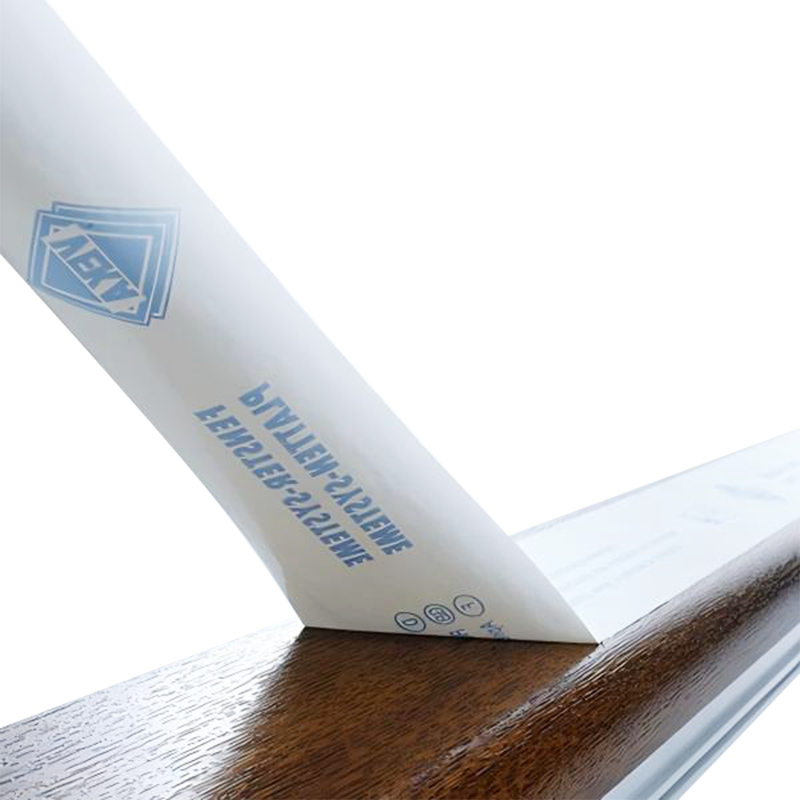
● Good weatherability for outdoor exposure; ● Stable adhesion level; ● UV resistance for up to 12 months; ● Can print customized logo or application i...
See Details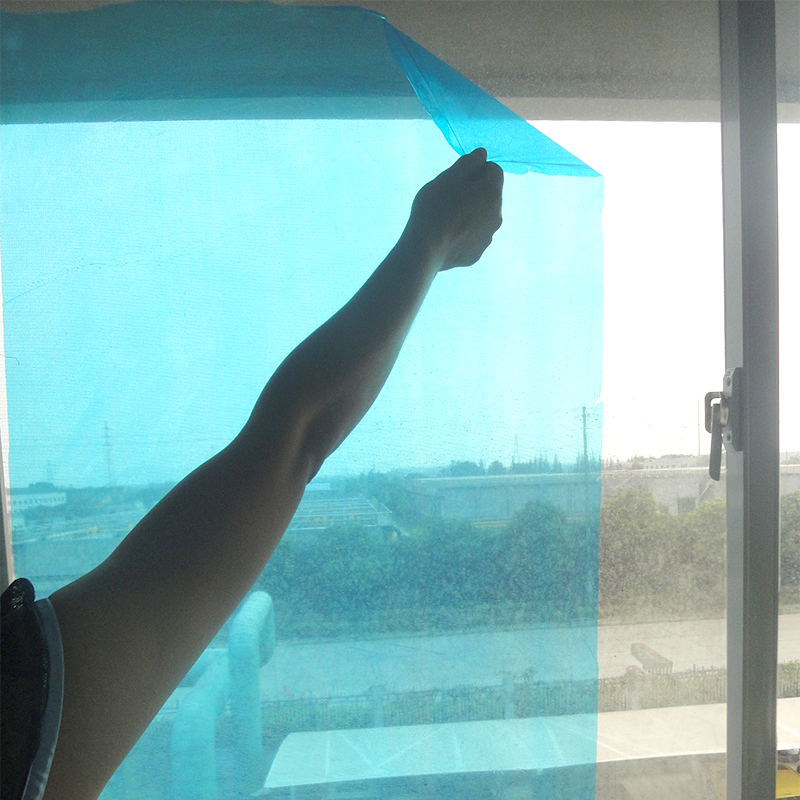
● Protect window glass against paint splatters, dirt, staining, and spillages during painting, building, plastering, tiling, general maintenance and r...
See Details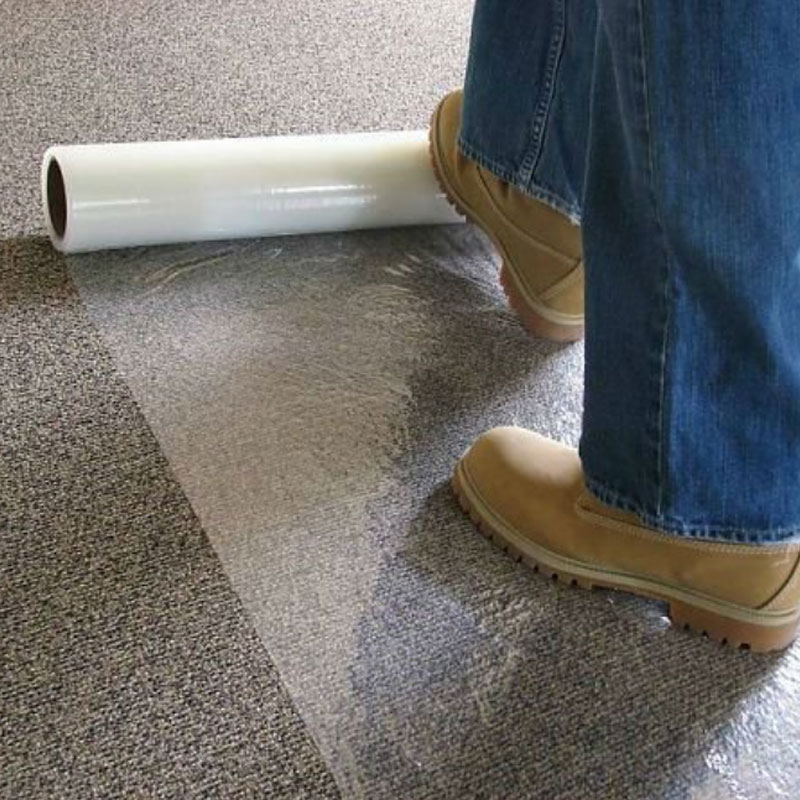
● Protects carpet against staining, paint spillage and dirt during painting, building, remodeling, plastering, tiling, decoration, general maintenance...
See Details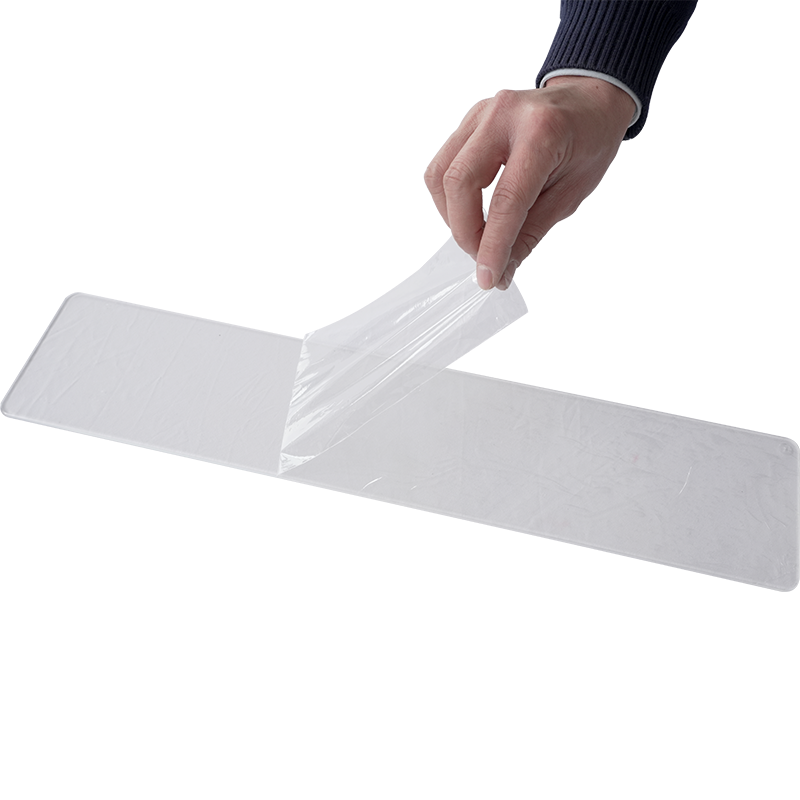
● No “ghost shadow” or “fish eye” after removal; ● Low gel content, soft and stable adhesion plus easy-peel removal with no surface damage or curling;...
See Details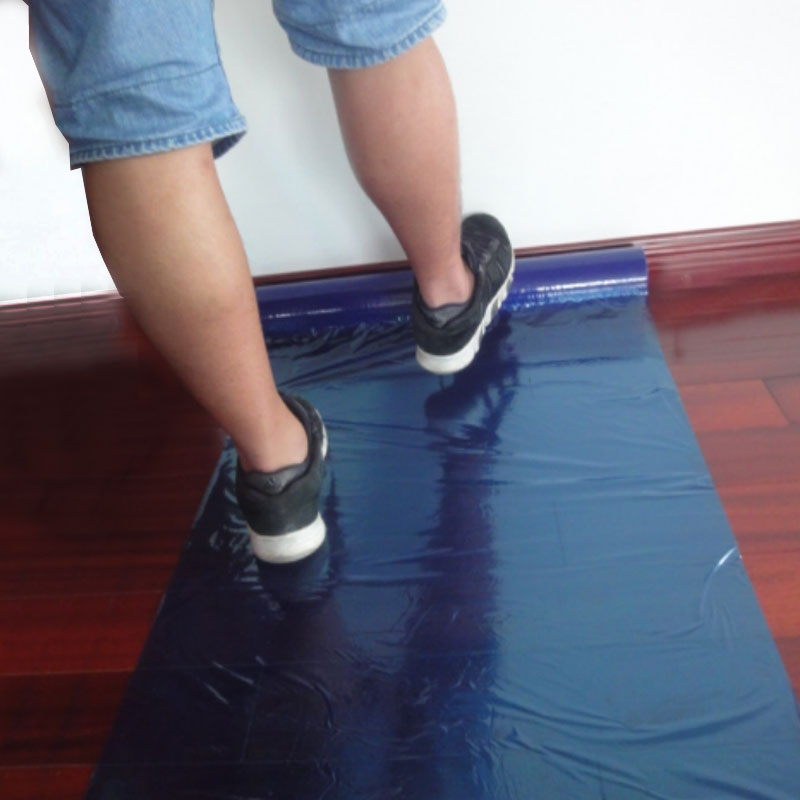
● Patented adhesive formula suits all hard surfaces such as hardwood floors, laminate floors, ceramic, marble, tile, granite, vinyl, worktops, and gla...
See Details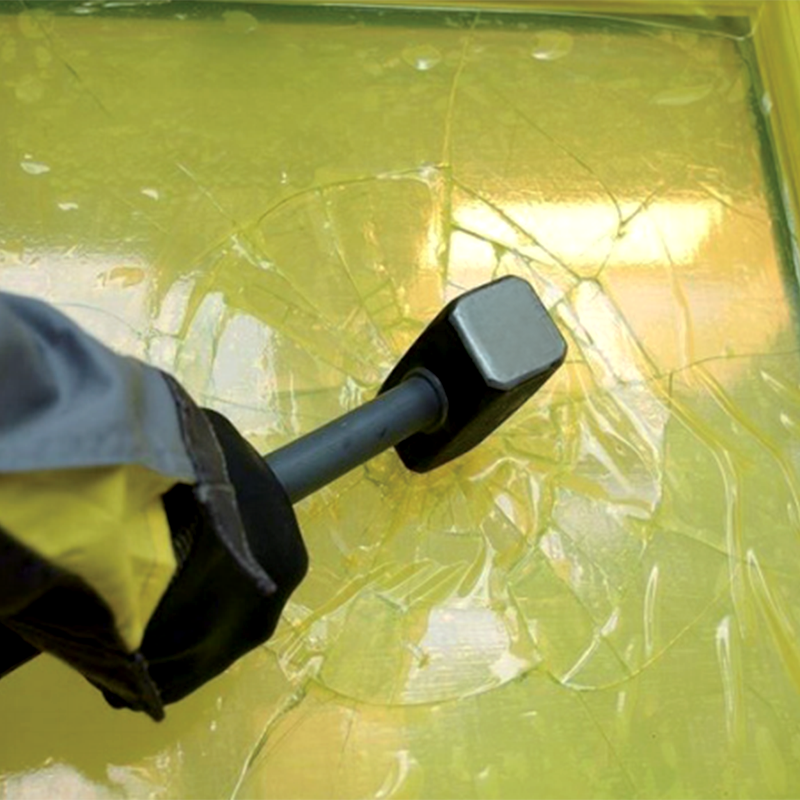
● The super tough polyethylene film with super high adhesion can stop the glass splitting and falling off during window glass demolition process;● Non...
See Details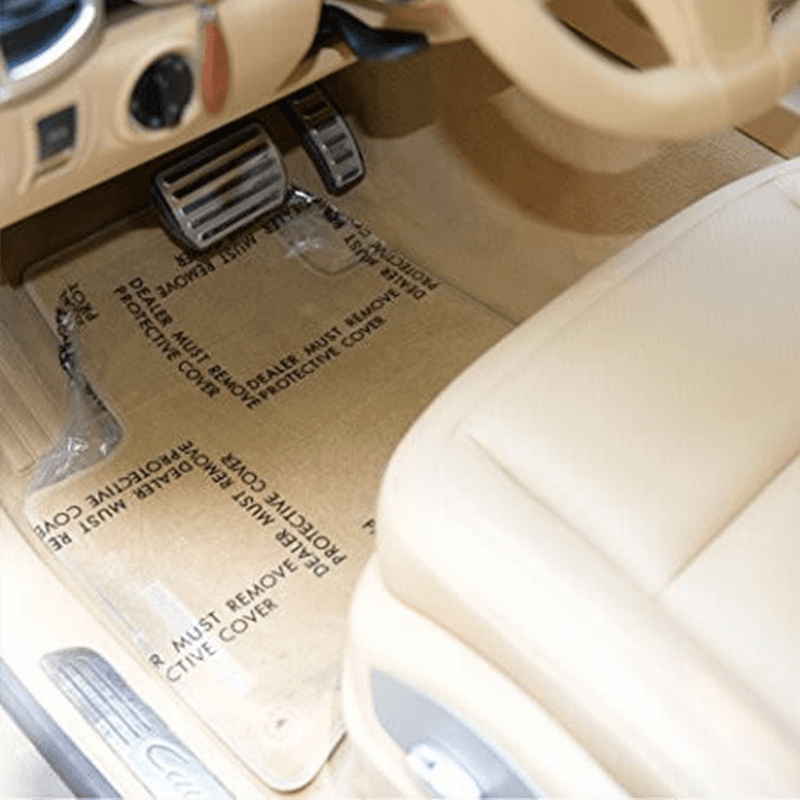
● Distance of each perforation die-cut ranges from 100mm to 1200mm;● Can peel off each die-cut piece of protective film at the perforated line easily;...
See Details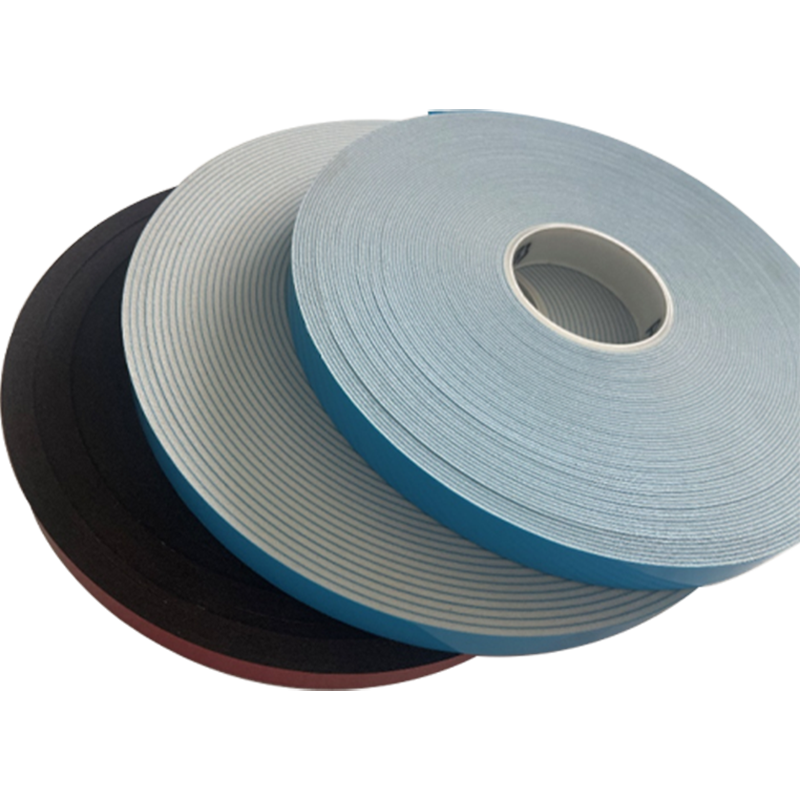
● Waterproof - the desirable material for waterproofing. ● Dust-proof - positive performance of dust prevention.● Low resilience - prevent the deforma...
See Details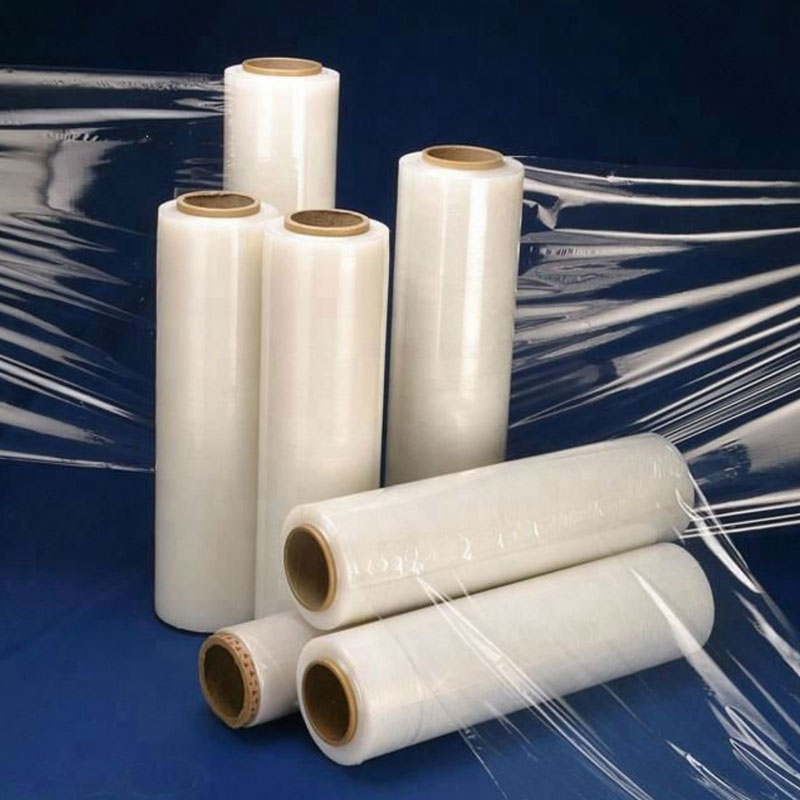
● Small roll size for convenient manual application;● Excellent puncture and tear resistance ; ● A self-adhering-each layer of film bonds to the next ...
See Details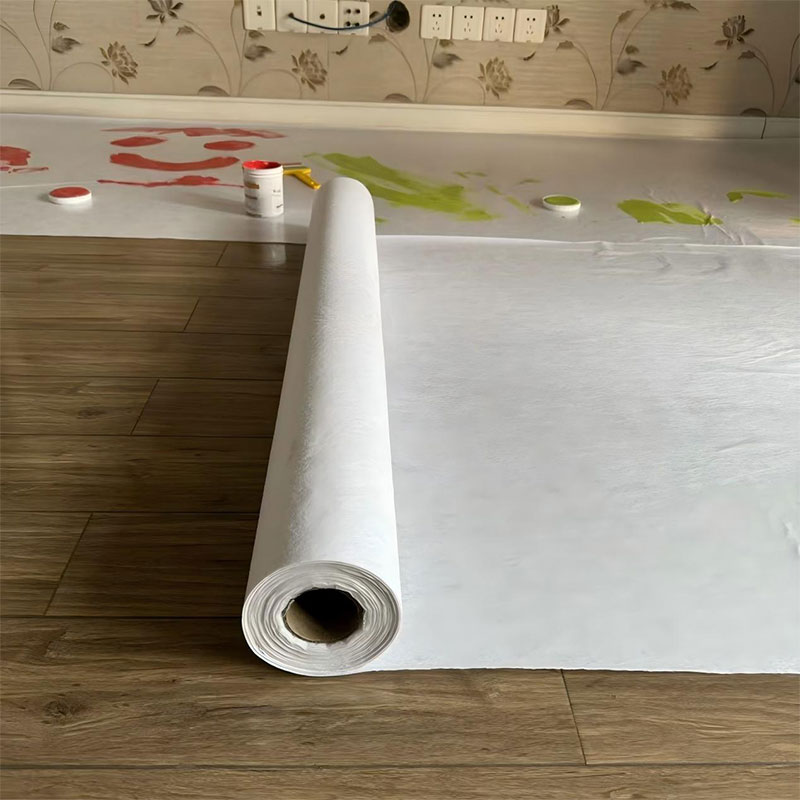
This product has non-woven synthetic fleece in middle; PE film adhered onto top of the non-woven fabric, which is coated with self adhesive glue on it...
See DetailsWe’re a reliable partner that shapes our expertise into success for your project.
Copyright 2024 Wuxi Qida Tape Co., Ltd. All Rights Reserved
 Wholesale Protective Film/Foil Manufacturers
Privacy