

 English

 English
 русский
 Français
 Español
 Português
 عربى


Cat:Glue -coated Protective Film
● No “ghost shadow” or “fish eye” after removal; ● Stable adhesion level; ● UV resistance for up to 6 months; ● Can print customized logo or applicati...
See Details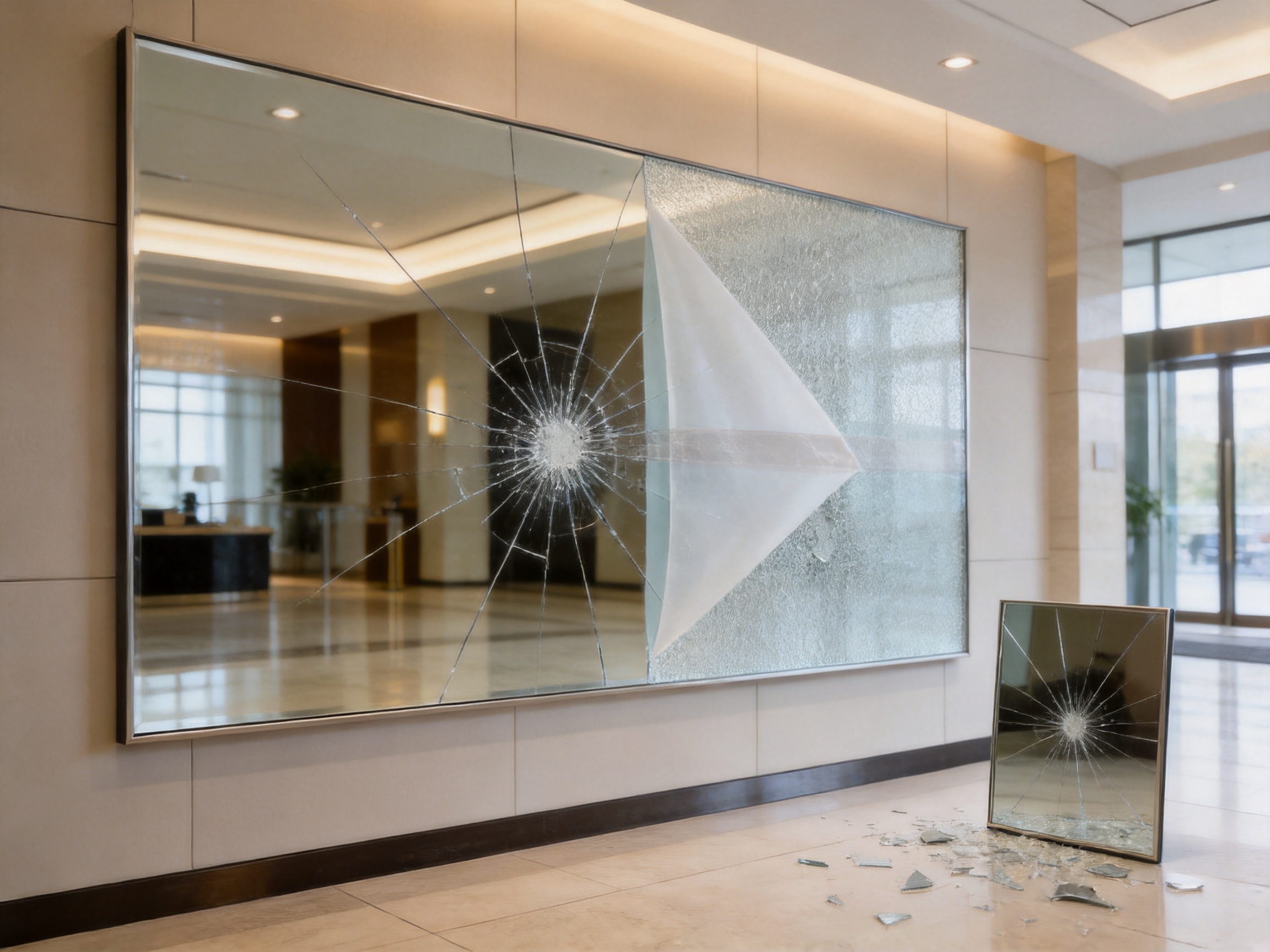
Mirrors are widely used in homes, hotels, retail stores, schools, offices, gyms, hospitals, public buildings, transportation facilities, and decorative interiors. They improve visibility, expand the appearance of a space, and contribute to the visual design of an environment. However, because mirrors are made from glass, they can create a serious safety risk if they are accidentally struck, improperly installed, or exposed to mechanical stress.
When an unprotected mirror breaks, glass fragments may separate from the reflective surface and scatter across the surrounding area. These fragments can cause cuts, puncture injuries, property damage, and costly cleanup. Mirror backing safety film is designed to reduce this risk by creating a tough, permanently bonded layer on the rear side of the mirror. The film helps hold broken glass together and limits the release of dangerous splinters.
This product is a high-performance, glue-coated protective film developed for permanent application to the back of mirrors. It combines a super-tough polyethylene film with a specially formulated acrylic adhesive. The result is a safety layer with high adhesion, high tensile strength, good puncture resistance, and reliable long-term bonding.
Compared with ordinary temporary surface protection films, mirror backing safety film is engineered for a completely different purpose. Temporary films are normally designed to protect surfaces during fabrication, transportation, or installation and are later removed. Mirror backing safety film is intended to remain in place. Its permanent bond provides continuous protection throughout the service life of the mirror.
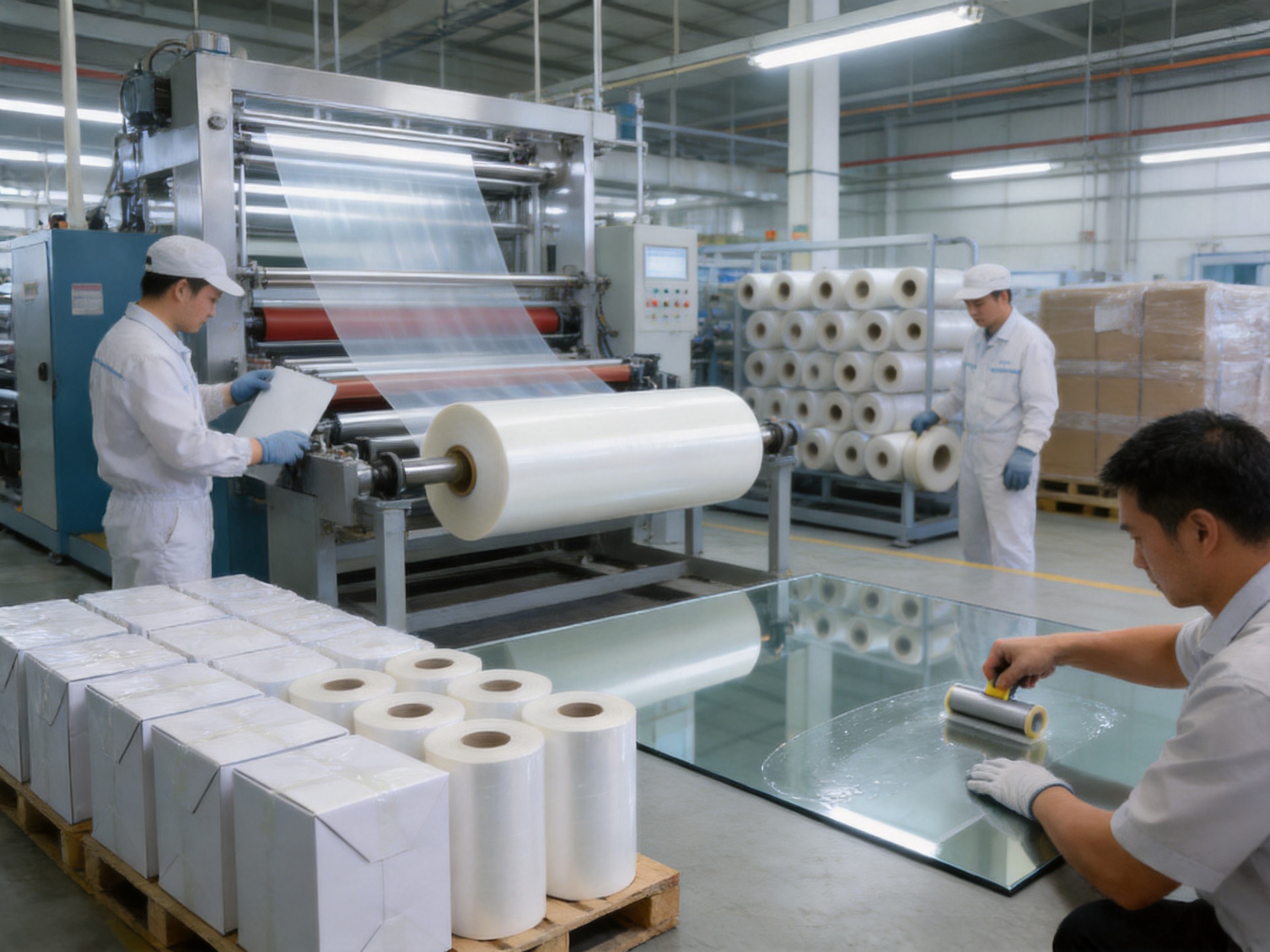
Manufactured by Wuxi Qida Tape Co., Ltd., this film can be produced in a range of thicknesses, widths, roll lengths, colors, and printing configurations. The company’s integrated production capabilities include backing film production, adhesive coating, printing, rewinding, slitting, inspection, and packaging. This manufacturing structure allows the product to be customized for different mirror specifications and customer requirements.
Glass is strong under many normal conditions, but it remains vulnerable to impact, edge damage, twisting, pressure concentration, and sudden temperature changes. A mirror may appear stable when installed, yet a single accidental impact can create cracks that spread rapidly through the glass.
In many cases, the most serious danger is not the initial crack itself. The danger comes from the release of sharp fragments. A broken mirror can produce large pieces, small splinters, or a combination of both. Depending on the installation location, the fragments may fall onto floors, counters, furniture, equipment, or people nearby.
Risk is especially important in areas where mirrors are installed at body height or near frequently used walkways. Bathrooms, changing rooms, gyms, children’s facilities, retail fitting rooms, hotel rooms, elevators, salons, and decorative wall installations are all environments where broken glass can cause injury or disruption.
Traditional solutions may include using thicker glass, installing a rigid backing board, selecting laminated glass, or applying a safety film. Each method has potential benefits, but the appropriate solution depends on the mirror design, installation method, required level of protection, cost target, and production process.
A mirror backing safety film provides a practical method of improving safety without substantially changing the mirror’s visible appearance. Applied to the rear surface, it remains largely hidden during normal use. At the same time, it creates a continuous polymer layer that supports the glass if the mirror is damaged.
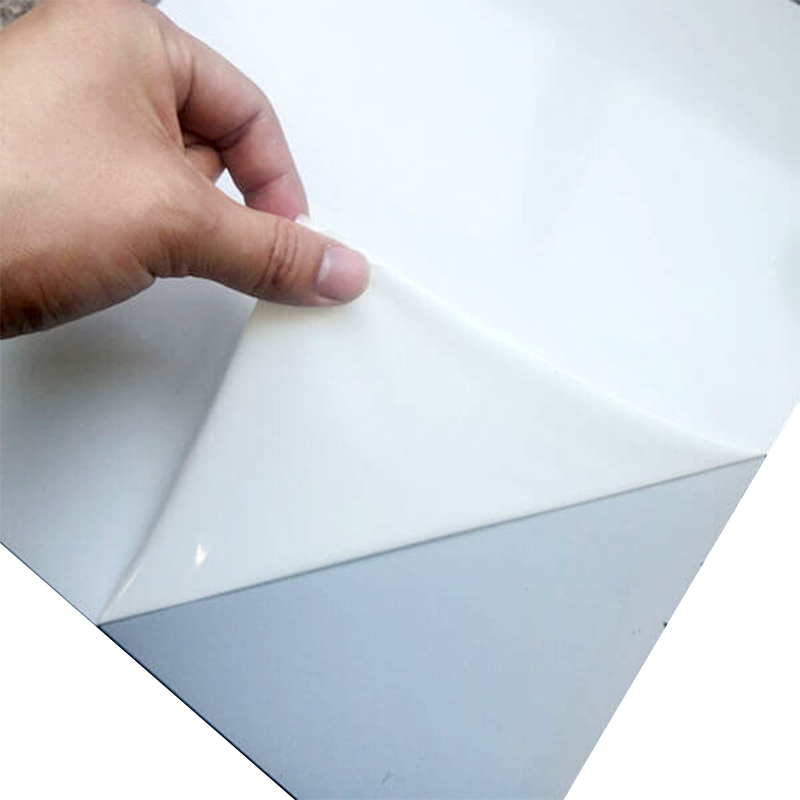
Mirror backing safety film is a self-adhesive protective film applied to the back of a mirror. The film consists primarily of a strong polyethylene carrier and a high-performance acrylic adhesive layer. Once applied, the adhesive forms a tight bond with the rear surface of the mirror.
The film is designed to provide several functions at the same time. It helps contain fragments when the glass is broken, adds resistance to puncture and tearing, and supports the structural integrity of the mirror’s rear surface. Because the product is intended for permanent use, the adhesive is formulated to maintain stable bonding rather than provide easy removal.
The polyethylene film acts as the mechanical foundation. It offers flexibility, impact resistance, and high tensile strength. These properties allow the film to absorb part of the energy generated by an impact and help prevent the protective layer from tearing immediately.
The acrylic adhesive forms the connection between the film and the mirror. A high-adhesion bond is essential because a safety film can only perform effectively when it remains attached over a large area. If the film lifts, peels, or separates from the glass, its ability to contain fragments may be reduced.
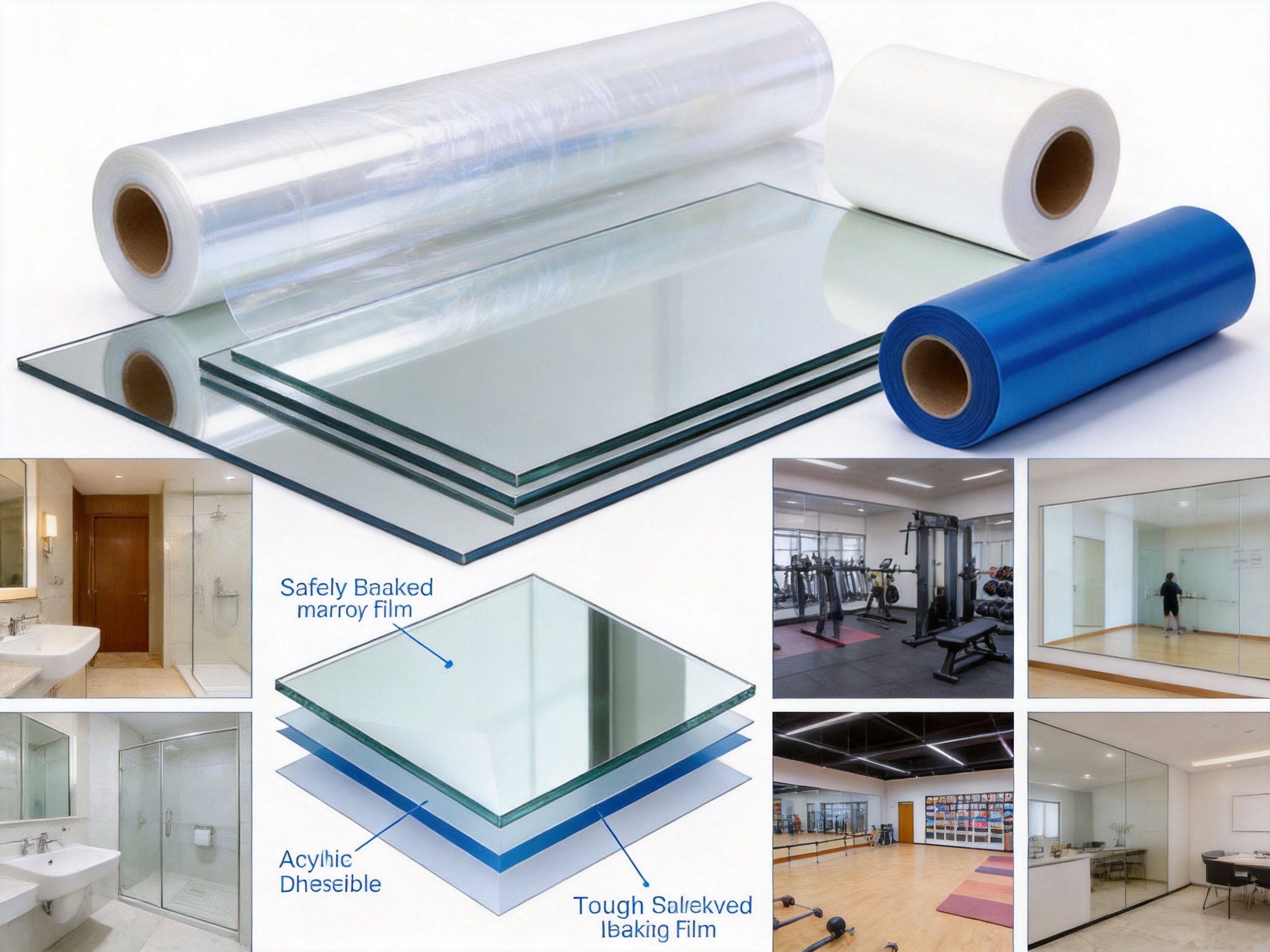
The product can be supplied in white, clear, blue, or other customized colors, depending on the application. It can also be printed in up to three colors. Printing may be used for identification, handling instructions, product information, customer branding, batch references, or other application-specific requirements.
One of the most important characteristics of this product is that it is intended for permanent use. Many protective films in the industrial market are manufactured for temporary protection. They are applied to stainless steel, aluminum, plastic panels, coated metal, glass, or other surfaces before processing or shipping and removed after installation.
Mirror backing safety film serves a different purpose. It is applied to the back of the mirror and remains there throughout the product’s intended service life. Its objective is not simply to prevent scratches during handling. Its objective is to provide a lasting safety barrier that remains available if accidental breakage occurs at any point in the future.
This permanent design makes the film particularly suitable for mirrors that are difficult to access after installation. Once the mirror is fixed to a wall, cabinet, elevator panel, door, or decorative structure, replacing or adding a backing layer may be inconvenient. Applying the safety film during mirror production or before installation provides a more efficient long-term solution.
The performance of mirror backing safety film depends on the interaction between its film layer, adhesive layer, and the surface of the mirror. Each component has a specific function, and the overall product must be balanced for strength, flexibility, adhesion, processability, and long-term stability.
The polyethylene carrier is the principal protective layer. Polyethylene is widely used in protective film applications because it offers a useful combination of toughness, flexibility, chemical resistance, and cost efficiency.
For mirror safety applications, the carrier must be strong enough to resist tearing when the mirror is impacted. It must also remain flexible enough to conform to the rear surface of the mirror without excessive wrinkling or stress concentration. The film’s flexibility helps it cover the mirror consistently, including large panels and surfaces with minor variations.
High tensile strength is especially valuable when broken glass attempts to separate from the mirror. The film can distribute stress across a wider area rather than allowing the glass to release at a single point. Good puncture resistance also helps protect the film from being pierced by sharp glass fragments.
The film thickness can be selected from approximately 70 micrometers to 200 micrometers. Thinner grades may be suitable for applications where material efficiency and ease of handling are priorities. Thicker grades may be selected when customers require additional mechanical strength or a more substantial barrier.
The adhesive layer is formulated from acrylic adhesive technology. Acrylic adhesives are used in many industrial tape and film applications because they can provide strong bonding, weathering resistance, and stable performance over time when properly designed for the substrate.
For mirror backing film, the adhesive must bond securely to the back of the mirror. The rear surface may include a reflective coating, protective paint, or another finish, so adhesive compatibility is a key consideration. The formulation and coating weight should be selected according to the mirror construction, surface cleanliness, application conditions, and expected service environment.
Super-high adhesion helps prevent edge lifting, peeling, and premature detachment. This characteristic is particularly important for large mirrors, vertically installed mirrors, and mirrors exposed to vibration, humidity, temperature variation, or repeated handling.
At the same time, the adhesive must be applied uniformly. Uneven coating can create areas of weak contact, air entrapment, inconsistent appearance, or localized stress. Qida Tape’s coating and inspection processes are designed to support consistent adhesive distribution across production rolls.
Depending on the requested construction, safety films may include additional functional properties. Some mirror safety film formulations may be designed with enhanced resistance to ultraviolet exposure, improved compatibility with specific mirror coatings, or customized color and printing requirements.
UV protection can be relevant when the rear side of the mirror is exposed to sunlight or strong artificial light. Ultraviolet radiation may contribute to the degradation of certain coatings and materials over time. A suitable UV-blocking feature can help support the long-term appearance and performance of the mirror system.
Not every application requires every optional feature. A professional supplier should evaluate the mirror type, installation location, expected service period, regulatory requirements, and customer performance targets before recommending a construction.
The principal advantage of mirror backing safety film is its ability to help retain broken glass fragments. When the mirror is struck, the glass may crack or break, but the bonded film remains attached to the rear surface and helps hold the fragments together.
This does not mean that the film makes a mirror unbreakable. Rather, it changes the behavior of the broken mirror. Instead of allowing fragments to separate freely and scatter, the film provides a flexible support layer that can reduce the release of dangerous pieces.
Fragment retention can reduce the risk of injury to occupants, workers, installers, maintenance personnel, and nearby visitors. It can also make cleanup and replacement more controlled. The broken mirror may still require immediate attention, but the surrounding area can be easier to manage than it would be with unprotected fragments.
High adhesion is a major differentiator between a reliable safety film and an ordinary plastic sheet. The adhesive must remain firmly connected to the mirror’s rear surface under normal environmental and mechanical conditions.
A strong bond helps the film function as a continuous safety layer. It also reduces the likelihood that the film will detach during cutting, transportation, installation, or service. For permanent applications, stable adhesion is more important than easy removal.
The high-adhesion acrylic system can be selected and adjusted for different production conditions. Factors such as adhesive coating weight, surface energy, mirror backing composition, application pressure, and curing or aging conditions may affect the final bond. These factors should be addressed through technical communication between the buyer and manufacturer.
High tensile strength enables the polyethylene film to resist stretching and tearing when subjected to mechanical force. This property is useful during manufacturing, converting, application, and accidental impact.
During production, a film with good tensile strength can travel more steadily through coating, printing, slitting, and rewinding equipment. During application, it is less likely to split or deform excessively when the operator handles a large sheet or roll. During service, strength supports the film’s fragment-retention function.
When glass breaks, sharp edges and pointed fragments can create concentrated pressure on the backing film. Good puncture resistance helps the film withstand these localized forces.
Puncture resistance is also valuable during installation and transportation. The rear of a mirror may contact packaging materials, fixtures, fasteners, or rough surfaces. A protective film that resists puncture can provide a more dependable barrier throughout the handling process.
Clear film options are suitable when the visual appearance of the mirror backing must remain discreet. Because the film is applied to the rear surface, it is generally not visible during normal viewing. White or blue options may be selected for manufacturing identification, design preference, or specific project requirements.
Preserving the front reflective surface is one of the practical advantages of rear-side application. The safety layer does not normally interfere with the mirror’s reflective function, cleaning routine, or decorative appearance when correctly applied.
The product can be manufactured in widths from approximately 500 millimeters to 1,500 millimeters. This range supports different mirror sizes and production formats. Roll lengths may range from approximately 100 meters to 1,000 meters, helping customers select packaging and logistics configurations that match their consumption volume.
Custom dimensions can reduce material waste and improve production efficiency. A mirror manufacturer may request a width that matches its cutting equipment, while a distributor may prefer a standard roll configuration for inventory management. The ability to discuss customized dimensions is an important advantage for OEM and ODM projects.
Printing in zero to three colors is available for selected specifications. Printed information can support traceability, product identification, installation guidance, warning messages, and project-specific branding.
Printing must be controlled carefully so that it does not compromise film strength, adhesive performance, roll winding, or application quality. A capable manufacturer should coordinate artwork, ink compatibility, registration, drying, and inspection as part of the production process.
Mirror Backing Safety Film
The following table summarizes the principal specifications available for this mirror backing safety film. Actual values and tolerances should be confirmed for each order because construction may be customized according to application requirements.
| Item | Available Specification | Application Significance |
|---|---|---|
| Product type | Mirror backing safety film | Permanent protective backing for mirrors |
| Primary film material | Polyethylene | Provides toughness, flexibility, and impact support |
| Thickness | Approximately 70 to 200 micrometers | Allows selection of different strength and handling levels |
| Width | Approximately 500 to 1,500 millimeters | Supports different mirror dimensions and converting equipment |
| Roll length | Approximately 100 to 1,000 meters | Suitable for different production volumes and logistics needs |
| Elongation | At least 300 percent according to the supplied specification | Provides flexibility during application and impact response |
| Adhesion level | Super high | Supports permanent bonding and fragment retention |
| Adhesive type | Acrylic | Designed for durable adhesion to compatible mirror backs |
| Film colors | White, clear, blue, and other options | Supports visual, technical, and identification requirements |
| Printing | Zero to three colors | Allows markings, instructions, identification, or branding |
When selecting a grade, customers should consider more than nominal thickness. The correct combination of film strength, adhesive performance, width, roll length, surface compatibility, and application method will determine the final result.
Ordinary temporary protective films are usually developed to prevent scratches, fingerprints, dust, or minor abrasion during manufacturing and transport. They are often designed to be removed cleanly after the protected item reaches its final destination.
Mirror backing safety film has a different performance objective. It is designed for permanent use and high adhesion. It is not selected primarily because it can be removed easily. Its value lies in remaining bonded to the mirror and helping control fragments after breakage.
Using a temporary film for a permanent safety function may result in inadequate adhesion, premature lifting, poor impact resistance, or uncertain long-term performance. Selecting a product specifically engineered for permanent mirror backing protection is therefore a more reliable approach.
An uncoated mirror back has no additional polymer layer to help retain glass fragments. If the glass breaks, the rear surface alone may not provide sufficient support to prevent pieces from separating.
Adding a safety film creates a continuous flexible barrier. The film is especially useful where the consequences of glass release are serious or where the mirror is installed in an area with regular human contact.
Rigid backing boards may add structural support, but they can increase the weight, thickness, and complexity of the mirror assembly. They may also require additional fixtures or changes to the frame design.
A film backing is lightweight and conformable. It can be applied across the rear surface without creating the same level of bulk as a rigid panel. This may simplify handling, storage, cutting, and installation.
Laminated glass uses an interlayer between glass sheets and can provide excellent fragment retention. However, it may require a different manufacturing process, additional equipment, and higher material cost. Some designs may also require specific thicknesses or visual characteristics.
Mirror backing safety film can be used as a practical alternative or supplementary safety measure for certain mirror constructions. It is especially useful for manufacturers seeking a flexible post-production or converting solution. The choice between laminated glass and backing film should be made according to project standards, risk assessment, design requirements, and applicable regulations.
In homes, mirrors are commonly installed in bathrooms, bedrooms, entryways, dressing areas, and decorative wall panels. A safety backing film can help reduce the risk associated with accidental impacts, especially in homes with children, pets, elderly occupants, or high household activity.
The film can be applied to standard wall mirrors, cabinet mirrors, wardrobe mirrors, and customized decorative pieces. Clear options are suitable when the rear appearance must remain neutral.
Hotels use mirrors in guest rooms, bathrooms, lobbies, elevators, conference rooms, fitness centers, and public corridors. These areas experience frequent use and require products that support safety, appearance, and maintenance efficiency.
A permanent backing film can provide an additional level of protection without changing the front-facing appearance of the mirror. It may also reduce the risk of fragments spreading through high-traffic areas if accidental damage occurs.
Retail mirrors are exposed to repeated contact from customers, clothing, hangers, fixtures, and movable equipment. Fitting rooms may be compact spaces where a broken mirror could create immediate safety and operational problems.
Mirror backing film can support a safer store environment while allowing the mirror to retain a clean, professional appearance. Printed film may also help retailers identify the supplier, product series, or safety specification.
Large wall mirrors are often installed in dance studios, fitness rooms, martial arts facilities, and training areas. These mirrors may be exposed to equipment, balls, weights, and accidental body impact.
Because sports areas may have high activity levels, fragment retention is an important consideration. Film thickness and adhesive performance should be selected according to the size of the mirror, installation method, and anticipated impact risk.
Schools, nurseries, and childcare centers require careful management of hazards from breakable materials. Mirrors may be used in classrooms, activity rooms, bathrooms, corridors, and play areas.
A safety film does not eliminate the need for proper installation and supervision, but it can reduce the consequences of accidental breakage. The film may be especially appropriate for mirrors positioned within reach of children.
Hospitals, clinics, nursing homes, government buildings, transportation facilities, and other public environments benefit from materials that support safety and easy maintenance. Mirrors in these locations may be exposed to carts, wheelchairs, cleaning equipment, and continuous foot traffic.
A permanent safety layer can support risk reduction while helping facility managers maintain consistent specifications across multiple rooms or buildings.
The performance of a permanent mirror backing safety film depends heavily on manufacturing consistency. Film thickness, adhesive coating, winding quality, printing accuracy, roll tension, and surface cleanliness all affect how the product performs in the customer’s facility.
The manufacturing process begins with the production or preparation of the polyethylene backing film. Resin selection, extrusion conditions, cooling, thickness control, and surface treatment can influence tensile strength, elongation, appearance, and adhesive compatibility.
Uniform film thickness is important because significant variation can create inconsistent mechanical performance. A stable film also improves downstream coating, printing, and slitting operations.
The acrylic adhesive is selected and formulated for the intended permanent-bond application. The formulation must balance initial tack, ultimate adhesion, coating stability, aging performance, and compatibility with the mirror’s rear surface.
Adhesive selection may vary according to whether the mirror back contains paint, metal, protective lacquer, or another coating. The supplier can evaluate customer samples or technical data sheets to help identify a suitable construction.
During coating, the adhesive is applied to the polyethylene film at a controlled coating weight. Coating equipment must distribute the adhesive evenly across the web while maintaining stable speed and tension.
Uneven adhesive coating can produce defects such as bare spots, streaks, bubbles, excessive build-up, and weak bonding areas. Process control and inspection are therefore essential for a safety product that must remain bonded over a long service period.
Depending on the adhesive system, drying or curing conditions must be carefully controlled. Temperature, airflow, residence time, and line speed can affect residual solvent, adhesive stability, surface condition, and final bonding properties.
A properly controlled process helps ensure that the adhesive reaches the intended condition before the film is rewound or converted. Inadequate drying or improper process conditions may affect roll quality and customer application performance.
For printed products, the printing stage is coordinated with the film and adhesive construction. Up to three colors may be applied according to approved artwork and production requirements.
Printing quality involves registration, clarity, ink adhesion, drying, and resistance to handling. The printed area should not interfere with the product’s intended use or create avoidable variation in roll winding.
Large coated rolls can be rewound and slit into customer-specified widths. Rewinding tension must be controlled to prevent telescoping, wrinkles, edge damage, blocking, or loose roll structure.
Slitting quality is also important. Clean, consistent edges support easier application and reduce the risk of edge lifting. Customers using automated or semi-automated equipment may require tight width tolerances and consistent roll hardness.
Finished rolls are inspected for appearance, dimensions, winding condition, adhesive defects, printing accuracy, and packaging integrity. Packaging should protect the film from moisture, dust, impact, and deformation during storage and transportation.
Qida Tape completes major production stages in its own factory, including film production, adhesive coating, printing, rewinding, slitting, and packaging. This integrated approach improves process coordination and supports more direct quality management.
Wuxi Qida Tape Co., Ltd. is a Chinese manufacturer specializing in protective films and surface protection solutions. The company develops products for stainless steel, aluminum, pre-coated metal, plastic panels, ceramic surfaces, carpets, decorative laminates, glass, and other materials that require protection during processing, transportation, or installation.
Although many conventional protective films are temporary, the company’s product range also includes specialized permanent solutions such as mirror backing safety film. This requires knowledge of film production, adhesive technology, surface compatibility, converting, and application engineering.
An integrated factory structure can provide important advantages compared with a supplier that only buys finished jumbo rolls and performs basic trading or repackaging. When film production, adhesive coating, printing, rewinding, slitting, and packing are managed within one manufacturing system, process changes can be coordinated more efficiently.
Integrated production also improves traceability. If a customer reports an issue involving adhesive, roll tension, film thickness, printing, or packaging, the manufacturer can investigate the relevant production stages more directly.
The company employs experienced technicians and engineers and works with research and development institutes to develop new protective film products. This technical orientation supports customization for different surfaces, adhesive requirements, and manufacturing conditions.
Customers can provide technical data sheets, samples, drawings, or performance targets. The manufacturer can then evaluate possible film thicknesses, adhesive types, colors, widths, roll lengths, and printing configurations.
Qida Tape offers acrylic water adhesive, acrylic solvent adhesive, and natural rubber adhesive for different industry requirements. Mirror backing safety film is specified with an acrylic adhesive, but the company’s broader adhesive capability demonstrates experience in matching adhesives to substrates and application environments.
Different adhesive technologies may be appropriate for temporary surface protection, high-tack applications, low-temperature conditions, or other specialized uses. This broader knowledge can help the manufacturer select a more suitable construction for complex customer projects.
The company operates under ISO 9001 and ISO 14001 management systems. ISO 9001 supports a structured approach to quality management, process control, documentation, corrective action, and customer satisfaction. ISO 14001 supports environmental management and continual improvement in environmental performance.
The company also reports product compliance and testing related to SGS, RoHS, REACH, PFAS, and Proposition 65 requirements. Specific compliance documentation should be confirmed for the exact product construction and destination market.
Founded in 1999, the company has a factory area of approximately 20,000 square meters, more than 95 experienced employees, and annual production capacity exceeding 12,000 tons. Its products are sold across China and exported to Europe, North America, Australia, the Middle East, Japan, and other regions.
Export experience can be valuable for customers who require international documentation, customized packaging, shipment coordination, and communication across different technical standards. A supplier familiar with overseas orders is more likely to understand the importance of roll identification, pallet configuration, product labeling, and commercial documentation.
Successful performance begins with suitable application conditions. Before applying mirror backing safety film, the mirror rear surface should be clean, dry, and free from dust, oil, loose paint, moisture, and other contaminants.
The mirror should be checked for defects that could affect bonding, including severe curvature, peeling backing paint, corrosion, loose reflective layers, or contamination. If the rear surface is unstable, the film may bond to a weak layer rather than to a sound substrate.
The film should be applied without unnecessary stretching. Excessive tension can create shrinkage, edge stress, wrinkles, or dimensional changes after installation. Smooth application pressure helps promote contact between the adhesive and the mirror surface.
Large mirrors may require suitable application equipment or trained operators. Air bubbles, creases, and trapped particles should be minimized because they can reduce contact area and create local stress points.
After application, the mirror should be handled carefully until the adhesive has achieved the required bond level. The exact dwell time and recommended conditions may depend on the adhesive formulation, temperature, humidity, and mirror backing material.
Customers should request application guidance and compatibility testing when using a new mirror coating, an unusual substrate, or a demanding environmental condition. Small-scale trials can help confirm adhesion, appearance, cutting behavior, and production efficiency before full-scale use.
Thickness is one of the first factors to consider, but it should not be the only factor. A 70-micrometer construction may be suitable for a particular lightweight mirror or production process, while a thicker construction up to approximately 200 micrometers may be preferred for larger panels or more demanding mechanical conditions.
Width should match the mirror size and the customer’s converting equipment. A wider roll may reduce the number of seams or reduce cutting waste, while a narrower roll may improve handling for small mirrors.
Roll length should be evaluated against annual consumption, storage capacity, equipment loading, and shipping requirements. Long rolls can reduce packaging and changeover frequency, but they may require suitable lifting and handling equipment.
Color selection depends on the desired appearance and production purpose. Clear film is appropriate when a discreet backing is required. White or blue film may assist with visual identification or project organization.
Printing should be specified with clear artwork, color requirements, repeat length, and placement expectations. Customers should also identify whether printing must be visible from a particular direction or remain hidden after installation.
Environmental conditions should be considered during product selection. Temperature range, humidity, ultraviolet exposure, cleaning chemicals, vibration, and installation location can all influence the required film and adhesive construction.
Protective film products should be evaluated not only by their immediate material cost but also by their contribution to product life, safety, maintenance, and replacement reduction. A mirror backing safety film may help extend the useful service life of a mirror by reducing the consequences of accidental impact.
Because the film is lightweight compared with many rigid backing systems, it can support more efficient handling and transportation. Its flexible roll format can also simplify storage and reduce the space needed for finished material before processing.
Environmental performance depends on the complete product construction, manufacturing process, use conditions, and end-of-life treatment. Customers should discuss material composition, packaging, regulatory requirements, and recycling conditions with the manufacturer for project-specific evaluation.
Qida Tape’s ISO 14001 environmental management system provides a structured framework for managing environmental responsibilities within the manufacturing organization. Buyers seeking specific environmental declarations or material documentation should request the relevant records for the product grade being purchased.
Buying a permanent safety film from a specialized manufacturer provides more than access to a roll of adhesive film. It provides access to material selection, adhesive knowledge, production engineering, converting capabilities, quality control, packaging support, and technical communication.
A specialized supplier can help determine whether the film should be clear, white, blue, printed, thin, thick, narrow, or wide. It can also help identify whether the customer’s mirror backing is suitable for the selected adhesive and whether the intended installation conditions require additional testing.
Customization is another important advantage. Standard products may meet the needs of common applications, but OEM and ODM customers often require specific dimensions, packaging, printed markings, or performance targets. A factory with its own coating, printing, and slitting capabilities can respond more directly to these requirements.
Cost competitiveness also depends on process control. Efficient production, stable raw material sourcing, integrated converting, and reduced outsourcing can help maintain a competitive total cost while preserving product consistency.
Qida Tape’s stated strengths include customization, reliable quality control, multiple adhesive options, competitive cost, strong production capacity, technical support, and attentive service. These capabilities make the company suitable for mirror manufacturers, glass processors, building material distributors, interior contractors, and other buyers seeking long-term supply.
Before placing a large order, customers should provide as much technical information as possible. Useful information includes mirror dimensions, rear coating type, intended installation location, application temperature, exposure to moisture or sunlight, required service period, roll dimensions, printing requirements, and applicable compliance standards.
Sample testing can verify whether the film bonds effectively to the mirror backing. Testing may include initial adhesion, aging, humidity exposure, temperature cycling, puncture resistance, tensile strength, visual inspection, and fragment-retention evaluation.
Quality documentation may include product specifications, technical data sheets, inspection reports, packaging information, certificates, and compliance statements. The exact documentation package should be agreed before production.
Clear approval procedures help prevent misunderstandings. Artwork, film color, roll dimensions, core size, winding direction, label information, pallet configuration, and packaging marks should be confirmed in writing before mass production.
Ongoing communication is especially important for OEM and ODM products. If the customer changes the mirror backing paint, production speed, application equipment, or storage conditions, the film may need to be reevaluated.
The main purpose is to help hold broken mirror fragments together and reduce the likelihood that glass splinters will scatter after accidental breakage. It is applied to the back of the mirror and is intended for permanent use.
No. The film does not make the glass impossible to break. It is designed to improve safety by supporting the broken glass and limiting fragment release. Proper mirror design, installation, handling, and maintenance remain necessary.
The product is described as a non-removable protective film for permanent use. It should therefore be selected when the customer wants the safety layer to remain bonded throughout the mirror’s service life.
The primary film material is super-tough polyethylene. The adhesive is acrylic and is formulated to provide super-high adhesion to compatible mirror backing surfaces.
Available thicknesses are approximately 70 to 200 micrometers. The best thickness depends on the mirror size, impact risk, handling process, application equipment, and customer performance requirements.
Yes. White, clear, blue, and other color options may be available. Clear film is generally selected when a low-visibility backing is preferred, while colored film may support identification or project requirements.
Yes. Printing from zero to three colors is available for selected constructions. Customers should provide approved artwork and specify the required repeat length, position, and color configuration.
Widths range approximately from 500 to 1,500 millimeters, while roll lengths range approximately from 100 to 1,000 meters. Customized dimensions should be confirmed with the manufacturer.
Compatibility should be confirmed before mass production. Mirror rear coatings, paints, protective layers, surface cleanliness, and environmental conditions can affect adhesion. Testing on the customer’s actual mirror construction is recommended.
Acrylic adhesive can provide strong, stable bonding and can be formulated for different substrate and environmental requirements. In this product, it is used to create a durable bond between the polyethylene film and the rear surface of the mirror.
It can be suitable for large mirrors when the appropriate thickness, width, adhesive construction, and application method are selected. Large panels may require trained operators or suitable application equipment to achieve smooth, complete contact.
Yes. The manufacturer offers OEM and ODM support, including customization of dimensions, colors, printing, adhesive options, packaging, and other technical requirements subject to evaluation.
Customers should provide the required thickness, width, roll length, color, printing details, annual quantity, core size, packaging requirements, mirror backing type, destination market, and any required compliance or testing documentation.
The film should generally be stored in a clean, dry area away from excessive heat, direct sunlight, moisture, dust, and heavy pressure. Specific storage recommendations should be confirmed using the supplier’s technical documentation.
Wuxi Qida Tape Co., Ltd. is located at No. 18 Wanshou Road, Qianzhou Town Industrial Park, Wuxi City, Jiangsu Province, China, Post Code 214181. The company can be contacted through its sales department for product samples, specifications, and quotations.
Mirror backing safety film is a practical and efficient way to improve the safety performance of mirrors without changing their front-facing appearance. Its super-tough polyethylene structure, super-high acrylic adhesion, high tensile strength, and good puncture resistance help create a durable protective barrier on the rear side of the mirror.
The permanent construction distinguishes this product from ordinary temporary protective films. Rather than being removed after transportation or installation, the film remains in place and continues to help retain fragments if the mirror is accidentally broken.
Available thicknesses from approximately 70 to 200 micrometers, widths from approximately 500 to 1,500 millimeters, roll lengths from approximately 100 to 1,000 meters, multiple colors, and optional printing provide flexibility for different production and project requirements.
Wuxi Qida Tape Co., Ltd. supports the product with integrated manufacturing, adhesive coating, printing, converting, quality inspection, technical development, OEM and ODM service, and international supply experience. Its ISO 9001 and ISO 14001 management systems, testing capabilities, experienced engineers, and broad protective film portfolio provide a strong foundation for consistent production.
For mirror manufacturers, glass processors, interior contractors, distributors, and building material buyers, the correct safety film can provide an important balance of protection, process efficiency, customization, and cost control. Product selection should always be confirmed through technical consultation and application testing, but a permanent mirror backing safety film is a valuable solution wherever the consequences of broken glass must be reduced.
1. Wuxi Qida Tape Co., Ltd. Product information for Mirror Backing Safety Film.
2. Wuxi Qida Tape Co., Ltd. Technical information concerning polyethylene protective films and acrylic adhesive systems.
3. ISO 9001, Quality Management Systems—Requirements.
4. ISO 14001, Environmental Management Systems—Requirements with Guidance for Use.
5. General principles of glass safety, impact resistance, fragment retention, and protective film application.
6. General technical guidance for pressure-sensitive adhesive coating, film converting, slitting, rewinding, and packaging.
7. General regulatory considerations associated with RoHS, REACH, PFAS, and Proposition 65 requirements.
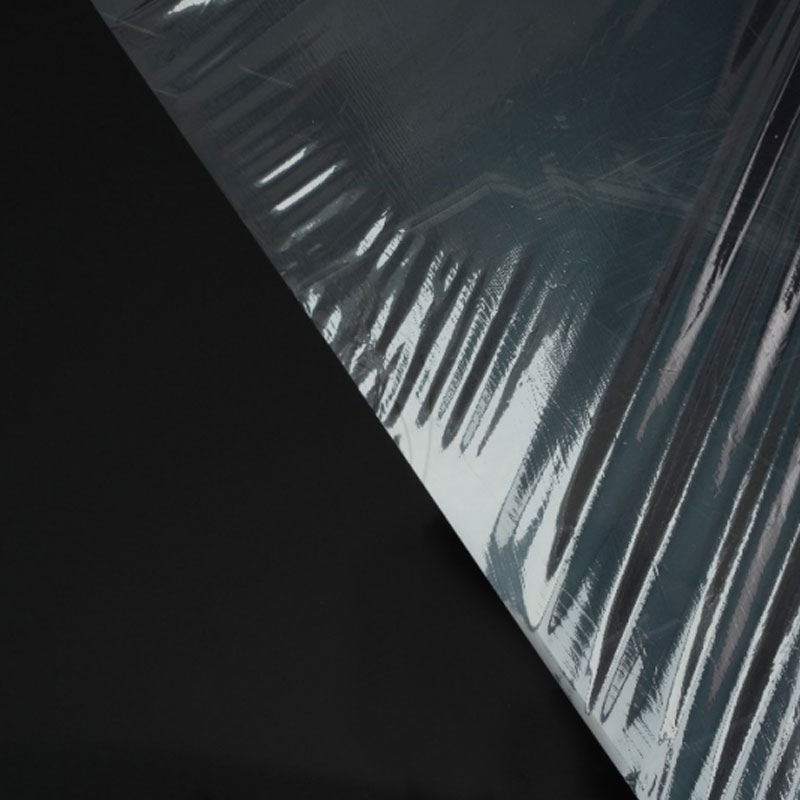
● No “ghost shadow” or “fish eye” after removal; ● Stable adhesion level; ● UV resistance for up to 6 months; ● Can print customized logo or applicati...
See Details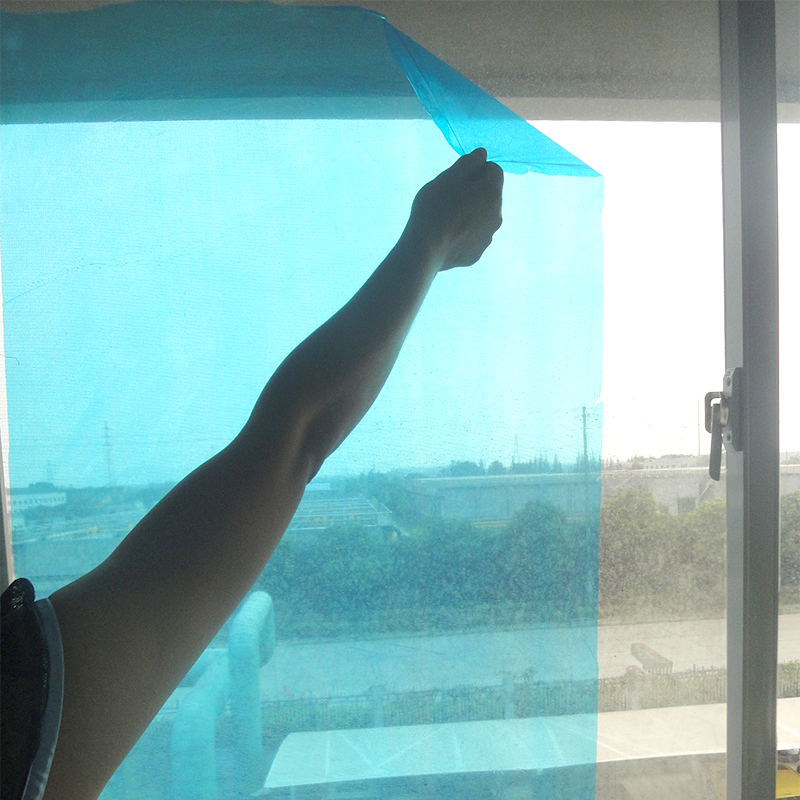
● Protect window glass against paint splatters, dirt, staining, and spillages during painting, building, plastering, tiling, general maintenance and r...
See Details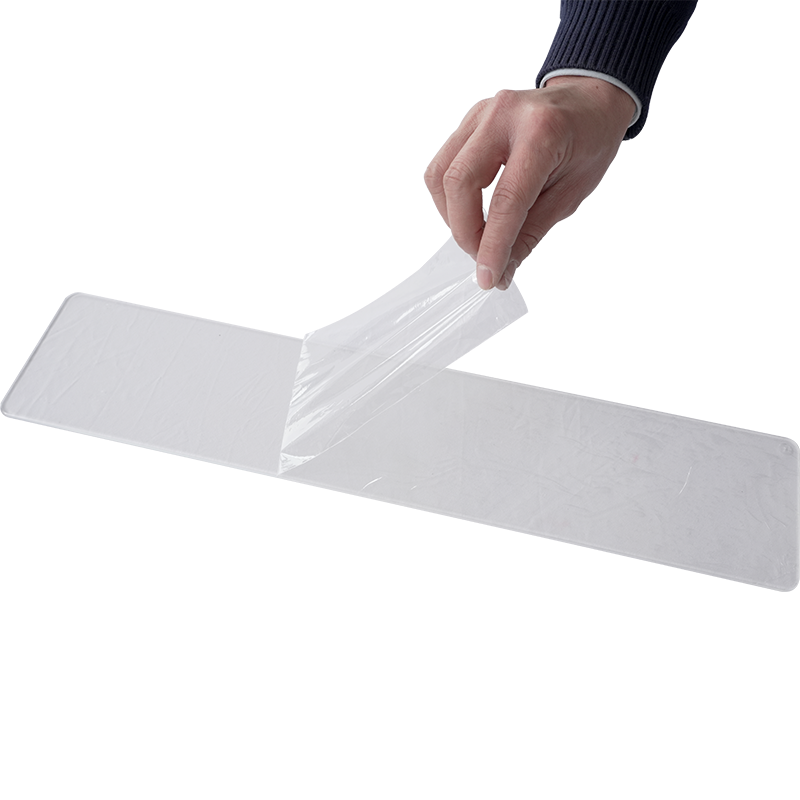
● No “ghost shadow” or “fish eye” after removal; ● Low gel content, soft and stable adhesion plus easy-peel removal with no surface damage or curling;...
See Details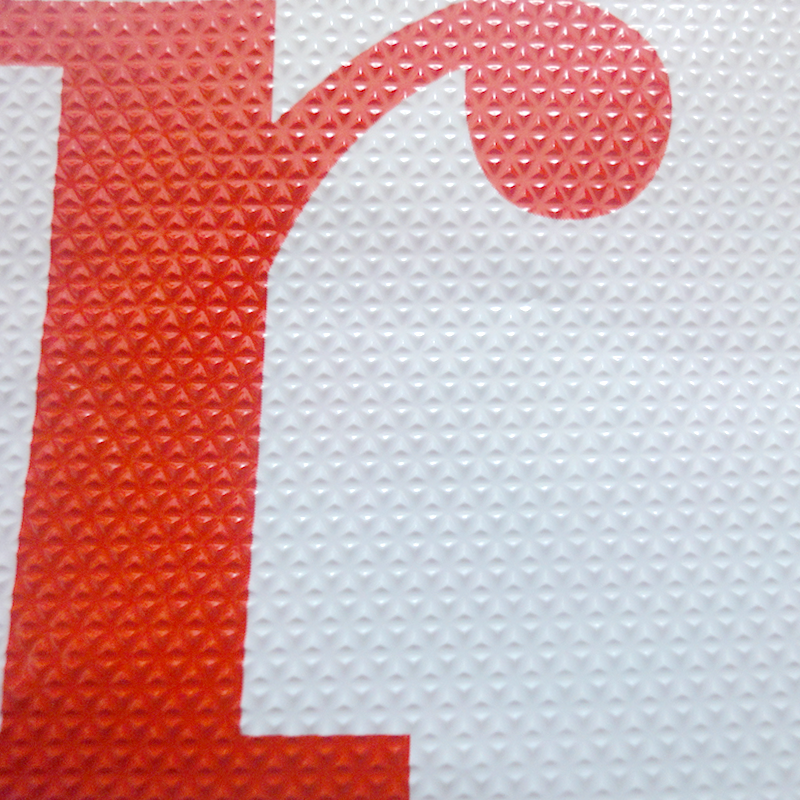
● Anti-slip; ● Embossed film surface to guarantee trip safety;● Tough puncture-resistant polyethylene film;● Can be coated with or without adhesive;● ...
See Details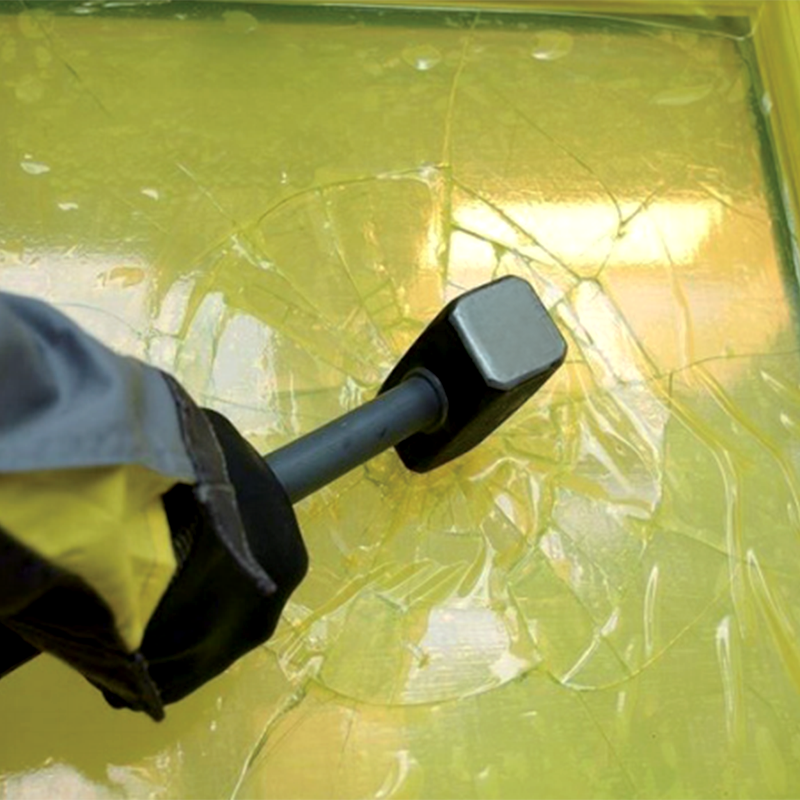
● The super tough polyethylene film with super high adhesion can stop the glass splitting and falling off during window glass demolition process;● Non...
See Details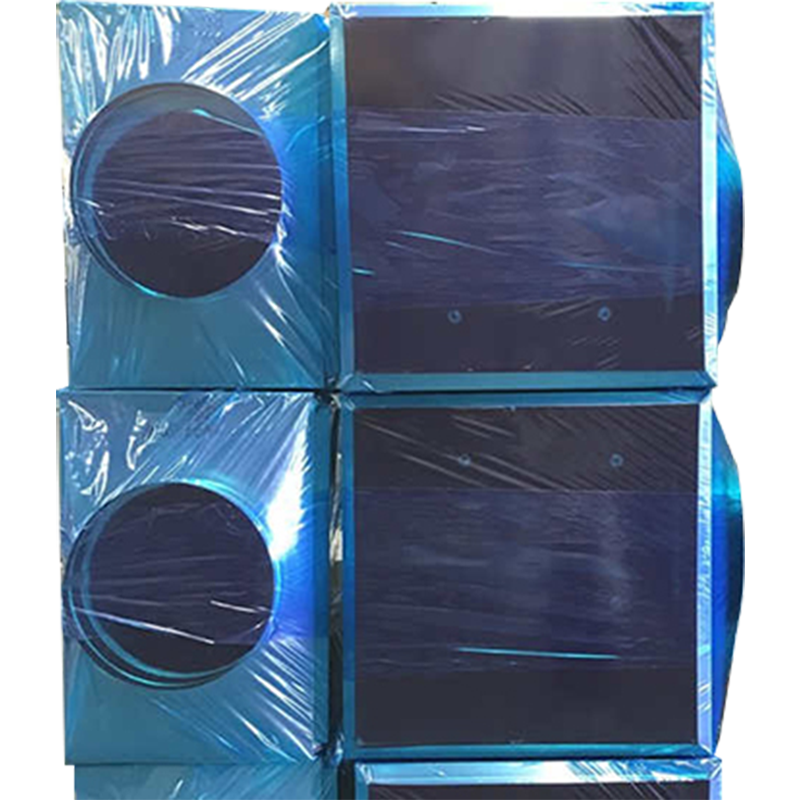
● The super-tough polyethylene film resists puncture and penetration by liquid and dirt during storage, transportation, and installation of the ductwo...
See Details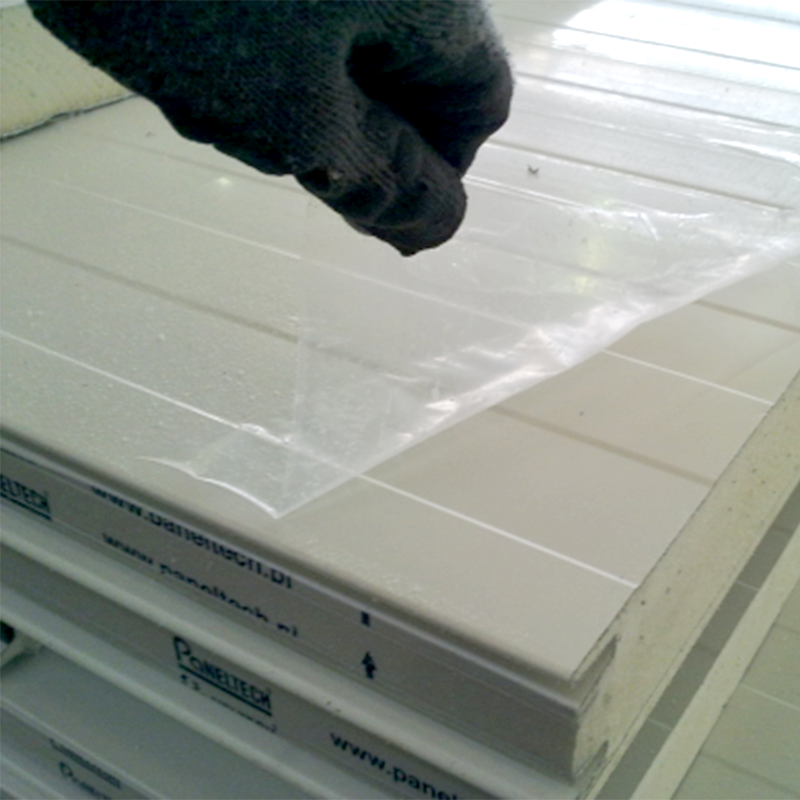
● The specially formulated adhesive ensures easy application and removal without leaving residue glue on the sandwich panels; ● The super-tough polyet...
See Details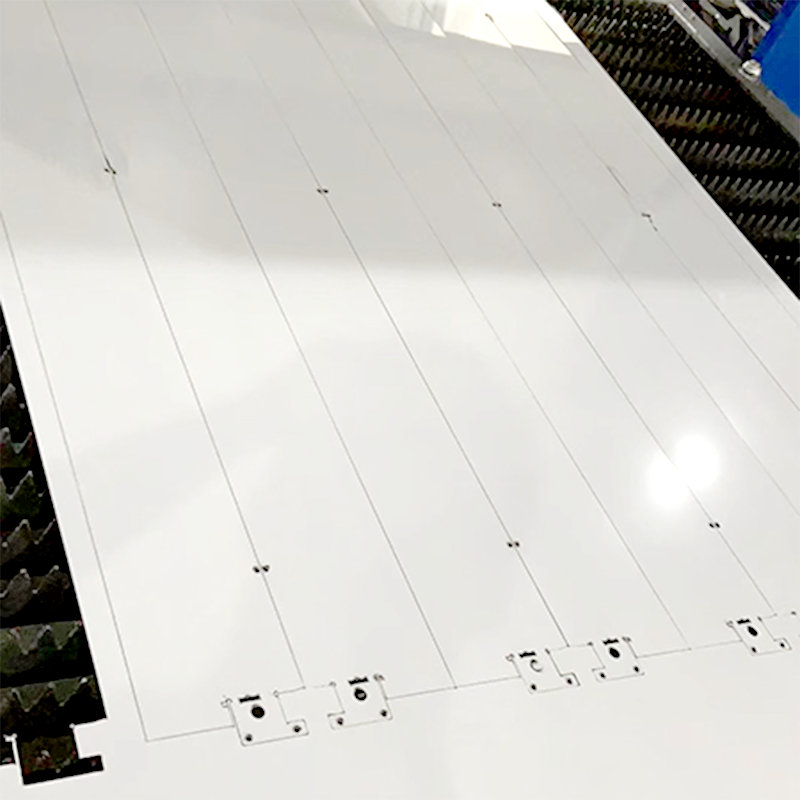
● The specially formulated natural rubber adhesive suitable for both CO2 and Fiber laser cutting processes;● High cutting quality without burr or trac...
See Details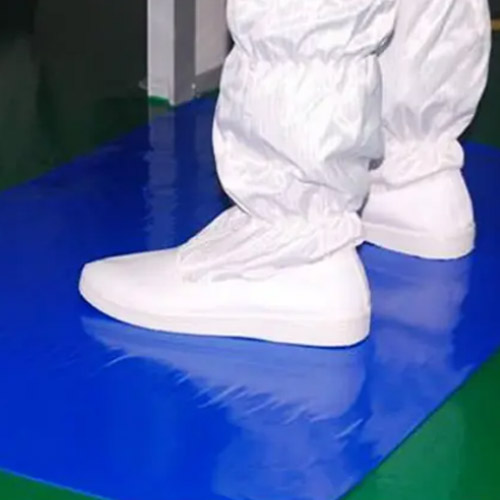
● Options for either 30 or 60 layers per mat; can be packed with four mats, eight mats, or ten mats per carton;● Remove dirt effect: ≥99.9% (5 steps);...
See Details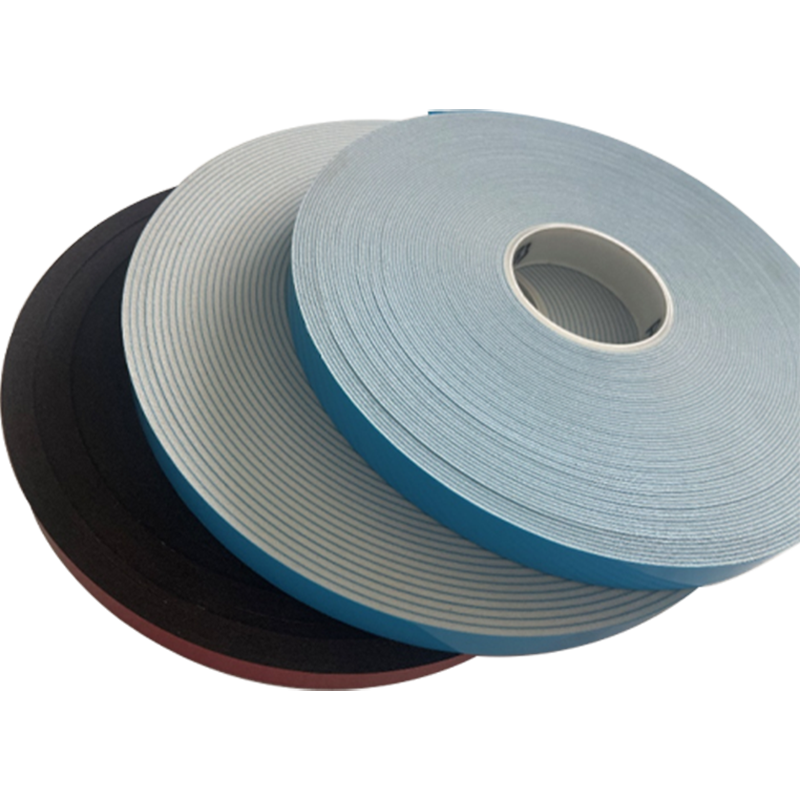
● Waterproof - the desirable material for waterproofing. ● Dust-proof - positive performance of dust prevention.● Low resilience - prevent the deforma...
See DetailsWe’re a reliable partner that shapes our expertise into success for your project.
Copyright 2024 Wuxi Qida Tape Co., Ltd. All Rights Reserved
 Wholesale Protective Film/Foil Manufacturers
Privacy