

 English

 English
 русский
 Français
 Español
 Português
 عربى


Cat:Glue -coated Protective Film
● Protects carpet against staining, paint spillage and dirt during painting, building, remodeling, plastering, tiling, decoration, general maintenance...
See Details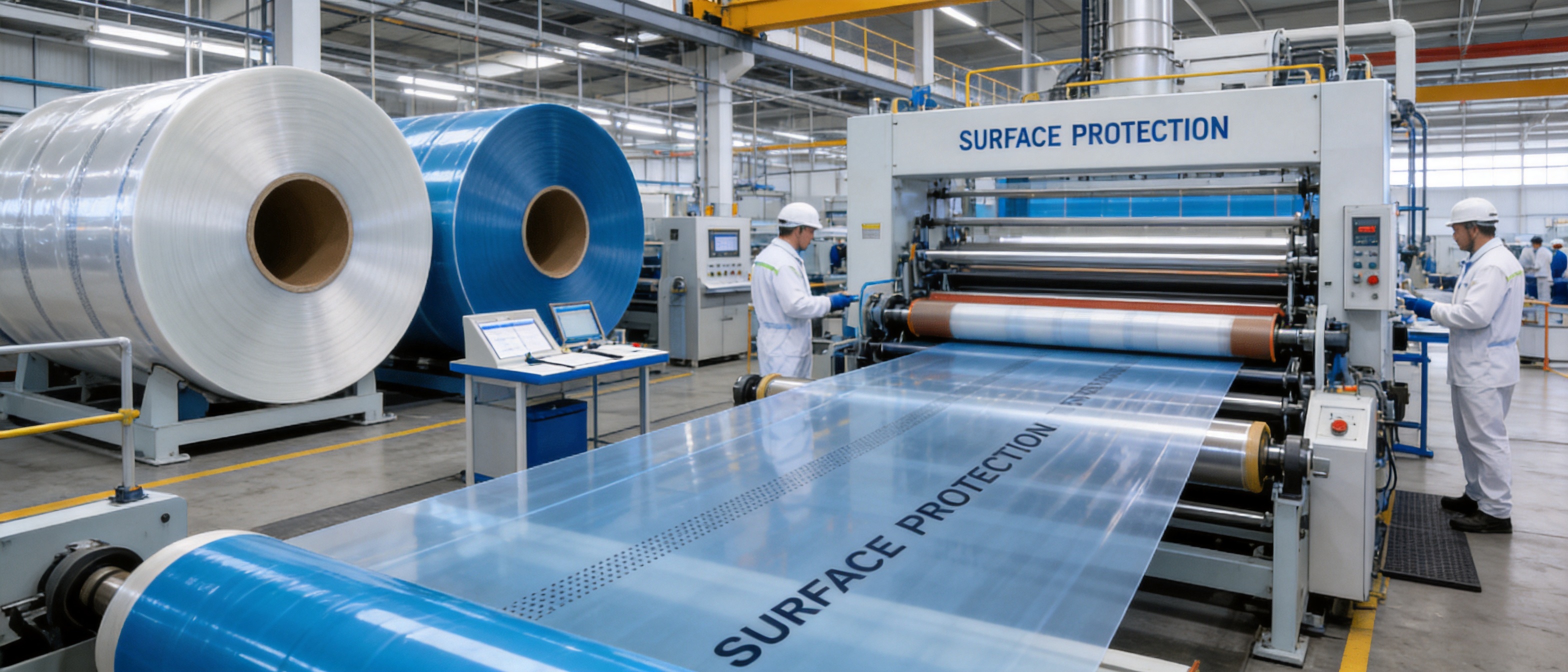
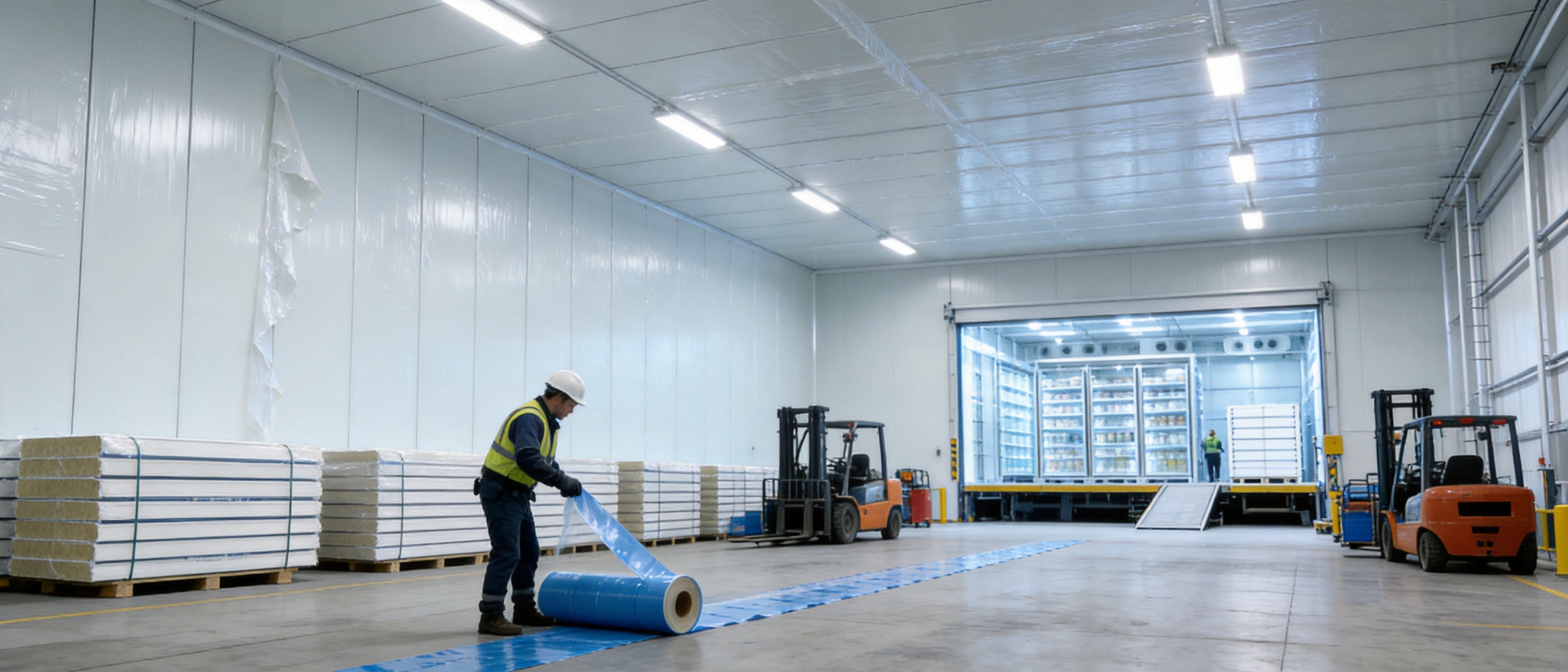
Sandwich panels are widely used in construction, refrigeration, cold storage, industrial buildings, agricultural facilities, warehouses, workshops, and modular structures. Their lightweight design, insulating core, and finished outer surfaces make them practical for modern building systems. However, the same finished surfaces that give sandwich panels their clean appearance can be vulnerable during transportation, cutting, drilling, handling, stacking, and installation.
Protective film for sandwich panels provides a temporary barrier between the panel surface and the surrounding environment. It helps reduce scratches, dirt, handling marks, moisture exposure, and minor surface damage while the panels move through manufacturing, storage, delivery, and construction. After the work is completed, the film can be peeled away to reveal a clean and attractive surface.
The protective film described in this article is a glue-coated polyethylene film with an acrylic adhesive system. It is designed to combine reliable surface protection with convenient application and clean removal. Available in transparent, blue, and other colors, the film can also be printed with logos, handling instructions, or application reminders in up to three colors.
Wuxi Qida Tape Co., Ltd. manufactures this type of temporary surface protection film in China. Its production capabilities cover backing film production, adhesive coating, printing, rewinding, slitting, inspection, and packaging. This integrated approach allows the manufacturer to control product consistency while developing customized solutions for different sandwich panel materials and project requirements.
Sandwich panels commonly contain an insulating core positioned between two outer layers. Depending on the application, the faces may be made from pre-painted steel, aluminum, stainless steel, coated metal, or other finished materials. These surfaces are selected not only for structural or thermal performance but also for their appearance and resistance to weather.
During production and installation, panels may be exposed to a wide range of risks. Stacking and unstacking can create friction between finished surfaces. Forklifts, lifting equipment, tools, fasteners, and construction materials may cause accidental scratches or marks. Dust and metal particles can settle on the surface and become difficult to remove. Rain, sunlight, humidity, and handling during delivery may also affect the appearance of the panels before they are installed.
A temporary protective film helps create a controlled separation between the panel and these potential sources of damage. Rather than relying on loose paper, fabric, or improvised wrapping materials, a self-adhesive film follows the surface and remains in place during normal handling.
Protection is particularly important when panels have decorative finishes, bright colors, metallic coatings, glossy surfaces, or other appearance-sensitive treatments. Even minor marks may result in additional cleaning, repair, replacement, or project delays. A properly selected protective film can therefore help reduce rework and preserve the intended appearance of the finished building.
Sandwich panels may pass through several processing stages before leaving the factory. Cutting, drilling, profiling, edge treatment, and dimensional adjustment can create dust and debris. A protective film applied before or during these processes can reduce contact between the working environment and the visible panel surface.
The film may also be used when panels are stacked for temporary storage. In this situation, the film helps limit surface-to-surface friction and reduces the possibility of scuffing during movement. The exact protection level depends on the film thickness, adhesive strength, surface condition, and handling method.
Transportation exposes panels to vibration, shifting loads, loading equipment, and repeated handling. Panels can rub against one another or against packaging materials. The protective film acts as a sacrificial layer that helps absorb or prevent many superficial marks caused by ordinary transit conditions.
Transparent film allows the panel finish and identification markings to remain visible. Colored film, such as blue film, can make protection easier to recognize and may help workers identify which surfaces have already been covered. Printed film can also communicate handling instructions or identify a project, product series, or customer order.
Construction sites are active environments where dust, tools, fasteners, ladders, lifting equipment, and other materials are constantly present. The film helps protect the panel surface while installers cut, drill, align, fasten, and seal the panels.
It is important to remove temporary protection at the appropriate stage. Leaving a film exposed to sunlight, heat, moisture, or construction contaminants longer than recommended may make removal more difficult. The suitable protection period depends on the film formulation, local weather conditions, panel surface, and project schedule.
The product consists of a polyethylene backing film coated with an acrylic adhesive. Polyethylene provides flexibility, toughness, and resistance to ordinary handling stresses. The adhesive is formulated to provide medium adhesion while allowing the film to be removed without leaving glue residue when used under suitable conditions.
The product is available in thicknesses from 30 micrometers to 50 micrometers. Widths range from 150 millimeters to 1,500 millimeters, while roll lengths range from 500 meters to 2,000 meters. These options support both smaller processing requirements and higher-volume panel production.
Characteristic |
Available specification |
Practical significance |
Backing material |
Polyethylene film |
Flexible, tough, and suitable for temporary surface protection |
Film thickness |
30–50 micrometers |
Allows selection according to handling and protection requirements |
Film width |
150–1,500 millimeters |
Suitable for different panel widths and converting processes |
Roll length |
500–2,000 meters |
Supports production lines and bulk purchasing programs |
Adhesive type |
Acrylic |
Designed for controlled adhesion and clean removal |
Adhesion level |
Medium |
Balances holding power with removability |
Color options |
Transparent, blue, and other available colors |
Supports visibility, identification, and application preferences |
Printing |
Zero to three colors |
Permits logos, instructions, and product identification |
Outdoor exposure |
Good weather ability |
Suitable for appropriate temporary outdoor protection |
UV resistance |
Up to six months |
Helps maintain protection during extended project schedules |
Elongation |
At least 300 percent as specified |
Provides flexibility during application and handling |
Specifications should be confirmed against the actual panel coating, storage conditions, exposure period, and removal schedule. Laboratory values and standard product ranges provide a starting point, but application testing remains important for unusual surfaces or demanding environments.
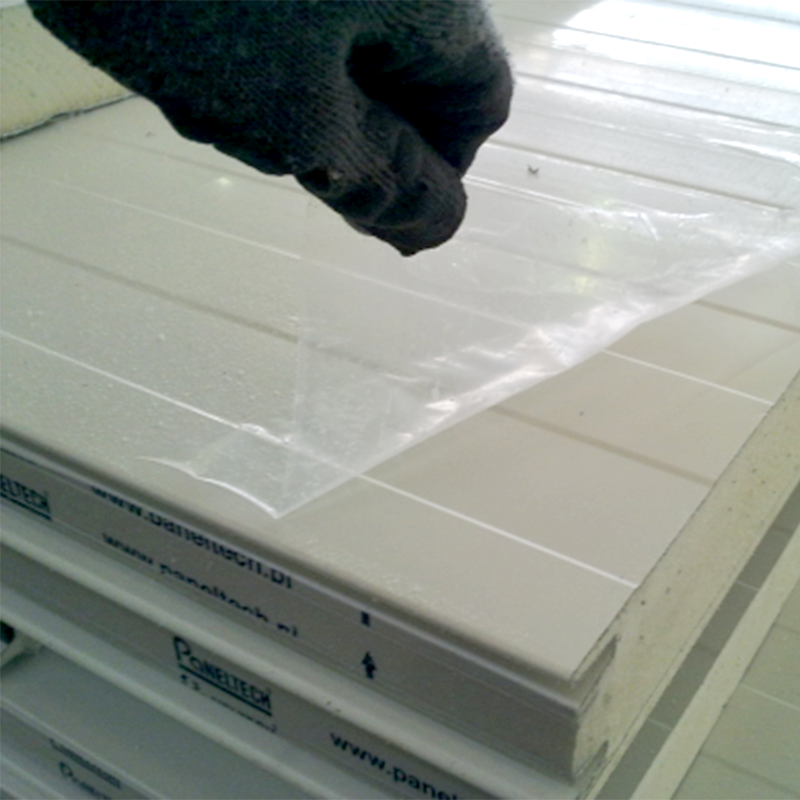
Protective Film For Sandwich Panel
One of the most important requirements for sandwich panel protection is clean removal. A film that protects the surface but leaves adhesive residue can create additional labor and cleaning costs. Residue may attract dust, affect the appearance of the coating, or require solvents that are not compatible with the panel finish.
The acrylic adhesive used for this protective film is specially formulated to support removal without leaving glue on the sandwich panel under suitable conditions. The medium adhesion level provides a balance between staying attached during handling and releasing when the project requires removal.
Removal performance can be influenced by temperature, exposure time, ultraviolet radiation, panel chemistry, surface cleanliness, and the angle and speed of peeling. For best results, users should test the film on a representative panel and follow a controlled removal procedure.
Compared with fragile paper coverings or very thin low-strength films, tough polyethylene provides better flexibility during application and handling. The backing can help resist tearing when panels are moved, stacked, drilled, or cut. Its flexibility also allows it to conform to smooth panel surfaces without requiring complex equipment.
The available thickness range enables buyers to match the film with the expected level of risk. A thinner grade may be suitable for light handling and short-term protection, while a thicker grade may be preferred where panels face greater abrasion or repeated movement.
The film creates a physical barrier against many common sources of superficial damage. It can help protect against scratches, dust, dirt, fingerprints, handling marks, and light abrasion. During panel processing, it also helps reduce direct contact between tools or incidental debris and the visible surface.
Protective film is not intended to replace careful handling, correct packaging, or safe lifting methods. It is a supporting layer within a broader protection system. Its value is greatest when it is applied to a clean surface and combined with suitable stacking, wrapping, and transportation practices.
Sandwich panels are frequently stored or installed outdoors before a building envelope is fully completed. Rain, humidity, sunlight, and changing temperatures may affect unprotected surfaces. The product offers good weather ability and UV resistance for up to six months, subject to the actual environmental conditions and application requirements.
This feature is useful for construction projects with phased installation schedules. It gives contractors additional time to complete related work while helping keep the panel finish protected. Nevertheless, the stated UV period should be treated as a product guideline rather than a universal guarantee for every climate. High temperatures, strong sunlight, coastal conditions, chemical exposure, and steep angles may affect performance.
Printing provides more than a decorative function. A logo can identify the manufacturer or project owner. Application instructions can remind workers to apply the film to a clean, dry surface. Removal instructions can help prevent the film from being left on the panel beyond the recommended period.
Printing in up to three colors allows a practical level of customization for many panel producers, distributors, and construction companies. Printed messages can include directional marks, warnings, batch information, surface identification, or basic handling guidance. Customized printing may also improve brand visibility while the panels are stored or installed.
Correct compatibility is essential when selecting protective film. Sandwich panels may use coated steel, aluminum, stainless steel, composite facings, or other materials. The surface may be smooth, textured, glossy, matte, painted, laminated, or chemically treated.
A film suitable for one surface is not automatically suitable for another. Differences in surface energy, coating chemistry, texture, cleanliness, and curing conditions can affect adhesion and removal. Before full production use, a small trial should be conducted on the actual panel surface.
Pre-painted steel is widely used for exterior and interior sandwich panel faces. Protective film can help preserve the paint finish during profiling, transport, and installation. The film should be tested against the particular paint system, especially when the coating is newly produced or has a highly textured surface.
Aluminum surfaces may have painted, anodized, laminated, or mill-finished treatments. The surface can respond differently to adhesives depending on its chemical composition and finish. Application tests should examine initial adhesion, repositioning behavior, aging, and removal after the expected protection period.
Some sandwich panels use decorative laminates or composite facings to achieve a specific visual effect. These surfaces may be more sensitive to adhesive interaction or surface marking. A lower or medium adhesion product may be appropriate, but the final selection should be based on testing and the panel supplier’s recommendations.
Textured surfaces may require a film with sufficient flexibility and adhesive contact to prevent lifting at raised areas. Application pressure is important because trapped air, dust, or insufficient contact can create bubbles and weak points. In some cases, a film designed for smooth surfaces may not deliver the same results on a textured panel.
Good application practice helps achieve reliable protection and easier removal. The following procedure is suitable as a general guide, but it should be adjusted to the panel manufacturer’s instructions and the results of application testing.
The surface should be dry, clean, and free from dust, oil, loose particles, moisture, and processing residue. A contaminated surface can reduce adhesion and create bubbles or channels beneath the film. If cleaning is required, the cleaning agent must be compatible with the panel coating and must be fully removed before film application.
Before application, confirm the film width, panel dimensions, printed message direction, and required overlap. The film should cover the intended area without excessive stretching. If multiple strips are needed, overlaps should be planned so that the edges do not create unnecessary ridges or exposed gaps.
The film should be applied gradually rather than pressed onto the entire panel at once. A roller, squeegee, or other suitable applicator can help achieve consistent contact. Working from one edge toward the other helps reduce trapped air and allows the operator to correct alignment during the early stage.
Although the polyethylene backing has high elongation, excessive stretching during installation can create shrinkage, tension, edge lifting, or distortion of printed information. The film should be handled smoothly and allowed to lie naturally on the panel surface.
After application, the operator should check for bubbles, wrinkles, open edges, contamination, and incomplete coverage. Small defects should be corrected promptly. Once the film has been exposed to weather or handling, correction may become more difficult.
Removal should take place according to the planned protection period. The film should generally be peeled at a controlled angle and at a steady speed. If the film has been exposed to extreme conditions or has remained on the surface longer than recommended, a small test area should be checked first.
Construction is the most common application area for sandwich panel protective film. Exterior wall panels, roof panels, partition panels, and modular building components may be exposed to several weeks or months of activity before the project is complete.
The film helps maintain a clean appearance while panels are lifted, aligned, fastened, sealed, and connected to other building elements. It can also reduce the time required for final cleaning. When printed with removal reminders, the film helps contractors coordinate protection removal before handover.
Cold rooms, refrigerated warehouses, food processing facilities, and pharmaceutical storage buildings rely on insulated sandwich panels for temperature control. Maintaining clean and undamaged surfaces is important in these environments because contamination, moisture, or surface deterioration can affect hygiene and maintenance requirements.
Protective film helps prevent dust and construction debris from settling directly on the panel surface. It can also protect the finish while doors, refrigeration equipment, shelving, lighting, and services are installed. For cold-storage applications, the expected temperature during application, storage, and removal should be reviewed before selection.
Panel manufacturers, distributors, and logistics providers use protective film to reduce damage during loading, unloading, stacking, and delivery. A transparent film allows visual inspection without removing the protection, while a blue or printed film makes covered surfaces easy to identify.
The film is especially useful when panels are delivered to multiple construction sites or temporarily stored at distribution centers. It supports a more consistent protection method than loose coverings that can move, tear, or collect moisture.
Factories, warehouses, workshops, and distribution centers use sandwich panels for walls, ceilings, partitions, and insulated areas. Construction in industrial facilities often occurs alongside machinery installation and material movement. Protective film helps guard finished panels from incidental contact with equipment and tools.
Where chemical exposure is possible, users should request application testing and confirm whether a specialized film is required. Standard protective film is intended for temporary surface protection and should not be assumed to resist concentrated chemicals or prolonged contact with aggressive substances.
Farm buildings, livestock facilities, storage sheds, and agricultural processing areas may use insulated panels to control temperature and improve building efficiency. During construction, the panels may be exposed to rain, dust, mud, and frequent handling.
Weather-capable protective film can help maintain the panel appearance during the installation period. In humid or dusty settings, removal timing and surface inspection are especially important. Protection should not be considered a substitute for adequate ventilation, drainage, or long-term maintenance.
Prefabricated building components often pass through several stages before reaching the final site. A panel may be assembled in a controlled factory, transported to a staging area, and then installed in a modular unit. Protective film helps maintain continuity of protection across these stages.
Customized printing can be used to identify panels by room, elevation, orientation, or installation sequence. This may support more efficient site organization and reduce the chance of removing protection prematurely.
The performance of protective film depends on more than the nominal film thickness or adhesive type. Manufacturing consistency affects coating weight, adhesion, film strength, winding quality, printing accuracy, and roll usability. A supplier with integrated production and testing capabilities can respond more effectively to these factors.
Wuxi Qida Tape Co., Ltd. completes key manufacturing stages in its own factory. These stages include backing film production, adhesive coating, logo printing, rewinding, slitting, and packaging. Managing these processes within one production system helps the company coordinate material selection, coating performance, roll dimensions, and final packaging.
Integrated production can also improve communication between technical, production, and quality teams. When a customer requires a special width, print pattern, adhesive option, or packaging format, the production process can be adjusted through a coordinated workflow rather than relying entirely on unrelated subcontractors.
The company has introduced advanced machines from Germany for protective film production. Modern equipment supports more stable film processing, accurate coating, controlled winding, and consistent slitting. Equipment capability is particularly important for wide rolls, long rolls, printed products, and orders requiring repeatable dimensions.
Accurate rewinding and slitting help reduce telescoping, loose edges, uneven roll faces, and other conditions that can interfere with automatic or manual application. Consistent roll construction also improves storage, transportation, and production-line handling.
Qida Tape maintains experienced technicians and engineers and works with research and development institutes to develop new protective film products. This technical approach is valuable because surface protection requirements differ significantly between industries.
Some customers may need a product for short-term indoor protection, while others require outdoor UV resistance, printed instructions, or compatibility with a particular coated metal. Development work can address adhesive balance, film strength, application behavior, removal performance, and environmental requirements.
The company operates a testing laboratory and uses inspection equipment to evaluate product quality. Relevant quality checks may include film thickness, width, roll length, appearance, adhesion, tensile behavior, elongation, print quality, and removal performance.
Testing does not eliminate the need for customer-side trials. It does, however, provide a controlled basis for manufacturing consistency and product comparison. For large projects, customers may also request samples, technical data sheets, or approval testing on actual panel materials.
Qida Tape is certified under ISO 9001 and ISO 14001 management systems. ISO 9001 relates to quality management practices, while ISO 14001 relates to environmental management. The company also provides information concerning SGS, RoHS, REACH, PFAS, and Prop 65 testing or compliance support for applicable products and markets.
Customers should confirm the exact certificate scope, test report, product version, and destination-market requirements before placing an order. Compliance documentation should correspond to the specific film construction and adhesive formulation supplied.
Different sandwich panel manufacturers and construction projects may require different product configurations. Customization can help align the protective film with production equipment, surface dimensions, logistics systems, and brand requirements.
Widths from 150 millimeters to 1,500 millimeters support a broad range of panel sizes. Narrow rolls may be useful for edges, trims, or smaller components, while wide rolls can cover large panel faces efficiently. Roll lengths from 500 meters to 2,000 meters can be selected according to production volume and equipment capacity.
Roll dimensions should be coordinated with the customer’s application method. A roll that is too large or heavy for the application equipment may reduce handling efficiency, even if the film itself meets the technical requirements.
Transparent film preserves visibility of the panel surface and any underlying markings. Blue film offers clear visual identification of protected areas and is commonly associated with temporary surface protection. Other colors may be considered for product differentiation or project organization.
Printed film can include a company logo, product name, removal message, handling instructions, arrows, or project identification. Up to three colors are available according to the stated product information. Artwork should be supplied in an agreed format and reviewed carefully before mass production.
The standard product uses acrylic adhesive, but Qida Tape also offers acrylic water adhesive, acrylic solvent adhesive, and natural rubber adhesive for different industry requirements. Adhesive selection should be based on the panel surface, desired adhesion level, exposure time, application temperature, and removal conditions.
No adhesive should be selected solely by strength. Excessive adhesion may increase the risk of residue or coating damage, while insufficient adhesion may cause lifting and contamination. The best solution is a controlled balance suited to the surface and protection period.
Paper can provide basic separation but may move, tear, absorb moisture, or collect dust. It usually does not conform closely to the surface and may require additional tape or wrapping to remain in position. Self-adhesive protective film provides more continuous contact and can be applied directly to the panel face.
Fabric and fleece products can be valuable for protecting floors, furniture, and other surfaces against impact or heavy contamination. However, they may not be ideal for maintaining close contact with large, smooth sandwich panel faces during transportation and installation. Protective film is generally thinner, easier to cut, and more suitable for temporary coverage of finished panel surfaces.
Shrink film and outer wrapping are useful for packaging bundles or protecting entire loads. They do not always prevent friction between individual panels or protect each visible face during processing. A surface-applied film can complement outer packaging by protecting the actual finished surface.
Leaving panels unprotected may reduce material cost at the beginning, but it can increase the risk of cleaning, touch-up work, replacement, and project delay. For appearance-sensitive panels, the potential cost of surface damage may exceed the cost of a properly selected protective film.
Protective film should be stored in a clean, dry area away from direct sunlight, excessive heat, moisture, and chemical vapors. Rolls should remain in their original packaging until needed. Heavy objects should not be placed on top of the rolls, and the film should not be dragged across rough floors.
During handling, operators should avoid damaging roll edges. Crushed or telescoped rolls may create application problems. Before use, the film should be inspected for wrinkles, contamination, printing defects, or packaging damage.
Removal should be planned as part of the installation schedule. Workers should avoid using sharp tools directly against the panel coating. If the film tears, the remaining section should be removed carefully rather than pulled aggressively. A small test area can confirm whether the removal speed and angle are suitable.
In hot environments, adhesive behavior may change. In cold environments, the film may become less flexible and the adhesive may require additional time to develop contact. The application temperature and storage conditions should therefore be considered when preparing a project specification.
Buyers should begin by identifying the panel material and finish. The next considerations are the expected protection period, indoor or outdoor exposure, handling intensity, application equipment, desired film color, printing requirements, and removal schedule.
The following questions can support product selection:
What is the panel facing made from?
Is the surface smooth, textured, glossy, matte, painted, laminated, or anodized?
How long will the film remain on the panel?
Will the panels be stored indoors, outdoors, or in a partially enclosed area?
Will the panels be exposed to strong sunlight, rain, humidity, dust, or temperature changes?
Will application be manual or automated?
What film width and roll length are compatible with the equipment?
Is transparent, blue, or another color preferred?
Is printed branding or handling information required?
What removal conditions are expected at the project site?
After these points are defined, the supplier can recommend a suitable thickness, adhesive construction, and packaging format. Samples should be evaluated on the actual panel whenever possible.
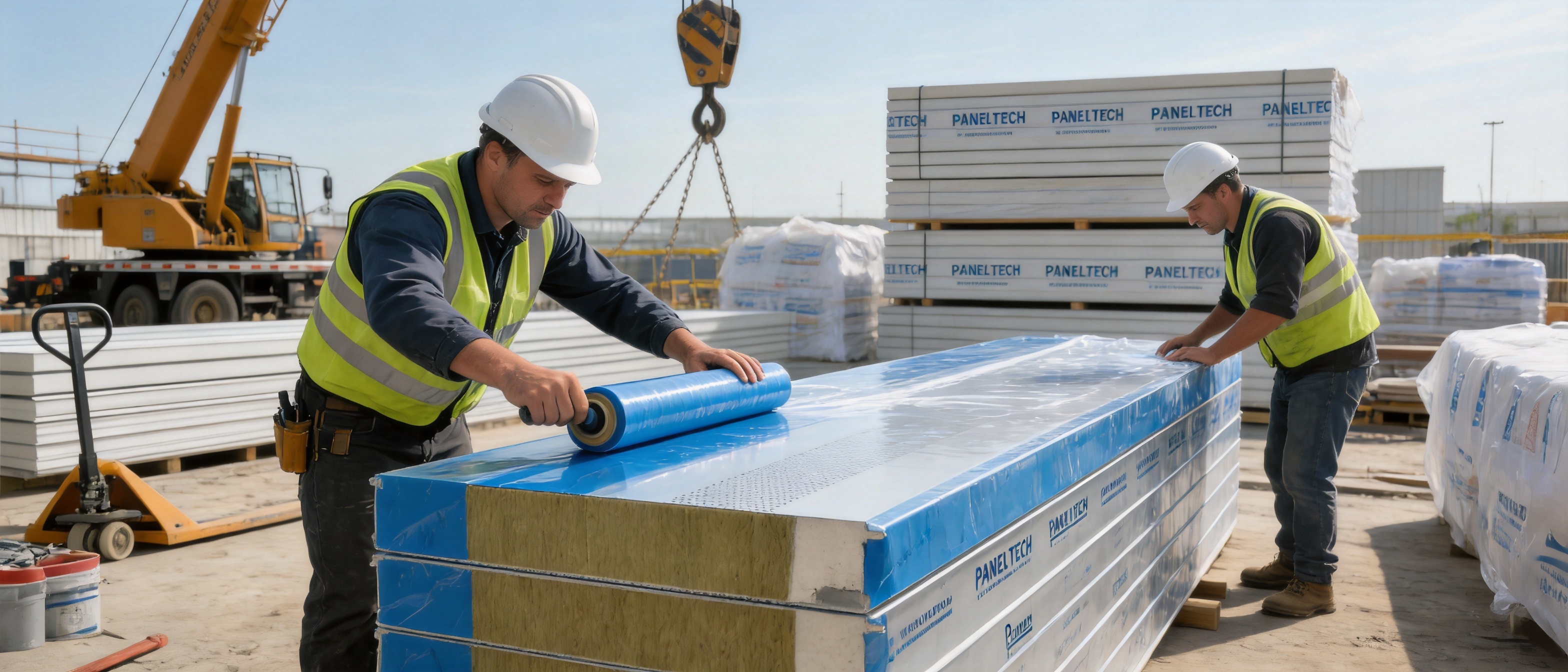
A specialized protective film manufacturer understands that temporary surface protection is an engineered product rather than a generic plastic covering. Film strength, adhesive chemistry, coating uniformity, surface compatibility, print quality, and removal behavior must work together.
Wuxi Qida Tape Co., Ltd. has specialized in protective films and surface protection solutions since 1999. Its product range serves stainless steel, aluminum, pre-coated metal, plastic panels, ceramic, carpets, decorative laminates, glass, and other surfaces. This broad experience helps the company understand the differences between various substrates and processing environments.
The company operates a factory area of approximately 20,000 square meters, employs more than 95 experienced staff members, and reports annual production capacity exceeding 12,000 tons. Its products are sold in China and exported to Europe, North America, Australia, the Middle East, Japan, and other regions.
Its manufacturing strengths include customization, competitive cost, quality control, multiple adhesive options, production capacity, and technical service. Engineers can develop products according to a customer’s technical data sheet or sample. This is particularly useful when a customer needs a special adhesive balance, unique width, customized print, or specific packaging configuration.
Production control from backing film through final packaging also supports order coordination. Customers can work with one supplier for film production, adhesive coating, printing, rewinding, slitting, and packaging instead of coordinating several independent sources.
It is used to protect finished sandwich panel surfaces from scratches, dirt, marks, light abrasion, and handling damage during manufacturing, transportation, storage, cutting, drilling, and installation.
The backing film is made from polyethylene. It is designed to be flexible and tough enough for temporary surface protection and routine handling.
The standard product uses acrylic adhesive with a medium adhesion level. Other adhesive options, including acrylic water adhesive, acrylic solvent adhesive, and natural rubber adhesive, may be available for specific requirements.
The adhesive is specially formulated for clean removal without leaving glue residue on sandwich panels when the product is correctly selected, applied, stored, and removed within suitable conditions. A compatibility test is recommended for every new panel coating.
The product offers UV resistance for up to six months according to the stated product information. Actual performance depends on sunlight intensity, temperature, humidity, weather, panel surface, and exposure conditions.
Yes. Transparent clear film is available, along with blue and other color options subject to production confirmation.
Yes. Customized printing is available in zero to three colors. Logos, handling instructions, removal reminders, arrows, and project identification can be considered.
The stated thickness range is from 30 micrometers to 50 micrometers. The appropriate thickness depends on the expected handling and protection requirements.
Widths range from 150 millimeters to 1,500 millimeters, and roll lengths range from 500 meters to 2,000 meters. Final dimensions should be confirmed according to the customer’s equipment and order requirements.
It may be suitable for aluminum, coated steel, and other panel surfaces, but compatibility testing is essential. Surface texture, coating chemistry, cleanliness, and exposure time can affect adhesion and removal.
It can be used to protect panels during the construction of refrigeration and cold-storage facilities. The application temperature, storage conditions, and removal schedule should be reviewed before approval.
The film should be peeled at a controlled angle and steady speed without using sharp tools against the panel surface. A test section should be evaluated if the film has experienced extreme weather or remained on the surface longer than planned.
Yes. Qida Tape provides customization involving dimensions, colors, printing, adhesive options, and product development based on technical data sheets or customer samples.
The company operates under ISO 9001 and ISO 14001 management systems and provides information regarding SGS, RoHS, REACH, PFAS, and Prop 65 testing or compliance support for applicable products.
Protective film for sandwich panels is an important component of a complete surface protection program. It helps preserve the appearance and usability of panels during the period when they are most vulnerable: manufacturing, stacking, transportation, installation, and construction-site activity.
The polyethylene backing provides flexibility and toughness, while the acrylic adhesive is designed to balance secure attachment with clean removal. The product is available in practical thicknesses, widths, roll lengths, colors, and printing configurations. Good weather ability and UV resistance for up to six months support projects that require temporary outdoor protection.
The strongest results come from matching the film to the panel surface and project conditions. Surface compatibility, protection duration, outdoor exposure, application method, film thickness, adhesive level, and removal timing should all be evaluated before large-scale use.
Wuxi Qida Tape Co., Ltd. supports these requirements through integrated production, advanced equipment, experienced technical personnel, laboratory testing, customization, and broad manufacturing capacity. Its ability to manage film production, adhesive coating, printing, converting, inspection, and packaging within its own factory provides a practical foundation for consistent supply.
For sandwich panel manufacturers, distributors, contractors, and project owners, a properly selected protective film can reduce surface damage, lower cleaning and rework costs, improve product presentation, and support a more efficient installation process.
1. Wuxi Qida Tape Co., Ltd., Protective Film for Sandwich Panel Product Information.
2. Wuxi Qida Tape Co., Ltd., Technical Information on Temporary Surface Protection Films and Adhesive Options.
3. ISO 9001, Quality Management Systems — Requirements.
4. ISO 14001, Environmental Management Systems — Requirements With Guidance for Use.
5. General technical principles for pressure-sensitive adhesive selection, application, aging, and clean removal.
6. General manufacturing and handling practices for coated metal, aluminum, composite, and insulated sandwich panels.
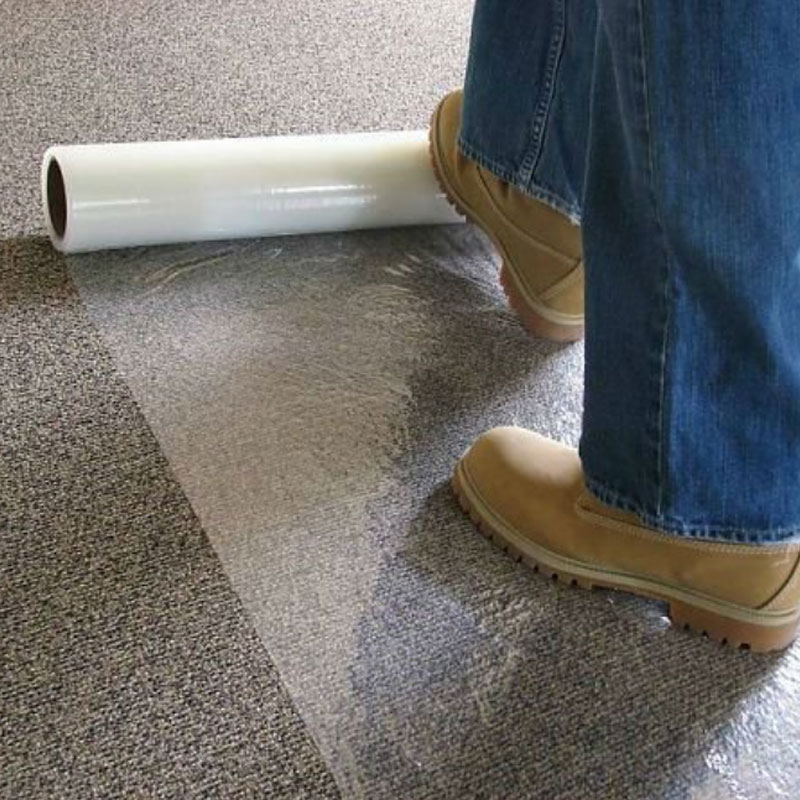
● Protects carpet against staining, paint spillage and dirt during painting, building, remodeling, plastering, tiling, decoration, general maintenance...
See Details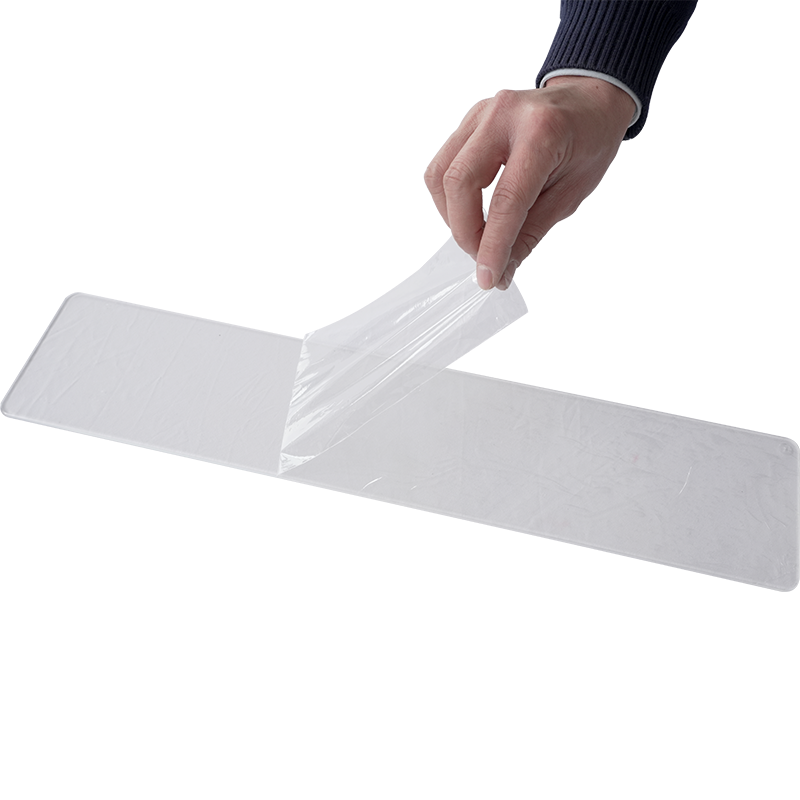
● No “ghost shadow” or “fish eye” after removal; ● Low gel content, soft and stable adhesion plus easy-peel removal with no surface damage or curling;...
See Details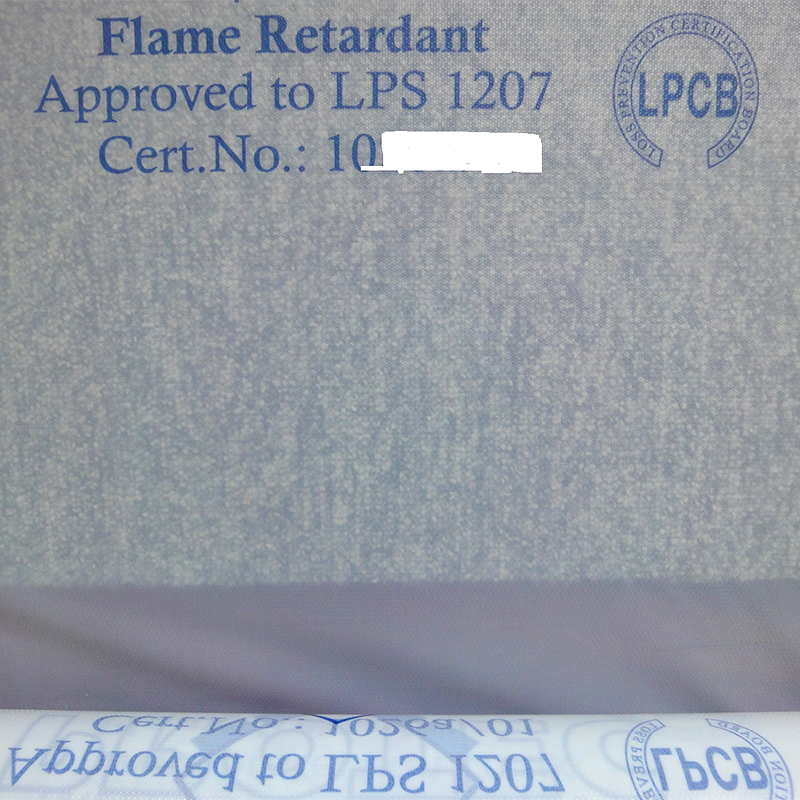
● Prevents costly damages in case of fire /flame;● Meet the strict international test standards of loss prevention; ● Extensive selection for flame re...
See Details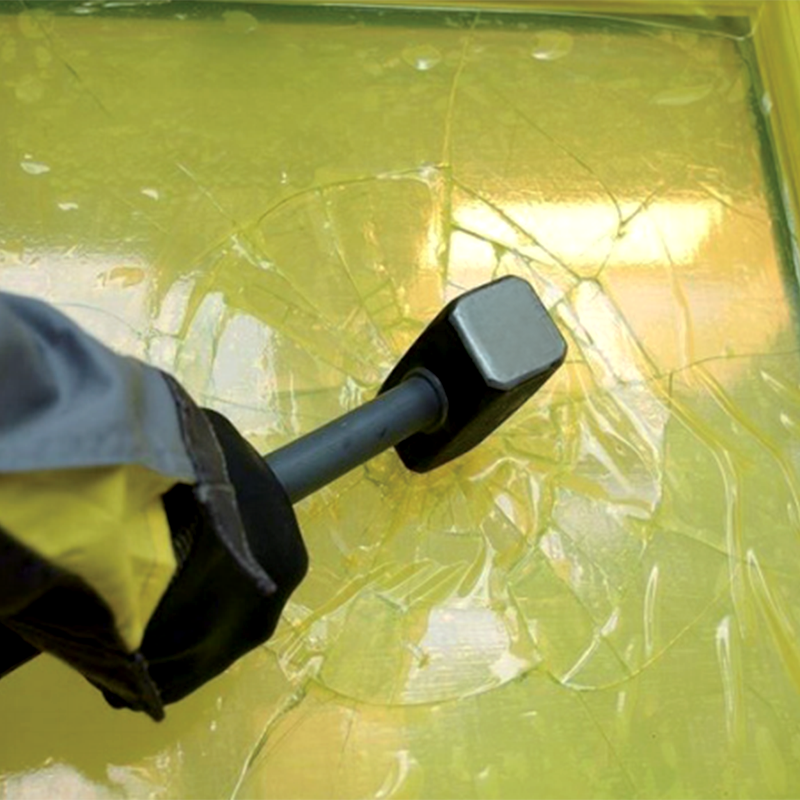
● The super tough polyethylene film with super high adhesion can stop the glass splitting and falling off during window glass demolition process;● Non...
See Details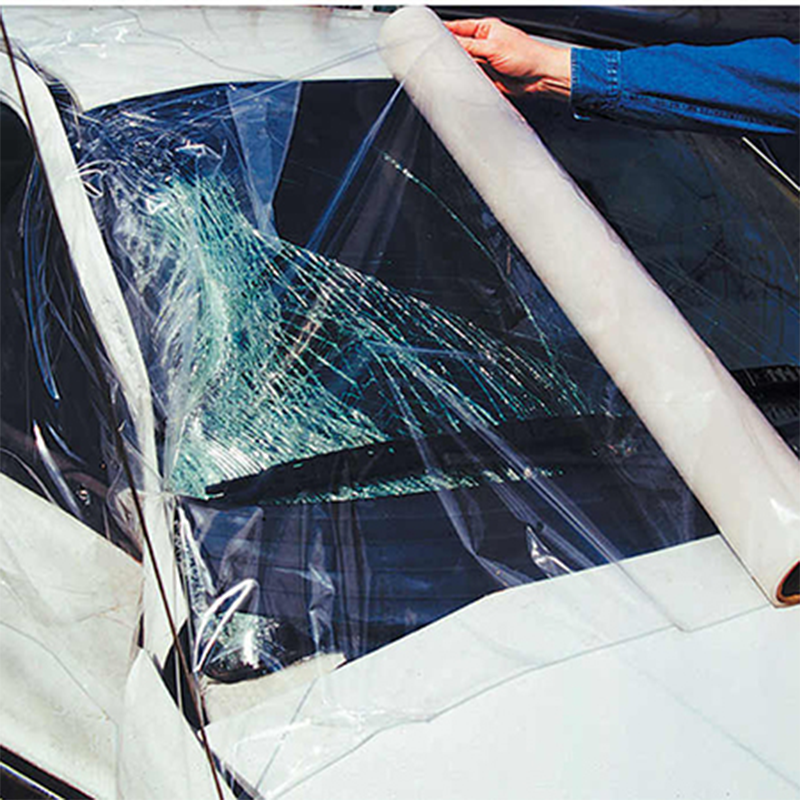
● The super-tough polyethylene film resists puncture and penetration by rain, snow, debris, and dirt during the transportation and storage of the cras...
See Details
● The specially formulated adhesive ensures easy application and removal without leaving residue glue on the sandwich panels; ● The super-tough polyet...
See Details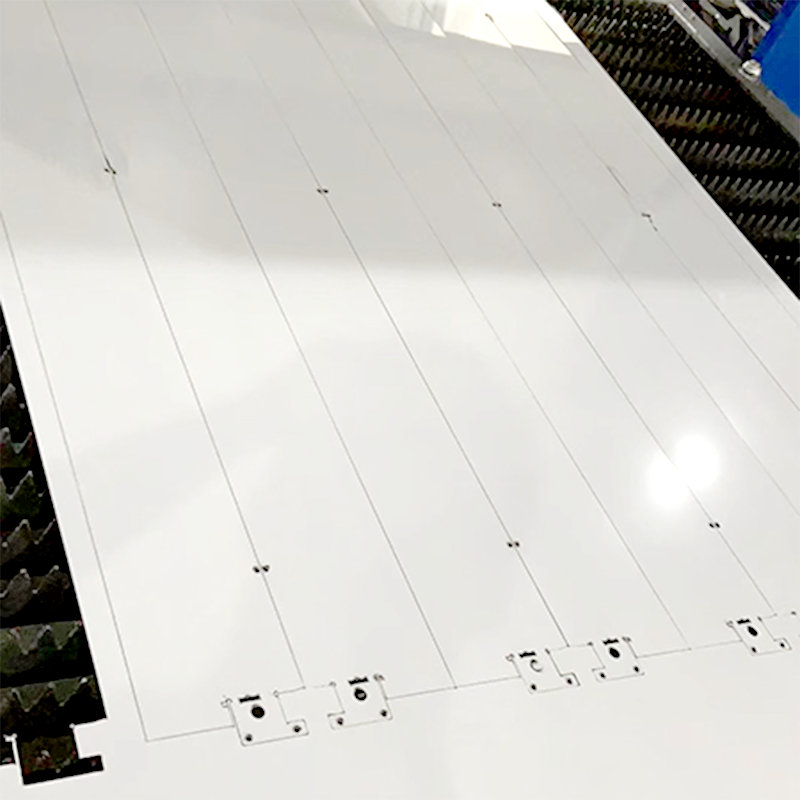
● The specially formulated natural rubber adhesive suitable for both CO2 and Fiber laser cutting processes;● High cutting quality without burr or trac...
See Details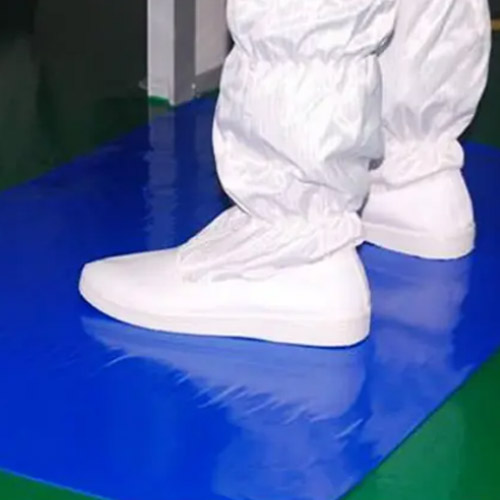
● Options for either 30 or 60 layers per mat; can be packed with four mats, eight mats, or ten mats per carton;● Remove dirt effect: ≥99.9% (5 steps);...
See Details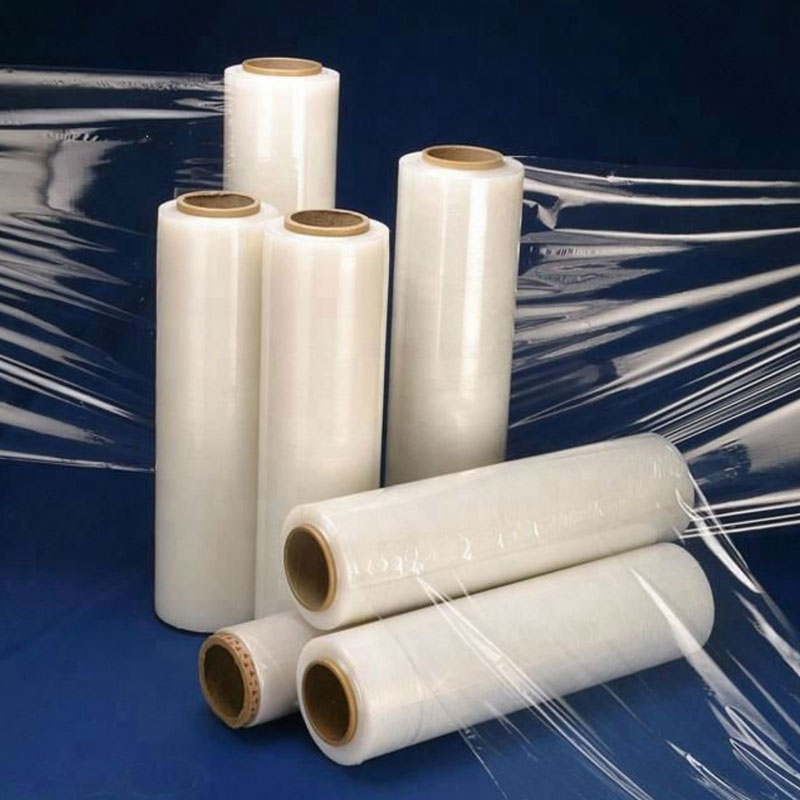
● Small roll size for convenient manual application;● Excellent puncture and tear resistance ; ● A self-adhering-each layer of film bonds to the next ...
See Details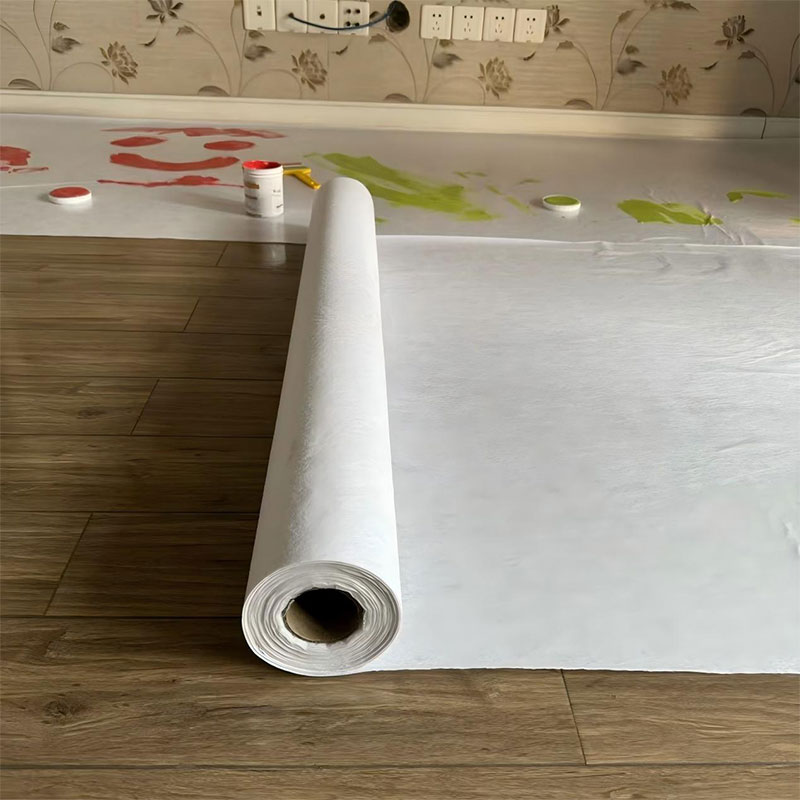
This product has non-woven synthetic fleece in middle; PE film adhered onto top of the non-woven fabric, which is coated with self adhesive glue on it...
See DetailsWe’re a reliable partner that shapes our expertise into success for your project.
Copyright 2024 Wuxi Qida Tape Co., Ltd. All Rights Reserved
 Wholesale Protective Film/Foil Manufacturers
Privacy