

 English

 English
 русский
 Français
 Español
 Português
 عربى


Cat:Glue -coated Protective Film
● Good weatherability for outdoor exposure; ● Stable adhesion level; ● UV resistance for up to 12 months; ● Can print customized logo or application i...
See Details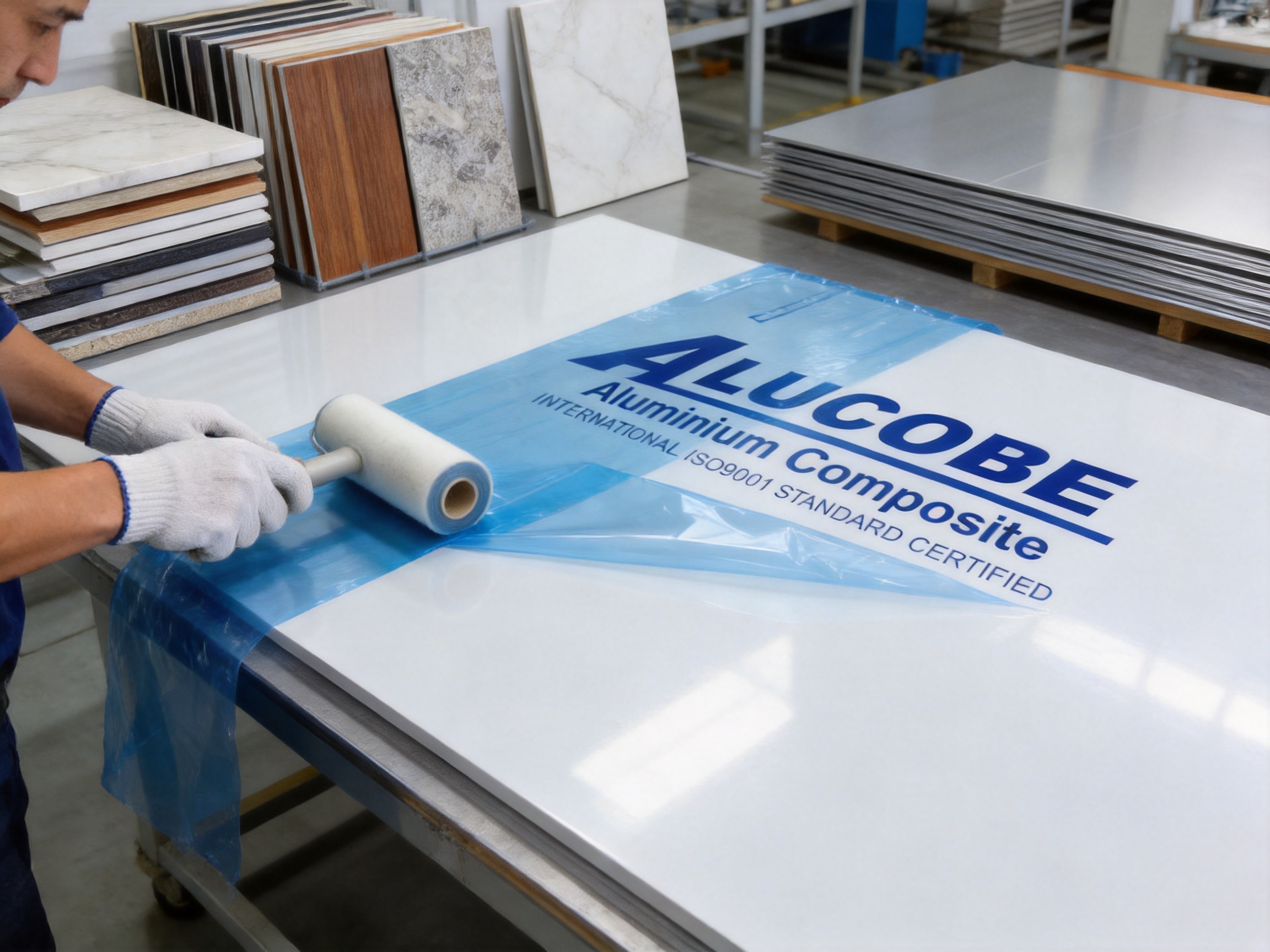
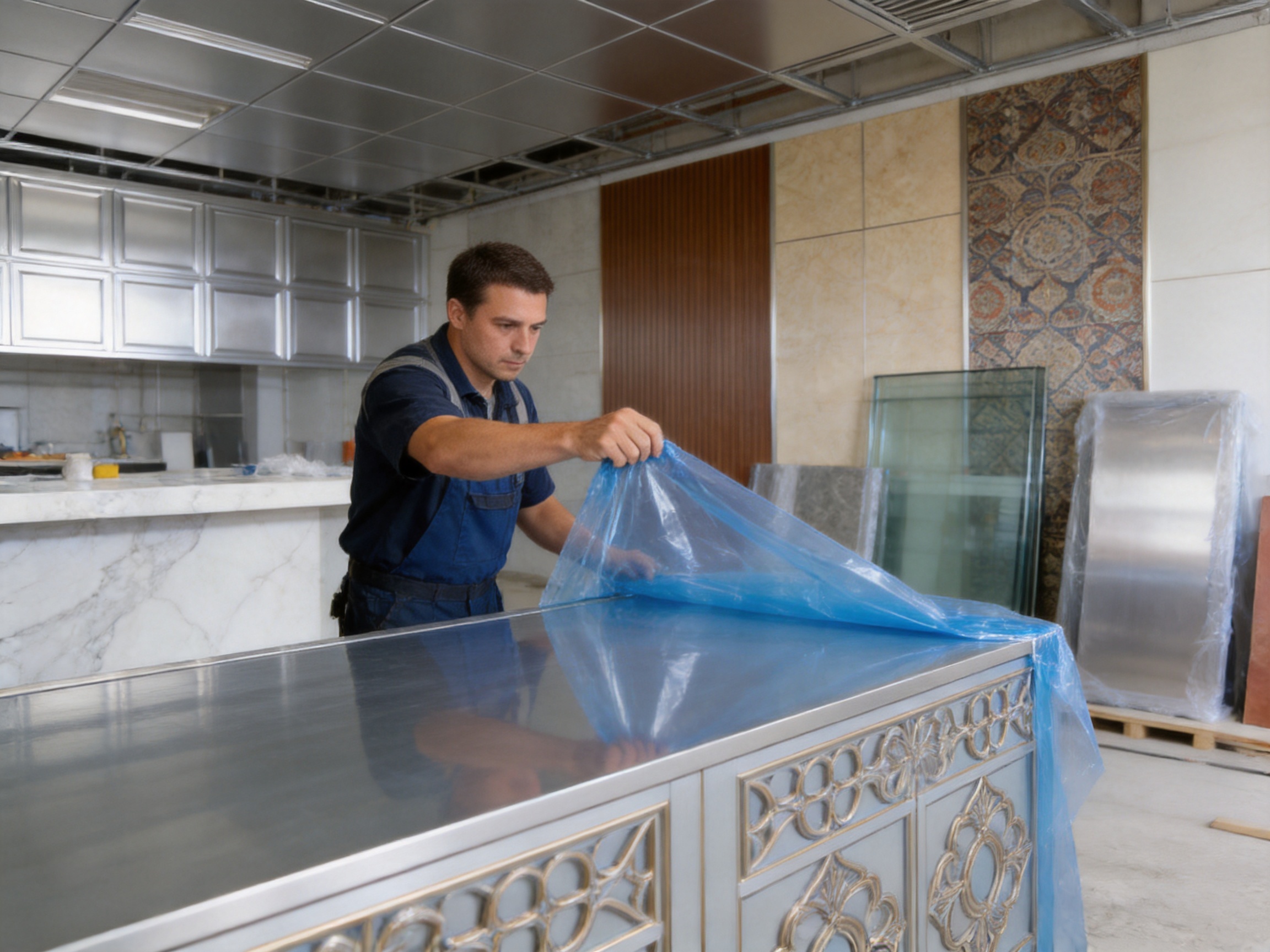
Building and decoration materials often pass through several demanding stages before they become part of a finished project. Panels may be cut, drilled, bent, transported, stored, installed, cleaned, and inspected. During every stage, exposed surfaces can be affected by scratches, dust, fingerprints, cement, paint, adhesive, moisture, friction, and accidental impact. Even a small mark on a premium aluminum composite panel, decorative laminate, artificial marble slab, or aluminum ceiling can reduce its visual quality and create additional cleaning, repair, or replacement costs.
Protective film for building and decoration materials is designed to reduce these risks. It creates a temporary barrier between the surface and the surrounding working environment while allowing the material to be processed, transported, installed, and maintained. After the protected stage is complete, the film can be removed to reveal a clean and attractive surface.
The product described in this article is a polyethylene-based, glue-coated protective film suitable for aluminum plastic composite panels, decorative laminates, artificial marble, aluminum ceilings, and many other building and interior decoration surfaces. Its specially formulated adhesive supports easy application and clean removal, while the tough polyethylene backing helps resist scratches, dirt, marks, and handling damage.
More than a simple covering material, high-quality protective film is an engineered surface protection solution. The film backing, adhesive chemistry, coating weight, adhesion level, printing, color, thickness, width, roll length, and UV resistance can all be selected according to the requirements of a particular application. This flexibility makes the film suitable for both indoor processing and selected outdoor exposure conditions.
The appearance of a building material is often directly connected with its commercial value. Decorative panels, metal sheets, stone-like surfaces, glass, ceramic products, and finished laminates are purchased not only for their structural or functional properties but also for their color, texture, gloss, and overall visual consistency. Damage that occurs before installation can be difficult to identify until the final inspection, when replacement becomes expensive and time-consuming.
During manufacturing, materials may pass through cutting, punching, drilling, bending, profiling, painting, and assembly operations. Tools, worktables, conveyors, and fixtures can create friction or pressure marks. During transportation, vibration and movement can cause surfaces to rub against packaging materials or against adjacent products. At a construction site, dust, cement, mortar, sealant, paint, and metal fragments can settle on or adhere to exposed surfaces.
A temporary protective film helps manage these risks by providing a sacrificial layer. Instead of the finished surface receiving direct contact with dust, tools, or handling equipment, the protective film absorbs much of the contact. When the process is complete, the film is removed and discarded or managed through an appropriate recycling system, depending on local facilities and the film composition.
Surface protection can also improve production efficiency. Workers spend less time cleaning contaminated materials, removing dried construction compounds, correcting minor cosmetic defects, or sorting damaged products. Fewer damaged products can mean lower material waste, fewer complaints, and better project scheduling. For manufacturers and contractors, these operational benefits can be as important as the film’s basic scratch-resistance performance.
This protective film consists primarily of a polyethylene film backing coated with a pressure-sensitive adhesive. The backing provides flexibility, toughness, and a temporary physical barrier. The adhesive enables the film to attach to the target surface without requiring water, heat, or permanent bonding equipment in normal applications.
The product is available for a wide range of surfaces used in construction, manufacturing, and decoration. Typical applications include aluminum plastic composite panels, decorative laminates, artificial marble, aluminum ceilings, stainless steel, aluminum profiles, pre-coated metal, plastic panels, ceramic surfaces, glass, carpets, and other finished materials that require temporary protection.
The film can be supplied in different colors and with optional printed information. Blue and clear films are commonly selected when visibility of the covered surface is important. Black, white, red, green, yellow, and pink options can support product identification, application classification, or visual management at a job site. Customized printing can communicate handling instructions, removal reminders, product information, or customer branding.
Depending on the application, customers can select a low, medium, high, or very high adhesion level. The correct adhesion level is important because the film must remain securely attached during handling without becoming difficult to remove. Adhesion selection should consider surface energy, coating type, roughness, temperature, exposure period, and the possibility of sunlight or outdoor weathering.
Characteristic | Available or Typical Range | Application Significance |
Film thickness | 30 to 100 micrometers | Balances flexibility, handling strength, coverage, and cost |
Film width | 100 to 2,250 millimeters | Supports narrow components and large panels |
Roll length | 100 to 2,000 meters | Allows selection for manual or industrial application |
Elongation | At least 300 percent | Helps the film conform to shaped or slightly curved surfaces |
Adhesion level | Low to very high | Can be matched to different substrates and processing conditions |
Adhesive type | Natural rubber or acrylic | Provides options for tack, removability, weather resistance, and application needs |
Film colors | Blue, clear, black, white, red, green, yellow, pink, and others | Supports identification, visibility, and customization |
Printing | Up to three colors | Allows application instructions and customized markings |
UV resistance | Approximately 3 to 12 months, depending on specification | Supports temporary outdoor exposure when properly selected |
These values represent selectable product capabilities rather than a single universal specification. The final technical data sheet should be confirmed for each project because adhesive behavior and outdoor performance depend on the substrate, environmental conditions, storage period, application method, and removal time.
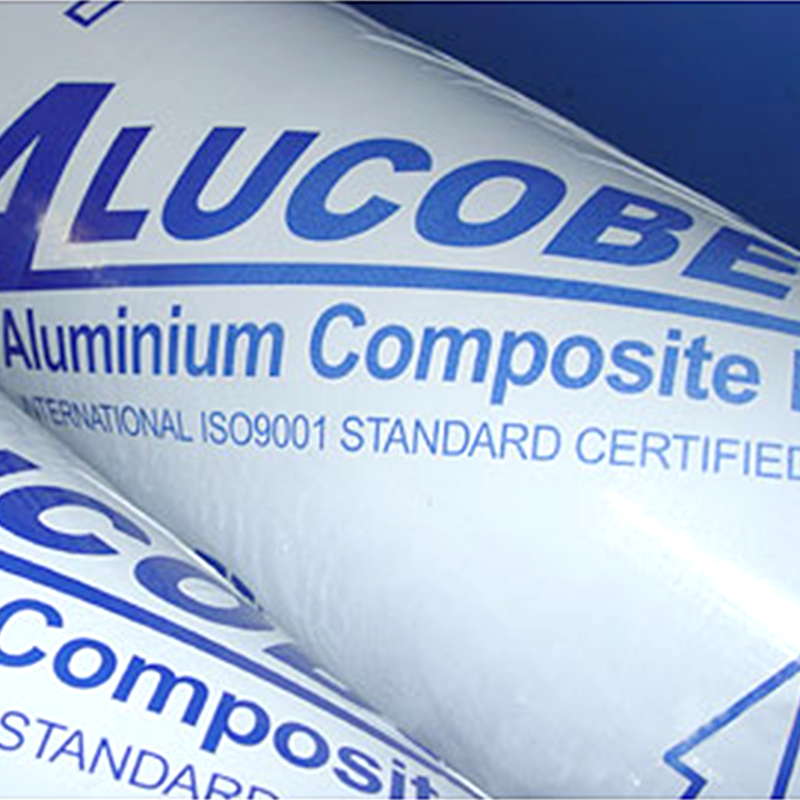
Protective Film for Building &decoration Materials:(Aluminum Plastic Composite Panel ;decorative Laminate ;artificial Marble;aluminum Ceiling)... Etc.
Polyethylene provides a practical combination of toughness, flexibility, and processability. A suitable polyethylene backing can resist routine rubbing, light impact, dust, and contact with tools during processing and installation. It forms a continuous protective layer over the surface, reducing the likelihood that abrasive particles will directly contact the finished material.
The film is not intended to replace rigid packaging, impact-resistant crates, or safe handling procedures. However, it is highly effective against many common cosmetic risks, including surface scratches, dirt, scuffing, fingerprints, and marks caused by normal handling. This makes it particularly useful for materials that are visually sensitive but must still be moved through active production and construction environments.
Building products are not always perfectly flat. Decorative laminates, shaped panels, profiles, and formed components may include edges, curves, grooves, or shallow three-dimensional features. A flexible film can follow these shapes more easily than a rigid cover. With elongation of at least 300 percent under the relevant test conditions, the film can accommodate a degree of stretching during application and handling.
Proper installation remains essential. Excessive stretching, trapped air, sharp folds, or contamination under the film can affect the final result. Nevertheless, the combination of a flexible polyethylene backing and an appropriate adhesive gives the product broad adaptability across different surface designs.
Polyethylene has good resistance to moisture and many common chemicals. In construction and decoration environments, this can help shield the covered surface from water droplets, damp dust, mild cleaning exposure, and accidental contact with selected substances. The film can also reduce the adhesion of cement dust, paint splashes, sealants, and other contaminants to the original surface.
Protective film should not be considered a permanent chemical barrier or a substitute for compatibility testing. Strong solvents, aggressive chemicals, prolonged immersion, high temperatures, and unusual process conditions require specific evaluation. For normal temporary protection, however, polyethylene offers a practical and economical backing material.
Clear film allows the color, texture, and design of the protected surface to remain visible. This is useful when product identification, visual inspection, or color matching must continue while the material is covered. Colored film provides stronger visual identification and can make it easier for workers to recognize protected surfaces at a busy site.
A protective film should protect without causing unacceptable changes to the covered material. For selected products, the adhesive and film structure are designed to avoid ghost shadow, fish-eye effects, or visible residue after removal. Compatibility testing is still recommended, particularly for sensitive coatings, newly manufactured surfaces, low-energy plastics, and long-term applications.
Natural rubber adhesive systems can provide strong initial tack and good contact with a wide range of surfaces. They may be suitable where the film needs to grip securely during processing, handling, or installation. The formulation can be adjusted to provide different adhesion levels, allowing the same general film concept to serve applications that require either gentle contact or stronger holding power.
Natural rubber systems should be selected with consideration for temperature, aging, ultraviolet exposure, and the intended removal period. The technical team can recommend the appropriate formulation according to the substrate and expected conditions.
Acrylic solvent adhesives are used when a combination of adhesion control, clean removability, and environmental resistance is required. They can be formulated for different surface energies and exposure conditions. Acrylic systems are often considered for applications where the film may remain in place for an extended period or where weather resistance is important.
Acrylic water-based adhesive provides another option for customers seeking a specific balance of tack, removability, processing characteristics, and environmental considerations. The final performance depends on the formulation, coating weight, drying conditions, substrate, and storage environment.
Offering natural rubber, acrylic solvent, and acrylic water adhesive systems gives the manufacturer greater flexibility than a single-adhesive supplier. Rather than forcing every customer to use one standard formulation, the product can be matched to the surface and process. This is an important advantage when serving aluminum, painted metal, plastic, laminate, stone-like materials, and other substrates with different surface properties.
The purpose of temporary protective film is to protect the original surface and then leave it ready for use. Residual glue can create a second problem, requiring solvent cleaning, scraping, polishing, or even replacement. A properly selected protective film should remove smoothly and leave little or no adhesive residue when used within the recommended conditions.
Clean removal also helps preserve the appearance of high-gloss or decorative surfaces. The product is formulated to reduce the risk of adhesive transfer, ghost shadow, and fish-eye effects after removal. Since results depend on application time and environment, users should establish a removal schedule rather than leaving the film in place indefinitely.
Low-cost generic coverings may provide basic dust protection, but they do not always offer the controlled performance required for finished building materials. A simple plastic sheet may move during handling, fail to conform to the surface, or provide no reliable adhesive contact. A poorly matched adhesive may peel prematurely, leave residue, or become difficult to remove after exposure to heat and sunlight.
The product described here is differentiated by its combination of engineered polyethylene backing and selectable adhesive technology. This allows protection to be designed around the surface rather than treating every application identically. Thickness can be selected for handling strength, width can be produced for large panels, roll length can be matched to production equipment, and adhesion can be adjusted to the substrate.
Another advantage is the ability to add customized printing. A plain covering may be mistaken for packaging waste or removed too early. Printed instructions can identify the protected side, indicate when the film should be removed, explain handling precautions, or provide customer-specific information. Up to three printing colors can be used according to the order specification.
Weatherability is another area where a specialized product can outperform ordinary indoor film. UV resistance can be specified for approximately three to twelve months, depending on the formulation and required conditions. This does not mean that every product will withstand twelve months in every climate. Instead, it means that the product range can be engineered for different exposure periods, with the final selection based on sunlight intensity, temperature, humidity, and surface type.
Specialized manufacturing and quality control also reduce variation between production batches. Stable film thickness, controlled adhesive coating, clean rewinding, accurate slitting, and careful packaging help customers receive rolls that run consistently on application equipment. Such consistency can reduce downtime and simplify inventory planning.
Aluminum plastic composite panels are widely used for exterior cladding, signage, commercial interiors, partitions, and decorative façades. Their coated or laminated surfaces can be vulnerable to scratches during cutting, routing, drilling, bending, transportation, and installation. Protective film can be applied before or during processing to maintain the finish until the panel is ready for final presentation.
The film can also help separate panels during handling and reduce marks caused by contact with worktables or other sheets. For large-format panels, wide rolls and suitable adhesion levels are important. Clear, blue, or printed film may be selected according to the manufacturer’s workflow and customer requirements.
Decorative laminates are used for furniture, wall panels, doors, countertops, cabinetry, and interior surfaces. Their printed patterns, textures, and coatings can be damaged by abrasive dust, tools, or sliding contact. A low or medium adhesion protective film can protect the decorative face while allowing fabricators to cut and assemble the product.
Because decorative laminates may have different surface finishes, including matte, textured, high-gloss, and special-effect coatings, adhesive compatibility testing is recommended. The correct product should protect the surface without changing its appearance or leaving adhesive marks.
Artificial marble, engineered stone, and similar decorative materials are often selected for their smooth, consistent appearance. Slabs and cut components can be exposed to dust, impact, and friction during transportation and installation. Protective film helps shield the surface from construction contamination while preserving the appearance of the finished product.
Large artificial marble surfaces may require a film with enough width and strength to reduce seams and simplify application. Edges, corners, and cutouts require careful application so that the film remains attached without excessive tension.
Aluminum ceilings, metal panels, trims, profiles, and decorative components can be scratched by stacking, cutting, drilling, and installation tools. A protective film provides a temporary cover that can remain in place through several stages of handling.
For coated metals, the adhesive should be selected according to the coating chemistry and surface energy. For indoor applications, a suitable rubber or acrylic adhesive may provide the required balance of adhesion and removability. For temporary outdoor exposure, a weather-resistant acrylic formulation may be more appropriate.
Protective film can also be considered for glass, ceramic products, plastic panels, stainless steel, pre-coated metal, carpets, and other surfaces that need protection from dirt and marks. Each substrate has its own characteristics. Glass is smooth and often low in surface roughness, while textured ceramic and coated metals may require different adhesive behavior.
Product selection should consider whether the surface is porous, textured, coated, polished, treated, or newly manufactured. Trial application on representative samples is a reliable way to confirm adhesion, removability, appearance, and exposure performance.
Protective film can be applied at the material manufacturer, fabricator, distributor, or construction site. Early application is often beneficial because it protects the surface before the product enters the most active stages of handling. In a panel production line, the film may be applied after coating or finishing and before cutting, forming, packing, and shipping.
During cutting and drilling, the film helps reduce direct contact between tools, chips, dust, and the finished surface. It may also make it easier to identify the protected face and maintain a cleaner working area. The film is not a substitute for machine guarding or dust extraction, but it can reduce the amount of contamination reaching the product.
During bending and forming, a flexible film can help minimize cosmetic contact marks. The adhesive must be matched to the forming process because pressure, stretching, heat, and friction can influence film performance. Customers should provide information about machine speed, forming radius, processing temperature, and removal timing when requesting a specialized recommendation.
During packing and transportation, the film can reduce scratches caused by contact between adjacent components. It also serves as a visible indication that the material has a finished surface requiring careful handling. Printed wording can remind workers not to use sharp tools directly against the protected surface or can state the recommended removal stage.
Construction sites are dynamic environments in which several trades may work simultaneously. Dust, mortar, sealant, paint, welding debris, metal fragments, and foot traffic can threaten finished surfaces. Applying protective film before installation or immediately after installation can reduce exposure during the remaining construction work.
On decorative wall panels, the film can remain in place while neighboring work is completed. On aluminum ceilings, it can reduce marks caused by installation tools and contact with temporary supports. On interior laminates, doors, and partitions, it can help prevent fingerprints, scratches, and accidental paint contamination.
Protective film is especially useful during final fit-out, when many visually important products are installed before the building is completely clean. It can be removed shortly before handover, leaving the surface ready for inspection. The removal sequence should be coordinated with other trades so that the clean surface is not exposed too early.
For outdoor construction, the selected UV resistance and adhesion level must match the expected exposure. A product suitable for a short indoor installation may not be appropriate for several months of direct sunlight. Temperature swings, rainfall, wind, and surface heating can influence performance. The supplier should be informed of the location, season, and intended duration.
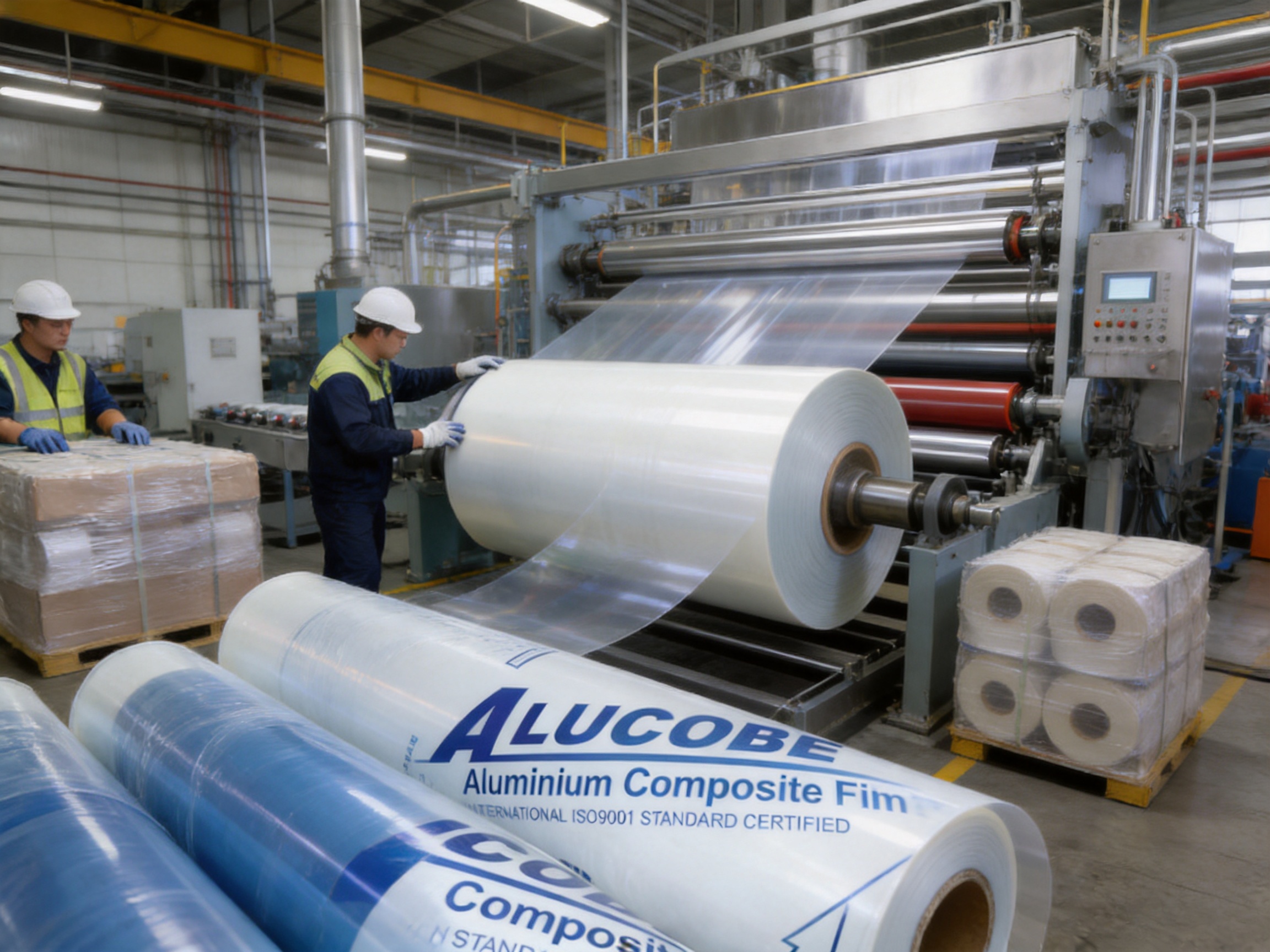
Wuxi Qida Tape Co., Ltd. operates as a manufacturer of temporary surface protection film and related protection products. Its production capability covers key stages including backing film production, adhesive coating, logo printing, rewinding, slitting, and packaging. Completing these processes within the company’s own factory supports better coordination between departments and more direct control over product consistency.
An integrated process also makes customization more practical. Customers can request specific thicknesses, widths, roll lengths, colors, adhesive systems, printing patterns, and packaging formats. Instead of relying entirely on multiple outside processors, the manufacturer can coordinate the complete order from technical evaluation through finished shipment.
The company has introduced advanced machines from Germany for protective film production. Modern equipment supports stable film formation, accurate coating, controlled drying, precise slitting, and reliable winding. Equipment capability alone does not guarantee performance, but it provides an important foundation for repeatable production.
In protective film manufacturing, process control is necessary because small variations can affect application behavior. Film thickness influences strength and flexibility. Adhesive coating weight affects tack and removal. Drying conditions influence adhesive stability. Slitting quality affects roll edges and machine performance. Rewinding tension affects whether the film telescopes, wrinkles, or unwinds unevenly.
The company works with experienced technicians, engineers, and research and development institutes to develop new protective film products. This technical approach is valuable because surface protection requirements continue to change. New coatings, decorative materials, recycled substrates, manufacturing speeds, and environmental conditions may require updated adhesive or film formulations.
Qida Tape can develop products according to customer technical data sheets or samples. This supports applications where a standard catalog product is not sufficient. The development process may include reviewing the substrate, identifying the desired adhesion level, studying the exposure period, assessing the application method, and testing removal performance.
The company operates a testing laboratory and uses inspection equipment to evaluate product quality. Relevant checks may include film thickness, width, appearance, adhesion, tensile behavior, elongation, print quality, winding condition, and removal characteristics. The exact testing program depends on the product specification and customer requirements.
Quality control is particularly important for protective film because defects may not become visible until the film is applied to a finished surface. Particles, coating streaks, wrinkles, edge damage, or inconsistent adhesive can interrupt a customer’s production line. Inspection before shipment helps reduce these risks and supports more reliable field performance.
The company is certified under ISO 9001 and ISO 14001 management systems. ISO 9001 supports a structured approach to quality management, documentation, process control, corrective action, and customer satisfaction. ISO 14001 provides a framework for environmental management and continual improvement.
The company also reports product compliance and testing related to SGS, RoHS, REACH, PFAS, and Proposition 65 requirements. Compliance needs vary by destination, product formulation, and customer industry, so buyers should request current documentation for the specific item being purchased. Nevertheless, attention to these requirements demonstrates an understanding of the regulatory expectations associated with international supply.
One of the main strengths of a professional protective film manufacturer is the ability to provide more than one standard width or adhesive formula. Construction and decoration materials vary considerably in size, surface energy, texture, and handling process. Customization can improve both performance and operating efficiency.
Films from approximately 30 to 100 micrometers can be selected according to the required balance of flexibility, strength, protection, and cost. A thinner film may be suitable for smooth indoor surfaces and light handling. A thicker film may be preferred where the material will experience more friction, longer transportation, or repeated handling.
Widths from 100 to 2,250 millimeters support small components as well as large decorative panels. Choosing a width close to the actual product size can reduce seams and minimize waste. Roll lengths from 100 to 2,000 meters can be matched to manual application, semi-automatic equipment, or continuous industrial production.
Color selection can support brand identity, warehouse organization, or process control. Clear film is useful when the surface must remain visible. Blue film is widely recognized as a temporary protection color, while black, white, red, green, yellow, and pink can distinguish product families or project stages.
Printing from zero to three colors allows instructions such as “Remove Before Use,” handling reminders, inspection information, or customer-specific wording. Printed film can also reduce confusion when multiple films are present at a construction site.
Adhesion should be specified based on the actual surface and process. Low adhesion can be appropriate for sensitive finishes and short indoor applications. Higher adhesion can be useful for rougher surfaces, more active handling, or longer application periods. The manufacturer can help determine the appropriate adhesive type and coating level after reviewing samples and conditions.
UV resistance from approximately three to twelve months can be selected according to the intended exposure. The expected duration should include storage, transport, installation, and any delay before final removal. It is generally safer to specify an exposure margin rather than selecting a film based only on the minimum anticipated period.
Before applying the film, the surface should be clean, dry, and free from loose dust, oil, moisture, and processing residues. Application over contamination can trap particles and create raised points beneath the film. If the surface has recently been coated, painted, polished, or treated, sufficient curing time should be allowed according to the material supplier’s instructions.
The film should be applied at a suitable temperature. Extremely cold conditions can reduce adhesive contact, while excessive heat can increase tack and make repositioning more difficult. The roll should be aligned with the product edge, and the film should be applied gradually rather than dropped onto the surface all at once.
A soft roller or squeegee can be used to press the film into contact and reduce trapped air. Excessive tension should be avoided, especially on large sheets or shaped components. Stretching the film too much during installation can cause shrinkage, edge lifting, or stress after application.
After application, the surface should be checked for bubbles, wrinkles, open edges, contamination, and incomplete contact. If the film is intended for processing, the film edges should not interfere with cutting, drilling, bending, or assembly operations. Trial application is recommended before full production, particularly for sensitive or high-value materials.
Protective film should be removed within the recommended period. Delayed removal can make the adhesive more difficult to release, particularly after prolonged sunlight, high temperature, or outdoor exposure. Removal should generally begin from an accessible corner and continue at a steady angle and speed.
If the film has been exposed to cold, heat, or direct sunlight, the removal method may need adjustment. The surface and film should be evaluated before large-scale removal. Any remaining adhesive should be addressed using a cleaning method compatible with the underlying material. Aggressive scraping or strong solvents may damage decorative coatings.
Unapplied rolls should be stored in a clean, dry area away from direct sunlight, high heat, moisture, and chemical vapors. Rolls should remain in their original packaging until required. Correct storage helps preserve adhesive performance and reduces the likelihood of edge damage, deformation, or contamination.
Polyethylene film can contribute to material efficiency by reducing damage, rework, replacement, and unnecessary transportation of replacement products. When a finished panel or decorative component is protected successfully, the manufacturer and contractor can avoid wasting the energy and resources used to produce and transport a replacement.
Polyethylene is recyclable where suitable collection and processing systems are available. Used film should be collected and managed according to local waste regulations and the presence of contamination such as paint, cement, oil, or adhesive residue. Product selection should also consider the customer’s environmental policy, packaging system, and end-of-life arrangements.
Environmental performance includes more than recyclability. Efficient manufacturing, reduced production waste, controlled energy use, responsible adhesive selection, and durable protection can all contribute to a lower overall impact. ISO 14001 certification provides a management framework for identifying and improving environmental aspects of production.
From an economic perspective, protective film is usually a relatively small cost compared with the value of the protected surface. The cost of film should be evaluated together with reduced cleaning time, lower damage rates, fewer rejected products, less rework, improved worker productivity, and more predictable project completion. A properly selected film can therefore provide value beyond its purchase price.
The first step is to identify the substrate. The supplier should know whether the surface is aluminum, coated metal, plastic, laminate, artificial marble, glass, ceramic, wood-based, or another material. Surface energy, gloss, texture, coating chemistry, and porosity all affect adhesive behavior.
The second step is to define the process. Information about cutting, drilling, bending, pressing, roll forming, painting, transportation, installation, and storage helps determine the required film strength and adhesion. A film for a static indoor display may be very different from a film used during high-speed panel processing.
The third step is to define the exposure period and environment. Indoor and outdoor applications should not be treated the same. The expected duration, ultraviolet exposure, temperature range, humidity, rainfall, and pollution level should be considered before selecting the film.
The fourth step is to determine the required appearance and printing. Clear film may be preferable for inspection, while colored film may improve identification. Printed instructions can help control removal timing and protect the product from premature exposure.
The final step is to perform a trial. A representative sample should be protected, processed, stored, and removed under conditions that resemble the actual project. The trial should evaluate application, adhesion, edge stability, visual effect, processing compatibility, removal force, and residue. This approach is more reliable than selecting a product based only on thickness or price.
The film is suitable for many building and decoration materials, including aluminum plastic composite panels, decorative laminates, artificial marble, aluminum ceilings, stainless steel, aluminum, pre-coated metal, plastic panels, ceramic surfaces, glass, carpets, and similar products. Compatibility should be confirmed for every new substrate.
The adhesive is specially formulated for clean application and removal when the film is correctly selected and used within the recommended conditions. The product is designed to reduce adhesive residue, ghost shadow, and fish-eye effects. Surface trials are recommended for long exposure, direct sunlight, unusual coatings, and sensitive materials.
Available adhesive systems include natural rubber, acrylic solvent, and acrylic water adhesive. Each offers different performance characteristics. The best choice depends on substrate, adhesion requirement, exposure period, temperature, weather conditions, and removal expectations.
Selected products can provide outdoor UV resistance for approximately three to twelve months. The actual period depends on the formulation, climate, surface temperature, sunlight intensity, and application conditions. Outdoor projects should use a product specifically selected and tested for the intended exposure.
Yes. Customized printing is available in up to three colors. Printing can include customer information, application instructions, removal reminders, warning messages, or product identification.
Thickness options range from approximately 30 to 100 micrometers, and widths range from about 100 to 2,250 millimeters. Roll lengths can range from 100 to 2,000 meters, depending on the order specification and application requirements.
The flexible polyethylene backing and high elongation provide good adaptability to slightly curved or shaped surfaces. Proper application technique is important. Deep contours, sharp edges, and complex three-dimensional shapes should be tested before production use.
Yes. The manufacturer can work from customer technical data sheets or samples and can adjust film thickness, width, color, adhesive type, adhesion level, roll length, printing, and packaging according to the project requirements.
A useful inquiry should include the substrate type, surface finish, product dimensions, processing steps, expected protection period, indoor or outdoor conditions, desired color, printing requirements, estimated quantity, and any existing sample or technical data sheet. Providing this information helps the technical team recommend a more suitable product.
The supplier has an integrated production process covering film production, adhesive coating, printing, rewinding, slitting, and packaging. It uses advanced equipment, maintains testing facilities, operates under ISO 9001 and ISO 14001 systems, and provides several adhesive technologies for different applications.
An experienced protective film manufacturer contributes more than production capacity. It provides application knowledge, formulation options, testing support, quality control, and communication between technical and commercial teams. These capabilities are important when the protected surface is expensive, the production line is fast, or the project involves long transportation and outdoor exposure.
Wuxi Qida Tape Co., Ltd. was founded in 1999 and operates a factory of approximately 20,000 square meters with more than 95 experienced employees. Its annual production capacity exceeds 12,000 tons, and its products are supplied to customers in China and numerous export markets across Europe, North America, Australia, the Middle East, Japan, and other regions.
The company’s production and development strengths include customized formulations, competitive cost control, multiple adhesive options, quality inspection, technical support, and integrated processing. Its engineers can help customers select a suitable film for a particular surface or develop a product around customer samples and technical requirements.
For international buyers, documentation and compliance support are also important. The company reports systems and testing connected with ISO9001, ISO14001, SGS, RoHS, REACH, PFAS, and Proposition 65. Buyers should confirm the current certificates and reports applicable to the exact product and destination market before placing an order.
Protective film for building and decoration materials is an important temporary protection solution for manufacturers, fabricators, distributors, contractors, and installers. It helps protect aluminum plastic composite panels, decorative laminates, artificial marble, aluminum ceilings, metal products, glass, ceramic surfaces, and other finished materials against scratches, dirt, marks, and damage during processing, transportation, installation, and maintenance.
The main advantages of this product range are its tough polyethylene backing, flexible construction, selectable adhesion levels, multiple adhesive technologies, clean removability, customized colors, optional printing, and available UV resistance. These features allow the film to be tailored to different substrates and working environments instead of relying on a one-size-fits-all solution.
The manufacturing capabilities of Wuxi Qida Tape Co., Ltd. further strengthen the product offering. Integrated production, advanced equipment, in-house testing, experienced engineers, research and development cooperation, ISO management systems, and international compliance experience support consistent and customized supply.
When selecting a protective film, buyers should evaluate the surface, processing conditions, exposure period, application method, removal schedule, and environmental requirements. A representative trial is the best way to confirm compatibility. With the correct specification and application procedure, protective film can reduce damage, improve construction efficiency, lower cleaning and rework costs, and preserve the original appearance of valuable building and decoration materials.
1. ISO 9001, Quality Management Systems — Requirements.
2. ISO 14001, Environmental Management Systems — Requirements with Guidance for Use.
3. ASTM D882, Standard Test Method for Tensile Properties of Thin Plastic Sheeting.
4. ASTM D3330, Standard Test Method for Peel Adhesion of Pressure-Sensitive Tape.
5. ASTM D1000, Standard Specification for Pressure-Sensitive Adhesive-Coated Tapes for Electrical and General Applications.
6. European Parliament and Council, Regulation on Registration, Evaluation, Authorisation and Restriction of Chemicals.
7. European Parliament and Council, Restriction of Hazardous Substances Requirements for Electrical and Electronic Equipment.
8. General technical guidance for temporary surface protection films, adhesive coating, storage, application, and removal.
9. Manufacturer-provided product specifications for polyethylene protective film, adhesive systems, printing, UV resistance, and customized processing.
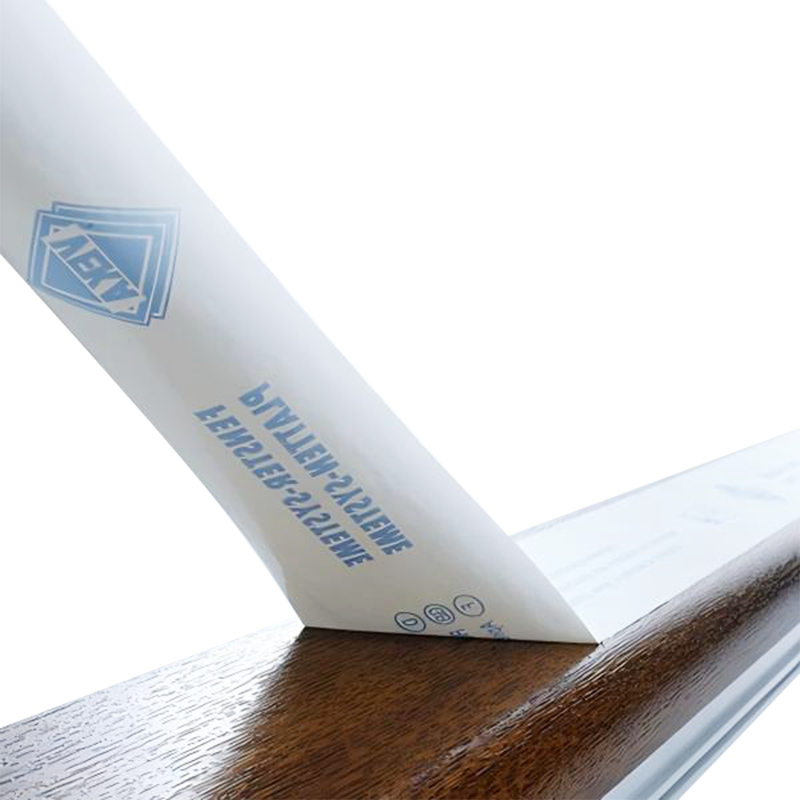
● Good weatherability for outdoor exposure; ● Stable adhesion level; ● UV resistance for up to 12 months; ● Can print customized logo or application i...
See Details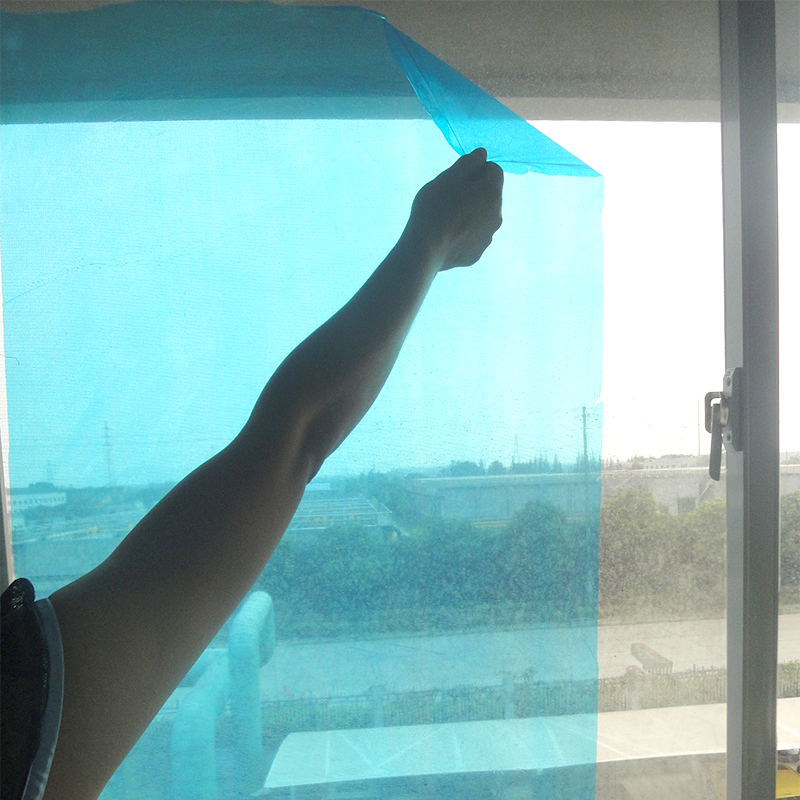
● Protect window glass against paint splatters, dirt, staining, and spillages during painting, building, plastering, tiling, general maintenance and r...
See Details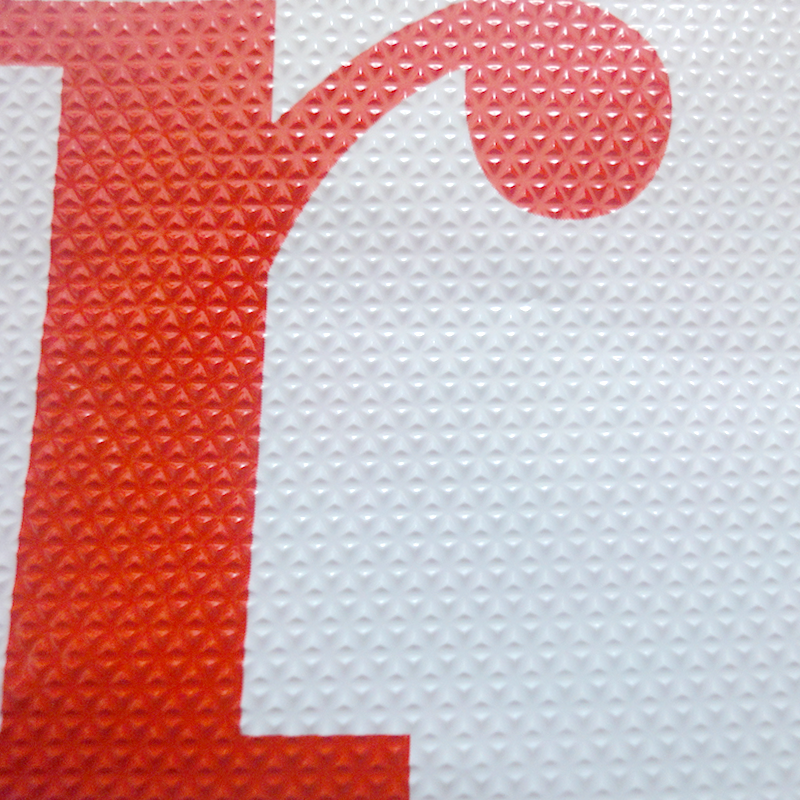
● Anti-slip; ● Embossed film surface to guarantee trip safety;● Tough puncture-resistant polyethylene film;● Can be coated with or without adhesive;● ...
See Details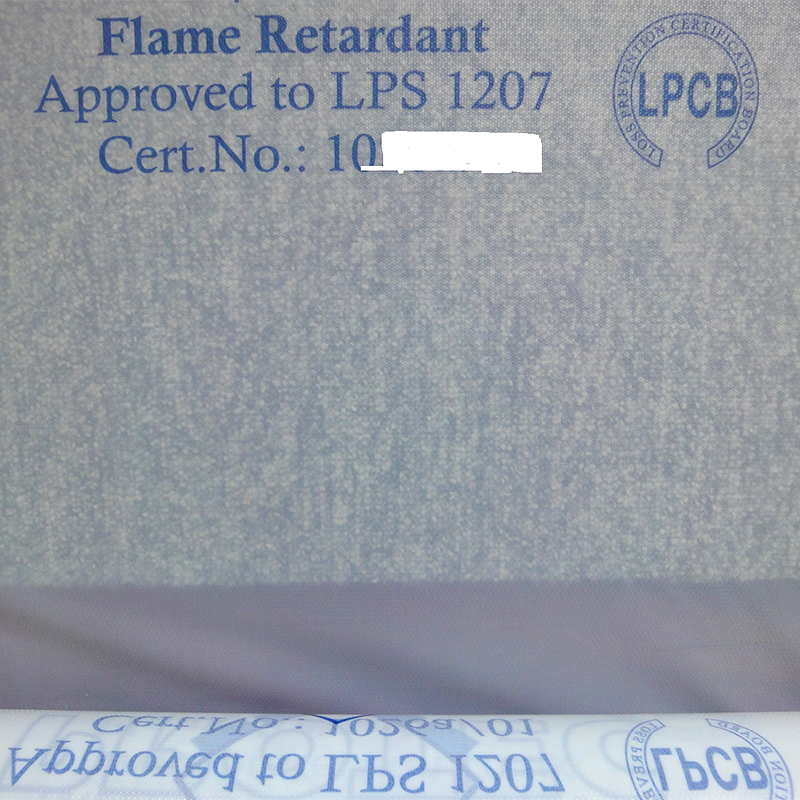
● Prevents costly damages in case of fire /flame;● Meet the strict international test standards of loss prevention; ● Extensive selection for flame re...
See Details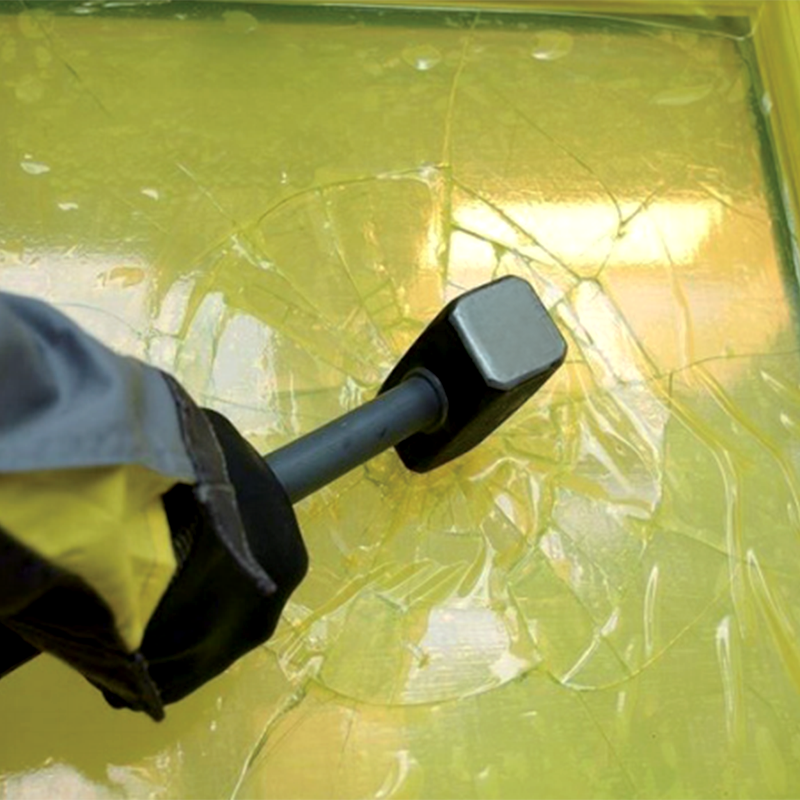
● The super tough polyethylene film with super high adhesion can stop the glass splitting and falling off during window glass demolition process;● Non...
See Details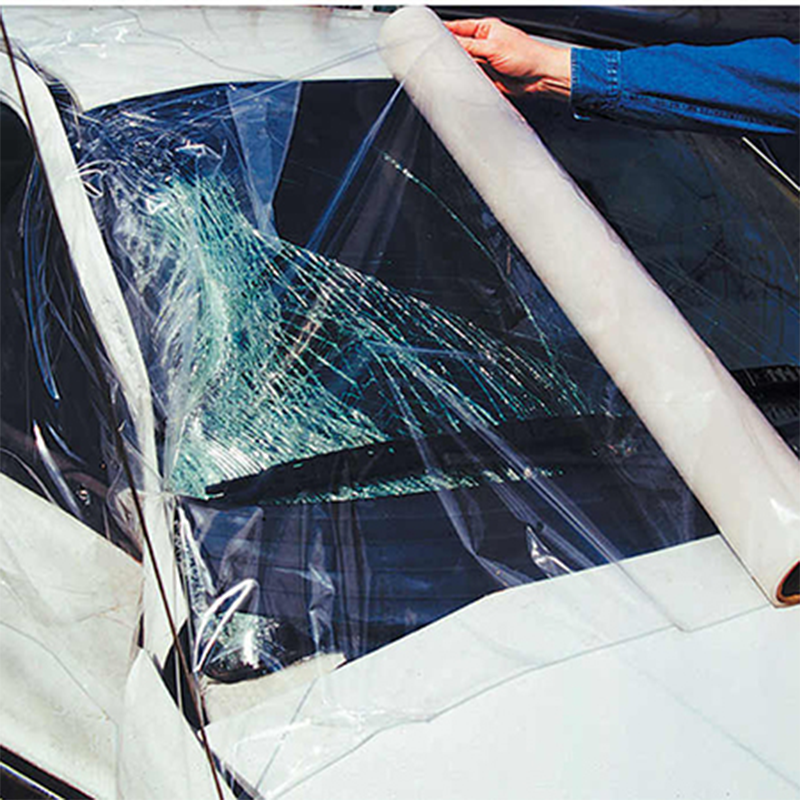
● The super-tough polyethylene film resists puncture and penetration by rain, snow, debris, and dirt during the transportation and storage of the cras...
See Details
● The specially formulated adhesive ensures easy application and removal without leaving residue glue; ● The super-tough polyethylene film protects ag...
See Details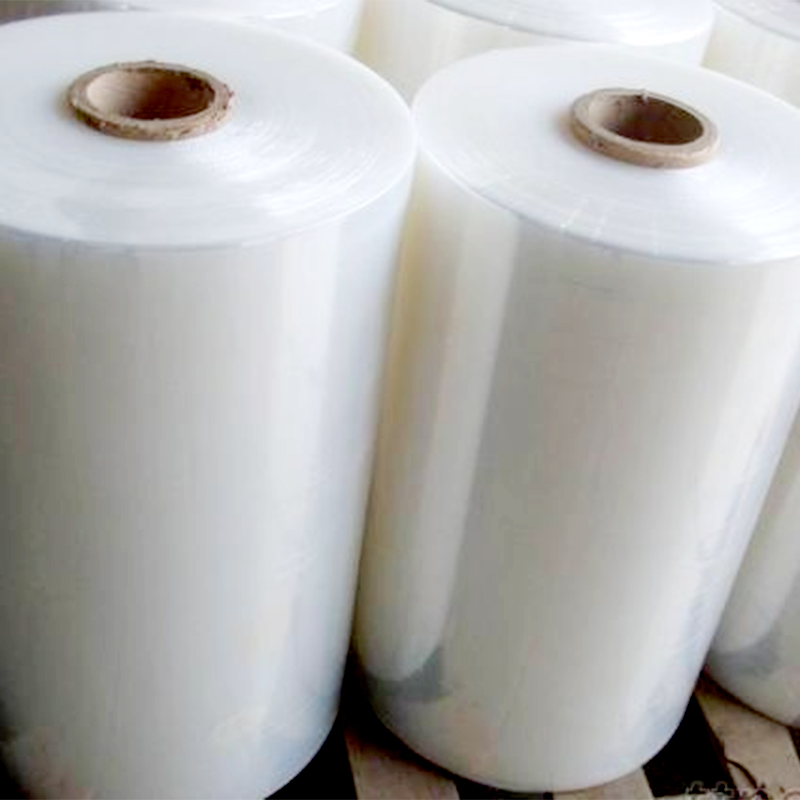
● Excellent puncture and tear resistance; ● Self-adhering-each layer of film bonds to the next for added strength; ● Big roll size to save cost and re...
See Details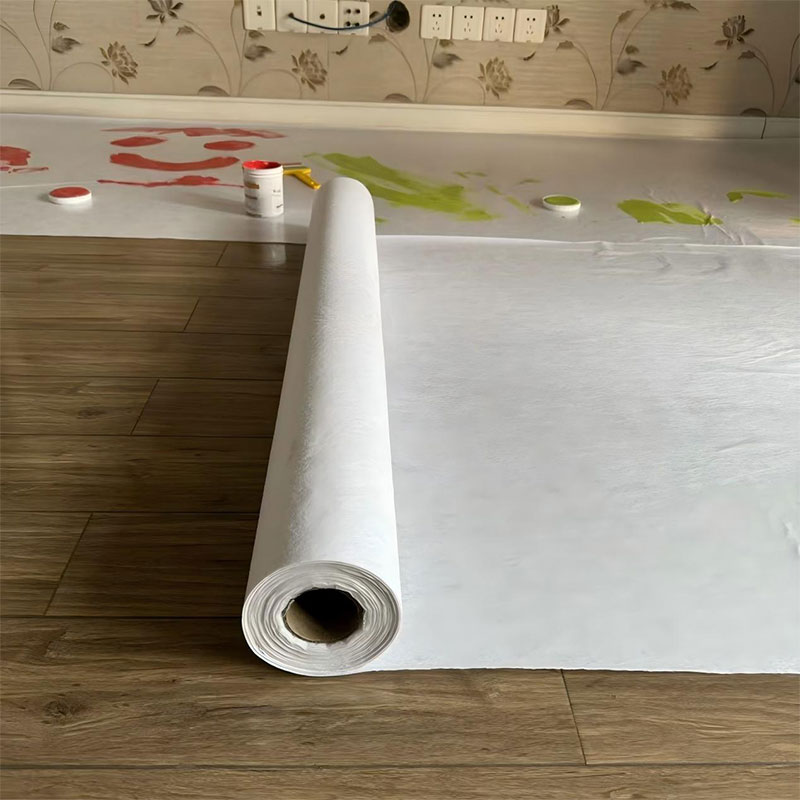
This product has non-woven synthetic fleece in middle; PE film adhered onto top of the non-woven fabric, which is coated with self adhesive glue on it...
See Details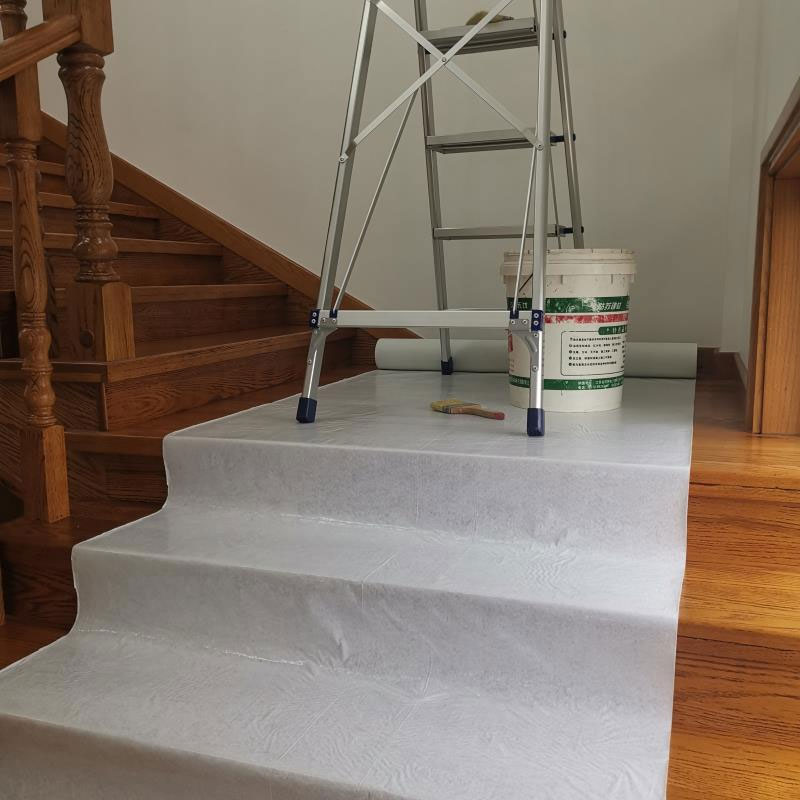
This product has non-woven synthetic fleece in middle; Breathable PE film adhered onto top of the non-woven fabric, which is coated with self adhesive...
See DetailsWe’re a reliable partner that shapes our expertise into success for your project.
Copyright 2024 Wuxi Qida Tape Co., Ltd. All Rights Reserved
 Wholesale Protective Film/Foil Manufacturers
Privacy