

 English

 English
 русский
 Français
 Español
 Português
 عربى


Cat:Glue -coated Protective Film
● Good weatherability for outdoor exposure; ● Stable adhesion level; ● UV resistance for up to 12 months; ● Can print customized logo or application i...
See Details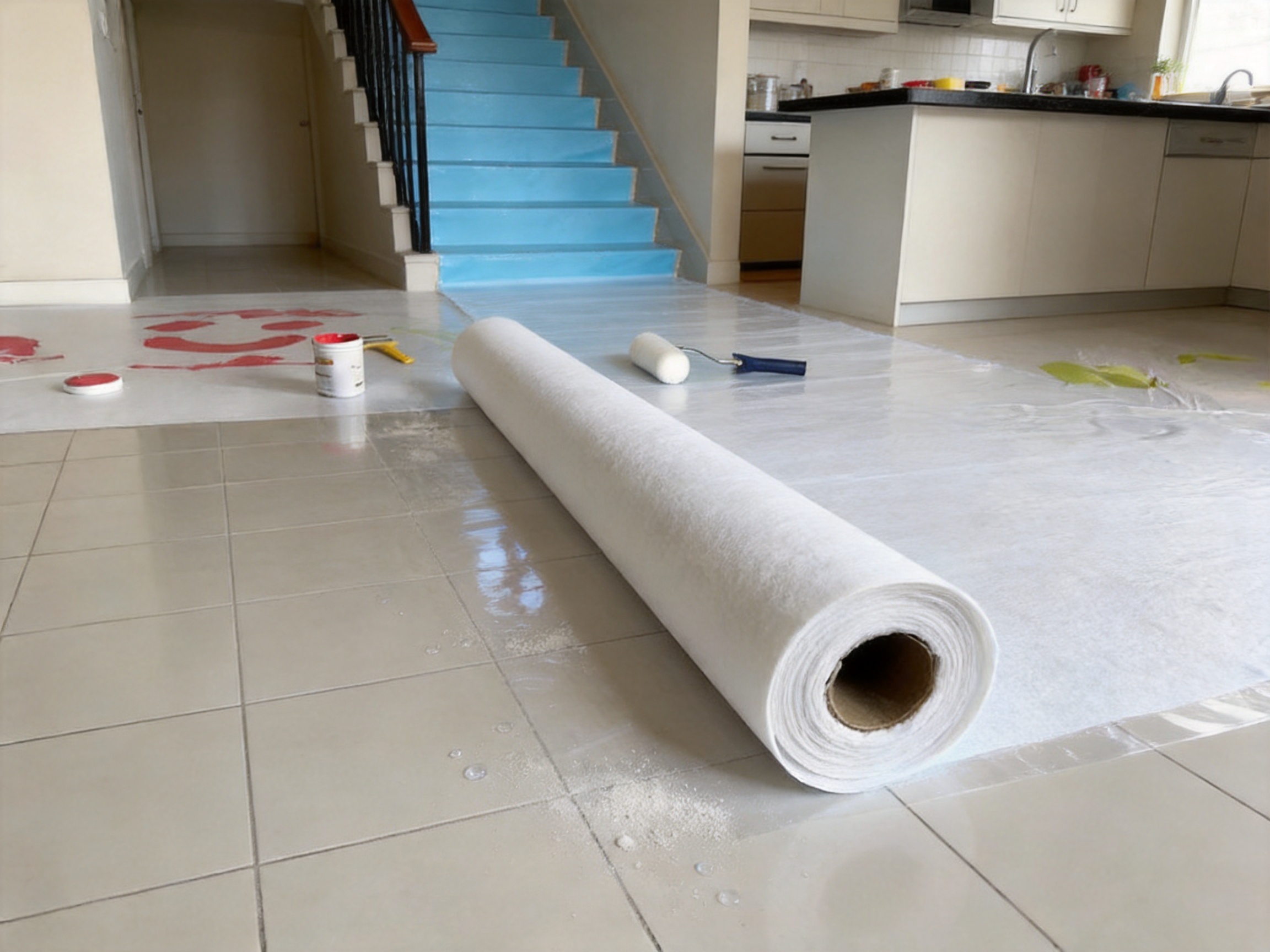
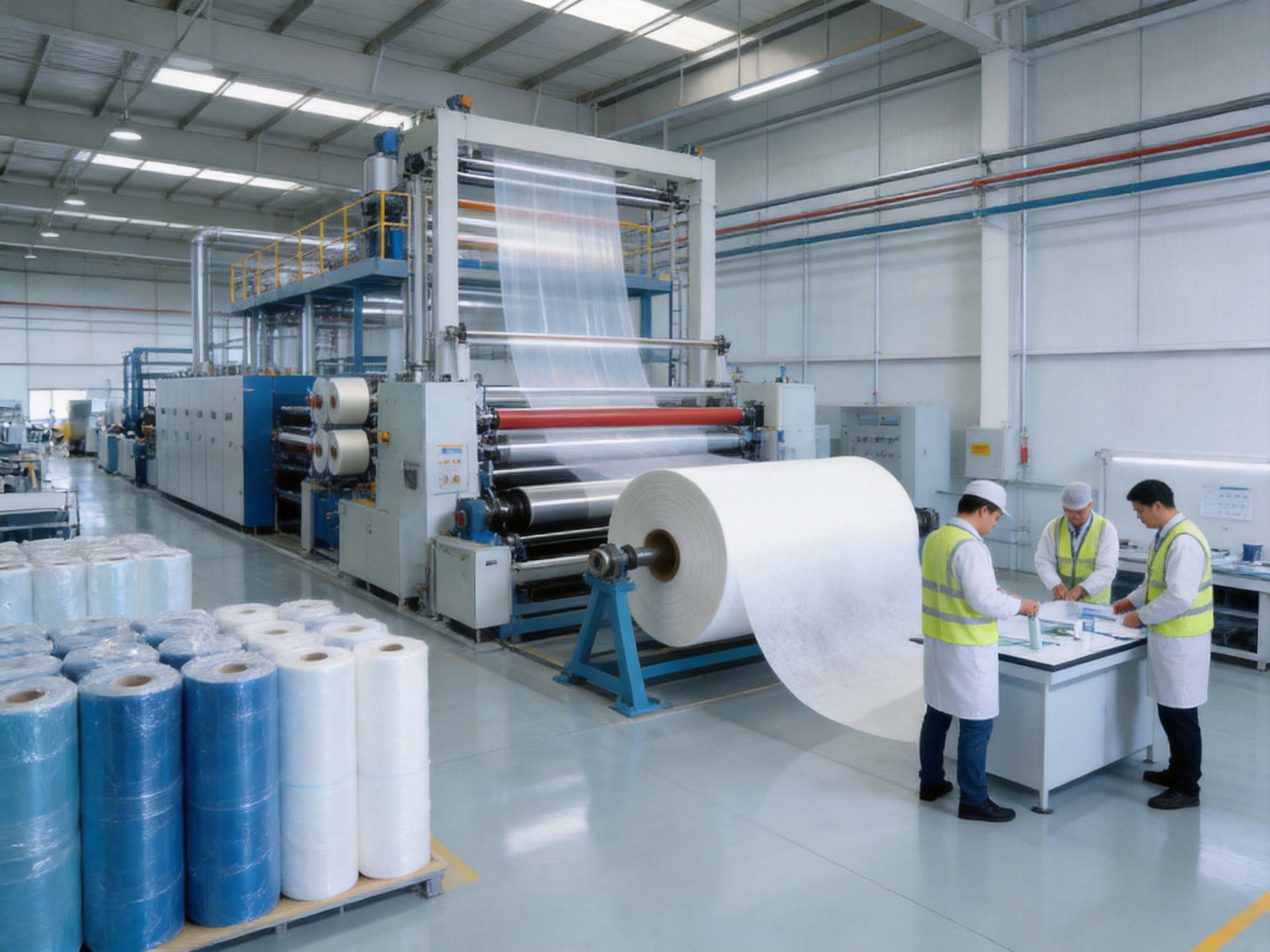
Surface damage is a common and costly problem in construction, renovation, manufacturing, interior installation, and property maintenance. Finished floors, staircases, kitchen worktops, ceramic surfaces, sanitary ware, decorative laminates, and other hard surfaces may be exposed to scratches, stains, impact marks, dust, moisture, paint, solvents, and repeated foot traffic before a project is completed. Once damage occurs, contractors and property owners may face cleaning costs, repair delays, replacement expenses, disputes, and lost customer confidence.
Standard Surface Protection Felt is designed to provide a practical temporary barrier between finished surfaces and the risks present in active work areas. It combines a non-woven synthetic fleece layer with a polyethylene film on the upper side and a self-adhesive coating on the reverse. This layered construction helps protect hard surfaces from mechanical damage and spilled liquids while also offering a stable, easy-to-install covering for construction and renovation work.
Unlike ordinary plastic sheets, loose paper coverings, or conventional tape-fixed protective materials, this surface protection fleece is engineered to remain in position without requiring separate tape. Its non-slip structure supports safer movement across the worksite, while its waterproof polyethylene backing helps prevent water, paint, and solvent penetration. The material can be cut, applied, wiped, vacuumed, removed, and disposed of with minimal effort.
The product is available in a broad range of fabric weights, widths, roll lengths, adhesion levels, backing film colors, and printing options. This flexibility allows distributors, contractors, flooring specialists, renovation companies, and industrial users to select a configuration suited to the surface, duration, traffic level, and project environment.
Standard Surface Protection Felt is a temporary protective covering made from three functional components. The middle layer consists of non-woven synthetic fleece. The top side is laminated or adhered with a polyethylene film, and the underside is coated with a self-adhesive glue system. Together, these layers create a protective material that combines cushioning, water resistance, surface stability, and convenient installation.
The non-woven fleece provides body and resilience. It helps absorb minor impacts, reduces direct contact between tools and the protected surface, and gives the material a flexible yet durable structure. Because the fleece is synthetic, it can withstand the demands of construction and renovation environments better than many low-strength paper-based coverings.
The polyethylene film forms a waterproof upper barrier. It helps stop spilled water, paint, solvents, cleaning liquids, and other common jobsite substances from reaching the floor or work surface. The film also makes the protective covering easier to wipe clean. Where dust, mud, or liquid contamination is likely, this barrier can make daily site maintenance more manageable.
The reverse side contains a self-adhesive layer with a low-to-medium adhesion range. This adhesive helps the product remain in place without the need for separate masking tape or duct tape. Properly selected adhesion is important: the covering should stay stable during use while also allowing removal without transferring glue or damaging the finished surface.
This construction makes the product particularly suitable for temporary protection. It is not intended to replace permanent flooring, waterproof membranes, impact barriers, or industrial safety systems. Instead, it provides a convenient first line of defense during periods when completed surfaces must remain exposed to construction activity, installation work, finishing operations, transportation, or maintenance.
Newly installed surfaces are often vulnerable precisely when the highest level of site activity is taking place. Flooring may be installed before walls, ceilings, cabinetry, lighting, plumbing, or electrical fixtures are finished. Workers may need to move ladders, carts, tools, tiles, panels, boxes, and equipment across areas that are already complete.
Even careful workers can unintentionally create damage. Fine grit under footwear may act like abrasive powder. A dropped hand tool may leave a dent or scratch. Metal components can create sharp contact points. Paint and adhesive residues may bond to porous or textured surfaces. Water can reach joints, seams, edges, or absorbent materials. Solvents and other liquids may discolor coatings or attack sensitive finishes.
Temporary protection helps reduce these risks and supports a more organized workflow. When a reliable protective covering is installed early, contractors can continue work without repeatedly moving loose sheets or worrying about whether the floor covering has shifted. A stable covering also makes it easier to separate clean areas from active work zones.
For property owners, the value of temporary protection extends beyond avoiding visible damage. A clean, undamaged finished surface improves the handover experience and reduces the need for last-minute cleaning or corrective work. For contractors, it can help reduce callbacks, protect project schedules, and demonstrate attention to quality.
The non-woven synthetic fleece layer is the structural foundation of the product. Unlike a simple thin film, fleece has a fibrous construction that adds thickness, flexibility, and resistance to tearing. It helps the covering conform to the surface while maintaining enough integrity for installation, walking, cleaning, and removal.
The fleece also contributes to the product’s cushioning effect. It cannot prevent severe impact damage from heavy machinery or falling objects, but it can reduce direct abrasion and help distribute ordinary contact. This is particularly useful on tiled floors, parquet, laminate flooring, stairs, kitchen worktops, ceramics, and sanitary ware where minor marks can be difficult or expensive to repair.
Available fabric weights range from 100g to 250g. Lighter configurations may be suitable for short-duration work, light traffic, and applications where easy handling is the main priority. Heavier grades provide a more substantial feel and may be preferred for longer projects, busier construction areas, or surfaces that require increased resistance to routine wear.
The polyethylene film on the upper side gives the product a water-resistant and wipeable surface. During renovation work, liquids may include clean water, dirty water, paint, primer, sealant, cleaning solutions, and selected solvents. A protective film layer helps keep these substances from passing through the covering under normal temporary-use conditions.
The film also improves housekeeping. Dust and liquid residues can often be removed with wiping or vacuuming, allowing the protection to remain serviceable during an extended project. This is a practical advantage over absorbent materials that become saturated, heavy, and difficult to handle after a spill.
Backing film color options include blue, clear, white, and other available colors according to production requirements. Color selection can support project identification, visual organization, or customer branding. A colored film may make the protected zone easy to recognize, while a clear option can allow the underlying surface to remain partially visible.
The self-adhesive coating is designed to hold the protective felt in place without requiring separate tape. This reduces the number of installation steps and can help create a cleaner appearance at seams and edges. It also reduces the risk of loose tape ends collecting dirt or creating trip points.
The available adhesion level ranges from low to medium. This range is important because temporary protection must balance stability and removability. Excessively weak adhesion may allow the material to move during traffic, while excessively aggressive adhesion may create removal concerns on delicate finishes. The appropriate grade should always be selected according to the surface type, coating condition, temperature, duration, and manufacturer guidance.
Before full installation, users should test a small, inconspicuous area. The surface should be clean, dry, and free from loose dust, oil, wax, uncured coatings, and moisture. Testing is especially important on newly finished floors, sensitive paints, natural stone, porous materials, and surfaces with unusual coatings.
Standard Surface Protection Felt
Loose plastic sheets may slide, wrinkle, or bunch up under foot traffic. Paper can tear or move when exposed to moisture. Conventional cloth coverings may absorb liquids and become unstable. Standard Surface Protection Felt is designed to provide a more stable covering through the combined effect of the fleece structure and self-adhesive backing.
A non-slip protective layer does not eliminate all site hazards. Workers must still maintain clear walkways, remove debris, manage cables, and follow appropriate safety procedures. However, a covering that stays in position can reduce the movement, folds, and loose edges associated with unsecured temporary materials. This can support a more orderly and safer construction environment.
One of the most important advantages of a polyethylene-backed fleece is its ability to resist liquid penetration. Water, paint, and selected solvents are common sources of accidental surface contamination. By placing a waterproof film between the spill and the finished surface, the product gives workers time to identify, wipe, and remove the liquid before it causes permanent damage.
Water resistance also helps protect the fleece itself from becoming saturated. This supports easier cleaning and handling. Nevertheless, the covering should not be treated as a permanent liquid-containment system. Spills should be cleaned promptly, and the edges, seams, and joints should be checked where a large quantity of liquid is present.
The product is described as resistant, extremely robust, and reusable. These characteristics are valuable for contractors who move protection from one area to another or use the same material during several stages of a project. Reusability depends on the condition of the fleece, the cleanliness of the film, the remaining adhesive performance, and the type of work performed over it.
A reusable protective material can reduce waste and improve the cost efficiency of temporary site protection. After removal, users can inspect the covering, remove loose debris, wipe the surface, and determine whether it remains suitable for another application. Damaged, contaminated, or heavily worn material should be replaced rather than reused in a way that compromises protection.
Installation efficiency is a major practical advantage. Separate tape can require additional labor, create uneven seams, leave adhesive residues, or detach when exposed to dust and moisture. Because this product has a self-adhesive reverse side, workers can position and secure it as part of one installation process.
The material can be unrolled, aligned, pressed into place, and cut to fit around corners, posts, stairs, fixtures, and other obstacles. When multiple strips are required, users can plan overlaps and seams according to project conditions. Careful alignment helps reduce exposed gaps and improves the overall appearance of the protected area.
No-residue removal is a central requirement for temporary surface protection. When the adhesive grade is correctly matched to the substrate and the product is used within appropriate conditions, the covering can be removed without transferring glue to the protected surface. This helps reduce post-project cleaning and protects the appearance of finished materials.
Residue performance may be affected by heat, prolonged exposure, ultraviolet radiation, moisture, surface contamination, chemical contact, and the condition of the underlying finish. For this reason, users should follow recommended application periods and conduct a compatibility test before large-scale installation.
The polyethylene top layer can be wiped and vacuumed. This is useful in active areas where dust and loose debris accumulate throughout the day. Regular cleaning helps maintain a more professional worksite and can prevent abrasive particles from being dragged across the surface of the covering.
Cleaning should be performed with methods compatible with the film and the project environment. Users should avoid aggressive chemicals or sharp tools that could puncture the protective layer. If the film has been breached, the affected section should be evaluated and replaced if necessary.
Tile surfaces may be exposed to impact, grout residue, paint, dust, and traffic after installation. A protective fleece can help cover the tiles while other trades continue their work. The cushioning layer reduces direct abrasion, while the film helps prevent liquid stains from reaching the grout lines and tile surface.
Installation should account for tile joints, uneven transitions, thresholds, and changes in level. The covering should lie flat, and edges should not create avoidable trip hazards. On newly grouted or recently sealed surfaces, users should confirm that the finish has fully cured before applying protection.
Wood flooring and laminate products can be sensitive to scratches, moisture, dirt, and pressure points. Temporary protection is especially important when cabinets, appliances, doors, or other heavy components are being moved through the area.
The low-to-medium adhesion option may be suitable for many temporary applications, but compatibility must be confirmed because wood finishes and laminate coatings vary. Moisture should not be allowed to accumulate beneath the covering for long periods. Regular inspection is recommended, particularly in areas near entrances, plumbing work, or wet trades.
Staircases receive repeated foot traffic and are frequently used to transport tools and materials. Their shape makes loose coverings difficult to manage. Flexible protective felt can be cut and positioned to follow stair treads and risers, helping protect finished surfaces during construction.
Stair installation requires additional attention to edge security and worker safety. The covering must not create loose folds, raised corners, or slippery transitions. Each step should be checked after installation, and damaged sections should be replaced promptly.
Kitchen worktops may be exposed to drilling, cabinet installation, plumbing connections, sealants, tools, and construction dust. Scratches or stains on stone, engineered materials, laminate, or other worktop finishes can be highly visible. A wipeable waterproof covering provides a convenient barrier during the final stages of installation.
Users should ensure that the worktop is clean and dry before application. Special care should be taken around sinks, taps, edges, cutouts, and joints, where liquid may collect or seep beneath the protection.
Basins, toilets, bathtubs, shower trays, ceramic panels, and related products can be damaged during installation or final site work. Cut sections of protective felt can help cover exposed surfaces and reduce contamination from dust, paint, and handling.
The product should not be used as a substitute for rigid packaging where the item is exposed to heavy impact or stacking pressure. For installed sanitary ware, it can serve as a temporary surface covering while other construction activities are completed nearby.
Renovation projects often involve several trades working in limited spaces. Demolition, plastering, painting, carpentry, electrical work, flooring, and furniture installation may take place in sequence. Protection fleece helps create a temporary boundary between finished surfaces and ongoing work.
Its ability to be wiped and vacuumed makes it suitable for longer renovation periods. Contractors can maintain a cleaner site without removing the entire covering after every minor spill or dusty operation.
The available specifications allow users to select a configuration based on handling needs and project conditions. The following table summarizes the main product characteristics.
| Characteristic | Available Range or Option | Typical Selection Consideration |
|---|---|---|
| Fabric weight | 100g to 250g | Choose lighter grades for easy handling and heavier grades for increased body and durability. |
| Width | 300mm to 1500mm | Select narrow widths for steps and worktops or wider rolls for floors and large areas. |
| Roll length | 5m to 100m | Short rolls support convenient handling; long rolls can improve installation efficiency on large projects. |
| Adhesion level | Low to medium | Match adhesion to the substrate, project duration, and required removal behavior. |
| PE film color | Blue, clear, white, and other options | Color may support visibility, area identification, or customized presentation. |
| Printing | 0 to 3 colors | Printing may be used for logos, handling instructions, warnings, or product identification. |
Customization is useful for distributors and professional users who need consistent packaging or project-specific identification. Printed film can help distinguish a product from competing coverings and may support brand recognition when supplied for private-label or contract applications. Printing requirements should be confirmed in advance, including artwork, color standards, repeat distance, and minimum order expectations.
Width selection is also important for controlling labor costs. A wider roll can cover a large floor area with fewer seams, while a narrower roll may be easier to carry, cut, and position around stairs, counters, corridors, and small rooms. Roll length should be selected according to transport, storage, and installation conditions.
Before installation, inspect the surface for loose debris, moisture, dust, oil, wax, uncured coatings, sharp projections, and existing damage. The protective material performs best when applied to a clean, dry, and stable substrate.
Any sharp particles should be removed because they may create pressure points beneath the covering. Existing damage should be documented with photographs or written records if the protection is being installed in a commercial or contractual setting.
Apply a small piece of the product in an inconspicuous location. Leave it for an appropriate test period and then remove it carefully. Check whether the adhesive has transferred, whether the surface finish has changed, and whether removal causes lifting or discoloration.
Testing is particularly important for recently applied coatings, delicate natural materials, porous substrates, temperature-sensitive finishes, and surfaces exposed to sunlight or heating systems.
Measure the area before unrolling the material. Plan the direction of installation, the position of seams, the location of overlaps, and the treatment of corners and thresholds. Good planning reduces waste and helps ensure that vulnerable edges are not left exposed.
On large floors, installation may proceed from the far end of the room toward the exit. On stairs, workers should plan the sequence so that the protected steps remain safe to use during installation.
Unroll the felt gradually and align it with the surface. Avoid dragging the roll across dusty or sharp areas. If the material is being installed over a large floor, keep the fleece flat and prevent wrinkles from forming.
Where the product is supplied with a release liner, remove the liner progressively rather than all at once. This allows the worker to control alignment and reduces accidental bonding in the wrong position.
Press the material firmly and evenly so the adhesive can contact the surface. Pay particular attention to edges, corners, transitions, and areas exposed to repeated foot traffic. Avoid creating air pockets, folds, or raised seams.
When joining strips, arrange the seam so that it does not create an unnecessary trip point. Depending on the project requirements, strips may be butted or overlapped. The selected approach should maintain coverage and allow practical removal.
After installation, inspect the entire area. Check for exposed sections, loose edges, wrinkles, punctures, or unexpected movement. During the project, vacuum or wipe the top surface as needed and inspect areas near entrances, wet work, and high traffic.
If liquid has entered beneath the covering or the adhesive has lost stability, remove the affected section, clean and dry the substrate, and install new protection if required.
When the project stage is complete, remove the material slowly and at a low angle. Avoid sudden pulling, especially on delicate finishes. Inspect the protected surface after removal and clean any remaining dust according to the surface manufacturer’s guidance.
Reusable material should be checked for tears, excessive contamination, and loss of adhesive performance. Material that is no longer suitable should be disposed of according to local waste management requirements.
The performance of a surface protection fleece depends not only on its design but also on how consistently it is manufactured. Uniform fleece weight, reliable film bonding, controlled adhesive coating, accurate slitting, and secure packaging are all important. Variations in any of these stages may affect installation, stability, appearance, or removal.
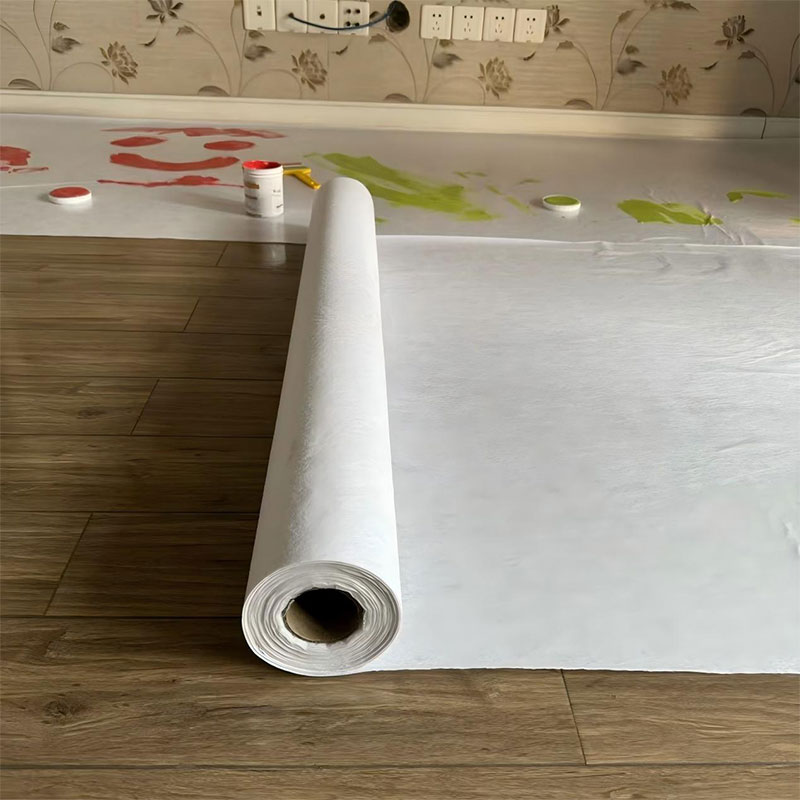
The manufacturer operates production processes that include backing film production, adhesive coating, logo printing, rewinding, slitting, and packaging. Keeping these operations within its own factory supports closer process coordination and allows production teams to manage specifications from raw material conversion through finished roll preparation.
Integrated production can also improve responsiveness when customers require special widths, different film colors, customized printing, or specific roll lengths. Rather than coordinating every stage through separate suppliers, an integrated factory can align film production, coating, converting, and packaging around one technical specification.
Advanced machines introduced from Germany support the company’s manufacturing capabilities. Modern equipment can contribute to more consistent coating, improved web handling, better slitting accuracy, and more stable production output. Equipment alone does not guarantee product quality, but it provides an important foundation when combined with trained operators, documented procedures, and regular inspection.
The company employs experienced technicians and engineers and works with research and development institutes. This technical structure supports the development of protective film and fleece products for different surfaces and industrial requirements. It also allows the manufacturer to evaluate adhesive options, backing materials, and product constructions rather than relying on a single standard formula for every application.
Different surfaces and industries may require different adhesive technologies. The company offers acrylic water adhesive, acrylic solvent adhesive, and natural rubber adhesive options. These adhesive families can provide different balances of tack, removability, temperature resistance, aging behavior, and compatibility.
For temporary surface protection, adhesive selection must be considered alongside the substrate. A formulation suitable for stainless steel may not be appropriate for a freshly coated panel, natural stone, plastic surface, or delicate decorative laminate. Professional technical support is therefore valuable when customers are selecting a product for a new application or unfamiliar material.
The company has a testing laboratory and advanced inspection equipment for product quality control. Testing can help evaluate characteristics such as appearance, film integrity, coating uniformity, adhesion behavior, roll dimensions, and resistance to handling. Specific test methods and acceptance criteria should be agreed upon between the manufacturer and customer for customized products.
Quality control is especially important for protective materials because defects may remain hidden until the product is applied at a customer site. A split roll, uneven adhesive coating, poor lamination, or incorrect width can disrupt installation and increase labor costs. Factory inspection helps identify such issues before shipment.
The company is certified under ISO 9001 and ISO 14001 management systems. ISO 9001 relates to quality management practices, while ISO 14001 focuses on environmental management systems. These frameworks can support documented procedures, corrective actions, process monitoring, resource management, and continuous improvement.
The company’s stated compliance and testing portfolio includes SGS, RoHS, REACH, PFAS, and Prop 65 testing. Customers should confirm the specific test reports, product scope, test dates, and applicable versions for the exact product configuration being purchased. Compliance documentation is most useful when it clearly corresponds to the substrate, adhesive, film, and production specification supplied.
Factory-direct purchasing can provide advantages for importers, distributors, contractors, and original equipment manufacturers. Direct communication with the production team may simplify specification discussions, reduce unnecessary intermediaries, and make it easier to address technical questions.
Customization is another important benefit. Buyers may request specific fabric weights, widths, roll lengths, colors, adhesion levels, printing options, packaging formats, or private-label requirements. A manufacturer with in-house production and converting capabilities is generally better positioned to evaluate whether a requested specification is technically and commercially feasible.
Competitive cost is also supported by production scale. The company reports an annual production capacity of more than 12,000 tons, a factory area of 20,000 square meters, and more than 95 experienced staff members. These resources can support larger orders and repeat supply programs, although actual lead times depend on product configuration, order quantity, production scheduling, and shipping requirements.
Export experience is another consideration. The products are sold across China and exported to Europe, North America, Australia, the Middle East, Japan, and other regions. Experience with different markets may help the supplier understand varied packaging expectations, documentation needs, technical questions, and delivery arrangements.
A strong supplier relationship should include more than price negotiation. Buyers should evaluate sample performance, adhesive compatibility, roll consistency, packaging quality, technical response, quality documentation, production capacity, and after-sales communication. A supplier that can support product selection before the order and troubleshooting after delivery can create greater long-term value.
For short interior projects with limited traffic and low contamination risk, a lighter fabric weight and shorter roll may be adequate. A narrow width can be useful for corridors, small rooms, stairs, and worktops. Low adhesion may be preferred where quick removal is important and the substrate is particularly sensitive.
Longer projects may require a heavier fleece, a stronger and more stable construction, and a roll length that reduces the number of seams. Regular cleaning and inspections become more important as the protection remains in place for an extended period. Customers should confirm the recommended maximum application duration for the selected adhesive and surface.
Busy areas may benefit from a higher fabric weight and careful seam planning. The product should be installed over a clean, stable surface, and edges should be checked frequently. If heavy equipment, sharp metal components, welding, hot work, or severe impact is expected, additional rigid protection may be required above or below the fleece.
Distributors and retailers may choose customized film colors and one- to three-color printing. Printed information can identify the product, communicate handling instructions, support private labeling, and make the covering more visible on a jobsite. Packaging should be designed to protect the rolls from moisture, crushing, and contamination during storage and transport.
Environmental performance involves more than selecting a synthetic product. Users should consider how much material is needed, whether the covering can be reused, how long it remains serviceable, and how it will be disposed of. A durable product that can be reused may reduce the frequency of replacement during a project.
The company states that the product is free from harmful substances and that its management and compliance systems include environmental and chemical-related standards. Buyers should request current documentation for the exact construction and adhesive system, particularly when projects have formal environmental specifications or building certification requirements.
Operational practices also affect environmental impact. Accurate measurement can reduce offcuts. Reusing clean material in secondary areas can extend its service life. Separating protective film waste from other construction waste may support more organized disposal, subject to local recycling infrastructure and regulations.
Users should not burn the material or dispose of it in ways prohibited by local law. The polyethylene film, synthetic fleece, and adhesive layer may require handling as mixed material. Disposal requirements vary by region and project type.
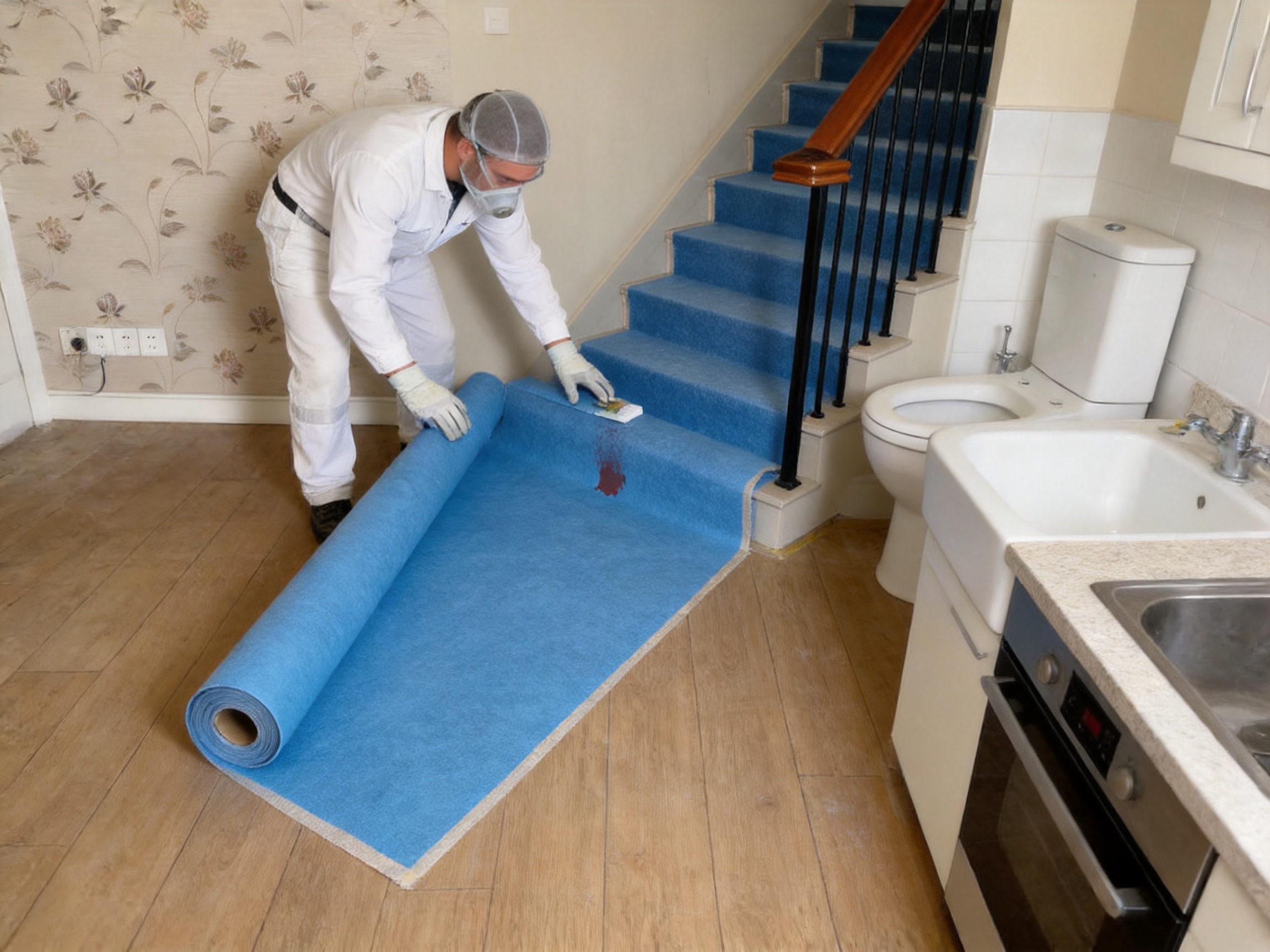
It can be used for many hard finished surfaces, including tiled floors, parquet, laminate flooring, stairs, kitchen worktops, ceramics, sanitary ware, and similar substrates. Surface compatibility should be confirmed before full installation, especially for delicate, newly finished, porous, or chemically sensitive materials.
The polyethylene film provides waterproof protection against common temporary spills such as water, paint, and selected solvents. It is intended for temporary surface protection, not permanent liquid containment. Spills should be cleaned promptly, and seams and edges should be checked.
No separate tape is normally needed because the reverse side is coated with self-adhesive glue. Correct surface preparation and suitable adhesion selection are essential for stable installation.
The product is designed for removal without glue transfer when used under suitable conditions and on compatible surfaces. Temperature, duration, contamination, moisture, ultraviolet exposure, and substrate condition can affect performance. A small-area test is recommended before full application.
It is described as reusable. Reuse depends on whether the fleece, polyethylene film, and adhesive layer remain in good condition. Clean, intact material may be suitable for another temporary application, while torn, heavily contaminated, punctured, or unstable material should be replaced.
Available fabric weights range from 100g to 250g. Lighter grades are generally easier to handle and may suit short, light-duty tasks. Heavier grades offer greater body and may be preferred for longer projects, higher traffic, or more demanding working conditions.
Widths range from 300mm to 1500mm. Narrow rolls are useful for steps, corridors, worktops, and detailed areas, while wider rolls can cover large floors with fewer seams.
The polyethylene backing film is available in blue, clear, white, and other colors according to production requirements. Buyers should confirm color availability, minimum quantities, and color consistency for repeat orders.
Yes. Printing is available in zero to three colors. It may be used for product identification, handling guidance, warnings, branding, or customized distribution programs.
The fleece provides temporary protection against ordinary mechanical contact, abrasion, dirt, and spills. It should not be considered a heavy-impact or load-distribution system for forklifts, sharp equipment, welding, or very heavy machinery unless the full application has been tested and additional protection is used.
The substrate should be clean, dry, stable, and free from loose dust, oil, wax, moisture, and sharp debris. Users should also confirm that coatings and finishes are fully cured before applying the material.
Remove it slowly and at a low angle. Avoid sudden pulling, particularly on delicate or recently finished surfaces. After removal, inspect the substrate and clean it using methods recommended for that surface.
The company offers acrylic water adhesive, acrylic solvent adhesive, and natural rubber adhesive options. The most appropriate option depends on the surface, required adhesion, application period, temperature, and removal requirements.
The company states that it can develop products according to customer technical data sheets or samples. Customization may involve film color, fabric weight, width, roll length, adhesion level, printing, packaging, or other agreed specifications.
The company reports ISO 9001 and ISO 14001 certification, a testing laboratory, advanced inspection equipment, experienced technical staff, and production processes managed within its own factory. Customers should request current documentation relevant to the exact product order.
Buyers should begin by describing the application clearly. Important information includes the substrate type, surface finish, expected traffic, project duration, temperature range, exposure to sunlight or moisture, likely contaminants, required roll dimensions, and removal expectations.
Samples should be tested under realistic conditions rather than evaluated only by appearance. Apply the material to the intended surface, walk over it, expose it to ordinary site dust, test the edges, clean the top layer, and remove it after the planned duration. Record whether the product moves, tears, wrinkles, stains, or leaves residue.
Technical documentation should identify the product construction and relevant specifications. Buyers may request information about fabric weight, polyethylene film, adhesive type, adhesion range, roll dimensions, printing, packaging, storage conditions, and recommended application limits.
Quality consistency is particularly important for repeat orders. The first shipment may perform well, but commercial users also need confidence that later production batches will maintain the same appearance, dimensions, adhesive behavior, and packaging standards. Written specifications and agreed inspection criteria can help support consistency.
Storage should also be discussed. Rolls should generally be kept in a clean, dry environment away from excessive heat, direct sunlight, sharp objects, and chemicals. The supplier should provide storage and shelf-life guidance for the specific adhesive construction.
Standard Surface Protection Felt offers a balanced solution for temporary protection of finished hard surfaces during construction, renovation, installation, transportation, and maintenance. Its non-woven synthetic fleece core provides structure and resistance, while the polyethylene film creates a waterproof and wipeable barrier. The self-adhesive reverse side helps the material remain in place without separate tape, supporting faster installation and a cleaner worksite.
Its advantages over loose plastic sheets, absorbent paper, and tape-dependent coverings include non-slip support, liquid resistance, robust handling, easy installation, clean removability, and potential reusability. The available range of fabric weights, widths, roll lengths, adhesion levels, film colors, and printing options makes it adaptable to different project requirements.
The manufacturing capabilities behind the product are equally important. Integrated film production, adhesive coating, printing, rewinding, slitting, and packaging provide control across the supply chain. Advanced equipment, experienced technicians, engineering support, laboratory testing, quality management, environmental management, and international market experience further strengthen the company’s ability to serve professional buyers.
For the best result, users should match the product configuration to the surface and working conditions, perform a compatibility test, prepare the substrate correctly, install the covering without wrinkles or exposed gaps, inspect it during use, and remove it carefully. When selected and applied correctly, this protective fleece can help reduce damage, cleaning time, rework, and project disruption while supporting a safer and more professional finished environment.
1. Product specification sheet for Standard Surface Protection Felt, including construction, application areas, fabric weights, widths, roll lengths, adhesion levels, film colors, and printing options.
2. ISO 9001, Quality Management Systems—Requirements.
3. ISO 14001, Environmental Management Systems—Requirements with Guidance for Use.
4. General technical guidance for temporary protection of finished floors, worktops, stairs, ceramics, and sanitary surfaces during construction and renovation.
5. Manufacturer information concerning protective film production, adhesive coating, converting, quality inspection, customization, and international supply capabilities.
6. General principles of surface compatibility testing for temporary self-adhesive protective materials.
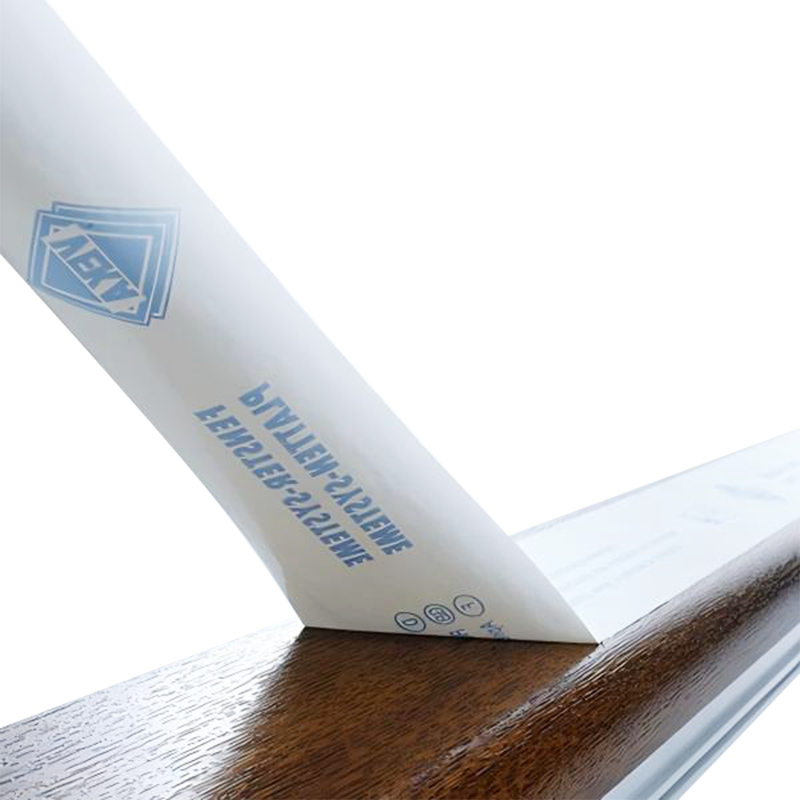
● Good weatherability for outdoor exposure; ● Stable adhesion level; ● UV resistance for up to 12 months; ● Can print customized logo or application i...
See Details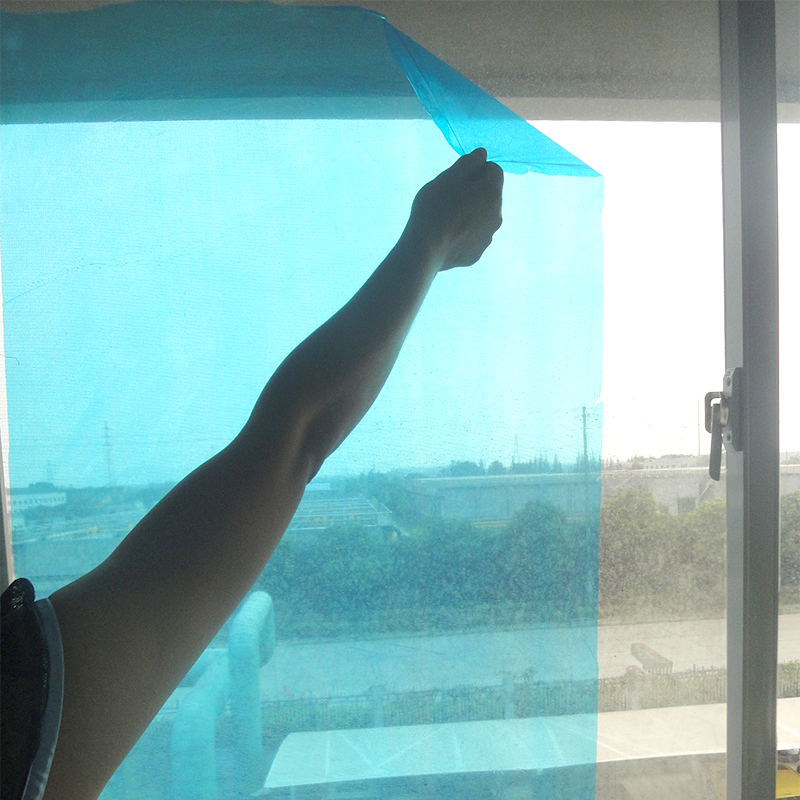
● Protect window glass against paint splatters, dirt, staining, and spillages during painting, building, plastering, tiling, general maintenance and r...
See Details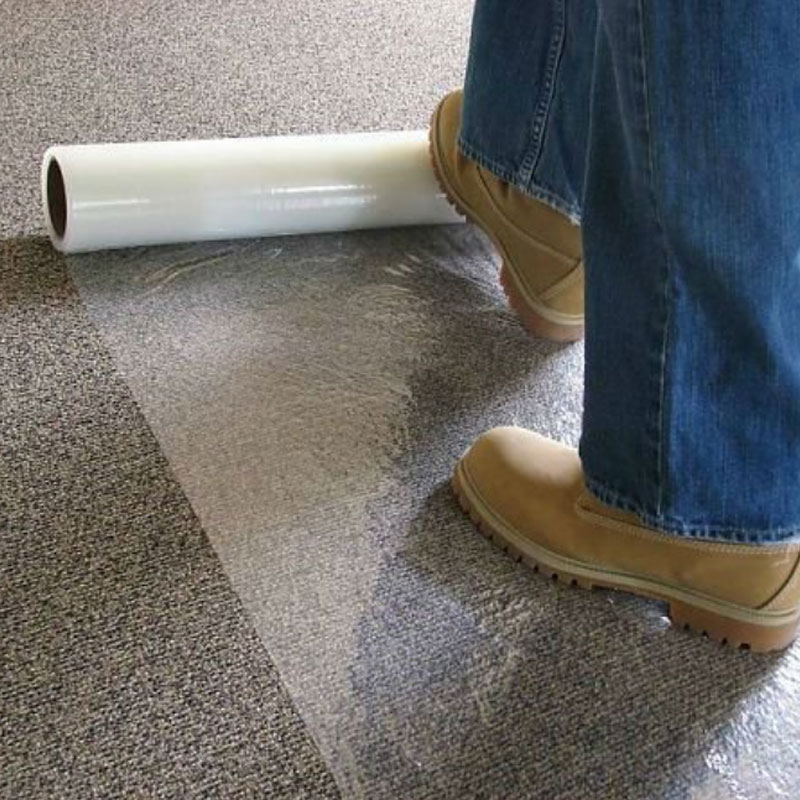
● Protects carpet against staining, paint spillage and dirt during painting, building, remodeling, plastering, tiling, decoration, general maintenance...
See Details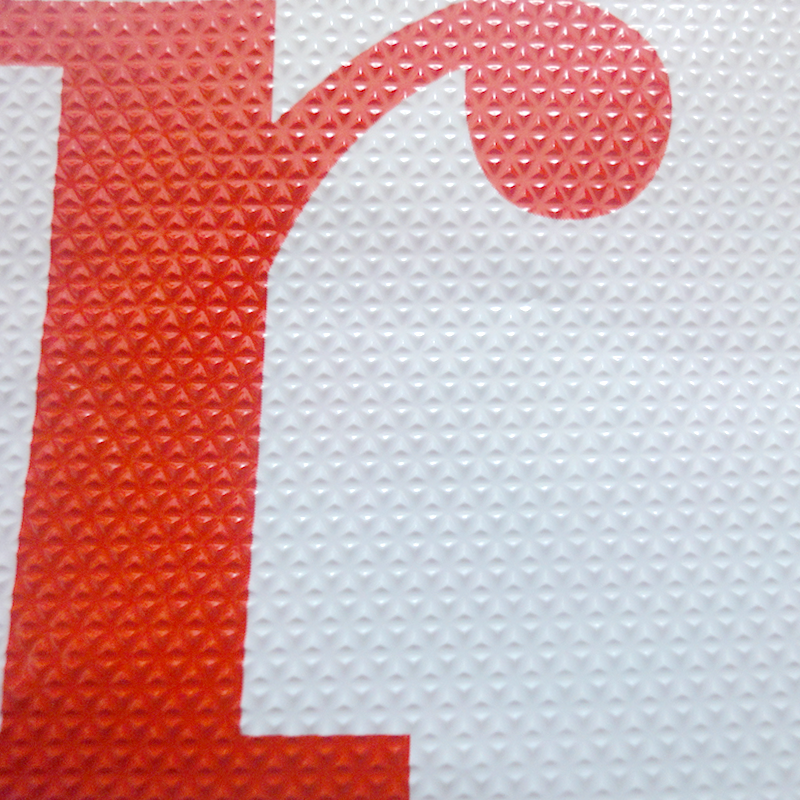
● Anti-slip; ● Embossed film surface to guarantee trip safety;● Tough puncture-resistant polyethylene film;● Can be coated with or without adhesive;● ...
See Details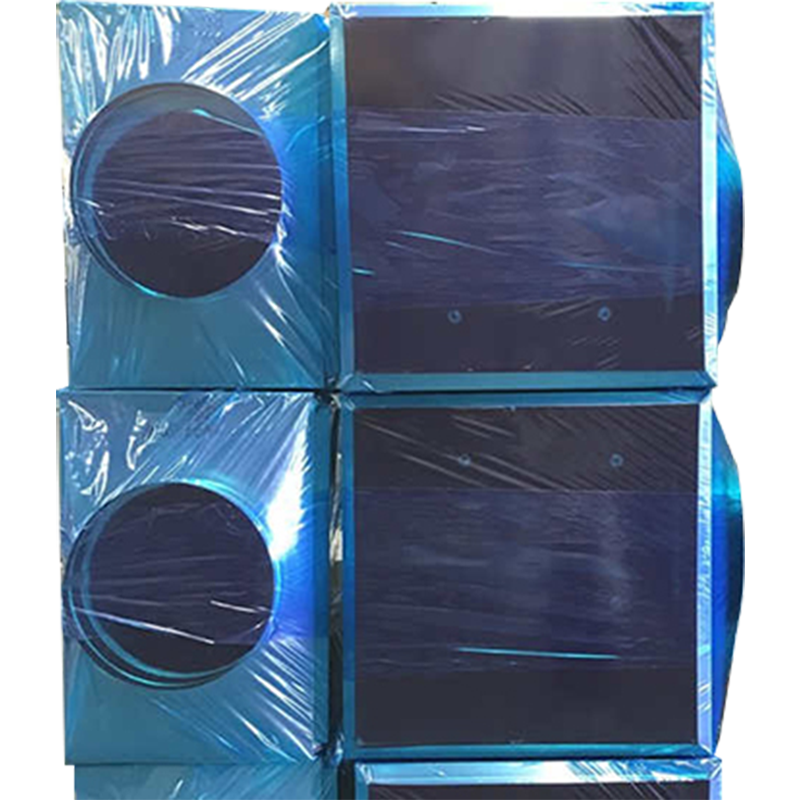
● The super-tough polyethylene film resists puncture and penetration by liquid and dirt during storage, transportation, and installation of the ductwo...
See Details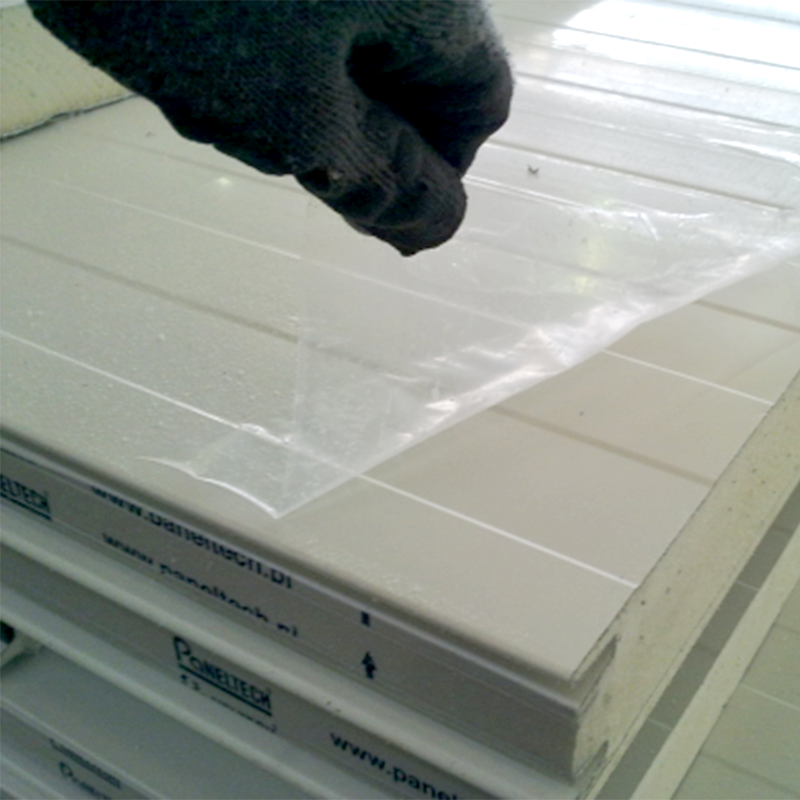
● The specially formulated adhesive ensures easy application and removal without leaving residue glue on the sandwich panels; ● The super-tough polyet...
See Details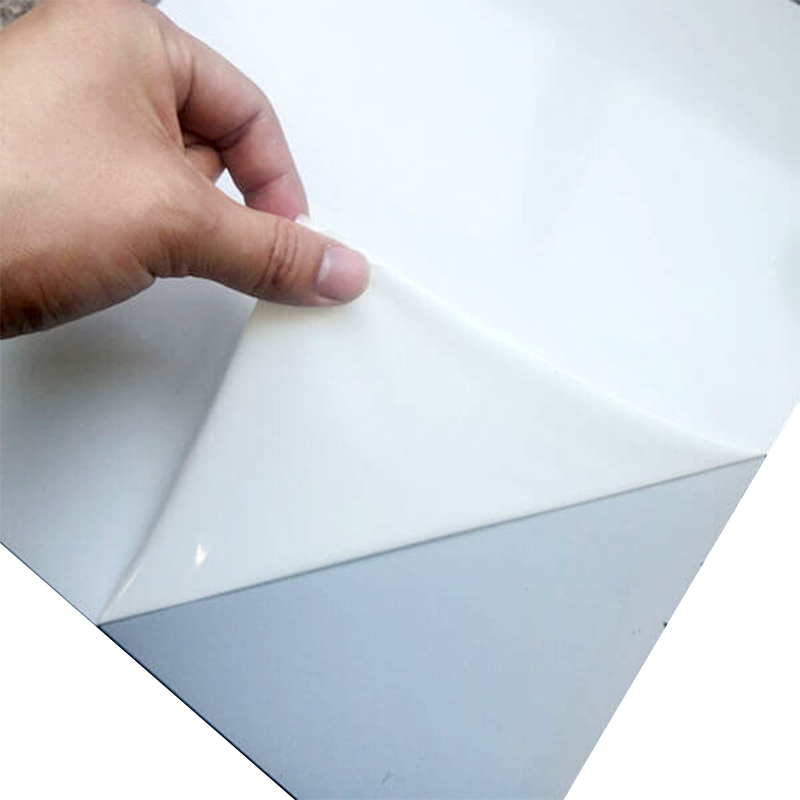
● The super tough polyethylene film with super high adhesion can stop parts of the glass or mirror from splintering away and injuring people when it i...
See Details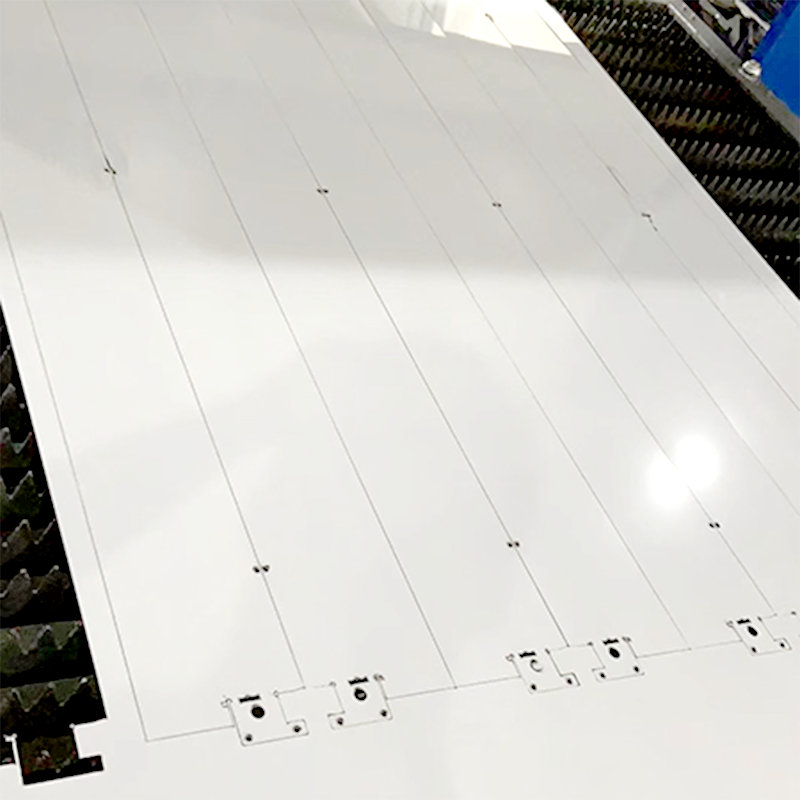
● The specially formulated natural rubber adhesive suitable for both CO2 and Fiber laser cutting processes;● High cutting quality without burr or trac...
See Details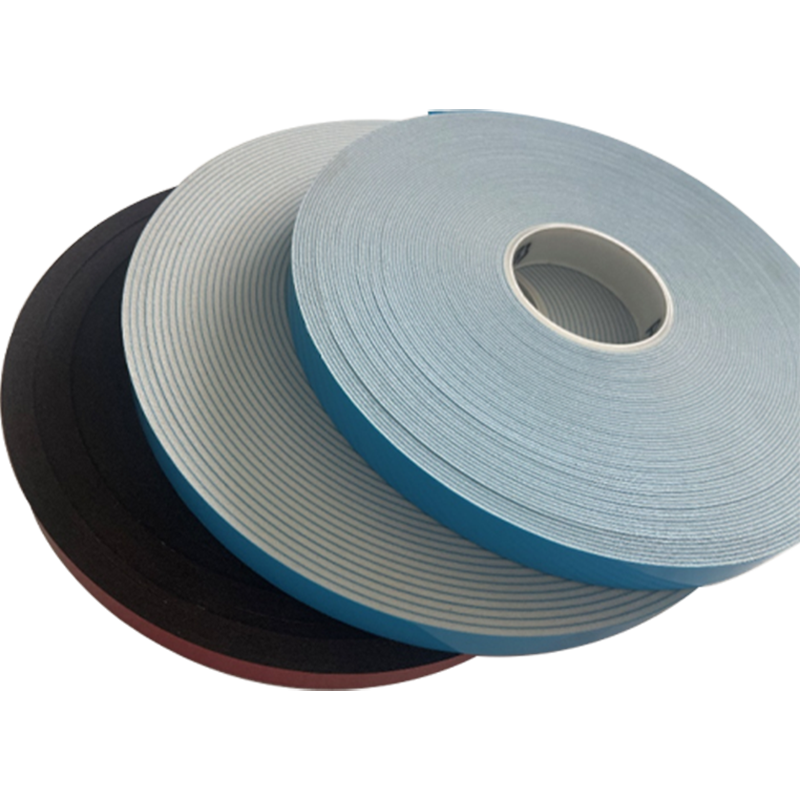
● Waterproof - the desirable material for waterproofing. ● Dust-proof - positive performance of dust prevention.● Low resilience - prevent the deforma...
See Details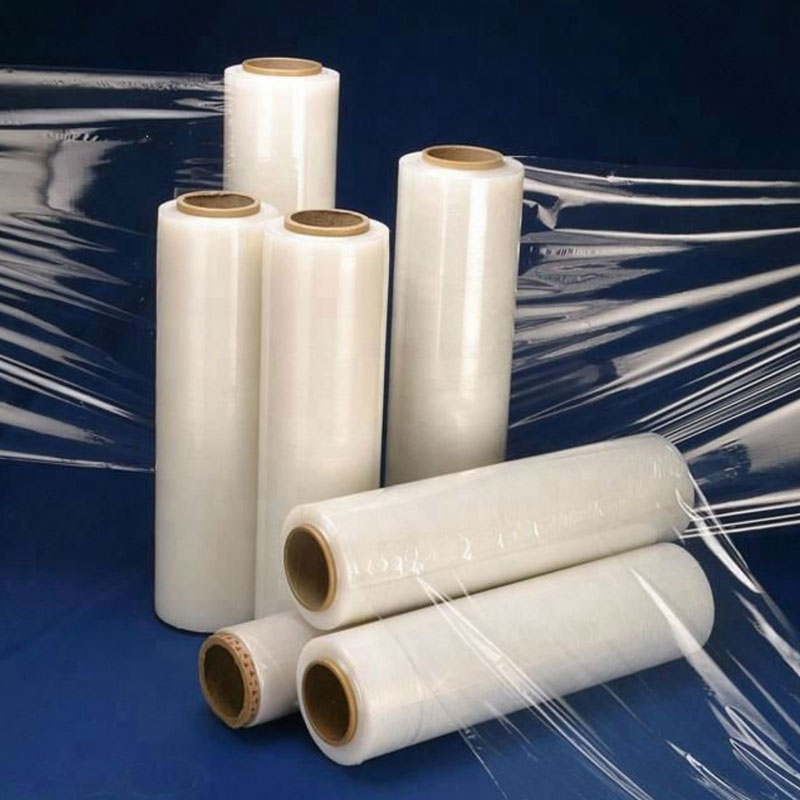
● Small roll size for convenient manual application;● Excellent puncture and tear resistance ; ● A self-adhering-each layer of film bonds to the next ...
See DetailsWe’re a reliable partner that shapes our expertise into success for your project.
Copyright 2024 Wuxi Qida Tape Co., Ltd. All Rights Reserved
 Wholesale Protective Film/Foil Manufacturers
Privacy