

 English
 English
 русский
 Français
 Español
 Português
 عربى
عربى

Cat:Glue -coated Protective Film
● No “ghost shadow” or “fish eye” after removal; ● Low gel content, soft and stable adhesion plus easy-peel removal with no surface damage or curling;...
See Details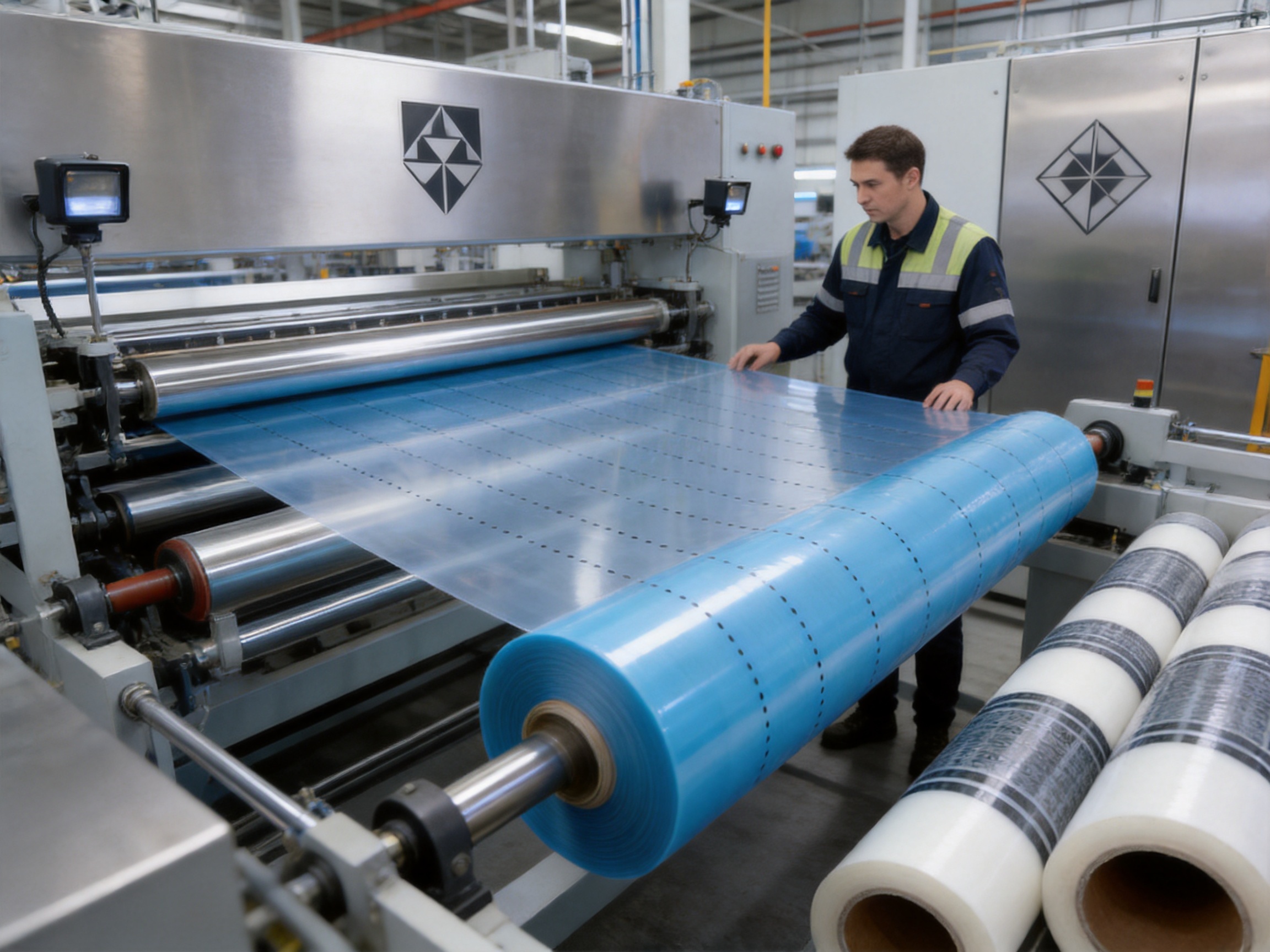
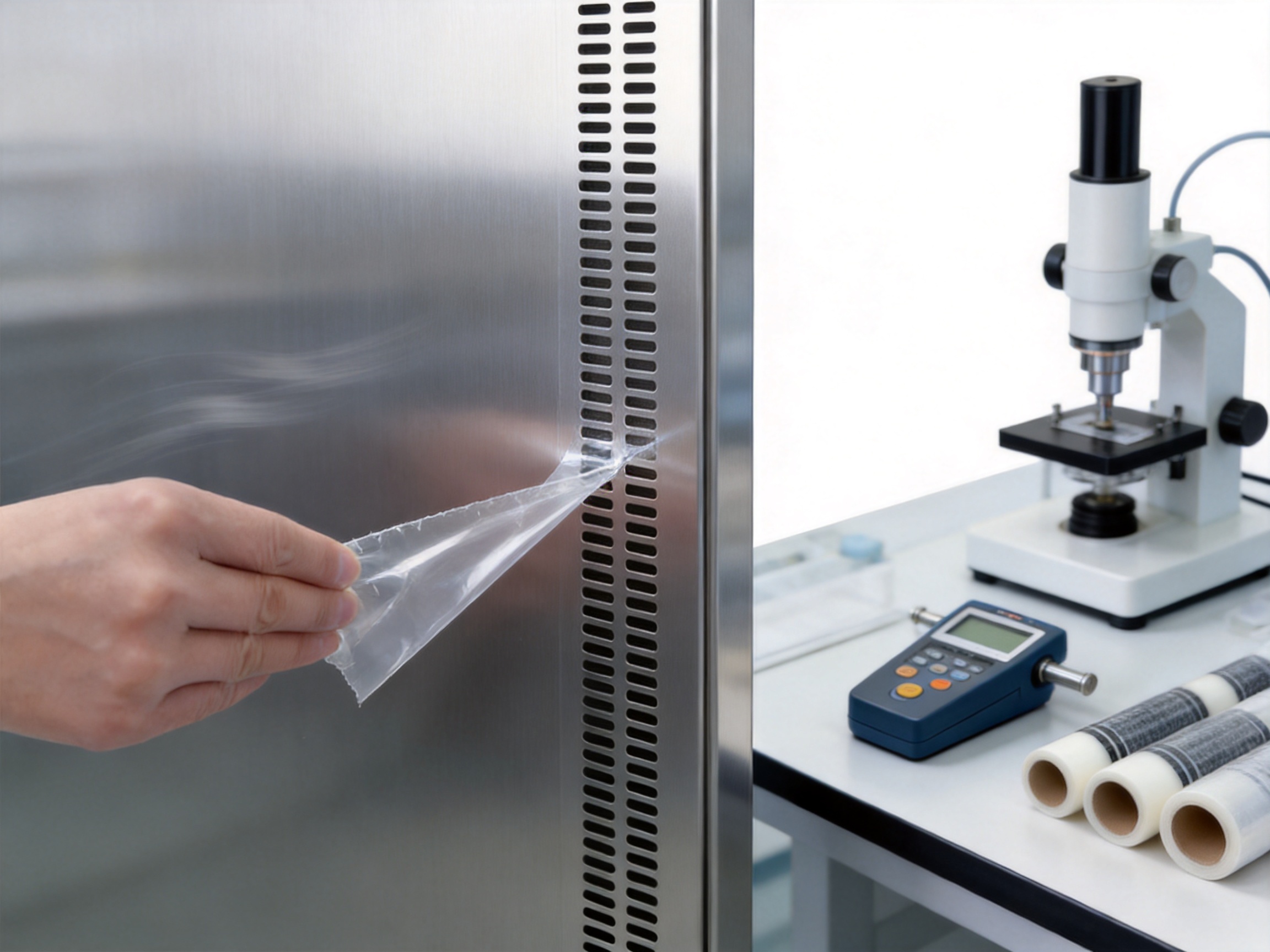
Perforated protective film is a temporary surface protection material designed to shield finished and semi-finished products from scratches, abrasion, dust, dirt, moisture, handling marks, and other forms of damage. Its defining feature is a series of accurately positioned perforation lines or die-cut sections that allow users to remove individual pieces quickly and neatly when protection is no longer required.
Compared with conventional continuous protective film, perforated film provides greater convenience, improved airflow, and more flexible removal. Operators can tear away only the required section instead of removing an entire roll. This characteristic makes the film particularly suitable for manufacturing lines, construction projects, installation work, warehousing, distribution, and other applications where products are processed or inspected in stages.
Wuxi Qida Tape Co., Ltd. manufactures perforated protective film for hard surfaces, carpets, decorative materials, metal products, glass, plastics, appliances, furniture, and other vulnerable surfaces. The company combines in-house film production, adhesive coating, printing, perforating, slitting, rewinding, inspection, and packaging to provide customized surface protection solutions for domestic and international customers.
Perforated protective film is a polymer film coated with a pressure-sensitive adhesive and processed with regularly spaced perforation lines. These lines divide the film into individual sections without completely separating the roll. A user can apply the film as one continuous web and later remove a single section by tearing along the prepared line.
The film may be supplied in different thicknesses, widths, lengths, colors, adhesive strengths, and perforation intervals. Depending on the application, the perforation can be positioned across the width of the roll, along the length, or according to a customer-defined pattern. Die-cut distances can range from approximately 100 mm to 1,200 mm, allowing the product to match small components, large panels, workstations, carpet rolls, and other products of different sizes.
The protective layer acts as a temporary barrier between the product surface and external sources of damage. The adhesive keeps the film in position during handling, cutting, bending, transportation, storage, and installation. When the product reaches the next processing stage, the film can be removed manually or in sections, normally without leaving adhesive residue when the correct grade is selected and used within its recommended conditions.
Perforated protective film can be produced as a standard product or engineered for a particular substrate. A low-adhesion grade may be suitable for smooth painted surfaces or polished metal, while a higher-adhesion grade may be necessary for textured panels, carpets, or products exposed to more demanding handling. The choice of backing film, adhesive formulation, perforation distance, color, and printing can therefore be adjusted to the customer’s production process.
The perforation system is designed to create a controlled tear path. The film remains sufficiently strong to be applied and transported as a roll, but the prepared line makes it easy to separate one section from the next. This balance between roll integrity and tearability is important. If the perforation is too deep, the web may break prematurely during coating, winding, transport, or application. If it is too shallow, the operator may struggle to remove the required section.
Modern production equipment allows manufacturers to control the pitch, depth, positioning, and consistency of the perforation. The selected parameters depend on film thickness, tensile strength, elongation, adhesive type, roll dimensions, and intended use. Perforated carpet film, for example, may require a different perforation design from film intended for stainless steel sheets or painted aluminum profiles.
Individual die-cut pieces can be removed at the perforated line without cutting tools in many applications. This saves time on production lines and reduces the risk of scratching the protected surface with knives or blades. It also helps workers remove only the portion that is no longer needed, leaving the remaining product protected until the next operation.
A full-scale perforated protective film is also available for applications that require a larger detachable section or a repeated full-width tear. The design can be adapted to the shape and working sequence of the product. For example, a customer may request short sections for small parts, longer sections for architectural panels, or a combination of perforation intervals for products processed at different stations.
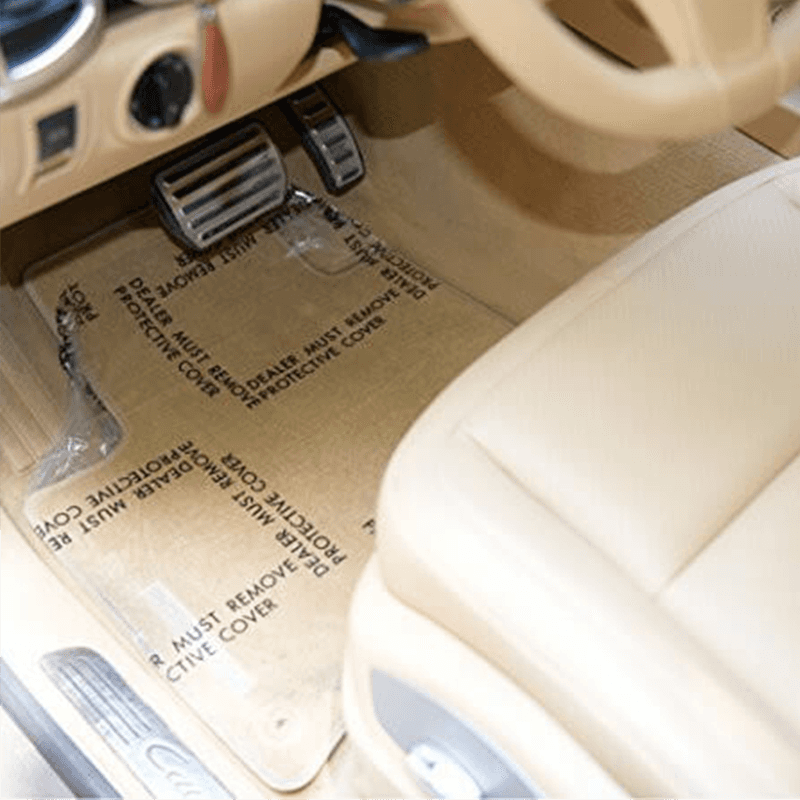
Perforated Protective Film
The performance of perforated protective film depends on several technical factors. Thickness, width, roll length, elongation, adhesive level, adhesive chemistry, film color, printing, and perforation configuration must be considered together rather than evaluated separately.
Technical item |
Available specification or characteristic |
Application significance |
Film thickness |
Approximately 40 to 150 micrometers |
Balances flexibility, coverage, tearability, and mechanical protection |
Film width |
Approximately 100 to 1,300 mm |
Suitable for narrow components, wide panels, carpet, and sheet products |
Roll length |
Approximately 25 to 2,000 m |
Supports both small-batch use and high-volume production |
Elongation |
At least approximately 300 percent, depending on grade |
Allows the film to follow contours and tolerate handling movement |
Adhesion level |
Low to very high |
Enables selection according to substrate, texture, and exposure conditions |
Adhesive type |
Acrylic pressure-sensitive adhesive |
Provides temporary bonding and clean removal when properly matched |
Color options |
White, blue, yellow, black, black and white, translucent clear, and others |
Supports product identification, visibility control, and branding |
Printing |
Zero to three colors |
Allows logos, warnings, instructions, and handling information to be added |
Perforation distance |
Approximately 100 to 1,200 mm, according to design |
Allows section-by-section removal during processing or installation |
These figures are general production ranges. The exact specification should be confirmed through technical discussion, substrate testing, and sample approval. Surface energy, texture, temperature, exposure time, application pressure, and removal conditions can all affect the final performance of the film.
The primary function of the film is to create a physical barrier between the protected material and external hazards. During manufacturing, products may come into contact with metal tools, worktables, rollers, packaging materials, lifting equipment, and workers’ gloves. Even a small amount of dust or a minor impact can create visible marks on high-gloss or decorative surfaces.
Perforated protective film helps reduce the likelihood of damage caused by scratches, scuffs, abrasions, fingerprints, dust, dirt, and light impact. It can be applied before a product is moved to another workstation and removed after the relevant operation is complete. This temporary protection is especially valuable when the appearance of the product directly influences its market value and customer perception.
In construction and architectural applications, the film can protect panels and profiles from cement dust, installation tools, transportation straps, contact with scaffolding, and general site contamination. In the furniture and appliance industries, it helps protect laminates, glass, painted panels, stainless steel, and decorative surfaces from damage during assembly and distribution.
The film is not intended to replace heavy-duty packaging, impact-resistant crates, or specialized corrosion-prevention systems. Instead, it serves as a practical first layer of surface protection. When combined with appropriate packaging and careful handling, it can significantly reduce rework, cleaning, refinishing, replacement, and customer complaints.
One important advantage of a perforated design is controlled airflow. A fully continuous film can sometimes restrict the movement of air between the film and substrate. Under changing temperature or humidity conditions, this may increase the possibility of condensation or moisture entrapment, particularly when products are stored or transported for extended periods.
Perforations provide pathways for limited air circulation. This can help reduce the accumulation of moisture between the film and the protected surface. The benefit is particularly relevant for metal components, painted panels, coated sheets, and materials exposed to temperature changes during international shipping or warehouse storage.
Improved moisture management may help reduce risks associated with mold, staining, corrosion, clouding, or changes in surface appearance. However, the actual result depends on the substrate, adhesive, storage conditions, duration of protection, and environmental exposure. Perforated film should therefore be considered part of an overall protection strategy rather than a guarantee against every form of moisture-related damage.
The controlled-breathability feature also makes the product useful for carpet protection and other applications where trapped humidity could affect the material. Perforated carpet film can protect the surface during installation while allowing individual sections to be removed as rooms, corridors, or work areas are completed.
Temporary protection is effective only when it can be removed efficiently. A film that leaves adhesive residue, tears unpredictably, or damages the substrate may create more work than it prevents. Qida Tape develops adhesive-coated films with a focus on reliable holding power during use and clean removal at the end of the protection period.
The adhesive must maintain sufficient contact with the substrate during transportation, storage, and processing. At the same time, it should not bond so aggressively that removal causes coating lift, surface discoloration, tearing, or excessive adhesive transfer. A suitable balance is achieved by selecting the correct adhesive strength for the surface and controlling the coating weight and curing conditions.
Removal performance can also be influenced by ultraviolet exposure, temperature, humidity, contamination, and the length of time the film remains on the surface. For this reason, customers should test the film under actual or simulated operating conditions. A film that performs well on a smooth aluminum panel may not have the same behavior on a textured plastic surface or a porous material.
The perforated format improves removal efficiency further. Instead of pulling a long continuous sheet from a large product, the operator can remove one prepared section at a time. This reduces the force required, makes the process more manageable, and helps preserve protection on adjacent sections that still need to remain covered.
Continuous protective film often requires a worker to find an edge, pull away a large sheet, fold or dispose of the removed material, and repeat the process across the full product. Perforated film divides this operation into manageable sections. The worker can remove only the area required for inspection, assembly, painting, cutting, or final presentation.
This is particularly helpful on long products, large panels, production lines, and installation sites. It can shorten handling time and reduce the physical effort associated with removing oversized sheets. The detachable sections also make it easier for several workers to work on different parts of a product without disturbing the protection elsewhere.
Different stages of production may require different areas of the product to be exposed. Perforation spacing can be designed around those stages. For example, one section may be removed for drilling, another for quality inspection, and a third for final assembly. The rest of the surface can remain protected until the appropriate time.
This flexibility is difficult to achieve with a standard, non-perforated roll unless workers use additional tools or make irregular cuts. Predefined perforation lines provide a more consistent and repeatable method.
When workers have to cut film manually, knives and scissors may come into contact with the product surface. This is a particular concern for glossy coatings, soft plastics, glass, painted materials, and decorative laminates. Perforated film reduces the need for cutting tools during removal and therefore helps reduce the risk of accidental scratches.
Controlled removal can make discarded film easier to handle. Smaller sections are generally easier to collect, fold, compact, and dispose of than large sheets. In construction and installation environments, this can support better housekeeping and reduce the chance that loose protective material will interfere with workers or equipment.
The perforated structure can provide an advantage in applications where air circulation is desirable. It helps reduce the possibility of moisture being trapped under the film while continuing to protect the surface from many common contaminants and contact hazards.
Printing can be used to display a company logo, handling instruction, removal reminder, warning message, production code, or application direction. Up to three printing colors may be available depending on the design and production requirements. Printed information can improve process discipline and help ensure that the film is used and removed correctly.
Automotive manufacturing involves numerous operations in which painted and decorative surfaces must remain free from visible defects. Perforated protective film can be applied to vehicle body panels, high-gloss painted surfaces, chrome trim, interior components, display screens, and other parts during assembly and transportation.
During assembly, workers and equipment may come into contact with the exterior body. Dust, metal particles, fasteners, tools, and packaging materials can cause scratches or marks. A temporary film barrier helps protect the finish while the vehicle moves through different workstations.
Perforated sections can be removed as individual parts are inspected or assembled. This allows access to door edges, trim areas, handles, sensors, or other components while leaving adjacent painted sections covered. After final inspection, the remaining film can be removed in a controlled sequence.
Automotive suppliers can also use printed film to communicate process instructions. Markings may indicate the direction of application, the correct removal sequence, or the point at which the film should be discarded. This can support consistent handling across multiple production shifts and facilities.
Electronic products often contain highly visible surfaces that are vulnerable to dust, fingerprints, scratches, and static-related contamination. Protective film can be applied to screens, casings, panels, and other components during manufacturing, storage, and distribution.
For smartphones, tablets, laptops, monitors, and control panels, the film helps maintain visual clarity and surface quality before the product reaches the customer. A perforated format can be useful when the product must be tested or inspected at several points during production. One portion can be removed to access a connector, button, sensor, or display area while the remaining casing stays covered.
The film can also help separate handling stages. A component may remain covered during assembly, partially exposed during testing, and fully uncovered during packaging. Clearly defined perforation intervals can make these transitions faster and more consistent.
Electronic applications require careful consideration of adhesive residue, optical clarity, static behavior, and surface compatibility. The correct product must be verified on the specific coating, polymer, glass, or display material. Qida Tape can assist customers in selecting an appropriate adhesive and film structure according to the technical requirements of the product.
Construction materials frequently pass through several stages before final installation. Stainless steel panels, aluminum profiles, pre-coated metal sheets, laminates, glass, decorative boards, and plastic panels may be cut, bent, drilled, transported, stored, and installed in different locations.
Surface damage at any stage can reduce the visual quality of a completed building and create costly rework. Perforated protective film helps protect these materials from construction dust, handling marks, contact with tools, friction against packaging, and minor surface abrasion.
On a large architectural panel, an installer may need to expose only the area where a fastener, joint, or fitting will be placed. The rest of the panel can remain covered. On a long aluminum profile, perforations can enable the installer to remove protection in stages as the profile is cut and fitted.
The film can also simplify post-installation cleaning. Instead of washing dust and adhesive-free contamination from the entire surface, installers can remove the protective material after the work is complete. This may reduce labor and help maintain the intended appearance of the finished installation.
Furniture and appliance manufacturers use protective films on wood veneers, laminates, glass, painted steel, stainless steel, plastic housings, and decorative panels. These products may be handled repeatedly between production, inspection, warehousing, shipment, retail display, and final delivery.
Perforated film is useful when selected areas need to be exposed for assembly or quality inspection while other areas remain protected. A cabinet door, refrigerator panel, oven surface, or glass tabletop can be covered during movement and uncovered in sections at the appropriate stage.
For retail and consumer products, a clean and attractive surface at the time of delivery is essential. Protective film helps preserve the product’s appearance and can communicate handling information through printed messages. A customer or installer can remove the film more easily when the roll has been designed with practical tear intervals.
Adhesive selection is especially important for furniture and appliances because surfaces may include powder coatings, laminates, painted finishes, brushed metal, plastics, or textured materials. Testing should confirm that the adhesive does not cause gloss change, staining, coating lift, or residue during the expected protection period.
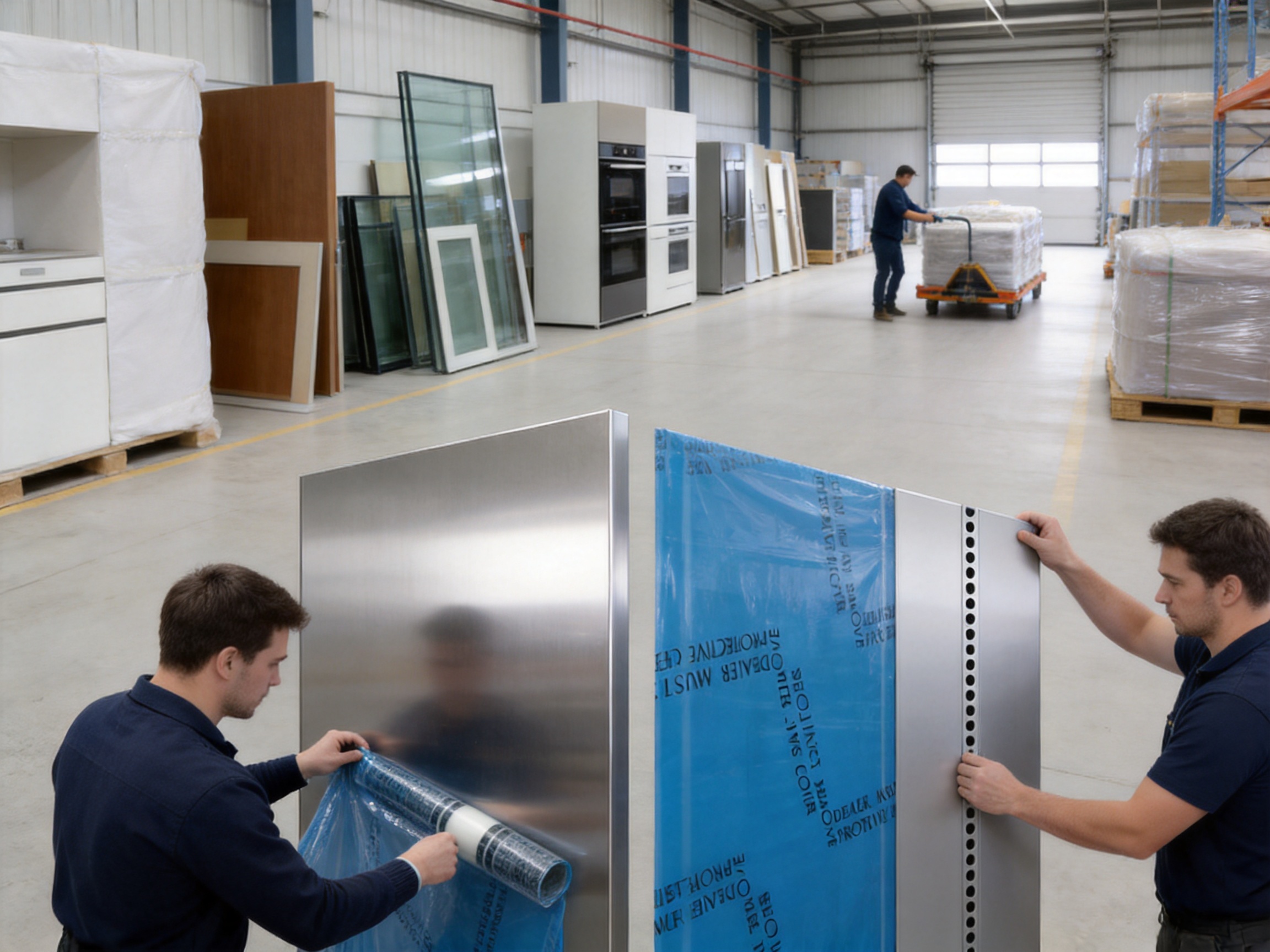
The backing film provides the mechanical foundation of the product. It must have enough tensile strength to survive coating, winding, application, and removal, while maintaining suitable flexibility and elongation. Film thickness can be adjusted to provide a balance between protection, conformability, tearability, and material consumption.
Many protective film products use polyethylene-based backing materials because they offer flexibility, light weight, and practical resistance to handling damage. The film may be manufactured in clear, translucent, white, blue, yellow, black, or combination colors. Color selection can improve visibility on the protected surface and help distinguish different production grades.
Acrylic adhesive is commonly used for temporary protective film because it can be formulated across a broad range of adhesion levels. Acrylic water adhesive and acrylic solvent adhesive may be selected for different performance requirements. Natural rubber adhesive can also be considered for applications requiring specific adhesion characteristics.
Low-adhesion film is often appropriate for smooth, high-surface-energy materials that do not require strong holding power. Medium-adhesion grades may be suitable for general industrial surfaces. Higher-adhesion products may be needed for textured or slightly difficult substrates, although stronger adhesion must always be balanced against clean removability.
Surface compatibility should be evaluated before full-scale production. Important test factors include application pressure, surface cleanliness, application temperature, removal temperature, exposure time, ultraviolet exposure, humidity, and storage conditions. A practical trial can reveal issues that cannot be predicted from the substrate name alone.
Qida Tape completes key production operations in its own factory, beginning with backing film production and continuing through adhesive coating and converting. In-house control allows the company to coordinate film properties with the adhesive and final perforation design instead of relying entirely on unrelated external processes.
During backing film production, material selection and processing conditions influence thickness uniformity, tensile strength, elongation, surface smoothness, and winding quality. Stable film properties are essential because uneven film can affect adhesive coating, printing registration, perforation accuracy, and application performance.
The adhesive coating stage determines how the film interacts with the protected surface. Coating weight, drying conditions, curing, and storage stability must be controlled to achieve consistent adhesion and clean removal.
Qida Tape offers acrylic water adhesive, acrylic solvent adhesive, and natural rubber adhesive options. This range allows the company to address different environmental requirements, substrate types, adhesion levels, and customer production conditions. Engineers can recommend an adhesive system based on technical data sheets, samples, application trials, and the customer’s expected protection period.
Uniform coating is important across the full width of the roll. Variations may cause uneven bonding, edge lifting, adhesive transfer, or inconsistent removal. Production inspection therefore needs to consider coating appearance, adhesion behavior, film release, roll winding, and the interaction between adhesive and backing material.
Printing can be completed before the film is converted into finished rolls. Customized logos and application instructions can help identify the product, strengthen brand presentation, and guide operators. Common printed information includes “remove before use,” directional arrows, warnings, storage instructions, and product identification marks.
Printing up to three colors is available for suitable designs. The layout should be planned together with the perforation positions so that messages remain readable and are not split in an inconvenient location. Print durability should also be considered when the film is exposed to friction, moisture, sunlight, or repeated handling.
Perforation is a precision converting operation. The die-cut pattern must be strong enough to remain intact during production and application but easy enough to tear manually when required. The distance between perforations can be customized from approximately 100 mm to 1,200 mm.
Correct tension control is essential during this stage. Excessive tension may stretch the film or distort the perforation pattern, while insufficient tension may create wrinkles or irregular edges. The process must be matched to the film thickness, width, elongation, and roll length.
After coating, printing, and perforation, the material can be rewound into customer-specified roll lengths and slit into different widths. Available roll lengths may range from approximately 25 m to 2,000 m, supporting small trial orders as well as high-volume industrial use.
Slitting accuracy influences how easily the roll can be installed on an application machine or handled manually. Finished rolls should have stable edges, appropriate winding tension, clear labeling, and packaging that protects them from dust, moisture, compression, and damage during transportation.
Quality control is necessary at every stage because protective film performance depends on the relationship between several components. A film can have excellent tensile strength but still perform poorly if the adhesive is unsuitable. Similarly, a strong adhesive may cause removal problems if the surface or exposure period has not been considered.
Qida Tape operates a testing laboratory and uses inspection equipment to evaluate production quality. Typical quality checks may include film thickness, width, roll length, appearance, winding condition, tensile behavior, elongation, adhesion, peel performance, perforation consistency, printing quality, and residue after removal.
Samples can be tested against the customer’s actual substrate. This approach is valuable because surface coatings and finishes vary considerably. A stainless steel product may have a mirror, brushed, embossed, painted, or anti-fingerprint finish. Each surface can interact differently with the adhesive.
Inspection records and controlled production procedures help improve batch consistency. The company’s management systems are certified under ISO 9001 and ISO 14001. Product compliance and testing may include SGS, RoHS, REACH, PFAS, and Proposition 65-related requirements, according to the applicable product and market.
Certification and testing do not eliminate the need for application trials, but they provide a structured foundation for manufacturing control, environmental management, and product documentation. Customers can use technical data and test results to establish internal acceptance standards for recurring orders.
Perforated protective film is rarely a one-size-fits-all product. Different products require different widths, lengths, adhesion levels, colors, printing layouts, perforation distances, and packaging formats. Qida Tape supports OEM and ODM development for customers that need a product designed around a particular process.
Customization may begin with a customer’s technical data sheet, drawing, sample, or description of the application. Engineers can review the protected material, the required protection period, the processing sequence, expected temperature range, storage environment, and removal method.
Based on these details, the product can be developed with a suitable backing film thickness, adhesive formulation, coating weight, perforation pitch, roll dimension, and printing design. Samples can then be evaluated in the customer’s production environment before final approval.
Available color choices include white, blue, yellow, black, black and white, translucent clear, and other options. Color can serve a functional purpose by making the protective layer visible to workers, or it can support product differentiation and branding.
Customized packaging can also be considered. Roll labels, carton markings, pallet arrangements, core sizes, and protective wrapping may be adjusted to suit warehouse procedures, automated equipment, or export requirements.
A supplier with integrated manufacturing capabilities can coordinate multiple stages more effectively. When film production, adhesive coating, printing, perforation, slitting, packaging, and inspection are managed within one factory, it becomes easier to trace materials, adjust specifications, control lead times, and respond to technical problems.
In-house manufacturing also supports product development. Engineers can evaluate how a change in backing film affects adhesive performance, how a different coating weight influences removal, or how a new perforation pattern affects roll stability. This integrated feedback can shorten the path from sample development to commercial production.
Qida Tape has a factory area of approximately 20,000 square meters, more than 95 experienced employees, and an annual production capacity exceeding 12,000 tons. The company has operated since 1999 and serves customers in China and around 90 export areas, including markets in Europe, North America, Australia, the Middle East, Japan, and other regions.
Advanced equipment introduced from Germany supports the company’s manufacturing and converting operations. Combined with experienced technicians, engineers, inspection personnel, and research cooperation, this equipment helps maintain stable production and develop products for changing industry requirements.
The company’s strengths include competitive cost, production capacity, flexible customization, multiple adhesive options, quality control, technical support, and responsive customer service. These capabilities are relevant to importers, distributors, manufacturers, construction material suppliers, and industrial users that require repeatable protective film performance.
For best results, the substrate should be clean, dry, and free from oil, dust, loose particles, and processing residues. Contamination can reduce adhesion or create air pockets under the film. The surface should also be inspected for sharp edges, burrs, moisture, or coating defects before application.
The film should be applied smoothly without excessive stretching. Stretching may cause the material to shrink or pull away from the edges later. Application pressure should be sufficient to establish contact, especially on textured or slightly uneven surfaces, but excessive pressure may increase initial adhesion beyond the desired level.
Edges and corners deserve particular attention. If the product will be exposed to friction, outdoor conditions, or repeated handling, the film should be positioned so that it does not create loose flaps or exposed adhesive edges. On curved or irregular surfaces, a more flexible film grade may be appropriate.
The perforation line should be aligned with the intended removal points. Operators should tear along the prepared line rather than pulling diagonally across the film. Where the film is being used on a large panel, removal should normally begin from a suitable edge and proceed steadily to avoid sudden stress on the surface.
Storage conditions can influence adhesive behavior. Rolls should generally be stored in a clean, dry environment away from direct sunlight, extreme heat, excessive humidity, and chemical vapors. Rolls should remain in their original packaging until needed, and the recommended storage period should be confirmed with the supplier.
Before commercial use, a sample test should be performed on the actual substrate. The test should include application, exposure for the expected protection period, environmental conditioning where relevant, and removal. The surface should then be examined for residue, gloss change, discoloration, coating lift, and other signs of incompatibility.
Perforated film can improve operational efficiency by reducing removal time and limiting unnecessary exposure of the product. Removing only the required section means that protection can remain in place for longer, which may reduce premature replacement of the film.
Smaller removable sections can also make waste handling more manageable. In a busy production area, compact pieces are easier to collect and move than large sheets. The actual environmental benefit depends on the film material, recycling infrastructure, disposal method, and total material consumption, so users should follow applicable waste-management requirements.
Qida Tape’s ISO 14001 environmental management certification reflects the company’s structured approach to environmental management. Customers with sustainability programs can request relevant material information and discuss options for reducing packaging, optimizing roll dimensions, and selecting an efficient product design.
Material optimization is often one of the most practical ways to reduce waste. A correctly selected film width can limit trimming. A suitable roll length can reduce leftover material. An appropriate perforation interval can prevent unnecessary removal of large sections. These process improvements may produce both environmental and economic benefits.
When selecting perforated protective film, buyers should first identify the substrate. Important details include the material type, surface coating, texture, gloss level, porosity, cleanliness, and whether the surface is painted, anodized, laminated, polished, or treated with a special finish.
The required protection period should then be established. A film used for a few hours in an indoor assembly area may require a different adhesive system from a film used for several weeks during outdoor transportation. Ultraviolet exposure, temperature fluctuations, humidity, and contact with packaging materials should be considered.
Next, buyers should determine the protection level. If the product is mainly exposed to dust and fingerprints, a lightweight film may be sufficient. If it is exposed to repeated sliding contact, handling, or light abrasion, a thicker or mechanically stronger film may be preferable.
The removal process should be clearly defined. Will the film be removed by hand, by an automated machine, or by a combination of both? Will workers remove it in short pieces or long sections? What perforation distance will fit the production sequence? These questions help determine the appropriate die-cut pattern.
Finally, buyers should confirm width, roll length, core dimensions, color, printing, packaging, compliance documentation, and expected monthly volume. Providing complete information at the quotation stage helps the manufacturer recommend a practical and cost-effective configuration.
Hard-surface protection and carpet protection may share the same general purpose, but they often require different designs. Hard surfaces such as stainless steel, aluminum, glass, and painted panels may need a smooth film with controlled adhesion and clean release. The finish may be highly sensitive to residue or gloss variation.
Carpet protection may require a film that can cover broad areas, remain stable under foot traffic or installation activity, and be removed in convenient sections. Perforated carpet film can be supplied with tear intervals that correspond to room sizes, work zones, or installation stages.
For both categories, the adhesive must be compatible with the surface. A film intended for a smooth metal panel should not automatically be applied to textile, porous, rough, or fibrous materials without testing. The correct product is selected through technical evaluation rather than by appearance alone.
Qida Tape’s range includes extensive options for perforated carpet film and perforated protective film for hard surfaces. This broad product capability enables the company to support distributors and end users across multiple industries rather than focusing on a single surface type.
Compared with paper sheets or loose plastic covers, adhesive protective film stays in contact with the surface and is less likely to shift during handling. It can follow the product shape and provide more continuous coverage around edges and broad areas.
Compared with manually cut film, perforated film offers more consistent section sizes and reduces the need for cutting tools. This can improve worker efficiency and reduce the chance of accidental surface damage.
Compared with non-perforated film, the perforated version offers more convenient removal and controlled airflow. It is especially useful when different areas of the product must be exposed at different times.
However, no protection method is appropriate for every application. Heavy impact, sharp objects, severe chemicals, prolonged outdoor exposure, and aggressive mechanical abrasion may require thicker films, rigid covers, foam, corrugated packaging, or other specialized materials. Product selection should be based on a realistic assessment of the hazards.
Edge lifting can result from a contaminated substrate, insufficient application pressure, excessive stretching, poor surface compatibility, or exposure beyond the recommended conditions. Cleaning the surface, selecting the correct adhesion level, and applying the film without tension can help prevent this problem.
Residue may occur when the adhesive is too strong for the substrate, the film remains in place too long, the product is exposed to excessive heat or ultraviolet radiation, or the surface is chemically incompatible. A pre-approval test under actual conditions is the best preventive measure.
Wrinkles may be caused by uneven application, poor alignment, inadequate tension control, or an unsuitable film structure. Dust particles trapped beneath the film can form bubbles. Applying the material to a clean surface and using suitable application pressure can improve appearance and contact.
If a perforation line is too deep for the handling conditions, the roll may tear during application or transport. The perforation design should be matched to the film thickness, tensile strength, roll width, and application method. Proper winding and packaging also help preserve roll integrity.
Difficult removal may result from excessive adhesion, low removal temperature, surface contamination, or incorrect tear direction. Operators should begin from an appropriate edge and remove the film steadily along the perforation. If necessary, the supplier can develop a different adhesive level or perforation configuration.
The main benefit is controlled, section-by-section removal. The film protects the surface as a continuous roll but can be torn into individual sections at prepared perforation lines. This improves convenience, reduces removal time, and allows some areas to remain protected while others are exposed.
The product can be developed for stainless steel, aluminum, pre-coated metal, painted panels, plastics, glass, ceramic, laminates, carpets, furniture surfaces, appliances, and other materials. Compatibility must be confirmed through testing because different finishes and textures interact differently with adhesives.
Yes. The distance between die-cut or perforation lines can range from approximately 100 mm to 1,200 mm, depending on the product design and production requirements. Customers should specify the section length needed for their manufacturing, installation, or removal process.
Yes. Common options include white, blue, yellow, black, black and white, translucent clear, and other customized colors. Color may be selected for visibility, product identification, branding, or process control.
Yes. Customized logos, warnings, application instructions, arrows, and handling messages can be printed. Printing availability may range from zero to three colors according to the design and order requirements.
Acrylic adhesive is commonly used, with acrylic water adhesive and acrylic solvent adhesive available for different application needs. Natural rubber adhesive may also be offered for suitable requirements. Adhesion can be selected from low to very high, subject to the surface and protection conditions.
The film is designed for clean removal when the correct grade is selected and used under suitable conditions. Exposure time, temperature, ultraviolet radiation, humidity, surface coating, and application pressure can affect results. A sample test on the actual substrate is recommended before full-scale use.
The perforations allow controlled airflow and may reduce moisture entrapment compared with a fully continuous film. This can be useful during shipping and storage where temperature or humidity changes occur. The film should still be used with appropriate packaging and storage controls.
General production ranges include widths from approximately 100 mm to 1,300 mm and roll lengths from approximately 25 m to 2,000 m. Exact dimensions, core sizes, winding directions, and packaging should be confirmed for each order.
Yes. Qida Tape supports OEM and ODM development based on customer samples, technical data sheets, drawings, or application descriptions. Film thickness, adhesive level, color, printing, perforation spacing, roll dimensions, and packaging can be evaluated for customization.
Apply a sample to the actual substrate using the intended application method. Leave it in place for the expected protection period and expose it to relevant temperature, humidity, light, and handling conditions. Remove it according to the planned process and inspect the surface for residue, discoloration, coating lift, gloss change, and damage.
An integrated manufacturer can coordinate backing film production, adhesive coating, printing, perforation, slitting, rewinding, inspection, and packaging. This can improve traceability, customization, quality consistency, technical response, and production efficiency.
A specialized manufacturer understands that temporary surface protection involves more than simply applying adhesive to plastic film. The film must be engineered around the substrate, manufacturing process, storage environment, removal method, and customer quality standard.
Wuxi Qida Tape Co., Ltd. has specialized in protective films and surface protection solutions since 1999. Its products are used to protect stainless steel, aluminum, pre-coated metal, plastics, ceramics, carpets, decorative laminates, glass, and other surfaces during bending, pressing, roll forming, painting, transportation, and installation.
The company’s engineers and technicians work with customers to select suitable products and develop new specifications. Its manufacturing process includes backing film production, adhesive coating, logo printing, rewinding, slitting, perforation, inspection, and packaging. This factory-based approach supports both standard products and customized OEM or ODM requirements.
With ISO 9001 and ISO 14001 management systems, a dedicated testing laboratory, advanced inspection equipment, experienced personnel, and international market experience, Qida Tape is positioned to supply protective film for manufacturers, distributors, contractors, and industrial users.
Its combination of competitive cost, reliable quality control, multiple adhesive systems, strong production capacity, technical development, and attentive service provides a practical advantage over suppliers that offer only basic converting or limited customization.
Perforated protective film is an efficient and adaptable solution for protecting valuable surfaces during manufacturing, transportation, storage, and installation. Its controlled tear lines make removal faster and safer, while its breathable structure can help manage air movement and reduce the risk of moisture entrapment.
The product is available in a broad range of thicknesses, widths, roll lengths, adhesion levels, colors, printing options, and perforation distances. It can be used for hard surfaces, carpets, architectural materials, automotive components, electronics, furniture, appliances, and many other products that require temporary protection.
The performance of the film depends on accurate engineering and manufacturing control. Backing film quality, adhesive formulation, coating uniformity, perforation precision, printing, winding, slitting, packaging, and final inspection must all work together. An integrated manufacturer can provide better control over these connected processes and respond more effectively to customized requirements.
Wuxi Qida Tape Co., Ltd. combines in-house production, advanced equipment, experienced technical personnel, laboratory testing, certified management systems, and OEM/ODM capability to supply perforated protective film for customers in China and international markets. By matching the film structure and adhesive to the actual surface and operating conditions, users can protect product appearance, reduce rework, improve removal efficiency, and achieve more consistent production results.
1. Pressure-Sensitive Tape Council, technical principles of pressure-sensitive adhesive tapes and temporary bonding materials.
2. International Organization for Standardization, ISO 9001 quality management systems: requirements and implementation principles.
3. International Organization for Standardization, ISO 14001 environmental management systems: requirements and guidance for use.
4. Association of Industrial Metallizers, Coaters and Laminators, general practices for coated film handling and converting.
5. ASTM International, standard methods for evaluating plastic film thickness, tensile properties, elongation, and adhesive performance.
6. International Organization for Standardization, guidance concerning packaging, transport protection, storage conditions, and material handling.
7. Technical product information supplied by Wuxi Qida Tape Co., Ltd. for perforated protective film, adhesive-coated protective film, and related surface protection products.
8. General industry practices for temporary protection of stainless steel, aluminum, coated metal, glass, plastic panels, carpets, laminates, furniture, appliances, and architectural finishes.
For product inquiries, specification confirmation, sample requests, and OEM or ODM development, customers may contact Wuxi Qida Tape Co., Ltd. by telephone at 0086-13771122281 or by email at sales@qidatape.com.
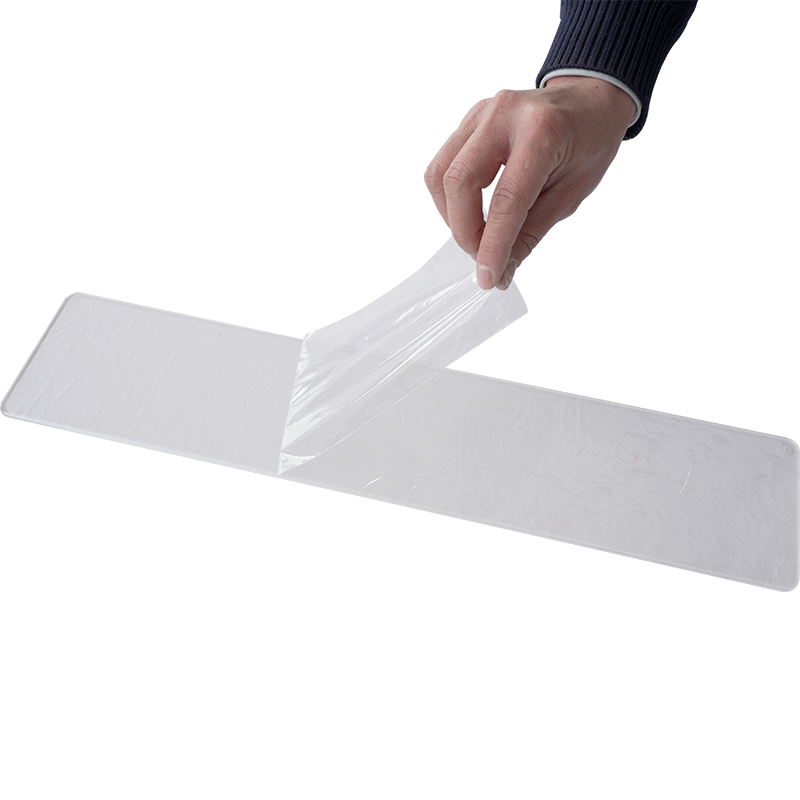
● No “ghost shadow” or “fish eye” after removal; ● Low gel content, soft and stable adhesion plus easy-peel removal with no surface damage or curling;...
See Details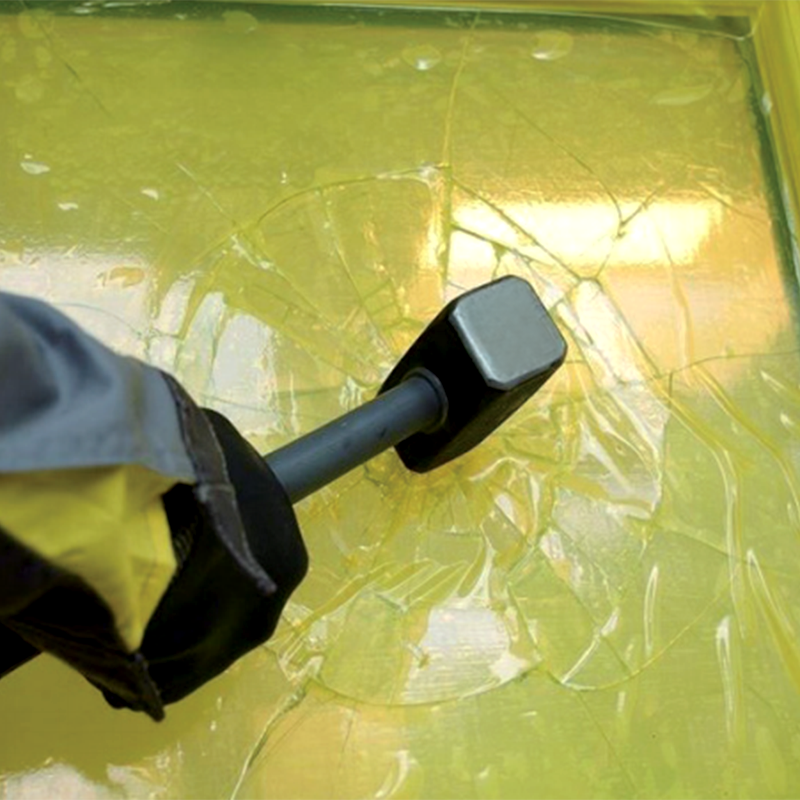
● The super tough polyethylene film with super high adhesion can stop the glass splitting and falling off during window glass demolition process;● Non...
See Details
● Distance of each perforation die-cut ranges from 100mm to 1200mm;● Can peel off each die-cut piece of protective film at the perforated line easily;...
See Details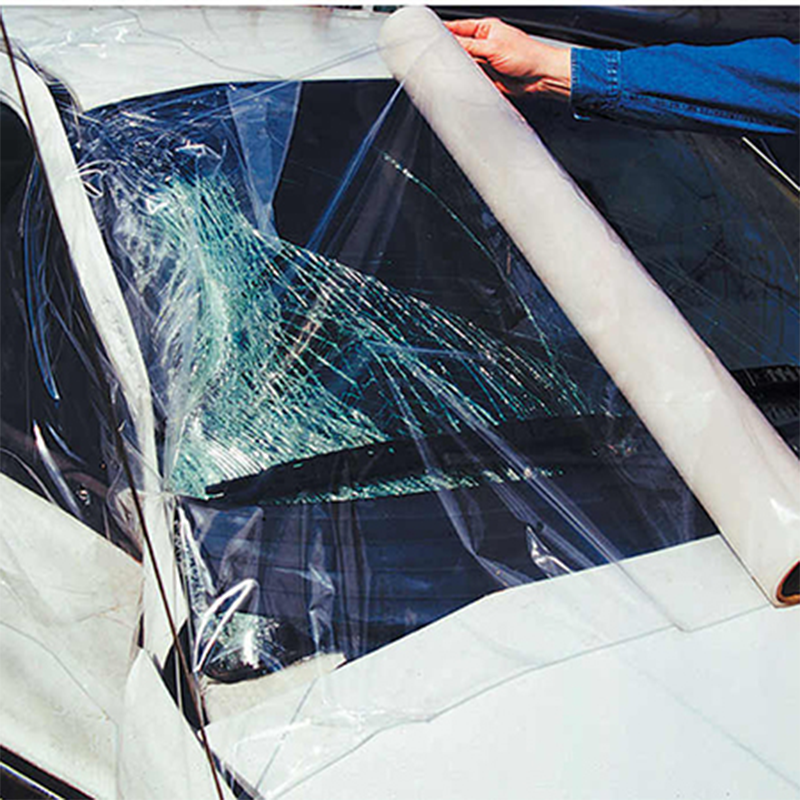
● The super-tough polyethylene film resists puncture and penetration by rain, snow, debris, and dirt during the transportation and storage of the cras...
See Details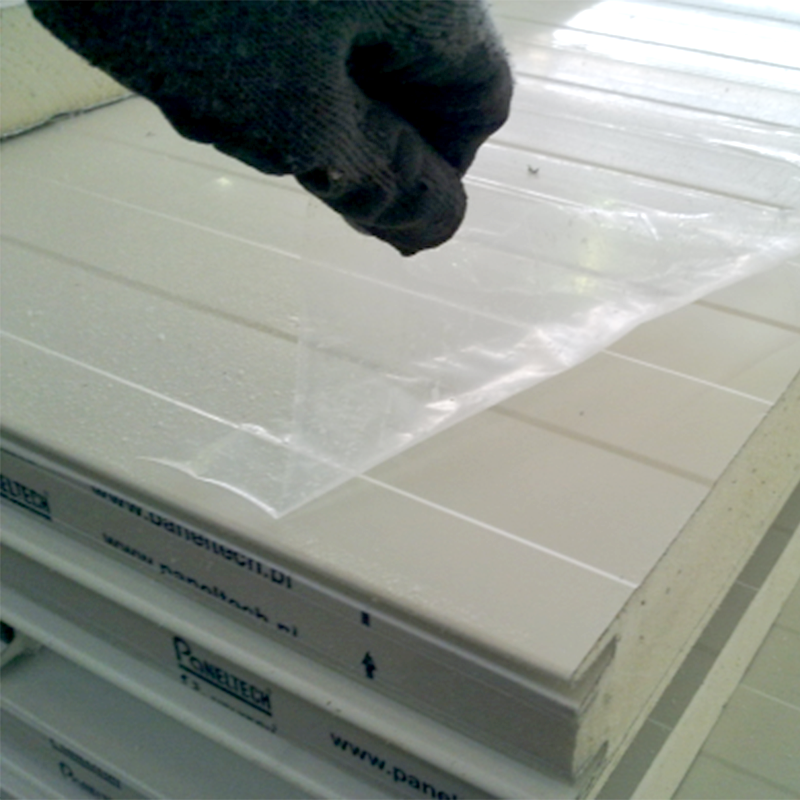
● The specially formulated adhesive ensures easy application and removal without leaving residue glue on the sandwich panels; ● The super-tough polyet...
See Details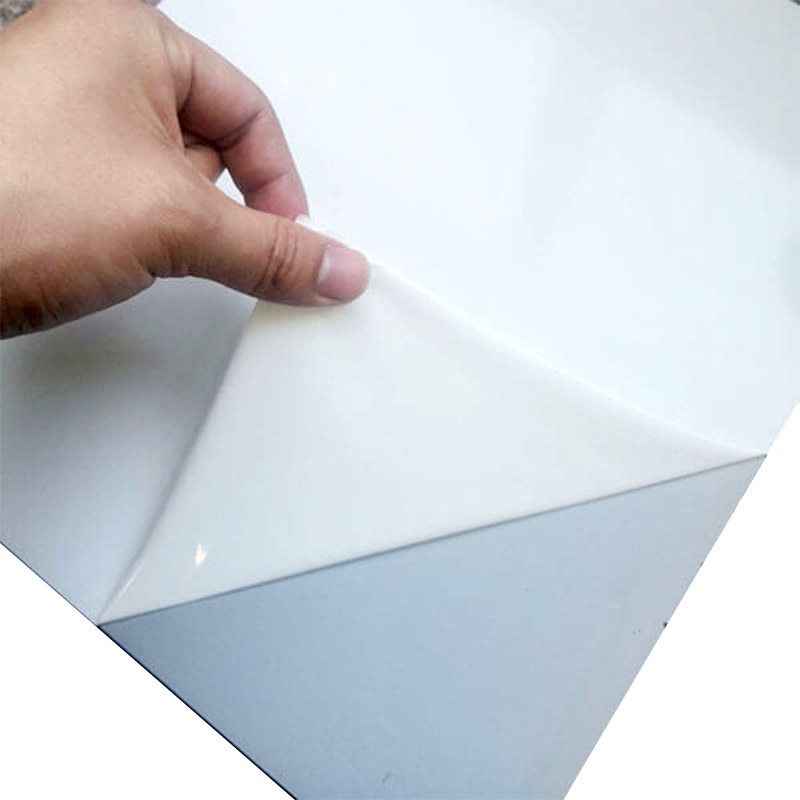
● The super tough polyethylene film with super high adhesion can stop parts of the glass or mirror from splintering away and injuring people when it i...
See Details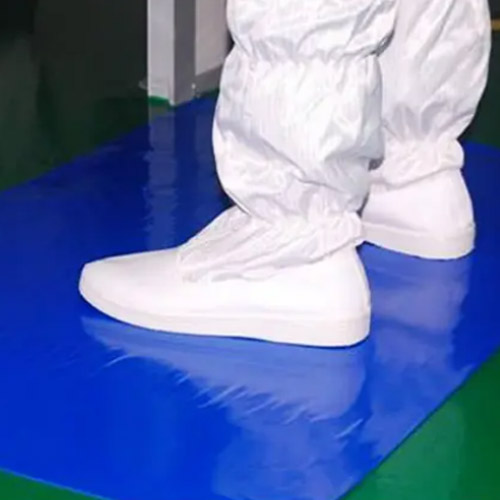
● Options for either 30 or 60 layers per mat; can be packed with four mats, eight mats, or ten mats per carton;● Remove dirt effect: ≥99.9% (5 steps);...
See Details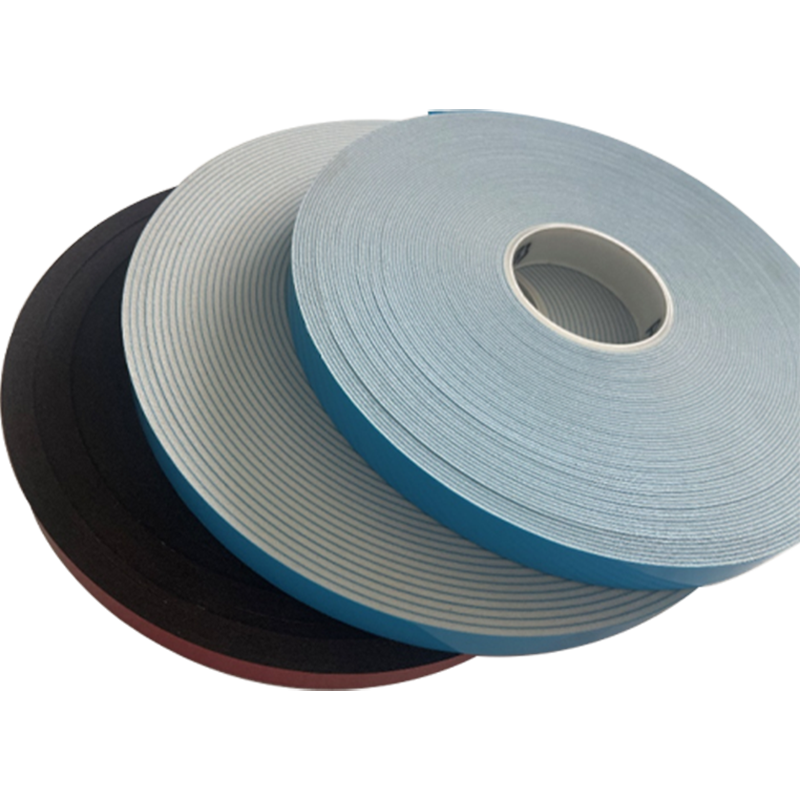
● Waterproof - the desirable material for waterproofing. ● Dust-proof - positive performance of dust prevention.● Low resilience - prevent the deforma...
See Details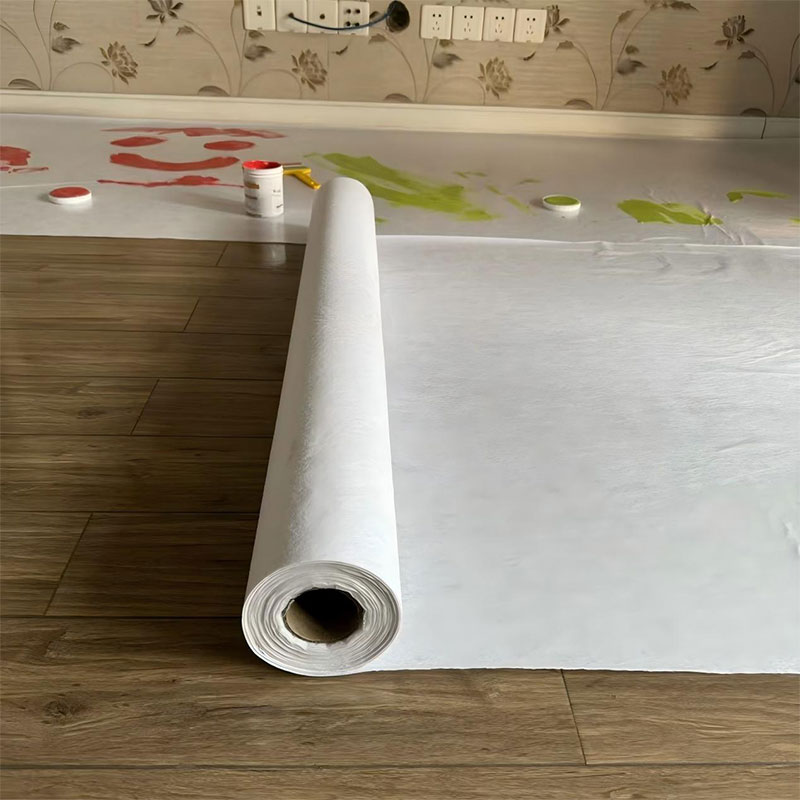
This product has non-woven synthetic fleece in middle; PE film adhered onto top of the non-woven fabric, which is coated with self adhesive glue on it...
See Details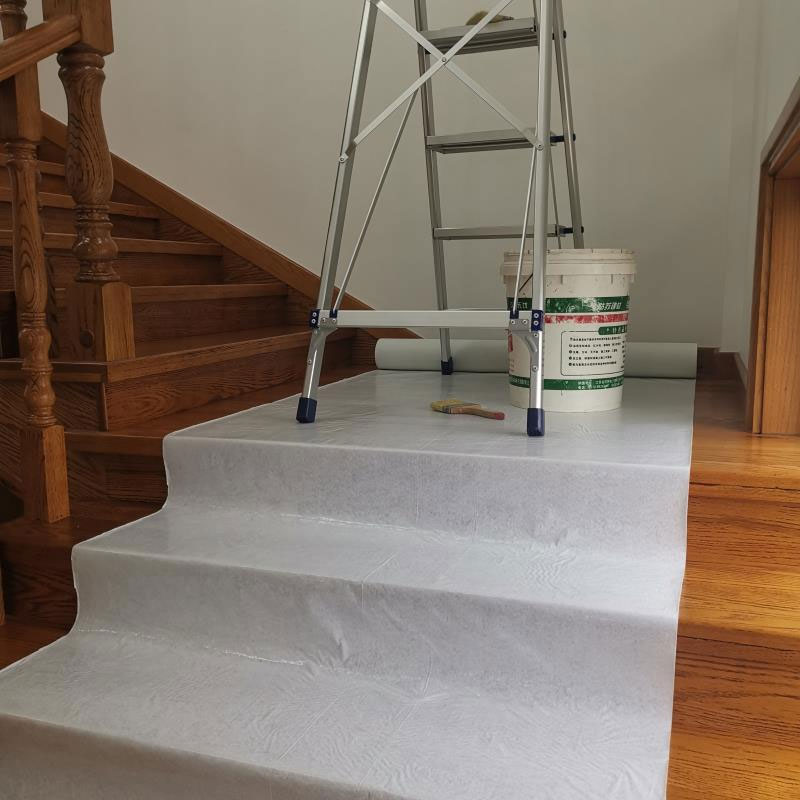
This product has non-woven synthetic fleece in middle; Breathable PE film adhered onto top of the non-woven fabric, which is coated with self adhesive...
See DetailsWe’re a reliable partner that shapes our expertise into success for your project.

Copyright 2024 Wuxi Qida Tape Co., Ltd. All Rights Reserved
 Wholesale Protective Film/Foil Manufacturers
Privacy
Wholesale Protective Film/Foil Manufacturers
Privacy