

 English
 English
 русский
 Français
 Español
 Português
 عربى
عربى

Cat:Glue -coated Protective Film
● Protect window glass against paint splatters, dirt, staining, and spillages during painting, building, plastering, tiling, general maintenance and r...
See Details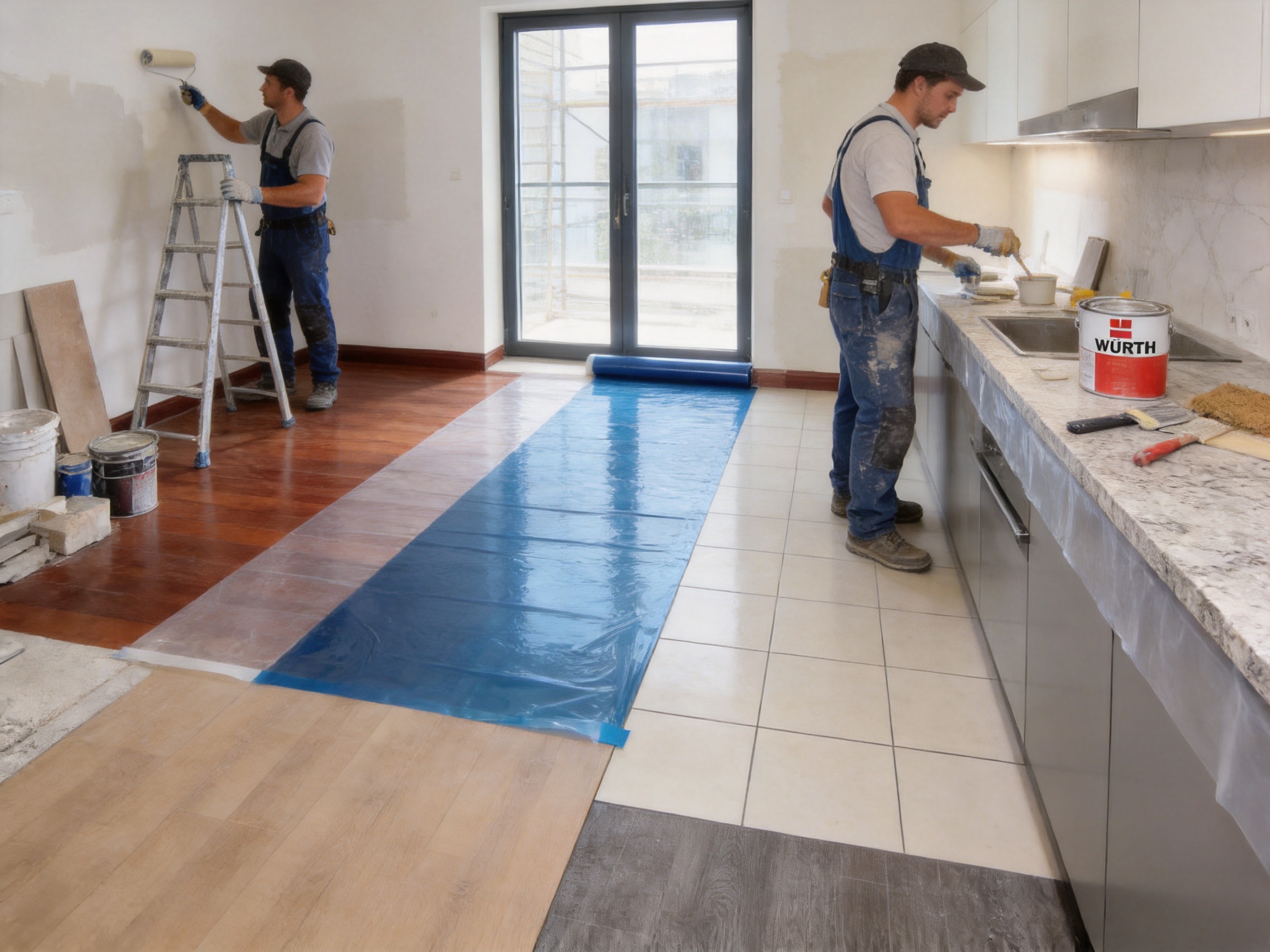
Temporary surface protection is an essential part of painting, construction, remodeling, renovation, maintenance, transportation, and installation work. Floors, worktops, panels, glass, doors, walls, and other finished surfaces can be exposed to dust, liquid, plaster, paint, tools, foot traffic, abrasion, and accidental impact. Once a surface has been scratched, stained, or contaminated, the cost of repair or replacement can be much higher than the cost of preventing the damage.
Multi-purpose protective film provides a practical way to protect many hard surfaces during demanding work. The product described in this article is a glue-coated protective film manufactured by Wuxi Qida Tape Co., Ltd. It uses a specially formulated acrylic adhesive and a strong polyethylene backing film to provide temporary protection for ceramic, hardwood, laminate, vinyl, marble, tile, granite, glass, worktops, and similar surfaces.
The film is designed to combine secure adhesion with clean removal. It stays in position during normal work activities while allowing users to remove it without leaving adhesive residue when the job is complete. Its puncture resistance, flexibility, customizable specifications, color options, printing capability, and availability in forward-wound and reverse-wound formats make it suitable for both professional contractors and retail distribution.
Unlike a basic plastic sheet or low-grade masking material, a purpose-designed adhesive protective film is engineered around the complete application process. The backing must resist tearing and penetration, the adhesive must provide appropriate contact with the surface, the roll must unwind consistently, and removal must be controlled. These characteristics help reduce rework, cleaning time, surface damage, and material waste.
Multi-purpose protective film is a temporary adhesive-backed polyethylene film used to shield finished surfaces from dirt, scratches, paint, plaster, moisture, liquid spills, and general job-site damage. One side of the film is coated with an acrylic adhesive that enables it to attach to a clean, smooth, or moderately textured surface. The opposite side remains exposed and acts as a barrier against contamination and physical contact.
The film can be supplied in different thicknesses, widths, roll lengths, colors, and winding directions. This allows the product to be matched to the surface, duration of use, working environment, and installation method. For example, a contractor may require a wide roll for protecting a complete floor, while a retail customer may prefer a shorter roll with printed application instructions.
The product is intended for temporary use. It is applied before or during construction, decoration, repair, or installation and removed after the risk of damage has passed. Typical applications include protecting newly installed flooring before other work is completed, covering a worktop during kitchen renovation, shielding glass during painting, and protecting hard surfaces during plastering or tiling.
Because every surface has a different coating, texture, porosity, and sensitivity, users should confirm compatibility through a small test area before full application. The recommended test should remain in place for a suitable period under the expected environmental conditions. This is especially important for delicate coatings, freshly finished materials, natural stone, untreated wood, and surfaces exposed to high temperature or direct sunlight.
The adhesive formula is developed for a broad range of hard surfaces. Its principal applications include hardwood floors, laminate flooring, ceramic tiles, marble, granite, vinyl flooring, worktops, glass, and other non-metallic finished materials. The film can also be adapted for selected industrial and commercial surface-protection applications when the adhesive level and backing specifications are properly evaluated.
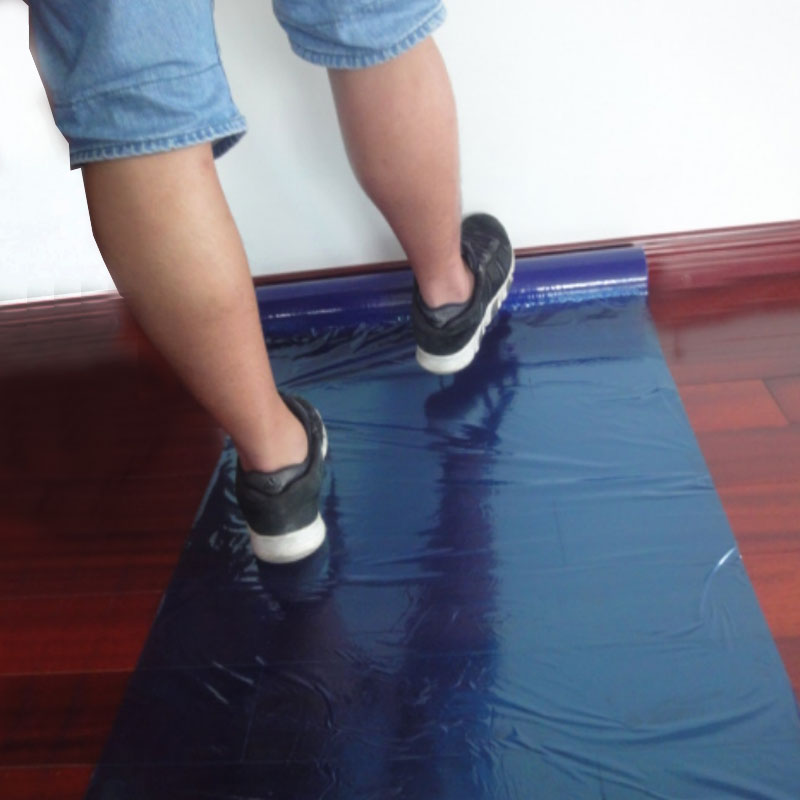
Hardwood floors are vulnerable to scratches from tools, grit, furniture, ladders, and footwear. Paint, plaster, water, and construction dust can also affect the appearance of the finish. Protective film creates a temporary barrier over the floor while allowing tradespeople to continue working above it.
When applying film to hardwood, the surface should be clean, dry, and free from loose particles. Dust or grit trapped under the adhesive may create pressure points. The film should be applied smoothly, without excessive stretching, and removed according to the recommended time and environmental conditions.
Laminate and vinyl flooring are frequently installed before decorating and final fitting work has been completed. Their surfaces may be damaged by wheeled equipment, paint droplets, abrasive debris, or repeated foot traffic. A strong but removable protective film helps isolate the finished floor from these hazards.
The film’s polyethylene backing provides flexibility and resistance to puncture, while the acrylic adhesive supports consistent contact across the protected area. This combination is useful when the protective material must remain in place during several stages of a project.
Tiles and natural stone surfaces can be exposed to grout, mortar, plaster, dust, and impact during construction. Although ceramic and stone are hard materials, their polished surfaces and edges can still be scratched or stained. Protective film can be applied to countertops, tiled floors, wall tiles, and selected decorative stone surfaces.
Natural stone may have porous, polished, sealed, or chemically treated characteristics. For this reason, a compatibility test is recommended before large-scale use. The film should not be regarded as a substitute for proper protection of open joints, unsealed edges, or areas where moisture can enter beneath the surface.
Kitchen worktops, bathroom counters, laboratory surfaces, and commercial countertops often need protection while cabinets, plumbing, electrical systems, splashbacks, and appliances are being installed. A protective film can help keep these surfaces free from dust, adhesive, paint, and tool marks.
Worktops may be produced from laminate, engineered stone, natural stone, glass, ceramic, or other materials. The suitable adhesive strength may vary between these substrates. Qida Tape can adjust product specifications for different application requirements, including adhesive formulation, thickness, width, roll length, and printed information.
Glass panels, doors, partitions, mirrors, and decorative panels can become contaminated or scratched during transportation and installation. A temporary film helps protect the surface during handling and nearby construction. It also provides a visible reminder that the surface requires care before final handover.
On glass, application should be performed on a clean surface with attention to edge sealing and overlap. The user should evaluate the effects of temperature, sunlight, condensation, and the expected duration of use before selecting the final specification.
Multi-Purpose Protective Film: Ceramic, Hardwood, Laminate, Vinyl, Worktop Etc
The performance of a protective film depends on the interaction between its backing film, adhesive layer, manufacturing process, and application method. A strong backing alone cannot compensate for an unsuitable adhesive. Similarly, an adhesive with high initial tack may create removal problems if it is not balanced with the intended surface and use period.
The product uses a polyethylene film backing. Polyethylene is widely used for temporary protection because it is lightweight, flexible, and resistant to moisture. The backing can conform to broad surfaces and can be converted into rolls that are practical for manual or professional application.
The super-tough backing is designed to resist puncture and penetration by paint and liquids. This is important on active job sites where the film may encounter tools, small debris, footwear, equipment, and occasional spills. A puncture-resistant layer helps prevent contaminants from reaching the protected surface.
The film is also designed to resist tearing and ripping during installation and removal. A material that tears easily can leave uncovered sections, create additional waste, and increase application time. Stronger film construction supports more efficient coverage, particularly across large floors and worktops.
The adhesive is an acrylic formulation with a medium adhesion level. It is engineered to provide sufficient contact for temporary surface protection while supporting clean removal when the product is used under appropriate conditions.
Adhesive performance is influenced by surface cleanliness, temperature, humidity, contact pressure, storage conditions, surface energy, and the length of time the film remains applied. The term “medium adhesion” indicates a balanced product position: stronger than an uncoated plastic sheet, but designed to be more removable than a permanent bonding tape.
The specially formulated adhesive is intended to minimize adhesive residue after removal. This can reduce cleaning labor and the risk of damage caused by scraping or solvent treatment. However, no temporary adhesive should be assumed to be suitable for every surface or unlimited application period. Testing remains an important part of professional use.
Available thicknesses range from 30 micrometers to 80 micrometers. Thinner grades may be suitable where flexibility, easy handling, and economical coverage are priorities. Thicker grades can provide additional resistance to puncture and mechanical stress in demanding environments.
The correct thickness depends on the expected hazards. A clean indoor painting project may require a different specification from a renovation site with heavy foot traffic, tools, equipment, and sharp debris. Qida Tape’s production capability allows customers to discuss the required balance between protection, handling, cost, and roll dimensions.
The listed elongation is at least 300 percent. High elongation allows the film to flex around gentle contours and absorb limited movement without immediately splitting. It can also make the film easier to handle during application.
Stretching should nevertheless be controlled. Excessive tension can create recovery forces that lift edges or place stress on the adhesive. For large surfaces, smooth application with moderate pressure is generally preferable to aggressive stretching.
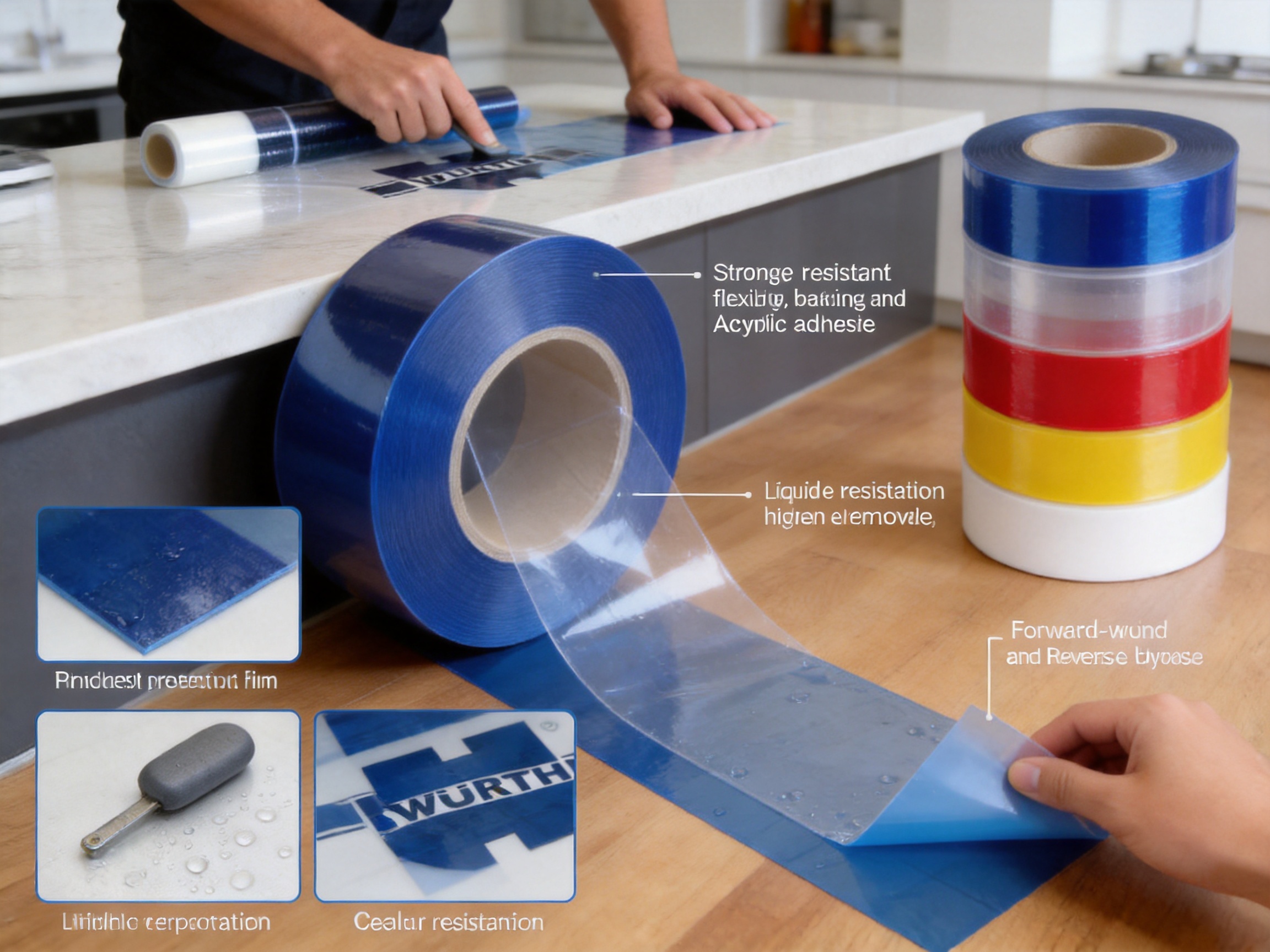
The film can be supplied in blue, clear, red, yellow, white, and other customized colors. Clear film allows the underlying surface to remain visible, which may be valuable for inspection or presentation. Blue and other colored films provide strong visual identification and make covered areas easier to recognize on a busy site.
Printing is available in zero to three colors. Customized logos, handling instructions, caution statements, product identification, and application reminders can be printed on the film. Printed film can support brand visibility for distributors and make correct use easier for contractors and end users.
The following table summarizes the principal specifications supplied for this multi-purpose protective film. Final values may be adjusted according to the customer’s application, surface, packaging requirements, and production agreement.
| Property | Available Specification | Application Significance |
|---|---|---|
| Product type | Glue-coated protective film | Temporary protection for hard and finished surfaces |
| Backing material | Polyethylene | Flexible, lightweight, moisture-resistant barrier |
| Thickness | 30 to 80 micrometers | Selection for different handling and protection demands |
| Width | 500 to 1,500 millimeters | Suitable for narrow applications and broad floor coverage |
| Roll length | 25 to 2,000 meters | Options for retail, professional, and industrial use |
| Elongation | At least 300 percent | Supports flexibility and controlled conformability |
| Adhesion level | Medium | Balanced attachment and removability |
| Adhesive type | Acrylic | Designed for temporary bonding and clean removal |
| Film colors | Blue, clear, red, yellow, white, and others | Visual identification and customized presentation |
| Printing | Zero to three colors | Logo, instructions, warnings, or product information |
| Winding direction | Forward wound or reverse wound | Adaptation to different dispensing and application methods |
Many projects begin with improvised protection, such as loose plastic sheets, paper, cardboard, fabric, or ordinary low-tack tape. These materials may offer limited short-term coverage, but they often fail to remain in position or provide a reliable liquid and abrasion barrier. A purpose-made protective film addresses several of these weaknesses in one product.
Adhesive-backed film can remain closer to the protected surface than loose sheeting. This reduces movement caused by air flow, foot traffic, and routine job-site activity. Stable coverage is especially useful at edges, along walkways, around worktops, and on vertical or slightly inclined surfaces.
Paint, plaster water, cleaning liquid, and other contaminants can pass through weak, torn, or loosely fitted materials. The polyethylene backing is designed to resist penetration and provide a continuous protective layer. This can reduce the risk of staining and simplify final cleaning.
Low-strength film may tear during unrolling, cutting, repositioning, or removal. Each tear can expose the surface and require a patch or complete replacement. Heavy-duty construction helps reduce unnecessary reapplication and supports better material utilization.
Residue is a major concern when removing temporary protective materials. Adhesive residue can attract dirt, affect the appearance of a finished surface, and require additional labor or cleaning chemicals. The acrylic adhesive is formulated to support removal without leaving glue under suitable application conditions.
One product platform can be adapted for different markets and applications. Thickness, width, length, color, printing, winding direction, and adhesive characteristics can be discussed according to the needs of a contractor, distributor, manufacturer, or retail brand. This flexibility is a significant advantage over standardized materials that cannot be adjusted.
Customized color and printing can make protective coverage appear more organized and professional. Printed instructions can communicate removal guidance, surface warnings, or application direction. Customized branding can also help distributors develop a recognizable product line.
Correct application is essential for achieving reliable protection and clean removal. The following procedure provides a general framework. Specific instructions should be confirmed for the selected film grade and surface.
Before application, inspect the surface for loose dust, moisture, oil, wax, polish, uncured coating, and sharp projections. The surface should be structurally sound and sufficiently finished for temporary covering. Existing damage should be recorded so that it is not confused with damage that may occur during the project.
Remove dust and loose particles using a suitable cleaning method. If a liquid cleaner is used, allow the surface to dry completely. Moisture trapped under the film can affect adhesion and may create marks on some materials. Do not apply the film over wet grout, uncured coatings, or freshly treated surfaces unless the product has been specifically approved for that condition.
Apply a small piece of film in an inconspicuous area. Leave it in place for a period that reflects the intended use and inspect the surface after removal. Check for residue, discoloration, gloss change, lifting of coatings, or other visible effects.
Measure the area and plan the direction of application. For floors, it is often useful to begin at one wall and work toward an exit or access point. For worktops and panels, identify edges, corners, joints, sinks, fixtures, and other areas that may require separate pieces or additional masking.
Unwind the film gradually and place it onto the surface with controlled pressure. Avoid trapping folds, large air pockets, dust, or debris beneath the film. A squeegee, soft roller, or clean hand tool may assist with smooth application when appropriate for the surface.
Where several pieces are required, create suitable overlaps without producing excessive ridges. Edges should remain firmly attached but should not be pressed onto surfaces that are not approved for adhesive contact. Avoid covering drains, ventilation openings, expansion joints, or other functional areas unless the application specifically requires it.
Check the film periodically. Replace sections that are torn, heavily contaminated, lifting, or no longer providing adequate protection. If liquid has collected beneath the film, identify the source and remove the affected section as soon as practical.
Remove the film after the risk of damage has passed and before the recommended application period is exceeded. Pull the film back slowly and at a controlled angle rather than sharply jerking it upward. If resistance occurs, stop and evaluate the cause. Excessive force should not be used on delicate or newly finished surfaces.
Forward-wound and reverse-wound options allow the film to be matched to different dispensing preferences. The winding direction determines how the adhesive and film surface are positioned as the roll is unwound. This detail can improve productivity when the material is applied manually, with a floor applicator, or with another dispensing system.
For large contractors and professional installers, the correct winding direction can reduce the number of times the roll must be turned or repositioned. It may also support safer handling and more consistent application. Customers should specify the intended dispensing method when requesting samples or placing an order.
Winding consistency is part of manufacturing quality. A roll with uneven edges, telescoping, loose layers, or irregular tension may be difficult to use even when the film and adhesive themselves meet the required specifications. Controlled rewinding and inspection help ensure that the finished roll is suitable for storage, transportation, and application.
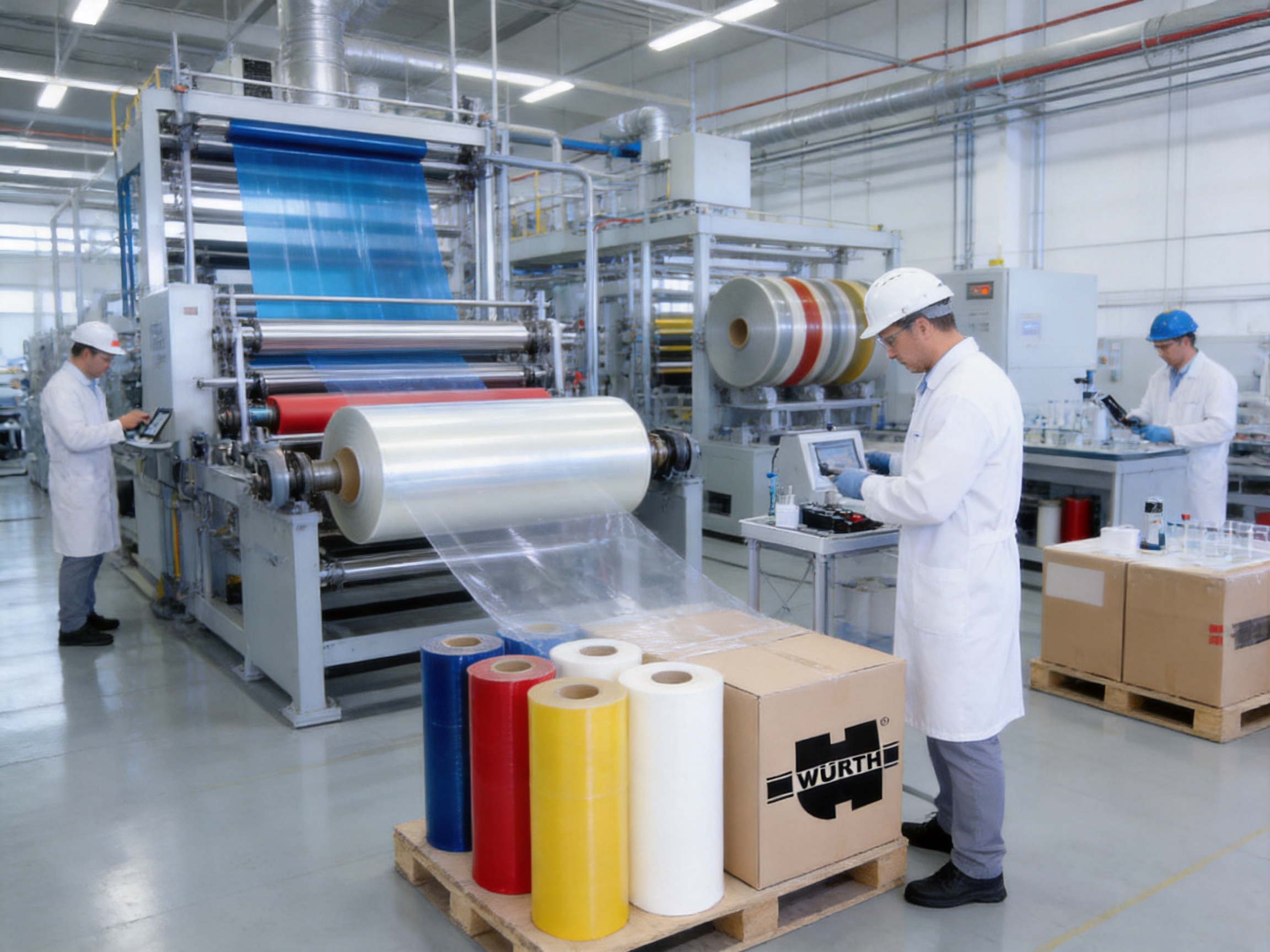
Wuxi Qida Tape Co., Ltd. operates as a manufacturer of protective films and surface-protection products. Its production system includes backing film production, adhesive coating, logo printing, rewinding, slitting, and packaging. Completing these stages within its own factory provides greater control over product consistency, lead times, customization, and quality inspection.
The backing film is the foundation of the product. Production control begins with the selection and processing of polyethylene materials suitable for the intended thickness, flexibility, strength, and appearance. Film formation must be controlled to achieve a consistent structure across the web.
Uniform thickness is important because thin areas may become weak points during application, while excessive variation can affect handling and roll formation. The film may also be evaluated for appearance, surface cleanliness, mechanical strength, elongation, and resistance to puncture.
The adhesive coating stage determines how the film contacts and releases from the protected surface. Acrylic adhesive is applied at a controlled coating weight and distributed across the film width. Process control helps maintain uniform adhesion and reduces variations from one section of the roll to another.
Coating conditions can include material temperature, line speed, drying or curing conditions, web tension, and coating thickness. These parameters must be coordinated to avoid defects such as streaks, bubbles, uneven tack, incomplete drying, or excessive adhesive transfer.
The adhesive system can be selected according to the application. Qida Tape identifies acrylic water adhesive, acrylic solvent adhesive, and natural rubber adhesive among its available adhesive options for different industry requirements. The final choice should consider the substrate, application period, temperature, humidity, outdoor exposure, removal conditions, and required adhesion level.
Printing is performed when customers require logos, instructions, warnings, or other information. Up to three colors can be used according to the product design. Registration, ink adhesion, clarity, and print consistency are important factors in producing professional rolls.
Printed instructions may help users understand which side to apply, how to remove the film, whether testing is required, and how long the product should remain in place. Clear communication can reduce misuse and support better results in the field.
Large coated rolls can be rewound and slit into the widths required by the customer. This stage must control web tension, roll hardness, edge alignment, and winding direction. Proper slitting reduces rough edges and helps the roll unwind evenly.
Available widths range from 500 millimeters to 1,500 millimeters, while roll lengths can range from 25 meters to 2,000 meters. These options allow the same product family to serve retail, contractor, commercial, and industrial requirements.
Packaging protects the rolls from contamination, moisture, crushing, and handling damage during storage and shipment. Before dispatch, finished goods may be checked for dimensions, appearance, winding quality, adhesion, backing integrity, printing, packaging, and identification.
Qida Tape maintains a testing laboratory and uses inspection equipment to support product quality. Laboratory testing cannot reproduce every application condition, but it provides a controlled method for comparing batches, verifying specifications, and investigating customer feedback.
Protective film buyers often need more than a standard roll. A project may require a particular width to reduce seams, a specific color for site identification, a lower or higher adhesion level, a custom logo, or a defined packaging format. A manufacturer with integrated production capabilities can respond to these requirements more efficiently than a trading supplier dependent on several outside processors.
Qida Tape has developed protective film products since 1999. The company reports a factory area of approximately 20,000 square meters, more than 95 experienced staff members, and annual production capacity exceeding 12,000 tons. Its machinery includes advanced equipment introduced from Germany, supporting the company’s focus on stable production and process development.
The company operates under ISO 9001 and ISO 14001 management systems. ISO 9001 relates to quality management and process consistency, while ISO 14001 supports environmental management practices. These systems provide a framework for documenting procedures, monitoring performance, managing corrective actions, and pursuing continuous improvement.
Qida Tape also works with experienced technicians, engineers, and research and development institutes. This technical structure allows the company to develop products based on customer samples, technical data sheets, and specific performance requirements. It also supports the development of customized adhesive formulas and protective film constructions.
The needs of a professional contractor are not always the same as those of a retail customer. Contractors may prioritize long rolls, fast application, high puncture resistance, and compatibility with dispensers. Retail products may require attractive packaging, manageable roll lengths, printed instructions, and clear product identification.
Protective film can be customized to meet these different commercial conditions. Possible customization areas include thickness, width, roll length, color, winding direction, adhesive type, adhesion level, printing, core size, packaging, carton configuration, and labeling.
For private-label and OEM programs, printed logos and instructions can help customers establish a dedicated product identity. A manufacturer can also assist with selecting a suitable film specification rather than simply reproducing a standard product that may not match the actual application.
Technical consultation is especially valuable when the film will be applied to newly manufactured or newly finished surfaces. The customer should provide information about the substrate, coating, surface energy, expected application period, temperature range, indoor or outdoor use, cleaning process, and removal requirements. This information helps the engineering team recommend a more appropriate construction.
Construction and renovation sites generate several types of risk at the same time. Dust may be present in the air, workers may move tools and materials across finished areas, wet products may be spilled, and different trades may work in sequence. Protective film helps separate completed surfaces from unfinished work.
During painting, the film can help protect floors, worktops, glass, and fixtures from overspray and splashes. During plastering, it can reduce contamination from wet plaster and fine particles. During tiling, it can shield completed areas from grout, adhesive, and tools. During general maintenance, it can reduce the risk of marks caused by equipment and repeated access.
Protection should be installed at the correct stage. Applying film too early, before a surface is fully cured or dry, can create problems. Applying it too late may leave the surface exposed to avoidable damage. Site managers should coordinate installation and removal with the project schedule.
Temporary protective film is also used during the manufacturing, processing, transportation, and installation of finished materials. The product range offered by Qida Tape covers protection for stainless steel, aluminum, pre-coated metal, plastic panels, ceramic, carpets, decorative laminates, glass, and other surfaces.
Although the multi-purpose product described here is primarily positioned for hard surfaces such as flooring, worktops, ceramic, vinyl, and glass, related protective film constructions can be developed for specific industrial applications. Metal surfaces, for example, may require different adhesion, heat resistance, weather resistance, and anti-corrosion considerations than interior flooring.
Metal protection is a specialized area because surface treatments, coatings, textures, and environmental exposure can strongly influence adhesive performance. A film intended for metal may need a customized adhesive formulation or additional protective layer. It should be selected through technical review and application testing rather than assumed to be interchangeable with a general hard-surface film.
Protective film should be stored in its original packaging in a clean, dry location. Rolls should be protected from excessive heat, direct sunlight, moisture, dust, and crushing. Heavy objects should not be placed on top of the rolls, and the film should be kept away from sharp edges that could damage the packaging or roll surface.
Before use, allow the product to reach the temperature of the application environment if it has been stored in a significantly different climate. Temperature affects adhesive flow, initial tack, flexibility, and removal behavior. Extremely cold or hot conditions may require additional testing.
Do not assume that a film suitable for a smooth indoor surface will produce the same result on a rough, porous, textured, coated, or outdoor surface. Surface compatibility, exposure duration, ultraviolet radiation, moisture, chemicals, and cleaning agents may change performance.
When removing the film, users should avoid leaving it in place longer than necessary. Long exposure can increase the possibility of adhesive transfer, especially under heat or sunlight. If the film has become bonded unusually strongly, removal should be paused while the surface and application conditions are evaluated.
For international buyers, quality management and compliance information are important parts of supplier evaluation. Qida Tape states that its management system and product compliance activities include ISO 9001, ISO 14001, SGS, RoHS, REACH, PFAS, and Prop 65 testing or related compliance support.
Requirements can differ according to the destination market, product composition, packaging, labeling, and intended use. Buyers should request current documentation for the exact product specification being purchased. Testing and certification references should be reviewed against the applicable regulation and purchasing requirement.
The company exports protective film products to Europe, North America, Australia, the Middle East, Japan, and other regions. Experience with international markets can assist with packaging, documentation, communication, and shipment coordination. However, buyers should still confirm all import, labeling, chemical, and environmental requirements for their own country.
Selecting a protective film should begin with the surface and the risk, not simply with the lowest price per roll. A buyer should consider whether the surface is smooth or textured, coated or uncoated, porous or non-porous, newly finished or fully cured, and located indoors or outdoors.
The expected hazards should also be identified. Light dust protection may require a different product from protection against paint, liquid, foot traffic, sharp debris, or repeated equipment movement. A thicker film may offer additional resistance, while a thinner film may provide easier handling and better coverage economics.
Adhesion is equally important. Too little adhesion may cause lifting, movement, and exposed areas. Too much adhesion may create removal difficulty or surface damage. The medium-adhesion acrylic system is intended as a balanced option, but the final suitability must be confirmed through testing on the actual surface.
Roll dimensions influence productivity. Wider rolls can reduce seams across floors and large panels, while narrower rolls may be easier to handle in restricted spaces. Longer rolls may reduce roll changes on large projects, while shorter rolls may be more convenient for retail users or small maintenance tasks.
| Project Requirement | Recommended Evaluation Point | Relevant Product Option |
|---|---|---|
| Large floor coverage | Width, roll length, winding direction, and easy unwinding | Wide forward-wound or reverse-wound rolls |
| High foot traffic | Puncture resistance, tear resistance, and secure adhesion | Thicker heavy-duty construction |
| Visible finished surface | Inspection visibility and site identification | Clear or customized colored film |
| Retail distribution | Pack size, roll length, printing, and instructions | Shorter customized rolls with printed information |
| Private-label sales | Logo, color, packaging, and specification control | OEM/ODM printed product |
| Delicate or newly finished surface | Adhesion, application duration, and removal testing | Customized adhesive level after compatibility testing |
| Liquid and paint exposure | Backing integrity and resistance to penetration | Heavy-duty polyethylene film |
Temporary protection does not eliminate all waste, but effective protection can reduce the need to replace damaged materials, perform repeated cleaning, or discard contaminated finished products. A film that applies consistently and removes cleanly can also reduce labor and the use of aggressive cleaning chemicals.
Material efficiency depends on correct sizing, careful application, and timely removal. Overlapping too extensively, replacing undamaged sections unnecessarily, or discarding rolls because of poor winding can reduce efficiency. For this reason, product design and manufacturing quality are connected to the practical environmental performance of the application.
Qida Tape’s ISO 14001 environmental management system provides a framework for managing environmental aspects within its operations. Buyers interested in sustainability should request specific information about material composition, packaging, production controls, waste management, and available product alternatives before making environmental claims.
Wuxi Qida Tape Co., Ltd. combines product development, manufacturing, converting, printing, testing, and packaging capabilities. This integrated approach can simplify communication because customers can discuss the complete product requirement with one supplier.
The company’s principal strengths include experience in protective films, customization, production capacity, multiple adhesive choices, technical support, quality-control procedures, and international supply experience. Its own factory carries out backing film production, adhesive coating, printing, rewinding, slitting, and packaging, enabling greater visibility across the supply chain.
The company also offers assistance with product selection. Professional engineers and technicians can review customer samples or technical data sheets and recommend a suitable film construction. This is particularly useful for applications where surface condition, adhesive performance, or removal behavior is more important than a general-purpose specification.
From a purchasing perspective, a capable factory can provide more than a competitive unit price. It can help stabilize product quality, support repeat orders, manage customized dimensions, adjust packaging, investigate technical issues, and coordinate production schedules. These factors can be valuable for importers, building-material distributors, flooring suppliers, hardware wholesalers, and private-label brands.
Before placing an order, buyers should request a technical data sheet showing the agreed thickness, width, length, adhesive type, adhesion level, color, printing, winding direction, core dimensions, packaging, and tolerance requirements.
Samples should be tested on the actual surface or a representative sample of the surface. Testing should include application, exposure for the intended period, removal, visual inspection, residue evaluation, and any required mechanical or chemical checks.
For repeated or large-volume orders, buyers may wish to establish a quality agreement defining batch inspection, packaging requirements, labeling, sample retention, defect handling, and approval procedures. Clear specifications make it easier for both the customer and manufacturer to maintain consistency.
It is also useful to confirm the available production capacity, lead time, minimum order quantity, printing requirements, export documentation, shipping method, and after-sales technical support. These commercial factors can affect the total cost and reliability of the supply program.
It is designed for many hard surfaces, including hardwood, laminate, ceramic, marble, tile, granite, vinyl, worktops, glass, and related finished materials. Surface testing is recommended before full application, especially for delicate, porous, freshly coated, or unusually treated substrates.
The acrylic adhesive is specially formulated to support clean application and removal without adhesive residue under suitable conditions. Actual results depend on the surface, temperature, sunlight, humidity, cleanliness, and time in place. A small compatibility test should always be performed.
The polyethylene backing resists paint and liquid penetration and provides a moisture-resistant barrier. It should not be considered a guarantee against all liquid entry. Seams, edges, punctures, drains, joints, and surface irregularities can allow liquid to pass beneath the film.
Available thicknesses range from 30 to 80 micrometers. The appropriate grade depends on the expected level of abrasion, puncture risk, handling requirements, and project duration.
Widths are available from 500 to 1,500 millimeters, and roll lengths range from 25 to 2,000 meters. Customized dimensions can be discussed for contractor, industrial, retail, and private-label requirements.
Yes. Printing from zero to three colors is available. Customers can request customized logos, application instructions, warnings, or other product information.
Common options include blue, clear, red, yellow, and white. Other colors may be possible depending on the order specification and production requirements.
Medium adhesion represents a balanced level intended to hold the film in place while supporting removal. It is not the same as permanent bonding. Performance still depends on the surface, temperature, contact pressure, and application period.
Outdoor use should be evaluated separately because sunlight, ultraviolet exposure, rain, temperature changes, wind, and chemicals can affect the backing and adhesive. Buyers should request an outdoor-suitable specification and conduct testing before use.
Metal surfaces can require specialized protection because coatings, textures, heat, weather, and corrosion conditions affect adhesive behavior. Qida Tape develops customized solutions for metal applications, but the general hard-surface specification should not be used on metal without technical evaluation.
The difference is the direction in which the film is wound and presented during unwinding. The correct option depends on the dispenser, application process, and operator preference. Customers should specify their equipment or preferred application method when ordering.
Remove it slowly and carefully after the protection period has ended. Pulling at a controlled angle can help reduce stress on the surface. If unusual resistance or surface lifting occurs, stop and investigate rather than applying excessive force.
Yes. The product can be customized for retail or contractor markets, including roll length, width, color, printing, packaging, labeling, and application instructions. OEM and ODM discussions can be based on the customer’s target market and technical requirements.
The company’s in-house processes include backing film production, adhesive coating, logo printing, rewinding, slitting, packaging, and product inspection. It also provides technical support and can develop products according to customer samples or technical data sheets.
Multi-purpose protective film is a practical solution for protecting ceramic, hardwood, laminate, vinyl, marble, granite, tile, worktops, glass, and other hard surfaces during painting, construction, remodeling, decoration, installation, transportation, and maintenance. Its polyethylene backing is designed to resist puncture, tearing, and paint or liquid penetration, while its acrylic adhesive provides balanced temporary adhesion and supports clean removal.
The product is available in a broad range of thicknesses, widths, lengths, colors, printing formats, and winding directions. These options make it suitable for contractor use, retail distribution, industrial supply, and private-label programs. The ability to customize the product helps buyers select a specification based on actual surface conditions and project risks rather than relying on a one-size-fits-all material.
Wuxi Qida Tape Co., Ltd. strengthens this product offering through integrated manufacturing, technical development, quality systems, laboratory testing, international supply experience, and flexible OEM/ODM capabilities. Its production processes cover the complete path from backing film production and adhesive coating to printing, slitting, rewinding, inspection, and packaging.
For the best result, users should prepare the surface correctly, perform a compatibility test, select the appropriate film thickness and adhesion level, apply the material smoothly, inspect it during use, and remove it within the suitable application period. When these steps are combined with the right product specification and professional manufacturing support, protective film can help reduce surface damage, cleaning labor, material loss, and project delays.
1. Wuxi Qida Tape Co., Ltd. Product information for multi-purpose glue-coated protective film.
2. Wuxi Qida Tape Co., Ltd. Technical information regarding polyethylene backing film, acrylic adhesive, roll dimensions, colors, printing, and winding options.
3. ISO 9001, Quality Management Systems—Requirements.
4. ISO 14001, Environmental Management Systems—Requirements with Guidance for Use.
5. General principles of temporary surface protection for construction, renovation, manufacturing, transportation, and installation applications.
6. Customer-specific technical data sheets, substrate samples, compatibility tests, and agreed product specifications.
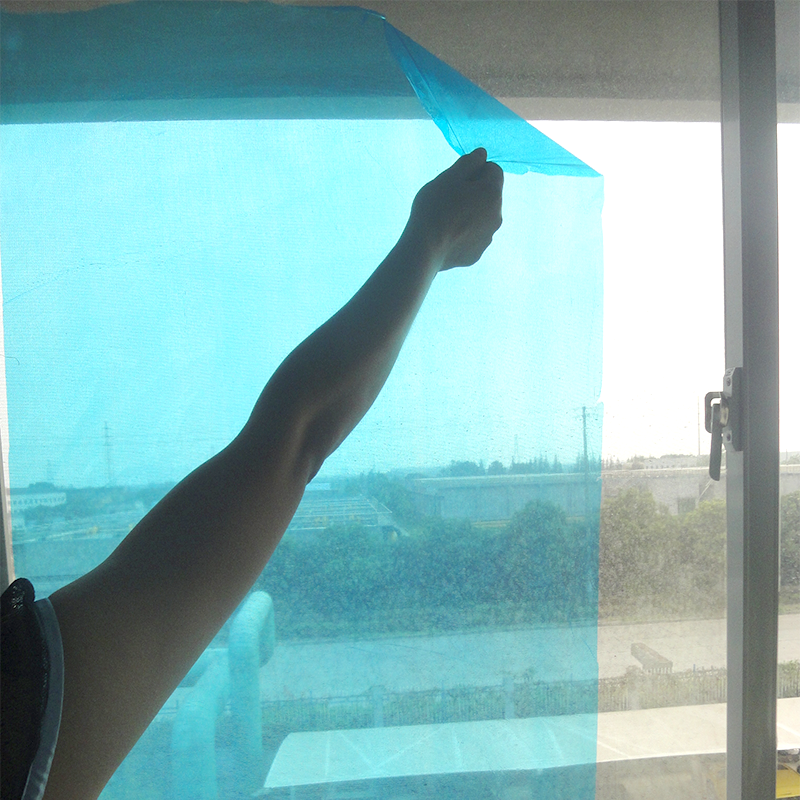
● Protect window glass against paint splatters, dirt, staining, and spillages during painting, building, plastering, tiling, general maintenance and r...
See Details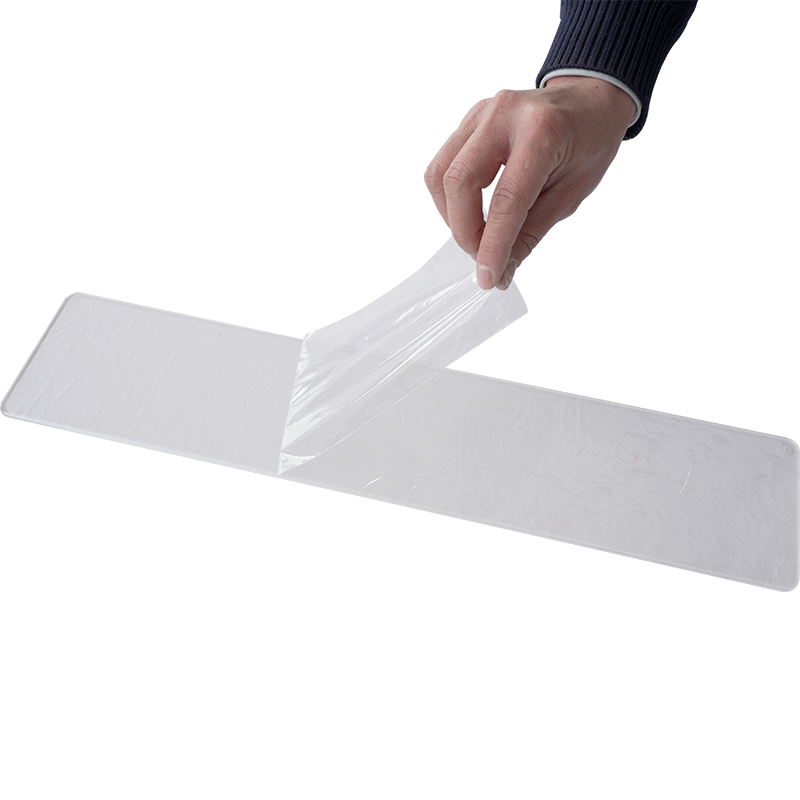
● No “ghost shadow” or “fish eye” after removal; ● Low gel content, soft and stable adhesion plus easy-peel removal with no surface damage or curling;...
See Details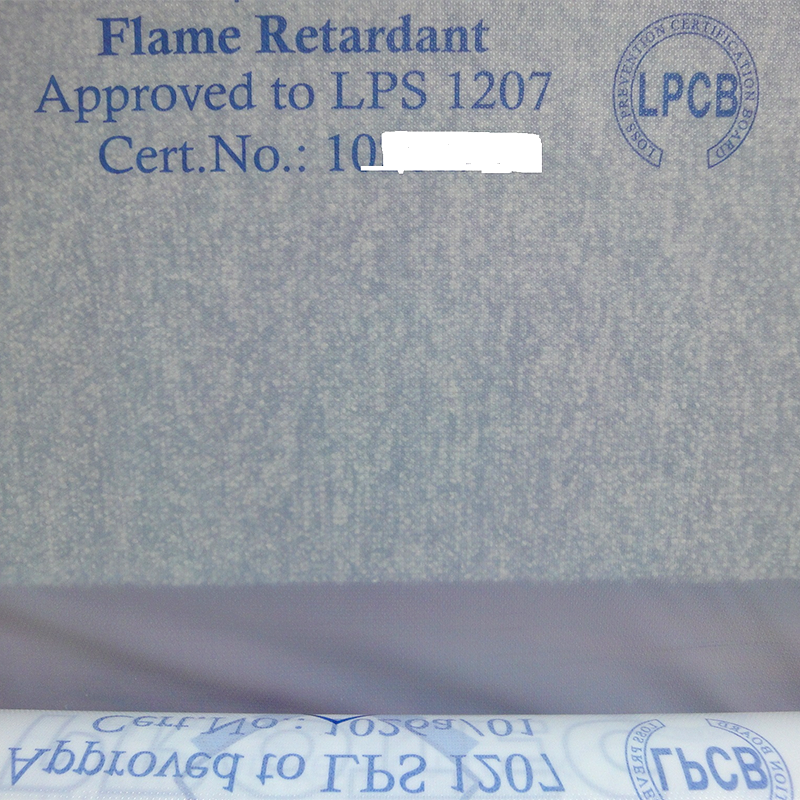
● Prevents costly damages in case of fire /flame;● Meet the strict international test standards of loss prevention; ● Extensive selection for flame re...
See Details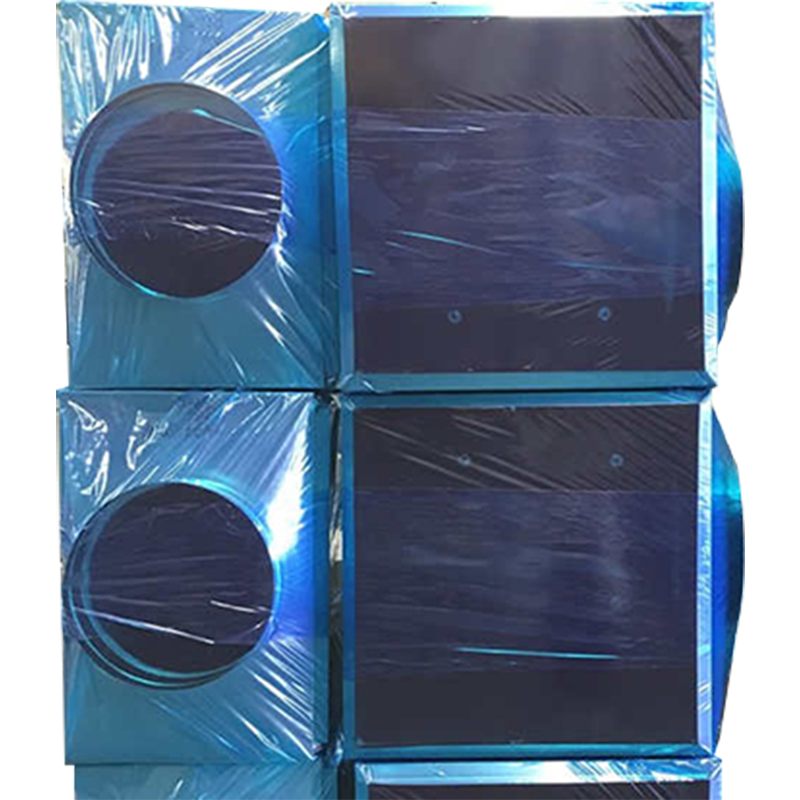
● The super-tough polyethylene film resists puncture and penetration by liquid and dirt during storage, transportation, and installation of the ductwo...
See Details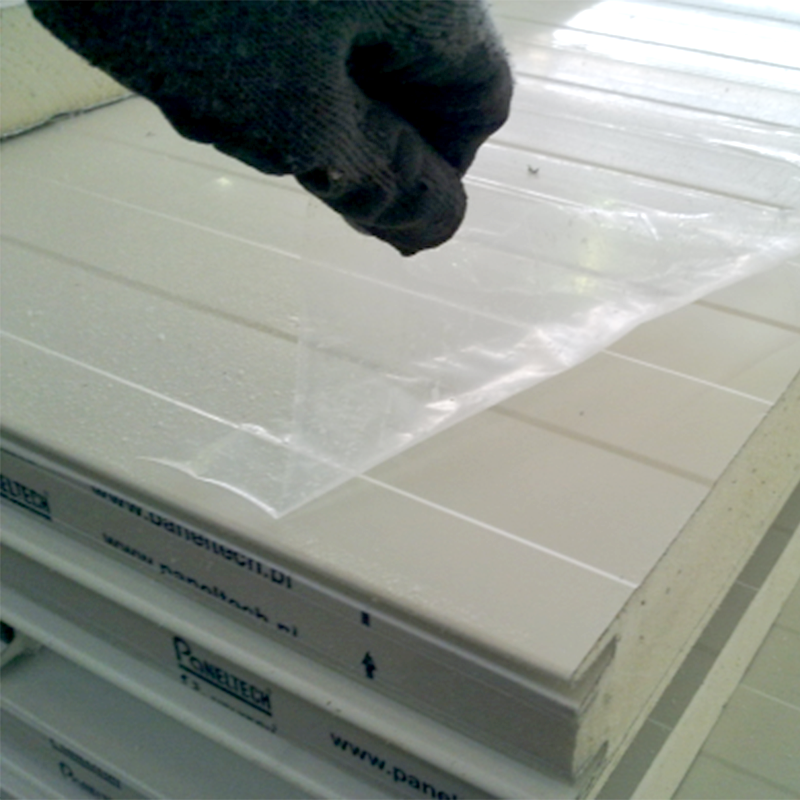
● The specially formulated adhesive ensures easy application and removal without leaving residue glue on the sandwich panels; ● The super-tough polyet...
See Details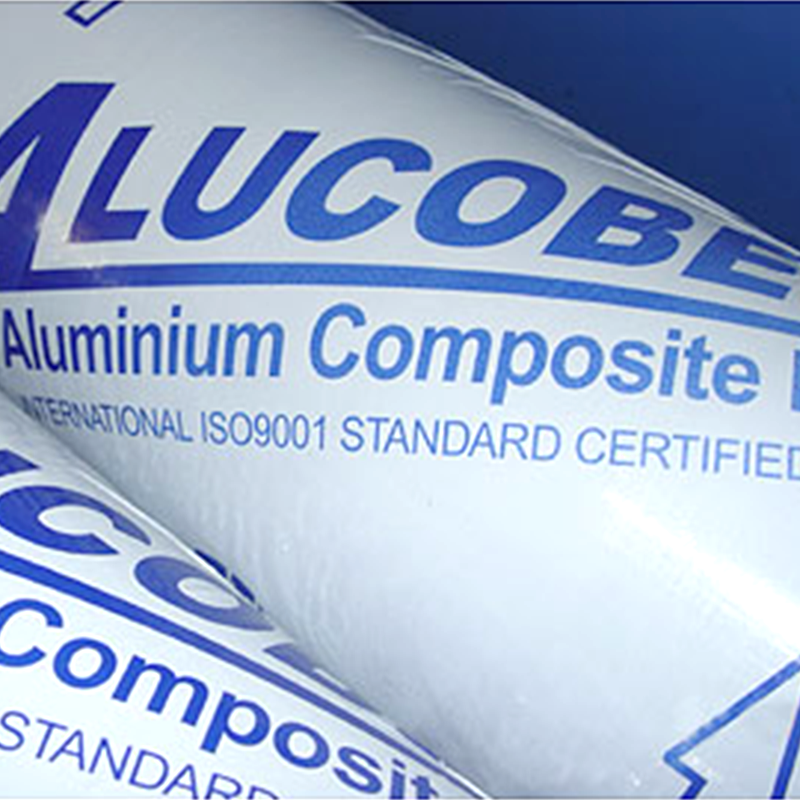
● The specially formulated adhesive ensures easy application and removal without leaving residue glue; ● The super-tough polyethylene film protects ag...
See Details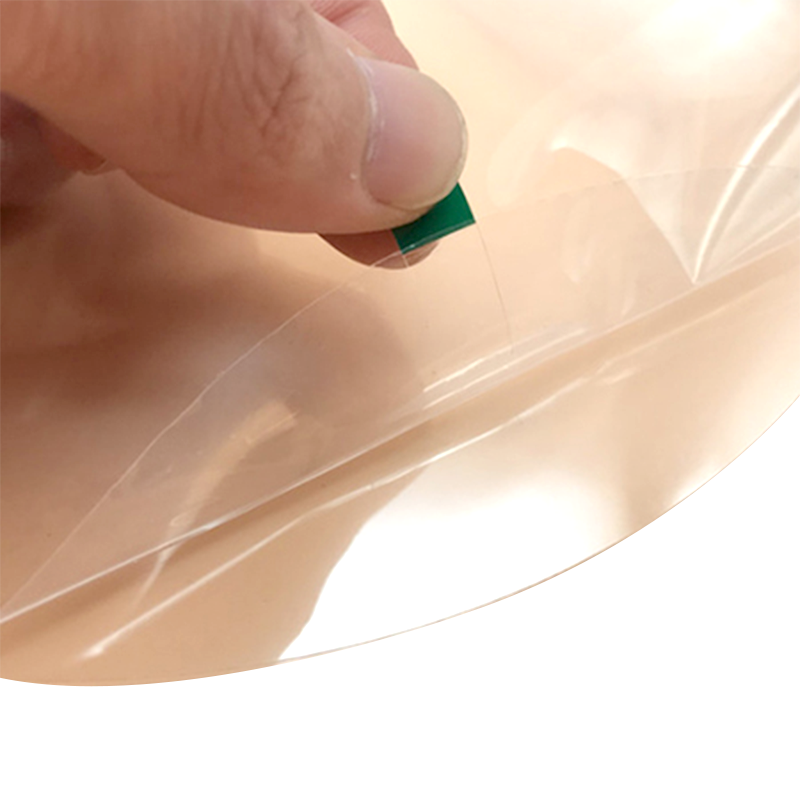
● Suitable for plastic sheets’ drilling, cutting, routing, thermoforming, bending, or post-fabrication operations;● No “ghost shadow” or “fish eye” af...
See Details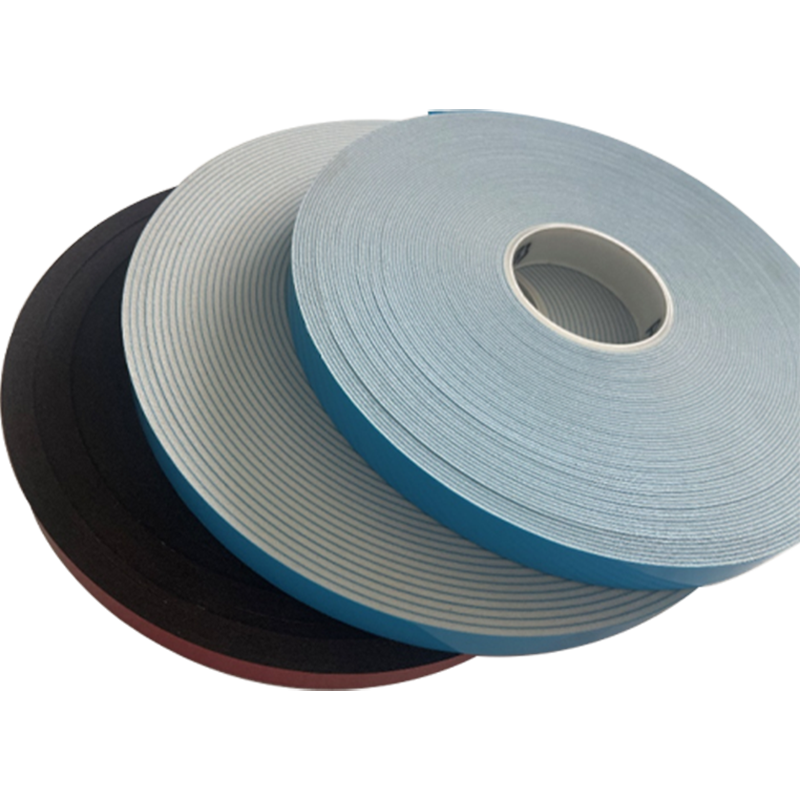
● Waterproof - the desirable material for waterproofing. ● Dust-proof - positive performance of dust prevention.● Low resilience - prevent the deforma...
See Details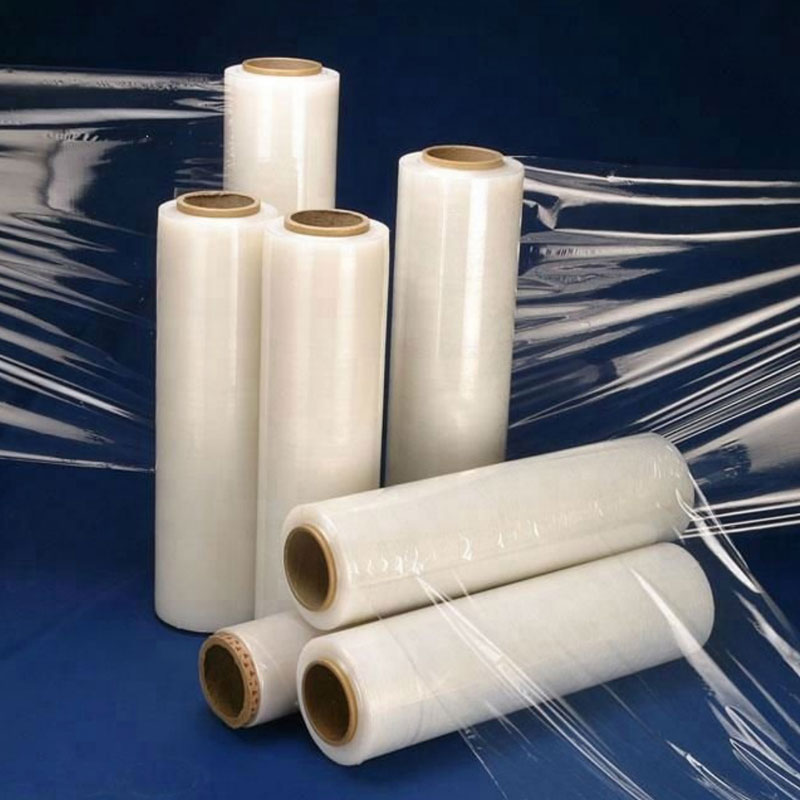
● Small roll size for convenient manual application;● Excellent puncture and tear resistance ; ● A self-adhering-each layer of film bonds to the next ...
See Details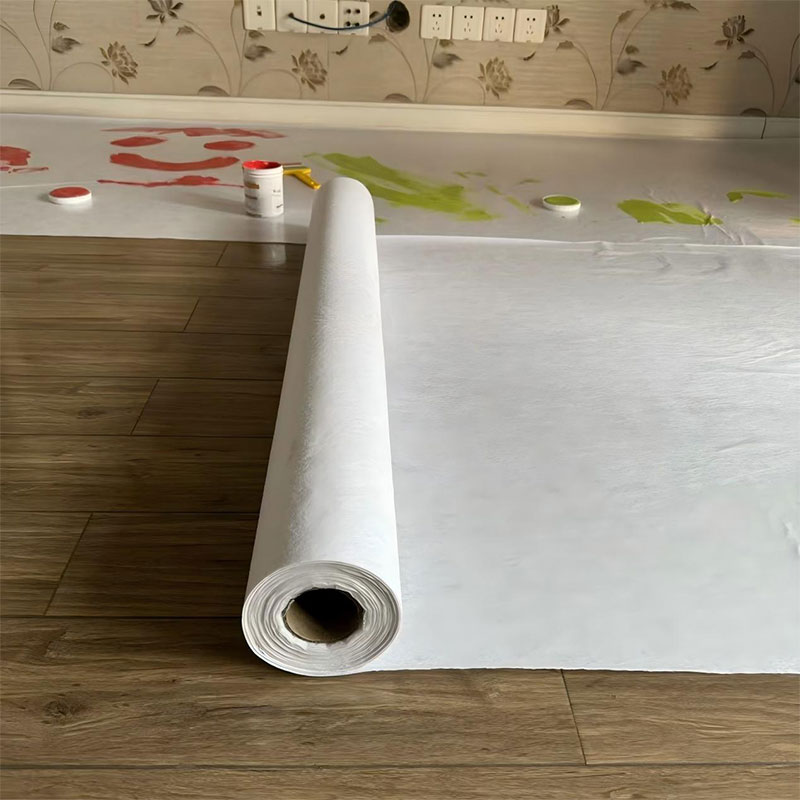
This product has non-woven synthetic fleece in middle; PE film adhered onto top of the non-woven fabric, which is coated with self adhesive glue on it...
See DetailsWe’re a reliable partner that shapes our expertise into success for your project.

Copyright 2024 Wuxi Qida Tape Co., Ltd. All Rights Reserved
 Wholesale Protective Film/Foil Manufacturers
Privacy
Wholesale Protective Film/Foil Manufacturers
Privacy