

 English

 English
 русский
 Français
 Español
 Português
 عربى


Cat:Glue -coated Protective Film
● No “ghost shadow” or “fish eye” after removal; ● Low gel content, soft and stable adhesion plus easy-peel removal with no surface damage or curling;...
See Details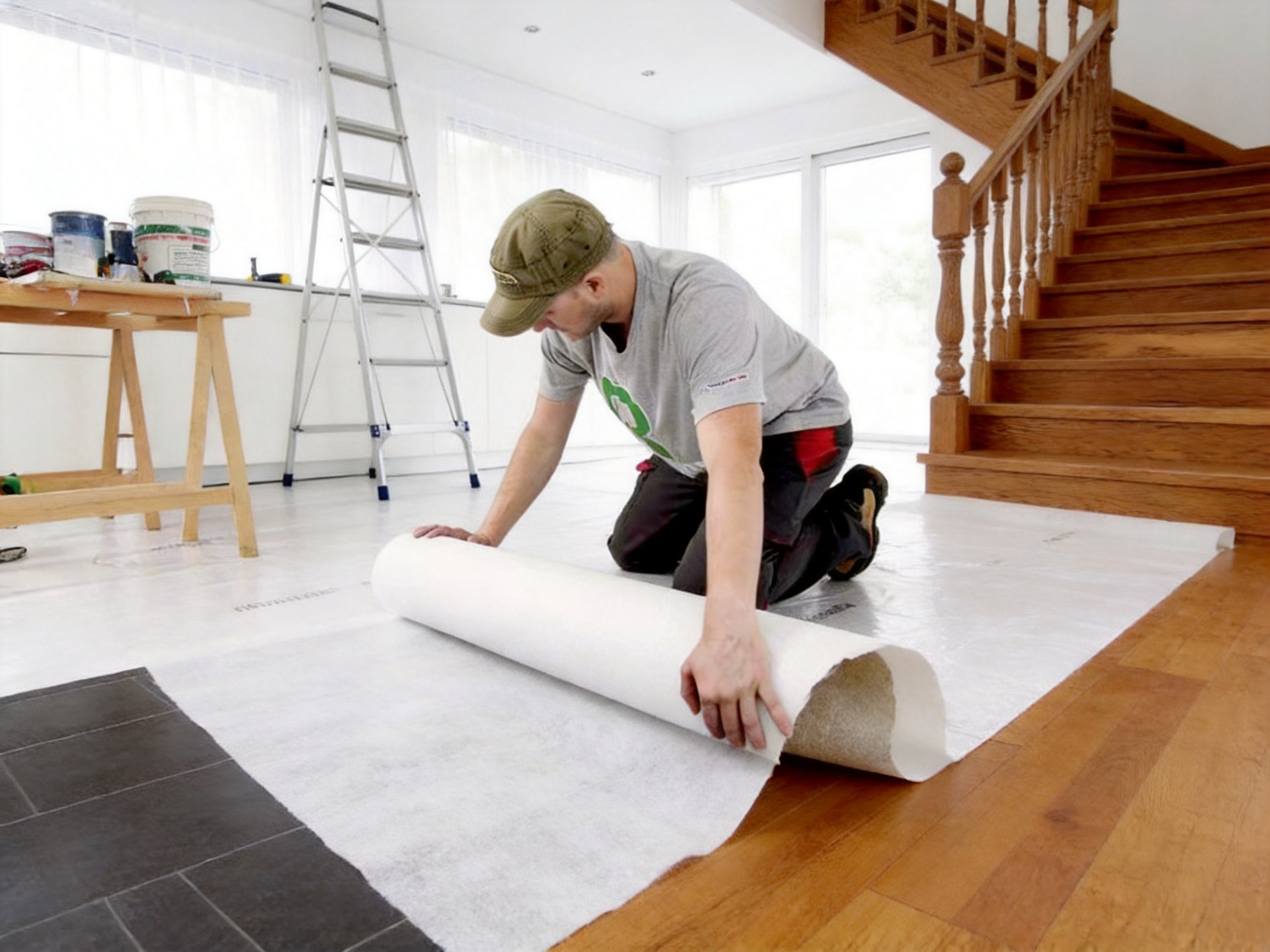
Protecting finished surfaces during construction, renovation, maintenance, transportation, and installation is essential for controlling costs and preserving quality. Floors, stairs, decorative laminates, ceramic surfaces, metal panels, glass, and other finished materials can be damaged by dust, paint, solvents, water, tools, footwear, and moving equipment. Once a surface has been scratched, stained, or contaminated, repair and replacement can create unexpected delays and expenses.
Non-woven protection fabric provides a practical solution for these challenges. Designed as a temporary surface protection material, it combines a soft, non-abrasive textile layer with a waterproof polyethylene backing film. The fabric helps prevent scratches and impact marks, while the backing film blocks liquids from reaching the protected surface. Its anti-slip performance also helps workers move more safely across stairs, floors, corridors, and other work areas.
Unlike ordinary plastic sheets, paper coverings, or loose textile materials, non-woven protection fabric is engineered for demanding job-site conditions. It is robust, tear-resistant, easy to install, simple to remove, and suitable for repeated use. Depending on the application, the fabric can be supplied in different weights, widths, roll lengths, adhesion levels, backing film colors, and printing options.
Wuxi Qida Tape Co., Ltd. is a professional manufacturer of protective films and surface protection products. Its experience in backing film production, adhesive coating, printing, rewinding, slitting, packaging, testing, and quality management enables it to develop non-woven protection fabric for a wide range of industrial and commercial requirements.
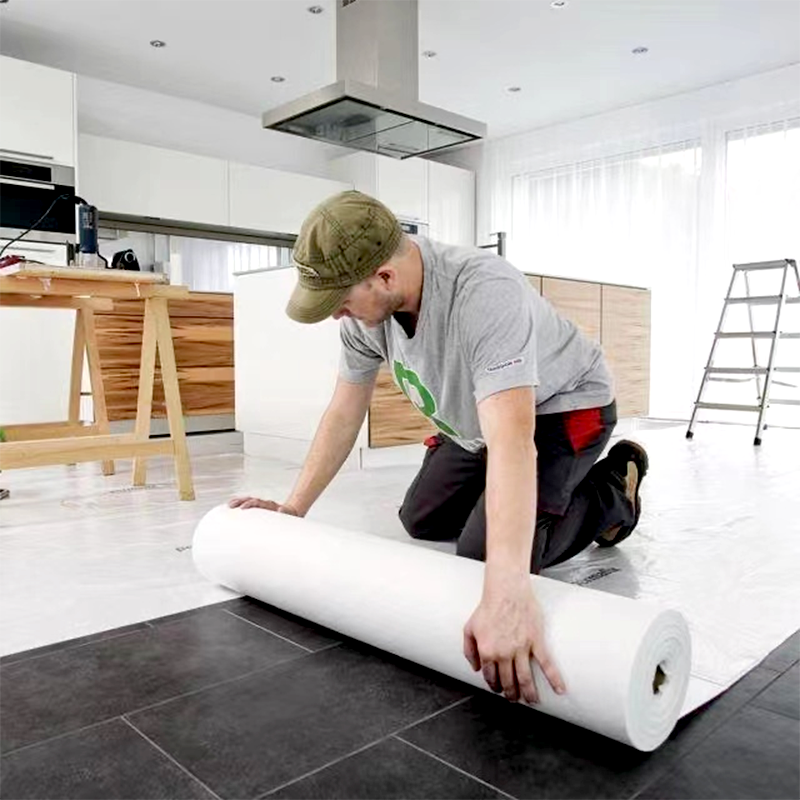
Non-woven Protection Fabric
Non-woven protection fabric is a specialized temporary covering made from bonded textile fibers and a polyethylene backing layer. Unlike woven fabric, which is manufactured by interlacing yarns in a regular pattern, non-woven fabric is produced by arranging and bonding fibers through mechanical, thermal, or chemical processes. This structure allows manufacturers to adjust the material’s softness, strength, absorbency, flexibility, and surface characteristics.
For surface protection applications, the non-woven layer is normally combined with a PE backing film. The textile side faces upward and provides cushioning, grip, and resistance to abrasion. The polyethylene side faces downward and helps prevent water, paint, cleaning fluids, and other liquids from penetrating through the material.
The resulting product is suitable for temporary protection on hard floors, stairs, corridors, platforms, workbenches, countertops, and other surfaces. It can be rolled out quickly over large areas and removed after the work is finished. Depending on the selected adhesion level, the product can remain stable without extensive fixation, reducing the need for additional tape or fastening accessories.
The material is especially useful when contractors need a protective covering that can remain in place during several stages of a project. It can withstand foot traffic, routine wiping, vacuuming, light equipment movement, and exposure to common job-site contaminants. After use, it can often be cleaned and used again, helping reduce total material consumption.
The product can be customized according to the needs of distributors, contractors, manufacturers, and professional users. The following specifications represent the available general range.
Specification |
Available Range or Option |
Application Value |
Fabric weight |
100 g/m² to 250 g/m² |
Allows users to select a balance between light handling and higher durability |
Width |
300 mm to 1500 mm |
Suitable for narrow stairs, walkways, work areas, and broad floor coverage |
Roll length |
5 m to 100 m |
Supports both small maintenance jobs and large construction projects |
Adhesion level |
Low to medium |
Provides stability while supporting clean and easy removal |
PE backing film colors |
Blue, clear, white, and other options |
Enables visual identification, branding, or compatibility with project requirements |
Printing |
0 to 3 colors |
Allows logos, handling instructions, warning messages, or product identification |
These specifications can be combined in different ways. A lightweight roll may be appropriate for short-term residential renovation, while a heavier fabric may be preferred for commercial construction sites with frequent traffic. A wider roll can reduce installation time on open floors, while a narrower roll may be easier to handle on stairs, narrow corridors, and around equipment.
Safety is one of the main reasons to use a professional surface protection fleece instead of loose plastic film or ordinary cardboard. The non-woven structure provides a stable walking surface and helps reduce movement under normal foot traffic. On stairs and sloped areas, the product can often be installed without extensive tape fixation, making it a convenient choice for secure construction sites.
Although job-site conditions vary, correct installation remains important. The surface should be clean, dry, and free from loose debris before the fabric is applied. Edges should be positioned securely, and overlapping sections should be arranged carefully to prevent trip hazards. For areas exposed to heavy equipment, strong vibration, or significant moisture, additional fastening may be appropriate.
The PE backing film provides a barrier against water, paint, solvents, and other liquids commonly found in construction and maintenance work. If a spill occurs, the liquid can often be wiped from the surface before it reaches the underlying floor. This is particularly valuable when protecting wood flooring, engineered flooring, ceramic tile, decorative laminates, concrete finishes, and other surfaces that may stain or absorb contaminants.
The product should not be regarded as a substitute for immediate spill management. Large spills should be cleaned promptly, and the covering should be inspected for tears or displaced sections. Nevertheless, the impermeable backing gives workers additional time to respond and significantly reduces the likelihood of direct liquid contact with the protected surface.
Construction sites expose finished surfaces to repeated mechanical stress. Workers carry tools, move materials, place ladders, and transport equipment across the site. Dust and grit underfoot can create abrasive wear, while dropped objects can leave scratches or dents. The soft non-woven layer helps separate the surface from these common sources of damage.
The fabric is designed to be extremely robust and tear-resistant. Its strength is important because a torn covering can expose the floor and require immediate replacement. A durable material can remain in service for longer periods, lowering labor requirements and reducing the amount of discarded protective material.
Temporary protection is only effective if it can be removed without creating a second problem. Excessive adhesive transfer can leave a sticky residue that requires additional cleaning or may damage sensitive finishes. The product’s low-to-medium adhesion options are designed to provide stability while supporting clean removal.
Before full-scale use, users should conduct a compatibility test on an inconspicuous area. Surface condition, temperature, humidity, coating type, installation time, and pressure can all affect adhesion. Testing is especially important on newly finished, delicate, porous, or chemically sensitive surfaces.
Many temporary floor coverings are discarded after a single use because they become torn, soaked, or heavily contaminated. Non-woven protection fabric can often be wiped, vacuumed, dried, rolled, and used several times when it remains structurally sound. Reusability can reduce material consumption and improve the cost efficiency of repeated projects.
Whether the product can be reused depends on the type of contamination, the duration of service, the condition of the backing film, and the cleaning method. Users should not reuse a covering if it has lost its non-slip performance, developed exposed sharp edges, or suffered serious punctures.
Plastic sheeting is inexpensive and waterproof, but it can slide easily under foot traffic. It may also wrinkle, fold, or create trip hazards. On stairs and walkways, loose plastic is often difficult to control without extensive tape. It provides limited cushioning and can become noisy when workers walk across it.
Non-woven protection fabric addresses these limitations by combining waterproof backing with a textile top layer. The textile surface improves handling and stability, while the PE film maintains liquid resistance. The material is therefore more suitable for active work areas where workers need to walk repeatedly across the protected surface.
Paper and cardboard can provide basic impact protection, but they absorb water and many liquid contaminants. Once wet, they may become soft, tear easily, transfer color, or adhere to the underlying surface. Cardboard can also create gaps and uneven joints when used over irregular or large areas.
The impermeable backing of non-woven protection fabric prevents liquids from passing through under normal conditions. The roll format also allows faster installation with fewer seams. The textile layer remains flexible and can conform more effectively to floors, stairs, and other working surfaces.
Low-quality fleece coverings may molt, shed fibers, or break down when wiped. Loose fibers can create cleaning problems and may interfere with painting, coating, or finishing work. Thin products may also tear when repositioned.
The non-woven protection fabric described here is designed to resist tearing and avoid molting during wiping. This improves cleanliness and helps the covering maintain its protective function throughout the project. The ability to clean the material also provides an advantage over disposable products that must be replaced after minor contamination.
Adhesive protective film is effective for smooth surfaces such as stainless steel, aluminum, glass, plastic panels, and pre-coated metal. However, a thin film alone may not provide enough cushioning or anti-slip performance for floors and stairs. It may also be unsuitable for rough, textured, dusty, or highly porous surfaces.
Non-woven protection fabric is more appropriate when the application requires surface separation, cushioning, floor grip, and liquid resistance. For complex projects, adhesive film and protection fleece can be used together on different surface types, allowing each material to perform the function for which it is best suited.
Construction and renovation sites are among the most common applications. The material can protect completed floors while walls, ceilings, doors, windows, cabinets, and fixtures are still being installed. It can be placed in entrance areas to reduce the transfer of dust and dirt, or used along corridors where workers transport materials.
During painting and decorating, the waterproof backing helps protect floors against drips and splashes. During flooring installation, the material can protect newly completed sections while other trades continue working in adjacent areas. In commercial buildings, it can remain in place during phased construction, reducing the need to repair finished surfaces before handover.
Stairs are difficult to cover with rigid sheets because the material must follow multiple angles and edges. A flexible non-woven roll can be cut and positioned along stair treads, risers, landings, and adjacent walls. Its non-slip characteristics are useful in areas where workers need to move materials or tools up and down repeatedly.
Corridors also benefit from roll-based protection. Long runs can be covered with fewer joints, improving appearance and reducing the time required for installation. If the product is printed with project information or warning messages, it can also help communicate that the floor is protected and should be kept clean.
Flooring contractors, interior installers, kitchen fitters, and cabinet manufacturers can use the fabric to protect completed sections from damage during subsequent work. It is suitable for many hard floor surfaces, provided that the surface compatibility and installation conditions have been checked.
The soft upper layer helps reduce direct contact between tools and the finished floor. The liquid barrier offers additional protection during adhesive application, grouting, painting, cleaning, and other operations that involve moisture or chemicals.
Manufacturers of metal panels, decorative boards, appliances, furniture, and other finished products may use surface protection materials during internal handling, storage, and installation. Non-woven protection fabric can be placed between components or used to protect work surfaces during assembly.
In industrial environments, the product’s tear resistance, clean handling, and customizable width are valuable. Manufacturers can select a suitable weight and roll length according to the size of the product and the expected handling conditions. Printed rolls can include batch numbers, handling reminders, or customer identification.
During relocation work, floor surfaces can be exposed to dirt, moisture, wheels, boxes, and dropped objects. Temporary protection fabric can be rolled out before furniture and equipment are moved through a property. It can also be used during maintenance activities such as painting, plumbing repairs, electrical installation, and equipment replacement.
Because it can be wiped and vacuumed, the product is practical for repeated service calls. Maintenance companies can keep rolls in service vehicles and cut the required length at each location.
Exhibition halls, conference venues, retail stores, and temporary event spaces often require rapid installation and removal. The fabric can protect floors during booth construction, display installation, lighting work, and dismantling. After the event, it can be removed efficiently without leaving unwanted adhesive residue when the proper product and installation method are selected.
The performance of the finished material depends on the quality of its raw materials, fiber preparation, web formation, reinforcement, backing film integration, finishing, conversion, and inspection. A controlled manufacturing process helps ensure consistent weight, strength, appearance, adhesion, and waterproof performance.
Non-woven fabrics may use polyester fiber, polypropylene fiber, viscose fiber, or blended fiber systems. Each fiber type offers different characteristics. Polyester is known for strength and dimensional stability. Polypropylene offers low density and useful chemical resistance. Viscose can contribute softness and absorbent characteristics in suitable constructions.
Before production, fibers are screened and processed to remove impurities and ensure consistent feed. Opening and blending help distribute the fibers evenly. Proper preparation is important because inconsistent raw materials can lead to weak areas, uneven thickness, poor appearance, or variation in the finished roll.
Fiber web formation creates the initial arrangement of fibers. Two common approaches are dry-laid and wet-laid processing.
In dry-laid production, fibers are opened and separated mechanically or through airflow. A carding machine can arrange fibers into a web, while air-laid systems transport and distribute fibers onto a forming surface. Air-laid production can offer good uniformity and high manufacturing efficiency.
In wet-laid production, fibers are dispersed in a water-based suspension. The suspension is transferred to a forming mechanism, where water is removed and the fibers form a wet web. This approach can use shorter fibers effectively, although it may involve different production speeds and drying requirements.
The fiber web must be strengthened before it can function as a protective material. Reinforcement methods include needle punching, thermal bonding, and chemical bonding.
Needle punching uses repeated penetration by barbed needles. The needles entangle fibers throughout the thickness of the web, creating a strong and flexible structure. This method is widely used for industrial fabrics and other applications that require durability.
Thermal bonding uses fibers or powdered materials that soften or melt under controlled heat. The bonding material forms connection points between fibers. Thermal bonding can support high production efficiency and consistent processing, although excessive heat or unsuitable formulation may influence softness and air permeability.
Chemical bonding applies an adhesive or binder to connect the fibers. The amount and distribution of the binder can be adjusted to achieve specific performance characteristics. Chemical systems require careful control, including attention to worker safety, emissions, environmental requirements, and final product compliance.
After the non-woven layer has been produced and stabilized, it is combined with a polyethylene backing film. The backing film provides impermeability and helps prevent liquids from reaching the protected surface. The bonding process must be controlled so that the layers remain firmly joined without making the material excessively rigid.
Film color can be selected according to customer requirements. Blue can provide strong visual identification, while clear and white options may be preferred for different project environments. The film structure, thickness, bonding strength, and surface finish all influence the product’s final handling behavior.
Finishing can include shaping, surface treatment, edge control, cutting, rewinding, slitting, and packaging. If the material is supplied in different widths, precision slitting is essential. Poorly controlled slitting can create uneven edges, loose winding, or roll telescoping during transportation.
Printing is available in up to three colors. Depending on the project, printed content may include a company logo, product name, installation instructions, directional information, safety reminders, or recycling guidance. Consistent printing also helps distributors identify products and strengthen their own market presentation.
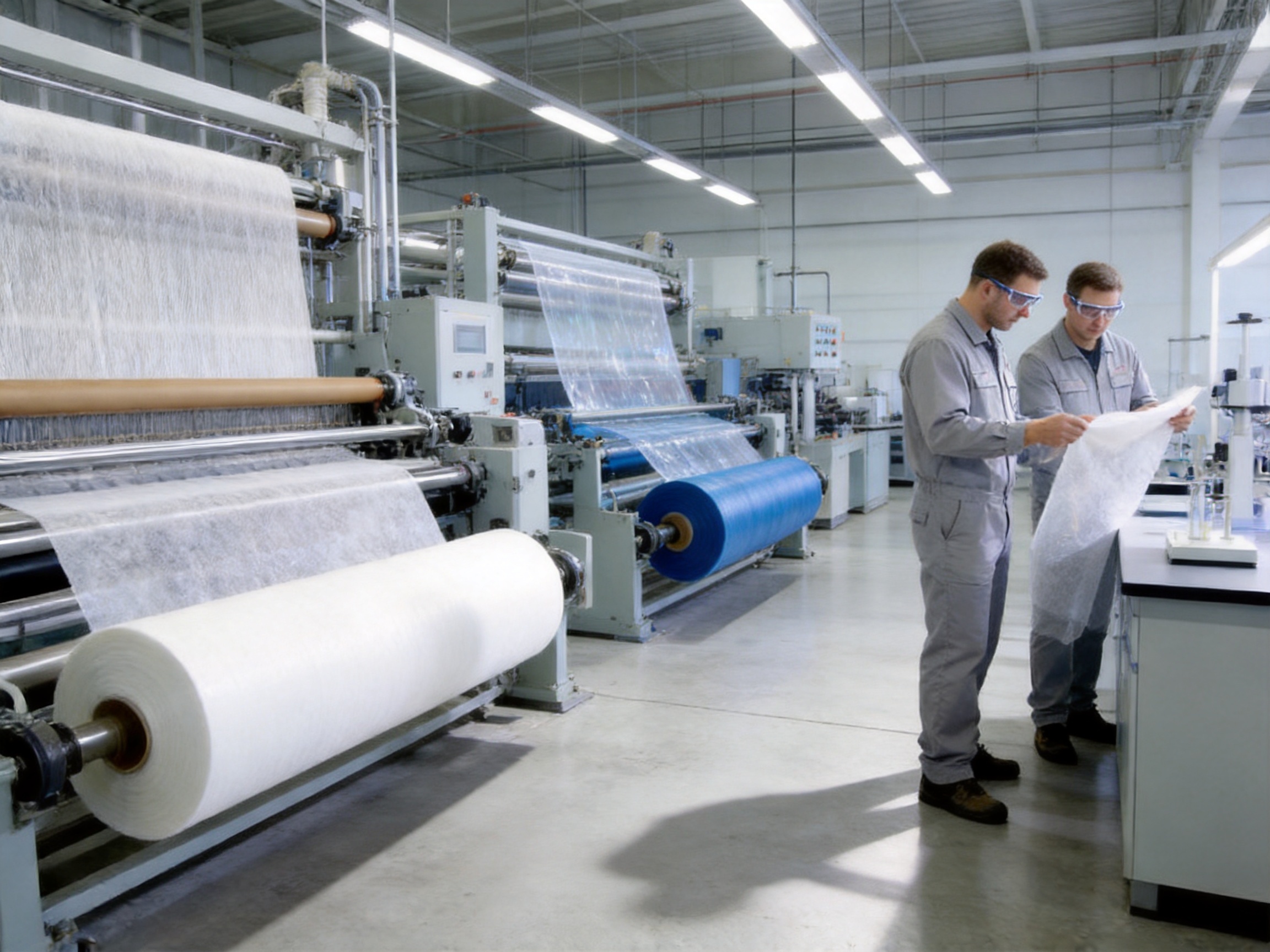
Quality control begins with incoming raw materials and continues through every production stage. A professional manufacturer evaluates the composition, appearance, dimensions, strength, backing film, bonding, and packaging of the finished product.
Important inspection areas may include fabric weight, width, roll length, tensile strength, tear resistance, water resistance, surface cleanliness, adhesion level, peel behavior, and visual uniformity. The exact testing program should reflect the intended application and customer specification.
Adhesion testing is particularly important because the product must remain stable during use but should not leave residue or damage the substrate during removal. Test conditions may include different temperatures, dwell times, surface types, and removal speeds. Users should recognize that no single adhesion level is ideal for every surface.
Waterproof performance can be evaluated by exposing the backing film to controlled liquid contact and checking for leakage, penetration, or separation between layers. Mechanical tests help confirm that the fabric can tolerate normal handling, installation, repositioning, and job-site traffic.
Packaging inspection is also important. Rolls should be protected against moisture, dust, crushing, and deformation during storage and transportation. Clear labeling can identify the product specification, roll length, batch information, and recommended storage conditions.
Wuxi Qida Tape Co., Ltd. is a factory specializing in protective films and surface protection solutions. Its product range supports the protection of stainless steel, aluminum, pre-coated metal, plastic panels, ceramic, carpet, decorative laminates, glass, and other surfaces during processing, transportation, and installation.
The company’s manufacturing capabilities cover several important stages internally. These include backing film production, adhesive coating, logo printing, rewinding, slitting, and packaging. Internal control over these operations can improve coordination, shorten communication cycles, and support more consistent product customization.
The company has introduced advanced machines from Germany and operates under ISO 9001 and ISO 14001 management systems. ISO 9001 supports structured quality management, while ISO 14001 focuses on environmental management. Together, these systems provide a framework for process control, documentation, corrective action, resource management, and continual improvement.
Its factory covers approximately 20,000 square meters, employs more than 95 experienced staff members, and has an annual production capacity of over 12,000 tons. This scale allows the company to support both standard product orders and customized production programs for customers in different markets.
Qida Tape has experienced technicians and engineers who work with research and development institutes to develop new protective film products. Its engineering team can evaluate customer technical data sheets, samples, surface types, and application conditions when recommending a suitable solution.
The company also operates a testing laboratory with inspection equipment for product evaluation. Testing and technical analysis help reduce the risk of selecting an unsuitable adhesion level, backing structure, or protective material for a particular application.
In addition to non-woven surface protection fabric, the company produces adhesive protective films using acrylic water-based adhesive, acrylic solvent adhesive, and natural rubber adhesive systems. This range allows customers to coordinate multiple surface protection requirements with one experienced supplier.
Qida Tape serves customers in China and exports to Europe, North America, Australia, the Middle East, Japan, and other regions. Its compliance and testing support includes ISO9001, ISO14001, SGS, RoHS, REACH, PFAS, and Prop 65-related requirements and testing, depending on the product and customer specification.
Fabric weight affects handling, cushioning, durability, and cost. A 100 g/m² product may be selected when low weight and fast installation are priorities. Heavier products between 150 g/m² and 250 g/m² can be considered for demanding work areas, longer project periods, or increased traffic.
Width should be selected according to the protected area and the available installation workforce. Narrow rolls are convenient for stairs, thresholds, hallways, and narrow platforms. Wider rolls cover open floors more quickly and reduce the number of seams. Roll lengths from 5 meters to 100 meters provide flexibility for small maintenance jobs and large commercial projects.
Low-to-medium adhesion is suitable for many temporary protection applications where stability and clean removal must be balanced. The selected adhesion should reflect the surface finish, exposure time, temperature, and expected movement. More aggressive adhesion is not automatically better because it may increase removal force or residue risk on sensitive surfaces.
Blue, clear, and white PE backing films are available, with additional options subject to production requirements. Printing in up to three colors can support private labeling, product differentiation, safety communication, or project identification.
Custom printing should be reviewed carefully before production. The artwork should specify colors, repeat distance, print position, text size, and required language. Clear printed instructions can help users install, remove, store, and dispose of the product correctly.
Before installation, inspect the surface and remove dust, grit, oil, loose particles, and standing water. The surface should be dry unless the product has been specifically approved for use under damp conditions. Check for sharp projections that could puncture the backing film.
Unroll the material gradually and avoid creating folds or air pockets. Align adjacent sections neatly, and overlap edges where liquid movement or heavy traffic is expected. On stairs, place the fabric carefully across each tread and riser, ensuring that edges do not create trip points.
Press the product into position according to the recommended installation method. Avoid dragging heavy objects across an uninstalled roll because this can stretch or tear the material. If tape or other fastening is needed, select a compatible product and test it first.
Inspect the protected area periodically. Replace or repair sections that are torn, displaced, saturated, or heavily contaminated. Prompt inspection is particularly important around entrances, wet work zones, corners, stair edges, and areas exposed to wheeled traffic.
At the end of the project, remove the fabric slowly and steadily. Pulling too aggressively may increase stress on the substrate or cause the covering to tear. Clean the underlying surface after removal and inspect it for any trapped debris or moisture.
Unused rolls should be stored in a clean, dry, and ventilated environment. Keep them away from direct sunlight, extreme heat, sharp objects, and sources of oil or chemical contamination. Rolls should be stored in a way that prevents crushing, deformation, or moisture exposure.
After use, reusable material should be inspected and cleaned. Dust can be removed with a vacuum cleaner, while suitable surface contamination can be wiped away using an approved cleaning method. Allow the material to dry fully before rewinding it for storage.
Do not reuse material that has severe punctures, delamination, exposed sharp edges, extensive chemical contamination, or substantially reduced anti-slip performance. Disposal should follow local waste management requirements and the composition of the actual product. Where recycling systems are available, users should separate materials according to local guidance.
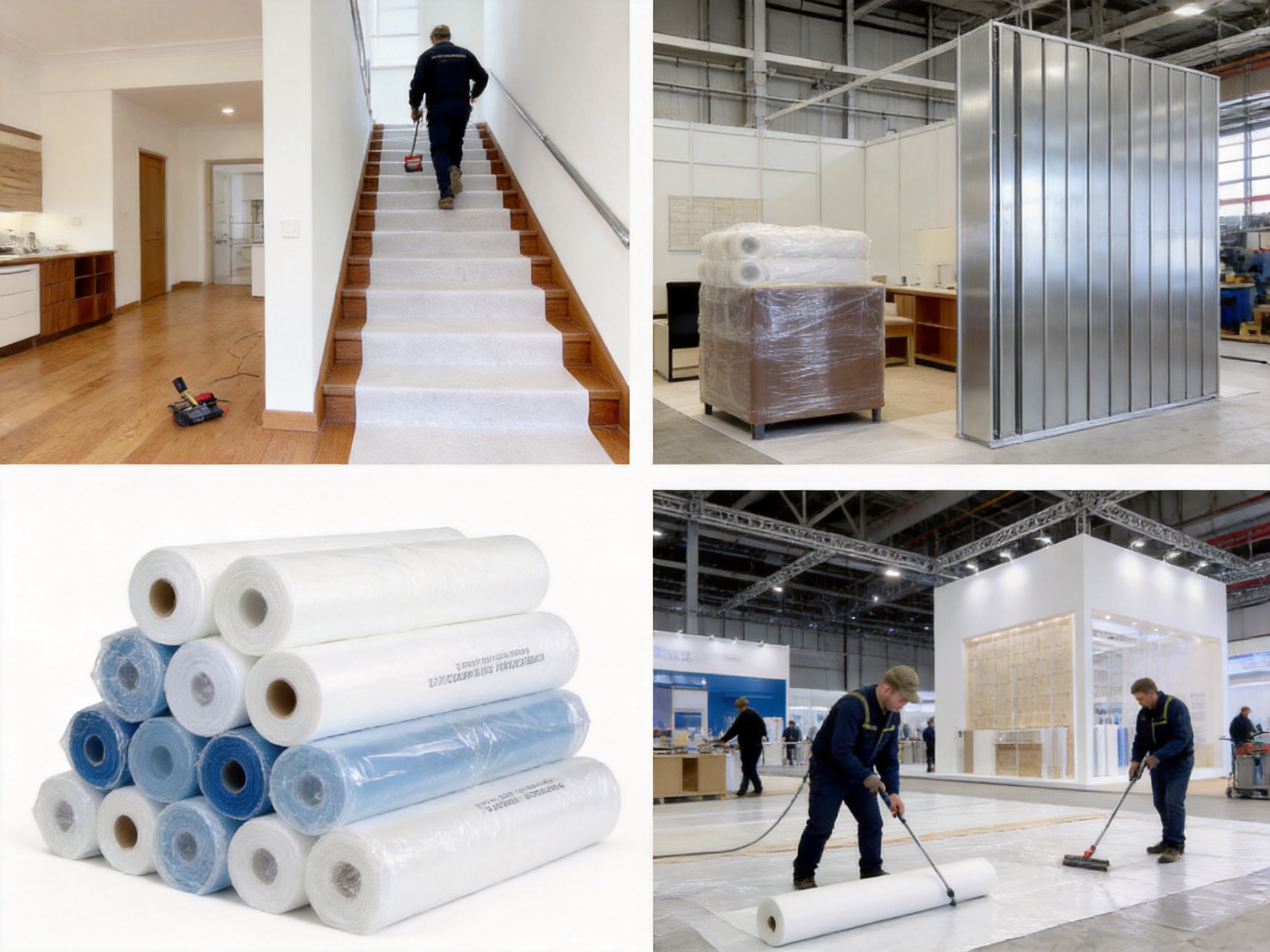
It can be used on many hard surfaces, including finished floors, ceramic tile, concrete, stairs, corridors, decorative laminates, and other substrates. Compatibility testing is recommended for delicate, newly finished, porous, coated, or chemically sensitive surfaces.
The PE backing film is designed to provide an impermeable barrier against common liquids such as water, paint, and solvents. The covering should still be inspected during use, and large spills should be removed quickly. Tears, punctures, open seams, and damaged edges can reduce protection.
The non-slip structure allows it to be used on stairs without extensive tape fixation in many normal construction conditions. However, installation should always account for the slope, surface condition, traffic level, moisture, and local safety requirements. Additional fastening may be appropriate in high-risk or heavily trafficked areas.
The product is designed to provide low-to-medium adhesion and clean removal without adhesive transfer under suitable conditions. Because surface coatings and environmental conditions vary, a small-area compatibility test should be completed before full installation.
Yes. It can often be wiped, vacuumed, dried, rolled, and used several times if it remains clean and structurally intact. Reuse is not recommended when the material has serious damage, chemical contamination, or reduced slip resistance.
The non-woven textile side provides softness, cushioning, abrasion resistance, and walking stability. The PE side faces the protected surface and provides liquid resistance. Correct orientation is important for achieving the intended performance.
Selection depends on traffic, project duration, required durability, handling conditions, and budget. Lightweight grades may be suitable for short-term residential work, while heavier grades are generally more appropriate for intensive commercial or industrial applications.
Yes. Printing is available in up to three colors. Customers may request logos, product information, safety messages, installation reminders, or other approved artwork.
General width options range from 300 mm to 1500 mm, and roll lengths range from 5 meters to 100 meters. Final availability depends on the selected fabric weight, backing film, printing, and production requirements.
Buyers should provide information about the surface type, expected duration, traffic level, presence of liquids or solvents, temperature, installation method, required width, and removal conditions. A professional supplier can then recommend a suitable weight, adhesion level, backing film, and roll format.
A specialized manufacturer offers more than a standard roll of protective material. It can evaluate the complete application, including the substrate, working environment, installation process, required protection period, and removal requirements. This helps prevent common problems such as excessive movement, insufficient liquid resistance, difficult removal, and premature tearing.
Manufacturing experience also improves the ability to maintain stable quality across repeated orders. Controlled raw material preparation, web formation, reinforcement, PE film integration, printing, slitting, and packaging all influence the performance of the finished product.
For distributors and large industrial users, supply stability is equally important. A manufacturer with substantial capacity, internal production resources, experienced technicians, and a quality management system can support product continuity and customized specifications. This is particularly valuable when products must be supplied to multiple markets with different technical and compliance expectations.
Wuxi Qida Tape Co., Ltd. combines surface protection experience with production, engineering, testing, and export capabilities. Its ability to produce protective films and related materials under one manufacturing system enables customers to develop coordinated protection programs for different surfaces and stages of a project.
Non-woven protection fabric is a versatile and efficient solution for temporary surface protection. Its combination of non-slip performance, waterproof PE backing, tear resistance, clean wiping behavior, easy installation, and reusable potential gives it important advantages over ordinary plastic sheeting, paper, cardboard, and lightweight disposable coverings.
The product is suitable for construction, renovation, flooring installation, industrial manufacturing, property maintenance, storage, transportation, exhibitions, and many other applications. Available weights from 100 g/m² to 250 g/m², widths from 300 mm to 1500 mm, roll lengths from 5 meters to 100 meters, low-to-medium adhesion options, multiple backing film colors, and printing of up to three colors provide flexibility for different requirements.
Product performance depends on more than the visible fabric. Fiber selection, web formation, reinforcement, PE backing integration, finishing, conversion, testing, and packaging must all be managed carefully. A manufacturer with advanced equipment, experienced technical staff, internal production capabilities, laboratory testing, and recognized management systems can provide a more reliable and consistent solution.
With its factory resources, engineering support, customization capabilities, export experience, and broad surface protection portfolio, Wuxi Qida Tape Co., Ltd. is positioned to supply non-woven protection fabric and related products for customers seeking dependable quality, competitive cost, and professional technical service.
1. Wuxi Qida Tape Co., Ltd., product specifications and technical information for Non-Woven Protection Fabric.
2. Wuxi Qida Tape Co., Ltd., company information, manufacturing capabilities, quality systems, and product compliance data.
3. ISO 9001, Quality Management Systems—Requirements.
4. ISO 14001, Environmental Management Systems—Requirements with Guidance for Use.
5. General technical principles for non-woven fabric production, including fiber preparation, web formation, mechanical reinforcement, thermal bonding, and chemical bonding.
6. General industry practices for temporary floor protection, surface compatibility testing, liquid resistance evaluation, adhesive removal, storage, reuse, and disposal.
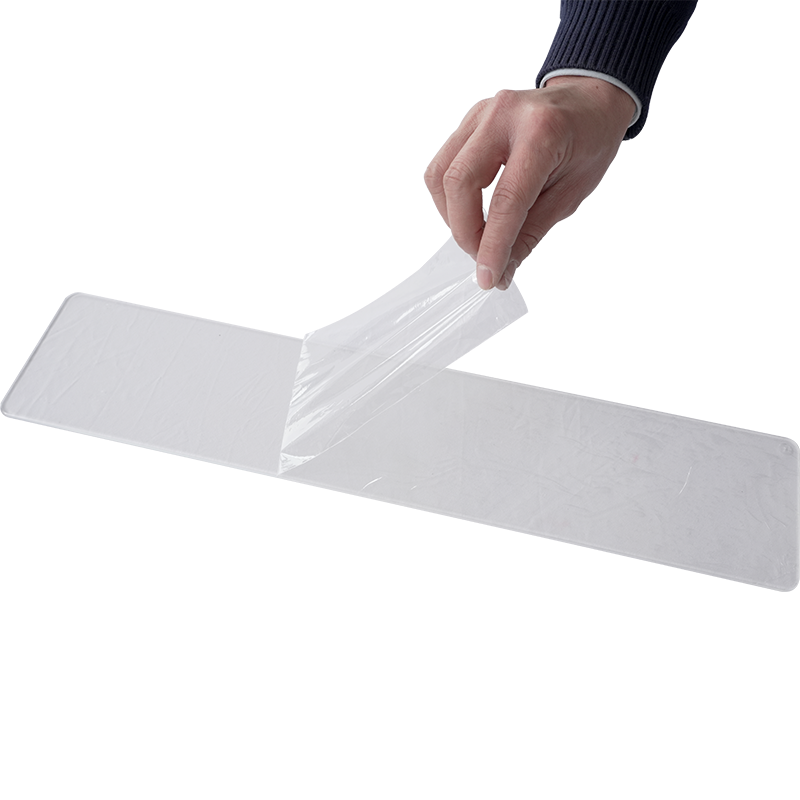
● No “ghost shadow” or “fish eye” after removal; ● Low gel content, soft and stable adhesion plus easy-peel removal with no surface damage or curling;...
See Details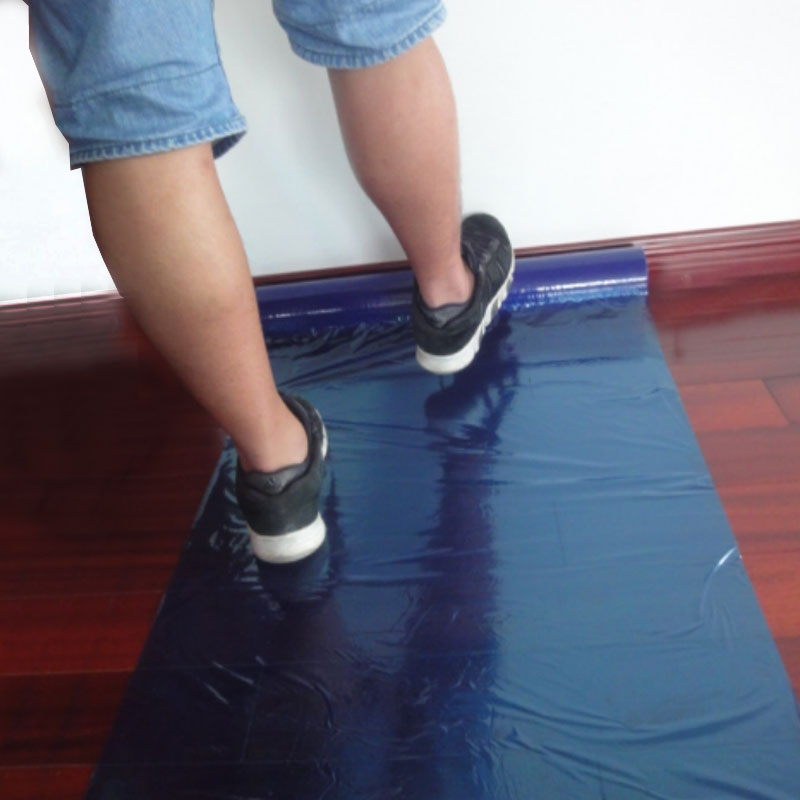
● Patented adhesive formula suits all hard surfaces such as hardwood floors, laminate floors, ceramic, marble, tile, granite, vinyl, worktops, and gla...
See Details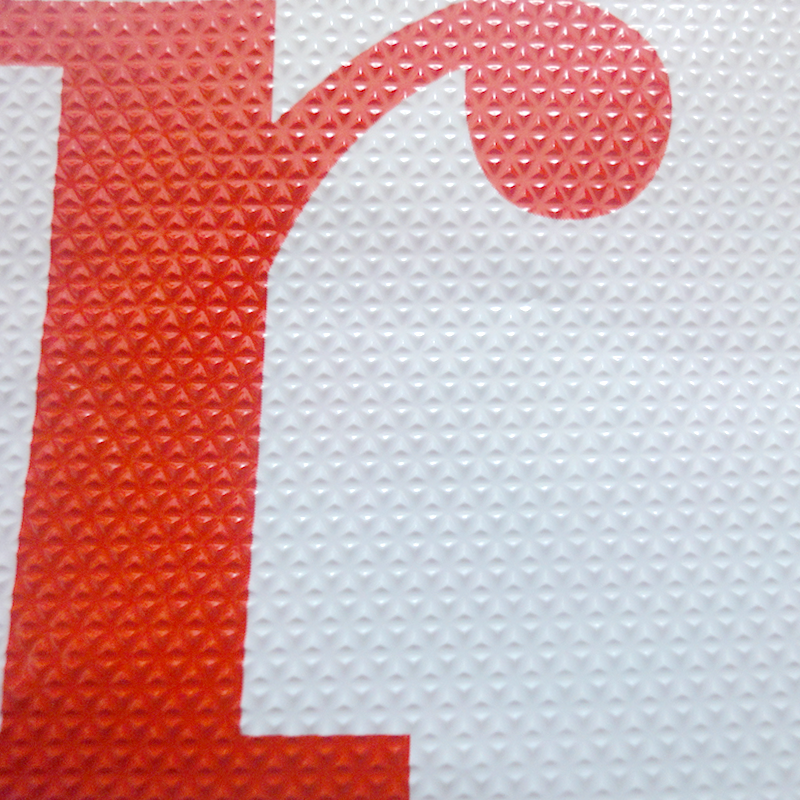
● Anti-slip; ● Embossed film surface to guarantee trip safety;● Tough puncture-resistant polyethylene film;● Can be coated with or without adhesive;● ...
See Details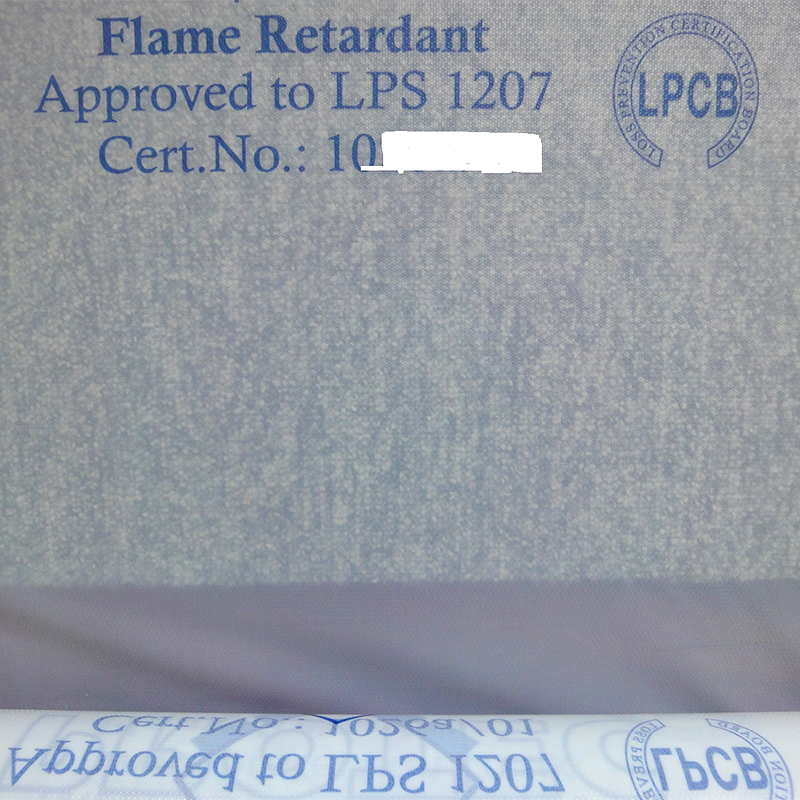
● Prevents costly damages in case of fire /flame;● Meet the strict international test standards of loss prevention; ● Extensive selection for flame re...
See Details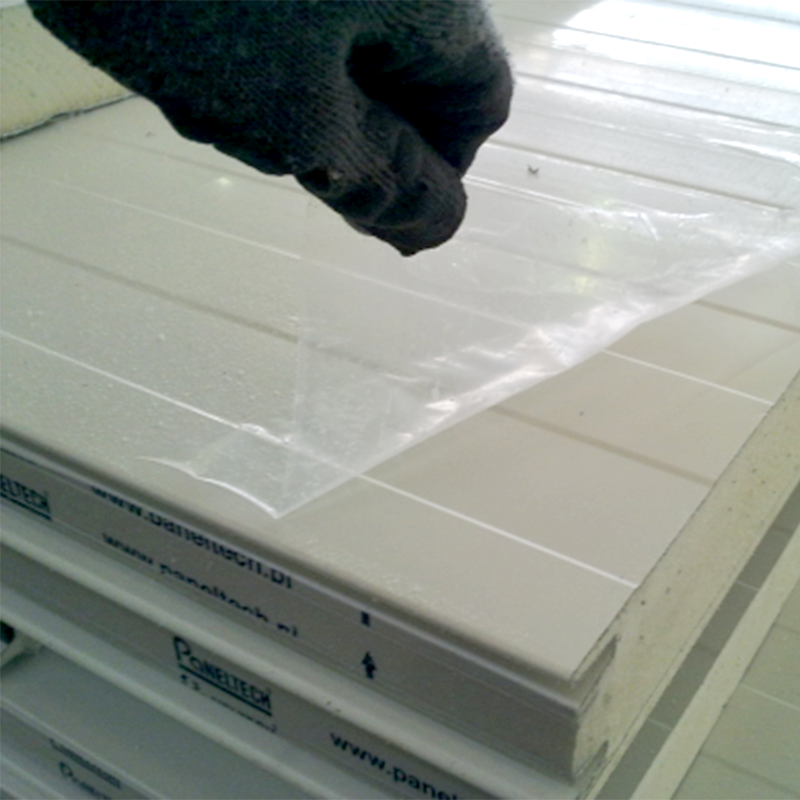
● The specially formulated adhesive ensures easy application and removal without leaving residue glue on the sandwich panels; ● The super-tough polyet...
See Details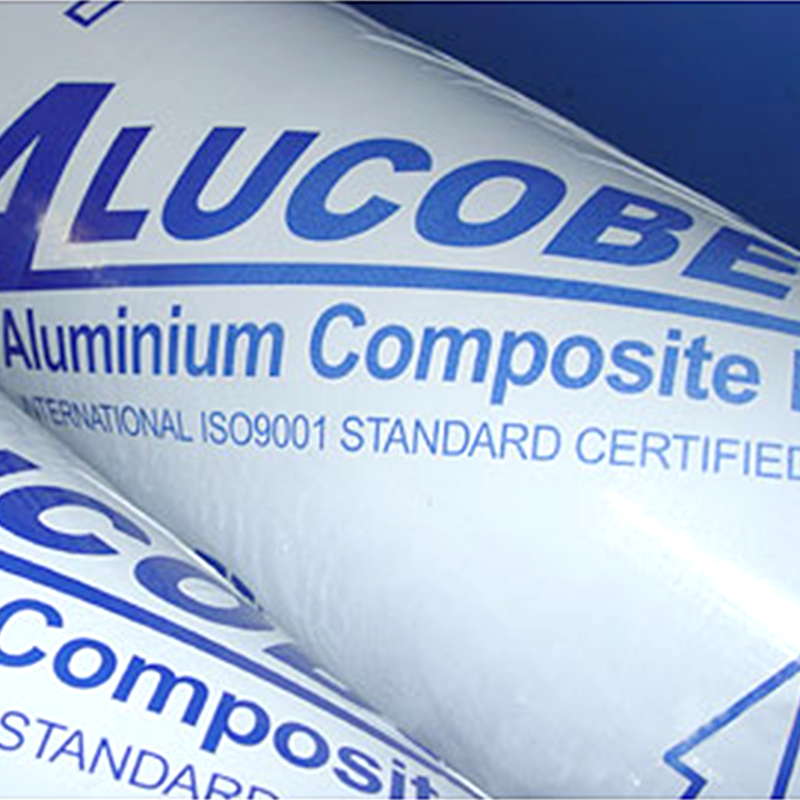
● The specially formulated adhesive ensures easy application and removal without leaving residue glue; ● The super-tough polyethylene film protects ag...
See Details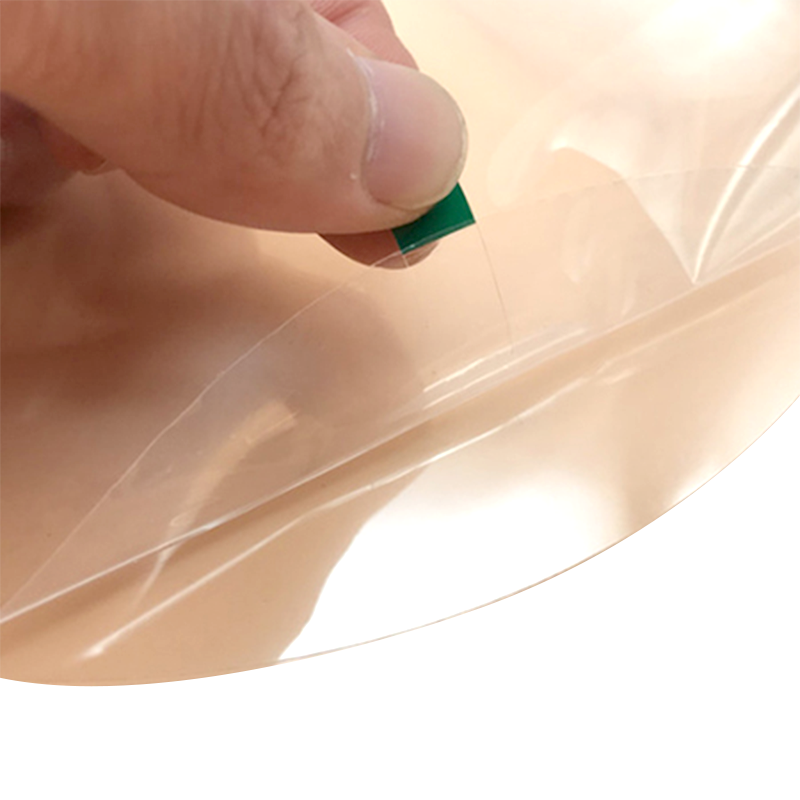
● Suitable for plastic sheets’ drilling, cutting, routing, thermoforming, bending, or post-fabrication operations;● No “ghost shadow” or “fish eye” af...
See Details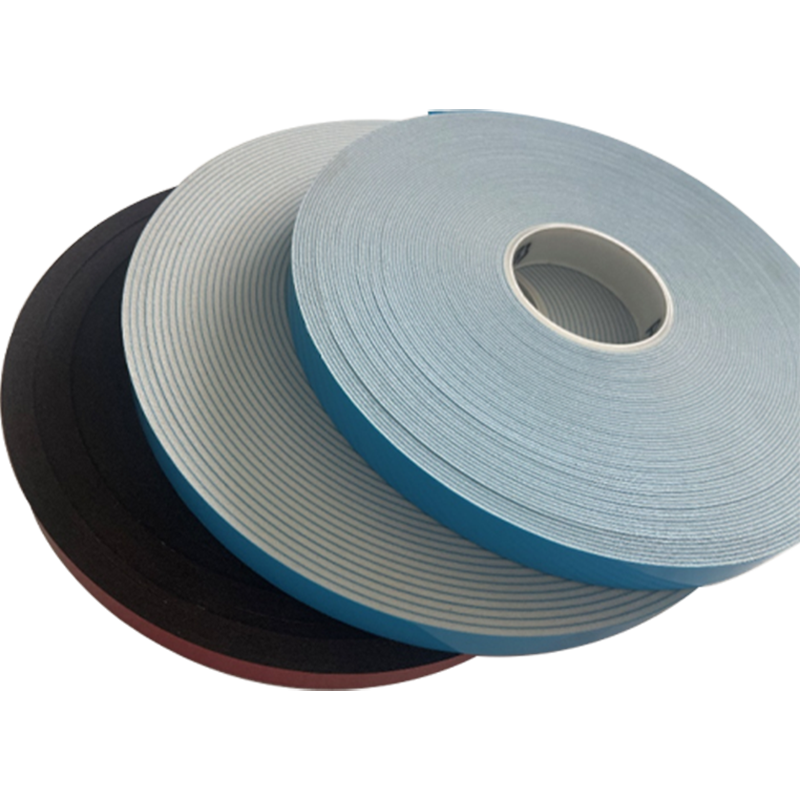
● Waterproof - the desirable material for waterproofing. ● Dust-proof - positive performance of dust prevention.● Low resilience - prevent the deforma...
See Details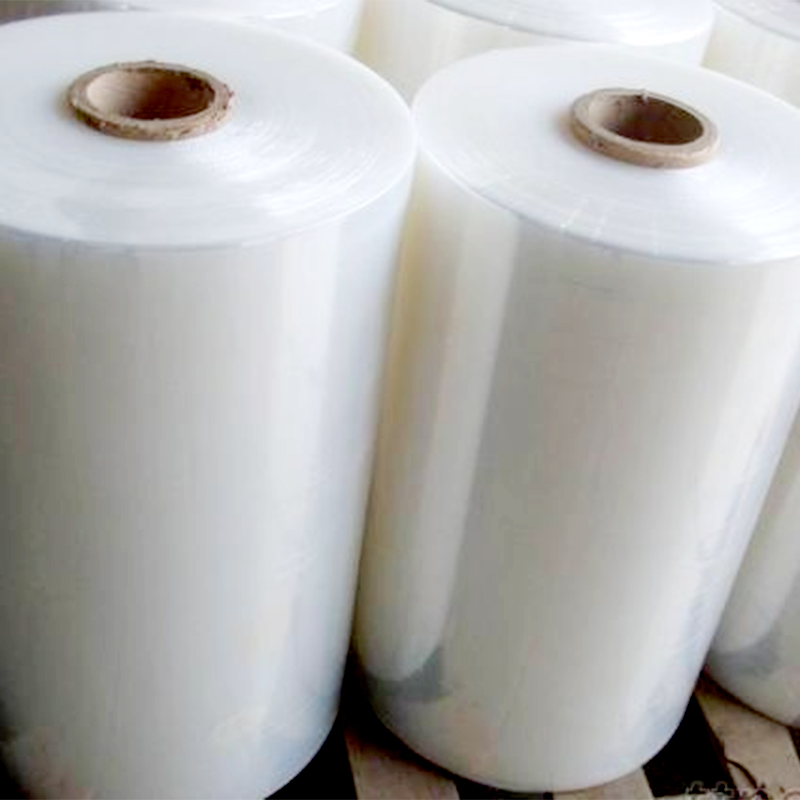
● Excellent puncture and tear resistance; ● Self-adhering-each layer of film bonds to the next for added strength; ● Big roll size to save cost and re...
See Details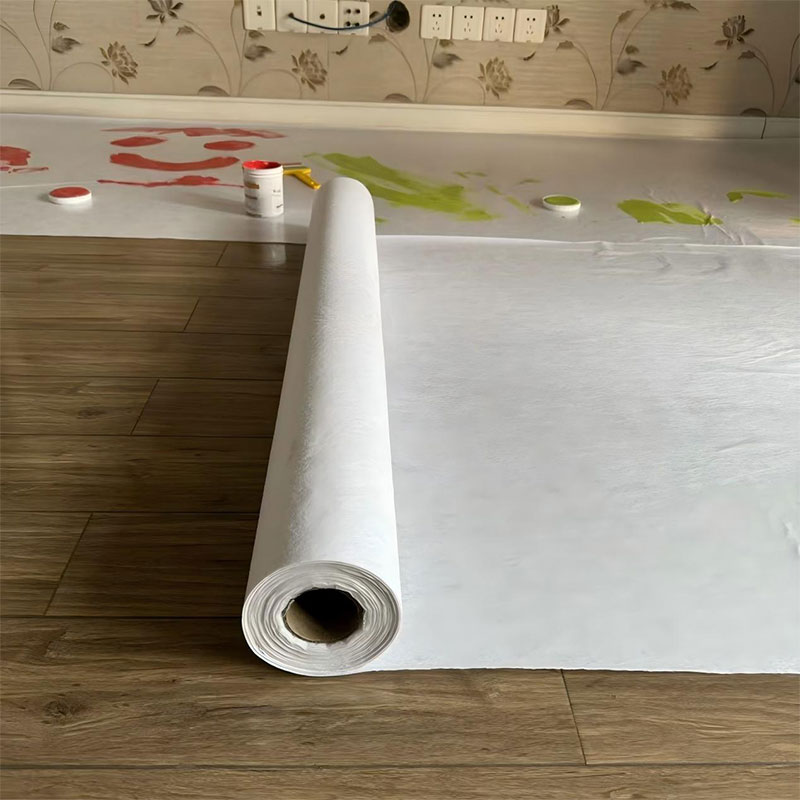
This product has non-woven synthetic fleece in middle; PE film adhered onto top of the non-woven fabric, which is coated with self adhesive glue on it...
See DetailsWe’re a reliable partner that shapes our expertise into success for your project.
Copyright 2024 Wuxi Qida Tape Co., Ltd. All Rights Reserved
 Wholesale Protective Film/Foil Manufacturers
Privacy