

 English

 English
 русский
 Français
 Español
 Português
 عربى


Cat:Glue -coated Protective Film
● Good weatherability for outdoor exposure; ● Stable adhesion level; ● UV resistance for up to 12 months; ● Can print customized logo or application i...
See Details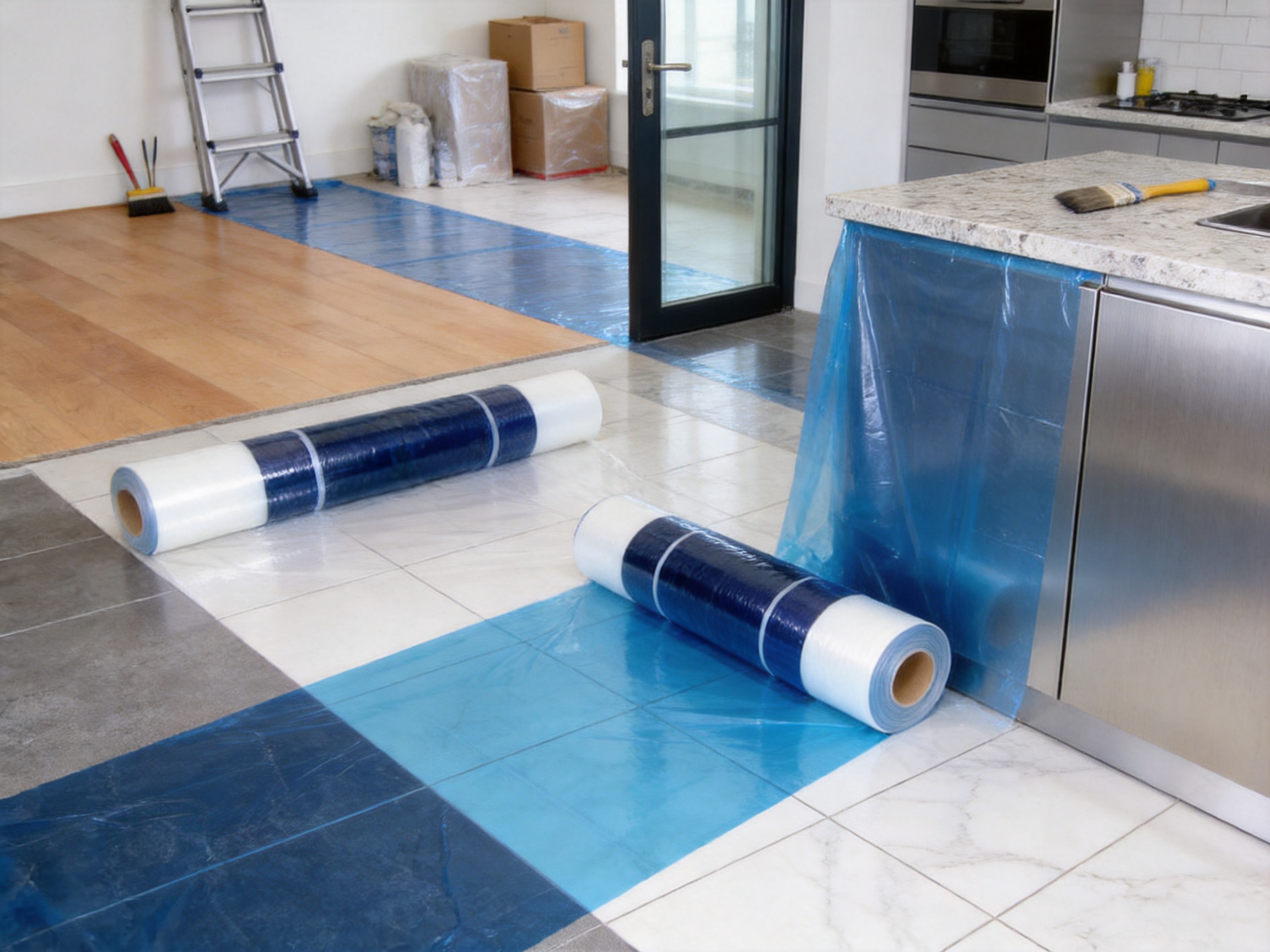
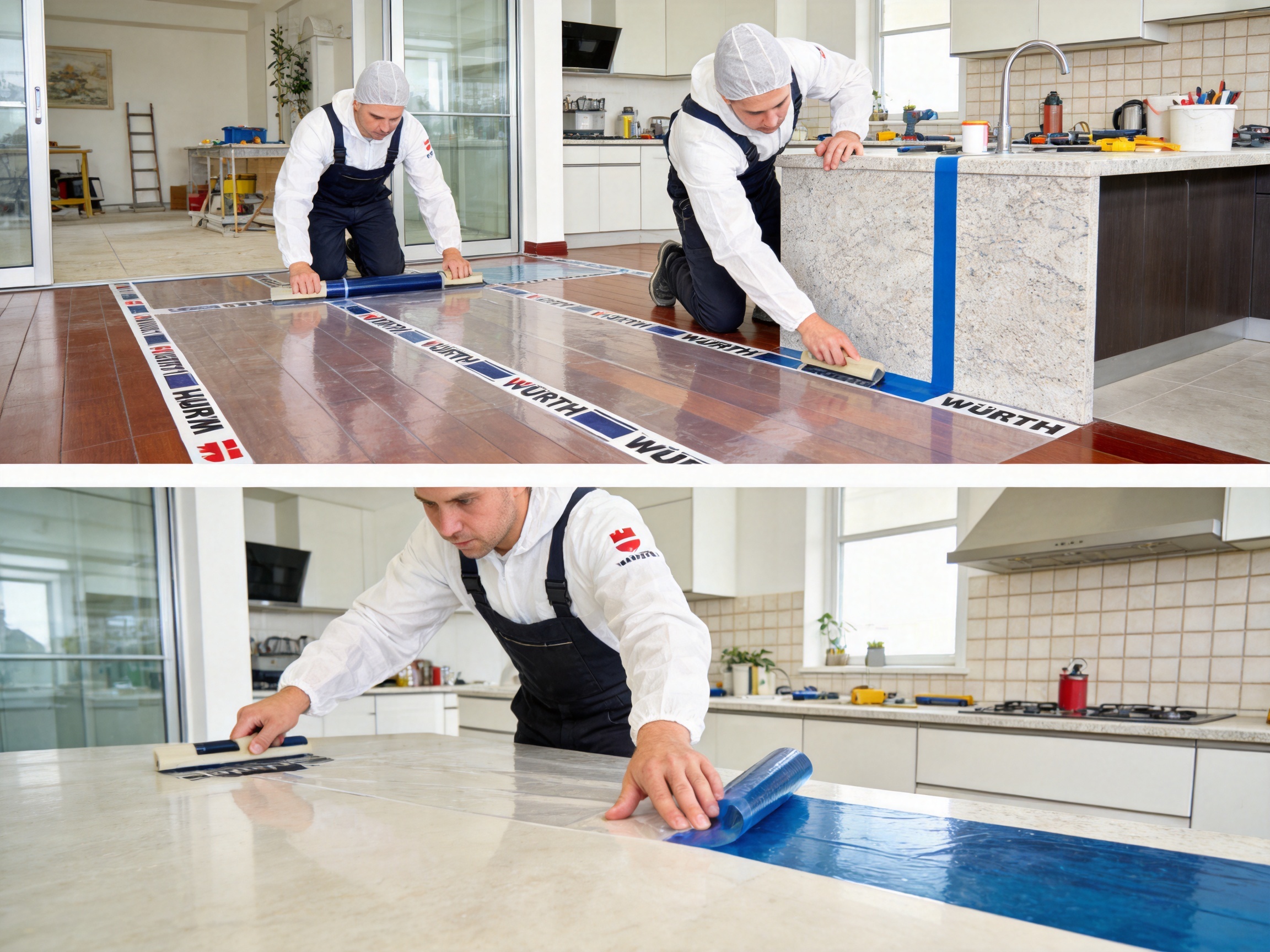
Temporary surface damage can create substantial costs during construction, remodeling, decoration, transportation, installation, and repair work. Paint splashes, plaster, dust, moisture, scratches, scuffs, impact, and accidental tool marks can permanently affect the appearance of valuable flooring, counters, panels, doors, windows, and other finished surfaces. A properly selected protective film provides a practical barrier between the working environment and the finished material, helping contractors complete demanding projects while reducing cleaning, repair, replacement, and rework requirements.
Multi-purpose protective film is designed for this exact purpose. It combines a tough polyethylene backing with a carefully formulated pressure-sensitive adhesive to protect many hard, smooth, or relatively smooth surfaces. Typical applications include hardwood floors, laminate flooring, ceramic tiles, marble, granite, vinyl, glass, worktops, decorative panels, and selected metal surfaces. The film can be applied before work begins and removed after the project is completed, helping preserve the original condition of the protected surface.
Unlike ordinary plastic sheeting, which may move, wrinkle, or require additional tape and fasteners, self-adhesive protective film is designed to stay in place. Unlike aggressive permanent adhesives, it is engineered for temporary use and clean removal when the correct product is selected for the surface and application period. This balance between reliable adhesion and removability is one of the most important advantages of a professional protective film.
Multi-purpose protective film is a temporary surface protection material consisting primarily of a polyethylene film coated with a pressure-sensitive acrylic adhesive. The polyethylene backing creates a physical barrier against dirt, liquid, paint, abrasion, and minor mechanical contact. The adhesive allows the film to conform to the protected surface and remain positioned during ordinary work activity.
The product is manufactured in a variety of thicknesses, widths, roll lengths, colors, and winding directions. Standard thickness options range from 30 micrometers to 80 micrometers. Widths can be produced from 500 millimeters to 1,500 millimeters, while roll lengths can range from 25 meters to 2,000 meters. This range allows the material to serve both retail users who need manageable rolls and professional contractors who require longer production runs with fewer roll changes.
The adhesive is generally specified at a medium adhesion level. This provides a useful compromise for many hard surfaces: sufficient grip for positioning and temporary protection, while supporting removal without adhesive residue when the film is correctly matched to the substrate, environmental conditions, and intended service period.
Color options include blue, clear, red, yellow, and white, among others. Customers can also request customized printing in up to three colors. Printing may include a company logo, handling instructions, safety reminders, directional marks, product identification, or warnings that help workers recognize the protected area.
Hardwood floors are vulnerable to scratches from ladders, tools, equipment, footwear, packaging, and construction debris. Fine particles carried under protective materials can also create abrasion when people walk across the surface. A well-applied protective film helps separate the wood finish from these contaminants during painting, interior installation, remodeling, and maintenance.
Because hardwood finishes vary, the installer should always verify compatibility on a small, inconspicuous area before covering the entire floor. The test should consider adhesion, removal force, possible finish interaction, and the planned duration of protection. Clean, dry, dust-free application generally produces the most consistent result.
Laminate flooring is frequently installed before other work is complete. This creates a risk that paint, plaster, grout, dust, and foot traffic will mark the surface. Protective film can provide a temporary barrier while walls, ceilings, cabinets, doors, and fixtures are completed.
The film’s polyethylene backing resists penetration by many common liquid contaminants encountered during decoration and construction. It is not intended to replace spill-control procedures or protect against every chemical, but it can significantly reduce direct contact between the laminate and routine site contamination.
Tile and natural stone surfaces can be damaged by abrasive particles, dropped tools, paint, mortar, adhesive, and construction traffic. Protective film is suitable for covering many smooth ceramic, porcelain, marble, and granite surfaces during tiling, painting, remodeling, and general maintenance.
Natural stone and polished surfaces may have special sealers, coatings, pores, or surface treatments. For this reason, compatibility testing is important. The installer should ensure that the surface is clean and completely dry before application and should avoid trapping moisture beneath the film for longer than necessary.
Vinyl flooring and worktops require protection from scuffs, dust, paint, and sharp or dirty tools. A temporary adhesive film can be applied to broad work areas, countertops, islands, trim elements, and other suitable surfaces. The flexible polyethylene backing helps the film conform to flat areas and gentle contours.
Worktops may be made from laminate, engineered stone, solid surface material, natural stone, or other composites. Since each material can have different coatings and textures, a small test area should be used before full application. The selected adhesive level and service period should be appropriate for the particular worktop material.
Glass panels, doors, windows, and partitions can collect paint, dust, fingerprints, sealants, and construction residue. Clear or colored protective film helps identify the protected area while maintaining a temporary barrier during installation and finishing work.
The product can also be developed for selected metal surfaces, including stainless steel, aluminum, pre-coated metal, and other processed metal materials. However, metal protection often requires a more specialized adhesive formulation and performance assessment. Surface treatment, coating chemistry, temperature, exposure time, and outdoor conditions can all affect adhesion and removability.
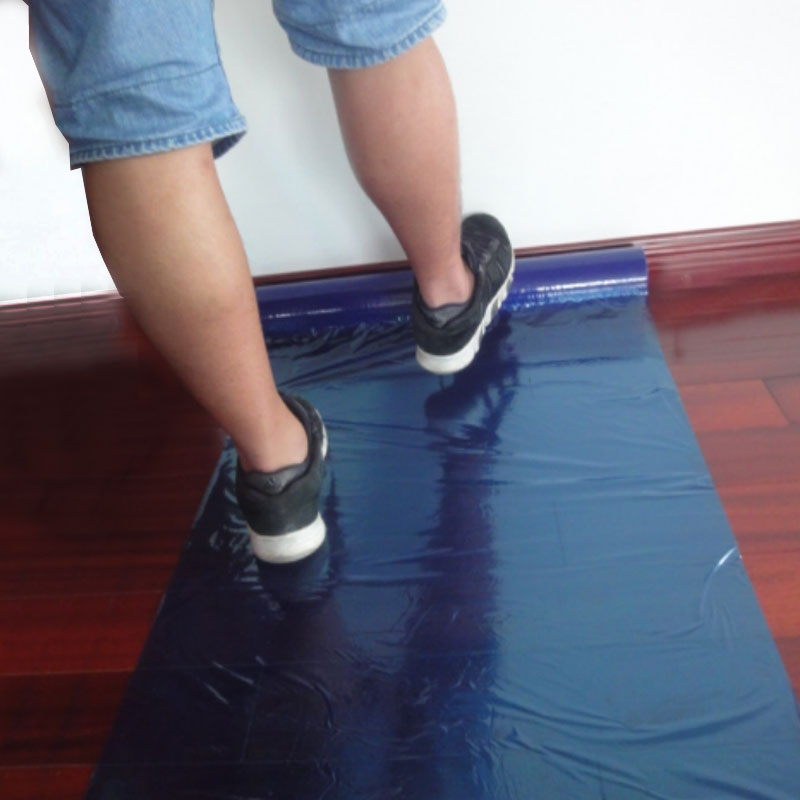
Multi-Purpose Protective Film: Ceramic, Hardwood, Laminate, Vinyl, Worktop Etc
One of the principal advantages of a multi-purpose protective film is its ability to address several surface categories with one product family. Contractors working on a renovation may need to protect hardwood flooring, ceramic walls, glass doors, vinyl areas, and worktops at the same time. A versatile film simplifies purchasing, inventory management, job-site handling, and worker training.
The film is intended for many hard surfaces rather than a single specialized substrate. This broad positioning can be particularly valuable for building contractors, painting companies, flooring installers, property maintenance teams, interior fit-out companies, and distributors serving multiple trades.
The polyethylene backing is designed to resist tearing, puncture, and penetration from common site conditions. This is important because a thin or fragile film may fail when exposed to footwear, tool movement, packaging edges, or incidental contact with equipment.
A tough backing does not mean that the product is indestructible. Sharp blades, welding sparks, heavy impact, dragging machinery, and concentrated loads may exceed the film’s intended performance. Nevertheless, compared with ordinary loose plastic sheeting, a heavy-duty protective film offers a more reliable barrier for routine construction and decoration activity.
A professional temporary protection film must perform two functions that can appear contradictory. It must remain attached during use, yet it must be removable without leaving adhesive residue or damaging the substrate. The acrylic adhesive formulation is developed to support this balance.
Correct application is essential. Dust, moisture, oil, wax, and loose particles can reduce adhesion and create channels where contamination may enter. Excessive heat, ultraviolet exposure, long dwell times, and unsuitable surface coatings can also change removal performance. Product selection and application instructions should therefore be considered together.
Because the product is self-adhesive, it can help reduce shifting, folding, and curling compared with non-adhesive covers. Stable positioning improves coverage and reduces the need for separate fixing tape. It also helps workers move more safely across protected areas by limiting loose material on the floor.
Installation should be carried out gradually, especially on large areas. The film should be aligned before full contact is made, then pressed smoothly to minimize wrinkles, air pockets, and unsupported edges. Overlapping adjacent strips may be appropriate when broad surfaces require multiple widths.
Color selection can support different operational requirements. Clear film allows the original surface to remain visible. Blue film is widely recognizable as a temporary protection material and can make coverage easier to inspect. Red, yellow, white, and other colors can help identify zones, stages of work, or specific handling requirements.
Customized printing provides an additional communication tool. A printed logo can support brand visibility, while application instructions can help users understand which side to apply, how to remove the film, or where the product should not be used. Printing can also reduce the risk that protective material will be mistaken for waste packaging or removed prematurely.
| Property | Available Specification | Practical Significance |
|---|---|---|
| Backing material | Polyethylene film | Creates a flexible barrier against dirt, paint, liquids, and abrasion. |
| Thickness | 30 to 80 micrometers | Allows selection for different handling and protection requirements. |
| Width | 500 to 1,500 millimeters | Supports narrow applications and broad floor or panel coverage. |
| Roll length | 25 to 2,000 meters | Serves retail quantities and high-volume professional use. |
| Elongation | At least 300, subject to test method confirmation | Provides flexibility for handling and adaptation to suitable surfaces. |
| Adhesion level | Medium | Balances positioning performance with temporary removability. |
| Adhesive type | Acrylic | Supports controlled adhesion for many hard surfaces. |
| Color availability | Blue, clear, red, yellow, white, and other options | Allows product identification and application customization. |
| Printing | Up to three colors | Permits logos, instructions, warning messages, and directional marks. |
| Winding direction | Forward wound or reverse wound | Matches different dispensing methods and user preferences. |
Specifications should be confirmed against the final technical data sheet, approved sample, and intended application. In particular, adhesion values, elongation figures, service life, temperature range, and chemical resistance may depend on the test method, backing construction, adhesive formulation, and production configuration.
The adhesive is the functional connection between the film and the protected surface. If adhesion is too low, the film may lift at the edges, move during traffic, or allow contamination underneath. If adhesion is too high, removal may require excessive force, leave residue, or affect the finish. The correct balance depends on the surface energy, texture, coating, temperature, exposure time, and expected handling conditions.
Acrylic adhesive is often selected for temporary protection because it can be formulated for controlled tack, stable coating, and clean removal. Different acrylic systems may be suitable for different surface categories. A water-based acrylic adhesive may meet the needs of certain applications, while a solvent-based acrylic system may be selected for other performance requirements. Natural rubber adhesive is also available within the manufacturer’s broader product capabilities for applications that require different adhesion characteristics.
For metal surfaces, the adhesive must be assessed with additional care. Stainless steel, aluminum, painted metal, anodized profiles, coated sheets, and brushed or polished surfaces can respond differently. A formulation that works well on one metal finish may not be ideal for another. Engineering evaluation and sample testing are therefore important parts of responsible product selection.
Adhesive performance can also change over time. Short-term protection in an indoor, temperature-controlled environment is generally less demanding than long-term protection exposed to sunlight, heat, humidity, or chemical vapors. Buyers should communicate the intended application period and environmental conditions when requesting a quotation or customized product.
Loose plastic sheeting is inexpensive and widely available, but it often requires tape, weights, staples, or other fixing methods. It may shift under foot traffic, create wrinkles, expose edges, or allow dust to pass underneath. Self-adhesive protective film is designed to remain in position and can be applied more closely to the protected surface.
Adhesive film can also reduce the amount of extra fixing material required. This may improve installation speed and produce a neater appearance, especially around edges, corners, thresholds, and narrow work areas.
Cardboard provides useful impact cushioning, but it can absorb water, become heavy when wet, shed fibers, and move across smooth surfaces. It also may not fully prevent paint or liquid penetration. Protective film is thinner, more conformable, and resistant to many common liquid contaminants.
Cardboard and film can be used together when a project requires both surface separation and additional impact cushioning. The film provides close contact and contamination resistance, while a suitable board or pad can provide greater mechanical protection in high-risk zones.
Protective fleece and textile covers are useful where cushioning, slip resistance, and repeated use are priorities. However, they may absorb liquids, require cleaning, and be more difficult to cut or fit around complex areas. Film offers a lightweight, disposable, and highly conformable option for dust, paint, and liquid protection.
For demanding projects, a combination of products may be appropriate. A self-adhesive film can be used directly on the surface, with fleece or another protective layer placed above it in areas exposed to heavy traffic or impact.
Low-quality film may have inconsistent thickness, weak backing, unstable adhesive, poor winding, or excessive residue. These issues can increase labor costs and create claims when the protected surface is marked or the film fails before the work is finished.
A professionally manufactured product offers greater opportunity for controlled raw materials, coating weight, winding tension, printing quality, inspection, and traceability. These process controls help produce more consistent rolls and reduce variation between batches.
The manufacturing process begins with polyethylene film production. The backing must achieve a controlled balance of thickness, tensile strength, flexibility, elongation, puncture resistance, and surface characteristics. Stable film production is essential because variations in the backing can affect coating uniformity and final handling performance.
Advanced production equipment supports precise processing and repeatable film quality. The backing can be prepared to meet the requirements of different widths, thicknesses, colors, and printing configurations. Material selection and process settings are adjusted according to the intended use and customer specification.
After the backing film is prepared, the selected adhesive is coated onto the appropriate side. Coating control is important because adhesive weight and distribution directly influence tack, peel, removability, and surface contact. Excessive coating can increase residue risk or make removal difficult, while insufficient coating may cause lifting and poor protection.
Production teams monitor coating conditions, drying or curing requirements, web movement, and surface cleanliness. The objective is to create a uniform adhesive layer that performs consistently across the roll. Customized acrylic water adhesive, acrylic solvent adhesive, and natural rubber adhesive options can be considered according to the customer’s technical requirements.
Printing is completed when the customer requires a customized appearance or application message. Up to three colors can be used for logos, text, symbols, or instructions. Printing requires accurate registration and controlled ink adhesion so that the information remains legible during normal handling.
Printed film can support product differentiation in retail channels and improve job-site communication in professional applications. For example, a contractor may specify a film printed with handling instructions, a distributor may add a private-label design, or an industrial user may identify different products by color and message.
Large coated rolls are rewound and slit into the required widths and lengths. Rewinding quality affects edge alignment, roll shape, dispensing behavior, and the user’s ability to apply the film smoothly. Slitting must be controlled to limit edge damage, telescoping, and uneven roll formation.
Forward-wound and reverse-wound options are available. The correct winding direction can make a significant difference to dispensing equipment, manual application, and the side from which the film is intended to unwind. Customers should identify their preferred application method when placing an order.
Finished rolls are packaged to protect them from dust, moisture, crushing, and handling damage during storage and transportation. Packaging configurations can be adapted for retail presentation, contractor use, export shipping, or palletized industrial distribution.
Clear identification of roll dimensions, product type, batch information, application direction, and handling conditions helps distributors and end users maintain effective stock control. Appropriate packaging is particularly important for long-distance shipments and high-volume export orders.
A reliable protective film supplier requires more than a coating line. Consistent performance depends on raw material control, process engineering, inspection equipment, technical documentation, and the ability to respond to product-specific requirements. The manufacturer described in the supplied information operates an integrated production system covering backing film production, adhesive coating, logo printing, rewinding, slitting, and packaging.
This integrated structure can provide several advantages. It reduces dependence on multiple outside processors, improves coordination between production stages, and supports more direct control over specifications. It also allows technical teams to investigate performance issues across the complete product rather than examining only one processing step.
The company operates a testing laboratory and uses advanced inspection equipment to evaluate product quality. Testing may include visual inspection, thickness measurement, width and length verification, adhesion evaluation, tensile or elongation testing, winding inspection, printing checks, and packaging review. The specific tests applied depend on the product configuration and customer requirements.
Quality management is supported by ISO 9001 and ISO 14001 systems. ISO 9001 focuses on quality management processes, while ISO 14001 addresses environmental management. The company also reports product compliance and testing coverage that includes SGS, RoHS, REACH, PFAS, and Proposition 65 requirements where applicable.
Compliance documentation should always be matched to the exact product, adhesive system, backing material, market, and current test report. Buyers can request the relevant certificates, declarations, inspection records, safety information, and technical data before approving a product for a regulated application.
Protective film requirements vary widely between contractors, distributors, industrial processors, retailers, and original equipment manufacturers. A general-purpose stock specification may be sufficient for routine indoor decoration, while other applications may require a special thickness, adhesive, width, color, printed design, or roll length.
Customization may include:
• Film thickness selected for handling, puncture resistance, and application conditions.
• Width and roll length matched to the dimensions of the protected surface and dispensing equipment.
• Forward or reverse winding for manual or machine application.
• Blue, clear, red, yellow, white, or other color options.
• Customized logo or private-label printing in up to three colors.
• Acrylic water adhesive, acrylic solvent adhesive, or natural rubber adhesive options.
• Adhesion adjustments for selected surface materials and service periods.
• Packaging configurations for retail shelves, contractor distribution, or industrial logistics.
• Product development based on a customer technical data sheet or approved sample.
Customization is most successful when the buyer supplies complete application information. Useful details include surface type, finish, cleanliness, indoor or outdoor use, expected temperature, humidity, exposure to sunlight or chemicals, application method, removal timing, and the consequences of adhesive failure or residue.
The surface should be clean, dry, and free from dust, oil, wax, loose particles, and other contaminants. Cleaning agents must be fully evaporated before the film is applied. Moisture trapped under the film can affect adhesion and may create problems for sensitive materials.
Apply a small piece of film in an inconspicuous area. Leave it for a period that reasonably represents the intended application, then remove it carefully. Inspect the surface for residue, discoloration, gloss change, coating transfer, or other unwanted effects. This step is especially important for newly finished floors, natural stone, painted metal, delicate coatings, and surfaces with unknown treatment history.
Measure and cut the required length before application when practical. Align one edge, expose the adhesive gradually, and press the film down using smooth, even movements. Avoid stretching the film unnecessarily, as excessive tension can cause shrinkage, edge lift, or distortion after application.
For large floors or panels, two people may be able to apply the film more efficiently than one person. A suitable soft squeegee or application tool can help remove wrinkles and improve contact without scratching the surface.
Adjacent strips should overlap sufficiently when the protected area must resist dust or liquid entry. Edges around thresholds, corners, seams, and openings deserve particular attention. The film should not obstruct drains, ventilation openings, emergency equipment, or required access routes.
Inspect the film after installation and periodically during long projects. Replace sections that become torn, heavily contaminated, detached, or saturated. Protective film is a temporary barrier, and its performance depends on maintaining continuous coverage.
Remove the film within the recommended service period. Begin at a corner or edge and pull it back slowly at a controlled angle rather than tearing it upward abruptly. If the film has been exposed to excessive heat, sunlight, chemicals, or an unusually long dwell time, removal should be performed with additional care.
In painting and decorating, the film protects floors, worktops, glass, cabinets, and finished fittings from overspray, splashes, dust, and accidental contact. Its self-adhesive construction can reduce preparation time and help keep the protective layer positioned while workers move around the room.
During flooring installation, film can protect completed sections while other rooms, walls, skirting boards, and fixtures are finished. This is particularly useful in renovation projects where multiple trades work on the same property in sequence.
In kitchen and interior fit-out work, protective film can cover countertops, cabinet components, panels, and glass. Printed instructions or colored film can help identify surfaces that must remain protected until final inspection.
In commercial and residential remodeling, the product helps preserve installed materials during plastering, tiling, carpentry, electrical work, plumbing, and general maintenance. It can be used in houses, apartments, offices, retail stores, hotels, schools, hospitals, and other buildings, subject to compatibility and site safety requirements.
In manufacturing and transportation, the film can protect finished panels, coated materials, glass, stainless steel, aluminum, and other components from scratches, dirt, and handling marks. The appropriate adhesive and service conditions should be confirmed for each industrial process, particularly where forming, bending, heat, outdoor exposure, or chemical contact is involved.
Protective film should be used as part of a broader site safety and waste-management plan. It should not cover safety signs, electrical controls, fire equipment, drainage systems, or surfaces that require ventilation. Loose edges and discarded pieces should be removed promptly to reduce trip and obstruction hazards.
After removal, the film should be collected and handled according to local waste requirements. Recycling options depend on the polyethylene structure, adhesive composition, contamination level, printing, and regional recycling infrastructure. Users should not assume that every adhesive-coated film can enter a standard plastic recycling stream.
Environmental performance also depends on selecting the correct amount of material. Accurate measurement, suitable roll sizes, reusable dispensing practices, and timely removal can reduce unnecessary waste. ISO 14001-based environmental management supports systematic control of environmental aspects within manufacturing, although end-user disposal practices remain important.
For contractors, the value of protective film is measured not only by the roll price but also by labor savings, reduced cleaning time, fewer surface repairs, and improved project presentation. A film that applies quickly, remains in place, and removes cleanly can help workers complete jobs more efficiently.
For distributors, a broad specification range creates opportunities to serve several customer segments. Standard blue or clear rolls may address general construction demand, while printed, colored, or customized products can support private-label programs and specialist applications.
For manufacturers and fabricators, process control and technical support are critical. A supplier capable of producing film, coating adhesive, printing, slitting, and packaging in one organization can simplify communication and reduce coordination between separate vendors. This can be especially valuable for export customers who require consistent documentation, repeat orders, and customized packaging.
The company’s reported factory area of approximately 20,000 square meters, workforce of more than 95 experienced employees, annual production capacity exceeding 12,000 tons, and export coverage across approximately 90 areas indicate a substantial operating base. These figures support the ability to handle both standard products and customized orders, subject to production schedules and technical approval.
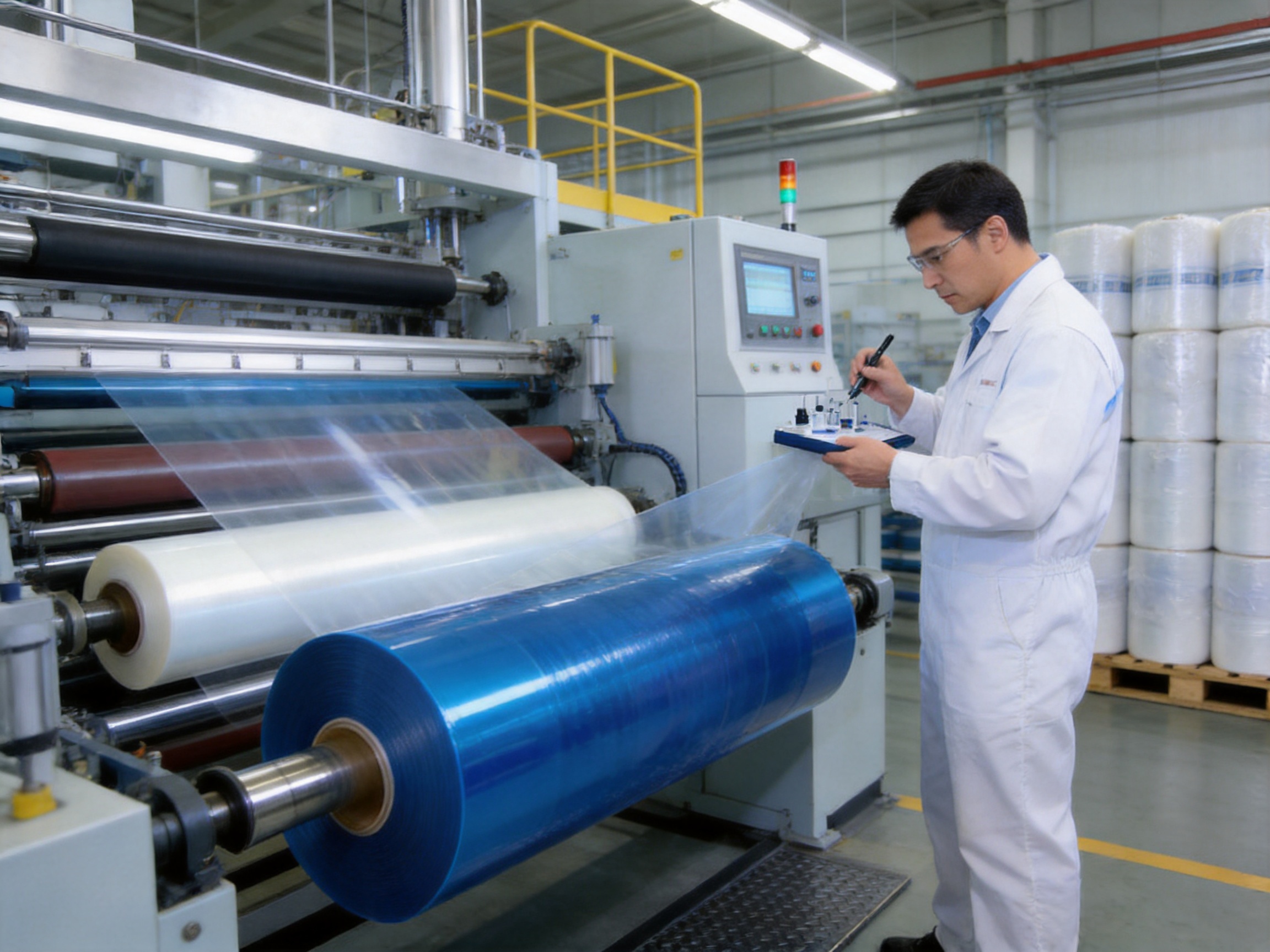
It is designed for many hard surfaces, including hardwood, laminate, ceramic, marble, tile, granite, vinyl, worktops, glass, and selected metal surfaces. Compatibility should be confirmed with a test application, especially on newly finished, coated, porous, delicate, or chemically treated materials.
The acrylic adhesive is formulated for easy application and removal without adhesive residue under appropriate conditions. Actual results depend on surface condition, temperature, exposure time, sunlight, humidity, coating type, and whether the product is correctly matched to the substrate.
Some configurations may be developed for outdoor or more demanding conditions, but outdoor suitability should not be assumed for every product. Ultraviolet exposure, rain, temperature changes, wind, and surface heating can affect backing and adhesive performance. The intended environment should be stated when ordering.
The polyethylene backing resists penetration by paint and many common liquids encountered during construction and decoration. It is a temporary protective barrier, not a substitute for immediate spill cleanup or chemical-resistant containment. Aggressive chemicals require specific compatibility testing.
Yes. Widths from 500 to 1,500 millimeters and roll lengths from 25 to 2,000 meters are available within the stated product range. Other requirements may be evaluated according to production capability, order quantity, and technical feasibility.
Customized printing is available in up to three colors. Logos, application instructions, warnings, identification marks, and private-label designs can be considered after artwork and technical requirements are approved.
These terms describe the direction in which the film is wound and dispensed from the roll. The correct option depends on how the film will be applied manually or through equipment. Customers should confirm the required winding direction before production.
Available thicknesses range from 30 to 80 micrometers. The suitable thickness depends on the desired balance of handling, coverage, puncture resistance, flexibility, cost, and application conditions.
It can be developed for selected metal surfaces, including stainless steel, aluminum, pre-coated metal, and other finishes. Because metal surfaces vary significantly, the adhesive formulation, service period, heat exposure, and removal performance should be verified through testing.
Important information includes the protected surface, surface finish, dimensions, desired thickness, roll width and length, color, printing, winding direction, adhesive preference, indoor or outdoor use, expected exposure time, temperature, humidity, chemical contact, packaging needs, and estimated order volume.
Protective film performance is determined by the interaction of backing, adhesive, coating process, winding, storage, application, and removal. An experienced manufacturer can evaluate these factors together instead of treating the product as simple plastic packaging.
The manufacturer described in the supplied information has specialized in protective films and surface protection solutions since 1999. Its product range covers protection for stainless steel, aluminum, pre-coated metal, plastic panels, ceramic, carpets, decorative laminates, glass, and other surfaces. This cross-material experience can help technical teams recommend a more suitable product for complex projects.
In-house production covering film manufacturing, adhesive coating, printing, rewinding, slitting, and packaging supports greater control over customization and quality. Experienced technicians and engineers, cooperation with research and development institutes, laboratory testing, and established management systems further support product development and repeatability.
The company also reports competitive costs, strong production capacity, multiple adhesive choices, technical support, and the ability to develop products from customer samples or technical data sheets. These capabilities are relevant to buyers seeking more than a standard catalog product.
Multi-purpose protective film provides a practical and efficient way to protect ceramic, hardwood, laminate, vinyl, worktops, glass, and other suitable hard surfaces during construction, remodeling, painting, decoration, installation, transportation, and maintenance. Its polyethylene backing resists puncture and liquid penetration, while its acrylic adhesive helps the film stay in position and supports clean removal when the product is properly selected and applied.
The product’s broad size range, medium adhesion level, color choices, printing options, and forward- or reverse-wound configurations make it adaptable to contractor, retail, industrial, and private-label requirements. Compared with loose sheeting, cardboard, or low-quality adhesive film, it can provide more stable positioning, improved conformability, better contamination resistance, and more controlled handling.
Its advantages are reinforced by an integrated manufacturing process that includes backing film production, adhesive coating, printing, rewinding, slitting, packaging, laboratory testing, and quality management. The manufacturer’s experience, customization capability, technical resources, export service, and reported certifications provide a foundation for consistent supply and application-specific development.
For the best result, users should select the film according to the surface, environment, exposure period, and level of mechanical risk. A small compatibility test, clean application, regular inspection, and careful removal remain essential. With these practices, protective film becomes more than a temporary cover: it becomes an important part of efficient project control, surface preservation, and professional workmanship.
1. Manufacturer product information for multi-purpose hard-surface protective film, including dimensions, adhesive type, color options, printing availability, and winding configurations.
2. Manufacturer company information concerning protective film production, adhesive coating, printing, rewinding, slitting, packaging, testing, customization, and technical support.
3. ISO 9001, Quality Management Systems—Requirements.
4. ISO 14001, Environmental Management Systems—Requirements with Guidance for Use.
5. General technical guidance for temporary surface protection during construction, painting, remodeling, installation, and transportation.
6. General principles of pressure-sensitive adhesive selection, surface compatibility testing, clean removal, and temporary protection film application.
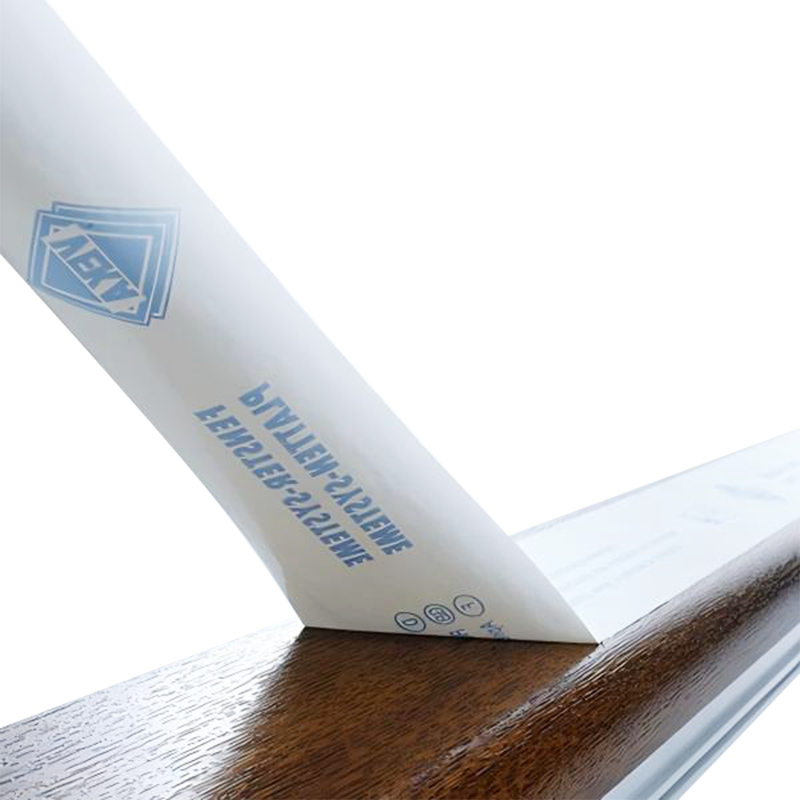
● Good weatherability for outdoor exposure; ● Stable adhesion level; ● UV resistance for up to 12 months; ● Can print customized logo or application i...
See Details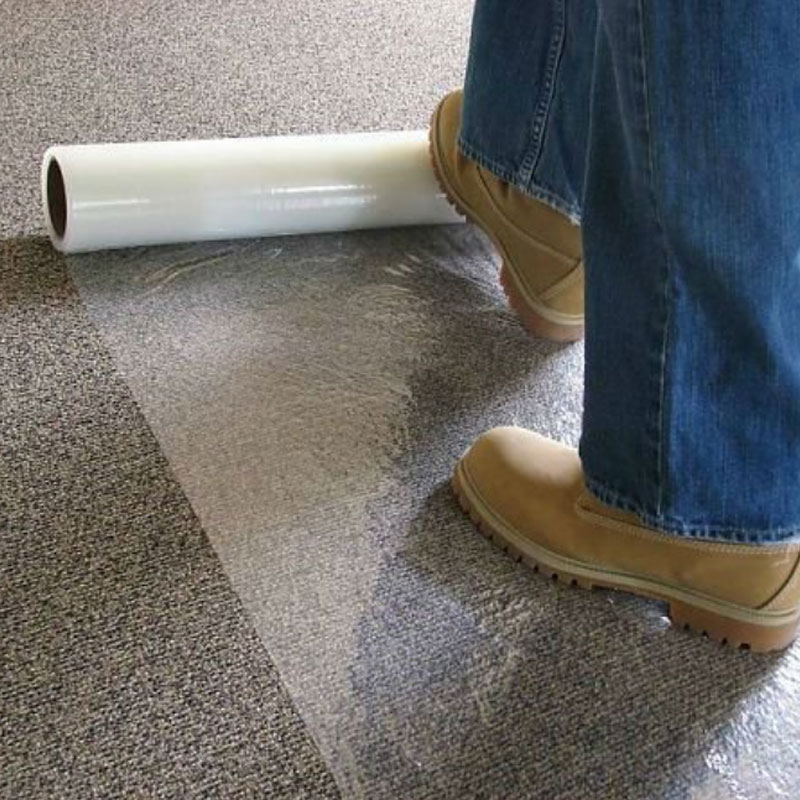
● Protects carpet against staining, paint spillage and dirt during painting, building, remodeling, plastering, tiling, decoration, general maintenance...
See Details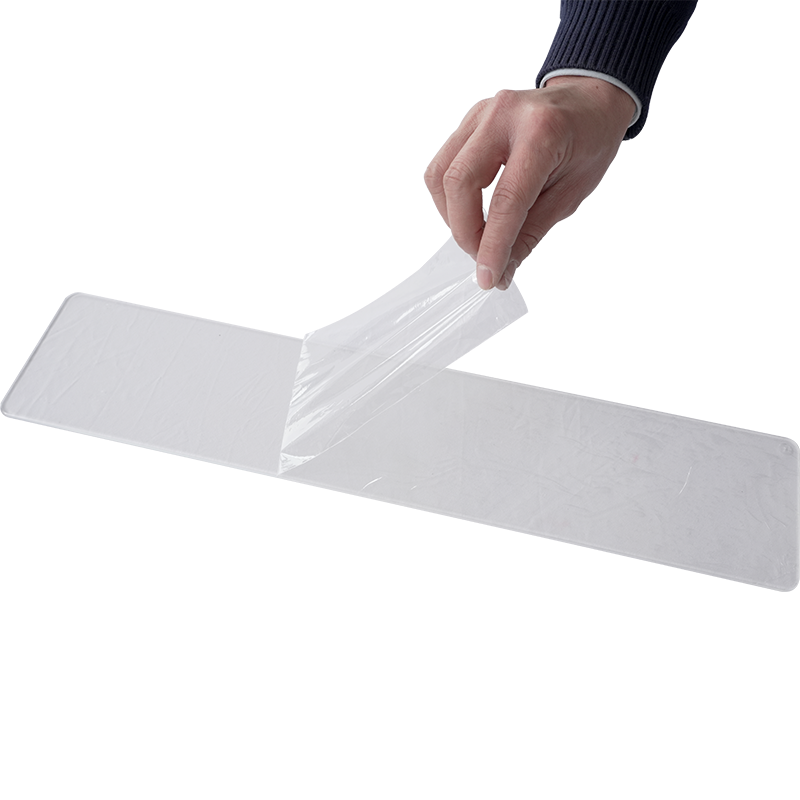
● No “ghost shadow” or “fish eye” after removal; ● Low gel content, soft and stable adhesion plus easy-peel removal with no surface damage or curling;...
See Details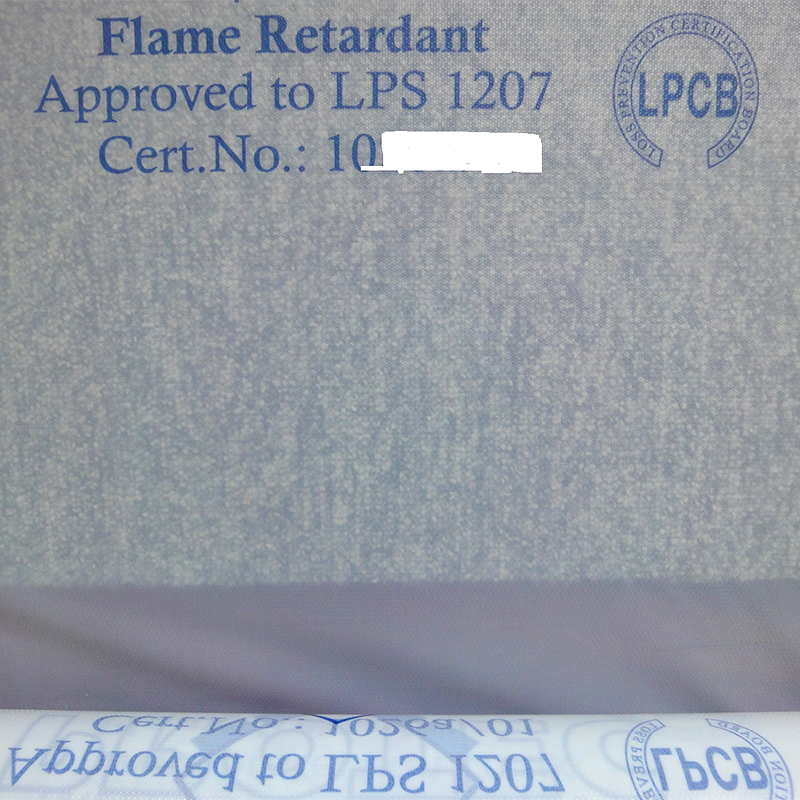
● Prevents costly damages in case of fire /flame;● Meet the strict international test standards of loss prevention; ● Extensive selection for flame re...
See Details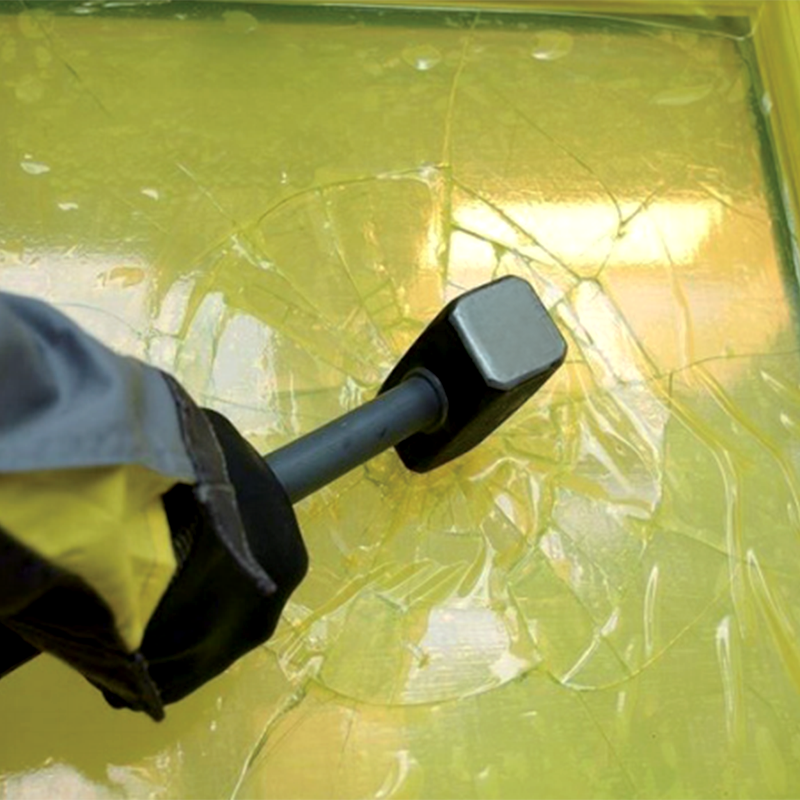
● The super tough polyethylene film with super high adhesion can stop the glass splitting and falling off during window glass demolition process;● Non...
See Details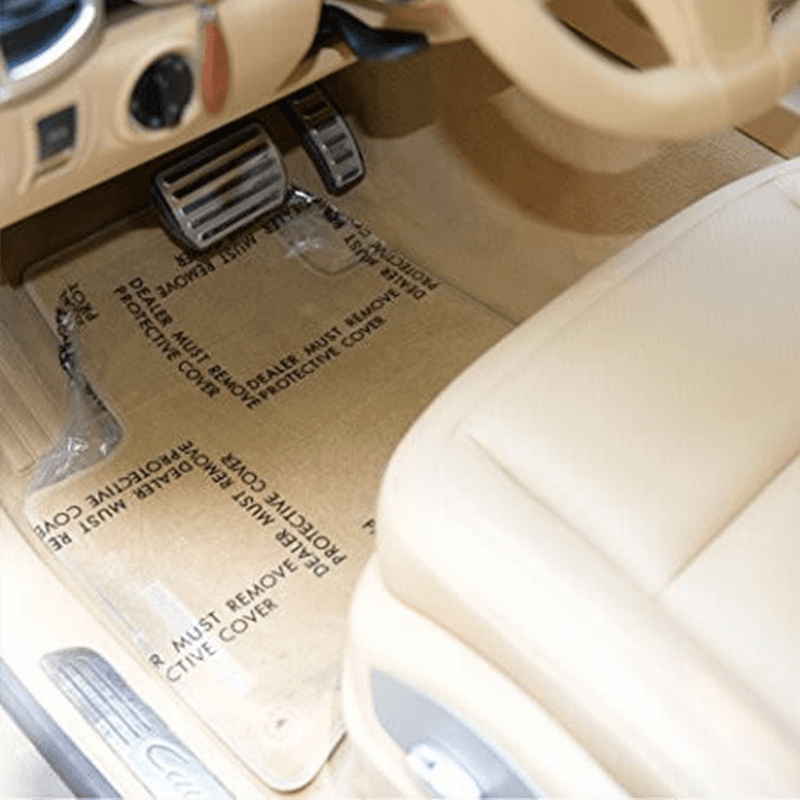
● Distance of each perforation die-cut ranges from 100mm to 1200mm;● Can peel off each die-cut piece of protective film at the perforated line easily;...
See Details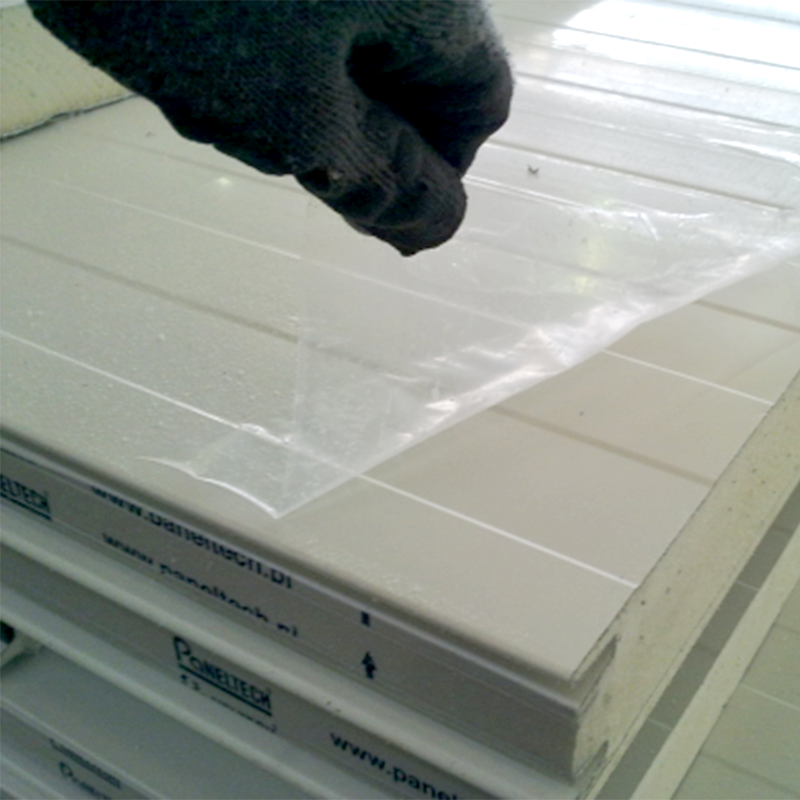
● The specially formulated adhesive ensures easy application and removal without leaving residue glue on the sandwich panels; ● The super-tough polyet...
See Details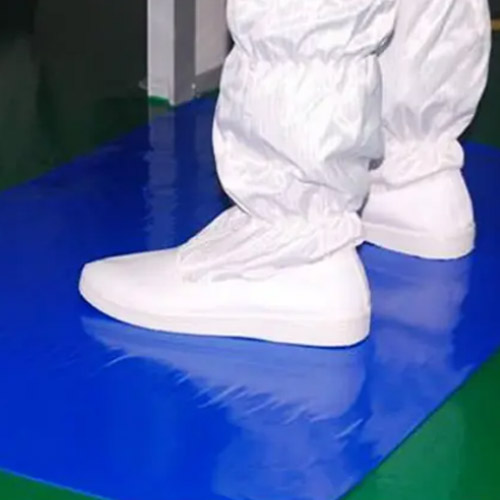
● Options for either 30 or 60 layers per mat; can be packed with four mats, eight mats, or ten mats per carton;● Remove dirt effect: ≥99.9% (5 steps);...
See Details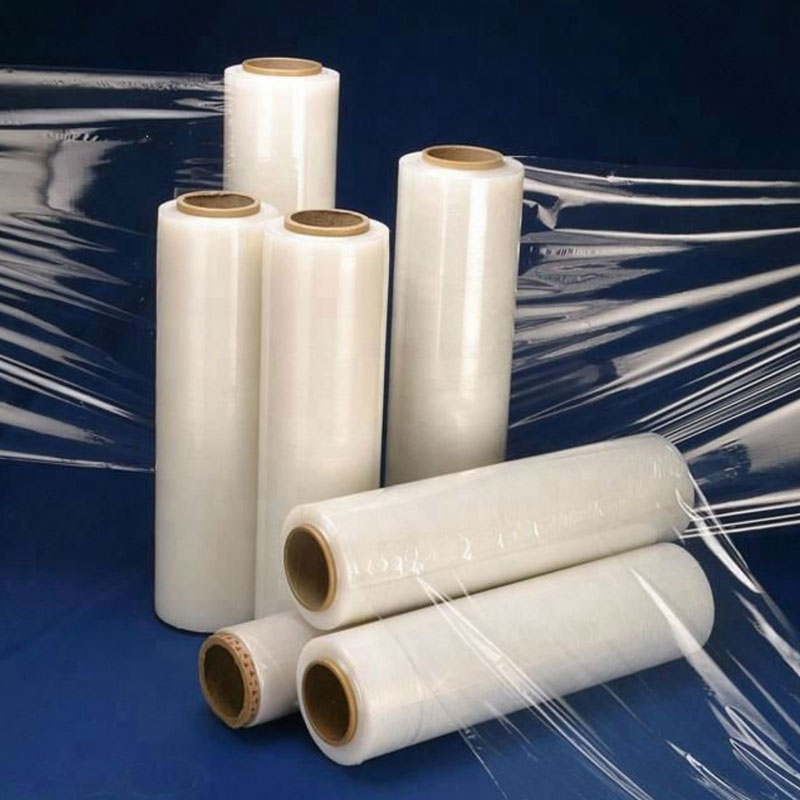
● Small roll size for convenient manual application;● Excellent puncture and tear resistance ; ● A self-adhering-each layer of film bonds to the next ...
See Details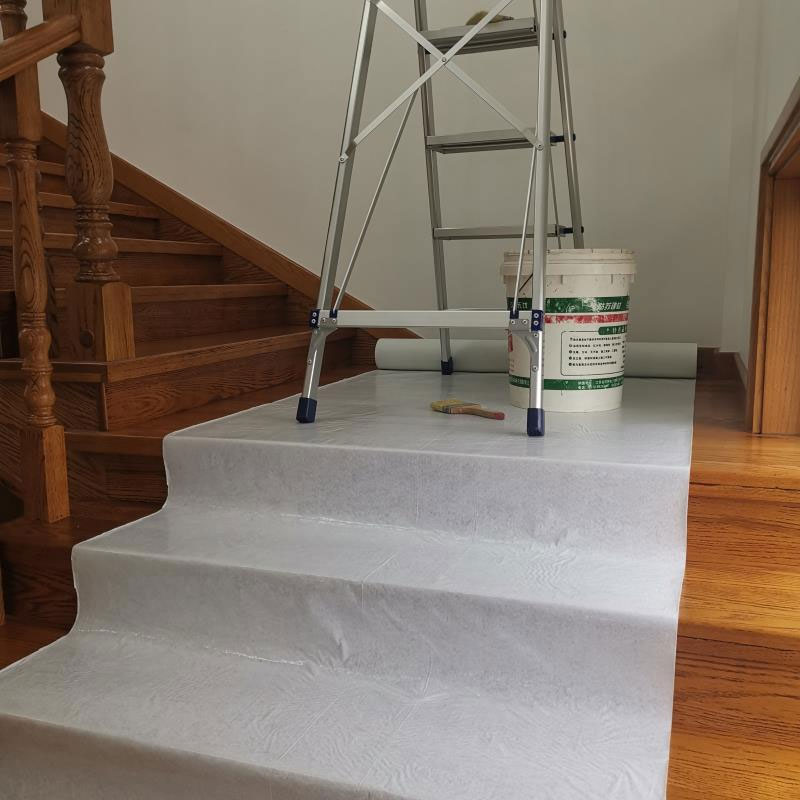
This product has non-woven synthetic fleece in middle; Breathable PE film adhered onto top of the non-woven fabric, which is coated with self adhesive...
See DetailsWe’re a reliable partner that shapes our expertise into success for your project.
Copyright 2024 Wuxi Qida Tape Co., Ltd. All Rights Reserved
 Wholesale Protective Film/Foil Manufacturers
Privacy