

 English

 English
 русский
 Français
 Español
 Português
 عربى


Cat:Glue -coated Protective Film
● Protect window glass against paint splatters, dirt, staining, and spillages during painting, building, plastering, tiling, general maintenance and r...
See Details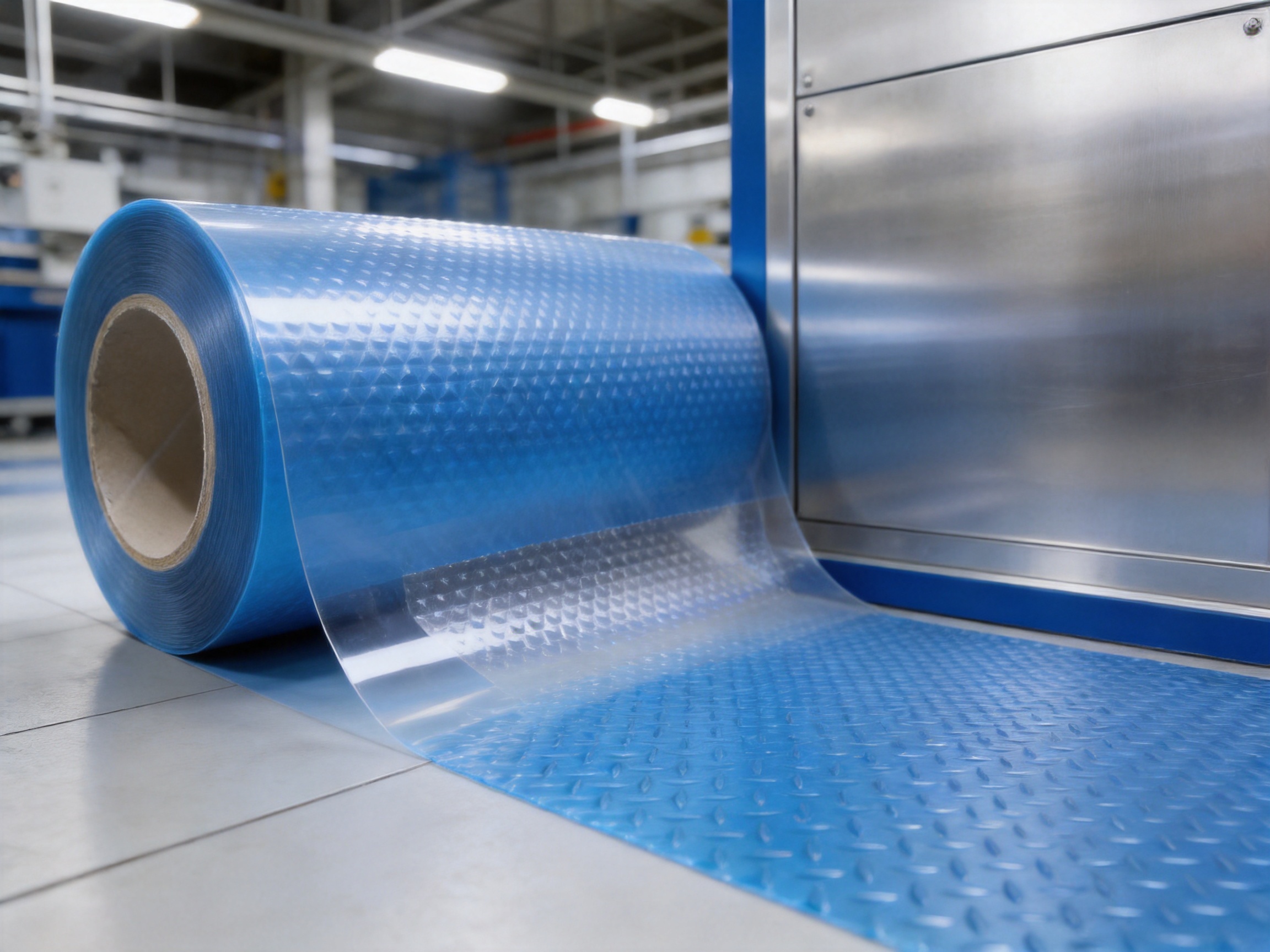
Anti-slip embossed protective film is a specialized temporary surface protection material designed to shield valuable surfaces while also improving safety during handling, processing, transportation, construction, and installation. Unlike conventional smooth protective film, its embossed surface creates additional texture and traction. This helps reduce slipping hazards when workers walk across protected panels, floors, steps, platforms, or other horizontal surfaces during production or construction activities.
The product combines a tough polyethylene backing with an embossed surface structure and an optional pressure-sensitive adhesive layer. Depending on the application, it can be supplied with adhesive for secure temporary bonding or without adhesive where easy positioning and removal are preferred. It can also be manufactured in multiple colors, thicknesses, widths, adhesion levels, and printed formats.
For manufacturers, fabricators, installers, distributors, and contractors, the primary value of anti-slip embossed protective film is its ability to provide two functions at the same time. It protects the underlying surface from scratches, dirt, scuff marks, moisture, and light impact, while its textured surface contributes to safer movement over the protected area. This makes it especially suitable for projects where both surface appearance and workplace safety are important.
Anti-slip embossed protective film is a polyethylene-based protective film with a deliberately textured or embossed outer surface. During manufacturing, the film passes through an embossing process that creates a patterned surface profile. This profile increases surface friction compared with a flat film and helps reduce the risk of accidental slips caused by smooth temporary coverings.
The film may be coated with acrylic adhesive on one side. The adhesive allows the material to remain attached to stainless steel, aluminum, pre-coated metal, plastic panels, ceramic surfaces, glass, decorative laminates, carpets, and other suitable substrates. Adhesion can be selected from low to super high, depending on whether the priority is clean removability, strong holding power, or resistance to movement during demanding work.
In non-adhesive versions, the film can be placed over a surface without direct bonding. This format may be useful when the protected surface is sensitive to adhesive contact, when the film must be repositioned frequently, or when the material is used as a temporary walkway or loose protective covering. The correct version depends on the surface condition, duration of use, expected traffic, temperature, and removal requirements.
The polyethylene backing provides a balance of flexibility, toughness, puncture resistance, and processability. It can be manufactured in different thicknesses, slit into narrow rolls, printed with logos or instructions, and supplied in colors that help users identify designated walking areas, work zones, or handling directions.
A smooth protective film can protect a surface from dirt and abrasion, but it may not provide sufficient traction when used on floors, steps, platforms, worktops, or other areas where people need to stand or walk. The embossed structure changes the topography of the film. Instead of presenting a continuous smooth plane, the surface contains raised and recessed areas that can improve contact between footwear and the film.
This textured construction helps address a common weakness of ordinary protective film. When a smooth film is exposed to dust, moisture, condensation, packaging residues, or fine particles, its surface can become more slippery. An embossed film is designed to maintain a more functional grip under normal temporary-use conditions. It is not a substitute for certified industrial fall-protection systems, but it can be an important part of a broader site-safety and surface-protection strategy.
Embossing also improves the practical handling of the material. The texture can make the film easier to identify visually and physically, particularly when workers are operating in areas covered with multiple materials. Depending on the embossing pattern, the surface may also help reduce the tendency of the film to lie completely flat against another smooth layer, which can make handling and removal more convenient.
The principal advantage is the embossed anti-slip surface. The textured profile is engineered to provide more surface interaction than a smooth film. This can support safer movement during installation, maintenance, fabrication, renovation, and transportation activities. It is particularly useful in temporary work areas where workers need to access protected surfaces repeatedly.
The polyethylene film is designed for demanding temporary protection applications. Its toughness helps it resist puncture, tearing, and ripping during normal use. Compared with thin general-purpose plastic coverings, a heavy-duty protective film is less likely to fail when exposed to foot traffic, tool movement, packaging operations, or contact with edges and corners.
A strong backing is important because a damaged protective film may expose the underlying surface to dirt, impact, and abrasion. Puncture resistance also reduces the need for frequent replacement, which can lower material consumption and labor costs during extended projects.
The film can be supplied with or without adhesive. This flexibility allows the material to be matched to different substrates and working conditions. Low-adhesion versions are suitable for applications where clean and simple removal is the main objective. Higher-adhesion versions may be preferred when the film must remain firmly in position during processing, transportation, or installation.
Acrylic adhesive technology offers good versatility for temporary surface protection. Depending on the formulation, acrylic adhesive can provide stable bonding, controlled peel performance, and resistance to aging. The adhesive grade should always be selected according to the surface energy, cleanliness, temperature, exposure time, and required removal behavior of the application.
Protective film is often installed over large areas and may be exposed to repeated movement. A film that tears easily can create exposed areas, loose flaps, and additional trip hazards. The heavy-duty polyethylene construction helps the film remain intact and functional during handling and use.
Its elongation performance also contributes to flexibility during application. The available specification lists elongation at a level of at least 300, subject to the applicable testing method and final product configuration. High elongation can help the film adapt to moderate contours and reduce premature cracking when it is applied carefully.
The film can be printed with customized logos, handling instructions, safety reminders, directional information, or application messages. Printing can be available in up to three colors. Customized printing helps identify ownership, reinforce correct installation, and communicate warnings or removal instructions to workers.
Printed film can also support brand recognition for distributors and project suppliers. For large construction, manufacturing, or logistics projects, printed instructions may reduce confusion when several temporary protection materials are used in the same work area.
Available film colors include white, clear, blue, red, yellow, pink, green, and other customized options. Clear film is useful when visual inspection of the protected surface is important. Colored film can improve visibility and help distinguish work areas, access paths, product categories, or application stages.
Color selection may also be used as part of a site-management system. For example, one color can identify a protected walkway while another indicates a restricted or unfinished area. Color should be selected according to lighting, substrate appearance, printing requirements, and the desired visual contrast.
The standard thickness range is from approximately 60 micrometers to 240 micrometers. Thinner grades may be appropriate for lighter protection and short-term use, while thicker grades can provide enhanced resistance to puncture, impact, and repeated traffic.
Widths can range from approximately 100 millimeters to 1,300 millimeters. This range supports narrow edge protection, component wrapping, panel protection, floor covering, and larger-area installation. Roll lengths can be produced from approximately 25 meters to 5,000 meters, depending on thickness, width, application, and customer requirements.
Performance factor |
Anti-slip embossed protective film |
Conventional smooth protective film |
Surface structure |
Textured and embossed |
Generally flat and smooth |
Temporary traction |
Improved surface grip for suitable applications |
Limited traction, especially when wet or contaminated |
Surface protection |
Protects against scratches, dirt, scuffs, and light impact |
Protects against common surface contamination and abrasion |
Adhesive options |
Available with low to super-high adhesion levels |
Usually available in selected standard adhesive grades |
Printing |
Customized logos and instructions, generally up to three colors |
May have limited or no printing options |
Heavy-duty performance |
Designed for tough, puncture-resistant temporary protection |
Performance varies by film thickness and construction |
Typical positioning |
Work floors, walkways, panels, platforms, steps, and processed surfaces |
General protection of finished or semi-finished surfaces |
The key distinction is not simply film thickness. The embossed surface gives this product a functional advantage in applications where users may stand or walk on the temporary covering. Conventional smooth film remains useful for many vertical and low-traffic applications, but it may not be the best choice for horizontal areas where traction is a concern.
The choice between products should be based on the actual application rather than on a single specification. A smooth film may be sufficient for protecting a metal sheet during transportation, while an embossed film may be more suitable for covering a finished floor during installation work. Selecting the correct film can improve efficiency, reduce replacement, and support safer working conditions.
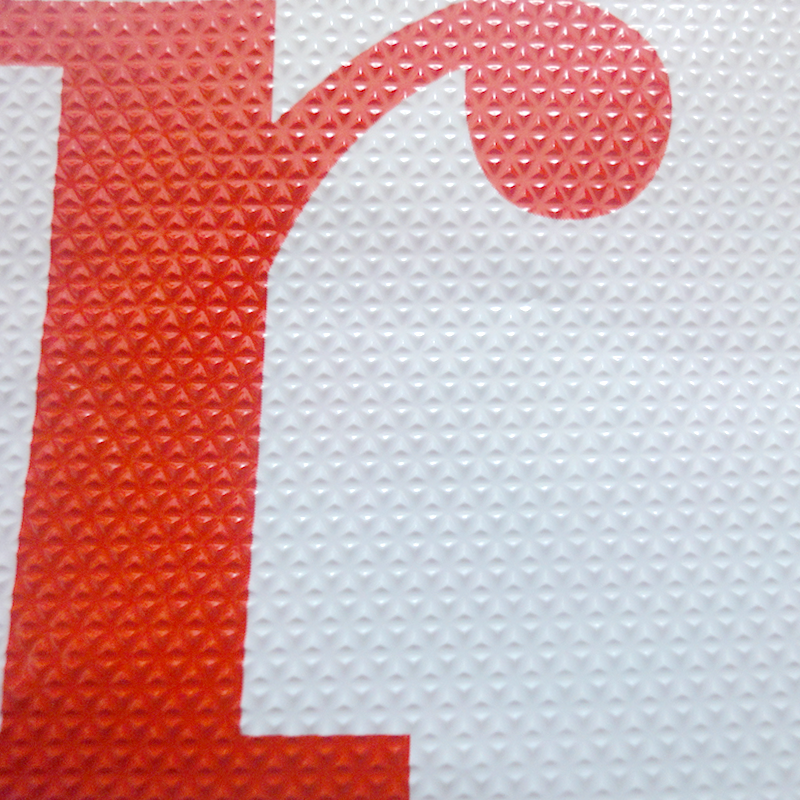
Anti-Slip / Embossed Protective Film
Construction and renovation projects frequently involve a sequence of trades working around finished or semi-finished surfaces. Floors, stairs, countertops, decorative panels, doors, and metal surfaces may be exposed to dust, tools, footwear, paint, grout, packaging, and construction debris.
Anti-slip embossed protective film can be applied to suitable floors, stairs, platforms, and other surfaces to reduce contamination and minor damage during ongoing work. Its textured surface is especially valuable where workers need to move materials or access elevated sections of a project. Printed warnings or installation instructions can help crews use the film correctly.
Stainless steel, aluminum, coated metal, and decorative metal panels can be damaged by scratches and scuff marks during bending, pressing, roll forming, cutting, transportation, and installation. Protective film helps maintain the appearance of the finished surface until the product reaches its final destination.
In metal-processing environments, the adhesive level must be selected carefully. The film should remain attached during manufacturing but should also be removable without leaving unacceptable residue. Acrylic adhesive grades can be matched to the surface finish, processing conditions, and required protection period.
Decorative laminates, plastic panels, composite panels, and architectural sheets often have sensitive visual finishes. Small scratches or handling marks can reduce product value and create rework. A protective film provides a temporary barrier against dust, fingerprints, light abrasion, and contact with tools.
An embossed version can be used where panels are installed in areas that require temporary worker access or where the surface must be protected while nearby construction continues. Compatibility testing is important because decorative finishes vary significantly in surface energy, texture, coating chemistry, and resistance to adhesive contact.
Glass, ceramic, and other smooth surfaces can be vulnerable to dust, smears, scratches, and construction debris. Film protection can simplify cleaning and reduce the risk of surface damage during transportation and installation. For horizontal applications, the embossed surface can offer additional temporary traction compared with a smooth plastic covering.
Because glass and ceramic surfaces can differ in coating and cleanliness, users should test the selected film before full-scale application. The substrate must be free of dust, oil, moisture, and incompatible cleaning residues. The film should be removed within the recommended period and under suitable environmental conditions.
Flooring and carpet surfaces are commonly exposed to repeated foot traffic during construction, remodeling, decoration, and equipment installation. Protective film can help reduce the accumulation of dirt and prevent some forms of abrasion and staining.
For floor applications, the embossed pattern can make the temporary covering more suitable for walking areas than a completely smooth film. However, the film must be installed without loose edges, excessive wrinkles, or unsealed joints. The edges should be inspected regularly, especially in high-traffic locations.
During transportation, finished components may rub against packaging materials, neighboring products, or handling equipment. Protective film reduces direct contact between the product surface and external contaminants. Colored or printed film can also identify product orientation, handling requirements, or ownership.
For transportation applications, the film should be selected for sufficient puncture resistance and holding power. The package design should prevent sharp edges from cutting the film, and the product should be stored in a dry environment before use.
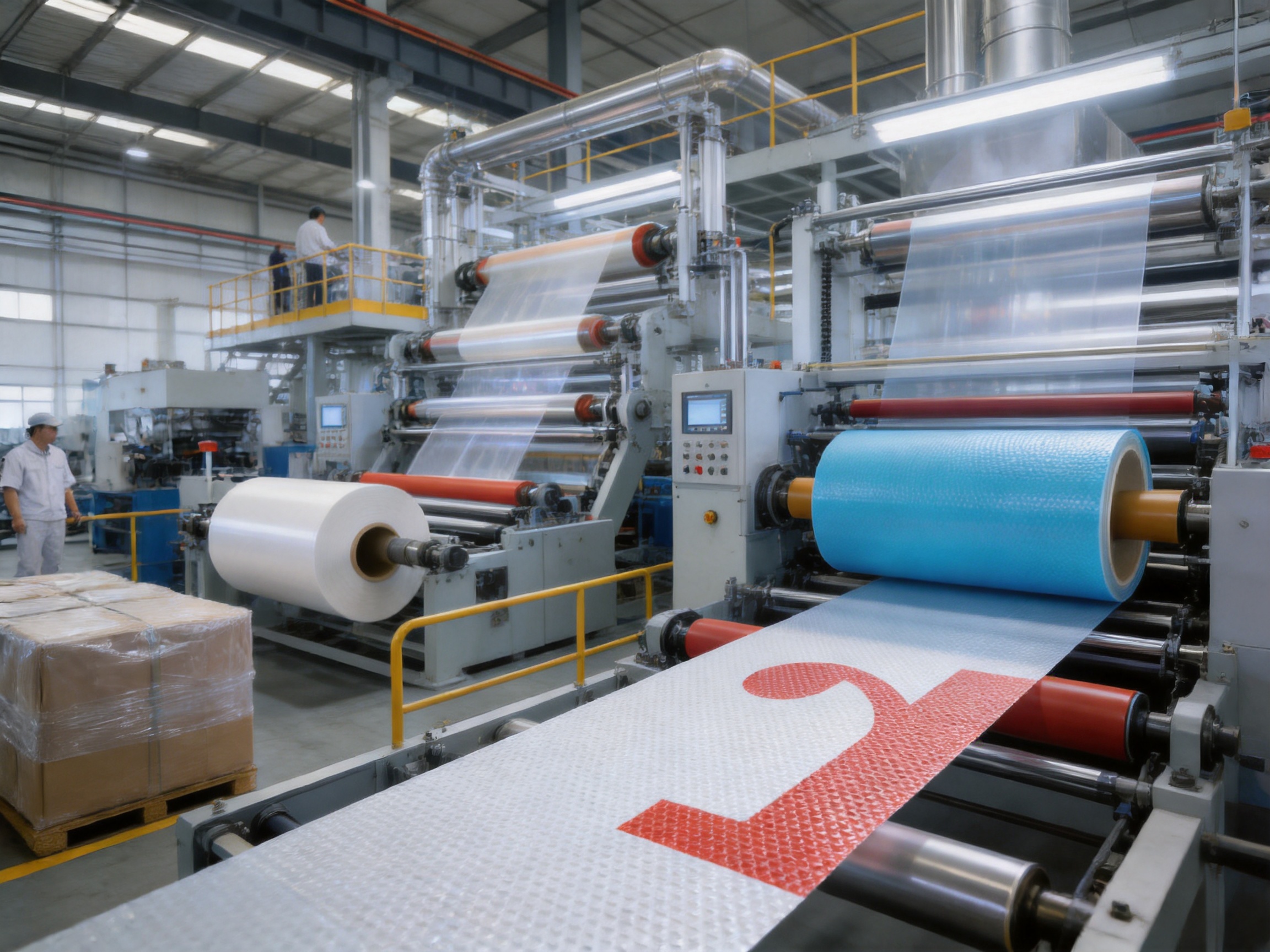
The performance of anti-slip embossed protective film depends on more than the raw materials. Film extrusion, surface embossing, adhesive coating, printing, slitting, rewinding, inspection, and packaging must be coordinated carefully. Each stage influences the final film’s strength, appearance, adhesion, removability, and dimensional consistency.
The manufacturing process begins with the production of the polyethylene backing film. Resin selection, melt temperature, extrusion conditions, cooling, and winding tension must be controlled to produce a stable film with consistent thickness and mechanical performance.
Uniform film thickness is important because variations can affect puncture resistance, flexibility, embossing quality, and adhesive coating. The production team must also control the film surface so that it is suitable for later treatment, printing, or adhesive application.
After or during film formation, the material is processed through an embossing system that creates the required surface texture. Embossing pressure, roller temperature, line speed, and pattern geometry influence the depth and consistency of the final profile.
A well-controlled embossing process helps ensure that the surface pattern is evenly distributed across the film width. Excessive embossing may weaken the film or create unwanted stress points, while insufficient embossing may not provide the desired texture. The process must therefore balance traction, film strength, appearance, and converting performance.
Depending on the adhesive and printing requirements, the film may undergo surface treatment to improve coating or ink adhesion. Surface energy must be managed carefully. If the surface is not adequately prepared, adhesive bonding or printing may become inconsistent. If treatment is excessive, the film may experience undesirable changes in appearance or performance.
Surface treatment parameters are monitored as part of process control. Production technicians may evaluate coating wetting, ink adhesion, and surface uniformity to confirm that the film is suitable for the next manufacturing stage.
The adhesive coating stage determines how the film behaves during application and removal. Acrylic water-based adhesive, acrylic solvent-based adhesive, and other adhesive formulations can be selected according to customer requirements and industry conditions.
Coating weight, drying temperature, drying time, line speed, and adhesive viscosity must be controlled to achieve a consistent layer. An adhesive that is too aggressive may leave residue or damage a sensitive surface. An adhesive that is too weak may cause lifting, shifting, or premature detachment. The appropriate balance depends on the substrate and service conditions.
Advanced coating equipment helps maintain a uniform adhesive layer across the roll. Uniformity is especially important for wide rolls because variations may become visible as uneven bonding, wrinkles, bubbles, or inconsistent peel force during application.
Customized printing can be completed after the film surface has been prepared for ink adhesion. Logos, text, symbols, arrows, safety notices, and application instructions can be printed in up to three colors, depending on the design and product structure.
Printing must be resistant enough for normal handling while remaining visually clear. Registration, ink coverage, drying, and winding tension are checked during production. The printed design should not interfere with film application, adhesive performance, or the ability to inspect the protected surface.
Large master rolls can be converted into customer-specific widths using precision slitting and rewinding equipment. Slitting accuracy affects installation efficiency, edge quality, roll stability, and material waste.
Rewinding tension must be carefully controlled. Excessive tension can deform the film or create telescoping rolls, while insufficient tension can cause loose winding and handling problems. Properly converted rolls are easier to transport, store, dispense, and apply.
Finished rolls are inspected for film defects, edge condition, winding quality, adhesive uniformity, print clarity, roll dimensions, and packaging integrity. Packaging protects the rolls from moisture, dust, impact, and deformation during storage and shipment.
Inspection records and traceability systems help manufacturers identify production batches and respond efficiently to customer questions. Reliable packaging is particularly important for export orders and long-distance transportation.
Wuxi Qida Tape Co., Ltd. operates as a manufacturer of protective films and surface protection solutions. The company has developed production capabilities covering backing film production, adhesive coating, logo printing, rewinding, slitting, and packaging. Completing these processes within its own factory provides better coordination between material development and final converting.
The company operates a factory of approximately 20,000 square meters and employs more than 95 experienced staff members. Its annual production capacity is reported to exceed 12,000 tons. This production scale supports both standard products and customized orders requiring specific widths, thicknesses, adhesive levels, colors, roll lengths, and printing designs.
Advanced machines introduced from Germany support the company’s manufacturing activities. Equipment quality is important in protective film production because even small deviations in coating, tension, thickness, or slitting can influence customer application performance. Modern machinery, combined with experienced operators, supports stable output and repeatable processing.
The company maintains ISO 9001 and ISO 14001 management certifications. ISO 9001 emphasizes quality management and process consistency, while ISO 14001 focuses on environmental management. These systems provide a framework for production control, documentation, corrective action, resource management, and continual improvement.
Qida Tape also maintains a testing laboratory and advanced inspection equipment. Testing and inspection may cover physical properties, adhesive behavior, film appearance, dimensions, print quality, and other customer-specific requirements. Laboratory capabilities help engineers evaluate new formulations and adjust products for different surfaces and working environments.
Through technical cooperation with research and development institutes, the company continues to develop protective film products for changing industry requirements. Its engineering team can work from customer technical data sheets, drawings, samples, or application descriptions. This is valuable when a standard protective film does not provide the necessary combination of adhesion, removability, thickness, texture, or print design.
Adhesive selection is one of the most important steps in choosing protective film. The correct adhesive must hold the film securely during use but release cleanly when protection is no longer required. No single adhesive grade is ideal for every surface or every exposure period.
Low-adhesion film is often used for delicate surfaces or short-term applications. It can be easier to remove and may reduce the risk of residue. However, it may not be suitable for high-traffic areas, rough surfaces, or applications where the film is exposed to strong air movement and repeated handling.
Medium-adhesion grades offer a balance between holding power and removability. They are commonly considered for general surface protection where the substrate is reasonably clean and smooth, and where the film must remain in position for a moderate period.
High-adhesion and super-high-adhesion grades may be required for textured surfaces, challenging processing conditions, or long-duration applications. These products should be tested carefully before use because stronger adhesion can increase the risk of residue, surface interaction, or difficult removal.
Before large-scale application, users should evaluate surface material, coating type, surface energy, cleanliness, temperature, humidity, exposure duration, ultraviolet exposure, and removal conditions. A small test area can reveal whether the film adheres consistently, whether bubbles form, and whether removal leaves residue or affects the finish.
Film should not be applied over wet, dusty, oily, freshly painted, uncured, or chemically contaminated surfaces unless the product has been specifically designed and tested for those conditions. Proper surface preparation improves both adhesion and appearance.
Check the surface for dust, oil, moisture, loose particles, sharp projections, and existing damage. Any defects that could affect adhesion or puncture resistance should be addressed before the film is applied.
Use a compatible cleaning method to remove contaminants. The surface must be fully dry before application. Alcohol-based cleaners or specialized surface-cleaning products may be suitable for some materials, but compatibility should be confirmed in advance.
Cut the film to a practical size that allows controlled installation. On large surfaces, it may be more effective to use several manageable sections with carefully planned overlaps rather than attempting to handle one oversized sheet.
Align one edge first and gradually apply the film across the surface. Avoid stretching the film unnecessarily. Excessive tension can cause shrinkage, edge lift, or wrinkles after installation.
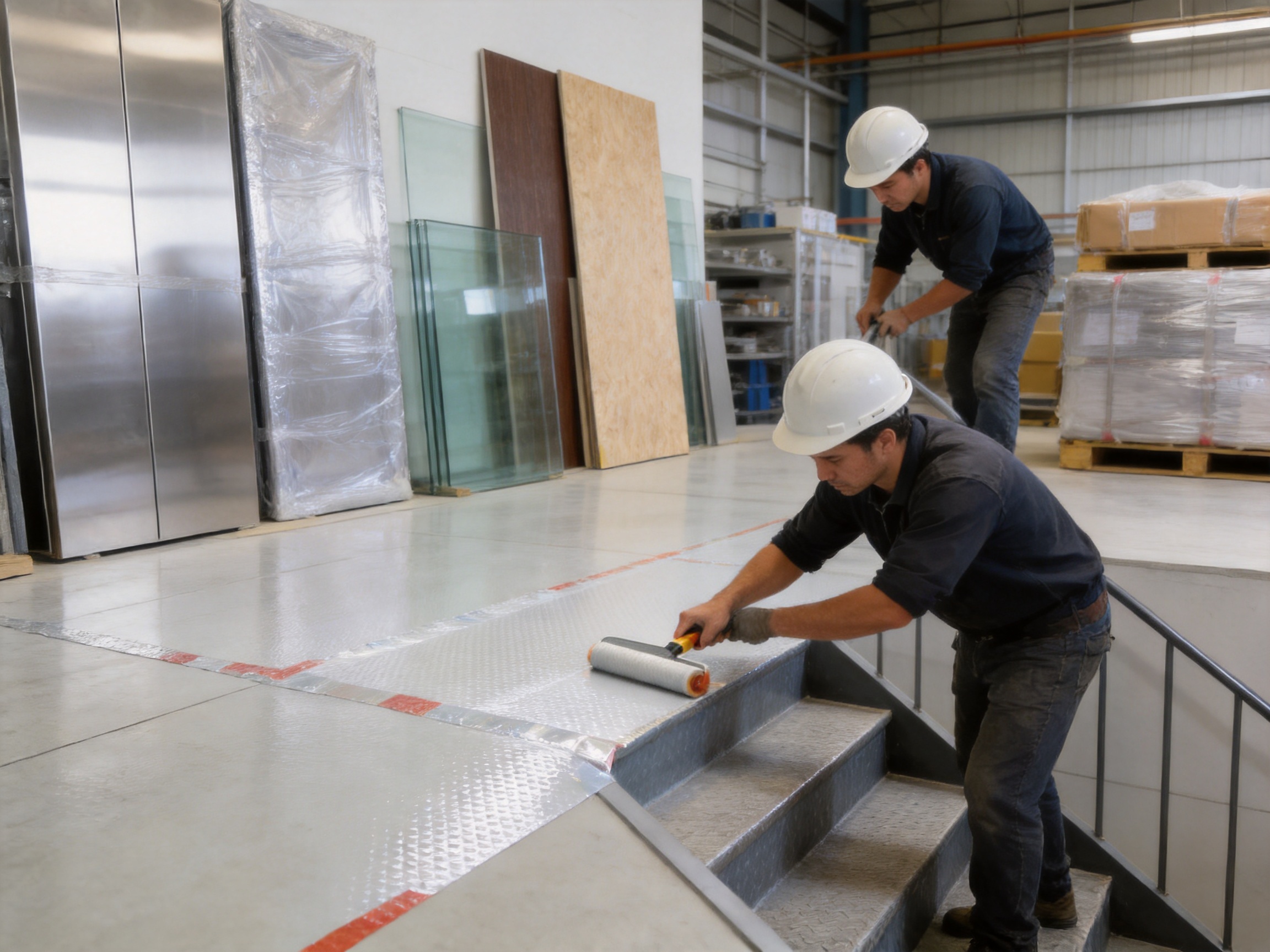
Apply steady pressure with a squeegee, roller, or similar tool. Work from the center toward the edges to remove trapped air and improve contact. On embossed film, the tool should be firm enough to secure the film without damaging the textured surface.
Edges and joints require special attention because they are the first areas likely to lift during use. Press the edges firmly and ensure that overlapping sections are stable. Where appropriate, compatible tape or adhesive may be used to reinforce joints, but any additional bonding material should be tested on the substrate.
Look for bubbles, wrinkles, loose corners, open joints, and exposed areas. Correct these conditions before the protected surface enters service. In a walking area, loose edges can create a trip hazard even if the film itself has an anti-slip texture.
Small bubbles and slight wrinkles can often be removed with a squeegee or another smooth flattening tool. Start near the center of the affected area and move outward with light, even pressure. Avoid using excessive force, which may stretch the film or damage the substrate.
Larger bubbles or deeper wrinkles may require controlled heating. A heat gun can make the polyethylene film softer and more flexible, allowing it to conform more closely to the surface. Heating must be performed carefully. Excessive temperature or prolonged exposure may deform the film, affect the adhesive, or damage the underlying surface.
For difficult installations, it may be necessary to lift one section of film and reposition it. Remove the film gradually rather than pulling aggressively. Reapply it slowly while using a squeegee to prevent new bubbles and wrinkles. Large-area installations should be completed by trained personnel when the surface is valuable or the project schedule is critical.
If bubbles or wrinkles repeatedly appear, investigate the underlying cause. Common causes include inadequate surface cleaning, application at an unsuitable temperature, excessive film tension, incompatible adhesive, moisture trapped beneath the film, or movement of the substrate.
Effective edge and joint fixation begins with proper surface preparation. Dust, grease, moisture, and loose particles can prevent the film from bonding securely. Clean surfaces provide better contact and reduce the likelihood of edge lifting.
Use suitable tools such as squeegees, rollers, scrapers, or soft rubber applicators to press down the edges. Apply controlled pressure along the complete perimeter, paying special attention to corners and transitions.
Where additional holding power is required, a compatible bonding agent or supplementary adhesive may be considered. The product should be compatible with both the protective film and the substrate. Manufacturer instructions should be followed to avoid residue, staining, or surface damage.
Gentle heating can also help the film conform to edges and corners. Heat should be applied evenly and briefly. The purpose is to improve flexibility and contact, not to melt or distort the film.
Edges and joints should be inspected during the protection period. Changes in temperature, humidity, traffic, cleaning activity, or substrate movement can cause previously secure areas to loosen. Promptly pressing down lifted edges or repairing damaged sections helps maintain protection and reduces trip risks.
Protective film rolls should be stored in a clean, dry location away from direct sunlight, excessive heat, water, chemicals, and sharp objects. Rolls should remain in their original packaging until required. They should be stored in a way that prevents crushing, deformation, or uncontrolled telescoping.
Before application, allow the film to reach the temperature of the working environment when possible. Sudden temperature differences may influence adhesive behavior and film flexibility. Rolls should be handled carefully to prevent edge damage, which can create defects during unwinding.
Removal should be carried out at a controlled angle and steady speed. Pulling too quickly may leave adhesive residue or create unnecessary stress on a sensitive surface. If the film has been exposed beyond the recommended period, removal may become more difficult, particularly under heat, ultraviolet exposure, or chemical contamination.
After removal, inspect the surface for residue, dirt, or areas requiring cleaning. A suitable cleaner may be used where necessary, but it should be compatible with the substrate and coating.
Industrial buyers often require more than a standard roll. Anti-slip embossed protective film can be customized according to project conditions, equipment limitations, product dimensions, and handling procedures.
Available customization areas may include thickness, width, roll length, adhesive strength, film color, embossing structure, printing content, number of colors, packaging style, and core size. Customers can provide technical data sheets, physical samples, drawings, or application descriptions to support product development.
Custom printing can include company logos, product codes, directional arrows, safety messages, storage instructions, and removal reminders. Printing should be selected according to the intended environment. High-traffic or outdoor conditions may require additional evaluation of ink durability.
Custom width and roll length can improve production efficiency. A width that matches the product or work area can reduce trimming, labor, material waste, and installation time. Roll length should be balanced against roll weight, handling requirements, application speed, and shipping limitations.
A specialized protective film manufacturer can provide more value than a general plastic-film supplier because the product requires coordinated knowledge of polymer film, embossing, adhesive chemistry, surface compatibility, converting, and application engineering.
Manufacturers with in-house production capabilities can control more stages of the process. This can improve communication, shorten response time for technical questions, and make it easier to adjust a product when trial results indicate that a different adhesive level or thickness is needed.
Qida Tape’s experience in protective film development and surface protection allows the company to serve applications involving stainless steel, aluminum, pre-coated metal, plastics, ceramics, glass, carpets, decorative laminates, and other materials. Its engineers assist customers in selecting a suitable product rather than treating every application as identical.
The company’s export experience also supports order coordination for customers in Europe, North America, Australia, the Middle East, Japan, and other regions. International customers may require specific packaging, documentation, testing, labeling, and compliance information. A manufacturer familiar with export requirements can help make these details more manageable.
Quality control is essential for protective film because defects may not become visible until the film is applied at a customer site. Consistent thickness, adhesive coating, print quality, edge condition, and roll winding help reduce application problems and customer claims.
The company reports management and product compliance support including ISO 9001, ISO 14001, SGS, RoHS, REACH, PFAS, and Prop 65 testing or related requirements. The exact documentation available should be confirmed for each product specification, market, and order.
Environmental responsibility involves more than the film material itself. It includes efficient production, controlled use of solvents and water, waste reduction, packaging management, and responsible handling of used protective film. The correct thickness and roll size can reduce unnecessary material consumption while still providing adequate protection.
Users should also plan for the collection and disposal of removed film. Local recycling and waste-management rules may differ depending on adhesive type, contamination, and regional regulations. Where recycling is available, clean polyethylene film may be separated from other waste streams.
Specification |
Available range or option |
Product type |
Anti-slip embossed protective film |
Backing material |
Tough polyethylene film |
Thickness |
Approximately 60 to 240 micrometers |
Width |
Approximately 100 to 1,300 millimeters |
Roll length |
Approximately 25 to 5,000 meters, subject to product configuration |
Elongation |
Listed at 300 or above, according to the applicable test method |
Adhesion level |
Low through super high |
Adhesive type |
Acrylic; water-based or solvent-based options may be available |
Film colors |
White, clear, blue, red, yellow, pink, green, and custom colors |
Printing |
Customized printing in up to three colors |
Primary functions |
Temporary surface protection and improved traction for suitable applications |
Specifications may vary according to the final formulation, embossing pattern, adhesive system, production equipment, and customer requirements. Buyers should request a current technical data sheet and sample before confirming a large order.
Its main purpose is to protect surfaces from scratches, dirt, scuff marks, light impact, and contamination while providing a textured surface that can improve temporary traction. It is used in manufacturing, construction, transportation, installation, and renovation.
Yes. The film can be manufactured with acrylic adhesive in different adhesion levels, from low to super high. Non-adhesive versions can also be supplied for applications where direct bonding is not required.
It may be suitable for floors, walkways, steps, platforms, and other horizontal surfaces when the substrate and service conditions are compatible. The surface must be clean and dry, and all edges and joints must be secured. The product should not be considered a replacement for regulated fall-protection equipment.
Yes. Customized logos, safety messages, application instructions, directional symbols, and other information can be printed. Printing availability is generally up to three colors, depending on the design and product requirements.
Common options include white, clear, blue, red, yellow, pink, and green. Other colors may be developed according to order quantity, printing requirements, and production feasibility.
The stated thickness range is approximately 60 to 240 micrometers. The best thickness depends on the expected traffic, puncture risk, duration of use, surface condition, and required handling properties.
Small bubbles can usually be pushed outward with a squeegee or similar tool. Larger bubbles may require careful heating followed by flattening. If the problem persists, the affected section may need to be lifted and reapplied.
Minor wrinkles can be smoothed by working from the center toward the edges. Larger wrinkles may require controlled repositioning or gentle heat. Excessive stretching should be avoided because it can cause the film to shrink or lift later.
The surface must be cleaned and dried before application. Edges should be pressed firmly with an appropriate tool, and joints should be overlapped or reinforced when necessary. Regular inspection is recommended in high-traffic areas.
Properly selected and correctly applied protective film is designed for clean removal, but residue performance depends on adhesive grade, substrate, temperature, exposure time, ultraviolet exposure, and surface condition. Compatibility testing is recommended before full application.
Outdoor suitability depends on the film formulation, adhesive, exposure period, temperature, moisture, sunlight, and project conditions. Outdoor use should be confirmed with the manufacturer, and a trial should be conducted when exposure is demanding.
Yes. Customization may include thickness, width, roll length, adhesive level, color, embossing, core size, packaging, and printed content. Technical data sheets or samples can help the manufacturer develop a suitable specification.
Buyers should provide the surface material, surface finish, application method, expected protection period, indoor or outdoor conditions, temperature range, traffic level, desired film thickness, width, roll length, adhesive preference, color, printing requirements, estimated quantity, and destination market.
Anti-slip embossed protective film offers a practical combination of surface protection, handling strength, customization, and temporary traction. Its textured polyethylene backing is designed for demanding applications where ordinary smooth film may provide insufficient grip or durability. With options for adhesive and non-adhesive construction, multiple thicknesses, broad widths, custom colors, and printed instructions, the product can be adapted to many industrial and commercial requirements.
The value of the product depends on the complete manufacturing system behind it. Consistent polyethylene film production, controlled embossing, accurate acrylic adhesive coating, reliable printing, precision slitting, careful rewinding, and final inspection all contribute to dependable performance. A specialized manufacturer with in-house production, engineering support, testing resources, quality systems, and customization capabilities can help buyers select a film that matches their actual application.
For manufacturers, contractors, fabricators, distributors, and project managers, the right protective film can reduce surface damage, simplify cleaning, improve worksite organization, support safer movement, and lower replacement costs. Careful surface preparation, correct installation, regular inspection, and timely removal are essential to achieving the best result.
1. Wuxi Qida Tape Co., Ltd., Product Information for Anti-Slip and Embossed Protective Film.
2. Wuxi Qida Tape Co., Ltd., Technical Information on Protective Film Manufacturing, Adhesive Coating, Printing, Slitting, and Packaging.
3. International Organization for Standardization, ISO 9001 Quality Management Systems: Requirements.
4. International Organization for Standardization, ISO 14001 Environmental Management Systems: Requirements with Guidance for Use.
5. General technical guidance on temporary surface protection films, polyethylene film processing, pressure-sensitive adhesives, and industrial material handling.
6. General installation practices for adhesive protective films on metal, plastic, glass, ceramic, laminate, carpet, and finished architectural surfaces.
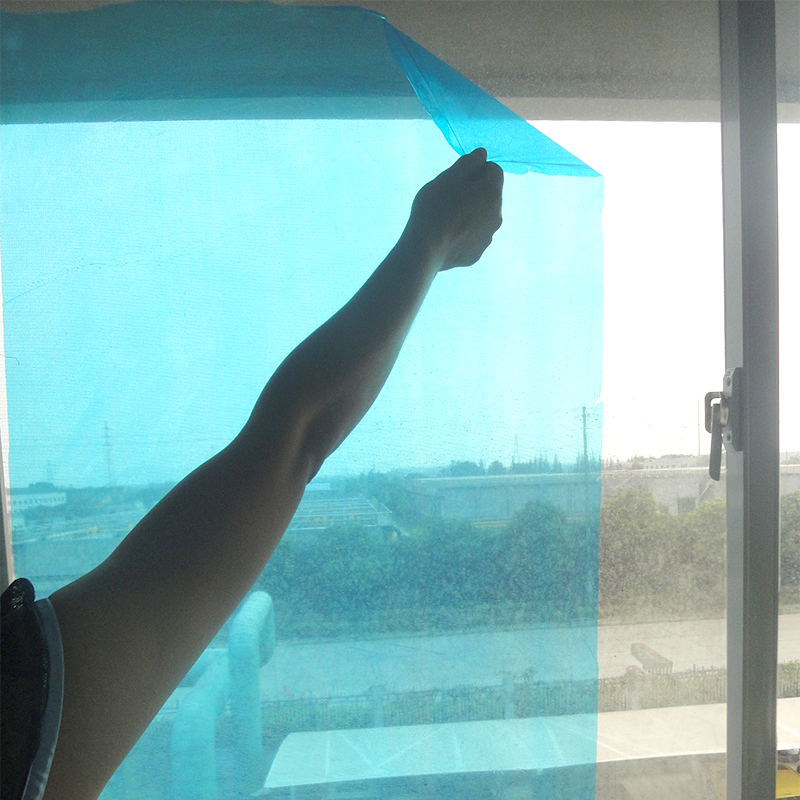
● Protect window glass against paint splatters, dirt, staining, and spillages during painting, building, plastering, tiling, general maintenance and r...
See Details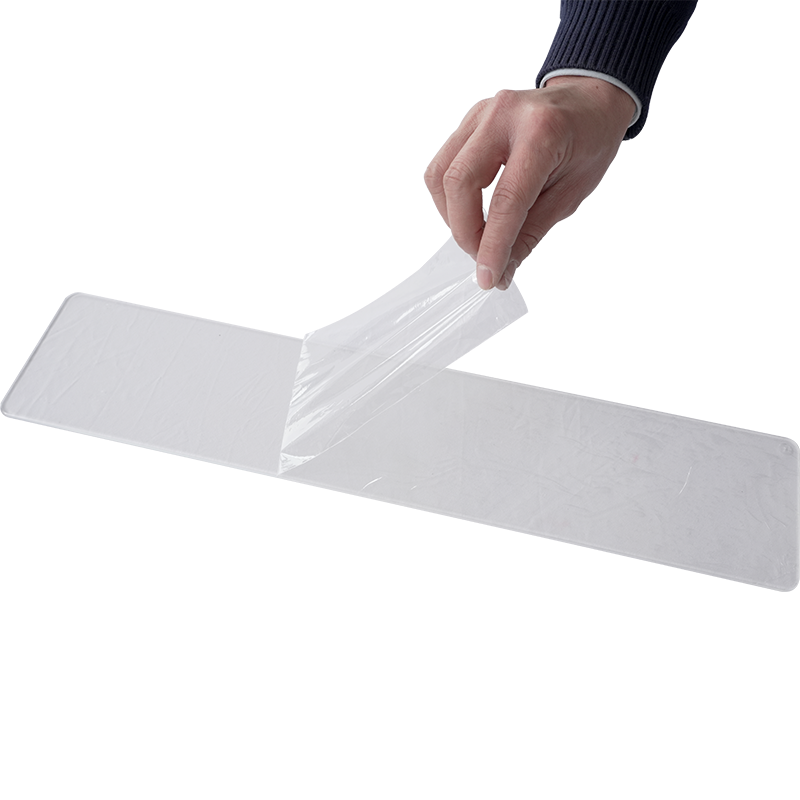
● No “ghost shadow” or “fish eye” after removal; ● Low gel content, soft and stable adhesion plus easy-peel removal with no surface damage or curling;...
See Details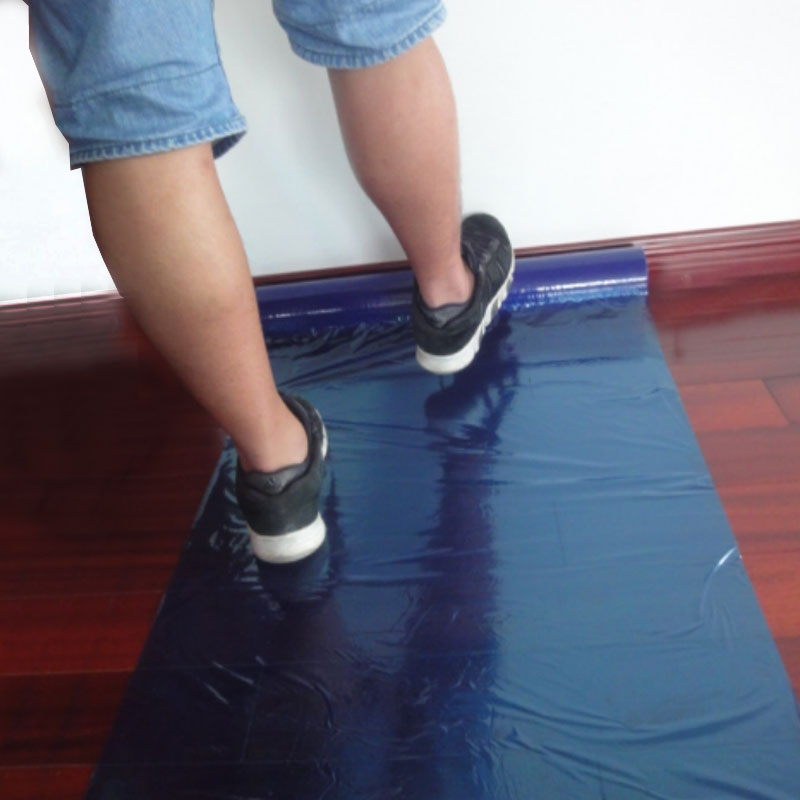
● Patented adhesive formula suits all hard surfaces such as hardwood floors, laminate floors, ceramic, marble, tile, granite, vinyl, worktops, and gla...
See Details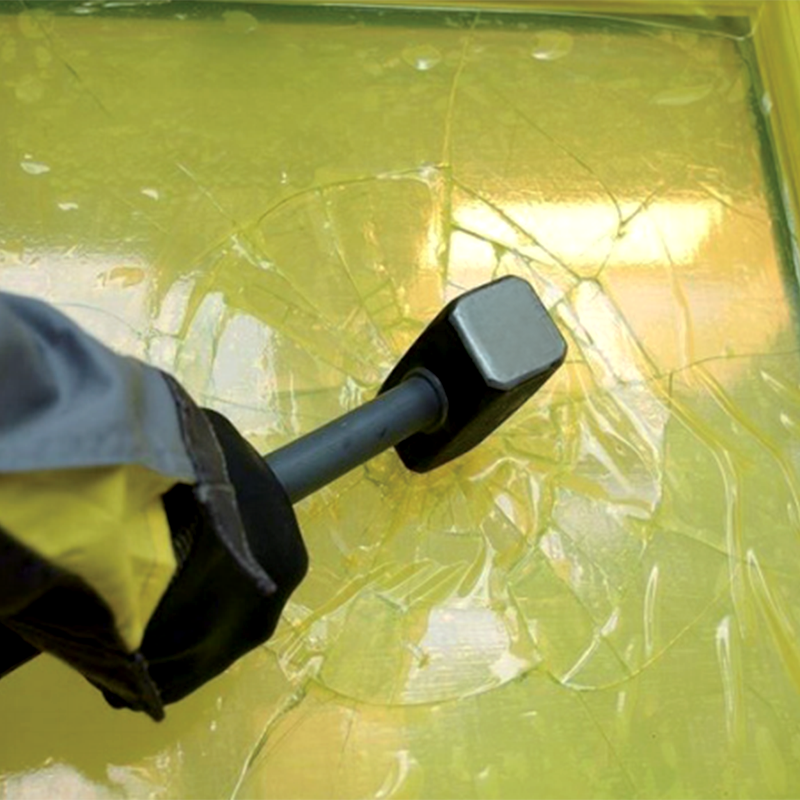
● The super tough polyethylene film with super high adhesion can stop the glass splitting and falling off during window glass demolition process;● Non...
See Details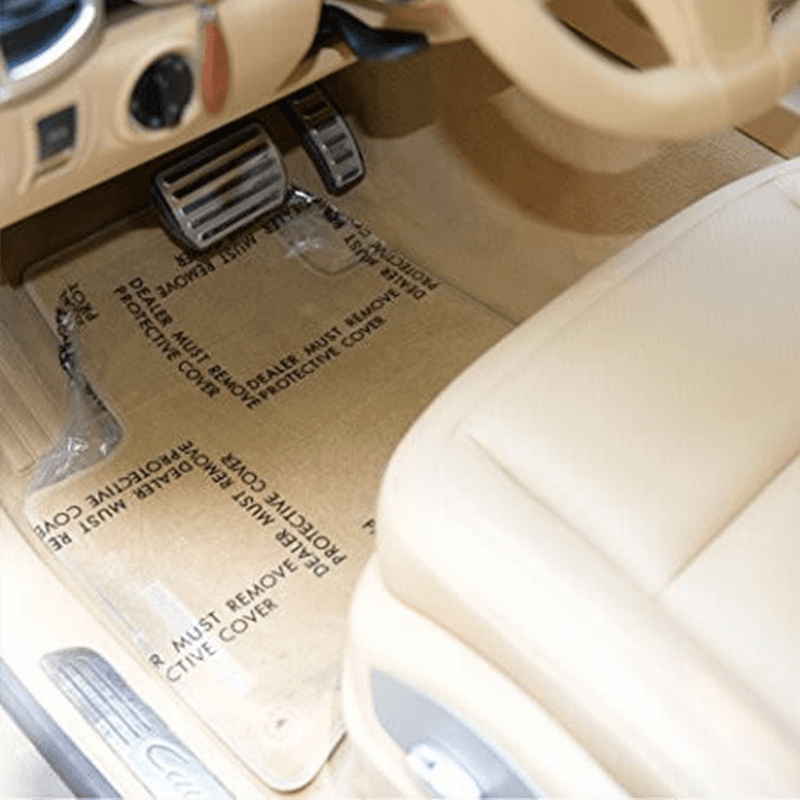
● Distance of each perforation die-cut ranges from 100mm to 1200mm;● Can peel off each die-cut piece of protective film at the perforated line easily;...
See Details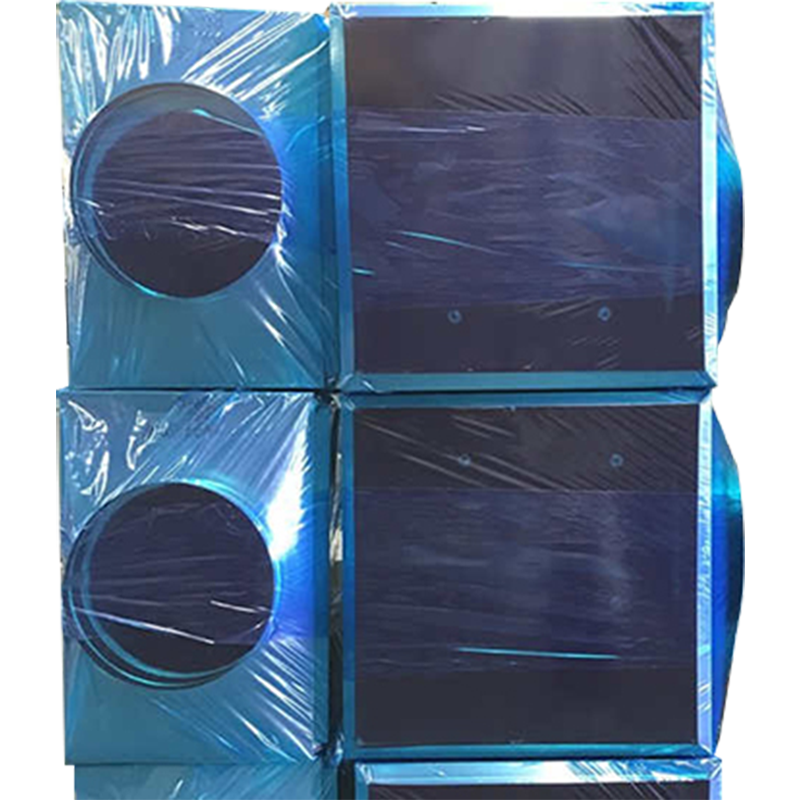
● The super-tough polyethylene film resists puncture and penetration by liquid and dirt during storage, transportation, and installation of the ductwo...
See Details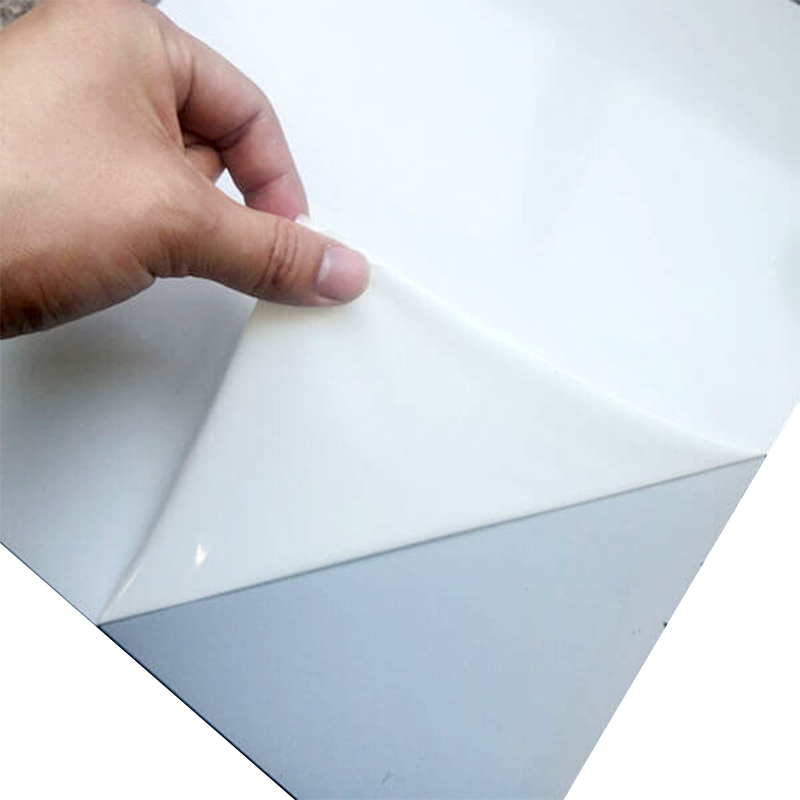
● The super tough polyethylene film with super high adhesion can stop parts of the glass or mirror from splintering away and injuring people when it i...
See Details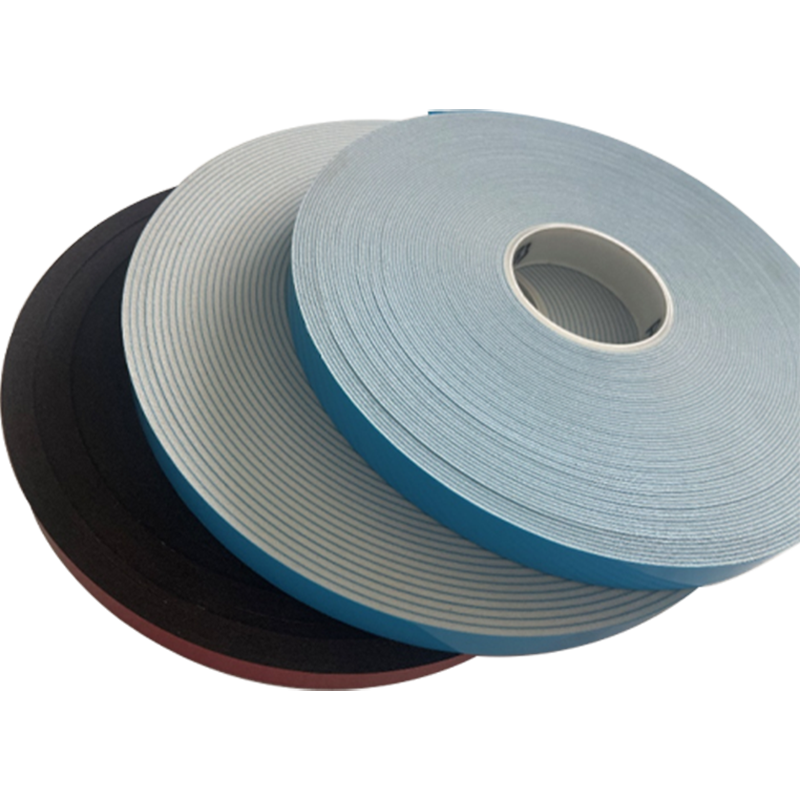
● Waterproof - the desirable material for waterproofing. ● Dust-proof - positive performance of dust prevention.● Low resilience - prevent the deforma...
See Details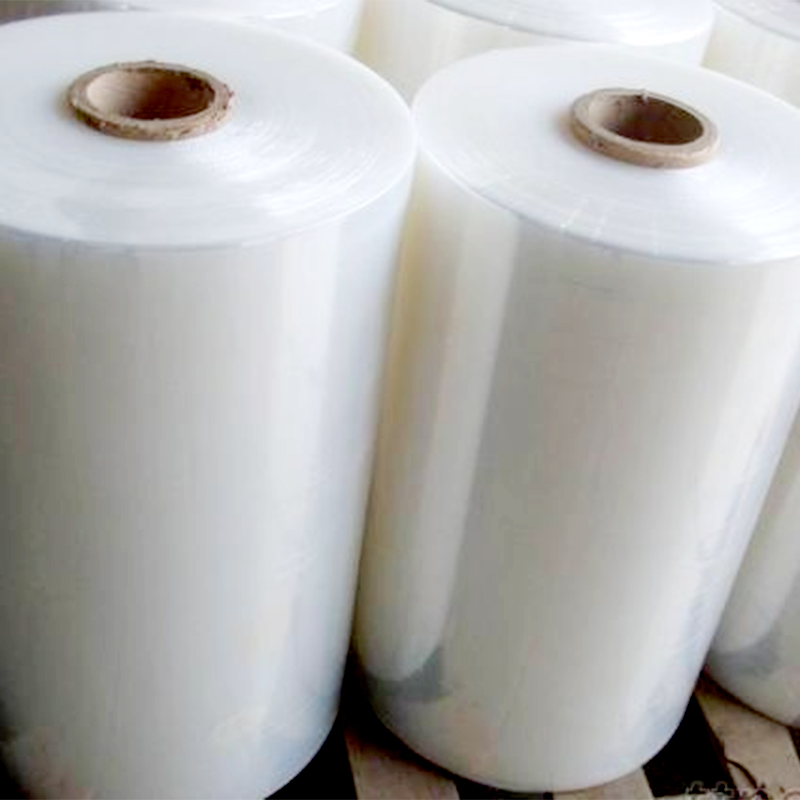
● Excellent puncture and tear resistance; ● Self-adhering-each layer of film bonds to the next for added strength; ● Big roll size to save cost and re...
See Details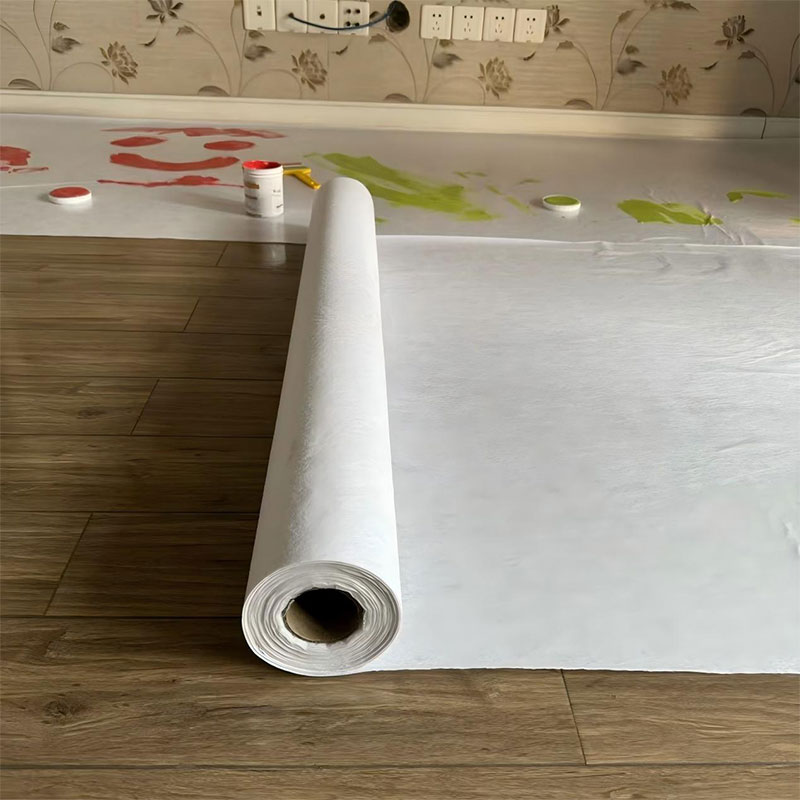
This product has non-woven synthetic fleece in middle; PE film adhered onto top of the non-woven fabric, which is coated with self adhesive glue on it...
See DetailsWe’re a reliable partner that shapes our expertise into success for your project.
Copyright 2024 Wuxi Qida Tape Co., Ltd. All Rights Reserved
 Wholesale Protective Film/Foil Manufacturers
Privacy