

 English

 English
 русский
 Français
 Español
 Português
 عربى


Cat:Glue -coated Protective Film
● No “ghost shadow” or “fish eye” after removal; ● Low gel content, soft and stable adhesion plus easy-peel removal with no surface damage or curling;...
See Details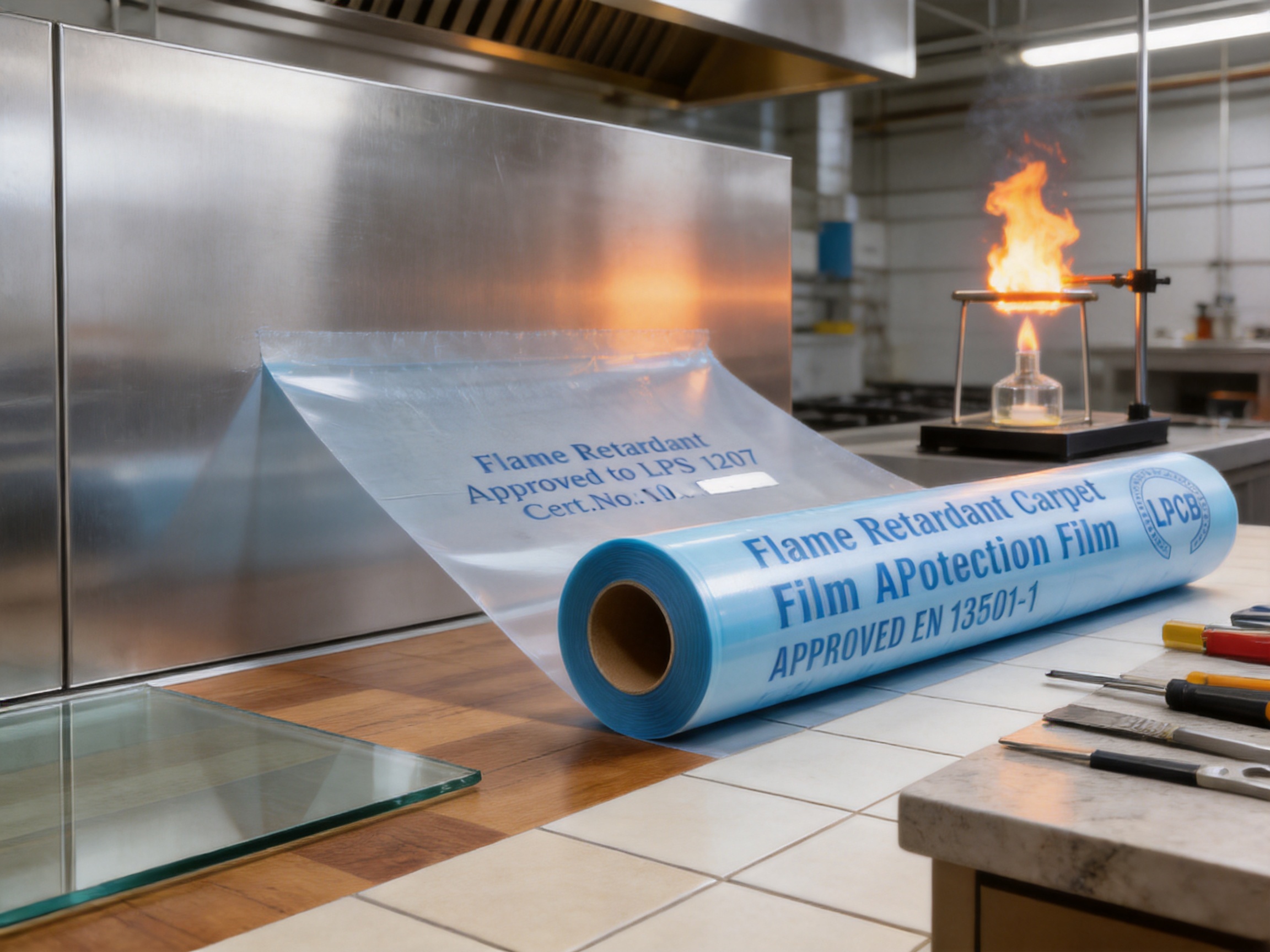
Flame retardant protective film is a specialized temporary surface protection material designed to reduce fire-related risks while protecting finished surfaces from scratches, stains, dust, moisture, paint, and mechanical damage. Unlike ordinary protective film, which is primarily developed to preserve appearance during manufacturing, transportation, construction, and installation, flame retardant film adds an important layer of fire safety. It is suitable for applications where combustible materials, heat sources, electrical equipment, or strict fire safety requirements are present.
Modern manufacturing, construction, interior decoration, transportation, electronics, and appliance industries all depend on reliable surface protection. Finished products can be damaged at many stages after production. A stainless-steel panel may be scratched during bending or transportation. A hardwood floor may be marked by tools and construction materials. A decorative laminate may be stained by paint or adhesive. Glass, ceramic, marble, granite, vinyl, and worktops may also be exposed to dust, impact, liquid contamination, and abrasion.
Traditional protective film helps prevent these problems, but applications involving elevated fire risk require additional performance. Flame retardant protective film is engineered to resist ignition, slow flame propagation, and help reduce the likelihood that a protected surface will contribute to a fire. It is not intended to replace a complete fire protection system, but it can provide valuable supplementary protection when correctly selected and applied.
Produced with a tough polyethylene backing and an acrylic adhesive system, this type of film combines practical surface protection with improved fire-related performance. It can be manufactured in different widths, thicknesses, colors, adhesive strengths, winding directions, and printing configurations. This flexibility allows users to select a solution for temporary protection on carpets, floors, metal panels, worktops, glass, plastics, and other finished surfaces.
Flame retardant protective film is a polymer-based film treated, compounded, or engineered to limit the ignition and spread of flame. In temporary surface protection, the film normally consists of a polyethylene backing layer and a pressure-sensitive adhesive coating. Flame retardant additives or specially selected raw materials may be incorporated into the film structure or coating system, depending on the required specification and applicable test standard.
The film is applied directly to a clean surface. Its adhesive holds the film in place during processing, storage, transportation, installation, or construction. When the protection stage is complete, the film can be peeled away. A properly designed product should remove efficiently without leaving visible adhesive residue, staining, or excessive transfer on the protected surface.
The main purpose of the film is temporary protection. It is not a permanent architectural finish, a structural fire barrier, or a substitute for fire-rated insulation. Its value lies in combining surface protection and fire-risk management in one convenient product. It helps maintain product quality while supporting safer work environments and compliance programs.
Depending on the application, the film may be supplied in forward-wound or reverse-wound rolls. Forward winding is commonly selected for standard manual or machine application, while reverse winding may be preferred for particular installation methods, dispensers, automated processes, or application from the opposite side. This winding flexibility can improve production efficiency and reduce handling difficulties.
Surface protection is often treated as a cosmetic requirement, but it also has a strong operational and financial impact. Damage to finished products can lead to rework, replacement, delayed delivery, customer complaints, and additional labor. When a product is installed in a building or assembled into a finished system, repairing damage may be considerably more expensive than preventing it at the beginning.
Fire introduces another level of risk. Temporary coverings, packaging materials, plastic components, carpets, and construction supplies may be present in the same working environment. Sparks, hot tools, electrical faults, welding operations, overheating equipment, and accidental ignition can create hazardous conditions. A flame retardant protective film is designed to help reduce the contribution of the film itself and slow the progression of fire across the covered area, subject to its tested performance and conditions of use.
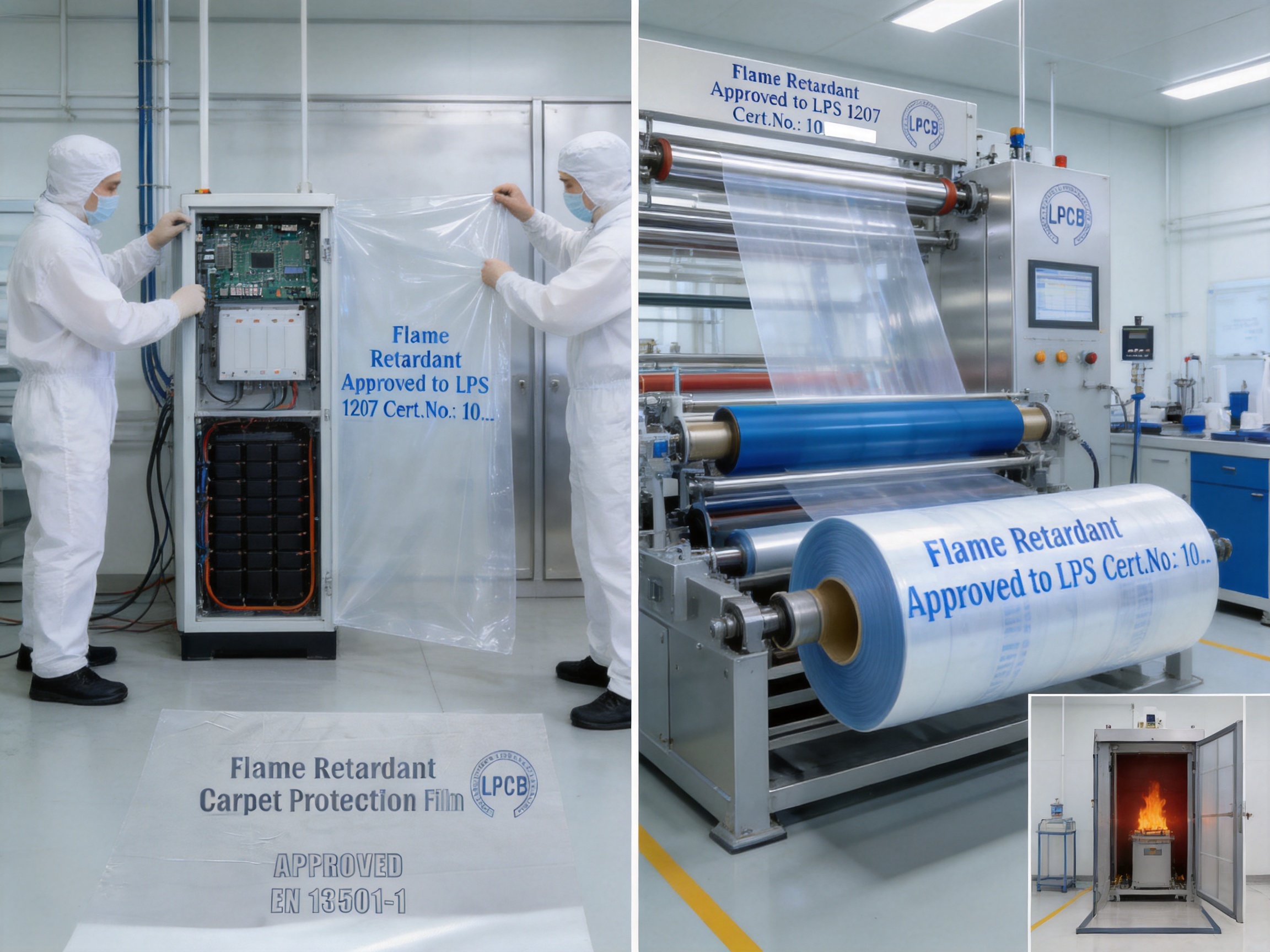
In electronics and electrical environments, the concentration of heat-generating components and combustible polymeric materials can increase the consequences of an electrical fault. Flame retardant films used in suitable applications can form an additional protective layer around circuit boards, housings, cables, battery modules, and other components. Selection must always be based on the actual temperature, voltage, chemical, mechanical, and fire-test requirements of the application.
In construction and interior finishing, temporary protection may remain in place while multiple trades work in the same area. Flooring, countertops, doors, windows, wall panels, and decorative surfaces may be covered for days or weeks. During this period, the film may encounter dust, paint, tools, ladders, footwear, moisture, and impact. Flame retardant properties can provide an additional safety benefit in an environment where fire hazards are difficult to eliminate completely.
The defining advantage of flame retardant protective film is its ability to reduce the speed and intensity of flame development compared with ordinary untreated film. Depending on its formulation and test classification, the material may resist ignition, self-extinguish after removal of the flame source, or limit flame spread across the surface. Buyers should request the relevant test report and confirm that the result applies to the exact film construction, thickness, adhesive, and application method.
Fire performance is especially valuable in applications where the film is used near electrical equipment, temporary work areas, construction materials, transportation interiors, commercial facilities, or other environments subject to fire safety controls. The film can support a broader safety strategy by limiting the amount of readily spreading temporary material present on a surface.
The super-tough polyethylene backing is designed to withstand routine handling, rubbing, and contact with tools or other materials. It helps protect surfaces from scratches caused by packaging, installation activities, stacking, movement, and transportation. Compared with thin, low-strength films, heavy-duty protective film is less likely to tear when exposed to normal job-site stress.
For high-value surfaces such as polished stone, decorative metal, laminate, glass, hardwood, and coated panels, scratch prevention is often the most important function. The film creates a sacrificial layer that receives the abuse instead of the finished product. This can reduce refinishing requirements and help preserve the appearance delivered by the original manufacturer.
During construction and renovation, paint, plaster, grout, sealants, cleaning chemicals, and other liquids may be spilled or splashed onto finished surfaces. The polyethylene backing forms a continuous barrier that helps prevent many common contaminants from reaching the protected material. Its resistance to puncture and penetration is particularly helpful on floors, worktops, windows, and large panels.
As with all protective materials, the user should evaluate chemical compatibility before applying the film to sensitive surfaces. Long exposure, high temperature, strong solvents, plasticizers, and aggressive cleaners can affect the backing or adhesive. A small-area trial is recommended for unfamiliar substrates.
A protective film is only successful if it can be removed efficiently after use. The acrylic adhesive system is formulated to provide reliable holding power during the protection period while allowing clean removal when the work is complete. Proper adhesive selection helps prevent residue, transfer, staining, or the need for time-consuming cleaning.
Removal performance depends on the substrate, storage conditions, surface temperature, exposure duration, ultraviolet exposure, moisture, and chemical contact. Users should follow the recommended application and removal window. For extended projects, testing the film on the actual surface is an effective way to confirm compatibility.
Different surfaces require different levels of adhesion. A low-adhesion film may be appropriate for delicate coatings, polished surfaces, glass, or short-term protection. Medium adhesion can be useful for general flooring, panels, and worktops. Higher adhesion may be needed for textured surfaces, vertical applications, or longer handling cycles.
The available adhesive range extends from medium to very high adhesion, allowing the product to be matched to the surface and working conditions. This is a major advantage over one-strength protective films, which may either fail to remain in place or bond so strongly that removal becomes difficult.
Available film thicknesses range from approximately 40 to 100 micrometers. Thinner grades can reduce material consumption and may be suitable for light-duty handling. Thicker grades provide improved puncture resistance, tear strength, and protection in demanding environments. The correct thickness should be selected according to the expected impact, traffic, application duration, and surface sensitivity.
A well-designed film does not need to be excessively thick to be effective. High-quality polyethylene, appropriate processing conditions, and consistent coating control allow the product to achieve a useful balance between strength, flexibility, cost, and ease of application.
Flame retardant protective film can be supplied in white, blue, translucent clear, and other requested colors. Clear or translucent film allows the protected surface to remain visible, while colored film can make the covering easier to identify at a busy worksite. Color also helps distinguish different adhesive strengths, application areas, or project stages.
Customized logo printing is available in up to three colors. Printed film can display a company name, project code, handling instruction, recycling message, product identification, or flame retardant certificate information. This improves brand visibility and helps prevent unauthorized substitution or accidental removal.
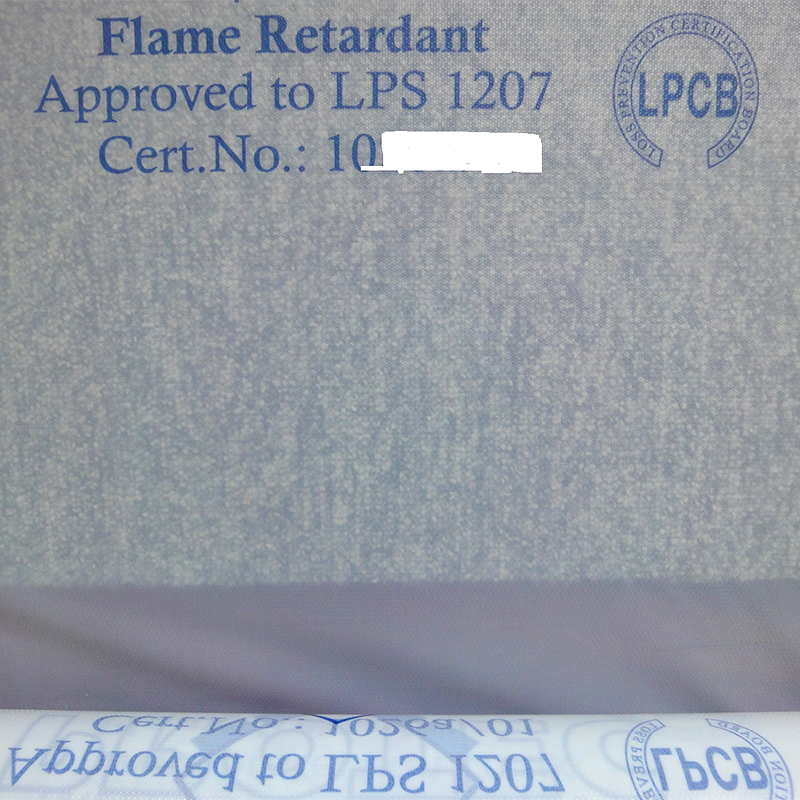
Flame Retardant Protective Film
The product range is designed for different surface types, application methods, and protection periods. The following specifications represent the principal options available for flame retardant protective film. Final values should be confirmed against the technical data sheet for the selected grade.
| Parameter | Available Specification | Application Significance |
| Film thickness | Approximately 40–100 micrometers | Balances flexibility, material efficiency, puncture resistance, and durability |
| Film width | Approximately 100–1,200 millimeters | Suitable for narrow profiles, panels, floors, worktops, and large surfaces |
| Roll length | Approximately 25–5,000 meters | Supports both small manual jobs and high-volume industrial processing |
| Elongation | Approximately 300% or more, depending on grade | Allows the film to conform to edges, curves, and irregular profiles |
| Adhesion level | Medium to very high | Can be matched to smooth, textured, delicate, or demanding substrates |
| Adhesive type | Acrylic | Provides balanced holding power and clean-removal potential |
| Color options | White, blue, translucent clear, and customized colors | Supports visibility, identification, and project organization |
| Printing | Up to three colors | Allows logos, instructions, codes, and safety information |
| Winding direction | Forward wound or reverse wound | Accommodates manual, dispenser-based, and automated application |
These specifications allow the film to be adapted to the requirements of both standard and specialized applications. Width and roll length can be coordinated with the dimensions of the protected product to reduce trimming, overlap, and production waste. Adhesive strength can be adjusted to improve reliability on a particular material without creating unnecessary removal difficulty.
Customization is also available for film color, printing, core size, packaging, roll configuration, and technical performance. Customers can provide drawings, technical data sheets, samples, or descriptions of the intended application. The manufacturer can then recommend a suitable combination of backing film, adhesive, thickness, winding direction, and printing.
Flooring is exposed to heavy foot traffic, tools, ladders, carts, dust, paint, and falling objects during construction and renovation. Flame retardant protective film can cover hardwood, engineered wood, laminate, and other flooring materials while allowing workers to continue installation and finishing operations.
The correct adhesive level is essential. A film that is too aggressive may affect a delicate finish, while a film that is too weak may move or form open seams. For newly finished floors, testing is recommended before full application. The film should be applied to a clean, dry surface, with seams overlapped or otherwise sealed where liquid contamination is possible.
Carpets can easily collect dust, paint, mud, fibers, and construction residue. A flame retardant carpet protection film is designed for temporary covering during installation, decoration, remodeling, hospitality projects, offices, retail facilities, and residential construction. It helps maintain a clean appearance and reduces the need for intensive cleaning after the project.
Because textile surfaces differ in pile height, fiber composition, backing material, and surface treatment, the adhesive must be selected carefully. The application period and environmental conditions should also be considered. A trial area can confirm that the film remains in position while removing cleanly without lifting fibers or leaving residue.
Stainless steel, aluminum, coated metal, and pre-painted panels are often processed through bending, punching, pressing, roll forming, transportation, and installation. Scratches and fingerprints can reduce the commercial value of these materials. Protective film provides a temporary barrier throughout the production and logistics chain.
Flame retardant grades may be preferred where metal panels are used in commercial buildings, transportation interiors, equipment rooms, electrical cabinets, or other environments with specific fire-related requirements. Film color and printed identification can help production teams distinguish protected panels from unprotected stock.
Worktops and countertops may be made from engineered stone, natural stone, laminate, compact panels, ceramic, or other decorative materials. These surfaces are vulnerable to scratches, edge damage, staining, and impact during fabrication and installation. Flame retardant protective film helps maintain a clean surface until the final handover.
For polished or high-gloss finishes, the adhesive should be selected to avoid optical distortion, residue, or surface marking. The film can be supplied in different widths to cover narrow edges, standard worktops, or large sheet materials efficiently.
Glass and stone surfaces are high-value materials that may be damaged by abrasive particles, metal tools, packaging, and cement-based products. A protective film provides a removable layer that can be applied before transport or installation and removed after the surrounding work is complete.
On glass, the film can also make the protected area more visible, reducing the risk of accidental contact or impact. On marble, granite, ceramic, and tile, surface compatibility should be checked because natural stone and specialty finishes can react differently to adhesives and environmental exposure.
Vinyl sheets, plastic panels, appliance components, furniture parts, and decorative polymer surfaces may be vulnerable to abrasion, dirt, and marking. The film protects the appearance of these products during cutting, assembly, storage, and delivery. Its flexibility and high elongation allow it to follow moderate curves and edges without immediately splitting.
Electronic products increasingly combine compact design, high energy density, and heat-generating components. Flame retardant materials can contribute to a safer construction when used as part of an engineered assembly. Protective film may be applied to suitable external or internal surfaces, provided that the film’s temperature, dielectric, chemical, and fire-performance characteristics match the requirements of the equipment.
Circuit boards contain conductive tracks, connectors, processors, capacitors, and other components that may generate heat or be affected by contamination. A suitable flame retardant film can serve as a protective barrier against dust, moisture, abrasion, and accidental contact during assembly or handling.
Any film used near circuit boards must be assessed for electrical insulation, outgassing, static behavior, adhesive migration, and compatibility with soldering or cleaning processes. The product should not be applied in a way that blocks required ventilation or interferes with heat dissipation.
Electrical wires and cables can become fire pathways when insulation fails or overheating occurs. Flame retardant films may be used in certain cable management, insulation, labeling, or temporary protection applications. The selected product must meet the specific electrical and flame requirements of the cable system.
Film placement, wrapping tension, temperature resistance, and long-term stability are important considerations. A temporary surface protection film should not automatically be treated as a certified cable insulation material unless it has been tested and approved for that purpose.
The growth of portable electronics, electric vehicles, and energy storage systems has increased interest in materials that can help manage thermal events. Flame retardant film may be used in selected battery-pack protection, component separation, insulation, or manufacturing processes.
Battery applications require especially careful engineering. Thermal runaway involves rapid heat generation and may involve pressure, gas, fire, and chemical exposure. Film alone cannot prevent every battery failure. It may, however, contribute to a multilayer safety design when combined with suitable cell spacing, thermal barriers, ventilation, monitoring systems, and certified enclosure materials.
Housings protect internal equipment from impact, dust, moisture, and environmental exposure. A flame retardant protective film may provide supplementary protection on selected interior or exterior areas during assembly, transportation, or installation. It can also protect decorative housing surfaces from scratches before final delivery.
The film should not cover vents, cooling openings, switches, sensors, labels, or heat-dissipation areas unless specifically designed for that purpose. Application instructions should identify any zones that must remain uncovered.
Reliable flame retardant protective film depends on more than the selection of a flame retardant additive. The backing film, adhesive, coating weight, surface treatment, winding tension, printing ink, and packaging system must work together. Inconsistent manufacturing can cause problems such as weak adhesion, uneven coating, telescoped rolls, tearing, residue, poor flame performance, or difficult application.
The production process begins with controlled selection of polyethylene resin, additives, flame retardant components, adhesive raw materials, colorants, printing inks, and packaging materials. The selected materials must support the required combination of strength, flexibility, transparency, surface energy, elongation, adhesion, and fire-related performance.
Material selection is based on the final application. A film intended for a smooth stainless-steel panel may require different properties from one designed for carpet or a textured building surface. Likewise, a short-term construction film may have different requirements from a film used during industrial processing or long-distance export transportation.
Polyethylene film production requires precise control of extrusion conditions, cooling, thickness, web stability, and winding. The manufacturing team controls the polymer melt and forms it into a continuous film with the required mechanical properties. Thickness uniformity is important because thin areas may tear or puncture while thick areas can affect flexibility, cost, and application behavior.
Advanced production equipment supports stable processing and repeatable quality. The manufacturer has introduced advanced machinery from Germany and uses modern production methods to improve consistency. The resulting film can be engineered for high elongation, practical tensile strength, puncture resistance, and reliable conversion into finished rolls.
Surface treatment may be applied when necessary to improve adhesive anchorage, printing quality, or coating uniformity. The treated surface must be controlled carefully so that it supports the adhesive while maintaining clean removal from the protected substrate.
Flame retardant performance is influenced by the film polymer, additive type, additive concentration, dispersion quality, film thickness, adhesive system, and test method. A formulation must be mixed thoroughly so that the protective performance remains as uniform as possible throughout the roll.
Flame retardant systems may be halogenated or halogen-free, depending on the intended application, environmental expectations, regulatory requirements, and performance target. Halogen-free formulations are increasingly considered for green building, electronics, transportation, and environmentally conscious product designs. The appropriate formulation should be selected based on documented test data rather than general marketing descriptions.
After the backing film is produced, an acrylic adhesive is applied in a controlled coating process. Coating weight, viscosity, drying conditions, line speed, and web tension all influence final performance. Uniform coating helps maintain consistent adhesion across the entire roll and reduces the risk of localized residue or weak bonding.
Qida Tape offers acrylic water-based adhesive, acrylic solvent-based adhesive, and natural rubber adhesive systems for different product requirements. The flame retardant protective film described here uses an acrylic adhesive system, while other adhesive technologies may be selected for different protective film applications.
Water-based acrylic adhesive can support lower-solvent production objectives and may be suitable for many general applications. Solvent-based acrylic adhesive can provide specific adhesion and environmental resistance characteristics. Natural rubber adhesive may offer strong tack and holding power in selected applications. The final selection depends on surface energy, application duration, temperature, removal requirements, and regulatory considerations.
Once the adhesive coating has been completed and stabilized, the film can be printed with a customized logo, handling instruction, product code, or safety message. Up to three colors may be used. Printing must remain clear and durable without interfering with the film’s application or removal properties.
The coated and printed web is then rewound into master rolls or converted into customer-specified widths. Slitting accuracy is important for ensuring that the film fits dispensers, packaging lines, production equipment, or manual application tools. Winding tension must be carefully controlled to prevent wrinkles, loose edges, blocking, telescoping, or deformation.
Both forward-wound and reverse-wound rolls are available. This provides flexibility for different application directions and equipment layouts. Correct winding can significantly improve installation speed, especially in high-volume manufacturing environments.
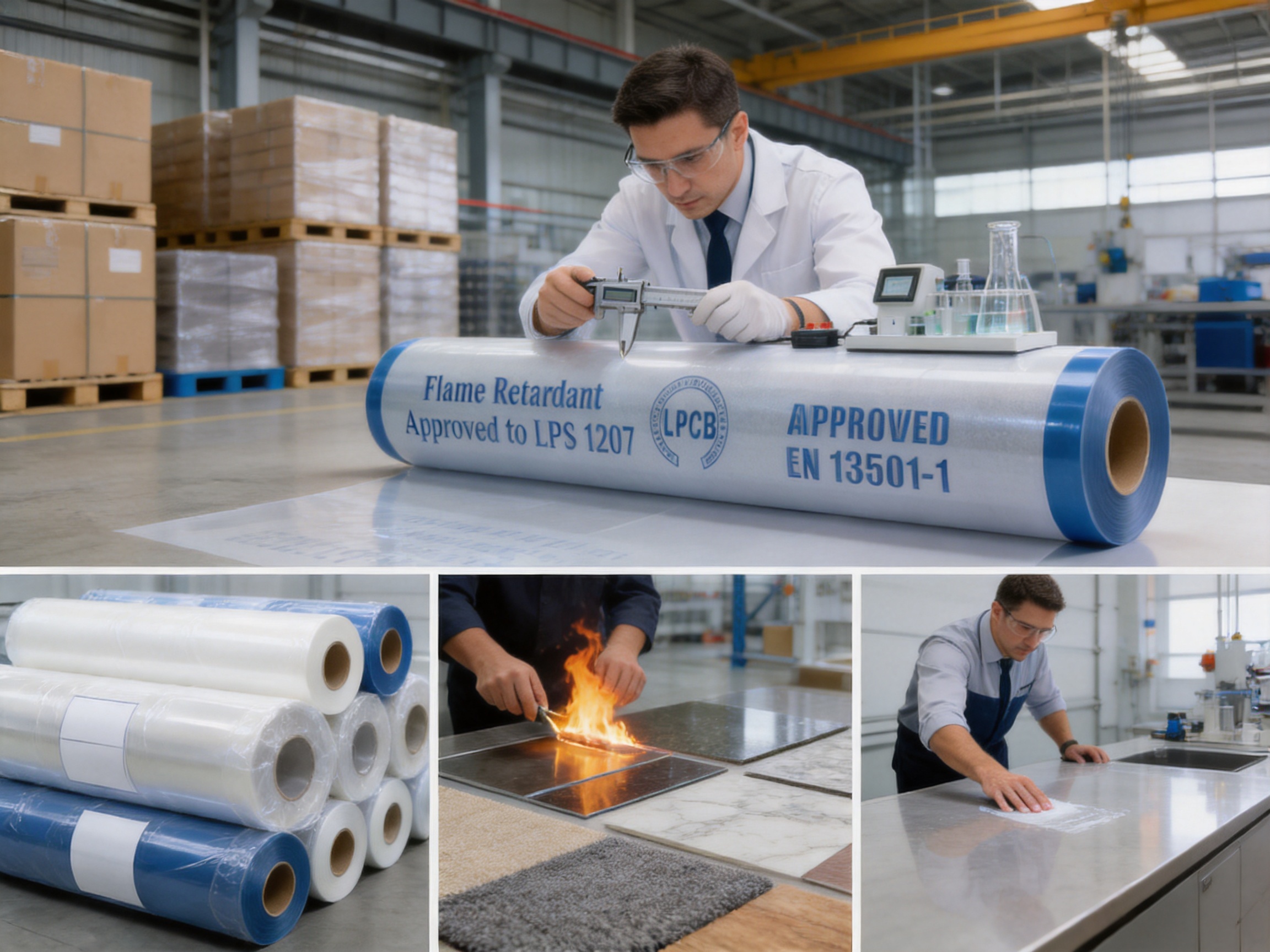
Finished rolls are inspected for appearance, width, length, core dimensions, winding quality, adhesive behavior, printing accuracy, and packaging integrity. Depending on the order, additional tests may include thickness, elongation, tensile strength, peel adhesion, tack, residue, aging, puncture resistance, and flame-related characteristics.
Protective packaging prevents contamination and damage during storage and transportation. Export packaging can be adjusted to customer requirements, container loading plans, pallet specifications, and regional handling practices. Proper packaging is important because even a high-quality film can be damaged by moisture, compression, sharp edges, or uncontrolled temperature during logistics.
Quality control must cover the entire production chain rather than relying only on final inspection. Incoming raw materials are evaluated before use. Production parameters are monitored during extrusion and coating. Rewinding and slitting are checked before dispatch. Samples may be retained for traceability and future investigation.
Qida Tape operates under ISO 9001 and ISO 14001 management systems. These systems support structured quality management, environmental management, documented procedures, process control, corrective action, and continuous improvement. The company also works with experienced technicians, engineers, and research and development institutes to improve product performance and develop customized solutions.
The company maintains a testing laboratory and advanced inspection equipment for evaluating film and adhesive properties. Testing capacity helps identify variation before products reach the customer and supports technical discussions when a specific application requires customized performance.
Compliance and testing support may include SGS, RoHS, REACH, PFAS, and Proposition 65-related evaluation, depending on the product and customer requirements. Buyers should confirm the exact scope, test date, product construction, and applicable standard for each order. Compliance documents should correspond to the supplied grade rather than a broadly similar product.
Ordinary protective film is generally optimized for basic scratch prevention and temporary cleanliness. Flame retardant protective film adds another performance dimension. It is designed for applications where the behavior of the temporary covering in the presence of flame matters.
The first advantage is improved risk management. A conventional polyethylene film may ignite and spread flame readily if exposed to a suitable heat source. A flame retardant grade is formulated to resist or limit this behavior according to its test method. This can help reduce the contribution of the protective covering during an incident.
The second advantage is broader application potential. Flame retardant film can be considered for electronics, electrical equipment, commercial construction, transportation interiors, industrial facilities, and other projects where fire safety documentation is important. Ordinary film may not satisfy the customer’s internal material restrictions or project specifications.
The third advantage is product customization. Different grades can be produced for various surfaces, adhesion levels, thicknesses, colors, widths, and winding directions. Customized printing also allows users to identify the material and communicate handling or safety instructions.
The fourth advantage is manufacturing integration. Qida Tape completes key processes in its own factory, including backing film production, adhesive coating, logo printing, rewinding, slitting, and packaging. In-house production improves control over lead time, technical coordination, quality consistency, and confidential customer specifications.
The fifth advantage is technical support. The company can review customer samples and data sheets, suggest suitable adhesive strengths, and develop products according to application requirements. This is especially important for surfaces with unusual coatings, low surface energy, special textures, long protection periods, or strict residue limits.
The surface should be clean, dry, and free from loose dust, oil, grease, moisture, and incompatible chemicals. Contaminants can prevent uniform contact and cause bubbles, edge lifting, or premature detachment. Newly painted, coated, sealed, or polished surfaces should be fully cured before applying the film unless the product has been specifically approved for earlier use.
A small-area test should be completed before large-scale application. The test should remain in place for a period that reflects the actual project conditions. After removal, inspect the surface for residue, color change, gloss variation, staining, coating lift, or other unwanted effects.
Testing is particularly important for natural stone, unfinished wood, specialty coatings, powder-coated surfaces, anodized aluminum, soft plastics, rubberized materials, and surfaces exposed to heat or sunlight.
Apply the film smoothly without stretching it excessively unless the product is designed for conformable application. Excessive tension may cause shrinkage, edge lift, or stress marks. Press the film firmly enough to remove air pockets while avoiding sharp tools that could cut the protected surface.
For large areas, use an appropriate dispenser or application tool. Align the film carefully and maintain consistent overlap at seams. On floors, place seams away from high-traffic locations where possible. On vertical panels, begin from the top and work downward to reduce trapped air.
Store rolls in a clean, dry, and ventilated area away from direct sunlight, heaters, sparks, flames, and aggressive chemicals. Keep rolls upright or in the recommended position to prevent deformation. Avoid excessive heat and humidity because these conditions can affect the backing film and adhesive.
The protection period should be based on the product specification and actual environment. Ultraviolet exposure, high temperature, moisture, and contamination can reduce removability over time. If the film is needed for an unusually long period, perform an extended exposure test in advance.
Remove the film by lifting a corner and pulling steadily at a suitable angle. Excessive force or rapid removal may cause tearing, especially after long exposure or on textured surfaces. If the film has been exposed to cold temperatures, allow the surface and film to reach a suitable temperature before removal when practical.
After removal, inspect the surface and clean it using a method approved for the substrate. Do not use aggressive solvents or abrasive tools without confirming compatibility. Any remaining adhesive should be addressed according to the manufacturer’s technical guidance.
Fire performance and environmental responsibility should be considered together. Customers increasingly request materials that reduce hazardous substances, support responsible production, and comply with regional chemical regulations. The selection of a halogen-free formulation may be appropriate for projects emphasizing low-smoke, green building, electronics, transportation, or environmental requirements.
Regulatory expectations can vary by market and application. RoHS, REACH, PFAS-related requirements, Proposition 65, packaging regulations, and customer-specific restricted substance lists may all influence product selection. The buyer should identify the destination market and end use at the quotation stage so that the manufacturer can provide relevant documentation.
ISO 14001 environmental management practices support systematic control of environmental impacts, resource use, waste, and production procedures. Protective film itself remains a polymer product, so responsible use is important. Applying only the necessary amount, choosing the correct thickness, reducing waste through accurate slitting, and following local disposal or recycling rules can help improve the overall environmental profile.
Product claims should always be interpreted together with test data. “Flame retardant” does not mean “non-combustible” or “fireproof.” The actual performance depends on the film grade, adhesive, thickness, flame source, test orientation, exposure time, substrate, and surrounding conditions. Technical documents should clearly define the limits of performance.
Wuxi Qida Tape Co., Ltd. is a Chinese manufacturer specializing in protective films and surface protection solutions. Founded in 1999, the company has developed experience in product development, production, technical service, and export supply. Its factory covers approximately 20,000 square meters, employs more than 95 experienced staff members, and has an annual production capacity exceeding 12,000 tons.
The company serves customers in China and in approximately 90 export areas, including Europe, North America, Australia, the Middle East, Japan, and other international markets. This export experience supports familiarity with different packaging expectations, product documentation, customer approval procedures, and international quality requirements.
One of the company’s key strengths is process integration. Backing film production, adhesive coating, printing, rewinding, slitting, and packaging are completed within its own factory. This structure allows closer coordination among departments and reduces dependence on unrelated outside converters. It also helps protect customer specifications and improve responsiveness when changes are required.
Another strength is customization. Customers may request specific film thickness, width, length, adhesion level, color, winding direction, print design, core size, packaging configuration, or technical performance. The company’s engineers can work from a sample or technical data sheet and assist with selecting a suitable construction.
Qida Tape also offers a broader product portfolio, including glue-coated protective film, self-adhesive protective film, sticky mats, double-sided foam tape, PE stretch film, and surface protection fleece. This wider range can simplify sourcing for customers that require several temporary protection or packaging materials from one supplier.
The company’s production and management strengths include advanced machinery introduced from Germany, an experienced R&D team, technical cooperation with research institutes, a testing laboratory, quality inspection equipment, and documented quality and environmental management systems. These resources support both standard production and more demanding development projects.
The price of protective film should not be evaluated only by cost per roll. Total application cost includes labor, product damage, cleaning, rework, replacement, installation delays, packaging waste, and disposal. A film that removes cleanly and remains in place can reduce labor even if its purchase price is higher than a basic alternative.
Flame retardant film may also reduce project risk. If a construction site, equipment manufacturer, or facility manager has strict requirements for temporary coverings, using a suitable grade from the beginning can prevent material rejection and replacement. Customized widths and roll lengths can reduce trimming and improve productivity.
Printed film can help prevent accidental removal before the protected product is ready for final inspection. It can also communicate instructions to workers, reducing misuse. In large facilities, color-coded films can support visual organization and reduce the chance that an incorrect adhesive grade is applied to a sensitive surface.
Reliable quality reduces the hidden costs associated with variation. Rolls that contain uneven adhesion, wrinkles, telescoping, poor printing, or inconsistent thickness can slow production and create waste. Stable manufacturing and inspection help users plan labor and material consumption with greater confidence.
The first selection factor is the substrate. Identify whether the surface is metal, glass, stone, ceramic, wood, carpet, plastic, laminate, painted panel, or another material. Note whether it is smooth, textured, porous, polished, coated, freshly finished, or sensitive to adhesive contact.
The second factor is the protection period. Short-term protection during handling may require a different adhesive system from protection lasting several weeks or months. Consider ultraviolet exposure, temperature, humidity, cleaning chemicals, and mechanical traffic during the entire period.
The third factor is mechanical stress. Heavy-duty applications involving tools, pallets, carts, footwear, sharp edges, or transportation vibration may require a thicker film with greater puncture and tear resistance. Light-duty indoor applications may benefit from a thinner and more economical grade.
The fourth factor is fire-performance documentation. Define the required test method, classification, market regulation, and end-use condition. Request test reports for the actual product construction. Do not assume that a certificate for one thickness, adhesive, or backing material applies automatically to another version.
The fifth factor is application equipment. Confirm whether the film will be applied manually, with a hand dispenser, through a machine, or by an automated line. Select forward or reverse winding and the required roll dimensions accordingly.
The sixth factor is appearance and identification. Choose clear or translucent film when visibility is important. Select blue, white, or another color when the covering must be highly visible. Add printing when logos, instructions, product codes, or safety messages are needed.
The final factor is logistics. Confirm width tolerances, roll length, core size, pallet quantity, carton design, export packaging, lead time, and minimum order quantity. Early technical communication helps avoid delays after production begins.
Its main purpose is to protect a surface from scratches, dirt, paint, liquid contamination, and handling damage while helping reduce the spread or contribution of flame under specified test conditions. It is a temporary protection product and should not be considered a complete fire barrier.
Yes. Suitable grades are available for hardwood, laminate, vinyl, tile, ceramic, marble, granite, and carpet. The adhesive strength should be matched to the surface, and a small-area compatibility test is recommended before full application.
The acrylic adhesive system is designed for clean removal when the film is correctly selected and used within the recommended conditions. Residue risk increases with excessive exposure time, high temperature, ultraviolet radiation, chemical contamination, or application to an incompatible surface.
Common options include white, blue, and translucent clear. Other colors may be available for customized orders. Color selection can improve visibility, identification, and worksite organization.
Yes. Customized printing of up to three colors is available. Logos, product codes, handling instructions, project information, and safety messages can be printed according to the customer’s artwork and technical requirements.
Typical thicknesses range from approximately 40 to 100 micrometers. The appropriate thickness depends on the required puncture resistance, impact protection, application period, surface type, and cost target.
It describes the direction in which the film is wound on the roll. The appropriate configuration depends on how the film will be dispensed and applied. Both options can be supplied for different manual, machine, or automated application methods.
No. Flame retardant does not mean fireproof or non-combustible. The film is engineered to resist or limit flame behavior according to its specific test results. Users must review the technical documentation and never rely on the film as the sole fire protection measure.
It may be suitable for selected applications, but electronics and batteries require careful evaluation of temperature resistance, electrical properties, chemical compatibility, outgassing, flame performance, and thermal management. The film should be approved for the specific design rather than used solely because it is described as flame retardant.
Provide the substrate type, surface finish, intended application, required protection period, operating temperature, expected mechanical stress, flame standard, film thickness, width, roll length, adhesive level, color, printing requirements, winding direction, packaging needs, destination market, and estimated annual quantity.
Yes. Qida Tape can work from customer samples or technical data sheets and can assist with product selection and customization. Its engineering, R&D, coating, converting, testing, and packaging capabilities support both standard orders and application-specific development.
Flame retardant protective film combines temporary surface protection with an additional level of fire-risk control. Its polyethylene backing helps resist scratches, punctures, paint, liquids, and routine handling damage, while its acrylic adhesive supports secure application and clean removal when properly matched to the substrate. Available thicknesses, widths, roll lengths, adhesion levels, colors, printing options, and winding directions make the film suitable for a wide range of industrial and construction requirements.
The product can protect hardwood, laminate, carpet, stainless steel, aluminum, pre-coated metal, glass, ceramic, marble, granite, vinyl, plastic panels, worktops, electronic housings, and other finished surfaces. It is especially useful in environments where fire-related material requirements exist alongside demanding appearance and durability expectations.
The performance of the final product depends on careful formulation, uniform backing film production, controlled adhesive coating, accurate printing and slitting, stable winding, proper packaging, and documented inspection. An integrated manufacturer with advanced equipment, technical expertise, in-house process control, and customization capability can provide more consistent results than a supplier focused only on basic film conversion.
Wuxi Qida Tape Co., Ltd. combines long-term manufacturing experience, advanced equipment, an integrated factory process, international management systems, technical development capability, and export service. Through customized protective film solutions, laboratory testing, quality control, and application support, the company can help customers select a practical flame retardant film for their specific surface, production process, and safety objectives.
For the best result, buyers should define the surface, protection period, mechanical conditions, environmental exposure, required fire standard, adhesive level, and packaging requirements before ordering. With correct specification and application, flame retardant protective film can reduce product damage, improve worksite efficiency, support fire-safety planning, and preserve the appearance and value of finished materials throughout handling, transportation, construction, and installation.
1. ISO 9001, Quality Management Systems — Requirements.
2. ISO 14001, Environmental Management Systems — Requirements with Guidance for Use.
3. International Organization for Standardization, Plastics — Determination of Tensile Properties of Films and Sheets.
4. International Organization for Standardization, Reaction to Fire Tests for Building and Transport Materials.
5. ASTM International, Standard Test Methods for Measuring Adhesion of Pressure-Sensitive Adhesive Products.
6. ASTM International, Standard Test Methods for Flammability and Flame Propagation of Polymer Materials.
7. European Chemicals Agency, REACH Requirements and Guidance for Chemical Substances.
8. European Union, Restriction of Hazardous Substances Requirements for Electrical and Electronic Equipment.
9. Underwriters Laboratories, Flammability Testing Principles for Polymeric Materials Used in Electrical and Electronic Products.
10. Technical data and manufacturing information supplied for flame retardant protective film and related surface protection products.
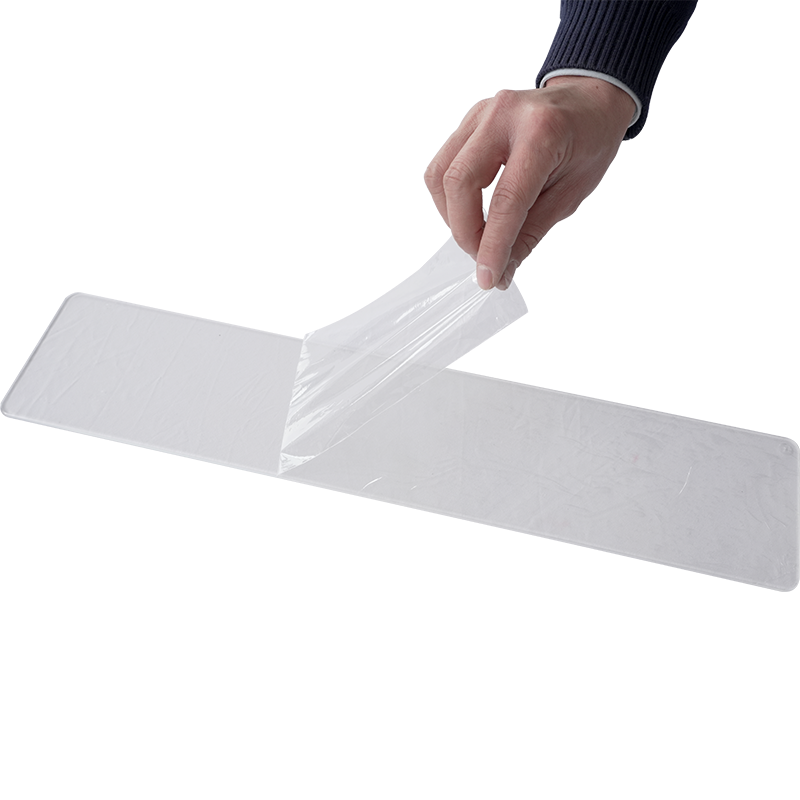
● No “ghost shadow” or “fish eye” after removal; ● Low gel content, soft and stable adhesion plus easy-peel removal with no surface damage or curling;...
See Details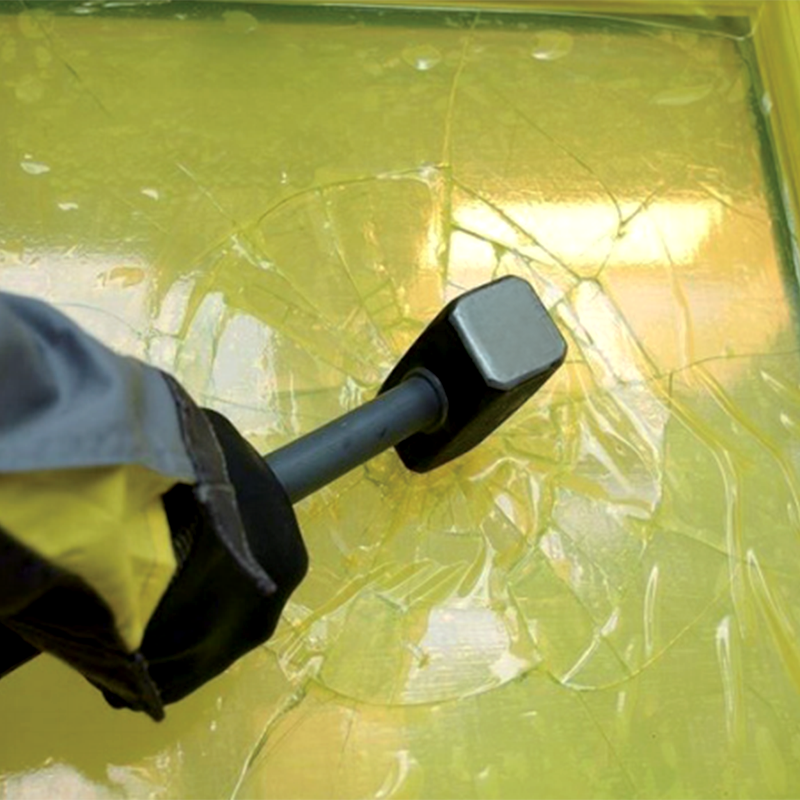
● The super tough polyethylene film with super high adhesion can stop the glass splitting and falling off during window glass demolition process;● Non...
See Details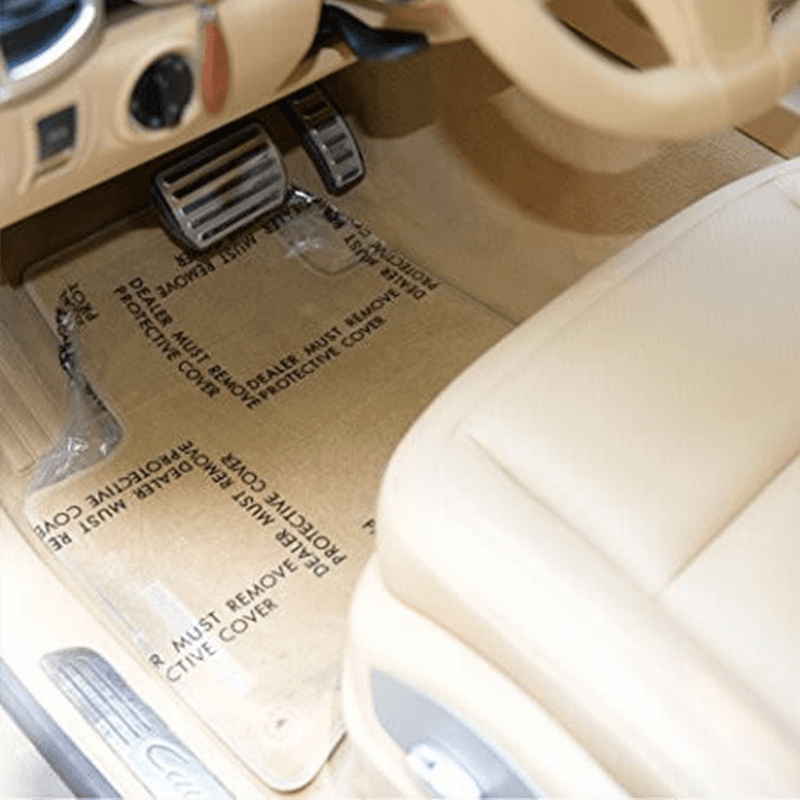
● Distance of each perforation die-cut ranges from 100mm to 1200mm;● Can peel off each die-cut piece of protective film at the perforated line easily;...
See Details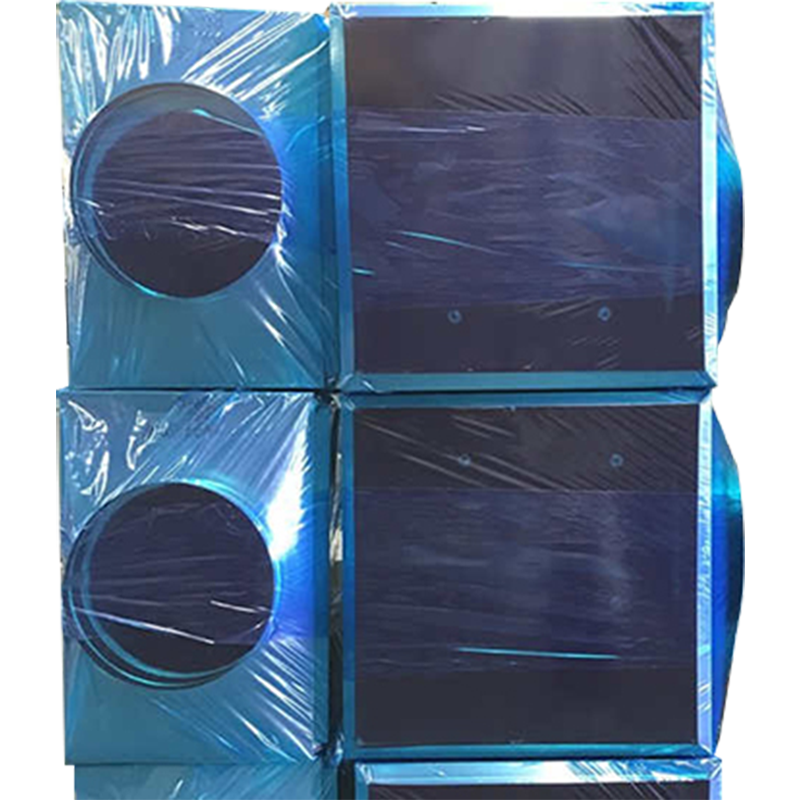
● The super-tough polyethylene film resists puncture and penetration by liquid and dirt during storage, transportation, and installation of the ductwo...
See Details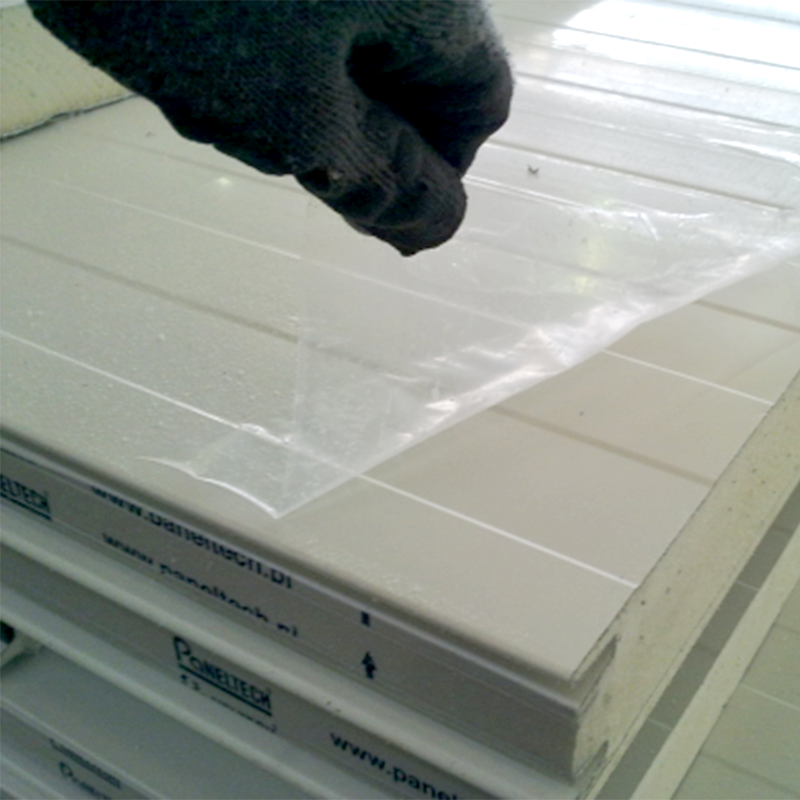
● The specially formulated adhesive ensures easy application and removal without leaving residue glue on the sandwich panels; ● The super-tough polyet...
See Details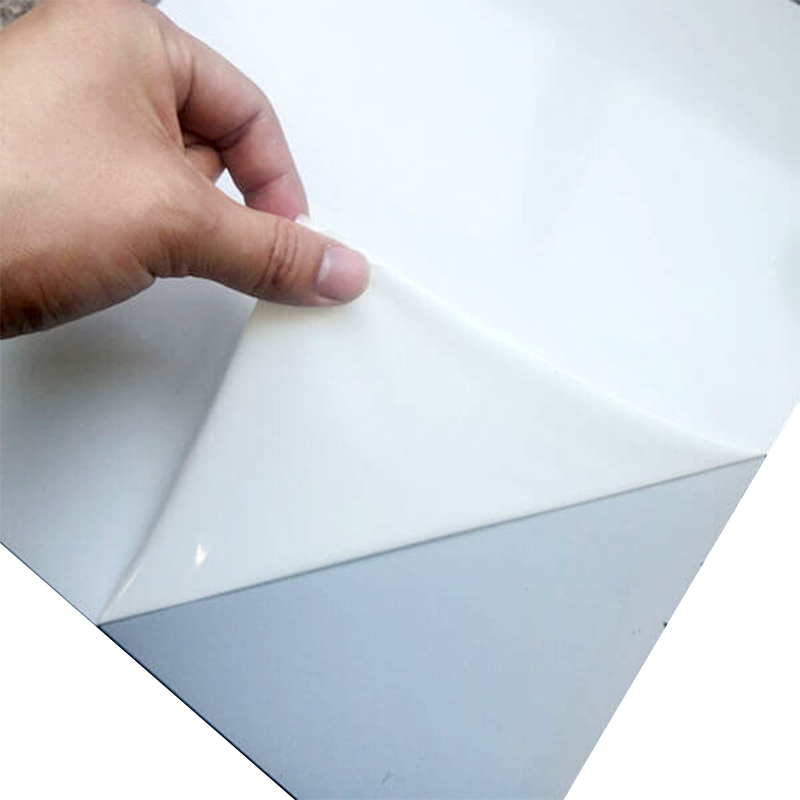
● The super tough polyethylene film with super high adhesion can stop parts of the glass or mirror from splintering away and injuring people when it i...
See Details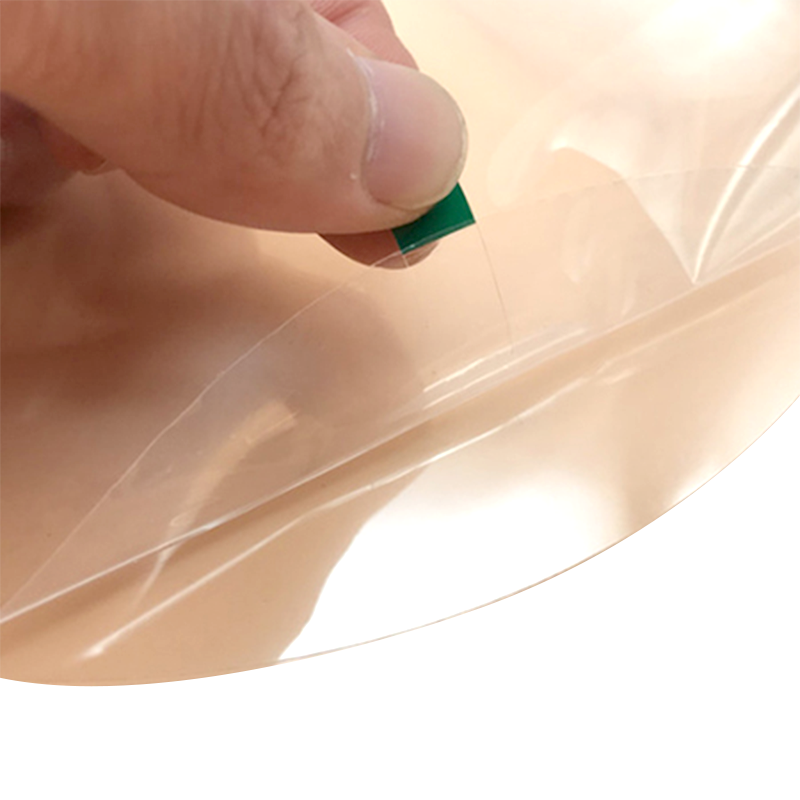
● Suitable for plastic sheets’ drilling, cutting, routing, thermoforming, bending, or post-fabrication operations;● No “ghost shadow” or “fish eye” af...
See Details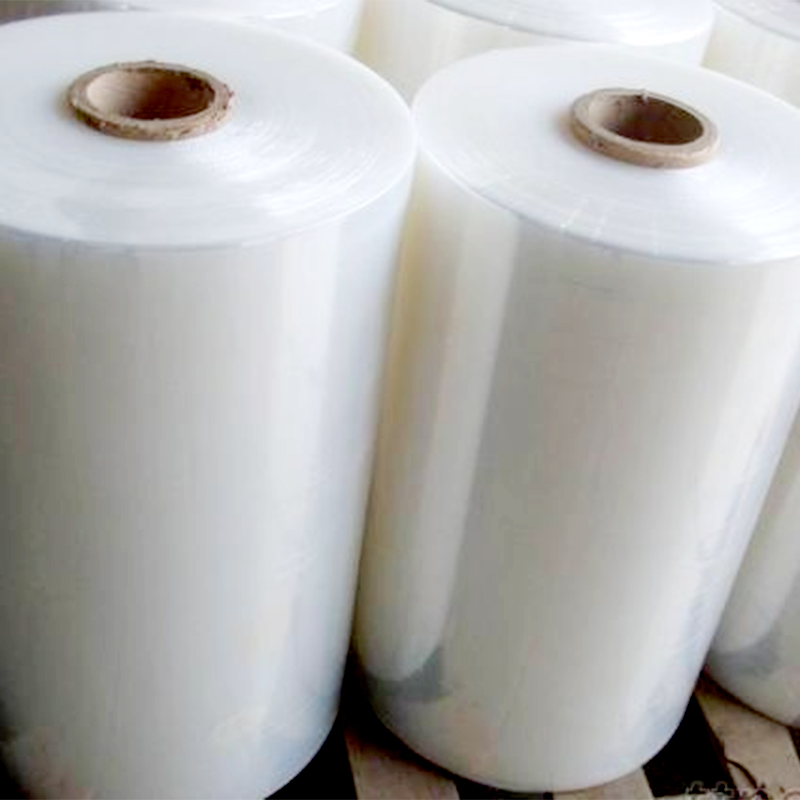
● Excellent puncture and tear resistance; ● Self-adhering-each layer of film bonds to the next for added strength; ● Big roll size to save cost and re...
See Details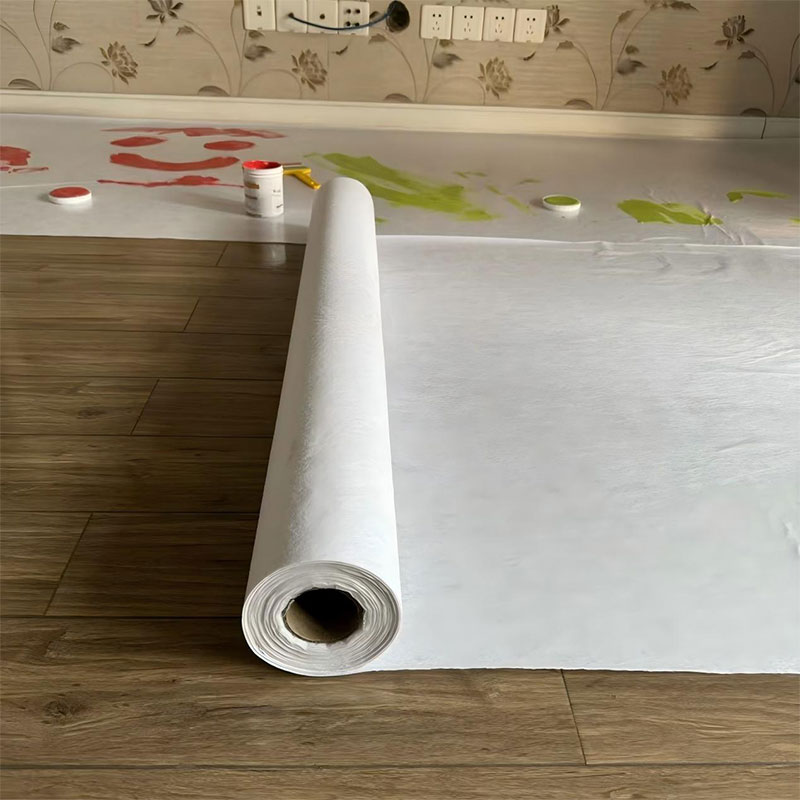
This product has non-woven synthetic fleece in middle; PE film adhered onto top of the non-woven fabric, which is coated with self adhesive glue on it...
See Details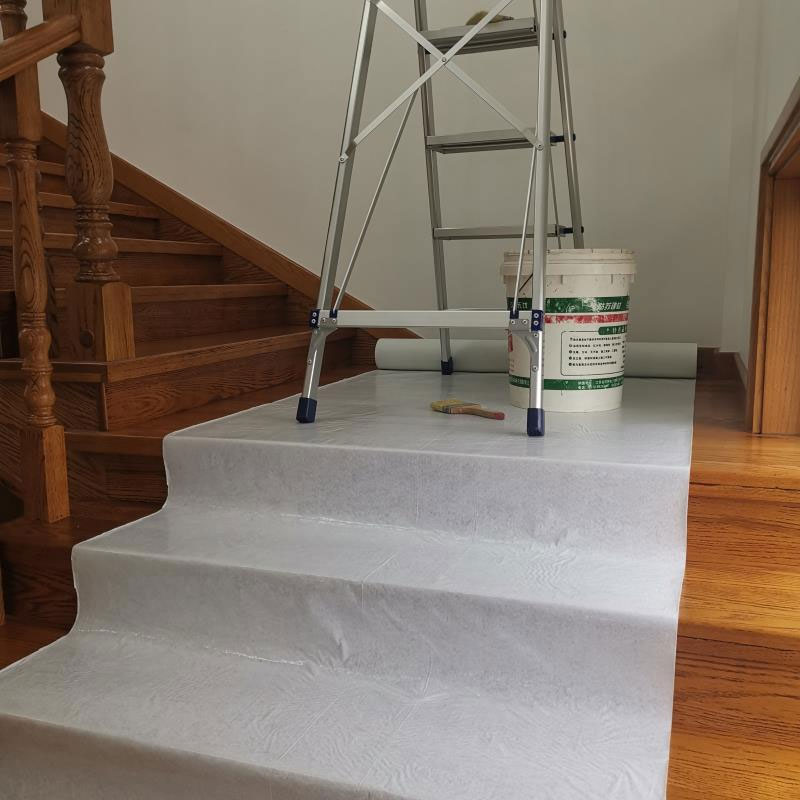
This product has non-woven synthetic fleece in middle; Breathable PE film adhered onto top of the non-woven fabric, which is coated with self adhesive...
See DetailsWe’re a reliable partner that shapes our expertise into success for your project.
Copyright 2024 Wuxi Qida Tape Co., Ltd. All Rights Reserved
 Wholesale Protective Film/Foil Manufacturers
Privacy