

 English
 English
 русский
 Français
 Español
 Português
 عربى
عربى

Cat:Glue -coated Protective Film
● Good weatherability for outdoor exposure; ● Stable adhesion level; ● UV resistance for up to 12 months; ● Can print customized logo or application i...
See Details
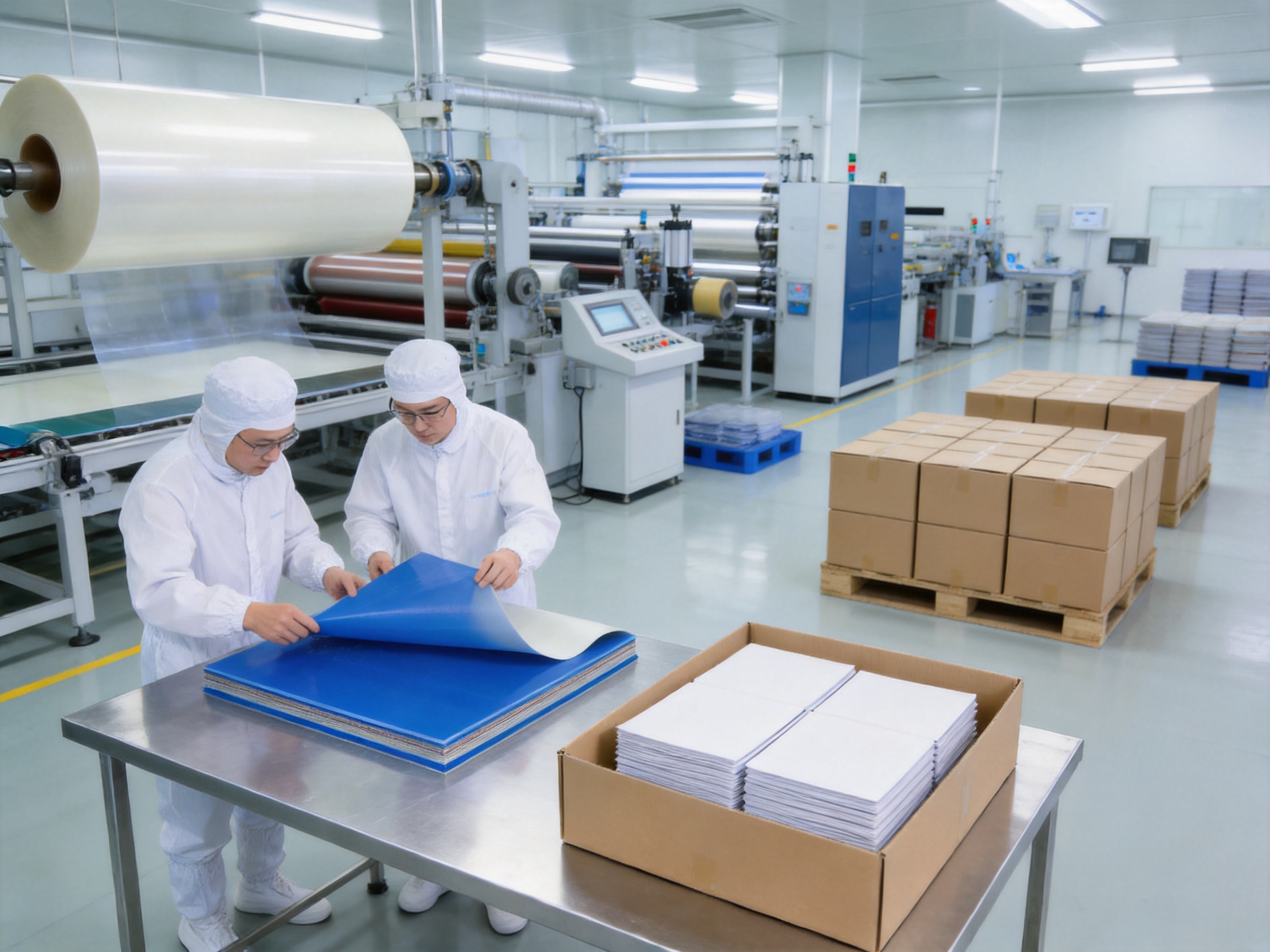
Cleanliness is a critical part of modern manufacturing, healthcare, laboratory work, food packaging, electronics production, and semiconductor processing. Dust, hair, fibers, oil, and other small contaminants can enter a controlled area on the soles of shoes, the wheels of carts, or the bottom of mobile equipment. Once inside, these particles may affect product quality, create hygiene concerns, damage sensitive equipment, or increase cleaning and maintenance costs.
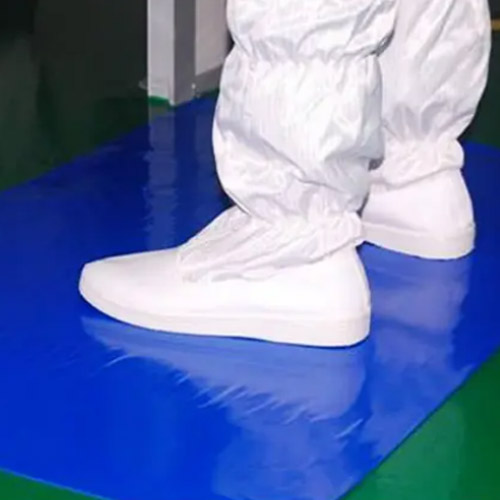
A sticky mat, also called a tacky mat or clean step mat, provides a simple and efficient barrier against this type of contamination. Installed at entrances, transitions, cleanroom access points, laboratories, and production zones, it captures particles before they are carried into a more sensitive area. Its multilayer design allows users to remove the contaminated top layer and expose a fresh adhesive surface, making the mat practical for continuous daily use.
For industrial buyers, selecting a sticky mat is not only a question of surface tack. The product must also provide consistent adhesion, reliable layer separation, stable installation, suitable dimensions, low residue, efficient packaging, and dependable manufacturing quality. Wuxi Qida Tape Co., Ltd. combines these requirements with advanced coating, converting, inspection, and customization capabilities to supply sticky mats for a broad range of applications.
A sticky mat is a multilayer floor protection and contamination-control product with an adhesive surface designed to capture dirt and particles from footwear, wheels, and equipment. Each mat contains a specified number of removable adhesive sheets, commonly 30 or 60 layers. When the exposed layer becomes dirty or loses part of its effectiveness, the user peels it away to reveal a clean layer underneath.
Unlike a conventional entrance mat made from fabric, rubber, or coarse fibers, a sticky mat does not rely mainly on brushing or scraping. Instead, its adhesive surface holds particles in place. This design is especially useful where loose dust must be controlled rather than simply displaced. A traditional mat may collect dirt within its fibers and release some of it later, while a properly manufactured tacky mat is designed to retain captured particles on the disposable surface.
The mat can be placed directly on the floor because its full-surface adhesive backing helps secure it in position. This eliminates the need for a separate frame in many applications. Direct installation also reduces movement, curling, and shifting during normal foot or trolley traffic when the floor has been properly prepared.
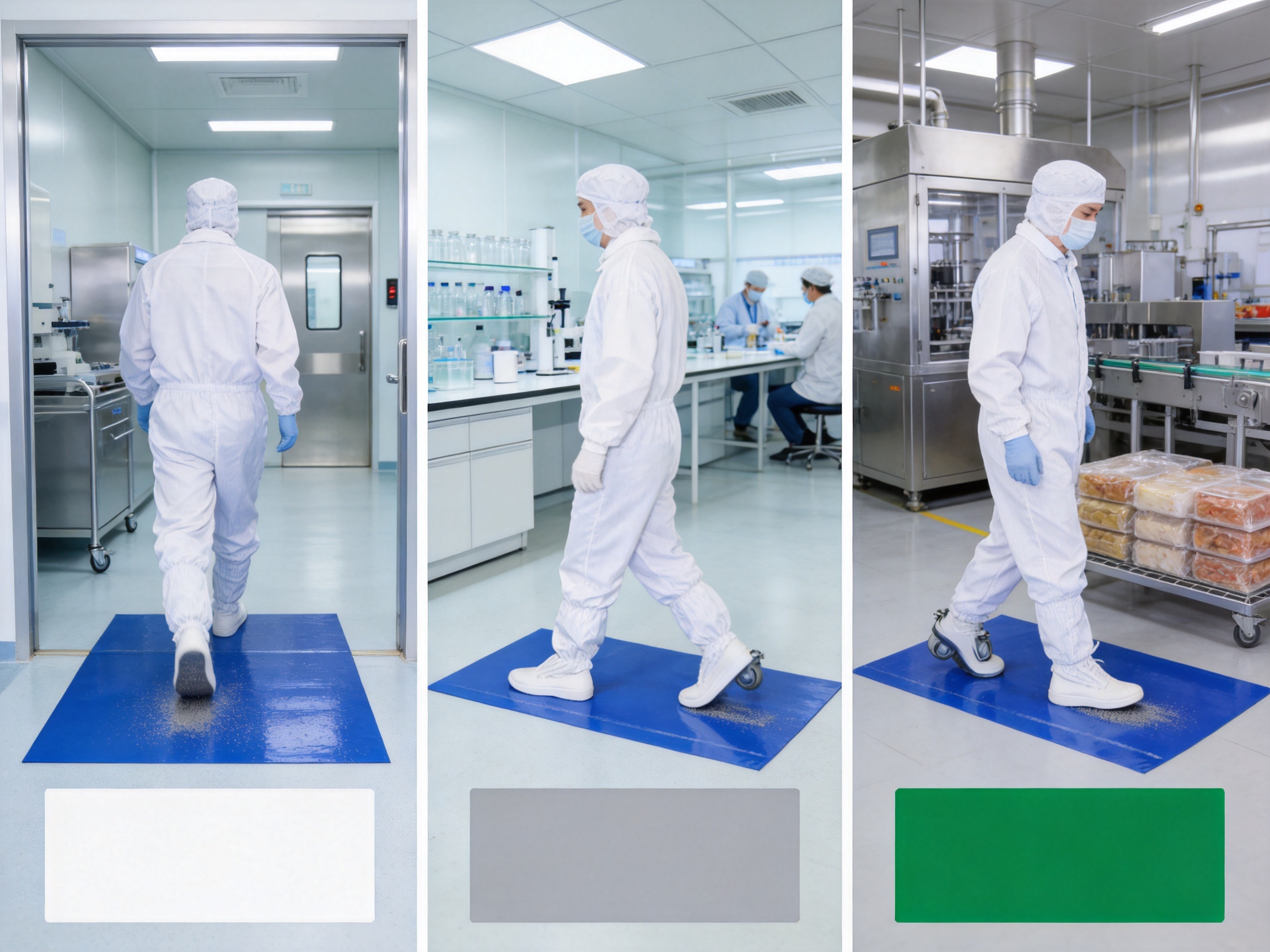
Sticky mats are commonly used at the entrances of cleanrooms, electronics workshops, semiconductor facilities, hospitals, laboratories, biological pharmaceutical areas, food packaging plants, and manufacturing facilities. They are also suitable for locations where a temporary or replaceable contamination-control layer is needed.
The operating principle is straightforward. A person or piece of equipment passes over the exposed adhesive layer. Particles attached to the sole or wheel contact the tacky surface and remain on the mat. Repeated traffic gradually covers the active layer with dust and debris. Once the layer is no longer sufficiently clean or tacky, it can be removed along a designed separation edge.
After removal, the next layer becomes available. This process avoids the need to wash, dry, or chemically clean the mat during every replacement cycle. It also allows cleaning personnel to replace only the used layer instead of replacing the complete mat. As a result, the product can support faster routine maintenance and reduce interruption at busy entrances.
The performance of a sticky mat depends on several factors. These include adhesive formulation, coating uniformity, surface tack, film thickness, layer separation, backing stability, floor compatibility, and the amount and type of contamination. A high-quality product must balance strong particle capture with practical removability. If adhesion is too weak, dust may not be held securely. If it is too aggressive or uneven, removing a used layer may be inconvenient or may leave unwanted residue.
Wuxi Qida Tape Co., Ltd. supplies sticky mats with acrylic adhesive and offers high adhesion as a principal product characteristic. The available film thickness range is from 30 micrometers to 50 micrometers. This range allows the mat construction to combine flexibility, handling strength, and efficient layer replacement.
The following specifications describe the principal available options for the sticky mat range.
| Item | Available Specification | Practical Significance |
|---|---|---|
| Layer quantity | 30 or 60 layers per mat | Supports different traffic levels and replacement schedules |
| Carton packing | Four, eight, or ten mats per carton | Allows packaging to match purchasing and storage needs |
| Thickness | 30 micrometers to 50 micrometers | Provides options for flexibility and handling strength |
| Adhesion level | High | Helps capture particles from shoes, wheels, and equipment |
| Adhesive type | Acrylic | Suitable for controlled tack and stable surface performance |
| Available colors | Clear, blue, white, gray, or green | Supports facility identification and visual management |
| Printing | Logo or design printing available | Enables branding, instructions, or area identification |
| UV resistance | Up to three months | Supports applications with limited ultraviolet exposure |
| Antibacterial option | Available on request | Provides an additional option for hygiene-sensitive areas |
| Particle removal effect | At least 99.9 percent under the stated five-step test condition | Indicates strong contaminant removal performance under the specified test method |
Actual performance depends on floor condition, traffic frequency, particle type, footwear, equipment wheels, temperature, humidity, and the selected product configuration. Buyers should confirm the required specification and test conditions before placing a large order.
Sticky Mat
The main advantage of a sticky mat is its ability to capture small contaminants through direct adhesive contact. The tacky surface can collect dust, hair, skin flakes, fibers, and certain oily particles that may not be effectively removed by a simple scraper or fabric mat. This makes the product suitable for facilities where even small amounts of contamination may affect operations.
The stated dirt removal effect of at least 99.9 percent under the five-step test condition demonstrates the product’s intended high-performance positioning. Such a result is particularly valuable at controlled-area entrances, where reducing the initial contaminant load can make downstream cleaning and filtration more effective.
A conventional mat normally requires washing, vacuuming, brushing, or complete replacement. A sticky mat uses a peel-away layer system. When the top layer becomes saturated with dirt, the operator can remove it quickly and continue using the same base mat. This saves time and makes the cleaning procedure easier to standardize.
The choice between 30 and 60 layers gives purchasers flexibility. A 30-layer product may be suitable for a lower-traffic entrance, a small laboratory, or a location with frequent scheduled replacement. A 60-layer product may be better for a busy production entrance, hospital transition zone, or facility seeking a longer replacement interval.
The full-surface adhesive backing is designed to secure the mat directly to the floor without requiring a frame. This reduces the number of components that need to be purchased, installed, cleaned, and maintained. It also helps create a neat transition between the surrounding floor and the contamination-control area.
A direct-adhesion design can be especially useful where space is limited or where the facility layout changes frequently. The mat can be installed at the point of entry without constructing a permanent recessed area. Before installation, the floor should be dry, clean, level, and free from oil or loose dust to support stable adhesion.
The available dimensions include 18 by 36 inches, 18 by 45 inches, 24 by 36 inches, 26 by 45 inches, 36 by 36 inches, 36 by 45 inches, 36 by 60 inches, and other configurations subject to confirmation. This range allows customers to select a size based on doorway width, traffic direction, available floor space, and whether the mat will be used by pedestrians, carts, or small equipment.
A narrow mat may be suitable for a single-person entrance, while a wider mat can accommodate two-way movement or rolling equipment. Correct sizing is important because a mat that is too small may not provide enough contact area for effective cleaning. A mat that is too large may be more difficult to handle or may not fit the designated transition zone.
Sticky mats are available in transparent clear, blue, white, gray, and green. Color selection can support visual management within a facility. For example, different colors may be assigned to separate zones, departments, hygiene levels, or traffic routes. A visible color can also make the mat easier to inspect during daily cleaning rounds.
Logo or design printing can be applied to the base according to customer requirements. Printing may include a company logo, an area designation, a replacement instruction, or a safety reminder. Custom printing helps integrate the mat into a facility’s broader housekeeping and identification system.
An antibacterial version is available on request for applications that require additional hygiene-related features. This option can be considered for hospitals, biological pharmaceutical facilities, food packaging areas, and other locations where contamination control is a central operational concern.
An antibacterial sticky mat should be viewed as one part of a complete hygiene program. It does not replace hand hygiene, disinfection, protective clothing, controlled airflow, equipment cleaning, or other established procedures. Its value lies in reducing the amount of contamination transferred through floor-level contact points.
Electronics production areas often require protection against dust and fibers because particles can affect components, optical surfaces, assembly quality, and process reliability. A sticky mat at the entrance to an electronics workshop can remove contaminants from footwear and trolley wheels before they enter the production area.
In addition to helping maintain a cleaner environment, the mat can support visual discipline. Employees and visitors receive a clear indication that they are entering a controlled zone. A defined cleaning point can be included in the facility’s standard operating procedures and inspection records.
Semiconductor manufacturing involves highly sensitive processes where microscopic contaminants may influence yield, equipment performance, and product quality. Sticky mats are commonly positioned at access points leading to cleanrooms, gowning rooms, material transfer areas, and other controlled spaces.
They are most effective when used as part of a layered contamination-control strategy. Gowning, air filtration, pressure control, cleaning protocols, particle monitoring, and controlled material movement remain essential. The sticky mat provides an additional barrier at floor level, helping reduce the number of particles entering the controlled environment.
Hospitals and clinics need to manage contamination across entrances, corridors, treatment rooms, laboratories, and supply areas. A tacky mat can help reduce the transfer of dirt and particles on footwear and equipment wheels. It may be used near clean areas, isolation-related zones, operating support areas, and storage entrances according to the facility’s own procedures.
In healthcare environments, selection should consider the facility’s infection-control requirements, cleaning policies, floor material, traffic frequency, and disposal procedures. The antibacterial option may be evaluated when it is appropriate for the intended application.
Biological pharmaceutical production requires strict control of contamination sources. Personnel, carts, and materials may pass through several controlled transitions before reaching a production area. Sticky mats can be installed at selected points to capture particles before they move farther into the facility.
The disposable layer system is useful in environments where cleaning activities must be documented and performed efficiently. A replacement schedule can be defined based on traffic, visual contamination, process requirements, or a combination of these factors.
Food packaging facilities must maintain clean production surroundings and minimize the introduction of dirt from external areas. Sticky mats can be positioned at entrances to packaging rooms, material preparation areas, hygiene transitions, and employee access points.
Because food-related environments have specific regulatory and sanitation requirements, the product configuration should be reviewed by the customer’s quality and hygiene teams. The mat should be installed where it does not obstruct drainage, emergency movement, or required cleaning operations.
Laboratories may contain sensitive instruments, samples, chemicals, or biological materials. Dust can interfere with testing, instrument operation, sample handling, and general housekeeping. A sticky mat offers a convenient method of controlling particles at the entrance without requiring a permanent floor installation.
Different laboratory zones may use different colors or printed identification. This can help employees understand which areas require controlled entry and where a fresh layer should be used.
In manufacturing facilities, dirt carried by shoes and wheels can affect painted surfaces, assembly areas, inspection stations, and finished products. Sticky mats can be used near production lines, clean assembly areas, warehouses, inspection rooms, and installation zones.
The product is also useful during equipment installation, maintenance, renovation, and commissioning, when temporary dust-control measures may be needed. Its removable layer construction allows the facility to respond to changing contamination levels without installing a permanent system.
Acrylic adhesive is used for the sticky mat surface. Adhesive selection affects tack, particle capture, temperature response, layer separation, and the likelihood of residue. A well-controlled acrylic coating helps create an even adhesive surface over the usable area.
Uniform coating is important because inconsistent tack can create weak areas where particles are not captured effectively. It can also make layer removal irregular. Through controlled coating and inspection processes, the manufacturer can work toward consistent performance from one production batch to another.
The available thickness range of 30 to 50 micrometers provides a balance between flexibility and handling strength. A film that is too thin may be difficult to peel, carry, or separate under repeated use. A film that is too thick may increase material consumption and packaging volume without providing a proportionate benefit.
The correct thickness depends on the intended traffic conditions, required handling characteristics, and customer preference. A technical review can help determine whether a lighter or heavier construction is more appropriate for the application.
Multilayer sticky mats are often designed so that operators can identify the separation edge or the next removable sheet. Clear layer numbering or practical edge design can make replacement faster and reduce confusion during routine maintenance.
Although the specific layer-marking configuration should be confirmed for each order, the general objective is to ensure that cleaning personnel can remove a used layer without lifting the complete mat or damaging the remaining layers.
The backing must support the mat during foot and trolley traffic. A stable base helps prevent excessive movement and reduces the possibility of wrinkles. Full-surface adhesive contact also supports a more secure installation than a product that relies only on isolated adhesive strips.
Floor compatibility should always be checked before large-scale installation. Different floors may have different levels of porosity, surface treatment, moisture, or residual cleaning chemicals. A small-area trial is recommended when the floor type or coating is unfamiliar.
Wuxi Qida Tape Co., Ltd. is a factory specializing in protective films, adhesive products, and surface protection solutions. Its experience in backing film production, adhesive coating, printing, rewinding, slitting, and packaging provides a strong manufacturing foundation for sticky mat production.
The company has introduced advanced machines from Germany and operates under ISO 9001 and ISO 14001 management systems. These systems support controlled production, documented procedures, environmental management, traceability, and continual improvement. They also provide industrial customers with a structured basis for supplier evaluation.
Backing film quality influences the flexibility, strength, dimensional stability, and handling behavior of the final mat. By maintaining control over the backing-film stage, the manufacturer can better coordinate film properties with the adhesive and final converting requirements.
In-house production capability also improves communication between material preparation and downstream processing. Adjustments can be made based on customer requirements for thickness, size, color, printing, and packaging rather than relying entirely on unrelated external material sources.
Adhesive coating is one of the most important stages in sticky mat production. The adhesive must be distributed evenly across the intended surface and converted into a multilayer product with consistent tack. Coating parameters may include adhesive quantity, coating speed, drying or curing conditions, web tension, and environmental control.
Qida Tape’s production capabilities include acrylic water adhesive, acrylic solvent adhesive, and natural rubber adhesive for different product applications. For sticky mats, acrylic adhesive is listed as the standard adhesive type. The broader adhesive portfolio demonstrates the company’s experience in matching adhesive chemistry to substrate, application, and removal requirements.
Logo printing and design printing can be incorporated when a customer requires a branded or visually identified product. Printing requires control of registration, ink adhesion, color consistency, and readability. It must also be coordinated with the mat’s structure and intended use.
Customization is one of the company’s stated strengths. Customers may discuss dimensions, colors, layer counts, packaging quantities, printing designs, and technical requirements with the engineering and sales teams. This is useful for distributors, cleanroom suppliers, hospitals, and manufacturers that need a product adapted to a particular facility layout.
Rewinding and slitting convert coated materials into the required widths, lengths, and roll or sheet formats. Accurate slitting supports consistent mat dimensions and clean edges. Controlled web tension helps minimize telescoping, wrinkles, and uneven winding.
These processes are particularly important when products must be supplied in multiple sizes. A manufacturer with its own converting capability can coordinate production more efficiently and respond to different order quantities.
Quality inspection may cover film thickness, adhesive uniformity, adhesion level, dimensions, layer separation, color, printing quality, packaging condition, and appearance. The company has a testing laboratory and advanced inspection equipment to support product verification.
Testing should be linked to the customer’s application. For example, a high-traffic production entrance may require emphasis on peel performance and dimensional stability, while a laboratory may place greater importance on clean appearance, controlled packaging, and low-residue removal.
Sticky mats can be packed with four, eight, or ten mats per carton. Different packing quantities allow customers to balance carton weight, storage capacity, purchasing frequency, and shipping efficiency. Packaging can be reviewed according to distributor requirements, retail presentation, export handling, and warehouse conditions.
Qida Tape has experience exporting protective products to Europe, North America, Australia, the Middle East, Japan, and other regions. Its international customer base supports familiarity with export documentation, packaging expectations, and communication across different markets.
Purchasing directly from a factory can provide advantages over buying through several layers of distribution. Direct communication may shorten the path between the end user and the technical team. This can make it easier to discuss floor conditions, required dimensions, traffic levels, adhesive preferences, labeling, and packaging.
Factory supply may also improve cost control for wholesale orders. Instead of paying for multiple intermediary margins, customers can discuss a production-based quotation. The final price still depends on materials, specifications, order quantity, printing, packaging, shipping, and testing, but direct manufacturing communication can make the cost structure clearer.
Another advantage is the possibility of product development. Qida Tape’s engineers and technicians can develop products according to customer technical data sheets or samples. This is valuable when a standard sticky mat does not fully match the customer’s entrance dimensions, replacement schedule, color system, or facility requirements.
In-house processes covering film production, adhesive coating, logo printing, rewinding, slitting, and packaging can also reduce coordination problems. A single factory can manage the relationship between these stages and provide a more unified quality-control process.
Fabric mats can be effective for reducing the amount of visible dirt entering a building, especially in offices, retail areas, and general commercial entrances. However, they normally require vacuuming, washing, drying, or periodic deep cleaning. Their fibers can retain dirt, but some particles may be released when the mat is walked on or moved.
Sticky mats offer a more direct replace-and-dispose approach. The used adhesive layer is removed instead of being washed. This can be beneficial in controlled areas where regular wet cleaning is inconvenient or where the facility needs a visually clear record of layer replacement.
Rubber scraper mats remove larger dirt particles through mechanical contact. They are durable and useful for outdoor or general-purpose entrances. They may not be designed to capture fine dust, fibers, or small particles with the same adhesive retention mechanism as a tacky mat.
A sticky mat is more appropriate after the outdoor or general dirt-removal stage, particularly at the entrance to a clean or sensitive area. In some facilities, both types may be used in sequence: a scraper mat outside and a sticky mat closer to the controlled zone.
Permanent tacky flooring can provide a long-term contamination-control surface, but it usually involves higher installation cost, longer preparation time, and less flexibility if the facility layout changes. A multilayer sticky mat can be installed quickly and replaced when necessary.
The removable design makes sticky mats suitable for temporary projects, rented buildings, renovation areas, seasonal production, and facilities that need to test a contamination-control point before investing in permanent flooring.
Individual adhesive sheets may be convenient for small areas, but they can move, overlap, curl, or require more frequent manual positioning. A complete sticky mat with full-surface backing offers a more stable and organized solution. It creates a defined cleaning zone and can be selected in a size suitable for foot or trolley traffic.
Correct installation is essential for achieving reliable performance. Choose an entrance or transition point where people, carts, and equipment naturally pass. The ideal location is close enough to the controlled area to capture particles before entry, but not so close that the mat blocks doors, emergency routes, or essential equipment.
The floor should be clean, dry, smooth, and free from oil, wax, loose particles, and incompatible cleaning residues. If the floor is wet, the adhesive backing may not bond properly. If the floor is heavily textured, the mat may not make uniform contact across its entire underside.
Place the mat flat and align it with the traffic direction. Press the surface and edges as required to achieve good contact with the floor. Avoid installing the mat over cracks, raised joints, loose tiles, or heavily contaminated areas. A trial installation can confirm whether the mat remains stable during normal use.
Where carts or mobile equipment are used, select a width and length that allow the wheels to pass fully across the adhesive area. A mat intended only for pedestrian traffic may be insufficient for wide carts or equipment with multiple wheel paths.
Routine inspection should be included in the facility’s cleaning program. Operators can check whether the exposed layer is visibly contaminated, whether the tack has weakened, whether the mat has shifted, and whether the edges remain flat. A replacement decision can be based on appearance, traffic volume, process requirements, or a defined time schedule.
To remove a used layer, locate the designated edge or corner and peel the layer slowly and evenly. Avoid pulling the entire mat from the floor. After removal, confirm that the remaining mat is still flat and that the next layer is clean and ready for use.
High-traffic entrances may require more frequent layer changes than low-traffic areas. Facilities can establish different replacement frequencies for different zones. For example, a busy employee entrance may need several inspections per day, while a small laboratory entrance may require less frequent replacement.
Good usage habits also help extend product life. Sharp objects should not be dragged across the surface. Heavy loads should not be dropped onto the mat. Users should slow down when walking or moving equipment across it so that the adhesive has sufficient contact time to capture particles.
The surrounding floor should also be kept clean. If loose dirt accumulates around the mat, people may carry it onto the adhesive surface in large quantities, shortening the useful life of the exposed layer. Cleaning personnel should follow the facility’s approved procedures for collecting and disposing of used layers.
Although a sticky mat is a passive product, safe handling practices remain important. Personnel responsible for installation and replacement should follow site procedures and use gloves or other protective equipment where appropriate. Individuals with known sensitivity to adhesive materials should avoid unnecessary direct contact.
Used layers may contain dust, fibers, biological contaminants, oil, or other substances collected from the work environment. They should not be handled casually or discarded in an unsuitable location. Disposal should follow the facility’s waste-management policy and any applicable local requirements.
Sticky mats can support resource efficiency because the complete mat does not need to be discarded every time the top surface becomes dirty. Only the used layer is removed. The manufacturer also identifies environmental management as part of its ISO 14001 system and states that its products and management practices address relevant international requirements.
Recyclability and disposal suitability depend on the precise materials, adhesive formulation, contamination level, and local waste rules. Customers should obtain the appropriate material and disposal information for their selected configuration before establishing a recycling program.
Wholesale buyers should define the intended application before requesting a quotation. Important information includes the entrance dimensions, expected daily traffic, type of traffic, floor material, environmental conditions, required layer count, color, printing, carton quantity, and target delivery schedule.
The number of layers should be selected according to actual usage. Thirty layers may provide a practical balance for moderate traffic, while 60 layers can reduce the frequency of full-mat replacement in busy areas. However, the ideal selection depends on how often each layer is replaced rather than on layer quantity alone.
Size selection should be based on the full path of the user or equipment. If only one section of a shoe or one wheel passes over the mat, particle removal may be incomplete. The selected mat should be long enough to provide sufficient contact and wide enough to cover the expected traffic pattern.
Color and printing should be considered as part of facility management. A distributor may choose a standard color for broad market use, while an end user may select different colors for different cleanliness zones. Printed instructions can help reduce improper use and remind staff when a layer should be replaced.
Buyers should also confirm adhesive compatibility. A small test area can help assess whether the product adheres securely to the floor, can be removed as expected, and leaves no unacceptable residue under the intended environmental conditions.
For repeat orders, customers may benefit from maintaining an approved specification sheet. This document can include film thickness, dimensions, layer count, color, printing details, carton packing, adhesive type, inspection requirements, and acceptance criteria. Consistent specifications make purchasing easier and reduce variation between shipments.
Qida Tape has more than two decades of industry experience, having been founded in 1999. The company operates a factory area of approximately 20,000 square meters, employs more than 95 experienced staff members, and reports annual production capacity exceeding 12,000 tons.
The company’s product portfolio includes glue-coated protective film, self-adhesive protective film, sticky mats, double-sided foam tape, PE stretch film, and surface protection fleece. This broader product experience gives customers access to a supplier familiar with adhesive coating, film conversion, surface protection, and industrial packaging requirements.
Its professional engineers and technicians help customers select products according to specific applications. Technical discussions may cover adhesion, substrate, thickness, surface type, removal conditions, temperature, exposure period, and packaging. This application-based approach is more useful than choosing a product based only on a catalog name.
Qida Tape also states that its products are sold across China and exported to around 90 areas. Its management and product compliance references include ISO 9001, ISO 14001, SGS, RoHS, REACH, PFAS, and Proposition 65 testing or related compliance support. Customers should request current certificates and test documents relevant to the exact product configuration and destination market.
Before approving a sticky mat for regular use, customers can conduct a controlled evaluation. First, identify a representative entrance and record the floor material, traffic volume, temperature, humidity, and typical contamination. Install a sample mat according to the supplier’s instructions.
Next, observe how users and equipment pass across the mat. Check whether the mat remains stable, whether the surface provides sufficient contact, and whether the size is adequate. Inspect the exposed layer at regular intervals and note how quickly it becomes contaminated.
During layer replacement, confirm that the used sheet can be removed smoothly and that the next sheet remains intact. Examine the floor for unacceptable residue or movement. The result should be evaluated under actual operating conditions rather than under laboratory conditions alone.
For a wholesale or multi-site program, repeat the evaluation on different floor types and in different traffic zones. A configuration that works well on a smooth coated floor may behave differently on porous concrete, textured tile, or a floor treated with wax or polish.
Document the results and establish acceptance criteria. These may include particle removal, layer replacement time, floor adhesion, residue condition, packaging integrity, visual appearance, and user feedback. A documented evaluation provides a stronger basis for approving the product across a facility or distribution network.
Use the sticky mat as part of a complete contamination-control process. Place it after the general dirt-removal stage when the facility has an outdoor or public entrance. Combine it with appropriate footwear controls, gowning, cleaning, airflow management, and material-handling procedures.
Keep the mat in a location where users naturally cross it. A product positioned beside the main path may be ignored, reducing its value. Clear floor markings, printed instructions, or color coding can encourage consistent use.
Replace layers before they become excessively saturated. An extremely dirty layer may have reduced available adhesive area and may transfer contamination rather than capture it efficiently. Frequent visual checks are more reliable than using a fixed interval for every location.
Prevent moisture from accumulating beneath or around the mat. Dry installation and suitable floor maintenance help preserve adhesion. If the environment involves washdown, condensation, or frequent spills, the facility should confirm product suitability with the supplier before use.
Train cleaning personnel to peel only the used layer. Incorrect handling can lift several layers, damage the backing, or create unnecessary material waste. Simple instructions at the entrance can help maintain consistent procedures across shifts.
The primary purpose is to capture dust, hair, fibers, oil, and other particles from shoes, wheels, and equipment before they enter a controlled or hygiene-sensitive area. It provides a replaceable adhesive barrier at the floor level.
The standard options include 30 or 60 layers per mat. The best choice depends on traffic volume, replacement frequency, contamination level, and the customer’s operating procedure.
No separate frame is generally required. The mat has full-surface adhesive backing intended to secure it directly to the floor. The floor should be clean, dry, smooth, and compatible with the adhesive before installation.
The listed adhesive type is acrylic. Adhesive performance depends on the selected formulation, floor condition, temperature, humidity, and application. Customers should confirm technical details for their intended use.
Available sizes include 18 by 36 inches, 18 by 45 inches, 24 by 36 inches, 26 by 45 inches, 36 by 36 inches, 36 by 45 inches, and 36 by 60 inches. Other requirements may be discussed for customized production.
Yes. A logo or design can be printed onto the base. Printing may be used for branding, area identification, operating instructions, or replacement reminders.
Yes. Transparent clear, blue, white, gray, and green colors are available. Color selection can support visual management and zone identification.
An antibacterial version is available on request. It should be evaluated together with the customer’s hygiene program, regulatory requirements, and intended environment.
The used top layer is peeled away from the designated edge or corner. It should be removed carefully so that the underlying layers and the base remain flat and undamaged.
Replacement frequency depends on traffic and contamination. The layer should be replaced when it becomes visibly dirty, when tack is reduced, or when the facility’s cleaning procedure requires replacement. Busy areas may need several checks each day.
Yes. They can be used for carts and equipment wheels, provided that the selected mat is large enough for the complete wheel path and the product is suitable for the equipment weight and traffic conditions. Slow, controlled movement helps maximize contact.
They are recommended for hospitals, food packaging, biological pharmaceutical facilities, and similar applications. Each facility should confirm compatibility with its own sanitation, infection-control, food-safety, and waste-disposal procedures.
Wuxi Qida Tape Co., Ltd. operates under ISO 9001 and ISO 14001 management systems. The company also reports a testing laboratory, advanced inspection equipment, experienced technical staff, and integrated production processes.
Customization can include size, color, layer quantity, printing, carton packing, and other technical requirements. Customers should provide drawings, samples, data sheets, or application details for evaluation.
A buyer should provide the intended application, floor type, mat dimensions, traffic level, required layer count, preferred color, printing needs, carton quantity, destination, and expected order volume. This information helps the supplier recommend an appropriate configuration and quotation.
A sticky mat is a practical and efficient solution for reducing the movement of dust and other particles into controlled areas. Its replaceable multilayer structure, high adhesive performance, full-surface floor backing, multiple sizes, color choices, printing options, and optional antibacterial version make it adaptable to many industrial and hygiene-sensitive environments.
Compared with conventional fabric, rubber, or loose adhesive products, a properly selected tacky mat can offer easier layer replacement, more direct particle capture, faster maintenance, and greater installation flexibility. Its effectiveness is strongest when it is correctly sized, installed on a suitable floor, inspected regularly, and integrated into a broader contamination-control program.
Wuxi Qida Tape Co., Ltd. supports this product with factory-based film production, adhesive coating, printing, rewinding, slitting, packaging, laboratory testing, and technical service. Its ISO management systems, international export experience, customization capability, production capacity, and broad adhesive and surface-protection expertise provide a strong foundation for wholesale supply.
For customers seeking a reliable clean step solution, the most important purchasing decision is to match the sticky mat specification with the actual application. By reviewing traffic, floor condition, contamination level, layer quantity, size, color, packaging, and compliance requirements, buyers can select a product that supports cleaner operations, more consistent maintenance, and better control of facility cleanliness.
1. Product specification information for Sticky Mat, including layer quantity, dimensions, adhesive type, colors, printing, UV resistance, and packaging options.
2. Manufacturer information for Wuxi Qida Tape Co., Ltd., including factory capabilities, production processes, technical services, export experience, and company history.
3. ISO 9001, Quality Management Systems: Requirements.
4. ISO 14001, Environmental Management Systems: Requirements with Guidance for Use.
5. General cleanroom and controlled-environment contamination-control principles concerning personnel, footwear, equipment movement, and particle reduction.
6. General industrial hygiene and facility housekeeping practices for hospitals, laboratories, food packaging areas, electronics plants, and manufacturing facilities.
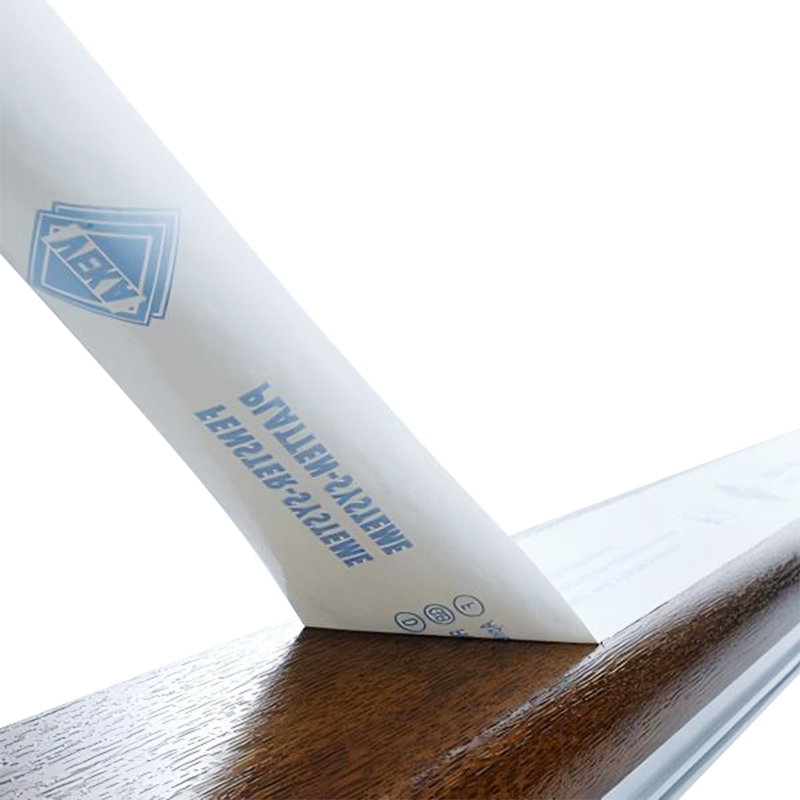
● Good weatherability for outdoor exposure; ● Stable adhesion level; ● UV resistance for up to 12 months; ● Can print customized logo or application i...
See Details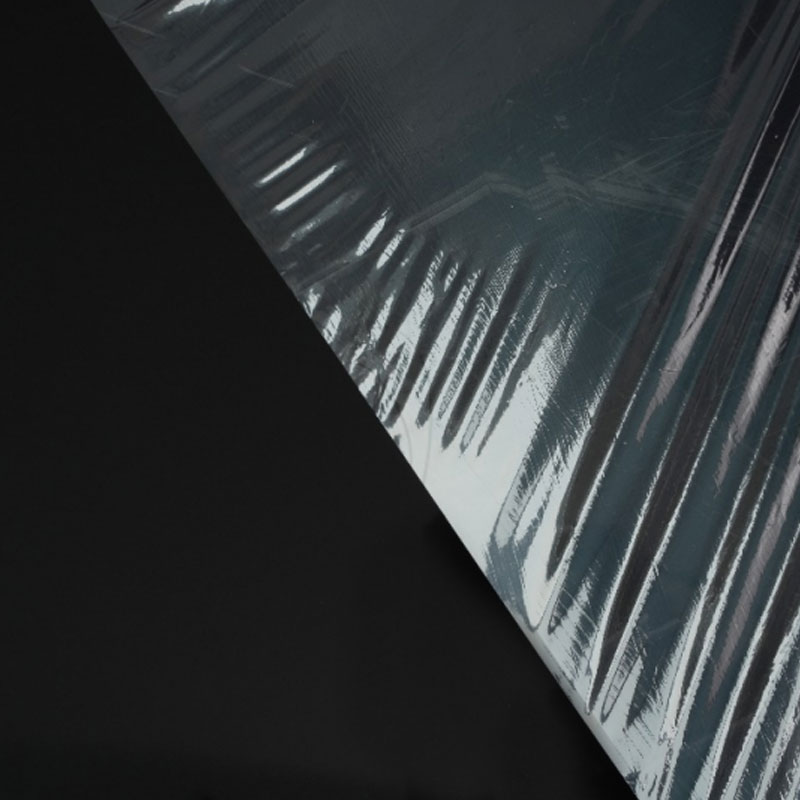
● No “ghost shadow” or “fish eye” after removal; ● Stable adhesion level; ● UV resistance for up to 6 months; ● Can print customized logo or applicati...
See Details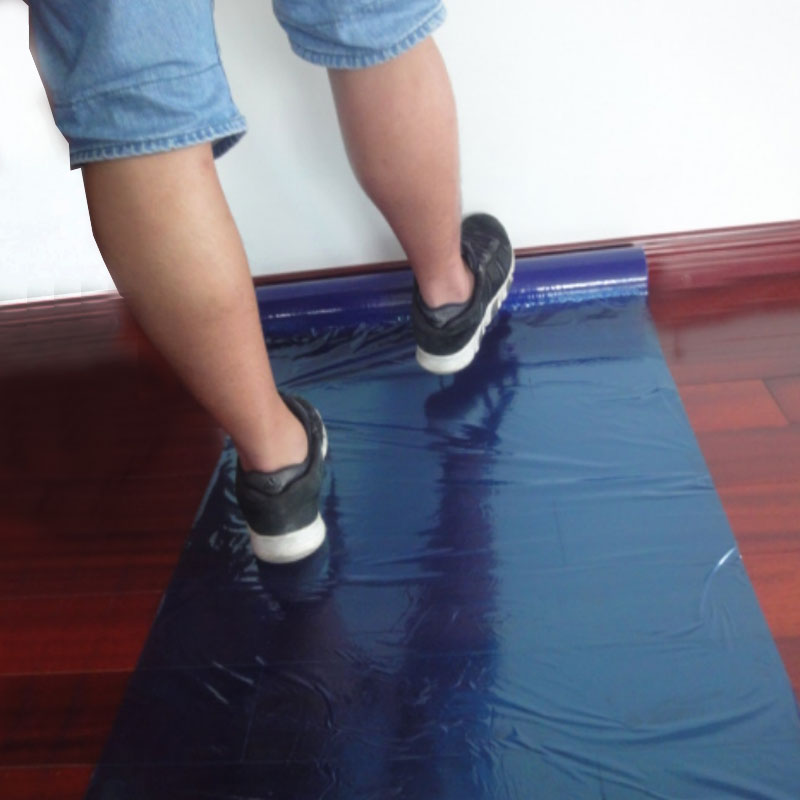
● Patented adhesive formula suits all hard surfaces such as hardwood floors, laminate floors, ceramic, marble, tile, granite, vinyl, worktops, and gla...
See Details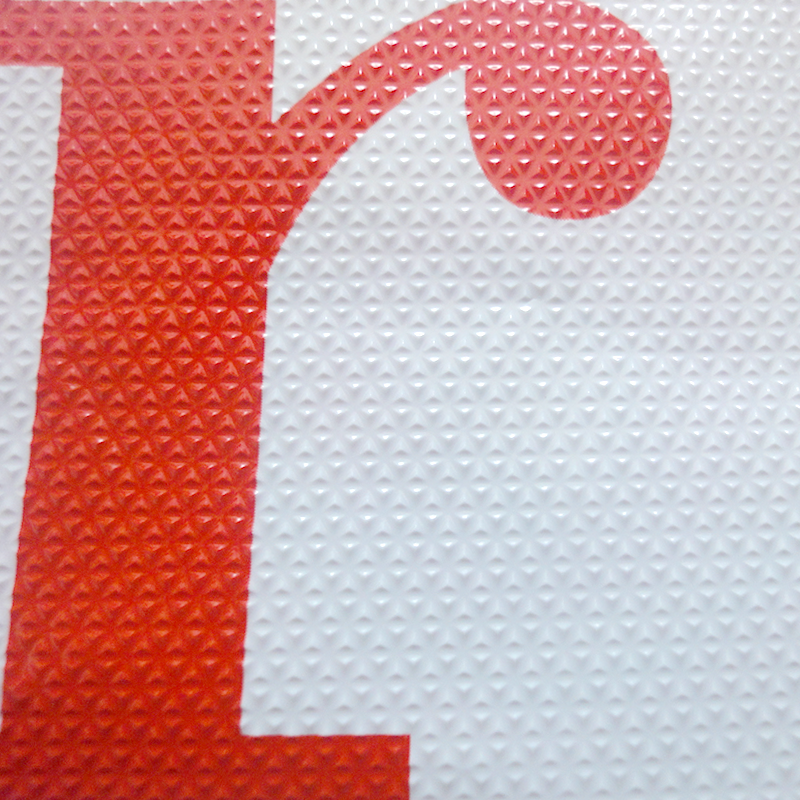
● Anti-slip; ● Embossed film surface to guarantee trip safety;● Tough puncture-resistant polyethylene film;● Can be coated with or without adhesive;● ...
See Details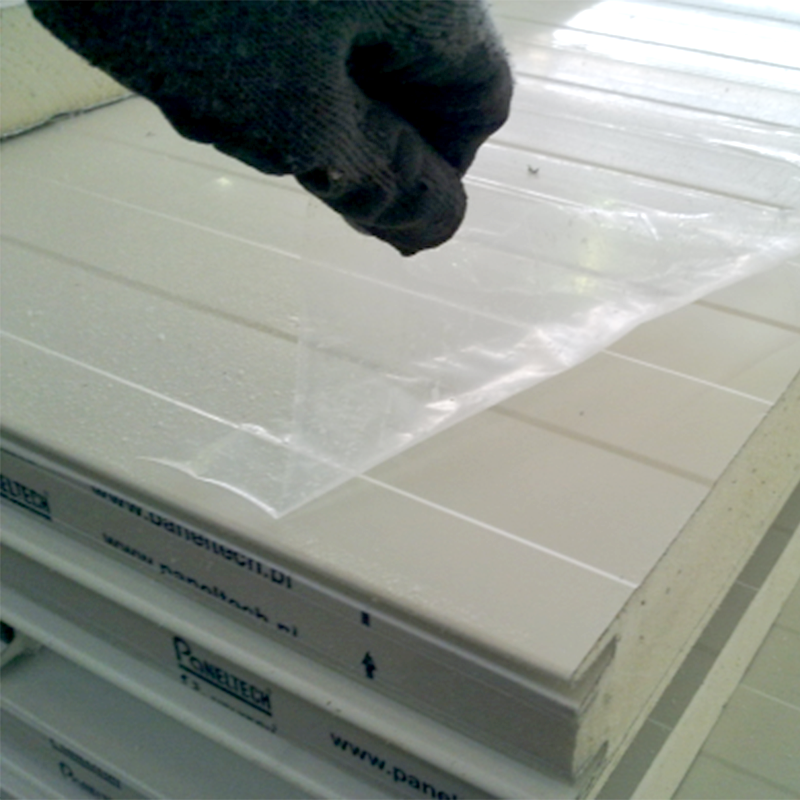
● The specially formulated adhesive ensures easy application and removal without leaving residue glue on the sandwich panels; ● The super-tough polyet...
See Details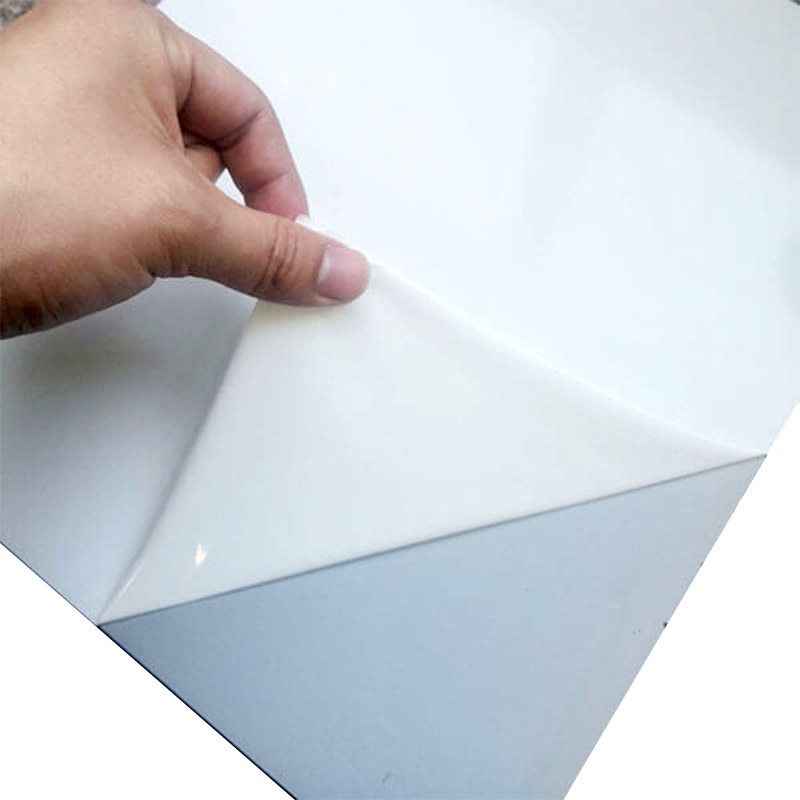
● The super tough polyethylene film with super high adhesion can stop parts of the glass or mirror from splintering away and injuring people when it i...
See Details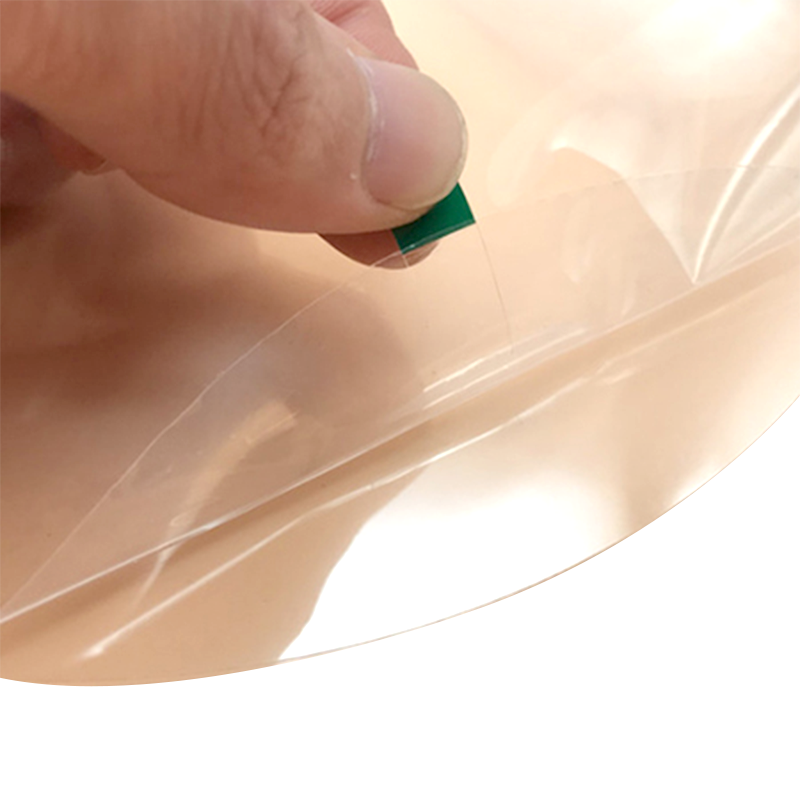
● Suitable for plastic sheets’ drilling, cutting, routing, thermoforming, bending, or post-fabrication operations;● No “ghost shadow” or “fish eye” af...
See Details
● Options for either 30 or 60 layers per mat; can be packed with four mats, eight mats, or ten mats per carton;● Remove dirt effect: ≥99.9% (5 steps);...
See Details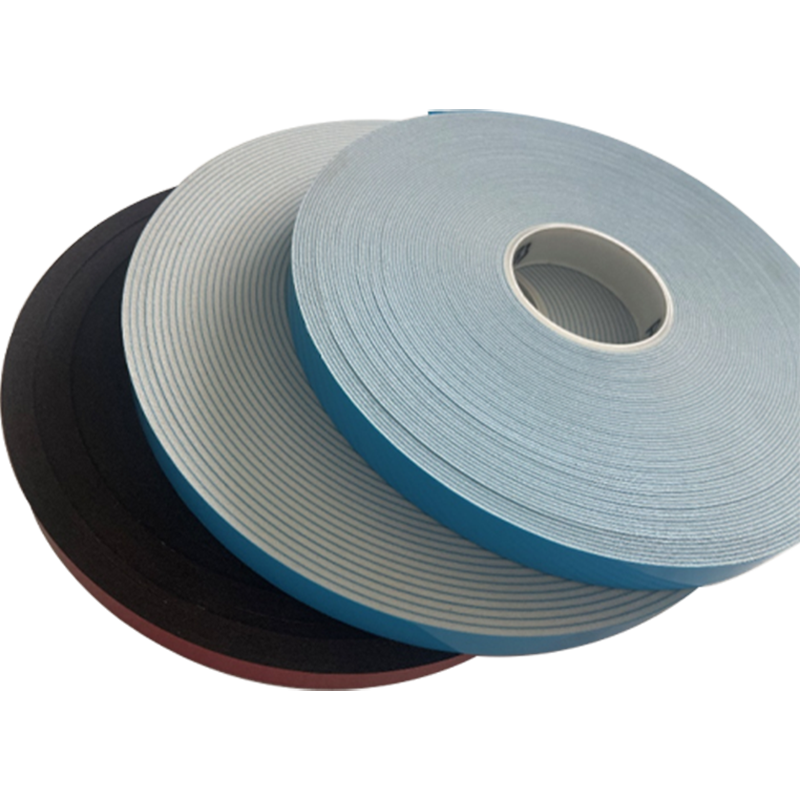
● Waterproof - the desirable material for waterproofing. ● Dust-proof - positive performance of dust prevention.● Low resilience - prevent the deforma...
See Details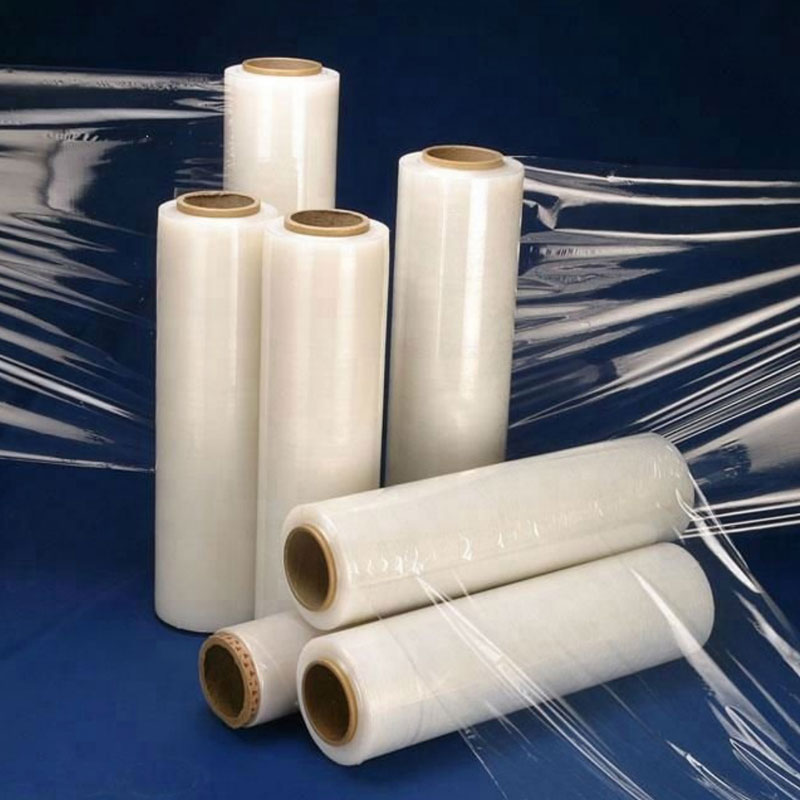
● Small roll size for convenient manual application;● Excellent puncture and tear resistance ; ● A self-adhering-each layer of film bonds to the next ...
See DetailsWe’re a reliable partner that shapes our expertise into success for your project.

Copyright 2024 Wuxi Qida Tape Co., Ltd. All Rights Reserved
 Wholesale Protective Film/Foil Manufacturers
Privacy
Wholesale Protective Film/Foil Manufacturers
Privacy