

 English
 English
 русский
 Français
 Español
 Português
 عربى
عربى

Cat:Glue -coated Protective Film
● No “ghost shadow” or “fish eye” after removal; ● Stable adhesion level; ● UV resistance for up to 6 months; ● Can print customized logo or applicati...
See Details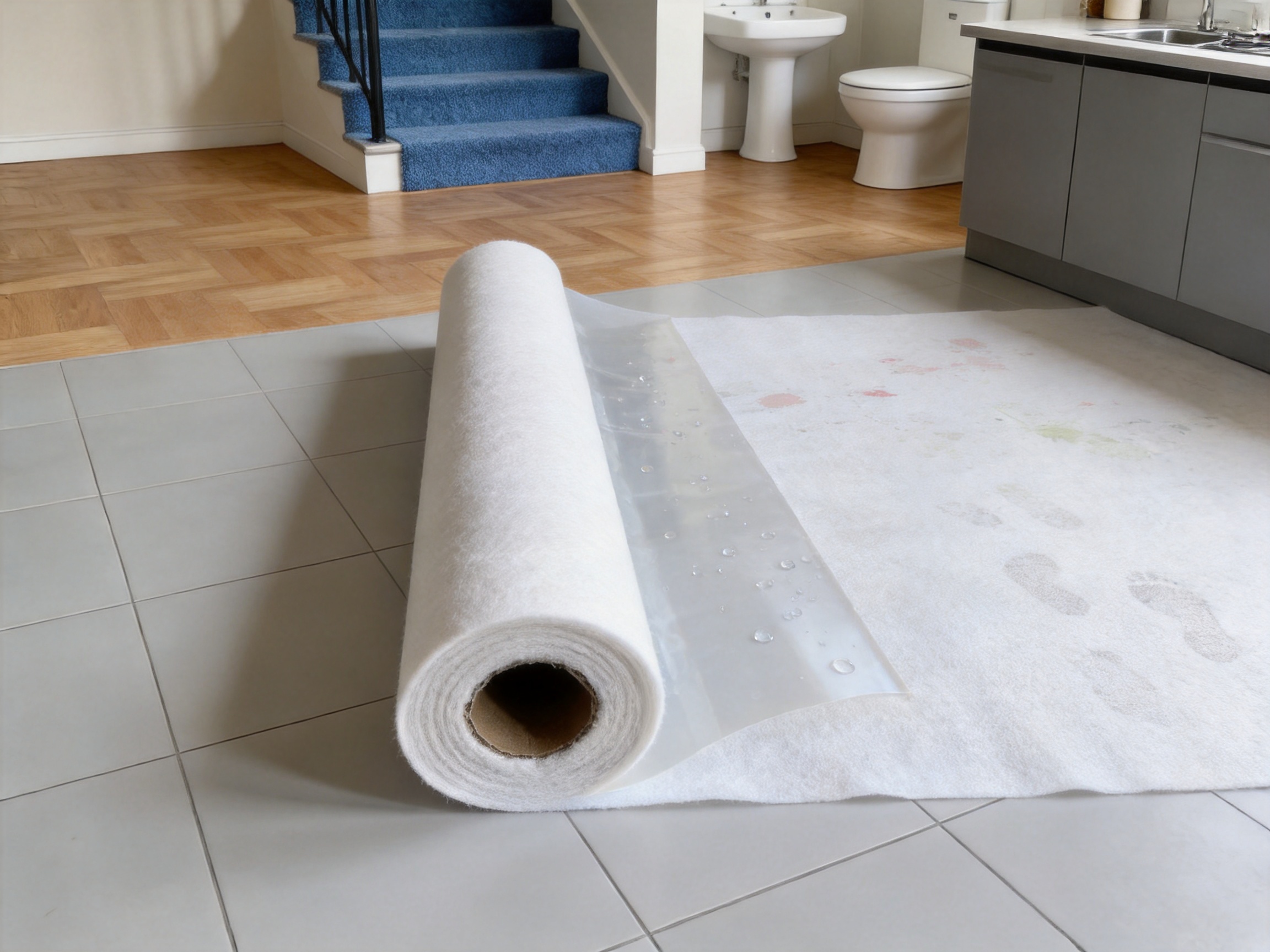
Standard Surface Protection Felt is a practical temporary protection material designed to help prevent scratches, stains, scuffs, and other forms of mechanical or liquid damage during construction, renovation, installation, transportation, and maintenance work. It combines a non-woven synthetic fleece layer, a PE film backing, and a self-adhesive coating to create a protective system for hard surfaces that is stable, waterproof, easy to install, and simple to remove.
Unlike ordinary plastic sheeting or loose fabric coverings, this protective felt is engineered to remain in place while work continues around it. The fleece layer provides a durable and resilient surface, while the PE film helps stop water, paint, solvents, dirt, and other liquids from reaching the protected substrate. The adhesive coating on the back supports secure positioning without requiring additional tape, helping contractors save time during preparation and cleanup.
The product is suitable for tiled floors, parquet, laminate flooring, stairs, kitchen worktops, ceramics, sanitary ware, and other hard surfaces that may be exposed to construction traffic or accidental spills. It can also be used in residential remodeling, commercial fit-outs, industrial maintenance, interior decoration, property refurbishment, and installation projects.
With customizable fabric weights from 100 to 250 grams, widths from 300 to 1,500 millimeters, roll lengths from 5 to 100 meters, and adhesion levels from low to medium, the product can be adapted to different working environments. PE backing film colors may include blue, clear, white, and other options, while printing can be provided in up to three colors for identification, branding, handling instructions, or project management.
Standard Surface Protection Felt
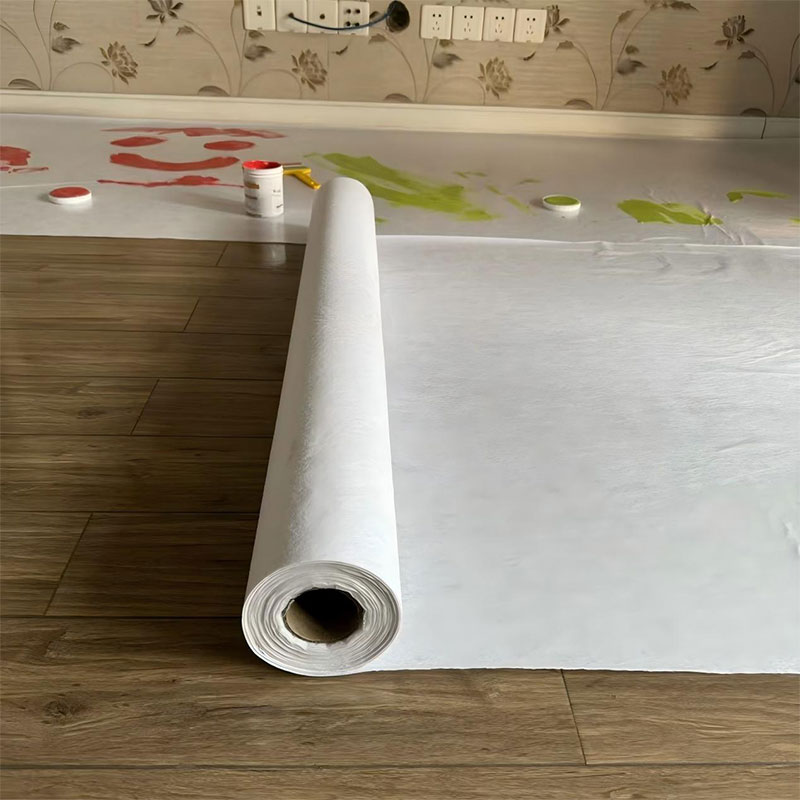
Standard Surface Protection Felt is a multilayer temporary surface protection product. Its central layer is made from non-woven synthetic fleece. A PE film is laminated or adhered to the upper side of the fleece, creating a barrier against liquids and contamination. The reverse side is coated with a self-adhesive formulation that allows the material to attach to a suitable surface during use.
This structure gives the product several functions at the same time. The non-woven fleece offers cushioning, durability, and a degree of resistance to foot traffic and handling. The PE layer contributes waterproofing and helps prevent spilled water, paint, and solvents from penetrating through the material. The adhesive backing reduces movement and curling, which is especially important on floors, stairs, worktops, and other areas where loose coverings can become a tripping hazard.
The product is intended for temporary use and can be removed after the construction or installation activity is complete. When selected and applied correctly, it is designed to remove cleanly without transferring adhesive residue to the protected surface. This clean-removal characteristic is particularly important for finished flooring, polished surfaces, decorative laminates, ceramic products, and sanitary equipment.
Because the product does not require separate tape for standard installation, it can simplify the protection process. The user generally needs to clean and dry the surface, position the roll, unroll the required length, and press the material down so that it makes consistent contact. At the end of the project, the covering can be lifted and removed, then disposed of or evaluated for reuse depending on its condition.
The non-woven synthetic fleece forms the main body of the protective material. Its fibrous construction provides flexibility and helps the covering conform to relatively smooth surfaces. Compared with a thin plastic sheet, the fleece layer offers a more substantial working surface and can help reduce the effects of everyday construction traffic, contact with tools, and movement of lightweight materials.
The fleece also contributes to the product’s resistance and reusability. It is designed to withstand repeated handling, folding, unrolling, and removal during normal temporary protection applications. The exact performance depends on fabric weight, worksite conditions, traffic levels, and the sharpness or weight of objects placed on top of it. Nevertheless, the available range from 100 to 250 grams allows users to select a construction level suitable for lighter or more demanding applications.
The PE film forms a protective barrier above the fleece. This layer helps shield the floor or other substrate from water, paint, solvents, dust, and dirt. It is especially useful when wet trades are working nearby, such as painting, plastering, decorating, cleaning, grouting, or surface treatment.
Waterproof protection is a major advantage over uncoated felt or paper-based coverings. A conventional fabric drop cloth may absorb liquid and allow it to reach the floor. Ordinary paper protection can soften, tear, or disintegrate after exposure to water. The PE-backed structure of this product is designed to resist those problems and to make surface cleanup more manageable.
The PE film is available in blue, clear, white, and other possible colors. Clear film allows the underlying fleece or protected surface to remain partially visible, while blue and white options can improve visibility on a job site and help distinguish protected areas. Custom colors may also support project organization or customer requirements.
The reverse side is coated with a self-adhesive glue that provides temporary attachment to appropriate surfaces. The adhesion range is from low to medium, allowing the product to remain in position without being permanently bonded to the substrate. This balance is important: the material must resist shifting during work, but it must also be removable when the project is finished.
A self-adhesive backing can offer a cleaner installation than loose coverings. Loose materials may move under foot traffic, expose edges, bunch up in corners, or create trip points. A properly applied adhesive protective felt follows the protected area more closely and can reduce the need for repeated adjustment.
Adhesion performance depends on the substrate, temperature, humidity, dust level, surface finish, and duration of application. For this reason, a small compatibility test is recommended before full installation, particularly on newly finished, delicate, porous, freshly painted, waxed, or chemically sensitive surfaces.
Construction and renovation activities often involve people moving tools, materials, ladders, cartons, and equipment across finished surfaces. A protective covering that slips or folds can create safety concerns and expose the substrate. Standard Surface Protection Felt is designed to provide a more secure covering than loose plastic film or unanchored fabric.
The combination of fleece, PE film, and adhesive backing helps the material stay positioned during normal job-site activity. The non-slip characteristic supports safer working conditions, although users should still maintain good housekeeping and remove wrinkles, loose edges, and debris during installation.
One of the most important differences between PE-backed protective felt and basic textile coverings is liquid resistance. Paint, water, cleaning chemicals, and solvents can quickly damage an unprotected floor or worktop. They may also create stains that are expensive or difficult to remove.
The PE film helps form a barrier between the liquid and the protected surface. This is valuable during painting, decorating, tiling, plumbing, sanitary installation, and general maintenance. Spills should still be cleaned promptly, because no temporary covering should be treated as a substitute for responsible site management or permanent waterproofing.
The product is described as extremely robust and reusable under suitable conditions. Its fleece structure is designed to tolerate practical handling and temporary site use. After removal, users can inspect the material for tears, saturated areas, heavy contamination, or adhesive damage. Sections that remain clean and intact may be suitable for another application.
Reusability can help reduce material consumption and operating costs over multiple projects. It may also reduce the amount of waste produced during construction protection activities. The actual number of reuse cycles depends on the type of work, the amount of traffic, exposure to liquids, storage conditions, and the condition of the adhesive layer after removal.
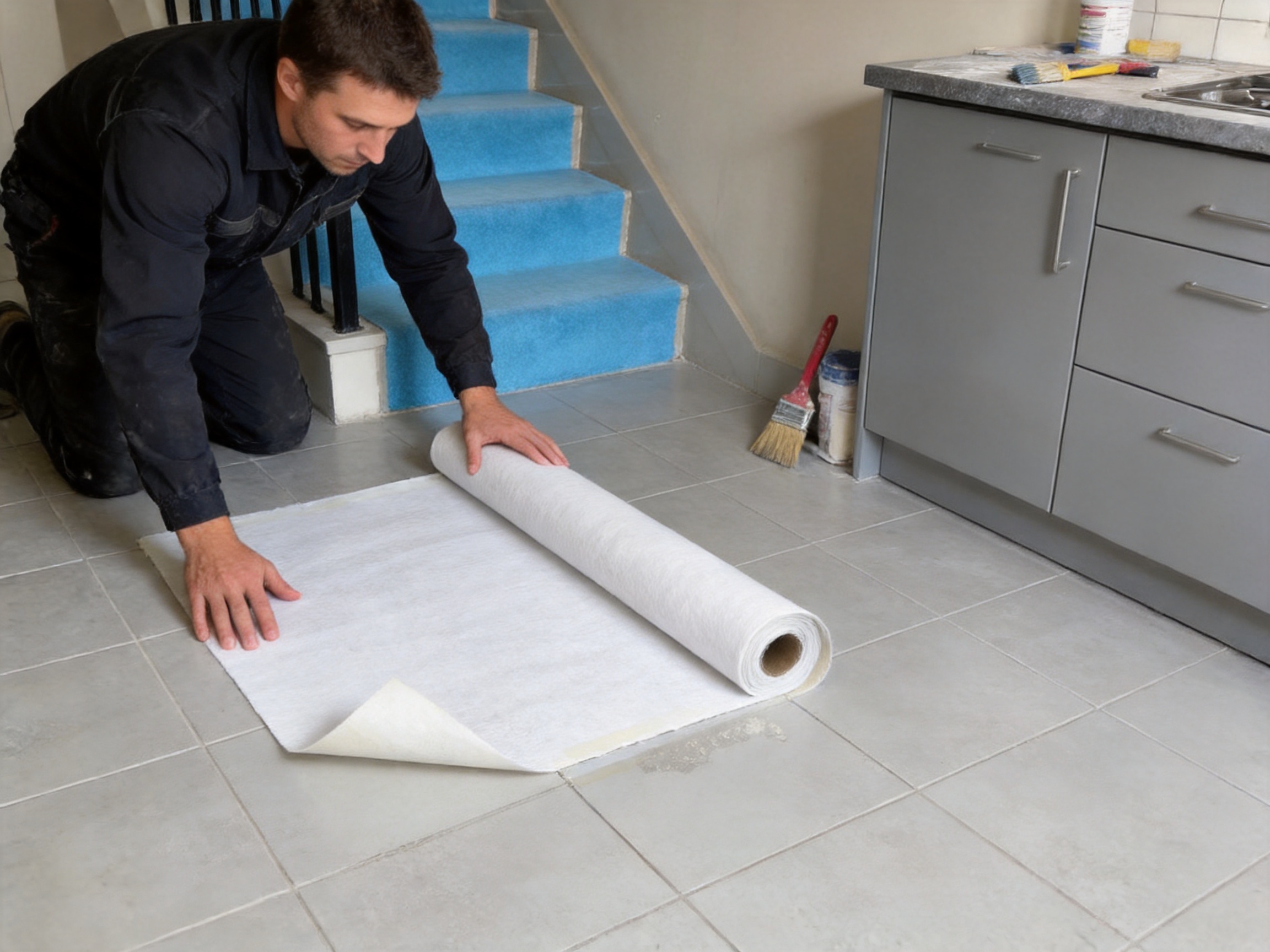
Installation is straightforward because the product is supplied in rolls and includes an adhesive backing. The installer can cut or tear the required length, align the covering with the work area, and press it down. No separate tape is normally needed for ordinary application, which reduces the number of components required on site.
Removal is also designed to be efficient. The user can lift an edge and pull the material back in a controlled manner. Proper removal helps minimize the risk of lifting surface finishes or leaving adhesive residue. If the material has been exposed to heavy contamination, it should be handled carefully to avoid transferring dirt to adjacent areas.
Adhesive residue is a common problem with temporary protection products. Tape and aggressive adhesive films may leave marks, require solvents, or damage sensitive finishes. The low-to-medium adhesive system used for this protective felt is intended to provide temporary attachment with no residue glue transfer when used under suitable conditions.
This characteristic can lower post-project cleaning requirements. It also helps protect the visual quality of polished tiles, laminate flooring, kitchen worktops, ceramic surfaces, and sanitary ware. Since different coatings and substrates react differently, a preliminary test remains an important part of professional installation practice.
The exposed surface can be wiped and vacuumed during the project. This helps keep the work area more orderly and reduces the accumulation of dust, loose particles, and construction debris. Maintaining a clean protective covering is useful when the material is expected to remain in place for several days or weeks.
Regular cleaning also allows the installer to identify damage, exposed edges, or areas where the material may need replacement. A maintained covering provides more reliable protection than one that is allowed to become saturated with paint, mud, sharp waste, or abrasive particles.
Many temporary protection systems use plastic film, cardboard, or blankets that must be secured with adhesive tape. This adds labor, increases material consumption, and may create residue or damage when tape is removed. The self-adhesive structure of Standard Surface Protection Felt reduces dependence on separate tape for standard applications.
In practical terms, fewer installation components can make job-site preparation faster. It can also create a more uniform appearance, with fewer overlapping strips, loose tape ends, and exposed joints. Additional fixing may still be appropriate in unusual areas, on vertical surfaces, around complex corners, or where local safety requirements call for it.
Tiles can be damaged by dropped tools, abrasive dust, paint splashes, and repeated foot traffic during construction. The protective felt can be placed over tiled floors after the surface has been cleaned and dried. Its PE barrier helps protect tile joints and the surrounding surface from liquid contamination, while its fleece layer provides a practical working covering.
It may also be used on ceramic wall elements, decorative ceramic products, and other hard ceramic surfaces, provided the adhesive compatibility has been confirmed. The installer should pay attention to uneven grout lines, textured tile finishes, and any loose or recently installed pieces.
Parquet and laminate flooring are vulnerable to scratches, dirt, moisture, and impact during interior work. Protective felt can help shield these surfaces while doors, furniture, fixtures, and finishing materials are installed.
Because wood-based products and laminates may have different finishes, the installer should conduct a small test before covering a large area. The floor must be free from dust and moisture so the adhesive can make consistent contact. Where flooring manufacturers specify particular protection methods, those instructions should take priority.
Stairs often experience concentrated traffic and are difficult to protect with loose sheets. The roll format allows sections to be measured and fitted to stair treads or landings. The non-slip design can help keep the covering in position during movement between levels.
Edges and transitions should be pressed down carefully. The installer should ensure that the covering does not create raised lips or interfere with the shape of the stair nosing. Stair protection should always be checked regularly because even small loose sections can become hazards.
Kitchen worktops may be installed before appliances, plumbing fixtures, splashbacks, or cabinets are fully completed. During this period, the surface can be exposed to tools, dust, paint, sealants, water, and impact. Protective felt can provide a temporary barrier while allowing tradespeople to continue working nearby.
For polished stone, engineered surfaces, painted worktops, or delicate finishes, compatibility testing is particularly important. The protection should be installed without trapping grit underneath, since trapped particles may cause scratching when objects are moved across the covering.
Basins, bathtubs, shower components, ceramic fixtures, and sanitary ware can be damaged or stained during bathroom installation. Protective felt can be cut to fit around these items and help shield them from dust, tools, paint, and spilled liquids.
Its waterproof PE layer is useful in areas where water is frequently present. However, the product is intended as temporary surface protection, not as a permanent wet-room membrane. Water should not be allowed to accumulate beneath or around the covering for extended periods.
Retail stores, offices, hotels, restaurants, hospitals, and public buildings often require protection while construction continues around newly completed areas. A professional-looking protective covering helps preserve finished surfaces and can make work zones easier to manage.
Industrial maintenance projects may also use the material to protect floors, platforms, worktops, and equipment surfaces from dirt and liquid contamination. In these settings, the appropriate fabric weight, roll width, adhesive level, and chemical compatibility should be selected according to the work conditions.
The product range is designed to accommodate different surface protection requirements rather than relying on a single fixed specification. The main available parameters are summarized below.
| Specification | Available Range or Option | Practical Significance |
|---|---|---|
| Fabric weight | 100 to 250 grams | Allows selection of lighter or more substantial fleece construction |
| Width | 300 to 1,500 millimeters | Supports narrow applications and broad floor coverage |
| Roll length | 5 to 100 meters | Suitable for small areas, maintenance tasks, or larger projects |
| Adhesion level | Low to medium | Balances temporary positioning with clean removal |
| PE film color | Blue, clear, white, and other options | Supports visibility, identification, and project preferences |
| Printing | 0 to 3 colors | Allows logos, warnings, handling information, or product identification |
A lower fabric weight may be suitable for light-duty protection, short-duration work, or areas with limited traffic. Heavier fleece options may be preferred where the material will experience more handling, longer service periods, or greater exposure to abrasion.
Fabric weight should not be considered in isolation. The surface condition, type of traffic, presence of sharp particles, expected liquid exposure, and removal schedule all influence product selection. A project involving painting and light foot traffic may require a different specification from a refurbishment project involving frequent movement of materials.
Widths from 300 to 1,500 millimeters provide flexibility for different applications. Narrow widths can be useful for stairs, corridors, worktops, edges, and smaller components. Wider rolls can reduce the number of joints required when protecting open floor areas.
Roll lengths from 5 to 100 meters support both small orders and larger project requirements. Short rolls can be easier to transport and handle in confined areas. Longer rolls may improve installation efficiency on large floors by reducing the number of roll changes and seams.
PE film color can be selected according to the user’s operational needs. Blue may offer strong visual contrast and make protected zones easy to recognize. Clear film can help users see the underlying color or condition of the fleece. White can provide a clean appearance in commercial or residential environments.
Printing in up to three colors allows the covering to carry project-specific information. Printed messages may identify walking zones, provide handling instructions, communicate warnings, or support a customer’s packaging and product identification requirements. Custom printing can also help distinguish one material grade from another in a busy warehouse or construction site.
Before installation, remove dust, grit, loose particles, oil, water, and other contaminants. The surface should be structurally sound, dry, and suitable for temporary adhesive contact. Debris trapped under the material may create pressure points or scratches, while moisture can affect adhesion and surface compatibility.
Apply a small sample to an inconspicuous area and leave it for a suitable test period. Remove it carefully and inspect both the protective material and the substrate. Check for adhesive residue, color transfer, surface dulling, coating disturbance, or any other unwanted reaction.
Testing is particularly important for newly installed flooring, freshly painted surfaces, porous materials, waxed finishes, natural stone, delicate coatings, and substrates with unknown chemical resistance.
Determine the coverage area before unrolling the product. Cut sections to a manageable length, especially when working in narrow corridors, on stairs, or around fixed equipment. Avoid creating unnecessary seams, but do not stretch the material excessively during installation.
Place the protective felt with the adhesive side facing the prepared surface. Align the first edge carefully, then gradually unroll the material. Press it down as it is applied to encourage even contact and reduce trapped air, wrinkles, or folds.
Edges should lie flat and joints should be overlapped or aligned according to the application. Inspect corners, thresholds, stair edges, and transitions carefully. If an area is exposed to unusual movement or vertical loading, additional temporary fixing may be considered after checking that it will not damage the substrate.
Protection should be checked during the project. Replace or repair sections that are torn, saturated, heavily contaminated, or no longer attached. Remove sharp debris from the surface and keep access routes clear. Regular inspection improves both protection and site safety.
At the end of the project, lift one edge and pull the material back slowly rather than tearing it upward abruptly. Controlled removal helps protect the substrate and allows the material to remain in better condition for possible reuse. After removal, inspect the surface and clean any remaining dirt according to the substrate manufacturer’s recommendations.
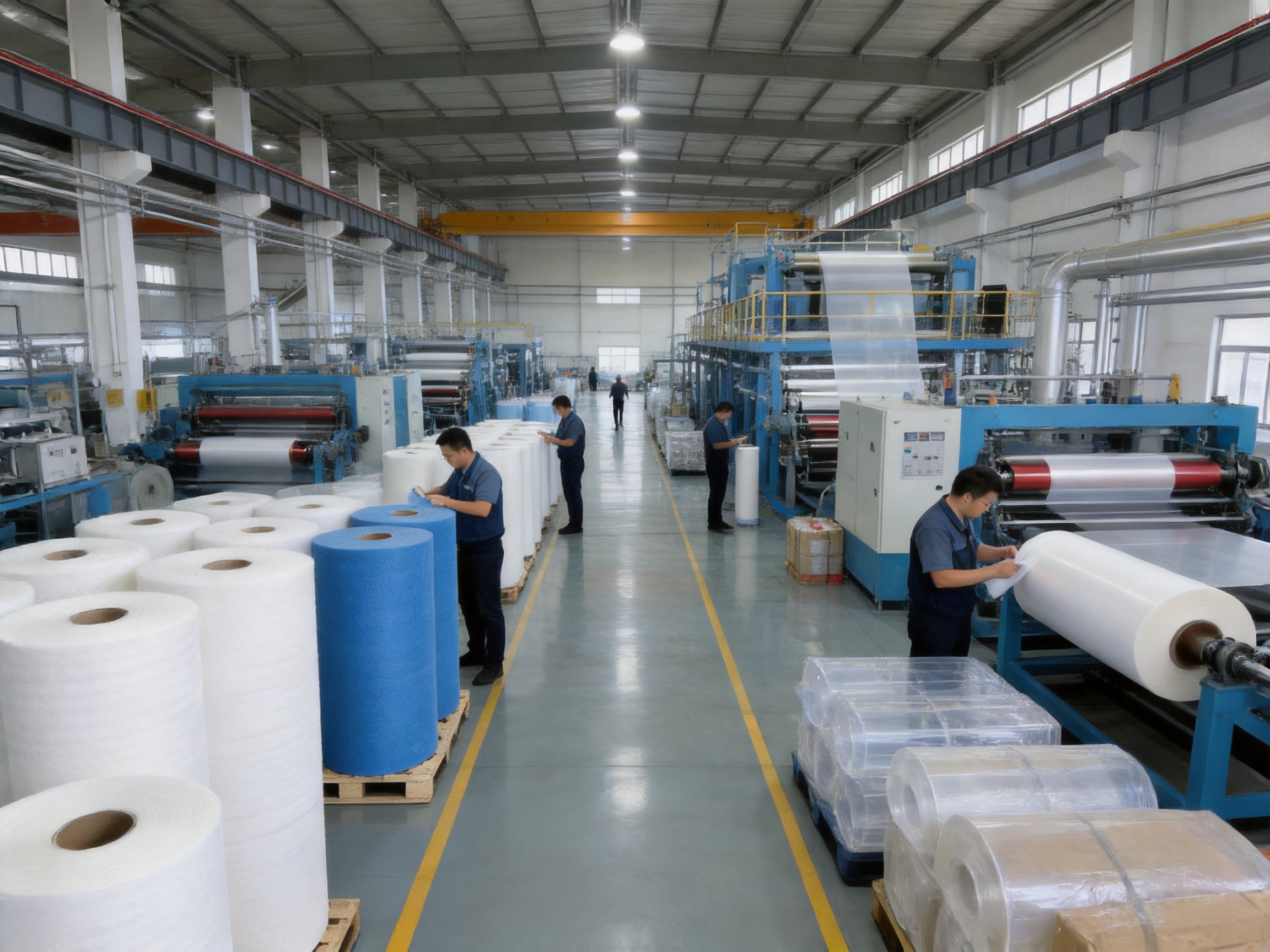
Wuxi Qida Tape Co., Ltd. is a factory specializing in protective films, adhesive materials, and surface protection solutions. Its manufacturing capabilities cover the development and production of products for stainless steel, aluminum, pre-coated metal, plastic panels, ceramic, carpets, decorative laminates, glass, flooring, and other surfaces.
The company’s production model includes multiple stages completed within its own factory. These stages include backing film production, adhesive coating, logo printing, rewinding, slitting, and packaging. Integrating these operations can improve process coordination, reduce dependence on multiple external suppliers, and support more consistent control over product specifications.
For a multilayer product such as Standard Surface Protection Felt, process coordination is important. The fleece, PE film, and adhesive must work together as a functional system. The film must provide the required barrier properties, the fleece must offer appropriate strength and handling performance, and the adhesive must balance secure attachment with clean removal.
The company has introduced advanced machines from Germany to support manufacturing. Modern equipment can improve coating uniformity, winding consistency, cutting accuracy, and production efficiency. In protective material production, these factors influence roll appearance, application behavior, adhesive distribution, and the reliability of finished goods.
Advanced machines also support repeatability when customers require regular deliveries with consistent specifications. Stable production conditions are particularly valuable for customized widths, fabric weights, adhesive levels, colors, and printed designs.
Qida Tape offers acrylic water adhesive, acrylic solvent adhesive, and natural rubber adhesive for different industry requirements. These adhesive technologies provide flexibility when developing or selecting protective materials for different surfaces and operating environments.
The appropriate adhesive depends on the substrate, required adhesion level, temperature, exposure conditions, application duration, and removal expectations. A professional manufacturer can help evaluate these factors and recommend a practical specification rather than treating every project as identical.
The company employs experienced technicians and engineers and works with research and development institutes to develop new protective film products. Its technical team can develop products according to customer technical data sheets or samples.
This capability is valuable for customers with requirements that fall outside standard catalog dimensions. For example, a customer may need a specific roll width, a particular adhesive strength, a custom PE color, a printed message, or a construction optimized for a particular surface. Product development based on samples and technical data can help convert a general requirement into a repeatable manufacturing specification.
Qida Tape has a testing laboratory and inspection equipment used to evaluate product quality. Testing and inspection are important for protective materials because performance depends on several connected characteristics, including adhesive behavior, film integrity, roll dimensions, appearance, and resistance during handling.
Quality control can include checks of raw materials, coating operations, finished rolls, packaging, and production records. While the exact testing program may vary by product, a controlled process helps reduce variation and supports more dependable delivery for professional users.
The company operates under ISO 9001 and ISO 14001 management systems. ISO 9001 relates to quality management practices, while ISO 14001 relates to environmental management systems. These certifications indicate a structured approach to process management and environmental responsibilities, subject to the scope of the relevant certifications and ongoing compliance requirements.
Factory-direct purchasing can provide advantages for importers, distributors, construction suppliers, flooring companies, and industrial users. Direct communication with the manufacturer may shorten the route between technical requirements and production decisions. It can also simplify discussions about packaging, labeling, roll dimensions, printed designs, and order planning.
Qida Tape has more than 20,000 square meters of factory area, over 95 experienced staff members, and an annual production capacity exceeding 12,000 tons. These resources support larger-scale production while also providing a foundation for customized orders and repeat supply programs.
The company exports to around 90 areas and serves customers in Europe, North America, Australia, the Middle East, Japan, and other regions. International experience can help a supplier understand different packaging expectations, documentation requirements, delivery schedules, and product compliance considerations.
Its stated advantages include customization, competitive cost, quality control, several adhesive choices, production capacity, research and development support, and attentive customer service. For buyers comparing suppliers, these factors may be as important as the product’s basic price because the total cost of a protection material also includes installation time, replacement frequency, packaging, transport, and post-project cleanup.
Temporary protection materials should be evaluated not only by their immediate performance but also by their complete use cycle. A product that can be wiped, vacuumed, reused, and removed without residue may help reduce cleaning materials and replacement consumption in suitable applications.
The company describes the protective fleece as environmentally friendly and free from harmful substances. Its management and product compliance information includes ISO 14001, SGS, RoHS, REACH, PFAS, and Proposition 65 testing or related compliance documentation. Buyers should request current documents and confirm that the test scope, product model, batch, and market requirements match their intended application.
Reusable protection can reduce waste when the material remains structurally sound and hygienic after use. Users should not reuse sections that have been heavily contaminated with hazardous chemicals, sharp particles, or materials that could be transferred to a new surface. Disposal should follow local regulations and the composition of the used product.
Environmental performance also depends on proper product selection. Choosing an unnecessarily heavy specification may increase material consumption, while selecting a product that is too light may lead to premature replacement. Matching fabric weight, width, adhesion, and roll length to the actual project can support more efficient resource use.
Protective felt rolls should be stored in a clean, dry location away from excessive heat, direct sunlight, moisture, and contamination. Rolls should remain in their original packaging until needed. They should be handled carefully to avoid crushing, puncturing, or deforming the edges.
Temperature can influence adhesive performance. Extremely cold conditions may reduce initial tack, while excessive heat may increase adhesion or affect handling. Before use, the material should be allowed to reach the working environment when practical.
Users should rotate stock according to a sensible inventory system and follow the manufacturer’s storage guidance. Long-term storage conditions can affect adhesive behavior and packaging integrity. For large projects, a small roll from the intended batch may be tested before full deployment.
During transportation, rolls should be protected from water, heavy compression, and sharp contact. Proper palletizing and packaging help preserve roll shape and reduce the possibility of damage before installation.
Loose plastic film is lightweight and inexpensive, but it can move easily, create wrinkles, and provide limited cushioning. It may also require tape or other fixing methods. Standard Surface Protection Felt offers a more structured covering with an adhesive backing, a fleece layer, and a PE barrier.
Paper and cardboard can provide basic impact or dirt protection, but they may absorb water, soften, tear, and allow liquids to reach the surface. PE-backed fleece is better suited to applications where water, paint, or other spills are possible.
Non-adhesive felt can offer cushioning but may shift during foot traffic or equipment movement. The self-adhesive backing of this product is designed to improve positioning. It also eliminates the need for separate tape in many ordinary applications.
Some adhesive films bond strongly to smooth surfaces but can be difficult to remove or may leave residue. The low-to-medium adhesion approach used for this protective felt is intended to provide a practical balance between attachment and removability.
Single-use drop cloths may be convenient for brief tasks but can generate more waste and may not remain stable over large areas. The robust and reusable structure of protective felt can provide better value when a project requires protection over a longer period or across multiple work phases.
Contractors can use the material to protect completed work while other trades continue operating. Faster installation, fewer tape requirements, and easy removal can reduce preparation and cleanup labor. Standardized rolls also make it easier to calculate material needs across multiple projects.
Flooring professionals can apply the felt after installation to reduce the risk of damage during subsequent decorating or fit-out work. The available widths and roll lengths allow protection of individual rooms, corridors, stairs, and larger commercial floors.
Distributors can offer several product configurations to meet the requirements of contractors, renovation companies, decorators, and facility managers. Custom colors, printing, packaging, and dimensions may help differentiate the product in regional markets.
Manufacturers working with metal, plastic panels, glass, ceramics, laminates, or finished components can use surface protection materials during handling, transportation, storage, and installation. Factory support for custom technical specifications can be useful when standard products do not meet a production line’s requirements.
Property managers can use temporary felt protection during repairs, tenant improvements, painting, maintenance, and equipment replacement. The ability to wipe or vacuum the covering can help maintain a cleaner occupied environment while work is underway.
Before placing an order, buyers should identify the surfaces to be protected, the expected duration of use, the level of traffic, the likely exposure to liquids, the required roll width, and the preferred adhesive strength. These details help the manufacturer recommend a suitable construction.
Important questions may include whether the surface is porous or non-porous, whether it has a fresh coating, whether the product will be used indoors or in a semi-exposed area, whether the material must be reused, and whether custom printing is required.
Buyers should also confirm the following information:
• Required fabric weight and overall construction.
• Roll width and length.
• PE film color and printing details.
• Adhesion level and target substrate.
• Packaging, carton, pallet, and labeling requirements.
• Sample approval and compatibility testing procedures.
• Quality inspection documentation.
• Compliance documentation for the destination market.
• Production lead time and delivery schedule.
• Storage recommendations and shelf-life guidance.
Clear specifications reduce the risk of receiving a product that is technically functional but not optimized for the intended project. They also help ensure repeat orders remain consistent.
It is designed for hard surfaces such as tiled floors, parquet, laminate flooring, stairs, kitchen worktops, ceramics, and sanitary ware. Compatibility should be tested on delicate, porous, freshly finished, or chemically sensitive surfaces before full application.
The PE film layer provides waterproof protection against liquids such as water, paint, and solvent under suitable temporary-use conditions. It should not be regarded as a permanent waterproofing membrane, and spills should be cleaned promptly.
No separate tape is normally needed because the reverse side has a self-adhesive coating. Additional fixing may be considered for unusual conditions, complex shapes, vertical areas, or locations with special safety requirements.
The product is designed for clean removal without glue transfer when used correctly on compatible surfaces and under suitable conditions. A test application is recommended before large-scale installation.
It can be reusable when it remains clean, intact, and sufficiently adhesive after removal. Reuse depends on traffic, contamination, liquid exposure, storage, and the condition of the material.
Fabric weights range from 100 to 250 grams. The appropriate weight depends on the required resistance, project duration, traffic level, and handling conditions.
Widths range from 300 to 1,500 millimeters, and roll lengths range from 5 to 100 meters. Custom requirements can be discussed with the manufacturer.
Blue, clear, white, and other color options may be available. Color selection can support visibility, identification, appearance, or customer packaging requirements.
Printing in up to three colors is available. Printed content may include logos, warnings, installation information, handling instructions, or project identification.
The supplier offers acrylic water adhesive, acrylic solvent adhesive, and natural rubber adhesive for different industrial requirements. The correct option depends on the surface and intended use.
Clean and dry the surface, test compatibility, measure the area, apply the adhesive side gradually, press the material flat, and inspect edges and joints. Wrinkles, trapped grit, and loose edges should be corrected before work begins.
Lift one edge and pull the felt back slowly and evenly. Controlled removal helps reduce the possibility of substrate damage and improves the chance of preserving the material for reuse.
Wuxi Qida Tape Co., Ltd. is located at No. 18 Wanshou Road, Qianzhou Town Industrial Park, Wuxi City, Jiangsu Province, China, Post Code 214181.
Buyers can contact the company by telephone at 0086-13771122281 or by email at sales@qidatape.com. They should provide the target surface, application conditions, dimensions, expected order quantity, and any required compliance documentation.
Standard Surface Protection Felt provides a balanced solution for temporary protection of finished hard surfaces. Its multilayer design combines non-woven synthetic fleece, PE waterproof film, and self-adhesive backing to address several common job-site problems at once: movement, liquid penetration, abrasion, contamination, installation time, and adhesive residue.
Its advantages over basic plastic, paper, cardboard, loose felt, and aggressive adhesive films include secure positioning, waterproof protection, practical durability, clean removal, easy cleaning, and the possibility of reuse. The available range of fabric weights, widths, roll lengths, adhesive levels, film colors, and printing options allows the product to be matched to different projects and customer requirements.
Behind the product is a factory-based manufacturing system that includes backing film production, adhesive coating, printing, rewinding, slitting, packaging, technical development, testing, and quality control. Wuxi Qida Tape Co., Ltd. combines advanced equipment, experienced technicians, research and development support, several adhesive technologies, and international supply experience to provide customized surface protection solutions.
For contractors, distributors, manufacturers, flooring professionals, and facility managers, the product can support cleaner, safer, and more efficient work. Careful surface preparation, compatibility testing, correct specification, regular inspection, and controlled removal will help users achieve the best performance from the protective felt.
1. Wuxi Qida Tape Co., Ltd. Product Information Sheet: Standard Surface Protection Felt.
2. Wuxi Qida Tape Co., Ltd. Technical Information on Protective Films and Surface Protection Solutions.
3. ISO 9001, Quality Management Systems: Requirements.
4. ISO 14001, Environmental Management Systems: Requirements with Guidance for Use.
5. General industry guidance for temporary protection of flooring, worktops, ceramics, glass, laminates, and finished construction surfaces.
6. General principles of adhesive compatibility testing for temporary surface protection products.
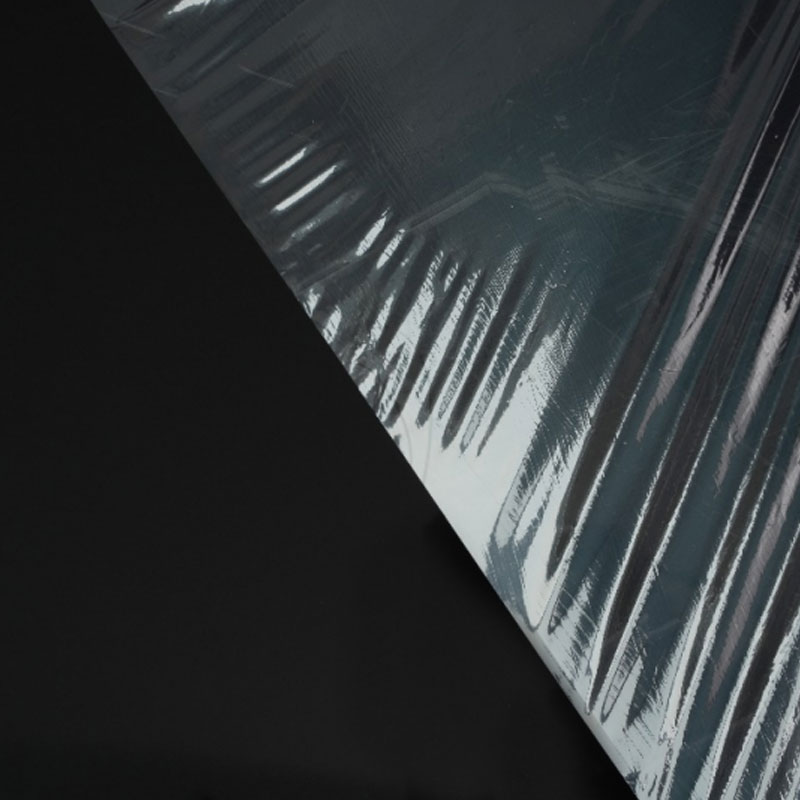
● No “ghost shadow” or “fish eye” after removal; ● Stable adhesion level; ● UV resistance for up to 6 months; ● Can print customized logo or applicati...
See Details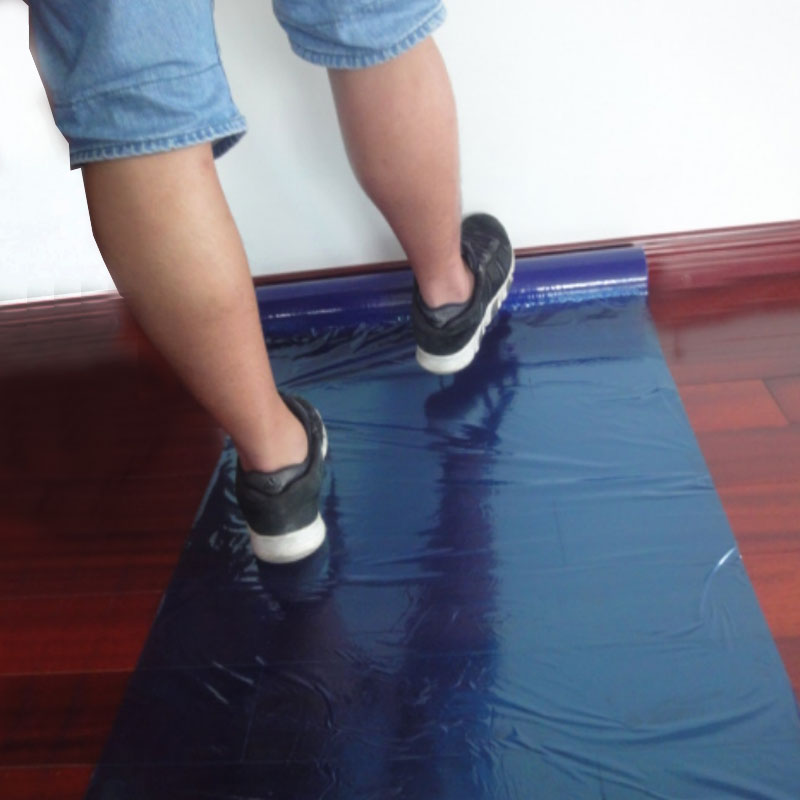
● Patented adhesive formula suits all hard surfaces such as hardwood floors, laminate floors, ceramic, marble, tile, granite, vinyl, worktops, and gla...
See Details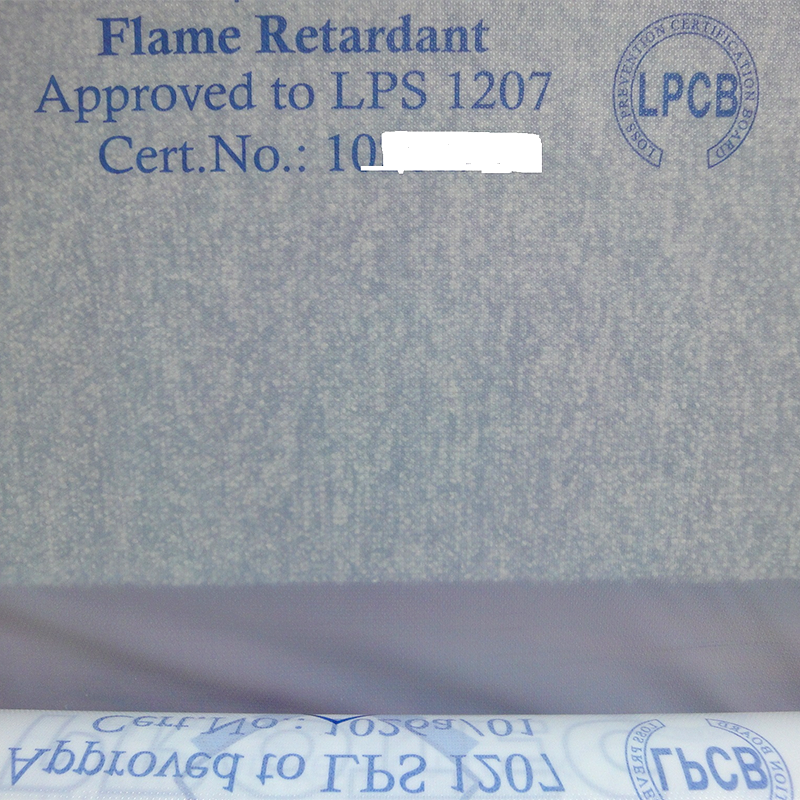
● Prevents costly damages in case of fire /flame;● Meet the strict international test standards of loss prevention; ● Extensive selection for flame re...
See Details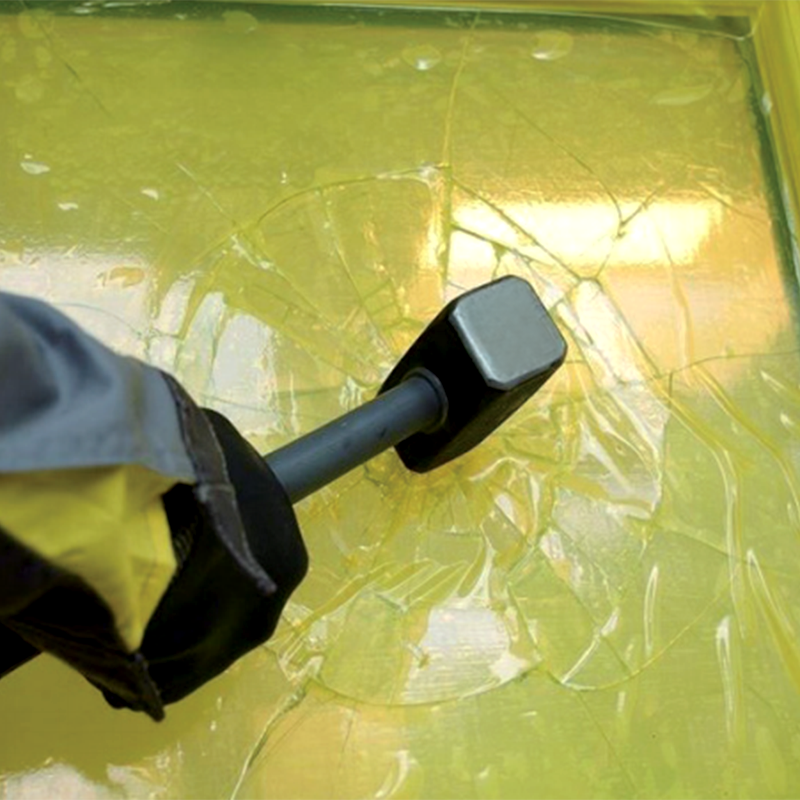
● The super tough polyethylene film with super high adhesion can stop the glass splitting and falling off during window glass demolition process;● Non...
See Details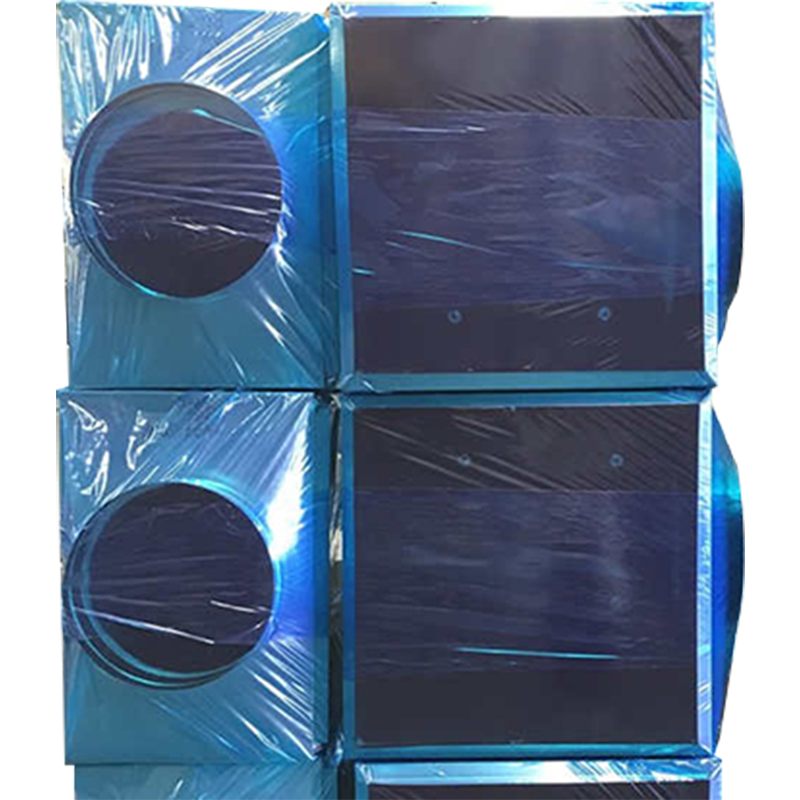
● The super-tough polyethylene film resists puncture and penetration by liquid and dirt during storage, transportation, and installation of the ductwo...
See Details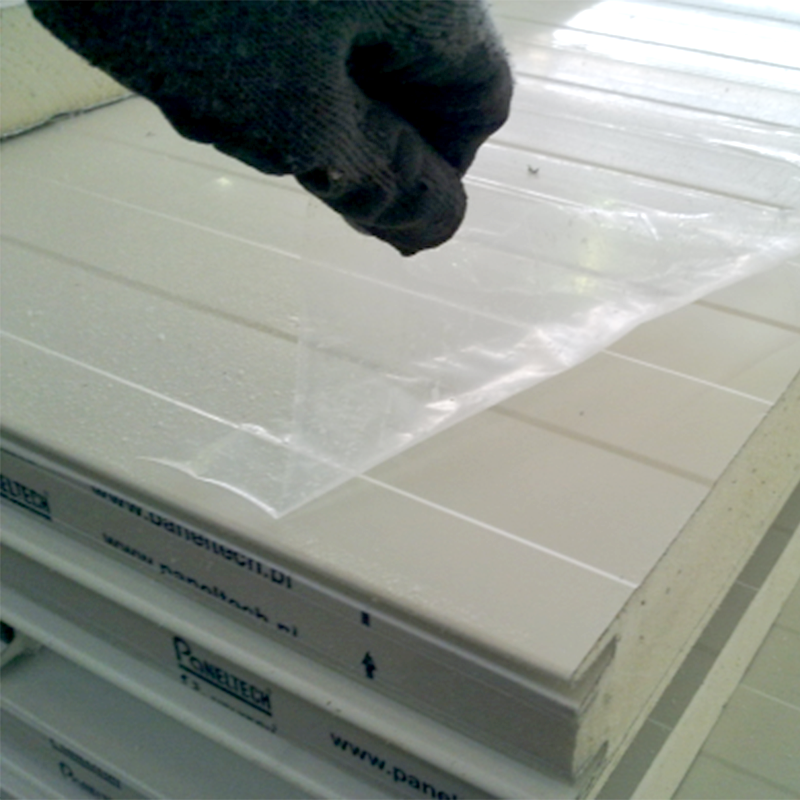
● The specially formulated adhesive ensures easy application and removal without leaving residue glue on the sandwich panels; ● The super-tough polyet...
See Details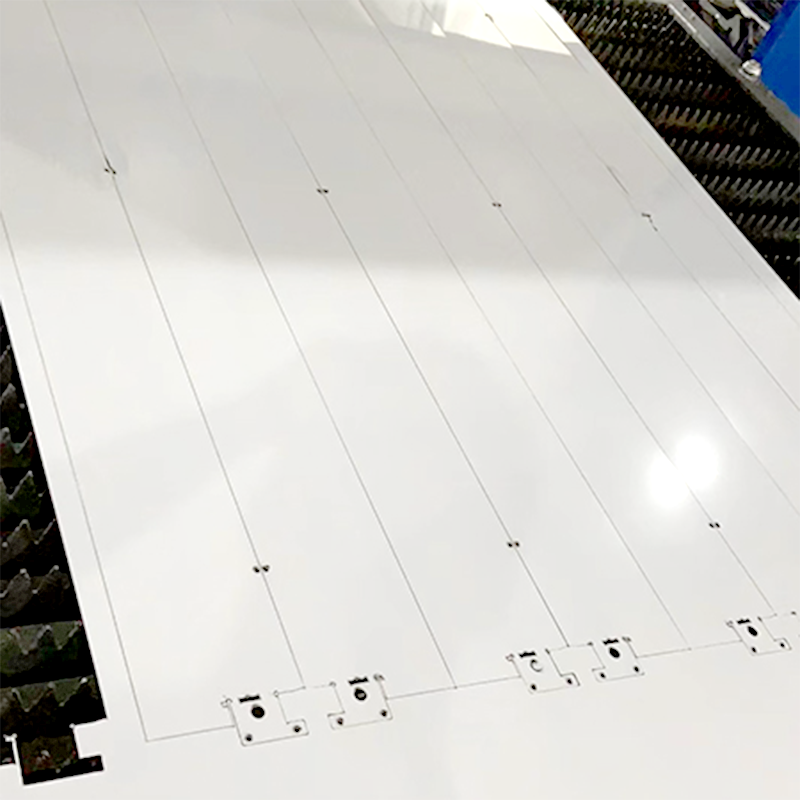
● The specially formulated natural rubber adhesive suitable for both CO2 and Fiber laser cutting processes;● High cutting quality without burr or trac...
See Details
● The specially formulated adhesive ensures easy application and removal without leaving residue glue; ● The super-tough polyethylene film protects ag...
See Details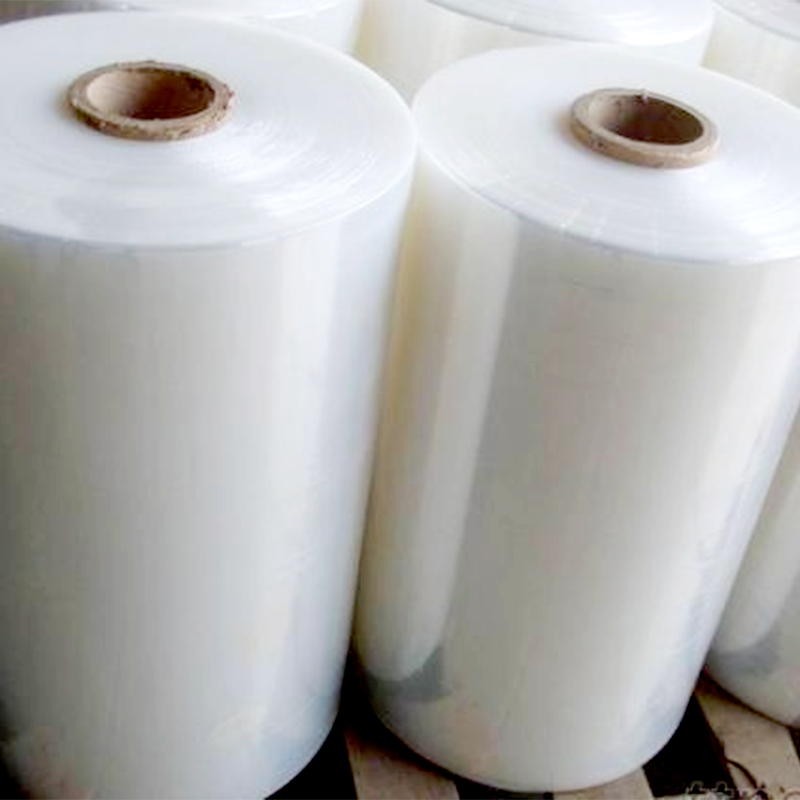
● Excellent puncture and tear resistance; ● Self-adhering-each layer of film bonds to the next for added strength; ● Big roll size to save cost and re...
See Details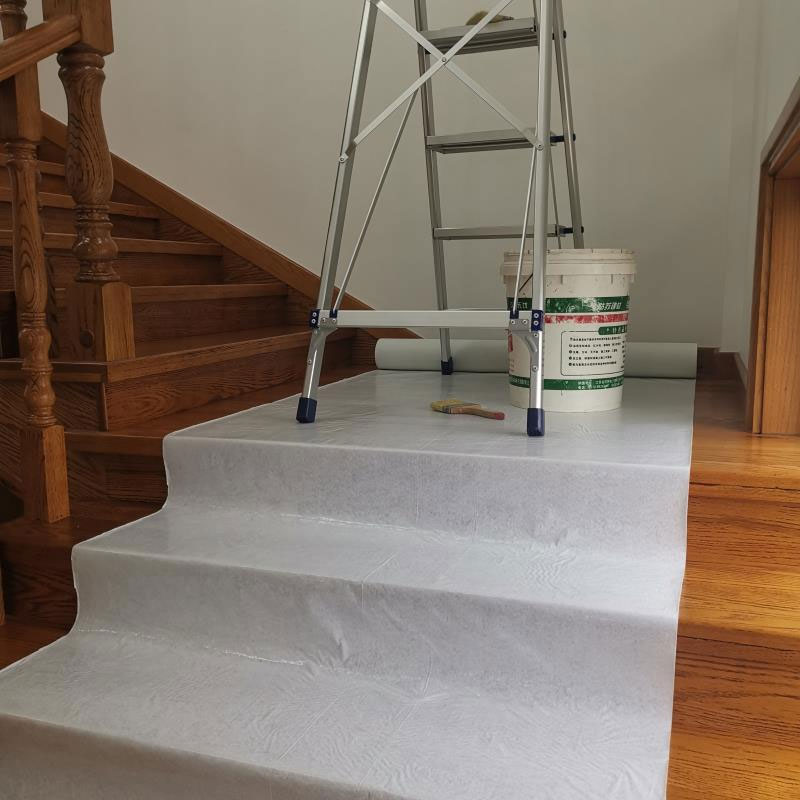
This product has non-woven synthetic fleece in middle; Breathable PE film adhered onto top of the non-woven fabric, which is coated with self adhesive...
See DetailsWe’re a reliable partner that shapes our expertise into success for your project.

Copyright 2024 Wuxi Qida Tape Co., Ltd. All Rights Reserved
 Wholesale Protective Film/Foil Manufacturers
Privacy
Wholesale Protective Film/Foil Manufacturers
Privacy