

 English
 English
 русский
 Français
 Español
 Português
 عربى
عربى

Cat:Glue -coated Protective Film
● Good weatherability for outdoor exposure; ● Stable adhesion level; ● UV resistance for up to 12 months; ● Can print customized logo or application i...
See Details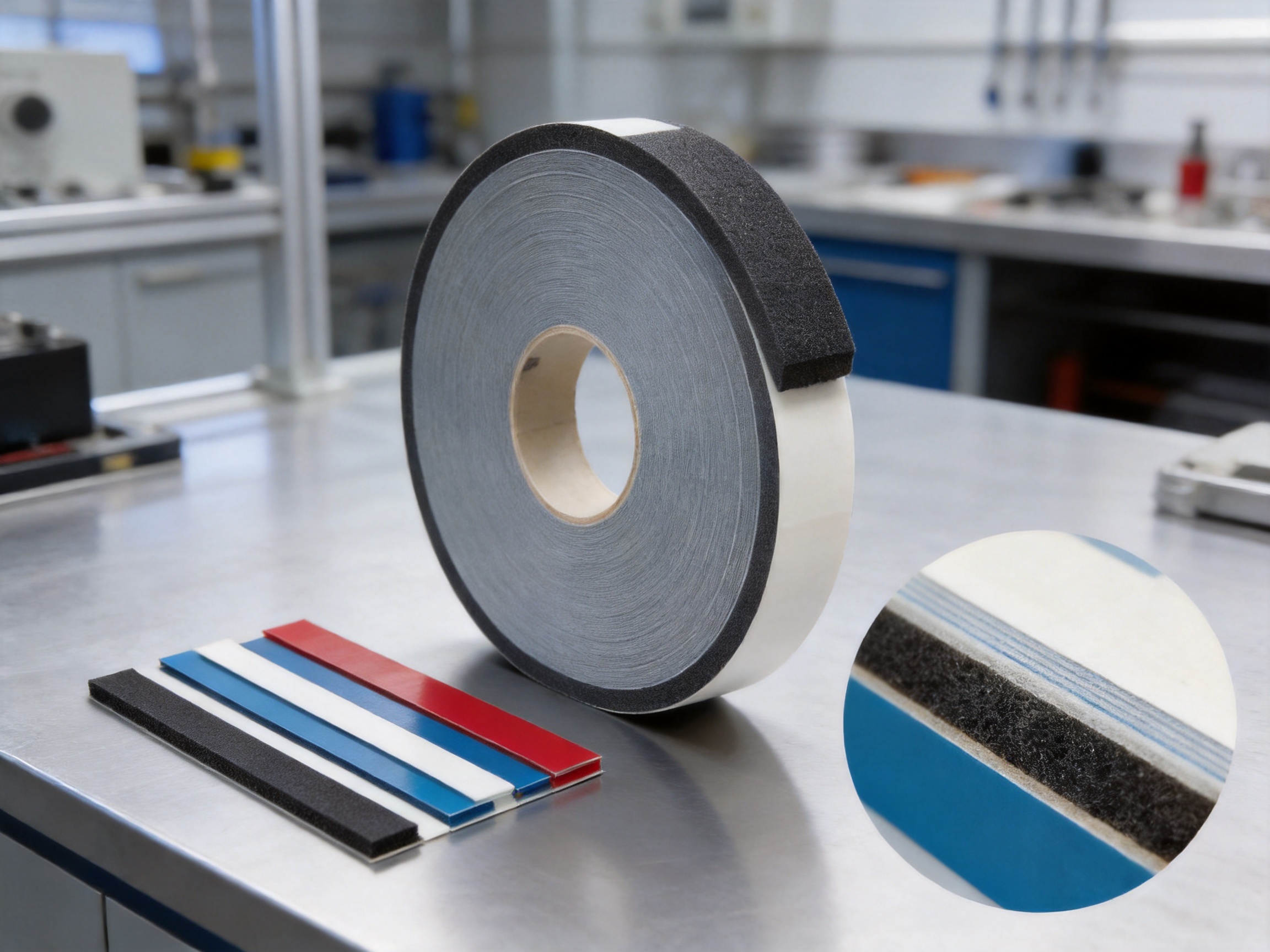
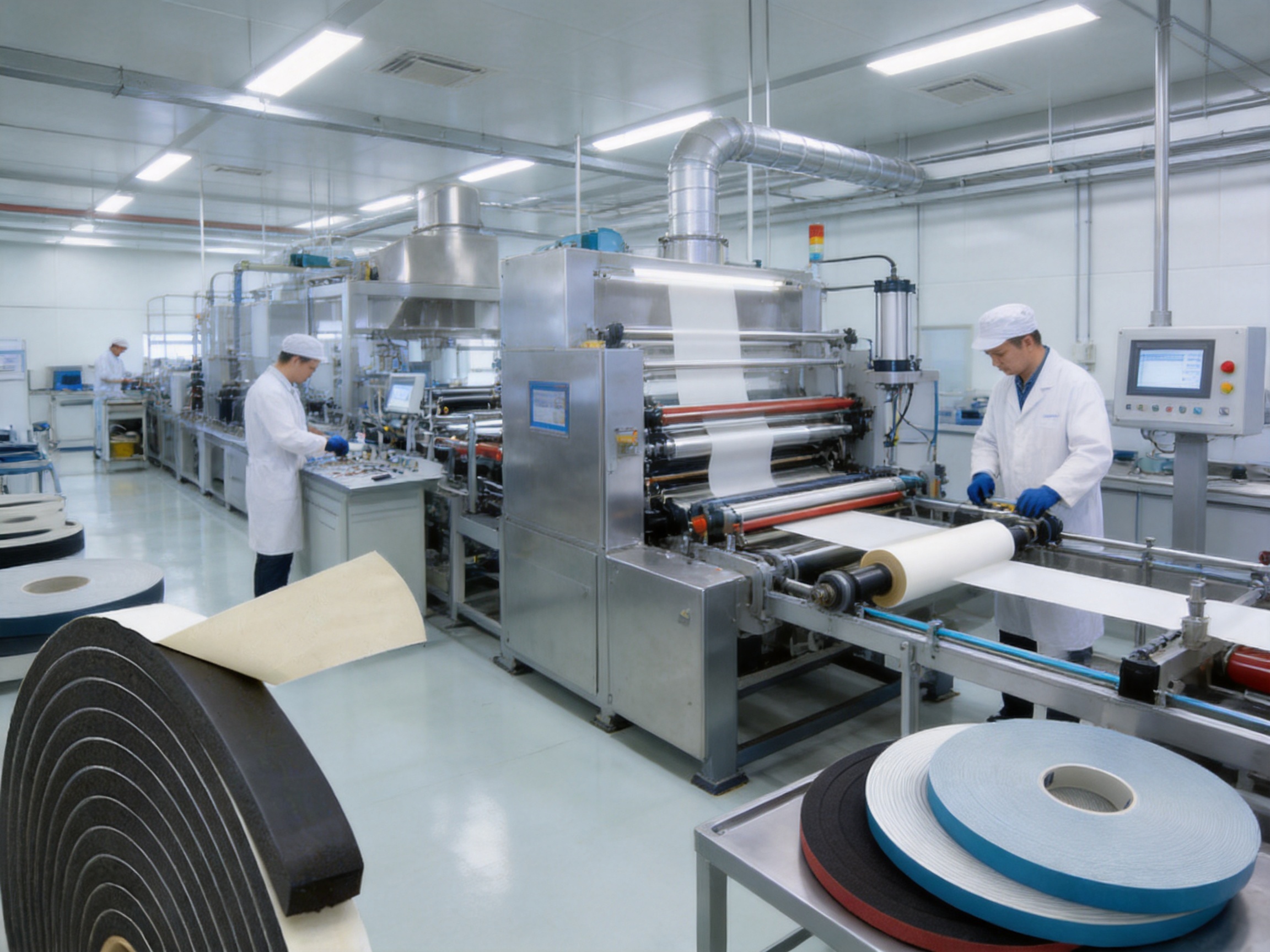
Double-sided foam tape is a versatile bonding material designed to join two surfaces while also providing cushioning, sealing, vibration control, and dimensional compensation. Unlike ordinary flat adhesive tape, it combines a foam carrier with adhesive coatings on both sides. This construction allows the tape to conform to uneven surfaces, absorb impact, reduce noise, and create a clean bond without visible screws, rivets, or mechanical fasteners.
As manufacturers continue to seek lighter assemblies, faster production methods, and more attractive finished products, double-sided foam tape has become an important alternative to traditional fixing systems. It is used in automotive components, electronic equipment, furniture, signage, building materials, packaging, household products, and many other industries. The material can be customized by substrate, foam color, liner color, thickness, adhesive chemistry, width, length, and die-cut shape.
Wuxi Qida Tape Co., Ltd. is a Chinese manufacturer specializing in protective films, adhesive tapes, and surface protection solutions. Its double-sided foam tape portfolio is supported by in-house backing film production, adhesive coating, logo printing, rewinding, slitting, packaging, inspection, and technical development. This integrated approach helps provide consistent quality, flexible customization, and dependable delivery for distributors, converters, manufacturers, and industrial users.
Double-sided foam tape is an adhesive tape with a foam carrier coated on both sides. The foam may be made from materials such as IXPE or PVC, while the adhesive may be acrylic solvent adhesive or silicone adhesive, depending on the intended application. A release liner, commonly made from polyethylene-coated paper or film, protects the adhesive surfaces before use.
The foam carrier gives the product thickness and elasticity. It helps the tape accommodate small surface irregularities and maintain contact even when the bonded materials are not perfectly flat. The adhesive coatings create the bonding force, while the liner protects the tape during storage, transport, die cutting, and application.
Compared with thin double-sided film tape, foam tape offers greater gap-filling ability and improved shock absorption. Compared with mechanical fasteners, it can create a cleaner appearance and reduce the need for drilling or additional assembly operations. Compared with some liquid adhesives, it is easier to handle, requires no mixing, and can be applied immediately when the liner is removed.
The foam substrate is the structural core of the tape. IXPE, or cross-linked polyethylene foam, is valued for its closed-cell structure, light weight, flexibility, water resistance, and cushioning performance. It can provide a stable backing for adhesive coatings and is suitable for applications that require a balance of softness, resilience, and dimensional stability.
PVC foam is another available substrate. It can provide a different combination of flexibility, strength, surface compatibility, and cost performance. The choice between IXPE and PVC depends on the application, bonding surfaces, required thickness, environmental conditions, and processing method.
A well-selected foam carrier helps the tape maintain contact during temperature changes and minor movement between bonded components. It also supports the tape’s ability to reduce vibration and absorb impact. In practical assembly, the carrier must be strong enough to resist splitting or stretching during application while remaining flexible enough to follow the shape of the bonded surfaces.
The adhesive is responsible for establishing and maintaining the bond. Qida Tape offers acrylic solvent adhesive and silicone adhesive options for different application requirements. Acrylic solvent adhesive can provide strong adhesion and good resistance to aging, temperature variation, and environmental exposure when properly selected for the substrate.
Silicone adhesive is appropriate for applications that require specialized performance, including bonding to certain low-surface-energy materials or maintaining adhesion over a broader temperature range. The final selection should be based on the surfaces, contact pressure, temperature, humidity, chemical exposure, duration of use, and whether the bond is intended to be permanent or temporary.
Adhesive performance is influenced by more than the adhesive formula alone. Coating weight, coating uniformity, drying conditions, curing, storage, liner release, and application pressure all affect the final result. For this reason, professional tape manufacturing requires controlled coating equipment, clean production conditions, and systematic inspection.
The release liner protects both adhesive surfaces before use. Available liner colors include blue, red, and white. Color can help identify the product, distinguish the two adhesive sides, support branding, or improve visibility during manual application and automated processing.
The liner must release smoothly without removing excessive adhesive or leaving contamination behind. It should also provide sufficient protection during rewinding, slitting, die cutting, storage, and transportation. A liner that is too difficult to remove can slow production, while a liner with insufficient release force may separate prematurely during handling.
The standard product range includes several thickness options, including 0.8 millimeter, 1.0 millimeter, 1.6 millimeters, 2.0 millimeters, 2.5 millimeters, and 3.0 millimeters. Other thicknesses may be developed according to customer requirements, technical drawings, samples, or application trials.
| Item | Available Specification | Application Significance |
|---|---|---|
| Foam substrate | IXPE or PVC | Determines flexibility, cushioning, water resistance, and conformability |
| Foam color | Black, white, or gray | Supports appearance requirements and product identification |
| Release liner color | Blue, red, or white | Improves handling, separation, and visual identification |
| Thickness | 0.8 mm, 1.0 mm, 1.6 mm, 2.0 mm, 2.5 mm, 3.0 mm, and customized options | Controls gap filling, cushioning, and assembly tolerance |
| Adhesive type | Acrylic solvent or silicone | Selected according to surface and environmental requirements |
| Elongation | At least 160 percent | Supports flexibility and adaptation to component movement |
| Heat resistance | Approximately -30°C to 90°C | Suitable for many indoor, transportation, and industrial environments |
These specifications are general product information. The actual performance of a finished tape depends on the selected substrate, adhesive, coating weight, thickness, liner, roll dimensions, storage conditions, and bonding surfaces. For critical applications, customers should confirm the required values through technical data sheets and application testing.
The most important advantage of double-sided foam tape is its ability to bond two surfaces without visible mechanical fasteners. Adhesive is applied to both sides of the foam, creating a continuous bonding area. When the tape is correctly selected and applied, it can distribute stress across a broad area instead of concentrating force at a few screw holes or rivet points.
This broad bonding area can improve the appearance of finished products and simplify assembly. It is particularly useful when drilling would damage the surface, when a component is too thin for a screw, or when the product design requires a smooth exterior. The tape can also reduce the number of parts needed for assembly and help manufacturers achieve more consistent production times.
Compared with lower-grade tapes, a professionally manufactured foam tape is designed to provide consistent coating, stable adhesion, and reliable handling. Uniform adhesive coverage helps prevent weak spots, edge lifting, and irregular bonding. It also supports more predictable results in automated or semi-automated production.
The foam structure can help close small gaps between components and create a barrier against water, dust, and air movement. This makes double-sided foam tape useful for trim attachment, panel assembly, display components, signs, enclosures, and packaging applications where a clean interface is needed.
Water resistance does not mean that every tape is suitable for permanent immersion or high-pressure sealing. The final performance depends on the foam structure, adhesive system, surface condition, edge exposure, temperature, and duration of contact with moisture. Nevertheless, a suitable closed-cell foam tape can offer a practical level of protection in many humid or outdoor environments.
Open gaps can allow dust and other particles to enter an assembly. When foam tape is compressed between two surfaces, it can help reduce the passage of dust through minor irregularities. This is useful in equipment housings, display assemblies, decorative panels, and packaging where cleanliness and appearance are important.
The dust-prevention effect is improved when the bonded surfaces are clean, dry, and properly aligned. Application pressure should be sufficient to establish full contact, and the tape should be selected with an appropriate thickness so that it can fill the joint without excessive compression.
Some assemblies experience movement because of thermal expansion, vibration, material flexibility, or manufacturing tolerances. A foam carrier can compensate for small differences between the panel and frame. Its low-resilience characteristics can help reduce excessive rebound after compression, supporting a closer and more stable fit.
This quality is important when bonding decorative panels, nameplates, trims, moldings, and other components that must remain flush with a supporting frame. The tape can also help reduce the visual effect of minor surface variations. By selecting the correct thickness, engineers can manage gaps without adding separate spacers or cushioning parts.
Foam tape provides more than adhesion. It can absorb and dissipate part of the energy created by impact, vibration, and movement. The product information indicates an absorption rate of more than 55 percent under the relevant testing conditions. Actual results vary according to foam density, thickness, compression, impact energy, temperature, and test method.
In automotive applications, this cushioning effect can help reduce vibration between trim pieces, panels, seals, and supporting structures. In electronic equipment, the tape can help protect components from minor shock and vibration during operation or transportation. In packaging, it can help keep products in place and reduce direct contact with hard surfaces.
Foam tape can also reduce noise caused by component-to-component contact. When two rigid surfaces rub or vibrate against each other, they may generate rattling or squeaking. A properly selected foam tape layer can separate the surfaces and reduce this unwanted movement.
The stated heat resistance range is approximately -30°C to 90°C. This range covers many indoor, transportation, construction, packaging, and general industrial applications. The tape can maintain useful bonding performance in cold conditions and during exposure to elevated temperatures within the specified range.
Humidity and temperature resistance are especially important where a product may be stored in a warehouse, transported across climate zones, installed outdoors, or exposed to seasonal changes. Acrylic solvent and silicone adhesive systems may respond differently to heat, moisture, and surface chemistry, so the adhesive should be selected according to the service environment.
For demanding applications, testing should include temperature cycling, high humidity, aging, peel adhesion, shear holding power, and resistance to the chemicals likely to be present. Qida Tape’s technical team can assist customers in evaluating the suitable structure and adhesive option.
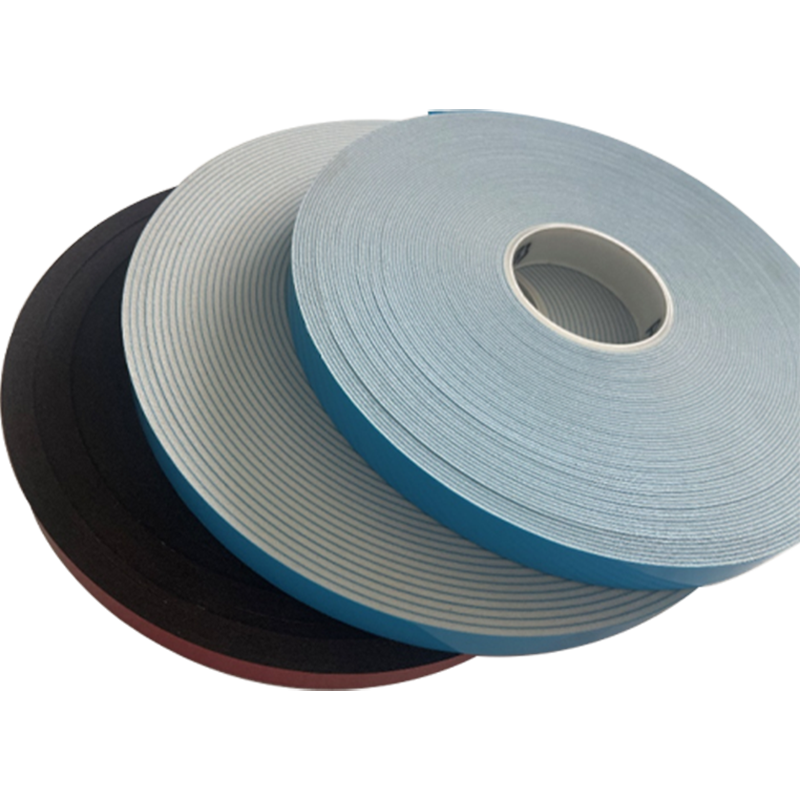
Double Sided Foam Tape
Screws and rivets provide strong mechanical fixation, but they require holes, tools, labor, and additional design space. Drilling can damage decorative surfaces and may create points where corrosion or cracking begins. Mechanical fasteners can also remain visible, which may be undesirable in consumer products, furniture, displays, vehicles, and architectural panels.
Double-sided foam tape offers a clean, distributed bonding method without drilling. It can reduce assembly steps and help preserve the appearance of the product. It is particularly advantageous for light and medium components that do not require structural mechanical fastening. In some designs, tape and mechanical fasteners may be used together to provide both immediate positioning and long-term reinforcement.
Liquid adhesives can provide strong bonding, but they may require dispensing equipment, mixing, curing time, ventilation, and careful control of application quantity. Excess adhesive can spread outside the joint, while insufficient adhesive can create weak areas. Some liquid systems also produce odor or require special handling procedures.
Double-sided foam tape is supplied in a ready-to-use format. The operator removes the liner, positions the tape, applies pressure, and completes the assembly. This can simplify training and reduce mess. The tape also provides a predictable thickness, which helps control the bond line and fill small gaps.
Thin film tape is useful for smooth surfaces and applications where minimal thickness is required. However, it may not accommodate uneven surfaces as effectively as foam tape. Foam tape provides greater thickness, cushioning, and gap-filling capacity. It is therefore better suited to assemblies where vibration, impact, surface irregularity, or thermal movement must be managed.
The choice should be based on the application rather than on thickness alone. Thin tape may be preferred for flat, rigid, closely matched surfaces, while foam tape is often more suitable where a resilient interface is needed.
Clips and snap-fit components can be efficient, but they require specific part designs, molds, tolerances, and assembly access. They may also create local stress concentrations or visible marks. Foam tape can join components without redesigning the entire structure and can help distribute stress over a larger area.
For products that require frequent disassembly, clips may remain the better choice. For permanent or semi-permanent attachment, however, double-sided foam tape can offer a simpler and more visually appealing solution.
Automotive production requires materials that can tolerate vibration, temperature changes, humidity, and repeated movement. Double-sided foam tape can be used for interior trim, emblems, moldings, seals, sound-insulation components, decorative elements, and selected mounting applications.
In vehicle doors, the tape may help attach trim and sealing elements while reducing rattling between adjacent parts. In hoods and chassis areas, foam-based adhesive materials can contribute to vibration reduction and cushioning. In dashboards and interior panels, the tape can support clean attachment without exposed fasteners.
Automotive bonding requires careful testing because surfaces may include painted metals, plastics, coated materials, textiles, and low-surface-energy polymers. Cleanliness is essential. Mold release agents, oil, dust, plasticizer migration, and surface coatings can reduce adhesion. Primer, surface treatment, or a specialized adhesive may be necessary for certain substrates.
The tape thickness should also be selected carefully. A thicker tape may provide better cushioning and tolerance compensation, but excessive thickness can affect alignment or create unwanted movement. A thinner tape may provide a more precise fit but may not absorb enough vibration. Qida Tape can develop and convert rolls according to the customer’s dimensions and application process.
Electronic equipment often contains compact components that must be fixed securely without adding excessive weight. Double-sided foam tape can be used for mounting displays, labels, batteries in selected designs, bezels, insulating components, cable-management parts, and protective cushions.
The tape can help protect components from minor shock and vibration while reducing the need for screws or brackets. It can also support a neat appearance by concealing the bonding layer behind the component. In portable equipment, a lightweight foam interface may help reduce noise caused by loose parts.
Electronic applications require attention to temperature, outgassing, electrical insulation, flame behavior, and compatibility with plastics. The adhesive must not damage the substrate or migrate into sensitive components. Where required, customers should request appropriate compliance documentation and perform product-level testing.
Qida Tape’s available adhesive options and customization capabilities allow the tape structure to be adjusted for different electronic assemblies. Roll width, core size, thickness, liner type, and die-cut shape can be coordinated with manual or automated production methods.
Furniture manufacturers use adhesive tapes to attach edge trims, decorative strips, labels, panels, moldings, mirrors, and lightweight hardware. Double-sided foam tape can help create a smooth surface without visible screws or nails. It can also compensate for small gaps between a decorative layer and its supporting structure.
In cabinets and interior fittings, the tape may be used with wood, laminate, metal, plastic, glass, and coated surfaces. The selected adhesive must be compatible with the substrate and any finishes or cleaning agents used during production. Proper pressure and sufficient dwell time help establish reliable adhesion.
For decorative installations, appearance is a major consideration. Black, white, and gray foam colors can be selected according to the color of the components or the visibility of the tape at the edge. Red, blue, and white release liners can support different production and identification requirements.
Packaging is one of the important application areas for double-sided foam tape. The product can help fix items inside boxes, attach inserts, secure protective pads, mount decorative elements, and close selected package components. Its cushioning effect can reduce movement during transportation and storage.
Fragile products such as glassware, ceramics, electronic equipment, and precision instruments may benefit from foam tape used together with other cushioning materials. The tape can hold the product or insert in position while foam blocks, molded pulp, corrugated structures, or protective films provide additional protection.
The tape can also help seal gaps against dust and moisture in suitable packaging designs. It should not be treated as a universal replacement for heat sealing, water-resistant packaging film, or high-performance closure systems, but it can provide a convenient bonding layer for many secondary packaging operations.
Double-sided foam tape is easy to cut, slit, rewind, and apply. This supports both manual and automated packaging lines. Pre-cut pieces, rolls, tabs, and custom shapes can reduce handling time and improve placement accuracy. The release liner can be printed or color-coded to assist operators in identifying the correct product.
In high-volume production, consistent roll dimensions and controlled adhesive coating are important. Variations in thickness, liner release, or edge quality can cause feeding problems and production interruptions. Integrated manufacturing and inspection help reduce these risks.
Packaging manufacturers are under pressure to reduce material waste and improve resource efficiency. Double-sided foam tape can reduce the need for screws, clips, excess plastic parts, and additional protective materials in some designs. Its lightweight construction may also reduce the total weight of a package.
Environmental performance depends on the full product structure, including the foam, adhesive, liner, packaging, and end-of-life process. Customers should select materials according to the recycling or disposal requirements of the final product. Qida Tape supports compliance and product evaluation through management systems and testing related to ISO 14001, RoHS, REACH, PFAS, and Prop 65 requirements where applicable.
Double-sided foam tape can be used to attach signs, lettering, decorative panels, trim, and selected building components. Its ability to bond without visible fasteners is valuable in retail displays, interior decoration, exhibition systems, and architectural finishes.
Outdoor applications require special attention to ultraviolet exposure, temperature variation, rain, wind load, substrate movement, and surface contamination. The tape must be selected according to the weight and dimensions of the attached component. Heavy or safety-critical installations may require mechanical support in addition to adhesive bonding.
For signage and displays, the tape can shorten installation time and improve the finished appearance. It can also help position components during assembly. Different foam colors and thicknesses can be selected to match the design and compensate for irregular surfaces.
In architectural applications, substrate preparation is particularly important. Dust, chalking, moisture, release agents, silicone contamination, and weak coatings may cause failure even when the tape itself is high quality. A test bond should be completed before large-scale installation.
A major advantage of an established tape manufacturer is the ability to control multiple stages of production in one facility. Qida Tape completes processes including backing film production, adhesive coating, logo printing, rewinding, slitting, and packaging in its own factory. This integrated model allows production parameters to be coordinated and reduces dependence on multiple outside suppliers.
In-house production supports better control of raw materials, coating consistency, roll dimensions, packaging quality, and traceability. It also makes it easier to respond to customer requests for special widths, lengths, colors, liner combinations, adhesive systems, and packaging formats.
The backing or foam carrier must have stable thickness, consistent density, suitable tensile properties, and a uniform surface for adhesive coating. Production equipment and process control help limit variation across the width and length of the material.
Before coating, the backing may be inspected for surface defects, contamination, thickness variation, and mechanical damage. Stable backing quality provides a reliable foundation for the adhesive layer and supports smooth downstream processing.
Adhesive coating is one of the most important manufacturing stages. The adhesive must be applied evenly across the foam surface at a controlled coating weight. Uneven coating may produce low-adhesion areas, excessive ooze, edge lifting, or inconsistent release during application.
Advanced coating machinery introduced from Germany supports accurate and repeatable processing. Controlled coating, drying, and curing conditions help develop the required adhesive properties. The production team monitors parameters according to the selected adhesive system and product specification.
Coating conditions must be carefully controlled for acrylic solvent and silicone adhesives because each chemistry has different processing requirements. Drying temperature, line speed, viscosity, solvent removal, curing, and ventilation all influence final performance.
After coating, the foam and adhesive layers are laminated with the release liner. Lamination pressure, alignment, web tension, and surface cleanliness must be controlled to avoid wrinkles, bubbles, telescoping, or poor liner contact.
A correctly laminated liner protects the adhesive and enables efficient conversion. It should remain securely attached during storage and processing while releasing smoothly at the point of application. This balance is essential for both manual use and automated dispensing.
Large master rolls are converted into narrower rolls according to customer requirements. Rewinding and slitting must maintain accurate width, controlled tension, clean edges, and stable roll hardness. Poorly controlled slitting can create loose edges, wrinkles, adhesive transfer, or telescoping.
Qida Tape’s own rewinding and slitting processes allow products to be prepared for different equipment and industries. Custom roll widths and lengths can help reduce waste and improve production efficiency for customers.
Logo printing and product identification can be incorporated when required. Printed liners or packaging help distinguish product grades, provide handling information, and support customer branding. Packaging must protect the rolls from dust, moisture, compression, and excessive heat during transportation.
Careful packaging is particularly important for adhesive products because storage conditions can influence tack, release, and long-term stability. Finished goods should be stored in a clean, dry environment and protected from direct sunlight and extreme temperature.
Qida Tape operates a testing laboratory and uses inspection equipment to monitor product quality. Typical evaluations for double-sided foam tape may include thickness, width, liner release, peel adhesion, holding power, tensile strength, elongation, temperature resistance, aging, and appearance.
Testing methods should be selected according to the product specification and final application. A laboratory result is meaningful only when the sample preparation, substrate, pressure, dwell time, temperature, and test speed are controlled. Customers with specialized requirements should provide technical data sheets or reference samples for comparison.
Different industries require different tape constructions. A display manufacturer may need a narrow roll with a white foam carrier and a high-adhesion acrylic system. An automotive customer may require black foam, a specific thickness, high temperature resistance, and custom die-cut parts. A packaging customer may prioritize easy release, cushioning, and high-speed application.
Customization can cover the foam substrate, foam color, liner color, adhesive type, thickness, roll width, roll length, core size, printed liner, packaging, and die-cut shape. Product development may be based on a customer’s sample, drawing, technical data sheet, or description of the operating environment.
Qida Tape’s engineering and technical personnel work with customers to select a practical structure. They can consider bonding surfaces, component weight, application temperature, storage conditions, expected service life, required removability, and production equipment.
Customization should not focus only on initial adhesion. Long-term performance, aging, temperature cycling, humidity, vibration, chemical contact, and removal behavior may be equally important. A tape that bonds strongly at the moment of application may not be suitable if it loses adhesion after environmental exposure or damages the surface during removal.
Surfaces should be clean, dry, and free from dust, oil, grease, moisture, release agents, and loose particles. Smooth, high-energy surfaces generally provide better adhesion than rough or contaminated surfaces. Some plastics and painted surfaces may require cleaning or surface treatment before application.
The tape should be cut to the required length or shape before the liner is removed. Operators should avoid touching the adhesive with their fingers because skin oils and contamination can reduce bonding performance. Positioning should be planned carefully because pressure-sensitive adhesive may bond quickly once contact is made.
Firm, even pressure should be applied over the full bonding area. Pressure helps the adhesive wet out the surface and improves contact with small irregularities. The required pressure and dwell time depend on the adhesive system, substrate, temperature, and application process.
Many pressure-sensitive adhesives develop higher bond strength over time. The assembly should not be subjected to maximum load immediately unless the application has been validated for that condition. Temperature, humidity, surface energy, and contact pressure influence the rate of bond development.
Rolls should be stored in a dry, clean location away from direct sunlight, heat sources, and chemicals. The original packaging should remain intact until use. Correct storage helps preserve adhesive performance and liner release characteristics.
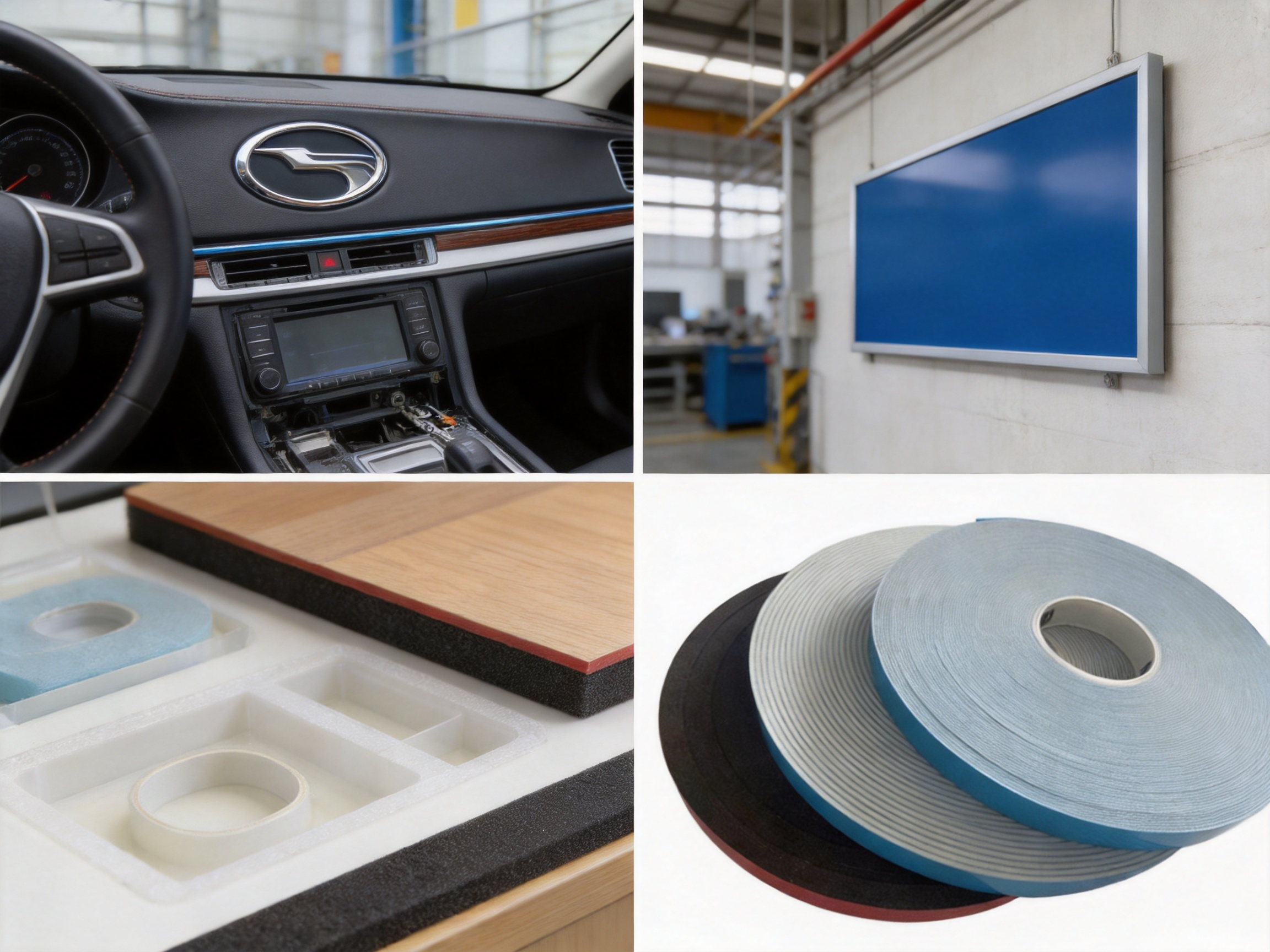
Double-sided foam tape may appear simple, but its performance is determined by many technical variables. A manufacturer must control the foam, adhesive, liner, coating process, conversion process, packaging, and inspection system. Choosing a supplier only by price can result in inconsistent rolls, poor adhesion, production waste, or product complaints.
A capable manufacturer provides more than a standard roll. It offers material selection, application guidance, sample development, quality documentation, production consistency, and after-sales communication. These services are especially important when the tape is integrated into an automotive, electronic, packaging, or construction product.
Qida Tape has been focused on adhesive and protective film manufacturing since 1999. Its factory covers approximately 20,000 square meters, employs more than 95 experienced staff members, and has an annual production capacity of over 12,000 tons. The company serves customers in China and in approximately 90 export areas, including markets in Europe, North America, Australia, the Middle East, Japan, and other regions.
The company’s ISO 9001 and ISO 14001 management systems support quality control and environmental management. Product compliance and testing capabilities include SGS, RoHS, REACH, PFAS, and Prop 65-related requirements where applicable. These systems help customers evaluate supply-chain reliability and regulatory suitability.
Qida Tape maintains a research and development team and works with research institutes to develop new protective film and adhesive tape solutions. Technical development helps the company respond to changes in substrate materials, production equipment, environmental requirements, and customer expectations.
The company can develop products based on customer samples or technical specifications. This is useful when a standard product does not meet a particular requirement for thickness, adhesion, color, liner, roll size, or environmental resistance.
Although double-sided foam tape is one product category, the company also develops glue-coated protective film, self-adhesive protective film, sticky mats, PE stretch film, and surface protection fleece. Experience across these categories provides a broad understanding of backing materials, adhesive coating, surface compatibility, temporary protection, packaging, and industrial handling.
This wider product knowledge can help customers select complementary materials. For example, a manufacturer may use double-sided foam tape for component attachment and protective film for preventing scratches on finished surfaces during processing and transportation.
Large production capacity helps support repeat orders and multiple customer programs. In-house manufacturing allows production schedules to be coordinated across coating, conversion, inspection, and packaging. It also helps reduce delays caused by transferring semi-finished materials between unrelated suppliers.
Production capacity must always be matched with quality control. Qida Tape combines manufacturing scale with testing equipment, technical personnel, and established management systems. This balance supports both standard products and customized orders.
Quality control is important for adhesive products because performance can vary with raw materials, coating conditions, storage, and application. A documented quality system helps standardize production and inspection. Environmental management also helps reduce waste and improve control of production activities.
Compliance documentation can be important for international customers. Depending on the application and market, buyers may request information related to restricted substances, chemical content, environmental requirements, or product testing. Customers should communicate these requirements before production so that the correct materials and documents can be prepared.
Technical communication is a significant part of successful tape selection. Customers may not always know which foam, adhesive, thickness, or liner is appropriate. A manufacturer with application experience can ask the right questions and recommend samples for evaluation.
Qida Tape supports customers with product selection, technical consultation, customization, sample development, production, inspection, and packaging. Its goal is to provide a complete surface protection and adhesive solution rather than a one-size-fits-all product.
The first consideration is the material of the two surfaces. Common substrates include metal, glass, plastic, wood, coated panels, painted surfaces, textiles, and laminates. Surface energy, roughness, flexibility, and cleanliness all affect adhesion.
The second consideration is the required thickness. Thinner grades may be suitable for closely matched surfaces and precise assemblies. Thicker grades can fill larger gaps, provide more cushioning, and accommodate greater dimensional variation.
The third consideration is the service environment. The tape may be exposed to heat, cold, humidity, water, ultraviolet radiation, vibration, chemicals, or repeated loading. The adhesive and foam must be selected for the most demanding expected condition rather than only the initial application environment.
The fourth consideration is the load. Customers should evaluate the weight of the component, the direction of the force, the bonding area, the duration of the load, and the possibility of peel or shear stress. Tape is generally stronger when the load is distributed across the plane of the bond than when the bond is pulled directly away from the surface.
The fifth consideration is the production process. Manual assembly may require a liner that is easy to remove and a tape that can be handled without stretching. Automated equipment may require specific roll dimensions, liner strength, web tension, or die-cut tolerances.
The sixth consideration is removal. Some applications require permanent bonding, while others require temporary attachment or clean removal. Adhesive selection, surface type, dwell time, temperature, and removal angle all affect whether residue or surface damage occurs.
Contaminated surfaces are one of the most common causes of poor adhesion. Oil, dust, moisture, fingerprints, and cleaning residues can create a barrier between the adhesive and substrate. Cleaning procedures should be appropriate for the surface and should not leave a film behind.
Insufficient pressure can also reduce performance. If the adhesive does not make full contact with the surface, the effective bonding area is smaller than expected. Uneven pressure may produce local weak points and edge lifting.
Incorrect tape thickness may cause problems. A thin tape may fail to conform to a rough surface, while an excessively thick tape may allow too much movement. The tape should be matched to the gap and the mechanical requirements of the assembly.
Applying the tape at an unsuitable temperature can affect tack and wet-out. Extremely cold surfaces may reduce initial adhesion, while excessive heat may cause premature softening or adhesive flow. Product testing should reflect the actual application conditions.
Incompatible surface coatings may also cause failure. Powder coatings, low-surface-energy plastics, silicone-treated surfaces, and plasticized materials can be difficult to bond. Specialized adhesive systems or primers may be necessary.
Finally, incorrect storage can reduce shelf life. Rolls exposed to high heat, direct sunlight, moisture, dust, or chemical vapors may not perform as expected. Proper storage and stock rotation are essential.
Modern buyers increasingly evaluate both performance and environmental responsibility. A tape product should provide the required service life while minimizing unnecessary material use, production waste, and packaging waste. Lightweight foam construction can contribute to efficient product design, but the complete material composition should be considered.
Environmental management under ISO 14001 provides a framework for controlling environmental aspects of manufacturing. Restricted-substance evaluations such as RoHS and REACH-related assessments can support market access and customer compliance programs. PFAS and Prop 65-related requirements may also be relevant to certain customers and applications.
Customers should request current documentation for the specific product being purchased. Compliance may vary according to the adhesive, foam, liner, ink, and packaging used. A responsible supplier should communicate clearly about the scope and limitations of each test or declaration.
Manufacturing efficiency can also support sustainability. Accurate coating reduces adhesive waste, precise slitting reduces unusable edges, and suitable roll dimensions reduce conversion losses. Long-lasting bonds can reduce replacement and repair requirements during the life of the finished product.
It can bond many common materials, including metal, plastic, glass, wood, coated panels, laminates, and decorative surfaces. The correct adhesive must be selected according to the surface energy, roughness, coating, cleanliness, and service conditions of the materials.
Suitable closed-cell foam tape can provide water resistance and help seal minor gaps. However, waterproof performance depends on the foam, adhesive, edge exposure, surface preparation, pressure, and environmental conditions. Applications involving continuous immersion or high water pressure require specialized testing.
Common options include 0.8 millimeter, 1.0 millimeter, 1.6 millimeters, 2.0 millimeters, 2.5 millimeters, and 3.0 millimeters. Customized thicknesses may be available according to the customer’s design and application requirements.
The available foam colors include black, white, and gray. Color selection can support the appearance of the finished assembly, reduce visibility at edges, or help identify different product grades.
Blue, red, and white polyethylene liners are available. The liner color may be selected for visual identification, production control, customer branding, or differentiation between products.
The product range includes acrylic solvent adhesive and silicone adhesive options. The best choice depends on the substrate, temperature, humidity, chemical exposure, required adhesion, and intended service life.
Yes. Customization may include substrate, adhesive, thickness, color, liner, width, length, core size, printing, packaging, and die-cut shape. Technical development can be based on samples, drawings, or customer specifications.
No. Foam tape is suitable for many light and medium-duty bonding applications, but heavy, safety-critical, or highly structural assemblies may require mechanical fastening or a combined fixing system. Load direction, bonding area, temperature, vibration, and service life must be evaluated.
Surfaces should be clean, dry, and free from dust, oil, grease, moisture, and loose particles. Difficult substrates may require a specialized cleaning process, primer, or surface treatment. A test bond should be completed before full production.
Pressure-sensitive adhesive often develops stronger adhesion over time. The exact period depends on the adhesive, substrate, pressure, temperature, and application conditions. The assembly should be tested under realistic conditions before determining handling and loading requirements.
It can be used outdoors when the selected product is suitable for temperature changes, humidity, ultraviolet exposure, and other environmental factors. Outdoor installations should be tested for the expected service life, and heavy components may require additional support.
Depending on the product and market, customers may request technical data sheets, inspection reports, management-system information, and applicable compliance or testing documents. Requirements should be confirmed before production.
Double-sided foam tape combines bonding, cushioning, sealing, vibration control, and surface adaptation in one convenient product. Its ability to attach components without visible mechanical fasteners makes it valuable in automotive manufacturing, electronics, packaging, furniture, signage, construction, and decorative products.
Compared with ordinary thin tape, foam tape provides greater gap filling and shock absorption. Compared with screws, rivets, clips, and liquid adhesives, it can simplify assembly, improve appearance, and reduce the number of production steps. Its effectiveness depends on choosing the correct foam, adhesive, thickness, liner, and roll format for the application.
Wuxi Qida Tape Co., Ltd. supports this product category with integrated production, advanced coating equipment, in-house converting, testing capability, technical development, customization, and international supply experience. Its manufacturing systems and broad adhesive product knowledge enable customers to obtain tape solutions designed for specific substrates and operating conditions.
For the best result, buyers should evaluate the complete application rather than selecting tape only by price or nominal adhesion. Surface type, load, temperature, humidity, vibration, gap, production method, storage, and compliance requirements should all be considered. With proper product selection and controlled application, double-sided foam tape can provide a clean, efficient, and durable alternative to traditional attachment methods.
Pressure Sensitive Tape Council. Technical principles of pressure-sensitive adhesive tape construction and performance.
Association of International Metallizers, Coaters and Laminators. Guidance on adhesive coating, laminating, slitting, and converting processes.
International Organization for Standardization. ISO 9001: Quality management systems—Requirements.
International Organization for Standardization. ISO 14001: Environmental management systems—Requirements with guidance for use.
European Parliament and Council. Restriction of Hazardous Substances requirements for electrical and electronic equipment.
European Parliament and Council. Registration, Evaluation, Authorisation and Restriction of Chemicals requirements.
ASTM International. Standard methods for evaluating pressure-sensitive adhesive tapes, including peel adhesion, shear adhesion, thickness, and aging.
Manufacturer technical information for IXPE and PVC foam carriers, acrylic solvent adhesives, silicone adhesives, and polyethylene release liners.
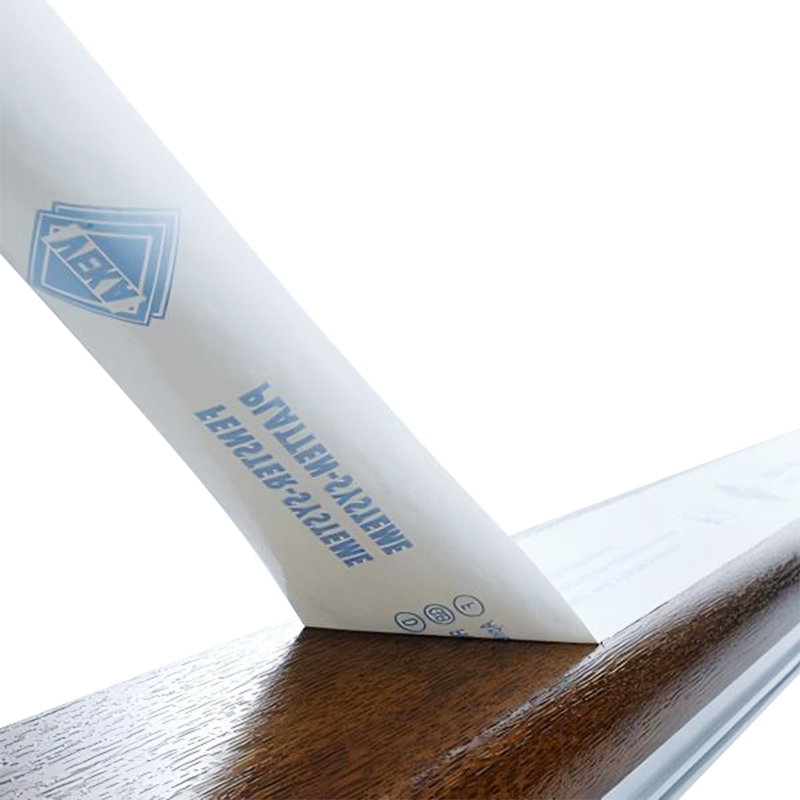
● Good weatherability for outdoor exposure; ● Stable adhesion level; ● UV resistance for up to 12 months; ● Can print customized logo or application i...
See Details
● Protect window glass against paint splatters, dirt, staining, and spillages during painting, building, plastering, tiling, general maintenance and r...
See Details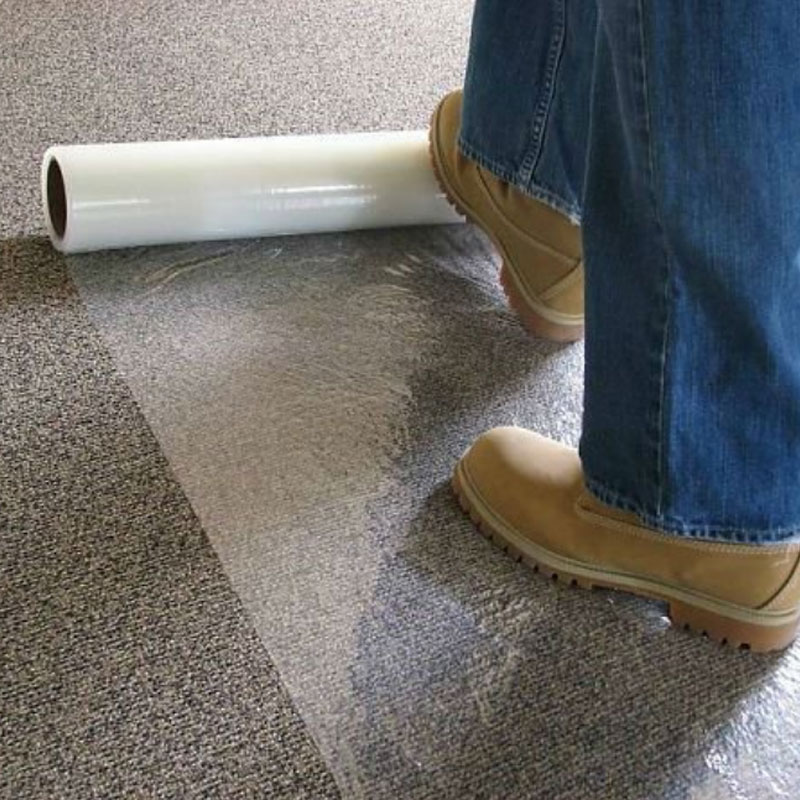
● Protects carpet against staining, paint spillage and dirt during painting, building, remodeling, plastering, tiling, decoration, general maintenance...
See Details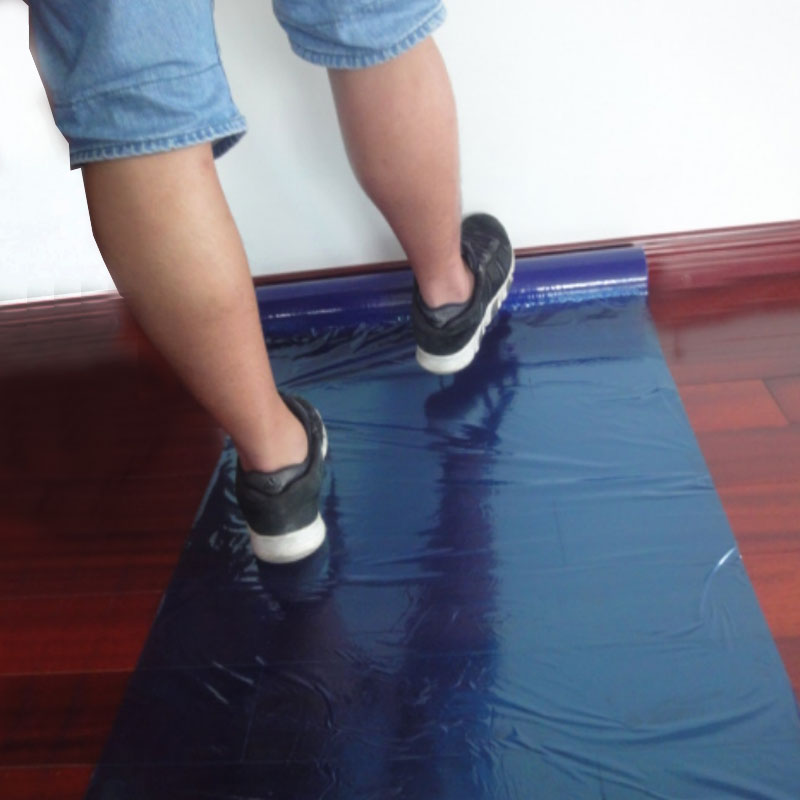
● Patented adhesive formula suits all hard surfaces such as hardwood floors, laminate floors, ceramic, marble, tile, granite, vinyl, worktops, and gla...
See Details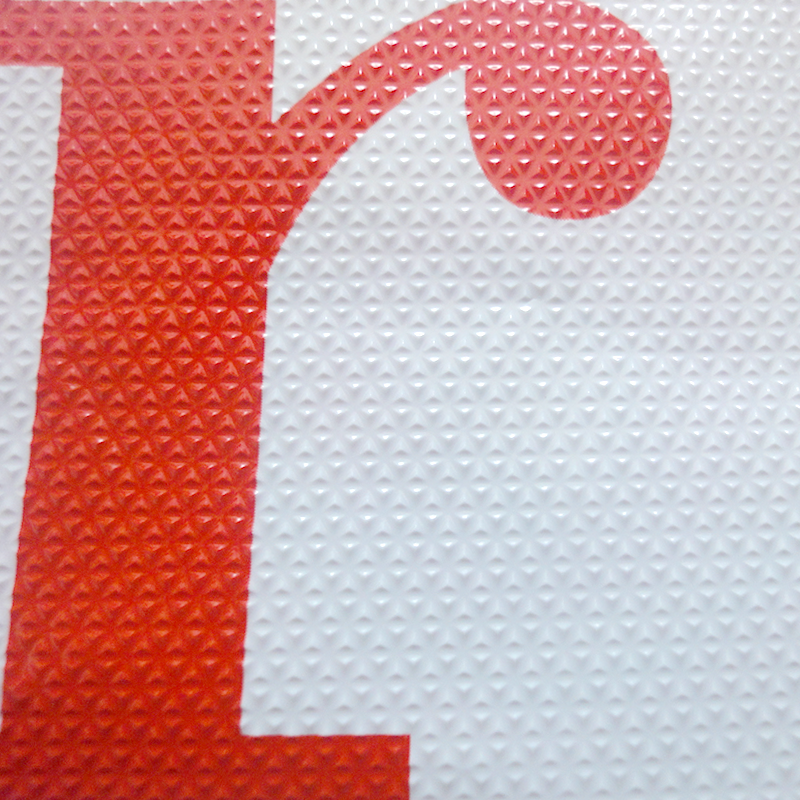
● Anti-slip; ● Embossed film surface to guarantee trip safety;● Tough puncture-resistant polyethylene film;● Can be coated with or without adhesive;● ...
See Details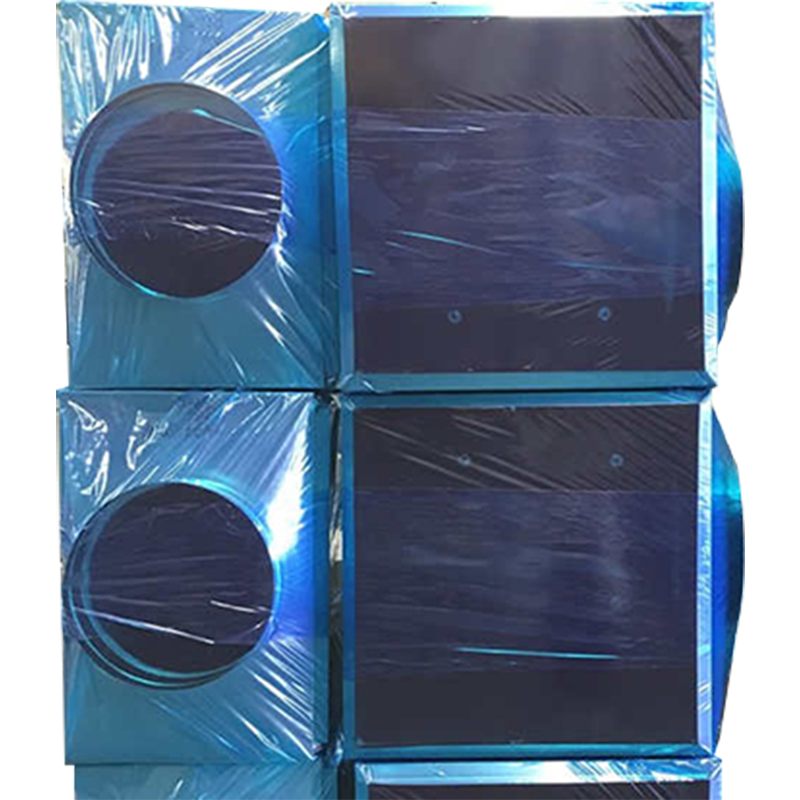
● The super-tough polyethylene film resists puncture and penetration by liquid and dirt during storage, transportation, and installation of the ductwo...
See Details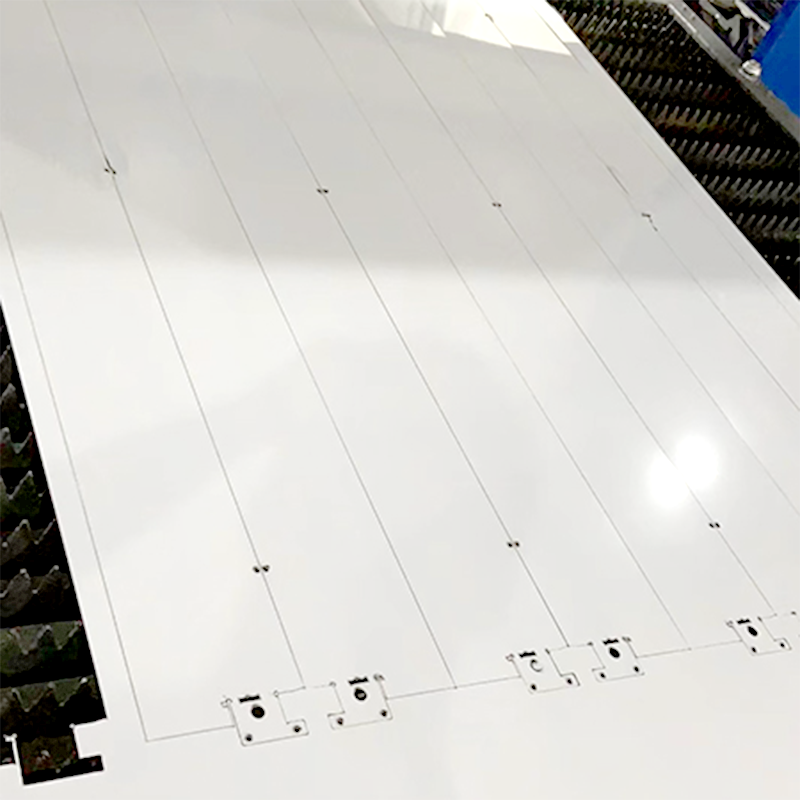
● The specially formulated natural rubber adhesive suitable for both CO2 and Fiber laser cutting processes;● High cutting quality without burr or trac...
See Details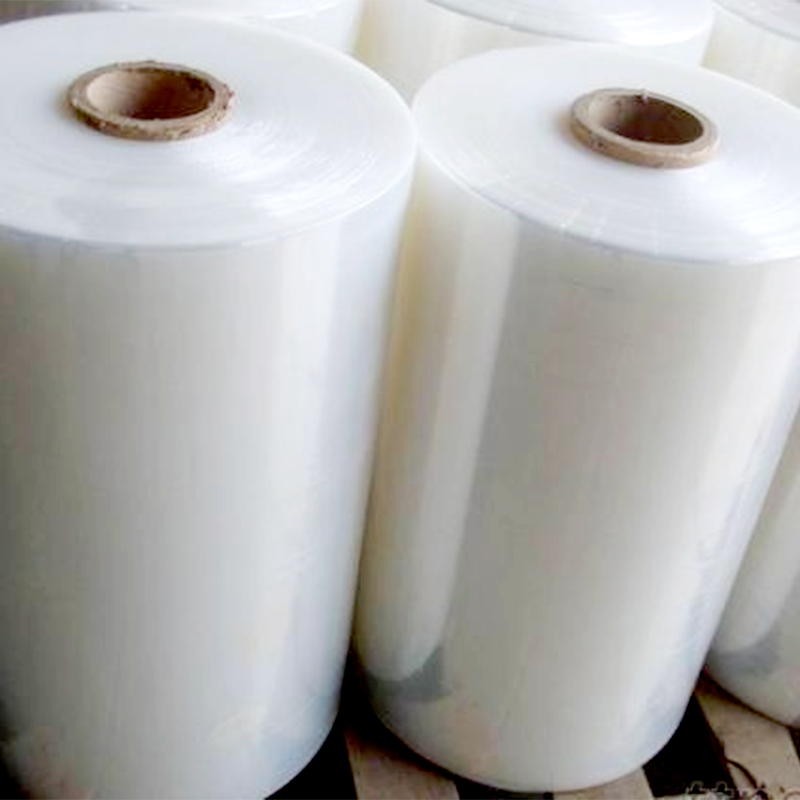
● Excellent puncture and tear resistance; ● Self-adhering-each layer of film bonds to the next for added strength; ● Big roll size to save cost and re...
See Details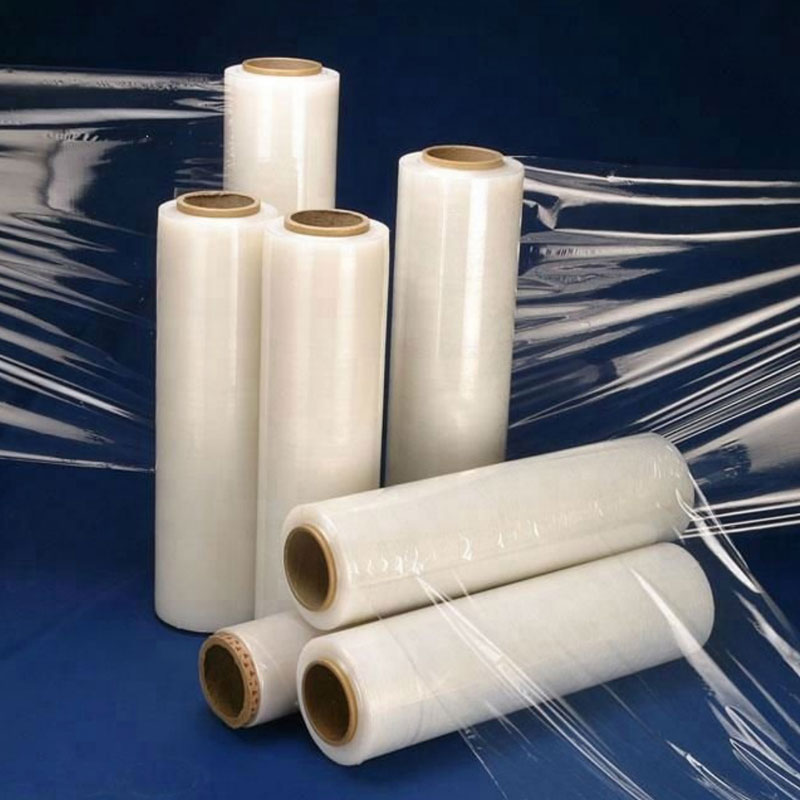
● Small roll size for convenient manual application;● Excellent puncture and tear resistance ; ● A self-adhering-each layer of film bonds to the next ...
See Details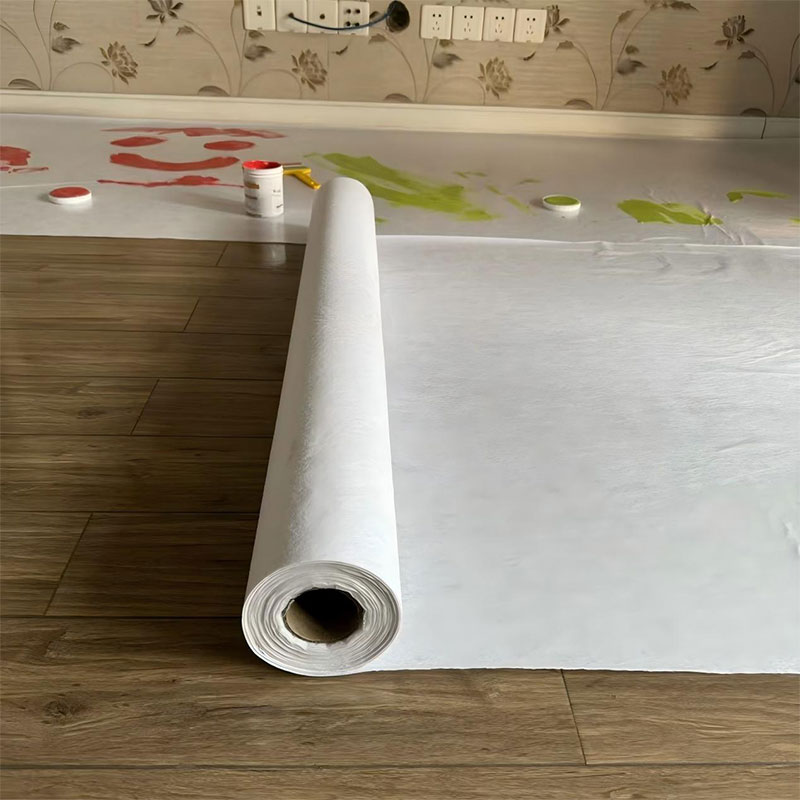
This product has non-woven synthetic fleece in middle; PE film adhered onto top of the non-woven fabric, which is coated with self adhesive glue on it...
See DetailsWe’re a reliable partner that shapes our expertise into success for your project.

Copyright 2024 Wuxi Qida Tape Co., Ltd. All Rights Reserved
 Wholesale Protective Film/Foil Manufacturers
Privacy
Wholesale Protective Film/Foil Manufacturers
Privacy