

 English

 English
 русский
 Français
 Español
 Português
 عربى


Cat:Glue -coated Protective Film
● Good weatherability for outdoor exposure; ● Stable adhesion level; ● UV resistance for up to 12 months; ● Can print customized logo or application i...
See Details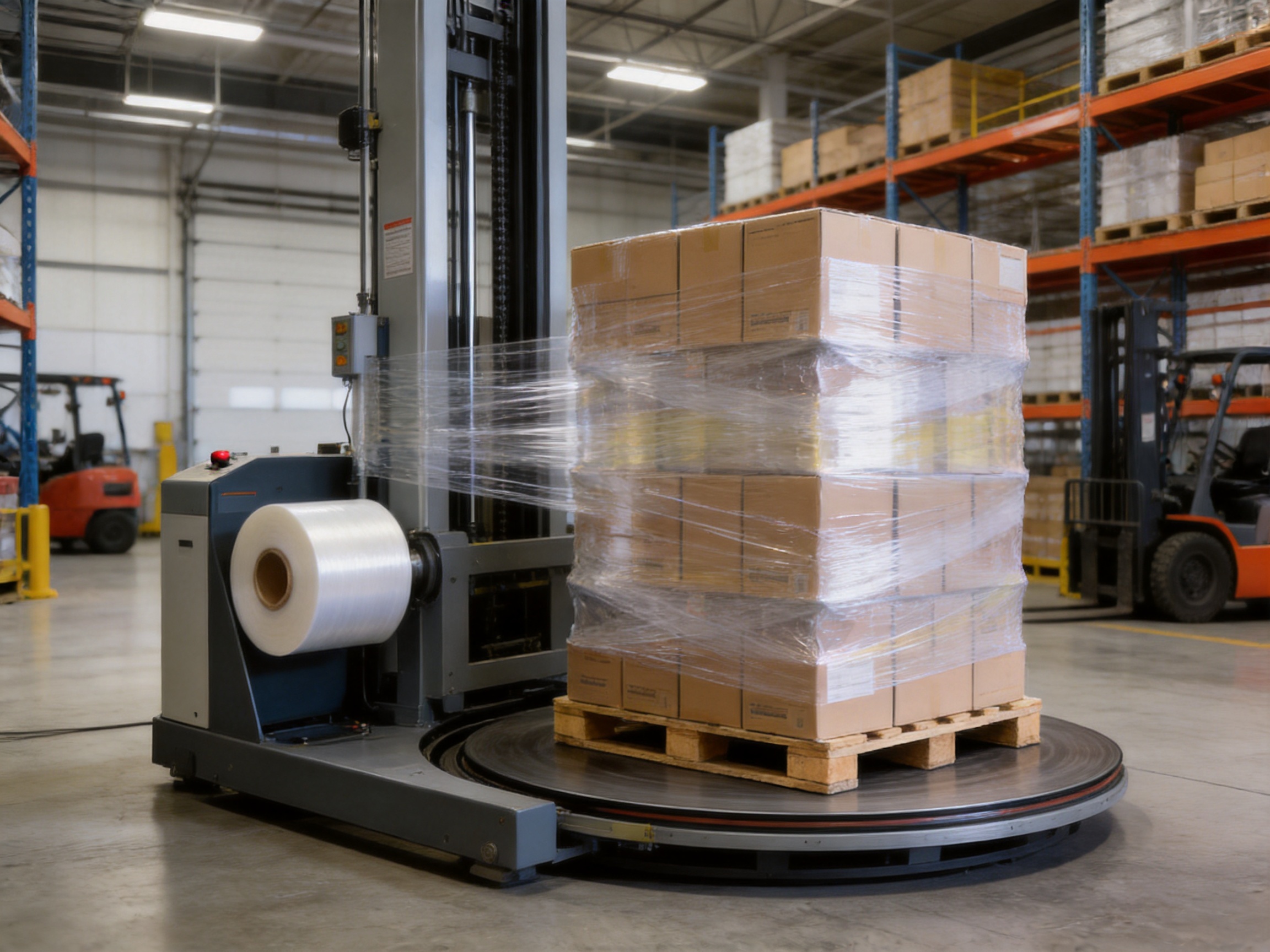
Machine stretch film is an essential packaging material for warehouses, distribution centers, manufacturers, logistics companies, and exporters that need to secure goods quickly and reliably. Designed for use with automatic or semi-automatic wrapping equipment, it wraps pallets and individual loads with controlled tension, strong holding force, and consistent coverage. The film helps stabilize products during storage and transportation while protecting them from water, snow, dust, dirt, abrasion, and handling damage.
Compared with manual wrapping film, machine stretch film is engineered for higher-speed packaging systems and more precise application. Its performance depends on a combination of film thickness, width, roll length, stretch capability, cling properties, puncture resistance, tear resistance, and compatibility with wrapping equipment. When these characteristics are properly balanced, a relatively small amount of film can provide strong load containment and dependable protection.
Wuxi Qida Tape Co., Ltd. manufactures and supplies machine stretch film as part of a broader portfolio of protective film and surface protection products. The company combines film production, adhesive technology, coating, slitting, rewinding, printing, inspection, and packaging capabilities within its own manufacturing operation. This integrated approach supports stable quality, flexible customization, and efficient order fulfillment for customers in different industries and markets.
Machine stretch film is available in thicknesses from 15 micrometers to 50 micrometers, widths from 100 millimeters to 500 millimeters, and roll lengths from 500 meters to 2,000 meters. Depending on the application, customers can select clear, white, black, or other film colors. High transparency is available for applications where product identification, barcode scanning, inventory control, and visual inspection are important.
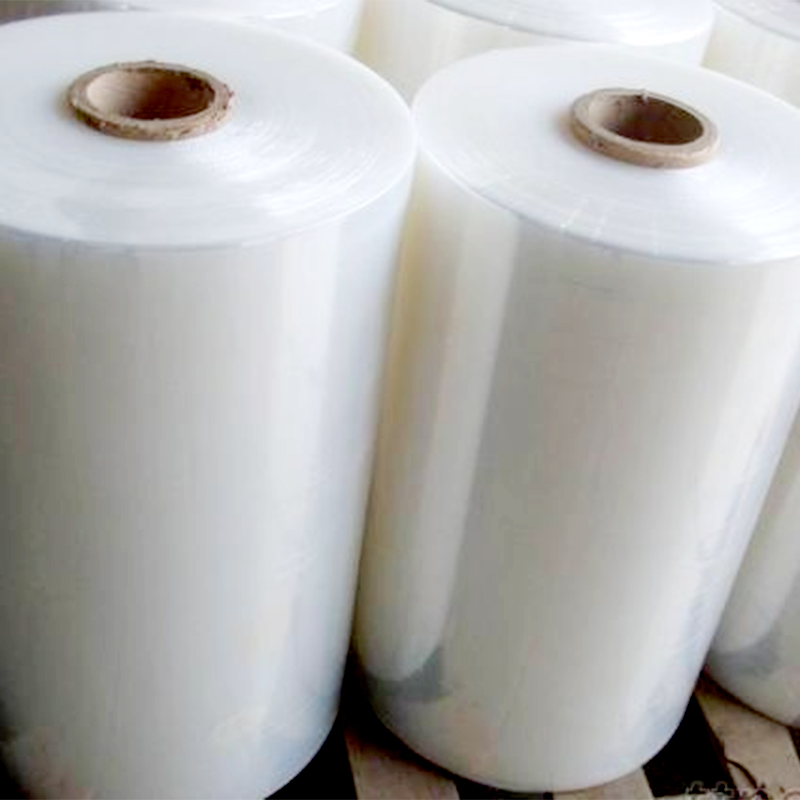
Machine stretch film
Machine stretch film is a flexible polyethylene packaging film applied by a powered wrapping machine. During the wrapping cycle, the machine stretches the film before or while it is applied around a pallet or product. The film then attempts to recover toward its original dimensions, creating inward pressure that holds the load together.
This combination of controlled stretching and elastic recovery is called load containment. It helps reduce movement between products, lowers the risk of cartons sliding from a pallet, and improves stability during forklift handling, road transport, container loading, and warehouse storage.
The film is self-adhering, meaning that adjacent layers bond to one another through cling properties rather than requiring additional tape, glue, or straps for ordinary applications. This makes the wrapping process cleaner and more efficient. The film can be applied in overlapping layers, allowing the operator or automated system to build up protection in areas that require additional strength.
Machine stretch film is commonly used for palletized goods, cartons, furniture, appliances, building materials, food and beverage cases, chemical products, industrial components, and retail shipments. It can also be used to bundle long or irregular products when the wrapping equipment and film specifications are properly selected.
Loads often include sharp carton corners, exposed edges, irregular shapes, or heavy products that place stress on packaging materials. A low-quality film may puncture during application or tear after a small defect is created. Once a tear begins, the wrapping layer may lose its ability to contain the load.
Machine stretch film is designed to resist puncture during wrapping and handling. Its tear resistance helps prevent small cuts from spreading through the film. This is particularly useful for palletized products with rough surfaces, heavy components, wooden parts, metal edges, or packaging that is not perfectly uniform.
High puncture resistance also reduces film breakage on automated equipment. Fewer breaks mean fewer interruptions, less wasted material, and a lower requirement for operators to stop the machine and rewrap the load manually.
The self-adhering surface allows each layer of film to bond to the next. This produces a cohesive wrapping system around the load. Unlike packaging methods that require separate adhesive tape or tying materials, stretch film can be secured through its own cling performance.
Reliable self-adhesion is important at the beginning and end of the wrapping cycle. It helps the film remain in place while the load is transported and reduces the possibility of loose film tails. Strong interlayer bonding also supports the formation of a stable protective shell around the pallet.
Cling must be balanced carefully. Excessive adhesion can create handling difficulties, while insufficient adhesion may result in loose layers. Professional film production therefore requires control of raw materials, extrusion conditions, film structure, surface properties, and winding quality.
One of the most important advantages of machine stretch film is its ability to extend significantly during application. The film can be stretched to several times its original length, depending on the grade, equipment, and operating conditions. This allows one roll to cover a large amount of packaging area.
Stretch performance improves material efficiency because the customer can obtain more coverage from a given roll weight or length. It also allows the film to conform to different shapes and dimensions. When applied correctly, the film follows the contours of the load instead of leaving large unsupported gaps.
Controlled stretching is different from simply pulling the film as tightly as possible. The correct tension depends on load weight, load shape, film thickness, pallet pattern, machine settings, and transport conditions. A suitable machine stretch film provides a stable balance between elongation, holding force, and resistance to puncture.
After being stretched around a load, machine stretch film develops a retraction force. This force draws the film inward and presses the products together. The resulting containment helps reduce shifting, vibration, and separation between cartons.
Good load containment is valuable throughout the distribution chain. Pallets may be lifted by forklifts, transferred by conveyors, loaded into trucks, moved through distribution centers, and stored for extended periods. Each movement creates vibration or acceleration that can destabilize poorly secured goods.
By maintaining tension around the load, stretch film complements pallets, corner boards, slip sheets, strapping, and other packaging materials. It is not a substitute for every form of load securing, but it is a highly efficient primary or secondary containment method for many common shipping applications.
Clear machine stretch film allows users to see the products beneath the wrapping. This supports product identification, warehouse counting, barcode scanning, and shipment verification without removing the protective layer.
Transparency is also useful when a load includes printed labels, warning information, batch codes, or RFID tags. Operators can inspect the condition and identity of goods while keeping the pallet wrapped. This can reduce unnecessary handling and improve inventory accuracy.
For applications requiring privacy, light reduction, or visual differentiation, white and black film options are available. Colored films can help identify departments, shipment categories, product groups, or handling instructions. Film color may also be selected according to customer branding or operational requirements.
During storage and transport, products may be exposed to dust, dirt, moisture, snow, splashes, and general handling contamination. Machine stretch film forms a flexible external barrier that helps protect cartons and products from these conditions.
The film is especially useful in open warehouses, loading areas, construction supply chains, agricultural distribution, and long-distance transportation. It does not replace specialized waterproof packaging for severe exposure, but it can substantially reduce the direct contact of ordinary loads with environmental contaminants.
Wrapping can also help prevent loose components, labels, and lightweight packaging materials from falling away during movement. By enclosing the pallet, it creates a cleaner and more organized shipping unit.
Manual wrapping requires an operator to walk around the pallet while holding and stretching the film. The final result can vary according to operator strength, experience, walking speed, and wrapping technique. Some areas may receive too much film, while other areas may have insufficient overlap or tension.
Machine application provides greater consistency. The equipment controls film delivery, rotation speed, carriage movement, overlap, and tension. Consistent application can improve load stability and make film consumption more predictable.
Machine wrapping is also faster for high-volume operations. A packaging line can process repeated pallet loads with fewer labor hours. Employees can be reassigned to quality control, material preparation, dispatch, or other activities that create greater operational value.
Strapping can provide strong point-to-point compression, but it may not cover the entire surface of a load. Carton dust, loose items, and light packaging materials can remain exposed between straps. Improper strap tension can also damage cartons or create unstable pressure points.
Stretch film distributes containment over a larger area. It holds multiple cartons together and helps protect the outer surfaces from dust and moisture. In many applications, film can be used alone; in demanding applications, it can be combined with strapping for enhanced stability.
Stretch film may reduce the need for some secondary packaging materials by keeping a shipment consolidated and protected with a lightweight wrapping layer. Its flexibility allows it to follow the shape of the load without requiring custom outer cartons for every product configuration.
Reduced material usage can lower packaging costs, storage requirements, and waste generation. However, the appropriate packaging system should always be selected according to product fragility, weight, transport risk, and regulatory requirements.
Low-grade film may appear less expensive at the time of purchase, but its actual cost can be higher if it breaks frequently, requires excessive overlap, or provides weak containment. Breakage creates downtime, material waste, rework, and potential product damage.
A professionally manufactured machine stretch film is evaluated not only by its price per roll but also by its cost per wrapped load. Higher stretch efficiency, consistent thickness, stronger puncture resistance, and stable cling can reduce the amount of film required for each pallet.
Item |
Available Specification |
Application Consideration |
Thickness |
15 to 50 micrometers |
Select according to load weight, shape, edge conditions, and required containment. |
Width |
100 to 500 millimeters |
Match the width to the machine carriage, pallet dimensions, and wrapping pattern. |
Roll length |
500 to 2,000 meters |
Longer rolls reduce roll changes and can improve line productivity. |
Bonding strength |
High |
Supports secure contact between overlapping film layers. |
Transparency |
High |
Supports visual inspection, barcode scanning, and inventory management. |
Color |
Clear, white, black, and other options |
Choose according to visibility, identification, privacy, or customer requirements. |
UV resistance |
Up to three months |
Useful for temporary outdoor exposure when the correct grade is specified. |
The listed specifications provide a starting point for product selection. Exact performance depends on the film structure, machine settings, wrapping pattern, load design, environmental conditions, and transport period. Customers should provide the manufacturer with practical application data when requesting a customized recommendation.
Manufacturers use machine stretch film to secure finished goods, spare parts, components, and assembled products before shipment. It can hold boxes together on a pallet, protect metal parts from dust, and organize mixed-size cartons into a unified shipping unit.
Industrial products often have high weights or uneven shapes. In these situations, the film must be selected for adequate puncture resistance and load containment. Additional edge protection may be used when sharp corners could damage the film during wrapping.
Food and beverage cases are frequently palletized for movement through warehouses, distribution centers, wholesalers, and retail facilities. Clear stretch film allows labels and product cartons to remain visible while holding cases securely in place.
Packaging personnel can inspect pallet condition without unwrapping the load. The film also helps reduce exposure to dust and handling contamination. For food-related applications, the customer should confirm that the selected product and packaging system meet all applicable requirements for the intended use.
Retail supply chains rely on accurate and efficient pallet movement. Machine stretch film can help consolidate many cartons into a stable unit, reducing the risk of product loss or carton separation during distribution.
In e-commerce fulfillment and regional distribution, the ability to wrap loads quickly is especially important. Long rolls and automated application reduce the frequency of roll replacement, support continuous operation, and help maintain a predictable packaging rhythm.
Tiles, flooring materials, panels, hardware, pipes, and other construction products may be shipped in mixed loads with rough surfaces and varied dimensions. Stretch film helps keep bundles together and offers temporary protection against dirt, moisture, and abrasion.
For heavy construction materials, film should be used together with a suitable pallet and any required strapping, corner protection, or blocking system. Correct load design remains essential to safe transportation.
Furniture components and household products often require protection from dust, scuffing, and handling marks. Stretch film can be applied around cartons, bundles, and protective materials to maintain a neat shipping unit.
Its flexibility makes it suitable for products with different dimensions. Clear film allows product labels and handling information to remain visible, while opaque film can provide additional privacy during transportation.
Export shipments may experience long transport periods, multiple transfers, variable weather, and repeated loading operations. Machine stretch film helps unify the load and provides an outer barrier against common contaminants.
When goods are shipped overseas, film selection should consider anticipated humidity, temperature changes, storage duration, UV exposure, and container loading conditions. For demanding export shipments, stretch film can be combined with desiccants, liners, edge protectors, or other protective packaging systems.
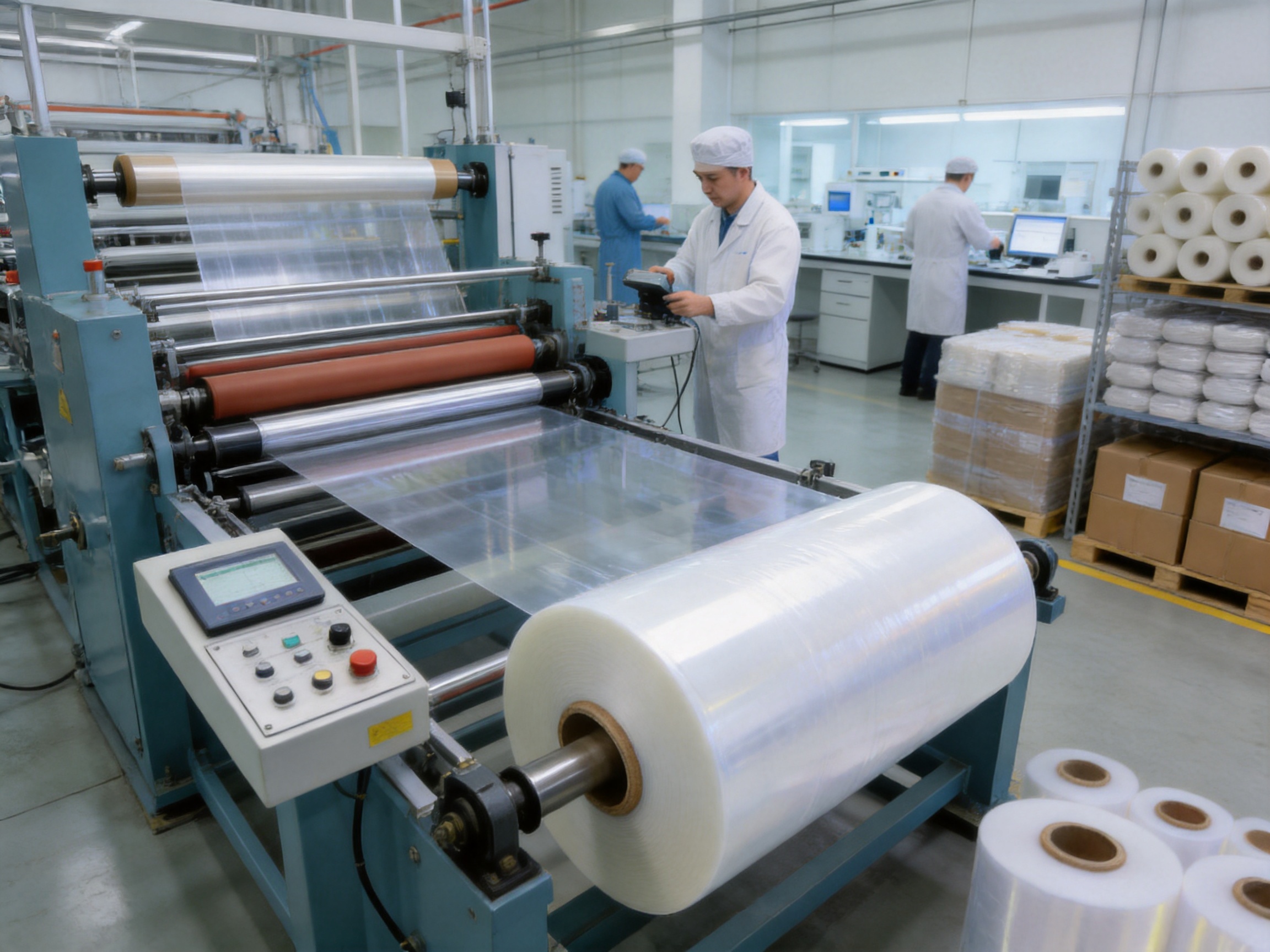
Wuxi Qida Tape Co., Ltd. operates as a factory specializing in protective films and surface protection solutions. Its production capabilities include backing film production, adhesive coating, logo printing, rewinding, slitting, and packaging. Although machine stretch film differs from adhesive surface protection film, this broad technical background supports strong knowledge of polymer films, film handling, roll conversion, and packaging quality.
Completing important production steps within the company’s own factory improves process coordination. It allows production teams to control material movement from initial manufacturing through final packing. It also supports better communication between engineering, production, quality inspection, and customer service teams.
The company has introduced advanced machines from Germany and uses modern production equipment to improve manufacturing consistency. Film production requires precise control of thickness, winding tension, roll formation, surface performance, and dimensional accuracy. Stable equipment operation helps reduce variation between rolls and production batches.
Process control is especially important for machine stretch film because automated wrapping equipment depends on predictable film behavior. Variations in thickness, width, roll hardness, or cling can affect machine performance. A controlled production process helps customers reduce line interruptions and maintain consistent packaging results.
Experienced technicians and engineers support product development, production improvement, and application analysis. The company also works with research and development institutes to continue introducing new protective film products and refining existing solutions.
Technical knowledge allows the manufacturer to consider more than basic dimensions. Film recommendations may take into account load weight, pallet pattern, wrapping speed, stretch ratio, transport conditions, storage duration, and customer equipment. This application-focused approach is valuable for customers who need a packaging solution rather than a standard roll of film.
Qida Tape maintains a testing laboratory and uses advanced inspection equipment to monitor product quality. Testing may include dimensional checks, visual inspection, roll appearance evaluation, adhesion assessment, and performance verification according to the product type and customer specification.
Quality control begins with incoming materials and continues through production, conversion, and final packaging. Inspection procedures help identify defects such as telescoping rolls, uneven winding, wrinkles, contamination, width variation, or inconsistent appearance before the product is shipped.
For international customers, documented quality systems and compliance information can simplify purchasing decisions. The company operates under ISO 9001 and ISO 14001 management systems and has product compliance and testing experience related to SGS, RoHS, REACH, PFAS, and Prop 65 requirements. Specific compliance documentation should be confirmed according to the exact product, market, and application.
Packaging operations differ significantly from one customer to another. Some customers need long rolls for automatic machines, while others require particular widths for specialized equipment. Load sizes, wrapping cycles, film colors, labels, packaging formats, and delivery schedules can also vary.
Qida Tape offers customized manufacturing according to customer technical data sheets or samples. Possible customization areas include thickness, width, length, color, roll configuration, packaging, labeling, and production quantities. Customization helps customers avoid compromises caused by unsuitable standard dimensions.
A customer requesting customization should provide as much application information as possible. Useful details include the type of machine, pre-stretch ratio, average load weight, pallet dimensions, product shape, wrapping speed, number of rotations, storage environment, and common problems with the current film.
Large roll sizes can reduce the frequency of film replacement. This is valuable on automated packaging lines where every interruption can affect daily output. Fewer roll changes also reduce the time operators spend preparing equipment and handling partially used rolls.
Long rolls are particularly beneficial for distribution centers and manufacturers with continuous pallet flow. The correct roll length must still be compatible with the machine’s maximum roll weight and carriage design.
High stretch performance allows the film to cover a larger area with less material. The result can be a lower film cost per pallet, provided that the film is applied at an appropriate stretch level and the load remains adequately contained.
Material efficiency should be measured by actual consumption per stable load rather than by film thickness alone. A thinner film may not be economical if it requires more layers or breaks during application. Conversely, a thicker film may be unnecessary when a high-performance thinner grade provides sufficient protection.
Automated wrapping reduces the physical effort associated with walking around pallets and manually pulling film. It can also improve workplace organization by separating packaging tasks from heavy manual handling.
Operators remain important because they must load the machine, verify settings, inspect wrapped pallets, and respond to abnormal conditions. However, the equipment performs the repetitive wrapping motion more consistently and efficiently than manual labor.
Consistent wrapping helps standardize pallet appearance and load security. This makes it easier for warehouse teams to inspect shipments and identify loads that may need additional protection.
Stable film tension also reduces the risk of loose layers, hanging film, uneven coverage, and excessive material use. A consistent process supports better quality records and makes it easier to investigate any transportation damage.
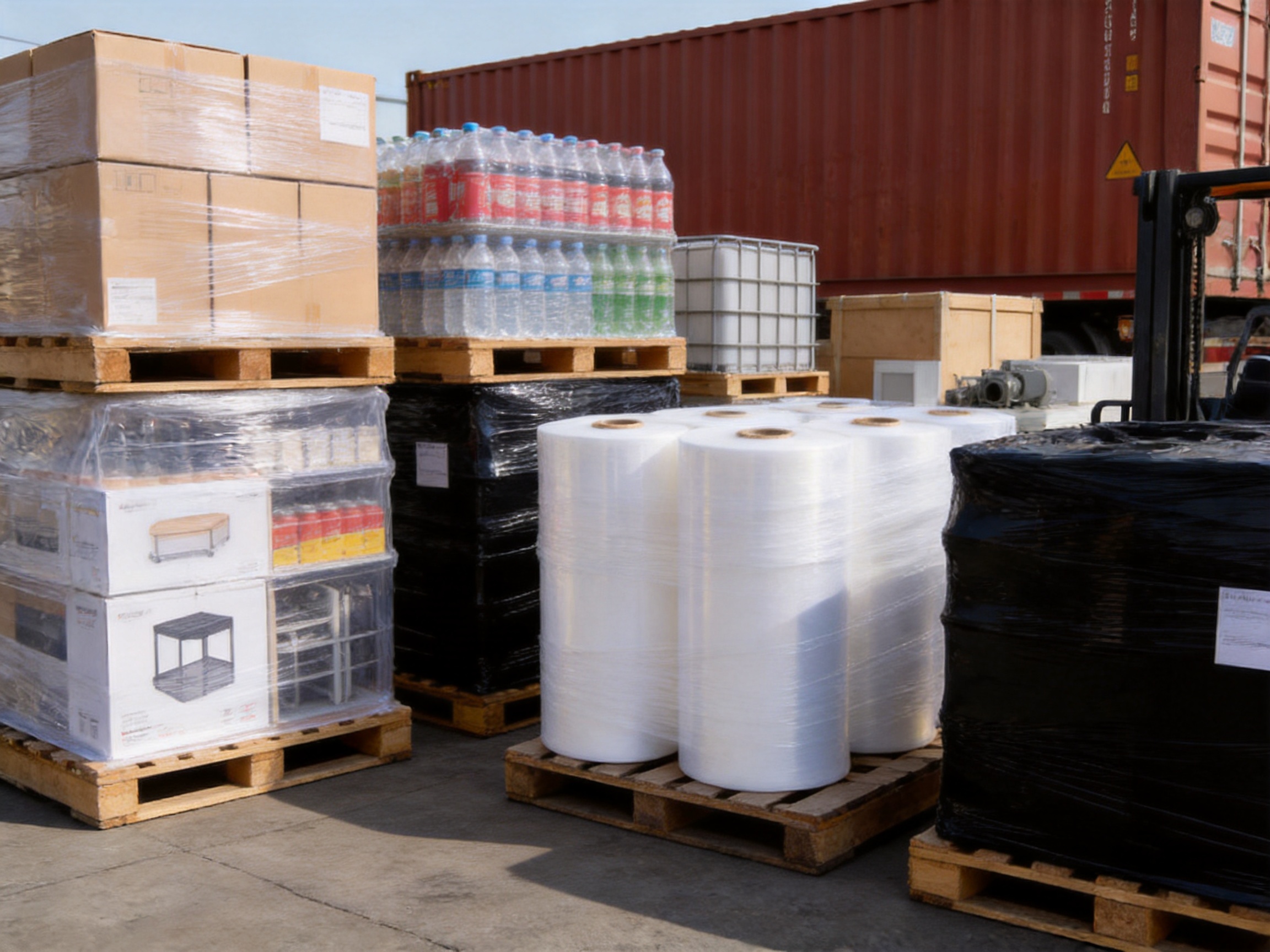
Heavy loads require greater containment force and stronger resistance to puncture. The selected film must be able to withstand the tension applied during wrapping and the forces created during handling. Very heavy pallets may require thicker film, additional layers, or reinforcement in specific areas.
Regular cartons are generally easier to wrap than irregular products with sharp edges, gaps, or projecting parts. Unusual shapes may require a film with stronger puncture resistance or a different wrapping pattern.
Corner boards and edge protectors can distribute pressure and protect both the load and the film. Pre-arranging products into a stable pallet pattern also improves the final result.
Different wrapping machines apply different levels of pre-stretch, tension, speed, and rotation. Film must be compatible with the machine’s film carriage and control system. A film intended for a low-speed semi-automatic machine may not perform identically on a high-speed automatic line.
Before changing film specifications, users should confirm the recommended roll dimensions, maximum roll weight, core size, and operating range of the equipment.
Short-distance indoor transport may require a different film specification from long-distance export shipping. Loads stored outdoors or exposed to sunlight may need a film with suitable UV resistance. The stated UV resistance of up to three months should be treated as an application guideline rather than a universal guarantee, because actual performance depends on climate, sunlight intensity, temperature, and film formulation.
Temperature changes can also influence film flexibility and cling. Customers should discuss unusual storage or transport environments with the manufacturer before selecting a grade.
Clear film is suitable when visual inspection, scanning, or product identification is important. Black or white film may be chosen when the contents need to be less visible or when loads must be differentiated by category.
Color should not be selected only for appearance. It should support warehouse procedures, shipping identification, or security requirements without interfering with labels, barcodes, or safety information.
Before starting a production shift, operators should inspect the film carriage, pre-stretch rollers, rotating platform, cutting system, sensors, control panel, and emergency stop devices. Any damaged or contaminated part can affect film tension and wrapping consistency.
Dust and film fragments should be removed from rollers and machine surfaces. Clean equipment reduces the risk of slippage, uneven tension, and film contamination.
The stretch ratio should match the film grade and load requirements. Excessive stretching can cause film breakage, necking, or insufficient coverage. Too little stretching may increase material consumption and reduce the benefits of machine application.
Operators should begin with the manufacturer’s recommended settings and make controlled adjustments based on actual load performance. Changes should be recorded so that successful settings can be repeated.
Wrapping speed and tension should be coordinated. A machine that rotates too quickly for the selected film may cause breaks or uneven coverage. Excessive tension can damage cartons or deform unstable products.
For fragile loads, lower tension and additional protective materials may be necessary. For dense and stable loads, a higher containment level may be appropriate. The goal is to secure the load without crushing or damaging it.
The number of bottom, middle, and top rotations should be selected according to the load structure. The bottom area may require additional film to connect the load securely to the pallet. The middle section usually provides the main containment, while the top section can protect the upper cartons from separation.
Some loads benefit from reinforced wrapping around corners or transitions between different product levels. Machine settings should be tested with representative pallets rather than empty or unusually ideal loads.
Operators should understand the equipment, film characteristics, emergency procedures, and inspection criteria. Training should include safe loading practices, correct film threading, roll replacement, adjustment of tension and stretch, and recognition of defects.
Personnel should never reach into moving machinery or bypass safety devices. Gloves, protective footwear, eye protection, hearing protection, or other equipment should be used when required by the workplace risk assessment.
Machine stretch film should be stored in a dry, cool, ventilated, and clean area. Direct sunlight, high temperatures, excessive humidity, and contact with contaminants may affect film performance or roll appearance.
Rolls should remain in their original protective packaging until they are ready for use. They should be placed on suitable pallets or storage supports rather than dropped directly onto the floor. Careless handling may cause dents, edge damage, telescoping, or deformation that affects machine performance.
Storage stacks should remain within safe height and weight limits. Rolls should not be compressed under excessive loads, and heavy objects should not be placed on top of film cartons. A first-in, first-out inventory system can help prevent unnecessary long-term storage.
Before use, the operator should check the roll for visible damage, contamination, abnormal winding, or deformation. Damaged rolls should be isolated for evaluation instead of being installed directly on the machine.
Packaging sustainability depends on material selection, film efficiency, recycling systems, transport requirements, and the complete life cycle of the shipment. Machine stretch film can support waste reduction when its high stretch performance allows less material to secure each load.
Because the film is lightweight and highly extensible, it can provide effective load containment without adding substantial shipping weight. Reduced product damage also has an environmental benefit because damaged goods may require replacement, return transport, disposal, and additional packaging.
Recyclable material options may be available according to the product specification and local recycling infrastructure. Customers should confirm the composition and disposal requirements of the exact film grade. Claims about recyclability or other environmental properties should be based on documented product information and relevant local standards.
Good packaging design avoids both under-packaging and over-packaging. Under-packaging can result in product damage, while over-packaging consumes unnecessary materials. The appropriate machine stretch film grade should provide the required protection with the minimum practical material use.
Wuxi Qida Tape Co., Ltd. has specialized in protective films and surface protection solutions since 1999. The company operates a factory covering approximately 20,000 square meters, employs more than 95 experienced staff members, and has an annual production capacity of over 12,000 tons.
Its products are sold throughout China and exported to Europe, North America, Australia, the Middle East, Japan, and other regions. Serving customers in approximately 90 export areas has given the company experience with different market expectations, documentation requirements, packaging standards, and product applications.
The company’s manufacturing advantages include in-house production, technical customization, competitive cost control, reliable quality management, advanced equipment, and responsive service. Its own production processes cover film production, coating, printing, rewinding, slitting, inspection, and packaging, allowing better coordination from raw materials to finished goods.
Qida Tape also offers different adhesive technologies for its wider protective film portfolio, including acrylic water adhesive, acrylic solvent adhesive, and natural rubber adhesive. This experience in adhesive and film technology supports a broad understanding of temporary surface protection, even though machine stretch film is primarily selected for its stretch, cling, and containment performance.
The company’s engineers can review customer samples or technical data sheets and recommend a suitable specification. This is especially useful when a customer is experiencing film breakage, unstable pallets, excessive material consumption, roll changes, or incompatibility with existing wrapping equipment.
Quality and management systems are supported by ISO 9001 and ISO 14001 certification. The company also maintains experience with international testing and compliance requirements, including SGS, RoHS, REACH, PFAS, and Prop 65-related documentation. Exact certification and testing availability should be confirmed for the specific product and destination market.
Buyers should compare machine stretch film using measurable performance and operating cost rather than roll price alone. Important evaluation points include film thickness consistency, usable roll length, actual stretch performance, puncture resistance, tear resistance, cling, winding quality, transparency, and machine compatibility.
A practical trial can compare the number of wrapped pallets per roll, film consumption per pallet, breakage frequency, wrapping cycle time, load stability after transport simulation, and visible damage after storage. These measurements provide a clearer picture of total packaging value.
Supplier reliability is also important. A manufacturer with stable production capacity, technical support, quality documentation, and flexible customization can reduce the risk of inconsistent supply. Long-term cooperation may also make it easier to improve film specifications as the customer’s packaging line develops.
Customers should request samples for testing before placing a large order when the application is new or unusually demanding. Trial results should be evaluated under normal operating conditions and with representative loads.
Machine stretch film is designed for automatic or semi-automatic wrapping equipment. It generally supports controlled tension, higher wrapping speed, longer rolls, and more consistent application. Hand stretch film is designed to be applied manually and usually has different roll dimensions, handling characteristics, and stretch performance.
It may be possible in limited situations, but machine stretch film is optimized for controlled mechanical application. Using it manually may make it difficult to achieve the intended stretch ratio and containment force. Hand wrapping can also increase labor requirements and produce less consistent results.
The correct thickness depends on load weight, shape, edge conditions, transport environment, machine settings, and required containment. Thickness options range from 15 to 50 micrometers. A professional recommendation should be based on a representative load trial rather than thickness alone.
Film color does not automatically determine strength or protection. Clear film provides visibility and supports barcode scanning and inspection. Black or white film may be selected for privacy, identification, or light reduction. Performance depends on the exact formulation and specification.
Machine stretch film helps reduce direct exposure to water, snow, dirt, and other contaminants during transportation and storage. It is not a substitute for fully waterproof packaging in severe or prolonged exposure. The complete packaging system should be selected according to environmental conditions.
Film consumption can often be reduced by selecting an efficient film grade, setting the correct pre-stretch ratio, adjusting tension, optimizing the wrapping pattern, and eliminating unnecessary overlap. Operators should ensure that material savings do not compromise load stability.
Possible causes include excessive tension, incorrect stretch settings, sharp load edges, damaged film rolls, unsuitable thickness, contaminated rollers, improper threading, or excessive machine speed. A systematic inspection of the film, equipment, load, and operating parameters can identify the cause.
The available specification indicates UV resistance of up to three months. Actual performance depends on sunlight intensity, climate, temperature, humidity, film formulation, and exposure conditions. Customers with outdoor storage requirements should confirm the suitable grade with the manufacturer.
Customization may include thickness, width, roll length, color, packaging, labeling, and other production details. Customers can provide technical data sheets or samples so that the manufacturer can evaluate the required specification.
Useful information includes film thickness, width, roll length, color, required quantity, core size, machine type, average load dimensions, load weight, wrapping speed, pre-stretch ratio, delivery destination, packaging requirements, and any relevant compliance documentation.
Its environmental performance depends on material composition, film efficiency, waste management, and recycling conditions. High stretch performance can reduce material consumption, and recyclable options may be available for selected specifications. Customers should request documented information for the exact product grade.
Machine stretch film provides an efficient way to stabilize, protect, and consolidate palletized goods. Its main advantages include high stretch performance, strong retraction, self-adhering layers, high transparency, puncture and tear resistance, long roll lengths, and compatibility with automated packaging systems.
Compared with manual wrapping and lower-grade alternatives, a properly selected machine stretch film can improve packaging consistency, reduce labor requirements, lower film consumption, minimize downtime, and support more reliable transportation. The best result is achieved when the film specification, machine settings, load design, and storage conditions are considered together.
Wuxi Qida Tape Co., Ltd. supports this product with integrated manufacturing, advanced equipment, experienced technical personnel, in-house testing, customization capability, and international quality management experience. Its broader expertise in protective films, surface protection, film processing, and adhesive technologies provides a strong foundation for developing practical packaging solutions.
For customers seeking a reliable machine stretch film supplier, the most effective approach is to provide application details, test representative samples, measure film consumption per load, and verify containment performance under real shipping conditions. This process helps ensure that the final product delivers both dependable protection and competitive total packaging cost.
1. ASTM International. Standard practices and test methods related to plastic film, packaging materials, and load stability.
2. International Organization for Standardization. ISO 9001: Quality management systems.
3. International Organization for Standardization. ISO 14001: Environmental management systems.
4. Packaging Institute. General principles of pallet unitization, load containment, and transport packaging.
5. Plastics Industry Technical Literature. Polyethylene film properties, stretch behavior, puncture resistance, and recycling considerations.
6. Logistics and Distribution Packaging Guidelines. Recommendations for pallet stability, warehouse handling, and shipment protection.
7. Manufacturer technical information for machine stretch film specifications, available colors, dimensions, UV resistance, and customization options.
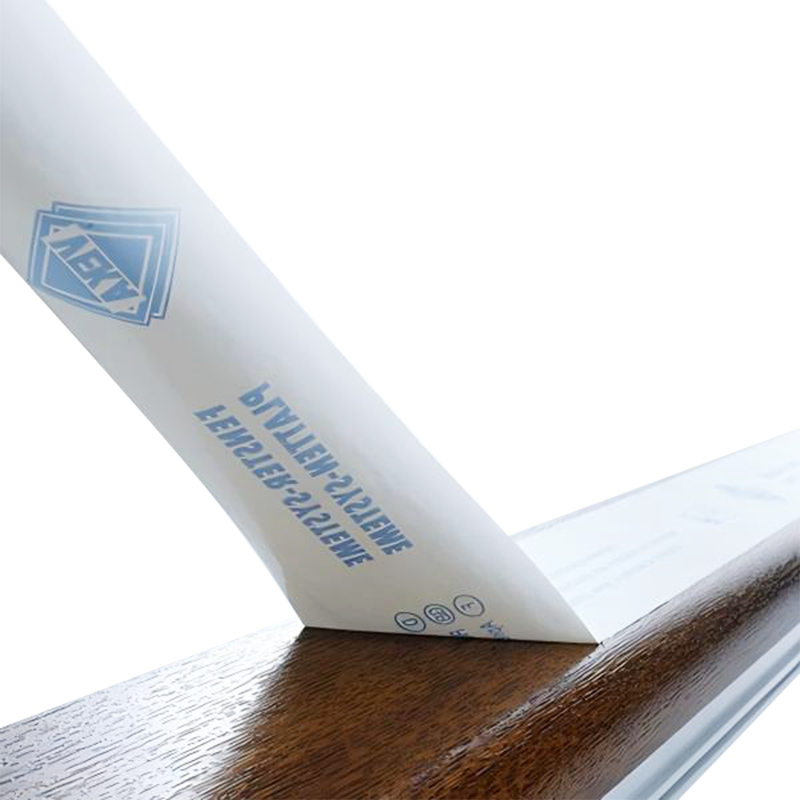
● Good weatherability for outdoor exposure; ● Stable adhesion level; ● UV resistance for up to 12 months; ● Can print customized logo or application i...
See Details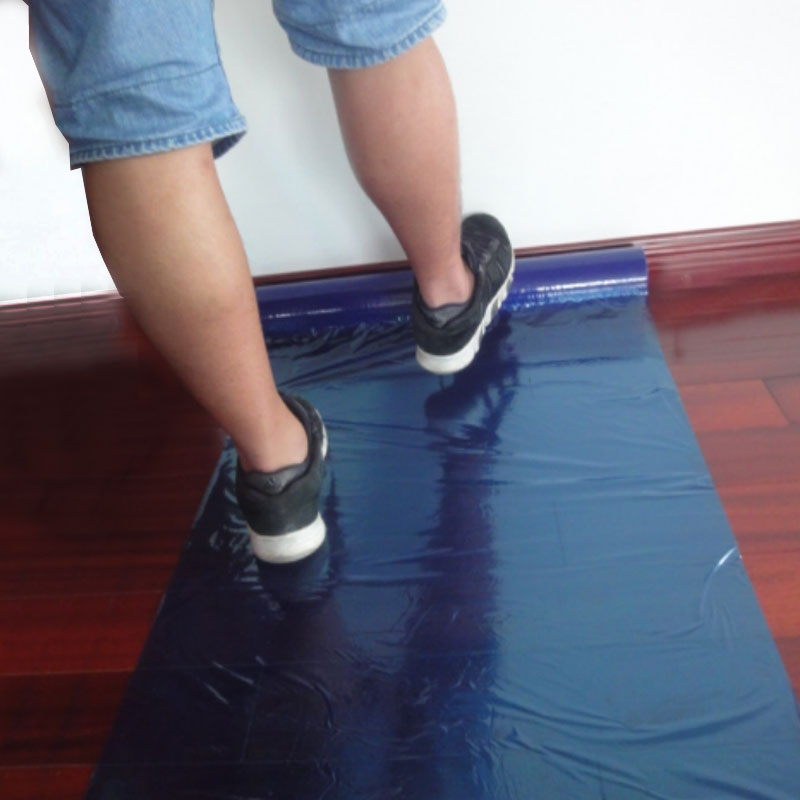
● Patented adhesive formula suits all hard surfaces such as hardwood floors, laminate floors, ceramic, marble, tile, granite, vinyl, worktops, and gla...
See Details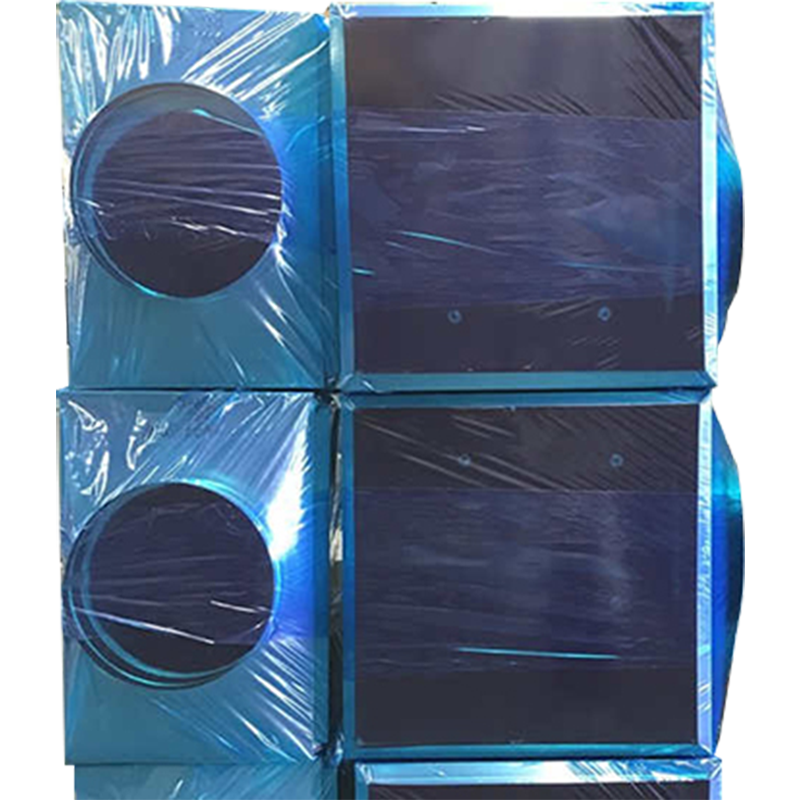
● The super-tough polyethylene film resists puncture and penetration by liquid and dirt during storage, transportation, and installation of the ductwo...
See Details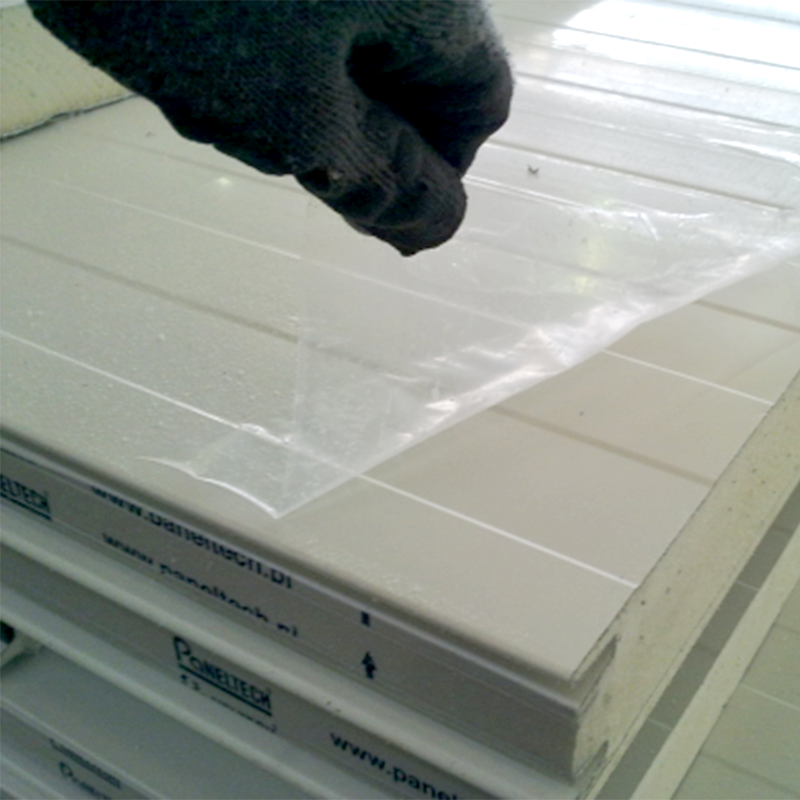
● The specially formulated adhesive ensures easy application and removal without leaving residue glue on the sandwich panels; ● The super-tough polyet...
See Details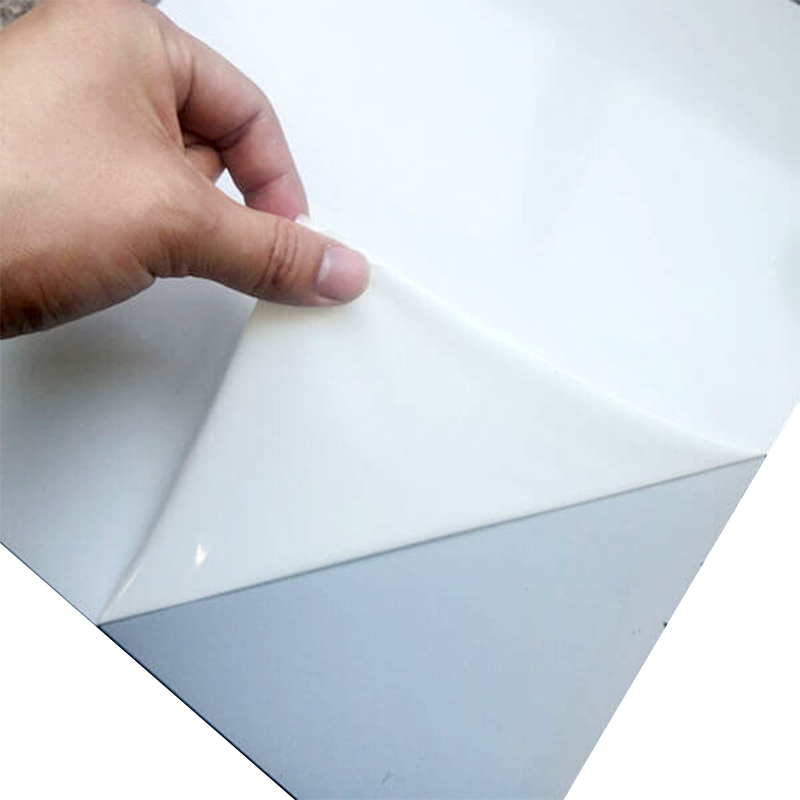
● The super tough polyethylene film with super high adhesion can stop parts of the glass or mirror from splintering away and injuring people when it i...
See Details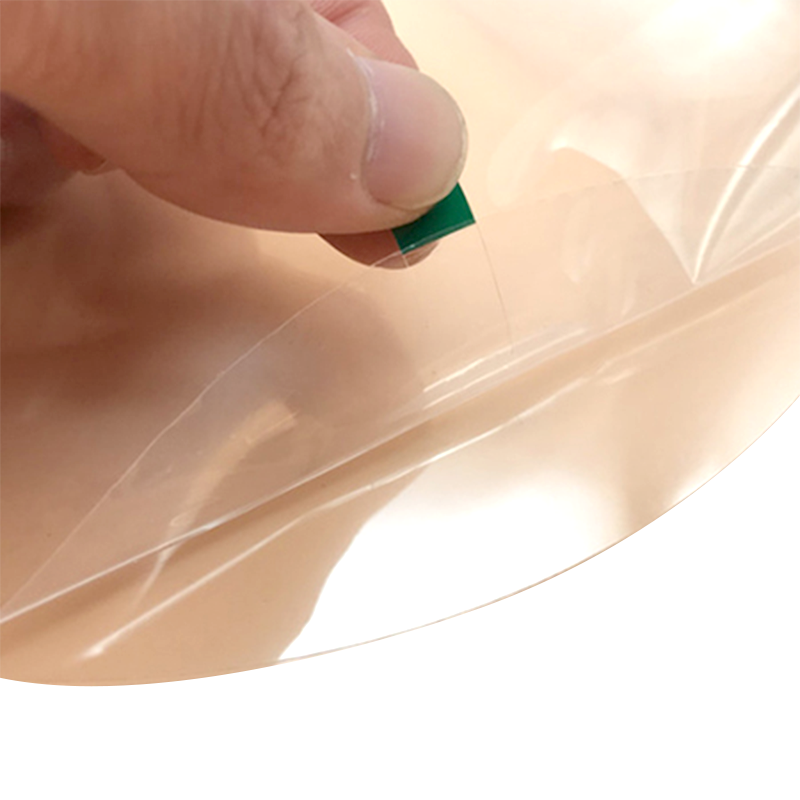
● Suitable for plastic sheets’ drilling, cutting, routing, thermoforming, bending, or post-fabrication operations;● No “ghost shadow” or “fish eye” af...
See Details
● Excellent puncture and tear resistance; ● Self-adhering-each layer of film bonds to the next for added strength; ● Big roll size to save cost and re...
See Details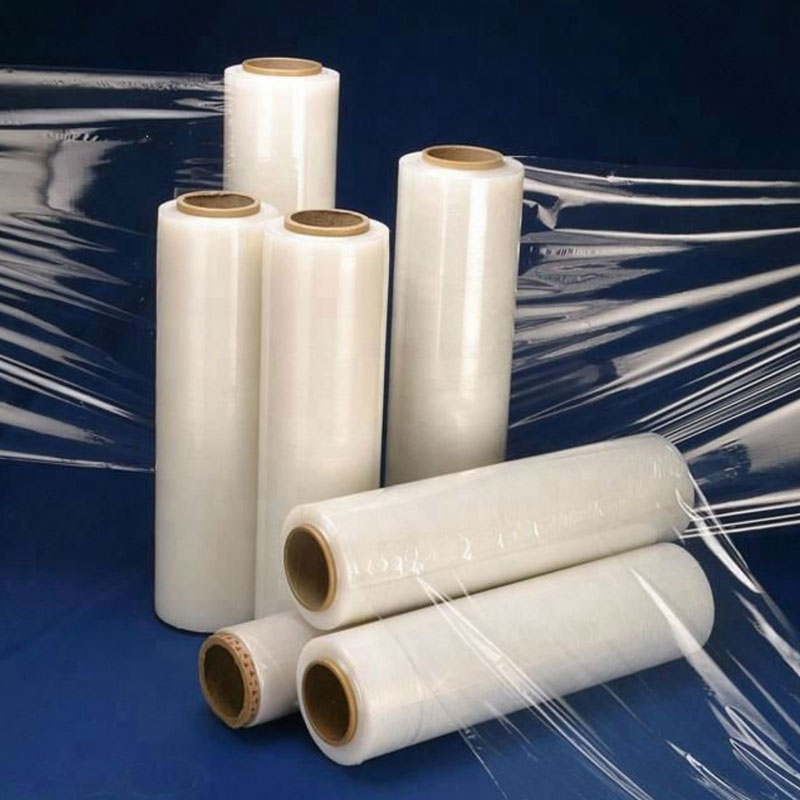
● Small roll size for convenient manual application;● Excellent puncture and tear resistance ; ● A self-adhering-each layer of film bonds to the next ...
See Details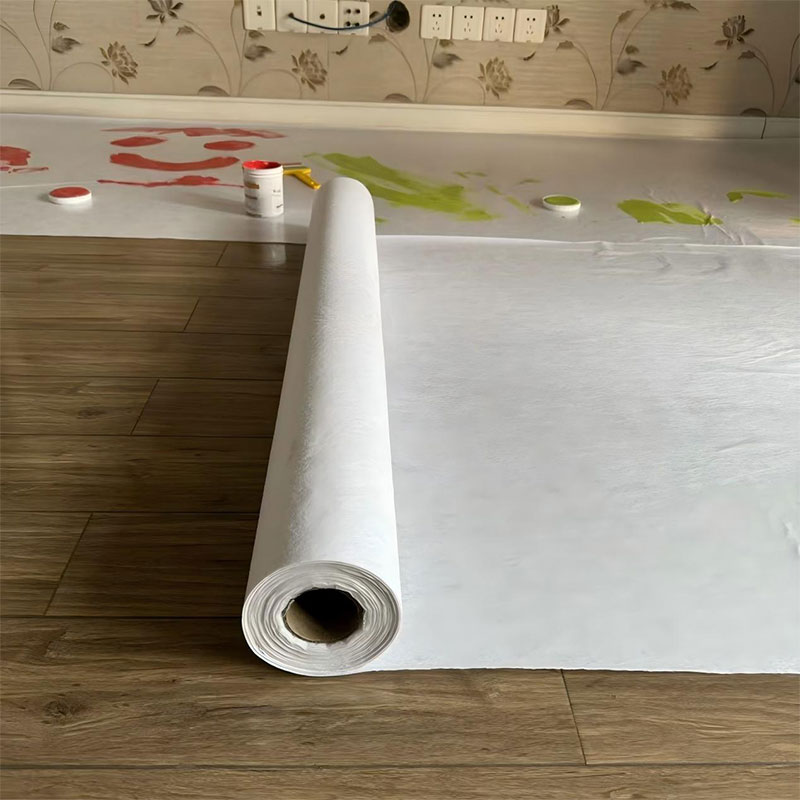
This product has non-woven synthetic fleece in middle; PE film adhered onto top of the non-woven fabric, which is coated with self adhesive glue on it...
See Details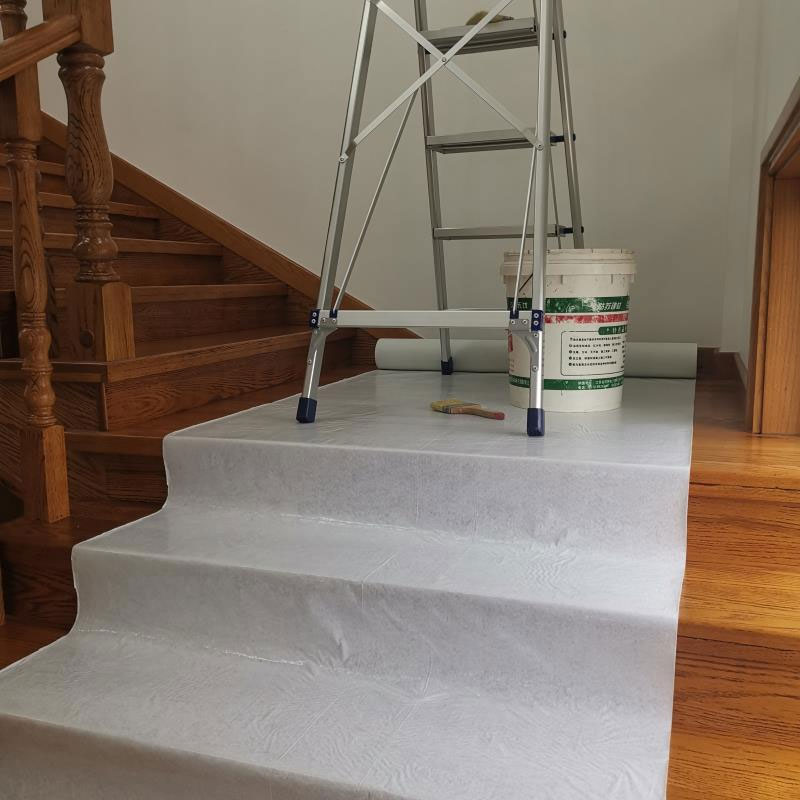
This product has non-woven synthetic fleece in middle; Breathable PE film adhered onto top of the non-woven fabric, which is coated with self adhesive...
See DetailsWe’re a reliable partner that shapes our expertise into success for your project.

Copyright 2024 Wuxi Qida Tape Co., Ltd. All Rights Reserved
 Wholesale Protective Film/Foil Manufacturers
Privacy