

 English

 English
 русский
 Français
 Español
 Português
 عربى


Cat:Glue -coated Protective Film
● Good weatherability for outdoor exposure; ● Stable adhesion level; ● UV resistance for up to 12 months; ● Can print customized logo or application i...
See Details
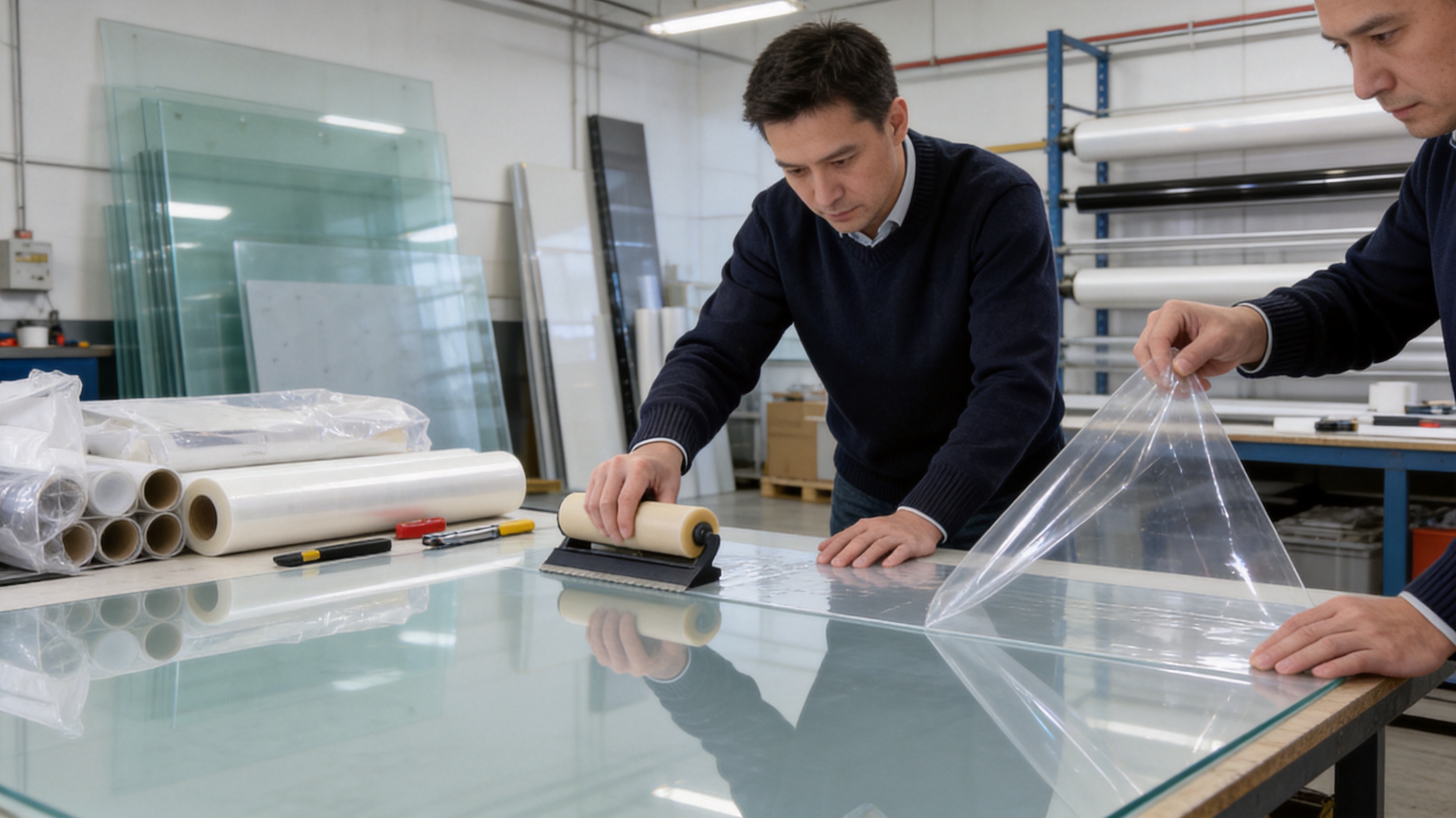
Transparent plastics and decorative sheet materials are widely used in modern manufacturing because they combine attractive appearance, light weight, design flexibility, and strong functional performance. Acrylic, polyester, polycarbonate, polyvinyl chloride, and similar materials are found in display panels, lighting components, signs, windows, partitions, appliance parts, automotive components, electronic products, construction panels, and industrial equipment. However, these materials can be vulnerable to scratches, dust, fingerprints, abrasion, stains, and other damage during cutting, bending, forming, transportation, storage, and installation.
Protective Film For Acrylic, Polyester, Polycarbonate, and related surfaces is designed to provide temporary surface protection throughout these stages. The film creates a controlled barrier between the material and external contaminants without permanently changing the appearance or performance of the protected product. After processing or installation, it can be removed cleanly and efficiently, helping the finished surface retain its original clarity, color, gloss, and smoothness.
The product described in this article is a glue-coated protective film with a low-adhesion acrylic adhesive system. It is available in clear, white, foggy clear, and other customized appearances. Thickness options range from 30 micrometers to 60 micrometers, while widths can be supplied from 100 millimeters to 2,250 millimeters. Roll lengths are available from 100 meters to 2,000 meters, allowing the product to support both small-batch processing and high-volume industrial production.
Its main performance advantages include high clarity, stable color, good weatherability, low gel content, soft and stable adhesion, easy removal, and a reduced risk of surface damage or curling. The film is also designed to avoid ghost shadows and fish-eye effects after removal. Customized logo printing and application instructions are available in up to three colors, providing an additional way to identify products, communicate handling information, and strengthen production control.
Many plastic sheets have a smooth, attractive surface that contributes directly to their commercial value. A transparent acrylic panel, polished polycarbonate sheet, or high-gloss PET component may meet all technical specifications when it leaves the forming or extrusion line, yet its appearance can deteriorate quickly if it is handled without suitable protection.
Fine particles can create visible scratches during stacking or transportation. Metal fragments, cutting dust, and packaging debris can become trapped between adjacent sheets. Workers may leave fingerprints, oil marks, or adhesive contamination on the surface. Even routine movement through a processing facility can expose the material to friction and impact. Once a scratch or stain has occurred, polishing or cleaning may not restore the original appearance completely.
A temporary protective film helps address these risks by separating the functional surface from the surrounding environment. It can be applied before cutting, bending, punching, routing, drilling, thermoforming, transportation, or installation. The protective layer absorbs incidental contact and prevents many forms of contamination from reaching the surface.
The value of a protective film extends beyond appearance. Rejected sheets, rework, cleaning operations, and customer complaints can increase production costs. In contrast, a properly selected film can reduce handling losses and support consistent quality from the factory to the final application site. The film must therefore protect effectively while remaining compatible with the substrate and easy to remove at the appropriate stage.
This protective film uses a flexible plastic backing coated with an acrylic adhesive. The adhesive is engineered for low adhesion and temporary use on materials such as acrylic, PET, polycarbonate, and PVC. It offers sufficient holding power to remain in place during normal handling while allowing the film to be removed without excessive force.
The balanced adhesive design is important because an overly aggressive adhesive may leave residue, pull at the surface, create stress marks, or cause delamination of sensitive coatings. An adhesive that is too weak may lift during transportation, collect dust at the edges, or fail to protect the sheet uniformly. The low and stable adhesion level of this product is intended to provide a practical balance between secure application and clean removal.
The film is suitable for flat and moderately processed surfaces when the substrate, adhesive level, storage period, and application conditions are correctly matched. For demanding applications, product selection can be adjusted according to the surface energy, gloss level, texture, temperature, processing method, and expected protection period.
Product characteristic |
Available specification or performance |
Product type |
Glue-coated temporary protective film |
Suitable materials |
Acrylic, PMMA, PET, polycarbonate, PVC, and related surfaces |
Thickness |
30 to 60 micrometers |
Width |
100 to 2,250 millimeters |
Roll length |
100 to 2,000 meters |
Adhesive type |
Acrylic adhesive |
Adhesion level |
Low adhesion |
Color options |
Clear, white, foggy clear, foggy white, and customized options |
Printing |
Up to three colors for logos or instructions |
Elongation |
At least 300 percent according to the stated product specification |
UV resistance |
Up to approximately three to six months, depending on conditions |
Acrylic, also known as polymethyl methacrylate or PMMA, is valued for its transparency, surface appearance, impact resistance compared with glass, and ease of fabrication. It is frequently used in illuminated signs, retail displays, architectural panels, machine guards, furniture components, exhibition equipment, and lighting covers.
Although acrylic is practical and visually attractive, its surface can be scratched by rough packaging, metal edges, abrasive dust, or careless handling. Clear acrylic is especially demanding because even a small scratch, haze mark, or adhesive defect may be highly visible when the product is exposed to direct light.
A clear protective film helps maintain the original appearance of acrylic during cutting, routing, bending, assembly, transport, and installation. The film can reduce the risk of surface marks while also helping workers identify which side of a sheet has already been protected. Where a product requires branding or processing instructions, customized printing can improve workflow and reduce handling errors.
The low-gel adhesive formulation is particularly valuable on transparent acrylic. Excess gel or adhesive irregularity can create visible points, streaks, fish-eye effects, or uneven contact. A controlled adhesive layer supports more consistent appearance and helps reduce the likelihood of visible defects after removal.
Polyester film, commonly identified as PET film, is used in labels, electronic components, decorative panels, insulation systems, packaging, safety products, and many industrial applications. PET is known for its dimensional stability, tensile strength, clarity, and resistance to many common environmental conditions.
Even when the PET substrate is mechanically strong, its finished surface may be vulnerable to scratches, dust, oil, or damage to a printed, coated, or polished layer. Protective film can be applied during slitting, die cutting, lamination, assembly, transportation, and installation to preserve the surface condition.
Because PET products may have different coatings and surface energies, the adhesive must be selected carefully. The acrylic adhesive system offered for this product is intended to provide soft and stable contact without creating excessive peel force. Trial application is recommended for coated, printed, or specially treated PET surfaces before full-scale production.
For PET panels used in high-visibility applications, clarity and clean removal are essential. A protective film that changes the appearance of the surface, transfers adhesive, or leaves a visible shadow may create additional finishing work. The product’s focus on high clarity, stable adhesion, and low residue supports efficient processing and improved final presentation.
Polycarbonate is widely used where a combination of impact resistance, transparency, light weight, and design freedom is required. Applications include machine guards, safety panels, glazing, electrical components, transportation parts, protective covers, and architectural products.
Polycarbonate sheets and molded parts may pass through several processing stages before reaching the end user. Sawing, routing, drilling, bending, printing, assembly, and packaging can expose the surface to particulate contamination and mechanical contact. A temporary protective film provides a practical way to limit this exposure.
Polycarbonate products may also be manufactured with hard coatings, anti-glare layers, ultraviolet treatments, or decorative finishes. These additional layers can affect adhesive compatibility. A low-adhesion acrylic system offers a useful starting point for many applications, but the exact film grade should be confirmed through testing when the substrate includes a specialty coating.
Clean and controlled removal is important for PC because excessive peeling force may create stress or disturb a delicate coating. Removing the film slowly and evenly, ideally at an appropriate angle, helps reduce the mechanical load applied to the surface. Storage conditions and protection duration should also be controlled because adhesive behavior can change after prolonged exposure to heat, sunlight, or humidity.
High clarity is a major advantage when the film is applied to transparent or glossy plastic. A clear protective layer should not unnecessarily reduce visibility, distort the appearance of the product, or interfere with inspection. The product is designed to support clear visual checking while maintaining a consistent appearance during storage and handling.
Color stability is also important for white, tinted, and printed versions. If the film changes color significantly during storage or exposure, it may affect product identification and visual quality. The available clear, white, and foggy options provide flexibility for different manufacturing environments and surface requirements.
Gel particles and coating irregularities can produce small visible defects in a protective film. On transparent sheets, these defects may be mistaken for contamination or substrate damage. A low-gel formulation helps improve film uniformity and reduces the risk of visible points or irregular contact.
This characteristic is especially relevant to acrylic, PET, and polycarbonate products used in lighting, display, glazing, and decorative applications. More uniform film construction can support more reliable inspection and reduce unnecessary rejection caused by defects in the protective layer itself.
Adhesion must remain stable while the film is in use. If the adhesive is too aggressive, removal may be difficult and residue may remain on the substrate. If the adhesive is too weak or unstable, the film may lift, wrinkle, or collect dust at the edges.
The product uses a low-adhesion acrylic adhesive intended to maintain practical contact with the surface while supporting easy peel removal. Soft adhesion can be beneficial for sensitive plastic surfaces because it reduces the chance of adhesive-related marks and minimizes stress during removal.
Efficient removal is one of the most important differences between a well-designed protective film and a basic covering material. Operators should be able to remove the film at the correct production stage without excessive effort, tearing, curling, or leaving substantial adhesive residue.
The product is designed for clean removal and reduced surface damage when used under suitable conditions. Its performance is affected by substrate cleanliness, storage time, temperature, UV exposure, film thickness, adhesive selection, and removal technique. Proper application and removal procedures remain essential for achieving the intended result.
Ghost shadows may appear as visible adhesive patterns or residual impressions after film removal. Fish-eye effects may present as circular spots or irregular areas associated with coating or adhesive nonuniformity. These defects are particularly undesirable on clear and glossy materials.
The product’s low-gel construction, controlled coating, and stable adhesive system are intended to reduce these risks. Although no protective film can eliminate every possible defect under all conditions, the formulation is designed to support a cleaner and more consistent final surface.
Some products remain outdoors or near windows before installation. In these situations, the protective film may be exposed to sunlight, temperature variation, and moisture. The stated UV resistance is up to approximately three to six months, depending on the product grade and environmental conditions.
UV resistance should not be interpreted as unlimited outdoor service life. The protection period depends on solar intensity, temperature, humidity, geographic location, substrate condition, and whether the film is exposed directly or indirectly to sunlight. For long-term outdoor storage, testing and a defined removal schedule are recommended.
Customized printing is available in up to three colors. A company logo can support product identification and improve brand presentation. Processing instructions can inform users which side to apply, when to remove the film, or how to store the protected sheet.
Printing may also support production traceability. Different customers, product lines, or surface grades can be identified through printed text, symbols, or color combinations. This can reduce mix-ups in factories handling several types of sheet material at the same time.
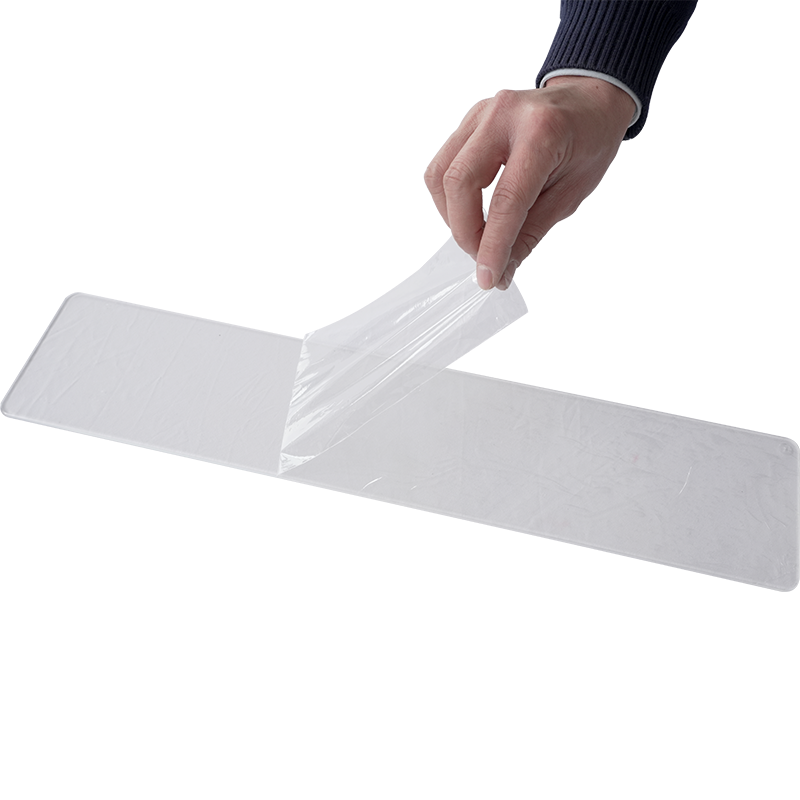
Protective Film For Acrylic (PMMA), Polyester (PET) aAnd Polycarbonate (PC) Etc
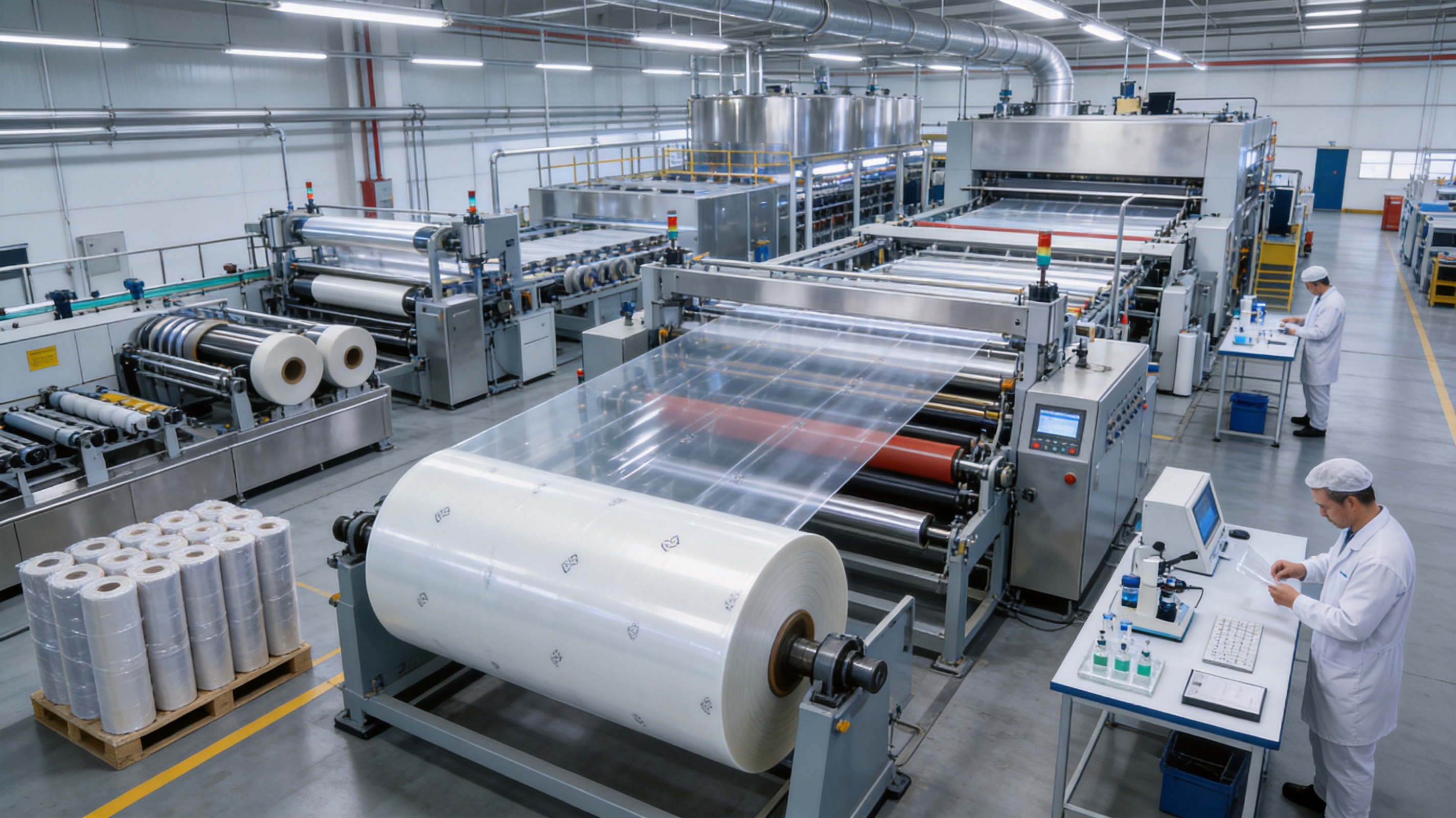
Protective film performance depends not only on the raw materials but also on the consistency of the manufacturing process. The company operates an integrated production system that includes backing film production, adhesive coating, logo printing, rewinding, slitting, inspection, and packaging. Completing these stages within its own factory supports better process coordination and product customization.
The backing film provides the mechanical foundation of the product. It must offer suitable tensile strength, flexibility, thickness consistency, transparency, and elongation. A stable backing film allows the protective material to unwind smoothly and conform to the protected surface without excessive wrinkling.
The stated elongation is at least 300 percent. High elongation can help the film accommodate moderate handling and application movement without tearing. It also provides flexibility when the film is applied to large sheets or surfaces with slight curvature. The backing selection can be adjusted according to the customer’s requirements for clarity, color, thickness, and processing performance.
The adhesive coating stage is central to protective film quality. The coating must be applied evenly across the backing film, with controlled weight and uniform distribution. Uneven coating can cause inconsistent adhesion, visible streaks, edge lifting, transfer, or difficult removal.
The company offers acrylic water adhesive, acrylic solvent adhesive, and natural rubber adhesive for different industry requirements. The product described here uses an acrylic adhesive designed for low adhesion on acrylic, PET, polycarbonate, PVC, and related surfaces. The appropriate adhesive selection depends on surface energy, storage duration, temperature, processing conditions, and removal requirements.
Advanced coating equipment and controlled production conditions help maintain repeatability from one roll to the next. Process parameters such as coating speed, drying conditions, adhesive viscosity, temperature, and coating weight must be monitored carefully. A stable process is particularly important for transparent film, where small inconsistencies can be visible.
After coating, the adhesive layer must be dried or cured according to its formulation. Inadequate drying may leave residual solvent or moisture, while excessive heat may affect the backing film or adhesive performance. Proper control helps the adhesive achieve the intended balance of tack, peel strength, cohesion, and aging stability.
Controlled drying also contributes to reduced odor, improved storage performance, and lower risk of adhesive transfer. The exact conditions are selected according to the adhesive type and product design. Production records and quality checks help identify variation and support corrective action when necessary.
Customers may request printed logos, product names, handling instructions, or warning messages. The printing process must maintain legibility without compromising the film’s flexibility or protective performance. Up to three colors can be supplied for customized printing.
After coating and printing, the jumbo rolls can be rewound and slit into the requested widths. The available width range of 100 to 2,250 millimeters supports diverse applications, from narrow components to large architectural and industrial sheets. Roll lengths from 100 to 2,000 meters can help customers balance material efficiency, handling convenience, and production speed.
Accurate slitting is important because uneven edges can create problems during automatic application or cause waste during lamination. Controlled rewinding supports smooth roll formation, stable unwinding tension, and reduced telescoping. These details are important for factories using protective film on fast-moving production lines.
The company operates a testing laboratory and uses inspection equipment to evaluate product quality. Typical protective film inspections may include thickness, width, appearance, adhesion, peel behavior, tensile properties, elongation, printing quality, and aging performance.
Visual inspection is especially important for clear film. Operators may check for gels, bubbles, streaks, pinholes, wrinkles, color variation, and other surface irregularities. Adhesion testing helps confirm whether the product remains within the intended low-adhesion range. Application trials can also be conducted on representative acrylic, PET, PC, or PVC surfaces.
Quality control should extend from incoming raw materials to finished rolls. Documented procedures, production records, and traceability make it easier to investigate complaints and maintain consistency. The company’s ISO 9001 and ISO 14001 management certifications reflect its focus on quality management and environmental management systems.
Wuxi Qida Tape Co., Ltd. was founded in 1999 and operates a factory area of approximately 20,000 square meters. With more than 95 experienced staff members and annual production capacity exceeding 12,000 tons, the company is equipped to support both regular orders and customized development projects.
Its production experience covers temporary surface protection for stainless steel, aluminum, pre-coated metal, plastic panels, ceramic, carpets, decorative laminates, glass, and other surfaces. This broad application knowledge is valuable when developing a protective film for a new plastic material because performance can be evaluated from both the adhesive and substrate perspectives.
The company has introduced advanced machines from Germany and works with experienced technicians, engineers, and research and development institutes. This combination of equipment and technical knowledge supports improvements in film construction, adhesive formulation, coating control, converting, and application guidance.
Customization is one of the company’s practical strengths. Customers can provide technical data sheets, samples, drawings, or application details for evaluation. Product parameters may be adjusted according to thickness, width, roll length, color, printing, adhesion level, UV resistance, and surface compatibility.
The company can also help customers select the appropriate adhesive type. Acrylic water adhesive may be suitable for certain general applications, while acrylic solvent adhesive or natural rubber adhesive may be considered when different tack, removal, or processing behavior is required. Technical evaluation is recommended rather than selecting an adhesive based only on general material names.
Because the company controls multiple production stages internally, it can coordinate development more efficiently. Backing production, adhesive coating, printing, slitting, and packaging do not need to be handled by unrelated suppliers. This can reduce communication delays and make it easier to implement changes after application testing.
Its products are sold throughout China and exported to Europe, North America, Australia, the Middle East, Japan, and other regions. The company serves customers in approximately 90 export areas and maintains product compliance and testing related to ISO 9001, ISO 14001, SGS, RoHS, REACH, PFAS, and Prop 65 requirements.
Acrylic and polycarbonate are commonly used in indoor and outdoor signs, illuminated displays, retail fixtures, and exhibition structures. Protective film can help preserve the polished appearance of panels while they are cut, printed, assembled, and transported.
For illuminated products, surface clarity is particularly important. Dust, scratches, or adhesive marks may become more visible when the panel is lit from behind. A clear film can provide temporary protection until the final installation or inspection stage.
Plastic panels are increasingly used for partitions, decorative walls, glazing, ceiling components, furniture, and interior design features. These products may be manufactured in large sizes and transported through several handling stages before installation.
Large-format film widths can reduce the number of overlaps and improve application efficiency. A width of up to 2,250 millimeters is suitable for many large sheets, subject to the customer’s equipment and application method. Printed instructions can also help installation teams remove the film at the correct stage.
PET, PC, and acrylic materials may be used in displays, control panels, insulating components, covers, labels, and electronic assemblies. The surface may include printing, coating, or functional treatment that requires protection from scratches and contamination.
In these applications, low residue and stable adhesion are essential. The film should remain in place during assembly but be removable without contaminating the component. Compatibility testing is strongly recommended when the surface includes a specialty coating or when the component will be exposed to heat during processing.
Polycarbonate and acrylic components are used in lighting, instrument panels, interior trim, protective screens, and transportation equipment. During manufacturing and delivery, these parts may be exposed to vibration, friction, dust, and contact with packaging materials.
Protective film can reduce cosmetic damage while parts move between production stations. Customized printing can identify part numbers or indicate the correct removal stage. The required product should be selected according to the component’s shape, surface coating, temperature exposure, and storage duration.
Plastic sheet processors may apply the film before sawing, routing, drilling, bending, forming, or machining. The film can help reduce direct contact between processing equipment, work tables, gloves, and the finished surface.
When the film is used during fabrication, operators should confirm that the processing method does not generate excessive heat or cause the film to melt, shrink, or transfer adhesive. Application trials under actual processing conditions provide the most reliable guidance.
Before applying the film, the material surface should be clean, dry, smooth, and free from dust, grease, oil, moisture, and other contamination. Surface contaminants can create bubbles, incomplete contact, edge lifting, or localized adhesive problems.
Use a cleaner that is known to be compatible with the substrate. Harsh solvents may damage acrylic, polycarbonate, printed surfaces, or specialty coatings. After cleaning, allow the surface to dry completely. Applying film to a damp or contaminated surface may reduce adhesion consistency and affect removal.
Application should preferably take place in a clean environment with moderate temperature and humidity. Very low temperatures can make the film less flexible and reduce initial adhesion. Excessive heat may increase adhesive tack and make later removal more difficult. Direct sunlight should be avoided during application and storage unless the product has been specifically selected for that exposure.
Align the film carefully before bringing the full adhesive surface into contact with the material. A clean cloth, rubber roller, or squeegee can help apply the film gradually and reduce bubbles or wrinkles. Start from one edge and move progressively across the surface rather than placing the entire film at once.
Apply moderate, even pressure. Excessive pressure may stretch the film, create distortion, or increase contact with a sensitive surface. Uneven tension can lead to curling or shrinkage after application. When covering large sheets, two operators or suitable application equipment may be required.
Edges should be pressed down securely without forcing the film around sharp corners or irregular projections beyond its designed capability. Dust tends to collect at loose edges, so clean cutting and accurate positioning are important. If the product will be stored outdoors or transported for a long period, edge sealing or additional packaging may be considered where appropriate.
Removal should be carried out when the protective function is no longer required or before the recommended protection period is exceeded. Leaving film on the surface for too long may increase the possibility of adhesive aging, residue, discoloration, or difficult removal, especially under heat and ultraviolet exposure.
Begin at a corner or edge and peel slowly at a consistent speed. An angle of approximately 45 degrees is often suitable, although the ideal angle may vary according to the substrate and adhesive grade. Avoid pulling sharply upward because this may increase peel force and place unnecessary stress on the surface.
For large-area applications, gradual removal is recommended. If the adhesive has become more resistant because of temperature or storage conditions, gentle preheating may help soften the adhesive. Heating should be controlled carefully and should not exceed the temperature tolerance of the acrylic, PET, polycarbonate, coating, or printed layer.
If a small amount of adhesive residue remains, use a mild cleaner or solvent recommended for the particular substrate. Test the cleaner on an inconspicuous area first. Wipe gently with a soft cloth or sponge and avoid abrasive pads, sharp tools, or aggressive chemicals that could create scratches or haze.
Protective film rolls should be stored in a clean, dry, and ventilated area. Keep the rolls away from direct sunlight, heat sources, water, dust, and corrosive chemicals. Rolls should remain in their original packaging until they are ready for use.
Store the rolls horizontally or according to the supplier’s handling instructions, and avoid placing excessive weight on them. Rough handling can damage the edges, create telescoping, or cause deformation that affects application performance.
First-in, first-out inventory management is recommended. Record the production date, product grade, roll width, lot number, and intended application. This information can support traceability and help ensure that film is used within the recommended storage period.
Before production use, allow the film and substrate to reach the same room temperature. Temperature differences may create condensation or affect adhesion during application. A small trial should be completed when the material, coating, storage condition, or application process changes.
Selecting the correct protective film requires more than matching the general name of the substrate. Acrylic sheets, PET films, and polycarbonate panels can have different surface energies, coatings, gloss levels, textures, and processing histories. The adhesive that performs well on one grade may not produce the same result on another.
Important selection factors include the material type, surface finish, thickness, coating condition, application temperature, expected storage period, indoor or outdoor exposure, processing steps, removal timing, and required visual appearance. The customer should also specify whether the film will be applied manually or by machine.
Selection factor |
Why it matters |
Recommended evaluation |
Substrate material |
Different plastics have different surface properties and chemical sensitivity. |
Test on the actual acrylic, PET, PC, or PVC grade. |
Surface finish |
Glossy, matte, coated, printed, and textured surfaces may require different adhesion. |
Check application appearance and removal behavior. |
Protection duration |
Adhesive behavior may change during long storage or outdoor exposure. |
Conduct accelerated or real-time aging trials when necessary. |
Processing temperature |
Heat may affect the backing film, adhesive, or substrate. |
Test under the actual processing temperature and duration. |
Film width |
The width affects overlap, labor, waste, and equipment compatibility. |
Choose a width suitable for the sheet and application system. |
Printing requirement |
Printed information can improve identification and handling control. |
Approve artwork, colors, position, and legibility before production. |
Removal method |
Manual and automatic removal impose different requirements. |
Evaluate peel force, tearing, residue, and film integrity. |
Surface protection can contribute to material efficiency by reducing scratches, contamination, rework, and product rejection. When fewer sheets are discarded because of handling damage, manufacturers may use raw materials and production energy more efficiently.
The company maintains ISO 14001 environmental management certification and provides product compliance and testing information associated with SGS, RoHS, REACH, PFAS, and Prop 65 requirements. Specific compliance documentation should be confirmed according to the product grade, destination market, and customer application.
Protective film is generally a temporary material and should be managed responsibly after removal. Customers should follow local requirements for collection, recycling, or disposal. The film should not be burned or discarded in a manner that violates applicable environmental regulations.
A protective film supplier should be evaluated not only by price but also by technical consistency, production capacity, customization ability, quality systems, and after-sales support. A low-cost film that creates residue, causes rework, or fails during transportation may produce a higher total cost than a correctly specified product.
An experienced manufacturer can assess the relationship between backing film, adhesive, substrate, application method, and storage conditions. This broader perspective is useful when a customer is introducing a new acrylic, PET, or polycarbonate product or when an existing film is causing bubbles, curling, edge lifting, or difficult removal.
Wuxi Qida Tape Co., Ltd. combines product development, manufacturing, inspection, customization, and technical support. Its integrated facility, experienced production team, engineering capability, and international supply experience enable it to serve different industries and surface protection requirements.
The company’s ability to develop products according to technical data sheets or customer samples is particularly useful for specialized applications. Customers can discuss the target surface, desired adhesion, roll dimensions, printing, UV exposure, and processing conditions before confirming a production specification.
With production capacity exceeding 12,000 tons annually and export experience in around 90 areas, the company is positioned to support both standard protective film orders and larger ongoing supply programs. Its manufacturing process is supported by quality inspection equipment, a testing laboratory, and management systems designed to promote repeatability.
The product is designed for acrylic or PMMA, PET or polyester, polycarbonate or PC, PVC, and related plastic surfaces. Because surface coatings and treatments can vary, testing on the actual material is recommended before mass application.
Yes. The product is available in clear construction and is designed for applications where clarity and clean removal are important. Its low-gel adhesive system helps reduce the possibility of visible adhesive irregularities, ghost shadows, and fish-eye effects.
Standard thickness options range from 30 micrometers to 60 micrometers. The appropriate thickness depends on the required mechanical protection, handling method, application equipment, and surface characteristics.
Widths range from 100 millimeters to 2,250 millimeters, and roll lengths range from 100 meters to 2,000 meters. Customized dimensions can be discussed according to equipment compatibility and production requirements.
Yes. Customized logos, product names, warnings, and application instructions can be printed in up to three colors. Artwork and printing requirements should be approved before production.
The stated UV resistance is up to approximately three to six months, depending on the product grade and environmental conditions. Direct sunlight, high temperature, humidity, and geographic location can affect performance. Customers should establish a removal schedule based on actual exposure conditions.
The low-adhesion acrylic adhesive is designed for clean removal when the film is properly selected, applied, stored, and removed within the recommended period. Residue risk may increase after excessive heat, long-term UV exposure, contamination, or use on an incompatible coating.
Start at an edge and peel slowly at a consistent speed, generally at an angle of around 45 degrees. Avoid sudden upward pulling. If necessary, gentle controlled preheating may help soften the adhesive, but the temperature must remain safe for the substrate and coating.
It may be suitable for certain cutting, routing, drilling, bending, or forming operations. The application should be tested under actual processing conditions because heat, friction, and chemical exposure can affect the film and adhesive.
Yes. In addition to acrylic water adhesive and acrylic solvent adhesive, the company offers natural rubber adhesive for different application requirements. Selection should be based on the substrate, adhesion level, processing conditions, and removal expectations.
Customers can provide the substrate information, surface finish, desired film color, thickness, width, roll length, adhesion requirement, printing artwork, protection period, and application method. Samples or technical data sheets can also be supplied for evaluation and product development.
The company operates under ISO 9001 and ISO 14001 management systems and provides testing and compliance information associated with SGS, RoHS, REACH, PFAS, and Prop 65 requirements. The exact documentation should be confirmed for the selected product and market.
Protective Film For Acrylic, PET, Polycarbonate, PVC, and related surfaces provides an effective way to preserve appearance and reduce handling damage during manufacturing, transportation, storage, and installation. Its main benefits include low and stable adhesion, high clarity, low gel content, easy removal, good weatherability, flexible specification options, and support for customized printing.
The product is available in thicknesses from 30 to 60 micrometers, widths from 100 to 2,250 millimeters, and roll lengths from 100 to 2,000 meters. Clear, white, foggy clear, and other options can be selected according to the application. The stated elongation of at least 300 percent provides flexibility for handling, while UV resistance of up to approximately three to six months supports many temporary outdoor or high-light applications.
Its advantages are reinforced by an integrated manufacturing process that includes backing film production, adhesive coating, printing, rewinding, slitting, inspection, and packaging. Wuxi Qida Tape Co., Ltd. combines production capacity, technical development, laboratory testing, customization, international supply experience, and quality management systems to provide protective film solutions for demanding surfaces.
For the best results, customers should select the adhesive and film construction according to the actual substrate and operating conditions. Proper surface preparation, controlled application, suitable storage, and careful removal are equally important. When product selection and application procedures are managed together, protective film can help reduce rework, protect visual quality, improve production efficiency, and deliver a cleaner final product.
1. Wuxi Qida Tape Co., Ltd. Product specification information for protective film for acrylic, PMMA, PET, PC, and related surfaces.
2. Wuxi Qida Tape Co., Ltd. Manufacturing and company capability information concerning protective films and surface protection solutions.
3. ISO 9001, Quality Management Systems: Requirements.
4. ISO 14001, Environmental Management Systems: Requirements with Guidance for Use.
5. General technical guidance for pressure-sensitive adhesive selection, application, aging, and removal.
6. General material references for acrylic, polyester, polycarbonate, and PVC sheet processing and surface protection.
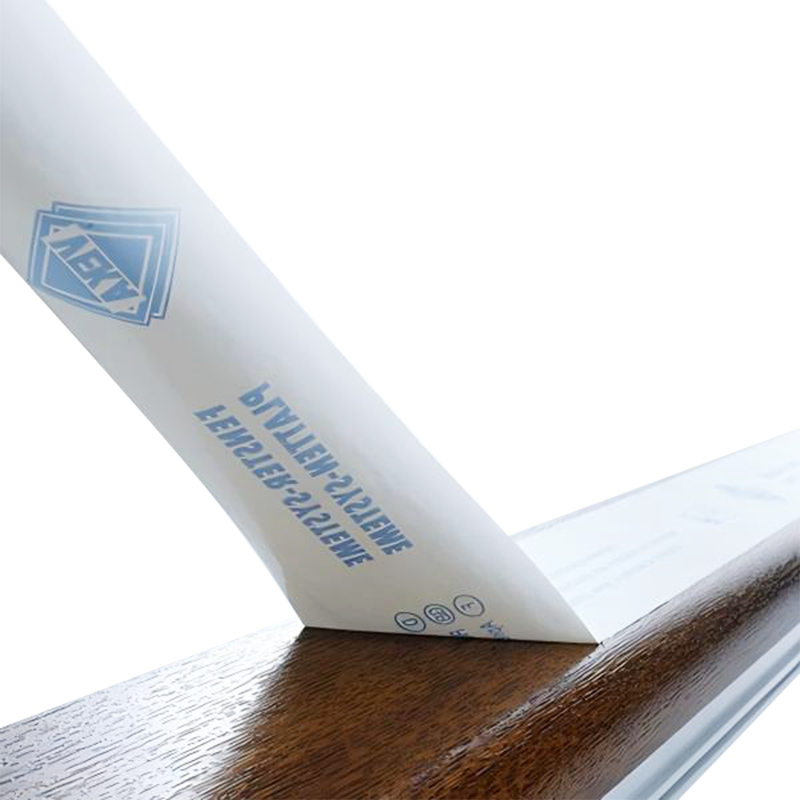
● Good weatherability for outdoor exposure; ● Stable adhesion level; ● UV resistance for up to 12 months; ● Can print customized logo or application i...
See Details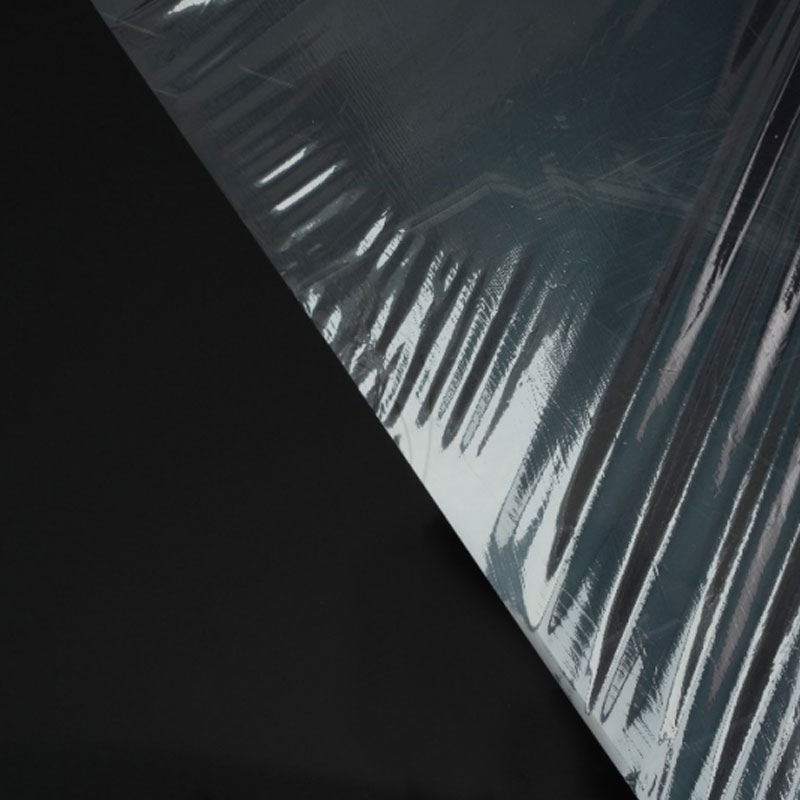
● No “ghost shadow” or “fish eye” after removal; ● Stable adhesion level; ● UV resistance for up to 6 months; ● Can print customized logo or applicati...
See Details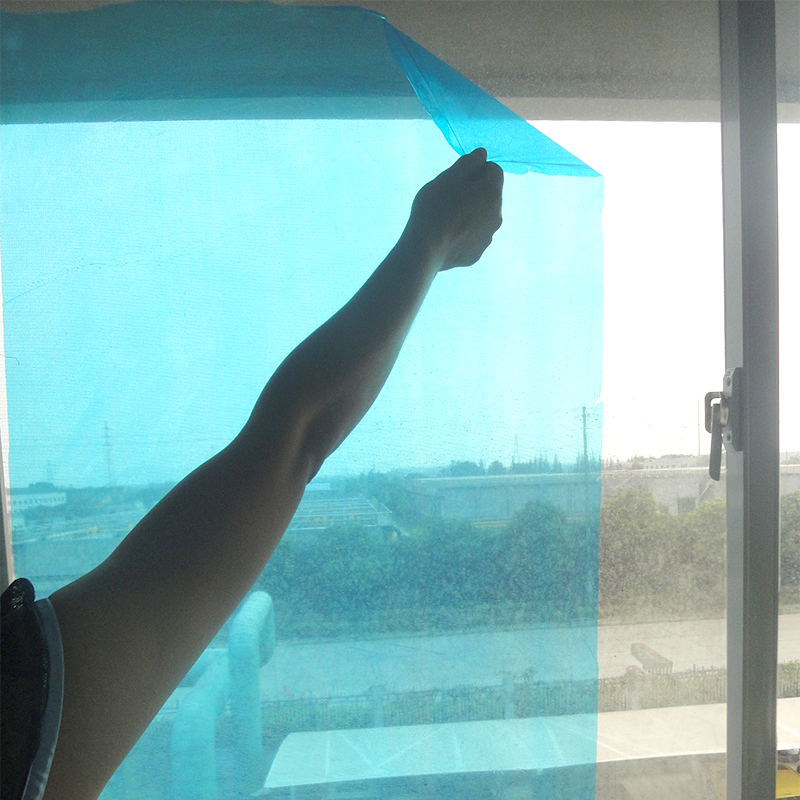
● Protect window glass against paint splatters, dirt, staining, and spillages during painting, building, plastering, tiling, general maintenance and r...
See Details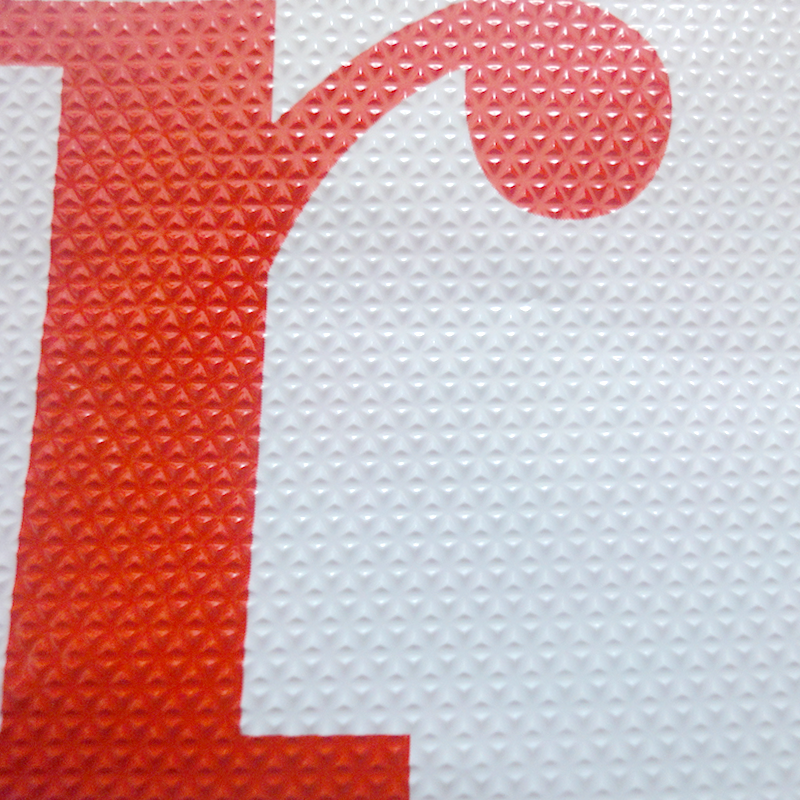
● Anti-slip; ● Embossed film surface to guarantee trip safety;● Tough puncture-resistant polyethylene film;● Can be coated with or without adhesive;● ...
See Details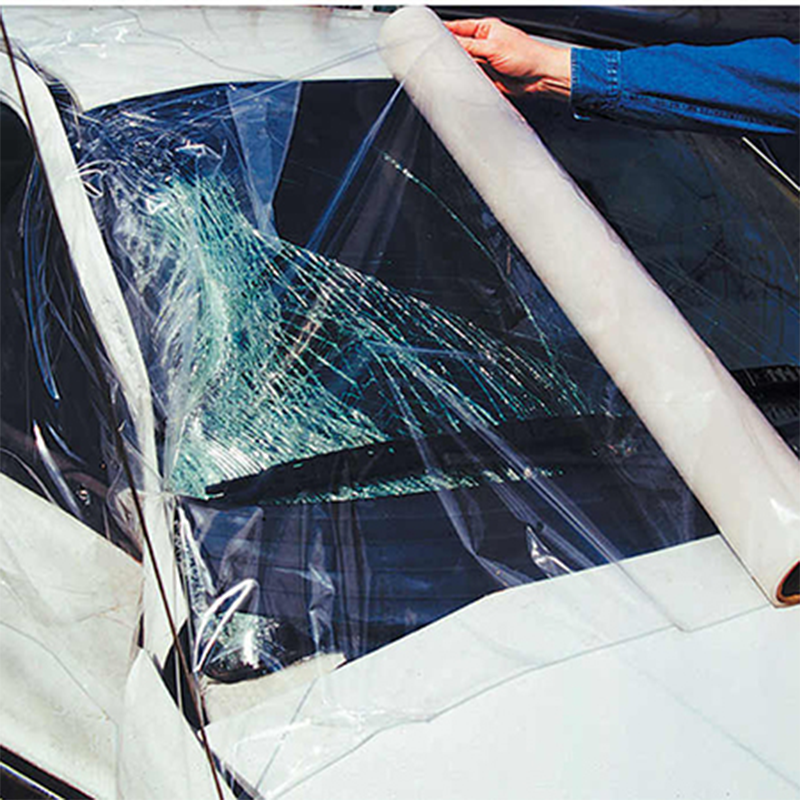
● The super-tough polyethylene film resists puncture and penetration by rain, snow, debris, and dirt during the transportation and storage of the cras...
See Details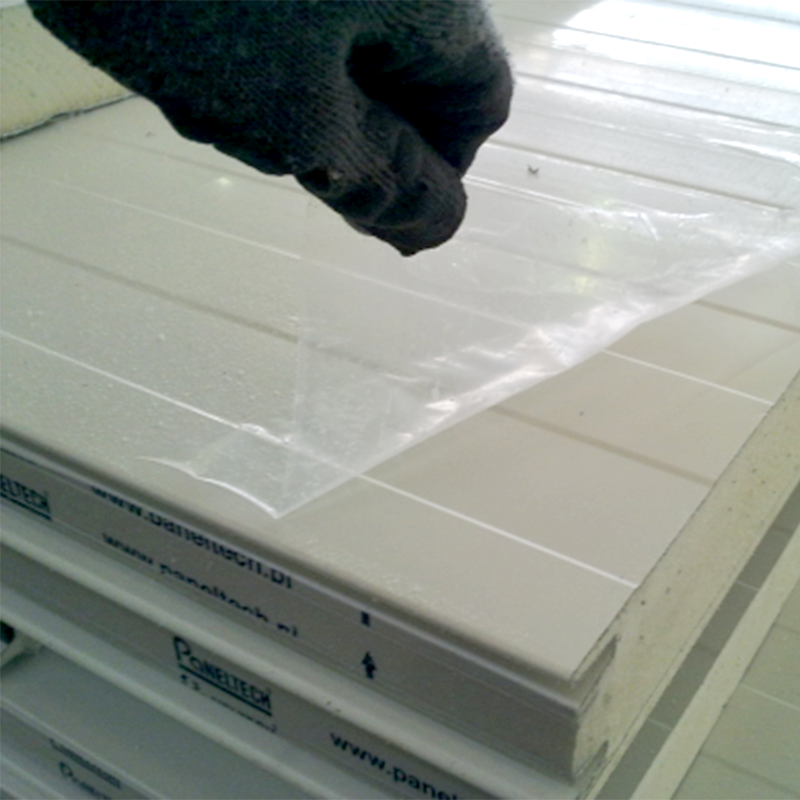
● The specially formulated adhesive ensures easy application and removal without leaving residue glue on the sandwich panels; ● The super-tough polyet...
See Details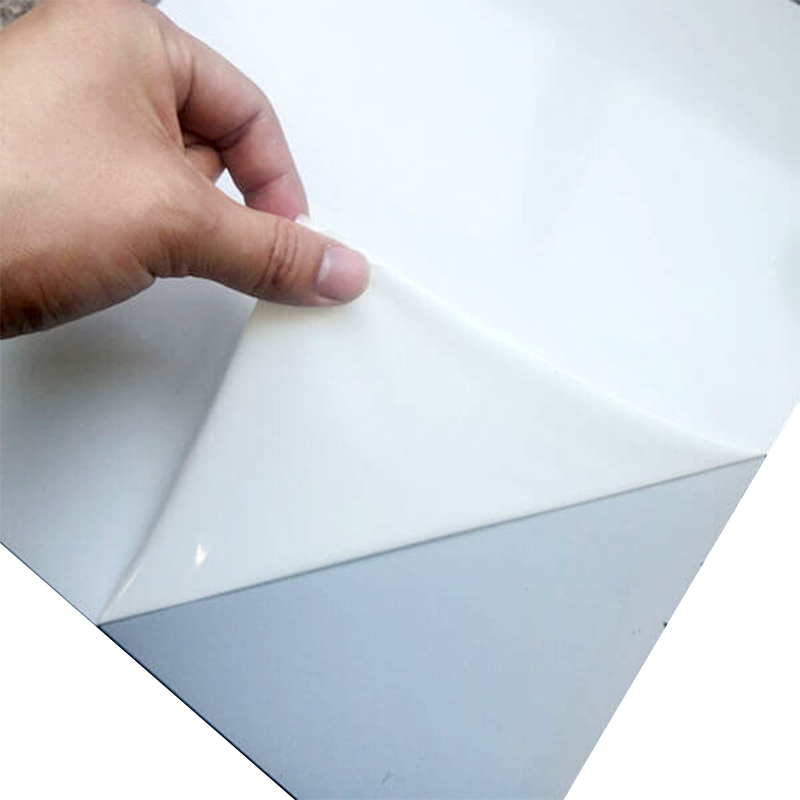
● The super tough polyethylene film with super high adhesion can stop parts of the glass or mirror from splintering away and injuring people when it i...
See Details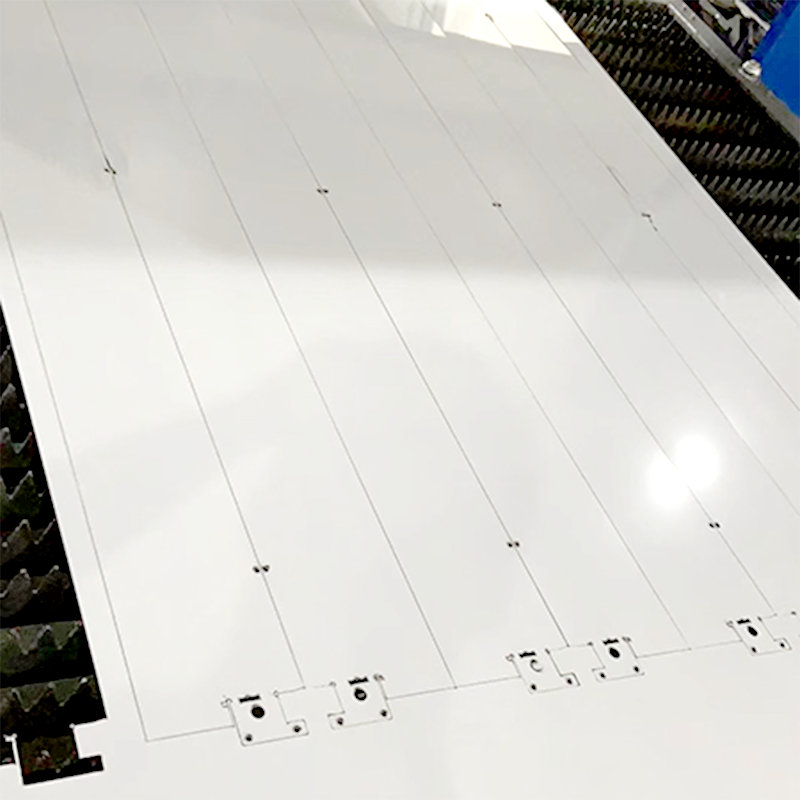
● The specially formulated natural rubber adhesive suitable for both CO2 and Fiber laser cutting processes;● High cutting quality without burr or trac...
See Details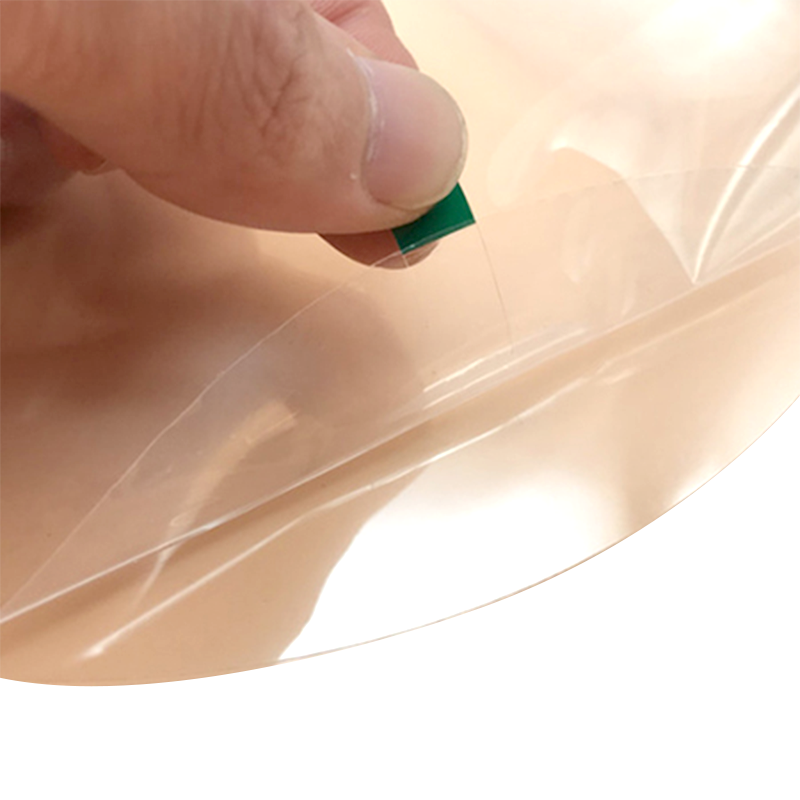
● Suitable for plastic sheets’ drilling, cutting, routing, thermoforming, bending, or post-fabrication operations;● No “ghost shadow” or “fish eye” af...
See Details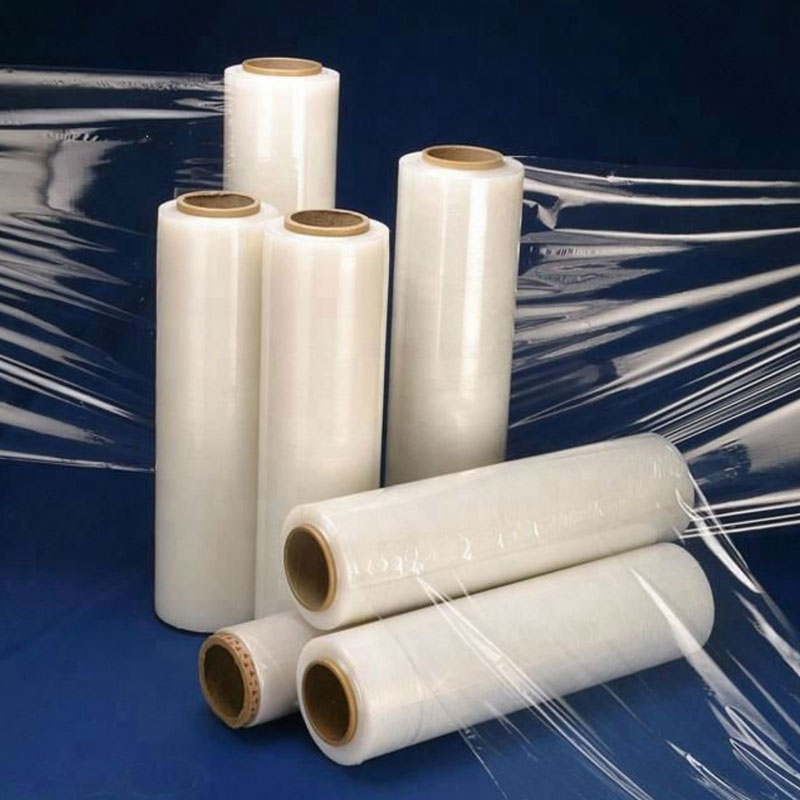
● Small roll size for convenient manual application;● Excellent puncture and tear resistance ; ● A self-adhering-each layer of film bonds to the next ...
See DetailsWe’re a reliable partner that shapes our expertise into success for your project.
Copyright 2024 Wuxi Qida Tape Co., Ltd. All Rights Reserved
 Wholesale Protective Film/Foil Manufacturers
Privacy