

 English

 English
 русский
 Français
 Español
 Português
 عربى


Cat:Glue -coated Protective Film
● No “ghost shadow” or “fish eye” after removal; ● Stable adhesion level; ● UV resistance for up to 6 months; ● Can print customized logo or applicati...
See Details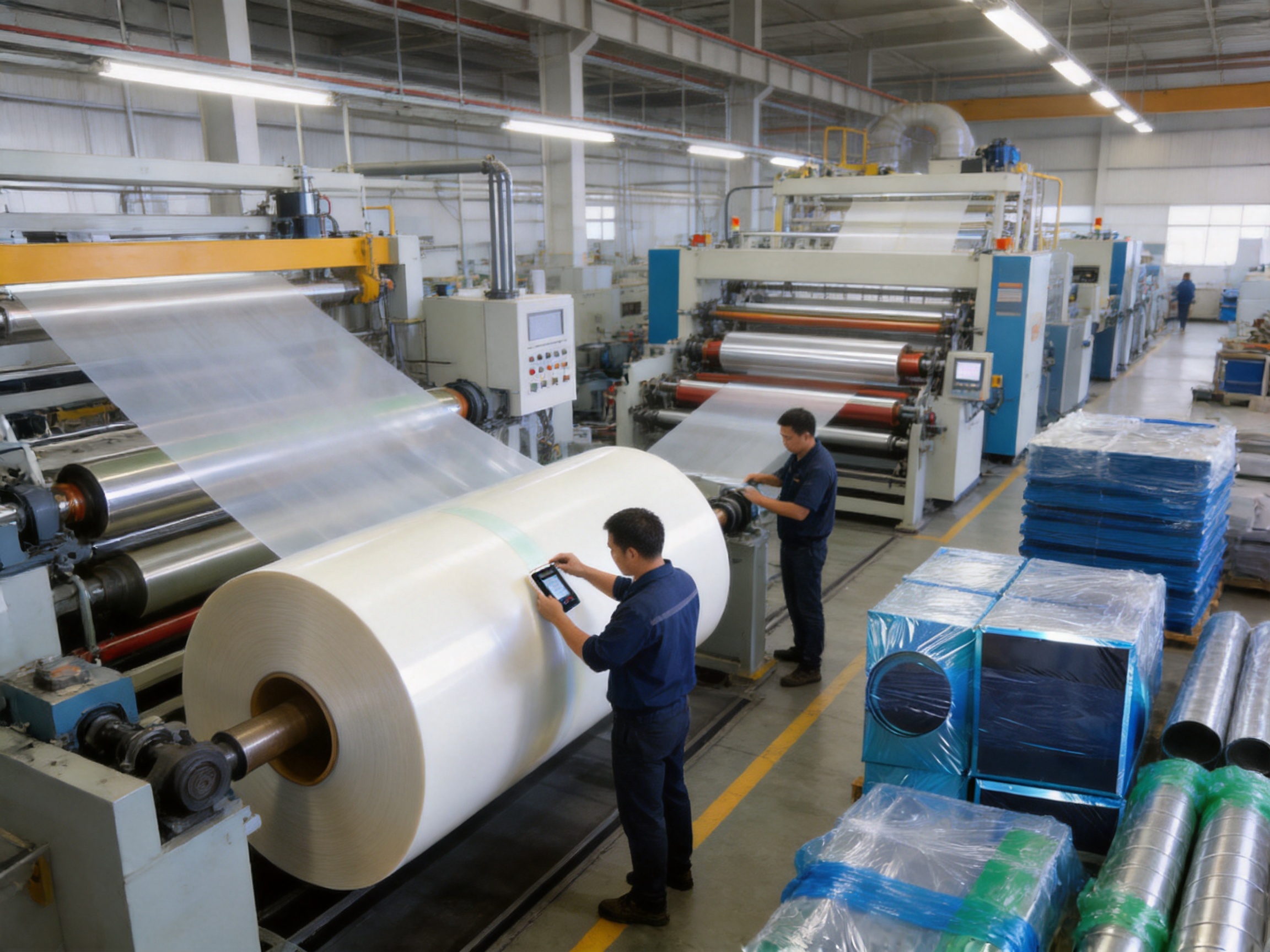
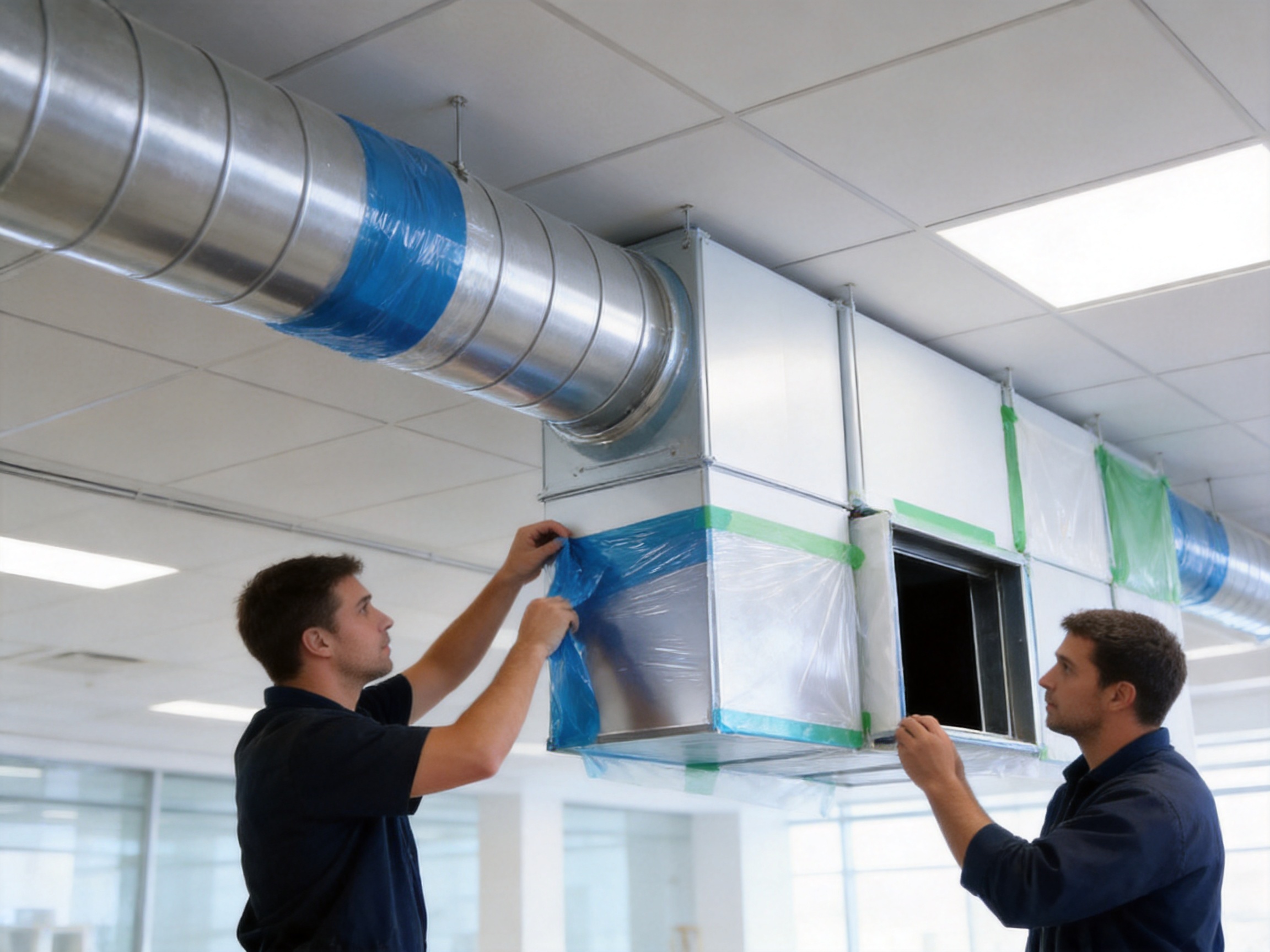
HVAC ductwork is exposed to many risks before a ventilation system becomes operational. During fabrication, storage, transportation, lifting, installation, and final commissioning, duct surfaces can be scratched, dented, contaminated, or marked by dust and construction materials. Even when the duct remains structurally sound, visible surface damage can affect its appearance, increase cleaning requirements, delay project completion, and create additional maintenance costs.
HVAC duct protective film is designed to provide temporary protection throughout these demanding stages. Made from tough polyethylene film and coated with a specially formulated acrylic adhesive, it creates a practical barrier against dirt, moisture, abrasion, scratches, and accidental contact with tools or other construction materials. Once the ductwork is ready for installation or commissioning, the film can be removed cleanly without leaving adhesive residue when correctly selected and applied.
For contractors, duct manufacturers, distributors, and HVAC system integrators, the value of a protective film is not limited to surface appearance. A well-designed film can help keep open ductwork clean, reduce the amount of wiping required before commissioning, simplify material handling, and protect finished or coated surfaces from unnecessary damage. It can also be customized with logos, warnings, handling instructions, or project information.
This article explains the construction, benefits, applications, technical characteristics, customization options, and manufacturing strengths associated with high-quality HVAC duct protective film. It also examines why film performance depends on the backing material, adhesive formulation, coating process, quality control, and suitability for the intended duct surface.
HVAC duct protective film is a temporary adhesive film used to protect ductwork and related components during production, transportation, storage, construction, and installation. It generally consists of a polyethylene backing film coated on one side with a pressure-sensitive adhesive. The adhesive allows the film to be applied without heat, water, or specialized equipment.
The film is normally applied to the external surface of duct panels, finished duct sections, access panels, fittings, or other exposed components. It may also be used to create temporary closures over open duct ends or openings. This helps prevent dust, debris, sawdust, metal particles, packaging fragments, and other contaminants from entering the ventilation system before final connection and commissioning.
Unlike permanent labels or construction tapes, protective film is intended to be removed after the protected stage is complete. Its performance must therefore balance several requirements. It needs sufficient adhesion to remain attached during handling and transportation, but it must also release cleanly when removal is required. It must be flexible enough to conform to flat and slightly curved surfaces while remaining tough enough to resist puncture and tearing.
The film can be supplied in different thicknesses, widths, colors, roll lengths, and printing configurations. Common colors include blue, clear, green, yellow, and white. Depending on project requirements, the surface can be printed in up to three colors with a company logo, “Remove Before Operation” instruction, installation guidance, product identification, or other customized information.
Ductwork is frequently manufactured from galvanized steel, aluminum, pre-coated metal, stainless steel, fiberglass, or composite materials. Although many of these materials are durable, their surfaces can still be damaged during normal project activities. Finished coatings may be scratched by metal edges, forklifts, straps, tools, packaging, or contact with other duct sections.
Transportation creates another source of risk. Duct sections may be stacked, loaded onto trucks, moved through warehouses, or transferred between different floors of a construction project. Vibrations and repeated movement can cause surfaces to rub against supports or adjacent components. Protective film reduces direct contact and helps maintain the condition of the visible surface.
Construction sites are also dusty and active environments. Open ductwork can collect dust, plaster, concrete particles, insulation fibers, packaging waste, and other debris. Contamination inside a duct system increases the amount of cleaning required before the system can be placed into service. In some projects, excessive dust may also affect indoor air quality requirements or commissioning schedules.
Temporary protection is especially valuable when ductwork is installed before ceilings, walls, flooring, or other interior finishes are complete. Other trades may continue working around the duct system, increasing the chance of accidental impact or contamination. A properly selected protective film provides a visible and removable barrier during this period.
Without protection, a contractor may need to spend additional labor hours wiping down duct sections, removing construction marks, repairing surface damage, or replacing visibly damaged components. These costs can be greater than the original price of the protective film. The film therefore functions as a preventive measure that supports both quality control and project efficiency.
The polyethylene backing is engineered to withstand the physical demands of storage, transportation, and installation. Its toughness helps resist puncture and penetration by liquid, dirt, sharp edges, and incidental contact with tools. Compared with thin, low-strength films, a durable polyethylene backing is less likely to split when pulled across a duct surface or handled at a construction site.
The backing also provides flexibility. It can be unrolled over long duct sections and pressed onto flat panels with limited wrinkling. The flexibility makes the film practical for covering large areas, while the film’s elongation allows it to accommodate ordinary handling and moderate surface irregularities.
The primary function of the film is to establish a temporary barrier between the duct surface and the surrounding environment. It helps protect against scratches, abrasion, fingerprints, dust, dirt, light moisture, and marks caused by handling. For coated or decorative duct surfaces, this protection can preserve appearance until final handover.
The film does not replace careful handling or suitable packaging, and it is not intended to provide permanent outdoor weather protection. However, it offers an effective additional layer of protection during normal HVAC project operations. Its value is particularly clear when several trades are working in the same area or when finished ductwork must remain exposed for an extended period.
HVAC duct protective film can be used as a temporary closure on open duct ends and openings. This helps reduce the entry of dust and debris during storage and installation. Keeping the duct interior cleaner may reduce the time required for internal inspection and wipe-down activities before commissioning.
Temporary closure is also useful when duct sections are installed in phases. A project may leave some openings exposed while waiting for connecting sections, grilles, dampers, or other components. Applying film over these openings helps maintain a more controlled internal condition until the next installation stage begins.
The specially formulated acrylic adhesive is designed to provide secure temporary bonding without leaving excessive adhesive residue after removal. Clean removal is essential because adhesive transfer can create a second cleaning problem and may affect the finish of coated or painted duct surfaces.
Removal performance depends on several factors, including the duct substrate, surface cleanliness, temperature, exposure time, ultraviolet exposure, humidity, and application technique. A film that performs well on one substrate may require testing on another. For this reason, sample evaluation is recommended before large-scale application, particularly for sensitive coatings, textured materials, or long protection periods.
Printing adds both branding and practical communication value. A customized logo can identify the supplier or contractor while the film is installed on a project. Safety information, removal instructions, airflow direction, room identification, or handling notices can also be printed on the film.
Printing is available in configurations ranging from one to three colors. Clear, blue, green, yellow, and white films provide different levels of visibility and contrast. A brightly colored film can make protected duct sections easy to identify, while a clear film may be selected when the underlying surface must remain visible.
The following specifications represent the main product characteristics available for HVAC duct protective film. Exact values may be adjusted according to the duct material, application environment, required protection period, and customer requirements.
| Characteristic | Available or Typical Range | Application Significance |
|---|---|---|
| Backing material | Polyethylene film | Provides flexibility, toughness, and temporary surface protection |
| Thickness | 40 to 100 micrometers | Allows selection of handling strength and conformability |
| Width | 500 to 1500 millimeters | Supports narrow component protection and wide duct panel coverage |
| Roll length | Approximately 60 to 200 meters | Supports different project sizes and application speeds |
| Elongation | At least 300 percent, depending on specification | Helps the film tolerate stretching and handling during application |
| Adhesive type | Acrylic | Provides pressure-sensitive bonding and clean-removal performance |
| Adhesion level | Very high, subject to substrate and test conditions | Helps maintain attachment during storage and installation |
| Film color | Blue, clear, green, yellow, white, and other options | Supports visibility, identification, and project preferences |
| Printing | Up to three colors | Allows logos, instructions, warnings, and product information |
Thickness selection should be based on the expected handling conditions. A thinner film may be suitable for clean indoor installation and short protection periods, while a thicker film may be preferred when the ductwork is exposed to heavier handling, longer storage, or a higher risk of puncture.
Width selection affects application efficiency. Narrow rolls can be useful for seams, small duct sections, access panels, and fittings. Wider rolls can cover large duct panels with fewer overlaps, reducing installation time and the number of possible gaps through which dirt may reach the protected surface.
Roll length should be matched to the application team’s equipment, storage capacity, and consumption rate. Longer rolls may reduce replacement frequency on large projects, whereas shorter rolls can be easier to handle in restricted spaces or during smaller repair and maintenance tasks.
Loose plastic sheeting can cover ductwork, but it often requires additional straps, tape, clips, or temporary supports. Wind, airflow, movement, and worker traffic may displace the sheeting. Gaps can form at edges and corners, leaving the duct surface exposed.
Adhesive protective film follows the surface more closely and remains attached without a separate fastening system. It can provide more uniform coverage and is less likely to move during ordinary handling. This can improve both protection consistency and workplace organization.
General-purpose packaging tape is designed primarily to seal cartons and packages. It may use an adhesive that is too aggressive for finished metal or coated surfaces, making removal difficult or increasing the risk of residue. It also typically covers only narrow strips rather than the full duct surface.
HVAC duct protective film combines a wide polyethylene backing with an adhesive formulated for temporary surface protection. This provides a more suitable balance between coverage, adhesion, flexibility, and removability.
Permanent coatings can offer long-term protection, but they may require specialized application equipment, drying time, surface preparation, and later removal or treatment. They are not always practical for temporary construction protection.
Protective film is supplied ready for use and can be applied and removed as project conditions change. It does not require a curing period and can be replaced or repositioned during the temporary protection stage, subject to the manufacturer’s application guidance.
Leaving ductwork unprotected may appear to reduce material costs, but it can increase labor and rework costs later. Cleaning, repainting, repairing, or replacing damaged duct components can disrupt the installation schedule. Protective film provides a relatively simple preventive solution that supports more predictable project execution.
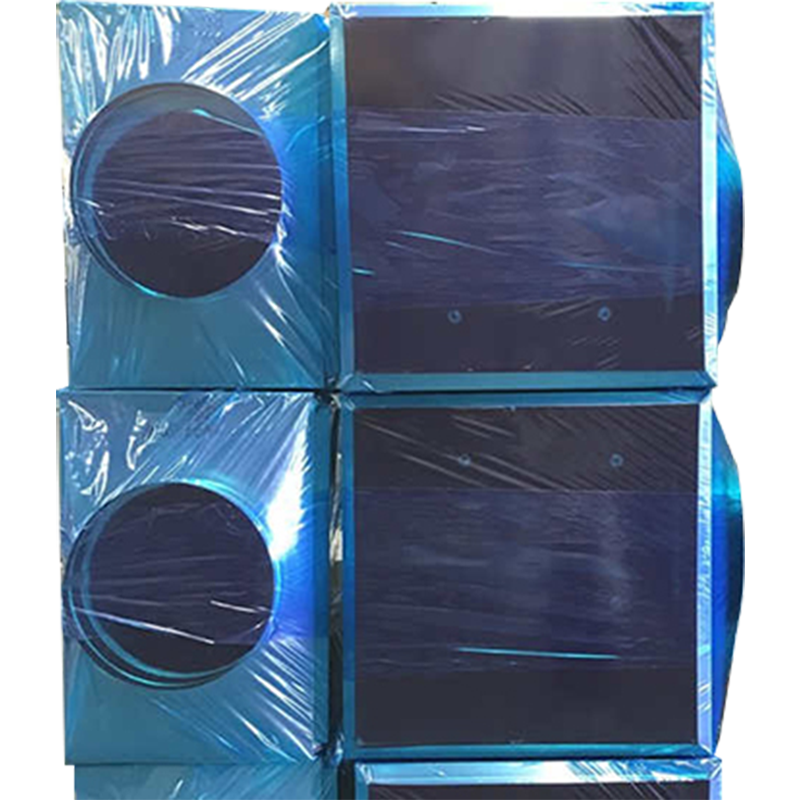
HVAC Duct Protective Film
During fabrication, duct panels and finished sections may pass through cutting, forming, folding, fastening, and inspection processes. Once a surface has been finished or coated, the film can be applied to reduce the risk of handling marks during subsequent operations.
Protective film can also help separate stacked duct panels. When components are moved between production stations, a film layer may reduce direct surface-to-surface contact. This is particularly useful for pre-painted or decorative duct sections where visible marks can affect acceptance at the construction site.
Ductwork may remain in storage for days or months before delivery. During this time, it can be exposed to dust, moisture, accidental contact, and repeated movement. Applying film before storage helps keep surfaces cleaner and makes it easier to identify protected components.
Film should be applied to dry and clean surfaces, and stored materials should remain under conditions appropriate for the duct substrate and adhesive. The protective film is a temporary product; storage duration, temperature, humidity, and ultraviolet exposure should be considered when selecting the specification.
Transport can expose ductwork to vibration, loading pressure, friction, and contact with packaging materials. Protective film helps reduce scuffing and contamination while the material is moved from the manufacturing facility to the construction site or between project locations.
The film should be used together with suitable pallets, separators, edge protection, and restraints. It is not intended to replace safe loading practices. Instead, it acts as a surface-protection layer within a complete logistics system.
During installation, duct sections are lifted, aligned, connected, and adjusted. Workers may use ladders, platforms, hand tools, sealants, fasteners, and lifting equipment nearby. Film helps protect exposed faces while these activities are performed.
It is also valuable when ductwork is installed before other building work is complete. By reducing contact with dust, paint, plaster, and general construction debris, the film helps preserve the appearance of the duct system and can reduce final cleaning requirements.
Existing HVAC systems may require temporary protection when nearby ceilings, walls, floors, or equipment are renovated. Film can be applied to accessible duct surfaces during repair work to reduce contamination and accidental damage.
For maintenance contractors, the film may be used selectively on access areas, replacement sections, or newly installed duct components. Its clean-removal characteristics are especially important when work must be completed without creating additional marks or residue.
Modern HVAC systems use a variety of substrates, and adhesive performance can vary significantly between them. Galvanized steel, aluminum, stainless steel, painted metal, powder-coated surfaces, fiberglass, and composite panels may have different levels of surface energy, texture, coating hardness, and chemical resistance.
On galvanized and stainless steel, the film should be applied to a clean, dry surface without oil, dust, condensation, or loose particles. On aluminum, surface treatments and oxidation can influence adhesion. Painted and powder-coated panels may require particular attention because the coating itself can be more sensitive than the metal beneath it.
Fiberglass and composite duct materials may have textured or porous surfaces. In these cases, the adhesive must be selected and tested to ensure adequate contact without damaging the surface during removal. A small trial area can reveal whether the film conforms properly and whether removal leaves residue or affects the finish.
Testing should include application, removal, and visual inspection after the planned exposure period. Where the film will remain in place for an extended time, testing should be performed under conditions similar to the actual project, including expected temperature, humidity, and light exposure.
The duct surface should be dry, clean, and free from loose dust, oil, grease, moisture, and sharp contaminants. Cleaning methods should be compatible with the duct substrate and coating. Applying film over dirt or moisture can reduce contact and may trap contamination against the surface.
Before full application, test the film on a small, inconspicuous area. Allow the sample to remain in place for a period representative of the expected protection time. Check initial adhesion, edge lifting, removal force, adhesive transfer, and any change to the surface appearance.
Unroll the film gradually and apply it with controlled pressure. A soft squeegee or similar application tool can help remove air pockets and improve contact. Avoid excessive stretching, especially around sharp corners, because high tension may increase the risk of shrinking or edge lifting.
When the film is used for temporary duct closures, ensure that the covered area is fully sealed and that edges remain attached. The closure should be strong enough for the expected handling period but easy to remove when the duct is ready for connection or commissioning.
Remove the film when the protected construction stage is complete and before the duct system is placed into service. Pull the film steadily at a suitable angle rather than tearing it abruptly. If removal becomes difficult, review temperature, exposure time, surface condition, and the selected product specification.
Protective film should not be assumed to remain suitable indefinitely. Extended exposure to heat, sunlight, moisture, or aggressive environments may change adhesive behavior. Project teams should establish a removal schedule and inspect the film periodically when protection is required for a long period.
Product performance depends heavily on manufacturing consistency. A high-quality HVAC duct protective film is not simply a polyethylene sheet with adhesive added. The backing formulation, film extrusion, surface treatment, adhesive preparation, coating uniformity, drying or curing, printing, rewinding, slitting, and packaging must work together.
The process begins with the production of the polyethylene backing film. Resin selection and formulation influence tensile strength, elongation, puncture resistance, flexibility, clarity, and color. The film must be produced with consistent thickness across its width so that it unrolls smoothly and provides uniform protection.
Film inspection may include thickness measurement, appearance checks, tensile testing, elongation testing, and examination for gels, pinholes, wrinkles, or other defects. Stable backing quality supports predictable adhesive coating and reliable application in the field.
The acrylic adhesive is formulated to provide a controlled balance between initial tack, holding power, removability, and resistance to environmental conditions. Adhesive selection can be adjusted according to the target substrate and intended protection period.
Different acrylic technologies may be used for different requirements. Water-based acrylic adhesive can support certain environmental and processing objectives, while solvent-based acrylic systems may be selected for specific performance requirements. Natural rubber adhesive is also available for other protective film applications when its bonding characteristics are appropriate.
During coating, the adhesive must be applied evenly to the polyethylene backing. An inconsistent coating weight may lead to weak bonding in some areas, excessive residue in others, or irregular removal performance. Advanced coating equipment helps control coating thickness, web tension, drying conditions, and line speed.
Coating conditions must be carefully managed to remove residual moisture or solvent and to develop the intended adhesive properties. Temperature, air movement, and drying time all influence the final product. Process monitoring helps ensure that each production batch meets its specified performance targets.
After coating and curing, the film may be printed with one to three colors. Printing requires accurate registration, stable ink adhesion, and controlled web handling. The printed surface should remain legible during normal storage and application.
The large coated rolls are then rewound, slit, and packaged into customer-specified widths and lengths. Slitting accuracy is important because uneven edges can complicate application and create additional waste. Rewinding tension must also be controlled so that the film does not telescope, wrinkle, or become difficult to unwind.
Quality control may include tests for film thickness, tensile strength, elongation, adhesive adhesion, peel behavior, residue, appearance, roll dimensions, printing quality, and packaging condition. Testing should be related to the product’s actual use rather than limited to visual inspection alone.
A professional testing laboratory and modern inspection equipment help manufacturers identify process variation before products are shipped. Batch records and traceability can support customer inquiries, repeat orders, and investigation of application issues.
Wuxi Qida Tape Co., Ltd. is a China-based manufacturer specializing in protective films and surface protection products. Its production activities cover the main stages required for a customized HVAC duct protective film, including backing film production, adhesive coating, logo printing, rewinding, slitting, and packaging.
In-house control of these stages can provide several advantages. It allows production parameters to be coordinated across the entire process, reduces dependence on multiple outside converters, and makes it easier to respond to customer specifications. It also supports more direct investigation when a customer requires a change in adhesion, thickness, color, roll size, or printing.
The company introduced advanced production machines from Germany and operates under ISO 9001 and ISO 14001 management systems. ISO 9001 supports structured quality management and process control, while ISO 14001 reflects an organized approach to environmental management. These systems are useful foundations for consistent manufacturing and responsible production practices.
With a factory area of approximately 20,000 square meters, more than 95 experienced employees, and annual production capacity exceeding 12,000 tons, the manufacturer can support both standard products and larger volume requirements. Its products are supplied within China and exported to Europe, North America, Australia, the Middle East, Japan, and other regions.
The company’s research and development team works with experienced technicians, engineers, and research institutes to develop new protective film solutions. Customers can provide technical data sheets, drawings, samples, or application descriptions for evaluation. This allows the product to be developed around the actual surface, exposure period, adhesive requirement, and converting format.
Customization is one of the most important advantages of a direct manufacturing source. Customers may request specific film colors, thicknesses, widths, roll lengths, adhesive types, printing designs, packaging formats, or core sizes. Technical support can also help determine whether a water-based acrylic, solvent-based acrylic, or another adhesive formulation is appropriate for the target surface.
Protective film supplied to international customers may need to satisfy documentation and compliance expectations in addition to physical performance. Depending on the market and application, buyers may request information related to restricted substances, chemical content, environmental management, or product testing.
The manufacturer’s stated management and compliance framework includes ISO 9001, ISO 14001, SGS, RoHS, REACH, PFAS, and Prop 65 testing or related documentation. The exact relevance of each document depends on the product specification and destination market. Customers should confirm the required scope, test method, date, and product model before purchase.
Compliance information is particularly important for projects involving public buildings, hospitals, schools, transportation facilities, green building programs, or strict indoor environmental requirements. A clear technical file can help contractors and distributors respond to project documentation requests.
Product selection should begin with the duct surface and the protection objective. A film intended for short-term protection on smooth galvanized steel may differ from a film intended for longer protection on a coated or textured surface.
Important selection questions include:
What is the duct substrate?
Is the surface bare metal, painted, powder-coated, laminated, fiberglass, or composite?
How long will the film remain applied?
Will the duct be stored indoors, outdoors, or in a partially enclosed construction area?
Will the film be exposed to sunlight, high temperature, humidity, condensation, or dust?
Is puncture resistance more important than maximum conformability?
Is a clear film preferred, or should the protection be highly visible?
Is customized printing required?
What roll width, length, core size, and packaging format will improve installation efficiency?
Answering these questions helps prevent the selection of a film that is either under-specified or unnecessarily expensive. A technical sample evaluation remains the best way to confirm compatibility and removal behavior before volume production.
Duct manufacturers can apply protective film before products leave the factory. This helps preserve the appearance of finished goods during stacking and transportation. Printed film can also identify the manufacturer, product series, project number, or removal instruction.
Contractors can use the film to keep installed ductwork cleaner while other construction work continues. Reduced contamination may shorten final cleaning and inspection activities. Standardized film widths can also help installation crews work more quickly and consistently.
Distributors benefit from rolls that are easy to store, identify, and supply in different formats. Consistent packaging, clear specifications, and customized labels can simplify inventory management and customer service.
Owners and developers benefit indirectly through reduced rework, improved finish quality, and a cleaner handover condition. Protecting ductwork during construction supports the broader goal of delivering a reliable and visually acceptable building system.
Temporary protective film should be used thoughtfully and removed promptly when its function is complete. Correct specification helps avoid unnecessary material consumption. Selecting the right thickness and width can reduce waste while still providing adequate protection.
Environmental management also depends on manufacturing practices, packaging choices, transportation efficiency, and disposal procedures. Customers should follow local requirements for handling used polyethylene film and contaminated materials. Where recycling infrastructure is available, clean used film may be directed to an appropriate recycling stream, subject to local regulations and facility acceptance.
The purpose of the film is preventive: by reducing scratches, contamination, repairs, replacements, and repeated cleaning, it may help lower the total material and labor impact of a project. Its environmental benefit should therefore be assessed across the full application lifecycle rather than by considering the film alone.
Edge lifting may result from dust, oil, moisture, surface texture, insufficient application pressure, or excessive stretching. Clean the surface, apply the film without unnecessary tension, and press the edges firmly. If the problem continues, evaluate whether a different adhesive level or film specification is required.
Residue may be associated with excessive exposure time, high temperature, ultraviolet exposure, unsuitable substrate coatings, or incompatibility between the adhesive and surface. Conduct a small-area test and follow the recommended removal period. Do not assume that a film suitable for bare metal will behave identically on every painted or coated surface.
Tearing can occur when a film is too thin for the handling conditions, when it is pulled across sharp edges, or when it has been damaged before application. Consider a thicker film, improve edge handling, and inspect rolls before use.
Dust or moisture trapped beneath the film can reduce adhesion and may affect the appearance of the protected surface. Apply the film only after the surface has been properly prepared. Avoid application during condensation or when the duct surface temperature is unsuitable.
Removal difficulty may occur if the film has remained in place longer than intended or has been exposed to heat and sunlight. Remove the film according to the project schedule and test the product under expected site conditions before large-scale use.
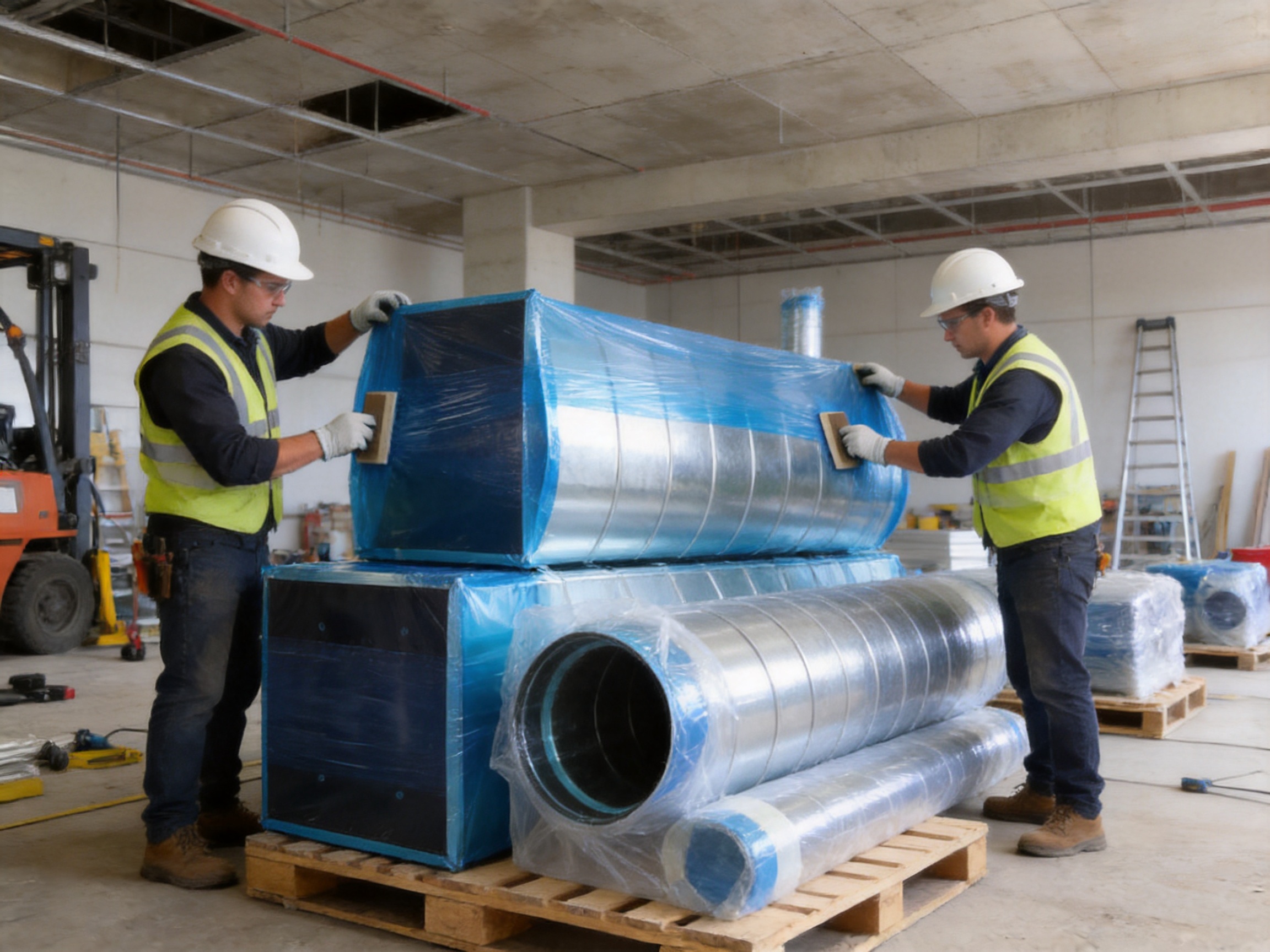
Its primary purpose is to protect duct surfaces from scratches, abrasion, dirt, dust, moisture, and handling damage during manufacturing, storage, transportation, and installation. It can also be used as a temporary closure over open ductwork to reduce the entry of construction debris.
The acrylic adhesive is specially formulated for clean temporary protection and removal. However, actual results depend on the substrate, temperature, exposure time, surface condition, and environmental conditions. A compatibility and removal test should be completed before full application.
The film may be used on galvanized steel, aluminum, stainless steel, painted metal, coated panels, fiberglass, and composite materials, subject to compatibility testing. Surface finish and coating chemistry can affect adhesive behavior.
It is primarily a temporary protection product. Long-term exposure to sunlight, heat, humidity, and weather can change the backing and adhesive properties. Customers requiring extended or outdoor protection should request a specification designed for those conditions and confirm performance through testing.
Available thicknesses generally range from 40 to 100 micrometers. The appropriate thickness depends on the required puncture resistance, handling conditions, protection duration, surface shape, and application budget.
Yes. Customized printing of up to three colors is available. Logos, handling instructions, removal warnings, product identification, and project information can be incorporated according to the approved artwork.
Common options include blue, clear, green, yellow, and white. Other color requirements may be evaluated according to production quantity and technical feasibility.
Yes. It can provide temporary closures over open ductwork and help limit the entry of dust and debris. The film should be applied securely and removed before the duct system is connected, tested, or placed into operation.
It can reduce cleaning, repair, replacement, and rework costs caused by surface damage and contamination. It may also shorten wipe-down time and help contractors complete final inspection and commissioning activities more efficiently.
Useful information includes duct substrate, coating type, expected protection period, indoor or outdoor conditions, required film thickness, roll width, roll length, color, printing design, estimated quantity, core size, packaging requirements, and destination market.
Yes. Technical data sheets, samples, and application details can be used to develop or adjust a protective film solution. Customization may include adhesive type, film dimensions, color, printing, packaging, and other production parameters.
The manufacturer operates with ISO 9001 and ISO 14001 management systems and states that its product and compliance documentation includes SGS, RoHS, REACH, PFAS, and Prop 65 testing or related support. Specific documents should be confirmed for the selected product and market.
Purchasing directly from a manufacturer can provide more control over product specifications, lead times, technical communication, and quality documentation. It also makes it easier to coordinate custom widths, colors, printing, roll lengths, adhesive types, and packaging formats.
A direct manufacturer with in-house production can respond more efficiently when an HVAC project requires a modified film. Instead of combining a standard backing from one supplier with adhesive and converting services from several others, the production process can be managed as an integrated system.
Wuxi Qida Tape Co., Ltd. offers protective film solutions supported by its own production, coating, printing, converting, testing, and packaging capabilities. Its experience in surface protection includes stainless steel, aluminum, pre-coated metal, plastic panels, ceramic, carpets, decorative laminates, glass, and other surfaces. This broader technical experience can support the development of suitable HVAC duct protection products for different substrates and project conditions.
The company was founded in 1999 and serves customers in approximately 90 export areas. Its stated strengths include product customization, competitive cost, production capacity, adhesive selection, quality control, engineering support, and responsive service. These capabilities are relevant to buyers seeking a stable supply of protective film for recurring duct production or large construction projects.
HVAC duct protective film is a practical and cost-effective method for protecting ductwork during the period between fabrication and final operation. Its tough polyethylene backing helps resist puncture, penetration, scratches, dirt, and handling damage, while the acrylic adhesive provides temporary bonding and clean-removal performance.
The product can protect external duct surfaces, help close open ductwork, reduce dust and debris entry, lower wipe-down time, and support a cleaner and more efficient installation process. Available thicknesses from 40 to 100 micrometers, widths from 500 to 1500 millimeters, multiple colors, and up to three-color printing allow the product to be adapted to different applications.
Performance depends on proper product selection, surface preparation, application technique, exposure conditions, and timely removal. Compatibility testing is recommended for coated, textured, fiberglass, composite, or otherwise sensitive surfaces.
For buyers requiring customized HVAC duct protective film, manufacturing control is a major consideration. Integrated backing production, adhesive coating, printing, rewinding, slitting, packaging, laboratory testing, and technical support can improve consistency and simplify communication. With its manufacturing experience, quality systems, research and development capabilities, export service, and broad protective film portfolio, Wuxi Qida Tape Co., Ltd. provides a supply platform for customers seeking dependable temporary surface protection solutions.
1. Wuxi Qida Tape Co., Ltd., HVAC Duct Protective Film Product Information and Technical Characteristics.
2. Wuxi Qida Tape Co., Ltd., Protective Film Manufacturing, Quality Management, and Company Information.
3. ISO 9001, Quality Management Systems—Requirements.
4. ISO 14001, Environmental Management Systems—Requirements with Guidance for Use.
5. General technical guidance for pressure-sensitive adhesive protective films and temporary surface protection applications.
6. General HVAC ductwork handling, cleanliness, installation, and commissioning practices.
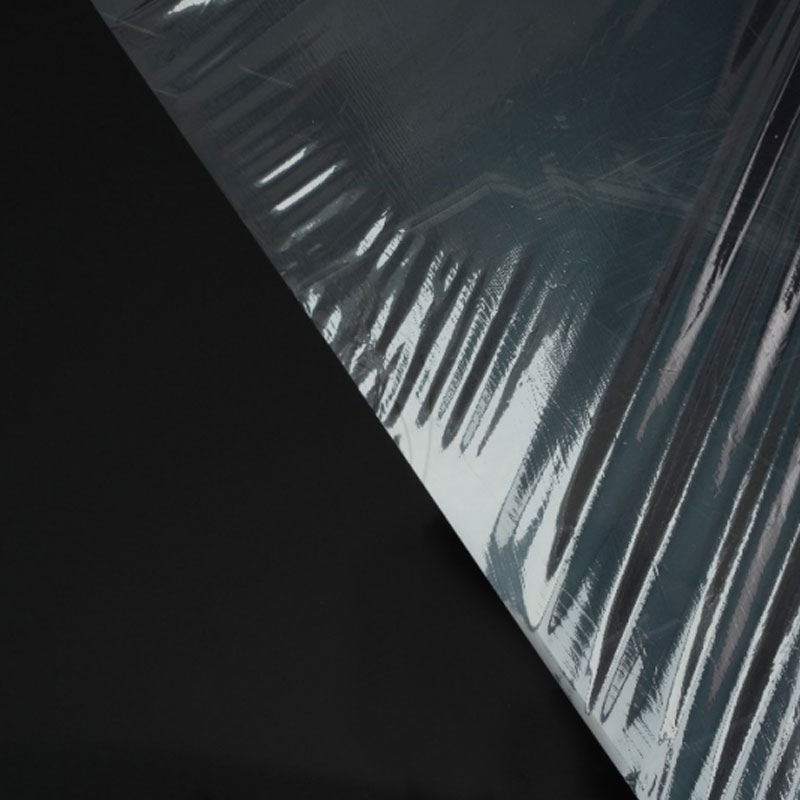
● No “ghost shadow” or “fish eye” after removal; ● Stable adhesion level; ● UV resistance for up to 6 months; ● Can print customized logo or applicati...
See Details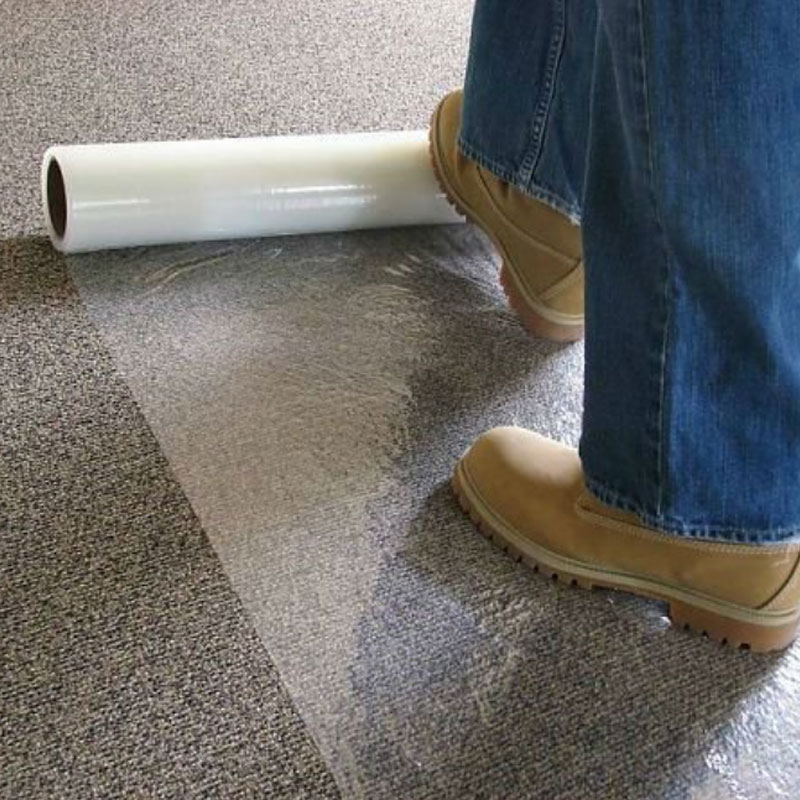
● Protects carpet against staining, paint spillage and dirt during painting, building, remodeling, plastering, tiling, decoration, general maintenance...
See Details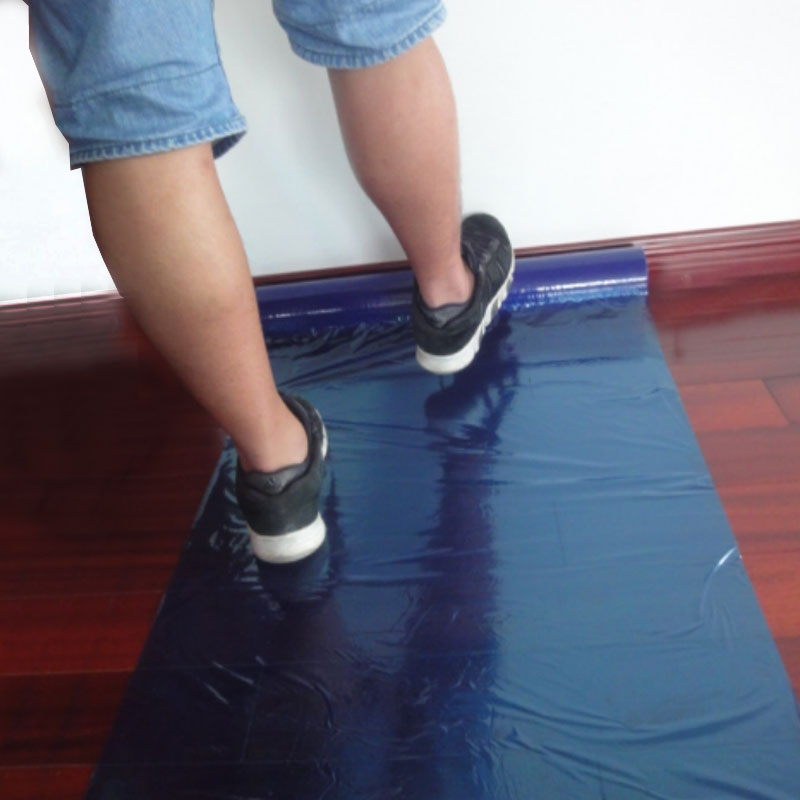
● Patented adhesive formula suits all hard surfaces such as hardwood floors, laminate floors, ceramic, marble, tile, granite, vinyl, worktops, and gla...
See Details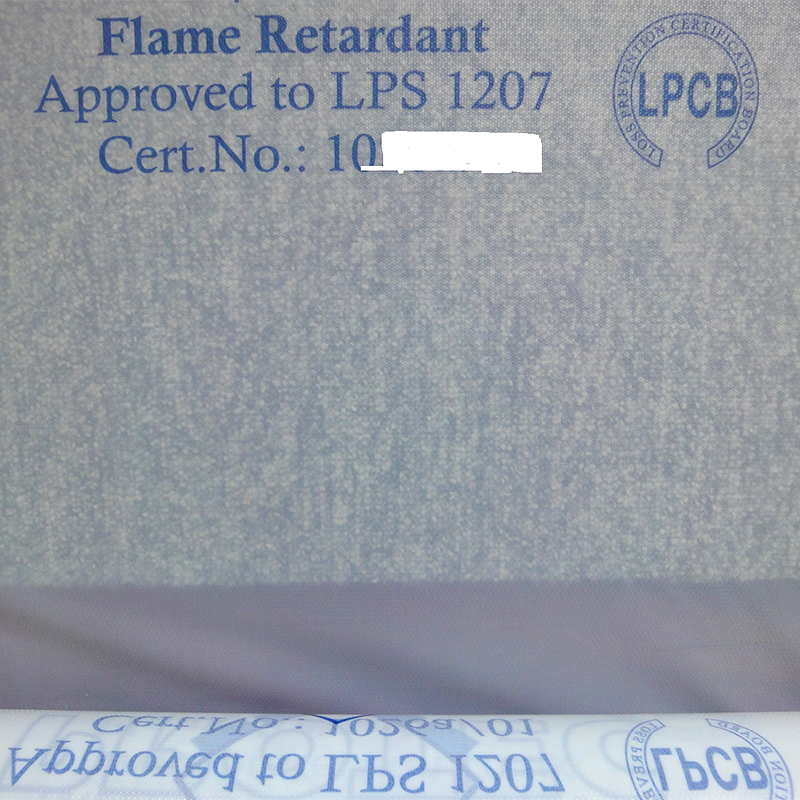
● Prevents costly damages in case of fire /flame;● Meet the strict international test standards of loss prevention; ● Extensive selection for flame re...
See Details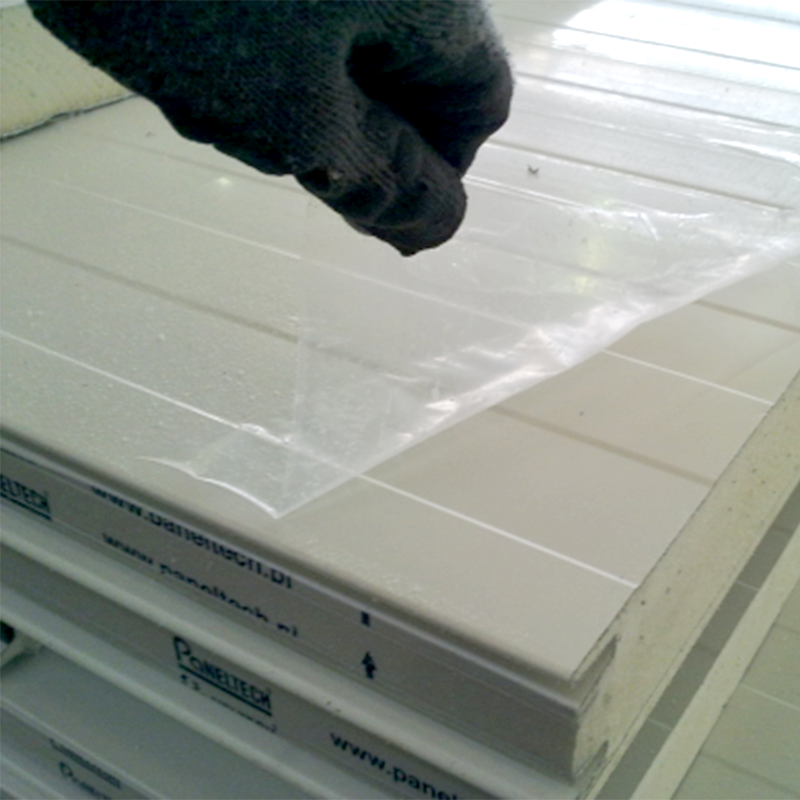
● The specially formulated adhesive ensures easy application and removal without leaving residue glue on the sandwich panels; ● The super-tough polyet...
See Details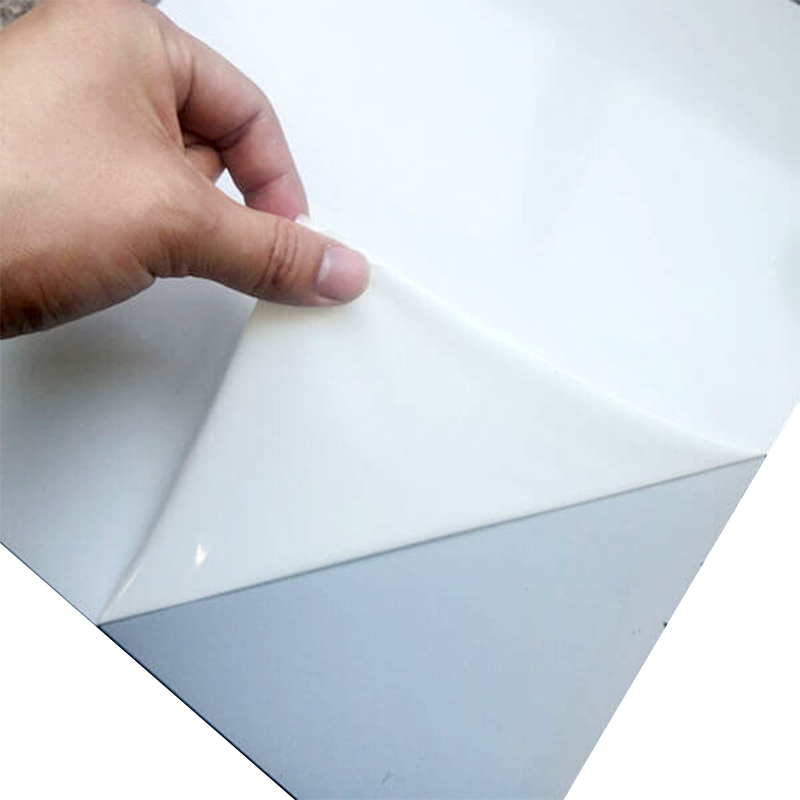
● The super tough polyethylene film with super high adhesion can stop parts of the glass or mirror from splintering away and injuring people when it i...
See Details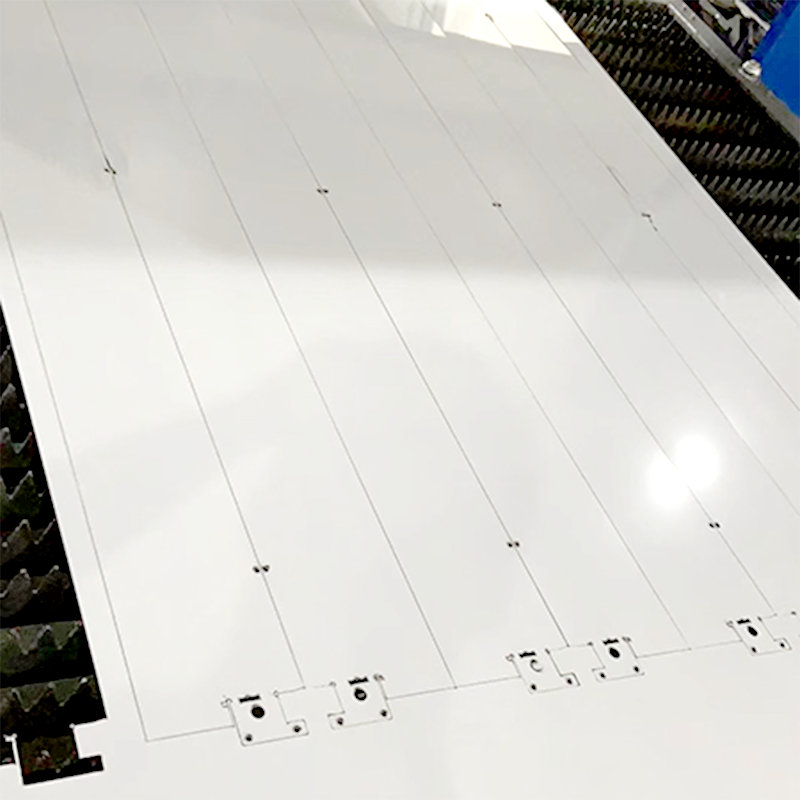
● The specially formulated natural rubber adhesive suitable for both CO2 and Fiber laser cutting processes;● High cutting quality without burr or trac...
See Details
● The specially formulated adhesive ensures easy application and removal without leaving residue glue; ● The super-tough polyethylene film protects ag...
See Details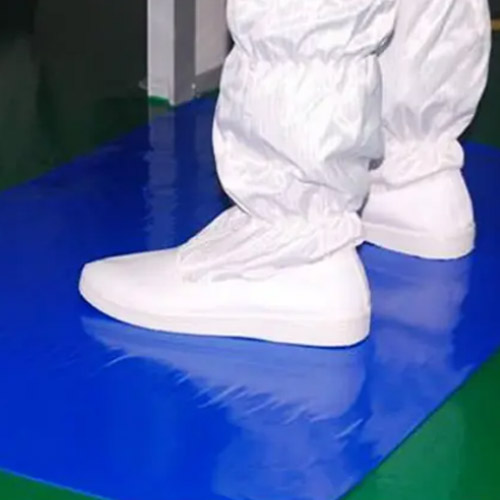
● Options for either 30 or 60 layers per mat; can be packed with four mats, eight mats, or ten mats per carton;● Remove dirt effect: ≥99.9% (5 steps);...
See Details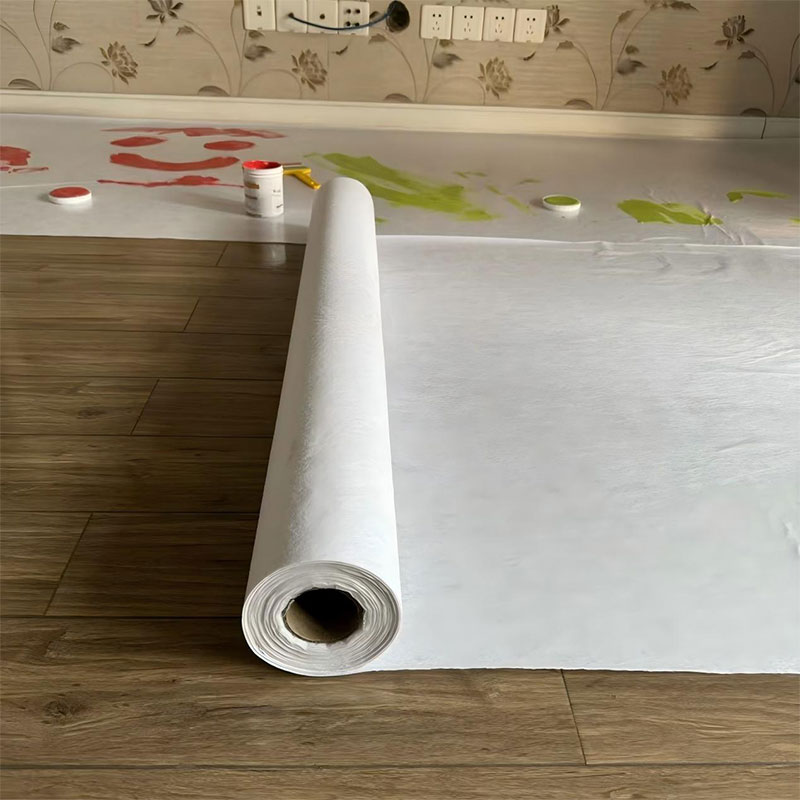
This product has non-woven synthetic fleece in middle; PE film adhered onto top of the non-woven fabric, which is coated with self adhesive glue on it...
See DetailsWe’re a reliable partner that shapes our expertise into success for your project.
Copyright 2024 Wuxi Qida Tape Co., Ltd. All Rights Reserved
 Wholesale Protective Film/Foil Manufacturers
Privacy