

 English

 English
 русский
 Français
 Español
 Português
 عربى


Cat:Glue -coated Protective Film
● No “ghost shadow” or “fish eye” after removal; ● Low gel content, soft and stable adhesion plus easy-peel removal with no surface damage or curling;...
See Details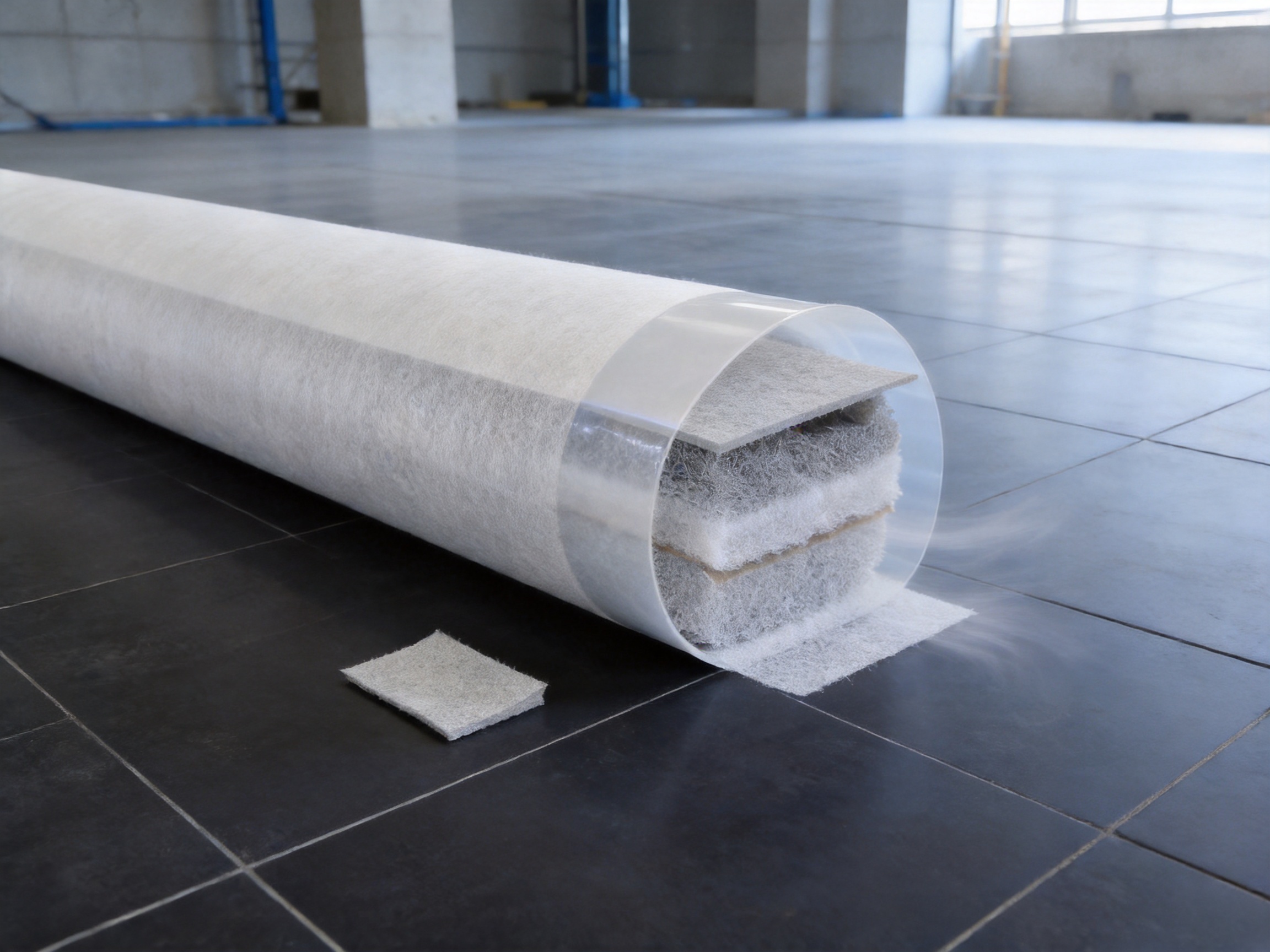
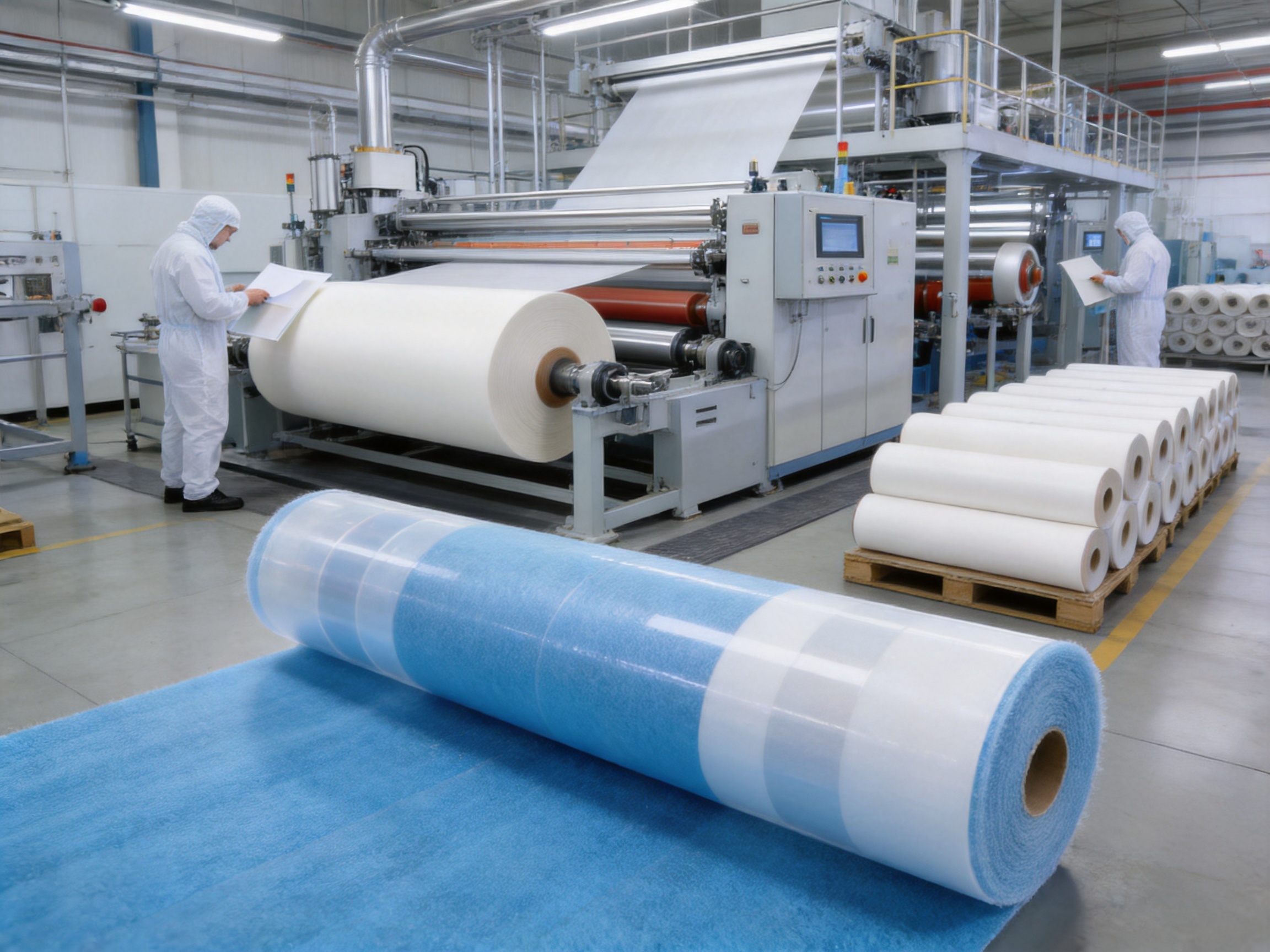
In construction, renovation, manufacturing, transportation, and interior installation, finished surfaces are often exposed to damage after the most valuable work has already been completed. A newly installed floor may be scratched by tools, stained by paint, affected by spilled water, or marked by heavy foot traffic. Kitchen worktops, ceramic surfaces, stairs, sanitary ware, decorative laminates, and other hard surfaces face similar risks during handling and installation. Replacing or repairing these surfaces can increase project costs, delay completion, and reduce customer satisfaction.
Breathable Surface Protection Felt is designed to solve this problem with a practical combination of cushioning, waterproofing, non-slip performance, breathability, and removable self-adhesion. The product uses a non-woven synthetic fleece as its middle layer. A breathable polyethylene film is laminated to the upper side, while the reverse side is coated with a low-to-medium adhesion self-adhesive layer. This construction creates a temporary protective covering that helps defend finished surfaces against scratches, stains, moisture, dirt, and general mechanical damage.
Unlike basic plastic sheeting, ordinary fabric coverings, or loose paper protection, this protective felt is engineered to remain in position without requiring separate fixing tape. It can be installed efficiently, walked on safely, cleaned during use, removed with minimal effort, and reused when project conditions allow. Its breathable structure also helps reduce the risk of trapped moisture beneath the covering, making it particularly suitable for applications where protection and air circulation are both important.
For buyers, contractors, distributors, and industrial users, product performance is only one part of the purchasing decision. Consistent quality, flexible specifications, customized printing, adhesive selection, reliable production capacity, and responsive technical support are equally important. Wuxi Qida Tape Co., Ltd. combines these capabilities with in-house manufacturing, advanced coating and converting equipment, quality control systems, and experience in temporary surface protection solutions.
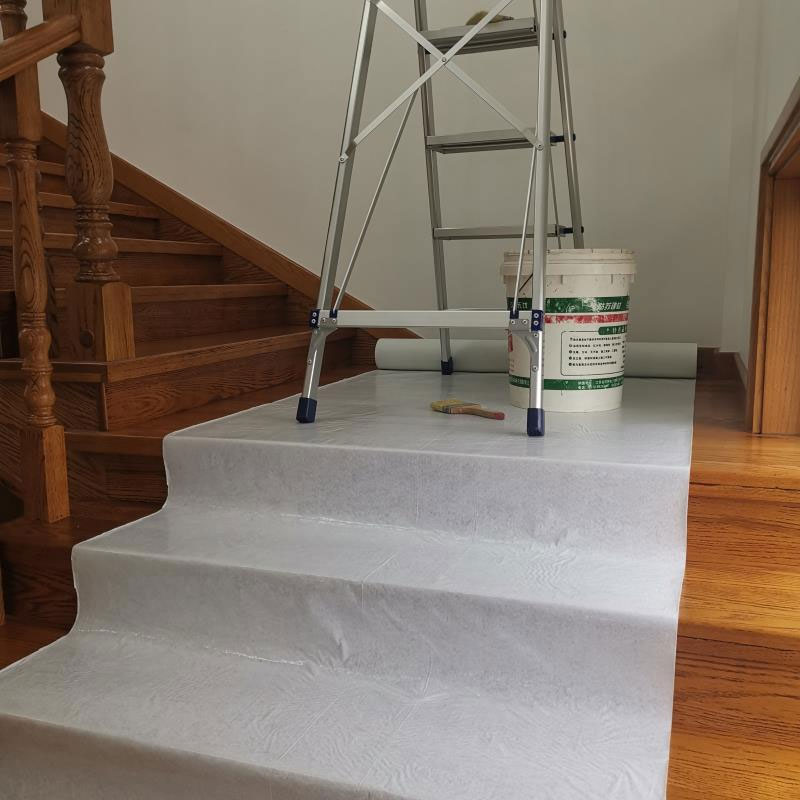
Breathable Surface Protection Felt
Breathable Surface Protection Felt is a multilayer temporary protection material developed for hard and finished surfaces. Its primary structure consists of three functional components: a non-woven synthetic fleece layer, a breathable PE film layer, and a self-adhesive coating on the underside.
The non-woven fleece acts as the supporting and cushioning layer. It helps absorb minor impacts, reduces direct contact between the protected surface and external particles, and provides a more stable walking surface than thin plastic film alone. The fleece also contributes to the product’s strength, flexibility, and ability to conform to slightly uneven areas.
The polyethylene film is applied to the top of the fleece. It provides a barrier against water, paint, solvents, dust, dirt, and other common contaminants found on construction and renovation sites. At the same time, the film is designed to maintain a degree of permeability, allowing limited circulation through the protective material rather than completely sealing the surface beneath it.
The reverse side contains a self-adhesive coating. The adhesive is formulated to provide low-to-medium adhesion, allowing the product to remain in place during work while supporting clean and controlled removal. Because the felt is self-adhesive, installers do not normally need to apply additional tape around every edge or seam. This reduces installation time and helps create a neater protective covering.
The product is intended for temporary use. It is not a permanent flooring system, waterproof membrane, structural material, or substitute for a finished surface. Its purpose is to protect completed or semi-completed surfaces during subsequent work, movement of materials, installation operations, decoration, maintenance, and transportation.
The fleece layer provides the product with body and resilience. Compared with a single layer of PE film, a fleece-backed construction offers better resistance to tearing and puncture during normal site handling. It also helps distribute localized pressure from footwear, light tools, packaging, and equipment, reducing the likelihood that a small sharp particle will directly mark the surface below.
Non-woven material is produced by bonding synthetic fibers into a stable web rather than weaving conventional yarns. This structure allows manufacturers to adjust weight, thickness, softness, tensile behavior, and handling characteristics. For surface protection applications, the fleece must provide a balance between flexibility and durability. A material that is too light may tear easily, while one that is excessively heavy may be difficult to transport, cut, or install.
The available fabric weights for this product range from 100 grams to 250 grams. This range allows users to select a practical construction according to the expected level of traffic, project duration, and handling requirements. Lighter grades can be suitable for general dust and stain protection, while heavier grades can provide improved robustness for more demanding work areas.
The PE film forms the product’s upper protective barrier. It helps prevent spilled liquids from immediately reaching the protected surface and provides resistance to water, paint, and solvents commonly used during construction, decoration, and maintenance work. The film also assists with cleaning because dust and splashes can often be wiped away from its surface.
Unlike a fully impermeable covering, the product is designed to permit controlled circulation. The stated permeability is 1,200 milliliters per square meter every 24 hours. This breathable function is important when a protective covering remains installed for an extended period or when the underlying surface contains residual moisture from cleaning, installation, or environmental conditions.
Breathability does not mean that the product should be treated as completely open to liquid penetration. The protective film helps resist liquid contamination from above, but installation conditions, liquid volume, exposure time, seams, and edge treatment must all be considered. For best results, users should remove standing liquid promptly and ensure that the surface is clean and dry before installation.
The reverse adhesive coating is designed to hold the felt in place without creating an unnecessarily aggressive bond. This is particularly important for finished floors, coated panels, decorative surfaces, laminate, ceramic, and other materials that may be sensitive to adhesive transfer or surface marking.
Adhesive performance depends on the substrate, surface cleanliness, temperature, installation duration, pressure, and environmental conditions. The product is designed for no-residue removal under suitable conditions, but a small test area should always be evaluated before large-scale application. This is especially important for newly finished surfaces, porous materials, natural stone, delicate coatings, and surfaces with uncertain compatibility.
The adhesive also improves safety because it reduces curling, sliding, and movement under normal construction traffic. Loose protective materials can become trip hazards or require repeated repositioning. A self-adhesive felt remains more stable, helping workers move materials and equipment across the protected area with greater confidence.
Many conventional plastic sheets provide a strong liquid barrier but can trap condensation or residual moisture underneath. In some applications, this may contribute to undesirable conditions such as clouding, surface dampness, odor, or delayed drying. Breathable Surface Protection Felt offers a more balanced approach by combining a protective PE film with controlled permeability.
The permeability value of 1,200 milliliters per square meter every 24 hours gives users a measurable indication of the material’s circulation performance. This feature makes the product more suitable than ordinary impermeable film for projects where the surface needs protection but should not be completely isolated from air movement.
Loose paper, cardboard, or plastic coverings can shift when people walk over them or when air moves through a building. Separate adhesive tape may be necessary to hold the material in place, and taped joints can require frequent adjustment. The integrated adhesive backing of protective felt reduces this problem and eliminates the need for tape in many installations.
Stable positioning improves the appearance of the work area and reduces exposed gaps. It also minimizes the time workers spend correcting displaced material. For large floor areas, staircases, corridors, and worktops, this installation advantage can produce meaningful labor savings.
Construction and renovation sites often contain dust, tools, packaging, cables, and other potential hazards. A protective material that slides easily can increase the risk of trips or falls. The non-slip characteristics of this felt support safer movement across the work zone, particularly when the material has been correctly installed on a clean, dry substrate.
Non-slip performance also helps keep the protective covering aligned around corners, transitions, and high-traffic routes. However, the product should not be considered a replacement for formal workplace safety controls. It should be installed without creating raised edges, loose sections, or exposed seams, and the work area should remain properly managed.
Spilled liquids are among the most common causes of damage during construction and interior finishing. Water, paint, cleaning agents, and some solvents can stain or permanently affect floors and fixtures. The PE film provides a protective surface that helps prevent these substances from reaching the substrate immediately.
The resistance of the product does not remove the need for prompt cleanup. Large spills should be contained and wiped away as soon as possible. Extended exposure to aggressive chemicals should be evaluated in advance, since solvent composition, concentration, temperature, and contact time can affect both the film and the adhesive.
The combination of synthetic fleece and PE film produces a robust protective covering that can often be reused when it has not been heavily contaminated, cut, or saturated. Reusability reduces material waste and can improve the total cost of protection over multiple work stages.
The felt can be rolled, transported, cut to size, laid across the target area, and removed after use. It can also be wiped and vacuumed, which helps maintain a cleaner working environment. These characteristics make it more convenient than disposable paper-based materials that tear easily or become unusable after one spill.
| Characteristic | Breathable Surface Protection Felt | Ordinary Plastic Sheet | Loose Paper or Cardboard |
|---|---|---|---|
| Breathability | Controlled permeability, approximately 1,200 ml/m² every 24 hours | Usually low or absent | Generally breathable but vulnerable to moisture |
| Position stability | Self-adhesive backing helps hold the material in place | Often requires separate tape or weights | Often shifts during traffic |
| Liquid protection | PE film helps resist water, paint, and solvents | Good initial barrier if seams are sealed | Limited resistance to liquid spills |
| Walking comfort | Fleece structure provides cushioning and non-slip support | Thin and potentially slippery | Can crease, tear, or become uneven |
| Cleaning | Can be wiped and vacuumed | Easy to wipe but may puncture | Usually difficult after wet contamination |
| Reusability | Reusable when reasonably clean and undamaged | Possible but prone to tearing | Usually limited |
| Installation | No separate tape normally required | Additional fixing often needed | Requires tape, weights, or overlap |
| Customization | Multiple colors, sizes, weights, and 0–3 color printing | Often limited by film supplier | Printing and sizing may be less durable |
Tile surfaces can be vulnerable to scratching, staining, impact, and grout contamination after installation. During the remaining construction work, workers may carry tools, ladders, tiles, fixtures, and packaging across the floor. Protective felt can be installed after the tile has reached the appropriate condition, creating a temporary barrier against routine site damage.
The fleece layer helps absorb minor impact, while the PE film protects against water, paint, and dirt. The self-adhesive backing helps prevent the covering from sliding across smooth ceramic or porcelain surfaces. When work is completed, the felt can be removed in sections and the floor can be inspected.
Wood flooring and laminate flooring require protection from dust, abrasion, liquid spills, and moving equipment. Surface damage can be expensive to repair and may be difficult to conceal. The breathable design is useful where air circulation is important, while the fleece backing reduces direct friction caused by normal site activity.
Because flooring finishes vary widely, users should conduct a compatibility test before full installation. The test should consider the adhesive contact time, surface temperature, finish type, and removal method. Protective material should not be applied over a visibly damp or contaminated floor.
Stairs are among the most difficult areas to protect because they receive repeated foot traffic and include vertical and horizontal surfaces. Loose sheets can move or fold on steps, creating potential hazards. Cut-to-size protective felt can be adapted to individual treads, risers, and landings.
Careful installation is essential. Edges should be firmly pressed down, transitions should be kept smooth, and any section that becomes loose or damaged should be replaced. The product’s non-slip characteristics and adhesive backing help support a safer installation, although stair protection should always be reviewed as part of the overall site safety plan.
Kitchen worktops may be installed before appliances, cabinets, splashbacks, lighting, or final decoration. During these later stages, the worktop can be exposed to tools, dust, water, paint, and impact. Protective felt can cover the surface without requiring a separate tape layer across the entire work area.
The flexible structure allows the material to be cut around sinks, taps, edges, and other fixed features. Users should confirm that the adhesive is compatible with the worktop finish, especially when the surface includes a delicate coating, natural stone treatment, or recently applied sealant.
Bathtubs, washbasins, toilets, ceramic fixtures, and other sanitary products can be scratched or stained during installation. Protective felt can be used on exposed horizontal and selected vertical surfaces to reduce the risk of damage from tools, packaging, and construction residue.
For irregularly shaped products, the material can be cut and fitted around edges. It should not block drainage, ventilation, access panels, or safety-critical components. Any liquid trapped between the protection and the sanitary surface should be removed as soon as practical.
Decorative panels, pre-finished boards, coated metals, and laminate surfaces are often vulnerable to scratches and marks during transportation and installation. Surface protection felt provides a temporary layer between the finished face and external contact.
The product can also support customized printing. Printing of up to three colors is available, allowing companies to add handling instructions, project identification, recycling guidance, or brand-neutral site messages. Printed protection can help improve professional presentation and reduce confusion when several materials are being used in the same project.
Different applications require different combinations of strength, flexibility, width, roll length, adhesive behavior, and visual identification. The product is available in specifications intended to support both small project use and larger commercial requirements.
| Specification | Available Range or Option | Practical Consideration |
|---|---|---|
| Permeability | Approximately 1,200 ml/m² every 24 hours | Supports controlled air circulation beneath the protective covering |
| Fleece weight | 100 g to 250 g | Higher weights may provide greater robustness and cushioning |
| Width | 300 mm to 1,500 mm | Suitable for narrow edges, stairs, worktops, corridors, and broad floor areas |
| Roll length | 5 m to 100 m | Allows selection according to project size and handling capability |
| Adhesion level | Low to medium | Designed for temporary positioning and controlled removal |
| PE film colors | Blue, clear, white, and other options | Supports visibility, identification, and project presentation |
| Printing | 0 to 3 colors | Useful for instructions, identification, and customized orders |
Width selection should reflect the geometry of the surface and the number of joints that will be required. Narrow rolls are convenient for stair treads, thresholds, narrow corridors, and worktops. Wider rolls can reduce the number of seams across large floors and may improve installation efficiency.
Roll length should be selected according to the available storage and handling method. Long rolls can reduce packaging waste and the number of joints, but they may require two-person handling or mechanical assistance. Shorter rolls may be more convenient for service teams, retail distribution, and smaller renovation projects.
Color selection can be based on visibility and project management. Blue protection is easy to identify on many sites, clear film may allow visual inspection of the underlying surface, and white film can provide a clean appearance in commercial or residential interiors. Custom colors may be considered for specific projects or distribution programs.
The substrate should be clean, dry, stable, and free from loose dust, oil, wax, grit, and other contaminants. Small particles trapped beneath adhesive protection can create pressure points or scratches. Newly installed surfaces should be sufficiently cured according to the requirements of the flooring or finishing material.
Apply a small sample to an inconspicuous area. Leave it in place for a representative period, then remove it slowly and inspect both the adhesive and the surface. Check for residue, gloss change, coating lift, staining, or other unwanted effects. If the surface is sensitive or the project duration is long, obtain technical confirmation before proceeding.
Measure the area and cut the felt with a clean blade or suitable cutting tool. Allow enough material to cover the surface without excessive bunching. On stairs, plan the placement of treads and risers carefully. Around fixed fittings, make accurate cuts rather than forcing the material into sharp corners.
Position one end of the roll and gradually remove the release liner while pressing the felt onto the surface. Working slowly helps avoid wrinkles, trapped air, and misalignment. Use a hand roller or smooth applicator where appropriate to ensure consistent contact without damaging the protected surface.
Adjacent pieces should meet closely without creating raised overlaps that could catch footwear or wheels. Edges should be firmly pressed down. On large floors, installation should proceed in a logical direction so that workers do not repeatedly walk over unfinished sections.
Protection should be checked periodically, especially in high-traffic areas, near entrances, at stair edges, and around wet work. Replace sections that are torn, saturated, heavily contaminated, or no longer securely attached. Prompt maintenance preserves both safety and protection performance.
When the project stage is complete, lift an edge and remove the felt gradually rather than pulling it sharply upward. Slow removal reduces stress on the substrate and helps preserve the material for possible reuse. After removal, inspect the surface and clean any minor dust or marks according to the surface manufacturer’s instructions.
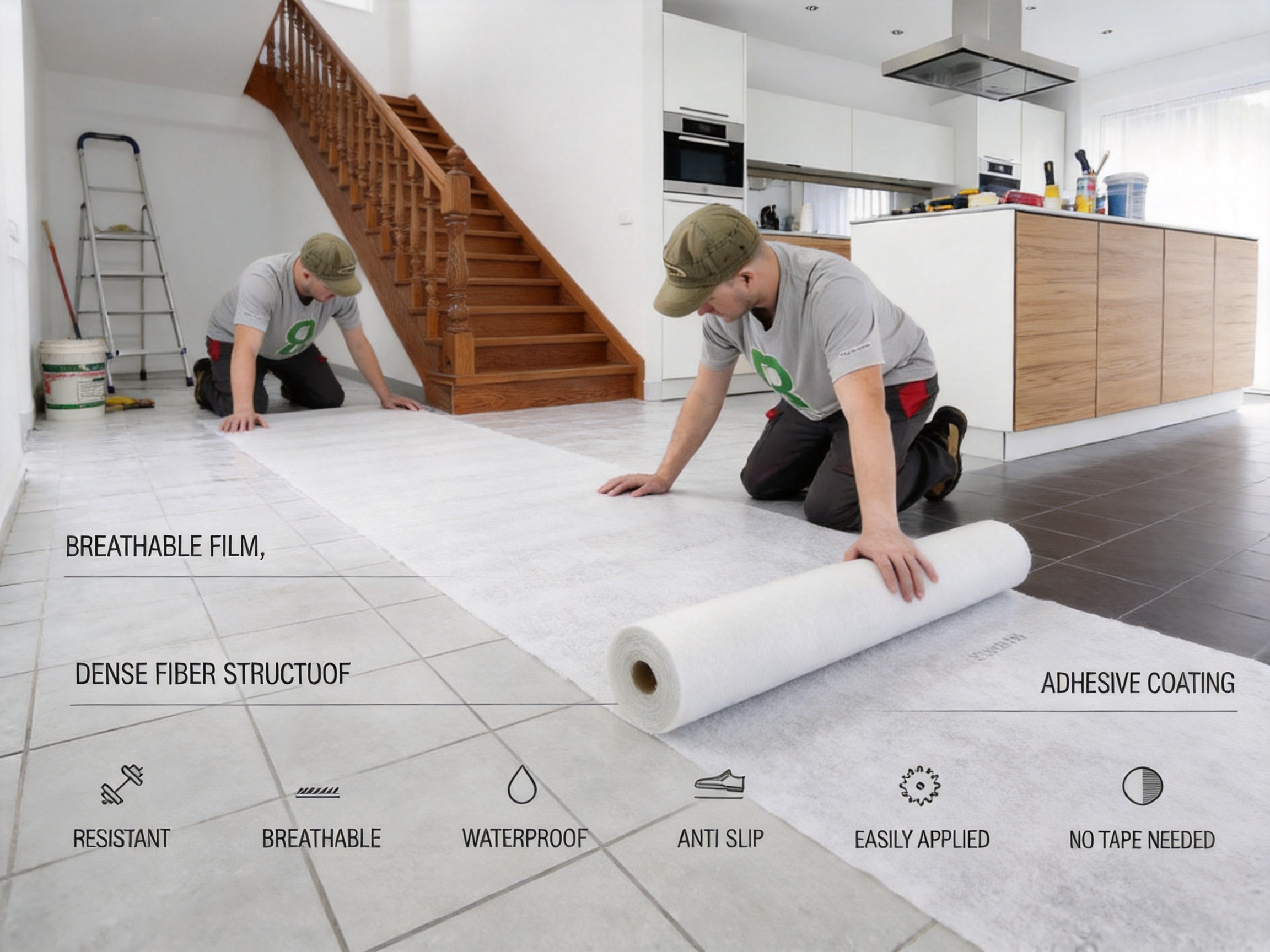
The performance of temporary protection felt depends heavily on manufacturing consistency. A product may appear simple, but its effectiveness is determined by the uniformity of the non-woven fleece, the quality of the PE film, the evenness of lamination, the adhesive coating weight, the release liner behavior, and the accuracy of slitting and rewinding.
The manufacturing process begins with the selection of synthetic fleece, polyethylene film, adhesive components, release materials, and packaging materials. Each component must be evaluated for compatibility with the intended product structure. The fleece must provide an appropriate balance of weight, strength, softness, and flexibility. The PE film must provide consistent coverage and reliable resistance to common contaminants.
Adhesive selection is especially important. The adhesive must maintain sufficient holding power during normal use while supporting clean removal under appropriate conditions. Different customers may require different adhesion levels depending on the substrate, project duration, climate, and installation method. Qida Tape offers multiple adhesive technologies, including acrylic water adhesive, acrylic solvent adhesive, and natural rubber adhesive, for different product and industry requirements.
The PE film and fleece must be combined in a way that preserves flexibility and creates a stable composite. Uneven lamination can lead to delamination, wrinkles, weak areas, or inconsistent handling. The coating line must also apply the adhesive evenly across the reverse side without excessive buildup, dry spots, or contamination.
Advanced production equipment supports better control of coating thickness, web tension, drying conditions, line speed, and alignment. These parameters are monitored throughout production because small variations can affect adhesion, breathability, roll formation, and final application performance.
When printing is required, the selected design must remain legible without compromising the protective layer. Up to three colors can be used for customized identification and communication. Printing may include handling reminders, product information, project codes, or customer-specific messages.
After coating and printing, the master material is slit into the required widths. Accurate slitting is necessary to ensure straight edges and consistent roll dimensions. Rewinding must maintain suitable tension so that rolls do not telescope, collapse, or develop unwanted wrinkles. The finished rolls are then inspected, labeled, and packaged for shipment.
Quality inspection may include checks for appearance, width, roll length, fabric weight, film coverage, adhesive uniformity, peel behavior, holding performance, release behavior, permeability, and packaging integrity. Testing should be selected according to the product specification and the customer’s intended application.
Qida Tape operates a testing laboratory and uses inspection equipment to support product quality evaluation. Its quality management and environmental management systems are certified under ISO 9001 and ISO 14001. These systems help structure production procedures, document controls, corrective actions, supplier management, and continuous improvement.
Purchasing from a manufacturer with in-house technical and production resources offers advantages beyond basic product availability. Surface protection products often require adjustment for different substrates, climates, project durations, and installation methods. A manufacturer with experienced engineers can help identify an appropriate material structure instead of offering one standard product for every application.
Qida Tape has manufactured protective films and related surface protection solutions since 1999. The company operates a factory area of approximately 20,000 square meters, employs more than 95 experienced staff members, and reports annual production capacity exceeding 12,000 tons. This scale supports both standard orders and customized production programs.
The company’s production processes include backing film production, adhesive coating, logo printing, rewinding, slitting, and packaging. Maintaining these processes within its own factory can improve coordination between departments, reduce dependence on multiple external converters, and support more consistent control of specifications.
Its product development work is supported by experienced technicians, engineers, and cooperation with research and development institutes. The team can develop products according to customer technical data sheets or physical samples. This is valuable for buyers who need a particular adhesion level, backing color, roll size, printed design, or performance balance.
Qida Tape supplies protective materials for stainless steel, aluminum, pre-coated metal, plastic panels, ceramics, carpets, decorative laminates, glass, and other surfaces. Its wider product knowledge helps the company recommend surface protection solutions according to the material being protected rather than treating every order as a generic film requirement.
The company also serves customers in China and export markets across Europe, North America, Australia, the Middle East, Japan, and other regions. Its stated compliance and testing framework includes ISO 9001, ISO 14001, SGS, RoHS, REACH, PFAS, and Prop 65-related testing. Buyers should confirm the specific documentation required for each product specification and destination market.
Environmental performance is increasingly important in temporary protection. A product that prevents damaged flooring or panels from being discarded can help reduce replacement waste and conserve the energy already invested in manufacturing finished materials. Reusable protective felt can also reduce consumption compared with single-use coverings when it remains clean and structurally sound.
The product is described as free from harmful substances and designed with environmental considerations in mind. The use of synthetic materials means that disposal and recycling should be managed according to local regulations and the contamination level of the used product. Material contaminated with paint, solvent, or other chemicals may require different handling from clean scrap.
ISO 14001 environmental management certification indicates that the manufacturer has established a structured system for managing environmental responsibilities. This does not mean that every product has identical environmental characteristics, so buyers should request product-specific declarations or test information when needed.
Operationally, the product can reduce the number of materials required at a worksite. Since it is self-adhesive, separate fixing tape may not be needed for many installations. It can be wiped and vacuumed, helping extend useful service life during a project. It can also be removed without significant adhesive transfer when correctly matched to the substrate and used under suitable conditions.
Selection should begin with the protected surface. Smooth ceramic, laminate, coated metal, natural stone, painted panels, and wood flooring may each respond differently to adhesive contact. A low-to-medium adhesion product may be appropriate for many temporary applications, but the exact grade should be confirmed through testing.
Next, consider the expected traffic. A low-traffic residential room may require a different fleece weight from a commercial corridor, stairwell, showroom, or active construction route. Heavier fleece grades generally offer increased robustness, but the final selection should balance durability with handling, cost, and storage requirements.
Project duration also affects selection. Short-term protection may focus on rapid installation and easy removal. Longer installations require more attention to moisture conditions, edge stability, cleaning, ultraviolet exposure, repeated traffic, and possible adhesive interaction with the surface.
Environmental conditions should be reviewed before ordering. Temperature, humidity, dust, liquid exposure, direct sunlight, and ventilation can all influence product performance. If the material will be used outdoors or in unusually severe conditions, the manufacturer should be consulted for a suitable specification.
Finally, determine whether customized printing or color is useful. Printed material can help identify approved protection, communicate instructions, distinguish different work zones, and support professional project management. For distributors, customized rolls can provide product differentiation and improve recognition in the marketplace.
Distributors can offer protective felt as a value-added solution rather than a basic commodity covering. The product is suitable for flooring contractors, renovation companies, interior installers, kitchen suppliers, flooring retailers, property maintenance teams, and construction material dealers. Its range of widths, lengths, weights, colors, and printing options supports multiple customer segments.
Factory customization can also help distributors develop private-label or project-specific programs. Consistent packaging, roll dimensions, and printed identification make it easier to manage inventory and present a professional product range.
Contractors benefit from rapid installation, reduced use of separate tape, improved surface stability, and easier removal. The product can protect completed work while other trades continue operating in the same area. This helps reduce rework and supports a cleaner, more organized site.
Because the material can be wiped and vacuumed, contractors may be able to maintain protection through several work stages rather than replacing it after every minor contamination event. Reuse depends on the condition of the material and the requirements of the protected surface.
Industrial users may apply the product during assembly, finishing, storage, internal transportation, installation, or service operations. The manufacturer’s ability to adjust adhesive systems and product dimensions is important when surfaces have specialized coatings or when protection must fit production workflows.
In-house backing film production, adhesive coating, printing, slitting, and packaging can support more predictable supply and reduce communication delays between separate suppliers. Technical assistance can also help industrial buyers evaluate surface compatibility and establish a repeatable application procedure.
It can be used on many hard and finished surfaces, including tiled floors, parquet, laminate flooring, stairs, kitchen worktops, ceramics, sanitary ware, decorative laminates, and selected coated panels. A compatibility test is recommended before full application, especially on delicate, porous, newly finished, or chemically sensitive surfaces.
The PE film helps protect against liquids such as water, paint, and solvents from above. However, the product also has controlled permeability, so it should not be regarded as a fully sealed waterproof membrane. Standing liquid should be removed promptly, and seams and edges should be installed carefully.
Breathability allows controlled air circulation through the protective structure. The stated permeability is approximately 1,200 milliliters per square meter every 24 hours. This can help reduce the risk of trapping moisture beneath the covering compared with completely impermeable plastic sheets.
Normally, no separate tape is needed because the product has a self-adhesive backing. Additional fixing may be considered for unusual surfaces, highly irregular shapes, exposed edges, or demanding environmental conditions, but compatibility should be checked before adding another adhesive.
The product is designed for clean removal without adhesive transfer under suitable conditions. Actual results depend on the substrate, surface cleanliness, temperature, pressure, installation duration, and removal method. Always conduct a test area before extensive application.
Yes, it can be reused when it remains clean, dry, structurally intact, and sufficiently adhesive. Material that is torn, saturated, heavily contaminated, or no longer stable should be replaced rather than reused.
Yes, it can be cut and installed on stair treads, risers, and landings. Stair installation requires special attention to smooth edges, secure adhesion, and the elimination of loose sections. The protection should be inspected regularly because stairs receive concentrated and repeated traffic.
Available fabric weights range from 100 grams to 250 grams. The appropriate choice depends on expected traffic, project duration, impact risk, handling requirements, and budget.
Widths range from 300 millimeters to 1,500 millimeters, while roll lengths range from 5 meters to 100 meters. The manufacturer can help select dimensions according to the application and packaging requirements.
Yes. Printing from zero to three colors is available. Printed rolls can include identification, handling instructions, project information, or customized messages.
Blue, clear, white, and other colors may be available according to the order specification. Color selection can support visibility, surface inspection, project organization, or customized presentation.
Selection should consider the surface type, finish, expected contact time, temperature, humidity, and removal requirements. The available adhesion range is low to medium, and technical testing should be completed before production approval for sensitive applications.
Yes. The manufacturer can develop products according to customer technical data sheets or physical samples. Possible customization areas include fabric weight, film color, width, roll length, adhesive type, adhesive level, printing, packaging, and application-specific structure.
Breathable Surface Protection Felt provides a practical and versatile method for protecting valuable finished surfaces during construction, renovation, installation, transportation, and maintenance. Its multilayer structure combines a resilient non-woven synthetic fleece, a breathable PE film, and a self-adhesive backing. Together, these elements provide cushioning, liquid resistance, controlled circulation, non-slip performance, stable positioning, clean removal, and potential reusability.
Compared with loose paper, ordinary plastic sheets, and coverings that require extensive taping, the product can simplify installation and improve site organization. Its available range of fleece weights, widths, roll lengths, film colors, adhesive levels, and printing options allows users to select a specification that matches the project rather than accepting a one-size-fits-all solution.
The value of the product is strengthened by the manufacturer’s production and technical capabilities. Wuxi Qida Tape Co., Ltd. has experience in protective films and surface protection solutions, in-house manufacturing processes, advanced coating and converting equipment, testing resources, certified management systems, and the ability to support customized development. Its production scope includes backing film production, adhesive coating, printing, rewinding, slitting, and packaging, enabling closer control of quality and delivery.
For contractors, the product can reduce installation time and protect completed work. For distributors, it offers a flexible product with multiple commercial specifications. For industrial buyers, it provides a customizable surface protection platform supported by technical expertise and production capacity. When the grade is selected correctly and installed according to the surface requirements, Breathable Surface Protection Felt can help reduce damage, waste, rework, and project delays while maintaining a cleaner and safer working environment.
1. ISO 9001, Quality Management Systems: Requirements.
2. ISO 14001, Environmental Management Systems: Requirements with Guidance for Use.
3. General technical principles for temporary surface protection materials used in construction and interior finishing.
4. Manufacturer technical information for breathable polyethylene-backed non-woven surface protection felt.
5. Manufacturer product specifications covering permeability, fabric weight, roll dimensions, adhesive levels, film colors, and printing options.
6. General guidance on adhesive compatibility testing for finished floors, coated panels, laminates, ceramics, and other hard surfaces.
7. General occupational safety principles for temporary floor, stair, and worksite protection materials.
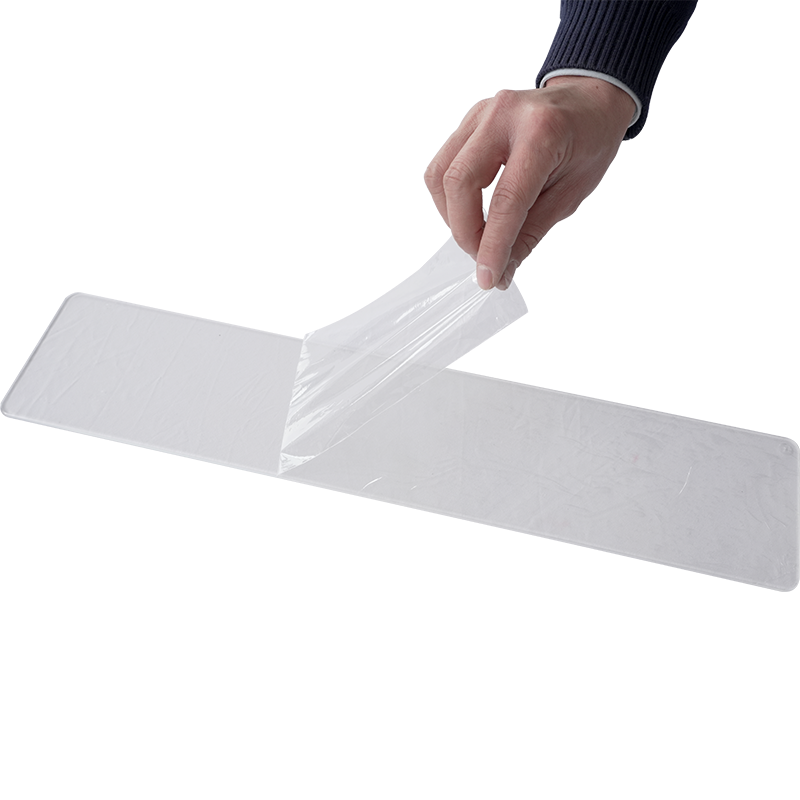
● No “ghost shadow” or “fish eye” after removal; ● Low gel content, soft and stable adhesion plus easy-peel removal with no surface damage or curling;...
See Details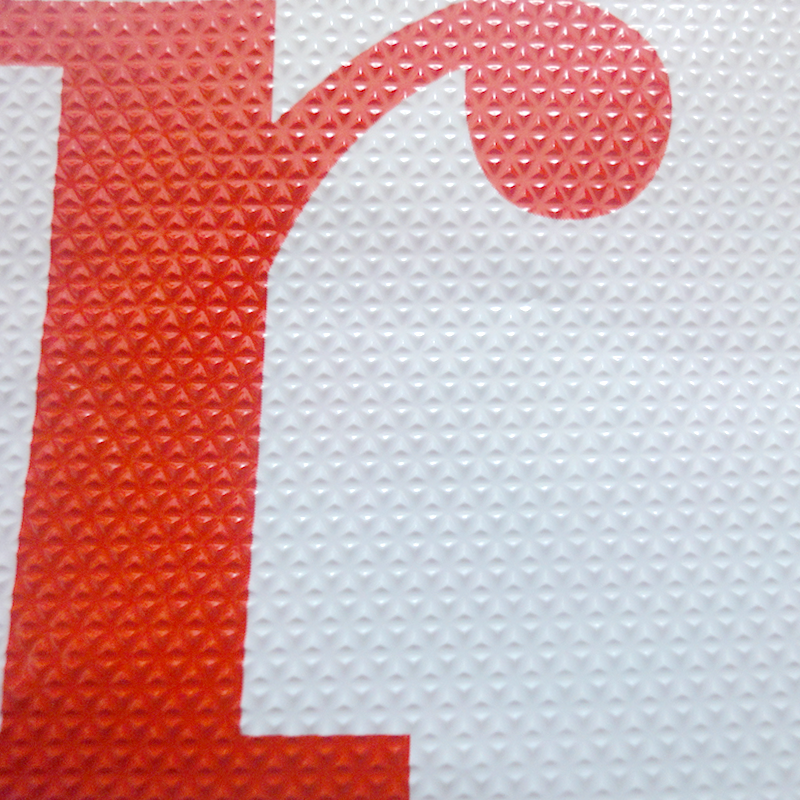
● Anti-slip; ● Embossed film surface to guarantee trip safety;● Tough puncture-resistant polyethylene film;● Can be coated with or without adhesive;● ...
See Details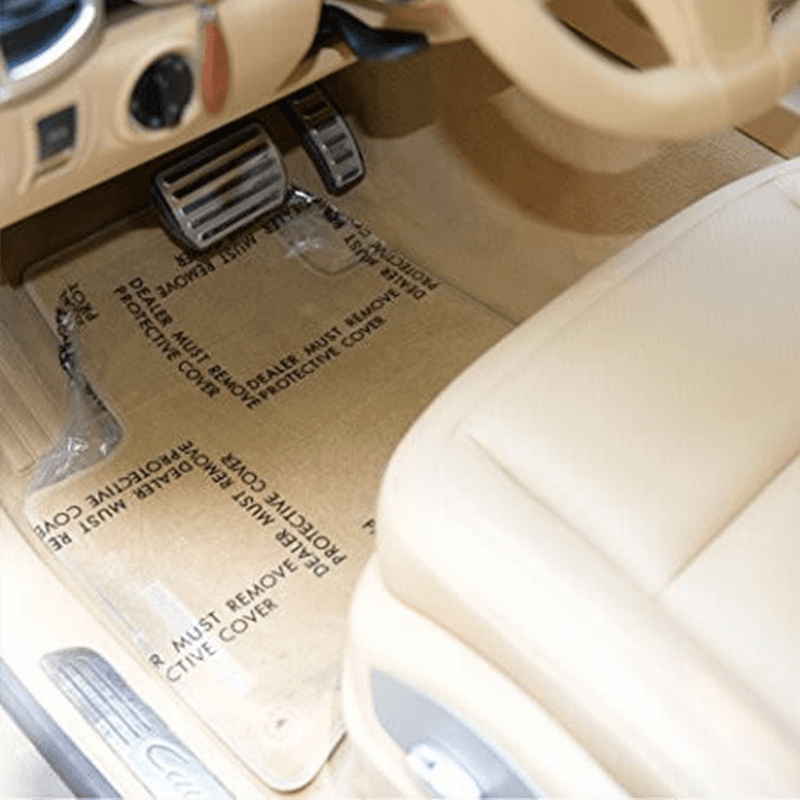
● Distance of each perforation die-cut ranges from 100mm to 1200mm;● Can peel off each die-cut piece of protective film at the perforated line easily;...
See Details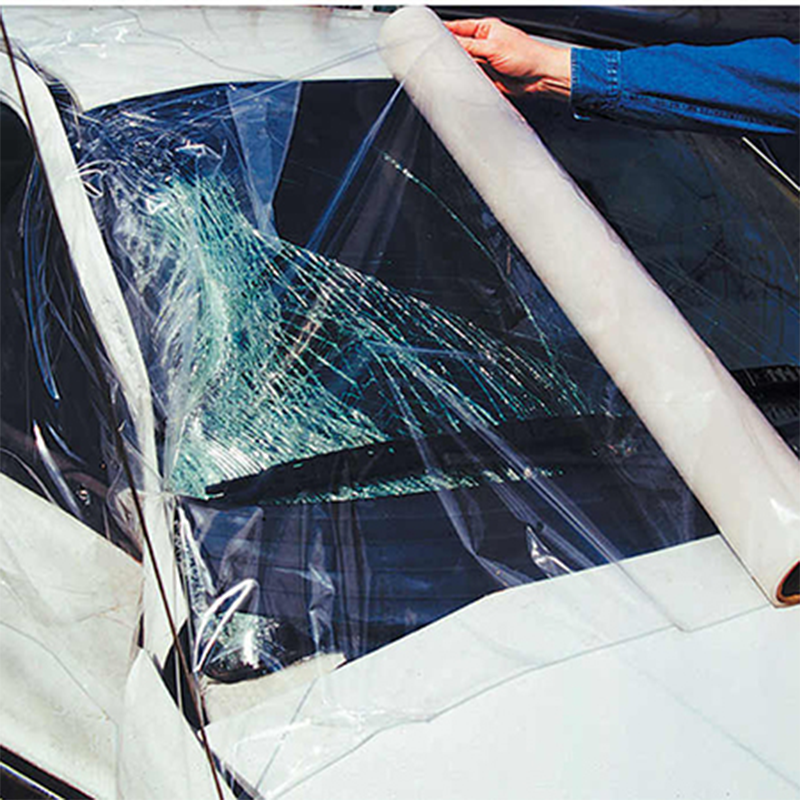
● The super-tough polyethylene film resists puncture and penetration by rain, snow, debris, and dirt during the transportation and storage of the cras...
See Details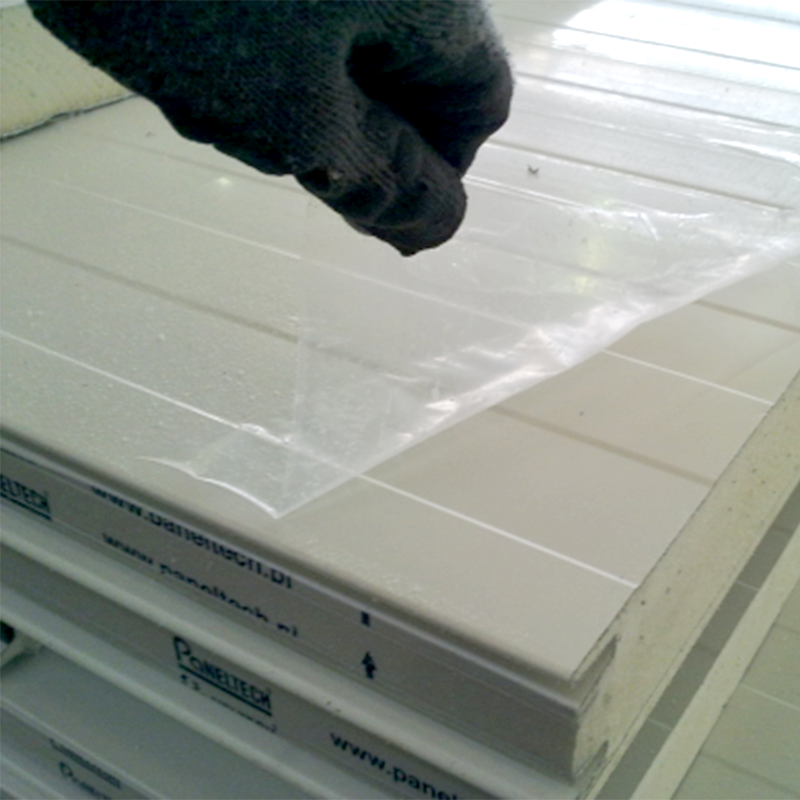
● The specially formulated adhesive ensures easy application and removal without leaving residue glue on the sandwich panels; ● The super-tough polyet...
See Details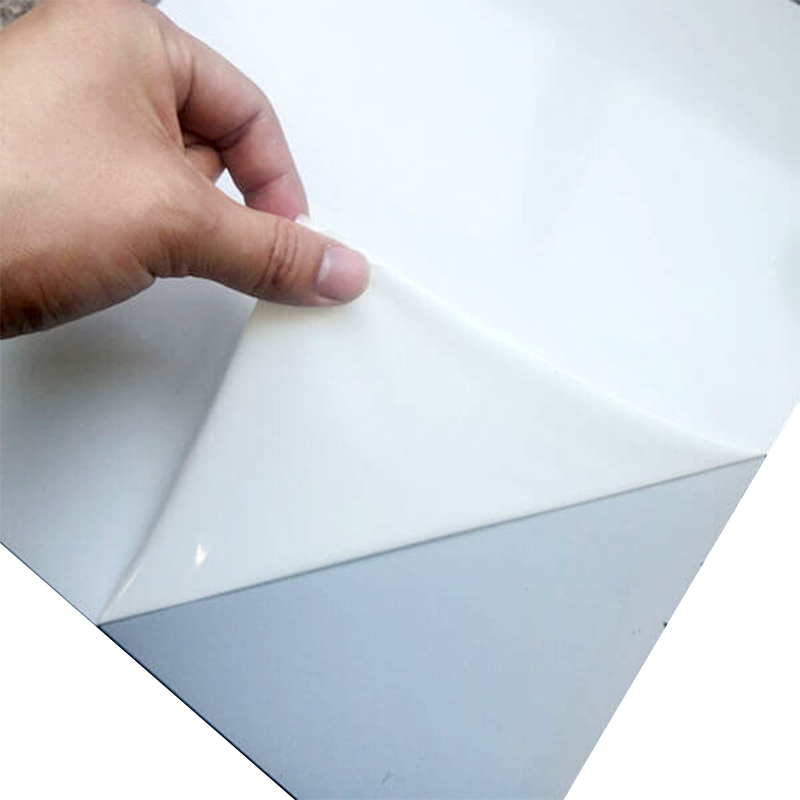
● The super tough polyethylene film with super high adhesion can stop parts of the glass or mirror from splintering away and injuring people when it i...
See Details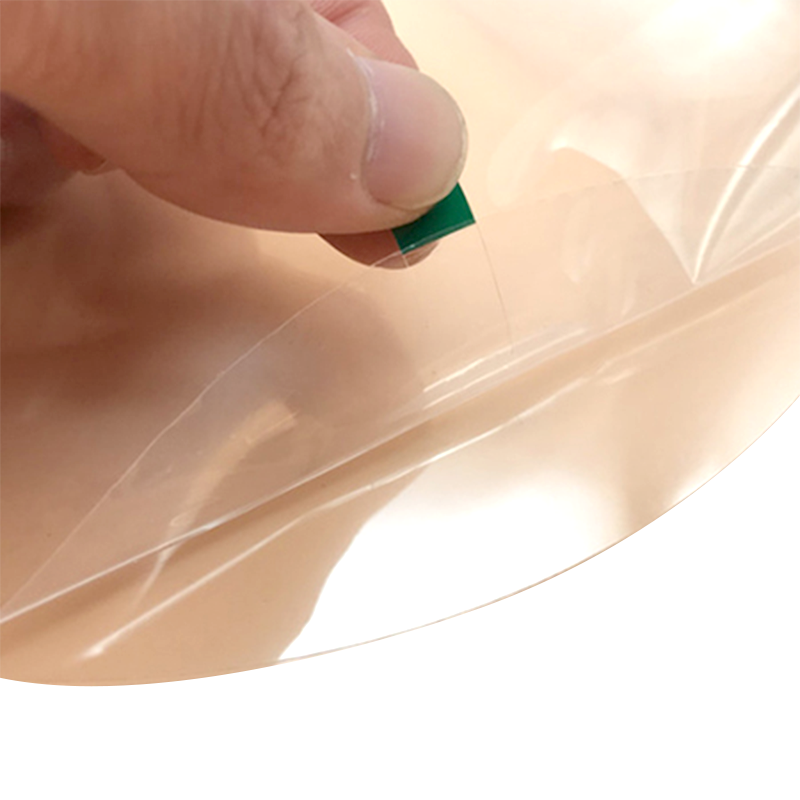
● Suitable for plastic sheets’ drilling, cutting, routing, thermoforming, bending, or post-fabrication operations;● No “ghost shadow” or “fish eye” af...
See Details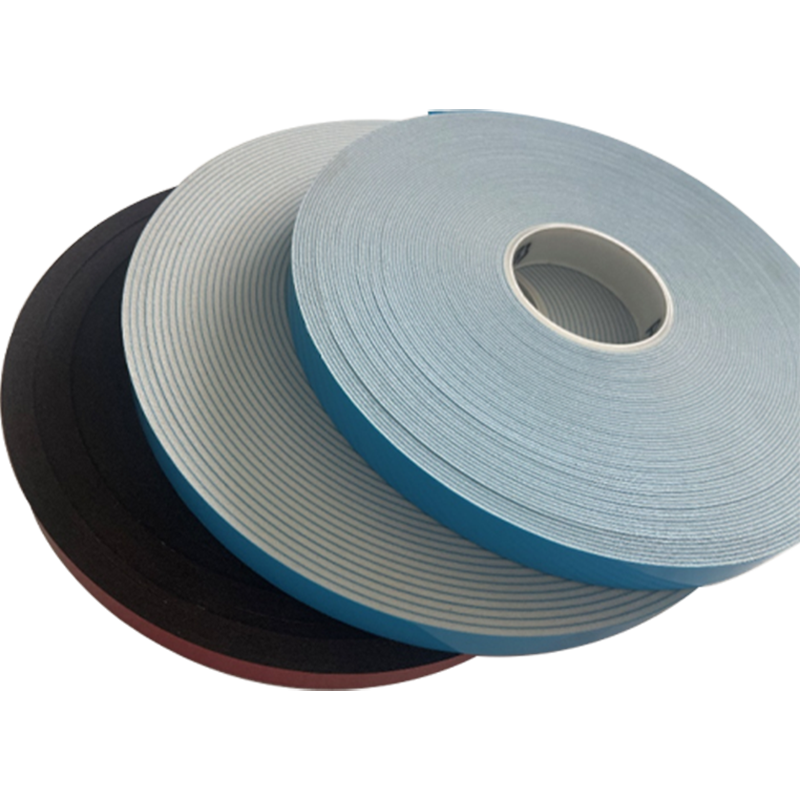
● Waterproof - the desirable material for waterproofing. ● Dust-proof - positive performance of dust prevention.● Low resilience - prevent the deforma...
See Details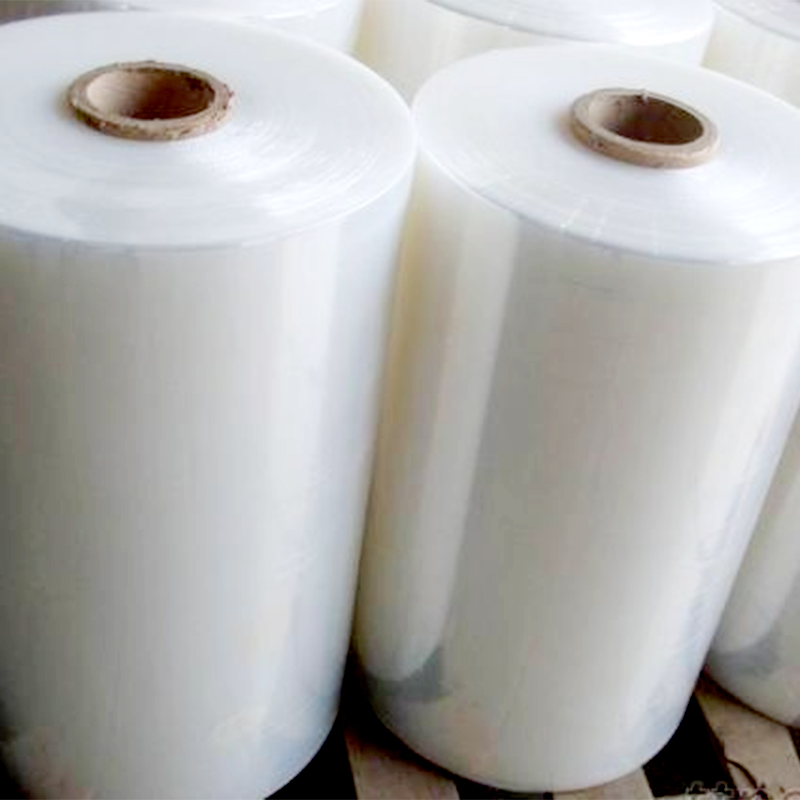
● Excellent puncture and tear resistance; ● Self-adhering-each layer of film bonds to the next for added strength; ● Big roll size to save cost and re...
See Details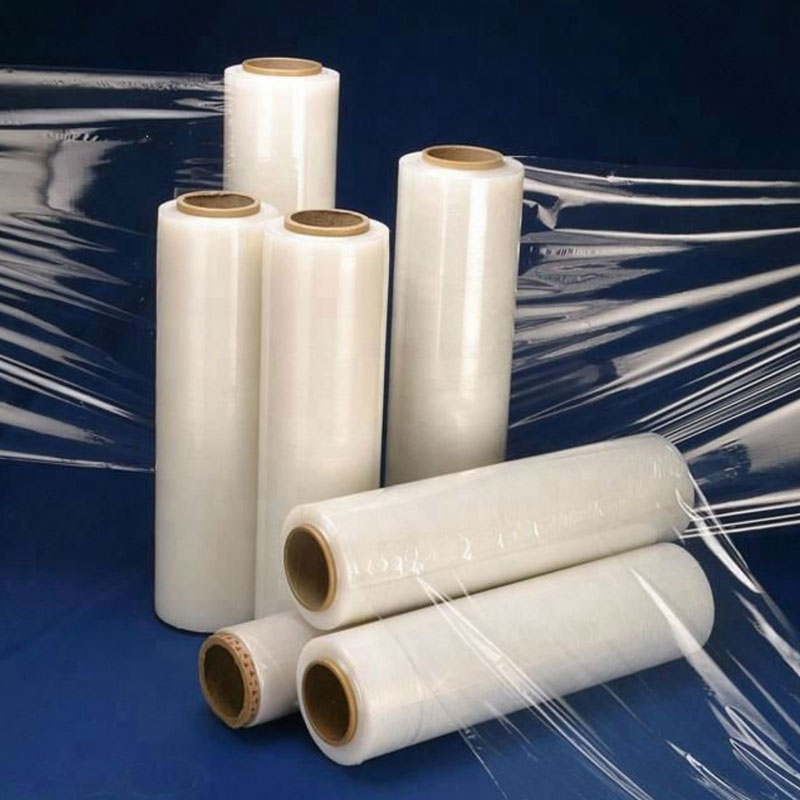
● Small roll size for convenient manual application;● Excellent puncture and tear resistance ; ● A self-adhering-each layer of film bonds to the next ...
See DetailsWe’re a reliable partner that shapes our expertise into success for your project.
Copyright 2024 Wuxi Qida Tape Co., Ltd. All Rights Reserved
 Wholesale Protective Film/Foil Manufacturers
Privacy