

 English

 English
 русский
 Français
 Español
 Português
 عربى


Cat:Glue -coated Protective Film
● Prevents costly damages in case of fire /flame;● Meet the strict international test standards of loss prevention; ● Extensive selection for flame re...
See Details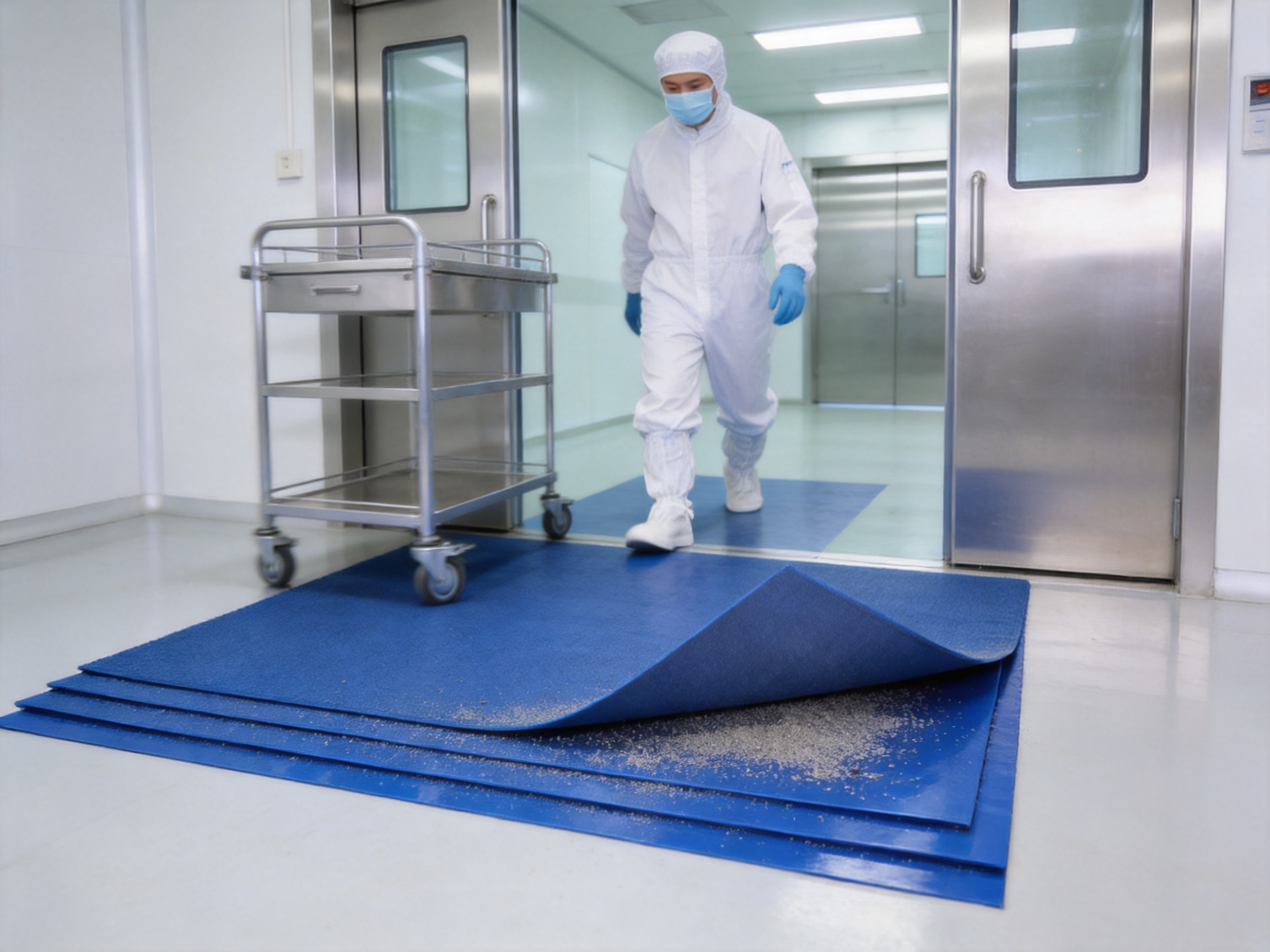
Maintaining a clean and controlled working environment is essential in industries where dust, hair, fibers, oil, microorganisms, and other particles can affect product quality, employee safety, equipment reliability, or regulatory compliance. A sticky mat, also known as a tacky mat or clean step mat, provides a practical first line of defense at entrances to cleanrooms, laboratories, hospitals, electronics workshops, semiconductor facilities, food packaging areas, and other sensitive environments.
Unlike an ordinary floor mat, a sticky mat is designed to capture contaminants from shoe soles, trolley wheels, carts, equipment bases, and other contact surfaces. Its adhesive surface holds loose particles before they can enter a controlled area. When the top layer becomes loaded with dirt, it can be peeled away to expose a fresh layer underneath. This multi-layer design allows the mat to remain convenient, hygienic, and effective during continuous use.
Modern buyers require more than basic tackiness. They need dependable adhesion, consistent layer construction, suitable film thickness, clean removal, accurate dimensions, reliable packaging, and the flexibility to adapt the product to different industries. A professional manufacturer must therefore combine material selection, adhesive coating, film processing, printing, slitting, inspection, and packaging under controlled production conditions.
This article explains the working principle, structure, main advantages, technical specifications, applications, installation requirements, maintenance practices, and purchasing considerations for high-quality sticky mats. It also examines the manufacturing capabilities that enable a specialist protective-film producer to supply consistent products for demanding customers.
Sticky Mat
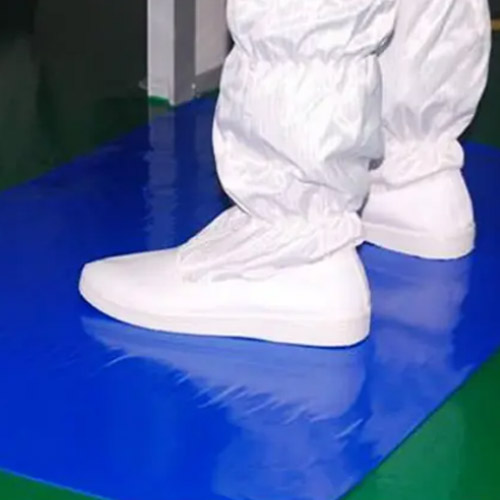
A sticky mat is a multi-layer contamination-control mat with a pressure-sensitive adhesive surface. Each mat normally contains a stack of removable adhesive sheets. Users walk across the surface or move wheels over it so that dust and other loose contaminants adhere to the exposed layer. Once the layer is no longer sufficiently clean or tacky, it is removed and discarded, revealing a new working layer.
The product is commonly installed at the entrance to a cleanroom, production area, laboratory, medical space, packaging room, or other location where controlling the movement of contaminants is important. It can be positioned on the floor without a separate rigid frame because the full surface adhesive backing helps secure the mat directly to the floor.
Sticky mats are available in different layer counts, dimensions, colors, adhesive strengths, and packaging configurations. Common options include 30-layer and 60-layer versions. Depending on the buyer’s requirements, four mats, eight mats, or ten mats may be packed in a carton. Custom colors, printed logos, and antibacterial versions may also be available for suitable applications.
The mat is not intended to replace a complete cleaning and hygiene program. Instead, it functions as a source-control product that reduces the amount of contamination entering a controlled area. It is particularly useful where people, carts, or equipment repeatedly cross a boundary between a general area and a cleaner production or service environment.
The primary operating principle is surface capture. The exposed adhesive layer creates contact with the sole of a shoe or the wheel of a cart. Loose particles are held by the adhesive rather than being carried farther into the facility. Because the mat covers the complete walking or rolling area, it offers a more consistent barrier than a small, ordinary entrance rug.
Each step or wheel movement distributes contamination across the working surface. This helps prevent dirt from accumulating in only one small location. When the exposed layer has collected a significant amount of material, the user can remove it along a clearly defined edge. The next layer then provides a clean and tacky surface without requiring the entire mat to be replaced.
The reported dirt-removal effect can reach 99.9 percent under specified five-step test conditions. Actual performance depends on the type and quantity of contamination, footwear, wheel material, walking pattern, pressure, environmental conditions, and maintenance frequency. For this reason, users should establish a replacement schedule based on actual traffic and cleanliness requirements.
Sticky mats are especially useful for controlling visible and microscopic particulate matter. They can capture dust, lint, hair, dandruff, fibers, and some oil-based contamination transferred by contact. In medical, food, and biological environments, reducing the movement of contamination at an entrance can support broader cleaning and hygiene procedures.
The most important advantage of a sticky mat is its ability to capture particles quickly at the point where contamination enters a controlled area. The adhesive surface does not rely on brushing action alone. Instead, it holds loose particles during contact, helping reduce the movement of dust from corridors, warehouses, workshops, and other general areas into cleaner zones.
A mat with a consistent adhesive coating can provide reliable performance across the usable surface. This is important because uneven coating may produce areas with weak adhesion and reduce the effectiveness of the contamination barrier. Professional coating control helps ensure that the user receives a more uniform product from the first sheet to the last.
The removable-layer structure makes the product economical and convenient for high-traffic locations. Instead of replacing a complete mat after one contaminated event, the user removes only the used top sheet. This reduces interruption to production and simplifies daily maintenance.
Thirty-layer mats can be suitable for locations with moderate traffic or shorter replacement cycles. Sixty-layer mats may provide extended service in areas with frequent movement. The correct choice depends on footfall, trolley traffic, facility procedures, and the required cleaning frequency.
The full-surface adhesive backing helps secure the mat directly to the floor without a separate frame. This reduces installation complexity and minimizes the risk of the mat shifting, curling, or forming wrinkles during use. A stable mat is safer and provides more consistent contact between footwear or wheels and the tacky surface.
Before installation, the floor should be dry, smooth, and free from loose dirt, grease, and moisture. Surfaces with heavy contamination can reduce adhesion. The mat should be placed flat and pressed carefully from the center toward the edges to minimize trapped air and wrinkles.
Different entrances and production layouts require different mat dimensions. Common sizes include 18 by 36 inches, 18 by 45 inches, 24 by 36 inches, 26 by 45 inches, 36 by 36 inches, 36 by 45 inches, and 36 by 60 inches. Custom sizes may be considered when a customer has a special doorway, passage, equipment route, or clean-zone layout.
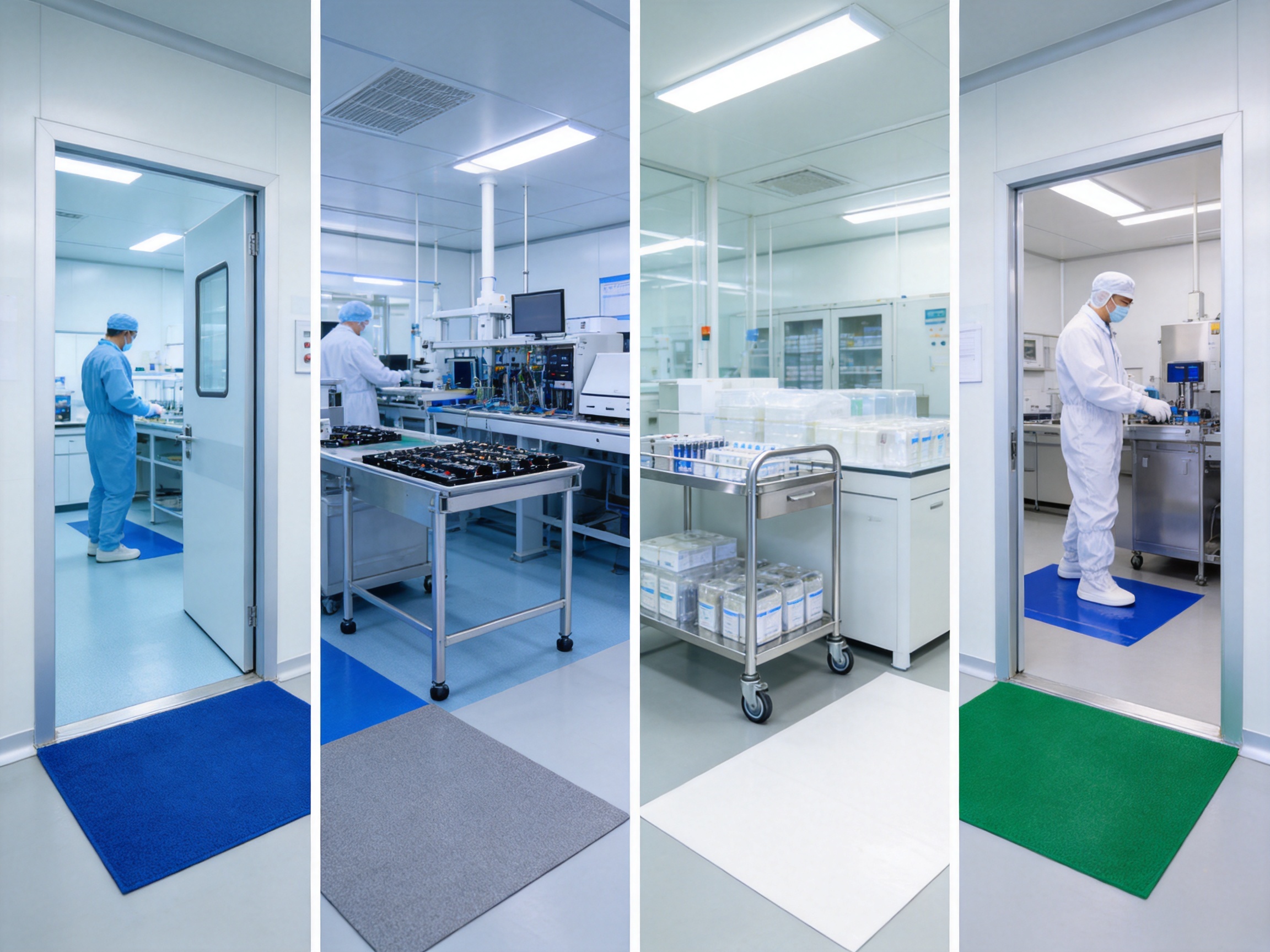
Film colors may include transparent clear, blue, white, gray, and green. Color can support workplace organization, visual identification, or customer branding. A logo or other design may also be printed onto the base when required. Printing should be evaluated carefully to ensure that it does not interfere with adhesive performance, layer separation, or clean removal.
An antibacterial version may be available for applications where additional surface-hygiene considerations are important. Such a version should be selected according to the intended environment and the customer’s technical, regulatory, and testing requirements. An antibacterial claim should always be supported by appropriate product documentation and test data for the specific formulation.
Sticky mats are used in electronics assembly, semiconductor production, biological pharmaceutical facilities, hospitals, laboratories, food packaging, medical-device manufacturing, precision assembly, painting areas, and general clean manufacturing. Their wide application range results from a simple but adaptable design: a pressure-sensitive surface captures contamination at a transition point.
| Product Feature | Typical Option | Practical Benefit |
|---|---|---|
| Layer count | 30 or 60 layers | Allows selection according to traffic and replacement frequency |
| Film thickness | 30 to 50 micrometers | Balances flexibility, handling, and layer stability |
| Adhesive type | Acrylic | Provides consistent pressure-sensitive tack for contamination capture |
| Adhesion level | High | Helps secure the mat and retain loose particles |
| Available colors | Clear, blue, white, gray, or green | Supports visual identification and customized presentation |
| Common sizes | 18 by 36 inches to 36 by 60 inches | Fits entrances, corridors, and equipment routes |
| Printing | Logo or design on the base | Supports identification and private-label requirements |
| UV resistance | Up to three months | Useful for suitable areas exposed to limited ultraviolet radiation |
| Packaging | Four, eight, or ten mats per carton | Offers flexibility for distribution and inventory planning |
Conventional textile or rubber mats primarily rely on scraping, brushing, or absorbing moisture. They can remove larger particles from footwear, but loose fine dust may remain on the sole or be released as the person continues walking. A sticky mat uses adhesive capture, making it more suitable for areas where small particles are a serious concern.
A conventional mat may require frequent washing, vacuuming, drying, or replacement. A sticky mat generally requires the user to remove the contaminated top sheet. This can simplify maintenance and reduce the need for water, cleaning chemicals, drying space, and additional labor.
Another difference is the level of control at the entrance. A textile mat can become a reservoir for dust if it is not cleaned properly. A multi-layer sticky mat presents a fresh surface after each layer change. This visible replacement system helps operators identify whether maintenance has been completed.
Sticky mats also offer advantages over loose disposable floor sheets that lack adhesive backing. A non-adhesive sheet may move under foot traffic or wheels, creating wrinkles and trip hazards. Full-surface adhesive backing helps stabilize the mat and supports closer contact with the contamination source.
However, the most appropriate product depends on the application. A sticky mat is not a substitute for shoe cleaning, hand hygiene, air filtration, routine floor cleaning, or controlled access procedures. It works best as one part of a layered contamination-control system.
Electronics and semiconductor facilities are highly sensitive to dust and fibers. Small particles can affect assembly quality, interfere with precision processes, contaminate components, or reduce production yield. Sticky mats can be installed at entrances to clean areas, gowning rooms, material transfer zones, and controlled production sections.
In these environments, consistent dimensions and stable adhesion are important. The mat must remain flat when employees and carts cross it repeatedly. A product with uniform layers allows operators to remove used sheets quickly without disturbing the remaining stack.
Hospitals, clinics, laboratories, and medical-device facilities may use sticky mats near controlled rooms, procedure areas, clean corridors, storage zones, or manufacturing spaces. By reducing the movement of dirt and particles on footwear and wheels, the mats can support the facility’s broader infection-control and cleaning procedures.
Healthcare buyers should define their requirements carefully. They may need specific cleaning protocols, antibacterial options, low-odor materials, particular colors, or documentation for internal quality systems. The mat should be selected based on the facility’s risk assessment rather than on appearance alone.
Biological and pharmaceutical operations often require strict separation between general traffic and controlled areas. Sticky mats can be positioned at personnel entrances, material transfer points, laboratories, and production rooms. The removable top-layer design supports frequent replacement when traffic is high or when contamination levels must be kept low.
Facilities should determine whether the product is compatible with their gowning procedures, disinfectants, trolley wheels, and floor materials. They should also establish procedures for recording layer changes and disposing of used sheets.
Food packaging operations must control dirt and foreign matter around packaging lines and clean production zones. Sticky mats can help reduce the transfer of particles from warehouse floors, loading areas, or staff corridors into packaging rooms.
The product should be positioned where it will be crossed naturally by personnel and equipment. It should not obstruct emergency routes, drainage points, or required sanitation operations. Food-related customers should request the technical documents needed for their own internal approval processes.
Precision instruments, optical products, coated panels, and other sensitive goods can be affected by dust and loose fibers. Sticky mats can protect production areas, inspection rooms, painting zones, and assembly stations by controlling contamination before it reaches the work floor.
In general manufacturing facilities, the product can also support housekeeping by reducing the spread of dirt between departments. Different colors and printed identification can help distinguish areas with different cleanliness requirements.
Thickness is commonly available from 30 to 50 micrometers. This range supports a balance between flexibility and handling strength. A thinner film may be easier to peel but could require more careful handling, while a thicker film may offer additional rigidity. The correct thickness depends on layer separation, adhesive formulation, production method, and customer preference.
Acrylic adhesive is widely used because it can provide stable pressure-sensitive adhesion and consistent tack. The adhesive must be coated evenly across the intended surface. It should capture particles effectively while still allowing the used layer to be removed without excessive tearing or leaving unwanted residue under normal conditions.
High adhesion is useful for both floor stability and particle capture. However, adhesive strength must be balanced with removability and floor compatibility. The floor material, coating, temperature, humidity, and duration of installation can all influence performance.
UV resistance of up to three months may be available for suitable products. This feature is relevant when the mat is exposed to sunlight or controlled ultraviolet sources for limited periods. Users should avoid assuming that UV resistance makes the product suitable for all outdoor environments or prolonged direct exposure.
Logo printing and custom designs can support private-label sales, internal area identification, or brand presentation. Printing specifications should be agreed before production, including artwork format, colors, position, repeat distance, and acceptable tolerances.
Production begins with the preparation of the film substrate. The material must be suitable for coating, layer stacking, handling, and removal. Film thickness, clarity, color, surface energy, tensile behavior, and dimensional stability are considered during material selection.
Consistent film preparation is important because variations in thickness can affect the feel of the mat, the stability of the stack, and the ease of peeling. A professional factory uses controlled equipment and inspection procedures to reduce variation between production batches.
The adhesive is selected according to the required tack, holding power, removability, floor compatibility, and intended environment. Acrylic adhesive is a common option for sticky mats. During coating, the adhesive must be distributed evenly over the specified surface at a controlled coating weight.
Coating equipment must maintain stable speed, tension, temperature, and drying conditions. Poor control may result in streaks, pinholes, bubbles, weak areas, excessive tack, or inconsistent layer release. These defects can directly affect contamination-control performance.
Advanced coating lines and experienced technicians help the manufacturer maintain repeatable results. Production samples may be tested for adhesion, appearance, thickness, release behavior, and other customer-defined requirements before the batch is approved.
After coating and curing, the film is assembled into multi-layer mats. The layers must be aligned accurately so that the final product has clean edges and a stable shape. Each sheet should be easy to remove when contaminated, while the remaining layers stay securely in position.
Layer numbering or corner tabs may be used to support maintenance. Depending on the design, the top layer can include a removable protective liner or printed identification. Assembly controls help prevent folded corners, offset layers, trapped debris, and damaged edges.
When required, a logo or design can be printed on the base or another specified area. Printing is coordinated with adhesive coating and layer assembly so that the printed image remains clear and does not interfere with product performance.
Customization may include size, color, number of layers, carton quantity, label information, packaging artwork, and antibacterial formulation. Customers should provide technical drawings, samples, or written specifications to reduce uncertainty during development.
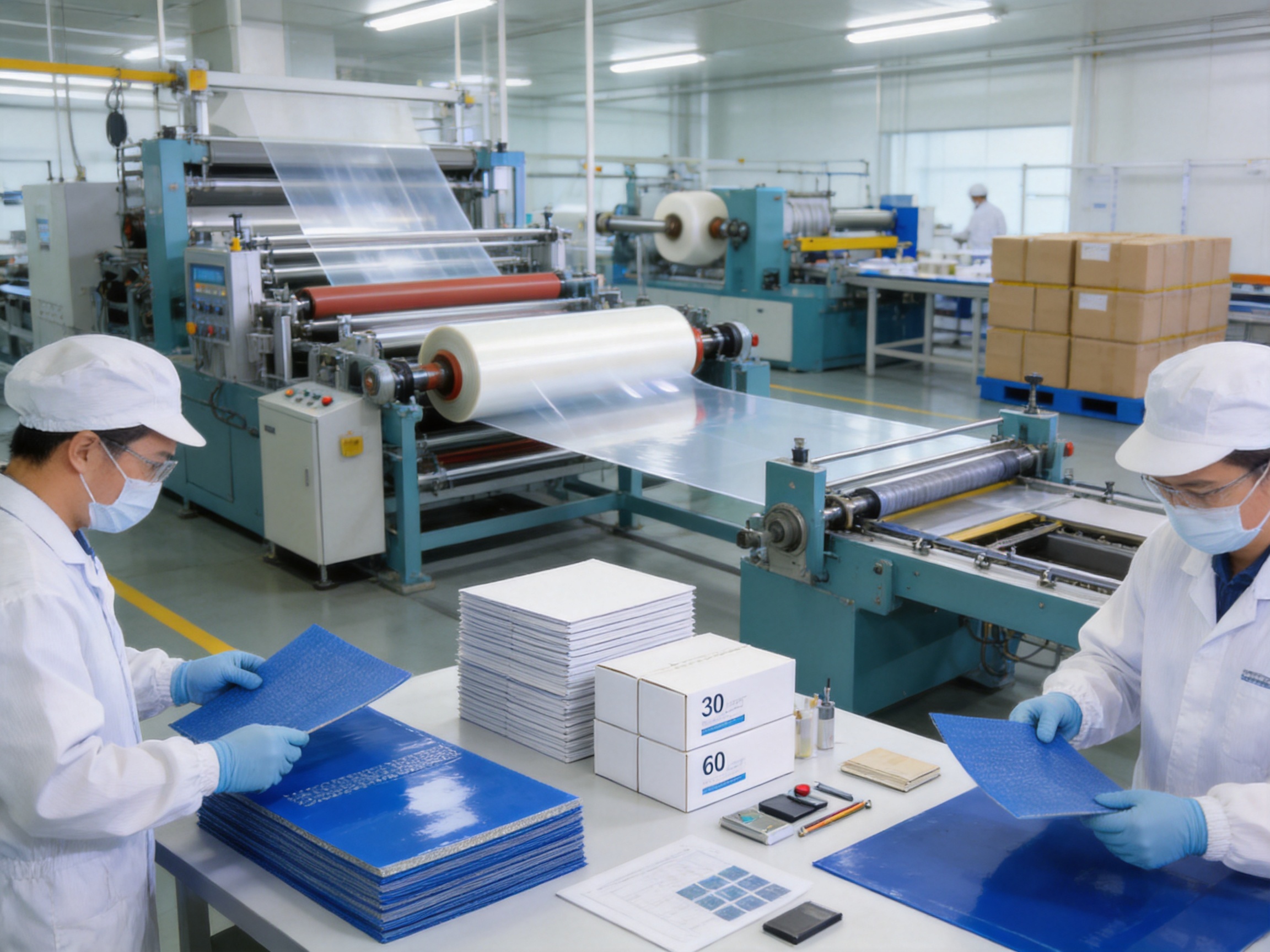
Large coated rolls can be rewound, slit, and cut into the required dimensions. Accurate slitting helps maintain consistent width and clean edges. The finished mats are then stacked, counted, labeled, and packed according to the agreed carton configuration.
Packaging protects the mats from dust, moisture, compression damage, and accidental exposure during storage and shipment. Carton markings can include product code, size, layer count, color, quantity, batch information, and handling instructions.
Quality control should cover raw materials, in-process coating, finished dimensions, adhesive behavior, layer count, appearance, packaging, and documentation. Depending on the buyer’s needs, tests may include thickness measurement, tack evaluation, peel force, floor adhesion, layer separation, print durability, and contamination-removal performance.
A testing laboratory and inspection equipment provide greater confidence than visual checking alone. Documentation such as inspection records, certificates, technical data sheets, and compliance reports can support customer audits and internal approval procedures.
Sticky mats are part of the broader surface-protection and adhesive-material industry. A manufacturer experienced in protective films can apply relevant knowledge to sticky mat production, including polymer film processing, adhesive formulation, coating control, printing, rewinding, slitting, and packaging.
An integrated factory can manage more production stages internally. This improves coordination between departments and can shorten the response time for custom orders. It also allows engineers to investigate problems across the complete process rather than treating film, adhesive, printing, and packaging as unrelated operations.
A professional manufacturer may offer several adhesive systems, such as acrylic water adhesive, acrylic solvent adhesive, and natural rubber adhesive, for different protective-film applications. This broader technical foundation can support the development of suitable adhesive solutions for specific customer requirements.
Strong research and development capability is another important advantage. Customers may need a special thickness, color, size, layer count, tack level, packaging format, or logo arrangement. Engineers who can work from a sample or technical data sheet are better positioned to convert an idea into a stable production specification.
Quality systems also matter. ISO 9001 certification supports documented quality-management procedures, while ISO 14001 certification reflects an environmental-management framework. Additional testing or compliance documentation, such as SGS, RoHS, REACH, PFAS, or Prop 65-related reports, may be requested depending on the destination market and application.
A factory established in 1999, operating from a production area of approximately 20,000 square meters, and employing more than 95 experienced staff members can provide a substantial manufacturing base for protective materials and related products. An annual production capacity exceeding 12,000 tons supports both standard products and larger-volume purchasing programs.
Experience serving customers in around 90 export areas can also improve familiarity with international packaging, documentation, communication, and quality expectations. Export experience does not replace product verification, but it can make the purchasing process more organized and predictable.
Production completed within the manufacturer’s own facility may include backing-film production, adhesive coating, logo printing, rewinding, slitting, and packaging. This integrated structure can reduce dependence on multiple outside suppliers and help maintain better control over lead times and batch consistency.
For buyers, the main advantages are not simply factory size. The more important benefits include documented process control, responsive technical support, stable raw-material management, accurate production planning, effective inspection, and the ability to customize according to application requirements.
The mat should be installed where people, carts, and equipment naturally pass from a less controlled area into a cleaner area. Suitable locations may include cleanroom entrances, laboratory doors, electronic workshops, gowning rooms, medical production areas, and packaging-room access points.
Positioning the mat away from the natural traffic route reduces its effectiveness. If users can walk around it, the contamination-control barrier is incomplete. The size should be large enough to provide adequate contact with footwear or wheels. Wider mats may be preferable for carts and equipment with multiple wheels.
The floor should be clean, dry, smooth, and free from grease or loose debris before installation. Moisture can weaken the bond between the mat and the floor. Dust underneath the mat can create uneven areas and reduce stability.
Place the mat carefully and smooth it from the center outward. Avoid stretching the material. Confirm that the edges lie flat and that the mat does not interfere with doors, thresholds, drainage, or emergency access.
People should walk across the mat at a normal, controlled pace rather than jumping over it or crossing only its edge. Carts and equipment should pass over the mat slowly enough to allow contact between the wheels and adhesive surface.
Sharp objects, blades, metal edges, and heavy concentrated loads should not be dragged across the mat. These actions can cut the film, damage the adhesive, or create a trip hazard. Oil, chemicals, and unusually heavy contamination should be prevented from entering the mat whenever possible.
Inspect the exposed layer regularly. Replace it when the surface is visibly contaminated, when the adhesive is no longer effective, when the layer is damaged, or when the facility’s documented schedule requires replacement. High-traffic areas generally need more frequent changes than low-traffic areas.
Peel the used sheet slowly from a designated corner or tab. Remove it in a controlled direction to avoid lifting the remaining layers. Dispose of the used sheet according to the facility’s waste procedures, particularly when it has collected biological, chemical, or other regulated contamination.
Although a sticky mat is a simple product, users should consider safety during installation, replacement, and disposal. Operators may wear gloves and other appropriate protective equipment when handling used sheets, especially in medical, biological, or chemical environments.
The mat should be stored in its original packaging in a clean, dry location. Avoid excessive heat, direct sunlight, moisture, and pressure that could deform the stack or change adhesive behavior. Stock should be rotated according to the manufacturer’s recommended storage period and conditions.
Waste handling depends on the type of contamination collected. A mat used in a general office or electronics entrance may follow ordinary industrial waste procedures, while a mat used in a laboratory, hospital, pharmaceutical facility, or food-production zone may require specialized handling.
Sticky mats can support resource-saving cleaning practices because replacing one used layer may require less water and energy than washing and drying a reusable textile mat. Nevertheless, the environmental benefit depends on material composition, waste management, transport, packaging, and the number of layers consumed. Buyers should request product and recycling information when sustainability is an important purchasing criterion.
Buyers should begin by defining the application. Important questions include where the mat will be used, how many people and carts will cross it each day, what contaminants are present, what floor material is installed, whether the area is exposed to sunlight or ultraviolet radiation, and whether special hygiene or compliance documentation is needed.
The supplier should be able to provide clear information about film thickness, adhesive type, layer count, dimensions, color, printing, packaging, storage, and replacement. Samples are valuable because they allow the customer to evaluate tack, peeling, floor stability, appearance, and compatibility under actual conditions.
Ask how the manufacturer controls adhesive coating and layer assembly. A supplier that can explain coating weight, curing, inspection, release performance, and batch traceability is generally better prepared to deliver consistent quality.
Customization capability should also be evaluated. A capable supplier can discuss custom sizes, colors, layer counts, carton quantities, labels, logos, and special formulations without sacrificing basic product control.
Finally, consider service after the order. Technical support, production updates, export documentation, complaint handling, and the ability to repeat an approved specification are important for long-term supply. The lowest initial price may not provide the lowest total cost if the product has inconsistent tack, poor packaging, frequent damage, or an unreliable delivery schedule.
Before approving a sticky mat, inspect the overall appearance. The stack should be straight, clean, and free from excessive wrinkles, bubbles, contamination, or edge damage. The film should have consistent color and thickness across the product.
Check the layer count and confirm that each layer can be removed without tearing under normal handling. The exposed surface should have uniform tack. Excessively weak adhesion may reduce particle capture, while excessive adhesion may make replacement difficult or create floor-compatibility concerns.
Evaluate the mat on the intended floor. It should remain stable during walking and trolley movement, but it should also be removable according to the agreed requirements. Testing on a different floor material or under different temperature and humidity conditions may produce different results.
Review packaging carefully. Cartons should protect the mats from dust, moisture, crushing, and accidental opening. Product labels should match the purchase order, including size, color, layer count, quantity, and batch details.
The main purpose is to capture dust, fibers, hair, and other loose contaminants from shoes, wheels, and equipment before they enter a cleaner or more sensitive area. It serves as an entrance contamination-control measure.
Thirty layers are often suitable for moderate traffic or frequent scheduled replacement. Sixty layers can provide a longer service period in high-traffic areas. The choice should be based on actual traffic, contamination levels, and facility procedures.
Yes. A full-surface adhesive backing is designed to secure the mat directly to a suitable floor without a separate frame. The floor should be dry, smooth, clean, and free from grease before installation.
Common sizes include 18 by 36 inches, 18 by 45 inches, 24 by 36 inches, 26 by 45 inches, 36 by 36 inches, 36 by 45 inches, and 36 by 60 inches. Custom dimensions may be available for special entrances or equipment routes.
Acrylic adhesive is a common option. The final adhesive specification should be selected according to required tack, removability, floor compatibility, environmental conditions, and the intended application.
The top layer should be removed when it becomes visibly dirty, loses effective tack, becomes damaged, or reaches the replacement interval defined by the facility. High-traffic entrances require more frequent inspection and replacement.
A logo or design can be printed onto the base when the product specification supports it. Artwork, colors, position, size, and print durability should be confirmed before production.
An antibacterial version may be available on request. Customers should ask for the relevant technical information and test documentation for the specific antibacterial formulation and intended application.
They can be used in hospitals, laboratories, biological facilities, and pharmaceutical environments as part of a wider hygiene and contamination-control program. The facility should verify compatibility with its cleaning agents, waste procedures, and internal regulatory requirements.
No. Sticky mats reduce the transfer of particles at entrances, but they do not replace routine floor cleaning, disinfection, hand hygiene, protective clothing, air filtration, or controlled-access procedures.
Buyers should request samples, technical specifications, layer count, adhesive information, dimensions, packaging details, test data, compliance documents where relevant, storage recommendations, and confirmation of production and customization capabilities.
Sticky mats provide a straightforward and effective way to control the movement of dust and loose contamination at the entrance to sensitive areas. Their removable multi-layer design, direct floor installation, high adhesion, flexible sizing, color options, and potential for logo printing make them suitable for a wide range of industrial, medical, laboratory, and commercial applications.
The strongest products are supported by consistent film production, controlled acrylic adhesive coating, accurate layer assembly, reliable printing, careful slitting, protective packaging, and systematic inspection. A manufacturer with integrated production, experienced technicians, a testing laboratory, research and development capability, and recognized quality and environmental systems can provide more than a standard commodity item. It can provide a repeatable contamination-control solution matched to the customer’s operating requirements.
For buyers, the best approach is to evaluate the complete product and supply chain: performance on the intended floor, ease of layer removal, contamination-capture ability, packaging, documentation, customization, production stability, and technical support. When correctly selected and properly maintained, a sticky mat can help protect product quality, support clean working conditions, reduce maintenance interruptions, and improve control at the boundary between ordinary and high-cleanliness environments.
1. ISO 9001, Quality Management Systems: Requirements.
2. ISO 14001, Environmental Management Systems: Requirements with Guidance for Use.
3. ISO 14644 series, Cleanrooms and Associated Controlled Environments.
4. ASTM D3330, Standard Test Method for Peel Adhesion of Pressure-Sensitive Tape.
5. ASTM D2979, Standard Test Method for Pressure-Sensitive Tack of Adhesives Using an Inverted Probe Machine.
6. International guidance on contamination control practices for cleanrooms, controlled manufacturing areas, and healthcare environments.
7. Manufacturer technical data for acrylic adhesive-coated protective materials, multi-layer sticky mats, and related surface-protection products.
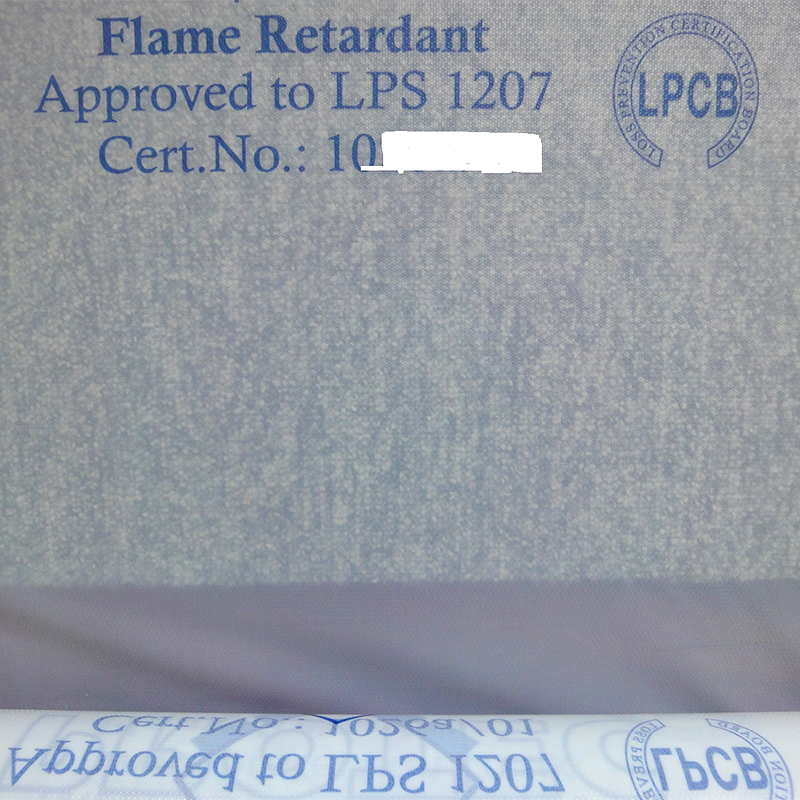
● Prevents costly damages in case of fire /flame;● Meet the strict international test standards of loss prevention; ● Extensive selection for flame re...
See Details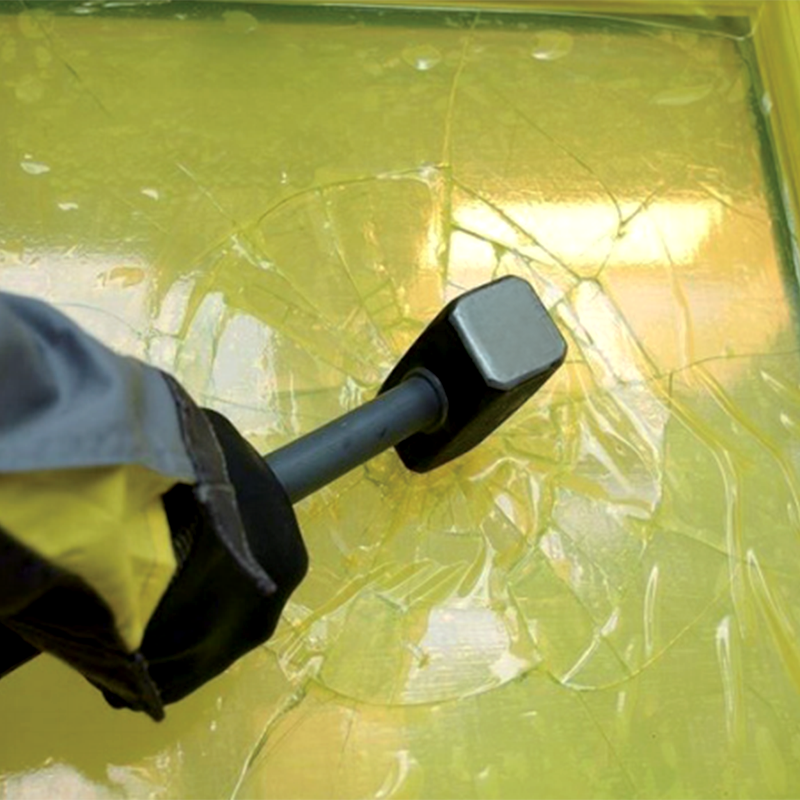
● The super tough polyethylene film with super high adhesion can stop the glass splitting and falling off during window glass demolition process;● Non...
See Details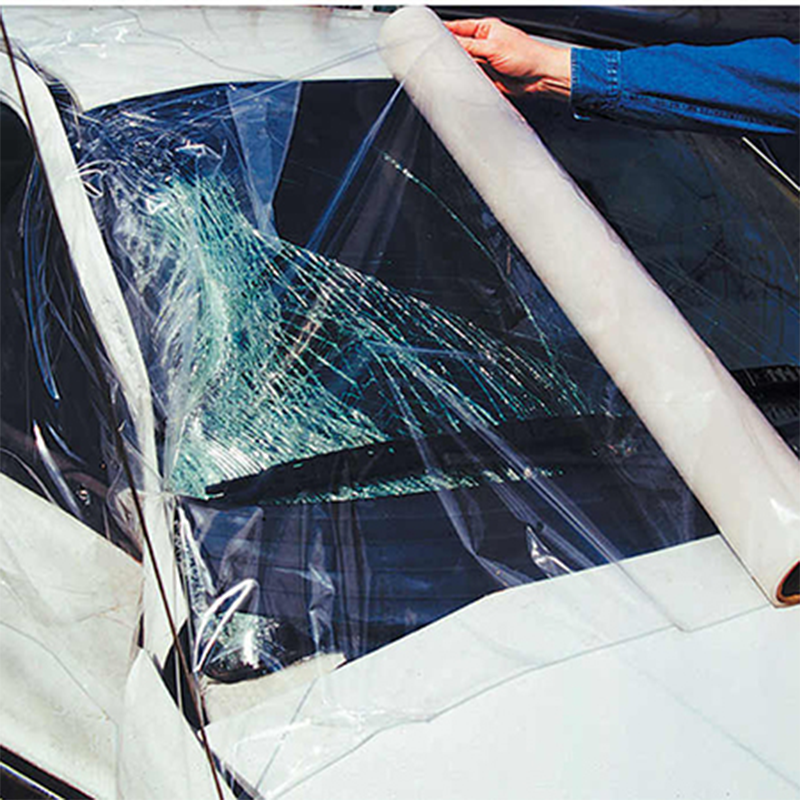
● The super-tough polyethylene film resists puncture and penetration by rain, snow, debris, and dirt during the transportation and storage of the cras...
See Details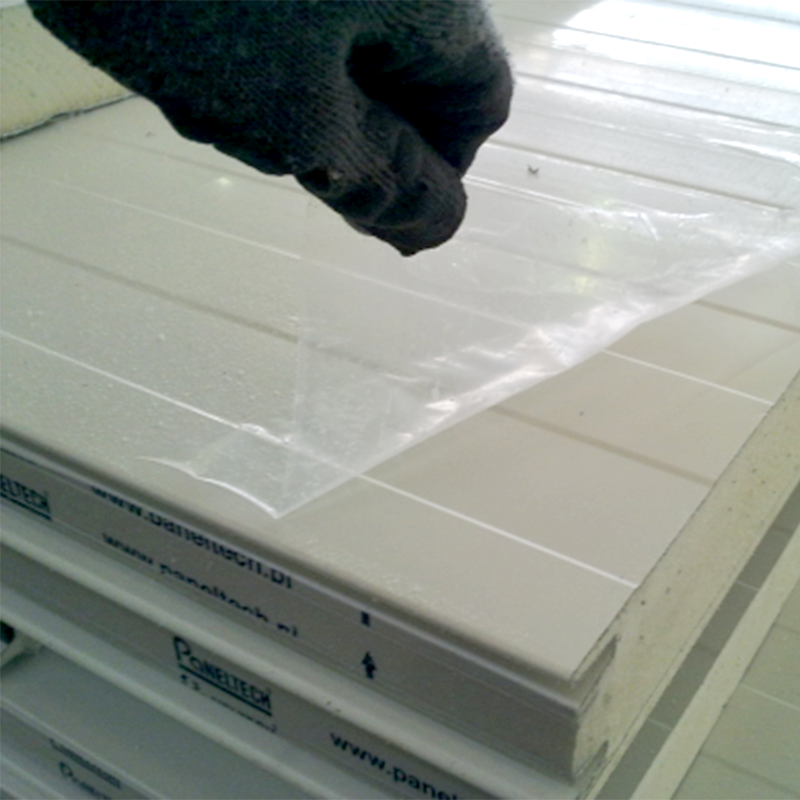
● The specially formulated adhesive ensures easy application and removal without leaving residue glue on the sandwich panels; ● The super-tough polyet...
See Details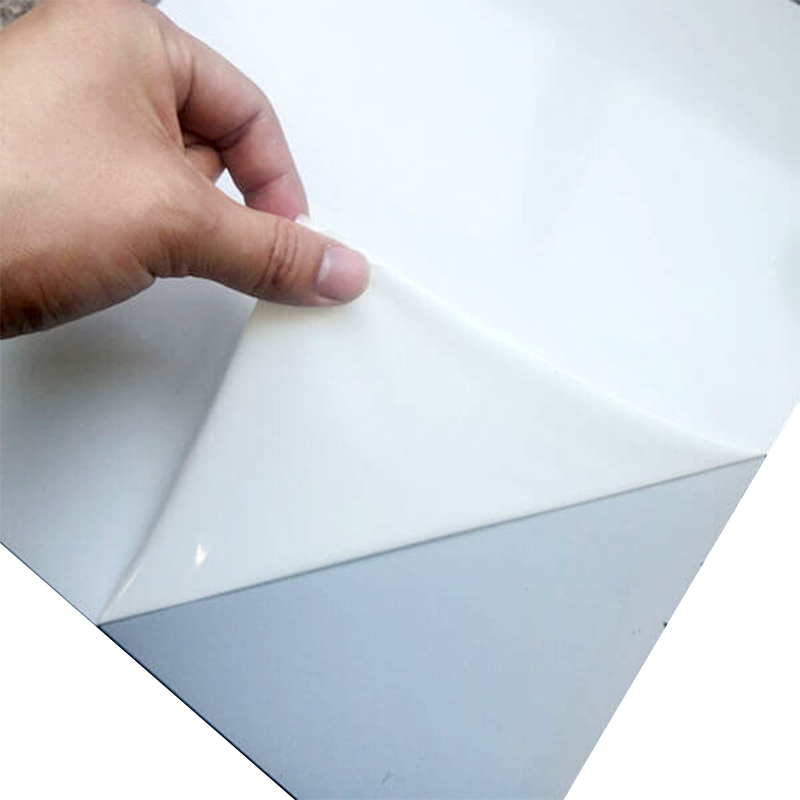
● The super tough polyethylene film with super high adhesion can stop parts of the glass or mirror from splintering away and injuring people when it i...
See Details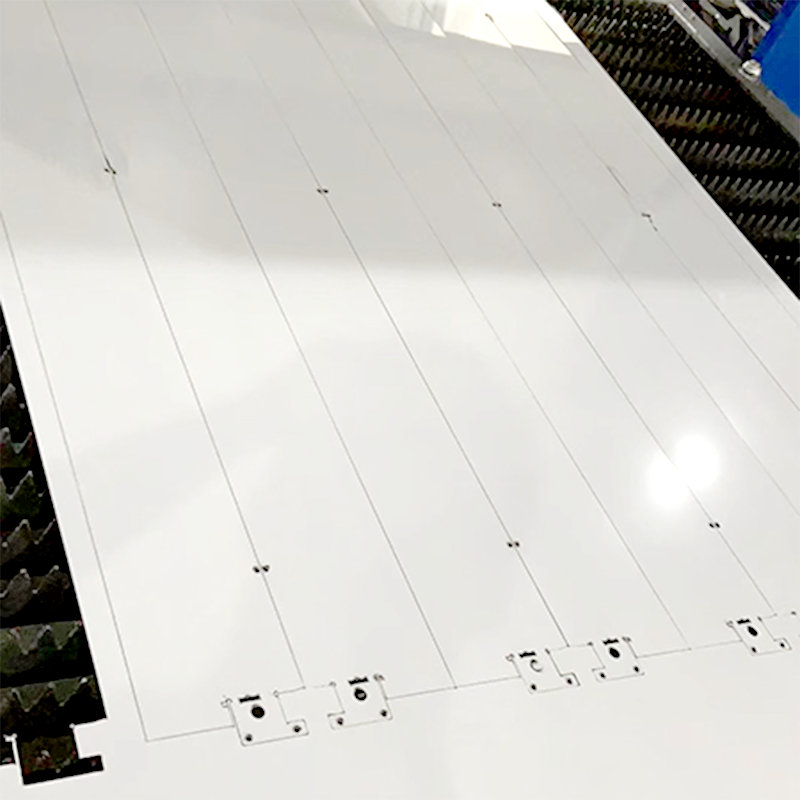
● The specially formulated natural rubber adhesive suitable for both CO2 and Fiber laser cutting processes;● High cutting quality without burr or trac...
See Details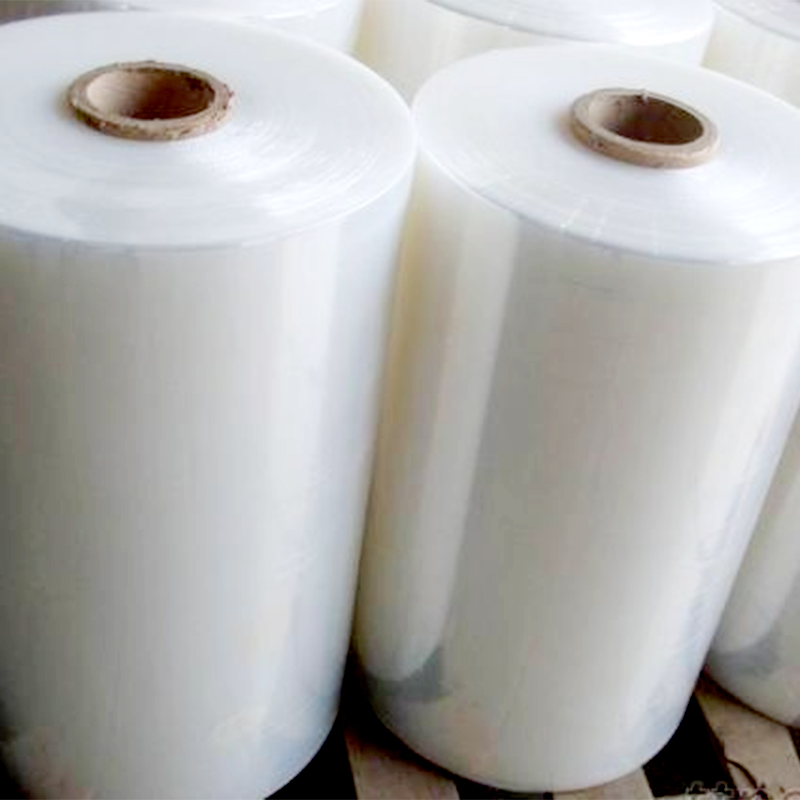
● Excellent puncture and tear resistance; ● Self-adhering-each layer of film bonds to the next for added strength; ● Big roll size to save cost and re...
See Details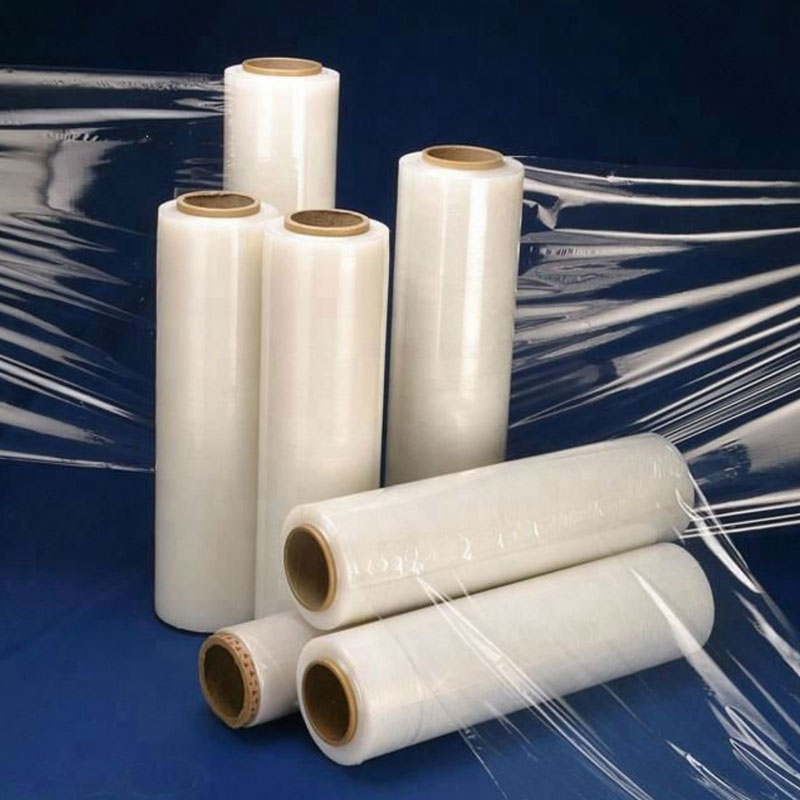
● Small roll size for convenient manual application;● Excellent puncture and tear resistance ; ● A self-adhering-each layer of film bonds to the next ...
See Details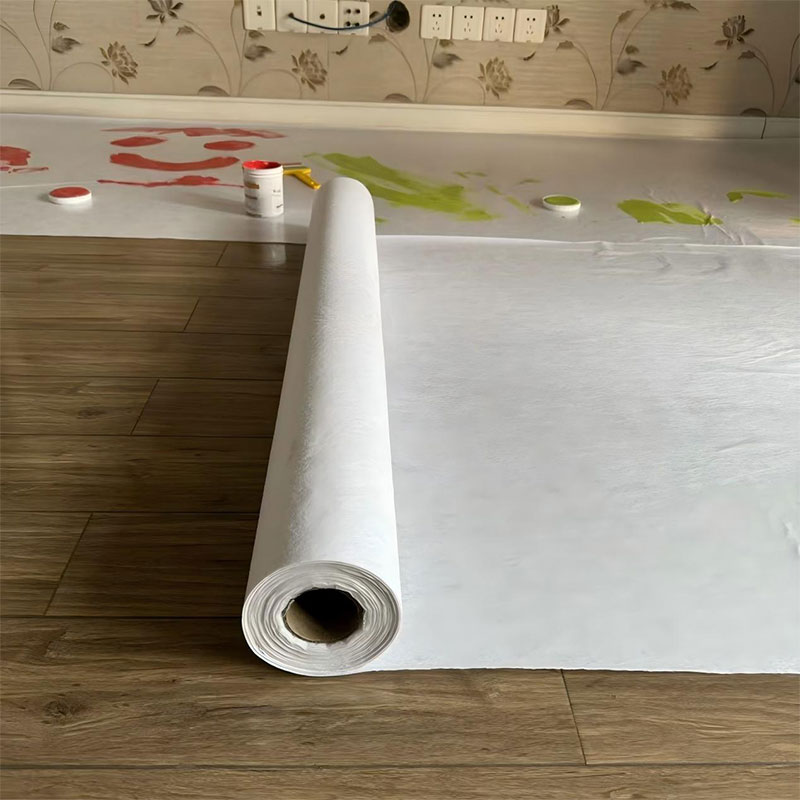
This product has non-woven synthetic fleece in middle; PE film adhered onto top of the non-woven fabric, which is coated with self adhesive glue on it...
See Details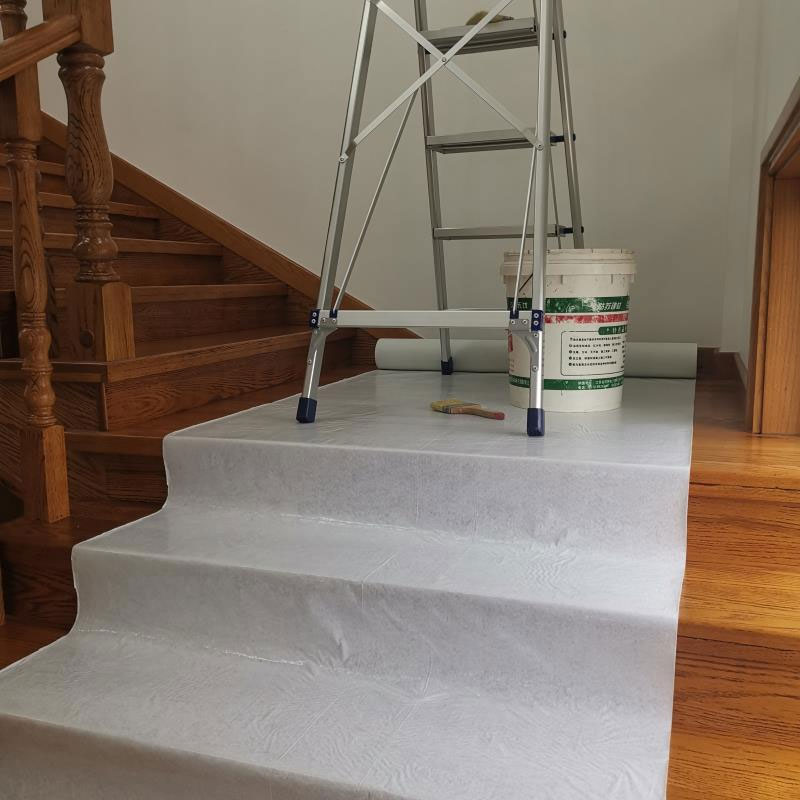
This product has non-woven synthetic fleece in middle; Breathable PE film adhered onto top of the non-woven fabric, which is coated with self adhesive...
See DetailsWe’re a reliable partner that shapes our expertise into success for your project.
Copyright 2024 Wuxi Qida Tape Co., Ltd. All Rights Reserved
 Wholesale Protective Film/Foil Manufacturers
Privacy