

 English

 English
 русский
 Français
 Español
 Português
 عربى


Cat:Glue -coated Protective Film
● Good weatherability for outdoor exposure; ● Stable adhesion level; ● UV resistance for up to 12 months; ● Can print customized logo or application i...
See Details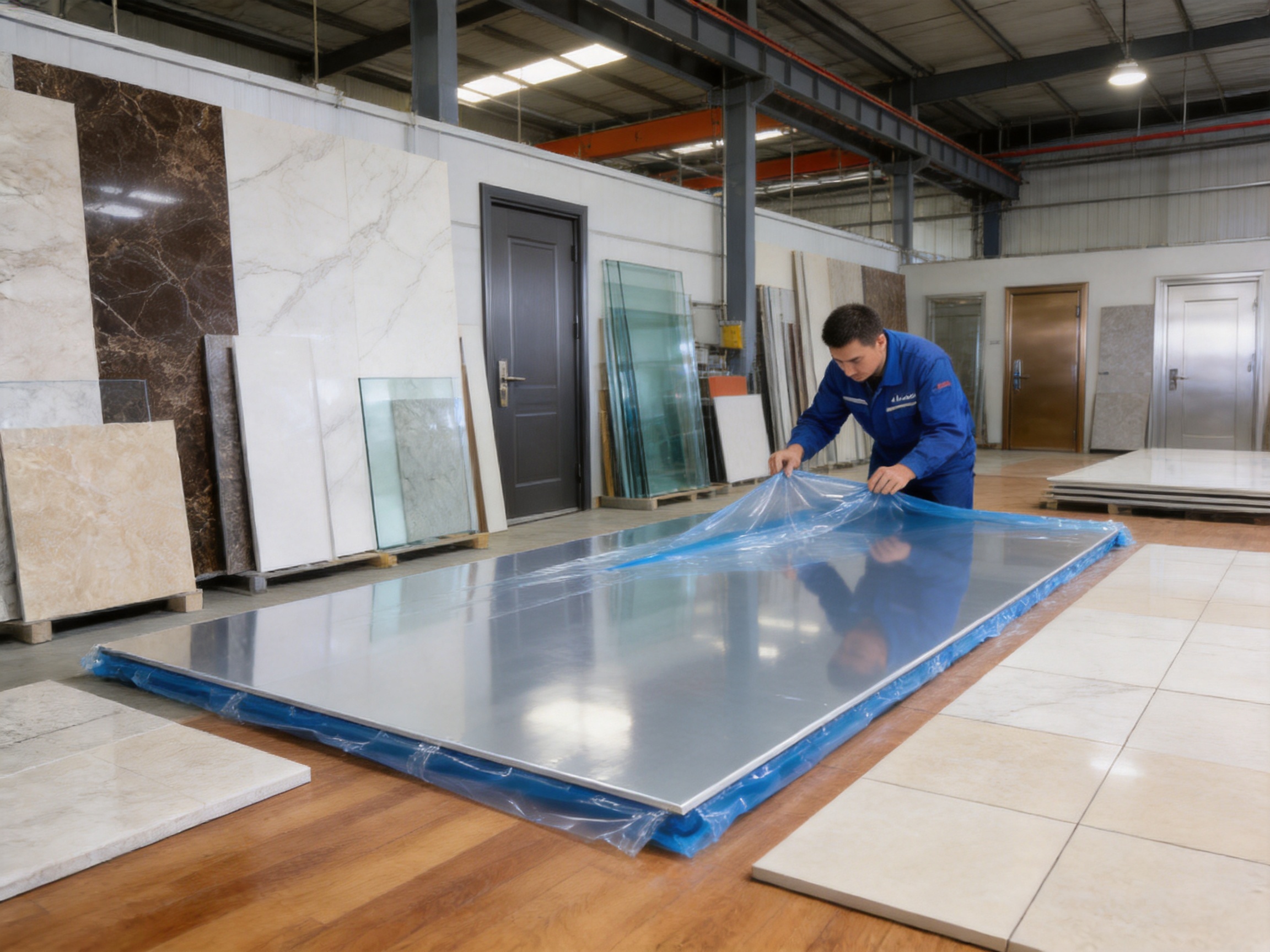
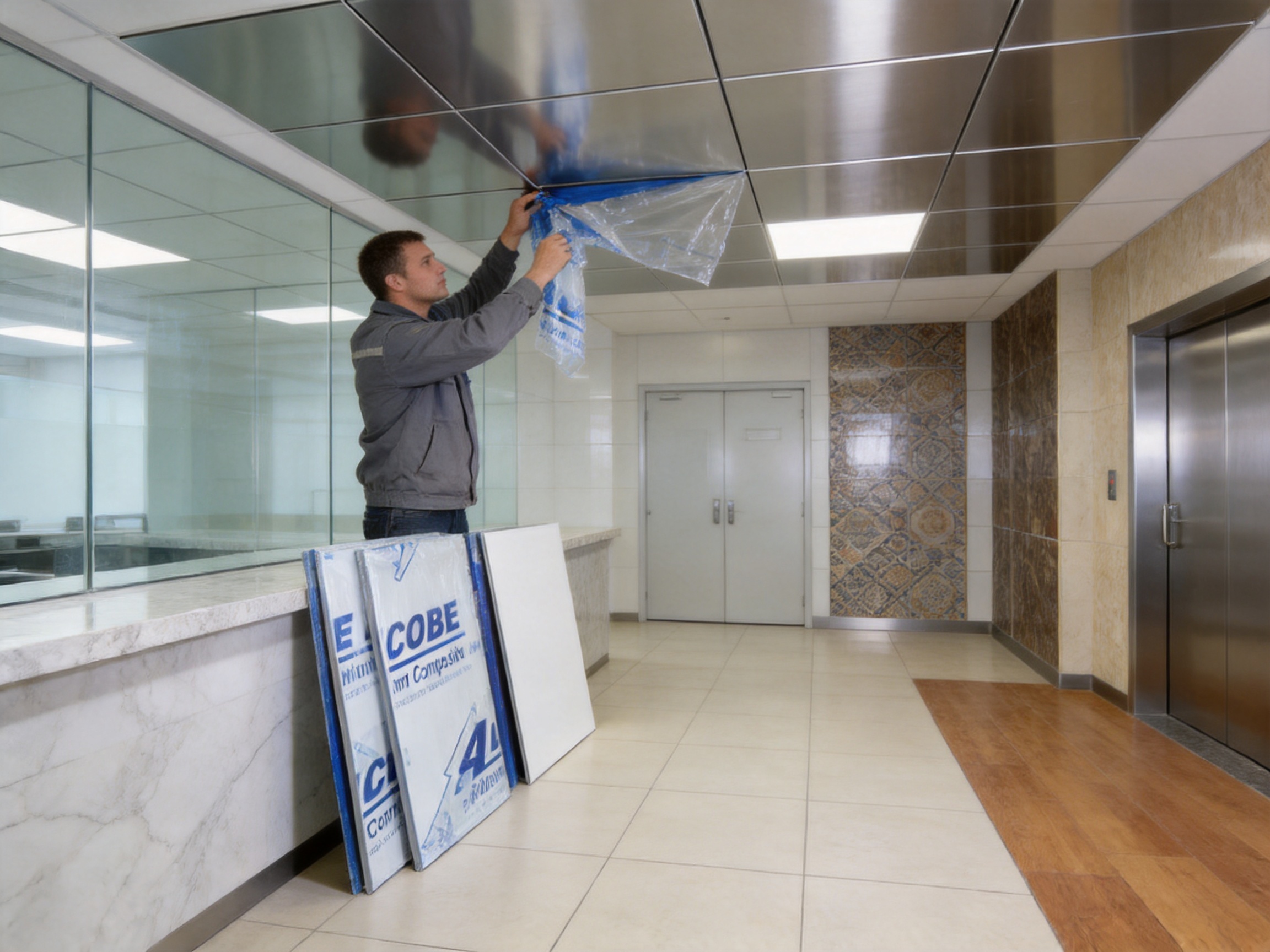
Building and decorative materials are often manufactured with carefully finished surfaces that must remain clean, attractive, and undamaged until the final stage of a project. Aluminum plastic composite panels, decorative laminates, artificial marble, aluminum ceilings, glass, metal doors, ceramic tiles, wood flooring, and related products may pass through cutting, drilling, bending, transportation, storage, and installation before they become part of a finished building. During each stage, the surface can be exposed to scratches, dust, moisture, cement, paint, adhesive, friction, fingerprints, and accidental impact.
Protective Film for Building and Decoration Materials is designed to create a temporary barrier between the finished surface and the surrounding working environment. It combines a tough polyethylene backing with a pressure-sensitive adhesive formulated for controlled bonding and clean removal. When correctly selected and applied, the film helps preserve the original appearance of the protected material while reducing cleaning, repair, replacement, and rework costs.
This product is manufactured by Wuxi Qida Tape Co., Ltd., a China-based producer specializing in protective films and surface protection solutions. The company develops and manufactures products for metal, plastic, glass, ceramic, decorative laminate, carpet, and other surfaces. Its production system covers backing film production, adhesive coating, logo printing, rewinding, slitting, inspection, and packaging, allowing the company to control the major stages of production within its own factory.
With options including natural rubber adhesive, acrylic solvent adhesive, and acrylic water adhesive, the product can be adapted to different surface energies, application conditions, exposure periods, and removal requirements. Film thickness, width, color, adhesion level, printing, and weather resistance can also be customized for specific project or manufacturing needs.
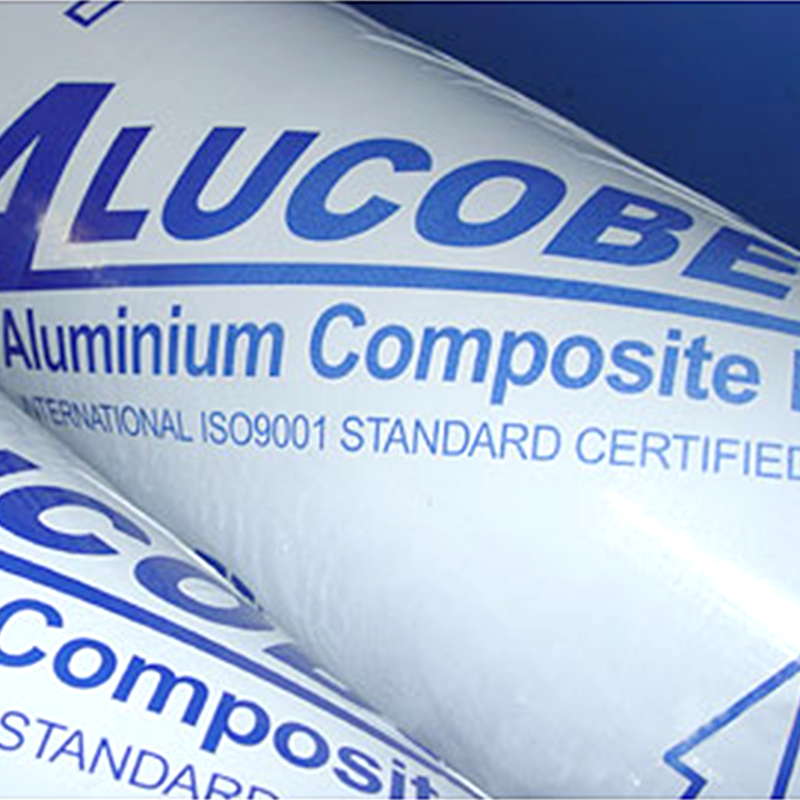
Protective Film for Building &decoration Materials:(Aluminum Plastic Composite Panel ;decorative Laminate ;artificial Marble;aluminum Ceiling)... Etc.
The visible surface of a building material is often one of its most valuable features. A decorative laminate may depend on a precise pattern and gloss level. Artificial marble may be selected for its veining, color consistency, and polished finish. An aluminum ceiling or composite panel may require a uniform coating without dents, stains, or scratches. Once a surface is damaged, it may be impossible to restore it to its original condition through ordinary cleaning.
Damage can occur even when the material itself is strong. A metal panel can be scratched by another panel during transportation. A polished stone sheet can collect dust and cement residue during construction. A decorative board can be marked by tools, packaging, footwear, or temporary storage supports. Glass can be affected by paint, plaster, mortar, and construction debris. These problems are not always caused by major accidents; repeated light contact and contamination can be enough to reduce the final quality of a project.
A suitable protective film provides a practical way to reduce these risks. The polyethylene backing absorbs and resists ordinary handling stresses, while the adhesive keeps the film in contact with the surface. The film can be applied during manufacturing or before transportation and then remain in place through processing, delivery, installation, and selected finishing stages.
Protection is especially valuable when multiple trades work in the same area. Building projects may involve metal fabricators, installers, electricians, plumbers, painters, flooring contractors, and cleaning teams. Each group may use different tools and materials around the same finished surfaces. A temporary protective layer helps separate the completed surface from the unfinished work taking place nearby.
The film also supports better project organization. Instead of repeatedly cleaning and inspecting exposed surfaces after every construction stage, contractors can keep the material protected until the risk of damage has declined. At final inspection, the film can be removed to reveal a cleaner and more consistent surface.
This protective film uses polyethylene as the primary backing material. Polyethylene is widely used for temporary surface protection because it combines flexibility, toughness, chemical resistance, weather resistance, and processability. The backing can conform to flat, curved, and moderately complex surfaces while retaining sufficient strength for handling and removal.
A pressure-sensitive adhesive is applied to one side of the film. Depending on the required performance, the adhesive may be based on natural rubber, acrylic solvent, or acrylic water technology. The adhesive selection influences initial tack, final adhesion, resistance to temperature and moisture, outdoor durability, and the ease of removal.
The product is available in different adhesion levels, ranging from low to very high. This range is important because building materials differ considerably. A smooth coated metal panel may require a different adhesive from a textured decorative laminate. A low-energy plastic surface may need a higher-tack formulation, while a sensitive painted surface may require a gentler adhesive to avoid surface interaction.
The film can be supplied in blue, clear, black and white, black, red, green, yellow, pink, white, and other colors. Clear film allows the protected surface to remain visible, while colored films can make the protective layer easy to identify at a construction site. Colored films may also help users distinguish different products, application zones, or removal stages.
Customized printing is available in up to three colors. A company logo, handling message, removal instruction, product code, or application warning can be printed on the film. Printing transforms the film from a simple protective layer into a communication tool that helps workers understand how it should be used.
| Item | Available Specification | Practical Significance |
|---|---|---|
| Backing material | Polyethylene film | Flexible, tough, and suitable for temporary surface protection |
| Thickness | 30 to 100 micrometers | Allows selection of handling strength, flexibility, and coverage |
| Width | 100 to 2,250 millimeters | Suitable for narrow profiles, panels, sheets, and broad surfaces |
| Roll length | 100 to 2,000 meters | Supports both small-batch use and high-volume production |
| Elongation | At least 300 | Provides flexibility for fitting and handling; final test unit should be confirmed for each specification |
| Adhesion level | Low to very high | Enables matching with different surface types and application conditions |
| Adhesive options | Natural rubber, acrylic solvent, or acrylic water | Offers different balances of tack, durability, removability, and weather resistance |
| Film colors | Blue, clear, black and white, black, red, green, yellow, pink, white, and others | Supports product identification, visibility, and branding requirements |
| Printing | Up to three colors | Allows logos, instructions, warnings, and product information |
| UV resistance | Approximately 3 to 12 months | Provides different outdoor exposure options depending on formulation and conditions |
The specifications above provide a broad design range rather than a single fixed product. The correct combination depends on the protected substrate, surface roughness, coating type, handling method, storage environment, expected exposure period, and removal schedule. Customers can provide technical data sheets, samples, or application details so that the appropriate film and adhesive can be selected.
One of the most important advantages is controlled adhesion. The specially formulated adhesive is intended to hold the film securely during normal handling while allowing removal without leaving adhesive residue when the product is properly selected and used within the recommended conditions.
Residue-free removal is particularly important for decorative surfaces. Adhesive deposits can attract dust, create visible marks, require solvents, or cause delays during final cleaning. In some cases, aggressive cleaning can damage coatings or polished finishes. A protective film designed for clean removal reduces these risks and helps contractors complete the final handover more efficiently.
Removal performance depends on several factors, including surface cleanliness, application temperature, storage duration, UV exposure, adhesive type, surface coating, and removal angle. For this reason, testing on an actual sample is recommended before full-scale application, especially when the material is new, highly sensitive, porous, textured, or exposed outdoors.
The super-tough polyethylene backing helps shield the surface from common construction and transportation hazards. It can reduce contact from tools, packaging materials, dust, metal edges, loose particles, and routine handling. It also limits the direct deposition of dirt, fingerprints, cement splashes, paint droplets, and other contaminants.
The film is not intended to replace safe handling procedures or heavy-duty impact protection. However, it provides an effective first line of defense against the everyday surface damage that frequently occurs during cutting, drilling, bending, installation, storage, and delivery.
Some building products are stored or installed in open areas before a structure is fully enclosed. Exposure to sunlight, rain, humidity, temperature changes, and airborne pollutants can affect an unprotected surface. Selected protective film formulations offer outdoor UV resistance for approximately three to twelve months.
The actual exposure period depends on the adhesive system, film color, climate, orientation, temperature, solar radiation, and the condition of the protected substrate. A project in a mild indoor environment may require a different solution from a project involving direct sunlight in a hot or humid region. Qida Tape can recommend suitable formulations based on the expected application period and environmental conditions.
After removal, a protective film should leave the surface visually uniform. The product is designed to reduce the risk of ghost shadow or fish-eye effects, which can appear as uneven areas, circular marks, surface impressions, or differences in gloss. These defects may be especially noticeable on high-gloss coatings, polished artificial marble, decorative laminates, and colored metal surfaces.
Film performance is influenced by adhesive compatibility and storage conditions. A suitable adhesive must maintain stable contact without interacting negatively with the coating, plasticizer, pigment, or finish of the protected material. This is why surface-specific selection and trial testing remain important elements of professional application.
Building and decoration materials are not always perfectly flat. They may include folded edges, shallow curves, profiles, embossing, joints, or three-dimensional details. Polyethylene film has good flexibility and can be cut, stretched, and fitted to many shapes.
Its high elongation helps the film follow the surface during application and handling. A flexible film can reduce the formation of loose sections, wrinkles, or exposed edges when it is applied correctly. It can also be converted into different roll widths to match common panel sizes and production lines.
Up to three colors of printing can be used for logos, product information, usage instructions, or warnings. Printed guidance may state which side should be applied, when the film should be removed, or how it should be handled during installation.
For manufacturers of panels, laminates, doors, windows, ceilings, or other building components, printed film can also reinforce product identity. It helps maintain a professional appearance throughout transportation and construction while making the protected material easier to identify at a busy project site.
Aluminum plastic composite panels are widely used for façades, signage, interior walls, partitions, and commercial decoration. Their finished coating can be vulnerable to scratches during cutting, routing, folding, transportation, and installation. Protective film can be applied to the panel surface before processing and retained until the relevant construction stage is complete.
For routed or folded panels, the film can help reduce marking around the work area. It may also make it easier for installers to draw cutting lines or identify panel orientation, provided that marking materials are compatible with the film and do not transfer through to the surface.
Decorative laminates are selected for patterns, textures, colors, and surface finishes. They may be used for furniture, wall panels, doors, partitions, counters, and interior architectural elements. During manufacturing and installation, the decorative side must be protected from friction, dust, and adhesive contamination.
A low- to medium-adhesion protective film may be appropriate for many smooth laminate surfaces, while textured or lower-energy surfaces may require another adhesive design. The film can remain in place during transportation and be removed after trimming, fitting, and adjacent construction work are finished.
Artificial marble and engineered stone are commonly used for countertops, wall cladding, reception desks, vanity units, flooring, and other premium applications. Their polished surfaces can show even minor scratches or contamination. Protective film helps isolate the finish from cutting dust, installation debris, sealants, cement, and daily site traffic.
Because stone products may have polished, matte, textured, or coated surfaces, compatibility testing is essential. The selected film should provide adequate hold without creating an unwanted visual or adhesive effect during storage or exposure.
Aluminum ceilings, metal wall panels, elevator components, doors, window frames, and decorative profiles may be manufactured with painted, anodized, powder-coated, or laminated finishes. These surfaces can be scratched when stacked or handled, particularly around edges and corners.
Protective film can be applied after coating or finishing and remain in place while components are cut, transported, stored, and installed. It helps keep the visible face cleaner and may reduce the time required for final polishing and inspection.
Glass is vulnerable to fingerprints, paint, cement, dust, and scratching from abrasive particles. Protective film can provide a temporary barrier during fabrication, delivery, frame installation, and interior finishing. Clear film is often selected when visibility of the underlying surface is important, while colored film can make protected areas more noticeable.
The film should not be considered a substitute for edge protection or safety glass handling procedures. Glass must still be transported, stored, and installed using suitable equipment and practices.
Tiles and flooring materials may be exposed to friction during shipment and contamination during installation. A temporary protective layer can reduce the effect of dust, grout, adhesive, paint, and foot traffic on finished surfaces. This is especially useful for polished tiles, large-format slabs, wood-look products, and decorative flooring.
Finished wood flooring, wall panels, and furniture surfaces may be sensitive to scratches, moisture, and construction dust. Protective film can be used during transportation and interior fit-out to maintain a clean appearance until other trades have completed their work.
Wood and wood-based materials can have varnished, laminated, oiled, or painted surfaces. Each finish may respond differently to adhesive contact, so a compatibility trial should be completed before broad application.
Not every plastic sheet or packaging film is suitable for temporary surface protection. A basic polyethylene sheet may cover a surface, but it may move during handling, fail to conform to edges, or provide no controlled adhesion. An adhesive tape may hold strongly but leave residue or require extensive removal. A reusable cover may offer physical protection but be costly and difficult to fit over large or complex surfaces.
This protective film combines several functions in one converted product: a flexible backing, controlled adhesive, customizable width, optional color, optional printing, and removal performance designed for temporary protection. This combination can reduce the need for separate fastening materials and simplify the workflow.
Compared with products offering only one fixed adhesive level, the availability of low to very high adhesion allows better matching with different substrates. Compared with films designed only for indoor use, selected formulations provide weatherability for outdoor or semi-outdoor applications. Compared with unprinted films, printed versions can provide practical instructions and stronger product identification.
The product also offers a broad thickness range from 30 to 100 micrometers. Thin films can be selected where flexibility, cost control, and easy handling are priorities. Thicker films can be considered where greater resistance to handling, puncture, or abrasion is required. The final choice should balance protection, conformability, application speed, and removal requirements.
Another important advantage is manufacturing flexibility. Customers are not limited to a standard roll size or one adhesive technology. Qida Tape can adjust film specifications and develop products according to customer technical data sheets or samples. This is valuable for manufacturers whose products have unusual widths, surface coatings, production speeds, or storage periods.
The manufacturing process begins with the polyethylene backing. Film production requires stable control of material formulation, extrusion conditions, thickness, cooling, winding, and roll quality. Consistent backing properties are important because variations in thickness or mechanical strength can affect application, printing, slitting, and final performance.
A controlled film-making process helps produce rolls with uniform appearance and predictable elongation. It also supports the conversion of the film into a wide range of widths and lengths for different customers.
After the backing film is prepared, the selected adhesive is coated onto the film under controlled production conditions. The coating process must achieve consistent coverage across the roll. Uneven coating can cause differences in adhesion, bubbles, lifting, residue, or removal behavior.
Qida Tape offers natural rubber adhesive, acrylic solvent adhesive, and acrylic water adhesive. These systems have different performance characteristics. Natural rubber formulations can provide strong tack and useful bonding behavior for certain applications. Acrylic solvent systems can be developed for demanding adhesion and weather requirements. Acrylic water systems can support applications where water-based adhesive technology is preferred.
Adhesive formulation is not simply a choice between strong and weak bonding. Engineers must consider the substrate, coating chemistry, surface energy, temperature, humidity, application speed, storage duration, UV exposure, and expected removal method. The company’s technical team uses customer requirements and sample evaluation to help select a suitable formulation.
When printed film is required, the logo or instructions are applied with attention to ink adhesion, color consistency, legibility, and winding direction. Printing may be positioned to remain visible while the film protects the product. Up to three colors can be used, allowing a practical balance between visual communication and customization.
Printed information can include warnings such as “Remove Before Installation,” directional markings, batch references, or customer branding. This helps reduce misuse and supports traceability within a manufacturing or construction process.
Large coated rolls are rewound and slit into customer-specified widths. Accurate slitting is important for automated application, clean edges, and consistent roll handling. Poorly slit edges can produce telescoping, loose layers, uneven application, or material waste.
The company’s in-house converting capability allows it to supply widths from 100 to 2,250 millimeters and roll lengths from 100 to 2,000 meters. These options support both smaller application requirements and high-volume industrial production.
Quality control extends across raw materials, film production, adhesive coating, printing, converting, and finished packaging. The company operates a testing laboratory with inspection equipment intended to evaluate product consistency and performance.
Typical evaluation areas include film thickness, appearance, tensile behavior, elongation, adhesive coating uniformity, adhesion, aging, and removability. Project-specific tests may also be arranged when a customer needs to assess compatibility with a particular coating or substrate.
Testing is important because a protective film is a system rather than a single material. The backing, adhesive, surface finish, environmental exposure, and application procedure all contribute to the final result. Laboratory data helps establish a reliable starting point, while real-surface trials confirm suitability for the customer’s exact product.
After inspection, rolls are packaged to protect them from dust, moisture, crushing, and handling damage. Proper packaging helps preserve the film before it reaches the customer and supports safe loading, storage, and transport.
Export-oriented packaging and production experience are important for international customers. Qida Tape supplies products to customers in China and exports to Europe, North America, Australia, the Middle East, Japan, and other regions. Its experience with different markets supports communication about specifications, documentation, packaging, and delivery requirements.
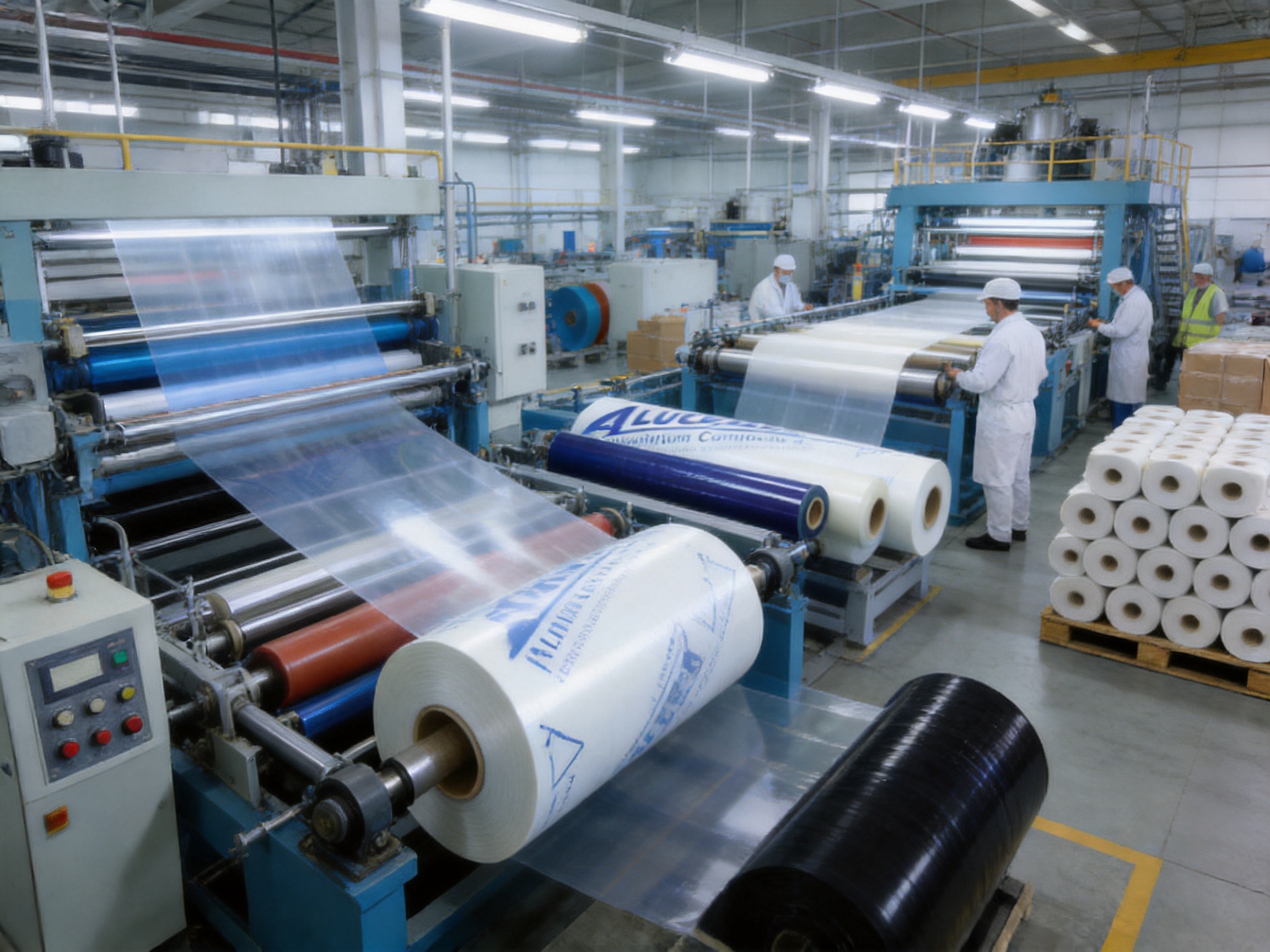
Wuxi Qida Tape Co., Ltd. was founded in 1999 and operates a factory covering approximately 20,000 square meters. The company has more than 95 experienced employees and an annual production capacity exceeding 12,000 tons. This scale supports both regular supply programs and customized product development.
The company’s manufacturing structure includes production of backing film, adhesive coating, printing, rewinding, slitting, and packaging. Keeping these major processes within its own factory gives the company greater control over production scheduling, quality consistency, customization, and technical communication.
Qida Tape has introduced advanced machinery from Germany and maintains management systems certified to ISO 9001 and ISO 14001. ISO 9001 supports a structured quality management approach, while ISO 14001 reflects attention to environmental management and operational control.
The company also works with experienced technicians, engineers, and research and development institutes. This technical network supports continuous improvement in adhesive formulations, film construction, processing efficiency, and application performance.
Its product and compliance testing includes SGS, RoHS, REACH, PFAS, and Proposition 65-related testing, according to applicable product requirements. These certifications and test reports can help customers evaluate regulatory and market-entry considerations. Specific documentation should be confirmed for each product specification and destination market.
The company’s strengths include customization, competitive production cost, multiple adhesive choices, reliable quality control, strong capacity, and responsive technical service. Customers can submit a sample or technical data sheet for evaluation. Engineers can then recommend an adhesive and film construction suited to the intended surface and working conditions.
The first step is to identify the substrate and its finish. Important details include whether the surface is aluminum, stainless steel, coated metal, plastic, glass, ceramic, artificial stone, laminate, wood, or another material. The surface may be smooth, textured, embossed, porous, polished, matte, painted, anodized, powder-coated, or laminated.
Surface energy also matters. Some plastics and coatings are difficult to bond to, while some polished or painted surfaces may be sensitive to adhesive contact. A film that works well on one material may not provide the same results on another.
The film may be applied during manufacturing, after painting, before cutting, during transportation, at the construction site, or immediately before installation. The application stage determines how much dirt, friction, heat, moisture, and mechanical stress the film must withstand.
If the film is applied before cutting or drilling, it should remain stable around processing areas. If it is applied only for transportation, the main priorities may be surface coverage and clean removal. If it remains on the product outdoors, UV resistance and weatherability become more important.
Customers should estimate how long the film will remain on the surface. The required period may range from several days to several months. Indoor protection generally presents fewer challenges than direct outdoor exposure, but long storage can still affect adhesive behavior.
For outdoor applications, the expected UV resistance should be matched to the climate and project schedule. The stated range of approximately three to twelve months provides several options, but it should not be interpreted as a universal guarantee for every environment.
High adhesion is not always better. Excessive adhesion may make removal more difficult or increase the possibility of surface interaction. Insufficient adhesion may cause lifting, movement, or contamination underneath the film.
The best product provides enough holding power for the application without compromising removability. Adhesion should be evaluated after application, storage, environmental exposure, and removal. For valuable or sensitive surfaces, a small-area trial is strongly recommended.
Film width should be selected according to the product dimensions and the application method. A roll that is too narrow may require multiple strips and create additional seams. A roll that is too wide may be harder to handle or waste material around narrow profiles.
Roll length should match production volume, equipment capacity, storage conditions, and operator requirements. Qida Tape can supply lengths from 100 to 2,000 meters, allowing customers to choose a practical format for their process.
The surface should be clean, dry, and free from loose dust, oil, moisture, and contaminants before application. If the surface is wet or dirty, the adhesive may not contact it uniformly. Trapped particles can create raised spots or weak areas under the film.
The film should be applied smoothly without excessive stretching unless the product and application method are designed for stretching. Operators should avoid trapping air and should press the film evenly onto the surface. Edges and corners should be checked because they are common locations for lifting.
Application temperature should be considered. Very low temperatures can reduce adhesive tack, while high temperatures may increase adhesion or accelerate aging. The recommended temperature range should be confirmed for the selected product.
When removing the film, operators should pull it steadily rather than tearing it rapidly. A controlled removal angle can help reduce stress on the surface and minimize the chance of film breakage. If the film has been exposed beyond its recommended period, removal should be tested carefully before full-scale stripping.
Protective film should not be used on a surface without compatibility testing when the substrate is sensitive, newly coated, porous, chemically treated, or unfamiliar. A small trial can reveal adhesion, residue, discoloration, gloss change, or other issues before the material is applied to an entire production batch.
Polyethylene film is valued for its relatively low material cost, light weight, and efficient coverage. It can help reduce the economic impact of damaged building materials by lowering the need for replacement, repair, refinishing, and additional cleaning labor.
Polyethylene is also recyclable in appropriate waste-management systems. Recycling depends on local facilities, contamination levels, adhesive composition, printed ink, and separation from other materials. Users should follow local regulations and waste-handling procedures after removal.
The environmental benefit of protective film is not limited to recycling. Preventing damage can avoid the environmental burden associated with producing replacement panels, transporting new materials, performing additional finishing work, and disposing of defective products. A properly selected film may therefore support more efficient use of building materials.
Environmental performance should be evaluated across the complete product life cycle. Customers may request information about adhesive chemistry, compliance testing, packaging, recycled content, and disposal options. Qida Tape’s ISO 14001 environmental management system provides a structured framework for managing relevant environmental aspects of its operations.
Reliable protective film requires more than a visually acceptable roll. It must deliver consistent adhesion, stable backing performance, predictable removal, and repeatable converting quality. Small differences in adhesive coating or film thickness can affect a customer’s production line and final product.
Qida Tape’s quality approach includes controlled production, laboratory inspection, experienced technical personnel, and communication with customers before product selection. This helps reduce the risk of choosing a film based only on general appearance or price.
Customers can provide information such as substrate type, coating details, surface roughness, application temperature, line speed, expected exposure time, indoor or outdoor use, and removal schedule. Samples can then be evaluated and a suitable product recommendation can be prepared.
For repeat orders, stable specifications and documented production requirements help maintain consistency. Customized film color, printing, width, roll length, and adhesive level can be recorded for future production. This is especially useful for manufacturers that need the same protection system across multiple product batches.
It can be used for aluminum plastic composite panels, decorative laminates, artificial marble, aluminum ceilings, coated metal, stainless steel, plastic panels, glass, ceramic, tiles, wood flooring, carpets, doors, windows, and other surfaces, subject to compatibility testing.
Yes. Selected formulations provide UV resistance for approximately three to twelve months. The correct duration depends on the film construction, adhesive, color, climate, sunlight, temperature, and substrate. Outdoor exposure should be discussed with the supplier before selection.
The product is formulated for easy application and removal without leaving residue when properly selected and used within the recommended conditions. Surface compatibility, storage time, temperature, UV exposure, and removal technique all affect the final result.
Natural rubber, acrylic solvent, and acrylic water adhesive options are available. The most suitable type depends on the protected surface, desired adhesion level, weather exposure, application conditions, and required removal performance.
Yes. Customized printing of up to three colors is available. Customers can print logos, application instructions, handling warnings, product codes, or other information.
Thickness is available from 30 to 100 micrometers, and width is available from 100 to 2,250 millimeters. Roll length can range from 100 to 2,000 meters. Exact availability should be confirmed according to the selected construction and order requirements.
No. The film can be supplied in clear, blue, black and white, black, red, green, yellow, pink, white, and other colors. Color selection can support visibility, identification, product differentiation, and branding.
Polyethylene film is flexible and can conform to many flat, curved, and moderately complex surfaces. Correct application technique is important, particularly around edges, corners, profiles, and embossed areas.
The adhesion level should be selected according to the substrate, surface finish, processing stage, exposure conditions, and required removal time. Low adhesion may suit sensitive or smooth surfaces, while higher adhesion may be needed for textured or difficult-to-bond materials. A trial is recommended.
Yes. It is designed to help protect surfaces during transportation, cutting, drilling, bending, processing, and installation. The product should still be matched to the level of mechanical stress and environmental exposure expected in the specific application.
Wuxi Qida Tape Co., Ltd. operates its own factory and carries out major processes including backing film production, adhesive coating, printing, rewinding, slitting, inspection, and packaging. This integrated structure supports customization and production control.
Useful information includes the substrate, surface coating, texture, dimensions, application stage, indoor or outdoor use, expected exposure period, application temperature, removal schedule, desired color, printing requirements, and estimated order quantity. A sample or technical data sheet is also helpful.
Protective Film for Building and Decoration Materials offers a practical way to preserve the appearance and value of finished surfaces throughout manufacturing, transportation, storage, and installation. Its polyethylene backing provides flexibility and toughness, while the available adhesive systems allow the product to be matched to different surface types and working conditions.
The product’s main benefits include scratch and dirt protection, clean removability, weatherability, flexible application, reduced risk of ghost shadow and fish-eye effects, customized colors, and up to three-color printing. Its broad range of thicknesses, widths, roll lengths, and adhesion levels makes it suitable for both standard and customized requirements.
Wuxi Qida Tape Co., Ltd. strengthens these product advantages through integrated production, advanced machinery, laboratory testing, experienced engineers, ISO 9001 and ISO 14001 management systems, and a manufacturing capacity exceeding 12,000 tons per year. The company’s ability to develop products from customer samples or technical data sheets provides an additional advantage over suppliers offering only fixed specifications.
For building-material manufacturers, contractors, distributors, and project managers, the correct protective film can reduce surface damage, cleaning work, rework, material waste, and final-stage delays. Selecting the appropriate film requires consideration of the surface, adhesive, thickness, exposure period, application method, and removal schedule. With professional evaluation and proper use, temporary surface protection becomes an important part of efficient, high-quality construction and decoration.
1. Wuxi Qida Tape Co., Ltd. Product specifications and technical information for protective films used on building and decorative materials.
2. Wuxi Qida Tape Co., Ltd. Company information covering manufacturing capacity, adhesive technologies, quality systems, and product applications.
3. ISO 9001. Quality management systems: requirements.
4. ISO 14001. Environmental management systems: requirements with guidance for use.
5. General technical literature on polyethylene film extrusion, pressure-sensitive adhesives, surface protection, and temporary protective coatings.
6. General industry guidance on adhesive compatibility testing, outdoor exposure evaluation, clean removal, and protective packaging for finished building materials.
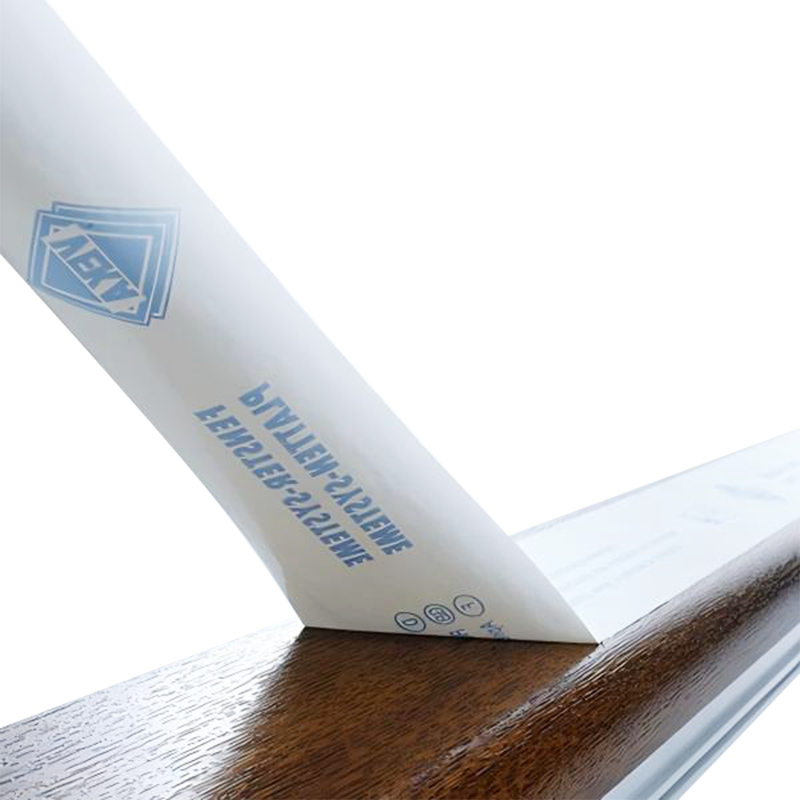
● Good weatherability for outdoor exposure; ● Stable adhesion level; ● UV resistance for up to 12 months; ● Can print customized logo or application i...
See Details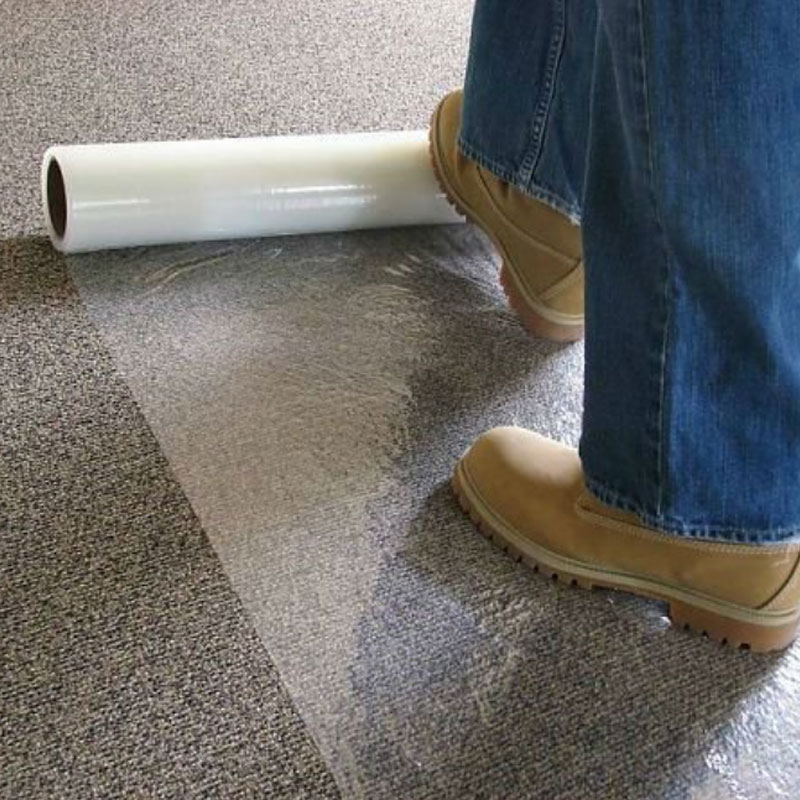
● Protects carpet against staining, paint spillage and dirt during painting, building, remodeling, plastering, tiling, decoration, general maintenance...
See Details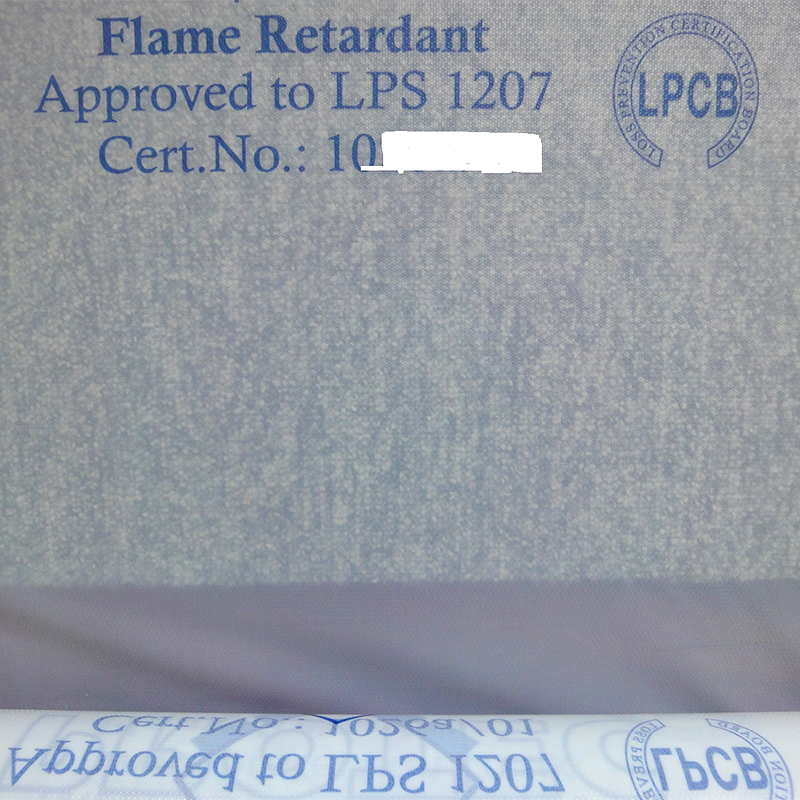
● Prevents costly damages in case of fire /flame;● Meet the strict international test standards of loss prevention; ● Extensive selection for flame re...
See Details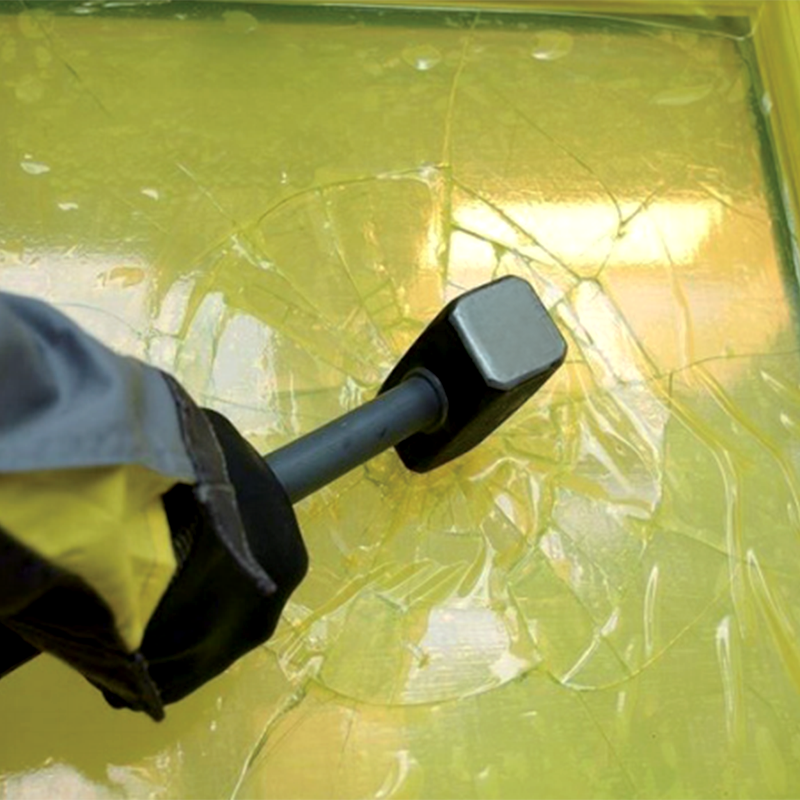
● The super tough polyethylene film with super high adhesion can stop the glass splitting and falling off during window glass demolition process;● Non...
See Details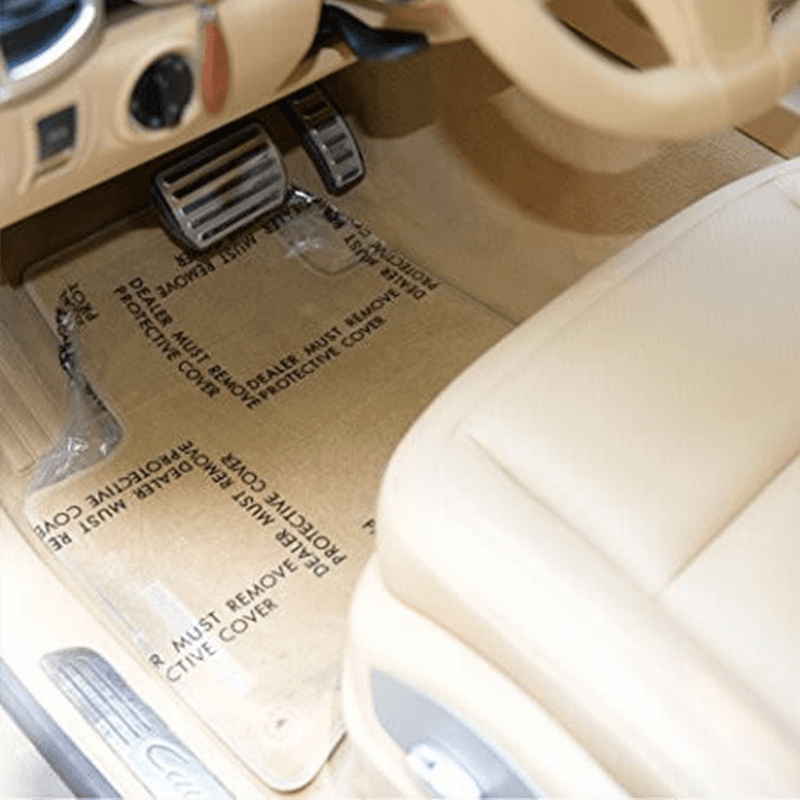
● Distance of each perforation die-cut ranges from 100mm to 1200mm;● Can peel off each die-cut piece of protective film at the perforated line easily;...
See Details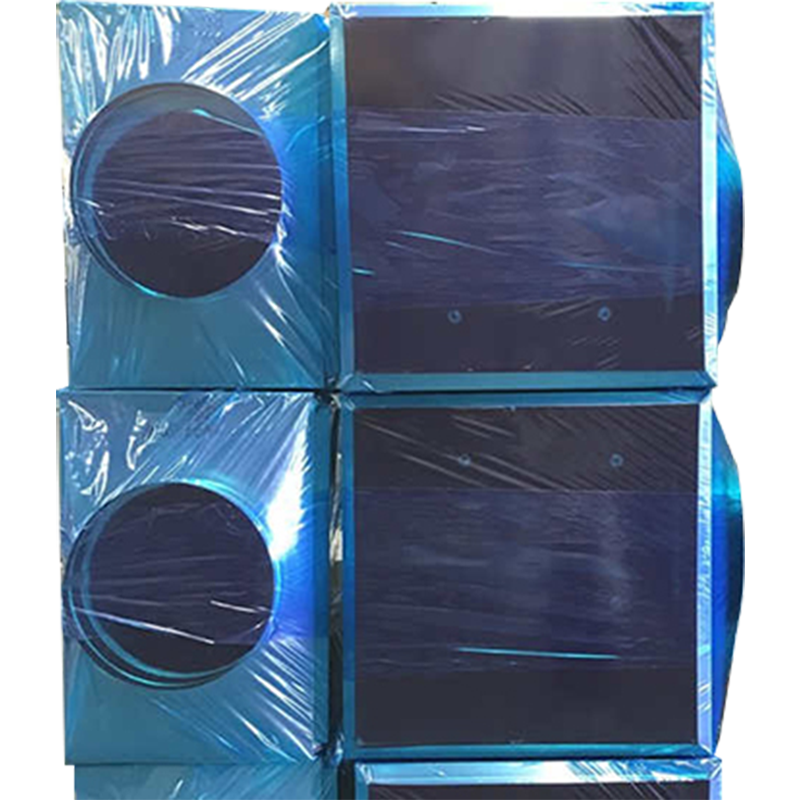
● The super-tough polyethylene film resists puncture and penetration by liquid and dirt during storage, transportation, and installation of the ductwo...
See Details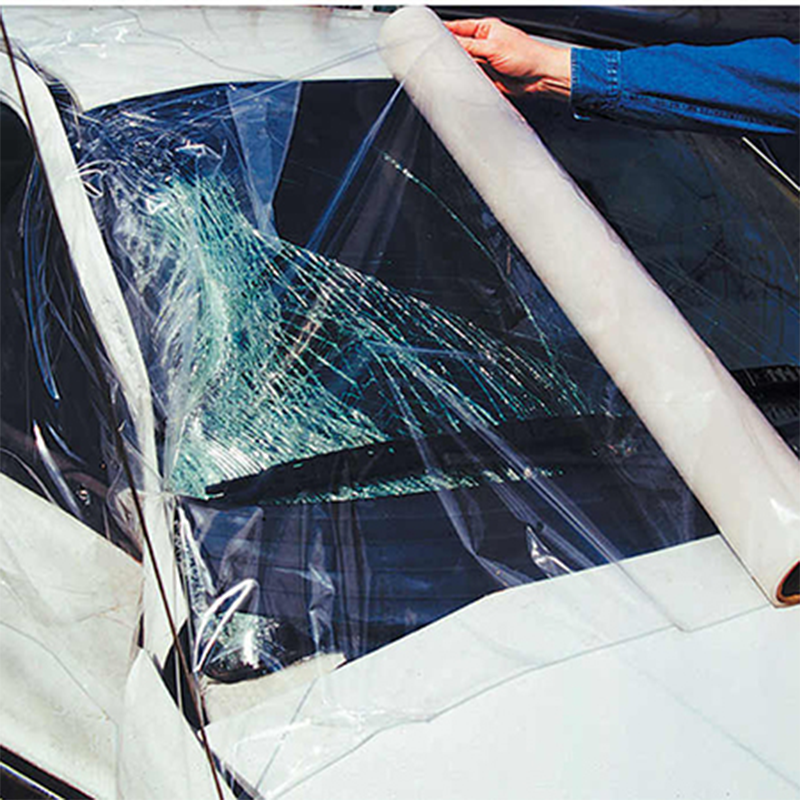
● The super-tough polyethylene film resists puncture and penetration by rain, snow, debris, and dirt during the transportation and storage of the cras...
See Details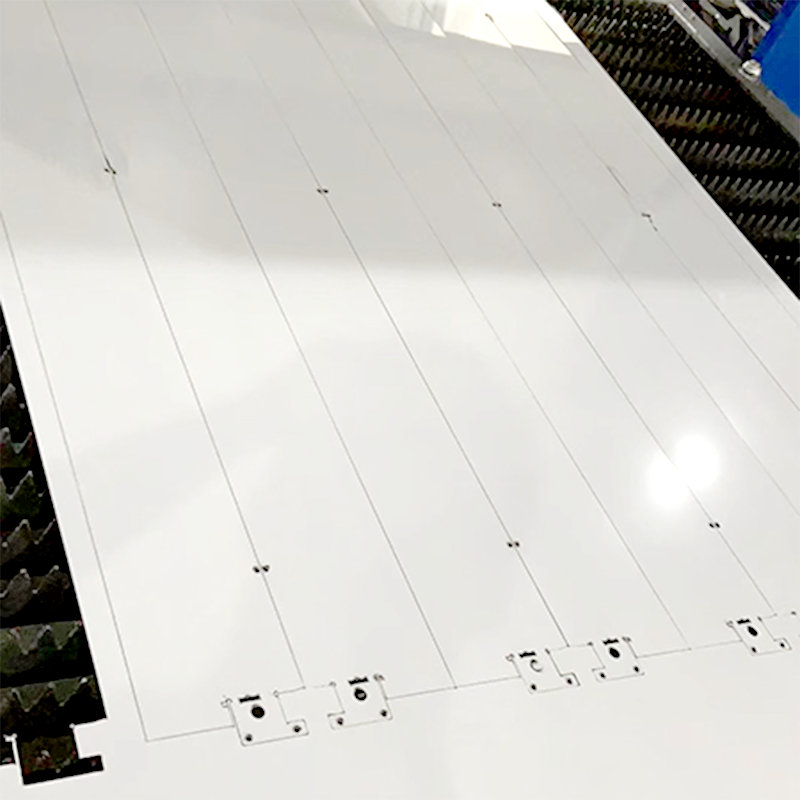
● The specially formulated natural rubber adhesive suitable for both CO2 and Fiber laser cutting processes;● High cutting quality without burr or trac...
See Details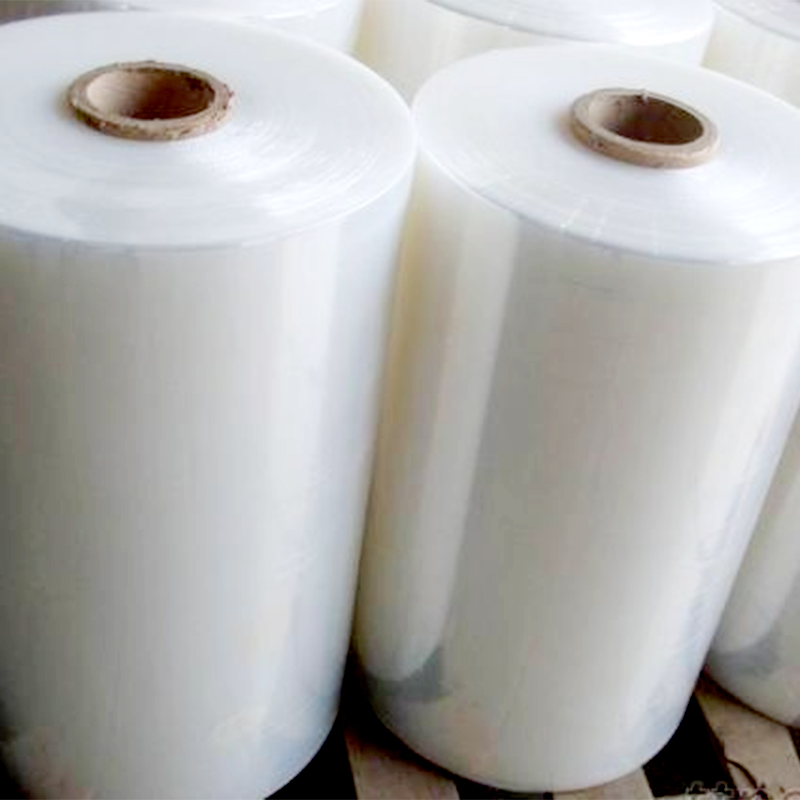
● Excellent puncture and tear resistance; ● Self-adhering-each layer of film bonds to the next for added strength; ● Big roll size to save cost and re...
See Details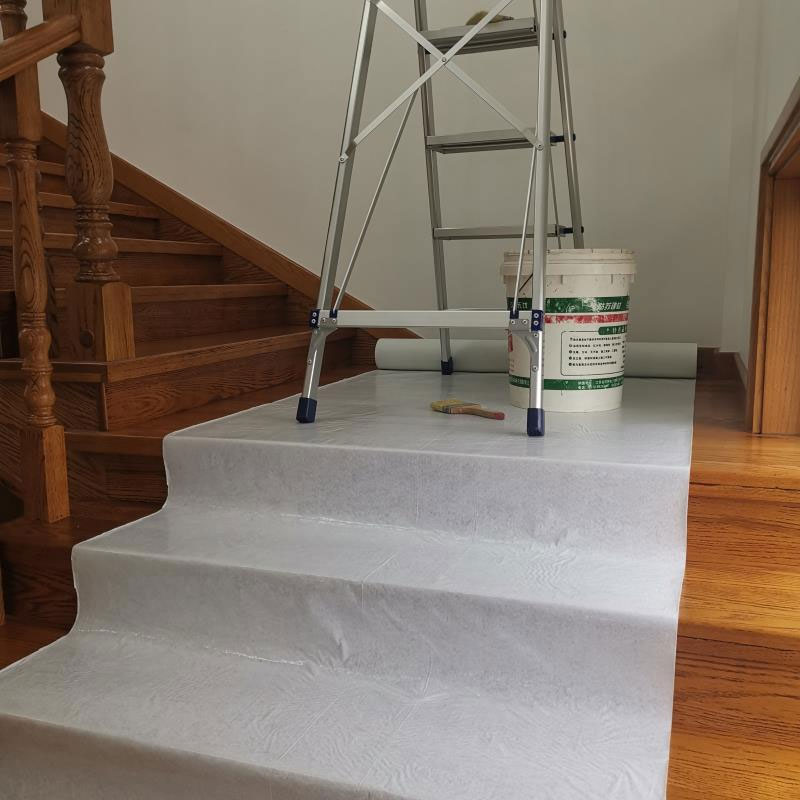
This product has non-woven synthetic fleece in middle; Breathable PE film adhered onto top of the non-woven fabric, which is coated with self adhesive...
See DetailsWe’re a reliable partner that shapes our expertise into success for your project.
Copyright 2024 Wuxi Qida Tape Co., Ltd. All Rights Reserved
 Wholesale Protective Film/Foil Manufacturers
Privacy