

 English
 English
 русский
 Français
 Español
 Português
 عربى
عربى
Cat:Glue -coated Protective Film
● No “ghost shadow” or “fish eye” after removal; ● Stable adhesion level; ● UV resistance for up to 6 months; ● Can print customized logo or applicati...
See Details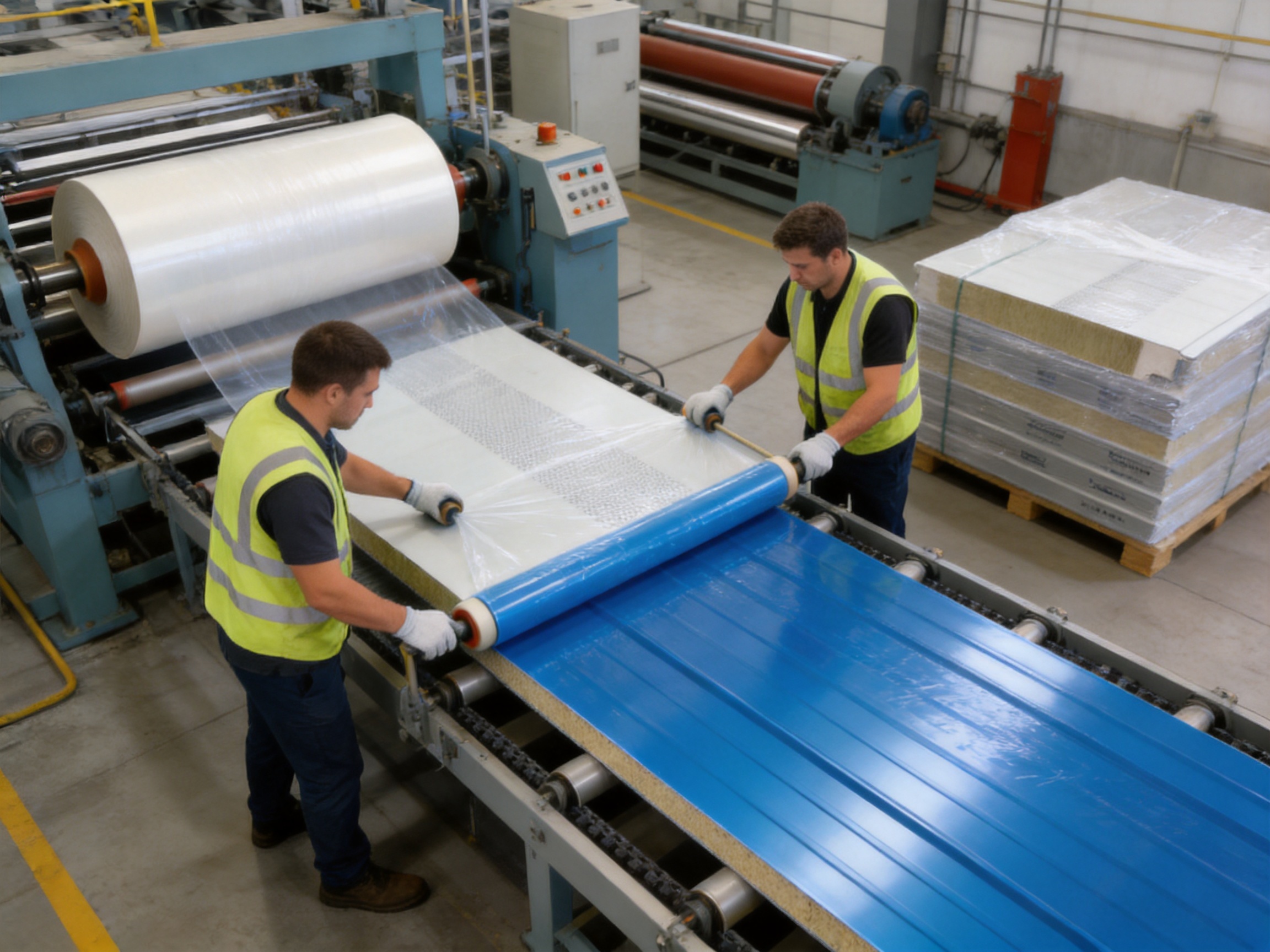
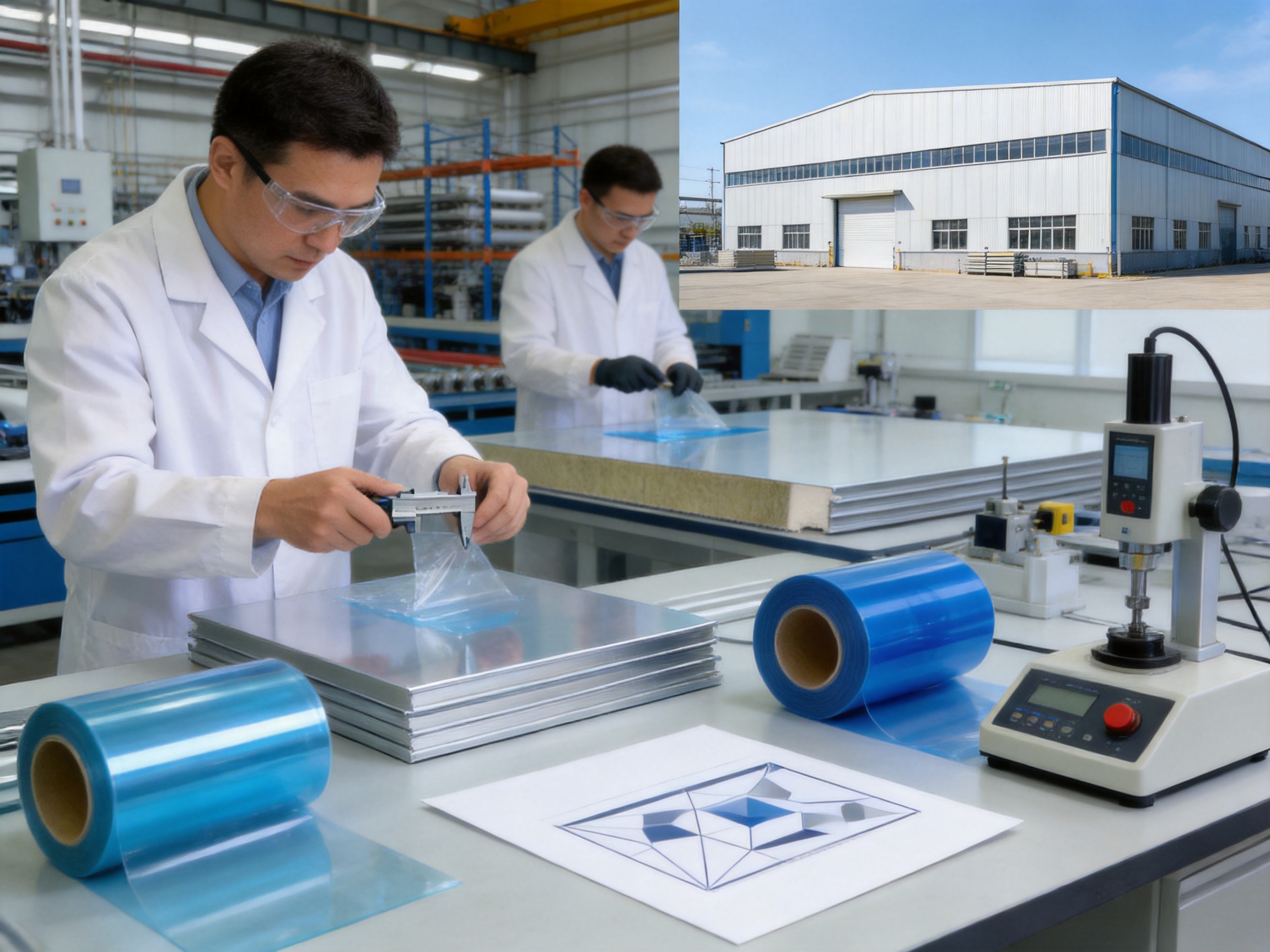
Sandwich panels are widely used in commercial buildings, industrial facilities, cold rooms, warehouses, agricultural buildings, cleanrooms, and modular construction. Their strength, insulation performance, lightweight structure, and attractive surface finishes make them suitable for demanding building applications. However, even a well-designed sandwich panel can be damaged before it reaches its final position. Scratches, dirt, scuff marks, drilling debris, moisture, handling impacts, and construction-site contamination may affect the appearance and service value of the panel.
Protective film for sandwich panels provides a practical solution to these risks. It creates a temporary barrier between the finished panel surface and the surrounding environment during manufacturing, storage, transportation, cutting, drilling, assembly, and installation. Once the panel has been installed, the film can be removed to reveal a clean and attractive surface.
The product described in this article is a glue-coated protective film designed specifically for sandwich panels. It combines a super-tough polyethylene backing with a specially formulated acrylic adhesive. The result is a flexible, durable, and removable surface-protection material that can be customized for different panel types, handling conditions, production schedules, and branding requirements.
With thickness options from 30 micrometers to 50 micrometers, widths from 150 millimeters to 1,500 millimeters, roll lengths from 500 meters to 2,000 meters, and transparent or blue film options, the product can be adapted to both standard and customized sandwich-panel operations. It is also available with one to three colors of printing, allowing manufacturers to add logos, removal instructions, product information, or handling warnings.
Sandwich panels are normally manufactured with finished exterior surfaces. Depending on the application, these surfaces may include pre-painted steel, coated aluminum, stainless steel, laminated metal, composite sheets, or other decorative and functional materials. Although these finishes are designed for long-term use, they can still be vulnerable to temporary damage during production and construction.
During fabrication, panels may pass through cutting, trimming, profiling, drilling, pressing, stacking, and packaging operations. Fine metal particles, dust, lubricants, and processing debris can come into contact with the surface. Even when the panel itself is not structurally damaged, small scratches or stains can reduce its visual quality and create additional cleaning or replacement costs.
Transportation creates another group of risks. Panels may rub against packaging materials, pallets, lifting equipment, adjacent panels, vehicle floors, or container walls. Vibration and repeated movement can create abrasion marks, particularly on glossy or dark-colored finishes. Loading and unloading can also expose the panels to accidental impacts, sharp edges, and dirty handling environments.
Installation sites are often more challenging than factories. Workers may cut panels, drill fixing holes, install fasteners, apply sealants, or move tools near the finished surface. Dust, cement particles, paint, welding sparks, rain, mud, and other contaminants may be present. A suitable protective film helps preserve the surface while allowing the panel to be processed and installed efficiently.
Temporary protection is especially important when panels are stored outdoors or exposed to sunlight before installation. A film with appropriate weatherability and ultraviolet resistance can help reduce the risk of surface contamination and deterioration during the planned protection period. The product presented here offers UV resistance for up to six months under suitable conditions, although the actual performance depends on climate, surface temperature, exposure intensity, storage conditions, and panel materials.
This protective film consists of a polyethylene backing film coated with a medium-adhesion acrylic adhesive. The polyethylene layer provides flexibility, toughness, and resistance to normal handling damage. The adhesive layer allows the film to attach to compatible sandwich-panel surfaces without the need for separate glue, solvent, or application equipment.
The adhesive is specially formulated to provide a balance between secure attachment and clean removal. It is designed to hold the film in place during transportation and installation while minimizing the risk of adhesive residue after removal. This balance is important because an adhesive that is too weak may lift at the edges or detach during handling, while an adhesive that is too aggressive may cause residue, surface marking, or difficult removal.
The film can be supplied in transparent clear, blue, or other available colors. Clear film allows the underlying panel surface to remain visible for inspection. Blue film can make the protected area easier to identify and may provide stronger visual contrast when workers need to confirm that the film is still in place. Printed versions can include a company logo, product name, installation reminder, removal instruction, or other customized message.
Backing material |
Polyethylene film |
Film thickness |
30 to 50 micrometers |
Available width |
150 to 1,500 millimeters |
Roll length |
500 to 2,000 meters |
Elongation |
At least 300 percent |
Adhesion level |
Medium |
Adhesive type |
Acrylic |
Color availability |
Transparent clear, blue, and other options subject to specification |
Printing |
One to three colors |
Typical protection period |
Short-term to medium-term protection, with UV resistance of up to six months under suitable conditions |
Specifications can be adjusted according to the panel surface, production line, roll-handling equipment, application method, climate, and expected protection period. Buyers should confirm the final product specification through testing on their actual panel materials before large-scale use.
Self-adhesive protective film can be applied directly to the panel surface without additional adhesive, coating equipment, or liquid application tools. This reduces preparation time and simplifies the workflow for panel manufacturers, distributors, and installation teams.
When the film is applied correctly to a clean, dry surface, it can provide smooth coverage with minimal wrinkles or air pockets. Its flexible polyethylene backing can conform to many flat or slightly profiled surfaces. The high elongation characteristic supports handling and positioning during application, although excessive stretching should be avoided because it can create shrinkage or edge lift later.
Compared with loose paper, cardboard sheets, or temporary fabric coverings, adhesive film remains attached to the surface and is less likely to shift during transport. Compared with liquid coatings, it does not require drying time and can be removed without a separate stripping process when the correct adhesive formulation is used.
The super-tough polyethylene backing forms a physical barrier against common surface hazards. It helps protect the panel from scratches caused by contact with tools, packaging, lifting equipment, fasteners, and adjacent materials. It also limits the accumulation of dirt, dust, fingerprints, marks, and light construction contamination.
The film is not intended to replace careful handling or to provide unlimited impact protection. However, it can significantly reduce the frequency of cosmetic damage during ordinary production and installation activities. This is particularly valuable for panels with high-gloss finishes, dark colors, metallic coatings, decorative laminates, or other surfaces where minor marks are highly visible.
The medium-adhesion acrylic adhesive is designed to provide a practical balance between holding power and removability. It should remain attached during normal transportation, cutting, drilling, and installation, while allowing the installer to peel it away after the protected work is complete.
Clean removal is one of the most important features of a temporary protective film. Residual glue may attract dust, create visible stains, require additional cleaning, or interfere with the final appearance of a building. A properly selected acrylic adhesive can reduce these problems when used within the recommended protection period and on compatible surfaces.
Removal performance is influenced by many factors, including panel coating chemistry, surface energy, temperature, humidity, sunlight, storage time, and exposure to chemicals. For this reason, users should conduct a compatibility test on the actual panel finish. The film should also be removed according to the supplier’s recommendations rather than being left on the surface indefinitely.
Sandwich panels may remain outdoors at a construction site or storage area before installation. Rain, humidity, dust, wind, and sunlight can create additional challenges. This product offers good weatherability for outdoor exposure and UV resistance for up to six months under suitable conditions.
UV resistance helps the film remain functional during exposure to sunlight. It can reduce premature embrittlement, excessive degradation, and loss of protective performance within the specified period. Nevertheless, the six-month figure should be regarded as a stated performance target rather than a universal guarantee for every climate and application. High temperatures, intense solar radiation, condensation, coastal salt, pollution, and dark panel surfaces may affect actual performance.
For long-term outdoor storage, users should inspect the film periodically. If the edges begin to lift, the surface becomes brittle, or removal becomes more difficult, the film should be replaced or removed as appropriate. Good packaging, sheltered storage, and proper drainage can further improve panel protection.
Printing provides both branding and operational benefits. A manufacturer can print its logo on the film to maintain product identity during delivery and installation. Application instructions can remind workers to apply the film correctly, avoid damaging the panel, or remove the film after installation.
Printed warnings may identify the protected side, indicate an approved removal direction, or communicate a maximum recommended exposure period. One-to-three-color printing allows customers to select a practical design without changing the core protective function of the product.
Customized printing can also help reduce installation errors. When panels are delivered to different sites or handled by multiple contractors, clear printed instructions can provide a consistent visual reference. Before production, customers should approve the artwork, ink colors, repeat distance, print position, and readability requirements.
Sandwich panels are manufactured with a variety of facing materials and coatings. Common examples include pre-painted steel, galvanized steel, aluminum, stainless steel, composite sheets, and decorative surfaces. Each material may have a different surface texture, coating composition, gloss level, and surface energy.
Protective film selection should therefore begin with a compatibility assessment. A film developed for one metal coating may not perform identically on another coating or on a composite facing. Differences in curing conditions, additives, plasticizers, surface treatments, and protective varnishes can influence adhesion and removability.
For pre-painted steel panels, the film should be tested for initial adhesion, aging adhesion, residue, discoloration, gloss change, and surface interaction. Aluminum panels may require attention to surface energy and oxidation conditions. Composite panels may have textured or chemically sensitive surfaces that require a lower or specially adjusted adhesive level.
Testing should be performed on representative samples rather than on a generic smooth sheet. The sample should reflect the actual panel coating, production condition, and intended storage period. Where possible, the test should include room-temperature application, elevated-temperature exposure, humidity exposure, outdoor exposure, and removal after the planned protection period.
The first check is visual appearance. After the film is applied and removed, the panel should be inspected for stains, haze, discoloration, gloss variation, adhesive transfer, coating disturbance, or surface imprinting.
The second check is adhesion stability. The film should remain attached during the intended handling period without excessive edge lifting, bubbling, shrinkage, or tearing. At the same time, the film should not become excessively difficult to peel after aging.
The third check is application behavior. Operators should assess whether the film can be applied smoothly, whether it can be repositioned during the initial application, and whether it conforms to the panel without excessive wrinkles.
The fourth check is removal behavior. The film should peel at a practical speed and angle without splitting into small pieces. Any adhesive residue should be evaluated under normal lighting and, if necessary, with an approved cleaning procedure.
In a manufacturing environment, protective film may be applied soon after the finished panel surface is produced. This helps protect the panel during subsequent cutting, profiling, drilling, stacking, and packaging. Applying the film close to the production line can reduce the time that the finished surface remains exposed.
For automated production, roll width and roll length should correspond to the panel dimensions and machine capabilities. Consistent film quality is important for stable unwinding, accurate application, and efficient roll changes. The film should be supplied with suitable winding tension and clean edges to minimize telescoping, wrinkles, and line interruptions.
When panels are stacked, the film helps separate the finished surface from potential contact with neighboring panels. It does not eliminate the need for proper separators, corner protection, or controlled stacking pressure. However, it adds a valuable layer of protection against relative movement and surface-to-surface abrasion.
Sandwich panels often require cutting, drilling, and trimming before installation. These activities can generate chips, dust, and sharp fragments. Protective film helps limit direct contact between these materials and the finished surface.
When drilling through a film-protected surface, operators should ensure that the film does not interfere with tool alignment or create a safety hazard. Film should not be allowed to wrap around rotating equipment. Appropriate workplace safety procedures must always take priority.
For cutting operations, the film can help reduce cosmetic damage caused by sliding tools or handling friction. It is still important to remove loose debris promptly and to use suitable cutting equipment. Protective film is a surface-protection aid, not a substitute for safe and technically correct processing.
Transportation exposes panels to vibration, movement, impact, and contamination. A well-adhered film reduces friction between the finished surface and nearby materials. Transparent film allows transport staff and receiving personnel to inspect the panel without removing the protection.
For long-distance transportation, the film should be combined with appropriate wrapping, edge guards, pallets, separators, and load restraints. Panels must be secured so that they do not slide or experience excessive pressure. If water becomes trapped between the film and the panel during transport, the package should be inspected and ventilated as necessary.
Panels should be stored according to the panel manufacturer’s instructions. Protective film can help keep the surface clean, but it should not be viewed as a complete moisture-management system. Panels should be kept off the ground, protected from standing water, and arranged to allow suitable air circulation.
When outdoor storage is unavoidable, the anticipated exposure period should be compared with the film’s weatherability and UV-resistance performance. Periodic inspection is recommended, particularly in hot, humid, coastal, or high-solar-radiation environments.
Construction work creates many opportunities for accidental surface damage. Protective film can remain in place while panels are positioned, fastened, sealed, and adjusted. It helps limit scratches from ladders, tools, gloves, packaging, dust, and other construction materials.
After installation and completion of nearby work, the film should be removed at an appropriate time. Removing it too early may expose the surface to unnecessary damage, while leaving it in place too long may increase the risk of difficult removal or weather-related deterioration. The ideal removal schedule should be established according to the panel manufacturer’s instructions and the project environment.
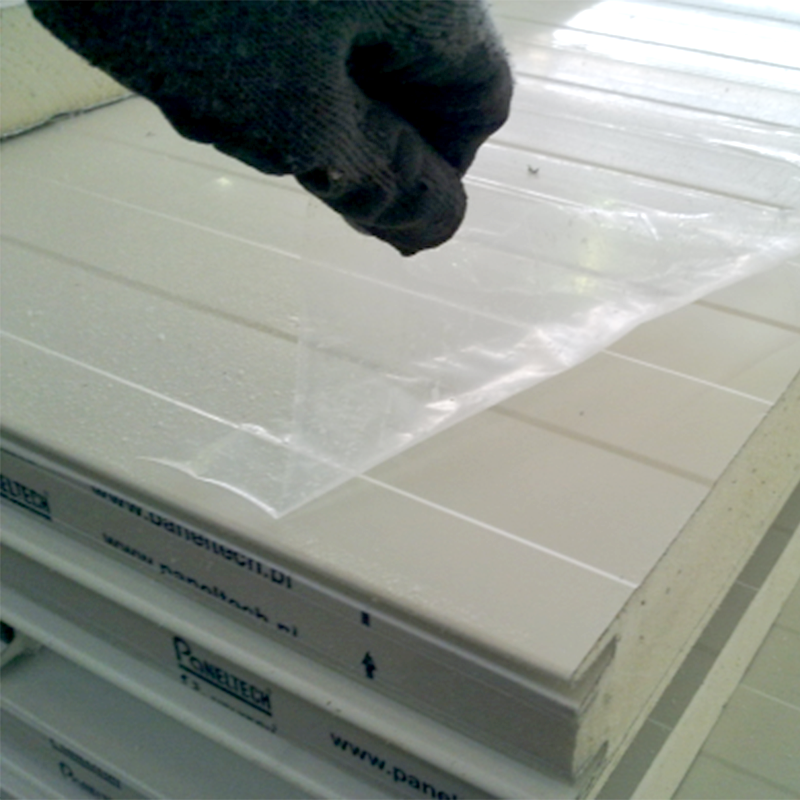
Protective Film For Sandwich Panel
Polyethylene is commonly used for temporary surface protection because it offers a useful combination of flexibility, toughness, lightweight handling, and resistance to moisture. The film backing can absorb normal handling stress while remaining easy to slit, rewind, package, and apply.
The stated elongation of at least 300 percent indicates substantial flexibility. This characteristic supports smooth handling and helps the film accommodate modest movement during application. High elongation can be particularly useful when covering wide panels or managing minor dimensional variation. Operators should still apply the film without unnecessary tension because excessive stretching may reduce dimensional stability.
The film thickness range of 30 to 50 micrometers allows customers to select a product according to the required protection level. A thinner film may be suitable for routine dust and scratch protection where ease of handling and economical consumption are priorities. A thicker film may be preferred for more demanding handling conditions or where the panel is exposed to greater abrasion risk.
Thickness should be selected together with adhesive level, surface type, application speed, and removal requirements. The thickest film is not automatically the best option. A properly balanced construction can provide better total performance than a thicker material with unsuitable adhesion or poor application behavior.
The acrylic adhesive is a central component of the product. It must attach to the panel surface consistently while remaining removable after temporary use. This requires control over adhesive formulation, coating weight, drying, aging, and roll conversion.
Acrylic adhesives are widely used for temporary protection because they can be formulated for different adhesion levels and environmental conditions. They may offer good aging behavior, resistance to yellowing, and compatibility with many coated surfaces. The final result depends on the specific formulation and the interaction between the adhesive and the panel finish.
Medium adhesion is suitable for many sandwich-panel applications where the film must stay in place during normal handling but must also be removed without excessive force. However, the required adhesion level may vary. A textured panel, a low-energy coating, or outdoor exposure may require a different formulation from a smooth high-energy metal surface.
Qida Tape can provide different adhesive options, including acrylic water adhesive, acrylic solvent adhesive, and natural rubber adhesive, for different industry requirements. For sandwich-panel protection, the appropriate adhesive should be selected according to the surface, exposure conditions, protection duration, and removal expectations.
Adhesive performance is also affected by application conditions. The surface should be clean, dry, and free from oil, dust, condensation, and loose particles. Application at extremely low or high temperatures may alter initial adhesion. If the panel has recently been painted or coated, sufficient curing time should be allowed before film application.
Before applying the film, inspect the panel surface and remove visible dirt or loose contamination using a method compatible with the panel finish. Do not apply the film over wet surfaces, heavy dust, uncured coatings, or sharp protrusions.
Align the film carefully at the starting edge and unwind it progressively. Use a suitable soft squeegee or roller when necessary to press the film evenly against the surface. Avoid trapping air, creating deep wrinkles, or applying excessive tension.
Where the film must be repositioned, lift it gradually rather than pulling sharply. Repeated lifting and reapplication may reduce adhesive performance or introduce contamination. For large panels, two or more operators may be needed to maintain alignment and prevent the film from touching the ground.
At corners and panel edges, avoid forcing the film around sharp geometry unless the product has been tested for that application. Edge lifting is more likely where the film is highly stretched, folded, contaminated, or applied over an uneven surface.
Removal should normally begin after the panel has been installed and nearby processes that could cause contamination have been completed. Start from a corner or designated edge and peel the film back slowly at a consistent angle. A controlled removal rate helps reduce tearing and adhesive transfer.
If the film has been exposed to prolonged sunlight, high temperature, chemicals, or moisture, removal should be evaluated carefully. A small test area can reveal whether the film remains flexible and whether the adhesive is releasing cleanly. If residue is found, use only a cleaning method approved for the panel coating.
Do not use sharp metal tools directly on the finished panel surface to lift the film. Such tools can create scratches that defeat the purpose of the protection. If the film has become brittle, remove it in smaller sections rather than pulling aggressively across the entire panel.
The film should not be treated as a permanent coating. It is a temporary material intended to protect the surface during defined stages of manufacturing, logistics, and construction. The planned removal time should be included in the project schedule.
Construction is the primary application area for sandwich panels. Exterior wall panels, roof panels, partition panels, and modular building components may remain exposed to handling and weather before the building envelope is complete. Protective film helps maintain the appearance of coated surfaces and reduces cleaning or replacement work.
For architectural projects, appearance is often a major part of product value. Small scratches or stains on a visible wall can be difficult to correct after installation. Applying protective film at the factory and removing it after completion helps preserve a consistent finish across the project.
Cold rooms, refrigerated warehouses, food-processing facilities, and pharmaceutical storage areas commonly use insulated sandwich panels. These installations require clean surfaces and carefully controlled construction conditions. Protective film helps reduce dust, moisture, and handling contamination before the temperature-controlled space is commissioned.
In hygienic applications, film selection should consider the panel facing material, cleaning requirements, condensation, and the time before commissioning. The protective film itself is not a permanent antimicrobial or hygienic surface, but it can help prevent temporary contamination during construction and storage.
Industrial buildings often involve heavy equipment, forklifts, pallets, metal components, and frequent movement near panel surfaces. Protective film can reduce the risk of cosmetic damage caused by incidental contact. Chemical-resistant or specially formulated products may be considered where panels are exposed to aggressive substances, but such performance must be verified for the actual chemicals involved.
Farm buildings, livestock facilities, storage structures, and agricultural processing areas may experience humidity, dust, organic contamination, and outdoor exposure. A temporary protective film helps preserve the panel surface while construction activities are underway. The film can be particularly useful where panels are stored near soil, gravel, machinery, or other sources of abrasion.
Modular buildings and prefabricated structures often require panels to be transported multiple times before final placement. The protective film provides an additional barrier against repeated handling, packing, and unpacking. Printed film can help identify the finished side and communicate instructions to different teams within the supply chain.
The performance of protective film depends not only on the raw materials but also on the manufacturing process. Film thickness, adhesive coating, drying, winding, printing, slitting, and packaging must be controlled as an integrated system.
Wuxi Qida Tape Co., Ltd. operates as a manufacturer of protective films and surface-protection products. The company has introduced advanced machines from Germany and combines its production equipment with experienced technicians and engineers. This supports consistent processing across the main stages of product manufacture.
The polyethylene backing is produced with attention to thickness consistency, mechanical strength, elongation, surface quality, and winding stability. Uniform backing film helps the adhesive coating process remain stable and supports reliable application by the customer.
Control of the backing film is important because variation in thickness can affect stiffness, strength, transparency, printing appearance, and roll diameter. Clean production conditions also help reduce visible particles, gels, and other defects that could influence the final product.
Adhesive formulation is selected according to the target surface and required performance. The coating process must apply the adhesive evenly across the film width while maintaining the specified coating weight and avoiding streaks, skips, bubbles, or contamination.
After coating, the adhesive may require controlled drying or curing. Temperature, line speed, airflow, and drying conditions can influence residual solvent or moisture, adhesion development, and aging performance. Stable process control is essential for producing rolls that behave consistently from the first meter to the last.
For printed protective film, artwork registration, ink adhesion, color consistency, and print clarity must be controlled. Printing may be completed before or after other production stages depending on the product design. The selected ink system should be compatible with the film and intended use.
After coating and printing, the jumbo roll can be rewound, slit, and converted into customer-specific widths. Precise slitting helps produce clean edges and reduces problems during automatic or manual application. Rewinding tension must be controlled to prevent telescoping, blocking, wrinkles, or excessive roll hardness.
Protective film rolls must be packaged to prevent crushing, moisture ingress, contamination, and edge damage during storage and delivery. Packaging can be adapted for domestic distribution, export shipments, container loading, and customer-specific labeling.
Clear identification of roll width, length, batch information, adhesive type, and production date helps customers manage inventory and trace product performance. Proper packaging is especially important for long-distance shipments where rolls may encounter vibration and changes in temperature or humidity.
Qida Tape maintains a testing laboratory and uses inspection equipment to evaluate product quality. Typical quality-control considerations for sandwich-panel protective film include backing thickness, width, roll length, tensile behavior, elongation, adhesion, peel performance, print quality, appearance, and removability.
Testing may also include aging evaluations, temperature exposure, humidity exposure, UV exposure, and compatibility tests with representative panel surfaces. The exact test program should be connected to the customer’s application rather than relying solely on general material data.
Sandwich-panel manufacturers often require protective film that matches their own production lines and product specifications. Standard rolls may not provide the correct width, length, adhesive level, color, or print design. Customization can improve material utilization and reduce conversion work at the customer’s facility.
Qida Tape offers OEM and ODM support for protective film applications. Customers can provide technical data sheets, samples, drawings, or application requirements for evaluation. The company’s engineers and technicians can help identify a suitable combination of film thickness, adhesive type, width, roll length, color, printing, and packaging.
Custom printing can be used for brand visibility, installation instructions, removal reminders, orientation marks, and product identification. The customer should provide the required artwork in an approved format and confirm the final proof before mass production.
Customization may also involve low-temperature performance, extended outdoor exposure, reduced adhesion, increased adhesion, special roll dimensions, or compatibility with a particular coating. Any modified formulation should be validated through laboratory and application testing before commercial use.
Temporary protective film is designed to be removed after use, so customers should establish a responsible collection and disposal process. The backing and adhesive composition should be reviewed according to local waste-management requirements and the project’s sustainability policy.
Qida Tape’s management and product compliance information includes ISO 9001, ISO 14001, SGS, RoHS, REACH, PFAS, and Prop 65 testing or related compliance support. Customers should request the specific documentation applicable to the selected product, market, and order specification.
ISO 9001 supports a structured quality-management approach, while ISO 14001 relates to environmental-management systems. Such systems can help organize procedures for purchasing, production, inspection, corrective action, documentation, and continual improvement.
Compliance requirements may differ by country, industry, and end-use application. Buyers should confirm whether additional declarations, testing, labeling, or restricted-substance documentation is required for their project.
Record the facing material, coating type, gloss level, texture, color, and curing condition. If the panel has a special topcoat, laminate, or treatment, provide this information to the film supplier.
Determine whether protection is required for several days, several weeks, or several months. Include factory storage, transportation, job-site storage, and installation time. The required period should also account for possible project delays.
Consider indoor or outdoor exposure, sunlight intensity, temperature range, humidity, rainfall, condensation, dust, salt, industrial pollution, and contact with chemicals. More demanding environments may require a specially tested film construction.
Select a thickness that balances protection, flexibility, handling, and cost. The 30-to-50-micrometer range covers many temporary surface-protection needs, but the optimum value should be confirmed through testing.
Transparent film is useful when visual inspection is important. Blue or another contrasting color can make the protection easier to identify. Printed instructions or logos may improve handling discipline and support brand recognition.
Apply the proposed film to actual panel samples and assess the result after the intended exposure period. Test both the center and edge areas, because edge behavior may differ from central adhesion.
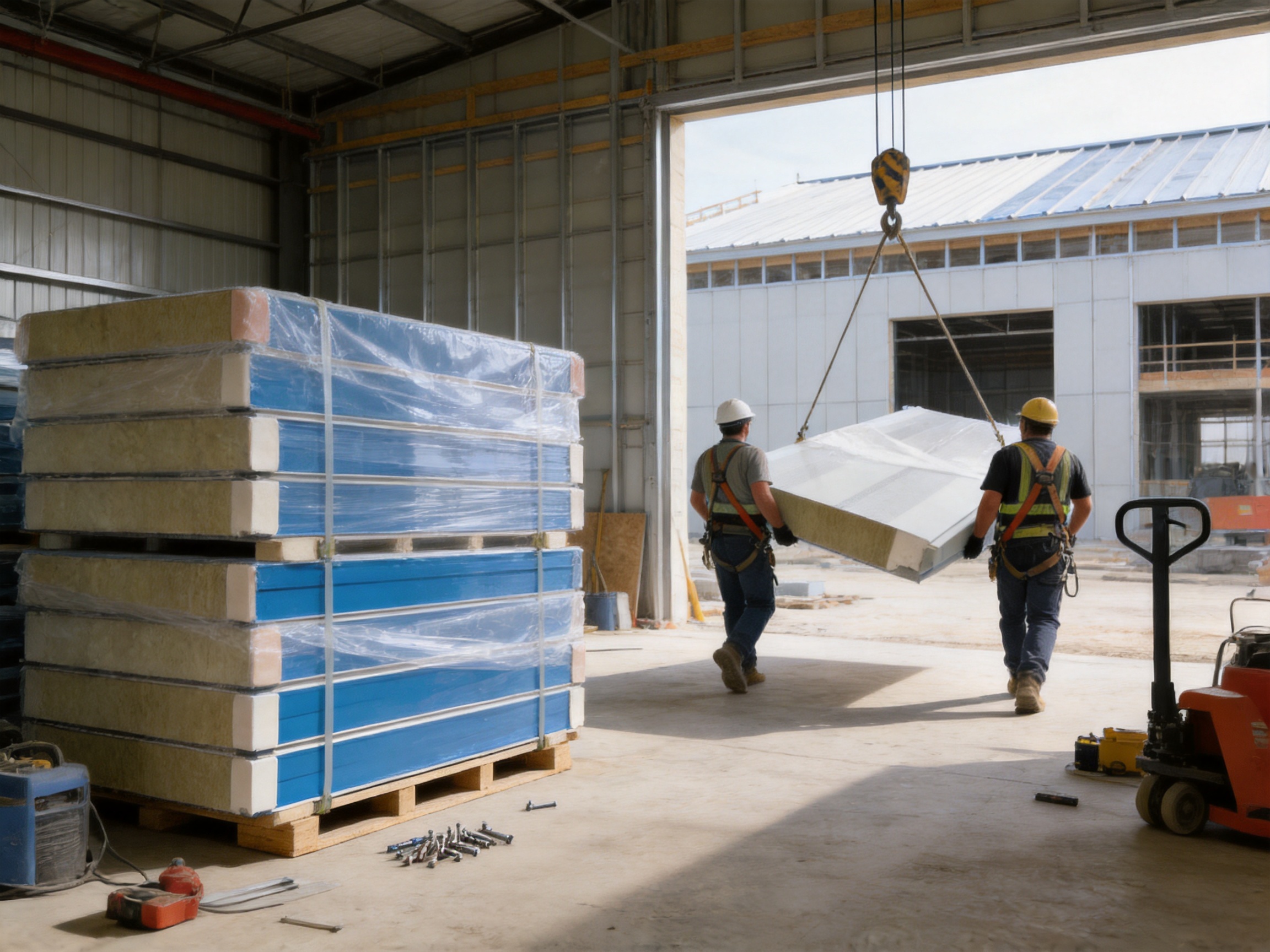
An integrated manufacturer can coordinate backing-film production, adhesive coating, printing, rewinding, slitting, testing, and packaging within one production system. This reduces dependence on multiple external processors and can improve communication when customers require a customized construction.
Qida Tape completes key processes in its own factory. Its capabilities include backing film production, adhesive coating, logo printing, rewinding, slitting, and packaging. This integrated approach supports traceability from raw material processing to finished-roll delivery.
In-house production can also shorten the response time for technical adjustments. If a customer experiences edge lifting, excessive adhesion, poor print registration, or an unsuitable roll dimension, engineers can review the relevant stage of production and recommend a targeted improvement.
The company’s R&D team works with technicians, engineers, and research institutions to develop protective-film solutions for different surfaces and processing conditions. This is valuable for sandwich-panel manufacturers that use multiple coating systems or serve markets with different climate requirements.
Founded in 1999, the company operates a factory area of approximately 20,000 square meters, employs more than 95 experienced staff members, and reports annual production capacity of more than 12,000 tons. Its products are supplied within China and exported to Europe, North America, Australia, the Middle East, Japan, and other regions.
Its broader product portfolio includes protective films for stainless steel, aluminum, pre-coated metal, plastic panels, ceramics, carpets, decorative laminates, glass, and other surfaces. Experience across these applications supports the development of surface-specific adhesive and film constructions.
The value of protective film should be evaluated beyond the purchase price per roll. A suitable film can reduce rework, cleaning, rejected panels, replacement materials, installation delays, and customer complaints. It can also improve the appearance of finished buildings and reduce the need for workers to handle panels repeatedly.
Customized widths can improve material utilization and reduce trimming waste. Longer rolls can reduce changeover frequency on production lines. Printed instructions can reduce misunderstanding during installation. Reliable adhesion can reduce the labor needed to reattach loose film during transport or storage.
To calculate total cost, buyers should consider film consumption, application labor, removal labor, disposal, storage, replacement risk, and the cost of surface repair. A low-cost film that leaves residue or fails during transportation may create greater overall expense than a higher-quality film with stable performance.
Edge lifting may result from insufficient surface cleaning, excessive film tension, unsuitable adhesion, rough or contaminated surfaces, or exposure beyond the recommended period. Apply the film to a clean surface, avoid excessive stretching, and select an adhesive compatible with the panel finish.
Bubbles and wrinkles may be caused by uneven application, trapped dust, rapid unwinding, or poor alignment. Use controlled application pressure and suitable tools. Large panels may require two operators or an application machine.
Residue may occur when the film remains in place too long, is exposed to excessive heat or UV radiation, or is not compatible with the coating. Conduct aging tests on the actual panel and follow the recommended removal schedule.
Tearing may result from cuts, edge damage, excessive tension, brittle aging, or contact with sharp objects. Inspect the roll before use, handle it carefully, and choose a suitable thickness for the working environment.
Dust, moisture, oil, and other contamination trapped beneath the film can affect appearance and adhesion. The panel should be clean and dry before application. If condensation is present, wait until the surface is suitable for bonding.
For large projects, customers should establish a clear approval process before mass production. This may include approval of the film sample, adhesive behavior, printed artwork, roll dimensions, packaging, labels, and inspection requirements.
A retained sample from each production batch can support later comparison if a performance question arises. Batch records should identify the backing material, adhesive formulation, coating conditions, printing details, and converting information where applicable.
Customers should also define acceptance criteria. These may include allowable thickness variation, roll-width tolerance, print-position tolerance, appearance requirements, adhesion range, and acceptable levels of splices or defects. Clear criteria help both supplier and buyer evaluate the product objectively.
It is used to protect finished sandwich-panel surfaces from scratches, dirt, marks, abrasion, and light damage during manufacturing, transportation, storage, processing, and installation. It is a temporary material that should be removed after the protected work is complete.
Yes, the product offers good weatherability and UV resistance for up to six months under suitable conditions. Actual outdoor performance depends on sunlight, temperature, humidity, climate, panel surface, and exposure conditions. Outdoor testing is recommended for long projects.
The specially formulated acrylic adhesive is designed for clean removal without leaving adhesive residue on compatible sandwich-panel surfaces. However, residue performance depends on the panel coating, exposure period, temperature, UV radiation, and application conditions. A compatibility test should be completed before full production use.
Transparent clear and blue are available, with other colors subject to specification. Clear film supports visual inspection, while blue film provides stronger visibility during handling and installation.
Yes. Customized printing is available in one to three colors. Customers can print logos, application instructions, removal reminders, product information, or handling warnings after approving the artwork and print specifications.
The available thickness range is 30 to 50 micrometers. Thinner film may be suitable for routine short-term protection, while thicker film may be preferred for more demanding handling conditions. The final selection should consider the panel finish, protection period, transportation method, and installation environment.
No single protective film is guaranteed to suit every panel surface. Steel, aluminum, composite, textured, laminated, and specially coated panels may require different adhesive behavior. Testing on the actual surface is the safest way to confirm compatibility.
It may remain temporarily while nearby construction work continues, but it should not be treated as a permanent covering. The removal schedule should follow the panel and protective-film recommendations, especially when the panels are exposed to sunlight or high temperatures.
The film helps protect against scratches, dirt, marks, and ordinary abrasion. It is not designed to prevent major dents, structural damage, or severe impact. Proper packaging, lifting, stacking, and handling procedures remain essential.
Qida Tape provides customized protective-film solutions, including film thickness, width, roll length, adhesive type, color, printing, slitting, and packaging. Its engineers and technicians can evaluate customer samples or technical data sheets and recommend a suitable construction.
The company reports ISO 9001 and ISO 14001 management-system certification and supports product compliance information involving SGS, RoHS, REACH, PFAS, and Prop 65 testing. Specific documents should be confirmed for the selected product and destination market.
Protective film for sandwich panels is a simple but valuable material for preserving surface quality throughout the product life cycle before final use. Its polyethylene backing helps resist scratches, dirt, scuffing, and ordinary handling damage, while the acrylic adhesive provides secure temporary attachment and clean removability when correctly matched to the panel surface.
The product offers a practical balance of protection, flexibility, weatherability, customization, and production efficiency. Thicknesses from 30 to 50 micrometers, widths from 150 to 1,500 millimeters, roll lengths from 500 to 2,000 meters, transparent or blue colors, and one-to-three-color printing provide flexibility for different sandwich-panel applications.
Its value is strengthened by an integrated manufacturing process covering backing-film production, adhesive coating, printing, rewinding, slitting, packaging, and quality inspection. Qida Tape’s factory experience, technical personnel, R&D capability, testing laboratory, export experience, and range of adhesive technologies support customized solutions for panel manufacturers and construction projects.
For the best results, buyers should identify the panel material, define the protection period, evaluate the environment, select the correct film thickness and adhesive, and conduct application and removal testing. When these factors are properly controlled, protective film can reduce cosmetic damage, simplify logistics, improve installation efficiency, and help sandwich panels reach the customer in the condition intended by the manufacturer.
1. Technical product information for protective film for sandwich panels, including thickness, width, roll length, adhesive type, color, printing, and UV-resistance specifications.
2. Surface-protection film application and removal practices for coated metals, composite panels, and finished building materials.
3. General principles of pressure-sensitive acrylic adhesive selection, coating, aging, and clean removability.
4. ISO 9001 quality-management-system principles for manufacturing and process control.
5. ISO 14001 environmental-management-system principles for industrial production.
6. General packaging, storage, transportation, and installation guidance for insulated sandwich panels.
7. Supplier information concerning protective-film customization, OEM and ODM services, testing support, and manufacturing capabilities.
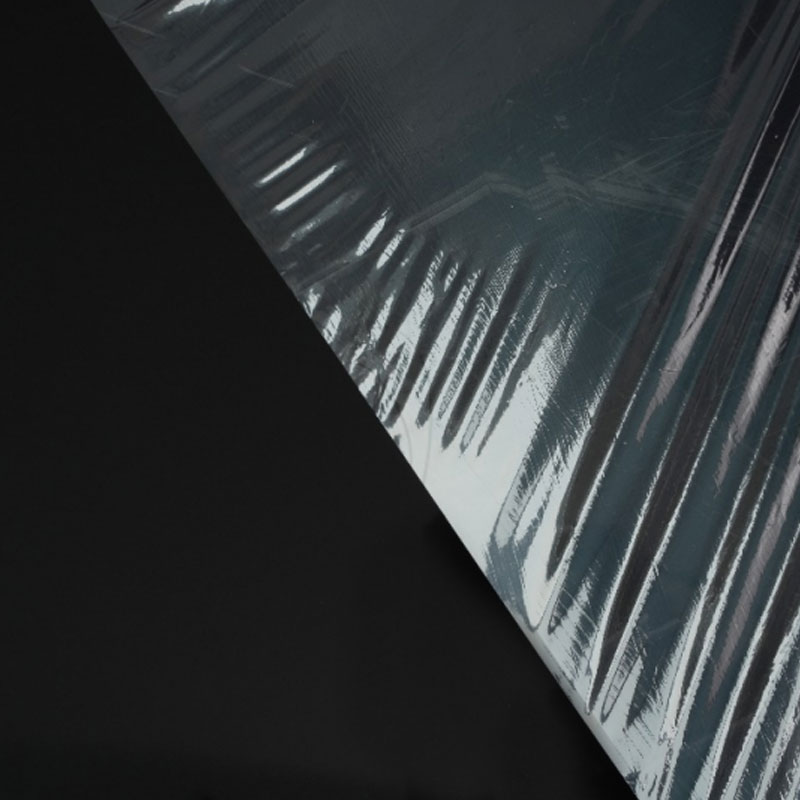
● No “ghost shadow” or “fish eye” after removal; ● Stable adhesion level; ● UV resistance for up to 6 months; ● Can print customized logo or applicati...
See Details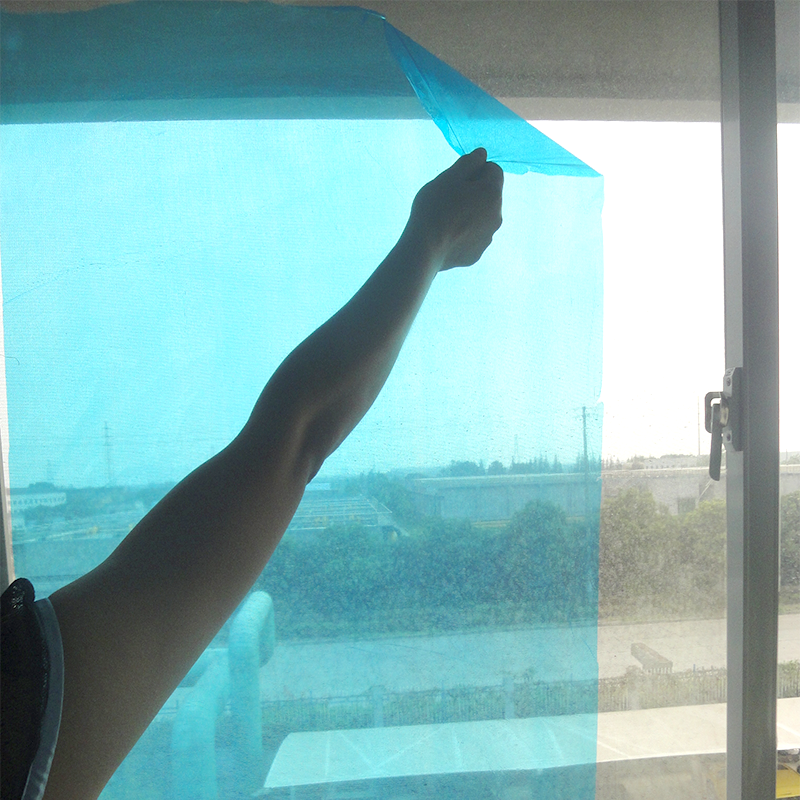
● Protect window glass against paint splatters, dirt, staining, and spillages during painting, building, plastering, tiling, general maintenance and r...
See Details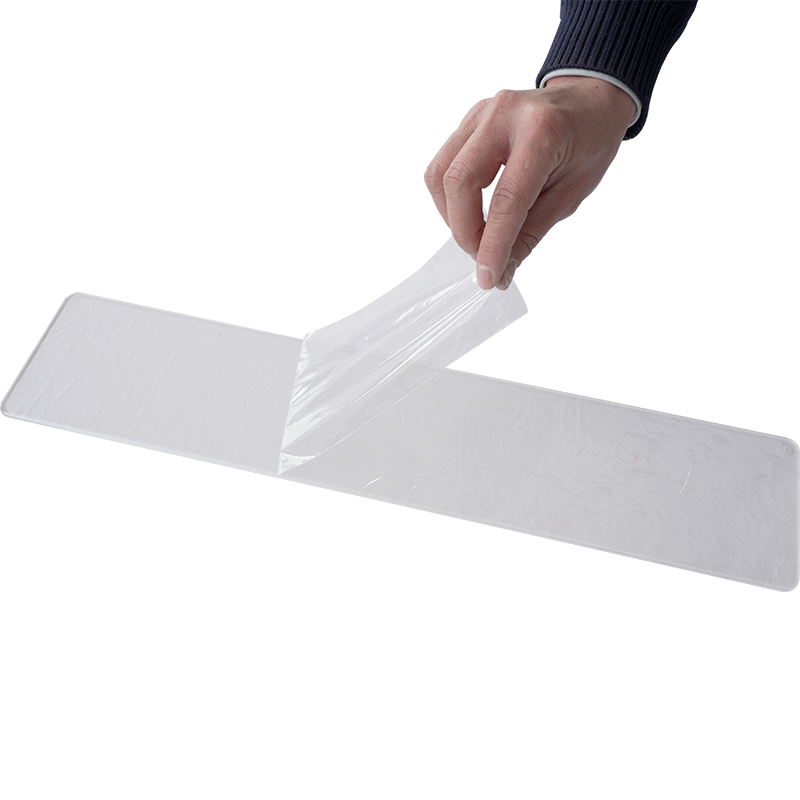
● No “ghost shadow” or “fish eye” after removal; ● Low gel content, soft and stable adhesion plus easy-peel removal with no surface damage or curling;...
See Details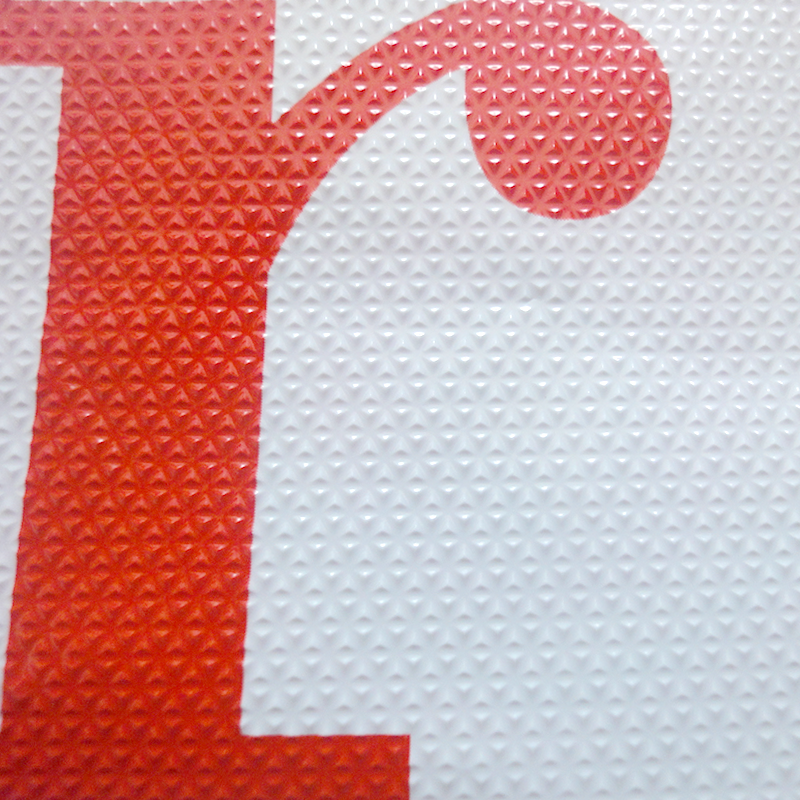
● Anti-slip; ● Embossed film surface to guarantee trip safety;● Tough puncture-resistant polyethylene film;● Can be coated with or without adhesive;● ...
See Details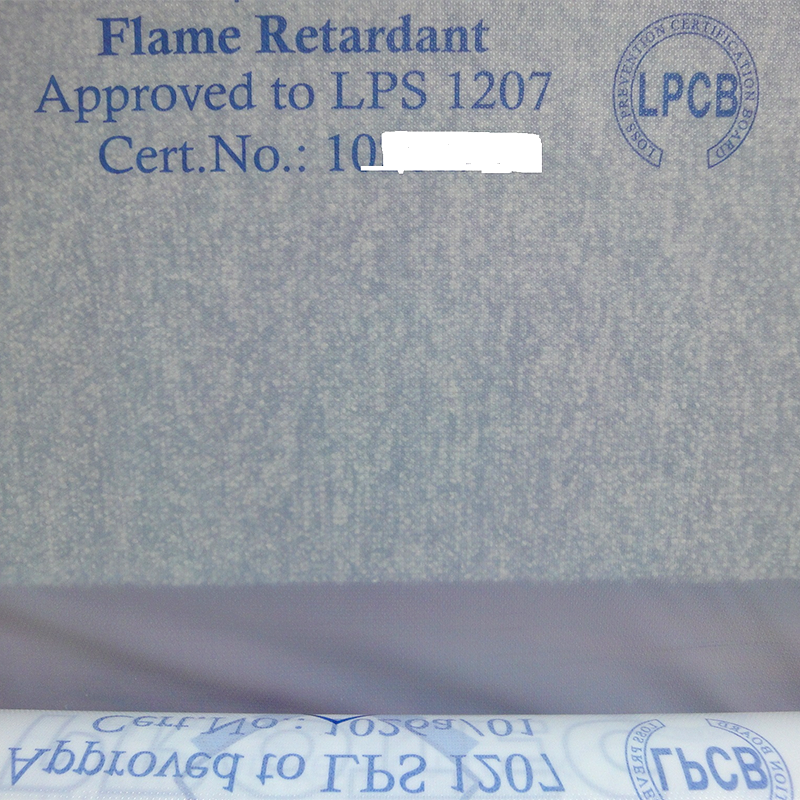
● Prevents costly damages in case of fire /flame;● Meet the strict international test standards of loss prevention; ● Extensive selection for flame re...
See Details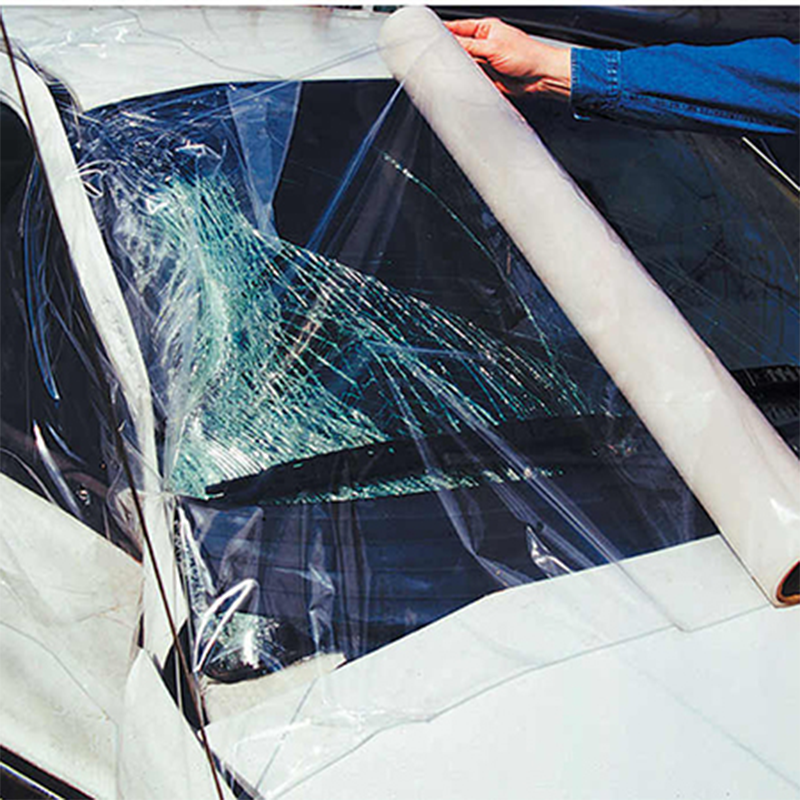
● The super-tough polyethylene film resists puncture and penetration by rain, snow, debris, and dirt during the transportation and storage of the cras...
See Details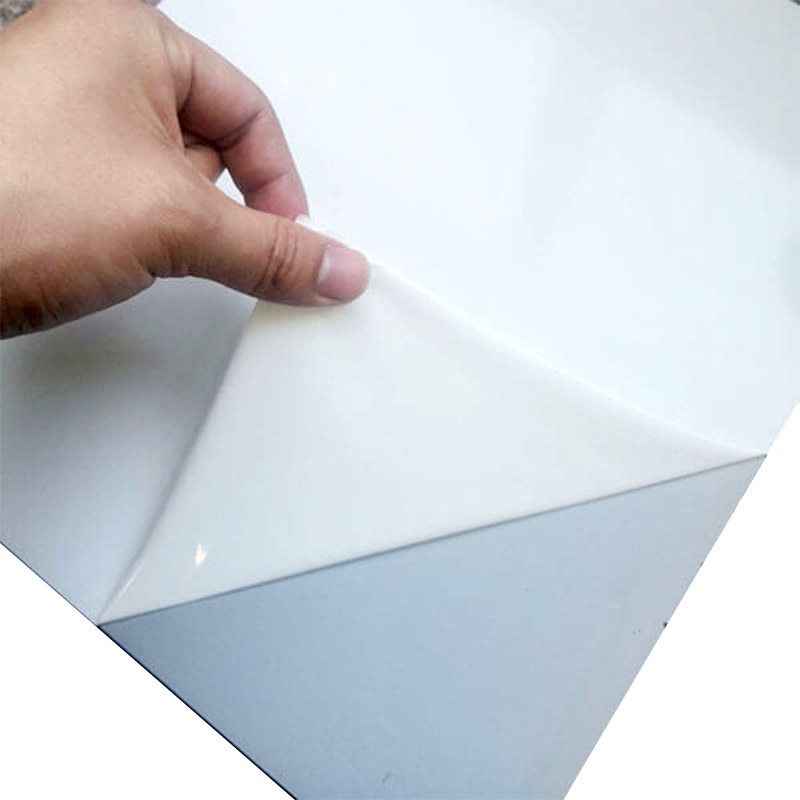
● The super tough polyethylene film with super high adhesion can stop parts of the glass or mirror from splintering away and injuring people when it i...
See Details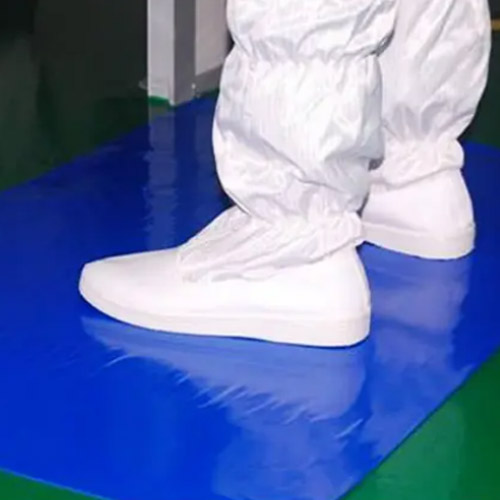
● Options for either 30 or 60 layers per mat; can be packed with four mats, eight mats, or ten mats per carton;● Remove dirt effect: ≥99.9% (5 steps);...
See Details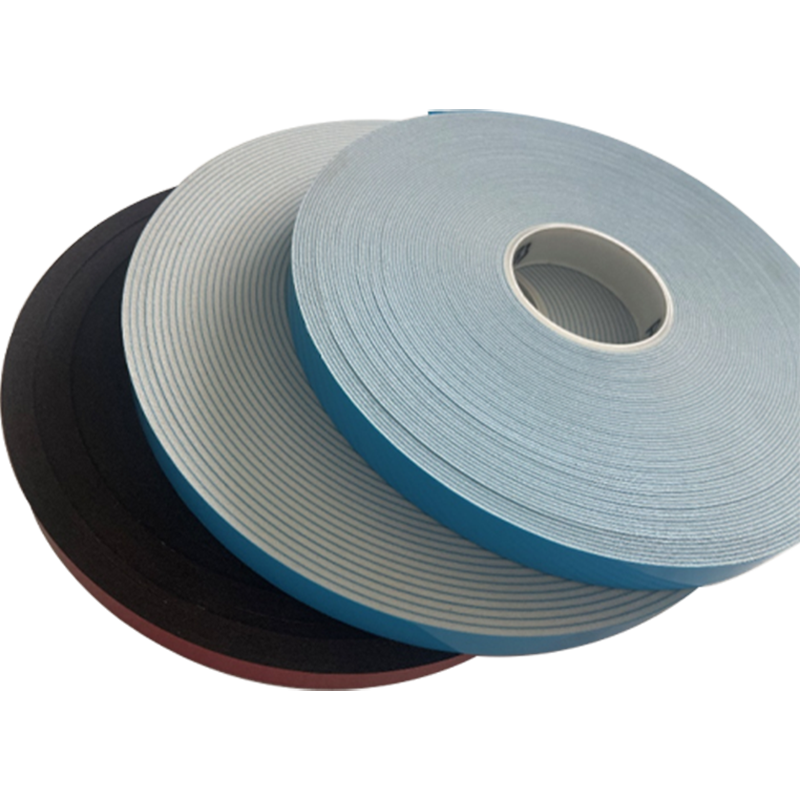
● Waterproof - the desirable material for waterproofing. ● Dust-proof - positive performance of dust prevention.● Low resilience - prevent the deforma...
See Details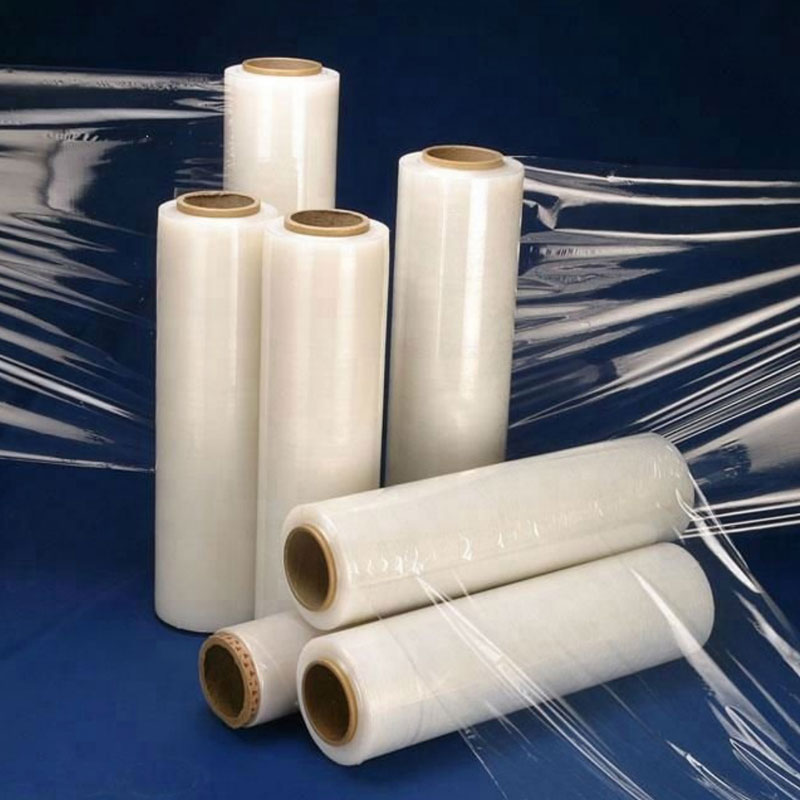
● Small roll size for convenient manual application;● Excellent puncture and tear resistance ; ● A self-adhering-each layer of film bonds to the next ...
See DetailsWe’re a reliable partner that shapes our expertise into success for your project.

Copyright 2024 Wuxi Qida Tape Co., Ltd. All Rights Reserved
 Wholesale Protective Film/Foil Manufacturers
Privacy
Wholesale Protective Film/Foil Manufacturers
Privacy