

 English
 English
 русский
 Français
 Español
 Português
 عربى
عربى
Cat:Glue -coated Protective Film
● Good weatherability for outdoor exposure; ● Stable adhesion level; ● UV resistance for up to 12 months; ● Can print customized logo or application i...
See Details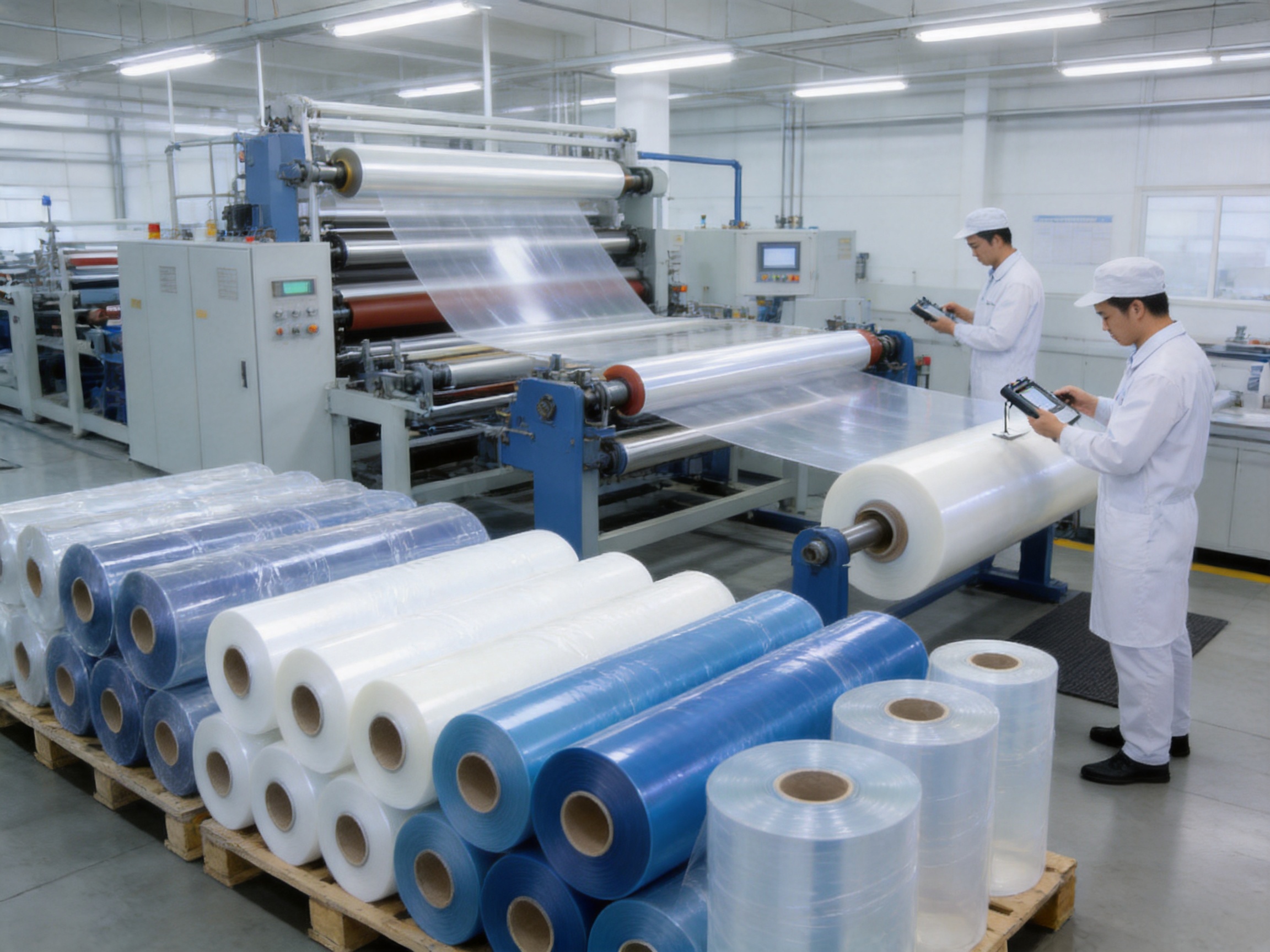
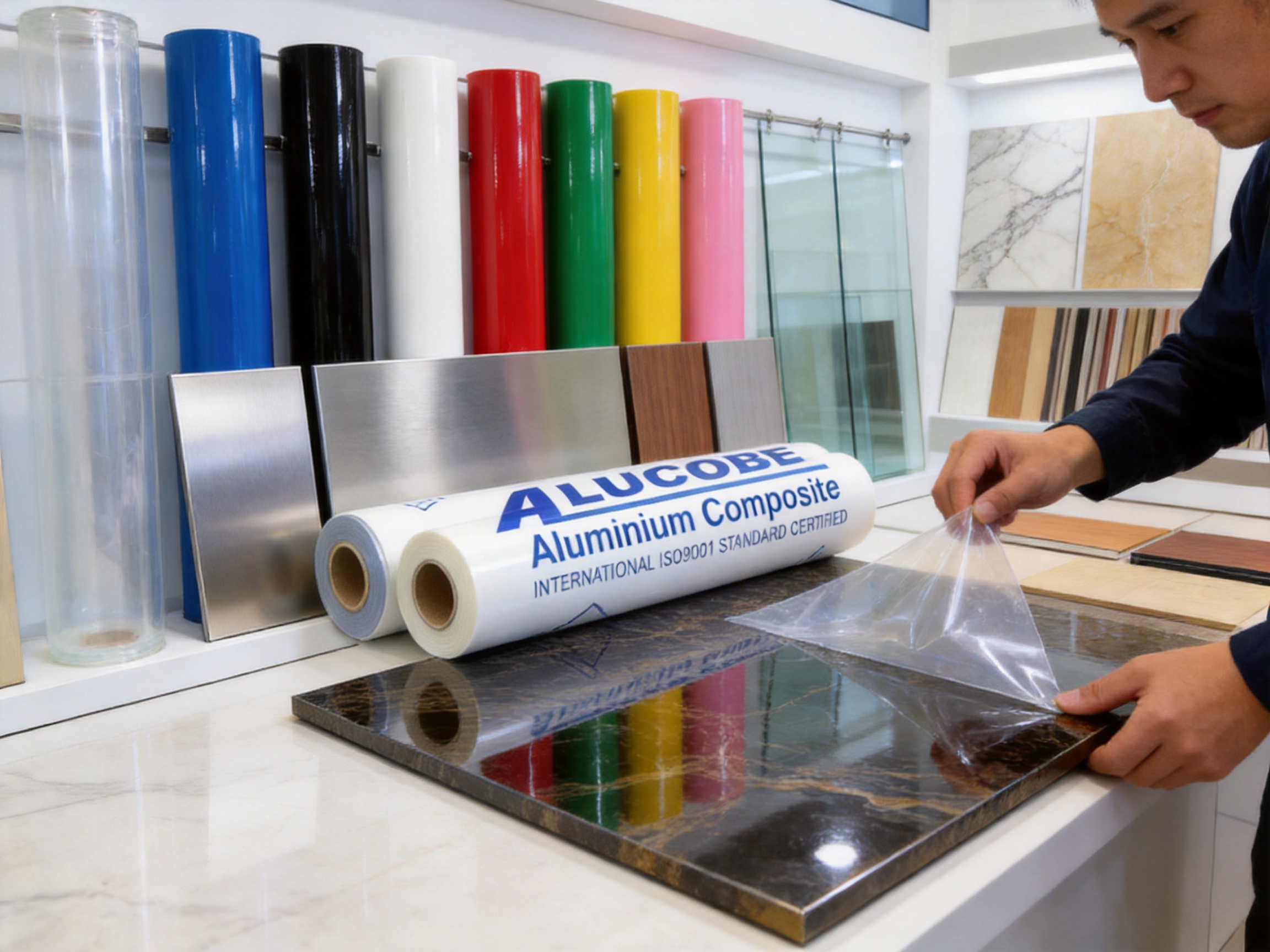
Building and decorative materials are often exposed to significant risks before a project is completed. Aluminum composite panels, decorative laminates, artificial marble, aluminum ceilings, glass, ceramic surfaces, metal sheets, flooring, and other finished materials may be scratched, stained, marked, or damaged during fabrication, transportation, storage, cutting, drilling, handling, and installation. Even minor surface defects can reduce visual quality, increase rework, delay delivery, and create unnecessary costs.
Glue-coated protective film provides a practical solution for temporary surface protection. It combines a tough polyethylene backing with a pressure-sensitive adhesive designed to remain securely attached during processing and construction while allowing clean removal after use. When properly selected for the substrate and application environment, the film forms a temporary barrier against dirt, abrasion, moisture, scuffing, paint, cement, fingerprints, and other common sources of damage.
Protective Film for Building and Decoration Materials is developed for applications such as aluminum plastic composite panels, decorative laminates, artificial marble, aluminum ceilings, metal surfaces, glass, tiles, wooden floors, and related construction products. It can be supplied in different thicknesses, widths, roll lengths, colors, adhesive strengths, adhesive chemistries, printing configurations, and weather-resistance levels. This flexibility enables distributors, fabricators, contractors, and building-material manufacturers to select a protection system suited to their specific production and installation requirements.
Surface protection is not merely an accessory added after a product has been manufactured. It is an important part of the complete material-handling process. A finished decorative panel may pass through several stages before reaching its final location. It can be cut to size, drilled, bent, pressed, transported, stacked, unpacked, installed, adjusted, and cleaned. At every stage, the exposed surface may come into contact with tools, packaging, dust, metal edges, construction debris, or other materials.
Without an appropriate protective layer, damage may occur even when the underlying product has been manufactured to a high standard. A scratch on a glossy panel, a stain on a light-colored laminate, or adhesive contamination on a metal surface can affect the appearance of the completed building. Replacing damaged materials may be expensive, especially when the project requires custom colors, special dimensions, or imported components.
Protective film reduces these risks by covering the exposed surface during vulnerable periods. The polyethylene backing absorbs and distributes minor friction and contact forces, while the adhesive holds the film in place. The film can remain on the material during selected processing or installation steps and can then be removed when the risk of damage has passed.
For manufacturers, protective film helps preserve product quality between the production line and the customer. For contractors, it supports cleaner and more efficient installation. For building owners, it helps ensure that the final decorative surface is presented in its intended condition. The result is a relatively simple product that can contribute to lower waste, fewer repairs, faster cleaning, and improved customer satisfaction.
The product is intended for a broad range of building and decoration materials. Typical applications include aluminum plastic composite panels, decorative laminates, artificial marble, aluminum ceilings, stainless steel, pre-coated metal, glass, ceramic tiles, wooden floors, plastic panels, and other smooth or semi-smooth surfaces.
Aluminum plastic composite panels often have painted, printed, metallic, or textured finishes that must be protected from scratches during cutting and installation. Decorative laminates may be used on furniture, wall panels, doors, partitions, and interior surfaces where appearance is central to product value. Artificial marble and engineered stone can be heavy and difficult to handle, increasing the chance of contact damage during transportation and fitting. Aluminum ceilings and metal panels may also be exposed to dust, fingerprints, tools, and construction debris.
Different substrates require different adhesive behaviors. A film that works well on a smooth, high-energy metal surface may not be appropriate for a textured laminate, a painted coating, or a sensitive plastic panel. Adhesion that is too low may cause lifting, edge release, or movement during processing. Adhesion that is too high may make removal difficult or increase the possibility of adhesive transfer. For this reason, the availability of low, medium, high, and very high adhesion levels is an important advantage.
Qida Tape supplies protective film solutions with adhesive options based on natural rubber, acrylic solvent, and acrylic water systems. These options allow the product to be matched to surface characteristics, holding requirements, exposure time, processing conditions, and removal expectations.
The backing film is made from polyethylene, a flexible and widely used polymer known for its balance of strength, processability, moisture resistance, and chemical resistance. The backing provides the physical barrier between the protected surface and the surrounding environment.
During transportation and installation, the film may encounter dust, light impact, friction from packaging, and contact with tools or adjacent materials. A tough polyethylene backing helps resist tearing and puncturing under normal handling conditions. Its flexibility allows it to conform to flat, curved, and moderately complex surfaces without excessive wrinkling.
Polyethylene can also be processed into films with different thicknesses, colors, optical properties, and mechanical characteristics. The available thickness range for this product is approximately 30 to 100 micrometers. Thin grades may be suitable for light-duty protection and easy handling, while thicker grades may provide additional toughness for demanding processing or construction environments.
The adhesive layer is engineered to provide a controlled balance between initial tack, holding power, removability, and surface compatibility. It is designed to attach to the substrate without requiring water, heat, or a separate activation process in typical applications.
A well-formulated pressure-sensitive adhesive should remain attached during the intended protection period while allowing the film to be peeled away at the end of the application. It should also minimize adhesive residue, transfer, ghost shadows, and other appearance problems after removal. The correct performance depends on the substrate, surface cleanliness, application pressure, storage conditions, exposure time, temperature, and ultraviolet radiation.
Natural rubber adhesive systems can offer strong tack and reliable holding power for selected surfaces. Acrylic solvent adhesives are often chosen when specific durability and weathering characteristics are required. Acrylic water adhesives may be selected for applications that require a water-based adhesive approach and suitable surface protection performance. Qida Tape can provide different adhesive technologies according to the customer’s product requirements and technical data.
Protective film can be printed with customized logos, handling instructions, warnings, product information, or installation guidance. Printing can help identify the material, communicate removal instructions, reinforce brand visibility, and reduce the risk of leaving the film in place for longer than recommended.
The product supports printing from zero to three colors. Depending on the application, printing may include repeated text, directional arrows, project information, recycling instructions, or statements such as “Remove After Installation.” A clear and consistent printed message is particularly useful on construction sites where several types of panels or surface materials may be handled at the same time.
Not all protective films deliver the same level of performance. Generic films may be produced with limited adhesive choices, fixed widths, inconsistent coating weight, weak backing materials, or inadequate testing. These limitations can result in edge lifting, tearing, residue, premature aging, or difficult removal.
The building-material protective film described here offers several advantages that can make it more suitable for professional applications.
The product can be produced with adhesion levels ranging from low to very high. This is important because building materials vary considerably in surface energy, texture, coating type, and sensitivity. A controlled adhesion range allows the film to be selected according to the actual application rather than forcing every surface to use the same adhesive strength.
Low-adhesion versions may be appropriate for smooth, delicate, or easily marked surfaces. Higher-adhesion versions may be needed when the film must remain attached during cutting, bending, drilling, transportation, or outdoor exposure. Matching adhesive strength to the substrate helps reduce both premature release and difficult removal.
One of the most important requirements for temporary protection is clean removability. A protective film that leaves glue behind can create additional labor and may require solvents or aggressive cleaning methods. Such cleaning can damage coatings, alter gloss, or delay project completion.
The specially formulated adhesive is designed for easy application and removal without leaving adhesive residue under appropriate use conditions. The product is also developed to minimize ghost shadows and fish-eye effects after removal. These characteristics are especially valuable for dark, glossy, metallic, and highly visible decorative surfaces.
The tough polyethylene film helps protect against scratches, marks, dirt, and general handling damage. It does not replace careful packaging or safe handling procedures, but it adds a practical protective layer during normal processing and installation activities.
In a factory, the film can help protect panels while they are being cut, drilled, pressed, or moved between workstations. During transportation, it can reduce contact damage caused by packaging materials and stacking. On a construction site, it can help shield surfaces from dust, fingerprints, minor scuffing, paint splashes, and construction debris.
Some building materials remain outdoors or in partially enclosed areas before installation. Exposure to sunlight, moisture, temperature changes, and wind can affect a temporary protective film. The available product can provide ultraviolet resistance for approximately three to twelve months, depending on the grade and application conditions.
The appropriate exposure period should be confirmed before use. Ultraviolet resistance is influenced by geographic location, season, temperature, film color, substrate temperature, orientation, and the intensity of sunlight. A film designed for short-term indoor protection should not automatically be used for extended outdoor exposure.
The stated elongation is at least 300 percent. High elongation helps the film stretch and conform to surfaces during application. It can be useful when covering large panels, gently curved components, corners, and areas where the film must accommodate normal handling movement.
Flexibility also supports smooth application. When the film can follow the contour of the substrate without tearing easily, installers can cover larger areas with fewer seams. Proper application technique remains important, but a flexible backing can improve productivity and reduce material waste.
Available film colors include blue, clear, black and white, black, red, green, yellow, pink, white, and other customized options. Clear film allows the original surface and any printed information beneath it to remain visible. Colored films can make protected areas easy to identify and can provide visual contrast during application and removal.
Color selection may also support production management. For example, different colors can be assigned to different product lines, adhesion levels, application stages, or customer projects. This reduces confusion when several protection materials are present in a factory or warehouse.
Protective film requirements vary by industry, material, processing method, and project schedule. A standard roll may be suitable for common panel applications, while a customized specification may be necessary for an unusual width, a special surface coating, or an extended outdoor exposure period.
| Characteristic | Available Specification or Option | Application Consideration |
|---|---|---|
| Film thickness | Approximately 30 to 100 micrometers | Choose according to required toughness, handling conditions, and surface sensitivity. |
| Film width | Approximately 100 to 2,250 millimeters | Can be matched to panel dimensions and production equipment. |
| Roll length | Approximately 100 to 2,000 meters | Supports both smaller operational rolls and high-volume production use. |
| Elongation | At least 300 percent | Provides flexibility for application on large or moderately curved surfaces. |
| Adhesion level | Low to very high | Allows selection for sensitive, smooth, coated, textured, or demanding surfaces. |
| Adhesive type | Natural rubber, acrylic solvent, or acrylic water | Can be selected according to substrate, exposure, and removal requirements. |
| Film color | Blue, clear, black, white, red, green, yellow, pink, and others | Supports visibility, product identification, and customer preferences. |
| Printing | Zero to three colors | Suitable for logos, instructions, warnings, and project identification. |
| Ultraviolet resistance | Approximately 3 to 12 months | Must be matched to the intended outdoor exposure and local conditions. |
Customization may include film thickness, width, roll length, adhesive strength, adhesive chemistry, color, printing, packaging, and core dimensions. Customers can provide a technical data sheet, a surface sample, or a description of their processing conditions. Qida Tape’s engineers and technicians can then help identify a suitable construction and arrange testing when required.
Customized production is especially valuable for panel manufacturers and distributors who need consistent roll dimensions for automatic laminating or application equipment. It can also help contractors standardize material protection across multiple project locations.
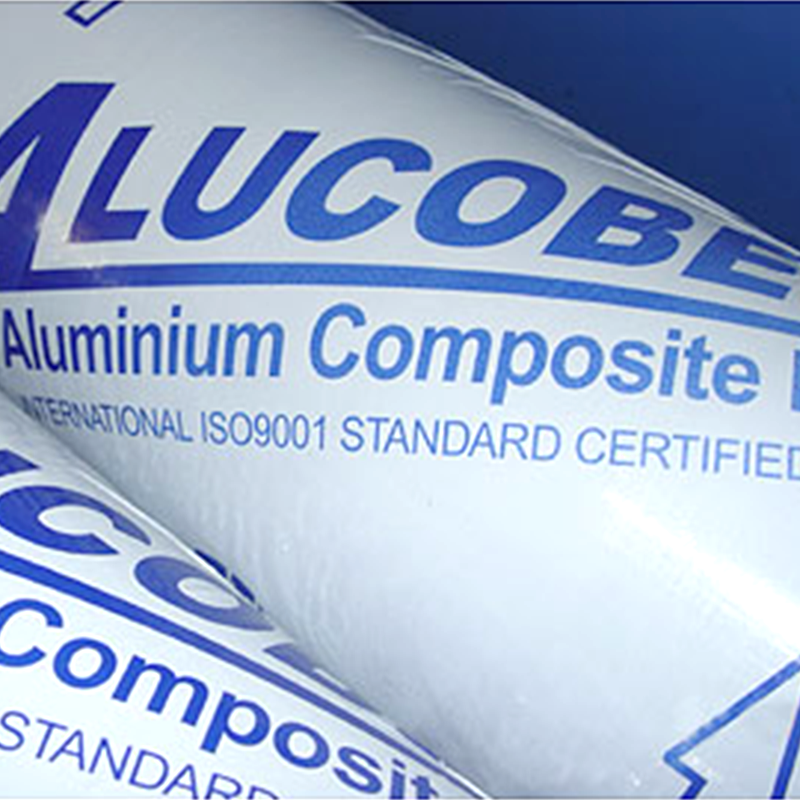
Protective Film for Building &decoration Materials:(Aluminum Plastic Composite Panel ;decorative Laminate ;artificial Marble;aluminum Ceiling)... Etc.
Cutting and drilling can produce dust, chips, burrs, and localized contact between tools and the material surface. Protective film helps isolate the decorative face from some of these contaminants and reduces the risk of incidental scratching during handling.
For aluminum composite panels and decorative laminates, the film may remain in place while panels are measured, marked, cut, or drilled. It can also provide a convenient surface for temporary layout marks, provided that the marking method is compatible with the film and will not penetrate or stain the substrate.
Metal panels and other construction components may undergo bending, pressing, roll forming, or shaping before final installation. The film must be flexible enough to accommodate the movement without excessive tearing or edge release. A suitable grade can help maintain surface protection while the material is processed.
Because forming conditions differ, customers should evaluate the film under actual production pressure, radius, temperature, and speed. Qida Tape’s range of thicknesses, adhesive levels, and backing constructions provides a basis for selecting a grade that meets the requirements of the forming process.
Protective film can be used on selected surfaces during painting, coating, or finishing operations to protect areas that should remain clean. It may help prevent overspray, dust deposits, fingerprints, and incidental marks. The film grade must be selected carefully when elevated temperatures, solvents, or extended exposure are involved.
Before production use, compatibility testing should be performed with the coating system, drying temperature, cleaning agents, and planned removal time. This is particularly important for sensitive painted, anodized, or specialty-coated surfaces.
Transportation exposes finished materials to vibration, stacking pressure, packaging friction, temperature changes, and repeated loading and unloading. Protective film can reduce direct contact between the decorative surface and adjacent packaging or materials.
When used together with suitable corner protection, separators, pallets, and wrapping, the film forms part of a broader packaging strategy. It can be particularly useful for materials whose appearance is a major part of their commercial value.
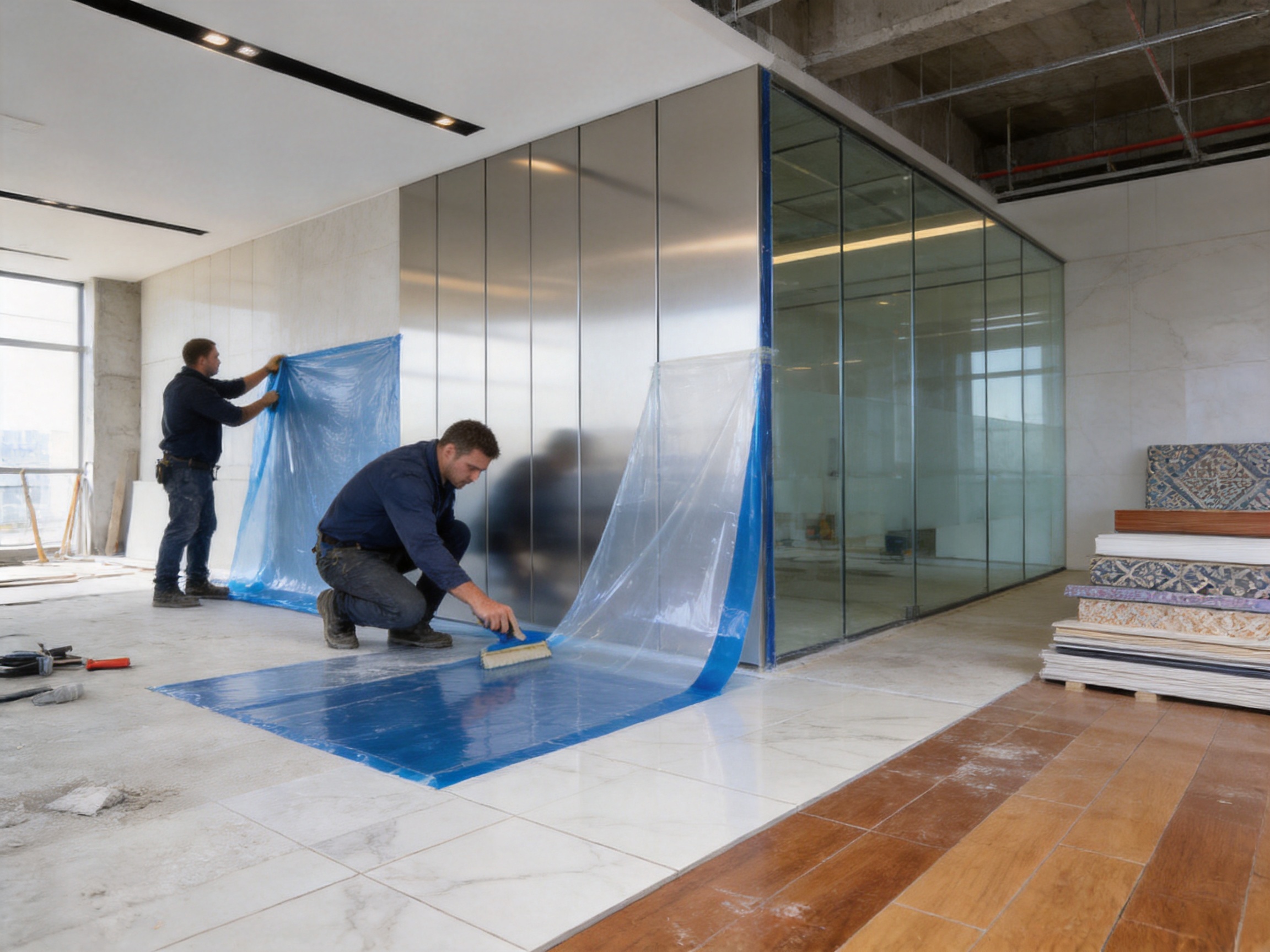
Interior projects often involve multiple trades working in the same area. Flooring may be installed before cabinetry, wall panels, lighting, plumbing, painting, and final cleaning are completed. Decorative surfaces can therefore remain exposed to foot traffic, tools, dust, and dropped materials for an extended period.
Protective film can help cover selected surfaces until the relevant construction activities are finished. It may be used on decorative laminates, metal panels, glass, artificial marble, ceramic tiles, doors, and other smooth surfaces. Easy removal is valuable during final inspection because the finished surface can be revealed quickly without extensive cleaning.
Exterior panels, aluminum ceilings, metal doors, windows, and curtain-wall components may need temporary protection during installation and nearby construction. Windborne dust, light rain, mortar splashes, and handling marks can affect exposed surfaces.
For exterior use, the film must be selected according to the expected exposure duration and environmental conditions. Ultraviolet-resistant grades can provide protection for approximately three to twelve months, depending on the specification. The edges should be applied carefully, and the film should be inspected periodically to ensure that it remains secure.
Glass requires protection from scratches, dust, labels, fingerprints, and construction contamination. Clear protective film can help preserve visibility while reducing the risk of surface marking. A printed version may be used to make transparent panels more visible and to communicate handling or removal instructions.
Glass surfaces can vary in coating, treatment, texture, and energy characteristics. Adhesive compatibility should therefore be confirmed before broad application. The film should be removed within the recommended period to help maintain clean and uniform appearance.
Artificial marble and engineered stone are frequently used for countertops, wall cladding, vanity surfaces, furniture components, and decorative structures. Their polished surfaces may be vulnerable to abrasion and contamination during transportation and installation.
A protective film can reduce contact with dust, tools, packaging, and construction materials. It also provides a temporary barrier during cutting, drilling, fitting, and adjustment. For sensitive polished surfaces, a lower-adhesion grade may be preferable, while rougher or more difficult surfaces may require a different adhesive balance.
The performance of a protective film depends not only on its raw materials but also on the consistency of its manufacturing process. Uniform film thickness, stable adhesive coating, accurate slitting, clean rewinding, and suitable packaging are all necessary for dependable application.
Qida Tape completes backing film production within its own factory. Internal control over this stage helps the company manage film thickness, appearance, mechanical properties, color, and roll consistency. Producing the backing film in-house also supports faster development of customized constructions.
For customers, stable backing quality is important because variations in thickness or tensile behavior can affect machine application, stretching, cutting, and removal. Consistent backing film makes it easier to establish repeatable production settings.
The company offers natural rubber, acrylic solvent, and acrylic water adhesive systems. Each adhesive is formulated and coated according to the required performance profile. Important factors include coating weight, tack, peel adhesion, shear holding power, aging behavior, and compatibility with the target substrate.
Controlled adhesive coating is essential. Excessive adhesive may increase the risk of difficult removal or residue, while insufficient adhesive may cause edge lifting and poor holding power. Uniform coating supports consistent performance across the full roll width and length.
Adhesive selection should be based on the complete application rather than on a single test value. The customer’s surface type, storage period, processing temperature, outdoor exposure, application speed, and removal schedule all influence the final choice.
After coating, the film may be printed with customized information. It is then rewound and slit into the required widths and roll lengths. Accurate slitting is particularly important for customers using machine application, where uneven edges or dimensional variation can affect alignment and productivity.
Qida Tape’s production process includes logo printing, rewinding, slitting, and packaging. Completing these stages within the company’s own facility allows closer coordination between departments and helps maintain control over delivery specifications.
Protective film should be evaluated for both physical and functional performance. Typical quality-control considerations include appearance, thickness, width, roll length, adhesion, peel behavior, tensile strength, elongation, holding power, print quality, and removal characteristics.
The company operates a testing laboratory and uses inspection equipment to support product verification. Testing helps identify variation before shipment and provides data for product development and customer-specific applications. Where a surface is particularly sensitive, application trials can be used to verify that the selected film performs as expected.
Protective film rolls must be packaged to prevent crushing, moisture exposure, contamination, and edge damage during storage and transportation. Suitable packaging also helps maintain roll identity and traceability.
Customers may require specific labels, carton markings, pallet configurations, core sizes, or export packaging. These requirements can be incorporated into the production and shipment process so that the material arrives ready for use.
Purchasing protective film from a manufacturer with integrated production capabilities offers several benefits compared with sourcing from a trading company with limited technical control. A factory with its own backing-film production, adhesive coating, printing, slitting, testing, and packaging processes can respond more directly to technical requirements.
First, integrated manufacturing supports customization. A customer may require an unusual width, a particular adhesive level, a special color, or a printed message. A manufacturer with control over multiple production steps can evaluate and implement these changes more efficiently.
Second, integrated manufacturing improves communication. Technical questions can be reviewed by production personnel, engineers, and quality-control staff rather than being passed through several intermediaries. This can reduce misunderstanding about surface type, exposure conditions, and removal expectations.
Third, in-house production supports consistency. When the same organization controls the process from backing film to finished roll, it can establish internal specifications and monitor the relationship between the film, adhesive, printing, and converting stages.
Fourth, manufacturing scale matters for supply reliability. Qida Tape has a factory area of approximately 20,000 square meters, more than 95 experienced staff members, and an annual production capacity exceeding 12,000 tons. This capacity supports both regular production and larger wholesale requirements.
Finally, technical experience helps customers select a suitable product. Protective film is not a one-size-fits-all commodity. The right product depends on the surface and the expected use. A manufacturer with an experienced research and development team can assist with trials, technical data, sample evaluation, and product adjustments.
Wuxi Qida Tape Co., Ltd. was founded in 1999 and specializes in protective films and surface protection solutions. Its products are used on stainless steel, aluminum, pre-coated metal, plastic panels, ceramic, carpets, decorative laminates, glass, and other materials that require temporary protection against scratches, marks, dirt, and damage.
The company has introduced advanced production machines from Germany and operates under ISO 9001 and ISO 14001 management systems. ISO 9001 supports structured quality-management practices, while ISO 14001 reflects an organized approach to environmental management. These systems provide a framework for documented procedures, process control, corrective action, and continual improvement.
Qida Tape employs experienced technicians and engineers and works with research and development institutes to develop new protective-film products. Its technical team can work from customer samples, technical data sheets, or application descriptions. This approach is useful when a standard film does not provide the required balance of adhesion, protection, outdoor durability, and removability.
The company serves customers in China and exports to Europe, North America, Australia, the Middle East, Japan, and other regions. Its products are supplied to approximately 90 export areas. International experience can help a manufacturer understand different packaging expectations, technical documentation requirements, and application conditions.
Qida Tape also states that its product and management compliance includes ISO 9001, ISO 14001, SGS, RoHS, REACH, PFAS, and Prop 65 testing or related compliance documentation. Customers should request current certificates and test reports for the exact product grade and production batch relevant to their application.
Temporary protection can contribute to more efficient use of building materials. When a finished panel is damaged before installation, the material may need to be repaired, refinished, returned, or discarded. Preventing such damage can reduce material waste and the environmental cost associated with replacement manufacturing and transportation.
Polyethylene film can also be collected and managed through appropriate recycling channels where facilities are available. The actual environmental benefit depends on local collection systems, contamination levels, adhesive composition, and the ability to separate the film from other materials. Users should follow applicable waste-management regulations and supplier guidance.
Water-based acrylic adhesive options may be considered by customers seeking a water-based adhesive approach. However, environmental evaluation should consider the entire product system, including polymer production, adhesive formulation, printing inks, packaging, transport, use, and end-of-life management.
Proper product selection improves efficiency as well. A film with suitable adhesion is less likely to fail during processing, reducing the need for replacement rolls. A film with the correct width can minimize trimming and offcuts. A printed instruction can help prevent premature removal or unnecessary reapplication. These operational improvements can reduce labor and material consumption.
Before applying the film to a large quantity of material, conduct a trial on the actual substrate. Check adhesion, appearance, edge behavior, removability, and any change in gloss or color. This is especially important for newly developed coatings, textured surfaces, recycled plastics, sensitive laminates, and materials with unusual surface treatments.
The surface should generally be free from dust, oil, moisture, release agents, and loose particles before application. Contamination can reduce adhesion and create bubbles or channels beneath the film. A clean surface supports more uniform contact between the adhesive and the substrate.
For large panels, the film should be applied gradually using suitable pressure. Avoid trapping air, creating deep wrinkles, or stretching the film excessively in one direction. Smooth application improves appearance and helps ensure that the edges remain attached.
Protective film should be removed within the supplier’s recommended period. Extended exposure may increase the difficulty of removal, particularly under strong sunlight, high temperatures, moisture, or contamination. The stated ultraviolet-resistance period is a guide for a specified grade and does not eliminate the need for regular inspection.
When protection is no longer needed, peel the film at a controlled angle and moderate speed. Avoid using sharp tools directly against the decorative surface. If the film has been exposed to unusual heat, sunlight, chemicals, or extended aging, removal should be evaluated carefully on a small area first.
Protective film rolls should be stored in a clean, dry environment away from direct sunlight, excessive heat, moisture, and chemical vapors. Rolls should remain properly supported to prevent deformation. Following recommended storage conditions helps preserve adhesive and film performance before use.
Selecting the correct film begins with identifying the substrate. Is the surface aluminum, painted metal, plastic, laminate, glass, ceramic, artificial marble, or another material? Is it smooth, textured, porous, glossy, matte, coated, or chemically treated? These details influence adhesive selection and removal behavior.
The next consideration is the protection period. A film used for a few days indoors may require different properties from a film expected to remain on an exterior panel for several months. The customer should also identify whether the film will be exposed to sunlight, rain, condensation, temperature changes, dust, chemicals, or construction materials.
Processing conditions are equally important. Cutting, drilling, bending, pressing, roll forming, painting, transportation, and installation can place different demands on the film. Some operations require higher holding power, while others require flexibility and clean removal.
Film thickness should be selected according to the level of mechanical protection required. Width and roll length should be matched to the application method. Adhesion should be high enough to remain secure but not higher than necessary. Film color and printing should support identification and use without interfering with the customer’s process.
When the application is uncertain, buyers should provide a sample of the substrate, the expected protection period, the processing steps, the indoor or outdoor environment, and the planned removal method. This information allows the supplier to recommend a more reliable starting point and arrange testing when necessary.
The purchase price of protective film is only one part of its total cost. A low-priced film may become expensive if it tears during application, lifts during transportation, leaves residue, causes cleaning labor, or requires frequent replacement. Total cost should include material consumption, labor, downtime, cleaning, rework, returned goods, and potential customer complaints.
A higher-quality film can reduce these indirect costs by providing more consistent adhesion, better mechanical strength, cleaner removal, and more reliable protection. Consistency is particularly important for large manufacturers, because variation between rolls can interrupt production and require operators to adjust machine settings.
Qida Tape’s integrated manufacturing model, testing capability, customization service, and production capacity are intended to support stable supply and repeatable quality. The company’s advantages include multiple adhesive options, technical support, in-house converting, competitive manufacturing cost, and the ability to develop products according to customer specifications.
For wholesale buyers, reliable packaging and delivery are also important. Rolls must arrive without crushed edges, contamination, or moisture damage. Clear product identification and consistent specifications simplify warehouse management and make it easier for customers to use the film correctly.
The film can be used for many building and decorative materials, including aluminum plastic composite panels, decorative laminates, artificial marble, aluminum ceilings, stainless steel, pre-coated metal, plastic panels, glass, ceramic tiles, wooden floors, and other compatible surfaces. A trial is recommended for unfamiliar or sensitive substrates.
The available thickness range is approximately 30 to 100 micrometers. The correct thickness depends on the required mechanical protection, handling conditions, application method, and sensitivity of the substrate.
Yes. Adhesion levels can range from low to very high. The adhesive should be selected according to the surface energy, coating, texture, exposure period, processing conditions, and required removal performance.
The product can be supplied with natural rubber adhesive, acrylic solvent adhesive, or acrylic water adhesive. Each system has different performance characteristics, so the selection should be based on the actual application and test results.
The specially formulated adhesive is designed for clean removal without adhesive residue under appropriate use conditions. However, surface type, exposure time, heat, sunlight, contamination, and storage conditions can influence performance. A compatibility test should be completed before full-scale use.
Selected grades offer ultraviolet resistance for approximately three to twelve months. The exact period depends on the grade and environmental conditions. Outdoor users should confirm the required exposure period and inspect the applied film regularly.
Yes. Printing from zero to three colors is available. Customers can request logos, handling instructions, removal messages, product identification, or other suitable information.
Available colors include blue, clear, black and white, black, red, green, yellow, pink, white, and other customized colors. Color selection can support visibility, product identification, and project management.
The stated width range is approximately 100 to 2,250 millimeters. Custom widths can be discussed according to the customer’s product dimensions and converting equipment.
Roll lengths range from approximately 100 to 2,000 meters. The appropriate length depends on the application volume, equipment, storage arrangements, and handling preferences.
Yes. Protective film is commonly used during cutting, drilling, handling, and installation to reduce scratches, marks, and contamination. The film should be selected and tested for the specific tool pressure, dust generation, and processing conditions.
Polyethylene is a recyclable material in locations with suitable collection and recycling systems. Responsible management depends on local facilities and the condition of the used film. Users should follow applicable regulations and supplier recommendations for collection and disposal.
Buyers can provide the substrate type, surface finish, film width, required thickness, protection period, indoor or outdoor conditions, processing steps, adhesive preference, roll length, color, and printing requirements. A sample or technical data sheet can help the engineering team recommend and develop a suitable product.
Qida Tape operates under ISO 9001 and ISO 14001 systems and states that its product and compliance documentation includes SGS, RoHS, REACH, PFAS, and Prop 65 testing or related requirements. Customers should request current documents for the specific product grade and market.
Protective Film for Building and Decoration Materials is a practical solution for preserving the appearance and value of finished surfaces during manufacturing, transportation, storage, and installation. Its polyethylene backing provides flexibility and toughness, while the pressure-sensitive adhesive creates a temporary bond that can be matched to different substrates and exposure conditions.
The product’s main advantages include clean removability, resistance to scratches and dirt, customizable adhesion, high elongation, outdoor-weatherability options, multiple colors, and customized printing. Its specifications can be adjusted for thicknesses from approximately 30 to 100 micrometers, widths from approximately 100 to 2,250 millimeters, and roll lengths from approximately 100 to 2,000 meters.
Qida Tape strengthens this product offering through integrated manufacturing. The company controls backing-film production, adhesive coating, printing, rewinding, slitting, packaging, testing, and technical support within its own production system. Its factory scale, experienced engineering team, quality and environmental management systems, international supply experience, and multiple adhesive technologies allow it to serve both standard and customized requirements.
For manufacturers, distributors, and contractors, selecting the correct protective film can reduce surface damage, rework, cleaning, waste, and delivery problems. The best results come from matching the film to the substrate and application conditions, conducting compatibility trials, applying the material correctly, and removing it within the recommended period.
With appropriate product selection and reliable manufacturing support, temporary protective film becomes more than a simple covering. It becomes an effective part of a quality-control and project-efficiency strategy for modern building and decorative materials.
1. Internal product specifications for glue-coated protective film for building and decorative materials.
2. Polyethylene film performance information supplied for temporary surface-protection applications.
3. Pressure-sensitive adhesive selection principles for industrial and construction-surface protection.
4. ISO 9001, Quality Management Systems: Requirements.
5. ISO 14001, Environmental Management Systems: Requirements with Guidance for Use.
6. General technical guidance for protective films used on metal, plastic, glass, laminate, ceramic, and stone surfaces.
7. Manufacturer information concerning adhesive options, film customization, production capacity, testing, and compliance documentation.
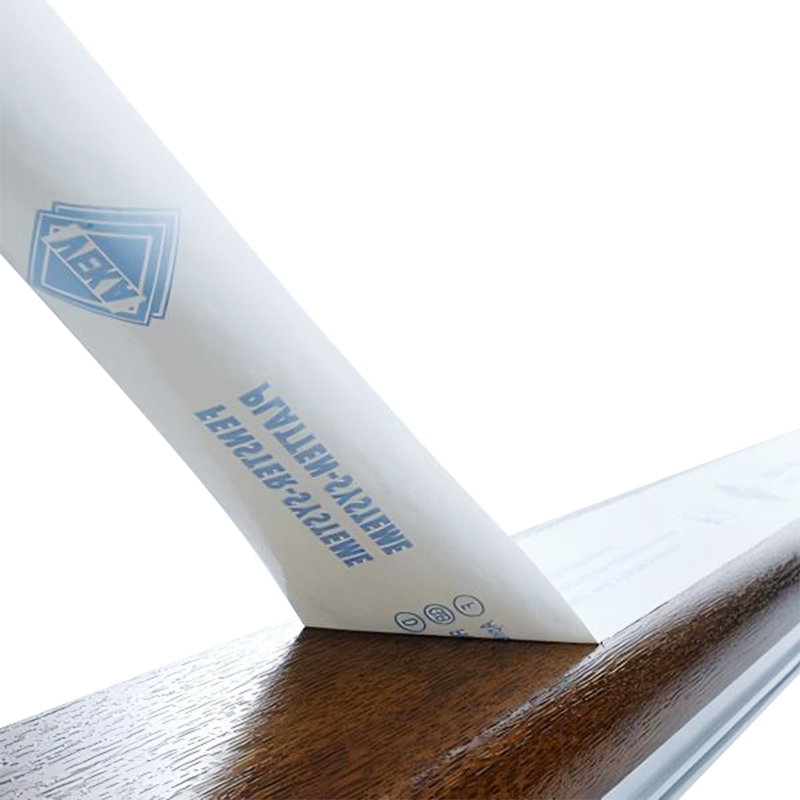
● Good weatherability for outdoor exposure; ● Stable adhesion level; ● UV resistance for up to 12 months; ● Can print customized logo or application i...
See Details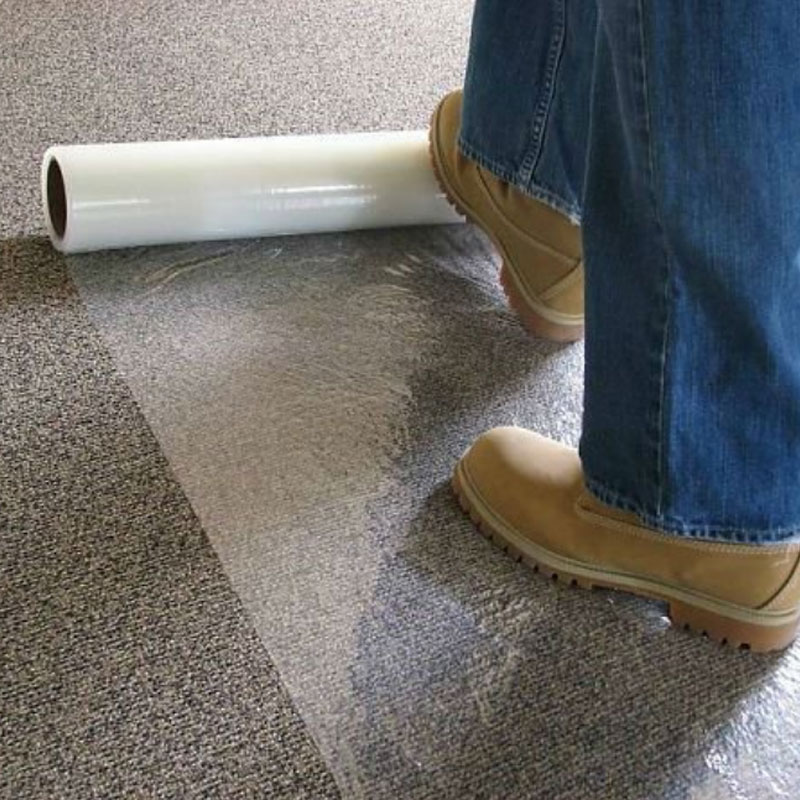
● Protects carpet against staining, paint spillage and dirt during painting, building, remodeling, plastering, tiling, decoration, general maintenance...
See Details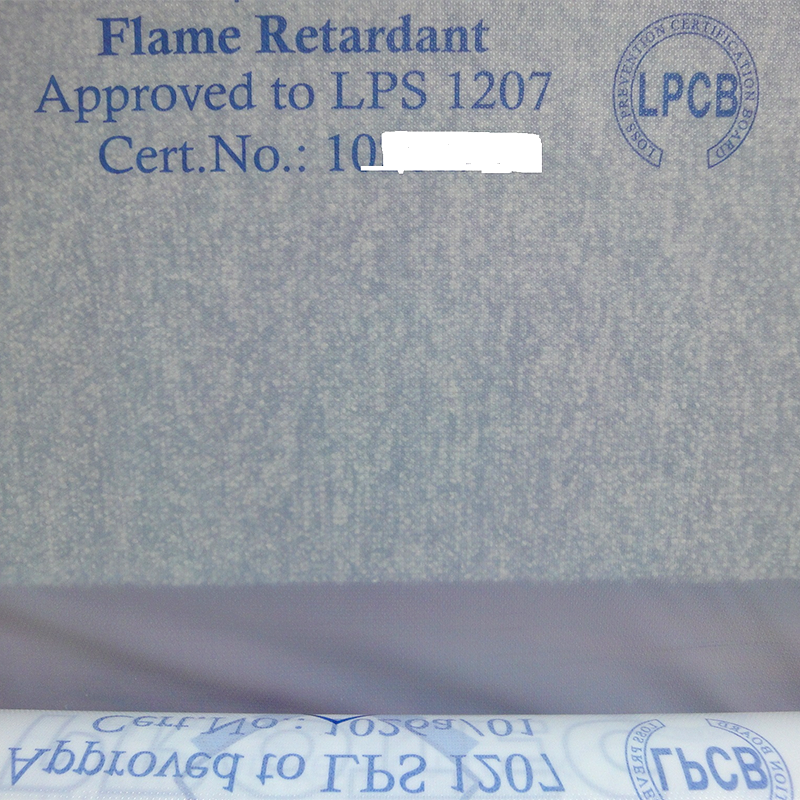
● Prevents costly damages in case of fire /flame;● Meet the strict international test standards of loss prevention; ● Extensive selection for flame re...
See Details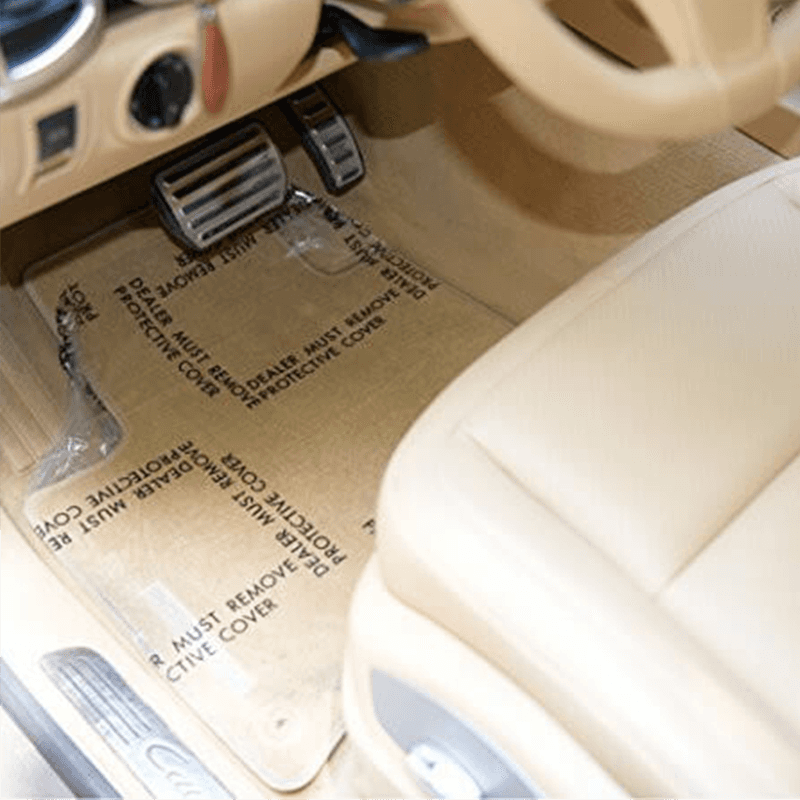
● Distance of each perforation die-cut ranges from 100mm to 1200mm;● Can peel off each die-cut piece of protective film at the perforated line easily;...
See Details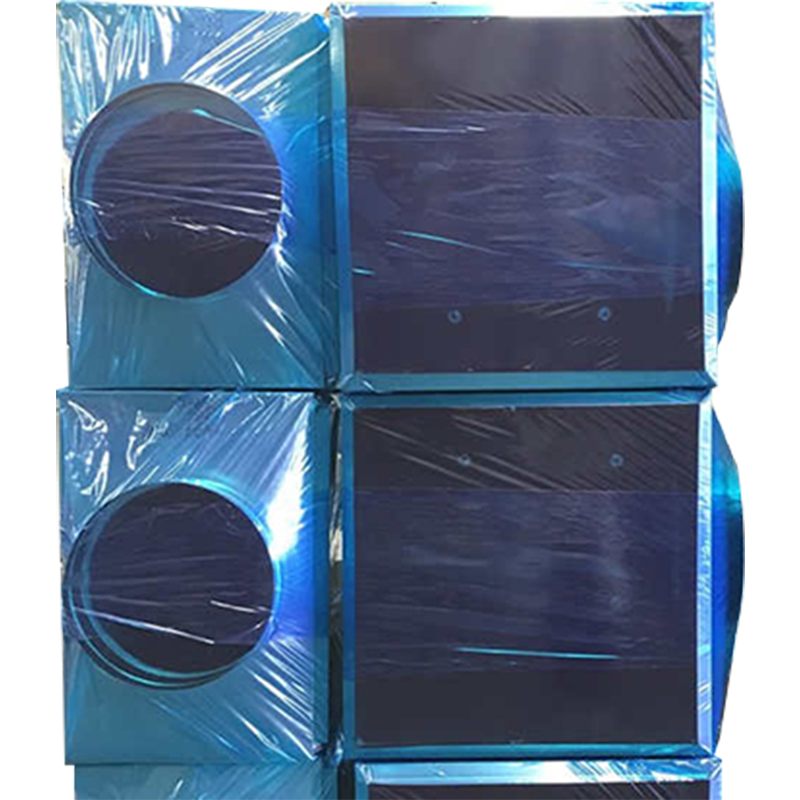
● The super-tough polyethylene film resists puncture and penetration by liquid and dirt during storage, transportation, and installation of the ductwo...
See Details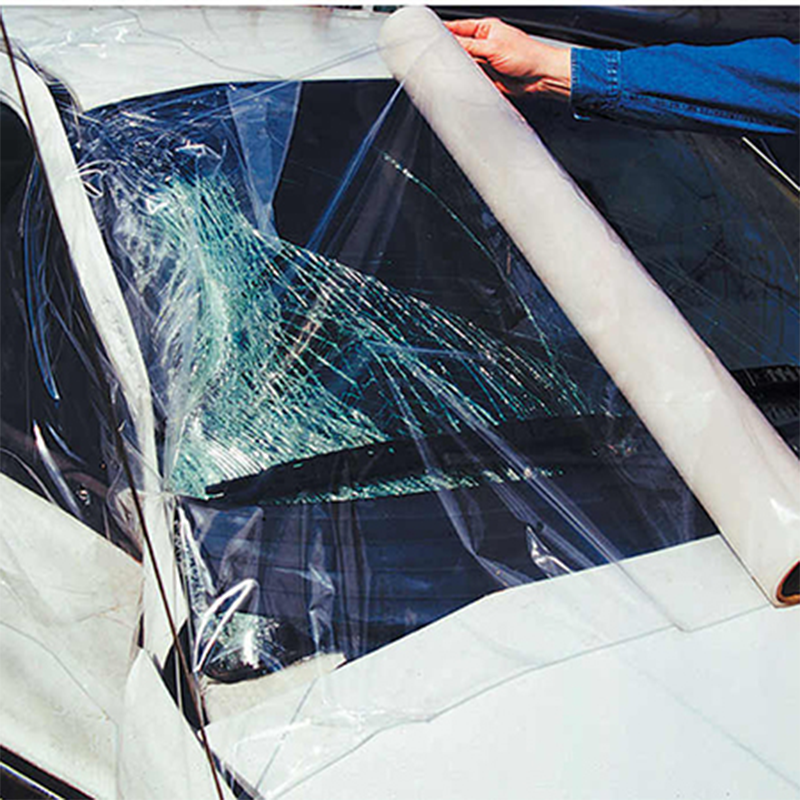
● The super-tough polyethylene film resists puncture and penetration by rain, snow, debris, and dirt during the transportation and storage of the cras...
See Details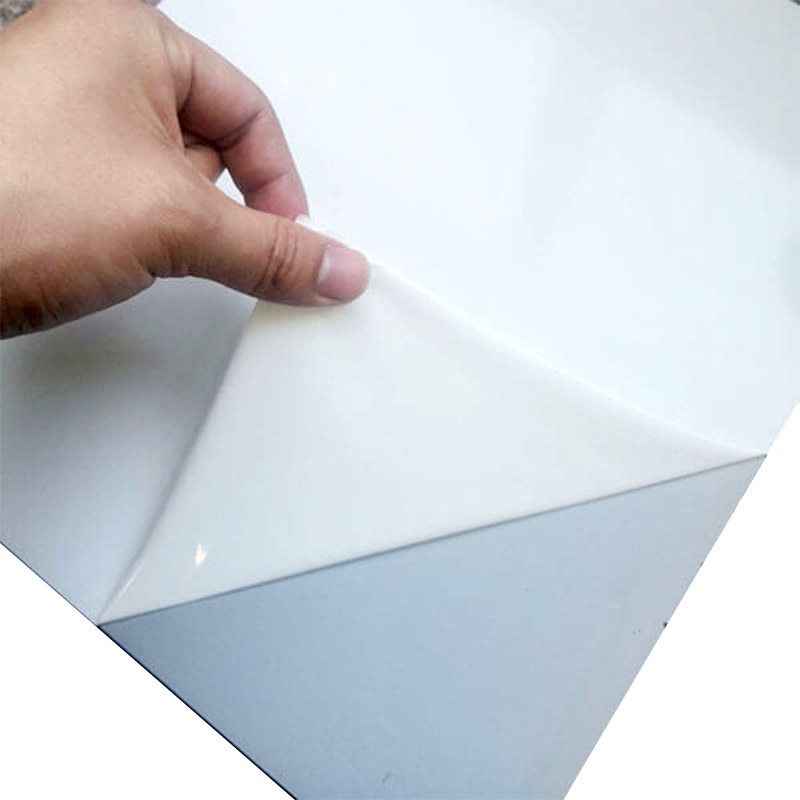
● The super tough polyethylene film with super high adhesion can stop parts of the glass or mirror from splintering away and injuring people when it i...
See Details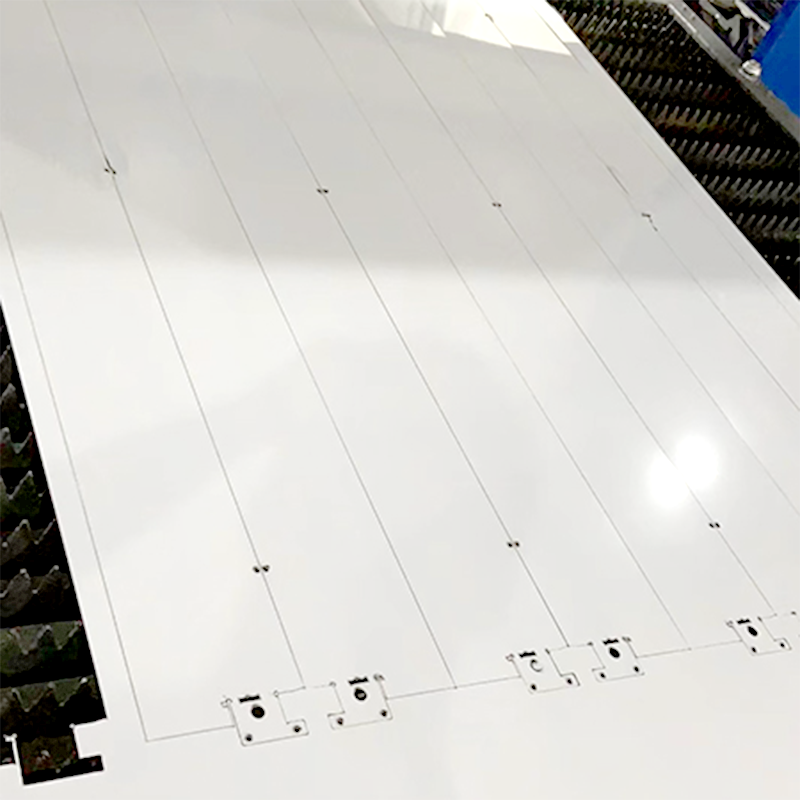
● The specially formulated natural rubber adhesive suitable for both CO2 and Fiber laser cutting processes;● High cutting quality without burr or trac...
See Details
● The specially formulated adhesive ensures easy application and removal without leaving residue glue; ● The super-tough polyethylene film protects ag...
See Details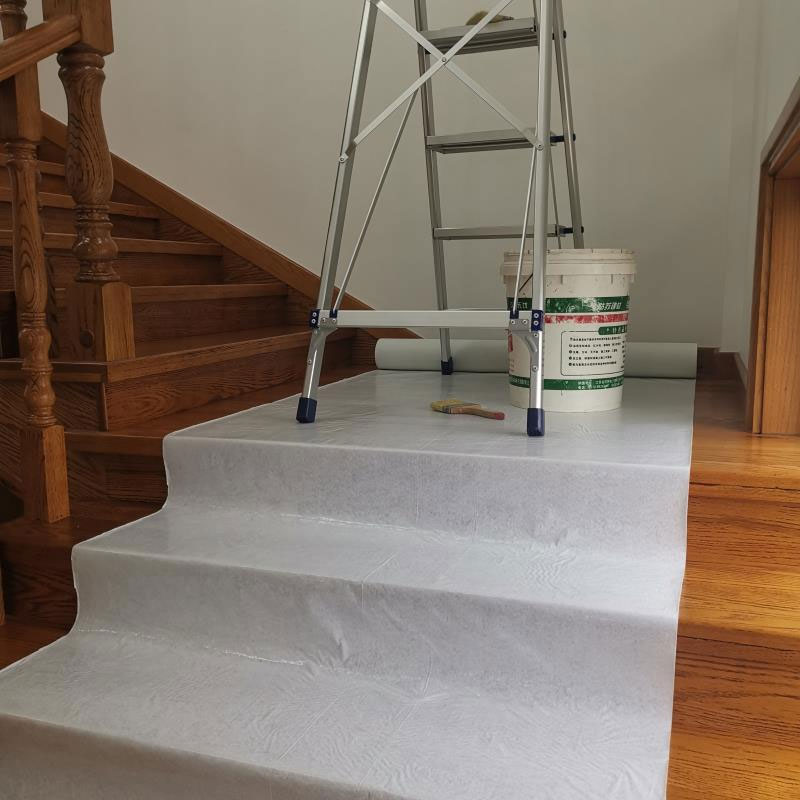
This product has non-woven synthetic fleece in middle; Breathable PE film adhered onto top of the non-woven fabric, which is coated with self adhesive...
See DetailsWe’re a reliable partner that shapes our expertise into success for your project.

Copyright 2024 Wuxi Qida Tape Co., Ltd. All Rights Reserved
 Wholesale Protective Film/Foil Manufacturers
Privacy
Wholesale Protective Film/Foil Manufacturers
Privacy