

 English
 English
 русский
 Français
 Español
 Português
 عربى
عربى
Cat:Glue -coated Protective Film
● Protect window glass against paint splatters, dirt, staining, and spillages during painting, building, plastering, tiling, general maintenance and r...
See Details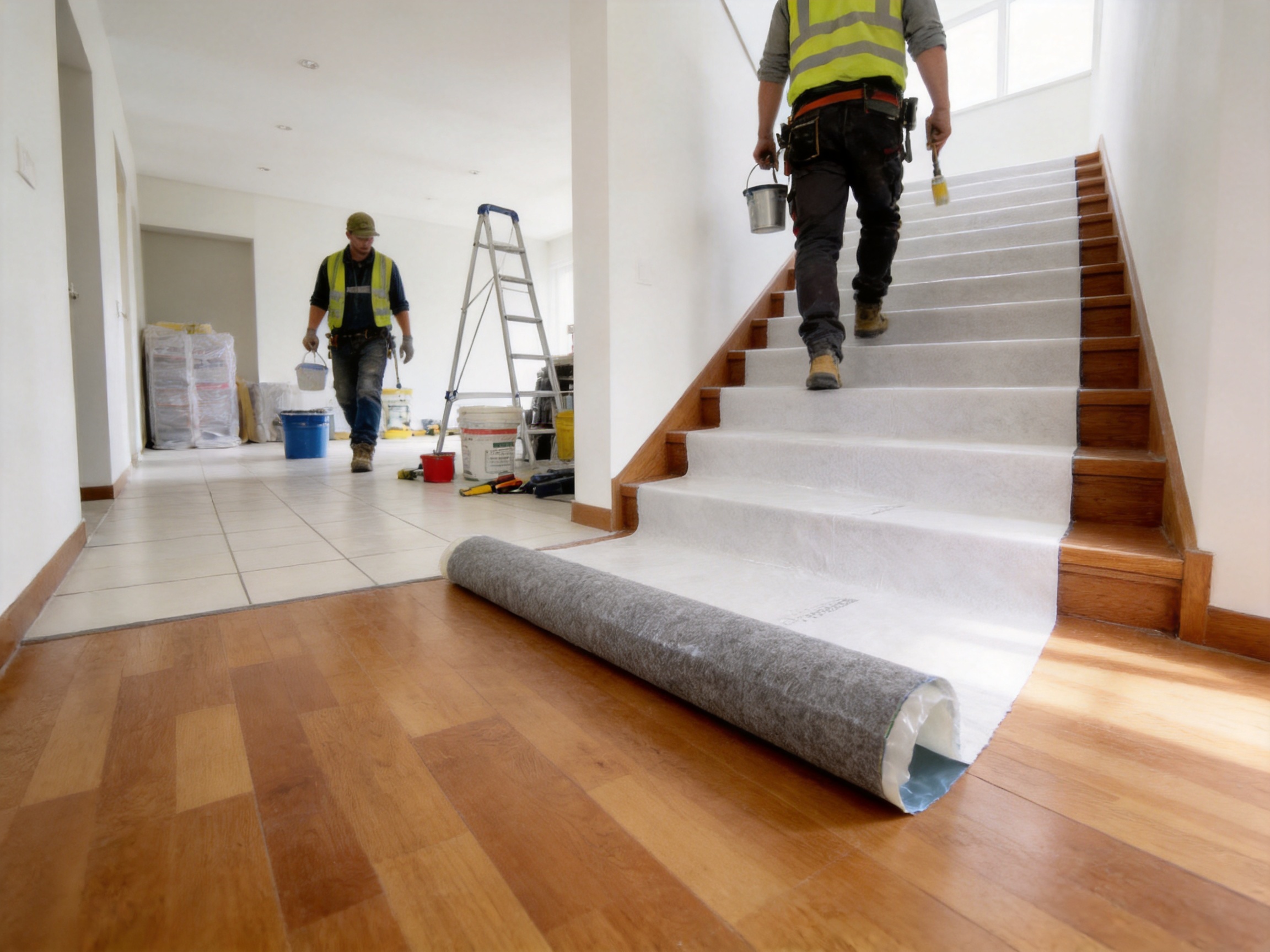
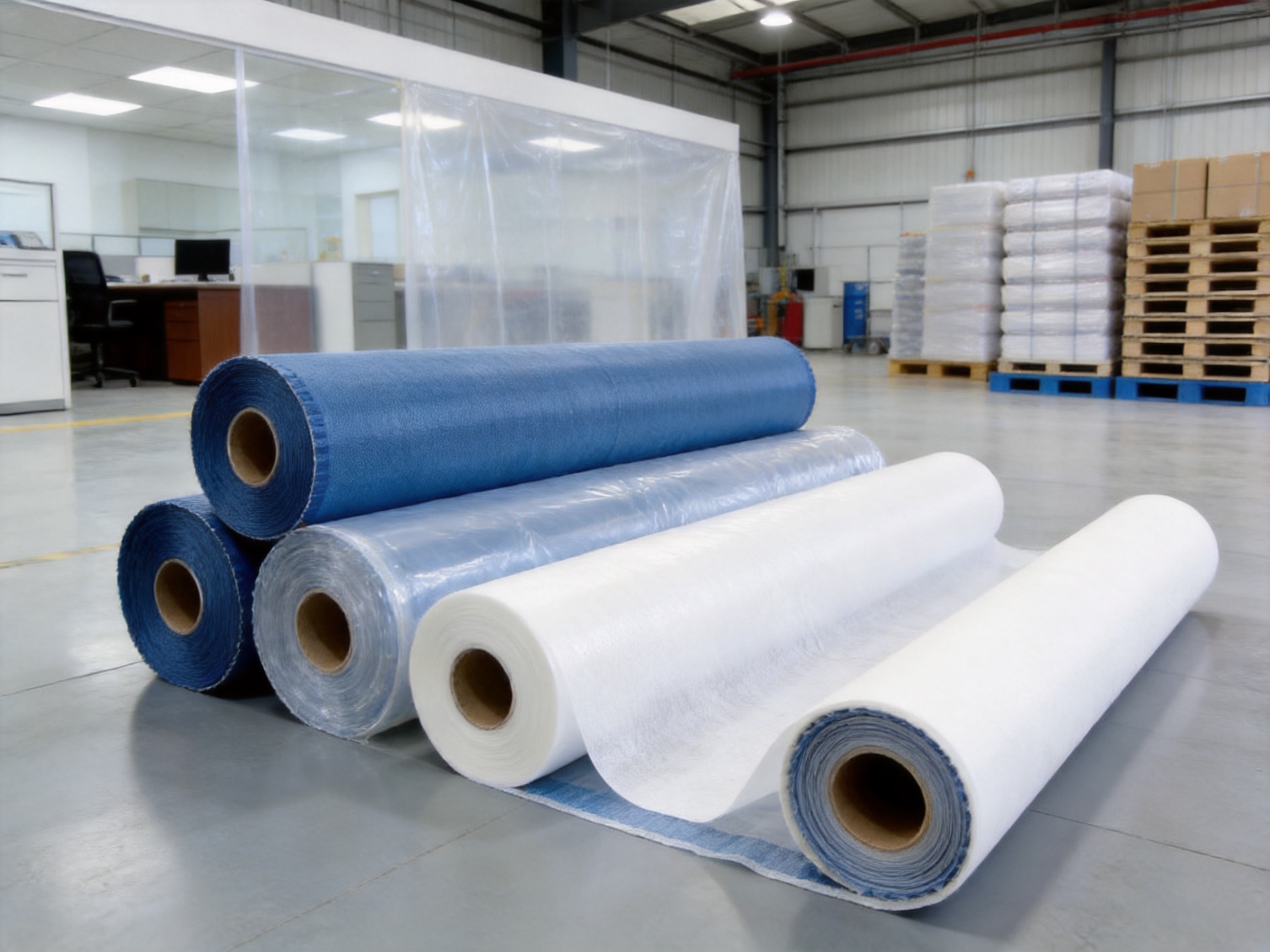
Non-woven Protection Fabric is a practical surface protection material designed to shield floors, stairs, and other finished surfaces during construction, renovation, decoration, painting, transportation, and installation. It combines a strong non-woven textile layer with an impermeable polyethylene backing film, creating a protective covering that is durable, flexible, moisture-resistant, and easy to handle.
Unlike ordinary plastic sheets, paper coverings, or loosely laid fabric, Non-woven Protection Fabric is engineered to remain stable during demanding work. Its non-slip structure helps it stay in place on stairs and hard floors without requiring additional tape fixation. Its waterproof backing helps prevent water, paint, solvents, dust, and other liquids from reaching the protected surface. At the same time, the fabric surface provides cushioning and abrasion resistance against tools, footwear, equipment, and construction activity.
The product is particularly suitable for contractors, flooring installers, decorators, painters, property maintenance companies, renovation specialists, furniture installers, and industrial manufacturers. It can be supplied in different fabric weights, widths, roll lengths, adhesion levels, backing film colors, and printing configurations. This flexibility makes it possible to match the protection material to the working environment, surface type, project duration, and handling requirements.
Manufactured by Wuxi Qida Tape Co., Ltd., the product benefits from an integrated production system covering material development, backing film production, adhesive coating, printing, rewinding, slitting, inspection, and packaging. The company’s experience in protective films and surface protection solutions supports the development of a non-woven protection product that balances secure placement, clean removal, durability, and cost efficiency.
Non-woven Protection Fabric is a specially processed protective textile used as a temporary barrier between a work environment and a finished surface. The upper layer is made from non-woven fibers, while the lower layer generally includes a polyethylene backing film. Depending on the product specification, the material may also include a low- to medium-tack adhesive layer or a structure that provides effective friction without permanent fixation.
The term “non-woven” means that the fabric is not produced by weaving or knitting yarns in the traditional way. Instead, fibers are arranged into a web and bonded or mechanically entangled. This production method allows manufacturers to adjust the weight, thickness, softness, strength, absorbency, flexibility, and surface texture of the material.
For surface protection applications, the non-woven layer provides resistance to tearing, puncture, and general wear. It can absorb minor impacts and help prevent tools or equipment from directly contacting the floor. The polyethylene backing film supplies an impermeable barrier that helps stop liquids from passing through the covering.
The combination of fabric and film is important. A plastic sheet may provide liquid resistance, but it can slide easily, tear under foot traffic, and create an unsafe working surface. A textile layer may be comfortable and durable, but it may allow water or paint to pass through. Non-woven Protection Fabric combines the practical advantages of both materials in one application-ready product.
One of the most useful features of the product is its ability to remain relatively stable on stairs and hard floors without continuous tape fixation. This reduces installation time and helps eliminate the inconvenience of repeatedly repositioning loose sheets during construction work.
On stairways, ordinary protective coverings can move under foot traffic and create trip hazards. Non-woven Protection Fabric is designed to provide a more secure walking surface through the interaction of its textured fabric face and backing structure. The result is a covering that is better suited to steps, corridors, landings, and other areas where movement and safety are important.
The non-slip performance does not mean that the product should be used without normal workplace safety procedures. Site conditions, dust, moisture, slope, footwear, and the type of floor can influence the performance of any temporary covering. However, compared with smooth plastic film, the fabric-faced structure offers a clear practical advantage in environments that require stable placement.
The polyethylene backing film forms a barrier against liquids such as water, paint, cleaning solutions, and many common solvents used during construction and renovation. This helps prevent accidental spills from penetrating through the protective material and staining, swelling, or damaging the finished floor underneath.
Liquid resistance is especially important when painting walls, applying coatings, installing flooring, performing plastering work, or carrying out maintenance in occupied buildings. A waterproof backing can reduce the risk of expensive cleaning, surface restoration, or replacement work after a spill.
Users should always confirm chemical compatibility before applying the material to unusual liquids or sensitive surfaces. Product performance can vary according to the liquid concentration, exposure time, temperature, and condition of the protected surface. For normal temporary construction protection, the impermeable backing provides an effective first line of defense.
The fabric is designed to withstand repeated foot traffic, movement of tools, and general construction activity. Its robust structure helps reduce tearing when the material is unfolded, cut, repositioned, or removed. This makes it more reliable than thin disposable plastic sheets that can split easily around corners, edges, or high-traffic areas.
High tear resistance also supports safer handling. Large sheets and rolls can be installed more efficiently when the material maintains its integrity during movement. Contractors can cut the product to fit around columns, doorways, stairs, machinery, and other obstacles without excessive fraying or collapse.
The final strength depends on fabric weight, production method, backing structure, and application conditions. Available fabric weights range from 100 grams to 250 grams, allowing users to select a lighter option for short-term indoor work or a heavier option for more demanding projects.
Non-woven Protection Fabric is designed not to molt excessively during wiping. This characteristic is valuable in environments where loose fibers could contaminate freshly painted areas, finished flooring, machinery, or clean workspaces.
The fabric surface can be wiped and vacuumed, which helps keep the work area cleaner during extended projects. Dust, light debris, and dry particles can be removed without immediately discarding the entire covering. This supports a more orderly jobsite and helps extend the usable life of the material.
Low-lint performance is also useful for industrial and commercial applications where cleanliness matters. Installers working in offices, retail stores, hotels, hospitals, workshops, and production areas can use a protective covering that is less likely to create additional loose-fiber problems.
The product is supplied in rolls that can be transported, stored, unrolled, and cut according to the dimensions of the work area. Installation does not require complicated tools or specialized equipment. Workers can lay the material over the floor, press it into corners, overlap adjacent sections, and trim excess material with a utility knife or suitable cutting tool.
When the work is finished, the covering can be rolled up or folded for disposal, cleaning, or reuse. Because it does not normally leave adhesive residue on the protected surface, removal is simpler than removing heavily taped plastic or adhesive-backed paper from flooring.
Easy installation and removal contribute directly to labor savings. A product that takes less time to install and does not require extensive post-project cleaning can lower the total cost of surface protection, even if its initial purchase price is higher than that of basic disposable coverings.
Temporary protection materials must protect the surface without creating a new problem. Strong or poorly formulated adhesives can leave marks, transfer glue, discolor the floor, or damage sensitive coatings. Non-Woven Protection Fabric is designed to provide secure temporary protection while minimizing the risk of adhesive residue transfer.
This characteristic is important when protecting hardwood floors, laminate flooring, ceramic surfaces, painted panels, decorative laminates, glass, stainless steel, aluminum, and other finished materials. The correct adhesion level must be selected for the specific surface and project duration. The available adhesion range extends from low to medium, supporting applications that require controlled temporary placement rather than permanent bonding.
Before broad application, users should conduct a small compatibility test in an inconspicuous location. Surface condition, temperature, coating age, ultraviolet exposure, and storage conditions can all influence adhesion and removal performance.
One of the product’s major advantages over single-use paper or thin plastic is the possibility of repeated use. After removal, the material can be wiped, vacuumed, dried, inspected, and stored for another project if it remains in good condition.
Reusability can reduce consumption over time. Contractors who complete multiple renovation or installation projects may use the same rolls in different locations, extending the value of each purchase. Repeated use can also reduce the amount of temporary protection waste sent to disposal.
The number of reuse cycles depends on the project environment. Heavy traffic, sharp debris, chemical exposure, prolonged outdoor exposure, and rough handling may shorten the product’s service life. Nevertheless, the combination of robust construction, cleanability, and reusability gives the material a strong total-cost advantage over coverings that must be discarded after one use.
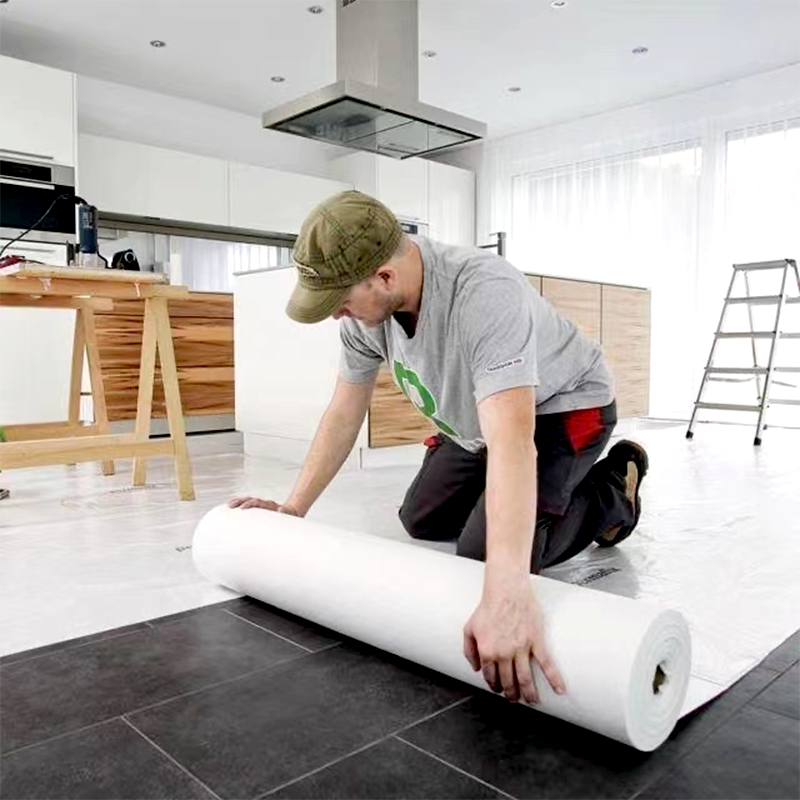
Non-woven Protection Fabric
Construction sites often contain multiple risks to finished surfaces. Workers may carry tools, mix materials, move ladders, transport paint, and walk between unfinished and finished areas. Non-Woven Protection Fabric creates a temporary protective path over floors and stairs, helping control damage during the final stages of a project.
It is suitable for residential renovations, commercial interiors, office remodeling, hotel refurbishment, public building maintenance, and new construction. The product can be installed in entrances, hallways, staircases, lift lobbies, and other high-traffic zones.
Paint drops, splashes, solvent spills, and wet coatings can permanently damage flooring. A waterproof protective covering helps isolate these hazards from the floor below. The fabric surface also provides a more stable area for ladders, paint buckets, tools, and workers.
For professional painters and decorators, quick installation and removal are particularly valuable. A protective roll can be laid before work starts and removed after the room is complete, reducing preparation and cleanup time.
Flooring installers need to protect newly installed surfaces from later trades. Hardwood, laminate, vinyl, ceramic tile, stone, and other surfaces may be vulnerable to scratches, dirt, moisture, and impact immediately after installation.
Non-Woven Protection Fabric can be placed over finished flooring while walls, ceilings, cabinets, doors, electrical systems, and fixtures are completed. Its durable surface helps reduce damage from foot traffic and equipment, while the backing film helps protect against wet materials.
Stairs and corridors are difficult to protect with conventional sheets because they receive constant traffic and include changes in direction and elevation. A non-slip fabric surface is better adapted to these conditions than smooth plastic.
The material can be cut and fitted around stair nosings, landings, corners, and narrow passages. It can also be overlapped at joints to create a continuous temporary pathway. Secure placement is especially important in occupied buildings where residents, customers, or employees may continue using the space during renovation.
Industrial facilities may need temporary protection during equipment installation, maintenance, painting, fabrication, or internal relocation. The product can be used to protect floors from dirt, oil-like contaminants, moisture, packaging debris, and mechanical abrasion during these operations.
It may also be used as a protective layer beneath components during assembly or transportation within a facility. The appropriate specification should be selected according to the weight of the equipment, the sharpness of the contact points, and the type of chemicals present.
Furniture installers and cabinet manufacturers frequently move large products through finished buildings. Scratches can occur when cabinets, tables, doors, appliances, and fixtures are placed temporarily on the floor or moved through narrow spaces.
A strong, flexible protective fabric gives installers a clean working surface and reduces direct contact between the product and the floor. It can be shaped around walls, corners, and existing furniture, making it useful for both residential and commercial installation work.
The product can be customized to suit different protection requirements. The principal specifications include fabric weight, roll width, roll length, adhesion level, backing film color, and printing.
| Specification | Available Range or Option | Application Consideration |
| Fabric weight | 100 to 250 grams | Choose according to traffic, handling, and required durability |
| Width | 300 to 1500 millimeters | Suitable for narrow paths, stairs, corridors, and broad floor areas |
| Roll length | 5 to 100 meters | Selected according to project size, storage, and handling requirements |
| Adhesion level | Low to medium | Supports controlled temporary placement on compatible surfaces |
| Backing film colors | Blue, clear, white, and other options | Color can support identification, appearance, or branding needs |
| Printing | Zero to three colors | Available for logos, warnings, instructions, and project identification |
These options allow buyers to develop a product specification that matches the intended use rather than relying on one standard construction. A lightweight roll may be appropriate for a short indoor decorating project, while a heavier material may be more suitable for busy commercial sites or repeated handling.
Width selection can also improve productivity. Narrow rolls are easier to carry and may be convenient for staircases or corridors. Wider rolls can cover large floor areas more quickly and reduce the number of joints. Roll length should be balanced against storage space, worker handling, and the amount of material required for each project.
Printing can provide practical value beyond appearance. A company logo, handling message, safety warning, or project identification mark may help prevent misuse and reinforce professional presentation. Printing of up to three colors is available according to customer requirements.
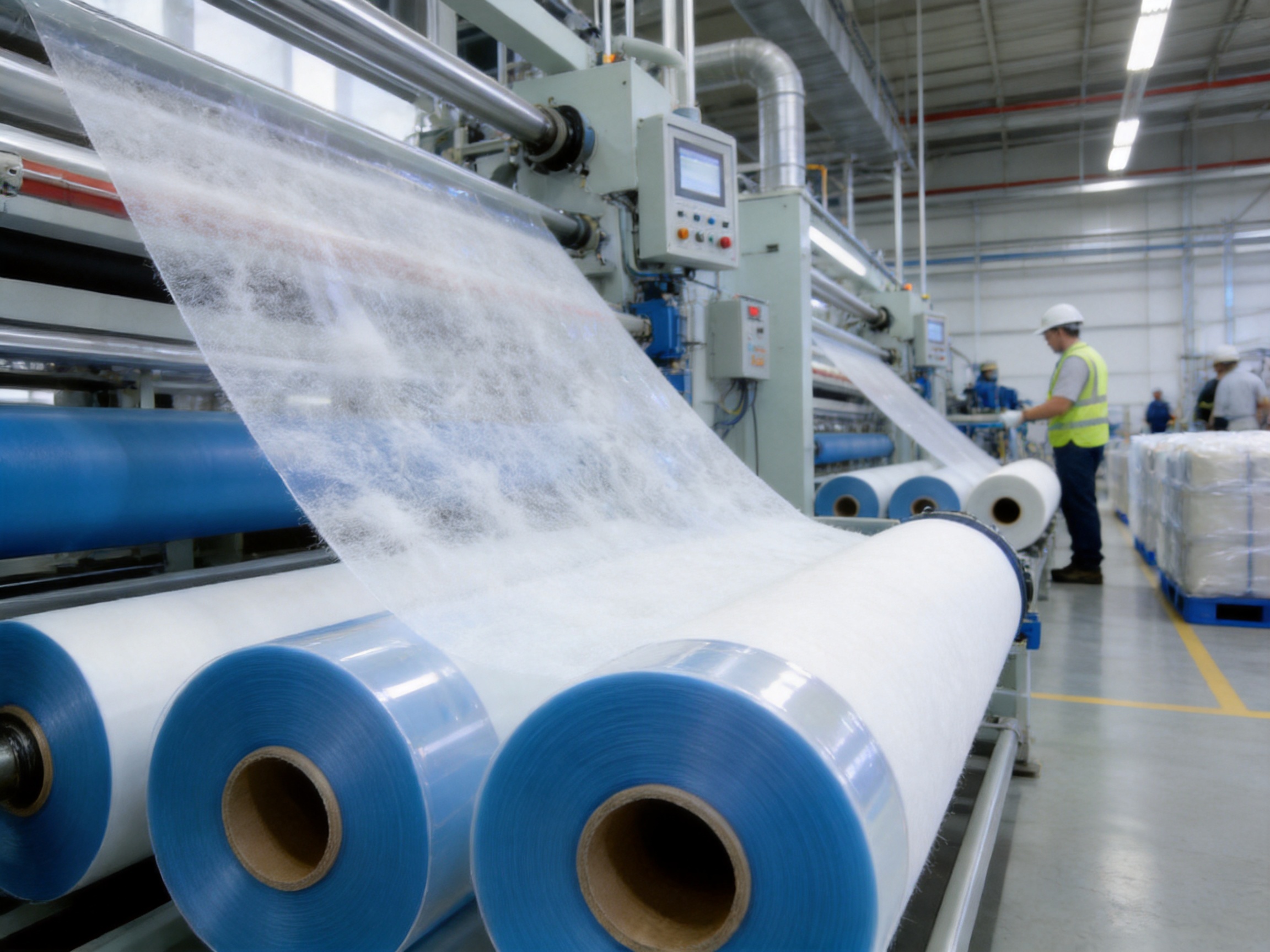
The production process begins with the selection of suitable fiber and film materials. Common non-woven fiber options include polyester fiber, polypropylene fiber, viscose fiber, and other engineered fiber combinations. Each material has different characteristics related to strength, softness, flexibility, chemical resistance, and processing behavior.
Raw material preparation includes screening, impurity removal, opening, and conditioning. These steps help ensure that the fibers are clean, uniform, and suitable for web formation. Consistent preparation is essential because variations in fiber quality can influence thickness, tensile strength, surface appearance, and tear resistance.
The backing film is also selected according to the required impermeability, flexibility, color, thickness, and bonding behavior. Polyethylene is widely used because it can provide a practical combination of water resistance, flexibility, and processing efficiency.
Fiber web formation is a central stage in non-woven production. The selected process may use dry-laid, air-laid, wet-laid, or related technologies. The chosen method affects the distribution and orientation of the fibers, which in turn influences the performance of the finished fabric.
In dry web formation, fibers are opened and separated before being arranged into a web. Carding equipment can align fibers into relatively parallel bundles, while airflow or mechanical action distributes them across a forming surface. This method can provide good control over web uniformity and production efficiency.
Air-laid technology uses airflow to transport and distribute fibers onto a forming curtain or conveyor. It can support high production efficiency and a relatively even fiber structure. The process can be adjusted according to the required fabric weight and physical performance.
In wet-laid production, fibers are dispersed in a water medium to create a suspension. The suspension is transported to a forming mechanism, where the fibers are deposited into a wet web. Wet-laid technology can make use of shorter fibers and can produce a smooth, uniform structure, although its processing speed and drying requirements may differ from those of dry-laid production.
After web formation, the loose fiber web must be reinforced so that it can function as a protective textile. Several reinforcement methods are available, including needle punching, thermal bonding, chemical bonding, and combinations of these processes.
Needle punching uses barbed needles to repeatedly penetrate the fiber web. The needles move fibers through different layers, creating mechanical entanglement and improving strength. This method is widely used for industrial fabrics because it can produce a strong, flexible, and durable material.
Thermal bonding introduces fibrous or powdered hot-melt materials into the web. Heat softens or melts the bonding component, allowing it to form bonding points or bonding layers between fibers. Thermal bonding can provide efficient production and consistent reinforcement, although the degree of heat must be controlled to preserve the required softness and flexibility.
Chemical bonding uses an adhesive or binder to connect fibers within the web. By controlling the type, quantity, and distribution of the binder, manufacturers can adjust the strength, surface characteristics, and dimensional stability of the fabric. Environmental and safety considerations are important when selecting and applying chemical bonding materials.
The non-woven layer is combined with an impermeable polyethylene backing film to create the protective composite. Lamination must be carefully controlled to achieve uniform bonding without excessive stiffness, wrinkles, delamination, or weak areas.
For products requiring temporary adhesion, the adhesive system is selected according to the intended surface and removal conditions. Qida Tape has experience with acrylic water adhesives, acrylic solvent adhesives, and natural rubber adhesives for different protective film applications. This adhesive expertise supports the development of temporary protection products with controlled adhesion and clean-removal characteristics.
Adhesive coating requires accurate control of coating weight, coating width, drying or curing conditions, and line speed. Too little adhesive may cause poor placement, while too much adhesive may increase residue risk or make removal unnecessarily difficult. A controlled low- to medium-adhesion range is useful for temporary protection because it balances stability with removability.
After the main composite is produced, the material may be printed with up to three colors. Printing can be applied for branding, product identification, safety instructions, or installation guidance. Registration, ink adhesion, color consistency, and print clarity are monitored during production.
The large master roll is then rewound into customer-specified roll lengths. Slitting equipment divides the material into the required widths, from narrow formats for stairs and edges to wide formats for open floor areas. Accurate slitting helps ensure clean edges and consistent roll dimensions.
Packaging protects the rolls during storage and transportation. Packaging design may be adapted for pallet shipment, container loading, retail presentation, or industrial distribution. Correct packaging also helps protect the material from dust, moisture, deformation, and unnecessary handling damage before use.
Post-processing may include surface finishing, shaping, cutting, trimming, and additional treatment. Depending on the intended application, the product may receive antistatic treatment, enhanced waterproof treatment, or other performance adjustments.
Finishing operations are used to improve appearance and performance stability. A finished roll should have consistent width, a uniform surface, stable edges, and reliable unwinding behavior. These details affect installation speed and the overall professional quality of the completed job.
Quality control is essential for a temporary surface protection product because performance must remain consistent across the entire roll. A weak section, uneven coating, or contaminated surface can reduce protection and create additional work for the user.
Qida Tape operates a quality management system certified to ISO 9001 and an environmental management system certified to ISO 14001. These systems support structured procedures for purchasing, production, inspection, corrective action, documentation, and continuous improvement.
The company has a factory area of approximately 20,000 square meters, more than 95 experienced employees, and annual production capacity exceeding 12,000 tons. This production scale supports both standard orders and customized requirements while helping maintain stable supply for distributors, contractors, and industrial customers.
Quality checks may cover raw material condition, fabric weight, film integrity, coating uniformity, adhesive performance, tensile strength, tear resistance, appearance, roll dimensions, printing quality, and packaging condition. Testing methods are selected according to the product specification and customer requirements.
The company also maintains a testing laboratory and advanced inspection equipment. In-house testing helps production and engineering teams identify variations earlier, verify new constructions, and support product development. It also provides customers with greater confidence that the supplied material is manufactured under controlled conditions.
Qida Tape’s manufacturing processes include backing film production, adhesive coating, logo printing, rewinding, slitting, and packaging within its own factory. This level of process integration can improve coordination between departments and reduce dependence on multiple external suppliers.
Integrated manufacturing offers several potential advantages. It can shorten communication time, improve traceability, support faster adjustments, and allow engineers to coordinate the backing, adhesive, printing, and converting stages as one product system. This is particularly important when customers require a specific width, adhesion level, fabric weight, color, or packaging format.
Ordinary plastic sheets are inexpensive and waterproof, but they often slide on smooth floors and stairs. They may also tear easily, produce noise, and become difficult to control in areas with heavy traffic. Their smooth surface can increase the risk of slipping, especially when dust or moisture is present.
Non-Woven Protection Fabric provides a fabric walking surface with improved handling characteristics. It offers liquid resistance through the polyethylene backing while adding a more stable and durable upper layer. This makes it better suited to active construction areas where workers need to walk over the covering repeatedly.
Paper-based coverings can be easy to cut and install, but they may absorb water, paint, and cleaning liquids. Once wet, paper can weaken, tear, wrinkle, or transfer moisture to the floor. Some paper products also require extensive tape fixation to prevent movement.
The impermeable backing of Non-Woven Protection Fabric provides better resistance to liquid penetration. Its textile structure is also more durable for repeated use and can be cleaned with wiping or vacuuming. As a result, it may offer better value for projects that last several days or require protection through multiple work stages.
Some fabric covers offer cushioning but lack a waterproof backing. These products may protect against scratches and dust but cannot reliably contain liquid spills. Others may shed fibers during use or cleaning.
Non-Woven Protection Fabric is designed with low-molt performance and an impermeable backing. It can be wiped and vacuumed, making it suitable for repeated use and for projects where cleanliness is important.
Strongly adhesive protective materials can remain securely attached, but they may create removal difficulties or leave glue residue. On sensitive surfaces, excessive adhesion can affect coatings, finishes, or decorative layers.
The product’s low- to medium-adhesion options are intended to support temporary placement while reducing the risk associated with excessive bonding. Where non-slip performance is sufficient, the covering may be installed without extensive tape fixation, further reducing the chance of adhesive transfer.
Different projects require different protective solutions. A residential hallway may need a lightweight, easy-to-remove roll, while a commercial construction site may need a heavier product with wider dimensions and printed handling instructions. Customization allows buyers to select the most suitable construction rather than paying for unnecessary features or accepting insufficient protection.
Qida Tape’s engineers and technicians help customers select materials according to their technical data sheets, samples, surface types, and application conditions. Product development can consider fabric weight, width, roll length, backing film color, adhesion level, printing, packaging, and other requirements.
Technical support is particularly important when the protected surface is sensitive or expensive. Factors such as surface energy, coating type, temperature, humidity, expected contact time, and removal method should be considered before finalizing the specification.
For large-volume customers, the company can work on customized constructions and repeat production programs. Consistent specifications are useful for distributors and contractors who need the same performance across multiple projects or markets.
Before installation, remove loose dust, sharp debris, oil, moisture, and other contaminants from the floor or stair surface. The substrate should be reasonably clean and dry. Debris trapped below the material may create pressure points or scratches when workers walk over the covering.
Measure the length and width of the required protection path. Plan the direction of installation so that joints are minimized and high-traffic areas receive continuous coverage. Select a roll width that reduces unnecessary cutting and overlapping.
Unroll the material gradually and keep the fabric aligned with the floor or stair direction. Avoid dragging the roll across sharp debris. Smooth out folds and wrinkles as the material is installed, especially near doorways, corners, and stair edges.
Where multiple sections are required, overlap the edges sufficiently to reduce the possibility of exposed floor areas. In areas subject to heavy traffic or liquid spills, additional attention should be given to joint alignment and edge stability.
Walk through the protected area and check for loose edges, raised corners, gaps, wrinkles, and damaged sections. Replace or repair any area that may create a trip hazard or allow liquids to reach the surface below.
Remove the covering carefully after the work is complete. If the material is to be reused, shake off loose debris, wipe or vacuum the surface, allow it to dry, and store it in a clean, dry location. Rolls should be protected from excessive heat, direct sunlight, sharp objects, and prolonged moisture.
Surface protection products contribute to project efficiency by preventing damage before it occurs. Repairing a scratched floor, stained carpet, damaged coating, or contaminated industrial surface can require additional labor, materials, transport, and downtime. A reliable temporary covering can reduce these hidden costs.
Reusability improves the economic profile of Non-Woven Protection Fabric. A product that can be cleaned and used repeatedly may reduce the number of coverings purchased during a year. It can also reduce packaging and disposal volume compared with single-use alternatives.
Environmental performance depends on material selection, manufacturing controls, usage duration, cleaning practices, and end-of-life treatment. The company has established an ISO 14001 environmental management system and offers products made with different material configurations according to customer requirements.
Customers seeking lower environmental impact should discuss recyclable content, packaging options, product life, and disposal methods with the manufacturer. Selecting a durable product and extending its service life through correct handling are practical ways to reduce material consumption.
Wuxi Qida Tape Co., Ltd. was founded in 1999 and specializes in protective films and surface protection solutions. Its product range is designed to protect stainless steel, aluminum, pre-coated metal, plastic panels, ceramic surfaces, carpets, decorative laminates, glass, and other materials during processing, transportation, and installation.
The company has introduced advanced machinery from Germany and employs experienced technicians, engineers, and research personnel. Its development work focuses on creating protective products that are easy to apply, reliable during use, and clean to remove.
Qida Tape serves customers throughout China and exports to Europe, North America, Australia, the Middle East, Japan, and other regions. Its products are sold in approximately 90 export areas. International experience supports the company’s understanding of different packaging requirements, technical expectations, documentation needs, and compliance standards.
The company’s compliance and testing portfolio includes ISO 9001, ISO 14001, SGS, RoHS, REACH, PFAS, and Prop 65-related testing. Specific compliance documentation should be confirmed for each product construction and market, but these systems and testing capabilities demonstrate an organized approach to product responsibility and international supply.
Its key business strengths include customization, competitive production cost, reliable quality control, multiple adhesive technologies, strong capacity, technical development, and responsive service. The company can develop products according to samples or technical data sheets, which is valuable for customers with specialized surface protection needs.
Start by identifying the surface to be protected. Hard floors, stairs, carpets, metal panels, plastic sheets, glass, and coated decorative surfaces may require different adhesion levels and contact times. A low-adhesion construction may be suitable for sensitive or short-term applications, while a medium-adhesion option may be more appropriate when additional placement stability is required.
Next, evaluate the work environment. Consider foot traffic, equipment movement, liquid exposure, dust, sharp debris, project duration, and whether the area will remain occupied. Heavier fabric weights are generally appropriate for more demanding conditions, while lighter weights may offer easier handling for short-term work.
Width and roll length should be selected according to the site layout. Wide rolls can improve productivity on open floors, whereas narrower rolls are easier to carry through stairs, doorways, and confined spaces. Longer rolls may reduce the number of changes during installation, but shorter rolls can be easier to store and handle.
Finally, determine whether printing or colored backing film would provide operational value. A printed warning can identify the covering as temporary protection and discourage inappropriate disposal. A colored film can make the product more visible and help workers recognize protected pathways.
It can be used on many hard and finished surfaces, including floors, stairs, corridors, ceramic tiles, laminate, coated panels, metal surfaces, glass, and decorative materials. The correct adhesion level and application method should be confirmed for sensitive surfaces.
The polyethylene backing film is designed to provide an impermeable barrier against common liquids such as water, paint, and selected solvents. Users should test compatibility before exposure to aggressive chemicals or prolonged liquid contact.
On suitable stairs and hard floors, the non-slip construction may allow installation without extensive tape fixation. Site conditions can affect stability, so edges, joints, slopes, and high-traffic areas should always be inspected and secured when necessary.
The product is designed to minimize adhesive residue transfer and offers low- to medium-adhesion options. Surface testing is recommended, especially for newly coated, delicate, porous, or aging surfaces.
Yes. It can be wiped and vacuumed and may be used several times if it remains structurally sound. Reuse depends on the level of contamination, wear, liquid exposure, and mechanical damage.
Available fabric weights range from 100 grams to 250 grams. The appropriate weight depends on the expected traffic, project duration, handling conditions, and required protection level.
Widths from 300 millimeters to 1500 millimeters are available. Custom width selection helps users match the product to stairways, corridors, narrow paths, and large floor areas.
Roll lengths can range from 5 meters to 100 meters. The best choice depends on project size, storage space, installation method, and worker handling requirements.
Yes. Blue, clear, white, and other backing film colors may be available according to production requirements. Color selection can support product identification, appearance, or branding.
Printing from zero to three colors is available. Customers may request logos, warnings, application information, or other suitable printed content.
Store rolls in a clean, dry area away from direct sunlight, excessive heat, sharp objects, and prolonged moisture. Proper storage helps preserve film flexibility, adhesive performance, print quality, and roll shape.
Buyers should provide information about the protected surface, expected application time, temperature, traffic level, liquid exposure, desired width, fabric weight, and removal conditions. A sample or small-area trial should be completed before full-scale use.
Non-Woven Protection Fabric offers a balanced solution for temporary surface protection. Its non-slip fabric surface supports safer placement on stairs and floors, while its polyethylene backing helps protect against water, paint, solvents, dust, and other common construction hazards. Strong tear resistance, low-molt performance, easy installation, clean removal, and reusability provide practical advantages over ordinary plastic, paper, and single-use coverings.
The available range of fabric weights, widths, roll lengths, adhesion levels, backing film colors, and printing options allows the product to be adapted to different projects. Its applications extend from residential renovation and painting to commercial construction, flooring installation, industrial maintenance, furniture installation, and interior finishing.
Behind the product is an integrated manufacturing system supported by advanced machinery, experienced engineering personnel, in-house testing, ISO-certified management systems, and production capabilities covering film production, adhesive coating, printing, rewinding, slitting, and packaging. These strengths enable Wuxi Qida Tape Co., Ltd. to supply customized surface protection solutions with consistent quality and competitive cost.
For contractors, distributors, and industrial buyers seeking a durable and reusable protective covering, Non-Woven Protection Fabric can help reduce surface damage, simplify installation, improve jobsite organization, and lower long-term protection costs.
1. Internal product specification for Non-Woven Protection Fabric, including fabric weight, width, roll length, adhesion, backing film color, and printing options.
2. General principles of non-woven textile production, including dry-laid, air-laid, wet-laid, needle-punching, thermal bonding, and chemical bonding processes.
3. ISO 9001 quality management system principles for controlled manufacturing and continuous improvement.
4. ISO 14001 environmental management system principles for environmental risk control and sustainable operational management.
5. General technical guidance for temporary surface protection during construction, renovation, painting, transportation, and installation.
6. Manufacturer information regarding protective film production, adhesive coating, printing, rewinding, slitting, packaging, testing, and international product compliance.
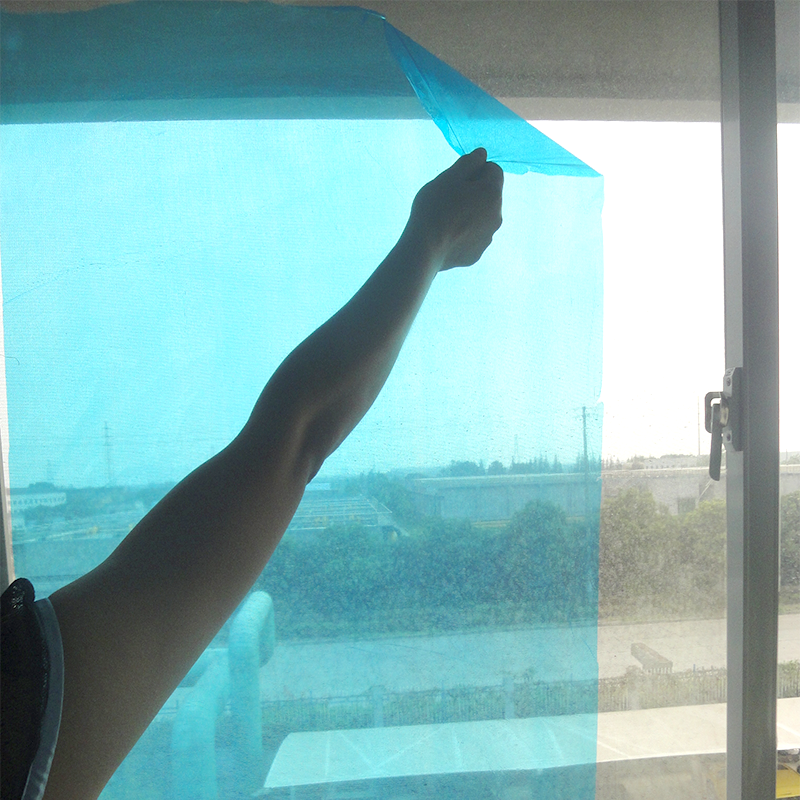
● Protect window glass against paint splatters, dirt, staining, and spillages during painting, building, plastering, tiling, general maintenance and r...
See Details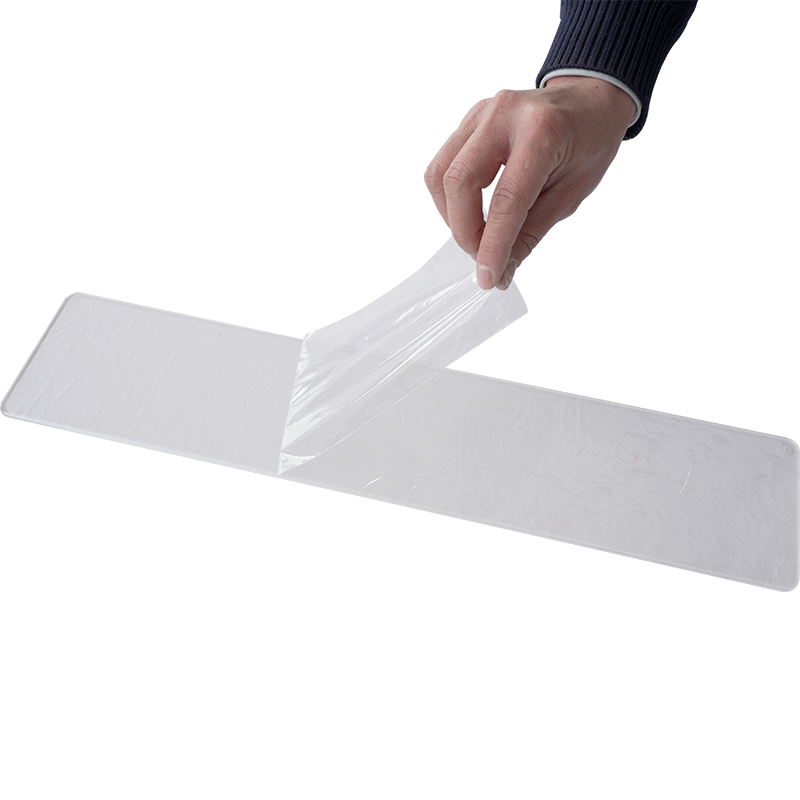
● No “ghost shadow” or “fish eye” after removal; ● Low gel content, soft and stable adhesion plus easy-peel removal with no surface damage or curling;...
See Details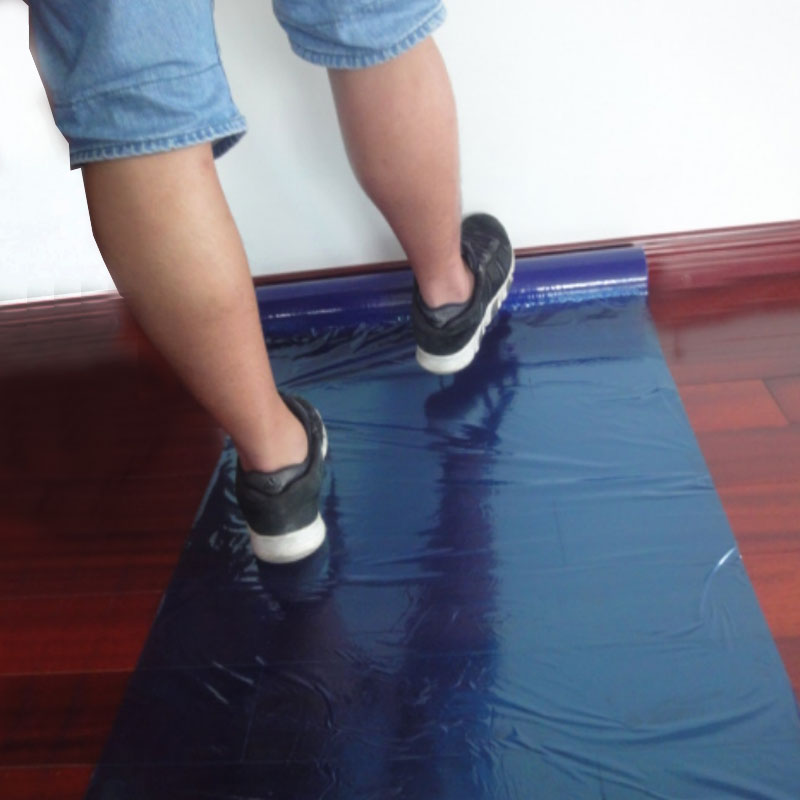
● Patented adhesive formula suits all hard surfaces such as hardwood floors, laminate floors, ceramic, marble, tile, granite, vinyl, worktops, and gla...
See Details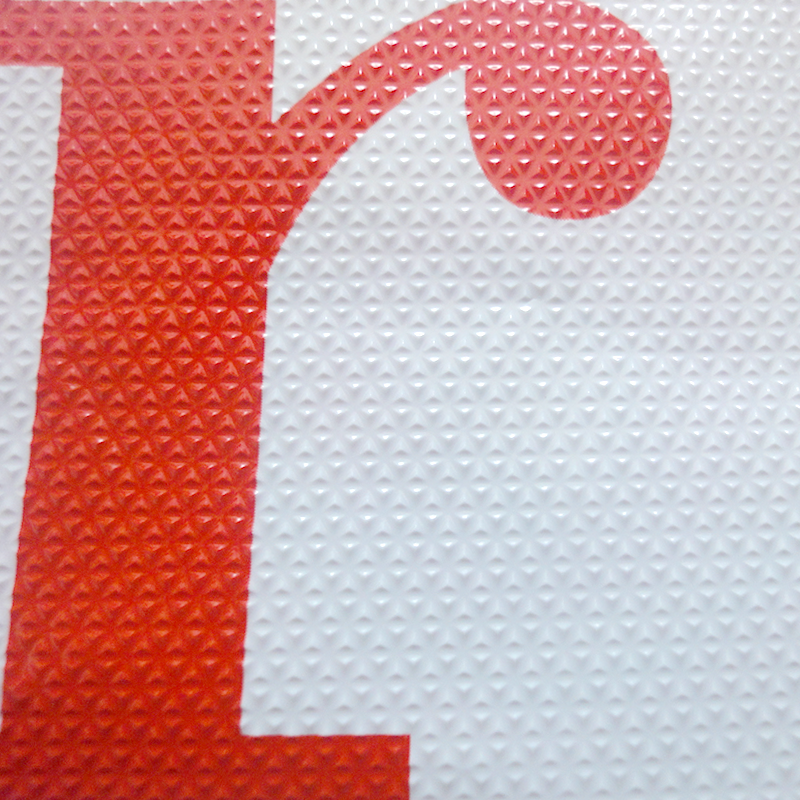
● Anti-slip; ● Embossed film surface to guarantee trip safety;● Tough puncture-resistant polyethylene film;● Can be coated with or without adhesive;● ...
See Details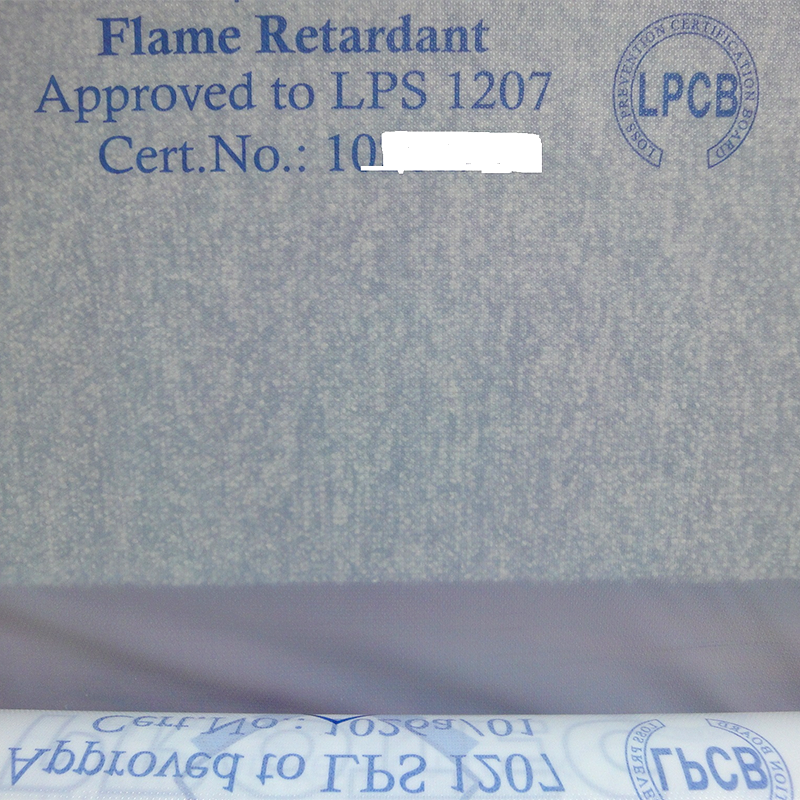
● Prevents costly damages in case of fire /flame;● Meet the strict international test standards of loss prevention; ● Extensive selection for flame re...
See Details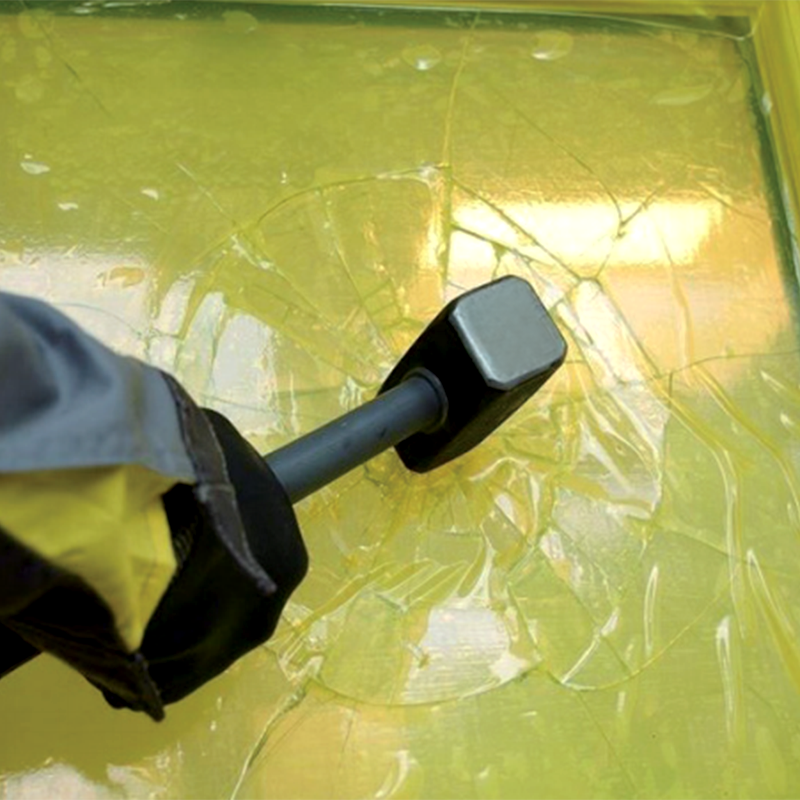
● The super tough polyethylene film with super high adhesion can stop the glass splitting and falling off during window glass demolition process;● Non...
See Details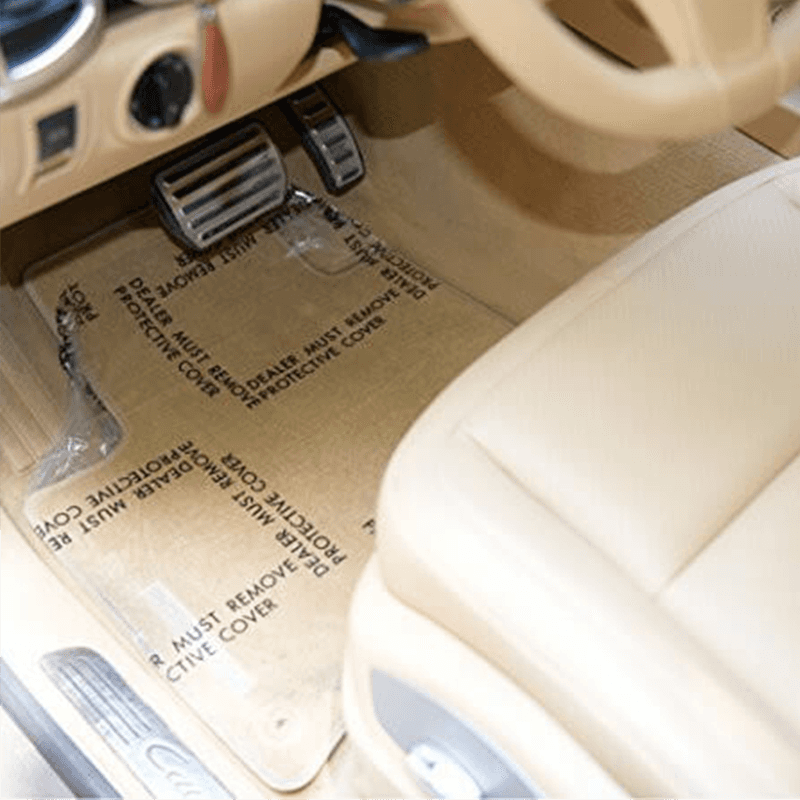
● Distance of each perforation die-cut ranges from 100mm to 1200mm;● Can peel off each die-cut piece of protective film at the perforated line easily;...
See Details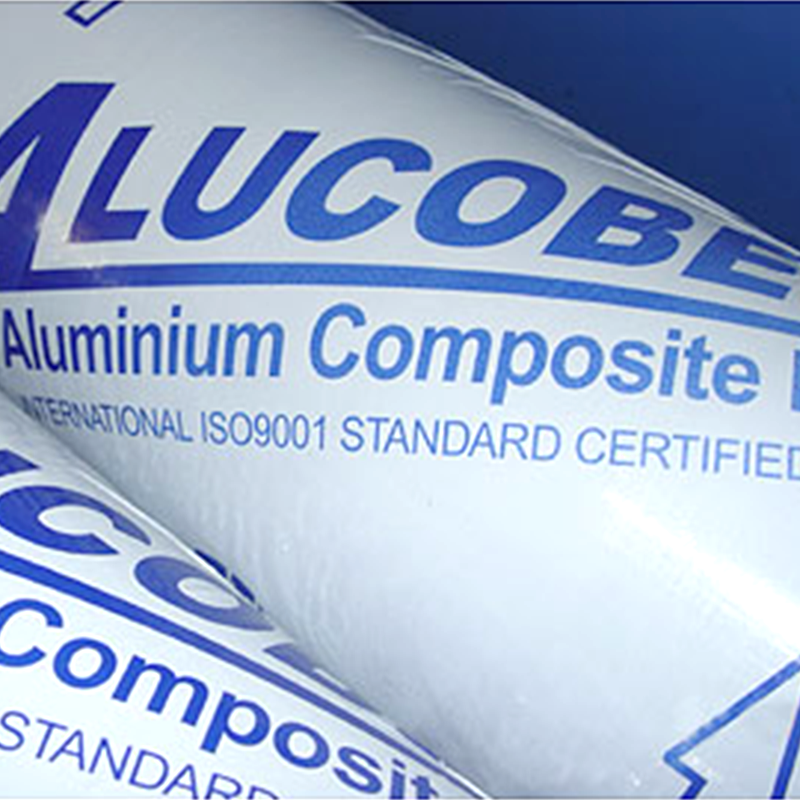
● The specially formulated adhesive ensures easy application and removal without leaving residue glue; ● The super-tough polyethylene film protects ag...
See Details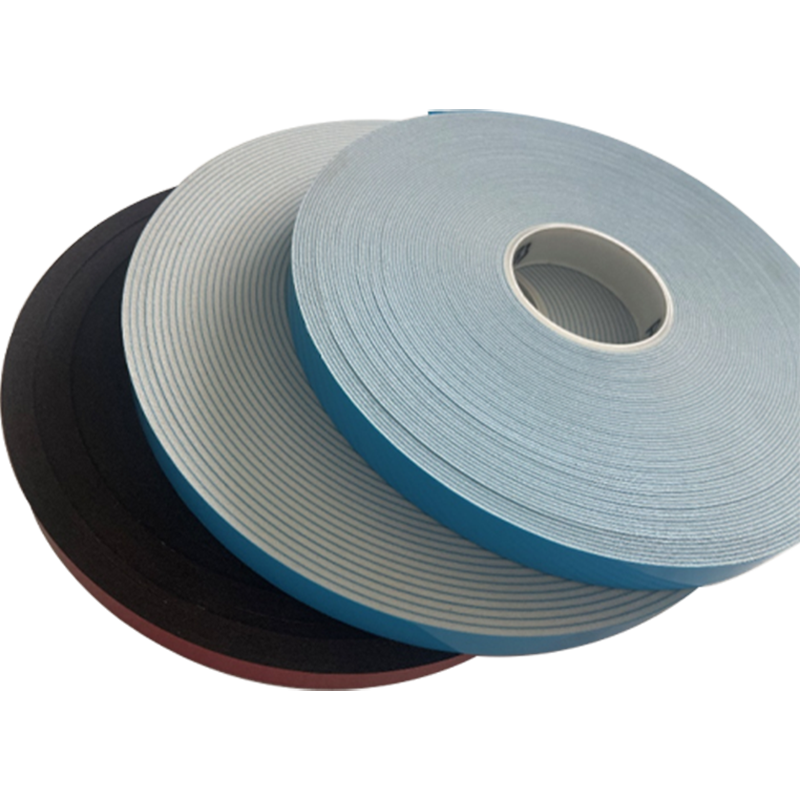
● Waterproof - the desirable material for waterproofing. ● Dust-proof - positive performance of dust prevention.● Low resilience - prevent the deforma...
See Details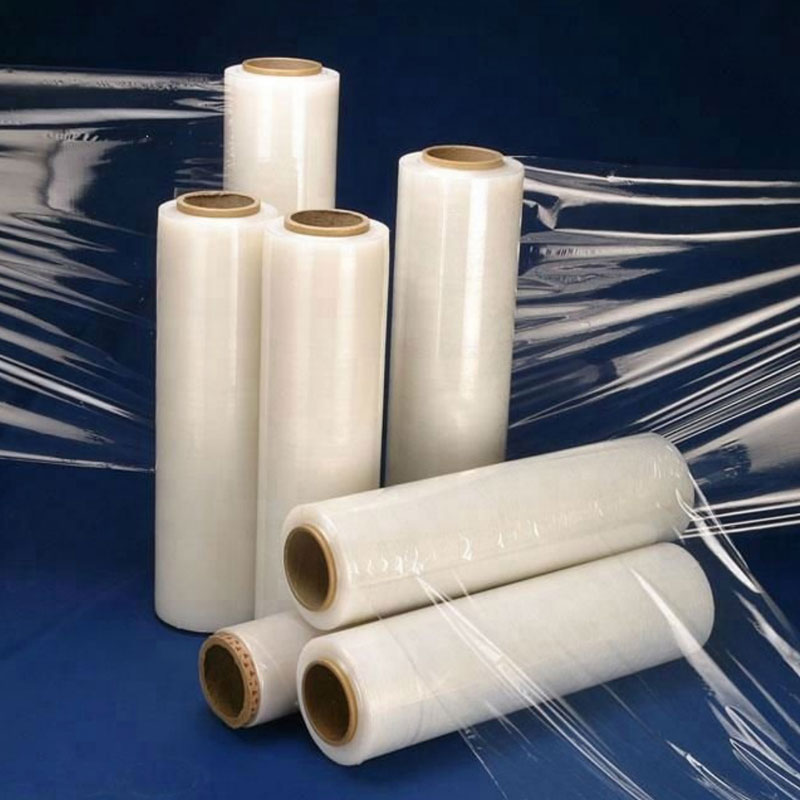
● Small roll size for convenient manual application;● Excellent puncture and tear resistance ; ● A self-adhering-each layer of film bonds to the next ...
See DetailsWe’re a reliable partner that shapes our expertise into success for your project.

Copyright 2024 Wuxi Qida Tape Co., Ltd. All Rights Reserved
 Wholesale Protective Film/Foil Manufacturers
Privacy
Wholesale Protective Film/Foil Manufacturers
Privacy