

 English
 English
 русский
 Français
 Español
 Português
 عربى
عربى

Cat:Glue -coated Protective Film
● No “ghost shadow” or “fish eye” after removal; ● Stable adhesion level; ● UV resistance for up to 6 months; ● Can print customized logo or applicati...
See Details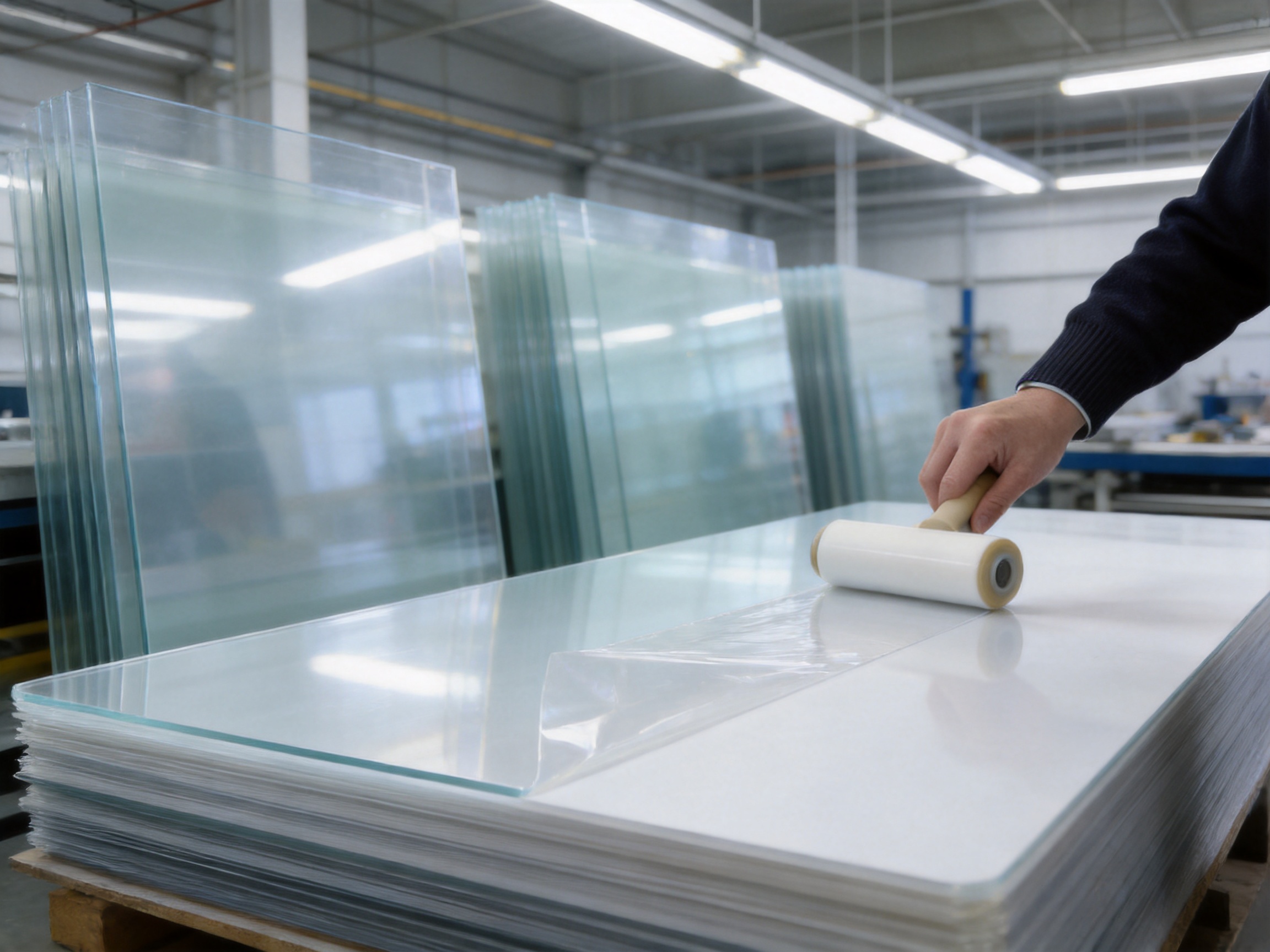
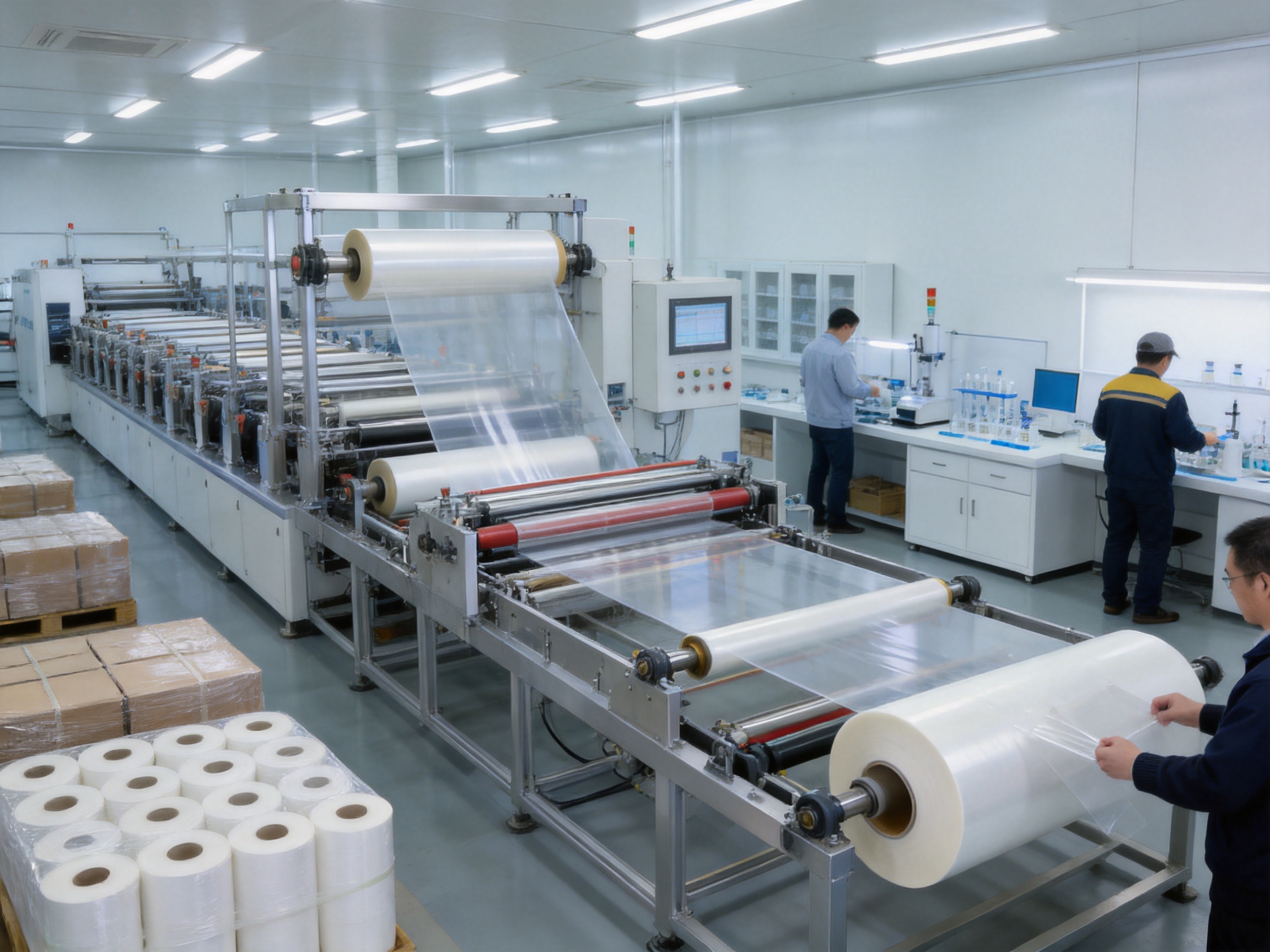
Protecting transparent and decorative surfaces during manufacturing, processing, transportation, storage, and installation is essential for maintaining product quality. Acrylic, polyester, polycarbonate, PVC, and similar materials are widely used because they combine attractive appearance, light weight, flexibility, weather resistance, and excellent forming performance. However, these materials can be easily scratched, marked, contaminated, or damaged by friction during handling. Even a small surface defect may reduce visual quality, cause rejection during inspection, or increase production and replacement costs.
Protective Film for Acrylic, PMMA, PET, PC, PVC, and related surfaces is designed to provide temporary protection while allowing the substrate to retain its original appearance and performance. The film uses a flexible backing and a carefully formulated acrylic adhesive that adheres securely during processing but can be removed smoothly when protection is no longer required. Its low adhesion level, high clarity, stable performance, and clean removability make it suitable for many industrial and commercial applications.
Manufactured by Wuxi Qida Tape Co., Ltd., this glue-coated protective film is available in multiple thicknesses, widths, roll lengths, colors, and printing configurations. It can be customized for different substrates, processing conditions, packaging requirements, and branding needs. The product is supported by an integrated manufacturing system that includes backing film production, adhesive coating, printing, rewinding, slitting, inspection, and packaging.
Many plastic and coated surfaces look durable but remain vulnerable to surface-level damage. Acrylic sheets may develop scratches when stacked or moved across worktables. PET films and sheets may collect dust, fingerprints, and adhesive contamination during conversion. Polycarbonate panels can be marked by tools, packaging materials, or contact with other components. PVC sheets and decorative surfaces may also suffer from scuffing during cutting, bending, forming, or transportation.
A temporary protective film creates a controlled barrier between the finished surface and the surrounding environment. It helps prevent contact with dust, moisture, oil, metal particles, packaging materials, and other contaminants. When the product reaches the next manufacturing stage or the final installation site, the film can be peeled away to reveal a clean and undamaged surface.
The effectiveness of a protective film depends on more than its ability to stick. It must provide the right balance between adhesion and removability. If the adhesive is too weak, the film may lift, wrinkle, or detach during processing. If the adhesive is too strong, it may leave residue, cause surface changes, or become difficult to remove. The film must also remain stable under changes in temperature, humidity, handling, and storage time.
This product is engineered around that balance. Its low adhesion acrylic adhesive supports reliable temporary attachment while reducing the risk of surface damage. The backing film has sufficient flexibility and elongation to follow smooth surfaces without easily tearing during application or removal.
The protective film is a glue-coated temporary surface protection material intended for acrylic, PMMA, PET, PC, PVC, and other smooth or lightly textured surfaces. It can be supplied as a clear, white, foggy clear, or other customized film. Customers may also request printed logos, product information, handling instructions, or directional markings in up to three colors.
The product is suitable for use on transparent, translucent, colored, and decorative surfaces. It can be selected for sheet materials, molded components, panels, profiles, display parts, signage, and other products that require protection before delivery or installation.
| Item | Available Specification or Performance |
|---|---|
| Film thickness | Approximately 30 to 60 micrometers |
| Width | Approximately 100 to 2,250 millimeters |
| Roll length | Approximately 100 to 2,000 meters |
| Elongation | At least 300 percent according to the supplied product information |
| Adhesion level | Low adhesion for temporary surface protection |
| Adhesive type | Acrylic adhesive |
| Film colors | Clear, white, foggy clear or white, and customized options |
| Printing | Customized printing from zero to three colors |
| UV resistance | Approximately three to six months, depending on conditions and specification |
| Typical substrates | Acrylic, PMMA, PET, PC, PVC, and related smooth surfaces |
Actual performance depends on the substrate, surface energy, temperature, humidity, exposure conditions, processing method, storage time, and selected specification. For demanding applications, customers should provide substrate samples or technical data so that the correct adhesive strength and film construction can be confirmed.
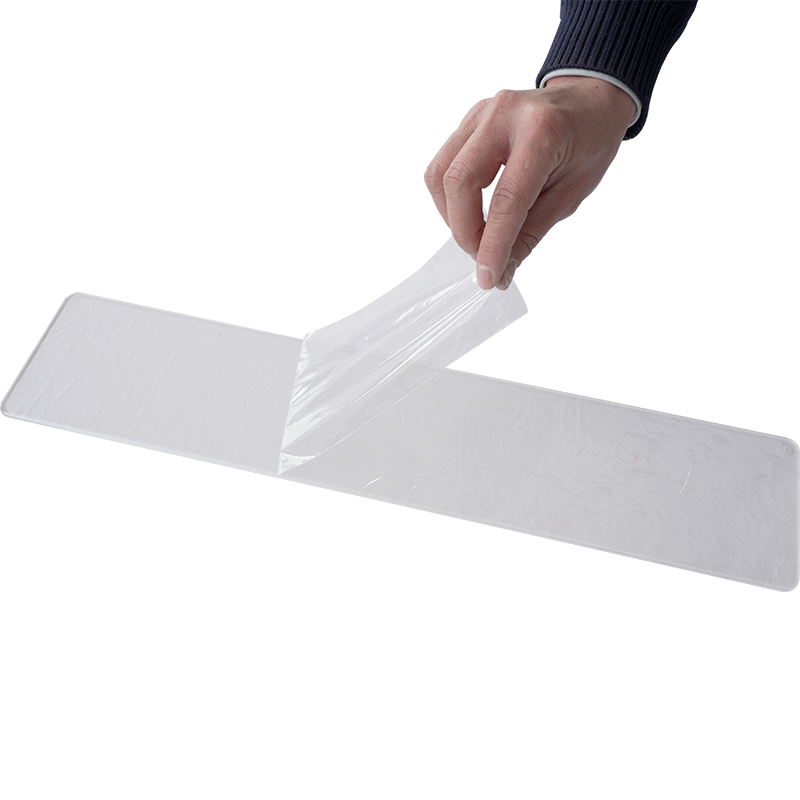
Protective Film For Acrylic (PMMA), Polyester (PET) aAnd Polycarbonate (PC) Etc
One of the most important requirements for transparent and glossy materials is clean removal. A film that leaves a visible shadow, haze, adhesive trace, or uneven gloss can create additional cleaning work and may compromise the appearance of the finished product. This is especially important for acrylic and polycarbonate panels used in displays, lighting, architectural applications, machine guards, and transparent enclosures.
The product is designed to remove without creating “ghost shadows” or fish-eye-like visual defects when the film is used under suitable conditions. Its low-gel adhesive formulation helps reduce uneven adhesive transfer and supports a more uniform contact layer. When the film is peeled at an appropriate speed and angle, the protected surface can remain clean and visually consistent.
Gel particles and unstable adhesive components may lead to small visual defects, irregular bonding, or inconsistent removal. A low-gel adhesive construction helps improve the appearance of the film and supports consistent contact with the substrate. Stable adhesion is particularly valuable when materials are stored for extended periods or moved through several processing steps before the film is removed.
The adhesive is formulated to maintain a low level of attachment rather than create a permanent bond. This makes the film suitable for temporary applications where the protection period may range from a short production stage to several months, depending on environmental conditions and the selected grade.
Peeling performance directly affects production efficiency. If operators must struggle to remove the film, the process becomes slower and the risk of scratching the substrate increases. A protective film that tears, splits, or leaves adhesive behind can also create unplanned labor costs.
This product is designed for smooth, controlled peeling. The flexible backing can be lifted and pulled with reduced risk of sudden tearing, while the low adhesion acrylic adhesive helps limit stress on the surface. When the recommended removal procedure is followed, the film can be taken away without curling excessively or damaging the protected material.
Transparent substrates are often protected during inspection, cutting, forming, assembly, transportation, and installation. A film with high clarity allows operators to see the material below it, identify surface conditions, align components, and inspect printed or formed areas without removing the protective layer.
High clarity is also useful for products that are displayed or installed with the film still in place temporarily. The film can protect the surface while allowing customers, installers, and quality-control personnel to recognize the product’s shape and appearance. Clear and foggy-clear options can be selected according to the application, desired visibility, and handling environment.
Temporary protection is not always limited to indoor production. Acrylic, PET, PC, and PVC products may be stored outdoors, transported through different climates, or installed at sites where they are exposed to sunlight and changing temperatures. The film must therefore maintain acceptable appearance and adhesion during the intended protection period.
The product offers color stability and weatherability suitable for temporary surface protection. UV resistance can reach approximately three to six months, depending on the film grade and exposure conditions. This performance helps reduce premature degradation caused by sunlight, although the protection period should always be confirmed against the actual climate, UV intensity, temperature, and substrate.
With elongation of at least 300 percent according to the supplied specification, the film can accommodate moderate movement and handling during application. Flexibility helps the film follow curved edges, smooth profiles, and large surfaces more effectively than a rigid protective layer.
High elongation can also reduce the possibility of cracking or breaking when the film is unrolled, repositioned, or removed. Nevertheless, application should be performed without excessive stretching. Overstretching can create shrinkage, wrinkles, or uneven adhesive contact after installation.
Protective film can serve as both a protection layer and a communication tool. Customized printing may include a company logo, installation instructions, removal reminders, product identification, handling warnings, or directional information. Printing from zero to three colors is available according to the project requirements.
Printed instructions can help prevent premature removal and reduce confusion during processing or installation. A clearly marked film can also improve brand visibility when products are delivered to customers, construction sites, fabricators, or distributors. Customized printing is especially useful for manufacturers that need to distinguish different product grades or indicate the correct film-removal stage.
Acrylic, also known as polymethyl methacrylate or PMMA, is valued for its transparency, optical appearance, weather resistance, and relatively low weight. It is used in signs, displays, lighting components, windows, barriers, furniture, decorative panels, and industrial covers.
Although acrylic is practical and attractive, its surface can be scratched by rough packaging, metal edges, tools, and careless stacking. Protective film helps preserve the smooth finish from sheet conversion through final installation. High clarity is particularly important when the acrylic remains visible through the film during inspection or assembly.
Polyester, commonly identified as PET, is used in films, sheets, labels, electronics, packaging, insulation, decorative products, and industrial laminates. PET can provide dimensional stability and a smooth surface, but it may still be affected by abrasion, dust, and adhesive contamination.
A low-adhesion acrylic protective film can help shield PET surfaces while maintaining clean removal. The appropriate adhesive level should be selected according to the PET surface treatment, coating, printing, and storage duration. For highly polished or coated PET, sample testing is recommended before full-scale production.
Polycarbonate is used where impact resistance, transparency, and forming performance are required. Common applications include machine guards, protective barriers, lighting parts, architectural panels, transportation components, and industrial enclosures.
Polycarbonate products may pass through cutting, drilling, bending, thermoforming, assembly, and transportation before final use. Protective film can reduce surface marks during these stages. It can also provide a clean barrier against dust and fingerprints when the material is moved between different production areas.
PVC and other plastic sheets may be used for signage, interior decoration, construction materials, profiles, furniture components, and industrial products. Some surfaces are printed, laminated, coated, or textured, so the protective film must be matched carefully to the finish.
The product is suitable for many smooth PVC surfaces and related materials. Since different PVC formulations and coatings can have different surface energies, compatibility should be checked through a trial. Qida Tape’s technical team can help customers evaluate the substrate and select an appropriate film construction.
During acrylic, PET, PC, or PVC sheet production, the surface may be exposed to rollers, cutting tables, stacking equipment, and packaging materials. Applying protective film after the surface has been cleaned can reduce scratches and contamination before the sheets reach the customer.
The film can be supplied in wide rolls for large-format sheets. Widths from approximately 100 to 2,250 millimeters provide flexibility for different production lines and product dimensions. Roll lengths from approximately 100 to 2,000 meters can help reduce the frequency of roll changes in suitable high-volume applications.
Cutting and routing operations can generate dust, chips, friction, and incidental contact. A protective film helps keep the exposed face separated from worktables and handling equipment. It may also support easier identification of the protected side during processing.
For machining applications, the film grade should be evaluated for compatibility with the cutting method, heat generation, tool contact, and chip removal. The film should not interfere with the operation or create excessive lifting around cut edges.
Plastic sheets may be bent or formed into shaped parts. During these operations, the film must tolerate appropriate movement without splitting or excessive wrinkling. High elongation and flexible backing are beneficial for moderate forming and handling conditions.
However, forming temperatures can exceed the recommended service range of a temporary film. Customers should confirm whether the film is intended to remain on the material during heating, or whether it should be removed before thermoforming. Application-specific testing is essential when heat, pressure, or strong curvature is involved.
Decorative panels, signs, display components, and printed plastic products can be easily damaged after finishing. Protective film helps shield the printed or polished surface from scuffs and dirt during subsequent handling.
Film color and clarity can be chosen according to inspection requirements. A clear film supports visual inspection, while a white or foggy film may improve contrast and make small surface marks easier to identify during quality control.
During transportation, materials may rub against each other or come into contact with cartons, pallets, straps, and protective inserts. Vibration and repeated movement can create fine scratches even when products are carefully packed. Protective film provides an additional barrier that helps minimize these risks.
For longer storage or outdoor transportation, UV resistance and weatherability become more important. The selected film should be matched to the anticipated storage duration and environmental exposure. The substrate should also be stored in a clean and dry environment whenever possible.
Panels and components may be installed near dust, tools, fasteners, sealants, and other construction materials. Keeping the protective film in place during appropriate stages of installation can help reduce marks and cleanup work.
After installation, the film can be removed before handover or at another stage specified by the project. Printed removal instructions can help installers identify which film should remain in place and when it should be peeled away.
Qida Tape completes the production of backing film within its own manufacturing system. Controlling the backing material helps the company manage thickness, clarity, flexibility, elongation, and winding behavior more consistently. These characteristics influence how the film performs during application, storage, slitting, and removal.
Film uniformity is important because variations in thickness or mechanical strength may cause uneven handling or inconsistent appearance. An in-house production capability also supports more efficient adjustment when customers require special widths, colors, or performance characteristics.
The adhesive layer is one of the most critical parts of a protective film. Qida Tape offers acrylic water adhesive, acrylic solvent adhesive, and natural rubber adhesive for different industry requirements. The product described in this article uses an acrylic adhesive designed for low-level temporary bonding.
During coating, the adhesive must be applied evenly across the backing film. An uneven coating may create areas of excessive adhesion, weak contact, bubbles, or inconsistent peel behavior. Controlled coating equipment and process monitoring help maintain a stable adhesive layer across the roll width.
The formulation can be adjusted according to the substrate and application. A film for high-gloss acrylic may require a different adhesive balance from a film for a coated metal or textured plastic surface. This ability to offer multiple adhesive technologies is an important advantage over suppliers that provide only one standard formulation.
Customized printing is performed according to the required logo, instruction, color, spacing, and repeat length. Printing must remain clear and stable without adversely affecting film flexibility or removal performance.
Accurate registration is important when the printed information must appear at consistent intervals along the roll. Quality checks can include print clarity, color consistency, position, adhesion of the ink, and overall appearance. Customers can provide artwork or technical requirements for review before production.
Large coated rolls are rewound and slit into the widths required by customers. Rewinding must control tension carefully. Excessive tension may deform the film or affect adhesive behavior, while insufficient tension may create telescoping, wrinkles, or loose edges.
Slitting quality affects how easily the film can be applied and how cleanly the roll unwinds. Accurate edge trimming helps reduce loose strands, uneven edges, and handling problems. Qida Tape’s integrated process allows the company to coordinate coating, printing, rewinding, slitting, and packaging as connected operations rather than treating them as unrelated services.
Qida Tape operates a testing laboratory and uses inspection equipment to support product quality. Testing may be used to evaluate film thickness, adhesion, peel behavior, tensile properties, elongation, appearance, clarity, print quality, and resistance to relevant environmental conditions.
Quality control is particularly important for temporary protection because the product must satisfy two seemingly opposing requirements: it must remain attached during handling, yet release cleanly when removed. Testing helps identify whether the adhesive and backing are balanced for the intended application.
After inspection, rolls are packaged to protect the film from dust, impact, moisture, and deformation during storage and shipment. Packaging can be adapted to roll dimensions, container loading, pallet requirements, and customer handling procedures.
Clear identification of product grade, size, lot, and quantity supports warehouse management and production traceability. Proper packaging also helps prevent damage to the film edges, which are important for smooth application and removal.
Working with an integrated manufacturer can provide advantages in customization, communication, lead-time coordination, and quality control. When backing production, adhesive coating, printing, slitting, and packaging are managed within one factory, technical changes can be reviewed more directly.
Qida Tape has operated since 1999 and has developed experience in temporary surface protection. The company has a factory area of approximately 20,000 square meters, more than 95 experienced employees, and annual production capacity exceeding 12,000 tons. These resources support both standard products and customized orders.
The company has introduced advanced machinery from Germany and maintains management systems certified to ISO 9001 and ISO 14001. ISO 9001 supports systematic quality management, while ISO 14001 focuses on environmental management practices. Together, these systems provide a framework for consistent production, process documentation, corrective action, and environmental responsibility.
Qida Tape also works with research and development institutes and maintains a team of experienced technicians and engineers. This technical capability is useful when customers need a film developed for an unusual substrate, a special storage period, a specific peel strength, a printed design, or a nonstandard roll size.
The company’s products are supplied throughout China and exported to Europe, North America, Australia, the Middle East, Japan, and other markets. Experience with international customers helps the company understand different packaging, documentation, compliance, and quality expectations.
Thickness can be selected from approximately 30 to 60 micrometers according to the required balance of flexibility, strength, handling, and cost. Narrow rolls may be suitable for profiles or components, while wide rolls can cover large sheets and panels.
Widths from approximately 100 to 2,250 millimeters provide options for different production lines. Customers should specify the finished material width, application method, edge requirements, and acceptable tolerance when requesting a quotation.
Low adhesion is generally preferred for temporary protection of smooth plastic surfaces, but the ideal level depends on the substrate. Surface coatings, corona treatment, gloss, texture, temperature, and storage time can all affect adhesion.
Qida Tape can evaluate customer samples or technical data sheets to help identify a suitable adhesive grade. A trial order or sample test is recommended for new materials, sensitive coatings, long-term storage, or outdoor exposure.
Clear film is appropriate when transparency and visual inspection are priorities. White film may provide a clean, uniform appearance and improved contrast for printed information. Foggy-clear or translucent options can offer a balance between visibility and handling identification.
Color selection may also help separate product grades, production stages, or customer orders. Custom colors can be discussed when a project requires specific visual identification.
Printing can include a company logo, product name, application direction, removal warning, quality message, or customized handling instruction. Up to three colors are available according to the supplied product information.
Artwork should be prepared in a high-quality digital format and reviewed before mass production. The customer should also confirm the desired print repeat, position, color references, and whether the printed side must remain visible through a clear film.
Roll length can be selected according to application speed, equipment capacity, warehouse conditions, and shipping requirements. Shorter rolls may be useful for manual application or smaller orders, while longer rolls can improve efficiency in continuous production.
Packaging can be discussed according to export shipment, palletization, container loading, and customer warehouse requirements. Correct packaging helps protect the film during international transportation and storage.
Before applying the protective film, the substrate should be clean, dry, flat, and free from dust, grease, oil, moisture, and loose particles. Cleaning should be performed with a material-compatible cleaner and a clean, lint-free cloth.
Any cleaning agent should be tested in an inconspicuous area first. Some solvents can attack acrylic, polycarbonate, PVC, coatings, inks, or decorative finishes. The surface should be completely dry before film application.
Apply the film gradually rather than placing the entire roll onto the surface at once. Align one edge first, then use a clean soft cloth, rubber roller, or squeegee to guide the film across the substrate.
Work from one side toward the other to reduce trapped air. Moderate, even pressure helps establish uniform contact. Avoid excessive stretching because stretched film may attempt to return to its original dimension and create edge lifting or wrinkles.
For large surfaces, two operators may improve alignment and reduce the risk of contamination. The film should not be applied in a dusty or excessively humid environment unless the specific product grade is designed for those conditions.
Protective film should remain in its original packaging until required. Store rolls in a clean, dry location away from direct sunlight, excessive heat, water, and chemical vapors. Rolls should be positioned securely to prevent crushing, deformation, or edge damage.
Before application, allow the film and substrate to reach a suitable working temperature. Sudden temperature changes may affect adhesive behavior and surface condensation. The recommended storage period and environmental limits should be confirmed for the selected grade.
When removing the film, begin at a corner or edge and peel slowly at a steady speed. An angle of approximately 45 degrees is commonly recommended because it can reduce the direct lifting force applied to the surface.
Do not jerk or sharply pull the film. Sudden force may cause tearing, increase stress on the substrate, or leave adhesive residue. For large-area film or film that has been exposed for an extended period, gentle preheating may soften the adhesive and make removal easier. Heating should be controlled carefully to avoid damaging the substrate or its coating.
If adhesive residue remains, use a mild cleaner or solvent recommended for the specific material. Apply the cleaner to a soft cloth rather than directly flooding the surface, and wipe gently. Always test the cleaning method first because unsuitable chemicals can damage acrylic, PET, PC, PVC, ink, or coatings.
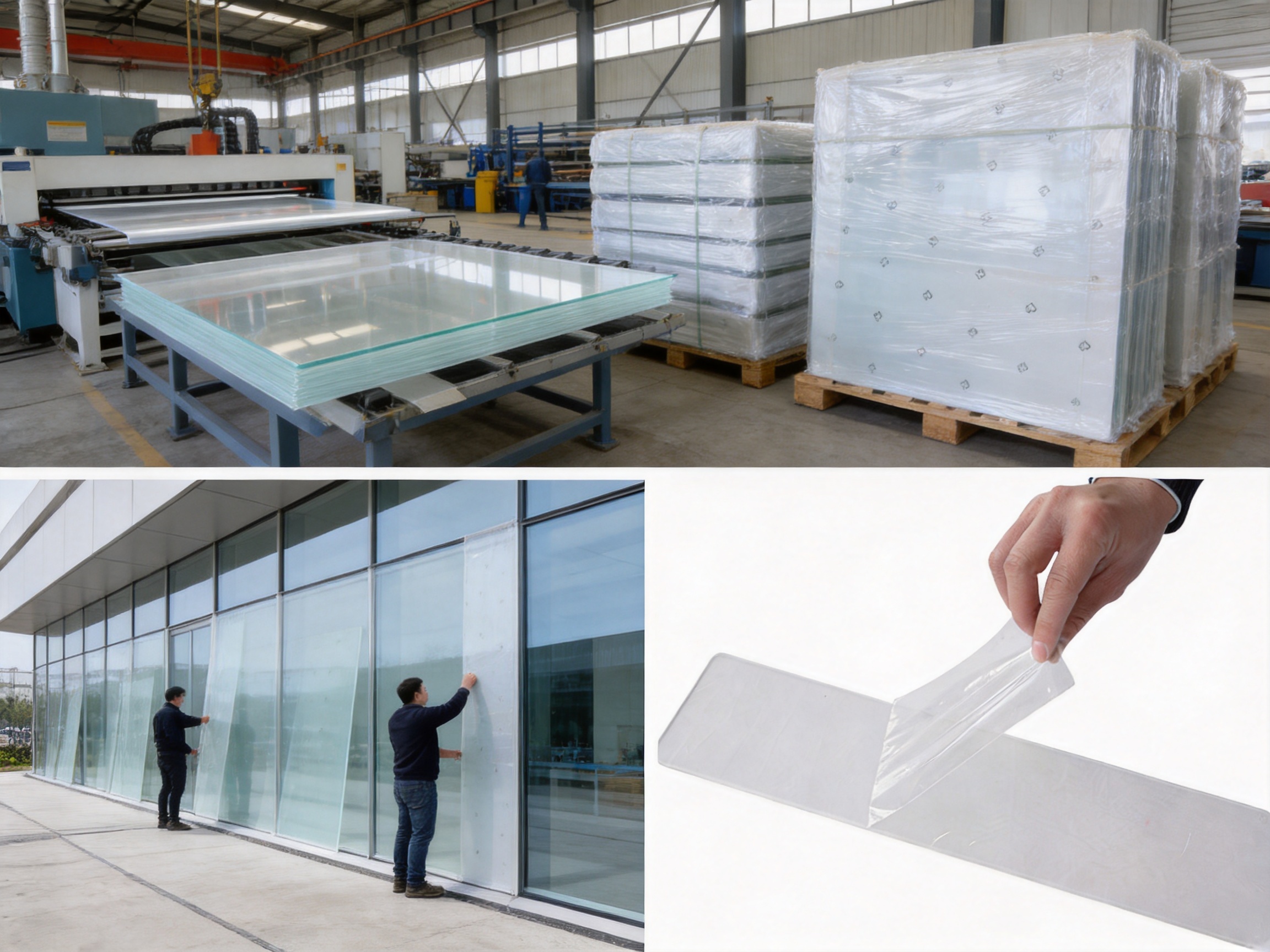
Not all protective films provide the same level of performance. Low-cost products may use inconsistent backing materials, unstable adhesive formulations, or poor coating control. These weaknesses can become visible during application, storage, processing, and removal.
A film with uneven thickness may wrinkle more easily or fail to cover the surface consistently. An adhesive with excessive gel content may create visual points, uneven contact, or residue. An adhesive that is too strong may damage sensitive coatings, while an adhesive that is too weak may lift during transportation.
Some competing products may also offer limited width, fewer color choices, no printing service, or short roll lengths. These limitations can force manufacturers to use more joins, perform additional manual work, or purchase from several suppliers for different product requirements.
The advantages of this product are based on a combination of material performance and manufacturing capability. High clarity, low-gel acrylic adhesive, stable adhesion, high elongation, clean removal, UV resistance, customized printing, and multiple size options provide a broader solution than a basic single-specification film.
Another important difference is technical support. Qida Tape can work from customer samples or technical data sheets and can recommend acrylic water adhesive, acrylic solvent adhesive, or natural rubber adhesive where appropriate. This approach helps customers choose a film according to application conditions rather than selecting solely by price.
For international procurement, product consistency and compliance are important alongside basic protective performance. Qida Tape maintains ISO 9001 and ISO 14001 management certifications and provides product compliance support that includes SGS, RoHS, REACH, PFAS, and Proposition 65 testing information.
These certifications and test references can assist customers in supplier qualification, regulatory review, and internal quality documentation. Specific reports and declarations should be confirmed according to the product grade, destination market, and project requirements.
Environmental management is increasingly important in the tape and protective film industry. Responsible manufacturing involves controlling material use, improving process efficiency, managing waste, and monitoring production activities. An ISO 14001-based system provides a structured approach for these efforts.
Quality management is equally important because protective film is often applied to products that have already undergone significant processing. A defect in the film can create problems at a late stage of production. Consistent inspection, traceability, and corrective-action procedures help reduce this risk.
When purchasing protective film for acrylic, PET, PC, PVC, or related surfaces, buyers should first identify the exact substrate and surface finish. Glossy, coated, printed, textured, and treated surfaces may require different adhesive levels.
The intended protection period should then be established. A film used for several hours in an indoor factory may have different requirements from one stored outdoors for several months. Temperature, humidity, sunlight, transportation distance, and removal timing should all be considered.
Buyers should also specify whether the film must remain clear, whether visual inspection is required, and whether a colored or printed film would be more practical. Roll width, length, core size, outer diameter, packaging, and delivery schedule should be included in the inquiry.
For a new application, testing should include application smoothness, bubble formation, edge lifting, adhesion after storage, removal force, residue, surface appearance, and compatibility with cleaning agents. Testing should be carried out on the actual substrate and, where possible, under representative processing and environmental conditions.
Providing samples to the manufacturer can significantly improve the selection process. A sample allows the technical team to evaluate surface energy, coating sensitivity, gloss, texture, and potential adhesive interaction. It also helps determine whether a standard product is sufficient or whether a customized specification is necessary.
The product is designed for acrylic, PMMA, PET, polycarbonate, PC, PVC, and other smooth or lightly textured surfaces. Compatibility should be confirmed for coated, printed, treated, or unusually sensitive materials.
The low-adhesion acrylic construction is designed for clean removal with minimal residue when used within the recommended conditions. Actual results depend on the substrate, exposure time, temperature, UV level, surface cleanliness, and removal method.
Yes. High clarity makes it suitable for transparent and translucent surfaces where the operator needs to see the material below the film. Clear, white, and foggy-clear options are available for different visibility requirements.
UV resistance can reach approximately three to six months depending on the selected grade and exposure conditions. Direct sunlight, high temperature, humidity, and regional UV intensity can affect performance. The actual outdoor period should be confirmed through application testing.
Yes. Customized logos, handling instructions, application messages, and removal reminders can be printed in up to three colors according to the supplied product information. Artwork and print specifications should be approved before production.
Thicknesses from approximately 30 to 60 micrometers are available. The appropriate thickness depends on the required strength, flexibility, handling method, substrate size, and protection period.
Widths can range from approximately 100 to 2,250 millimeters. Custom slitting can be discussed according to the customer’s equipment and product dimensions.
Yes. Manual application is possible when the surface is clean and the operator uses gradual alignment with a soft cloth, roller, or squeegee. Large panels may be easier to apply with two operators or suitable application equipment.
This depends on the film grade, heating temperature, forming method, and substrate. Customers should not assume that a standard protective film is suitable for high-temperature processing. Testing and technical confirmation are recommended before thermoforming or heat treatment.
Qida Tape offers acrylic water adhesive, acrylic solvent adhesive, and natural rubber adhesive for different applications. The product in this article uses an acrylic adhesive intended for low-level temporary protection.
Yes. The company provides OEM and ODM support, including customized dimensions, colors, printing, adhesive selection, packaging, and product development based on customer samples or technical data sheets.
Peel slowly and evenly from an edge, preferably at an angle of approximately 45 degrees. Avoid jerking the film. If necessary, controlled preheating may help soften the adhesive, but the temperature must remain safe for the substrate and coating.
Use a mild, material-compatible cleaner recommended for the substrate. Apply it gently with a soft cloth after testing it in an inconspicuous area. Avoid aggressive solvents that may damage plastic, ink, paint, or coating layers.
Customers should provide the substrate type, surface finish, dimensions, application method, protection period, indoor or outdoor conditions, processing steps, desired film color, printing requirements, and expected delivery quantity. Samples are useful for accurate evaluation.
Protective Film for Acrylic, PMMA, PET, Polycarbonate, PC, PVC, and related surfaces offers a practical way to protect valuable finished surfaces throughout production and distribution. Its main benefits include low-gel acrylic adhesion, low adhesion strength, high clarity, stable performance, easy peeling, reduced risk of ghost shadows and fish-eye defects, high elongation, customized printing, and UV resistance for temporary outdoor exposure.
The product is supported by a complete manufacturing process covering backing film production, adhesive coating, printing, rewinding, slitting, inspection, and packaging. This integrated structure gives customers greater flexibility in specification development and helps maintain consistent quality across different orders.
With experience dating back to 1999, advanced equipment, ISO 9001 and ISO 14001 management systems, a testing laboratory, experienced engineers, and international supply experience, Wuxi Qida Tape Co., Ltd. provides more than a standard protective film. The company offers technical cooperation, customized solutions, multiple adhesive technologies, competitive production capability, and support for customers seeking reliable temporary surface protection.
For the best results, the film should be selected according to the exact substrate, surface condition, environmental exposure, protection period, and removal requirements. Proper cleaning, careful application, suitable storage, and controlled removal will help the product deliver its intended performance while preserving the appearance and value of acrylic, PET, PC, PVC, and other sensitive surfaces.
1. Product specification information for glue-coated protective film for acrylic, PMMA, PET, PC, PVC, and related surfaces.
2. Internal technical information concerning film thickness, width, roll length, elongation, adhesive type, colors, printing, and UV resistance.
3. ISO 9001, Quality Management Systems—Requirements.
4. ISO 14001, Environmental Management Systems—Requirements With Guidance for Use.
5. General industry practices for temporary surface protection, adhesive tape application, storage, and removal.
6. General material compatibility guidance for acrylic, polyester, polycarbonate, PVC, and coated plastic surfaces.
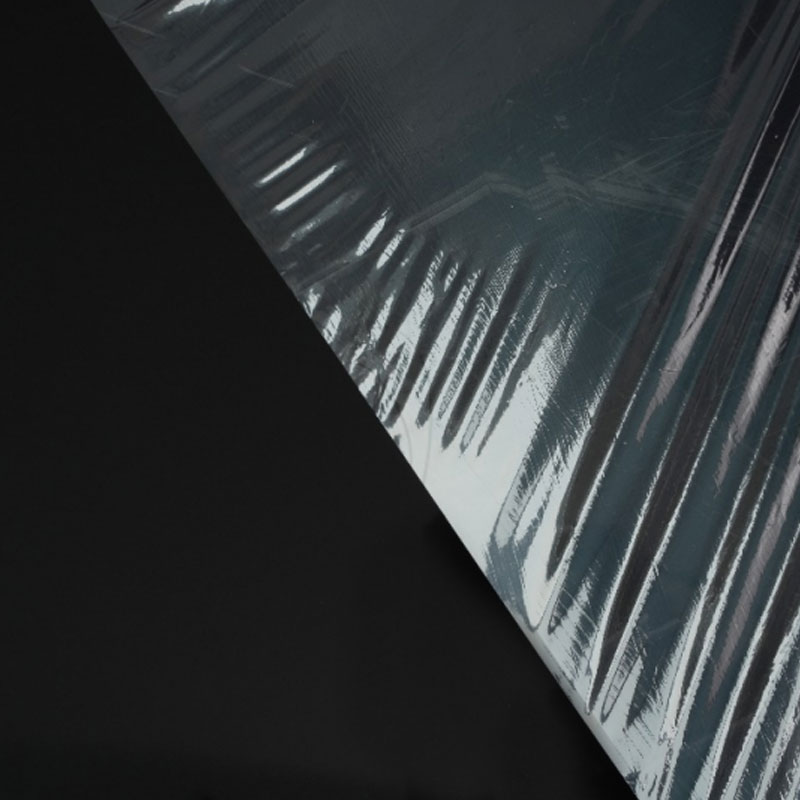
● No “ghost shadow” or “fish eye” after removal; ● Stable adhesion level; ● UV resistance for up to 6 months; ● Can print customized logo or applicati...
See Details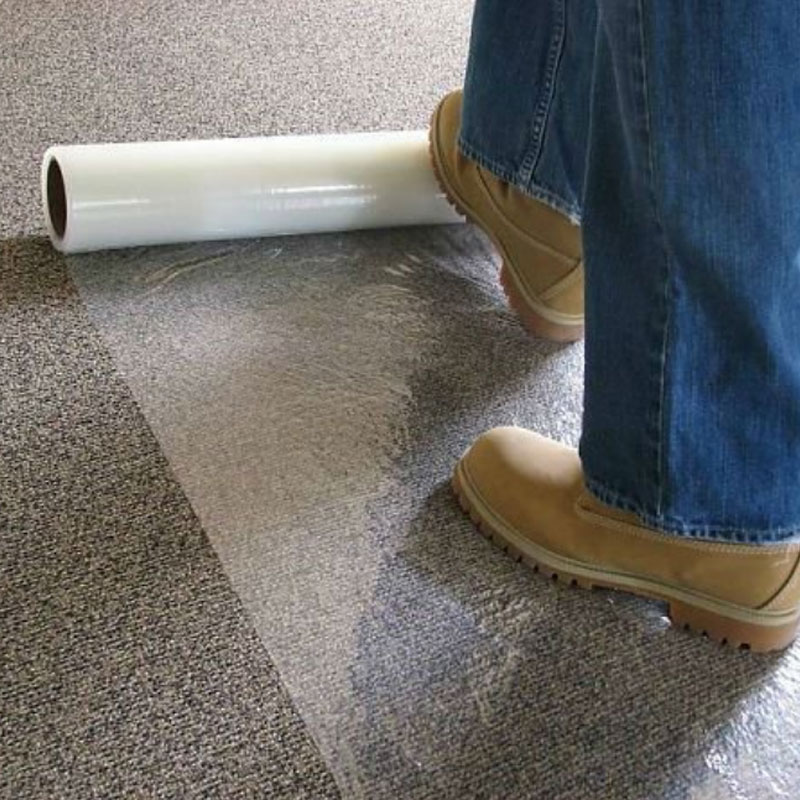
● Protects carpet against staining, paint spillage and dirt during painting, building, remodeling, plastering, tiling, decoration, general maintenance...
See Details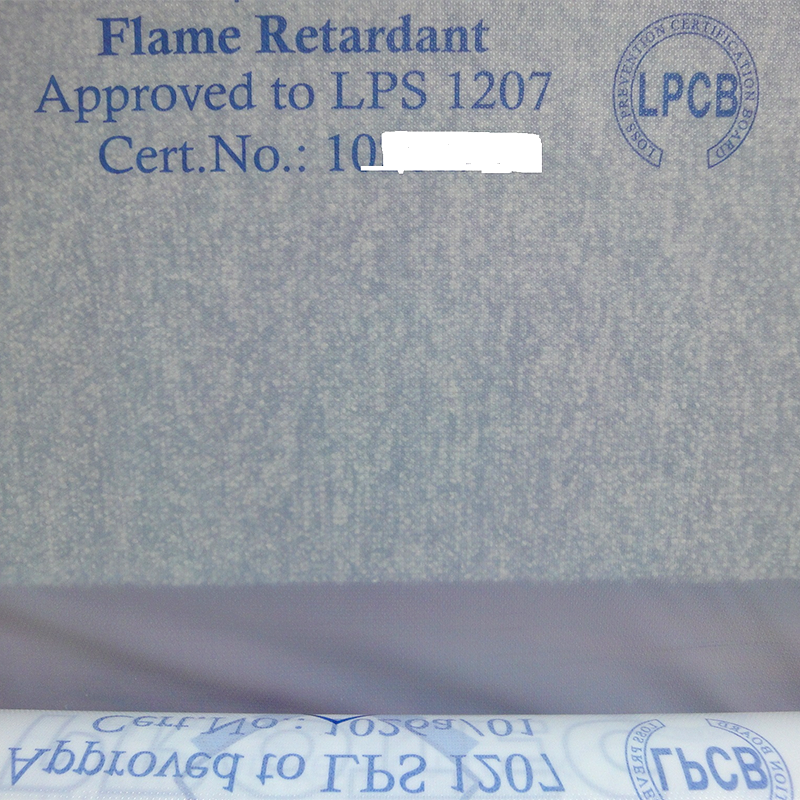
● Prevents costly damages in case of fire /flame;● Meet the strict international test standards of loss prevention; ● Extensive selection for flame re...
See Details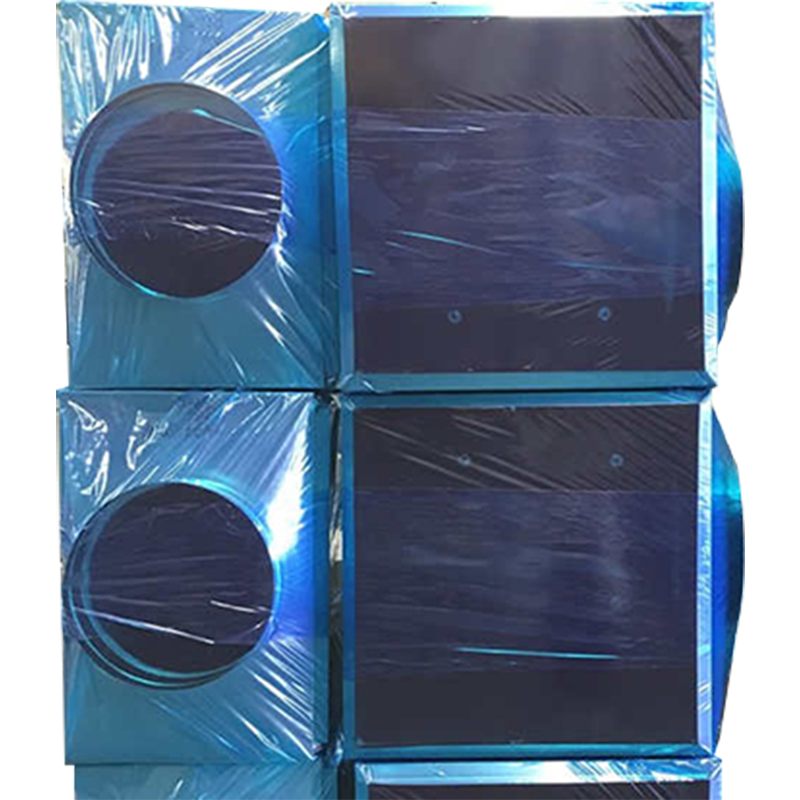
● The super-tough polyethylene film resists puncture and penetration by liquid and dirt during storage, transportation, and installation of the ductwo...
See Details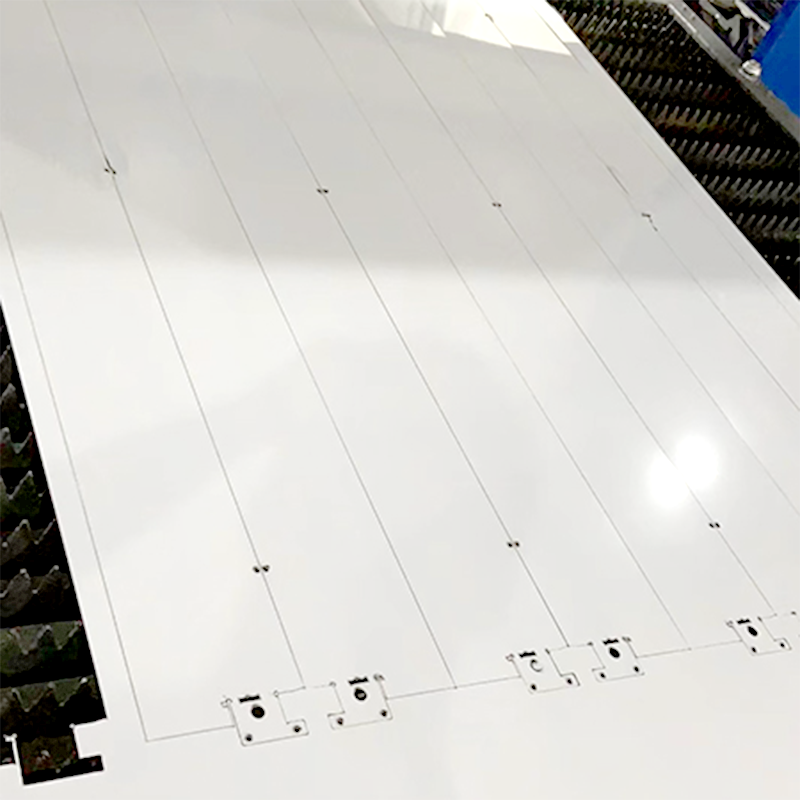
● The specially formulated natural rubber adhesive suitable for both CO2 and Fiber laser cutting processes;● High cutting quality without burr or trac...
See Details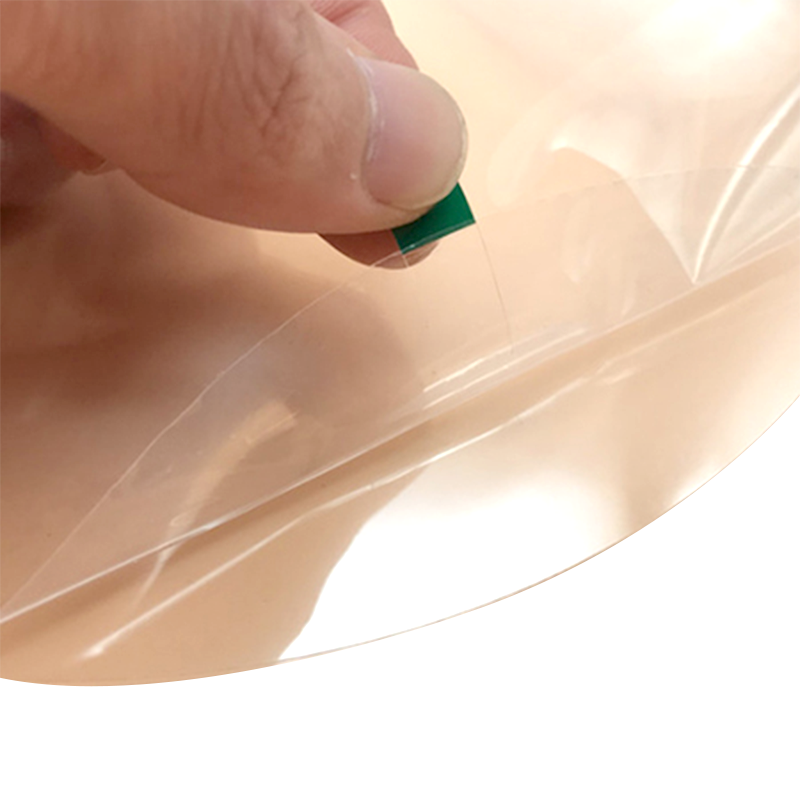
● Suitable for plastic sheets’ drilling, cutting, routing, thermoforming, bending, or post-fabrication operations;● No “ghost shadow” or “fish eye” af...
See Details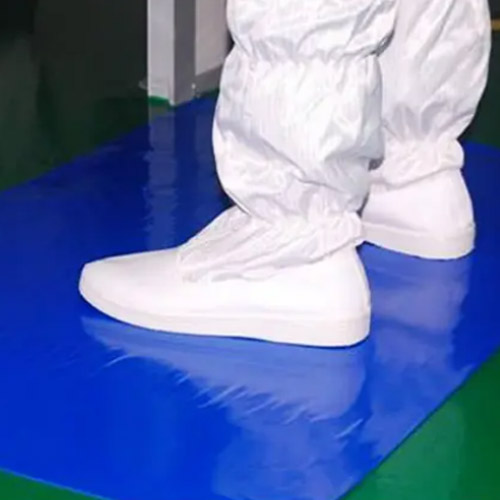
● Options for either 30 or 60 layers per mat; can be packed with four mats, eight mats, or ten mats per carton;● Remove dirt effect: ≥99.9% (5 steps);...
See Details
● Waterproof - the desirable material for waterproofing. ● Dust-proof - positive performance of dust prevention.● Low resilience - prevent the deforma...
See Details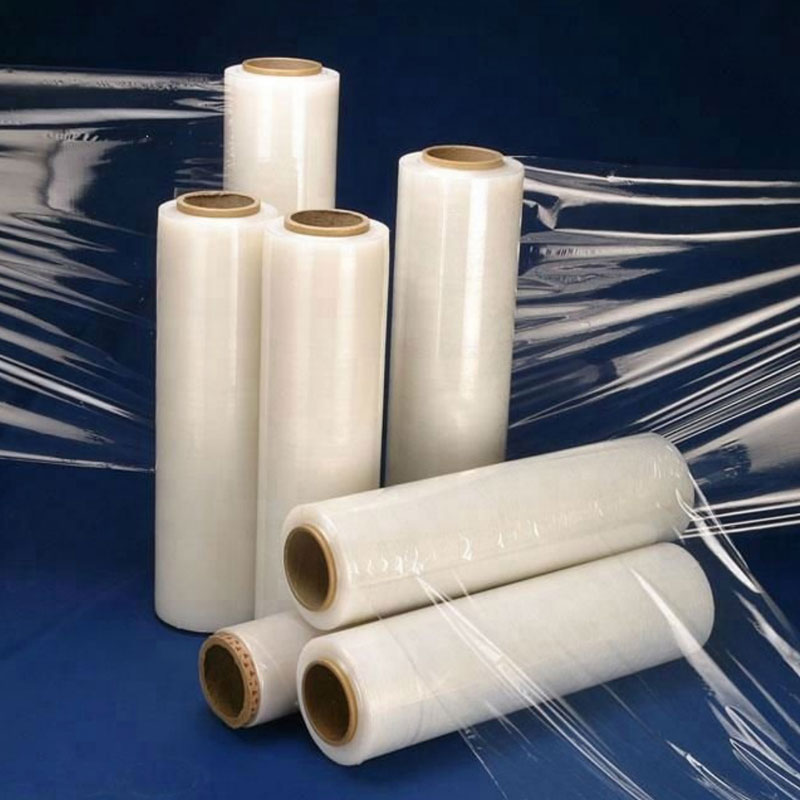
● Small roll size for convenient manual application;● Excellent puncture and tear resistance ; ● A self-adhering-each layer of film bonds to the next ...
See Details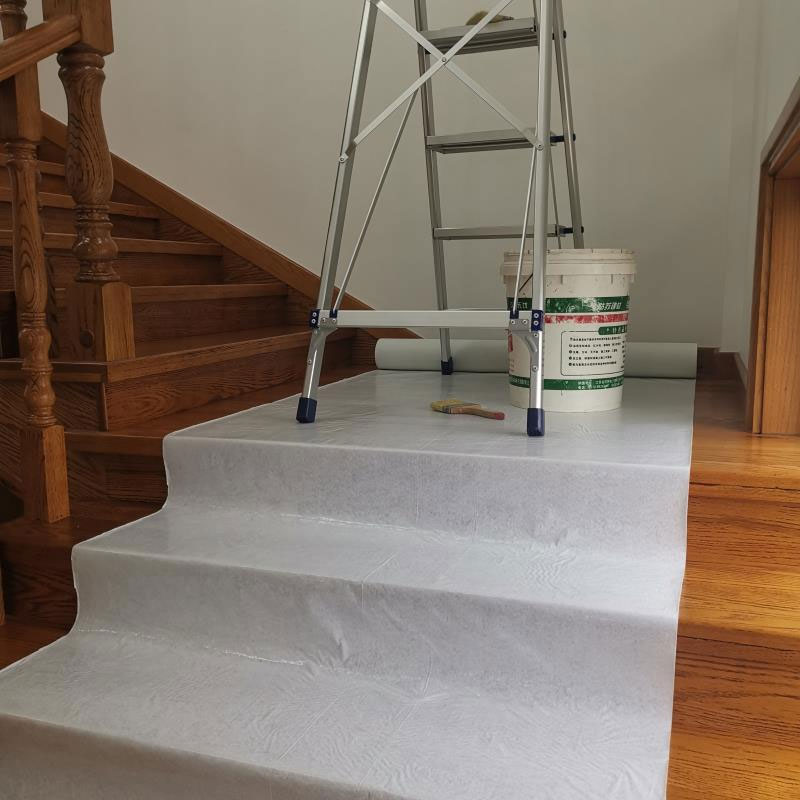
This product has non-woven synthetic fleece in middle; Breathable PE film adhered onto top of the non-woven fabric, which is coated with self adhesive...
See DetailsWe’re a reliable partner that shapes our expertise into success for your project.

Copyright 2024 Wuxi Qida Tape Co., Ltd. All Rights Reserved
 Wholesale Protective Film/Foil Manufacturers
Privacy
Wholesale Protective Film/Foil Manufacturers
Privacy