

 English

 English
 русский
 Français
 Español
 Português
 عربى


Cat:Glue -coated Protective Film
● Good weatherability for outdoor exposure; ● Stable adhesion level; ● UV resistance for up to 12 months; ● Can print customized logo or application i...
See Details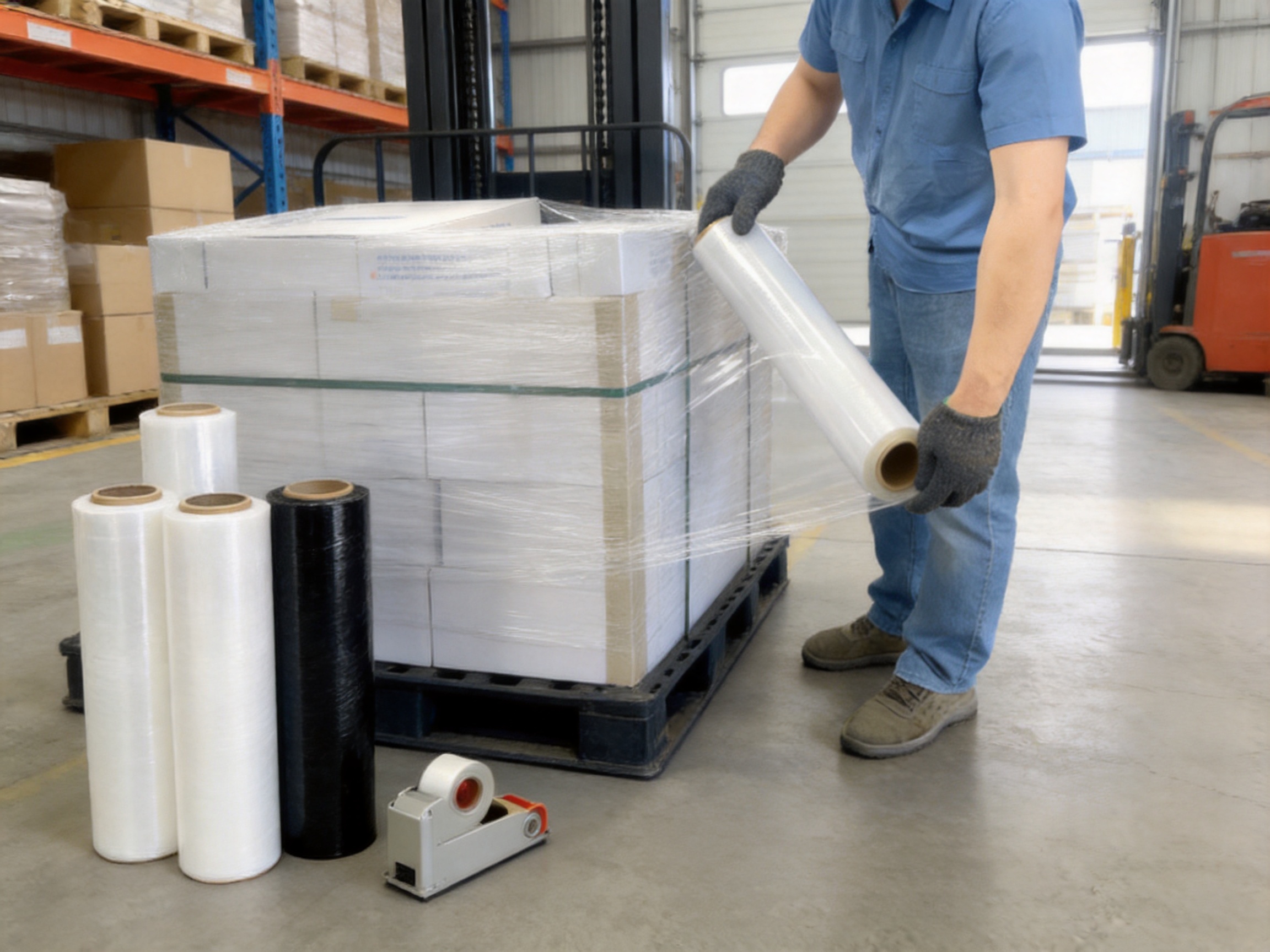
Manual stretch film is a versatile packaging material designed for securing, bundling, and protecting products during handling, storage, and transportation. It is widely used in warehouses, logistics centers, manufacturing plants, retail operations, agricultural facilities, and many other working environments where goods must be stabilized quickly without specialized wrapping machinery.
Unlike rigid packaging materials, manual stretch film can conform closely to cartons, pallets, containers, machinery parts, and irregularly shaped products. Its elastic structure allows the operator to stretch the film around a load, while its self-adhering surface enables successive layers to bond together. The result is a compact and stable protective package that helps reduce movement, contamination, moisture exposure, and handling damage.
For buyers, the value of manual stretch film depends on more than basic film thickness. Important considerations include puncture resistance, tear resistance, stretch performance, cling strength, transparency, noise level, roll length, ease of unwinding, consistency of thickness, and compatibility with the packaged goods. Manufacturing quality is equally important because variations in film structure or adhesive performance can increase material consumption and create unstable loads.
Wuxi Qida Tape Co., Ltd. manufactures protective films and surface protection materials for industrial and commercial applications. Its production capabilities, technical experience, quality systems, and customization services support the supply of manual stretch film in different thicknesses, widths, lengths, colors, and performance levels. This article examines the construction, performance, advantages, manufacturing process, applications, and purchasing considerations of manual stretch film.
Manual Stretch Film
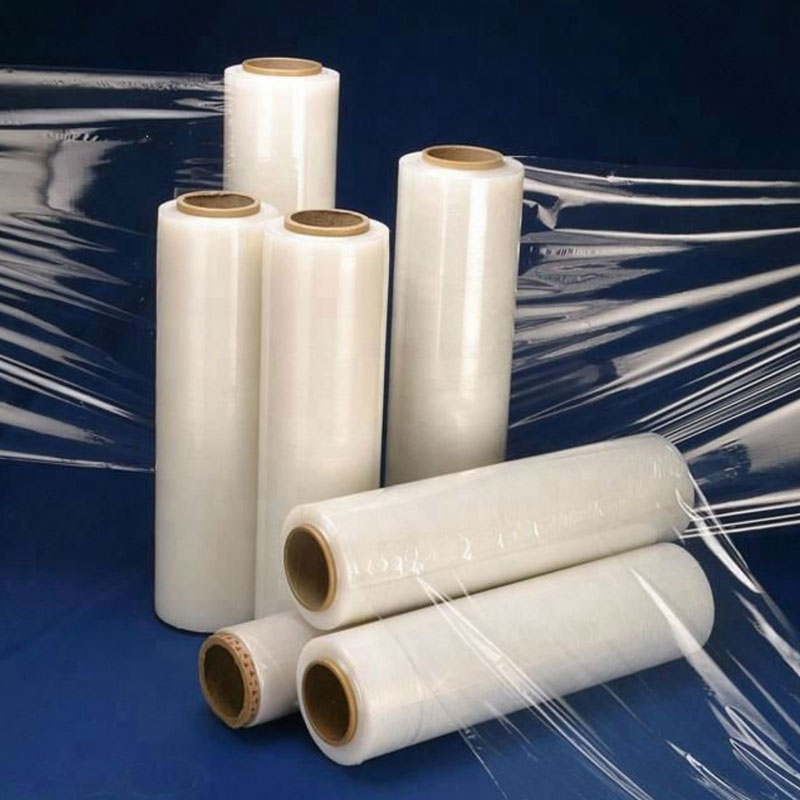
Manual stretch film is a thin, flexible polyethylene film intended to be applied by hand. It is commonly supplied in compact rolls that can be held and rotated around a product or pallet. An operator pulls the film from the roll, applies controlled tension, and overlaps each layer until the load is adequately secured.
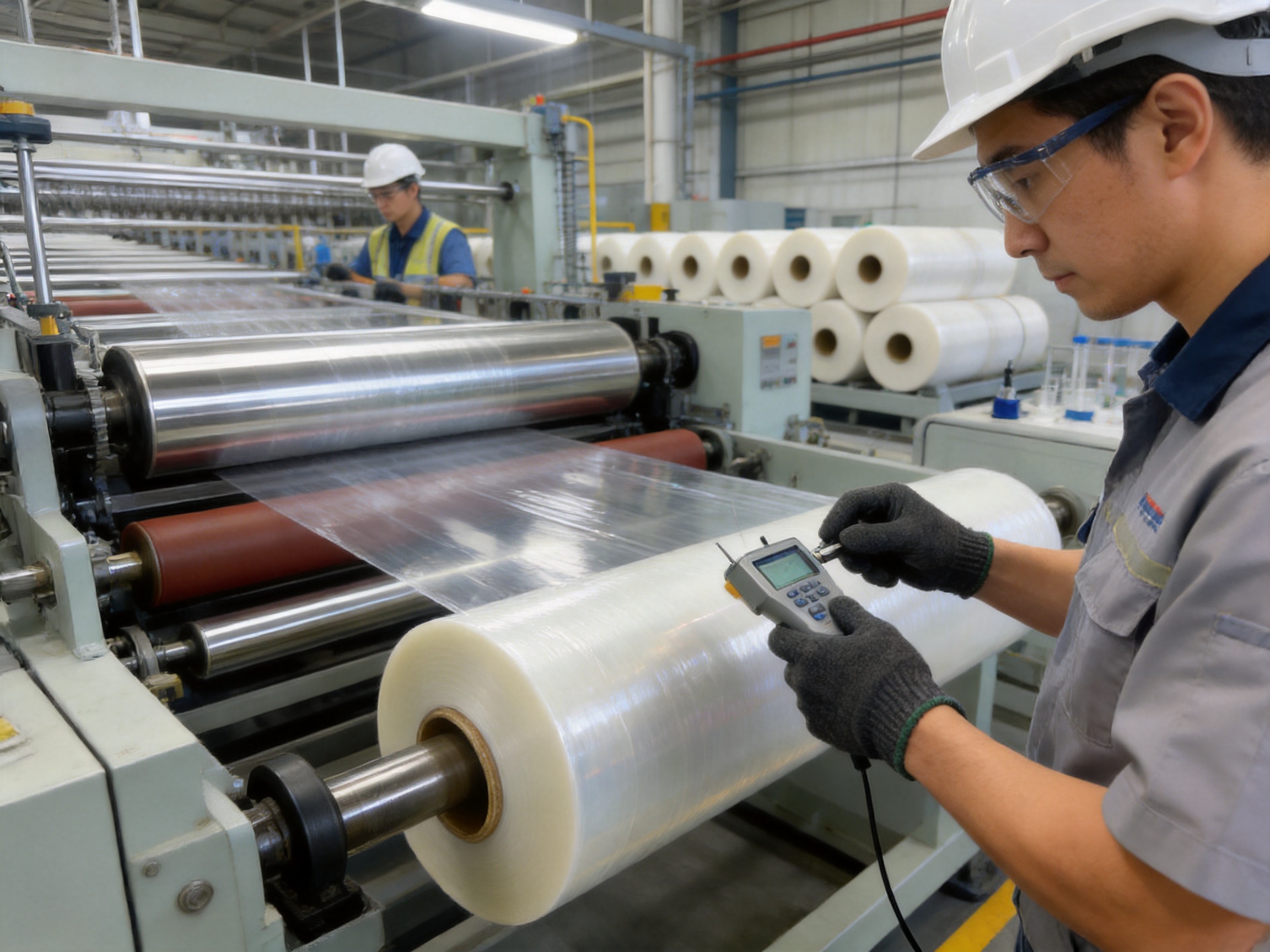
The film is generally manufactured from polyethylene resin selected for flexibility, tensile strength, elongation, and resistance to tearing. During production, the polymer is melted, formed into a continuous film, cooled, stretched or oriented as required, and wound into rolls. The surface may be engineered to provide cling on one side or between layers, allowing the film to adhere to itself without requiring separate glue or tape.
Manual stretch film is different from ordinary plastic wrapping film. Conventional plastic film may cover a product but may not stretch sufficiently, cling securely, or maintain tension around the load. Stretch film is designed to elongate under controlled force and then retain enough recovery to hold the package together. This tension is what helps stabilize cartons and palletized products.
The film can be supplied in clear, white, black, or other colors. Clear film is useful when operators need to identify the contents of a package without removing the wrapping. Opaque white or black film can provide concealment, visual coding, light reduction, or a more uniform appearance. Color availability depends on the required resin, additives, production configuration, and order quantity.
Manual stretch film is available in a broad range of specifications. A suitable specification should be selected according to the product weight, package shape, handling conditions, expected transportation distance, and desired level of protection.
Characteristic |
Typical Range or Option |
Packaging Significance |
Thickness |
7 micrometers to 35 micrometers |
Influences strength, puncture resistance, film consumption, and cost |
Width |
100 mm to 500 mm |
Determines handling comfort and coverage speed |
Roll length |
150 m to 500 m |
Controls replacement frequency and packaging efficiency |
Bonding strength |
High self-adhering performance |
Helps successive layers bond and maintain load stability |
Transparency |
High transparency available |
Allows labels, cartons, and products to remain visible |
Film color |
Clear, white, black, and other colors |
Supports identification, concealment, and visual organization |
UV resistance |
Up to approximately three months, depending on formulation |
Provides temporary protection during outdoor storage or transport |
These figures are general product ranges rather than a single fixed specification. Final performance depends on resin selection, film formulation, extrusion conditions, film thickness distribution, winding quality, and the conditions in which the film is used. Customers requiring specific load retention, outdoor exposure, or automated compatibility should confirm technical requirements before placing an order.
The operating principle of manual stretch film combines elasticity, tension, and self-adhesion. When the operator pulls the film, it elongates. The stretched film then attempts to recover toward its original dimensions, creating a compressive force around the load. This force helps hold cartons and items together.
At the same time, the cling surface allows one layer of film to adhere to the next. This bonding action is different from the aggressive adhesive used on pressure-sensitive tape. The film normally does not need to be attached directly to every surface. Instead, the operator can begin at the base of the load, overlap the film around the sides, and finish by pressing the final layer against the wrapped film.
Proper overlap is important. If the film is applied with large gaps, the load may not receive continuous support. If the operator applies excessive tension, corners may puncture the film or cartons may become compressed. A balanced wrapping pattern normally includes several turns around the lower section, upward passes over the sides, and additional turns around the upper section.
For irregular products, the film can be angled or applied in several directions. For pallets, operators often reinforce the base and corners before moving upward. Where sharp edges are present, corner protectors or other cushioning materials may be used together with the stretch film to reduce puncture risk.
The most important advantage of manual stretch film is its ability to extend beyond its original length. This allows one roll to cover a relatively large surface area and helps the film conform to different product shapes. A regular carton, a mixed pallet, a bundle of profiles, or an irregular mechanical component can all be wrapped using the same basic material.
High stretchability can reduce material consumption when the film is applied correctly. Instead of using multiple layers of loose plastic, the operator can create a tighter package with controlled tension. The ability to adjust tension manually is useful when different loads require different wrapping forces.
Manual stretch film bonds to itself during application. This eliminates the need for separate glue, staples, or additional binding materials in many packaging operations. The self-adhering structure also helps prevent the film from unwinding after the package is completed.
Self-adhesion improves workflow because the operator can cut or tear the film and press the end into the wrapped layers. It also reduces the number of packaging components that must be stored at the workstation. For companies handling large volumes of goods, fewer consumables can simplify purchasing and inventory management.
Loads handled in warehouses and distribution centers may include corners, edges, straps, tools, or other features that can damage weak film. Manual stretch film with suitable puncture and tear resistance is better able to withstand contact with these features.
Puncture resistance helps the film withstand a concentrated impact, while tear resistance helps prevent a small cut from spreading across the roll or around the package. These properties are related but not identical. A product may require both, particularly when packaging heavy cartons, industrial parts, or mixed loads.
Some packaging films create a loud crackling sound when unwound. In a busy warehouse, repeated noise can affect the working environment and make communication more difficult. Low-noise manual stretch film is designed to unwind more smoothly and quietly, which can improve operator comfort during frequent wrapping tasks.
Noise performance is influenced by the film formulation, winding tightness, roll construction, temperature, and application speed. A well-produced roll should unwind consistently without sudden sticking, excessive telescoping, or uncontrolled release.
Clear stretch film allows labels, barcodes, carton markings, and product features to remain visible. This is valuable for inventory checks, receiving operations, order picking, and shipment verification. Operators can inspect the load without removing the wrapping, saving time and reducing the risk of repacking.
Transparency can also improve the appearance of finished packages. Products wrapped with clean, uniform film are easier to organize and may present a more professional appearance during delivery or retail handling.
When applied with sufficient overlap, manual stretch film forms a temporary barrier against dust, dirt, splashes, snow, and limited moisture exposure. This helps protect packaged goods during movement between production areas, warehouses, loading docks, and vehicles.
Stretch film is not a substitute for waterproof packaging in every environment. The level of protection depends on the wrapping pattern, the condition of the film, the type of load, and the duration of exposure. Goods requiring hermetic sealing or long-term outdoor storage may need additional packaging measures.
Manual stretch film requires no electricity, machine installation, or specialized wrapping line. A worker can carry the roll to the load and begin packaging immediately. This flexibility is especially useful for small warehouses, low-volume operations, mixed product sizes, and locations where a machine would not be economical.
Although application is manual, the film can still provide efficient coverage. Its stretchability, self-adhesion, and compact roll size allow the operator to complete a package with relatively little material. The correct balance between film thickness and wrapping technique can reduce total packaging costs while maintaining load security.
Different applications call for different manual stretch film specifications. Selecting the thinnest available film is not always the most economical choice. A film that breaks repeatedly may consume more material and labor than a slightly thicker or stronger grade.
Thin films are suitable for light cartons, small bundles, and applications where the load has smooth surfaces and limited sharp edges. Medium-thickness films can be used for general warehouse work, pallet stabilization, and mixed cartons. Thicker films are more appropriate for heavier or irregular loads, long-distance shipping, or demanding handling conditions.
Thickness should be considered together with stretch performance. A well-engineered thinner film may outperform a poorly manufactured thicker film if it has better elongation, puncture resistance, and layer bonding. Consistent thickness across the width is also important because thin spots can become failure points.
Narrow rolls are easy to hold and useful for small cartons, bundles, and localized wrapping. Wider rolls cover larger surfaces faster and may reduce the number of passes required around a pallet. However, a roll that is too wide can become tiring to handle, particularly when operators must wrap tall or irregular loads.
Widths from 100 mm to 500 mm provide flexibility for different working methods. A handle dispenser can be supplied for suitable roll formats. The dispenser helps improve grip, reduce direct friction against the hands, and maintain more consistent tension.
Longer rolls reduce the frequency of roll changes and can improve productivity in high-volume operations. Shorter rolls are easier to carry and may be appropriate for occasional use, small workstations, or mobile packaging tasks.
Roll length should be evaluated with roll weight and operator comfort. A very long roll may increase fatigue if it becomes too heavy for the intended user. The best choice balances productivity with safe, comfortable application.
Clear film is commonly selected for general logistics and warehouse use because the package contents remain visible. White film can create a clean appearance and may be used for visual classification. Black film can conceal contents, reduce light exposure, or distinguish certain shipments from standard goods.
Color additives can affect mechanical properties and optical performance. For this reason, color requirements should be included when discussing thickness, stretch, transparency, and outdoor use. A colored film should be tested in the actual application rather than selected based on appearance alone.
Standard stretch film is primarily intended for indoor or short-term use. When goods are stored or transported outdoors, ultraviolet exposure can gradually affect polyethylene. UV-resistant formulations can extend useful performance for a specified temporary period.
UV resistance of up to approximately three months may be available depending on formulation and environmental conditions. Actual service life depends on sunlight intensity, temperature, humidity, latitude, season, and the way the film is applied. Customers should provide information about outdoor exposure when requesting a UV-resistant specification.
The performance of manual stretch film begins with manufacturing discipline. Film strength, cling, transparency, and winding behavior are influenced by every stage of production. Wuxi Qida Tape Co., Ltd. operates an integrated manufacturing process covering film production, adhesive-related processing where applicable, printing, rewinding, slitting, inspection, and packaging.
Production begins with the selection and control of polyethylene materials and functional additives. Raw materials must be evaluated for suitability, consistency, and compatibility with the intended film structure. Material control helps reduce variation in tensile strength, elongation, clarity, and self-adhering performance.
For customized products, the raw material formulation may be adjusted according to the desired thickness, color, stretch behavior, surface characteristics, and resistance requirements. Any change in formulation should be validated through process testing and finished-product inspection.
During film formation, polymer material is heated and processed into a continuous film. Temperature, pressure, cooling, and line speed must be controlled carefully. Instability at this stage can create thickness variation, bubbles, surface defects, or weak areas.
Modern equipment supports more precise processing than basic film production methods. Advanced machines introduced from Germany contribute to process stability and repeatability. The specific equipment configuration may vary by product, but the objective remains the same: to produce a uniform film structure with reliable mechanical performance.
Stretching or orientation can improve the film’s ability to elongate and retain tension. The degree of orientation must be controlled because excessive or insufficient processing may affect tear behavior, elasticity, and dimensional stability.
Manufacturing engineers consider the relationship between machine direction and transverse direction. A package may experience forces from several directions during handling, so balanced performance is important. Film samples are evaluated to verify that the finished material meets the required specifications.
Manual stretch film must provide sufficient self-adhesion without becoming excessively sticky or difficult to unwind. Surface behavior is controlled through resin selection, additives, processing conditions, and, where appropriate, specialized surface treatment.
Cling should be strong enough to keep layers together but controlled enough to allow smooth application. Excessive cling may make the roll difficult to release, while insufficient cling may cause the wrapped package to loosen. This balance is one of the key differences between a reliable stretch film and a low-quality alternative.
After film production, the master roll may be rewound or slit into smaller manual rolls. Slitting accuracy affects roll width, edge quality, and user handling. Poorly finished edges can create rough areas that initiate tearing or make the roll uncomfortable to use.
Winding tension also matters. Rolls should be firm and uniform without excessive telescoping, wrinkles, loose layers, or crushed edges. A properly wound roll unwinds smoothly and supports consistent tension throughout the application.
Quality control may include visual inspection, thickness measurement, width verification, roll length checks, tensile testing, elongation testing, puncture or tear evaluation, cling assessment, and packaging inspection. The precise test program depends on the product specification and customer requirements.
A testing laboratory and advanced inspection equipment support process verification. Inspection data can help identify trends before they become significant defects. It also provides a basis for confirming that each production batch is consistent with the approved technical requirements.
Finished rolls must be protected from crushing, contamination, moisture, and unnecessary heat during storage and transport. Appropriate inner and outer packaging helps preserve roll shape and surface quality.
Packaging identification should include relevant information such as product name, specification, batch information, quantity, and handling instructions. Clear identification supports traceability and helps customers organize different grades or sizes in their warehouses.
Wuxi Qida Tape Co., Ltd. was founded in 1999 and has developed experience in protective films, adhesive-coated materials, and surface protection solutions. Its factory covers approximately 20,000 square meters, employs more than 95 experienced staff members, and has an annual production capacity of over 12,000 tons.
The company’s integrated production model is an important advantage for customers seeking stable supply and customized products. Production processes, including backing film production, adhesive coating, logo printing, rewinding, slitting, and packaging, are completed within its own factory. Internal control over multiple stages can improve communication between production departments and reduce dependence on unrelated subcontractors.
Qida Tape has professional technicians and engineers who work with research and development institutes to improve product performance. The company can develop products according to customer technical data sheets, samples, or application requirements. This is particularly valuable when a customer needs a specific combination of film thickness, width, color, roll length, cling, UV resistance, or packaging format.
Its quality and environmental management systems are certified under ISO 9001 and ISO 14001. The company also reports compliance and testing related to SGS, RoHS, REACH, PFAS, and Prop 65 requirements. The applicable documentation should be confirmed for the specific product, market, and order because compliance requirements can differ by formulation and destination.
Qida Tape supplies customers in China and exports to Europe, North America, Australia, the Middle East, Japan, and other regions. Experience with different markets can help the company understand variations in packaging practices, documentation expectations, labeling requirements, and product customization.
Logistics companies use manual stretch film to stabilize cartons, parcels, sacks, and mixed shipments. A wrapped load is less likely to shift during loading, unloading, or vehicle movement. The film can also help group several cartons under one handling unit.
Transparent film supports visual checking at transfer points. Workers can inspect labels, identify damaged packaging, and confirm the general condition of the load without completely removing the wrapping. This can improve handling speed in distribution centers.
Warehouses use stretch film to secure pallet loads, protect open cartons, bundle products, and temporarily cover goods during internal movement. The film can help maintain a stable stacking structure and reduce the chance of cartons falling or separating.
When goods are stored near floors or loading areas, stretch film can provide a temporary barrier against dust and incidental splashes. It does not replace proper warehouse humidity control, pallet protection, or waterproof outer packaging, but it can contribute to general cleanliness and handling protection.
Manufacturers may wrap metal parts, plastic components, profiles, panels, machinery accessories, and finished equipment. Manual stretch film is useful when product dimensions vary or when only a small number of units require packaging.
In production areas, the film can temporarily hold components together during transfer between workstations. It may also protect finished items from surface dirt and light contact marks before final packaging or installation.
Manual stretch film can be used in food and agricultural logistics when the film grade, production controls, and intended contact conditions meet applicable requirements. It may help group cartons, stabilize trays, protect outer packaging, or secure produce containers during transport.
For direct food contact, buyers must verify that the specific material is approved for the relevant application and market. Packaging cleanliness, migration requirements, storage conditions, and regulatory documentation should be confirmed before use.
Stretch film can assist in securing chemical containers, drums, pails, and packaged industrial materials. Its tear resistance and close fit may help reduce movement during transport. However, stretch film should not be assumed to provide chemical containment or resistance against every substance.
Before using it with corrosive, flammable, or reactive materials, customers should evaluate compatibility with the chemicals, container surfaces, temperature conditions, and applicable dangerous-goods regulations. Secondary containment and approved hazardous-material packaging may also be required.
Retailers and wholesalers can use manual stretch film to bundle promotional products, secure cartons, protect display materials, and prepare mixed shipments. Clear film allows products and labels to remain visible, while colored film can support internal product classification.
Because manual stretch film does not require machinery, it is suitable for stores, back rooms, small distribution facilities, and temporary sales environments where packaging volume changes from day to day.
Manual stretch film offers a practical balance between cost, flexibility, and protection. It is not the best solution for every application, but its versatility makes it a strong general-purpose option.
Packaging Method |
Strengths |
Limitations Compared with Manual Stretch Film |
Manual stretch film |
Flexible, portable, self-adhering, suitable for varied loads |
Requires operator labor and consistent wrapping technique |
Shrink film |
Can create a tight finished package after heating |
Requires heat equipment and may be less convenient for irregular warehouse tasks |
Strapping |
Provides strong linear restraint for certain pallet loads |
Can damage cartons and does not provide continuous surface coverage |
Adhesive tape |
Useful for sealing cartons and joining surfaces |
Usually unsuitable for wrapping and stabilizing entire pallet loads |
Reusable covers |
Can be reused for standardized products and repeated routes |
Higher initial cost and less adaptable to mixed shapes and sizes |
In many operations, manual stretch film works together with other methods. For example, a pallet may use stretch film for overall stabilization, corner boards for edge protection, and straps for additional compression. The correct combination depends on load weight, fragility, transportation conditions, and customer requirements.
Application technique directly affects film consumption and load stability. Operators should begin with a clean and organized load. Cartons should be stacked as evenly as possible, heavy products should be placed below lighter products, and sharp projections should be protected where necessary.
The film should normally be anchored near the lower section of the load. The operator can wrap several turns around the base, keeping the film aligned and maintaining moderate tension. The film should then move upward with overlapping passes. Corners may require slower movement or additional coverage.
For a pallet, the operator should ensure that the film connects the load to the pallet base rather than covering only the cartons. This helps reduce sliding between the load and pallet. The lower section often requires additional reinforcement because it receives significant handling forces.
The operator should avoid stretching the film so aggressively that it becomes excessively thin or breaks at corners. The appropriate amount of tension depends on the film grade and the load. If the film repeatedly tears, the cause may be excessive tension, sharp edges, poor storage, incorrect roll handling, or an unsuitable film specification.
After wrapping, the final end should be pressed firmly against an existing layer. The completed package should be checked for loose sections, exposed unstable cartons, film holes, and inadequate bottom coverage. Training operators in a consistent wrapping pattern can reduce variation between packages.
Manual stretch film should be stored in a clean, dry area away from direct sunlight, excessive heat, sharp objects, and chemicals that could affect the film surface. Rolls should remain in their original packaging until needed.
Heavy rolls should be handled carefully to prevent crushed edges and deformation. Rolls should not be thrown, dragged across rough surfaces, or stored under excessive pressure. Damaged roll edges can cause uneven unwinding and premature tearing.
Temperature can affect cling and flexibility. Film that has been stored in a very cold or very hot environment may require time to reach normal working conditions. Customers should follow the supplier’s recommended storage period and rotate inventory using a first-in, first-out system where practical.
During transport, pallets of film should be secured to prevent movement. The outer packaging should protect the rolls from moisture and contamination. Proper storage and shipment conditions are important because even a well-manufactured film can lose performance if it is damaged before use.
Manual stretch film can support packaging efficiency because its stretchability allows a relatively small amount of material to cover and stabilize a large load. Using only the necessary number of layers can reduce material consumption and packaging waste.
Polyethylene packaging materials may be recyclable where appropriate collection and processing systems are available. Recycling practices depend on local infrastructure, contamination levels, film type, and applicable regulations. Companies should separate used stretch film from mixed waste whenever a suitable recycling channel exists.
Material efficiency should be evaluated together with package performance. Using an extremely thin film that breaks frequently may create more waste than using a stronger film that completes the job with fewer failures. The most sustainable specification is often the one that achieves reliable load protection with the lowest practical material use.
Manufacturers can contribute to sustainability through process optimization, reduced production waste, improved roll utilization, responsible raw material management, and accurate specification control. ISO 14001 environmental management practices can support systematic improvement in these areas.
A specialized manufacturer can provide more than a standard roll of plastic film. It can help evaluate the relationship between film performance, packaging method, product surface, transportation conditions, and customer requirements.
Qida Tape’s broader experience in protective films and surface protection solutions supports technical understanding of different substrates and industrial environments. The company produces materials used to protect stainless steel, aluminum, pre-coated metals, plastic panels, ceramics, carpets, decorative laminates, glass, and other surfaces during processing, transportation, and installation.
This technical background is relevant because many customers use stretch film alongside other protective materials. A supplier familiar with adhesive coating, backing film production, slitting, printing, and surface protection can coordinate product requirements more effectively than a supplier focused on only one narrow packaging step.
Customization is another important advantage. Customers may require private labeling, printed film, special roll dimensions, customized cartons, unusual colors, specific adhesive or cling behavior, or documentation for a particular market. An established in-house production system can make these requests easier to evaluate and implement.
Production capacity is also important for distributors and industrial users. A supplier with substantial capacity can support repeat orders, seasonal demand, and multiple specifications. Reliable capacity reduces the risk that a customer will need to change film grades unexpectedly because of supply interruptions.
Before ordering, buyers should identify the basic dimensions and performance requirements. The following questions can help create a clear product specification.
What is the average and maximum load weight?
Are the products smooth, sharp-edged, irregular, or fragile?
Will the film be used for cartons, pallets, machinery, bundles, or mixed loads?
What thickness range is appropriate?
What roll width is comfortable for the operators?
What roll length will provide a useful balance between productivity and handling?
Is clear, white, black, or another film color required?
Is outdoor storage or UV resistance necessary?
Is a handle dispenser needed?
Are printed logos, labels, or customized packaging required?
Are food-contact, chemical-resistance, or export compliance documents needed?
What transportation, storage, and environmental conditions will the film experience?
Buyers should request samples when the application is demanding or when switching from another supplier. Trial wrapping can reveal whether the film unwinds smoothly, stretches at the expected level, bonds reliably, resists puncture, and maintains stability throughout the required handling process.
Product quality is supported by the combination of equipment, personnel, process management, and testing. Qida Tape employs experienced technicians and engineers and maintains a quality control structure supported by laboratory equipment and inspection systems.
The company’s reported advantages include competitive cost, production capacity, multiple adhesive options for its broader protective film range, technical development, customization, and attentive service. Its experience serving approximately 90 export areas also provides a foundation for handling international orders and customer communication.
For customers, service quality includes accurate quotation, clear technical confirmation, timely sample preparation, stable production, appropriate packaging, shipment coordination, and after-sales communication. A manufacturer that documents specifications carefully can help reduce misunderstandings between the purchasing department, warehouse team, and end users.
Technical support is particularly useful when the customer is trying to reduce film consumption, improve load stability, or replace a film that frequently breaks. A supplier can review the current thickness, wrapping pattern, roll dimensions, load type, and transportation conditions before recommending a more suitable specification.
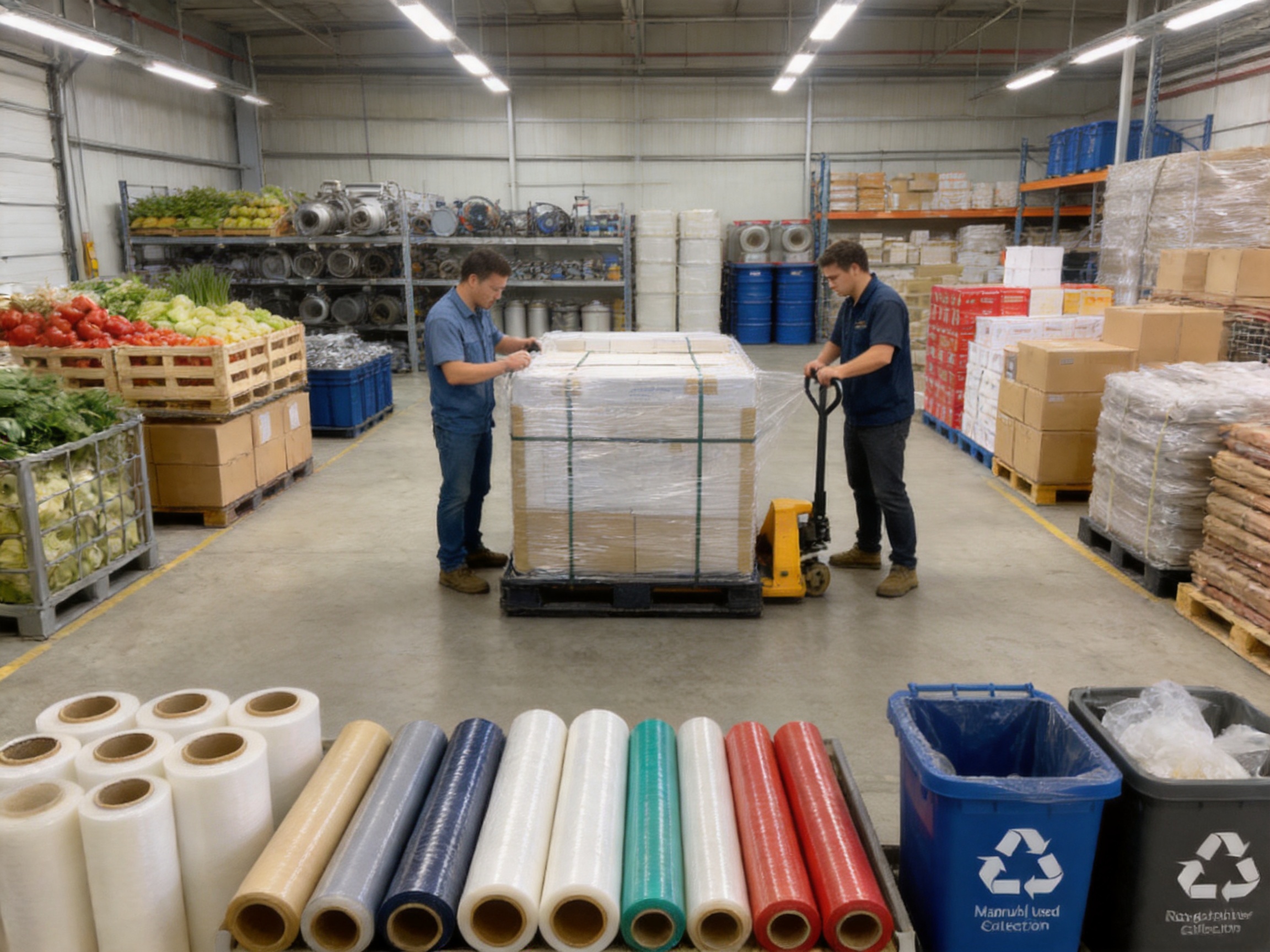
Manual stretch film is used to wrap, bundle, stabilize, and temporarily protect goods during storage, handling, and transportation. It helps hold cartons and products together while providing a barrier against dust, dirt, splashes, and light surface damage.
Manual stretch film is engineered to stretch under controlled tension and adhere to itself. Ordinary plastic film may cover a product but may not provide sufficient elasticity, cling, tear resistance, or load stabilization.
The correct thickness depends on load weight, product shape, sharp edges, transportation conditions, and the desired number of layers. Thin film may suit light and smooth loads, while heavier or irregular loads may require a stronger or thicker grade. Trial testing is recommended for demanding applications.
Yes. It is designed for manual application and can be used directly from the roll. A handle dispenser is also available for suitable roll sizes and can improve grip, comfort, and tension control.
Manual stretch film can provide temporary protection against moisture, splashes, snow, and dirt when it is applied with adequate overlap. It should not automatically be considered a fully waterproof or hermetically sealed package. Long-term outdoor or water-sensitive applications may require additional protection.
No single color is best for every application. Clear film supports visual inspection and identification. White film can provide a uniform appearance, while black film can conceal contents or reduce light exposure. The choice depends on the packaging objective.
It can be used for temporary outdoor exposure when the specification is suitable. If the film will remain in sunlight, a UV-resistant formulation should be considered. The expected exposure period and local environmental conditions should be provided to the manufacturer.
It may be used for certain food-related packaging applications if the specific grade, manufacturing controls, and documentation meet applicable food-contact requirements. Buyers must confirm the intended contact condition and market regulations before use.
It may help secure chemical containers and protect outer packaging, but compatibility must be assessed for each chemical, container material, temperature, and handling condition. Stretch film should not be treated as a substitute for approved chemical containment packaging.
Possible causes include excessive tension, sharp product corners, damaged roll edges, unsuitable thickness, poor storage, low-quality film structure, or incorrect wrapping technique. Reducing tension, protecting corners, changing the film specification, and checking storage conditions may solve the problem.
Consumption can often be reduced by selecting an appropriate stretch grade, applying consistent tension, avoiding unnecessary overlap, reinforcing only vulnerable sections, and training operators. The goal should be reliable load protection rather than simply using the thinnest film.
Depending on order requirements, customization may include thickness, width, roll length, color, packaging, printing, labeling, and performance characteristics such as cling or UV resistance. Technical requirements should be confirmed before production.
Uniform winding helps the roll unwind smoothly and maintain consistent tension. Poor winding can cause telescoping, wrinkles, loose layers, edge damage, or sudden tearing, all of which reduce packaging efficiency.
Documentation may include quality and environmental management certifications and product-specific reports related to standards such as SGS, RoHS, REACH, PFAS, and Prop 65. The exact documents depend on the product formulation, destination market, and application.
Consider manufacturing capacity, raw material control, process integration, testing ability, customization experience, quality systems, delivery reliability, technical service, and the supplier’s experience with similar applications. Sample testing and a clear technical specification are also important.
Manual stretch film is a practical and adaptable solution for stabilizing and protecting goods in a wide range of industries. Its high stretchability, self-adhering layers, transparency, puncture resistance, low-noise application, and flexible roll formats make it suitable for both routine warehouse work and specialized industrial packaging.
The best performance comes from matching film thickness, width, roll length, color, cling, and UV resistance to the actual application. Correct wrapping technique, proper storage, and suitable load preparation are equally important. When these factors are controlled, manual stretch film can help improve packaging efficiency, reduce material waste, and lower the risk of damage during transport.
Wuxi Qida Tape Co., Ltd. combines protective film experience, integrated production, advanced equipment, technical personnel, laboratory inspection, customization capability, and international supply experience. Its manufacturing strengths provide a foundation for producing manual stretch film and related protective materials for different customer requirements.
For wholesalers, logistics companies, manufacturers, warehouse operators, and distributors, a carefully selected manual stretch film can deliver reliable performance without the cost or complexity of automated wrapping equipment. A product trial, technical review, and clear specification are recommended before large-scale adoption.
1. Wuxi Qida Tape Co., Ltd., Manual Stretch Film product specifications and application information.
2. Wuxi Qida Tape Co., Ltd., Company information concerning protective film manufacturing, quality systems, production capacity, and customization services.
3. International Organization for Standardization, Quality management systems guidelines and ISO 9001 principles.
4. International Organization for Standardization, Environmental management systems guidelines and ISO 14001 principles.
5. General polyethylene film manufacturing and packaging engineering references concerning tensile strength, elongation, cling, puncture resistance, and load stabilization.
6. General logistics and warehouse packaging practices concerning pallet wrapping, product protection, material efficiency, and transport safety.
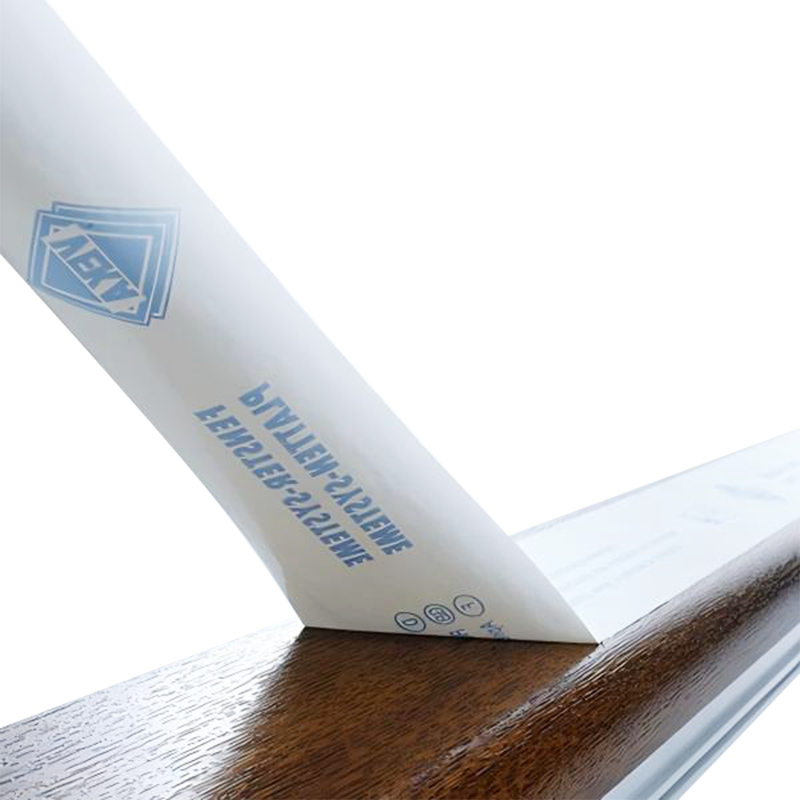
● Good weatherability for outdoor exposure; ● Stable adhesion level; ● UV resistance for up to 12 months; ● Can print customized logo or application i...
See Details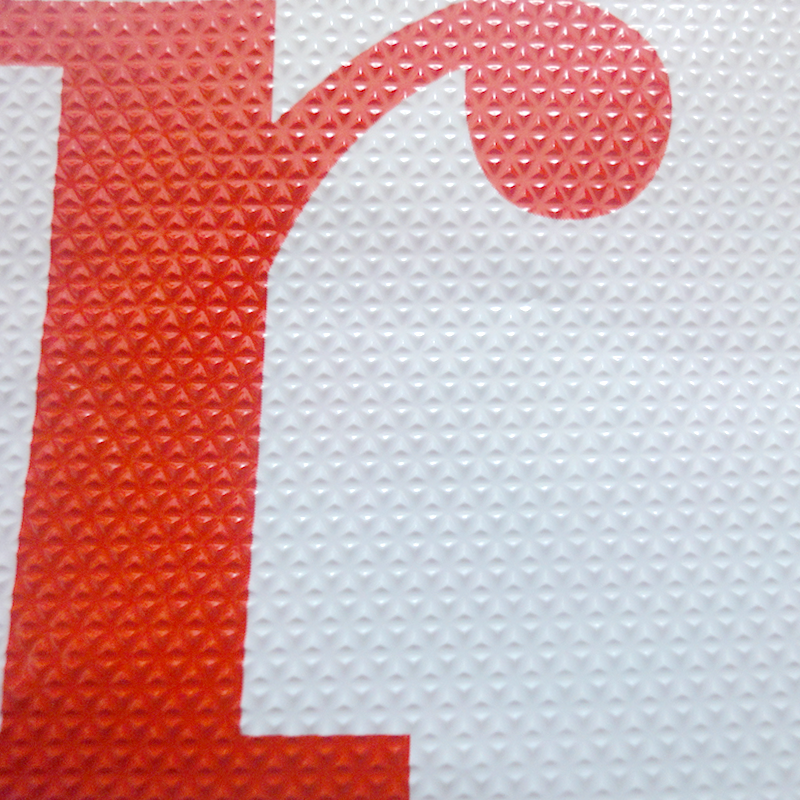
● Anti-slip; ● Embossed film surface to guarantee trip safety;● Tough puncture-resistant polyethylene film;● Can be coated with or without adhesive;● ...
See Details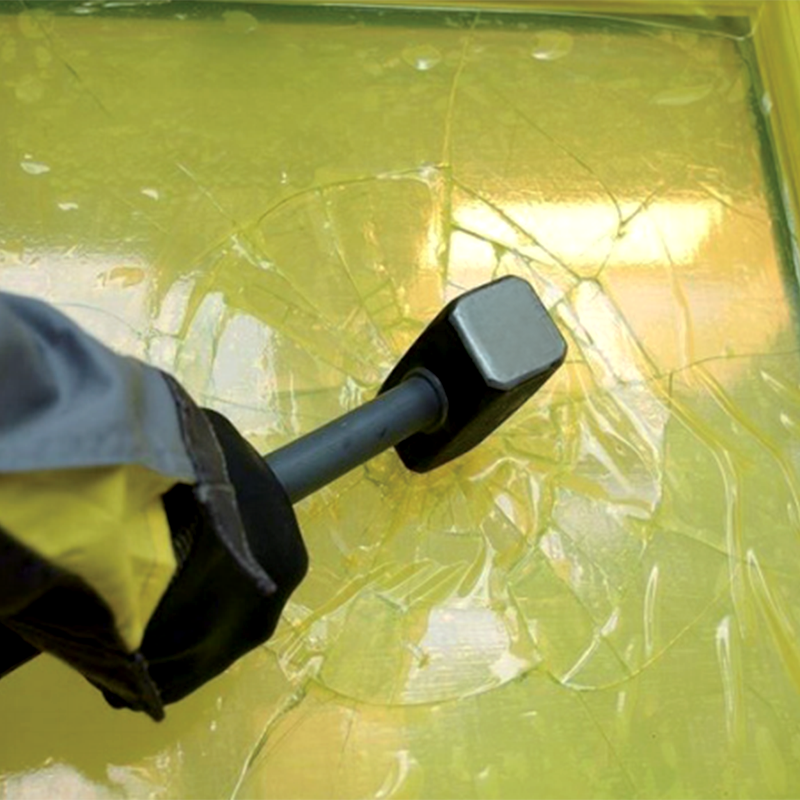
● The super tough polyethylene film with super high adhesion can stop the glass splitting and falling off during window glass demolition process;● Non...
See Details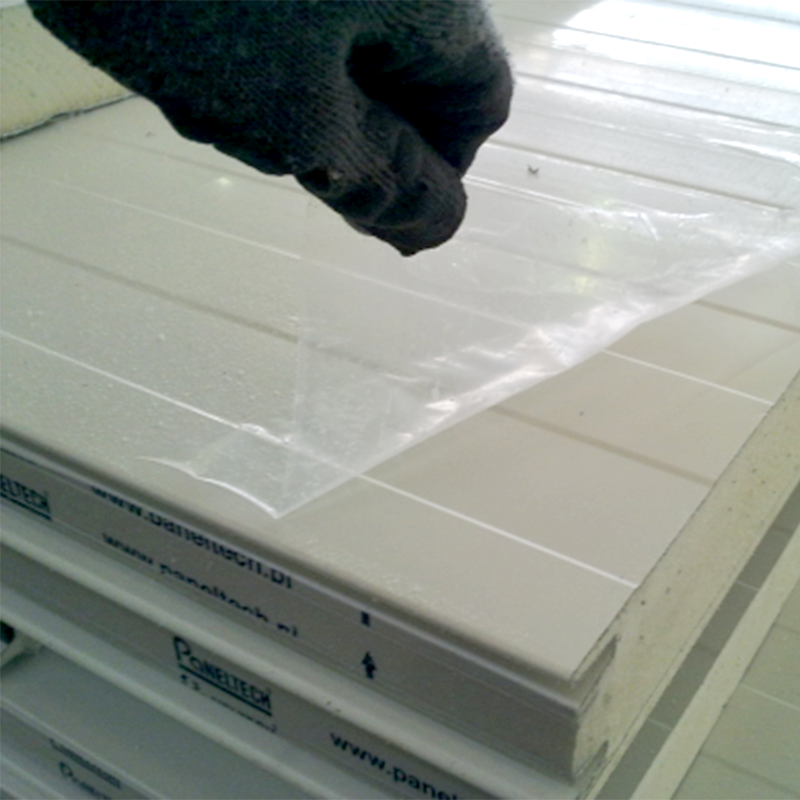
● The specially formulated adhesive ensures easy application and removal without leaving residue glue on the sandwich panels; ● The super-tough polyet...
See Details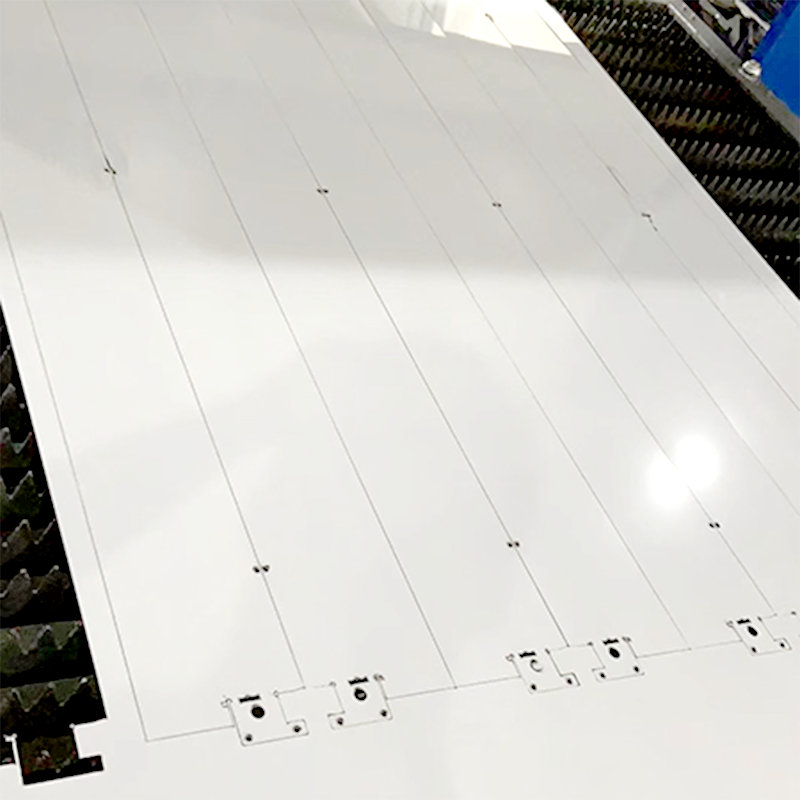
● The specially formulated natural rubber adhesive suitable for both CO2 and Fiber laser cutting processes;● High cutting quality without burr or trac...
See Details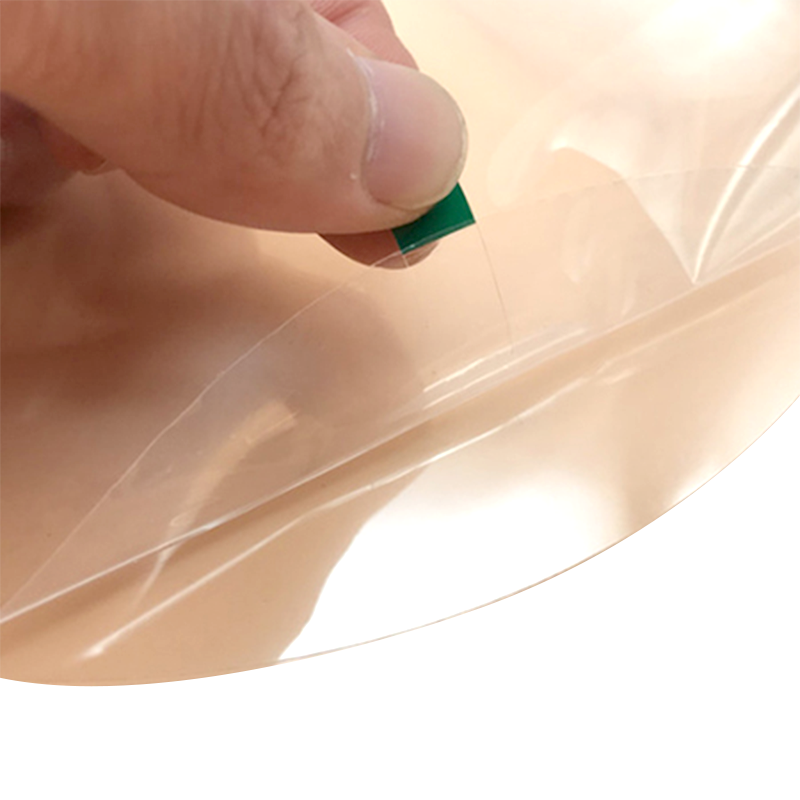
● Suitable for plastic sheets’ drilling, cutting, routing, thermoforming, bending, or post-fabrication operations;● No “ghost shadow” or “fish eye” af...
See Details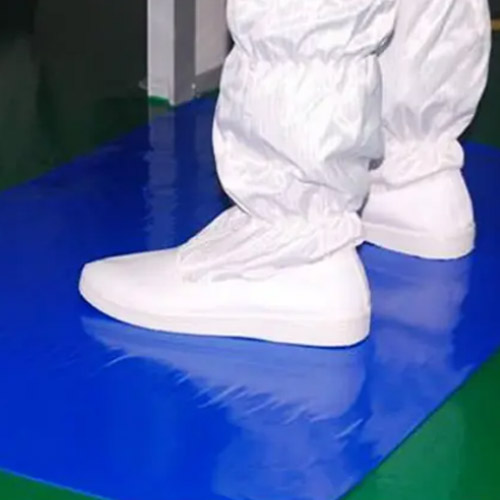
● Options for either 30 or 60 layers per mat; can be packed with four mats, eight mats, or ten mats per carton;● Remove dirt effect: ≥99.9% (5 steps);...
See Details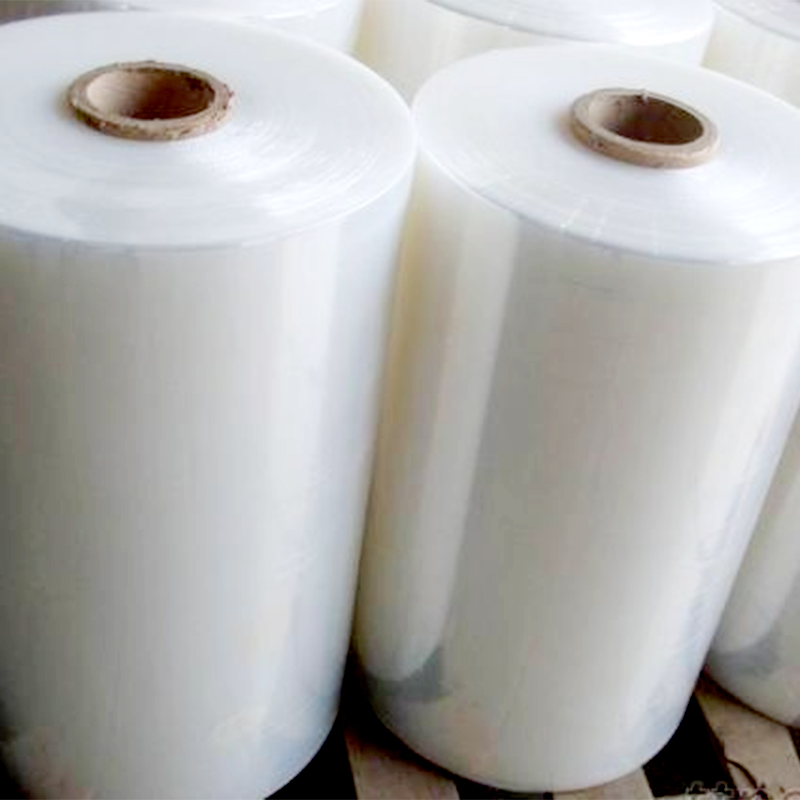
● Excellent puncture and tear resistance; ● Self-adhering-each layer of film bonds to the next for added strength; ● Big roll size to save cost and re...
See Details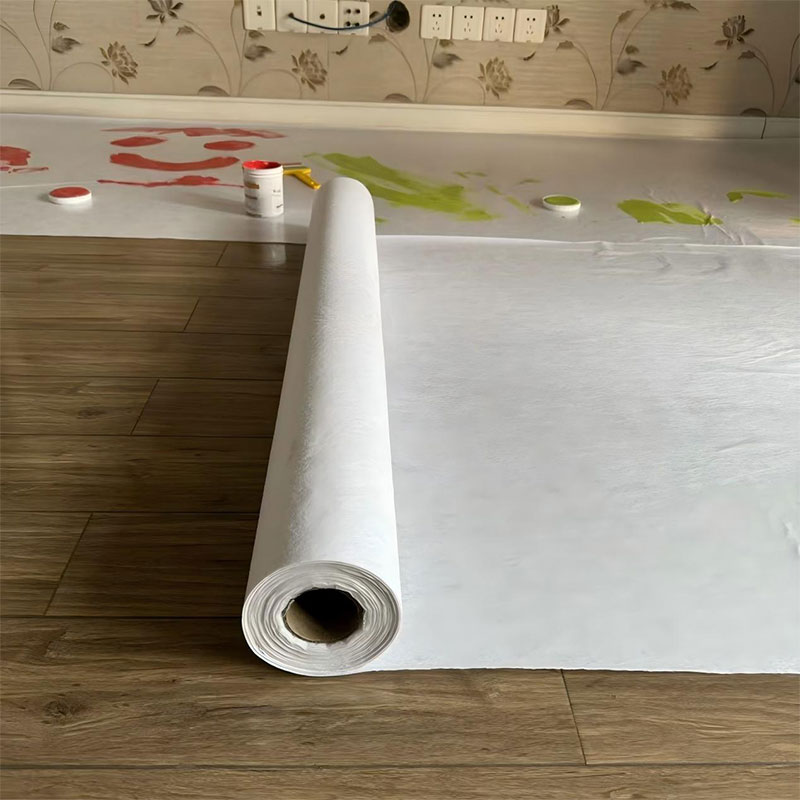
This product has non-woven synthetic fleece in middle; PE film adhered onto top of the non-woven fabric, which is coated with self adhesive glue on it...
See Details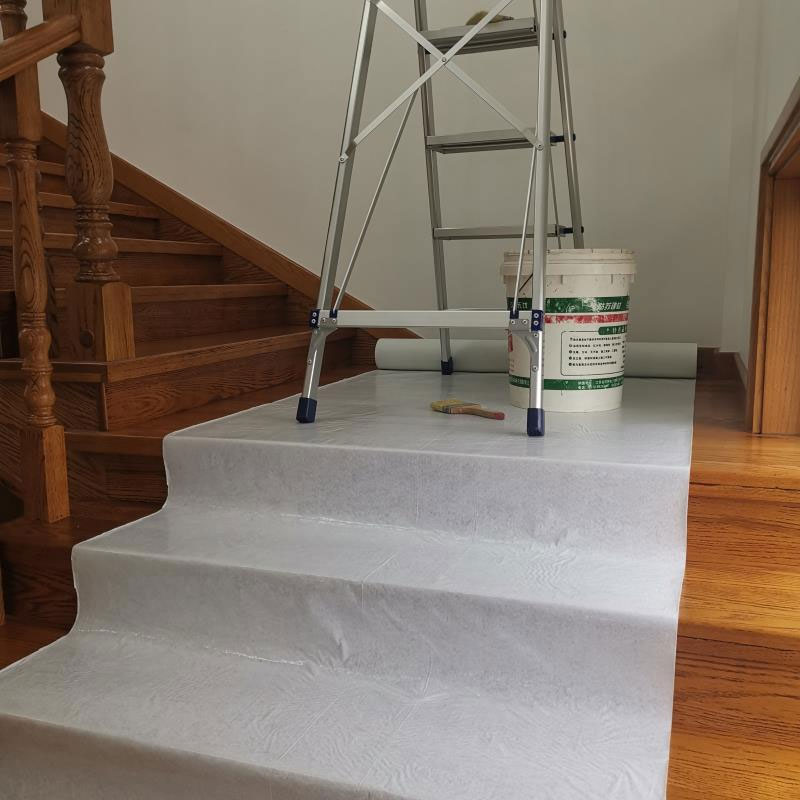
This product has non-woven synthetic fleece in middle; Breathable PE film adhered onto top of the non-woven fabric, which is coated with self adhesive...
See DetailsWe’re a reliable partner that shapes our expertise into success for your project.

Copyright 2024 Wuxi Qida Tape Co., Ltd. All Rights Reserved
 Wholesale Protective Film/Foil Manufacturers
Privacy