

 English

 English
 русский
 Français
 Español
 Português
 عربى


Cat:Glue -coated Protective Film
● Protect window glass against paint splatters, dirt, staining, and spillages during painting, building, plastering, tiling, general maintenance and r...
See Details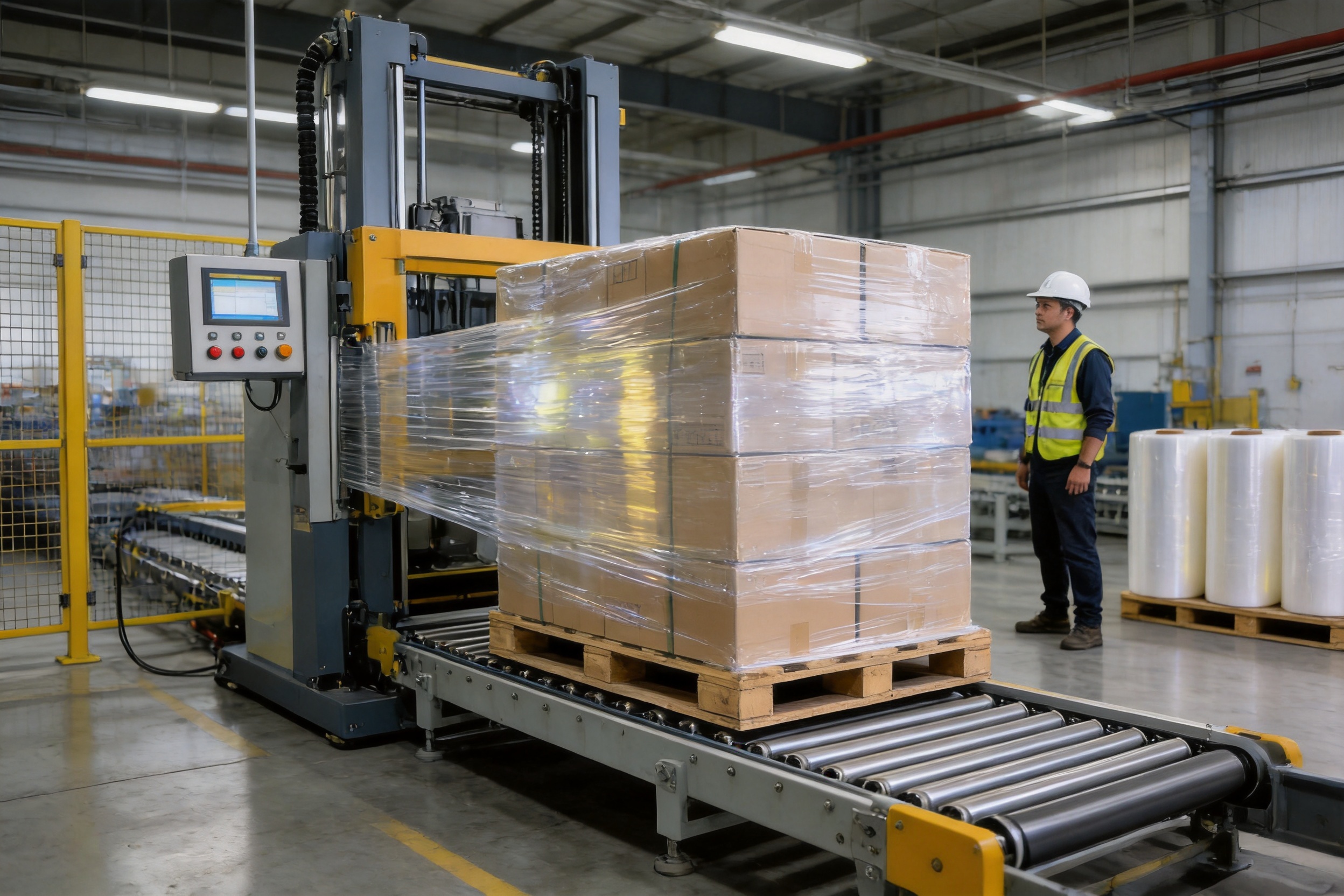
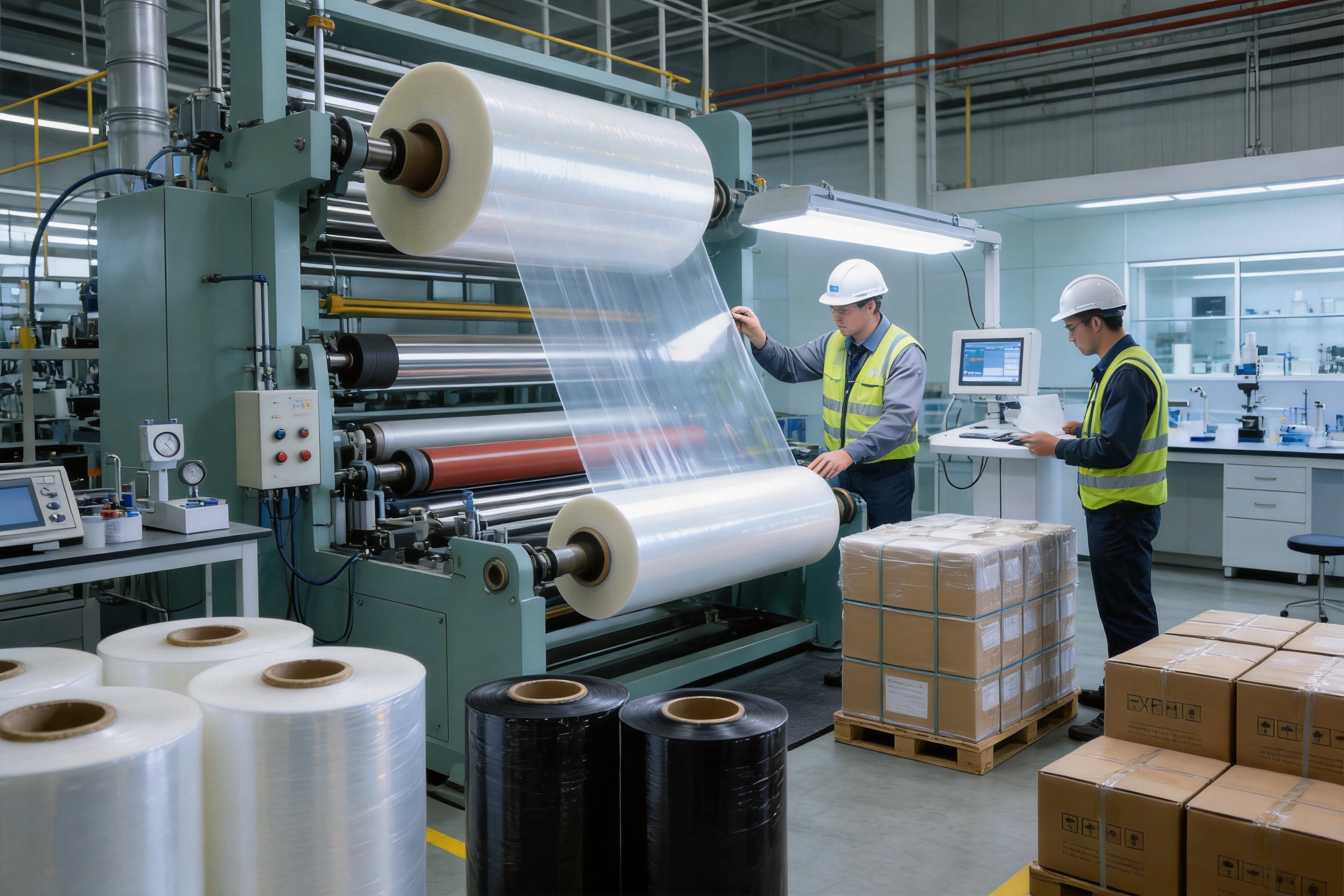
Machine stretch film is a high-performance packaging material developed for automated and semi-automated pallet wrapping operations. It is used to stabilize cartons, boxes, bags, containers, industrial components, and other goods during storage, handling, and transportation. By stretching around a load and using its elastic recovery force to hold products tightly together, the film creates a stable protective unit that is easier to move and less vulnerable to shifting, dust, moisture, and surface damage.
Compared with manually applied wrapping materials, machine stretch film offers more consistent tension, faster application, improved load containment, and better control over film consumption. It is particularly suitable for warehouses, manufacturing plants, logistics centers, export packaging operations, and production lines where packaging speed and repeatability are important. Properly selected machine stretch film can also reduce packaging waste and lower the total cost of securing each pallet.
Wuxi Qida Tape Co., Ltd. develops and manufactures protective film and surface protection products, including machine stretch film for industrial packaging applications. With in-house film production, adhesive coating, rewinding, slitting, printing, inspection, and packaging capabilities, the company can support customized product requirements while maintaining control over quality and production consistency.
Machine stretch film is a flexible polyethylene film designed to be stretched by a pallet wrapper or other mechanical packaging equipment. During the wrapping process, the film is pulled from a roll under controlled tension and applied around the load. Once stretched, it attempts to return toward its original dimensions. This elastic recovery produces a powerful holding force that compresses and stabilizes the products on the pallet.
The film adheres to itself through controlled cling rather than relying on a separate adhesive layer or additional tape. Each layer bonds to the next as the film is wrapped, allowing the load to remain unified after wrapping. The outer surface generally remains relatively easy to handle, while the self-adhering properties help prevent the wrapped layers from loosening during transportation.
Machine stretch film is supplied in rolls compatible with automatic, semi-automatic, or specialized wrapping equipment. The film may be produced in different thicknesses, widths, lengths, colors, and performance grades depending on the weight, shape, fragility, and transportation conditions of the packaged goods.
The following specifications represent the standard range available for this machine stretch film product. Final specifications can be adjusted according to the equipment, packaging method, load characteristics, and customer requirements.
Specification |
Available Range or Performance |
Film thickness |
15 micrometers to 50 micrometers |
Film width |
100 mm to 500 mm |
Roll length |
500 m to 2,000 m |
Bonding strength |
High |
Transparency |
High |
Color options |
Clear, white, black, and other colors on request |
UV resistance |
Up to approximately three months, depending on formulation and exposure conditions |
Primary application |
Machine pallet wrapping, unitizing, load stabilization, and temporary protection |
Thickness selection should be based on the required puncture resistance, load weight, film stretch ratio, packaging equipment, and transportation conditions. A thinner film may be appropriate for light, uniform loads, while heavier or irregular loads may require a thicker or more robust grade. Width and roll length should be matched to the machine design to ensure smooth unwinding and consistent application.
Modern supply chains require packaging materials that can provide stability without excessive labor, complicated application procedures, or unnecessary material consumption. Pallets may pass through several stages, including production, internal handling, warehousing, loading, long-distance transportation, unloading, and final distribution. At each stage, vibration, impacts, changes in direction, compression, and environmental exposure can affect the stability of the load.
Machine stretch film addresses these challenges by creating a continuous wrapping system around the entire unit. Unlike isolated straps or individual pieces of tape, the film distributes holding force around the load. When correctly applied, it helps bind cartons and products into a single unit while also reducing exposure to dust, dirt, rain, snow, and incidental splashes.
Automated wrapping also improves repeatability. A machine can maintain a defined stretch ratio, wrapping speed, overlap, tension, and number of rotations. This consistency is difficult to achieve with manual wrapping, where results may vary according to operator technique, fatigue, and the shape of the load. More consistent application supports more predictable packaging performance and easier quality control.
One of the most important performance characteristics of machine stretch film is its resistance to puncture and tearing. Pallets are not always composed of smooth, uniform cartons. They may include sharp corners, uneven surfaces, protruding packaging, heavy components, or mixed-size products. If the film is too weak, these features can create holes or tears during wrapping and handling.
Good puncture resistance allows the film to absorb localized stress without immediately breaking. Tear resistance helps prevent a small cut or puncture from spreading across the film during subsequent wrapping, lifting, or transportation. These properties are particularly useful for loads with irregular shapes or products that may move slightly inside the package.
Film strength does not depend only on thickness. Resin selection, film structure, production conditions, stretching behavior, and quality control all influence final performance. A properly engineered thinner film may perform more efficiently than a poorly manufactured thicker film. For this reason, packaging trials should consider the complete film system rather than thickness alone.
Machine stretch film is designed so that one layer bonds to the next during application. This self-adhering behavior helps maintain the integrity of the wrapped load without the need for separate glue, tape, or fastening materials. It also simplifies the end of the wrapping cycle, since the final film layers can hold together when the film is cut.
The balance of cling and release is important. The film must adhere strongly enough to prevent the wrap from loosening, but it must also unwind smoothly from the roll and work efficiently with the packaging machine. Excessive cling can create handling problems or interfere with machine operation, while insufficient cling may lead to loose layers and poor load containment.
High bonding strength is especially valuable when goods are exposed to vibration or repeated handling. As the pallet moves through the supply chain, the self-adhering layers help maintain a unified wrapping structure. This contributes to better load stability and reduces the possibility of cartons separating or shifting.
A major advantage of machine stretch film is its ability to elongate under controlled tension. During wrapping, the film can be stretched to several times its original length, depending on the grade and equipment settings. This allows a relatively compact roll to cover a large surface area and can reduce the amount of film used per pallet.
Stretchability also allows the material to conform to different shapes. The film can follow corners, gaps, rounded edges, and moderate variations in product height. As it wraps around the load, elastic recovery creates inward pressure that helps hold the products together. This pressure is commonly referred to as containment force or holding force.
The correct stretch level is essential. If the film is stretched too little, it may not provide adequate containment. If it is stretched excessively, it may become damaged, lose stability, or place excessive pressure on fragile products. Machine settings should therefore be adjusted according to film specifications and load requirements.
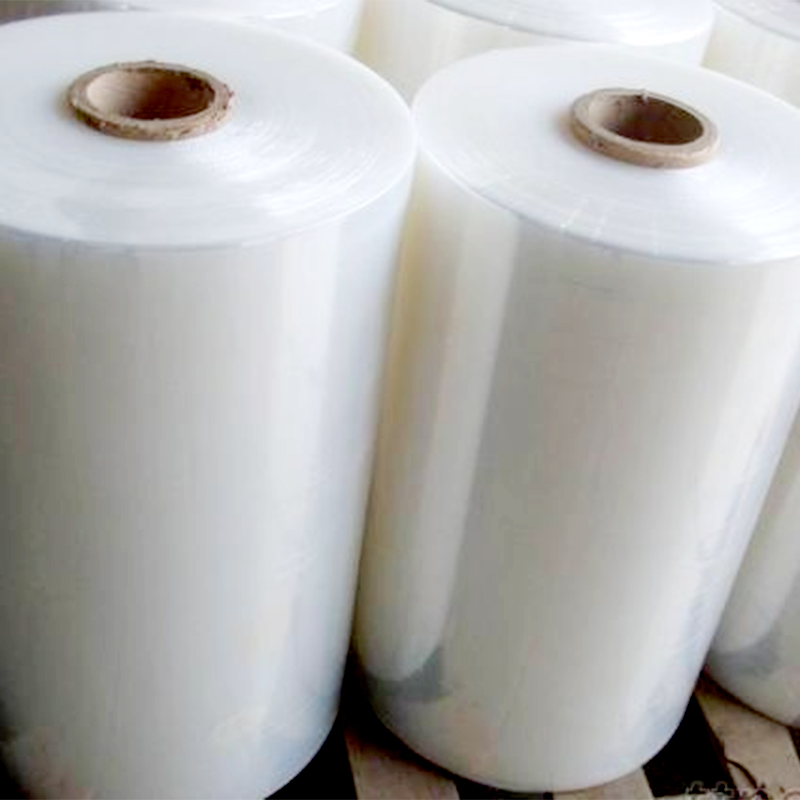
Machine stretch film
Clear machine stretch film allows operators to see the products, labels, barcodes, and pallet configuration without removing the wrapping. This visibility is valuable in warehouses and distribution centers where goods must be identified quickly. It can also support inventory checks, order verification, and barcode scanning.
Transparency helps reduce unnecessary opening and rewrapping. When the contents of a pallet can be visually inspected through the film, workers can confirm product identity and packaging condition while maintaining the protective wrap. This is particularly useful for mixed loads, export shipments, and products that require frequent stock checks.
Color options provide additional organizational and security benefits. White film can help create a clean, uniform appearance, while black film can reduce visibility of the wrapped contents and may assist with light-sensitive or discreet shipments. Other colors can be used for warehouse identification, product classification, route organization, or internal logistics systems.
During transportation and storage, goods may encounter dust, dirt, light moisture, snow, and accidental surface contamination. Machine stretch film forms a continuous outer layer that helps reduce direct exposure to these conditions. Although it is not a substitute for waterproof packaging designed for immersion or severe weather, it provides useful temporary protection in ordinary logistics environments.
The film can also help protect packaged goods from scuffs and surface marks caused by contact with adjacent loads or handling equipment. By keeping products together and creating a protective outer layer, it reduces the risk of cartons sliding apart or rubbing against other packages. This can be especially beneficial when goods are moved by forklifts, pallet trucks, conveyors, or loading equipment.
Protection performance depends on correct wrapping. The film should cover the lower and upper areas of the load sufficiently, and the overlap should be consistent. Pallets exposed to outdoor conditions may require additional covers, edge protection, or specialized weather-resistant packaging.
Low-noise unwinding is a useful advantage in busy production environments. Some packaging films produce loud sounds when pulled from the roll, especially at high wrapping speeds. Excessive noise may contribute to an uncomfortable workplace and can make communication more difficult around packaging equipment.
Machine stretch film designed for smooth unwinding can help reduce operational noise while maintaining reliable film delivery. Lower noise is particularly valuable in facilities where wrapping stations are located near assembly areas, inspection stations, offices, or other workspaces. Actual noise levels depend on film construction, roll design, machine speed, tension settings, and equipment maintenance.
Large roll sizes are designed to extend operating time between roll changes. Fewer roll replacements can reduce interruptions, simplify operator duties, and improve the overall utilization of an automated packaging line. This is especially important in high-volume facilities where pallets are wrapped continuously throughout the day.
Longer rolls can also reduce the amount of packaging-core waste and the labor associated with handling replacement rolls. However, roll dimensions and weight must remain compatible with the machine. A roll that is too large or too heavy for the equipment can create loading difficulties, excessive mechanical stress, or unwinding problems.
Qida Tape can discuss suitable roll lengths, widths, cores, and packaging configurations according to the customer’s wrapping machinery. This allows the product to be integrated more effectively into existing operations rather than treated as a one-size-fits-all material.
Manual stretch wrapping is suitable for occasional packaging, low-volume operations, unusually shaped products, or locations where automated equipment is not available. It can be flexible and inexpensive to start with, but the final result depends heavily on the operator. Variations in pulling force, overlap, wrapping pattern, and the number of rotations may produce inconsistent containment.
Machine wrapping provides more controlled application. The equipment can regulate film tension and stretch, maintain a repeatable wrapping cycle, and apply the same basic packaging pattern to successive pallets. This makes machine stretch film a better choice for manufacturers and logistics operators that require stable output and predictable packaging quality.
Comparison point |
Machine stretch film with automated equipment |
Manual stretch wrapping |
Application speed |
High and repeatable |
Dependent on operator speed |
Film tension |
Controlled by machine settings |
Varies by operator |
Load consistency |
Generally more uniform |
May vary between pallets |
Labor requirement |
Lower for high-volume operations |
Higher per pallet |
Best suited for |
Production lines, warehouses, and distribution centers |
Low-volume or occasional wrapping |
Material control |
More precise when correctly calibrated |
More dependent on user technique |
The most appropriate solution depends on production volume, equipment investment, pallet characteristics, and labor availability. Machine stretch film is not intended to eliminate every other packaging method, but it offers significant advantages where automated or semi-automated wrapping is already in use.
Manufacturers use machine stretch film to unitize finished goods, components, spare parts, hardware, machinery accessories, and packaged materials. The film helps keep products together during movement from production areas to warehouses or loading docks. It can also protect finished packaging from dust and incidental contact.
Food and beverage manufacturers commonly wrap cases, cartons, cans, bottles, and bulk containers on pallets. Clear film allows product labels and shipping marks to remain visible while providing a practical outer layer for handling. The film should be selected and used according to the applicable packaging, hygiene, and storage requirements for the specific product.
Distribution centers require fast identification and stable pallet loads. Transparent machine stretch film can support barcode visibility, order consolidation, and inventory control. Color-coded film may also assist with route or department identification in large warehouse environments.
Export shipments may experience extended handling, vibration, temperature changes, and multiple transfers between transport modes. Properly applied machine stretch film helps maintain pallet integrity throughout these stages. For shipments facing severe humidity, rain, or extended outdoor exposure, it may be combined with pallet covers, desiccants, edge protectors, or other specialized packaging materials.
Building materials, panels, fixtures, furniture components, and home improvement products may have large dimensions or irregular shapes. Machine stretch film can help bundle products and reduce movement during transport. For goods with sharp edges, additional corner protection or a higher-puncture-resistance film may be appropriate.
Paper rolls, printed cartons, labels, flexible packaging, and other converted products can benefit from clean, consistent pallet wrapping. High transparency supports identification, while controlled tension helps prevent individual packages from separating during warehouse handling.
The performance of machine stretch film depends on more than the finished roll. It is influenced by raw material selection, film formation, thickness control, winding quality, roll stability, storage, and final inspection. Wuxi Qida Tape Co., Ltd. operates as a factory with integrated production capabilities, allowing multiple stages of manufacturing and conversion to be managed internally.
The company’s production activities include backing film production, adhesive coating, logo printing, rewinding, slitting, and packaging. Although machine stretch film is a packaging product rather than a conventional surface protection tape, this integrated manufacturing experience supports disciplined control over flexible film handling, roll conversion, product identification, and customized packaging requirements.
In-house processes offer several practical advantages. Production parameters can be adjusted more efficiently, communication between technical and production teams is simplified, and quality concerns can be traced through internal manufacturing records. Customers can also discuss specifications directly with the manufacturer rather than coordinating every adjustment through multiple intermediaries.
Advanced machinery introduced from Germany supports Qida Tape’s manufacturing development. Modern equipment can contribute to more stable processing, accurate slitting, efficient rewinding, improved roll appearance, and consistent production output. Equipment alone does not guarantee performance, so it is supported by experienced technicians, engineers, inspection procedures, and process management.
Quality control is essential for machine stretch film because small variations can affect machine compatibility and pallet stability. Important quality considerations include film thickness, width, roll length, winding uniformity, transparency, cling, tensile behavior, puncture resistance, tear resistance, and stretch performance.
Qida Tape maintains a testing laboratory and uses inspection equipment to evaluate product quality. Testing and inspection help identify problems before products are released for shipment. Depending on the customer’s needs, evaluation may include appearance checks, dimensional measurements, film performance testing, roll inspection, and packaging verification.
ISO 9001 certification supports a structured quality management approach. This type of system helps define responsibilities, document procedures, control production activities, address nonconformities, and encourage continual improvement. ISO 14001 certification reflects an environmental management framework that can help organize environmental responsibilities and operational controls.
Customers requiring specialized performance should provide information about their equipment and packaging conditions. Useful data may include pallet dimensions, total load weight, product shape, corner sharpness, wrapping speed, prestretch ratio, number of rotations, storage duration, transportation distance, and exposure to sunlight or moisture. This information allows the manufacturer to recommend a more appropriate film structure and specification.
Machine stretch film can be customized in several ways. Thickness and width can be selected within the available production range. Roll length and core specifications can be adjusted to match machine capacity. Film color may be clear, white, black, or another requested color, subject to production feasibility and order quantity.
Customized packaging can include carton markings, roll identification, pallet configuration, labels, and customer-specific packing instructions. Printed film or packaging may be considered where product identification, brand communication, or logistics coding is required. Technical teams can also evaluate customer samples or technical data sheets when a special packaging result is needed.
Customization should always balance performance, machine compatibility, production efficiency, and total cost. A film with a higher nominal specification is not automatically the most economical choice if the wrapping machine cannot use it efficiently. The objective is to select the lowest practical material consumption that still delivers reliable containment and protection.
Packaging sustainability involves material selection, efficient use, recyclability, waste management, and the prevention of product damage. Machine stretch film can support material efficiency because its stretching performance allows a relatively small amount of film to cover a large load. Controlled application can further reduce unnecessary overlap and excessive wrapping.
By protecting products from damage during transportation, stretch film may also help prevent the environmental cost associated with damaged goods, replacement production, reverse logistics, and disposal. However, the film should be used responsibly, collected after use where suitable, and managed according to local recycling and waste regulations.
Recyclable or alternative material options may be available for selected applications, depending on the product design and customer requirements. Any environmental claim should be evaluated against the actual film formulation, local recycling infrastructure, and intended use. Customers should consult with the manufacturer about available material options rather than assuming that every film grade has identical environmental characteristics.
ISO 14001 environmental management certification provides a framework for managing environmental aspects within the company’s operations. It does not mean that every product is automatically biodegradable or recyclable, but it demonstrates an organized approach to environmental management and continual improvement.
Selecting the correct film begins with understanding the load. The weight, dimensions, center of gravity, surface texture, number of cartons, and pallet quality all influence the required containment force. A stable, uniform pallet may need less film than a mixed or irregular load with protruding corners.
Transportation conditions should also be considered. Short internal transfers may require less protection than long-distance export shipments involving multiple loading and unloading operations. Loads transported over rough roads or handled repeatedly may require greater tear resistance and more secure wrapping.
The packaging machine is equally important. Prestretch capability, wrapping speed, maximum roll diameter, core size, tension controls, turntable or rotary-arm configuration, and cutting method all influence film selection. The film should unwind smoothly and operate within the equipment’s recommended settings.
Environmental exposure can affect the specification. Temporary indoor storage may require a standard film, while outdoor storage or exposure to sunlight may require a grade with appropriate UV resistance. The stated UV resistance of up to approximately three months depends on formulation, climate, intensity of sunlight, temperature, and actual exposure conditions.
Finally, the customer should consider the desired balance between film cost and total packaging cost. A lower-priced roll may consume more material or create more interruptions if it performs poorly. A properly engineered film can reduce film usage, labor, downtime, product damage, and replacement frequency, resulting in a better overall value.
Before using machine stretch film, inspect the wrapping equipment. The film carriage, prestretch rollers, tension system, rotating table or arm, cutting device, sensors, and safety guards should be in good working condition. Damaged rollers or contaminated surfaces may cause uneven tension, film tearing, or poor adhesion.
Set the stretch ratio, wrapping speed, film tension, overlap, and number of rotations according to the load and film specification. Begin with a moderate setting and evaluate the result. The film should be tight enough to stabilize the load but not so tight that it crushes cartons, deforms products, or causes pallet instability.
The film should be centered correctly on the machine and installed according to the equipment manufacturer’s instructions. Incorrect orientation can affect cling, unwinding, or prestretch performance. Operators should also confirm that the roll is securely mounted and that the film path is free from obstructions.
During wrapping, observe the film for wrinkles, holes, edge damage, excessive neck-down, or irregular stretching. Check whether the bottom of the load is secured adequately and whether the top layers receive sufficient coverage. If the film breaks frequently, inspect the load for sharp edges and review machine tension before simply selecting a thicker film.
At the end of the cycle, the film should be cut and secured cleanly. Operators should avoid leaving loose tails that may catch on forklifts, conveyors, or neighboring loads. Regular maintenance and cleaning help extend machine life and maintain consistent packaging quality.
Automated wrapping equipment includes moving parts that may create pinch points, entanglement hazards, noise, vibration, and mechanical risks. Operators should receive proper training and follow the machine manufacturer’s safety instructions. Safety guards should remain in place during normal operation, and emergency stop controls should be clearly identified and accessible.
Necessary personal protective equipment may include safety footwear, gloves, protective glasses, and hearing protection where noise levels require it. Loose clothing, jewelry, or other items that could become caught in rotating equipment should be avoided.
Operators should not reach into the machine while it is running or attempt to remove damaged film without first following the correct stop and isolation procedure. Maintenance work should be performed by authorized personnel. The area around the machine should remain clean, well ventilated, and free from obstacles.
Film rolls can be heavy, especially in industrial sizes. Appropriate lifting methods and equipment should be used when moving or installing rolls. Safe handling reduces the risk of back injuries, crushed fingers, and damage to the film edge.
Machine stretch film should be stored in a dry, cool, clean, and ventilated area. Direct sunlight, high temperature, excessive humidity, and contact with heat sources should be avoided. Environmental exposure can affect film aging, cling, flexibility, and mechanical performance.
Rolls should remain in their original packaging until they are ready for use. They should be stored upright or in the orientation recommended by the manufacturer and equipment supplier. Excessive stacking height or uneven pressure may deform the rolls and lead to telescoping, edge damage, or unwinding problems.
Storage areas should be organized according to first-in, first-out principles where practical. This helps reduce prolonged storage and ensures that older material is used under suitable conditions. Before installation, operators should inspect the roll for damage, contamination, moisture, or deformation.
Film that has been exposed to extreme conditions should be tested before use, especially when it will be applied to valuable, heavy, or export shipments. A short trial run can confirm whether the roll still unwinds smoothly and provides the expected holding force.
Wuxi Qida Tape Co., Ltd. was founded in 1999 and has developed experience in protective films, adhesive products, and surface protection solutions. The company operates a factory area of approximately 20,000 square meters, employs more than 95 experienced staff members, and has an annual production capacity exceeding 12,000 tons.
Its product and service capabilities cover multiple industries and markets. The company serves customers in China and exports to approximately 90 regions and markets, including Europe, North America, Australia, the Middle East, and Japan. This international experience supports familiarity with varied packaging expectations, documentation requirements, and quality standards.
The company’s strengths include customization, competitive production costs, quality control, multiple adhesive technologies, manufacturing capacity, technical support, and responsive service. Its engineers and technicians can help customers select suitable protective and packaging materials according to technical data sheets, samples, application conditions, and equipment requirements.
Qida Tape’s broader manufacturing portfolio includes protective films for stainless steel, aluminum, pre-coated metal, plastic panels, ceramic, carpets, decorative laminates, glass, and other surfaces. These products are designed to reduce scratches, marks, dirt, and damage during bending, pressing, roll forming, painting, transportation, and installation. This experience in temporary protection and flexible film processing supports the company’s ability to manage demanding film applications.
The company’s compliance and testing framework includes ISO 9001, ISO 14001, SGS, RoHS, REACH, PFAS, and Prop 65-related testing or management requirements, as applicable to the relevant products and markets. Customers should confirm the specific certificate, test report, and product scope needed for each order.
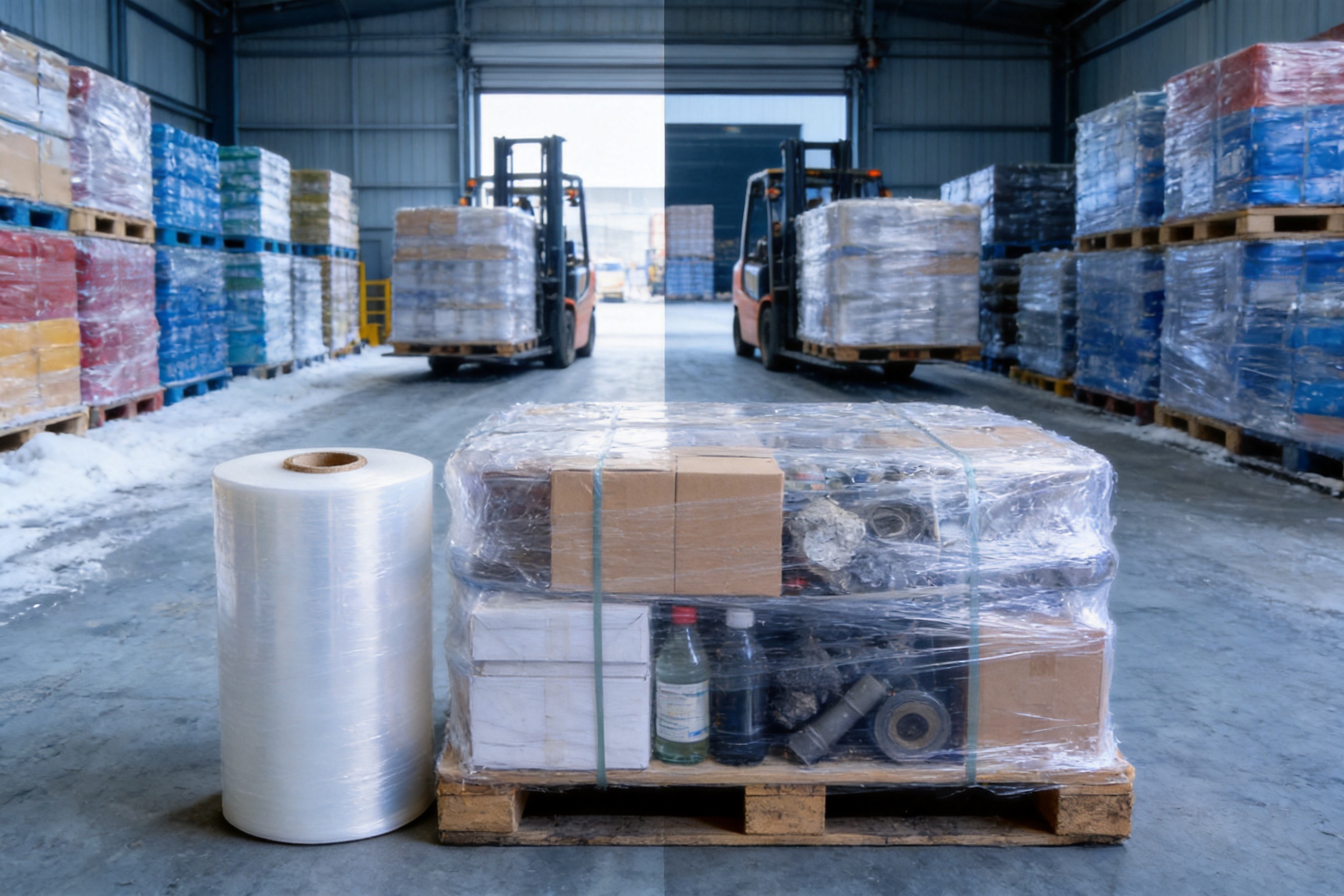
Purchasing machine stretch film directly from a manufacturer can simplify technical communication and improve supply-chain visibility. Customers can discuss film specifications, roll dimensions, packaging details, production schedules, and inspection requirements with a team that understands the manufacturing process.
Direct factory cooperation may also support better customization. A distributor may offer standard products, while a manufacturer can evaluate changes to thickness, width, roll length, color, core, packaging, or labeling. The practical value of customization depends on order quantity and technical feasibility, but direct communication makes the evaluation process more efficient.
Manufacturing control can also improve consistency between batches. When production, rewinding, slitting, inspection, and packaging are managed within one organization, quality information can be transferred more efficiently from one stage to the next. This is valuable for customers who require stable film behavior on automated equipment.
Cost is another consideration. A direct manufacturer can reduce some intermediary expenses and may offer more competitive pricing for regular orders, container quantities, or long-term supply arrangements. The most important comparison, however, should consider total cost, including film consumption, machine downtime, labor, product protection, and delivery reliability.
Before approving a machine stretch film for full-scale use, customers should conduct a controlled trial. The trial should use representative pallets rather than idealized test loads. Operators should record the film specification, machine settings, wrapping pattern, number of rotations, and final load condition.
Important evaluation points include whether the film runs smoothly, whether it breaks during application, whether the load remains stable after wrapping, whether cartons are crushed, whether the film tail remains secure, and whether the pallet can be handled without shifting. The trial should also consider the expected storage and transportation environment.
For high-volume operations, customers may compare film consumption per pallet rather than only price per roll. A film that costs slightly more per kilogram may be more economical if its greater stretch and containment performance reduce the amount used per load. Consistent application can also reduce rejected pallets and rework.
Where products are fragile or high value, the trial should include vibration, movement, or simulated handling where practical. The goal is to confirm that the film provides adequate stability without damaging the packaged goods. Technical support from the supplier can help interpret the results and adjust the film grade or machine settings.
Machine stretch film performance should be reviewed regularly rather than treated as a fixed purchase decision. Changes in pallet dimensions, product weight, transport routes, packaging speed, or warehouse conditions may require different film settings or specifications.
Maintenance teams should monitor rollers, belts, sensors, cutting systems, bearings, and tension controls. A machine that is not properly maintained may consume excessive film or produce inconsistent wrapping even when the film itself meets specification.
Packaging managers can track film usage per pallet, break frequency, roll changes, downtime, damaged loads, and operator interventions. These data help identify opportunities for improvement. If film consumption is unusually high, the cause may be excessive overlap, incorrect prestretch settings, worn rollers, poor pallet quality, or an unsuitable film grade.
Continuous improvement should focus on the complete packaging process. Film selection, equipment condition, operator training, pallet design, load arrangement, and storage practices all contribute to final performance. Working with a manufacturer that can provide technical feedback makes it easier to optimize the system over time.
The main purpose is to stabilize and protect palletized or grouped goods during storage, handling, and transportation. The film stretches around the load and uses elastic recovery and self-adhering layers to hold products together.
Machine stretch film is designed for use with automated or semi-automated wrapping equipment. It is optimized for controlled tension, mechanical stretching, high-speed application, and consistent wrapping. Hand stretch film is generally designed for manual application and may have different roll dimensions and handling characteristics.
Thickness depends on load weight, product shape, pallet stability, film stretch capability, transportation conditions, and machine settings. Available thicknesses for this product range from 15 micrometers to 50 micrometers. A packaging trial is recommended before final selection.
Yes. Clear, white, and black options are available, with other colors possible depending on production requirements. Clear film provides maximum visibility, while colored film can support identification, privacy, or warehouse organization.
The film helps reduce exposure to incidental moisture, dirt, snow, and splashes during ordinary storage and transportation. It should not be considered a complete waterproofing system for immersion, severe weather, or long-term outdoor storage. Additional protective packaging may be required.
Self-adhering means that the film layers cling to one another during wrapping. This allows the wrap to remain together without a separate adhesive or tape. Correct film tension, overlap, and machine settings are still necessary for reliable performance.
Yes, machine stretch film can adapt to many irregular shapes because it is flexible and stretchable. Products with sharp edges, protrusions, or unstable centers of gravity may require additional corner protection, a stronger film grade, or a modified wrapping pattern.
Store it in a dry, cool, ventilated, and light-protected location. Avoid direct sunlight, high temperatures, excessive humidity, heat sources, and heavy pressure on the rolls. Keep the film in its original packaging until use whenever possible.
Roll width, length, core configuration, color, labeling, and packaging can be discussed according to machine compatibility and order requirements. The available standard range includes widths from 100 mm to 500 mm and roll lengths from 500 m to 2,000 m.
Film consumption can often be reduced by selecting an appropriate film grade, using the correct prestretch setting, controlling overlap, maintaining the wrapping machine, and arranging the load properly. Reducing material should never compromise load stability or product safety.
Qida Tape’s engineers and technicians can assist customers with product selection based on technical data sheets, samples, equipment conditions, and application requirements. Customers should provide detailed information about the load and wrapping process for the most useful recommendation.
Recycling depends on the film formulation, local collection systems, contamination level, and applicable regulations. Customers should confirm the specific material composition and available end-of-life options with the manufacturer and local waste-management provider.
Machine stretch film is an efficient solution for securing and protecting palletized goods in modern manufacturing, warehousing, and logistics operations. Its combination of high stretchability, elastic recovery, self-adhering layers, puncture resistance, tear resistance, transparency, and large roll capacity supports faster and more consistent packaging.
Compared with manual wrapping or less specialized films, machine stretch film provides better control when used with correctly configured equipment. It can help reduce labor, minimize downtime, improve load stability, protect goods from ordinary environmental contamination, and control material consumption. The best results depend on selecting the correct grade and matching it with the wrapping machine and load conditions.
Wuxi Qida Tape Co., Ltd. strengthens this product offering through integrated manufacturing, advanced equipment, experienced technical personnel, inspection facilities, customization capabilities, and established quality and environmental management systems. Its factory experience in protective films and flexible film processing supports reliable production and technical cooperation for customers in China and international markets.
For companies seeking a dependable packaging film for automated pallet wrapping, the correct evaluation should consider not only roll price but also film consumption, wrapping speed, stability, product protection, machine compatibility, quality consistency, and service support. With these factors properly assessed, machine stretch film can become an important part of a more efficient, economical, and controlled packaging operation.
ASTM International. Standard practices and test methods related to plastic film tensile properties, puncture resistance, tear resistance, and packaging performance.
International Organization for Standardization. ISO 9001, Quality Management Systems—Requirements.
International Organization for Standardization. ISO 14001, Environmental Management Systems—Requirements with Guidance for Use.
International Organization for Standardization. Packaging and distribution-related guidance for unit loads and transport stability.
Wuxi Qida Tape Co., Ltd. Product specifications and technical information for machine stretch film.
Wuxi Qida Tape Co., Ltd. Corporate information regarding protective film manufacturing, quality management, environmental management, testing, and production capabilities.
General industrial packaging principles for pallet stability, load containment, automated wrapping, film storage, and packaging equipment safety.

● Protect window glass against paint splatters, dirt, staining, and spillages during painting, building, plastering, tiling, general maintenance and r...
See Details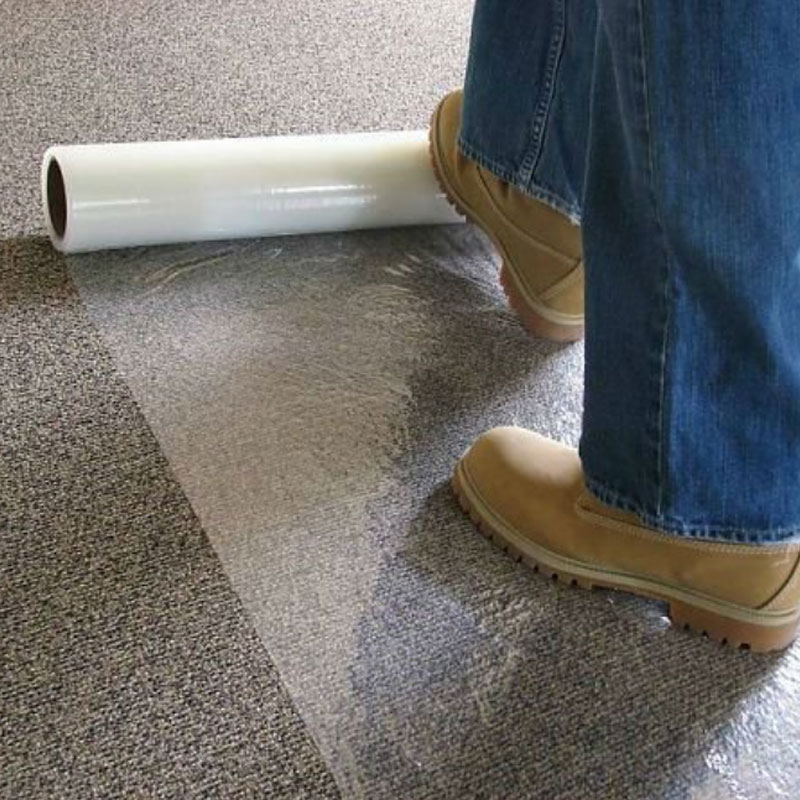
● Protects carpet against staining, paint spillage and dirt during painting, building, remodeling, plastering, tiling, decoration, general maintenance...
See Details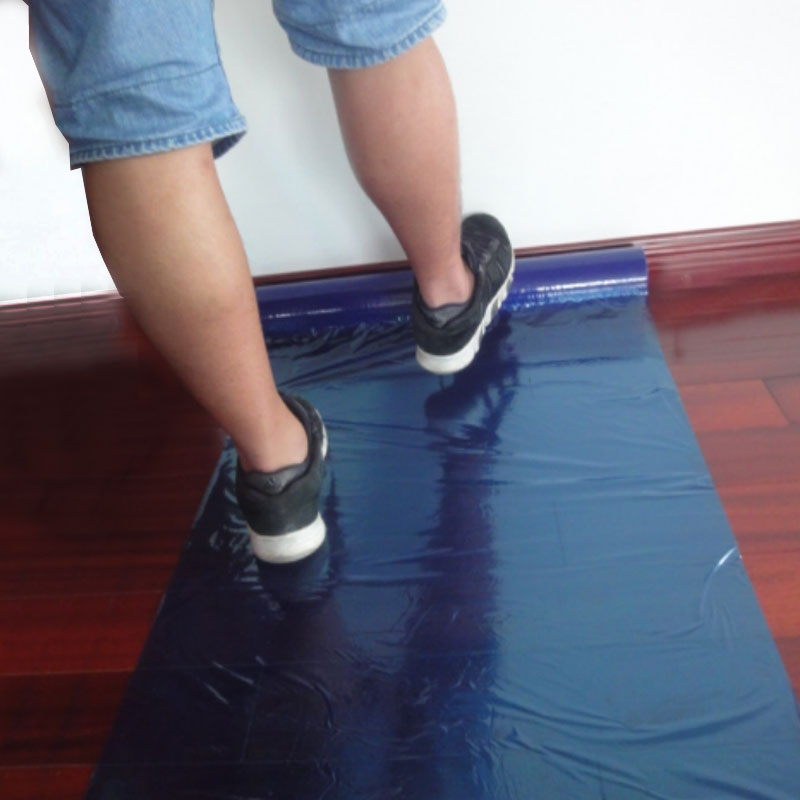
● Patented adhesive formula suits all hard surfaces such as hardwood floors, laminate floors, ceramic, marble, tile, granite, vinyl, worktops, and gla...
See Details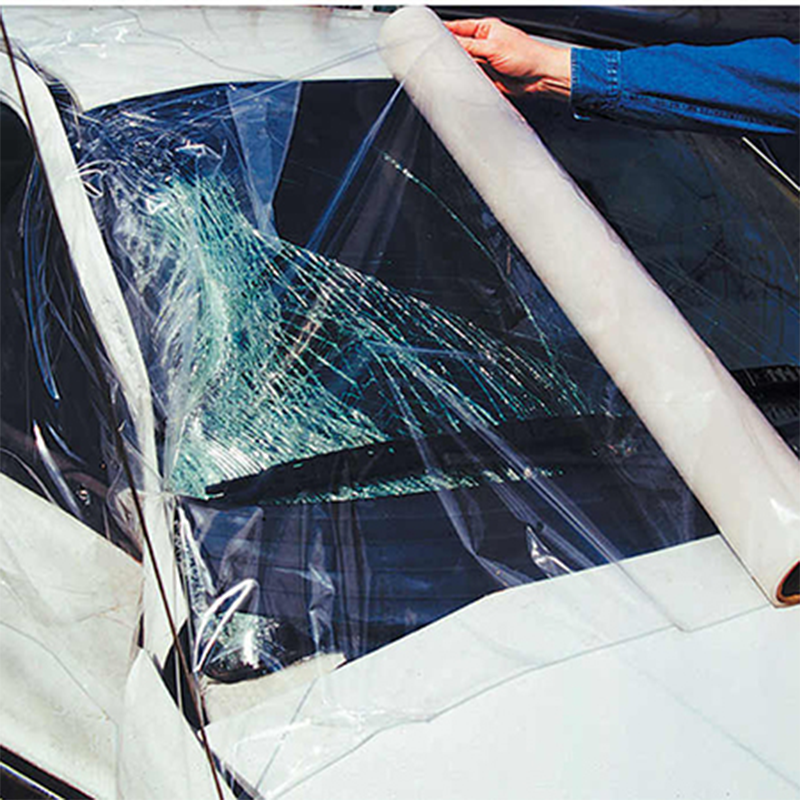
● The super-tough polyethylene film resists puncture and penetration by rain, snow, debris, and dirt during the transportation and storage of the cras...
See Details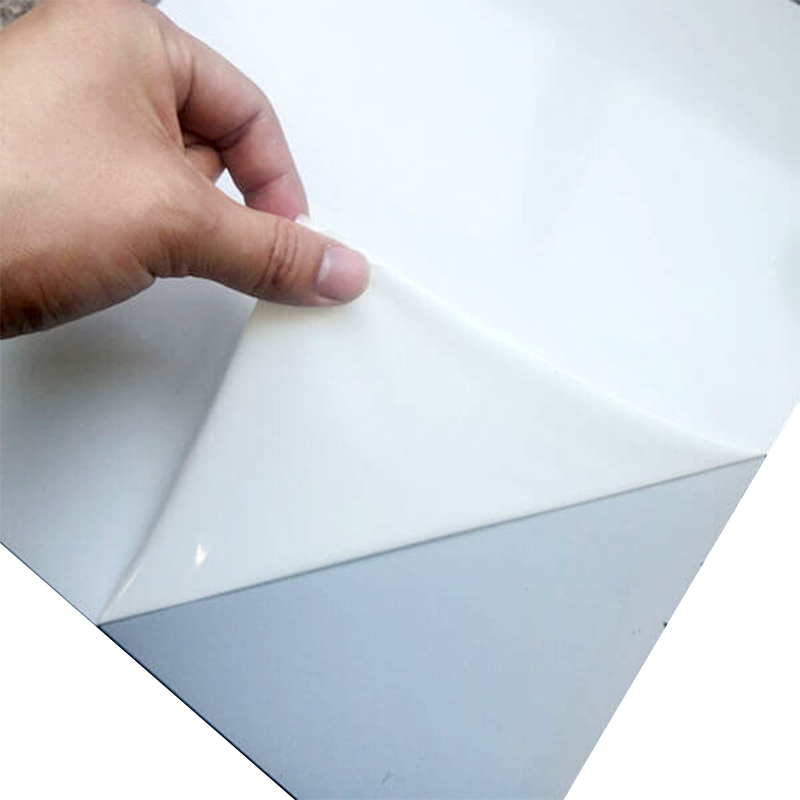
● The super tough polyethylene film with super high adhesion can stop parts of the glass or mirror from splintering away and injuring people when it i...
See Details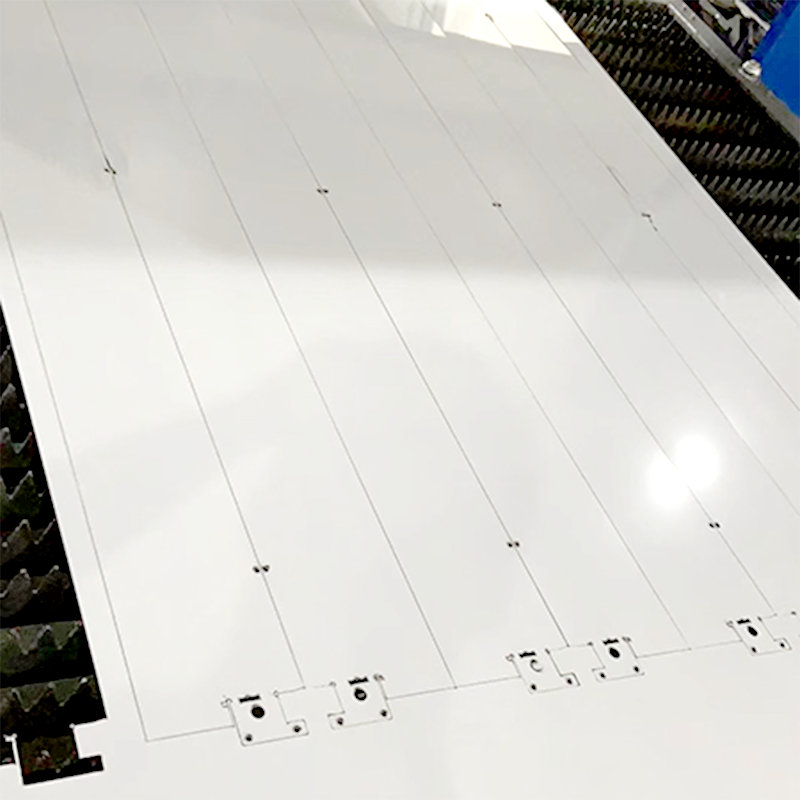
● The specially formulated natural rubber adhesive suitable for both CO2 and Fiber laser cutting processes;● High cutting quality without burr or trac...
See Details
● The specially formulated adhesive ensures easy application and removal without leaving residue glue; ● The super-tough polyethylene film protects ag...
See Details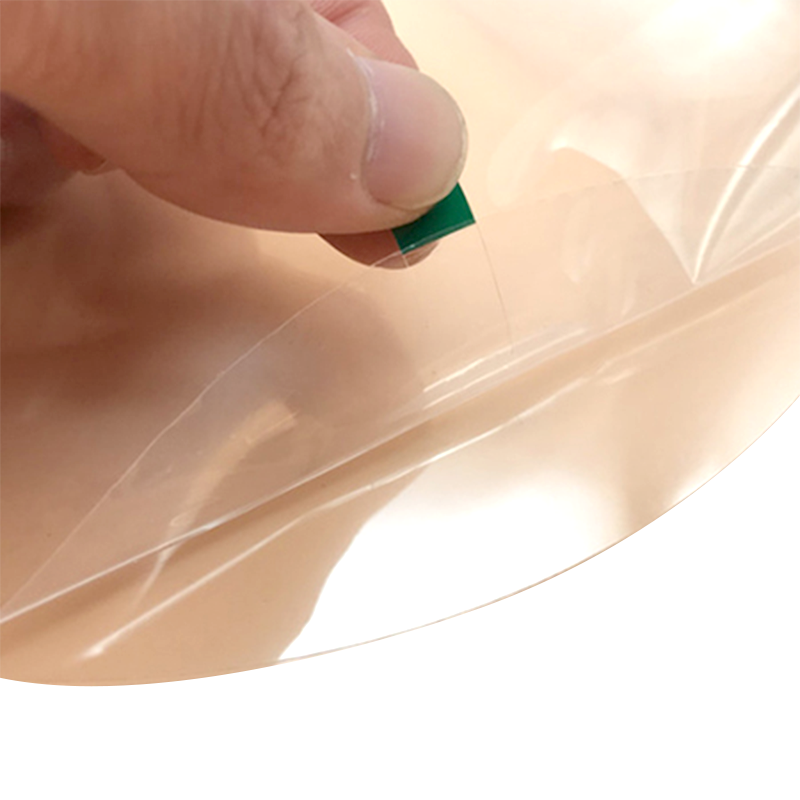
● Suitable for plastic sheets’ drilling, cutting, routing, thermoforming, bending, or post-fabrication operations;● No “ghost shadow” or “fish eye” af...
See Details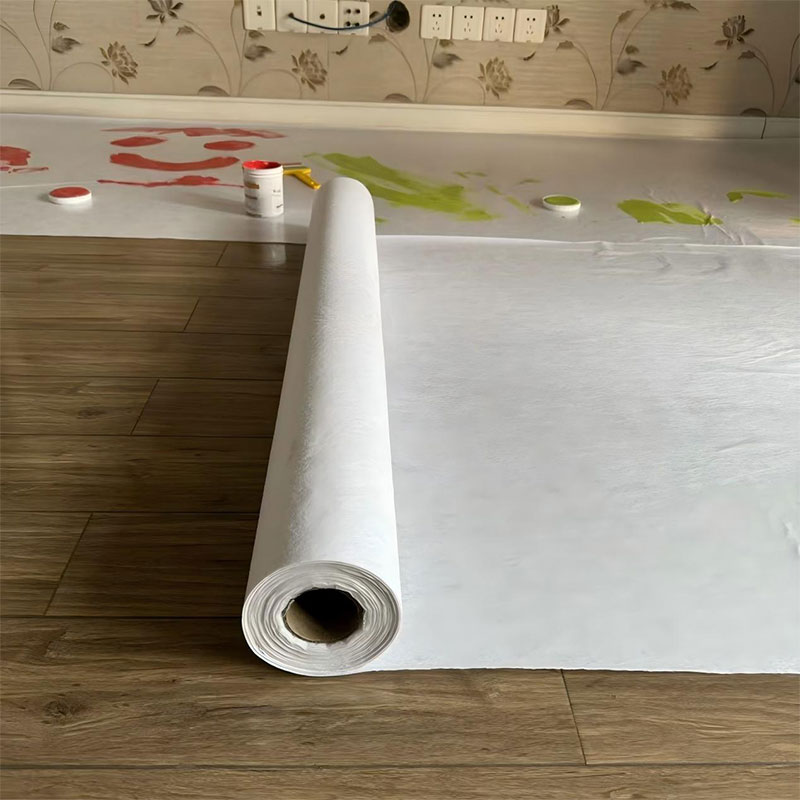
This product has non-woven synthetic fleece in middle; PE film adhered onto top of the non-woven fabric, which is coated with self adhesive glue on it...
See Details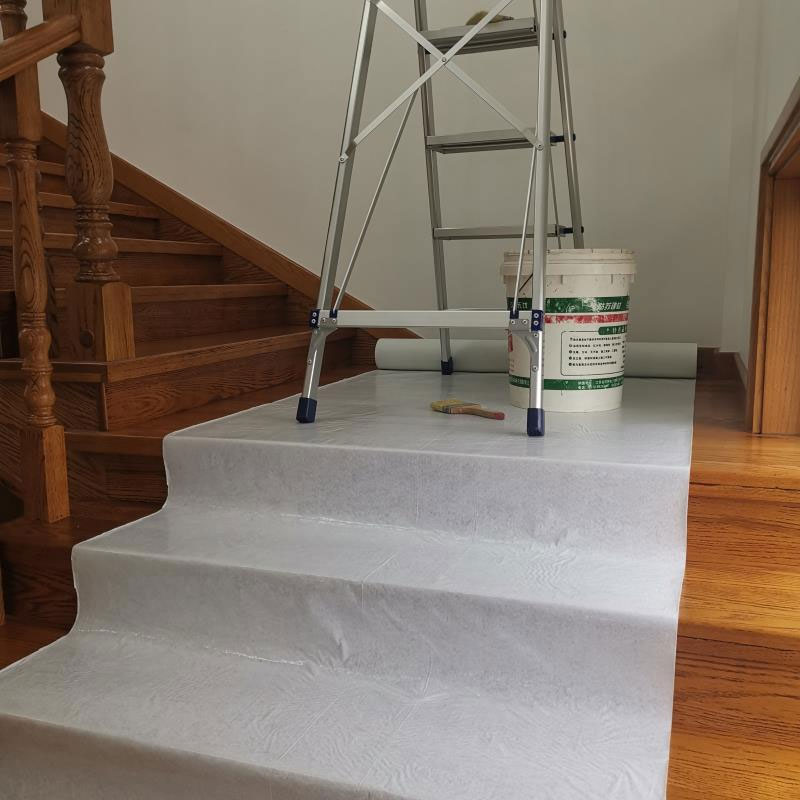
This product has non-woven synthetic fleece in middle; Breathable PE film adhered onto top of the non-woven fabric, which is coated with self adhesive...
See DetailsWe’re a reliable partner that shapes our expertise into success for your project.

Copyright 2024 Wuxi Qida Tape Co., Ltd. All Rights Reserved
 Wholesale Protective Film/Foil Manufacturers
Privacy