

 English
 English
 русский
 Français
 Español
 Português
 عربى
عربى

Cat:Glue -coated Protective Film
● Good weatherability for outdoor exposure; ● Stable adhesion level; ● UV resistance for up to 12 months; ● Can print customized logo or application i...
See Details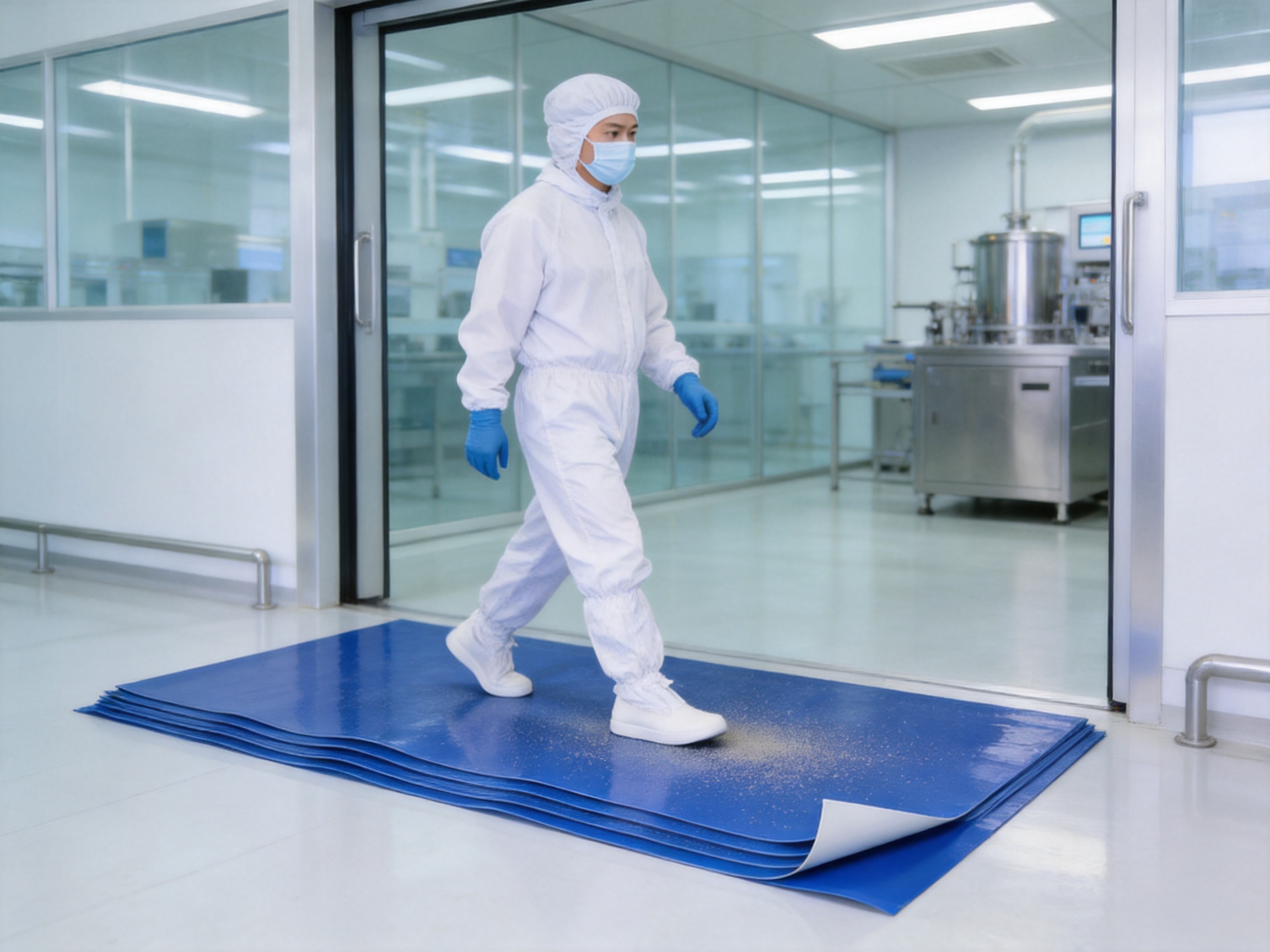
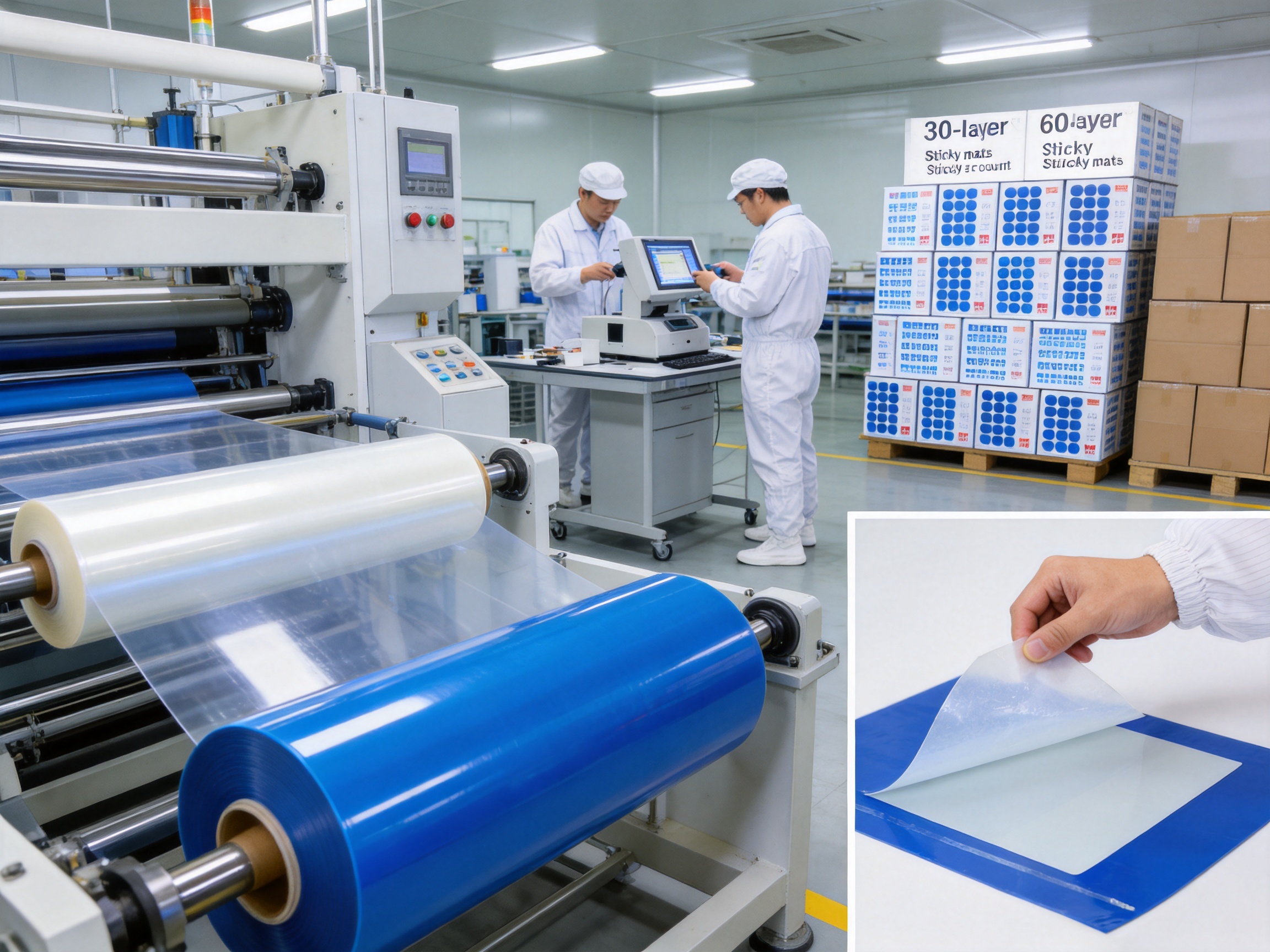
Maintaining a clean and controlled working environment is essential in industries where dust, hair, fibers, oil, and other particles can affect product quality, equipment performance, hygiene, or workplace safety. A sticky mat, also known as a tacky mat or clean step mat, provides a practical first line of defense at entrances to cleanrooms, laboratories, hospitals, electronics workshops, semiconductor facilities, food packaging plants, and manufacturing areas.
Unlike ordinary floor mats that mainly collect visible dirt through brushing or scraping, a sticky mat uses a pressure-sensitive adhesive surface to capture fine particles from shoes, trolley wheels, carts, equipment bases, and other contact surfaces. Each step or wheel movement transfers contaminants to the adhesive layer, helping prevent them from being carried into sensitive areas.
Modern sticky mats are designed for efficiency, convenience, stable adhesion, and easy replacement. The product described in this article is available in 30-layer and 60-layer configurations, several standard sizes, multiple colors, acrylic adhesive options, and customized printing. Its full-surface adhesive backing allows direct installation on the floor without a separate frame, while its multilayer construction allows operators to remove a used layer and immediately expose a clean one.
Produced by Wuxi Qida Tape Co., Ltd., the sticky mat benefits from the company’s long experience in adhesive coating, protective film manufacturing, quality control, and customized converting. The manufacturer operates its own production processes, including film production, adhesive coating, printing, rewinding, slitting, and packaging. This integrated structure supports consistent quality and flexible supply for distributors, cleanroom contractors, hospitals, industrial users, and international buyers.
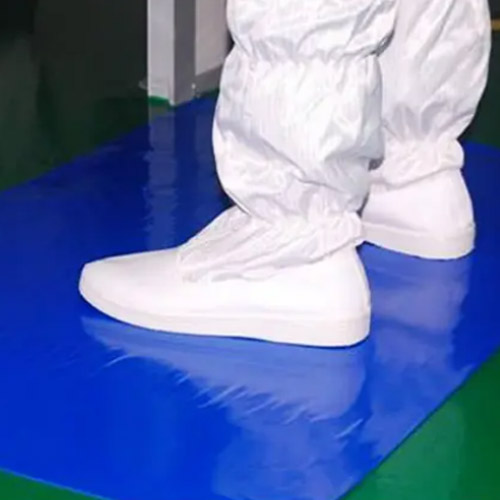
Sticky Mat
A sticky mat is a multilayer floor covering with an adhesive surface designed to remove and retain particles from footwear, wheels, and equipment contact points. It is commonly installed at the entrance or exit of a controlled area. When a person walks across the mat or a cart passes over it, the adhesive captures contaminants before they reach the cleaner zone.
Each mat normally consists of multiple thin adhesive sheets stacked together. When the exposed layer becomes saturated with dust or loses its effectiveness, the operator can remove it using a designated corner tab. The next clean layer is then ready for use. This process avoids the need to wash the mat, apply a new coating, or stop operations for extended maintenance.
Sticky mats are sometimes called tacky mats, dust removal mats, adhesive mats, cleanroom mats, or clean step mats. Although product names vary, the main purpose is the same: to reduce the transfer of particles and contaminants from one area to another.
The product range discussed here uses acrylic adhesive and is available in thicknesses from approximately 30 micrometers to 50 micrometers. The film can be supplied in transparent clear, blue, white, gray, or green. A company logo, operating instruction, color code, or other design can also be printed on the base when required.
Particles that appear harmless in an ordinary workplace can create serious problems in a cleanroom, medical area, laboratory, electronics workshop, or food packaging facility. Dust may settle on optical components, contaminate packaging surfaces, interfere with coating processes, damage precision equipment, or reduce the yield of finished products.
Footwear and wheels are common transfer points. A person may walk through a warehouse, corridor, loading area, or outdoor space and then enter a controlled production area. Even when the visible sole looks clean, it can carry fine dust, fibers, skin particles, soil, and microorganisms. Carts and equipment wheels can transfer even larger amounts of dirt because they remain in continuous contact with floors.
A sticky mat does not replace a complete cleanroom protocol, protective clothing, air filtration, or regular cleaning. Instead, it supports these measures by controlling contamination at a key transition point. It is simple to install, easy to inspect, and suitable for high-traffic areas where fast particle removal is needed.
When positioned correctly, the mat helps create a defined boundary between less controlled and more controlled areas. Workers and visitors receive a clear visual and physical reminder to follow the entry procedure. This combination of contamination control and process discipline makes the sticky mat a useful part of a broader hygiene and facility-management program.
The sticky mat is designed for users who need reliable particle removal together with straightforward maintenance. The following specifications can be adapted for different facilities and purchasing requirements.
| Product type | Multilayer adhesive sticky mat or tacky mat |
| Available layers | 30 layers or 60 layers |
| Thickness | Approximately 30 micrometers to 50 micrometers |
| Adhesive type | Acrylic pressure-sensitive adhesive |
| Adhesion level | High |
| Available sizes | 18 x 36 inches, 18 x 45 inches, 24 x 36 inches, 26 x 45 inches, 36 x 36 inches, 36 x 45 inches, and 36 x 60 inches |
| Film colors | Transparent clear, blue, white, gray, or green |
| Printing | Logo or customized design available on the base |
| UV resistance | Up to approximately three months, depending on conditions |
| Carton packing | Four, eight, or ten mats per carton, depending on the selected configuration |
| Optional version | Antibacterial version available upon request |
| Reported dirt removal effect | At least 99.9 percent under the stated five-step test condition |
Actual performance may depend on traffic frequency, particle type, footwear condition, wheel material, floor condition, humidity, temperature, and replacement frequency. Buyers should confirm the required specifications and test conditions before final approval for a particular application.
One important advantage of this sticky mat is its full-surface adhesive backing. The backing is designed to secure the mat directly to the floor without requiring a separate metal or plastic frame. This reduces the number of components needed during installation and helps simplify purchasing, storage, and maintenance.
A mat that shifts, curls, or forms wrinkles can reduce contact between shoes and the adhesive surface. It can also create an inconvenience or tripping concern in busy entrances. Full-surface adhesion helps the mat remain flat and stable when installed on a suitable, clean, and dry floor.
Direct installation is especially convenient for temporary production areas, changing facility layouts, construction zones, laboratories, and locations where a permanent frame would be difficult to install. It can also make the clean entrance more visually organized, because the mat remains in a defined position instead of moving during repeated traffic.
Before installation, operators should remove loose dust, grease, moisture, and debris from the floor. The floor should be compatible with the adhesive and sufficiently smooth to allow uniform contact. If the mat is moved to another area, the user should inspect the adhesive and floor condition before reuse.
The multilayer design is one of the most practical features of a sticky mat. Instead of replacing the entire mat whenever the upper surface becomes contaminated, the user can peel away the used sheet and expose a fresh adhesive layer. This saves time and reduces interruptions in areas that operate continuously.
The 30-layer configuration can be suitable for locations with moderate traffic or limited floor space. The 60-layer version can provide a longer replacement cycle in busy entrances, large facilities, and areas where frequent servicing would be inconvenient. The best selection depends on the number of people and carts passing through the entrance each day.
Each layer should be removed carefully from the designated corner. Operators should avoid tearing the sheet irregularly, leaving fragments on the floor, or pulling away several layers at once. Clear layer numbering can help employees understand how many usable sheets remain and support routine inventory planning.
For facilities with strict operating procedures, staff can record layer changes as part of the cleaning or environmental monitoring program. A regular replacement schedule is preferable to waiting until the adhesive surface is visibly saturated, particularly in cleanrooms, medical areas, and production environments with high contamination sensitivity.
The principal function of a sticky mat is particle capture. Its adhesive surface is formulated to create sufficient contact with footwear and wheels while remaining practical to use during normal movement. The stated dirt removal effect is at least 99.9 percent under a five-step test condition, indicating strong particle-removal performance under the specified testing method.
Fine dust, loose fibers, hair, skin particles, and small residues can adhere to the exposed surface. The mat is particularly useful for reducing the initial movement of contaminants into a controlled zone. It works through direct contact rather than depending on water, electrical power, complex equipment, or a lengthy cleaning cycle.
Compared with a conventional fabric entrance mat, a sticky mat can capture smaller particles that may pass through woven fibers. Compared with a simple rubber scraper mat, it offers a different cleaning mechanism: instead of primarily scraping debris from a sole, it retains particles on the adhesive film. This can be valuable where loose dust must not be redistributed around the entrance.
For best results, users should encourage people to take several normal steps across the mat rather than touching only its edge. Carts should pass slowly enough to provide adequate contact. Very wet, heavily oily, or unusually dirty footwear may require preliminary cleaning because excessive contamination can reduce the effectiveness of the adhesive layer.
Sticky mats offer several advantages over ordinary textile, rubber, or scraper-style floor mats. These benefits do not mean that one product is suitable for every environment. Instead, they explain why adhesive mats are often selected for controlled areas where particle transfer must be reduced.
Textile mats can hold visible dirt within their fibers, but fine particles may remain on the surface or become airborne when people walk across the mat. A sticky mat captures particles on an adhesive surface and keeps them attached until the layer is removed.
Traditional mats often need regular vacuuming, washing, drying, and replacement. A multilayer sticky mat can be refreshed by peeling off a used sheet. This reduces wet cleaning requirements and helps avoid downtime caused by drying or laundering.
The condition of the exposed layer can be observed quickly. Operators can see accumulated dirt and determine whether a fresh sheet is needed. This makes routine maintenance more straightforward than judging contamination hidden inside a thick fabric mat.
The full adhesive backing helps the product remain in place without a separate frame. This can be more convenient than installing a recessed mat well or fastening a conventional mat with additional hardware.
Several sizes allow users to match the mat to a doorway, gowning area, corridor, trolley route, or equipment entrance. Different colors can support zone identification, facility branding, or visual management procedures.
A logo or customized design can be printed onto the base. Printing can help identify the facility, indicate the direction of movement, display a simple instruction, or distinguish mats used in different areas.
When comparing sticky mat suppliers, buyers should evaluate more than price. The adhesive formulation, film uniformity, layer separation, backing stability, printing quality, packaging, and production consistency all influence the actual cost and performance of the product.
The product range supplied by Wuxi Qida Tape Co., Ltd. is supported by an established protective film manufacturing operation. The company has experience with different backing materials, adhesive systems, coating conditions, slitting requirements, and surface protection applications. This background is valuable because a sticky mat is not simply a plastic sheet with adhesive. It requires controlled coating, uniform winding, accurate cutting, reliable layer separation, and packaging that protects the product during transportation.
Customers can choose between 30-layer and 60-layer designs, several dimensions, multiple colors, and different carton quantities. This flexibility is useful for wholesalers and distributors who serve customers with different facility sizes and traffic levels. The availability of an antibacterial version upon request also supports applications that require an additional product option, subject to appropriate technical confirmation and regulatory requirements.
Customization is another supplier advantage. The manufacturer can evaluate customer drawings, technical data sheets, samples, or application requirements. A customized product may involve dimensions, color, printed graphics, packaging, adhesive characteristics, or layer configuration. Engineering support helps avoid the common problem of selecting a mat based only on appearance instead of actual floor, traffic, and contamination conditions.
Reliable supply is also important. A supplier with in-house production capabilities can coordinate film production, coating, printing, rewinding, slitting, inspection, and packing more efficiently than a business that outsources every stage. Better process coordination can help improve batch consistency and shorten communication cycles when a specification needs to be adjusted.
Electronics and semiconductor production areas often have strict requirements for particle control. Dust may settle on sensitive components, affect bonding or coating processes, contaminate packaging, or interfere with precision equipment. A sticky mat installed at the entrance to a clean or controlled area helps reduce the number of particles carried in by shoes, carts, and mobile equipment.
In these facilities, the mat is generally used together with gowning procedures, cleanroom garments, air showers, filtration systems, regular floor cleaning, and environmental monitoring. Its role is to control contamination at the floor interface, which remains an important source of particle transfer.
Color-coded mats can be assigned to different zones. For example, a blue mat may be used at a general clean area, while another color may identify a higher-control production zone. Printed instructions can remind workers to walk across the full mat surface and report when the exposed layer needs replacement.
For semiconductor and electronics customers, procurement teams may request information about adhesive residue, ionic contamination, volatile substances, particle generation, packaging cleanliness, and compatibility with the facility’s operating procedures. The supplier should review these requirements before mass production and provide samples for evaluation where necessary.
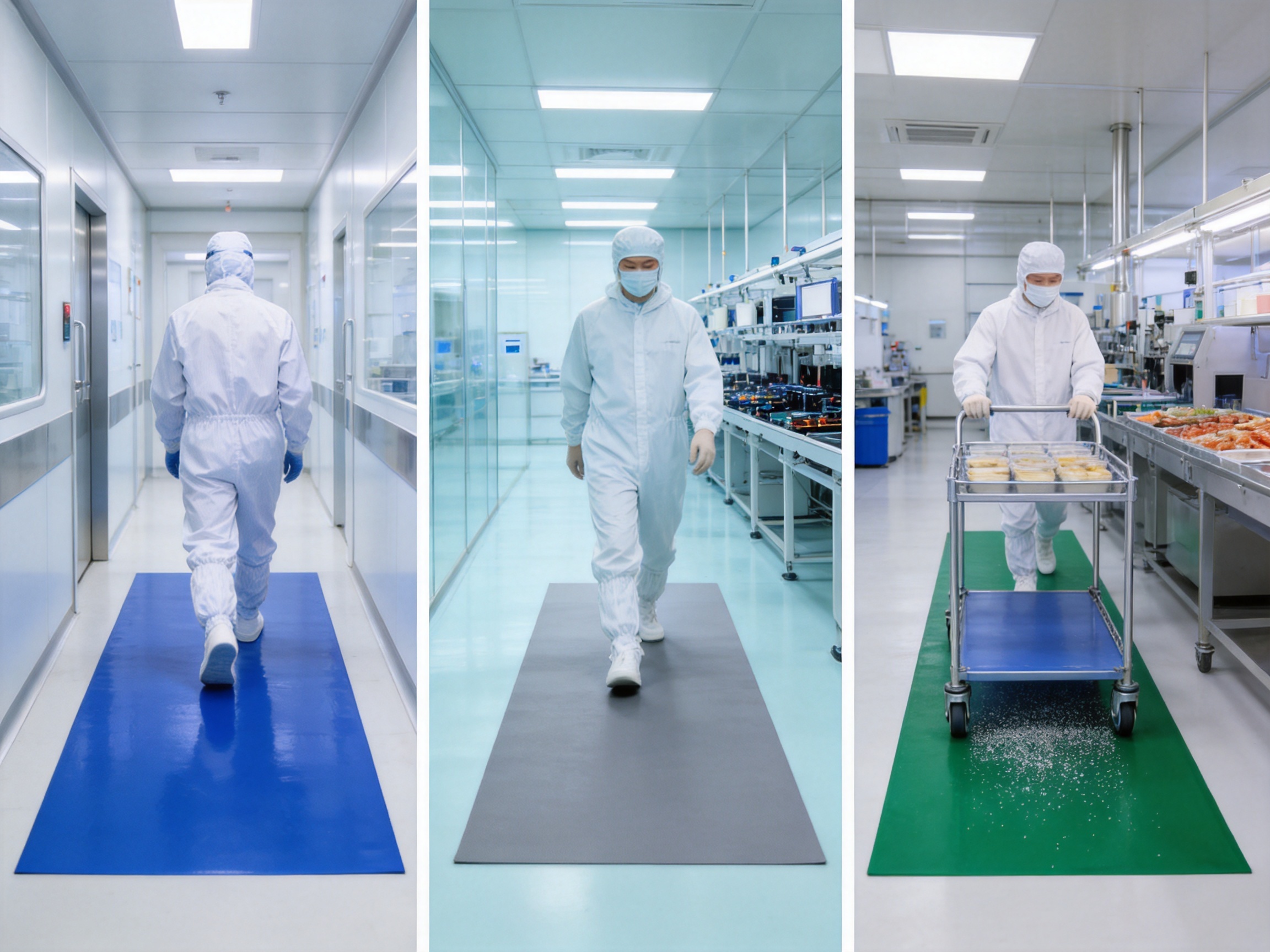
Hospitals, clinics, laboratories, pharmaceutical facilities, and healthcare service areas need effective methods for reducing the transfer of dirt and microorganisms between zones. Sticky mats can be placed at the entrances of operating support areas, clean corridors, laboratories, isolation-related spaces, storage rooms, and other controlled locations where floor contamination needs to be reduced.
The adhesive surface can collect dirt from shoes and equipment wheels, helping limit the movement of visible particles. The product may also be supplied in an antibacterial version when requested. Buyers should review the technical documentation for any antibacterial option, including the active technology, test method, applicable claims, and compatibility with local regulatory requirements.
A sticky mat should not be treated as a substitute for hand hygiene, surface disinfection, personal protective equipment, sterilization, or infection-control procedures. It is a supplementary floor-level control that supports a broader healthcare hygiene plan.
Healthcare users often value easy replacement because entrances may experience continuous traffic. The 60-layer design can reduce the frequency of full-mat replacement, while individually removable sheets allow maintenance workers to refresh the surface quickly. Clear color selection and printing can also help separate clinical areas from general circulation zones.
Biological laboratories and pharmaceutical production areas may require strict control of particles, fibers, and floor-borne contaminants. A sticky mat can be used at transition points between corridors, gowning rooms, material transfer areas, and controlled workspaces.
In these environments, users should establish a written procedure covering mat placement, replacement frequency, cleaning around the mat, personnel movement, trolley movement, and waste handling. The mat should remain flat and fully attached to the floor. If the adhesive becomes contaminated or loses its intended performance, the exposed sheet should be removed promptly.
Laboratory managers may also require sample testing for compatibility with floor coatings, disinfectants, solvents, temperature conditions, and cleanroom operating practices. The manufacturer’s technical team can assist in identifying an appropriate construction based on the actual application.
Food packaging plants, production workshops, warehouses, and assembly facilities can use sticky mats to reduce the amount of dirt entering sensitive work areas. They are especially useful where employees, visitors, carts, or mobile equipment cross from general traffic areas into cleaner production zones.
Because sticky mats do not require electrical power or water during normal layer replacement, they are convenient in locations where fast and simple contamination control is preferred. Their compact structure also makes them easy to stock near entrances and include in routine cleaning programs.
In food-related facilities, the product should be used as part of a documented sanitation system. Buyers should verify whether the selected materials and adhesive are appropriate for the intended location and ensure that the mat is not installed where direct contact with food, food-contact surfaces, or wet processing chemicals could create a problem.
Manufacturing facilities can also use printed mats to communicate traffic rules. A logo, department name, or short instruction may improve employee awareness and support visual management. For export orders, the supplier can discuss carton labeling, language requirements, palletization, and other packaging details.
The standard adhesive type is acrylic. Acrylic pressure-sensitive adhesives are widely used in industrial tape and protective film applications because they can provide stable adhesion and good aging performance when appropriately formulated. The adhesive must balance several requirements: sufficient grip on the floor, effective particle capture, clean layer removal, and limited residue under the intended conditions.
Adhesion level is influenced by the floor surface, temperature, humidity, pressure, contact time, and cleanliness. A smooth, dry floor generally provides more uniform contact than a rough, dusty, wet, or oily surface. For this reason, product evaluation should be carried out on the actual floor material whenever possible.
The film base can be produced in transparent clear, blue, white, gray, or green. Clear film can provide a low-visual-impact appearance, while blue is commonly associated with cleanroom products. White and light colors can make accumulated dust easier to observe. Gray or green may support facility color-coding or match an existing interior design.
Customers requiring special adhesive performance, particular release characteristics, or customized film construction should provide technical data, samples, or application details. Qida Tape offers multiple adhesive technologies in its wider protective film business, including acrylic water adhesive, acrylic solvent adhesive, and natural rubber adhesive. The correct adhesive for a sticky mat application should be selected through technical review rather than assumed from another product category.
The performance of a sticky mat depends heavily on manufacturing precision. Uneven coating, unstable film thickness, poor winding tension, inaccurate cutting, or damaged release tabs can affect the user experience. An experienced manufacturer therefore controls each major process from raw material preparation to final packaging.
The backing film provides the structural foundation of the mat. It must have appropriate thickness, flexibility, dimensional stability, and surface characteristics. Consistent film production helps support smooth coating and accurate conversion into individual layers.
The adhesive is prepared according to the required formulation and target performance. Viscosity, solids content, coating behavior, and curing or drying conditions must be monitored. A stable adhesive preparation process helps reduce variation between production batches.
During coating, the adhesive must be applied evenly across the required surface. Coating weight and uniformity influence tack, particle capture, layer separation, and overall product consistency. Advanced coating equipment and controlled production conditions help maintain stable results across wide rolls.
After coating, the film passes through controlled drying or curing stages as required by the adhesive system. Correct temperature and residence time are important for removing solvents or water and developing the intended adhesive properties. Improper drying can lead to blocking, odor, unstable tack, or transfer during use.
When a customer requests a logo or design, printing is completed with attention to registration, color consistency, adhesion, and durability. Printed information can be used for branding, instructions, product identification, or zone management.
Large coated rolls are rewound under controlled tension and slit into the required widths. Accurate slitting supports consistent mat dimensions and clean edges. Proper winding also helps prevent telescoping, wrinkles, blocking, and deformation during transport or storage.
Individual sheets are assembled into 30-layer or 60-layer mats. The layers must separate reliably while remaining stable during use. Cutting accuracy ensures that the selected size matches the customer’s specification and that corner tabs or other handling features are positioned correctly.
Finished products are inspected before packing. Inspection may include appearance, dimensions, layer count, adhesive condition, printing, release performance, and packaging integrity. Carton packing can be arranged for four, eight, or ten mats per carton, depending on the order configuration.
Qida Tape completes key production activities in its own factory, including backing film production, adhesive coating, logo printing, rewinding, slitting, and packaging. This integrated process gives the company greater control over production scheduling and quality coordination.
Wuxi Qida Tape Co., Ltd. was founded in 1999 and operates a factory of approximately 20,000 square meters. The company has more than 95 experienced employees and an annual production capacity of over 12,000 tons. Its products are supplied throughout China and exported to customers in Europe, North America, Australia, the Middle East, Japan, and other regions.
The company has introduced advanced machinery from Germany and operates under ISO 9001 and ISO 14001 management systems. ISO 9001 supports systematic quality-management practices, while ISO 14001 reflects an environmental-management framework. These systems help organize documentation, process control, corrective action, and continual improvement.
Qida Tape also maintains a testing laboratory and advanced inspection equipment. Testing and inspection are important for verifying product consistency before shipment and for supporting customer-specific development work. Depending on the product and application, testing may address adhesive behavior, thickness, appearance, dimensional stability, aging, release performance, and surface compatibility.
The company’s engineering and research team works with research and development institutes and can develop products according to customer samples or technical data sheets. This capability is especially valuable for buyers who require a customized width, special packaging, printed design, specific layer quantity, or application-related performance adjustment.
In addition to sticky mats, the company manufactures and supplies protective film and surface protection products for stainless steel, aluminum, pre-coated metal, plastic panels, ceramic, carpets, decorative laminates, glass, and other surfaces. This wider experience in temporary protection gives the company a broad understanding of adhesive selection, film behavior, coating technology, and removal performance.
Wholesale buyers may need more than a standard product. Distributors often require private-label packaging, specific carton quantities, mixed sizes, local-language labels, or printed logos. Facility operators may require a particular color, dimension, layer count, or entrance configuration.
Customization can begin with a technical review of the application. Important information includes floor material, expected traffic, whether people or carts will cross the mat, temperature and humidity, indoor or outdoor exposure, required replacement frequency, packaging requirements, and any residue restrictions.
A customer may also provide a physical sample or drawing. The manufacturer can then evaluate the required film construction, adhesive properties, coating method, printing layout, and packing arrangement. Sample approval before mass production helps ensure that the final product meets practical expectations.
For large-volume orders, customized production can improve cost efficiency by optimizing roll widths, carton dimensions, pallet loading, and production scheduling. Competitive cost should be considered together with yield, replacement frequency, cleaning labor, transportation, and product reliability.
Select an entrance or transition point where people, carts, or equipment regularly move from a less controlled area into a cleaner area. The mat should cover the normal traffic path. In a wide entrance, several mats may be installed side by side to prevent users from walking around the adhesive surface.
Prepare the floor before installation. Remove dust, loose particles, grease, standing water, and other contamination. The surface should be flat enough to support full contact. Press the mat evenly after placement and check that the edges are secure.
Workers should walk across the mat at a controlled speed. Taking several steps increases the contact area and gives the adhesive more opportunity to capture particles. Carts should be moved slowly and straight across the mat where possible.
Do not place sharp tools, blades, metal scraps, or rough equipment directly on the adhesive surface. Avoid dragging heavy objects across the mat because this can tear the film or reduce the effectiveness of several layers at once.
Inspect the surface regularly. Replace the exposed sheet when it is heavily contaminated, visibly damaged, no longer sufficiently tacky, or when the facility’s scheduled replacement interval has been reached. More frequent inspection is recommended in high-traffic areas.
Keep the area around the mat clean. Dirt accumulating beside the mat can be transferred back onto shoes or wheels and may reduce the overall effectiveness of the entrance-control system.
Although a sticky mat is simple to use, facility personnel should follow appropriate safety practices. Gloves may be helpful when removing used layers, especially for workers with sensitive skin. The mat should be installed so that it does not create a raised edge, loose corner, or obstruction in the walking route.
Store unused mats in their original packaging in a clean, dry location. Avoid prolonged exposure to direct sunlight, excessive heat, moisture, dust, or chemicals. Storage conditions can affect adhesive performance, film stability, and packaging quality.
Outdoor exposure should be limited unless the selected product has been evaluated for that purpose. The stated UV resistance is up to approximately three months, but actual performance depends on sunlight intensity, temperature, humidity, and other environmental conditions.
Used layers may contain dust, oils, fibers, and other collected contaminants. Waste should be handled according to the facility’s internal procedures and applicable local regulations. Where recycling or specialized disposal is available, users should follow the instructions provided by the facility or relevant environmental authorities.
Sticky mats can support resource efficiency because the multilayer design allows the entire base mat to remain in use while only a contaminated surface layer is removed. The product does not require electricity during normal operation and does not need repeated water washing after every used layer.
The environmental profile of a sticky mat depends on its film, adhesive, packaging, service life, and disposal method. Buyers seeking lower-impact options should discuss material composition, packaging reduction, recycling possibilities, and waste-management requirements with the supplier before ordering.
Qida Tape operates under an ISO 14001 environmental-management system and provides products supported by compliance and testing programs that include SGS, RoHS, REACH, PFAS, and Prop 65-related testing or documentation, depending on the product and customer requirement. Buyers should confirm the exact documents applicable to the selected sticky mat configuration.
The correct product depends on traffic volume, available floor space, contamination risk, and maintenance procedures. A small 18 x 36 inch mat may be appropriate for a narrow personnel entrance, while a 36 x 60 inch mat may be more suitable for a broad doorway or cart route.
Choose 30 layers for lower or moderate traffic when regular replacement is convenient. Choose 60 layers when the entrance is busy, the mat is difficult to access, or a longer replacement interval is preferred. The selected layer count should still be matched to the facility’s inspection schedule.
Select a color based on visibility and management requirements. Blue is widely recognized in clean-area applications, clear film can provide a discreet appearance, and white may make collected dirt easier to see. Gray and green can support internal zone identification or visual coordination.
Consider printing if the mat will be used for branding, traffic direction, employee reminders, or department identification. A customized base can help the product become part of the facility’s visual management system.
For sensitive environments, request samples and technical documentation before placing a large order. Test adhesion, removal, residue, particle capture, layer separation, wheel movement, and floor compatibility under actual operating conditions.
| Evaluation item | Questions for the buyer |
| Application area | Will the mat be used in a cleanroom, hospital, laboratory, food plant, warehouse, or general workshop? |
| Traffic level | How many people, carts, or pieces of equipment cross the mat per shift? |
| Mat size | Does the selected size cover the complete normal traffic path? |
| Layer quantity | Is a 30-layer or 60-layer configuration more suitable for the replacement schedule? |
| Floor compatibility | Has the product been tested on the actual floor finish? |
| Adhesion | Does the backing remain stable without excessive residue during removal? |
| Particle removal | Does the exposed layer provide sufficient tack for the intended shoes and wheels? |
| Color and printing | Are color coding, logo printing, or instructions required? |
| Packaging | Are four, eight, or ten mats per carton suitable for storage and shipping? |
| Compliance | Are specific test reports, declarations, or restricted-substance documents needed? |
| Replacement procedure | Who will inspect and replace used layers, and how often? |
An experienced adhesive product manufacturer can provide more consistent technical support than a supplier focused only on trading finished goods. The sticky mat’s performance depends on the relationship between the backing film, adhesive coating, release interface, printing, cutting, and packaging. In-house control over these processes helps the manufacturer understand and correct problems at their source.
Qida Tape’s core business in protective films has created capabilities in temporary surface protection, adhesive formulation, coating, converting, and application engineering. The company supplies products designed to protect surfaces from scratches, marks, damage, and dirt during bending, pressing, roll forming, painting, transportation, and installation. These capabilities are directly relevant to developing stable and practical adhesive mats.
The company supports customers with customized solutions, competitive costs, reliable quality control, multiple adhesive options, strong production capacity, and responsive service. Its technicians can help evaluate customer samples and technical data, while its manufacturing team coordinates production from film preparation through final packaging.
For international buyers, experience with export markets is also important. Products are supplied to around 90 export areas, and the company has experience coordinating specifications, packaging, inspection, documentation, and shipment requirements for different regions.
Quality assurance begins with a clear specification. Before production, the buyer and supplier should confirm the size, layer count, thickness, color, adhesive type, printing, packaging, inspection standard, and any special requirements. This reduces misunderstandings and provides a reference for production and final inspection.
During production, process controls can be applied to coating weight, film thickness, roll tension, cutting accuracy, layer quantity, appearance, and printing. Finished-goods inspection helps identify defects before packing. Where required, samples can be retained for traceability and future comparison.
Qida Tape’s ISO 9001 and ISO 14001 systems support structured quality and environmental management. The company also states that its product compliance and testing capabilities include SGS, RoHS, REACH, PFAS, and Prop 65-related requirements. The exact documentation should be confirmed according to the product configuration, destination market, and customer application.
Customer support does not end when the product leaves the factory. Technical feedback about floor compatibility, layer separation, adhesion, residue, traffic conditions, or packaging damage can help improve future orders. An experienced supplier should be able to review such feedback and recommend adjustments where appropriate.
In most industrial and clean-area applications, “sticky mat” and “tacky mat” refer to the same type of multilayer adhesive floor mat. Naming may vary by market, supplier, or industry, but both products are designed to capture particles from shoes, wheels, and equipment contact surfaces.
A 30-layer mat may be suitable for moderate traffic and locations where staff can replace layers regularly. A 60-layer mat is often more convenient for high-traffic areas or sites that prefer a longer replacement cycle. The final choice should be based on actual traffic and the facility’s maintenance procedure.
Yes. The full-surface adhesive backing is designed to secure the mat directly to a suitable floor without a separate frame. The floor should be clean, dry, and compatible with the adhesive before installation.
Performance depends on the floor material, adhesive formulation, temperature, pressure, contact time, and removal method. Buyers should test the product on the actual floor before full-scale use, particularly when the floor has a delicate coating, porous structure, or special finish.
Yes. The mat can capture particles from trolley wheels, carts, and equipment bases. Carts should cross at a controlled speed, and the wheel condition should be checked. Excessive oil, water, sharp edges, or heavy loads may affect performance.
An antibacterial version is available upon request. Customers should ask for the relevant technical information, test method, performance data, and compliance documentation before selecting it for a healthcare, laboratory, pharmaceutical, or food-related application.
Yes. A logo or customized design can be printed onto the base. The buyer should provide artwork, dimensions, colors, and placement requirements for review before production.
Available film colors include transparent clear, blue, white, gray, and green. The best color depends on visibility, facility zoning, branding, and the ease of observing accumulated contamination.
Start from the designated corner or tab and peel the used layer slowly and evenly. Avoid pulling multiple layers together or tearing the sheet into small pieces. Dispose of the used layer according to the facility’s waste-handling procedure.
No. Sticky mats are a supplementary contamination-control product. They should be used together with appropriate cleaning, gowning, air filtration, hand hygiene, disinfection, and environmental monitoring procedures.
The stated UV resistance is up to approximately three months. Actual performance depends on sunlight intensity, temperature, humidity, and installation conditions. Indoor installation is generally preferred unless outdoor use has been specifically evaluated.
Custom sizes and other specifications may be available after technical review. Customers should provide drawings, samples, annual volume, packaging requirements, and intended use so the manufacturer can assess feasibility.
A wholesale inquiry should include the required size, layer quantity, color, estimated order volume, packaging preference, logo requirements, destination market, application, delivery schedule, and any testing or compliance documents needed.
A sticky mat is a simple but effective tool for controlling floor-borne contamination at the entrance to a clean or sensitive work area. Its adhesive surface captures particles from footwear, wheels, and equipment, while its multilayer structure allows fast renewal without replacing the complete mat. Full-surface adhesive backing supports direct floor installation, and the availability of multiple sizes, colors, layer quantities, carton configurations, and printing options makes the product suitable for a wide range of applications.
The mat can support contamination-control programs in electronics, semiconductors, hospitals, laboratories, biological and pharmaceutical facilities, food packaging plants, and general manufacturing areas. Its advantages over ordinary floor mats include direct particle capture, simple visual inspection, quick layer replacement, low maintenance requirements, and stable installation without a separate frame.
Product quality depends on careful control of film production, adhesive preparation, coating, drying, printing, rewinding, slitting, cutting, inspection, and packaging. Wuxi Qida Tape Co., Ltd. combines these manufacturing capabilities with protective film expertise, advanced equipment, ISO 9001 and ISO 14001 management systems, laboratory testing, customization support, and international export experience.
For buyers, the best purchasing decision should consider more than unit price. Floor compatibility, adhesion, particle-removal performance, replacement frequency, packaging, compliance, technical support, and production consistency all influence the total value of the product. By selecting the correct configuration and establishing a disciplined maintenance procedure, facilities can use sticky mats as an efficient part of a broader clean-environment and surface-protection strategy.
1. ISO 9001, Quality Management Systems — Requirements.
2. ISO 14001, Environmental Management Systems — Requirements with Guidance for Use.
3. ISO 14644 series, Cleanrooms and Associated Controlled Environments.
4. General principles of pressure-sensitive adhesive coating, converting, and release-liner processing.
5. Facility hygiene and contamination-control procedures for healthcare, laboratory, pharmaceutical, electronics, and food-packaging environments.
6. Manufacturer-provided sticky mat product specifications, application information, and testing data.
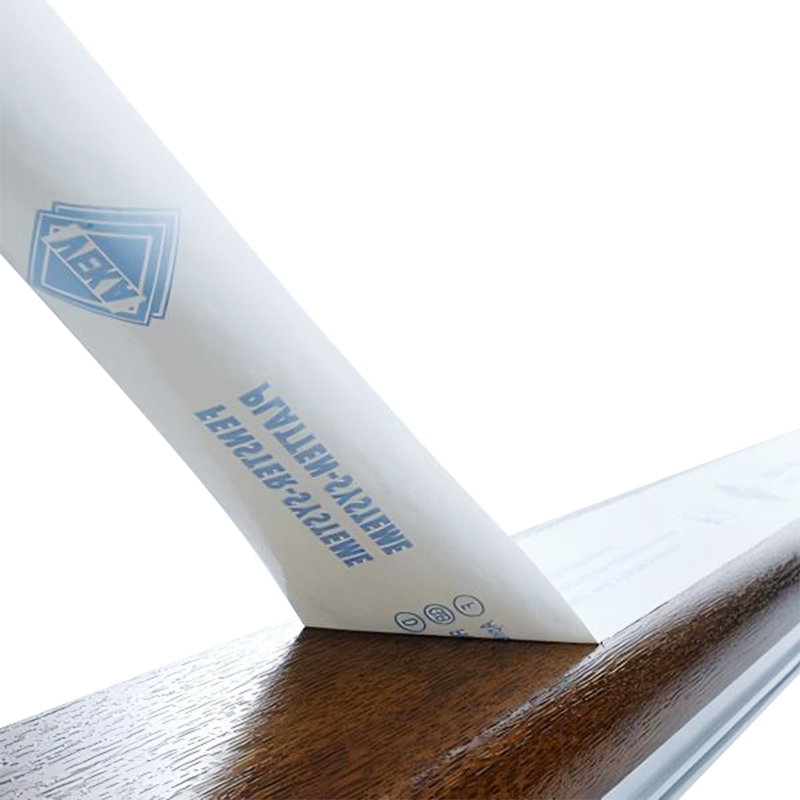
● Good weatherability for outdoor exposure; ● Stable adhesion level; ● UV resistance for up to 12 months; ● Can print customized logo or application i...
See Details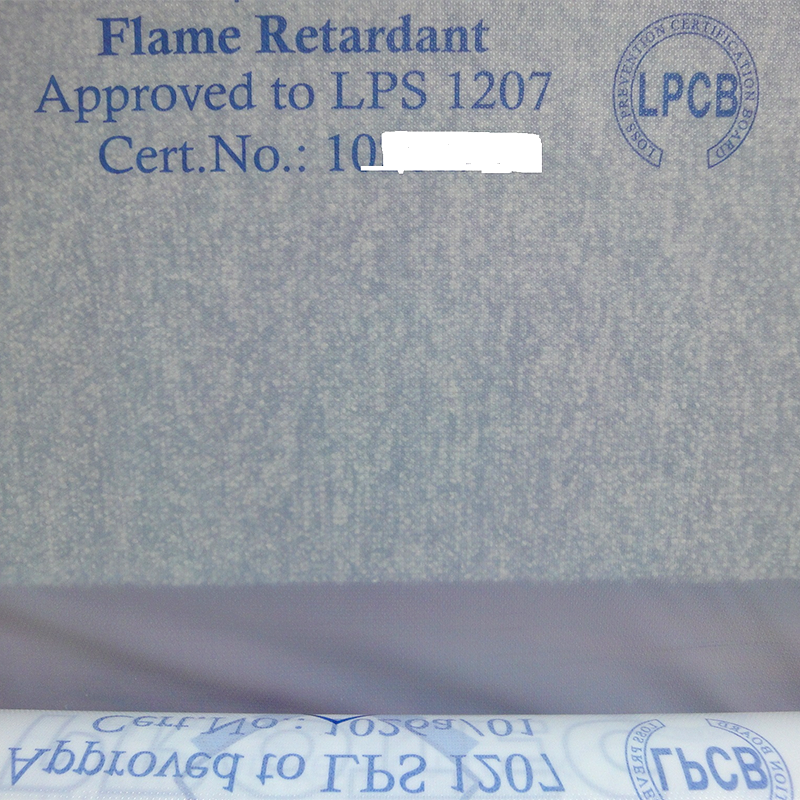
● Prevents costly damages in case of fire /flame;● Meet the strict international test standards of loss prevention; ● Extensive selection for flame re...
See Details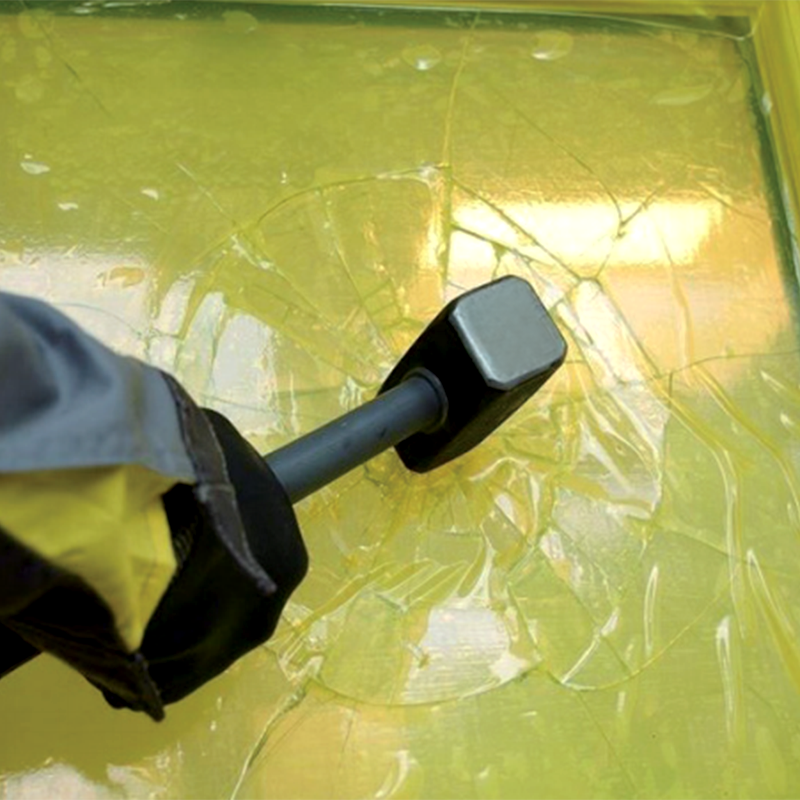
● The super tough polyethylene film with super high adhesion can stop the glass splitting and falling off during window glass demolition process;● Non...
See Details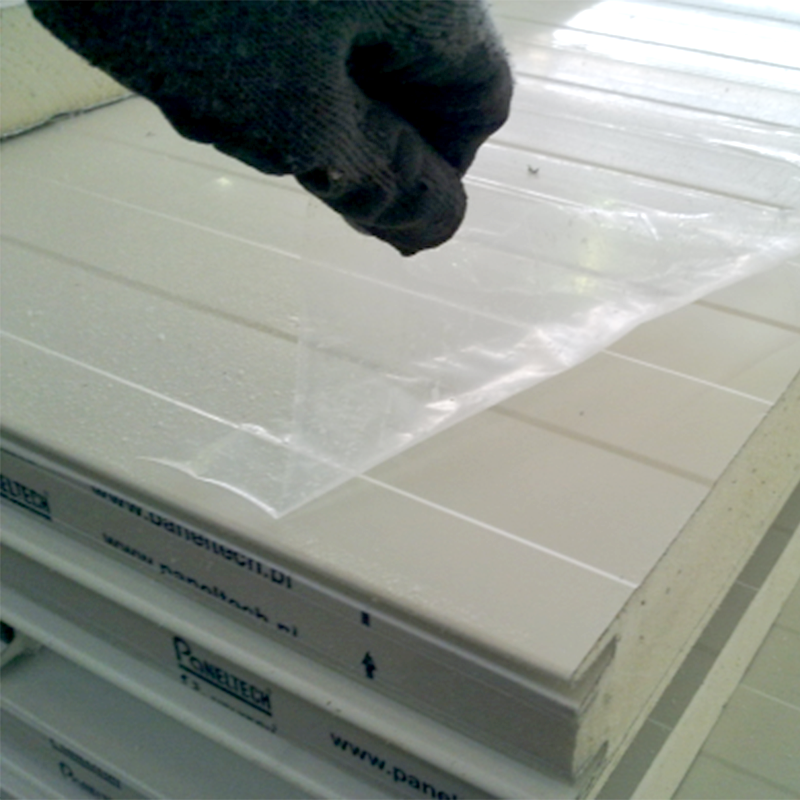
● The specially formulated adhesive ensures easy application and removal without leaving residue glue on the sandwich panels; ● The super-tough polyet...
See Details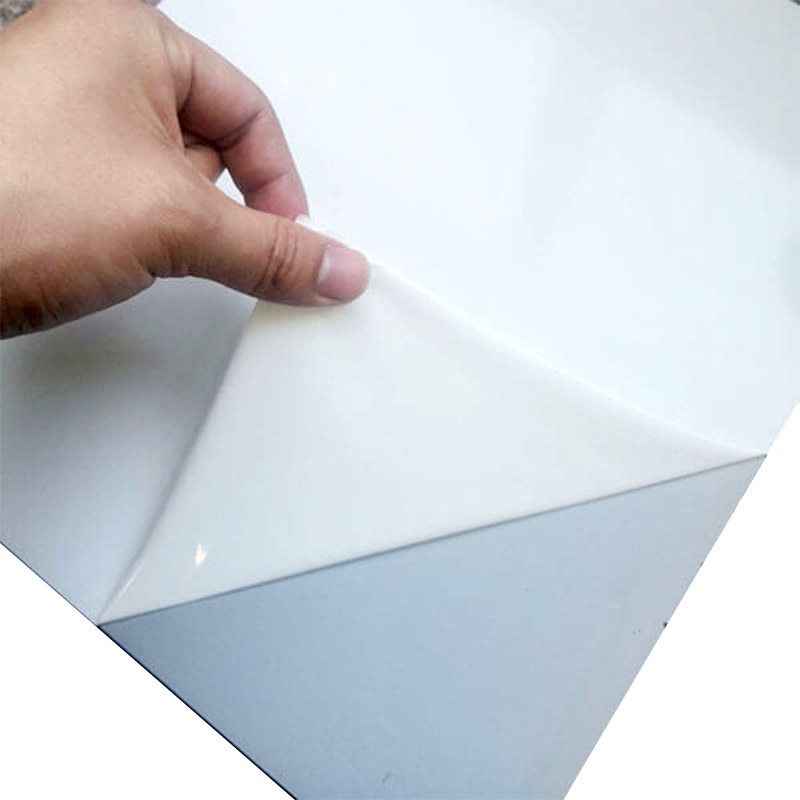
● The super tough polyethylene film with super high adhesion can stop parts of the glass or mirror from splintering away and injuring people when it i...
See Details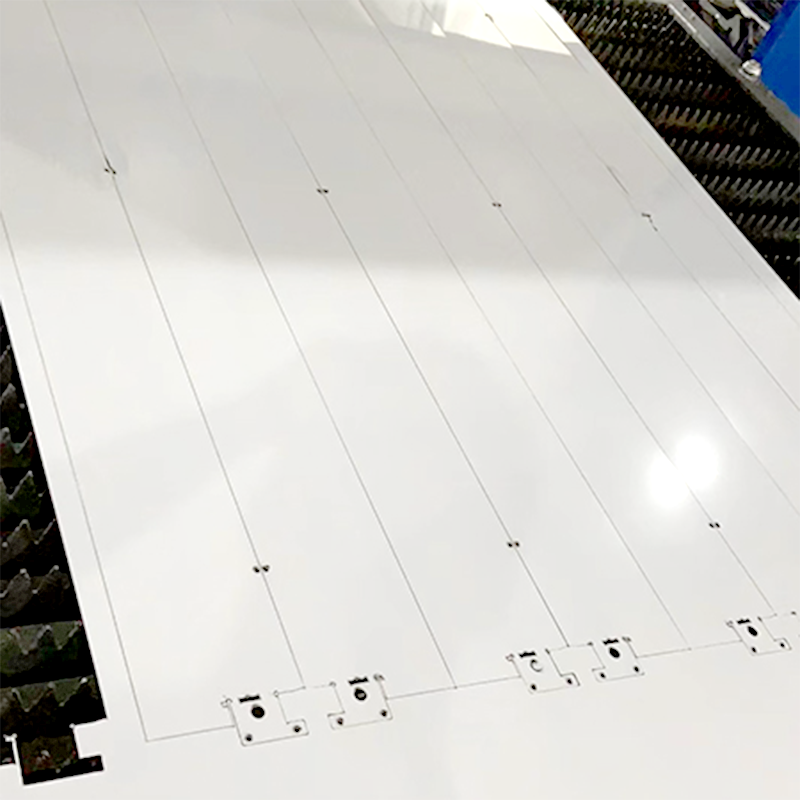
● The specially formulated natural rubber adhesive suitable for both CO2 and Fiber laser cutting processes;● High cutting quality without burr or trac...
See Details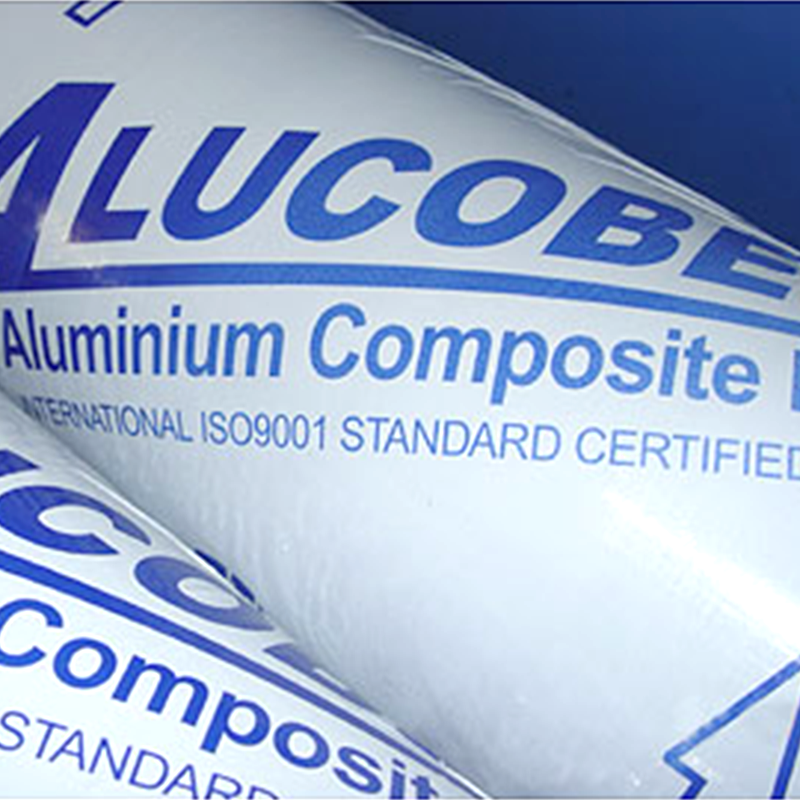
● The specially formulated adhesive ensures easy application and removal without leaving residue glue; ● The super-tough polyethylene film protects ag...
See Details
● Options for either 30 or 60 layers per mat; can be packed with four mats, eight mats, or ten mats per carton;● Remove dirt effect: ≥99.9% (5 steps);...
See Details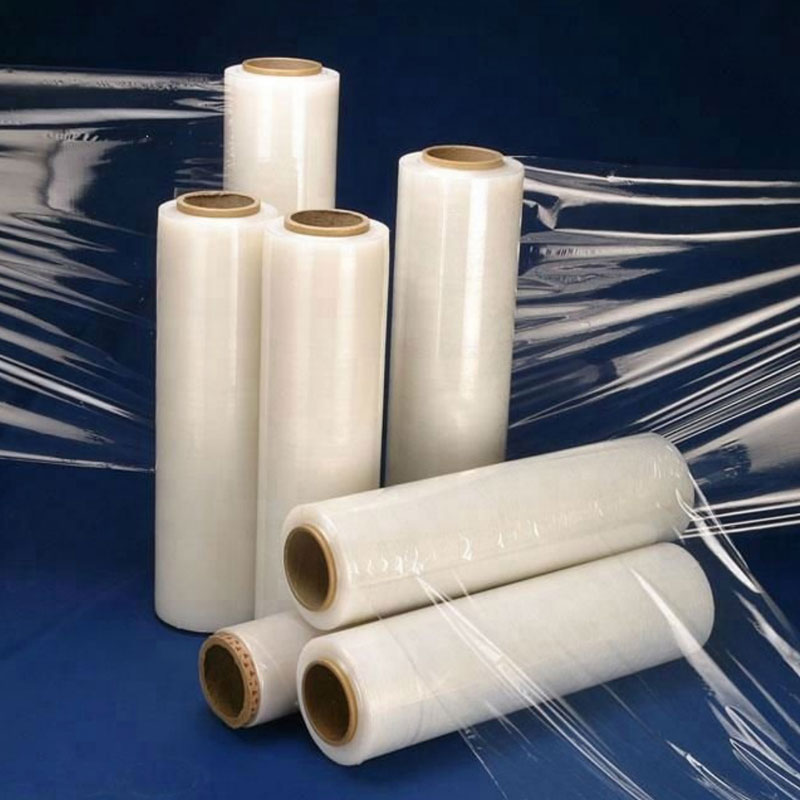
● Small roll size for convenient manual application;● Excellent puncture and tear resistance ; ● A self-adhering-each layer of film bonds to the next ...
See Details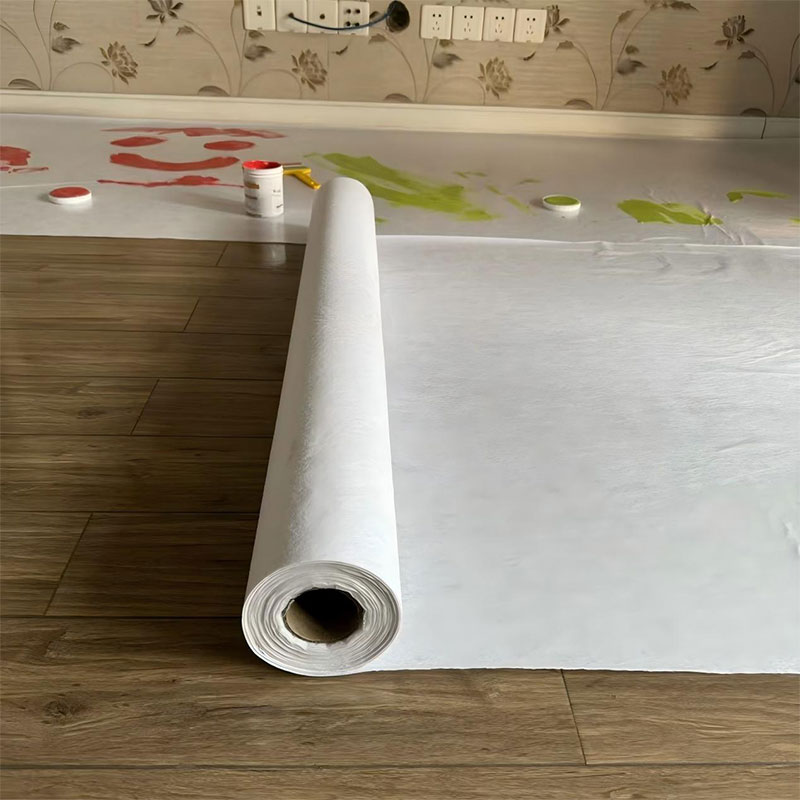
This product has non-woven synthetic fleece in middle; PE film adhered onto top of the non-woven fabric, which is coated with self adhesive glue on it...
See DetailsWe’re a reliable partner that shapes our expertise into success for your project.

Copyright 2024 Wuxi Qida Tape Co., Ltd. All Rights Reserved
 Wholesale Protective Film/Foil Manufacturers
Privacy
Wholesale Protective Film/Foil Manufacturers
Privacy