

 English

 English
 русский
 Français
 Español
 Português
 عربى


Cat:Glue -coated Protective Film
● No “ghost shadow” or “fish eye” after removal; ● Low gel content, soft and stable adhesion plus easy-peel removal with no surface damage or curling;...
See Details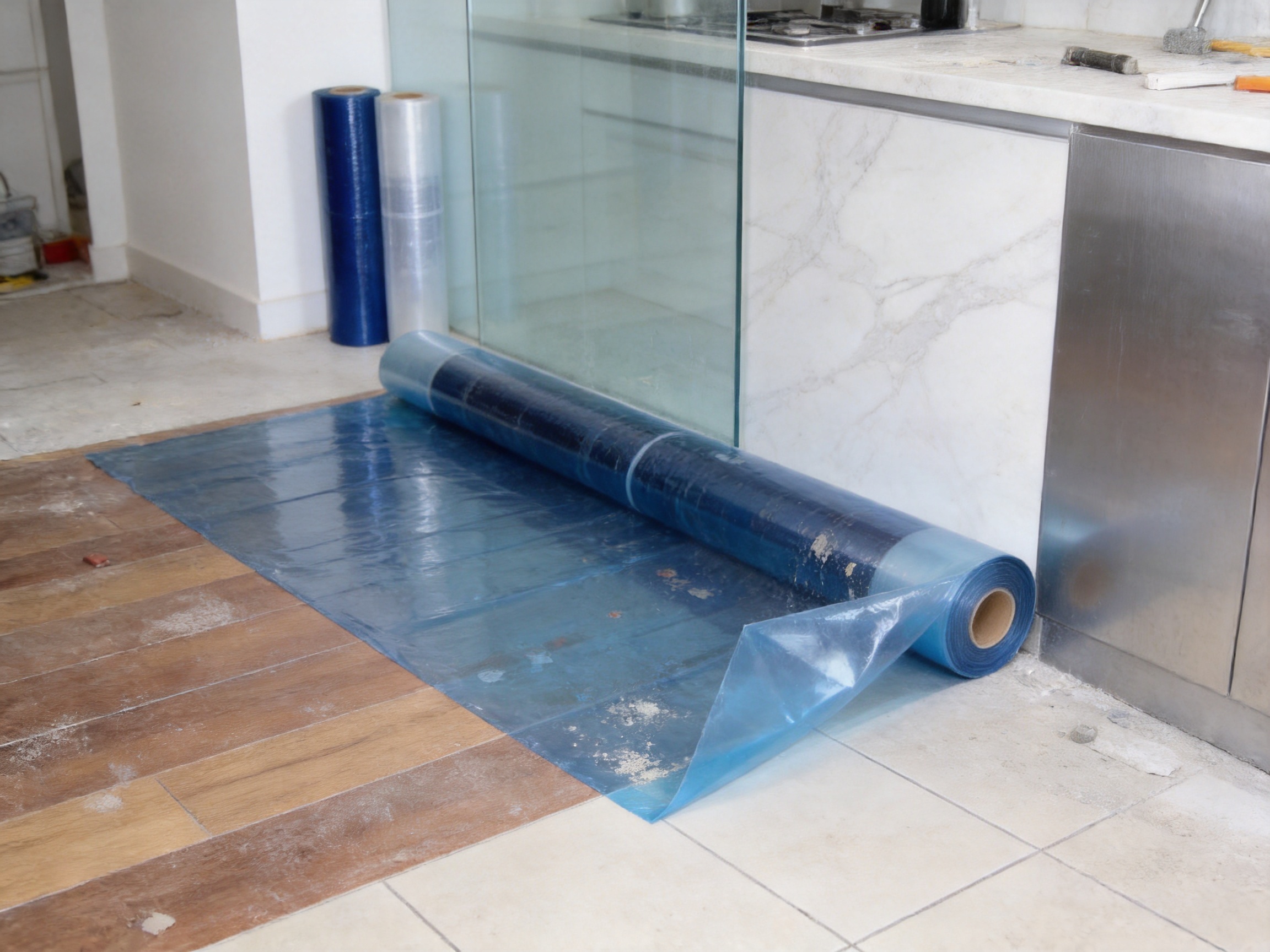
Temporary surface protection is an essential part of modern construction, renovation, manufacturing, decoration, and maintenance. Finished surfaces can be damaged easily by paint, plaster, dust, moisture, tools, foot traffic, abrasion, and accidental impact. Once a surface has been scratched, stained, or contaminated, the cost of repair can exceed the cost of protection by a considerable margin. A suitable protective film provides a practical barrier between the finished surface and the working environment, helping contractors and manufacturers preserve appearance, reduce cleaning time, and improve project efficiency.
Multi-purpose adhesive protective film is designed for use on a broad range of hard, smooth, and finished surfaces. Typical applications include hardwood floors, laminate flooring, ceramic tiles, marble, granite, vinyl, glass, worktops, and selected metal surfaces. The film combines a strong polyethylene backing with a carefully formulated acrylic adhesive. This combination enables the film to remain in place during demanding work while allowing relatively clean removal after the job is complete.
Wuxi Qida Tape Co., Ltd. manufactures this type of protective film for contractor, industrial, wholesale, and retail applications. The company combines in-house backing film production, adhesive coating, printing, rewinding, slitting, inspection, and packaging. Its manufacturing capabilities allow customers to order standard products or develop customized solutions based on surface type, adhesive strength, roll dimensions, color, printing, and application conditions.
This article explains the construction, performance characteristics, application methods, manufacturing process, customization options, quality considerations, and commercial advantages of multi-purpose protective film for hard surfaces.
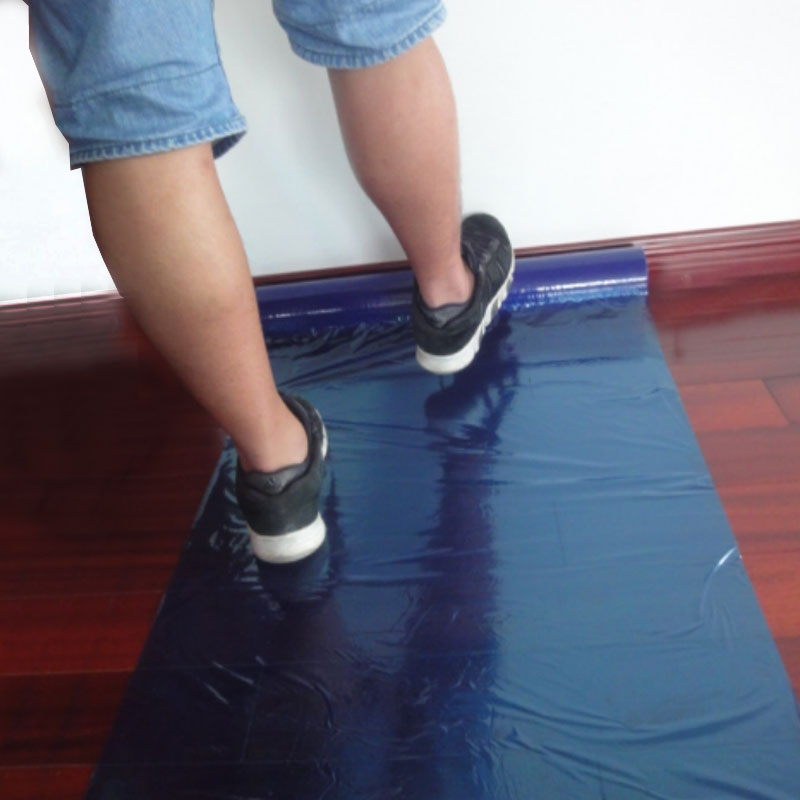
Multi-Purpose Protective Film: Ceramic, Hardwood, Laminate, Vinyl, Worktop Etc
Multi-purpose adhesive protective film is a temporary surface protection material consisting of a polyethylene film coated with a pressure-sensitive adhesive. The film is applied directly to a finished surface before painting, plastering, tiling, remodeling, transportation, installation, repair, or other work that may cause contamination or physical damage.
The adhesive is engineered to provide sufficient contact with the protected surface without permanently bonding to it. When the film is removed under suitable conditions, the adhesive is intended to separate cleanly and leave little or no visible residue. This balance is important. If the adhesive is too weak, the film may lift, curl, or move during use. If it is too aggressive, removal may become difficult or may affect sensitive finishes.
The polyethylene backing provides the primary physical barrier. It helps prevent paint, liquid, dust, plaster, dirt, and other materials from reaching the surface below. Polyethylene is also flexible, lightweight, and resistant to tearing in normal handling. The film can be unrolled over large areas and pressed onto the surface with limited equipment.
Unlike loose paper, fabric sheets, or ordinary plastic sheeting, adhesive protective film can remain attached to the protected surface. This reduces movement caused by walking, air circulation, tools, or cleaning activity. It also helps create a more continuous protective layer around corners, edges, and narrow sections when the film is applied correctly.
The product is available in forward-wound and reverse-wound versions. Winding direction affects how the film is unrolled and applied. Contractors can select the format that best matches their working habits, dispensing equipment, and installation sequence.
Wood flooring can be affected by paint splashes, plaster, grit, moisture, and dragging tools. Even a small amount of abrasive dust under a moving object may create visible scratches. Protective film helps isolate the flooring from these hazards during interior finishing, remodeling, decoration, and maintenance projects.
On hardwood and engineered wood, application should be performed on a clean, dry, and dust-free surface. The installer should press the film firmly enough to eliminate major air pockets without stretching it excessively. Removal should be carried out carefully, especially when the flooring has a delicate coating, wax, oil finish, or recently applied treatment. A small compatibility test is recommended before full-area application.
Laminate flooring is commonly used in residential, commercial, and office environments. Its decorative surface can be damaged by grit, paint, sharp tools, and construction debris. Multi-purpose protective film offers a temporary barrier during installation of cabinets, doors, lighting, wall coverings, and other interior elements.
The film’s polyethylene backing resists penetration by many common liquid contaminants. It can therefore help protect laminate from accidental paint drops, plaster residue, and general worksite dirt. The exact protection level depends on exposure time, liquid type, seam quality, and whether the film has been punctured.
Ceramic, marble, and granite surfaces are often installed before all construction work is complete. Although these materials are hard, they may still be scratched, stained, or contaminated by cementitious products, paint, grout, adhesive, and metal debris. A temporary film layer can reduce direct contact between the finished surface and the work environment.
For tile floors, the film can be applied in overlapping strips when a wide area must be covered. The overlaps should be pressed down to reduce the risk of liquid entering between sections. On polished stone, the installer should verify surface compatibility because natural stone may have sealers, waxes, or other treatments that respond differently to adhesive products.
Vinyl flooring is resilient and flexible, but it can still suffer from scratches, stains, indentation, and adhesive transfer. Protective film is useful during painting, furniture installation, remodeling, and final-stage construction activities. A medium-adhesion acrylic system can provide a practical balance between holding power and removability when matched to the surface.
Because vinyl formulations and surface finishes differ, a trial application is important. The film should not be left in place beyond the recommended period, particularly in areas exposed to direct sunlight, high temperature, or strong humidity.
Kitchen worktops, bathroom counters, laboratory surfaces, and commercial counters must often remain visually perfect until the final handover. During installation, cutting, plumbing, electrical work, painting, and cabinet adjustment, these surfaces may be exposed to dust, tools, liquids, and impact.
Protective film can be cut to fit worktops and applied across the main working area. It can help maintain a clean appearance while other trades complete their tasks. Customized widths, colors, and printed application instructions can be useful for professional installation teams managing multiple work areas.
Glass panels, doors, partitions, and display surfaces can be protected from fingerprints, paint, dust, and light abrasion with temporary film. The film also supports safer handling by keeping the surface visibly covered during installation. Glass must be clean and dry before application, and removal should be performed slowly to avoid unnecessary stress on the film or adhesive.
Metal surfaces require more careful product selection. Stainless steel, aluminum, pre-coated metal, painted metal, and decorative metal panels may have different surface energies, coatings, textures, and environmental exposure. Wuxi Qida Tape Co., Ltd. develops protective film solutions for industrial metal applications and recognizes that one adhesive formulation may not be suitable for every metal finish.
For metal surfaces exposed to heat, sunlight, moisture, chemicals, or extended storage, customers should confirm the appropriate adhesive, film thickness, exposure period, and removal conditions before production use. Customized testing is particularly important where oxidation, corrosion, coating sensitivity, or residue cannot be tolerated.
The most important advantage of a multi-purpose protective film is its ability to serve several surface categories with one product family. Contractors working on a mixed-material project may need to protect flooring, glass, stone, worktops, and finished panels at the same time. A versatile protective film simplifies purchasing, storage, training, and application procedures.
Compared with a product designed for only one substrate, a multi-purpose grade can improve operational flexibility. However, broad compatibility does not eliminate the need for testing. Surface finish, temperature, exposure time, cleaning method, and environmental conditions all affect results.
The acrylic adhesive is formulated to provide medium adhesion. This is intended to keep the film stable during normal work while supporting removal after the temporary protection period. The adhesive must make sufficient contact with the surface, including slightly textured areas, without producing excessive residue.
This balance gives adhesive protective film an advantage over loose coverings that require separate tapes, weights, or frequent repositioning. It can also reduce the risk of exposed edges and open gaps. A properly applied film remains closer to the surface and moves less when workers walk across a protected floor.
Construction and renovation environments are rarely gentle. Tools may fall, materials may be dragged, and workers may walk across the protected area repeatedly. The tough polyethylene backing is designed to resist ordinary puncture, tearing, and penetration better than thin disposable plastic sheets.
The film also acts as a barrier against paint and many common liquids. This is especially useful during wall painting, plastering, tiling, decorating, and repair work. Protection is strongest when the film is applied without holes, cuts, or unsealed overlaps. Heavy spills should still be removed promptly rather than left on the film for an uncontrolled period.
Clean removal is a decisive performance factor. A protective product that prevents damage but leaves adhesive residue may create additional labor and cleaning costs. The specially formulated adhesive used for this product is designed to remove easily and avoid leaving glue on the protected surface under suitable application conditions.
Removal performance depends on surface condition, temperature, ultraviolet exposure, storage time, contamination, and whether the film has been applied to a compatible material. The recommended practice is to remove the film by pulling it back slowly at a low angle. If the film has been exposed to heat or sunlight for an extended period, removal should be evaluated carefully.
The film is available in thicknesses from 30 micrometers to 80 micrometers. Thicker grades can provide greater resistance to tearing and puncture where the work environment is more demanding. Lighter grades may be useful when easy handling, economy, or short-term protection is the priority.
Heavy-duty performance is not determined by thickness alone. Film formulation, extrusion quality, adhesive coating uniformity, winding tension, and packaging all influence how the roll performs on site. In-house control of these processes helps the manufacturer maintain consistency between production batches.
Film colors can include blue, clear, red, yellow, white, and other customized options. Color helps workers identify protected areas and distinguish different application zones. Clear film preserves visibility of the underlying surface, while colored film can make covered areas easier to recognize in a busy workplace.
Printing is available in zero to three colors. Customers may print a logo, product name, handling instructions, safety reminders, installation guidance, or removal instructions. Printed film supports brand recognition and can reduce application errors when several types of protection are used on the same project.
The following specifications represent the standard product range. Final values should be confirmed against the customer’s purchase order, technical data sheet, and approved sample.
| Property | Available Specification | Practical Significance |
|---|---|---|
| Film thickness | 30 to 80 micrometers | Allows selection of lighter or heavier protection grades |
| Film width | 500 to 1,500 millimeters | Supports narrow applications and broad floor coverage |
| Roll length | 25 to 2,000 meters | Suitable for retail, contractor, and industrial supply formats |
| Elongation | At least 300, as listed in the product specification | Indicates strong flexibility; test method and unit should be confirmed |
| Adhesion level | Medium | Designed to balance holding power and removability |
| Adhesive type | Acrylic | Supports temporary bonding and clean removal when properly matched |
| Film colors | Blue, clear, red, yellow, white, and other options | Provides visual identification and customization |
| Printing | Zero to three colors | Allows logos and application instructions |
| Winding direction | Forward wound or reverse wound | Supports different dispensing and installation preferences |
Specifications should be interpreted together rather than individually. For example, a thick film may provide improved durability, but a wider roll may require more workers or specialized equipment for installation. Likewise, a stronger adhesive may improve stability on a difficult surface but may not be suitable for delicate coatings.
Loose plastic sheeting is inexpensive and can cover large areas, but it may shift, fold, or expose edges during work. It usually requires separate tape, weights, or temporary fixing methods. Adhesive protective film offers more stable contact and can reduce the number of loose sections across the work area.
Loose sheeting may still be appropriate for large, irregular, or highly contaminated areas where temporary containment is the main objective. Adhesive film is more suitable when the appearance and condition of the underlying surface must be preserved and the covering must remain in position.
Paper and cardboard products can absorb certain liquids and may be easy to recycle, but they can tear, wrinkle, or become saturated. They may also need separate tape at seams and edges. Polyethylene protective film provides a more continuous liquid-resistant barrier and generally has better flexibility around corners and narrow spaces.
Paper products may be preferred where breathability, absorbency, or a non-slip texture is required. The most suitable choice depends on the type of work, duration of protection, expected spills, and local disposal requirements.
Fabric covers can provide cushioning and may be reused, but they can move during traffic and may allow fine dust or liquid to reach the surface. Adhesive film stays attached to the substrate and provides a direct barrier. The film is also easier to cut into specific shapes and can be supplied in long continuous rolls.
Low-cost generic films may appear similar but can vary considerably in adhesive strength, film uniformity, tensile performance, winding quality, and removal behavior. Inconsistent products can create wrinkles, premature lifting, adhesive transfer, tearing, or difficult dispensing.
A professionally manufactured film offers advantages through controlled raw materials, standardized coating, defined specifications, batch inspection, and technical support. These factors are particularly important for wholesale customers and professional contractors who need predictable performance across repeated projects.
Before applying the film, inspect the surface for dust, oil, moisture, loose particles, wax, polish, uncured coatings, and visible defects. The surface should be stable, clean, and dry. Any contamination beneath the film may affect adhesion or create marks during foot traffic.
Apply a small sample to an inconspicuous area. Leave it for a representative period under the expected environmental conditions. Remove the sample slowly and inspect the surface for residue, color change, coating disturbance, or loss of gloss.
Testing is especially important for natural stone, newly finished floors, painted metal, powder-coated surfaces, plastics, rubberized materials, and substrates exposed to heat or direct sunlight.
Choose the width, thickness, color, winding direction, and adhesive grade according to the project. Wider rolls may improve productivity on open floors, while narrower rolls can be easier to control around worktops, steps, frames, and narrow corridors.
Unroll the film gradually and align it with the surface. Avoid excessive stretching because tension may cause the film to contract later and lift at the edges. Press the film from the center toward the sides to reduce wrinkles and air pockets.
When several strips are required, create consistent overlaps. Press down the overlap area to reduce the possibility of liquid or dust entering between strips. Edges should be firmly attached but should not be bonded to incompatible adjacent surfaces.
Check the film periodically, especially after heavy traffic, movement of tools, or liquid spills. Replace sections that have been punctured or lifted. A damaged section can be cut out and replaced without necessarily removing the entire protective layer.
Remove the film when the work is complete and before the recommended exposure period is exceeded. Pull it back slowly rather than lifting it sharply upward. If a large section has been applied, divide it into manageable pieces. Dispose of used film according to local waste requirements.
The reliability of protective film depends strongly on how consistently it is manufactured. Wuxi Qida Tape Co., Ltd. completes major production stages within its own factory. This integrated arrangement allows the company to coordinate film production, adhesive coating, printing, converting, and packing rather than relying entirely on separate outside suppliers.
The manufacturing process begins with the selection and preparation of polyethylene raw materials. The resin and any approved additives must be managed carefully to achieve the required flexibility, toughness, clarity, color, and elongation. Processing conditions influence film thickness, surface smoothness, tensile properties, and resistance to tearing.
Advanced film production equipment supports more stable extrusion and thickness control. Uniform backing film is important because irregular thickness can create weak areas, inconsistent appearance, or problems during coating and slitting.
After the backing film is produced, its surface may be prepared to support consistent adhesive coating. The acrylic adhesive is applied under controlled conditions to achieve the specified coating weight and uniformity. Coating consistency directly affects adhesion, removal behavior, edge performance, and the risk of adhesive transfer.
Temperature, viscosity, line speed, drying conditions, and coating pressure must be monitored. Inadequate drying can affect blocking, odor, and storage stability, while excessive drying or unsuitable formulation may change adhesion performance.
Qida Tape offers acrylic water adhesive, acrylic solvent adhesive, and natural rubber adhesive for different industry requirements. The multi-purpose hard-surface protective film described here uses an acrylic adhesive system, while other projects may require different chemistry.
Adhesive selection depends on the substrate, desired holding power, removal time, temperature range, humidity, exposure to sunlight, and whether the surface has a coating or treatment. The company’s engineering personnel can help customers evaluate these factors and select an appropriate formulation.
Once the adhesive-coated film is prepared, customized printing can be added according to the approved artwork. Printing may include up to three colors. Registration, ink adhesion, clarity, and consistency are inspected to ensure that the printed information remains useful during application.
The jumbo roll is then rewound into the required roll length and winding direction. Rewinding must maintain suitable tension. Excessive tension can deform the film or make later unwinding difficult, while insufficient tension can produce loose edges and telescoping rolls.
Slitting converts wide master rolls into customer-specified widths. Accurate slitting helps ensure straight edges and consistent dimensions. Finished rolls are packaged to protect them from dust, moisture, impact, and deformation during storage and transportation.
Packaging can be customized for contractor, retail, or wholesale markets. Retail formats may require labels, barcodes, instructions, and consumer-friendly roll sizes. Contractor and industrial formats may prioritize long rolls, bulk packaging, pallet efficiency, and rapid dispensing.
Quality control may include inspection of appearance, thickness, width, roll length, winding quality, adhesive uniformity, adhesion, tensile behavior, elongation, and removal performance. Product samples can be evaluated on representative surfaces to identify possible residue or coating interaction.
Qida Tape maintains a testing laboratory and uses inspection equipment to support quality assurance. The company operates under ISO 9001 and ISO 14001 management systems. These systems help establish documented procedures for production control, environmental management, corrective action, and continual improvement.
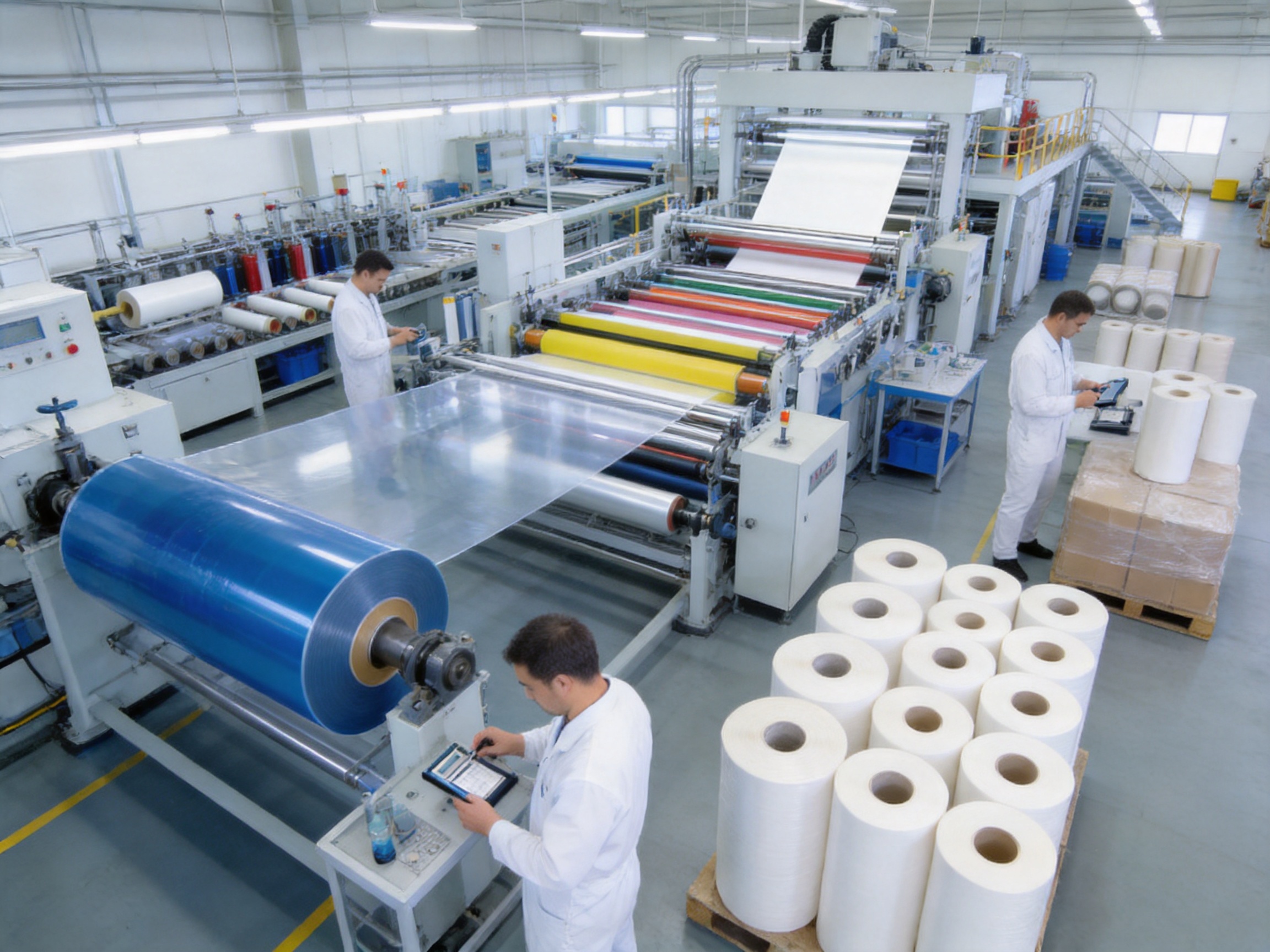
Wuxi Qida Tape Co., Ltd. completes backing film production, adhesive coating, logo printing, rewinding, slitting, and packaging within its own factory. This integration can shorten communication channels and make it easier to coordinate changes in specifications.
For customers, integrated production offers practical advantages. A technical change can be discussed directly with production and engineering personnel. Problems can be traced more efficiently to raw material, coating, printing, or converting stages. It also supports more consistent delivery for repeat orders.
Founded in 1999, the company has developed experience in protective films and surface protection solutions. It operates a factory area of approximately 20,000 square meters, employs more than 95 experienced staff members, and reports annual production capacity of over 12,000 tons.
Production capacity is important for distributors and large contractors that need dependable supply. At the same time, capacity must be supported by effective production planning and quality control. Standardized procedures help the factory manage different film widths, adhesive types, colors, printed designs, roll lengths, and packaging formats.
Protective film performance is closely connected to surface science. Different substrates require different levels of adhesion, tack, flexibility, and removability. Qida Tape works with experienced technicians, engineers, and research and development institutes to develop new products and adapt existing products for specific applications.
The company can develop products according to customer technical data sheets or physical samples. This capability is useful when a customer is replacing an existing supplier, matching a private-label specification, or solving a surface protection problem that cannot be addressed with a standard grade.
The company states that its management system and product compliance support include ISO 9001, ISO 14001, SGS, RoHS, REACH, PFAS, and Prop 65 testing. Such documentation can help customers evaluate products for international supply chains and regulatory requirements.
Compliance requirements vary by product, destination, substrate, and application. Customers should request current certificates, test reports, declarations, and technical documents relevant to the specific order rather than relying on general statements alone.
Qida Tape serves customers in China and exports to Europe, North America, Australia, the Middle East, Japan, and other regions. Experience across different markets can help the supplier understand variations in packaging, labeling, roll specifications, documentation, and application expectations.
The company’s stated advantages include competitive cost, product customization, several adhesive options, production capacity, quality control, technical support, and responsive service. These strengths are relevant to importers, distributors, flooring suppliers, construction material companies, manufacturers, and private-label brands.
One product specification does not suit every market. A retail customer may need compact rolls with clear instructions, while a flooring contractor may require long, wide rolls for rapid installation. An industrial customer may prioritize customized adhesion, extended storage performance, or compatibility with a coated metal surface.
Available customization areas may include:
• Film thickness from the standard range or a developed specification.
• Widths from 500 to 1,500 millimeters or a customer-approved alternative.
• Roll length from short retail formats to industrial rolls of up to 2,000 meters.
• Blue, clear, red, yellow, white, or other colors.
• Forward-wound or reverse-wound construction.
• Zero to three-color logo and instruction printing.
• Acrylic water, acrylic solvent, or natural rubber adhesive for suitable applications.
• Contractor, retail, export, or private-label packaging.
• Customized technical requirements based on a sample or data sheet.
Customization should be managed through a defined approval process. The buyer should provide information about the substrate, surface finish, expected temperature, exposure period, application method, removal timing, roll dimensions, packaging, and regulatory destination. The supplier can then recommend a product structure and arrange sample testing.
Protective film is widely used during apartment renovation, office refurbishment, hotel construction, retail fit-outs, and public building projects. It helps protect finished flooring and fixtures while other construction trades continue working nearby.
During painting, film protects floors, worktops, glass, and other hard surfaces from overspray, splashes, drips, and tools. Colored film may help workers identify the protected zone, while printed instructions can reinforce correct installation and removal.
Flooring contractors can apply protective film after installation and before final handover. The film helps preserve the surface while cabinets, doors, appliances, lighting, and furniture are installed. It can also reduce the amount of final cleaning required.
Worktops, cabinet surfaces, tiles, glass panels, and finished fixtures are vulnerable during cutting, drilling, plumbing, and adjustment. Properly selected protective film can provide temporary protection while allowing installers to continue work around the covered components.
Manufacturers may use protective film during bending, pressing, roll forming, painting, transportation, and installation. Qida Tape’s wider product range also addresses stainless steel, aluminum, pre-coated metal, plastic panels, decorative laminates, and other surfaces.
Temporary film can protect finished products from scratches, marks, dust, and handling contamination during internal movement and shipment. The film can be applied before packaging or installation and removed at the appropriate point in the supply chain.
Protective film should be stored in a clean, dry, and ventilated location away from direct sunlight, excessive heat, moisture, and chemical vapors. Rolls should remain in their original packaging until needed. Heavy objects should not be placed on top of the rolls, and the film should not be stored in a way that causes permanent deformation.
Temperature and humidity can affect adhesive performance. Before application, rolls that have been stored under very cold or hot conditions should be allowed to reach the working environment gradually. This helps reduce sudden changes in film flexibility and adhesive behavior.
During transportation, rolls should be protected from crushing, impact, water exposure, and contamination. Correct palletization and carton design are important for long-distance shipment. Retail packaging should also prevent edge damage, which can affect unwinding and application.
Selection should begin with the surface rather than the price. Identify the substrate, coating, texture, cleanliness, and sensitivity. Next, evaluate the expected hazards, including dust, liquid, abrasion, impact, foot traffic, sunlight, temperature, and chemical exposure.
Then determine the required protection period. A film used for a short painting job may have different requirements from one used during a long building project or extended transportation period. Long exposure can increase the importance of ultraviolet stability, heat resistance, and residue control.
Film thickness should be selected according to the mechanical demands of the application. A 30-micrometer grade may be suitable for light, short-term protection, while a thicker 80-micrometer grade may be more appropriate for rough handling and repeated traffic. The final decision should be based on testing rather than thickness alone.
Adhesion should also be matched carefully. Medium adhesion is suitable for many hard surfaces, but delicate coatings may need a lower-adhesion product, while textured or challenging surfaces may need a different formulation. The supplier’s technical team can assist with sample testing and product development.
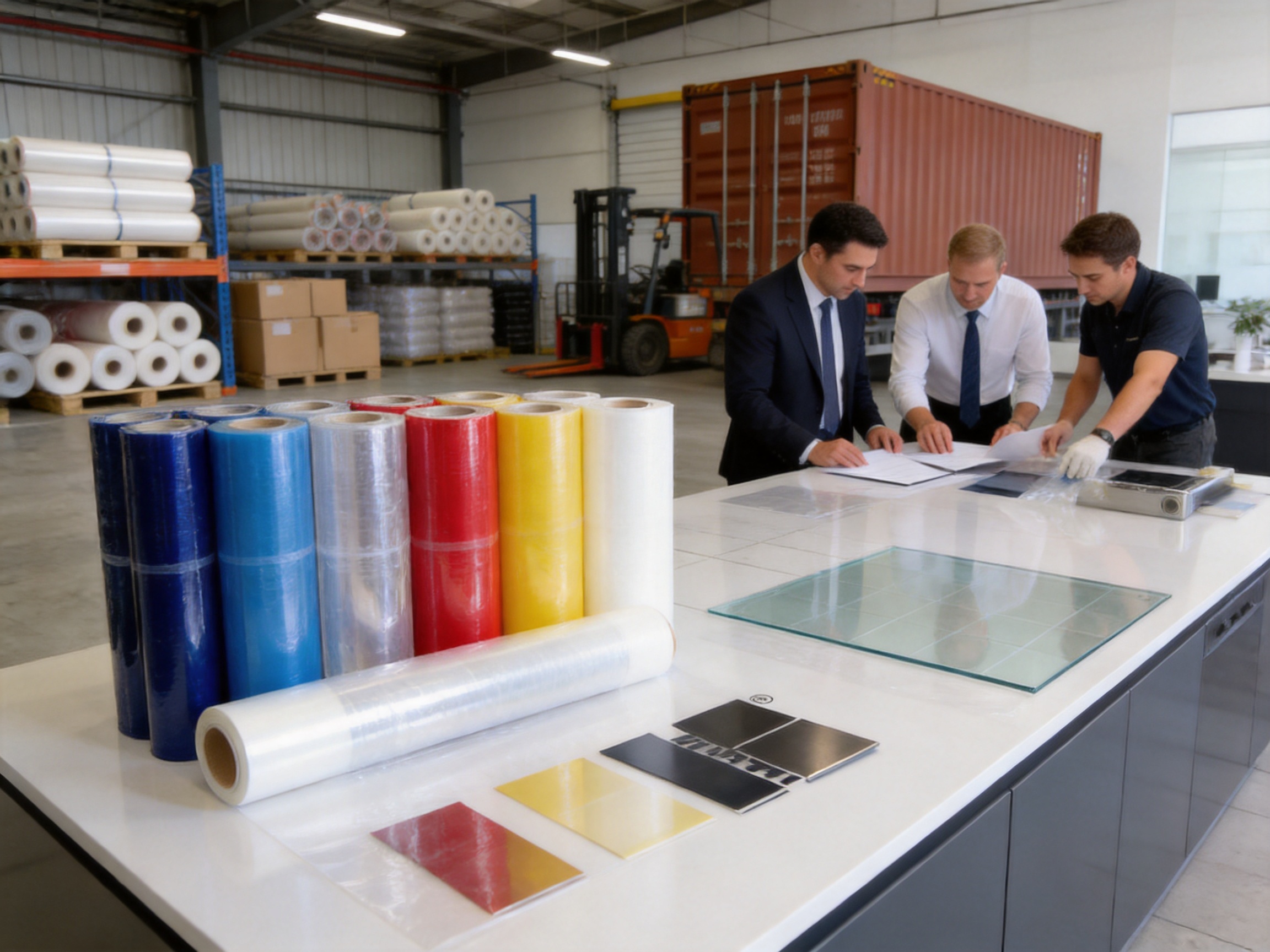
The product is designed for hard surfaces such as hardwood, laminate, ceramic, marble, tile, granite, vinyl, worktops, and glass. It may also be developed for selected metal and coated surfaces after compatibility testing.
The acrylic adhesive is formulated for easy application and removal without leaving glue under suitable conditions. Actual performance depends on the substrate, exposure period, temperature, sunlight, surface treatment, and application quality. A trial test should be completed before large-area use.
The polyethylene backing resists penetration by paint and many common liquids. The film must be applied without holes, and seams and edges should be pressed firmly. Heavy or aggressive chemicals should not be assumed to be safe without specific testing.
It can be used on many hardwood and engineered wood floors, but the finish must be evaluated. Waxed, oiled, newly coated, or unusually sensitive flooring should always be tested in an inconspicuous area first.
The difference concerns the direction in which the film is wound and dispensed. The preferred option depends on how the roll will be handled, whether it is applied manually or with equipment, and which side should face the substrate during installation.
Yes. Customized printing of up to three colors is available. Customers may add logos, handling instructions, application information, safety messages, or removal guidance.
Standard options include blue, clear, red, yellow, and white. Other colors may be developed according to order quantity, color requirements, and production feasibility.
The listed width range is 500 to 1,500 millimeters, and the listed roll length range is 25 to 2,000 meters. Exact dimensions should be confirmed according to the intended application, packaging, and production requirements.
It can be considered for selected metal surfaces, but metal requires careful product matching. Stainless steel, aluminum, painted metal, pre-coated metal, and textured surfaces have different characteristics. Adhesion, heat resistance, weather resistance, corrosion protection, and clean removal should be verified by testing.
The appropriate application period depends on the surface, adhesive grade, temperature, ultraviolet exposure, humidity, and project conditions. The customer should follow the approved technical data sheet and remove the film within the tested exposure period.
The company can customize film color, dimensions, printing, winding, and packaging for contractor, retail, wholesale, and private-label requirements. Specific minimum order quantities and artwork requirements should be confirmed before production.
Wuxi Qida Tape Co., Ltd. operates under ISO 9001 and ISO 14001 management systems and maintains a testing laboratory with inspection equipment. The company also reports product-related testing and compliance support involving SGS, RoHS, REACH, PFAS, and Prop 65 requirements.
The buyer should provide the surface material, finish, application method, expected exposure time, environmental conditions, required dimensions, desired color, printing details, packaging requirements, and any existing technical standard. A sample or data sheet can further improve product matching.
Purchasing protective film is not only a matter of comparing thickness and price. The product must arrive in the correct dimensions, unwind consistently, adhere as expected, withstand the working environment, and remove without damaging the substrate. A small inconsistency can create labor costs across an entire project.
Integrated manufacturing gives the supplier control over more stages of the process. It allows backing film properties to be coordinated with adhesive formulation. It enables printing and rewinding to be adjusted according to the final roll design. It also provides a clearer route for investigating customer feedback and correcting production issues.
For distributors, a reliable factory partner can support stable product availability and customized market development. For contractors, consistent roll performance can improve application speed and reduce rework. For manufacturers, technical cooperation can help create a protection system that matches a particular coating, transport route, or production process.
Qida Tape’s combination of production equipment, engineering experience, quality systems, testing facilities, and export service provides a foundation for these requirements. Its ability to offer multiple adhesive technologies and customized film solutions is especially relevant when customers serve several industries.
Multi-purpose adhesive protective film provides a practical and flexible method for protecting hard surfaces during construction, renovation, decoration, manufacturing, transportation, and installation. Its polyethylene backing helps resist puncture, tearing, paint, liquids, dirt, and routine worksite contamination. Its acrylic adhesive is designed to hold the film in place while supporting clean removal when used on compatible surfaces and within suitable conditions.
The product is available for hardwood, laminate, ceramic, marble, granite, tile, vinyl, worktops, glass, and selected metal applications. Thicknesses from 30 to 80 micrometers, widths from 500 to 1,500 millimeters, roll lengths from 25 to 2,000 meters, several colors, two winding directions, and up to three-color printing provide flexibility for different markets.
Compared with loose sheeting, ordinary paper, fabric covers, and inconsistent generic films, a professionally manufactured adhesive film can offer better positioning, more continuous protection, easier handling, and more predictable conversion into contractor or retail formats. The final result depends on correct surface testing, appropriate product selection, careful application, proper storage, and timely removal.
Wuxi Qida Tape Co., Ltd. strengthens this product offering through in-house film production, adhesive coating, printing, rewinding, slitting, packaging, laboratory testing, and technical development. Since 1999, the company has built production capacity, international market experience, and customization capabilities for protective film and surface protection applications. For buyers seeking a dependable protective film supplier, these manufacturing and service capabilities can support both standard purchasing and specialized product development.
1. Wuxi Qida Tape Co., Ltd. Product specification for multi-purpose hard-surface adhesive protective film.
2. Wuxi Qida Tape Co., Ltd. Company information and manufacturing capability statement.
3. ISO 9001, Quality Management Systems — Requirements.
4. ISO 14001, Environmental Management Systems — Requirements with Guidance for Use.
5. General technical principles for pressure-sensitive adhesive tapes and temporary surface protection films.
6. General guidance for compatibility testing of adhesives on coated, finished, and decorative surfaces.
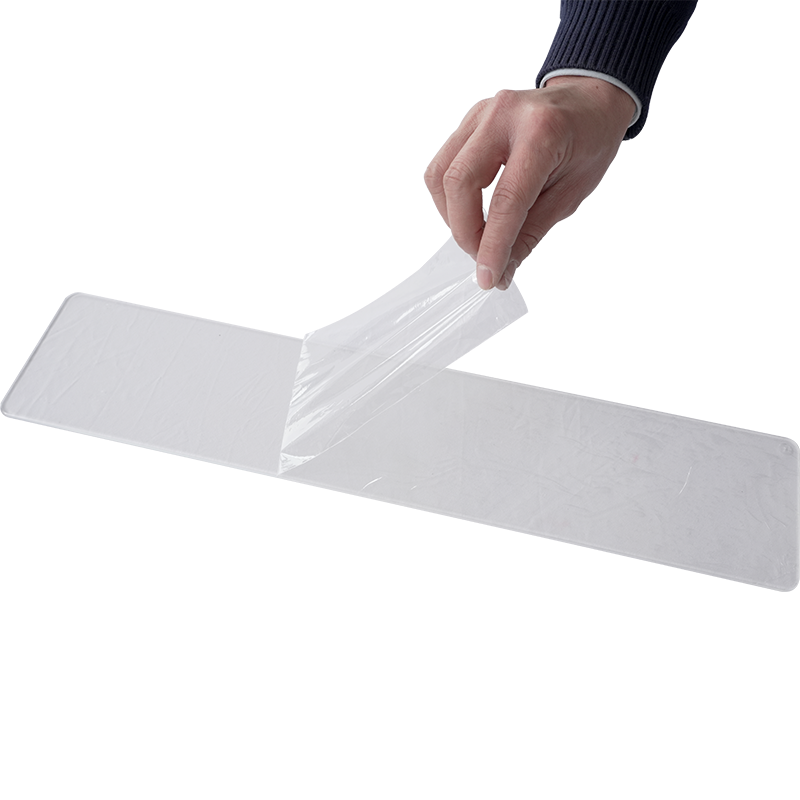
● No “ghost shadow” or “fish eye” after removal; ● Low gel content, soft and stable adhesion plus easy-peel removal with no surface damage or curling;...
See Details
● Patented adhesive formula suits all hard surfaces such as hardwood floors, laminate floors, ceramic, marble, tile, granite, vinyl, worktops, and gla...
See Details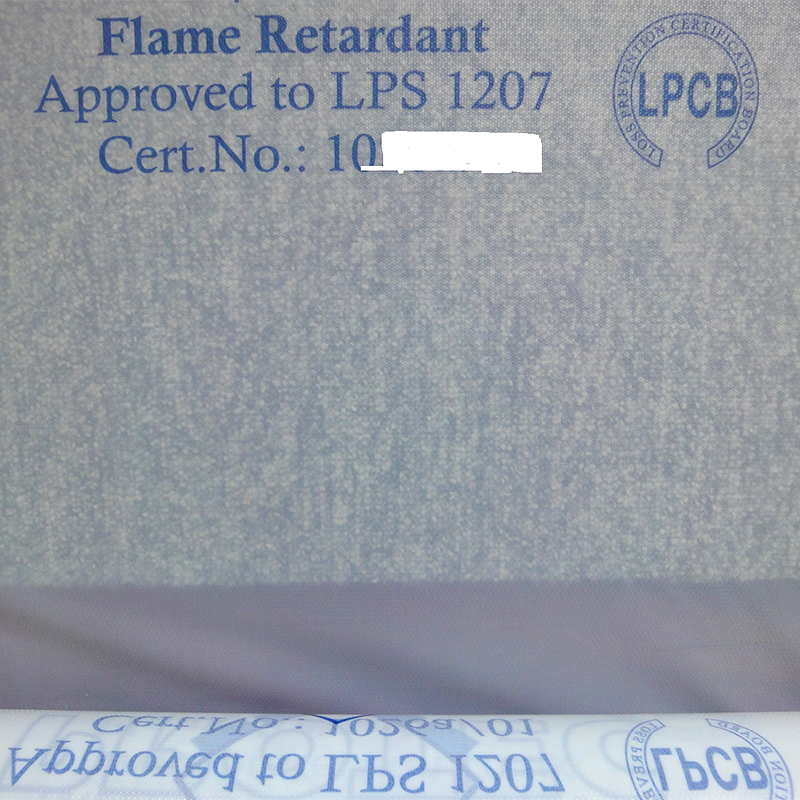
● Prevents costly damages in case of fire /flame;● Meet the strict international test standards of loss prevention; ● Extensive selection for flame re...
See Details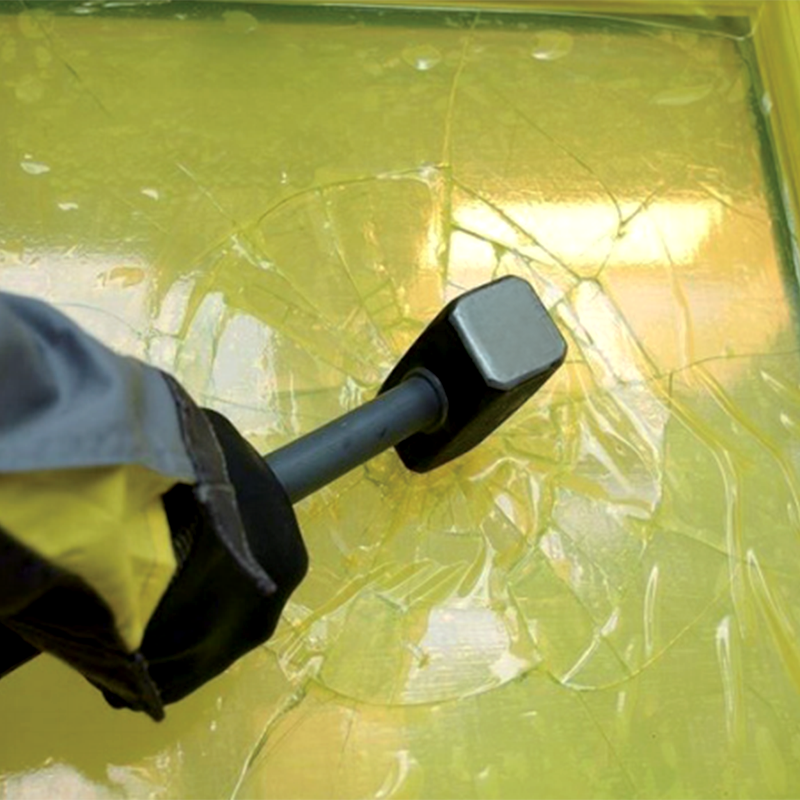
● The super tough polyethylene film with super high adhesion can stop the glass splitting and falling off during window glass demolition process;● Non...
See Details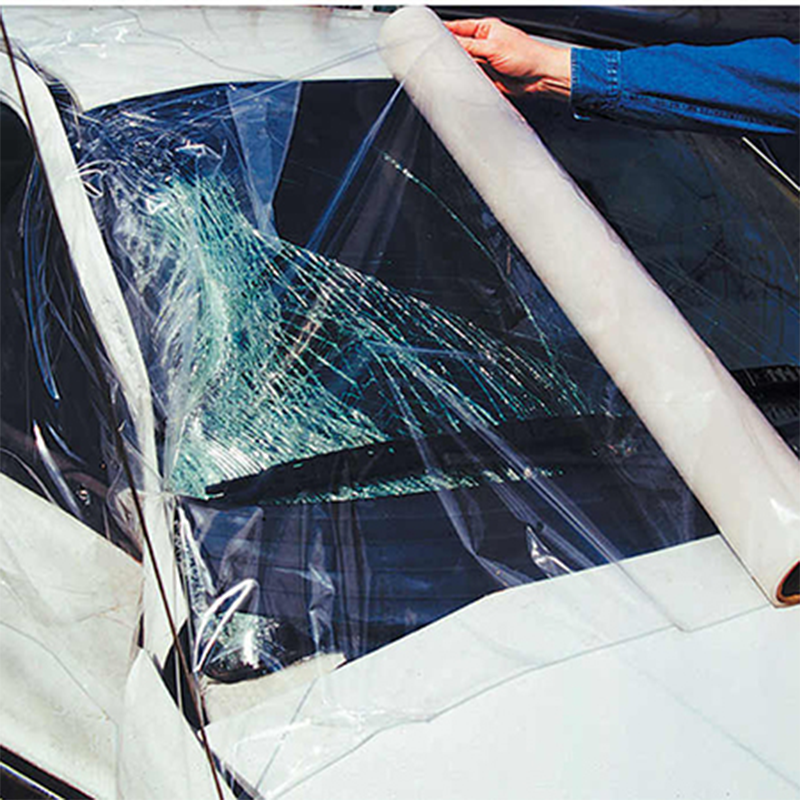
● The super-tough polyethylene film resists puncture and penetration by rain, snow, debris, and dirt during the transportation and storage of the cras...
See Details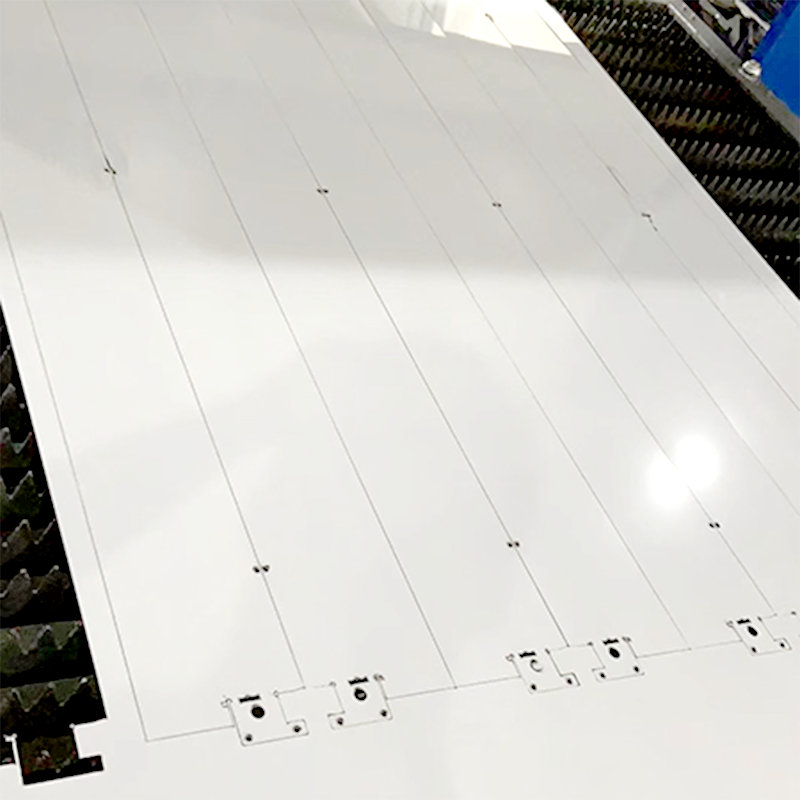
● The specially formulated natural rubber adhesive suitable for both CO2 and Fiber laser cutting processes;● High cutting quality without burr or trac...
See Details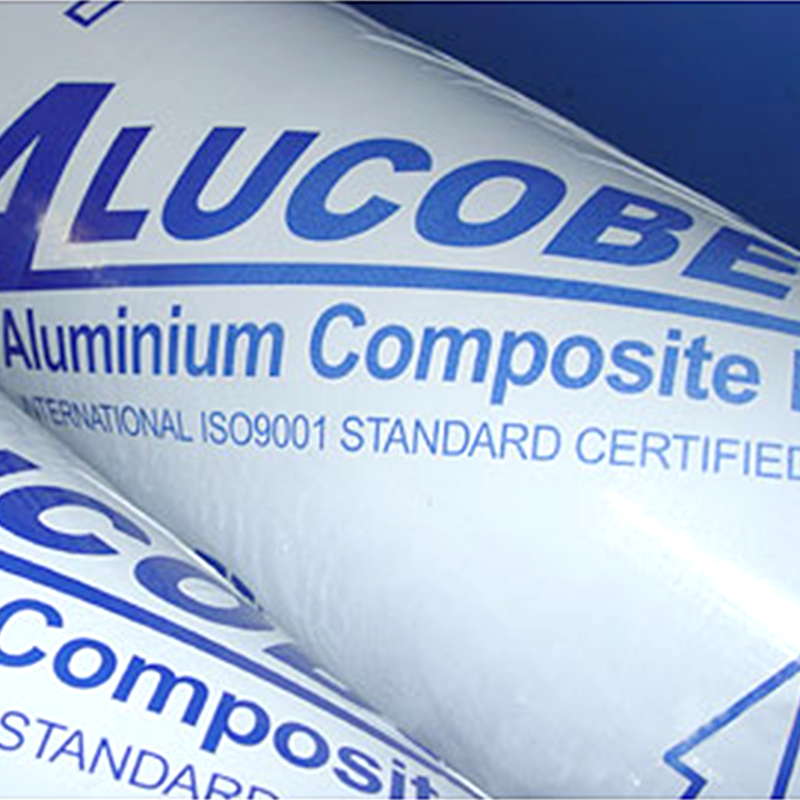
● The specially formulated adhesive ensures easy application and removal without leaving residue glue; ● The super-tough polyethylene film protects ag...
See Details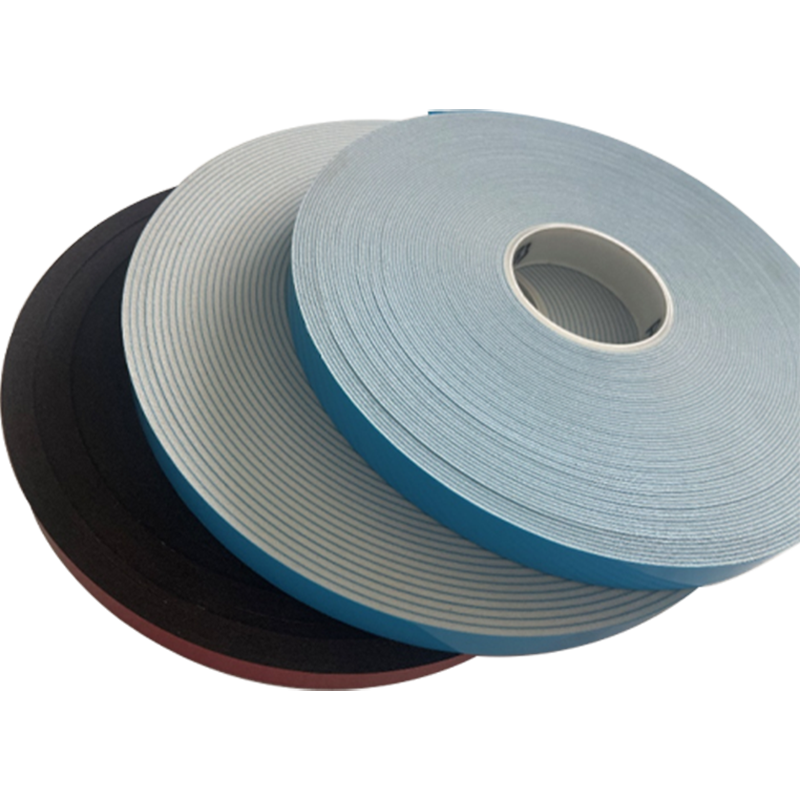
● Waterproof - the desirable material for waterproofing. ● Dust-proof - positive performance of dust prevention.● Low resilience - prevent the deforma...
See Details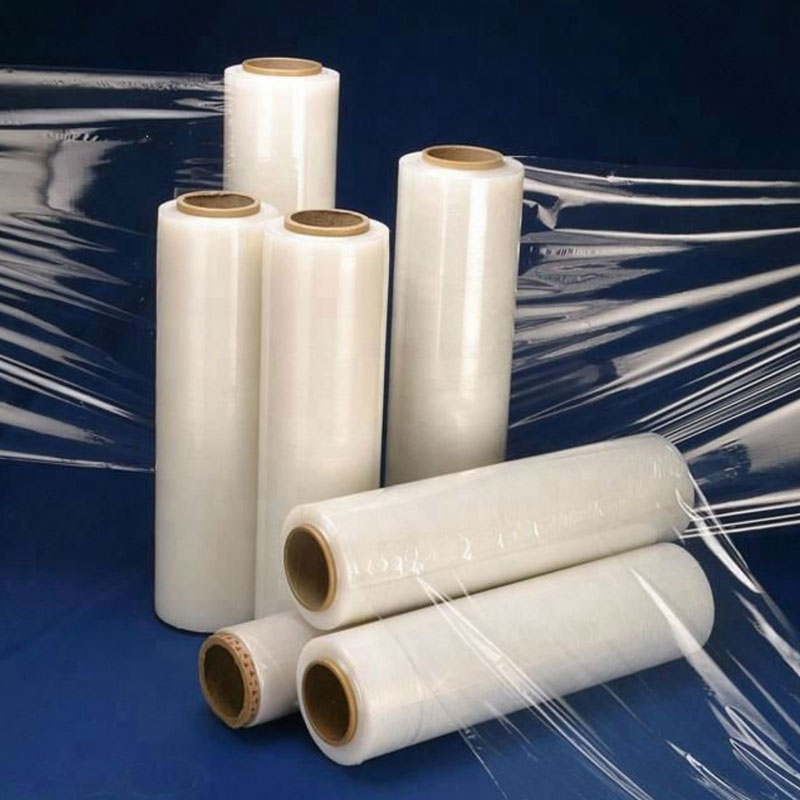
● Small roll size for convenient manual application;● Excellent puncture and tear resistance ; ● A self-adhering-each layer of film bonds to the next ...
See Details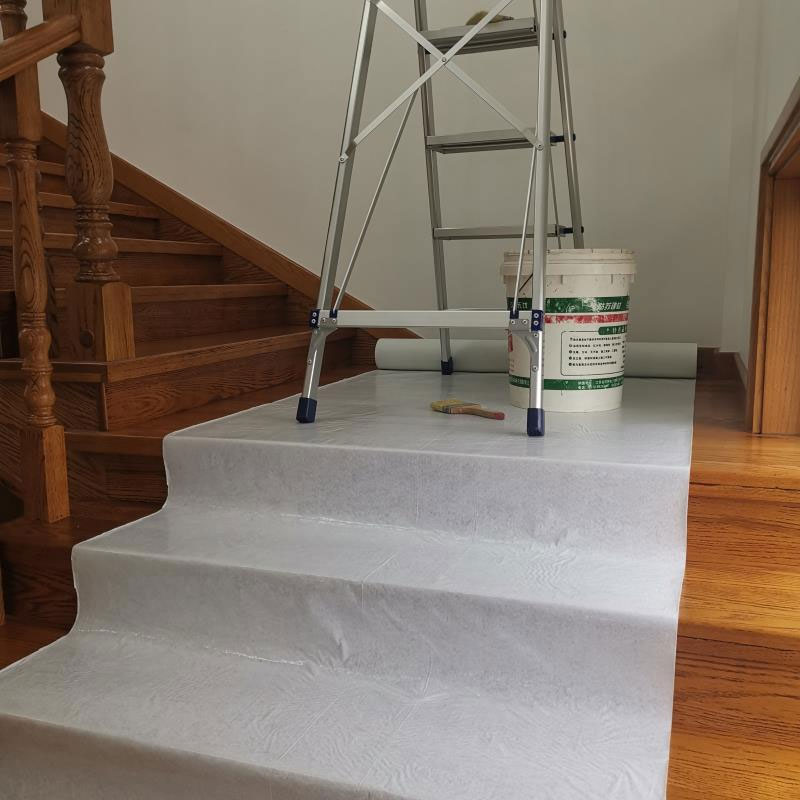
This product has non-woven synthetic fleece in middle; Breathable PE film adhered onto top of the non-woven fabric, which is coated with self adhesive...
See DetailsWe’re a reliable partner that shapes our expertise into success for your project.
Copyright 2024 Wuxi Qida Tape Co., Ltd. All Rights Reserved
 Wholesale Protective Film/Foil Manufacturers
Privacy