

 English
 English
 русский
 Français
 Español
 Português
 عربى
عربى

Cat:Glue -coated Protective Film
● Good weatherability for outdoor exposure; ● Stable adhesion level; ● UV resistance for up to 12 months; ● Can print customized logo or application i...
See Details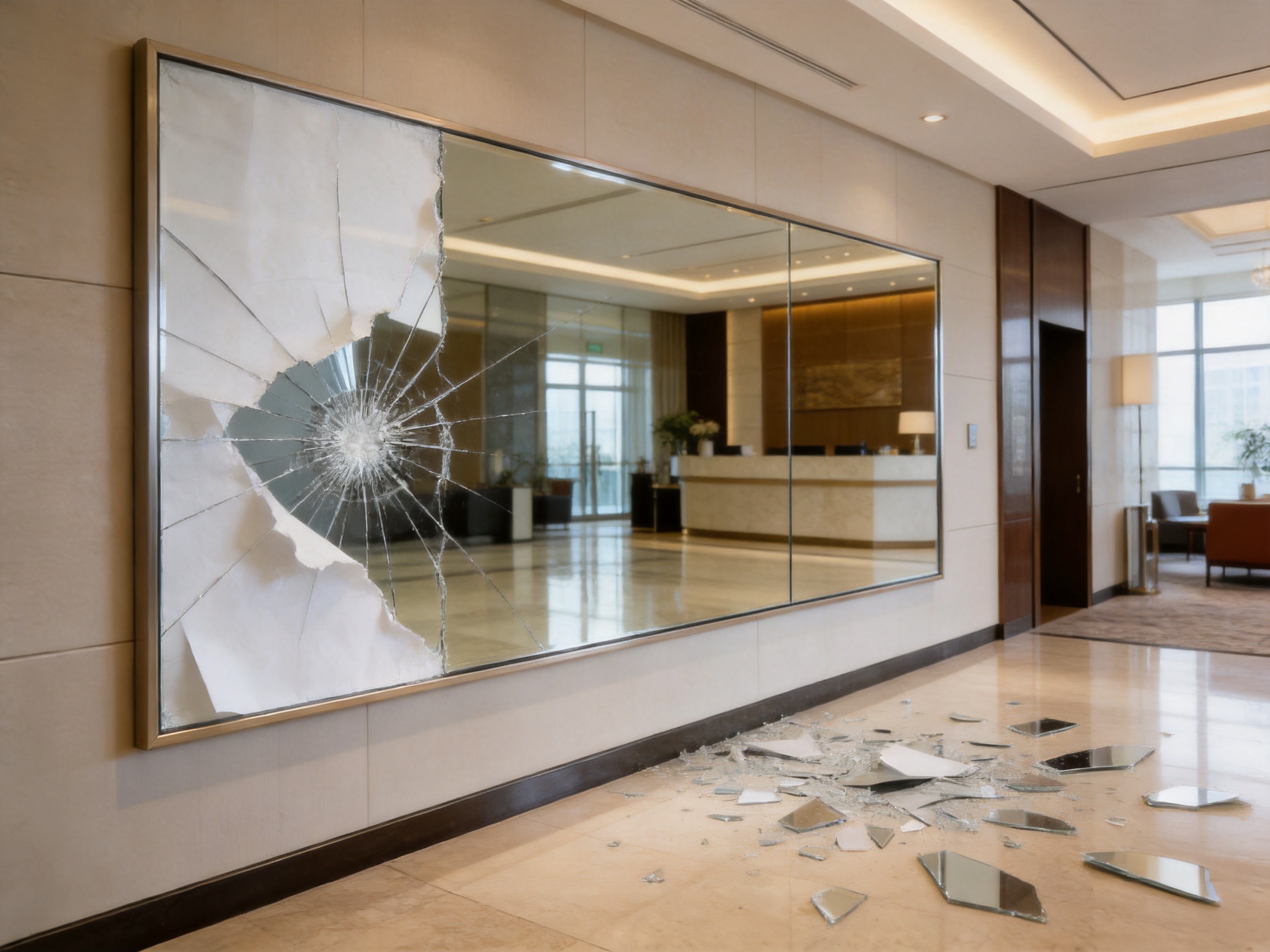
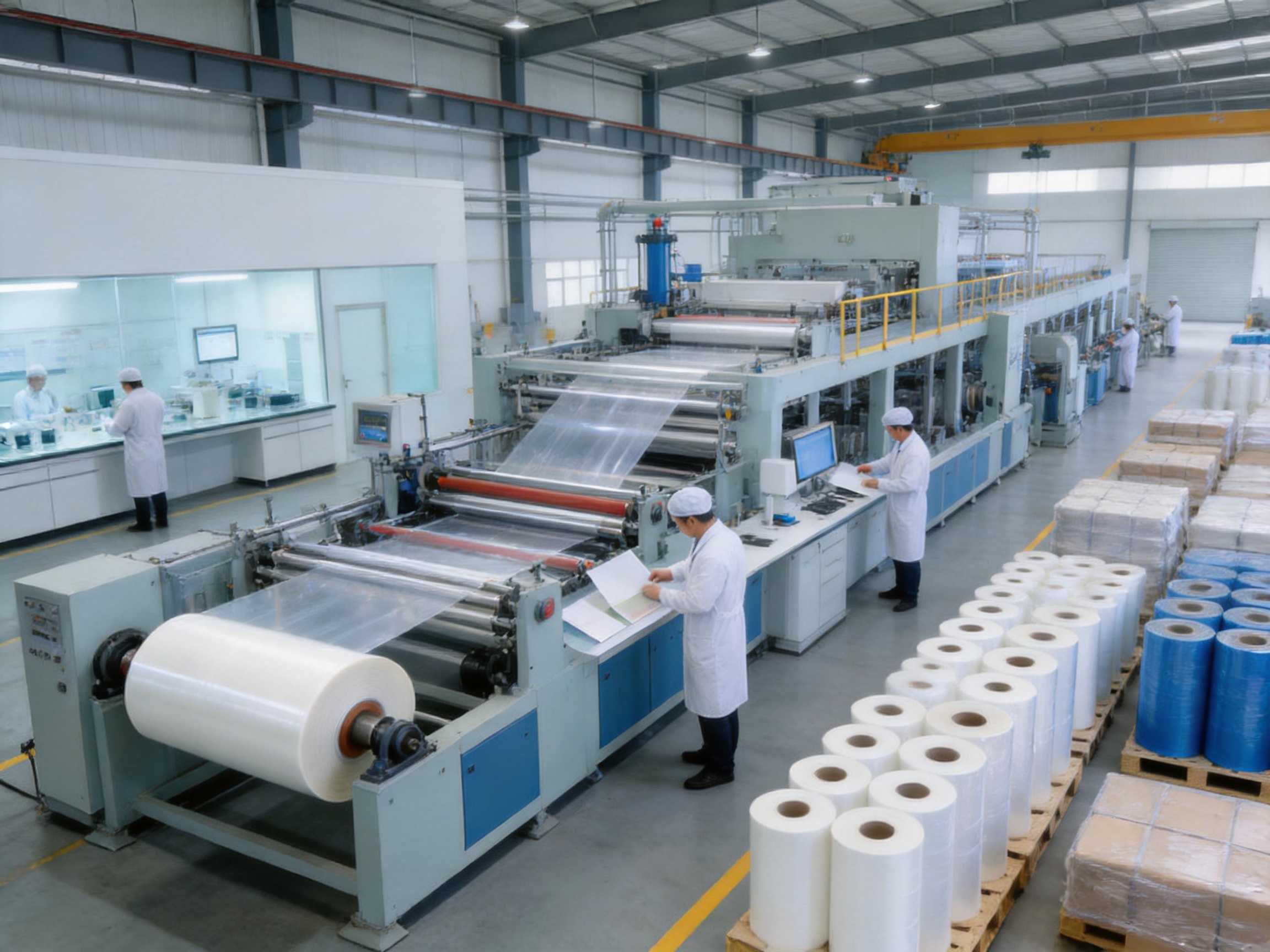
Mirrors are widely used in homes, hotels, retail stores, offices, schools, gyms, hospitals, public buildings, vehicles, and interior design projects. They add light, depth, and visual appeal to a space, but their glass construction also creates a potential safety hazard. When an unprotected mirror is struck, dropped, improperly installed, or exposed to structural movement, it may crack or break into sharp fragments. These fragments can fall away from the backing, scatter across the surrounding area, and cause serious injury or property damage.
Mirror backing safety film is designed to reduce this risk. Applied to the rear surface of a mirror, the film forms a strong, flexible barrier that helps retain broken glass fragments in place. It does not change the front appearance of the mirror when correctly applied, while its high-tensile polyethylene structure and high-performance acrylic adhesive provide permanent reinforcement from the back. This makes it suitable for applications where long-term safety is more important than temporary surface protection.
Unlike removable protective films used during transportation or installation, mirror backing safety film is engineered for permanent use. It bonds tightly to the mirror backing and helps prevent broken pieces from splintering away from the glass. Its high elongation, puncture resistance, and strong adhesion allow it to absorb and distribute impact forces instead of allowing those forces to be concentrated in one fragile area.
This article explains the construction, performance, applications, advantages, manufacturing process, customization options, and quality considerations associated with mirror backing safety film. It also examines why an experienced protective film manufacturer is important when buyers require stable quality, accurate converting, dependable adhesive performance, and consistent delivery.
Mirror backing safety film is a pressure-sensitive adhesive film applied to the rear side of a glass mirror. Its principal purpose is to help hold glass fragments together if the mirror breaks. The film does not make a mirror unbreakable, and it should not be considered a replacement for correct handling, installation, or structural support. Instead, it provides an additional safety layer that limits the movement of broken glass and reduces the likelihood of dangerous shards spreading into the surrounding environment.
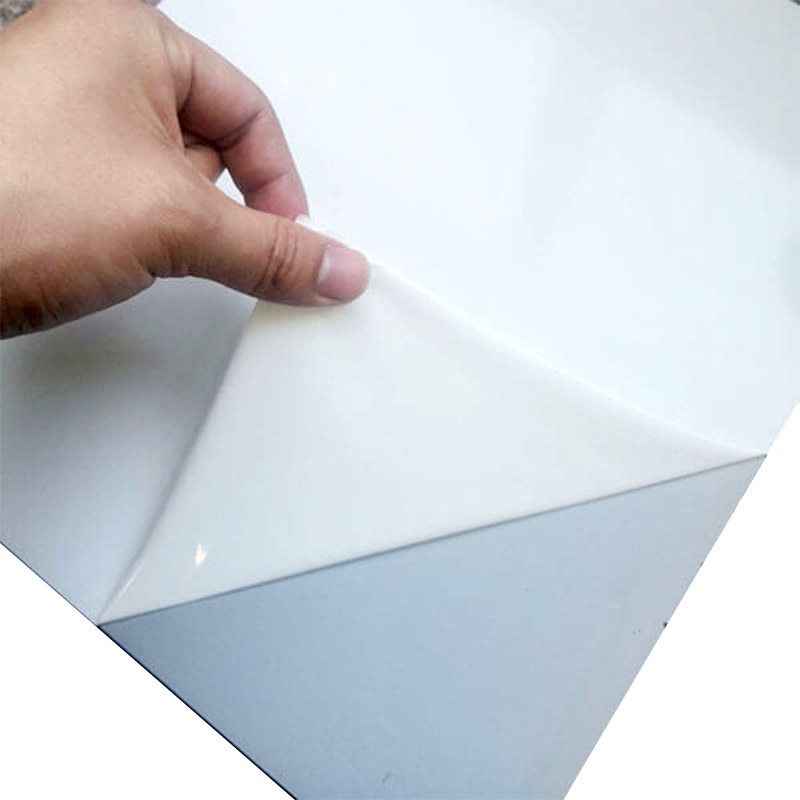
The film generally consists of a tough polyethylene backing and a specially formulated acrylic adhesive. The polyethylene layer supplies flexibility, tensile strength, and puncture resistance. The adhesive creates a secure bond with the mirror backing and is selected for long-term attachment. Depending on project requirements, the film can be supplied in white, clear, blue, or other colors, with optional surface printing in up to three colors.
In practical use, the film is applied to a clean and dry mirror back. Once the adhesive has made full contact, the film becomes a continuous reinforcing layer across the rear surface. If the glass is accidentally impacted, the adhesive helps maintain contact between the film and the mirror, while the film’s flexible structure helps retain fragments rather than allowing them to fly outward.
The product is especially valuable for mirrors installed in locations where people are nearby, where children or pets may be present, or where broken glass would be difficult to clean safely. Examples include bathroom mirrors, wardrobe doors, dressing rooms, fitness centers, schools, hospitals, retail displays, elevators, hotels, and decorative wall installations.
Glass is strong under many types of evenly distributed pressure, but it is vulnerable to impact at an edge, corner, or localized point. Once a crack begins, it can travel rapidly through the glass. A mirror may then separate into numerous pieces, some of which can fall forward, sideways, or backward depending on the installation.
Mirror backing safety film introduces a flexible layer behind the glass. When a break occurs, the film helps keep the pieces connected to the rear surface. The adhesive also helps prevent sections of the film from lifting away from the mirror. As a result, the broken mirror is more likely to remain as a contained sheet or connected group of fragments instead of disintegrating into freely moving shards.
This containment effect provides several safety benefits:
• It reduces the chance that large or sharp glass fragments will scatter into pedestrian areas.
• It helps limit the distance that broken pieces can travel after an impact.
• It makes post-breakage cleanup more controlled and manageable.
• It can reduce the risk of cuts to occupants, installers, maintenance workers, and emergency responders.
• It provides an additional protective measure for mirrors placed in public, commercial, or high-traffic areas.
The product’s performance depends on the complete system, including the mirror glass, backing condition, adhesive bond, application quality, installation method, and service environment. For this reason, the film should be selected and applied according to the specific mirror design and expected conditions.
Mirror Backing Safety Film
The performance of mirror backing safety film depends on the interaction between its backing material and adhesive layer. Each component contributes to the product’s ability to remain bonded, resist tearing, and retain glass fragments after breakage.
The backing film is made from tough polyethylene. Polyethylene is valued for its flexibility, impact resistance, and ability to maintain performance across a range of handling conditions. In this application, it provides a strong continuous layer that supports the mirror backing and helps absorb forces generated by accidental impact.
A polyethylene film can be engineered to combine flexibility with high tensile strength. This balance is important because a film that is too rigid may not conform well to the mirror surface, while a film that is too soft may not provide sufficient reinforcement. The selected film structure is intended to remain flexible enough for application while offering the strength required for long-term safety performance.
The film also provides good puncture resistance. Puncture resistance is important because a concentrated force, sharp glass point, or handling tool may otherwise create a hole in the safety layer. A resistant backing helps preserve the continuity of the protective barrier during application and service.
The adhesive is an acrylic pressure-sensitive formulation designed for strong and lasting attachment to the rear surface of a mirror. Adhesive performance is central to the product because the film can only retain broken glass fragments if it remains firmly bonded to the mirror backing.
The adhesive is formulated to support easy application while developing a tight bond. This balance allows installers to position the material accurately without making application unnecessarily difficult. After contact and pressure are applied, the adhesive forms a strong interface with the mirror backing.
Acrylic adhesives are widely used in protective film applications because they can provide good aging performance, stable adhesion, and resistance to environmental changes. The precise formulation can be adjusted for different substrates, application conditions, and customer specifications. Buyers should discuss the mirror backing material, expected temperature range, humidity, exposure to sunlight, and intended service life with the manufacturer before selecting a final adhesive structure.
Depending on the project, mirror backing safety film may be supplied in different colors or with printed information. White, clear, and blue versions are available, while other colors may be considered for customized projects. Printing of up to three colors can be used for product identification, installation instructions, safety reminders, batch information, branding, or customer-specific markings.
Clear film may be preferred when the rear surface needs to remain visually unobtrusive. White film can provide a clean and uniform appearance and may make printed instructions easier to read. Blue film or another colored version may be selected for identification within a production line or for a particular design requirement.
Where additional functions are needed, buyers can consult the manufacturer about optional constructions. Some safety film systems may be developed with features such as enhanced UV resistance, specialized surface treatment, or a particular adhesive design. Any optional feature should be confirmed through technical evaluation because performance depends on the complete construction and application environment.
The following table summarizes the principal specifications available for this mirror backing safety film. Actual values may depend on the selected thickness, width, adhesive construction, printing requirement, and production order.
| Characteristic | Available specification | Application significance |
| Film thickness | 70 micrometers to 200 micrometers | Allows selection of a suitable balance between flexibility, strength, handling, and reinforcement. |
| Film width | 500 millimeters to 1,500 millimeters | Supports different mirror sizes and production line requirements. |
| Roll length | 100 meters to 1,000 meters | Provides options for smaller orders, industrial processing, and high-volume converting. |
| Elongation | At least 300 percent | Helps the film absorb movement and conform to the mirror backing without tearing easily. |
| Adhesion level | Super high | Supports permanent bonding and glass-fragment retention. |
| Adhesive type | Acrylic | Designed for strong, stable, long-term attachment. |
| Color availability | White, clear, blue, and other options | Supports functional, visual, and identification requirements. |
| Printing availability | Zero to three colors | Allows customized markings, instructions, and identification. |
Thickness selection should be based on the mirror size, glass thickness, installation position, expected handling conditions, and required level of reinforcement. A thinner film may be convenient for certain converting operations, while a thicker film may be preferred when additional puncture resistance and physical strength are required.
Width and roll length can be matched to the customer’s equipment. Manufacturers of mirrors may require jumbo rolls for slitting or automatic application, while smaller processors may require narrower rolls that can be handled manually. Customized roll dimensions can help reduce waste, improve production efficiency, and simplify inventory management.
Many protective films are designed to be removed after fabrication, transportation, or installation. Those products prioritize clean removability and short-term surface protection. Mirror backing safety film serves a different purpose. It is intended to remain in place and provide continuing shatter-retention support throughout the useful life of the mirror.
This permanent-use design makes it more suitable than temporary protective film for finished mirrors installed in public or occupied spaces. It does not need to be removed after delivery, and the protective function remains available after the mirror has entered service.
A weakly bonded film may lift, wrinkle, or detach from the mirror backing over time. If the film separates before an impact occurs, its safety function can be reduced. The super-high adhesion of this product is intended to create a more reliable connection between the film and the mirror rear surface.
High adhesion is particularly important around edges, corners, and areas subject to vibration. It also supports the film’s ability to retain broken fragments as one connected system. Proper surface preparation remains essential, but a strong adhesive provides a valuable performance advantage over low-adhesion films that are designed for easy removal.
The film’s tough polyethylene construction provides high tensile strength and good puncture resistance. These properties help the material remain intact during application and service. A film that tears easily may fail to provide continuous coverage, especially when it is pulled across a large mirror or fitted around corners.
High tensile strength can also improve processing efficiency. It allows the film to be unwound, handled, cut, and applied with reduced risk of premature splitting. For manufacturers processing large volumes of mirrors, stable handling performance can reduce production interruptions and material waste.
An elongation value of at least 300 percent indicates that the film can stretch significantly before breaking under the specified test conditions. In practical terms, this supports better conformity to the rear surface and helps the film accommodate minor movement or dimensional changes.
High elongation is useful during manual or automated application because it can help the film adapt to the mirror surface without immediately tearing. It also contributes to impact management by allowing the film to deform rather than failing abruptly when subjected to sudden stress.
The availability of multiple thicknesses, widths, roll lengths, colors, and printing options gives buyers greater control over the finished product. Instead of purchasing one standard film for every mirror type, customers can develop specifications that match their production equipment and market requirements.
Customization is also useful for manufacturers supplying different mirror formats to different industries. A hotel bathroom mirror, a gym wall mirror, a wardrobe mirror, and a retail display mirror may require different roll sizes or visual identification. A flexible supplier can support these variations without requiring customers to manage unnecessary product complexity.
When the backing film production, adhesive coating, printing, rewinding, slitting, and packaging processes are coordinated within one factory, the manufacturer can control more of the product’s quality chain. This reduces dependence on multiple external suppliers and makes it easier to investigate technical issues, maintain batch consistency, and respond to customized specifications.
Factory-controlled production can also support more reliable lead times. Customers can communicate directly with technical and production teams rather than coordinating several unrelated suppliers. This is particularly valuable for OEM and ODM projects that require product development, samples, testing, and repeat orders.
Bathroom mirrors are often installed in locations where people stand close to the glass. Accidental contact can occur during cleaning, renovation, moving, or daily use. A safety film applied to the rear surface adds a containment layer without interfering with the mirror’s reflective front surface.
In hotels, hospitals, student accommodation, and public restrooms, the film can support a broader safety strategy. It is not a substitute for secure mounting or suitable glass selection, but it can reduce the consequences of unexpected breakage and simplify maintenance planning.
Mirrored wardrobe doors and cabinet panels may be opened, closed, shifted, or impacted repeatedly. The movement of the door can create stress near hinges, handles, and edges. A strong backing film helps reinforce the mirror from behind and may limit the spread of fragments if the glass is damaged.
Large mirrors are common in fitness studios, dance rooms, martial arts facilities, and training centers. These environments experience frequent movement, equipment transport, vibration, and close contact with walls. Since users may exercise only a short distance from the glass, shatter retention is an important consideration.
The film can be specified in wide rolls for large mirror panels and customized for professional installation. Its permanent nature means that the facility does not need to remove a temporary protective layer after the mirror has been installed.
Schools and childcare facilities require careful management of hazards caused by sharp materials and breakable surfaces. Mirrors may be used in classrooms, activity rooms, corridors, washrooms, and dance spaces. The addition of a rear safety film can help reduce the risk associated with accidental impact.
Public buildings such as transportation facilities, community centers, government offices, and libraries may also benefit from mirror safety measures. In these settings, the film can support risk reduction while preserving the visual function of the mirror.
Interior designers frequently use mirrors to create a sense of space and improve lighting. Hotels may install mirrors in guest rooms, lobbies, elevators, corridors, and bathrooms. Restaurants and retail stores may use them as decorative elements or display features.
Because these mirrors are located in areas used by the public, the cost of a broken panel includes not only replacement glass but also cleanup, interruption of business, possible injury, and damage to surrounding finishes. Mirror backing safety film provides an additional layer of protection that can help reduce the severity of such incidents.
Large wall mirrors, mirrored columns, feature panels, and custom interior installations can be difficult and expensive to replace. Safety film may be used as part of the specification for decorative projects where visual quality and long service life are important.
Clear or color-matched film options can help preserve the intended appearance of the rear surface, while printed versions may be used for project identification or installation guidance. Designers and contractors should evaluate the complete mirror assembly, including framing, fixing systems, substrate conditions, and access for future maintenance.
A reliable mirror backing safety film requires more than a suitable raw material. The film must be manufactured with consistent thickness, stable adhesive coating, controlled winding tension, accurate slitting, and protective packaging. Each stage affects how the product performs during application and service.
Production begins with the selection of polyethylene film and acrylic adhesive components. The backing material must meet requirements for strength, elongation, flexibility, and puncture resistance. The adhesive must be compatible with the intended mirror backing and provide the required level of permanent adhesion.
Raw materials are evaluated according to internal quality procedures and customer specifications. Consistency is important because fluctuations in the backing or adhesive can affect coating uniformity, roll handling, bond development, and final safety performance.
Before adhesive coating, the film may undergo preparation or treatment to support coating uniformity and interlayer bonding. Surface energy, cleanliness, and web stability must be controlled to ensure that the adhesive forms an even layer across the full width of the film.
Proper preparation helps prevent defects such as uneven coating, bubbles, fish eyes, streaks, or areas with insufficient adhesive. These defects can interfere with application and reduce the continuity of the protective layer.
The acrylic adhesive is applied using controlled coating equipment. Coating weight, viscosity, temperature, line speed, and drying conditions are monitored to produce a stable adhesive layer. A consistent coating is important because excessive adhesive may complicate application, while insufficient adhesive may reduce bond strength.
Advanced machinery and experienced operators help maintain process stability across different product widths and thicknesses. The manufacturer’s ability to adjust coating parameters supports the development of products for different mirror substrates and service conditions.
After coating, the adhesive passes through a controlled drying or curing process. Solvent or moisture levels, web temperature, and residence time must be managed carefully. Inadequate drying may leave residual components in the adhesive layer, while excessive heat may affect the film or adhesive properties.
Controlled curing contributes to stable adhesion and reliable shelf life. It also helps ensure that the adhesive behaves consistently during application rather than remaining excessively wet, uneven, or difficult to handle.
When printing is required, the film can be printed in up to three colors according to an approved artwork file. Printing may include safety information, installation instructions, product codes, or customer-specific details. Registration, ink adhesion, and print clarity are checked during production.
The coated and printed film is then rewound under controlled tension. Proper winding is essential for producing rolls that unwind smoothly without telescoping, blocking, edge damage, or excessive wrinkles. Rewinding parameters are adjusted according to film thickness, width, adhesive properties, and final roll diameter.
Jumbo rolls can be slit into customer-specified widths. Slitting equipment must produce clean edges and consistent roll dimensions. Poorly controlled slitting may create edge burrs, loose winding, or uneven roll faces, all of which can make application more difficult.
Finished rolls are packed to protect them from moisture, dust, impact, and deformation during storage and transportation. Packaging information may include product specifications, batch numbers, roll dimensions, and handling instructions. Appropriate packaging is particularly important for export shipments and long-distance delivery.
Quality control may include checks of thickness, width, roll length, appearance, adhesion, tensile strength, elongation, puncture resistance, and printing accuracy. The manufacturer’s testing laboratory and inspection equipment provide a basis for monitoring production consistency.
Quality records help identify trends and support corrective action when results move outside the specified range. For OEM and ODM orders, testing can be aligned with the customer’s technical data sheet or approved sample.
Quality management systems such as ISO 9001 and environmental management systems such as ISO 14001 provide a structured framework for production control and continual improvement. Additional compliance documentation, including relevant SGS, RoHS, REACH, PFAS, or Prop 65 testing, may be available according to product and market requirements.
An experienced manufacturer contributes value beyond the film itself. Protective film performance is influenced by formulation, coating technology, converting precision, quality control, technical service, and delivery capability. A supplier that manages these areas internally can provide a more complete solution for mirror manufacturers, glass processors, distributors, and project contractors.
The manufacturer’s production processes include backing film production, adhesive coating, logo printing, rewinding, slitting, and packaging. This integrated capability simplifies communication and allows the company to coordinate the product from raw material to finished roll.
Integrated manufacturing is particularly useful when customers require a non-standard thickness, special width, customized roll length, printed information, or a particular adhesive construction. The supplier can evaluate the complete production route instead of treating each operation as an isolated purchase.
A dedicated research and development team can help adapt the product to different mirror backing materials and application methods. Customers may provide technical data sheets, samples, or performance targets, allowing the manufacturer to develop a suitable construction.
Development work may involve adjusting adhesive strength, changing film thickness, improving handling properties, modifying color, or optimizing printing. Technical collaboration is valuable for customers who need a product that fits an existing production line rather than a generic standard roll.
The company was founded in 1999 and operates a factory area of approximately 20,000 square meters, with more than 95 experienced staff members. Its annual production capacity exceeds 12,000 tons, supporting both standard products and larger OEM or ODM programs.
Production scale can help customers maintain supply continuity. It also allows the manufacturer to support multiple markets, manage repeat orders, and coordinate production planning for customers with seasonal or project-based demand.
The company serves customers in around 90 export areas, including Europe, North America, Australia, the Middle East, Japan, and other regions. International experience can help with export packaging, product documentation, communication across time zones, and market-specific compliance needs.
Customers should still confirm the exact documentation required for their destination country and application. Product compliance can vary according to the intended market, installation environment, and regulatory classification.
Professional engineers and technicians can help customers select film thickness, adhesive type, roll dimensions, and application methods. Technical support may also cover surface preparation, storage, handling, application pressure, and testing procedures.
This support is especially useful when a buyer is moving from temporary protective film to a permanent mirror safety product. The application requirements are different, and the supplier should help define a process that achieves reliable contact and avoids bubbles, wrinkles, contamination, or edge lifting.
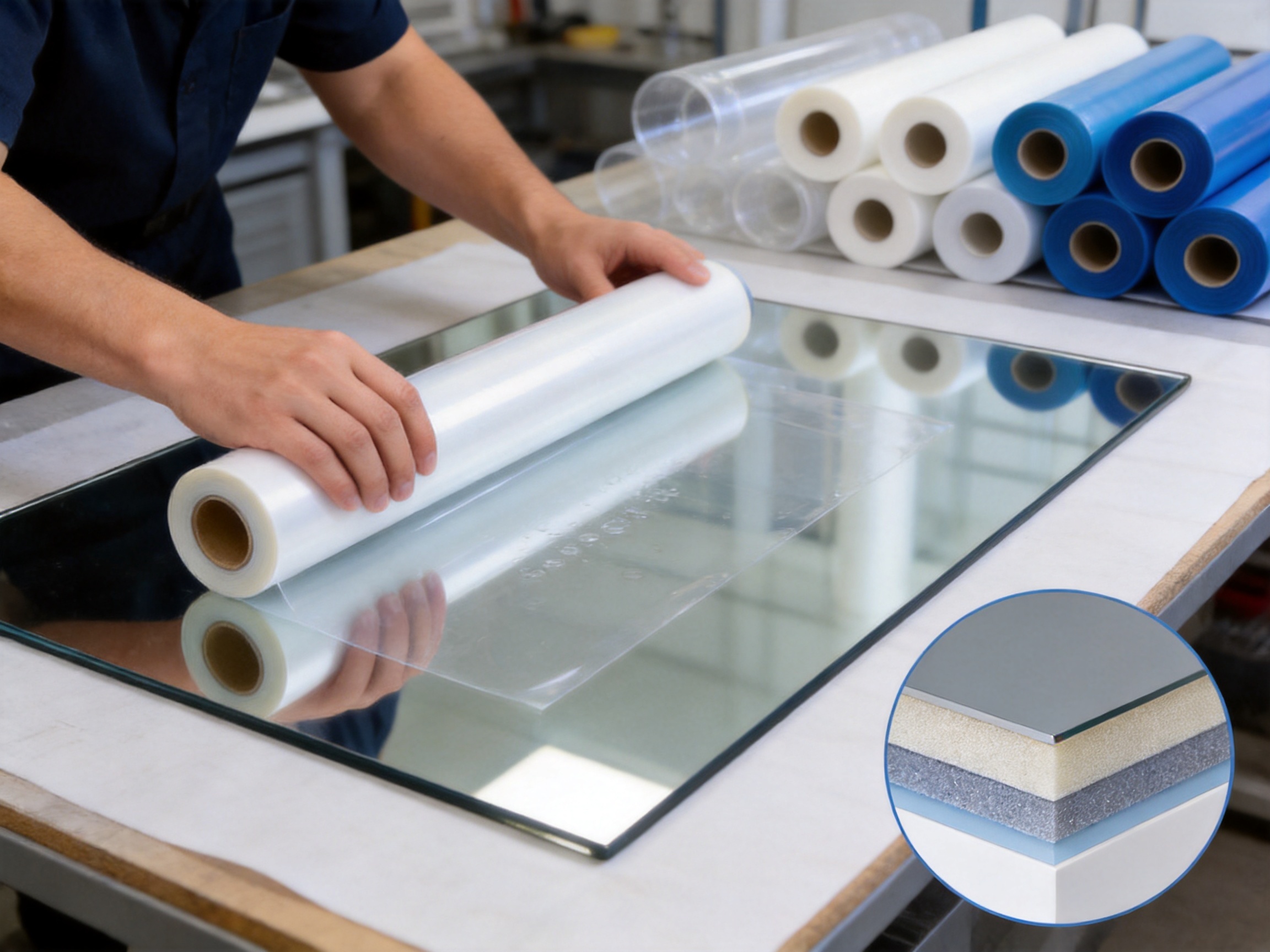
Correct application is essential to achieving the intended performance of mirror backing safety film. Even a high-quality product may not perform properly if the mirror backing is dirty, wet, damaged, or incompatible with the adhesive.
The rear surface should be clean, dry, and free from dust, oil, loose particles, moisture, and other contaminants. Any damaged or unstable coating should be evaluated before application. Cleaning materials should be compatible with the mirror backing and should not leave an oily residue.
Edges should be checked for chips, sharp projections, or loose backing materials. Applying film over an unstable surface may result in poor adhesion or premature lifting.
Application should take place in a clean area with suitable temperature and humidity conditions. Extremely cold temperatures may slow adhesive bonding, while excessive heat may affect handling. Dust control is important because particles trapped under the film can create air pockets and reduce effective contact.
The film should be aligned carefully before full contact is made. Depending on the mirror size and equipment available, the film may be applied manually or with a laminating machine. A roller or squeegee can help press the film evenly against the surface and remove trapped air.
Excessive stretching should be avoided unless the application procedure specifically requires it. The film’s high elongation supports conformability, but uncontrolled stretching can create uneven tension or shrinkage after application.
Edges and corners are often the areas most vulnerable to lifting or damage. The film should be applied with full contact across the available surface, and the perimeter should be checked carefully. If the design requires trimming, cutting should be clean and should not damage the mirror or leave loose sections.
For large mirrors, installers should follow a documented procedure that includes alignment, roll handling, pressure application, inspection, and final edge checking. Consistent procedures reduce variation between workers and improve finished product quality.
Unapplied rolls should be stored in a clean, dry environment away from direct sunlight, excessive heat, moisture, and heavy loads. Rolls should be protected from impact and stored in a way that prevents deformation. The manufacturer’s recommended shelf-life and storage conditions should be followed.
Applied mirrors should be transported with suitable edge protection and support. The safety film is not a substitute for careful packing, and the mirror should not be exposed to unnecessary bending or impact during delivery.
Buyers should consider several factors before placing an order. The first is the mirror itself. Important information includes the glass thickness, mirror dimensions, rear coating type, edge treatment, frame design, and intended mounting method.
The second factor is the service environment. A mirror installed indoors in a climate-controlled hotel room may experience different conditions from one installed in a gym, public washroom, unheated building, or area exposed to sunlight and humidity. Temperature variation, moisture, vibration, cleaning chemicals, and frequency of contact should all be considered.
The third factor is the production process. Customers should determine whether the film will be applied manually, by a semi-automatic machine, or on a fully automated line. Required roll width, core size, roll length, unwinding direction, and packaging style should match the equipment.
The fourth factor is appearance. Clear, white, blue, or other colored film may be selected according to the rear appearance of the mirror and the customer’s branding requirements. If printing is needed, the buyer should provide artwork, color references, print repeat requirements, and inspection standards.
The following questions can help define a purchasing specification:
• What are the mirror length, width, and glass thickness?
• What material or coating is present on the mirror backing?
• Is the film intended for indoor use, outdoor use, or a mixed environment?
• What temperature and humidity conditions are expected?
• Will the film be applied manually or by machine?
• What thickness and roll width are compatible with the production line?
• Is permanent adhesion required for the full service life?
• Is a clear, white, blue, or customized color required?
• Is printed information needed?
• What testing, certification, and packaging documents are required?
Providing complete information allows the manufacturer to recommend a more appropriate product and reduce the risk of ordering a specification that is difficult to process.
The main purpose is to help retain glass fragments if a mirror breaks. The film is applied to the rear surface and forms a strong, flexible layer that helps prevent broken pieces from splintering away and injuring nearby people.
This product is designed for non-removable, permanent use. It differs from temporary protective film, which is normally removed after manufacturing, transportation, or installation.
Because the film is applied to the back, it is not intended to interfere with the reflective front surface. The rear appearance may vary according to whether clear, white, blue, or another color is selected. Application quality and the mirror construction can affect the final visual result.
The standard adhesive type is acrylic. It is formulated for strong adhesion to the mirror backing and for long-term attachment. The final adhesive construction should be confirmed according to the mirror substrate and service environment.
Available thicknesses range from 70 micrometers to 200 micrometers. The appropriate thickness depends on the mirror size, handling conditions, required reinforcement, and production process.
Yes. Widths from 500 millimeters to 1,500 millimeters are available, and roll lengths can range from 100 meters to 1,000 meters. Large mirrors may require specialized handling or mechanical application equipment.
Yes. Printing in zero to three colors is available. Customers may use printing for safety instructions, product codes, installation guidance, identification marks, or customized information.
No. The film does not make glass unbreakable. It is a safety measure designed to help contain fragments and reduce the risk associated with breakage. Correct glass selection, secure mounting, careful handling, and appropriate installation remain necessary.
It may be suitable for bathroom and humid-area applications, but the exact environment should be reviewed with the manufacturer. The mirror backing, adhesive construction, edge sealing, temperature, humidity, and cleaning practices can affect long-term performance.
The surface should be clean, dry, stable, and free from dust, oil, loose particles, and moisture. Any unstable rear coating should be addressed before the film is applied. A controlled application environment helps improve bonding and reduce bubbles or wrinkles.
The manufacturer operates under ISO 9001 and ISO 14001 management systems and uses advanced production and inspection equipment. Depending on the product and destination market, testing or compliance documents related to SGS, RoHS, REACH, PFAS, and Prop 65 may also be available.
Yes. The manufacturer offers OEM and ODM support and can develop products according to customer technical data sheets or samples. Customization may include film thickness, width, roll length, color, adhesive construction, printing, slitting, and packaging.
An integrated manufacturer can coordinate film production, adhesive coating, printing, rewinding, slitting, packaging, testing, and technical support. This improves communication, supports customization, and can provide more consistent quality than a supply chain involving several unrelated processors.
Mirror backing safety film is a technical product whose performance depends on more than its nominal thickness or appearance. The film must maintain stable adhesion, remain physically intact, process efficiently, and provide reliable fragment retention over the intended service period. A specialized manufacturer understands the relationship between polymer selection, adhesive chemistry, coating conditions, converting, and application.
Wuxi Qida Tape Co., Ltd. has focused on protective films and surface protection solutions since 1999. Its product range covers protective materials for stainless steel, aluminum, pre-coated metals, plastic panels, ceramics, carpets, decorative laminates, glass, and other surfaces. This broader experience supports knowledge of different substrates, adhesive systems, processing conditions, and customer requirements.
The company operates its own production processes, including backing film production, adhesive coating, logo printing, rewinding, slitting, and packaging. Its factory covers approximately 20,000 square meters, employs more than 95 experienced staff members, and has an annual production capacity of over 12,000 tons.
Advanced machines introduced from Germany, a dedicated testing laboratory, experienced technicians, and a research and development team support its manufacturing capabilities. The company offers acrylic water adhesive, acrylic solvent adhesive, and natural rubber adhesive for different industry applications, although the mirror backing safety film described here uses an acrylic adhesive structure.
Customers can benefit from product customization, competitive cost, production capacity, quality control, multiple adhesive options, and technical service. The company’s export experience across approximately 90 regions also supports international purchasing and project supply.
For buyers seeking a long-term mirror safety solution, supplier evaluation should include not only price but also raw material control, coating precision, roll quality, test documentation, production capacity, customization ability, and after-sales support. These factors can have a direct influence on installation efficiency and product reliability.
Mirror backing safety film provides an effective additional layer of protection for glass mirrors used in residential, commercial, industrial, and public environments. Its tough polyethylene construction, high elongation, good puncture resistance, and super-high acrylic adhesion are designed to help hold glass fragments together if accidental breakage occurs.
The product is intended for permanent use, making it different from temporary transport and surface protection films. Its available thicknesses, widths, roll lengths, colors, and printing options allow customers to adapt the product to different mirror formats and production requirements.
Its advantages include long-term bonding, high tensile strength, flexible application, improved impact management, and compatibility with customized OEM and ODM programs. These benefits are supported by controlled film production, precision adhesive coating, printing, rewinding, slitting, inspection, and packaging.
When selecting mirror backing safety film, buyers should consider the mirror substrate, size, installation environment, application method, expected service life, and market compliance requirements. Proper surface preparation and installation are equally important. With the correct specification and manufacturing partner, mirror backing safety film can contribute to safer mirror installations, more controlled breakage behavior, reduced maintenance risk, and greater confidence in long-term product performance.
1. ASTM International. Standard practices and test methods for pressure-sensitive adhesive products and flexible polymer films.
2. International Organization for Standardization. ISO 9001: Quality management systems — Requirements.
3. International Organization for Standardization. ISO 14001: Environmental management systems — Requirements with guidance for use.
4. International Organization for Standardization. Guidance concerning laminated glass, safety glazing, and the performance of glass-related building materials.
5. Pressure Sensitive Tape Council. Technical principles for pressure-sensitive adhesives, coating systems, and adhesive tape evaluation.
6. European Committee for Standardization. Guidance and testing principles for glass in building applications and safety-related glazing products.
7. Technical product information supplied for polyethylene mirror backing safety film, including thickness, width, roll length, adhesion, elongation, color, and printing specifications.
8. Manufacturer quality and production information concerning protective film manufacturing, adhesive coating, converting, testing, customization, and international supply.
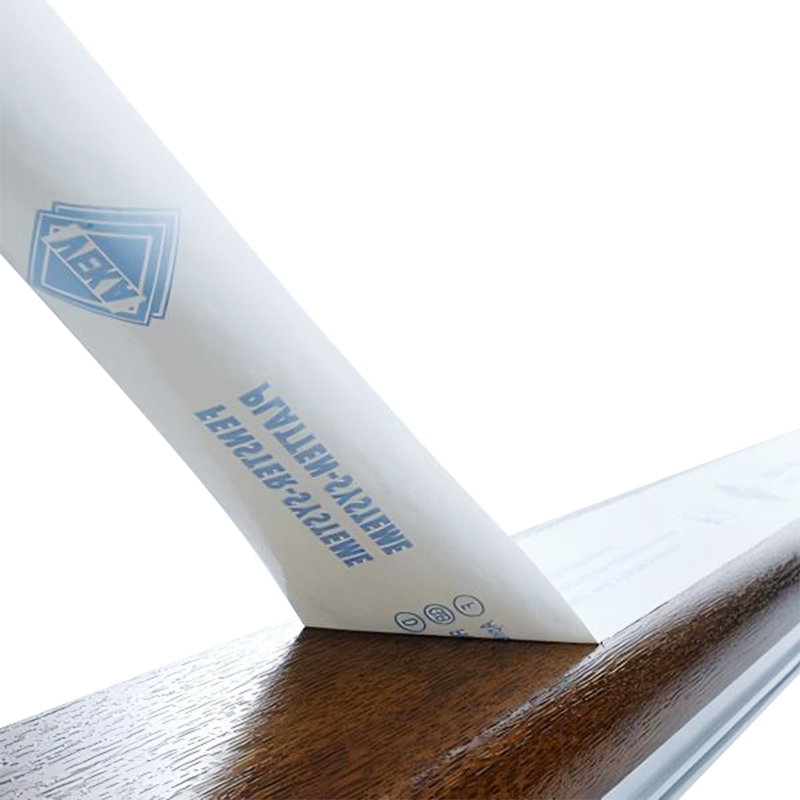
● Good weatherability for outdoor exposure; ● Stable adhesion level; ● UV resistance for up to 12 months; ● Can print customized logo or application i...
See Details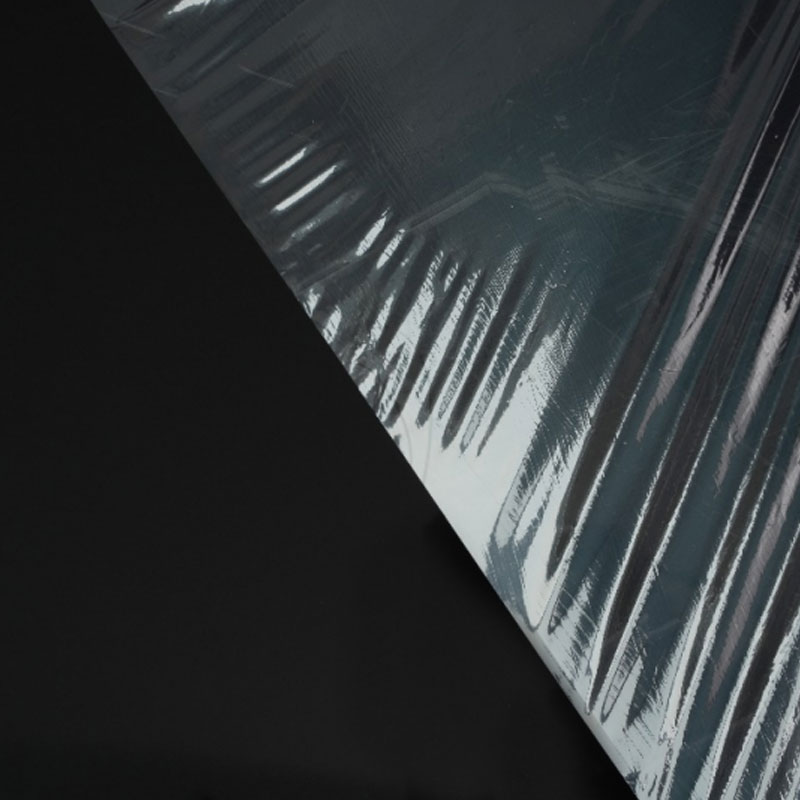
● No “ghost shadow” or “fish eye” after removal; ● Stable adhesion level; ● UV resistance for up to 6 months; ● Can print customized logo or applicati...
See Details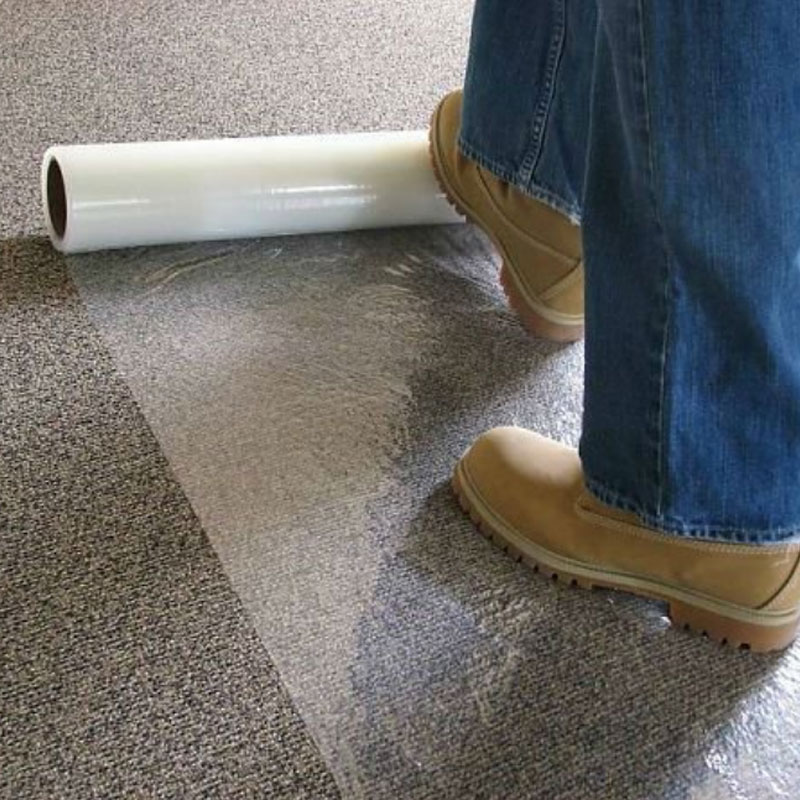
● Protects carpet against staining, paint spillage and dirt during painting, building, remodeling, plastering, tiling, decoration, general maintenance...
See Details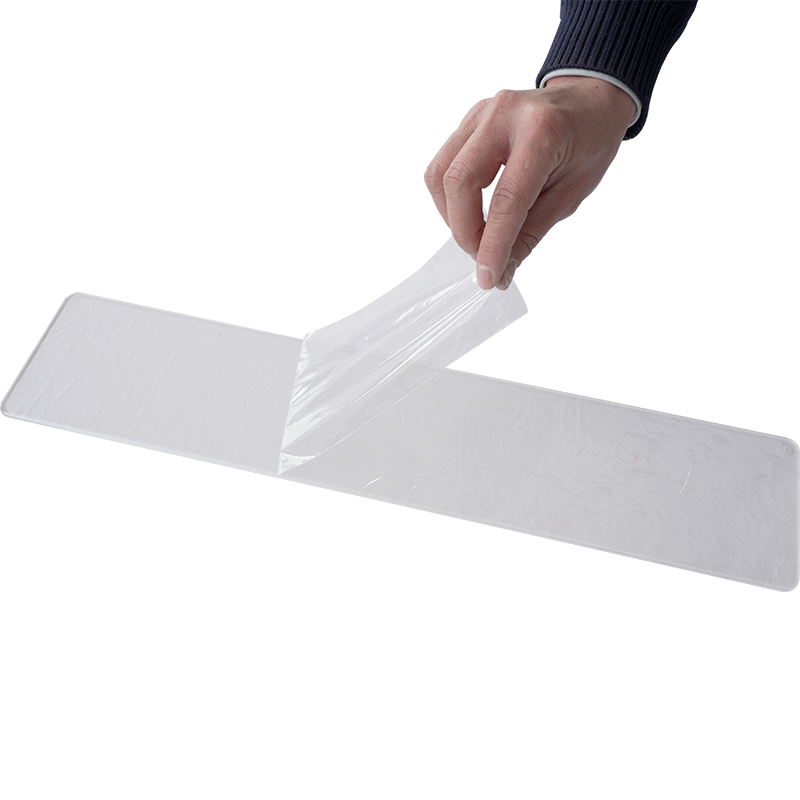
● No “ghost shadow” or “fish eye” after removal; ● Low gel content, soft and stable adhesion plus easy-peel removal with no surface damage or curling;...
See Details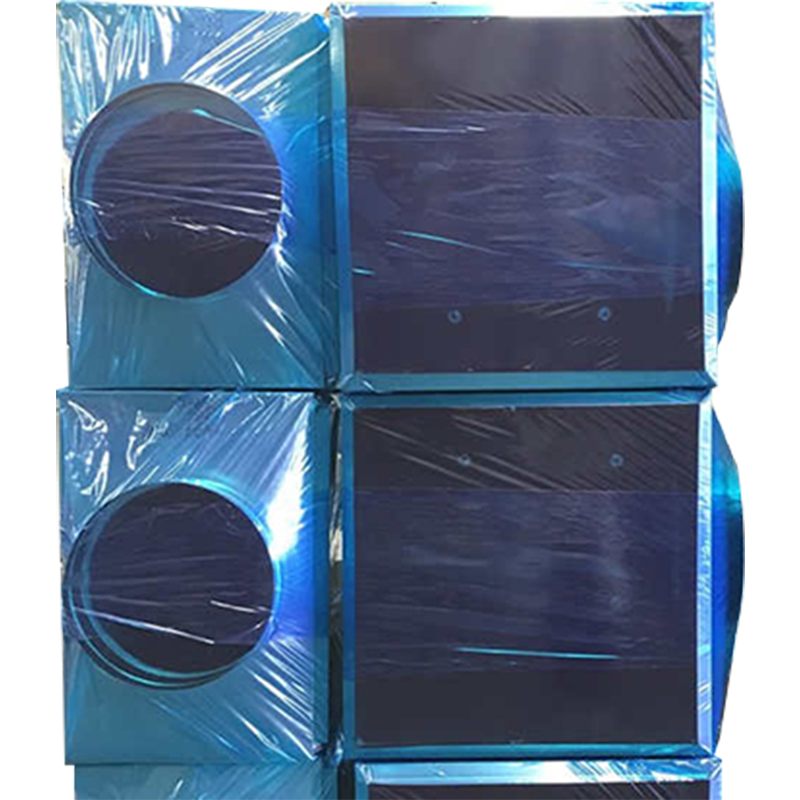
● The super-tough polyethylene film resists puncture and penetration by liquid and dirt during storage, transportation, and installation of the ductwo...
See Details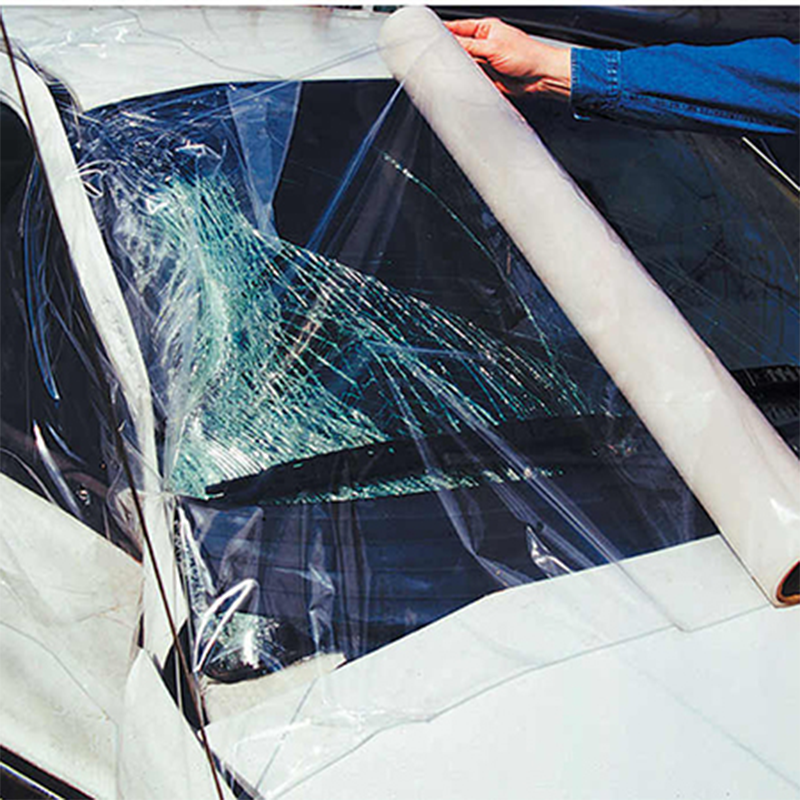
● The super-tough polyethylene film resists puncture and penetration by rain, snow, debris, and dirt during the transportation and storage of the cras...
See Details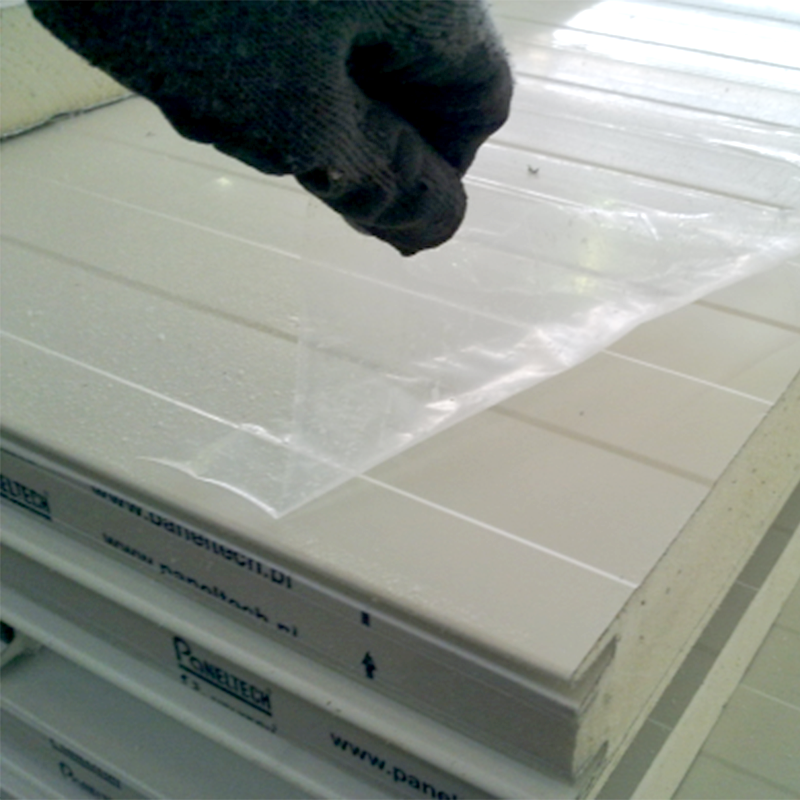
● The specially formulated adhesive ensures easy application and removal without leaving residue glue on the sandwich panels; ● The super-tough polyet...
See Details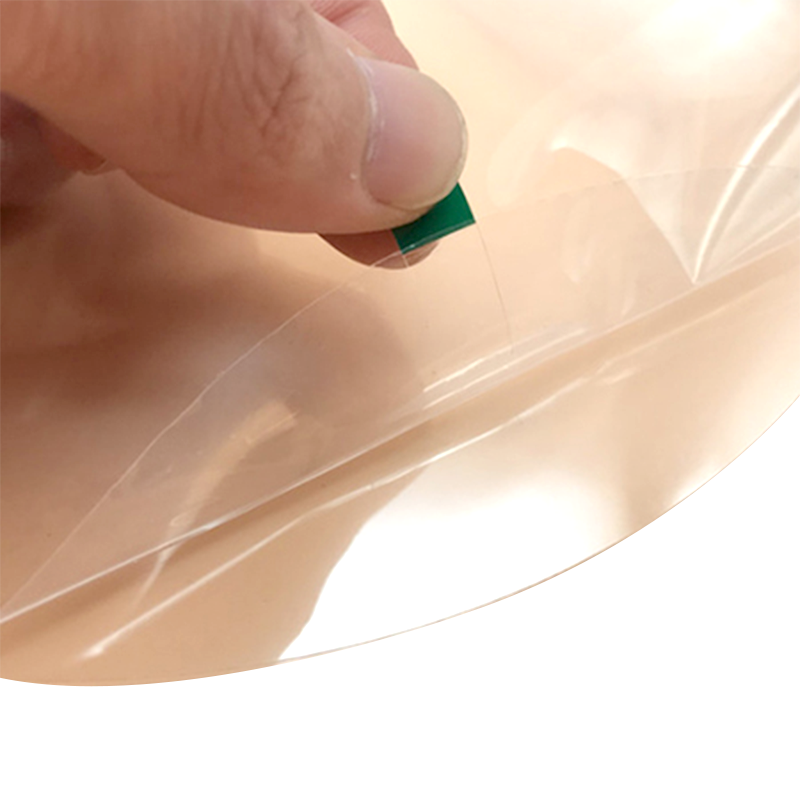
● Suitable for plastic sheets’ drilling, cutting, routing, thermoforming, bending, or post-fabrication operations;● No “ghost shadow” or “fish eye” af...
See Details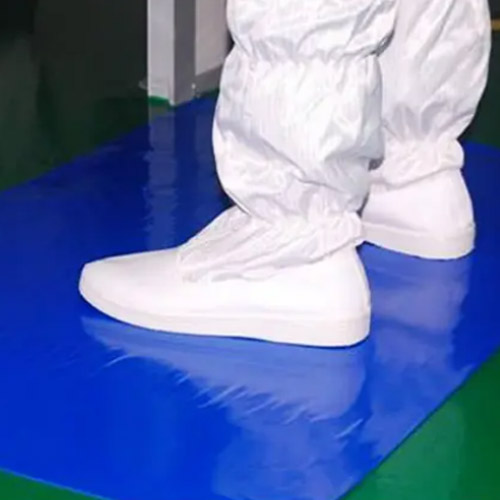
● Options for either 30 or 60 layers per mat; can be packed with four mats, eight mats, or ten mats per carton;● Remove dirt effect: ≥99.9% (5 steps);...
See Details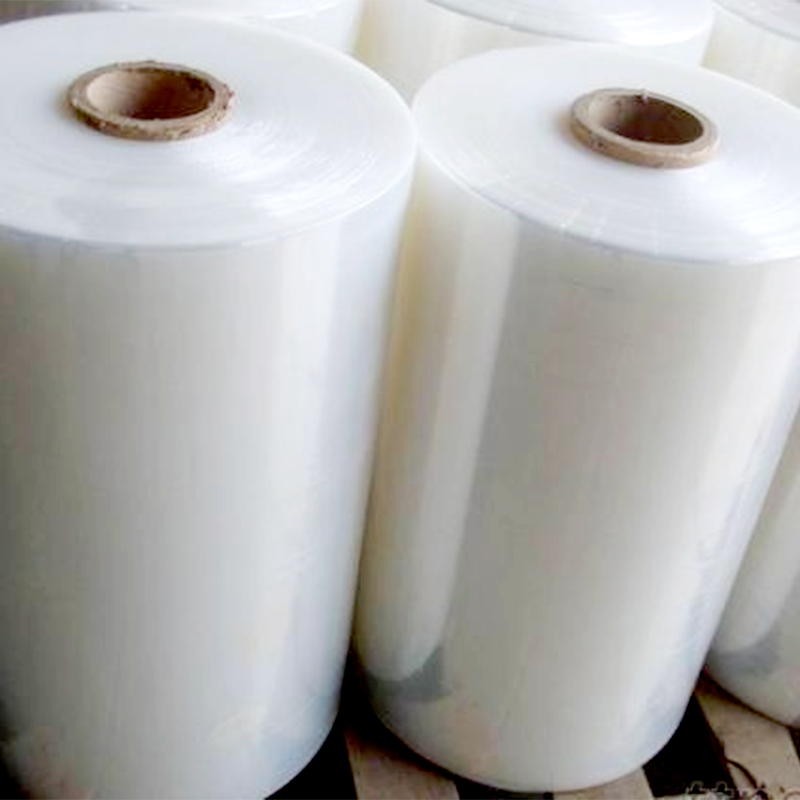
● Excellent puncture and tear resistance; ● Self-adhering-each layer of film bonds to the next for added strength; ● Big roll size to save cost and re...
See DetailsWe’re a reliable partner that shapes our expertise into success for your project.

Copyright 2024 Wuxi Qida Tape Co., Ltd. All Rights Reserved
 Wholesale Protective Film/Foil Manufacturers
Privacy
Wholesale Protective Film/Foil Manufacturers
Privacy