

 English

 English
 русский
 Français
 Español
 Português
 عربى


Cat:Glue -coated Protective Film
● Good weatherability for outdoor exposure; ● Stable adhesion level; ● UV resistance for up to 12 months; ● Can print customized logo or application i...
See Details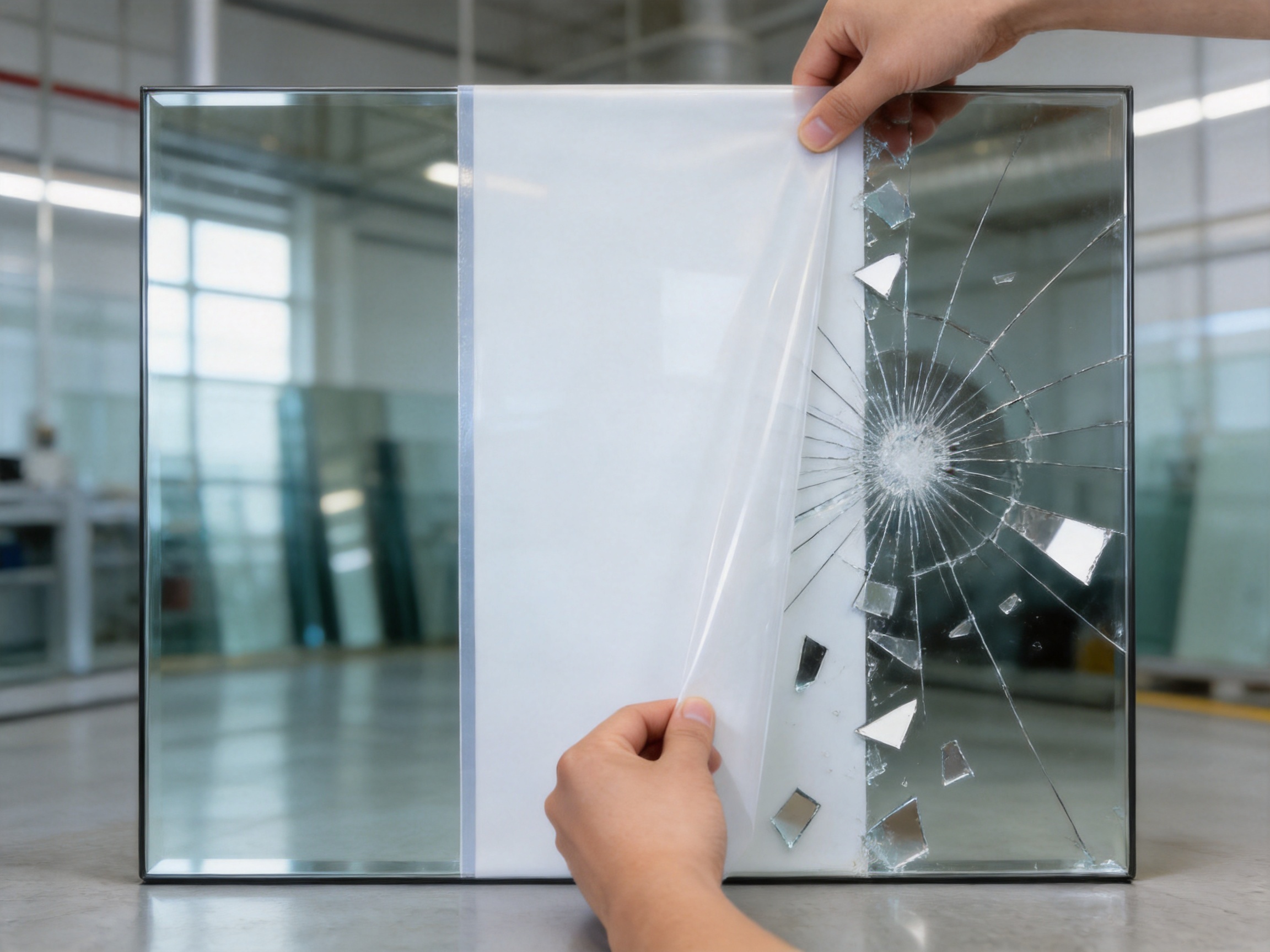
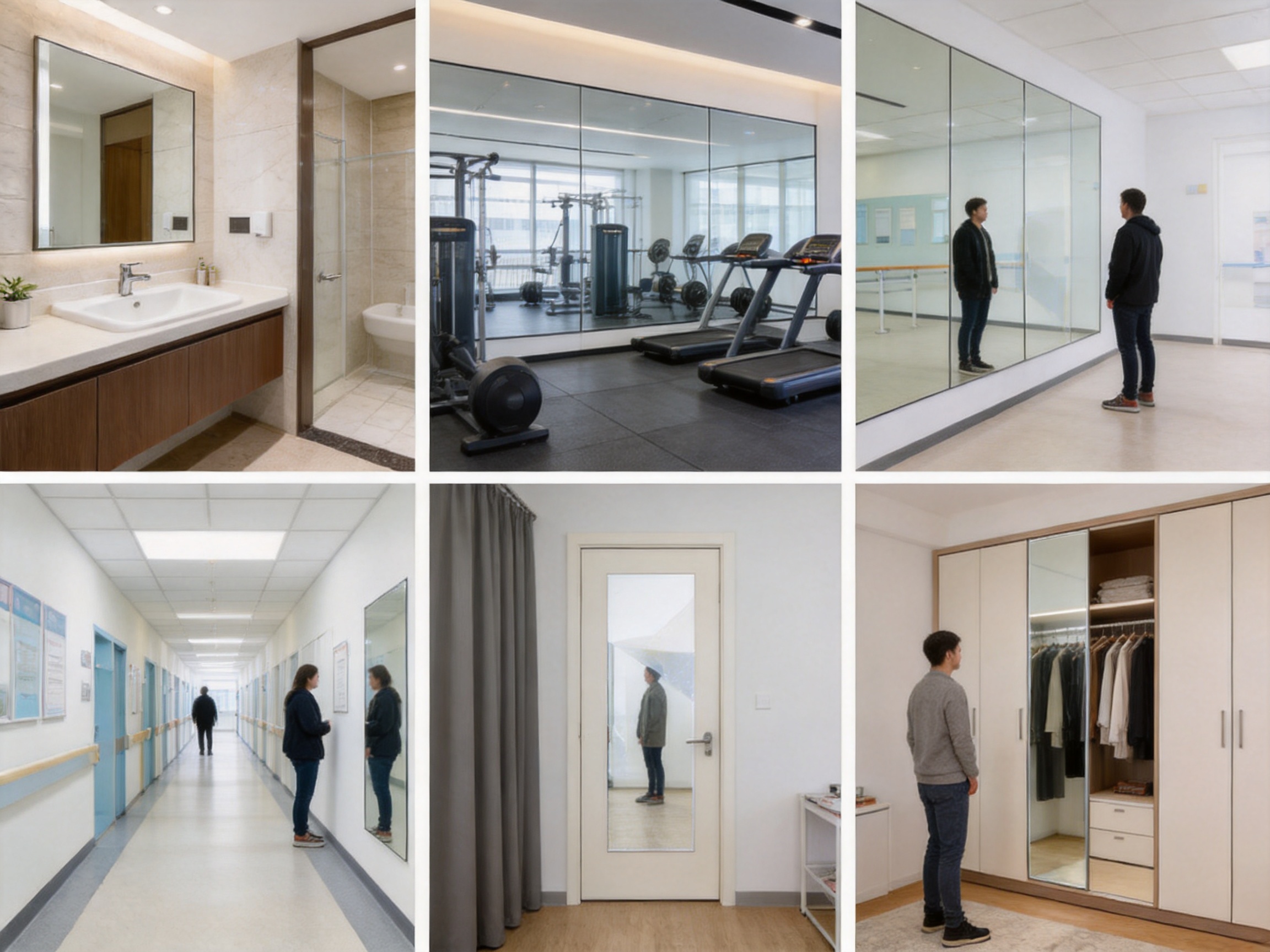
Mirrors are widely used in homes, hotels, retail stores, offices, schools, healthcare facilities, fitness centers, vehicles, elevators, furniture, and architectural interiors. They improve lighting, expand the visual sense of space, and provide an important functional or decorative surface. However, like all glass products, mirrors can break when exposed to impact, pressure, improper handling, structural movement, or accidental contact. When a mirror breaks, sharp fragments may separate from the backing and fall or scatter into the surrounding area.
Mirror backing safety film is designed to reduce this risk. Applied to the rear side of a mirror, the film creates a strong, flexible barrier that helps retain broken glass fragments and limits the spread of splinters. It also supports the long-term integrity of the mirror by providing a durable layer with high tensile strength, strong puncture resistance, and powerful adhesion.
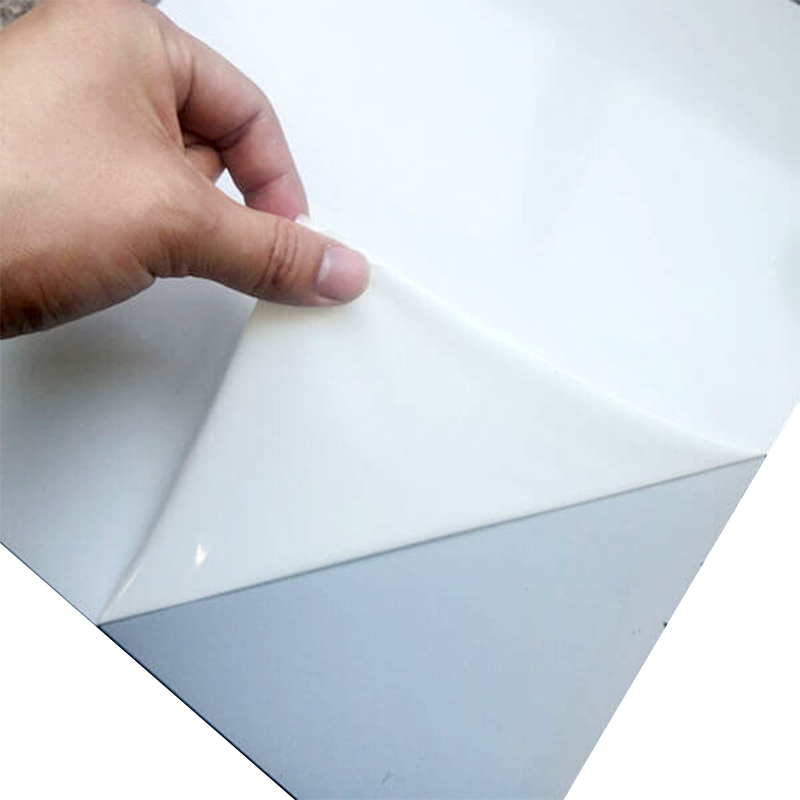
The product described in this article is a permanent, non-removable mirror backing protective film manufactured for demanding safety applications. It uses a super-tough polyethylene film and a specially formulated acrylic adhesive. Unlike temporary surface protection films that are intended to be removed after processing, this product is engineered for continued use after the mirror has been installed.
With customizable thickness, width, roll length, film color, and printing, mirror backing safety film can be adapted to different mirror sizes, production methods, installation environments, and branding requirements. Its combination of mechanical strength, strong bonding, manufacturing flexibility, and permanent protection makes it a practical solution for mirror producers, furniture manufacturers, construction suppliers, interior contractors, and distributors.
Mirror Backing Safety Film
Ordinary mirrors consist of a glass substrate, a reflective metallic coating, and one or more protective paint or backing layers. These components help produce the mirror effect, but they do not eliminate the inherent brittleness of glass. A hard impact can cause cracks to travel rapidly through the mirror surface. Depending on the force and the condition of the glass, pieces may loosen, detach, or fall away from the rear surface.
In a busy commercial or public environment, broken glass can create a serious hazard. Mirrors may be installed in corridors, bathrooms, changing rooms, gyms, hotels, restaurants, schools, hospitals, shops, and residential areas. They can also be incorporated into doors, cabinets, walls, partitions, columns, display units, and decorative furniture. These locations may expose the mirror to frequent contact, vibration, temperature changes, or accidental impact.
A safety film does not make a mirror unbreakable. Instead, it provides a secondary protective layer that helps manage the consequences of breakage. When properly selected and applied, the film can hold fragments together, reduce the release of sharp splinters, and keep the broken area more contained. This can give occupants, installers, and maintenance personnel additional time to control the situation and replace the damaged mirror safely.
Mirror backing safety film is particularly valuable where the consequences of falling or scattered glass are unacceptable. It can support risk-reduction strategies in public facilities and commercial buildings, while also providing an additional level of protection in homes and private interiors.
The performance of a mirror backing safety film depends on the coordinated function of its film substrate and adhesive system. The product is manufactured from a tough polyethylene film combined with a high-adhesion acrylic adhesive. Each component contributes to the overall safety and service performance.
The polyethylene backing provides the flexible structural body of the product. Polyethylene is valued for its balance of toughness, flexibility, impact resistance, and processability. A well-formulated polyethylene film can absorb stress without immediately tearing, helping it remain continuous when the mirror is exposed to impact or when the glass begins to fracture.
The film also provides a stable barrier over the rear surface of the mirror. Its flexibility enables it to follow the mirror substrate during application, while its tensile strength helps resist tearing during handling, cutting, and installation. The specified elongation is at least 300 percent, indicating that the material can accommodate substantial stretching before failure under the applicable test conditions.
High elongation is important because mirror panels may experience minor movement during transportation, installation, or service. A film that is too rigid may be more likely to split when subjected to localized stress. A flexible film can better conform to the surface and distribute forces over a broader area.
The adhesive layer is formulated to create a tight and durable bond with the back of the mirror. Adhesion is central to the performance of a safety film. Even a strong film can provide limited protection if it lifts, peels, or separates from the mirror after installation.
The acrylic adhesive used for this product is designed for super-high adhesion. It supports close contact between the film and the mirror backing, helping the film remain attached over the intended service life. The adhesive is also formulated for practical application, allowing the film to be installed efficiently when the mirror surface is correctly prepared.
Acrylic adhesives are widely used in protective film applications because they can provide a good balance of adhesion, aging resistance, and coating consistency. The precise adhesive formulation can be adjusted according to customer requirements, substrate conditions, processing methods, and expected service environments.
The film and adhesive work together as a shatter-retention system. If the mirror glass is damaged, the film helps retain fragments on the rear side rather than allowing pieces to separate freely. The film’s tensile strength supports the retention function, while the adhesive keeps the protective layer bonded to the mirror surface.
This integrated performance is different from simply placing a thin decorative film on a mirror. A safety product must be evaluated as a complete construction, including the film’s strength, puncture resistance, elongation, adhesion level, coating uniformity, and compatibility with the mirror backing.
Mirror backing safety film is available in a range of specifications to support different mirror formats and customer production requirements. The following values represent the stated product range and customization options.
| Item | Available Specification | Functional Significance |
|---|---|---|
| Film thickness | 70 to 200 micrometers | Allows selection of an appropriate balance between flexibility, strength, handling, and coverage. |
| Film width | 500 to 1500 millimeters | Supports small and large mirror production formats and helps reduce unnecessary seams. |
| Roll length | 100 to 1000 meters | Provides options for small-batch orders, regular production, and high-volume converting. |
| Elongation | At least 300 percent | Provides flexibility and helps the film accommodate stress during application and use. |
| Adhesion level | Super high | Promotes tight bonding to the back of the mirror and supports fragment retention. |
| Adhesive type | Acrylic | Offers a practical adhesive platform for permanent protective applications. |
| Film color | White, clear, blue, and other options | Allows adaptation to product appearance, identification, and customer preferences. |
| Printing | Zero to three colors | Supports logos, handling instructions, safety messages, and product identification. |
Thickness selection should be based on the mirror’s size, application environment, handling process, required protection level, and converting equipment. A thinner grade may be suitable when flexibility and easy processing are priorities, while a thicker grade may be selected when additional mechanical support is required.
Width and roll length can be coordinated with the customer’s mirror dimensions and production workflow. Proper width selection can reduce trimming waste and improve line efficiency. Long rolls can support continuous processing and reduce the frequency of roll changes in high-volume manufacturing operations.
Many protective films are developed for temporary use during fabrication, transportation, or installation. They are removed after the finished product reaches its destination. Mirror backing safety film serves a different purpose. It is a non-removable protective layer intended to remain on the mirror throughout its service life.
This permanent design means that protection does not end when the mirror leaves the factory. The film remains available to help retain fragments if accidental damage occurs after installation. For buildings, furniture, and public interiors where access for replacement may be difficult, a permanent safety layer can provide valuable continuous protection.
Some low-adhesion films are useful for preventing scratches during transportation but are not intended to provide long-term fragment retention. Mirror backing safety film uses a super-high-adhesion acrylic system to establish a closer and more secure bond with the mirror backing.
High adhesion can reduce the risk of edge lifting, premature separation, and localized detachment. It also enables the film to function as an integrated part of the mirror assembly rather than as a loosely attached cover. The adhesive must still be matched to the mirror backing, surface condition, application temperature, and installation method.
A safety film must remain intact when exposed to stress. The polyethylene substrate is engineered for high tensile strength and good puncture resistance. These characteristics help the material withstand handling, cutting, installation, and accidental contact with sharp or uneven areas.
Compared with a basic low-strength plastic sheet, a high-performance protective film can offer better resistance to tearing and puncture. This is especially important around mirror corners, edges, mounting points, and areas where local stress may be concentrated.
With elongation of at least 300 percent, the film can flex and stretch during application. This supports better conformity to the rear surface and helps installers work with different panel sizes. Flexible handling can also reduce the likelihood of cracking or splitting during converting.
The film should be applied using suitable equipment and procedures. The mirror backing should be clean, dry, and free from dust, grease, loose coatings, and other contaminants. Correct application pressure is important because it promotes intimate contact and helps prevent air pockets or unbonded areas.
The availability of white, clear, blue, and other film colors gives manufacturers greater flexibility. A clear film can provide a more discreet appearance, while a white or blue film may be selected for product identification, visual differentiation, or coordination with a specific mirror construction.
Printing from zero to three colors allows the film to carry a company mark, product code, safety instruction, handling information, or installation reminder. Printed information can support traceability and improve communication throughout the supply chain. Printing specifications can be discussed according to artwork, ink requirements, color accuracy, repeat length, and order volume.
In homes, mirrors are installed in bathrooms, bedrooms, hallways, entryways, wardrobes, dressing areas, and decorative wall features. A backing safety film can provide additional protection in areas where children, pets, furniture, and household activity may create accidental impact risks.
The film is suitable for use by mirror manufacturers and furniture producers that want to deliver a more safety-conscious product. It can be incorporated into framed mirrors, cabinet doors, mirrored wardrobes, and custom interior features.
Hotels, resorts, serviced apartments, and guest facilities use mirrors in bedrooms, bathrooms, elevators, lobbies, restaurants, fitness rooms, and public corridors. These locations experience constant use and may require products that support easy maintenance and long service life.
Permanent backing protection can be particularly valuable where replacing a large mirror would disrupt guest services or require specialized access equipment. It may also help hotel operators demonstrate attention to safety in areas used by a wide range of guests.
Retail stores use mirrors in fitting rooms, display areas, beauty departments, showrooms, and decorative installations. Mirrors in these environments may be exposed to frequent contact from customers, shopping carts, fixtures, or merchandise.
Mirror backing safety film can be supplied with printed identification or customized colors, allowing the product to support both protection and brand presentation. Its ability to be produced in different widths can help match large retail mirror panels and smaller decorative units.
Schools, nurseries, clinics, hospitals, transportation facilities, and public buildings often prioritize risk reduction because their occupants may include children, elderly people, patients, or individuals with limited mobility. A safety film can serve as one element of a broader glazing and interior safety plan.
Product selection for these environments should consider the mirror design, installation method, local building requirements, cleaning practices, and exposure conditions. The film should be used as part of a properly engineered assembly and should not be regarded as a substitute for safe installation practices.
Large wall mirrors are common in gyms, yoga studios, dance schools, martial arts facilities, and training centers. These environments involve movement, equipment, vibration, and regular physical activity. A damaged mirror could create a significant hazard in an area where people are exercising or moving quickly.
A high-strength, permanently bonded film can help improve the safety profile of large mirror installations. It may also support more controlled handling during fabrication and installation of oversized panels.
Mirrored cabinet doors, wardrobes, vanity units, room dividers, partitions, elevator interiors, and decorative wall panels can all benefit from rear-side safety protection. Furniture manufacturers can incorporate the film before final assembly, creating a finished product with an additional protective feature.
For architectural applications, film width and roll length can be selected to match the production process. The supplier can also work with customers to develop specifications for color, printing, adhesive performance, and converting requirements.
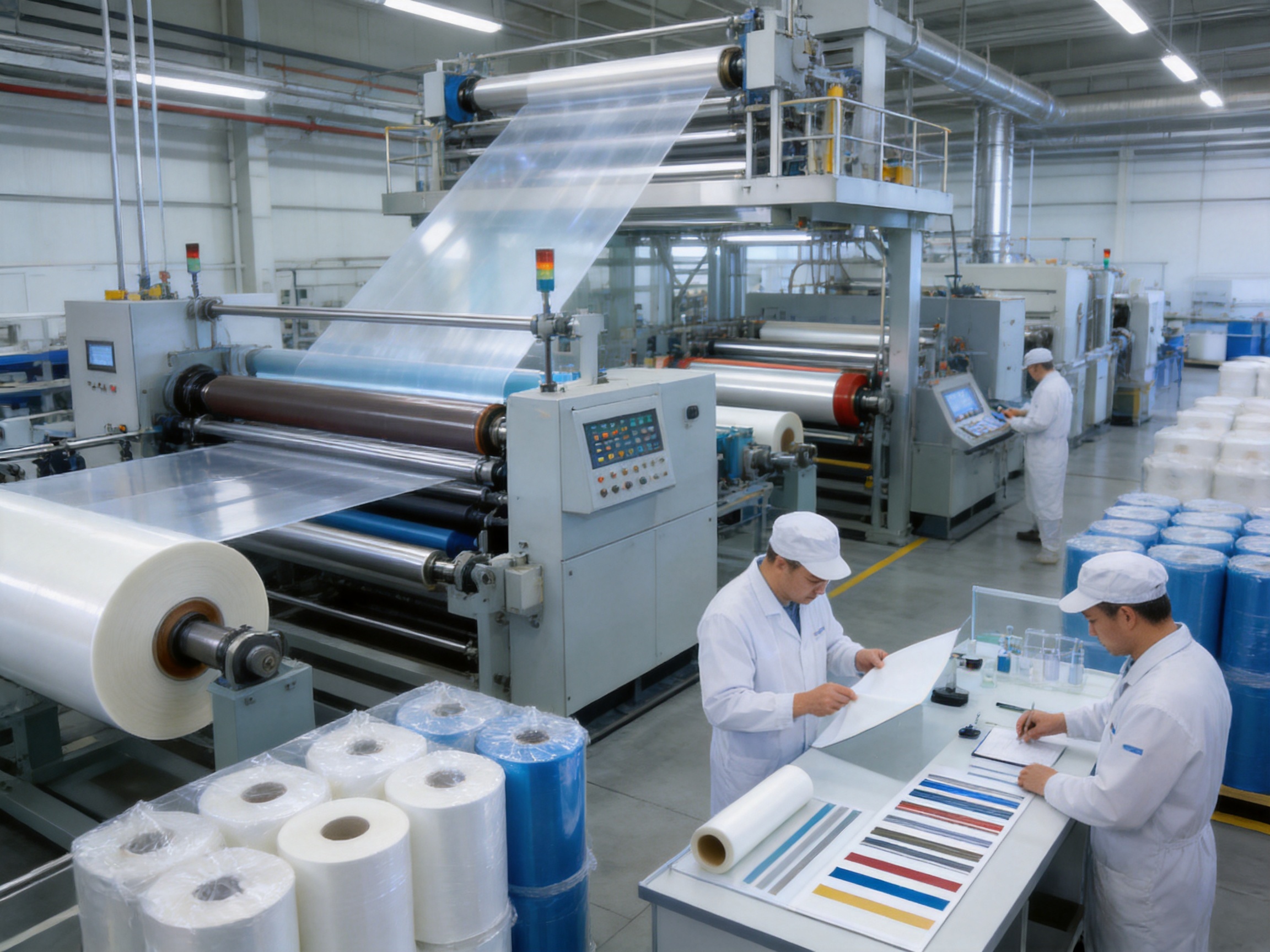
The performance of mirror backing safety film depends not only on its raw materials but also on the precision of its manufacturing process. A reliable product requires consistent film production, adhesive coating, drying or curing control, slitting, rewinding, inspection, and packaging.
The process begins with the production or preparation of the polyethylene backing film. Polymer materials are processed under controlled conditions to achieve the required thickness, tensile characteristics, elongation, surface quality, and dimensional stability.
Thickness consistency is especially important. Variations in thickness may affect mechanical strength, appearance, coating behavior, and roll performance. Production equipment and inspection systems are used to help maintain consistent material quality across the web and from roll to roll.
The acrylic adhesive is formulated for the required adhesion level and application characteristics. During coating, the adhesive must be distributed evenly across the film surface. Inconsistent coating can lead to weak areas, excessive adhesive transfer, uneven bonding, or difficulty during application.
Coating parameters may include coating weight, web speed, drying conditions, temperature, tension, and line pressure. These parameters are monitored to support a stable, uniform product. The adhesive formulation can be adjusted for different customer requirements, including substrate conditions and intended application methods.
After coating, the adhesive layer must reach the required condition before the film is rewound or converted. Controlled drying and curing help remove volatile components and establish the intended adhesive performance. If processing conditions are not properly controlled, the finished film may exhibit blocking, odor, inconsistent tack, or reduced adhesion.
Where multi-layer constructions are required, lamination and bonding processes must also be carefully managed. The objective is to produce a stable composite in which the layers remain securely integrated during storage, handling, application, and service.
Customers may request printing in up to three colors. Printing is carried out according to the approved artwork and production specifications. Information can include logos, safety statements, product names, batch information, or handling instructions.
After coating and optional printing, the material can be rewound, slit, and packaged according to customer requirements. Slitting accuracy is important for producing rolls with the specified width and clean edges. Rewinding tension must be controlled to avoid telescoping, wrinkles, blocking, or excessive roll hardness.
Quality control may include examination of thickness, width, roll length, appearance, adhesion, tensile strength, elongation, puncture resistance, print quality, and winding condition. The manufacturer operates a testing laboratory and uses inspection equipment to support product evaluation.
Laboratory testing provides data for production release, process improvement, customer approval, and technical troubleshooting. Test methods and acceptance criteria should be agreed upon according to the customer’s technical requirements and the intended application.
Wuxi Qida Tape Co., Ltd. is a China-based manufacturer specializing in protective films and surface protection solutions. Its products are used for protecting stainless steel, aluminum, pre-coated metal, plastic panels, ceramics, carpets, decorative laminates, glass, and other surfaces during manufacturing, transportation, installation, and processing.
The company’s production capabilities cover backing film production, adhesive coating, logo printing, rewinding, slitting, and packaging. Completing these operations within its own factory gives the manufacturer greater control over production coordination, quality consistency, lead-time management, and customization.
Qida Tape operates a factory area of approximately 20,000 square meters and has more than 95 experienced employees. Its annual production capacity exceeds 12,000 tons. This scale allows the company to support both standard products and customized orders while maintaining the resources required for ongoing process development.
The company introduced advanced machines from Germany and maintains experienced technical and engineering teams. Its research and development activities are carried out in cooperation with research institutes and are directed toward developing protective films for different substrates, adhesive requirements, and industrial processes.
Qida Tape maintains management systems certified under ISO 9001 and ISO 14001. These standards support systematic quality management and environmental management. The company also reports compliance and product testing associated with SGS, RoHS, REACH, PFAS, and Prop 65 requirements, subject to the specifications and test scope applicable to each product.
The company serves customers in China and exports to Europe, North America, Australia, the Middle East, Japan, and other regions. Its export experience helps support communication regarding packaging, documentation, technical data sheets, labeling, and customer-specific requirements.
Another important strength is its ability to offer different adhesive options. In addition to acrylic water adhesive and acrylic solvent adhesive, the company can provide natural rubber adhesive for applications requiring a different balance of adhesion, tack, and processing performance. For mirror backing safety film, the specified adhesive type is acrylic, but broader adhesive expertise can assist customers with related protective film projects.
Mirror manufacturers and distributors often require more than a standard roll. Their production lines may use different web widths, roll diameters, core sizes, application speeds, and packaging methods. A flexible supplier should be able to discuss these variables before production begins.
Thickness from 70 to 200 micrometers provides a broad selection range. Customers can choose a grade according to the mirror size, intended application, required handling strength, and product cost target. Technical evaluation should consider the entire mirror construction rather than thickness alone.
Widths from 500 to 1500 millimeters can support many standard and oversized mirror applications. Roll lengths from 100 to 1000 meters allow customers to select packaging that suits order volume and production efficiency. Special requirements should be reviewed in advance to confirm equipment compatibility and practical production conditions.
White, clear, blue, and other colors can be discussed for different product designs. Up to three printing colors are available for approved artwork. Printed material should be reviewed for legibility, durability, registration, and compatibility with the final application.
Qida Tape can develop products according to customer technical data sheets or samples. This approach is useful when a buyer is replacing an existing supplier, matching a current film, or developing a new mirror product. Sample evaluation can help confirm film handling, adhesion, appearance, cutting behavior, and compatibility with the mirror backing.
Proper application is essential for achieving the intended performance of permanent mirror backing safety film. The following general procedure should be adapted to the customer’s equipment and approved technical instructions.
The back of the mirror should be clean, dry, and stable before application. Dust, grease, moisture, loose paint, powder, and other contaminants can interfere with adhesion. Any damaged or unstable backing should be assessed before the film is applied.
The film should be cut to the required dimensions using a clean and suitable tool. Alignment is important because the film should cover the intended rear surface without creating unnecessary folds or exposed areas. Edges and corners should be handled carefully to avoid lifting or creasing.
The film should be applied gradually while suitable pressure is used to establish close contact. Application may be performed manually for smaller panels or with laminating equipment for larger production volumes. Air should be pushed toward the edge rather than trapped beneath the film.
After application, the edges should be checked for lifting, wrinkles, contamination, or unbonded sections. Any issue should be corrected according to the approved process before the mirror is packaged or installed.
Unprocessed rolls should be stored in a clean, dry environment and protected from excessive heat, direct sunlight, moisture, and physical damage. Rolls should be handled carefully to prevent crushing, edge impact, or deformation. Storage conditions and shelf-life expectations should be confirmed with the supplier for the specific adhesive construction.
Selection should begin with the mirror’s intended use and the risk profile of the installation. A small decorative mirror in a low-traffic residential room may require a different specification from a large wall mirror in a sports center or public building.
Buyers should consider the mirror dimensions, glass thickness, backing construction, installation method, exposure to temperature and humidity, expected cleaning practices, handling requirements, and desired appearance. The film’s thickness, width, adhesive level, color, and printing can then be selected accordingly.
Application trials are recommended before large-scale production. A trial can confirm whether the film bonds effectively to the specific mirror backing, whether it can be processed on the customer’s equipment, and whether the final appearance meets expectations.
Buyers should also request technical documentation covering product specifications, recommended storage, application instructions, inspection methods, and relevant compliance information. A qualified supplier can help compare the requirements with available grades and recommend a suitable product configuration.
Protective film selection increasingly involves environmental management, chemical restrictions, and product compliance. Customers may need materials that align with internal purchasing policies, regional regulations, building specifications, or retailer requirements.
Qida Tape operates an ISO 14001 environmental management system and reports product compliance testing related to RoHS, REACH, PFAS, and Prop 65. The exact applicability of these requirements depends on the product construction, destination market, customer specifications, and current regulatory interpretation.
Product documentation should be reviewed for each order. Buyers may request declarations, test reports, safety data, restricted-substance information, packaging details, or other compliance documents. Early communication helps avoid delays during supplier approval and import procedures.
From a service-life perspective, permanent mirror backing protection may also help reduce the consequences of accidental breakage and reduce the need for immediate emergency replacement in some situations. However, damaged mirrors should always be evaluated and replaced when their structural or functional condition is no longer acceptable.
Mirror safety performance depends on more than a single adhesive value or film thickness. It is influenced by polymer selection, coating uniformity, web handling, roll quality, surface compatibility, application conditions, and quality control. An experienced protective film manufacturer can evaluate these factors together.
A specialized manufacturer can also support product development. If a customer needs a different width, roll length, color, printed design, adhesive behavior, or packaging format, the supplier can review the requirement with its production and engineering teams. This is generally more efficient than attempting to modify a general-purpose film without technical support.
In-house production capabilities provide additional advantages. When backing film production, adhesive coating, printing, slitting, and packaging are coordinated by one company, responsibility is clearer and process communication is faster. It can also support consistent quality between trial orders and repeat production.
Qida Tape’s experience with protective films for metal, plastic, glass, ceramic, carpet, and decorative surfaces provides a broad technical foundation. This cross-industry knowledge can be useful when mirror manufacturers also purchase other protection products for their production lines or finished goods.
Mirror backing safety film is a protective film applied to the rear side of a mirror. Its purpose is to help retain broken glass fragments, reduce splinter release, and provide an additional layer of protection if the mirror is accidentally damaged.
This product is designed as a non-removable, permanent protective film. It is not the same as a temporary film used only to prevent scratches during transportation or installation.
The product uses a super-tough polyethylene film with high tensile strength, good puncture resistance, and elongation of at least 300 percent under the stated specification.
The specified adhesive type is acrylic. It is formulated for super-high adhesion and tight bonding to the back of the mirror.
No. The film does not make glass unbreakable. It is designed to help retain fragments and reduce the hazards associated with breakage. Mirror design, installation, handling, and building safety requirements must still be properly addressed.
Available thickness ranges from 70 to 200 micrometers. The appropriate selection depends on the mirror design, application environment, processing method, and customer requirements.
Standard available widths range from 500 to 1500 millimeters, and roll lengths range from 100 to 1000 meters. Specific requirements should be confirmed during technical and commercial discussion.
Yes. White, clear, blue, and other color options may be available. The appropriate color depends on the desired appearance, product identification, and mirror construction.
Yes. Printing from zero to three colors is available. Customers may use printing for logos, product codes, safety information, handling instructions, or other approved artwork.
The rear surface should be clean, dry, smooth, and free from dust, grease, loose coatings, moisture, and other contamination. The backing should be stable enough to support a permanent adhesive bond.
Smaller panels may be applied manually using an appropriate technique, while large-volume production may use laminating or other application equipment. A trial is recommended to establish the best method for a specific mirror design.
Yes. The company can develop protective film products according to customer technical data sheets or samples. Customization may involve thickness, width, roll length, color, printing, adhesive requirements, and packaging.
Qida Tape reports ISO 9001 quality management and ISO 14001 environmental management certification. The company also maintains testing and inspection capabilities and reports product compliance testing related to SGS, RoHS, REACH, PFAS, and Prop 65 requirements.
Wuxi Qida Tape Co., Ltd. is located at No. 18 Wanshou Road, Qianzhou Town Industrial Park, Wuxi City, Jiangsu Province, China. The company supplies customers in China and export markets.
Mirror backing safety film provides a practical way to improve the safety and durability of glass mirror products. Its super-tough polyethylene construction, high tensile strength, good puncture resistance, high elongation, and super-high acrylic adhesion allow it to function as a permanent rear-side protective barrier.
Compared with temporary scratch-protection films or low-strength plastic coverings, this product is designed for continued service after installation. It helps retain fragments if accidental breakage occurs and can support safer handling of mirrors in residential, commercial, institutional, architectural, and furniture applications.
The available range of thicknesses, widths, roll lengths, colors, and printing options allows the product to be adapted to different production requirements. Customers can also benefit from integrated manufacturing capabilities covering backing film production, adhesive
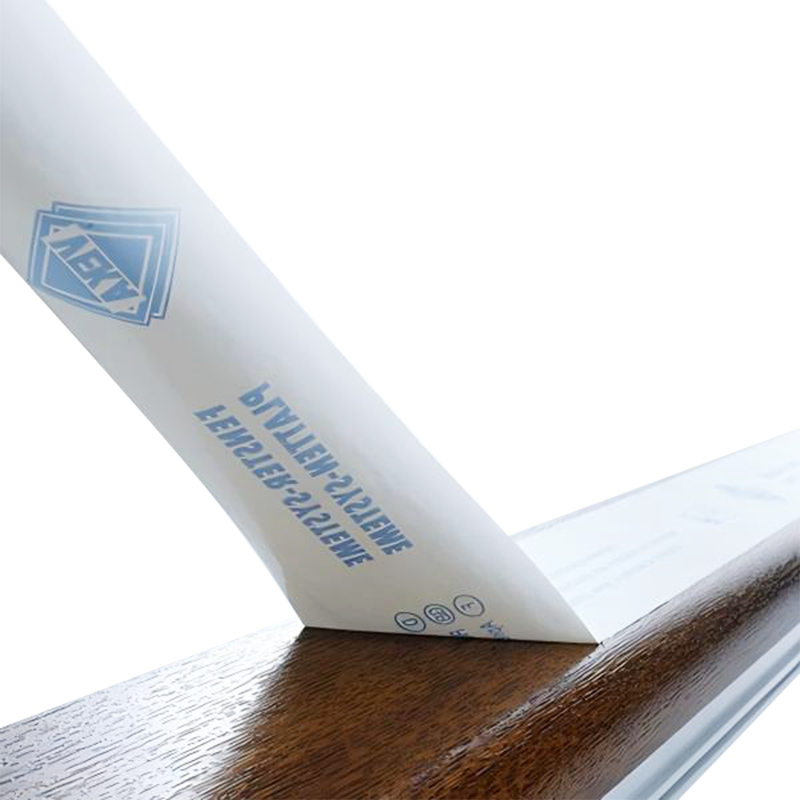
● Good weatherability for outdoor exposure; ● Stable adhesion level; ● UV resistance for up to 12 months; ● Can print customized logo or application i...
See Details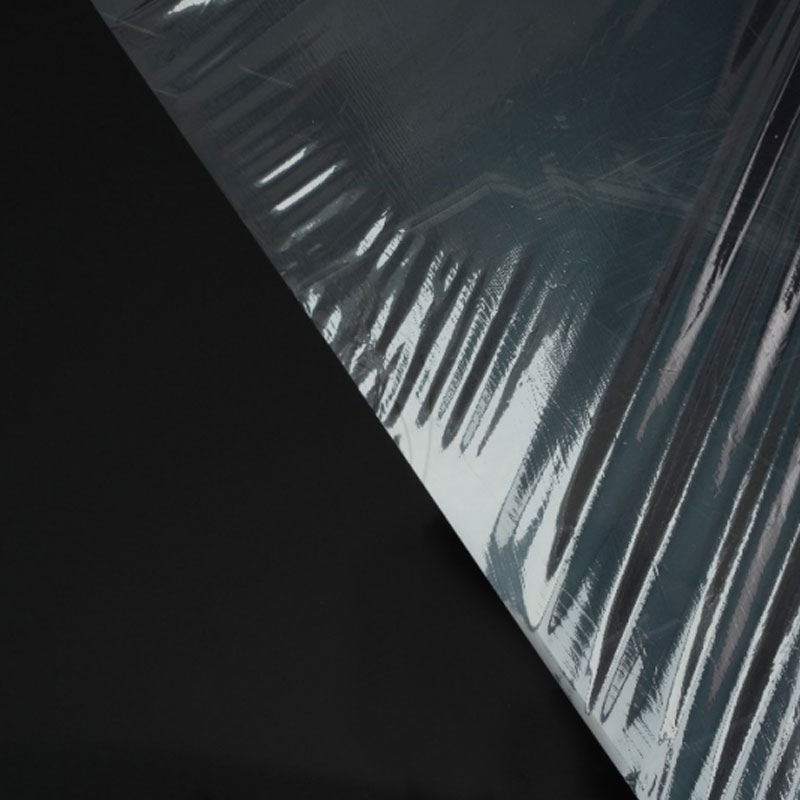
● No “ghost shadow” or “fish eye” after removal; ● Stable adhesion level; ● UV resistance for up to 6 months; ● Can print customized logo or applicati...
See Details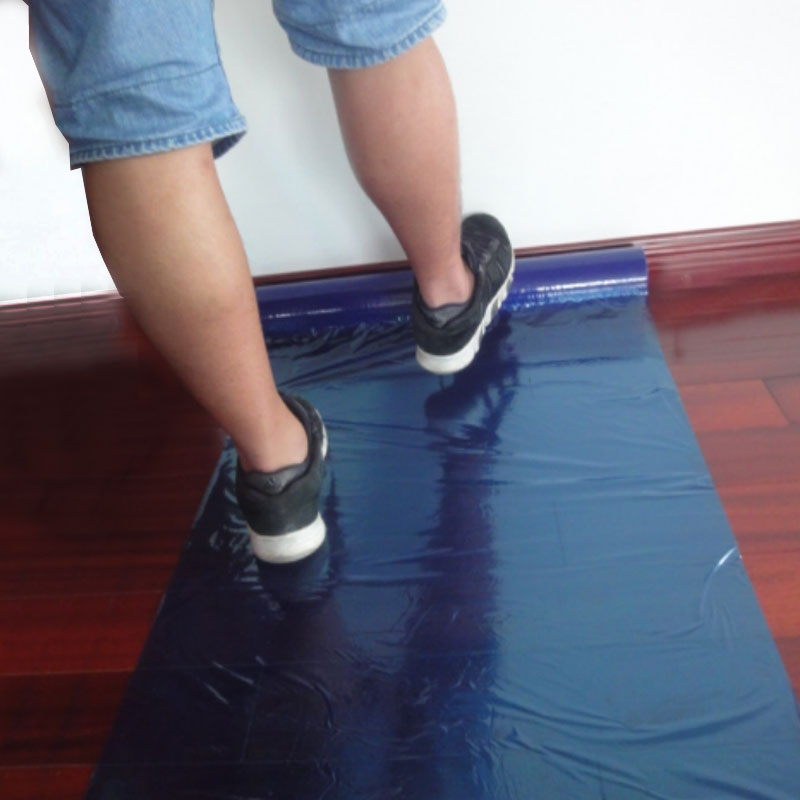
● Patented adhesive formula suits all hard surfaces such as hardwood floors, laminate floors, ceramic, marble, tile, granite, vinyl, worktops, and gla...
See Details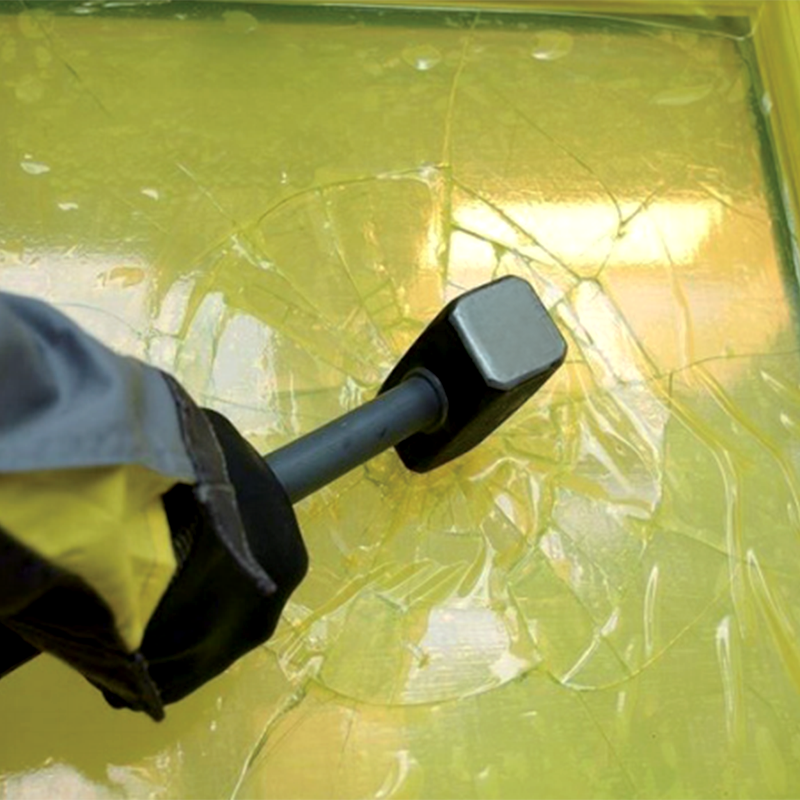
● The super tough polyethylene film with super high adhesion can stop the glass splitting and falling off during window glass demolition process;● Non...
See Details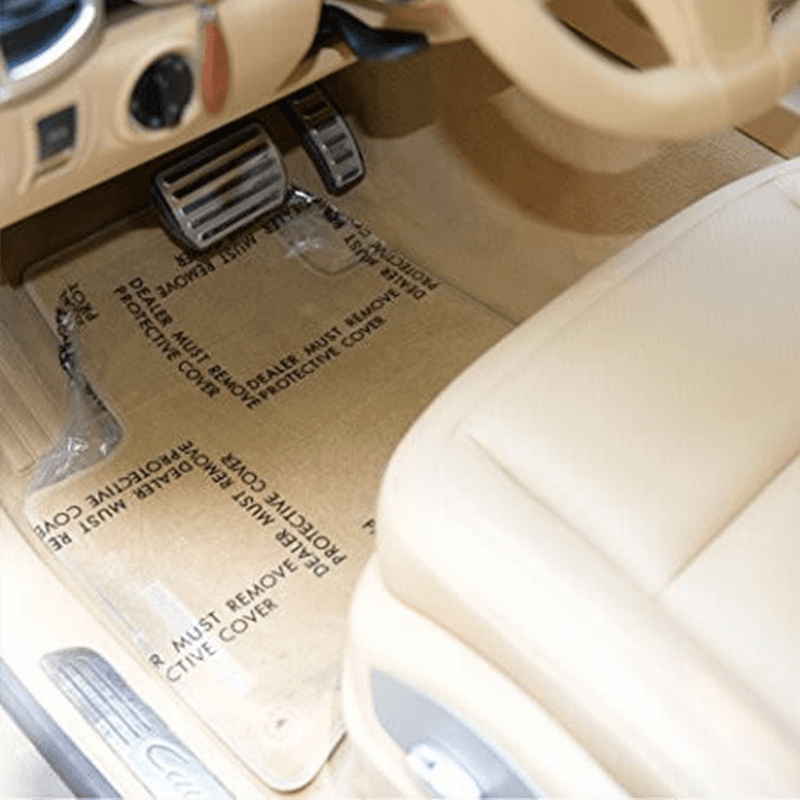
● Distance of each perforation die-cut ranges from 100mm to 1200mm;● Can peel off each die-cut piece of protective film at the perforated line easily;...
See Details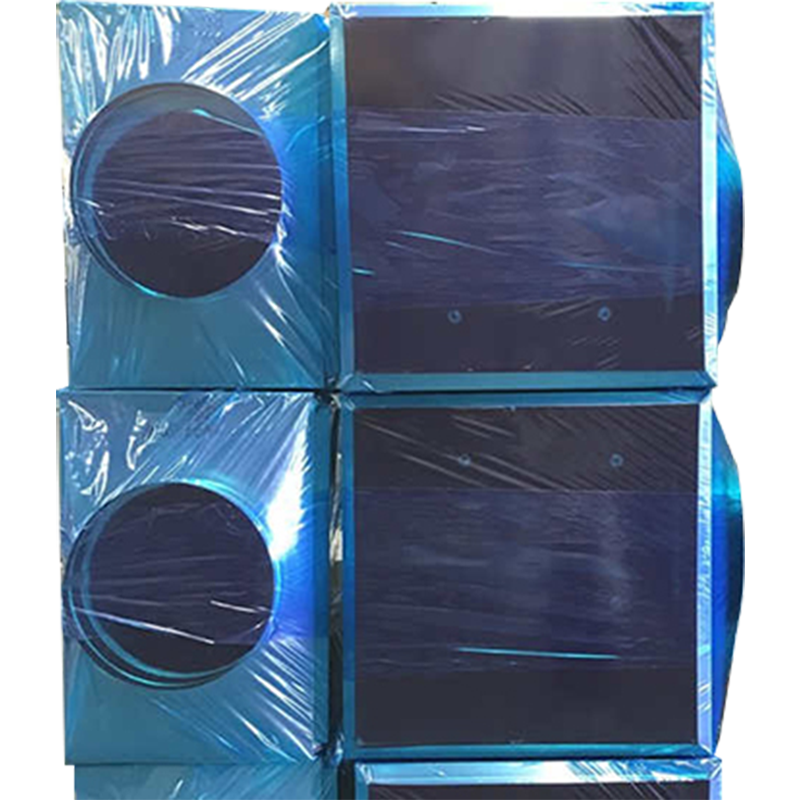
● The super-tough polyethylene film resists puncture and penetration by liquid and dirt during storage, transportation, and installation of the ductwo...
See Details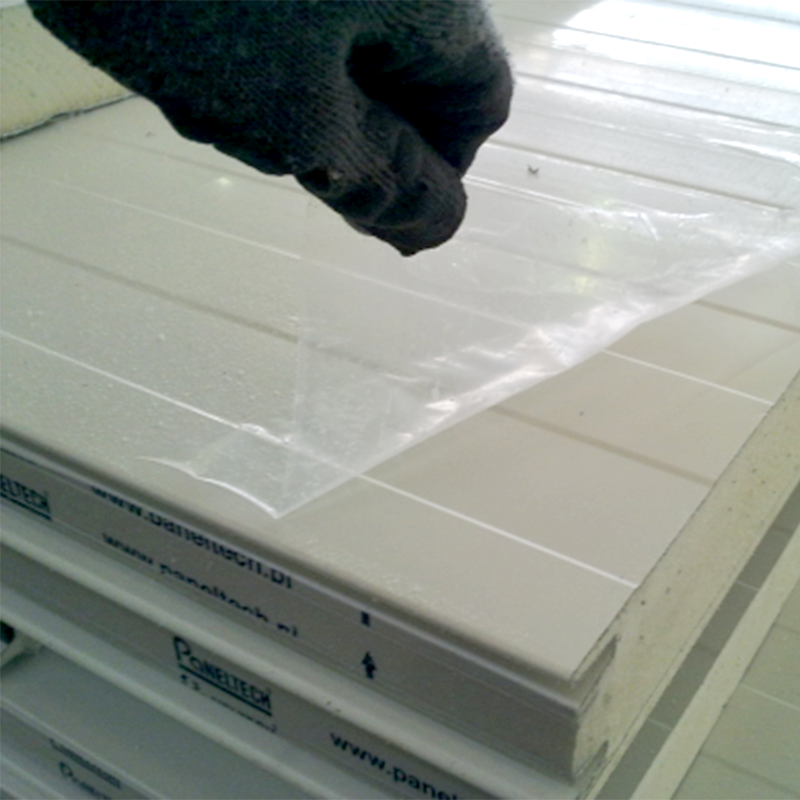
● The specially formulated adhesive ensures easy application and removal without leaving residue glue on the sandwich panels; ● The super-tough polyet...
See Details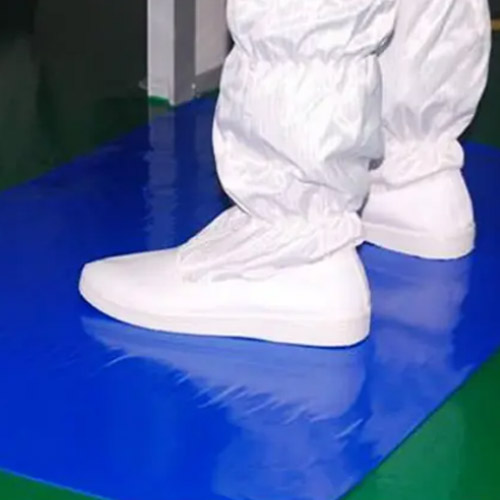
● Options for either 30 or 60 layers per mat; can be packed with four mats, eight mats, or ten mats per carton;● Remove dirt effect: ≥99.9% (5 steps);...
See Details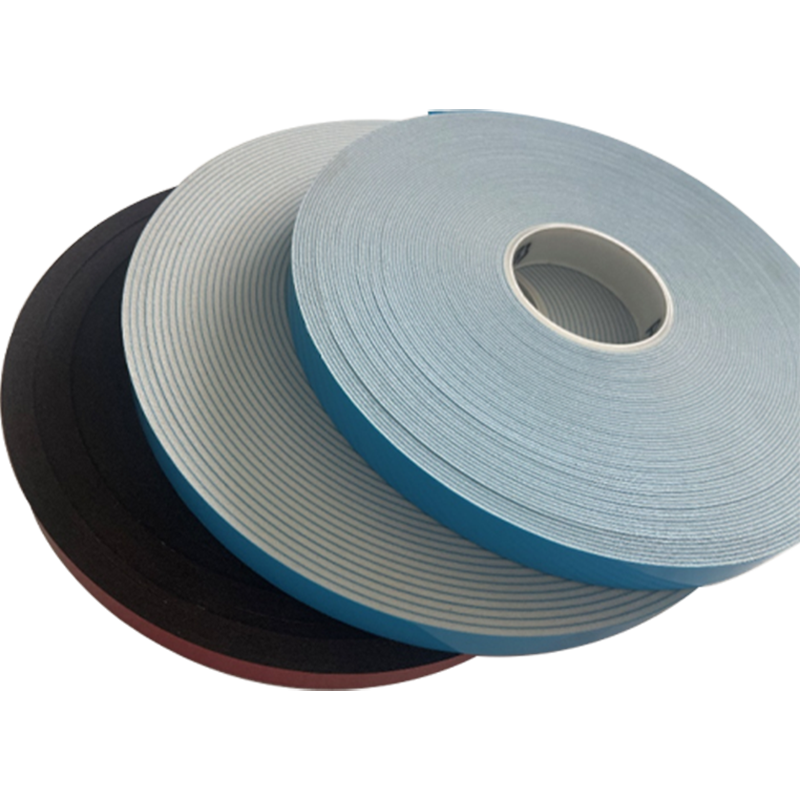
● Waterproof - the desirable material for waterproofing. ● Dust-proof - positive performance of dust prevention.● Low resilience - prevent the deforma...
See Details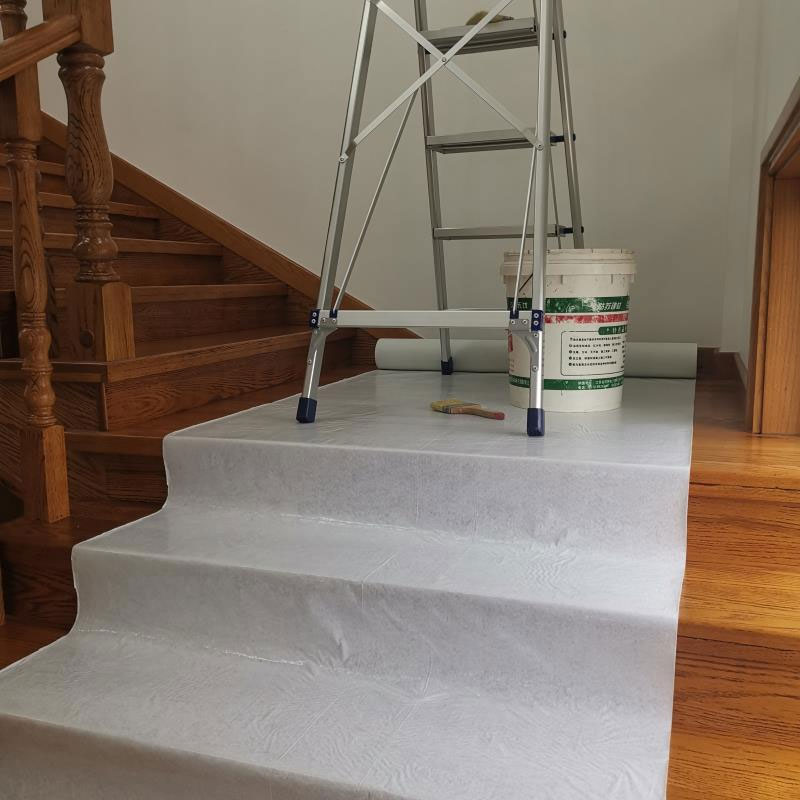
This product has non-woven synthetic fleece in middle; Breathable PE film adhered onto top of the non-woven fabric, which is coated with self adhesive...
See DetailsWe’re a reliable partner that shapes our expertise into success for your project.
Copyright 2024 Wuxi Qida Tape Co., Ltd. All Rights Reserved
 Wholesale Protective Film/Foil Manufacturers
Privacy