

 English
 English
 русский
 Français
 Español
 Português
 عربى
عربى
Cat:Glue -coated Protective Film
● No “ghost shadow” or “fish eye” after removal; ● Stable adhesion level; ● UV resistance for up to 6 months; ● Can print customized logo or applicati...
See Details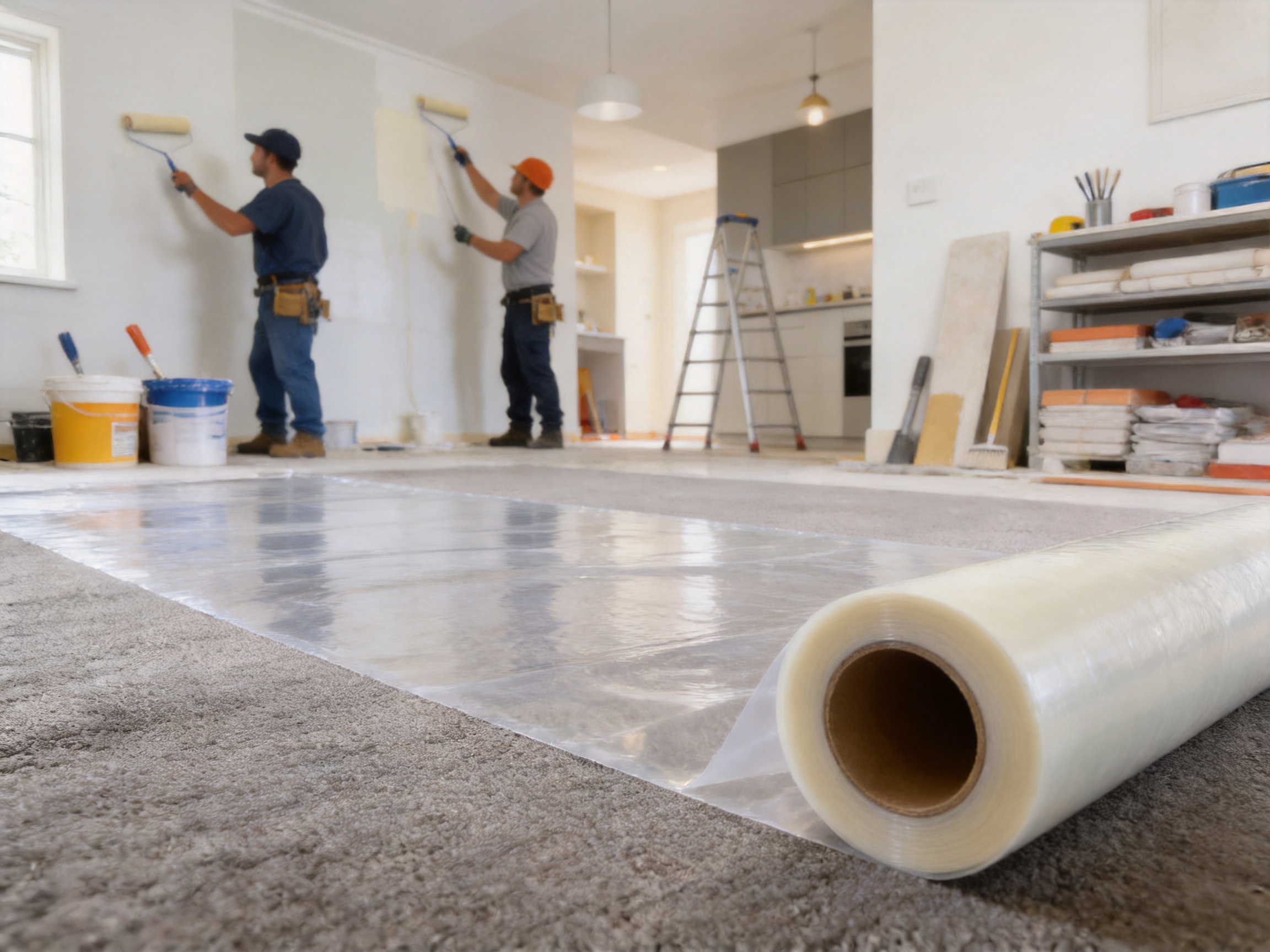
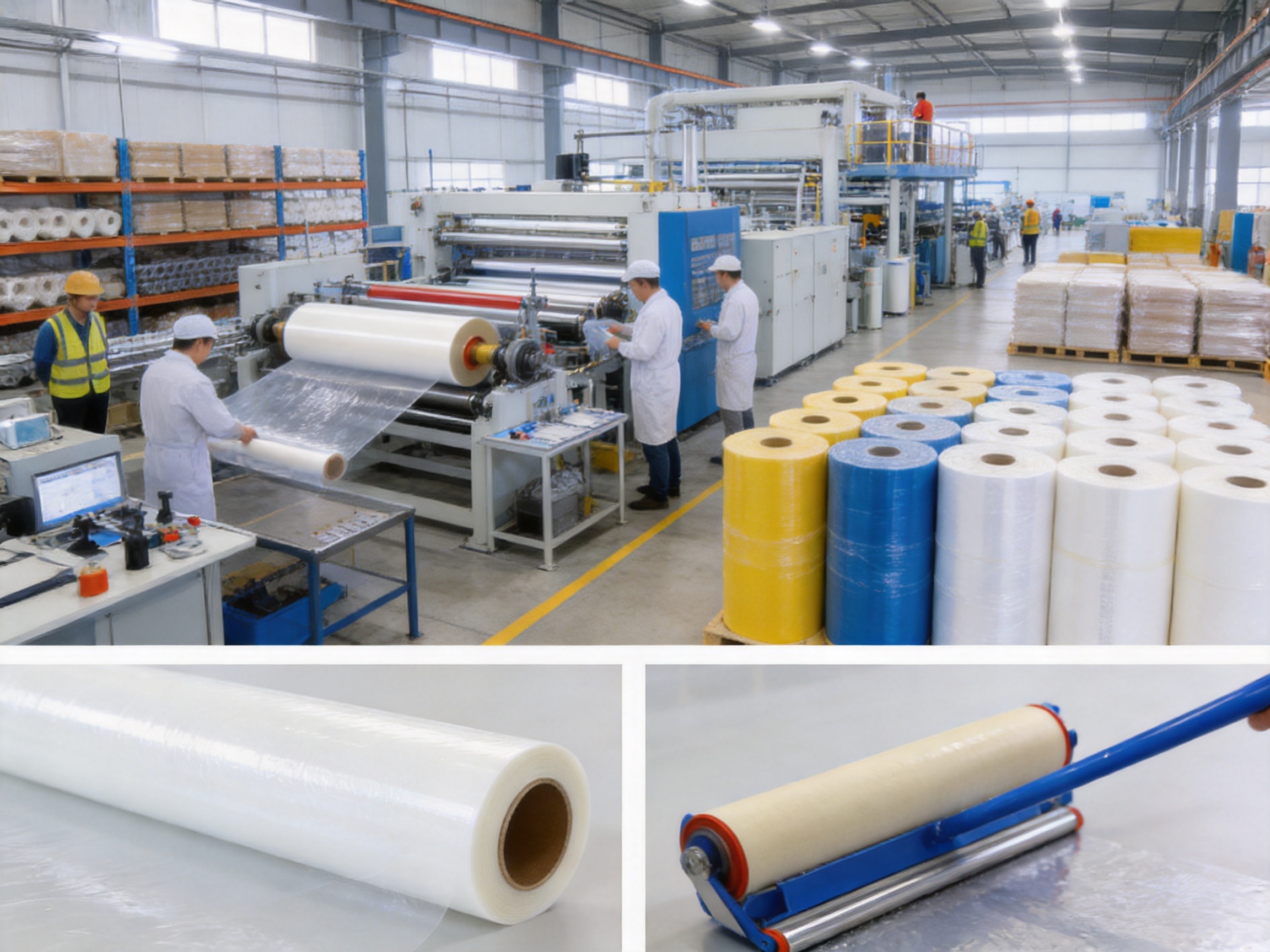
Carpets provide comfort, insulation, and visual appeal, but they are also vulnerable during construction, decoration, remodeling, painting, plastering, tiling, moving, and general maintenance. Dust, wet paint, plaster, mud, oil, water, adhesive, and other contaminants can quickly penetrate carpet fibers. Once contamination reaches the backing or becomes embedded in the pile, cleaning can be difficult, expensive, and time-consuming. A properly selected protective film for carpet provides a practical way to reduce these risks while allowing contractors, facility managers, installers, and homeowners to continue working efficiently.
Carpet protective film is a temporary surface protection material made from a tough polyethylene film coated with a pressure-sensitive adhesive. It is designed to adhere to suitable carpet surfaces during a defined protection period and to remove cleanly after the work is completed. The film creates a physical barrier against staining, paint spillage, dirt, dust, moisture, and general job-site debris. Compared with uncovered carpet or improvised protection methods, it offers a more consistent, convenient, and professional solution.
Wuxi Qida Tape Co., Ltd. manufactures carpet protective film and other temporary surface protection products for industrial, commercial, and residential applications. The company combines polyethylene film production, adhesive coating, printing, rewinding, slitting, inspection, and packaging capabilities within its own manufacturing system. This integrated approach supports product customization, stable quality, efficient delivery, and technical assistance for customers with different carpet types and protection requirements.
Carpet is not a single uniform material. It may be manufactured from polypropylene, nylon, polyester, wool, acrylic, or blended fibers. It may also have a short, dense pile, a long pile, a loop construction, a cut pile, a patterned surface, or a specialized backing. These variations influence how a protective film should be selected and applied.
During painting and renovation, the greatest danger is often not a single large spill but the gradual accumulation of small contaminants. Fine dust can settle deep between fibers. Foot traffic can press dirt into the pile. Wet paint can adhere to the surface and become difficult to remove after drying. Plaster, grout, sealant, and construction debris may create permanent marks if they remain on the carpet for too long.
Carpet can also be damaged by repeated movement of ladders, tools, boxes, furniture, and equipment. The pressure from these objects can cause abrasion, crushing, tearing, or localized staining. A protective film does not replace careful work practices, but it adds an additional barrier between the carpet and the working environment.
Traditional protection methods such as loose plastic sheets, paper, fabric drop cloths, or cardboard may move during use. They can create exposed areas, folds, tripping hazards, or gaps where dirt and liquid can reach the carpet. A self-adhesive protective film is designed to remain in position when correctly installed, helping maintain continuous coverage in active work areas.
Protective film for carpet consists of a polyethylene backing film and an adhesive layer. The backing provides resistance against puncture, tearing, liquid penetration, and general job-site handling. The adhesive helps the film stay attached to the carpet without requiring additional tape over the entire covered area.
The product is available in forward-wound and reverse-wound configurations. Winding direction can influence the installation method and is especially important when the film is applied by hand, with a dispenser, or by a professional installation team. Providing both options allows distributors and end users to select the roll format that best matches their workflow.
The adhesive is formulated for suitable synthetic carpets and is intended to provide a balance between reliable holding power and clean removability. The film should remain attached during normal foot traffic and routine work activity, while the adhesive should release without leaving glue residue when the product is removed within the recommended application period and under suitable conditions.
Available film colors include clear, yellow, white, blue, and other customized options. Clear film allows the carpet color and pattern to remain visible. Colored film can improve visual identification, help distinguish protected areas from unprotected areas, and support branding or job-site communication. Customized printing is available in up to three colors for logos, handling information, safety reminders, installation instructions, or retail packaging requirements.
Backing material |
Polyethylene film |
Available thickness |
Approximately 50 to 150 micrometers |
Available width |
Approximately 500 to 1,200 millimeters |
Roll length |
Approximately 10 to 500 meters, subject to specification |
Adhesive type |
Acrylic adhesive |
Elongation |
Approximately 300% or more, depending on product design |
Color options |
Clear, yellow, white, blue, and customized colors |
Printing |
Optional printing in up to three colors |
Winding direction |
Forward wound or reverse wound |
Specifications can be adjusted for contractor, industrial, distributor, and retail applications. Final selection should be based on carpet composition, pile height, traffic level, expected protection time, working conditions, temperature, and removal requirements.
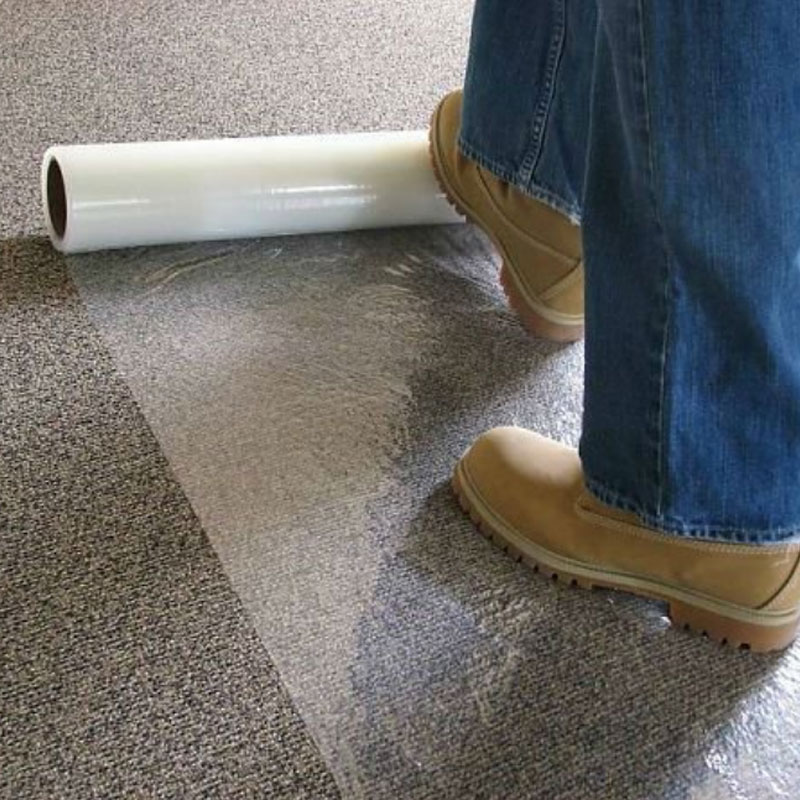
Protective Film For Carpet
The main function of the film is to separate the carpet surface from the work environment. Paint droplets, dust, splashes, mud, plaster, and other contaminants are intercepted by the polyethylene layer instead of directly contacting the carpet. This reduces the risk of permanent staining and lowers the amount of cleaning required after the project.
The film is particularly useful during interior painting, wall preparation, ceiling work, drywall installation, plastering, flooring installation, tile work, electrical maintenance, plumbing projects, and furniture movement. It can also be used in hotels, offices, hospitals, retail stores, residential buildings, exhibition venues, and other locations where carpet must remain presentable during temporary work.
Carpet protection must withstand more than light dust. Work sites may include sharp tools, small stones, hardware, metal edges, and heavy equipment. A thin, weak sheet can tear easily and expose the carpet below. The super-tough polyethylene backing used for this type of protective film is designed to resist puncture and penetration from common job-site hazards.
Although no temporary film should be considered completely indestructible, a heavy-duty construction provides a stronger barrier than ordinary household plastic or lightweight disposable sheets. The film can tolerate handling during application, repositioning, and removal, provided that it is used within its intended conditions.
A protective film must perform two functions that can appear contradictory: it must stay in place during use, but it must also be removable when the project is complete. Excessively weak adhesion may allow the film to shift, curl, or form bubbles. Excessively aggressive adhesion may leave residue or affect carpet fibers.
The acrylic adhesive system is developed to provide a strong and practical level of adhesion on suitable synthetic carpets. The easy-peel adhesive supports rapid installation and removal. When the film is applied correctly and removed within the recommended time, it is designed to release cleanly without leaving glue residue on the protected surface.
Adhesive performance depends on the actual carpet surface. Dust, moisture, cleaning chemicals, low temperature, high humidity, loose fibers, and heavily textured or untreated surfaces can affect contact. For this reason, a small test area should always be evaluated before full application, particularly when the carpet is expensive, delicate, newly installed, unusually textured, or made from an unfamiliar fiber.
The self-adhesive design eliminates the need to secure every edge with separate strips of tape. Installers can roll the material across the carpet, press it down, and cut it to the required length. This reduces preparation time and helps improve coverage consistency.
Easy application is important for contractors because labor costs can be significant during a project. It is also valuable for retail customers and facility teams that may not have specialized installation equipment. Different roll widths and lengths can be selected according to the size of the area, the available manpower, and the preferred handling method.
Forward-wound and reverse-wound products provide additional flexibility. Depending on the direction of winding, the adhesive may be positioned for a particular dispensing or application technique. Customers can discuss their preferred installation process with the manufacturer when selecting the appropriate version.
Clear protective film allows the original carpet appearance to remain visible while still creating a protective barrier. This is useful in commercial premises, showrooms, hotels, offices, and finished residential interiors where the carpet must remain visually acceptable during maintenance or renovation.
Colored products can be useful when high visibility is preferred. Yellow or blue film, for example, may make protected paths easier to identify in a busy work area. Printed film can display a company logo, handling message, application direction, caution statement, or other information. Customized printing can turn a temporary protection material into a communication and branding tool.
Contractors may require large rolls, heavy-duty film, strong holding power, and clear application instructions. Retail customers may prefer compact rolls, attractive packaging, printed information, and easy-to-understand usage guidance. Distributors may need private-label products, customized widths, specific colors, and carton configurations suited to their sales channels.
Qida Tape supports OEM and ODM cooperation by adjusting product specifications according to customer requirements. Customization may include film thickness, width, length, color, winding direction, adhesive performance, logo printing, packaging, and labeling. This flexibility helps customers develop products for their own market instead of relying only on standard stock sizes.
Loose plastic sheets may provide a basic physical barrier, but they often move when people walk over them. Their edges can fold upward, and gaps may appear between overlapping sheets. They may also create slippery areas or trip hazards. Self-adhesive carpet film is designed to maintain closer contact with the surface, reducing movement and improving coverage.
Loose sheets also require separate tape, clips, or weights to keep them in place. These additional materials increase preparation time and may leave adhesive marks on adjacent surfaces. A purpose-designed protective film simplifies the installation process by combining the backing and adhesive into one product.
Paper and cardboard can absorb liquids rather than blocking them. If paint or water spills onto the surface, the liquid may pass through or spread to the carpet. Paper can also tear, wrinkle, and become difficult to remove after exposure to moisture. Polyethylene film provides a more effective liquid-resistant layer and maintains its basic structure in damp conditions.
Cardboard may offer some impact resistance, but it is bulky to transport and difficult to adapt to irregular floor areas. It may also conceal the carpet completely, making it harder to identify whether the underlying surface has remained intact. Protective film is lighter, easier to cut, and available in transparent formats.
Fabric drop cloths are reusable and can be useful for protecting furniture or floors from light dust. However, many fabric materials are not fully liquid-resistant. Paint can soak through, and dirt accumulated in the cloth may transfer to the carpet. Fabric cloths may also shift during repeated foot traffic.
Carpet protective film creates a continuous barrier that is particularly suited to paint, liquid, and fine dust protection. It can be applied quickly and discarded or managed according to local waste-handling procedures after use.
General-purpose surface film may be designed for glass, metal, plastic, stone, or smooth flooring. These surfaces have different surface energy, texture, and adhesion requirements from carpet. A film intended specifically for carpet is more likely to provide an appropriate balance of adhesion, flexibility, and removability for synthetic carpet fibers.
Using a product developed for the actual substrate reduces the risk of poor adhesion, excessive residue, premature lifting, or fiber disturbance. The correct product is not simply the strongest adhesive film available; it is the film that delivers reliable protection while remaining compatible with the surface.
Short-pile carpet has relatively short fibers and a compact surface. A thinner protective film may be suitable because it can maintain close contact with the carpet while adding minimal bulk. Clear film can preserve the appearance of the surface and make it easier to identify areas that require attention.
Before application, the carpet should be vacuumed so that dust and loose particles do not remain between the adhesive and the fibers. The installer should apply the film smoothly, avoiding large wrinkles and trapped air pockets.
Long-pile carpet has more fiber movement and a less uniform contact surface. A thicker or higher-adhesion film may be needed to maintain stable attachment. The installer should use firm, even pressure so the adhesive can contact an adequate portion of the fiber surface without forcing the material deeply into the pile.
Removal should be performed slowly and at a low angle. Pulling the film sharply upward may place unnecessary stress on loose fibers. A small test area is particularly important for long-pile carpet, shag carpet, textured carpet, and surfaces with unusual coatings or treatments.
Loop-pile and textured carpets can have variations in surface height that affect adhesive contact. The film should be selected and tested for the actual construction rather than assumed to perform identically to a smooth, dense carpet. If the film does not make sufficient contact, edges may lift during traffic.
For complex surfaces, installers should plan overlapping sections carefully and inspect the perimeter after application. Any lifted edge should be pressed down or replaced before work continues.
The adhesive formula is intended to suit synthetic carpets, including many polypropylene, nylon, and polyester surfaces. Nevertheless, synthetic carpets may contain stain-resistant treatments, protective coatings, backing materials, or cleaning residues that influence adhesion and removal. Testing remains an essential step before large-scale use.
Natural-fiber carpets, antique carpets, handwoven materials, delicate decorative textiles, and carpets with unstable dyes may require a different protection method. The product should not be used on an untested surface simply because it performs well on a common synthetic carpet.
Check the carpet type, pile height, surface condition, age, and cleanliness. Identify loose fibers, damaged areas, recent cleaning treatments, moisture, or other conditions that may affect adhesion. Remove objects and furniture from the intended work zone whenever possible.
Vacuum the carpet to remove dust, sand, hair, and loose particles. The surface should be dry before the film is applied. Dirt trapped under the adhesive may create small gaps, reduce holding power, or make removal less predictable.
Apply a small piece of film in an inconspicuous area. Leave it in place for a period representative of the planned application and then remove it carefully. Check for adhesive residue, fiber disturbance, discoloration, changes in texture, or difficulty during removal.
Place the film at a straight boundary or along the beginning of the protected pathway. Align the roll so that the film can be extended in a controlled direction. Avoid stretching the material excessively during the initial placement.
Unroll the film gradually while pressing it into contact with the carpet. Use a clean hand, soft squeegee, or suitable roller to remove wrinkles and air pockets. Do not use sharp tools directly on the exposed film unless cutting is carefully controlled.
When the covered area is wider than the roll, overlap adjacent strips sufficiently to reduce the chance of exposed gaps. The correct overlap depends on site conditions, traffic, and the film width. Pay particular attention to doorways, corners, stairs, and transitions between rooms.
Press down the edges and confirm that the film is properly attached. Edges are more likely to lift than the center of the sheet, especially where people walk frequently or equipment passes repeatedly. If an edge becomes damaged, replace the affected section rather than allowing the problem to spread.
When the work is complete, remove the film slowly and steadily. Pulling at a low angle generally helps reduce stress on the carpet fibers. If the film has remained in place longer than recommended, test the removal process again in a small area and proceed cautiously.
The performance of carpet protective film depends on more than the nominal thickness or adhesive strength. Consistency in film formation, adhesive coating, winding, cutting, packaging, and inspection is essential. Qida Tape manages key manufacturing stages within its own factory, allowing closer control over product quality and customization.
The process begins with the production or preparation of the polyethylene backing. The film must have suitable flexibility, tensile strength, elongation, puncture resistance, clarity, and thickness uniformity. A stable backing helps the product unroll smoothly and withstand handling during application.
Film thickness is selected according to the intended use. Thinner options may be suitable for light-duty residential or short-term applications, while thicker options provide a more substantial barrier for construction, commercial renovation, or higher-risk work environments. The correct thickness should be balanced with handling convenience, packaging efficiency, and cost.
The adhesive is a central part of the product design. Qida Tape offers acrylic water adhesive, acrylic solvent adhesive, and natural rubber adhesive options for different industry requirements. Carpet protection commonly uses an acrylic adhesive system selected for its balance of holding power, easy peeling, and residue control on suitable synthetic carpet surfaces.
During coating, the adhesive must be applied evenly across the backing. Variations in coat weight can lead to differences in adhesion, edge lifting, residue, or removal force. Controlled coating equipment and process monitoring help maintain a consistent adhesive layer throughout the roll.
The adhesive may require drying, curing, or stabilization before the film is rewound. Temperature, coating speed, drying conditions, and storage time can influence final performance. A controlled manufacturing environment helps reduce variation between production batches.
Customized printing can be completed for logos, instructions, warnings, product information, and handling guidance. Printing must be controlled so that the ink remains legible without compromising the film, adhesive, or appearance. Up to three colors may be used according to the customer’s design and market requirements.
Printed markings can also help installers identify the correct direction of application. For professional contractors, clear instructions may reduce installation errors and improve consistency among different work crews.
Large master rolls are rewound and slit into customer-specified widths and lengths. Accurate slitting is important because uneven edges can make application more difficult and create gaps between adjacent strips. Rewinding tension must also be controlled to avoid telescoping, loose rolls, excessive compression, or distortion.
Forward-wound and reverse-wound versions are prepared according to the customer’s application requirements. Roll dimensions, core size, winding direction, label information, and packaging can be coordinated for specific dispensing equipment or retail presentation.
Quality control may include visual inspection, thickness measurement, width measurement, roll-length verification, adhesion evaluation, tensile and elongation testing, puncture assessment, print inspection, and removal testing. The exact inspection plan depends on the product specification and intended application.
Testing should consider the actual substrate whenever possible. A film can show excellent adhesion on a smooth test panel but behave differently on a carpet with a loose or textured pile. Application trials on representative carpet samples provide useful information for product selection and customer approval.
Qida Tape operates a testing laboratory and uses inspection equipment to support quality assurance. The company’s ISO 9001 and ISO 14001 management certifications reflect structured approaches to quality and environmental management. Additional compliance and testing references include SGS, RoHS, REACH, PFAS, and Proposition 65 requirements, subject to the specific product and documentation requested by the customer.
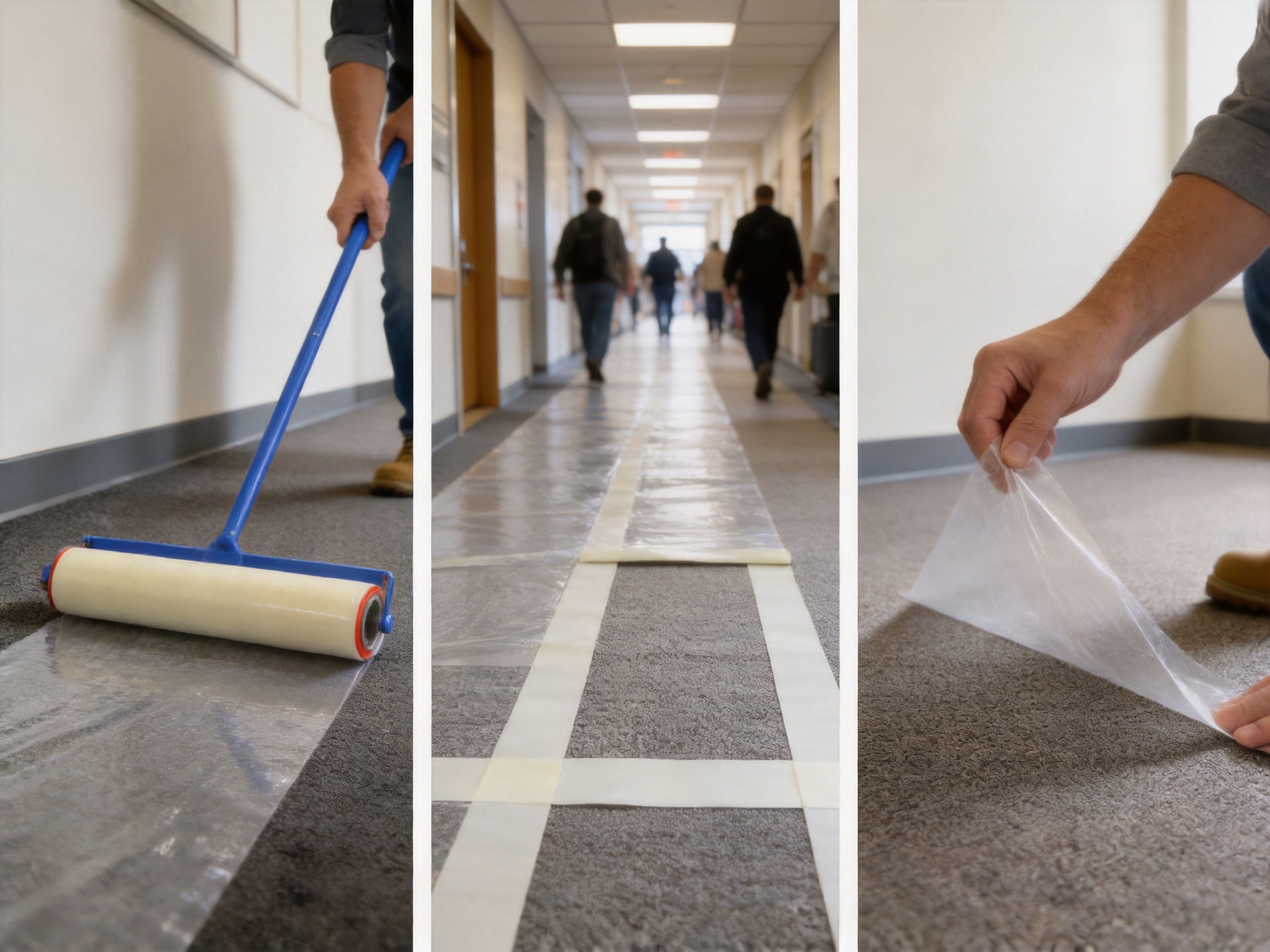
Qida Tape was founded in 1999 and operates a factory area of approximately 20,000 square meters. With more than 95 experienced employees and annual production capacity exceeding 12,000 tons, the company is positioned to support both standard and customized orders.
The company has introduced advanced machinery from Germany and employs experienced technicians and engineers. Its production system covers backing film production, adhesive coating, logo printing, rewinding, slitting, and packaging. Completing these stages within one factory can improve coordination, reduce unnecessary transfers, and make it easier to respond to specification changes.
In-house production also supports better traceability. When customers require a particular film thickness, adhesive level, color, print layout, roll length, or packaging format, the manufacturer can coordinate the relevant departments directly. This is especially useful for OEM and ODM projects where product development, sample approval, and mass production must follow a defined technical process.
The company works with research and development institutions and maintains a technical team capable of developing products according to customer data sheets or physical samples. Engineers can help evaluate the relationship between carpet type, adhesive strength, film thickness, application period, and removal performance.
Qida Tape serves customers in China and exports to Europe, North America, Australia, the Middle East, Japan, and other regions. Experience across different markets can help the manufacturer understand varying expectations for packaging, labeling, product compliance, documentation, and performance testing.
Its product range extends beyond carpet film to include protective film for stainless steel, aluminum, pre-coated metal, plastic panels, ceramic, decorative laminates, glass, and other surfaces. This broad product knowledge is useful for customers that need several types of temporary protection film from one supplier.
The correct product should be selected by considering the complete application rather than one specification alone. A thick film is not automatically the best option, and the strongest adhesive is not always the safest choice for carpet. The following factors should be evaluated.
Identify whether the carpet is synthetic, natural, blended, looped, cut pile, short pile, long pile, dense, loose, coated, or treated. The more unusual the surface, the more important a compatibility test becomes.
A short residential painting task may require different performance from a multi-week commercial renovation. Longer application periods increase the importance of adhesive stability, edge inspection, temperature tolerance, and planned removal.
Low-traffic areas may use a lighter product if the work environment is controlled. Corridors, entrances, offices, hotels, and public areas experience more foot traffic and may require a thicker, tougher film with dependable adhesion.
Light dust protection may require less resistance than applications involving wet paint, plaster, liquids, oils, sharp debris, or heavy construction traffic. The risk of puncture and liquid penetration should guide the selection of backing thickness and strength.
Large rolls can cover more area and reduce the number of seams, but they may require two people or a dispenser for efficient handling. Smaller rolls are easier for retail customers and small rooms. Width, length, core size, and winding direction should match the installation method.
Clear film is suitable when carpet appearance should remain visible. Colored film can increase visibility and organization. Printed film can communicate instructions or support a contractor’s brand. The choice should reflect both technical and marketing needs.
Painting projects create risks from roller splatter, brush drips, open paint containers, sanding dust, and movement of ladders. Carpet film helps shield the floor during wall, ceiling, trim, and decorative work. It is especially useful when carpet remains installed while other interior surfaces are being renovated.
During remodeling, workers may carry drywall, lumber, tools, fixtures, and equipment through carpeted areas. The film protects against dust, mud, scratches from small debris, and incidental liquid contamination. It can be combined with rigid boards or other impact protection where heavy objects will be moved.
Plaster, grout, mortar, and tile installation materials can create difficult stains. Carpet film provides a liquid-resistant barrier during preparation and installation. Because sharp or heavy materials may puncture any flexible film, high-risk zones should be inspected frequently and reinforced when appropriate.
Offices, hotels, hospitals, retail stores, schools, and public buildings may need repair work without removing installed carpet. Temporary film can protect pedestrian routes and work zones while helping the facility maintain a cleaner, more organized appearance.
Furniture installation, equipment delivery, exhibition setup, and interior fit-out work often involve repeated movement across carpet. Protective film reduces contact with dirt and moisture brought in from outside. It can also help separate clean finished areas from active installation zones.
Protective film should be stored in a clean, dry location away from direct sunlight, excessive heat, and sharp objects. Rolls should remain in their original packaging until needed. Excessive heat may affect adhesive behavior, while moisture and contamination can interfere with application.
Before use, allow the material to adapt to the temperature of the installation area when practical. Very cold conditions may reduce adhesive contact, while high temperatures may increase adhesion or make removal more difficult. Product performance should be confirmed under the actual site conditions if the project is unusually hot, cold, humid, or exposed to direct sunlight.
Do not apply the film over wet carpet, heavily contaminated carpet, loose debris, or surfaces with unknown chemical treatments. Do not assume that the product is suitable for every carpet simply because it is labeled as carpet protection. A trial application is the safest method for identifying compatibility issues.
During removal, inspect the film and carpet periodically. If the film has been punctured, saturated, torn, or heavily contaminated, remove and replace the affected section. Leaving damaged film in place may allow contaminants to reach the carpet.
After removal, dispose of or recycle the used material according to local regulations and the contamination level. Clean polyethylene film may be accepted by some recycling systems, while film contaminated with paint, chemicals, or construction waste may require specialized disposal.
A professional protective film supplier should provide more than a catalog and a price list. Technical support is important because adhesive products must be matched to the actual surface and working conditions. Qida Tape’s engineers and technicians can help customers review carpet type, film thickness, width, adhesive requirements, winding direction, protection period, packaging, and testing needs.
For OEM projects, the customer may specify a private-label design, custom roll dimensions, printed logo, carton artwork, barcode, instruction sheet, or market-specific compliance documentation. For ODM projects, the supplier can assist with product development based on a target application, sample, or technical data sheet.
Sampling and trial evaluation should be included in the development process. A practical sample program may compare several thicknesses, adhesive levels, colors, winding directions, and roll sizes. The customer can then evaluate application speed, foot-traffic stability, liquid resistance, removal force, and residue behavior under realistic conditions.
Reliable communication between the technical, production, and packaging teams helps reduce errors during mass production. Customers should provide clear information about the surface, project environment, required application period, expected order quantity, packaging format, and destination-market standards.
Protective film is a temporary barrier, not a substitute for site safety controls. It should not be installed where it creates a slip hazard, blocks emergency exits, covers stairs without suitable precautions, or interferes with doors and equipment. Installers should inspect the protected area before allowing normal traffic.
Film edges should be secured and kept flat. Overlaps should not form raised ridges that could cause people to trip. In areas exposed to wheels, carts, or machinery, the film should be checked more frequently because rolling loads can cause stretching, tearing, or lifting.
Do not use the film as a heat shield, electrical insulation, chemical containment liner, or long-term flooring material unless the product has been specifically tested and approved for that purpose. Keep it away from open flames and high-temperature sources. The product should be used according to the manufacturer’s technical guidance and the conditions of the project.
When removing the film, workers should avoid sudden pulling or excessive force. If the film tears, remove the remaining pieces carefully rather than scraping aggressively across the carpet. If residue or fiber disturbance is observed during the initial test, stop the application and consult the supplier.
It is used to protect carpet from paint, dust, dirt, plaster, water, mud, and other contaminants during painting, construction, remodeling, maintenance, moving, decoration, and installation work.
The product uses an easy-peel acrylic adhesive designed for suitable synthetic carpets and clean removal. However, performance depends on carpet construction, surface treatment, temperature, application duration, and cleanliness. Always conduct a small compatibility test before full application.
No temporary adhesive film should be assumed to suit every carpet. The product is designed primarily for suitable synthetic carpets. Natural fibers, antique carpets, loose-pile carpets, heavily treated surfaces, and unusual constructions require individual testing and possibly an alternative protection method.
The difference is the direction in which the film is wound on the roll and presented during dispensing. The appropriate version depends on the user’s application technique, dispenser, and workflow. Customers should specify their preferred winding direction when ordering.
Thickness should be selected according to the expected traffic, contamination risk, protection period, and handling requirements. Light-duty indoor work may use a thinner film, while construction and high-traffic applications may benefit from a thicker, more durable backing.
Yes. Customized printing is available in up to three colors, depending on the design and order requirements. Logos, application instructions, safety messages, and other information can be printed on the film.
Neither option is universally better. Clear film preserves visibility of the carpet and offers a discreet appearance. Colored film can make protected areas more visible and may help organize a work site. The decision depends on application, branding, and user preference.
The film provides resistance against normal handling, foot traffic, and many common job-site contaminants, but it is not a replacement for rigid impact protection. Heavy machinery, sharp loads, repeated wheel traffic, or concentrated pressure may require additional protective layers.
The suitable application period depends on the film specification and site conditions. Temperature, humidity, sunlight, traffic, carpet type, and contamination can affect performance. Users should follow the supplier’s recommended application period and inspect the film regularly.
Remove it slowly and steadily, preferably by pulling at a low angle rather than sharply upward. Start at a corner or edge and monitor the carpet as the film is removed. If unusual resistance or fiber disturbance occurs, stop and seek technical advice.
It may be possible in certain situations, but stairs require special attention because loose or raised film can create a serious slip or trip hazard. Any stair application should be evaluated carefully, installed securely, and monitored throughout use.
Yes. The company can support customized roll sizes, printing, labels, packaging, and private-label requirements for contractor, distributor, industrial, and retail markets.
Qida Tape operates under ISO 9001 and ISO 14001 management systems and uses a testing laboratory and inspection equipment to support product quality. Depending on the product and market, documentation may also address SGS, RoHS, REACH, PFAS, and Proposition 65 requirements.
Working with an integrated manufacturer can offer advantages over purchasing from a trader with limited control over production. When film production, adhesive coating, printing, converting, inspection, and packaging are coordinated internally, the supplier can respond more efficiently to technical changes and quality concerns.
An integrated factory can also improve consistency between samples and mass production. The same technical team can review the customer’s requirements, prepare trial material, monitor production, and inspect the finished rolls. This continuity is valuable for OEM and ODM customers that need repeatable performance over multiple orders.
Qida Tape’s manufacturing experience, product range, technical personnel, production capacity, and export service allow it to support both standard purchasing and customized development. The company’s focus on temporary surface protection helps it understand the relationship between backing film, adhesive technology, surface compatibility, converting accuracy, and final application performance.
Its competitive strengths include customization, multiple adhesive options, in-house production, quality control, advanced equipment, technical support, international market experience, and the ability to develop products from technical data or samples. These capabilities help customers obtain a carpet protection solution matched to their operational and commercial requirements rather than a generic film with uncertain performance.
Protective film for carpet is an efficient and professional solution for reducing damage during construction, painting, remodeling, maintenance, moving, and interior installation work. Its polyethylene backing creates a tough barrier against paint, dirt, dust, moisture, and puncture hazards, while the acrylic adhesive helps the film remain in position and peel away conveniently from suitable synthetic carpets.
The product offers important advantages over loose plastic sheets, paper, cardboard, fabric drop cloths, and general-purpose protective film. It is available in different thicknesses, widths, lengths, colors, winding directions, and printing formats. These options allow the product to serve both contractor and retail markets.
Correct application remains essential. Users should evaluate carpet construction, clean and dry the surface, conduct a compatibility test, install the film without wrinkles or gaps, inspect high-traffic areas, and remove the material carefully within the recommended period. When the application requires special performance, technical consultation and sample testing can help identify the most suitable specification.
With in-house film production, adhesive coating, printing, rewinding, slitting, packaging, testing, and technical development, Wuxi Qida Tape Co., Ltd. is positioned to provide customized carpet protective film and broader surface protection solutions. Its manufacturing capabilities, management systems, product knowledge, and OEM/ODM services support customers seeking dependable quality, competitive supply, and consistent protection for different project environments.
1. Wuxi Qida Tape Co., Ltd., Carpet Protective Film Product Information and Technical Specifications.
2. Wuxi Qida Tape Co., Ltd., Company Manufacturing and Quality Management Information.
3. General principles of temporary surface protection for construction, renovation, and interior maintenance applications.
4. General guidance on pressure-sensitive adhesive selection, substrate compatibility, clean removal, and application testing.
5. General polyethylene film converting and quality-control practices for protective packaging and temporary surface protection products.
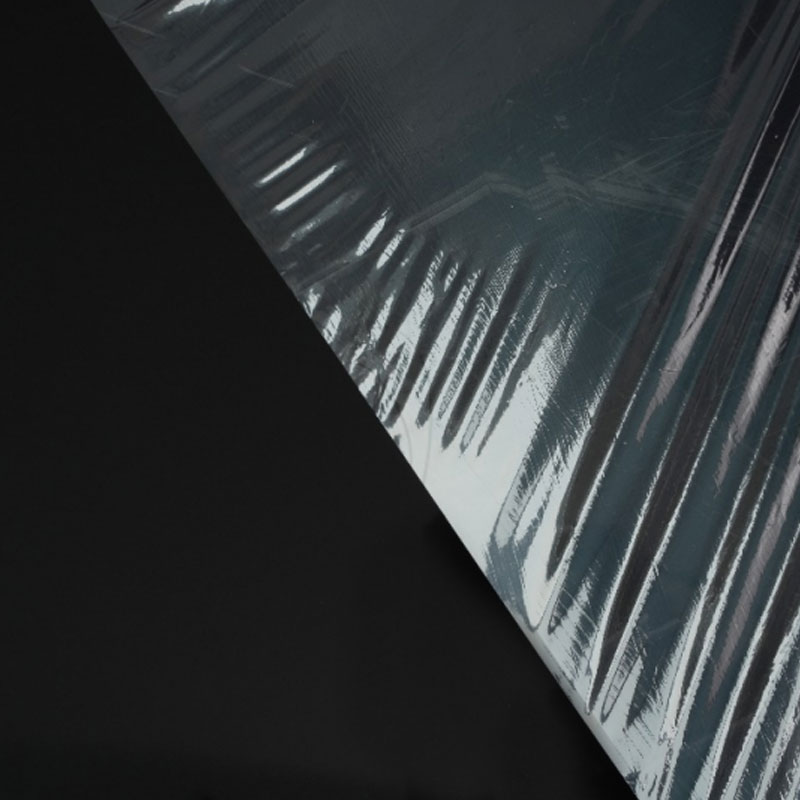
● No “ghost shadow” or “fish eye” after removal; ● Stable adhesion level; ● UV resistance for up to 6 months; ● Can print customized logo or applicati...
See Details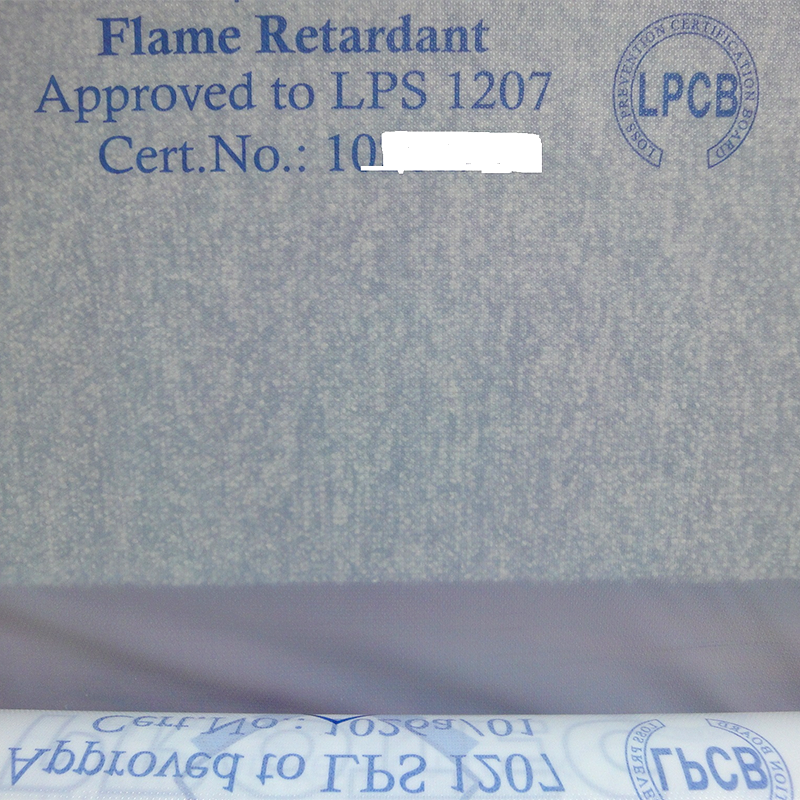
● Prevents costly damages in case of fire /flame;● Meet the strict international test standards of loss prevention; ● Extensive selection for flame re...
See Details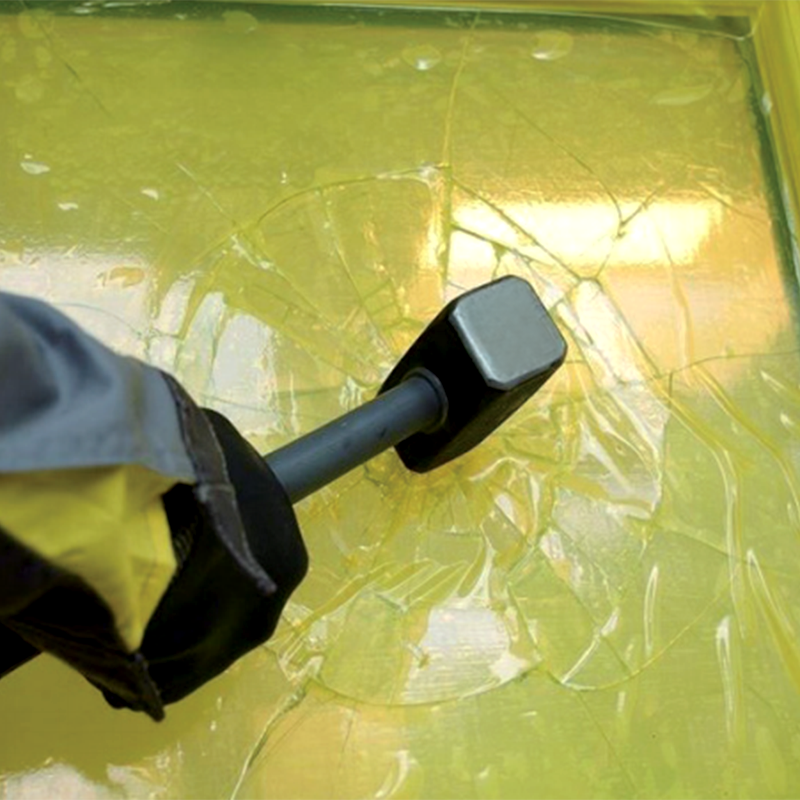
● The super tough polyethylene film with super high adhesion can stop the glass splitting and falling off during window glass demolition process;● Non...
See Details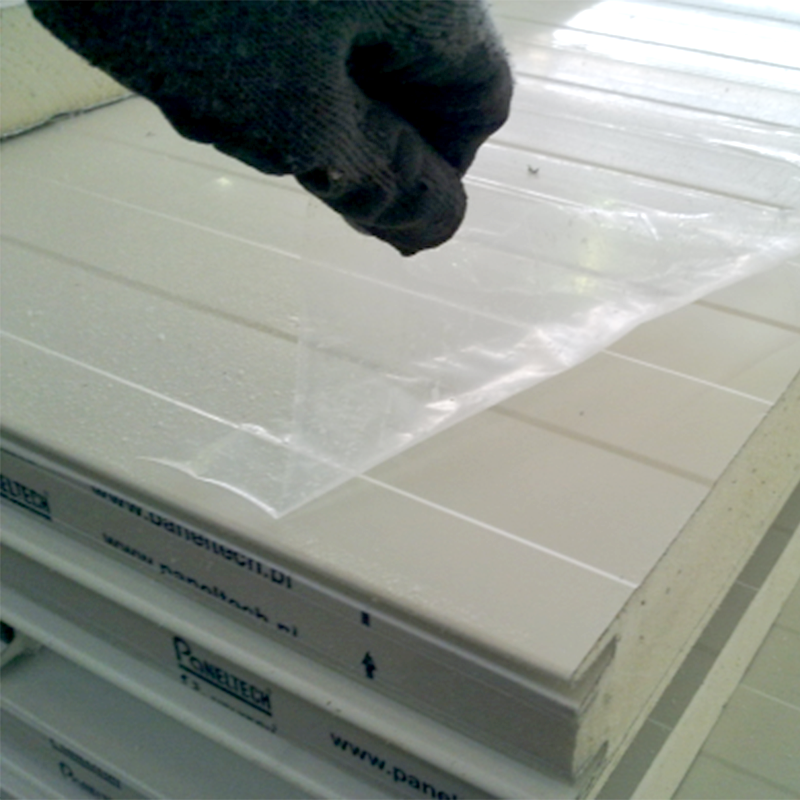
● The specially formulated adhesive ensures easy application and removal without leaving residue glue on the sandwich panels; ● The super-tough polyet...
See Details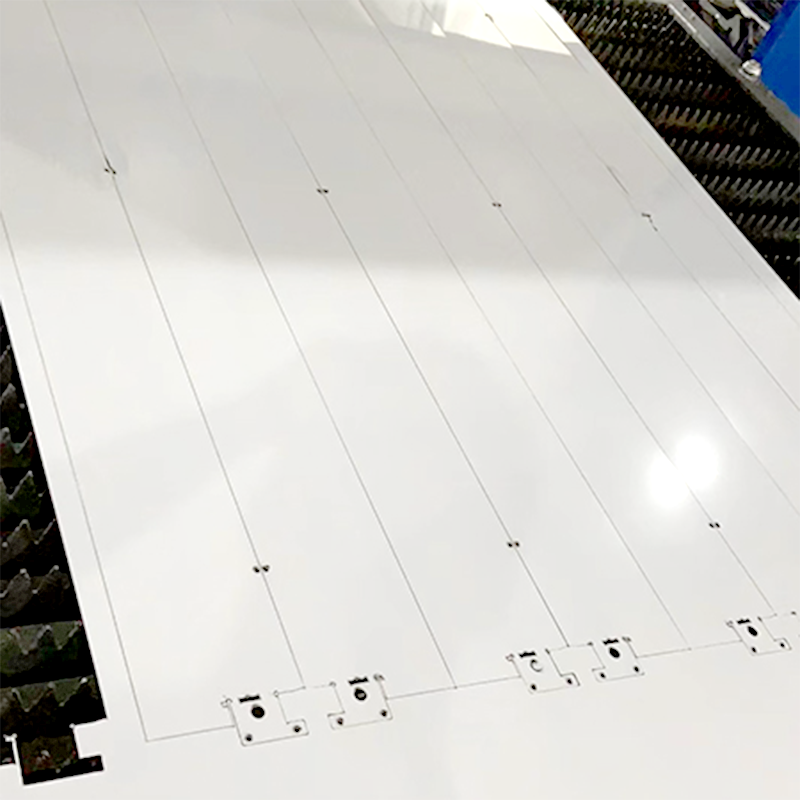
● The specially formulated natural rubber adhesive suitable for both CO2 and Fiber laser cutting processes;● High cutting quality without burr or trac...
See Details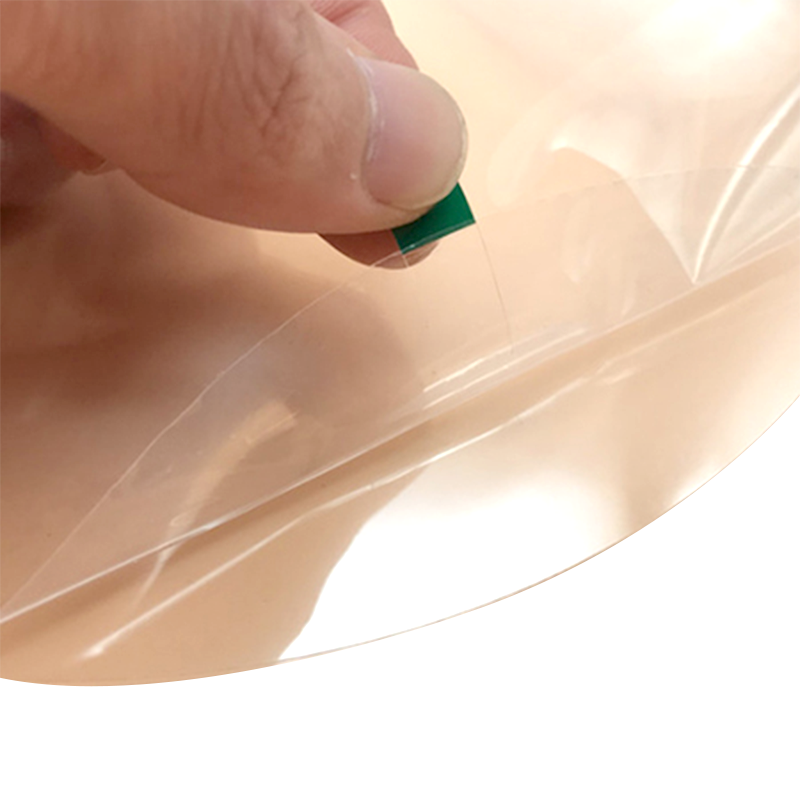
● Suitable for plastic sheets’ drilling, cutting, routing, thermoforming, bending, or post-fabrication operations;● No “ghost shadow” or “fish eye” af...
See Details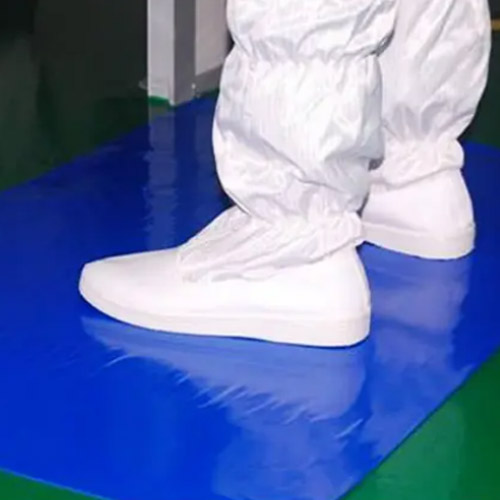
● Options for either 30 or 60 layers per mat; can be packed with four mats, eight mats, or ten mats per carton;● Remove dirt effect: ≥99.9% (5 steps);...
See Details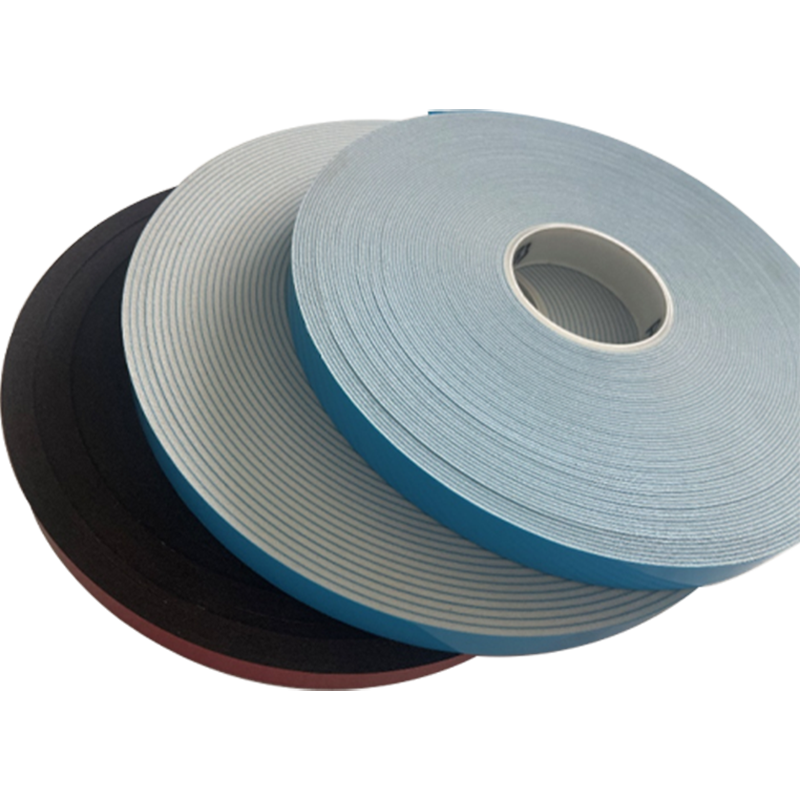
● Waterproof - the desirable material for waterproofing. ● Dust-proof - positive performance of dust prevention.● Low resilience - prevent the deforma...
See Details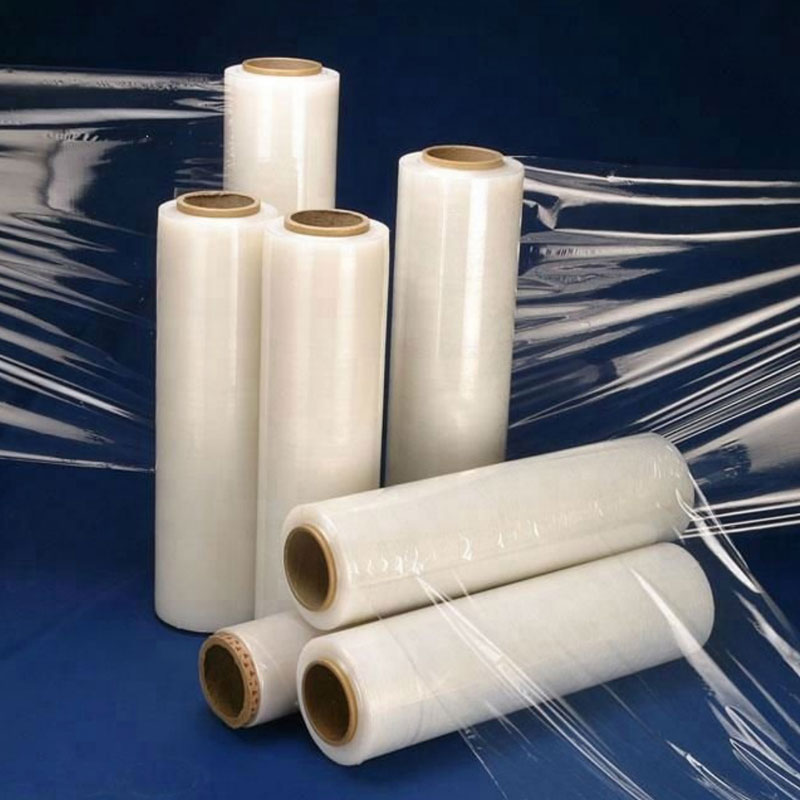
● Small roll size for convenient manual application;● Excellent puncture and tear resistance ; ● A self-adhering-each layer of film bonds to the next ...
See Details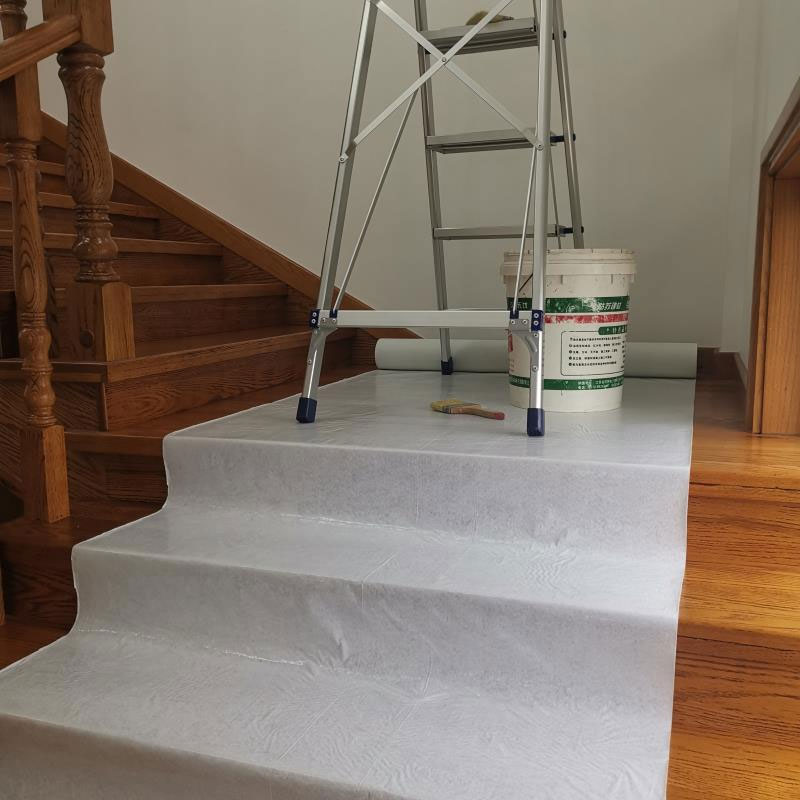
This product has non-woven synthetic fleece in middle; Breathable PE film adhered onto top of the non-woven fabric, which is coated with self adhesive...
See DetailsWe’re a reliable partner that shapes our expertise into success for your project.

Copyright 2024 Wuxi Qida Tape Co., Ltd. All Rights Reserved
 Wholesale Protective Film/Foil Manufacturers
Privacy
Wholesale Protective Film/Foil Manufacturers
Privacy