

 English

 English
 русский
 Français
 Español
 Português
 عربى


Cat:Glue -coated Protective Film
● No “ghost shadow” or “fish eye” after removal; ● Stable adhesion level; ● UV resistance for up to 6 months; ● Can print customized logo or applicati...
See Details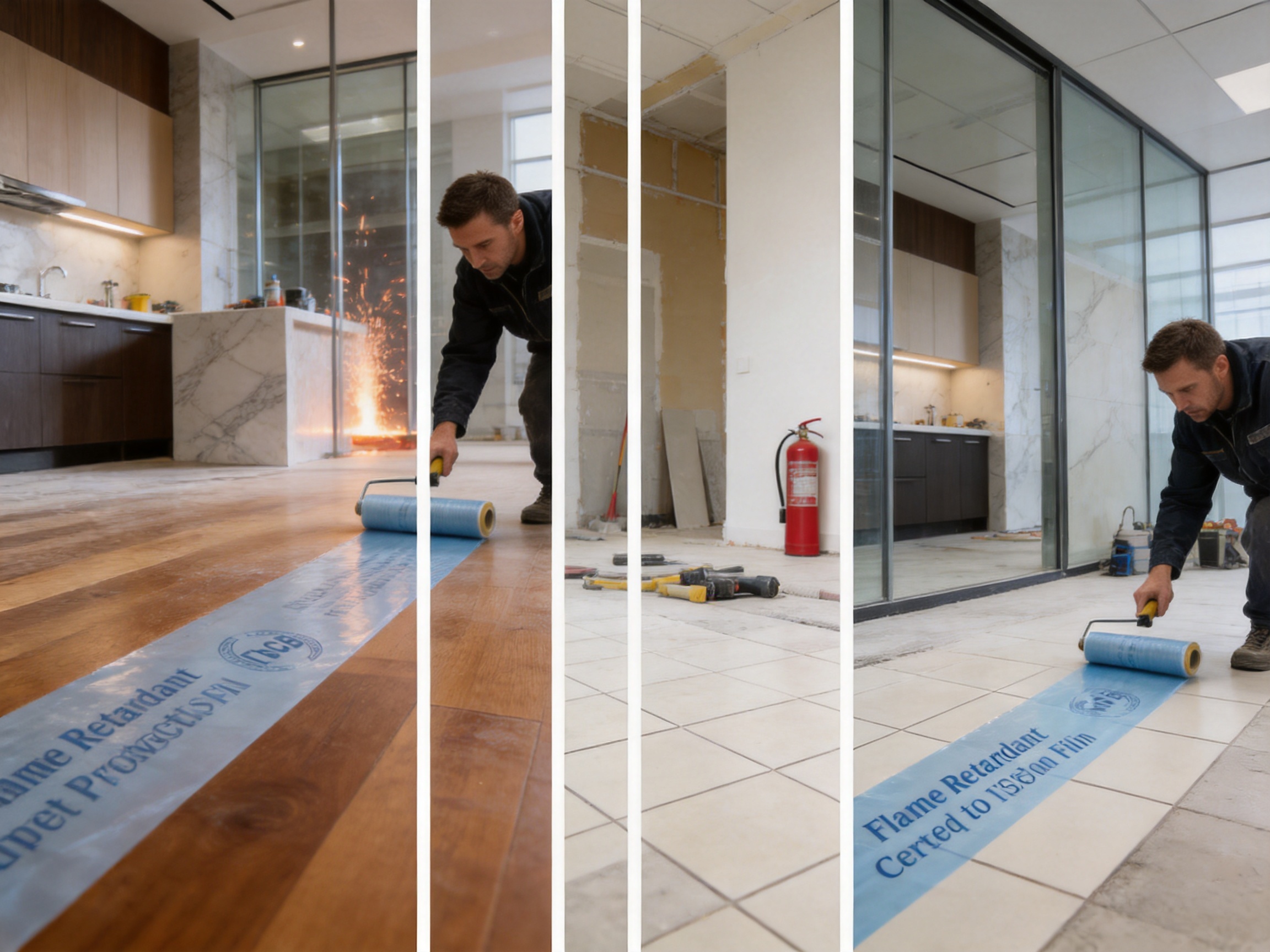
Flame retardant protective film is a specialized temporary surface protection material designed to help reduce fire-related damage while protecting finished surfaces from scratches, dirt, moisture, paint, and mechanical impact. It combines a tough polyethylene backing with a pressure-sensitive adhesive system engineered for controlled application and clean removal. This combination makes the film suitable for demanding environments where ordinary protective film may not provide adequate resistance to heat, flame exposure, puncture, or tearing.
Modern construction, renovation, manufacturing, transportation, electronics, and interior finishing projects require more than basic surface coverage. Materials may be exposed to sparks, hot particles, open flames, painting operations, installation activity, heavy foot traffic, or accidental liquid spills. A properly selected flame retardant protective film provides an additional temporary barrier between the working environment and the valuable surface beneath it. It can help reduce the chance of rapid flame spread across the protected area and support better loss prevention practices when used as part of a complete fire safety plan.
The product is available for a wide range of substrates, including hardwood flooring, laminate, worktops, ceramic, marble, tile, granite, vinyl, glass, carpets, decorative laminates, pre-coated metal, stainless steel, aluminum, plastic panels, and other finished surfaces. Depending on the substrate and application requirements, users can select different adhesive strengths, film colors, roll formats, and printing options.
Manufactured by Wuxi Qida Tape Co., Ltd., the film is supported by integrated production capabilities covering backing film production, adhesive coating, printing, rewinding, slitting, inspection, and packaging. This factory-based approach enables close control over product consistency and gives customers the flexibility to request customized dimensions, adhesive performance, colors, logos, and technical specifications.
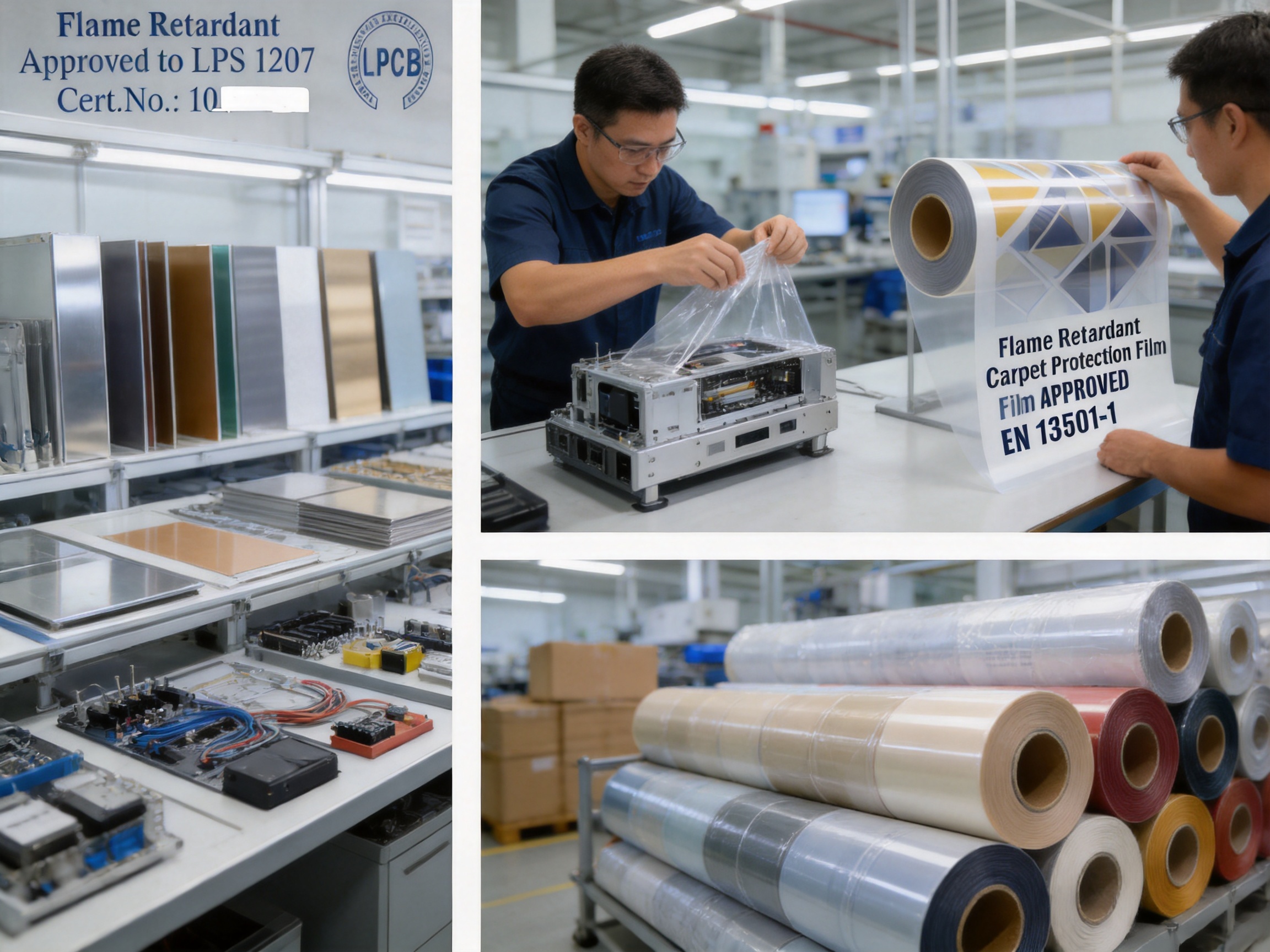
Flame Retardant Protective Film
Flame retardant protective film is a temporary adhesive film formulated to provide surface protection while offering enhanced resistance to ignition and flame propagation. It normally consists of a polyethylene film backing and a pressure-sensitive acrylic adhesive. The backing supplies flexibility, tensile strength, puncture resistance, and protection against contamination. The adhesive allows the film to remain securely attached during handling, processing, transportation, or installation, while still allowing clean removal after use.
The term “flame retardant” does not mean that the film is fireproof or that it can replace fire-resistant construction materials, fire barriers, sprinkler systems, or other certified safety equipment. Instead, flame retardant technology is intended to slow ignition or flame spread under specified test conditions. The actual performance depends on the formulation, thickness, installation method, substrate, exposure conditions, and applicable testing standard.
This distinction is important when selecting a protective film for a project. The film should be matched to the expected environment and evaluated according to the relevant fire, building, transportation, or industrial requirements. Qida Tape can work with customers to identify suitable film and adhesive combinations based on application conditions and technical data.
Temporary protection is often installed during periods of elevated risk. Floors may be covered while walls are painted, kitchens are installed, furniture is moved, or interior systems are completed. In factories, metal panels, plastic sheets, glass, and decorative components may be protected during fabrication, forming, cutting, transportation, and assembly. These activities can involve hot work, sparks, electrical equipment, solvents, dust, and other potential ignition sources.
Conventional protective films can protect against abrasion and contamination, but they may not be designed to manage flame-related hazards. A flame retardant version provides an additional level of protection by helping to limit the ignition and propagation behavior of the film. This can reduce the possibility that the temporary covering itself will quickly contribute to fire spread across a broad surface.
Flame retardant protective film is particularly useful where large continuous areas must be covered. A long film sheet placed across a floor, wall, worktop, or panel can otherwise create a continuous path for flame movement if the material ignites. A flame retardant formulation is designed to interrupt or slow this behavior, providing more time for detection, evacuation, fire suppression, and damage control.
It is also valuable in projects where the protected surface is expensive or difficult to replace. Hardwood floors, natural stone, decorative glass, coated metal, and premium laminates can be damaged by paint, impact, dust, or fire-related incidents. A properly selected film helps preserve their appearance and reduce rework, cleaning, replacement, and project delays.
The primary advantage is the film’s ability to help reduce the speed and intensity of flame development under specified conditions. Flame retardant additives and controlled polymer formulation are used to improve the backing film’s fire behavior. This feature is especially relevant to construction protection, interior finishing, industrial production, electrical applications, and other environments where temporary materials must meet stricter loss prevention expectations.
Customers should always confirm the required test method and certification level before ordering. Qida Tape can support customized flame retardant film solutions and provide relevant test documentation or certification options according to the intended market and application.
The polyethylene backing is designed to withstand the physical demands of installation and jobsite use. It resists puncture and penetration by paint, water, cleaning liquids, and other common contaminants. Its toughness helps reduce accidental tearing when the film is walked on, folded around edges, or exposed to contact with tools and materials.
Compared with thin, low-strength protective films, a heavy-duty polyethylene structure can provide better coverage stability and fewer interruptions. Reduced tearing means fewer exposed areas, less replacement work, and more consistent protection during long projects.
The patented adhesive formula is designed to balance holding power with removability. The film must remain attached during use, but excessive adhesion can cause problems such as adhesive transfer, surface staining, coating damage, or difficult removal. The acrylic adhesive system is formulated to help the film apply quickly and remove cleanly without leaving adhesive residue when used under suitable conditions.
Adhesion levels can range from medium to very high. This allows the product to be matched to smooth, textured, porous, delicate, or high-traffic surfaces. The correct adhesive strength depends on the substrate, surface energy, temperature, duration of application, and expected mechanical stress.
The product range can be used on many types of surfaces, including hardwood floors, laminate, worktops, ceramic, marble, tile, granite, vinyl, glass, carpets, decorative laminates, plastic panels, coated metals, aluminum, and stainless steel. This broad compatibility reduces the need for multiple unrelated protection materials across one project.
Despite its broad application range, no single film should be assumed to be suitable for every substrate. A small-area compatibility test is recommended, especially for newly finished surfaces, porous materials, delicate coatings, natural stone, recently installed flooring, and surfaces exposed to unusual temperature or humidity levels.
Both forward-wound and reverse-wound rolls are available. Winding direction can affect installation speed, handling convenience, and the way the adhesive contacts the target surface. For certain applications, the preferred winding direction may reduce labor or simplify machine and manual application.
Providing both formats gives distributors, contractors, and industrial users greater flexibility. It also enables customers to select a roll configuration that suits their workforce, packaging line, installation tools, or automated application equipment.
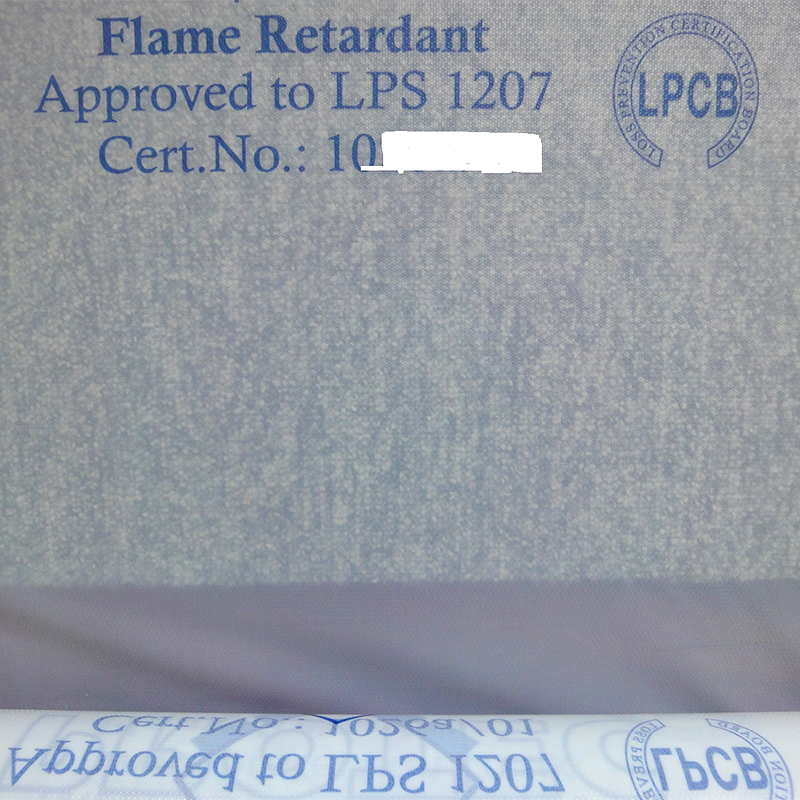
The film can be printed with customized logos, safety messages, handling instructions, or flame retardant certification information. Printing from zero to three colors is available according to the product configuration. Customized printing supports brand visibility while also helping identify the film, communicate installation instructions, and distinguish protected areas on a busy worksite.
Printed information can be particularly useful for contractors and property managers who need to communicate that the film is temporary, identify the responsible supplier, or provide warnings about removal and disposal. Printing requirements can be discussed during the quotation and artwork approval process.
The following specifications represent the available product range. Actual values may vary according to the selected grade, adhesive system, film color, printing requirement, and customer application.
| Characteristic | Available Specification |
|---|---|
| Film thickness | 40 to 100 micrometers |
| Film width | 100 to 1,200 millimeters |
| Roll length | 25 to 5,000 meters |
| Elongation | At least 300 percent, according to the selected grade |
| Adhesion level | Medium to very high |
| Adhesive type | Acrylic |
| Film colors | White, blue, translucent clear, and other options subject to customization |
| Printing | Zero to three colors |
| Winding direction | Forward wound or reverse wound |
| Primary backing material | Heavy-duty polyethylene film |
These options allow the film to be configured for both small-scale installation work and high-volume industrial use. Thin grades may be suitable for light-duty temporary protection, while thicker grades can provide greater resistance to puncture, tearing, and demanding jobsite conditions. Wider rolls can reduce the number of seams on large surfaces, while narrower rolls can be easier to handle around corners, stairs, edges, and individual components.
Flooring is one of the most common applications for temporary protective film. Hardwood, laminate, vinyl, tile, marble, and granite surfaces can be vulnerable to scratches, paint splashes, dust, foot traffic, dropped tools, and moving equipment. Flame retardant film provides a tough protective layer during construction, remodeling, furnishing, and final installation.
On large floors, the film can be overlapped at seams to improve coverage. Edges should be secured without forcing adhesive onto unsuitable adjacent surfaces. The floor should be clean and dry before application so that dust and moisture do not reduce adhesion or create surface marks.
Carpet film is used to prevent dirt, paint, mud, and liquid contamination during construction and renovation. Flame retardant carpet protection is particularly useful in commercial buildings, hotels, offices, retail properties, residential developments, and public spaces where carpeting may be installed before all work is complete.
The adhesive must be selected carefully for carpet type, pile height, backing construction, and expected application duration. A trial area is recommended to confirm that the film removes cleanly and does not disturb fibers or leave adhesive behind.
Worktops made from stone, engineered materials, laminate, stainless steel, glass, or other finished products can be protected during transportation, fabrication, installation, and final handover. The film helps prevent scratches, stains, paint marks, and impact damage while preserving the visual quality of the product.
Because worktops are often exposed to cutting tools, sealants, adhesives, and moisture, a puncture-resistant film can provide valuable protection during the final stages of a project. The adhesive grade should be matched to the surface finish, particularly when the worktop has a delicate polish or special coating.
Glass panels, mirrors, coated glass, decorative laminates, and plastic sheets can be scratched or stained easily during handling. A translucent clear or colored film can cover the surface without significantly obstructing identification of the underlying material. Custom printing may be used to communicate handling instructions or identify the product.
For glass applications, users should consider surface cleanliness, solar exposure, temperature changes, and the expected storage or installation period. Film should be applied smoothly without trapped debris or air pockets, particularly when the protected surface will remain visible through the covering.
Stainless steel, aluminum, painted metal, pre-coated sheets, and decorative panels can be damaged during bending, pressing, roll forming, cutting, transportation, and installation. Protective film creates a temporary barrier that helps prevent scratches, friction marks, dirt, and handling damage.
In a metal processing environment, the film must remain stable during movement through equipment and handling stations. The adhesive should provide sufficient holding power without interfering with later processing or leaving residue when the film is removed. Film thickness, elongation, and puncture resistance are important factors when selecting a grade for formed or contoured parts.
Plastic panels, acrylic sheets, decorative laminates, and composite surfaces often require protection throughout manufacturing and distribution. A strong polyethylene film can reduce surface damage caused by stacking, sliding, packaging, and installation. It can also protect against dust and liquid contamination during assembly.
Plastic surfaces vary significantly in surface energy and coating composition. A compatible acrylic adhesive is therefore essential. Product testing should consider not only initial adhesion but also removal after the full storage or processing period.
During transportation, finished components may rub against packaging, pallets, neighboring parts, or lifting equipment. Protective film helps preserve appearance and reduces the number of products rejected because of cosmetic damage. Once the components arrive at the installation site, the same film can remain in place to provide continued protection.
When used with flame retardant requirements, the film can add an extra loss prevention measure during storage and installation. It should still be stored away from uncontrolled ignition sources and handled according to the customer’s safety procedures.
Electronic and electrical products increasingly require materials that can support fire safety, insulation, and reliable component protection. Flame retardant protective films may be used as temporary protective layers or as part of a broader material system in controlled applications.
Circuit boards contain components that may generate heat during operation. During assembly, handling, and storage, protective films can help shield surfaces from dust, moisture, scratches, and accidental contact. In selected applications, flame retardant properties can help reduce the contribution of the temporary film to fire propagation.
Any use directly inside an electronic assembly must be evaluated carefully. Electrical insulation, dielectric performance, outgassing, temperature resistance, adhesive chemistry, and regulatory requirements may be relevant. The film should be used only when its technical data and compatibility have been confirmed for the specific design.
Wires and cables can be exposed to overheating, abrasion, installation damage, and accidental contact with ignition sources. Flame retardant films may be used in selected insulation or protection processes to help inhibit flame movement along a cable assembly. The precise design must comply with the required electrical and fire performance standards.
Important factors include film thickness, flexibility, elongation, dielectric properties, temperature range, adhesive stability, and resistance to chemicals. Qida Tape can discuss customized requirements where a customer provides a technical specification or sample.
Battery-powered equipment, including portable electronics and electric mobility systems, requires careful control of thermal and fire risks. Protective film can be considered for selected battery pack components or manufacturing processes where it helps prevent abrasion, contamination, or flame propagation between areas.
Battery applications require particularly detailed engineering review. Thermal runaway protection depends on the complete battery design, cell chemistry, enclosure, venting, electrical controls, and fire protection system. Protective film is not a substitute for those measures, but a properly specified flame retardant material may contribute to a layered safety strategy.
Electronic enclosures and equipment housings can benefit from temporary internal or external protection during production, assembly, storage, and transportation. The film can help contain dust and prevent cosmetic damage while offering additional flame retardant characteristics where appropriate.
Compatibility with painted, powder-coated, molded, or textured housing surfaces should be verified before full production. Adhesive selection is especially important when the film will remain on the enclosure for an extended period or when the enclosure will experience temperature changes.
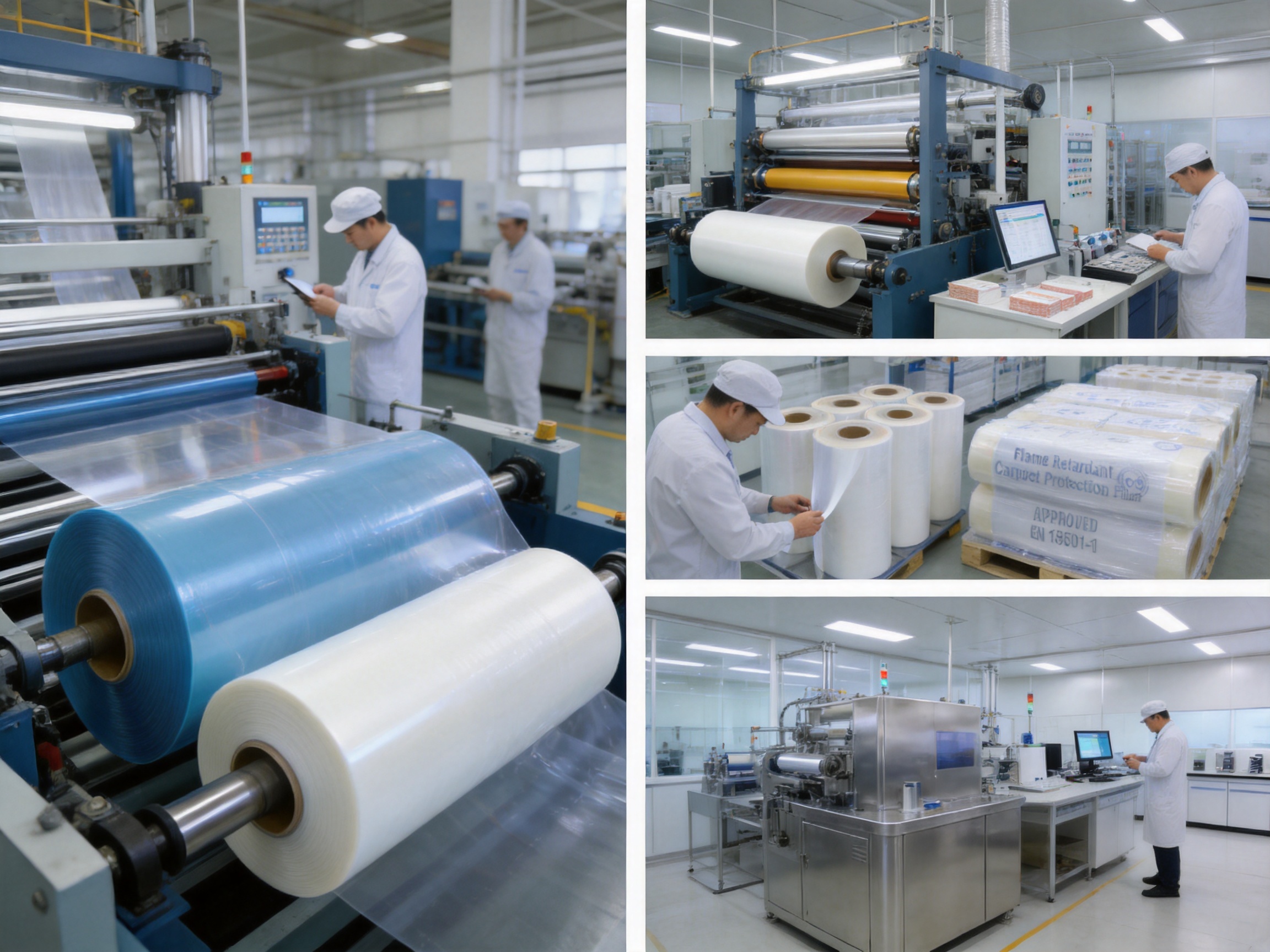
The performance of flame retardant protective film depends on more than the raw materials selected. Consistent backing film production, accurate adhesive coating, controlled winding, precise slitting, and reliable inspection are all necessary to achieve repeatable results. Qida Tape operates an integrated manufacturing system designed to control these stages within its own factory.
The polyethylene backing film is produced with attention to thickness uniformity, mechanical strength, elongation, flexibility, and appearance. A consistent backing helps the film unwind smoothly, conform to flat or slightly contoured surfaces, and resist tearing during application.
Flame retardant additives and other formulation components must be dispersed consistently throughout the polymer system. Poor dispersion can create weak points, uneven fire performance, surface defects, or variation between production lots. Controlled processing and inspection are therefore important parts of the manufacturing process.
Qida Tape offers acrylic water-based adhesive, acrylic solvent-based adhesive, and natural rubber adhesive options for different application requirements. The flame retardant protective film is primarily associated with an acrylic adhesive system, which provides a useful balance of adhesion, removability, aging behavior, and surface compatibility.
During coating, adhesive weight and distribution must be controlled carefully. Too little adhesive may cause lifting, edge release, or poor contact. Too much adhesive may increase the risk of residue, difficult removal, or surface damage. A stable coating process supports consistent performance across the full roll width and length.
Adhesive selection also depends on the intended duration of use. A film designed for short-term interior finishing may require a different balance than one intended for industrial storage, transportation, or extended processing. Customers can provide information about the substrate and application period so that the appropriate adhesive grade can be considered.
Printing is completed according to approved artwork and production requirements. Logos, instructions, warning messages, product identification, and certification information can be printed in up to three colors. Accurate printing requires control of registration, ink adhesion, color consistency, and surface cleanliness.
Printed film can provide a professional appearance while helping workers identify the correct product and application orientation. It can also support private-label programs for distributors and contractors seeking a customized protective film solution.
After coating and curing, master rolls are rewound and slit to the required width and length. Precision slitting helps maintain clean edges and consistent roll dimensions. Proper tension control prevents telescoping, wrinkles, loose winding, and difficulty during application.
Customers can select roll formats ranging from compact lengths for manual work to long industrial rolls for high-volume production. Forward-wound and reverse-wound configurations can be produced according to the user’s equipment and application method.
The company maintains a testing laboratory and uses inspection equipment to evaluate product quality. Typical quality checks may include film thickness, width, roll length, appearance, adhesive performance, peel behavior, tensile strength, elongation, winding quality, and printing accuracy.
Flame retardant performance should be evaluated according to the agreed test method. Because different markets and industries use different fire test standards, technical documentation must identify the applicable method and conditions rather than relying on a general claim alone.
Qida Tape completes major production stages within its own factory, including backing film production, adhesive coating, logo printing, rewinding, slitting, and packaging. Integrated manufacturing improves communication between departments and makes it easier to control specifications from raw material preparation to finished roll shipment.
This structure also supports faster response to custom requests. Instead of coordinating multiple unrelated suppliers, customers can work with one manufacturer for the primary film, adhesive, printing, converting, and packaging requirements.
The company employs experienced technicians and engineers and works with research and development institutes to improve its product range. Customers can provide technical data sheets, drawings, application requirements, or physical samples for evaluation.
Technical support is valuable when the application involves an unfamiliar substrate, unusual temperature conditions, extended storage, high mechanical stress, or specific flame retardant requirements. The goal is to select or develop a film that balances adhesion, clean removal, mechanical strength, surface compatibility, and fire performance.
Customization is available in thickness, width, roll length, adhesive strength, winding direction, color, printing, packaging, and selected performance characteristics. This flexibility helps the manufacturer serve different customer groups, from construction distributors and flooring installers to industrial processors and international private-label brands.
Customized production can also reduce waste. A roll width matched to the target surface may require fewer overlaps and less trimming. A suitable film thickness can provide the required protection without unnecessary material consumption. Correct adhesive selection can reduce rework and surface damage during removal.
Founded in 1999, Qida Tape operates a factory covering approximately 20,000 square meters, with more than 95 experienced employees and annual production capacity exceeding 12,000 tons. This level of capacity supports both standard product availability and larger customized orders.
Experience accumulated over many years helps the company understand the practical requirements of protective film users. Protective film performance is influenced by real working conditions, not only laboratory measurements. Installation speed, roll handling, storage, removal timing, and surface variation all affect customer satisfaction.
The company operates under ISO 9001 and ISO 14001 management systems. Product and material compliance support includes SGS, RoHS, REACH, PFAS, and Prop 65 testing or documentation according to applicable products and requirements.
Compliance documentation should always be confirmed for the specific product grade and destination market. Customers can request current technical data, test reports, declarations, and other documents during the purchasing process.
Ordinary protective film is generally designed for scratch prevention, dust control, and protection against light contamination. Flame retardant protective film adds a further performance objective: helping to reduce the tendency of the protective layer to ignite or spread flame under defined conditions.
| Performance Area | Ordinary Protective Film | Flame Retardant Protective Film |
|---|---|---|
| Scratch and dirt protection | Generally available | Available with heavy-duty backing |
| Flame spread control | May not be included | Designed to provide improved flame retardant behavior |
| Film strength | Varies by grade | Heavy-duty polyethylene options are available |
| Adhesive choices | Usually limited to standard grades | Medium to very high adhesion options |
| Application formats | Standard rolls | Forward-wound and reverse-wound options |
| Customization | May be limited | Color, size, roll length, logo, and printing options |
| Target environments | General handling and storage | Construction, industrial, electrical, interior, and higher-risk environments |
The most important competitive advantage is the combination of fire-related performance with practical surface protection. A material that offers only flame resistance may not withstand heavy jobsite use. Conversely, a highly durable film without flame retardant properties may not satisfy a customer’s loss prevention objectives. The product is designed to bring these requirements together in one customizable solution.
Before application, the surface should be clean, dry, and free from dust, oil, loose particles, and moisture. Users should confirm that the surface coating or finish is fully cured. If the material has recently been painted, sealed, polished, or installed, a small test area should be checked first.
Apply the film gradually rather than dropping the entire roll onto the surface at once. Smooth the film with a suitable applicator or soft squeegee to reduce wrinkles and air pockets. Avoid stretching the film excessively during installation, since tension may cause shrinkage, edge lifting, or stress after application.
Where multiple sheets are required, overlap the edges sufficiently to maintain continuous coverage. On floors and high-traffic areas, inspect seams and edges regularly. Replace damaged sections if the underlying surface becomes exposed.
Removal should normally be performed by lifting one corner and pulling the film back slowly at a controlled angle. Very aggressive or sudden removal can increase stress on the substrate. If the film has been exposed to high temperature, sunlight, chemicals, or an unusually long application period, removal behavior may change.
Protective film should not be used as a permanent outdoor covering unless the selected product has been specifically designed and tested for that purpose. Storage should be in a clean, dry location away from direct sunlight, excessive heat, moisture, and ignition sources.
Selection begins with the substrate. Smooth glass, polished stone, textured plastic, carpet, coated metal, and porous surfaces have different adhesive requirements. The surface finish, coating chemistry, cleanliness, and age can all affect adhesion and removal.
The next consideration is the expected working environment. Light indoor protection may require a different thickness from a high-traffic construction site. If the film will be exposed to tools, equipment, sharp edges, or repeated foot traffic, a stronger and thicker grade may be appropriate.
Application duration is also important. Short-term protection and long-term storage create different demands on adhesive stability. Customers should specify the expected time on the surface, temperature range, humidity, sunlight exposure, and whether the product will be transported while covered.
Finally, the customer should identify the required fire performance. The relevant test standard, classification, certificate, and market regulation should be agreed before production. Qida Tape can review these requirements and recommend a suitable film structure and adhesive configuration.
It can be used on many surfaces, including hardwood, laminate, vinyl, ceramic, marble, granite, tile, glass, carpets, worktops, decorative laminates, plastic panels, stainless steel, aluminum, pre-coated metal, and other finished materials. A compatibility test is recommended before full application.
No. Flame retardant film is designed to improve resistance to ignition or flame propagation under specified test conditions. It does not replace fireproof construction materials, fire suppression systems, or other safety measures. The exact performance depends on the product grade and applicable test method.
The acrylic adhesive is formulated for clean removal when the film is applied to a compatible surface and removed within the recommended conditions. Surface testing is recommended because temperature, sunlight, chemicals, surface coatings, and extended application periods can affect removal performance.
Available thicknesses generally range from 40 to 100 micrometers. The appropriate thickness depends on the required puncture resistance, handling conditions, application duration, and surface type.
Yes. Customized logos, safety messages, product identification, and flame retardant information can be printed in up to three colors, subject to artwork and production confirmation.
Yes. Forward-wound and reverse-wound rolls are available. The preferred format can be selected according to the customer’s manual or automated application method.
Yes. Adhesion levels can range from medium to very high. The choice should be based on the substrate, surface finish, application duration, temperature, and expected mechanical stress.
It may be suitable for selected electronic, electrical, or battery-related applications, but these uses require detailed technical evaluation. Electrical insulation, temperature resistance, chemical compatibility, flame standards, and the complete product design must be considered before approval.
Useful information includes the target surface, film width, roll length, thickness, adhesive strength, color, winding direction, printing requirements, expected application duration, environmental conditions, fire test standard, annual volume, packaging requirements, and destination market.
Yes. The manufacturer provides OEM and ODM support, including customized sizes, adhesive solutions, colors, printing, packaging, and product development based on technical data sheets or samples.
Flame retardant protective film provides a practical combination of temporary surface protection, heavy-duty mechanical performance, controlled adhesion, and improved flame retardant behavior. It helps protect valuable surfaces from scratches, dirt, paint, moisture, punctures, and handling damage while supporting better loss prevention in environments where fire hazards must be considered.
Its advantages are strengthened by flexible specifications, acrylic adhesive options, forward-wound and reverse-wound formats, custom printing, multiple colors, and a broad range of widths, thicknesses, and roll lengths. These features enable the film to serve construction, flooring, interior finishing, industrial processing, transportation, electrical, electronics, and selected battery-related applications.
Qida Tape’s integrated factory production, experienced engineering team, testing laboratory, quality management systems, and customization capabilities provide a strong foundation for consistent supply. By controlling backing film production, adhesive coating, printing, converting, inspection, and packaging, the company can respond to different technical and commercial requirements through one coordinated manufacturing platform.
For customers seeking a reliable flame retardant protective film supplier, the most important step is to define the actual surface, working environment, fire performance requirement, application duration, and removal conditions. With these details, the correct product structure can be selected or developed to provide effective protection, efficient installation, and dependable performance throughout the project.
1. General principles of polymer flame retardancy and fire behavior, technical materials science references.
2. Pressure-sensitive adhesive technology for temporary surface protection, industrial adhesive engineering references.
3. Polyethylene film processing, extrusion, mechanical properties, and converting technology references.
4. International practices for surface protection during construction, manufacturing, transportation, and installation.
5. Quality management systems based on ISO 9001 principles.
6. Environmental management systems based on ISO 14001 principles.
7. General regulatory guidance relating to RoHS, REACH, PFAS, and California Proposition 65 compliance.
8. Fire testing and flame propagation evaluation methods applicable to polymer films and temporary protective materials.
For product selection, customized specifications, OEM projects, and technical evaluation, customers may contact the manufacturer with application details, surface samples, drawings, or existing technical data sheets.
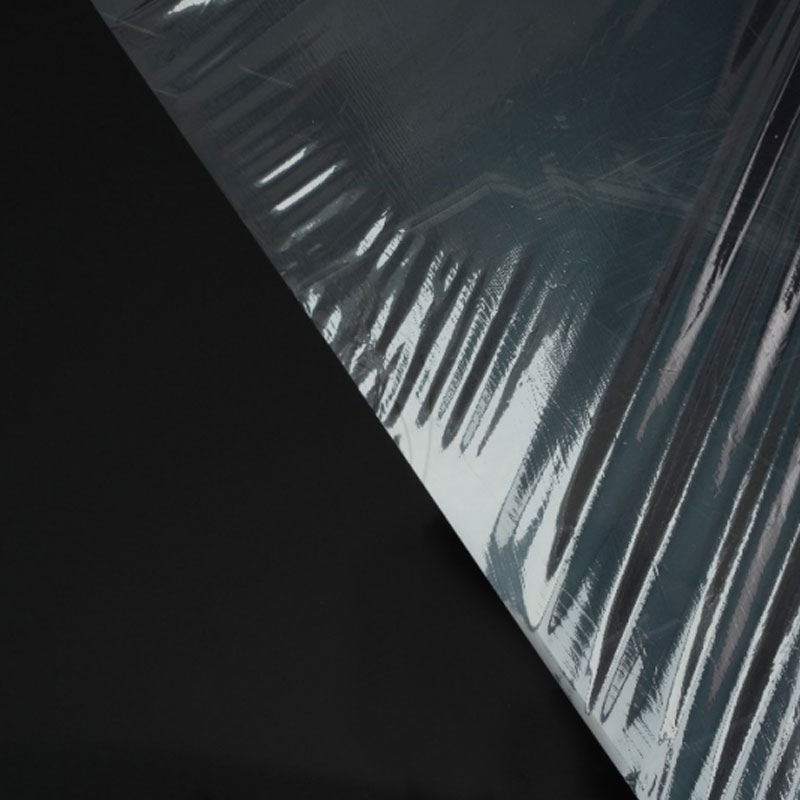
● No “ghost shadow” or “fish eye” after removal; ● Stable adhesion level; ● UV resistance for up to 6 months; ● Can print customized logo or applicati...
See Details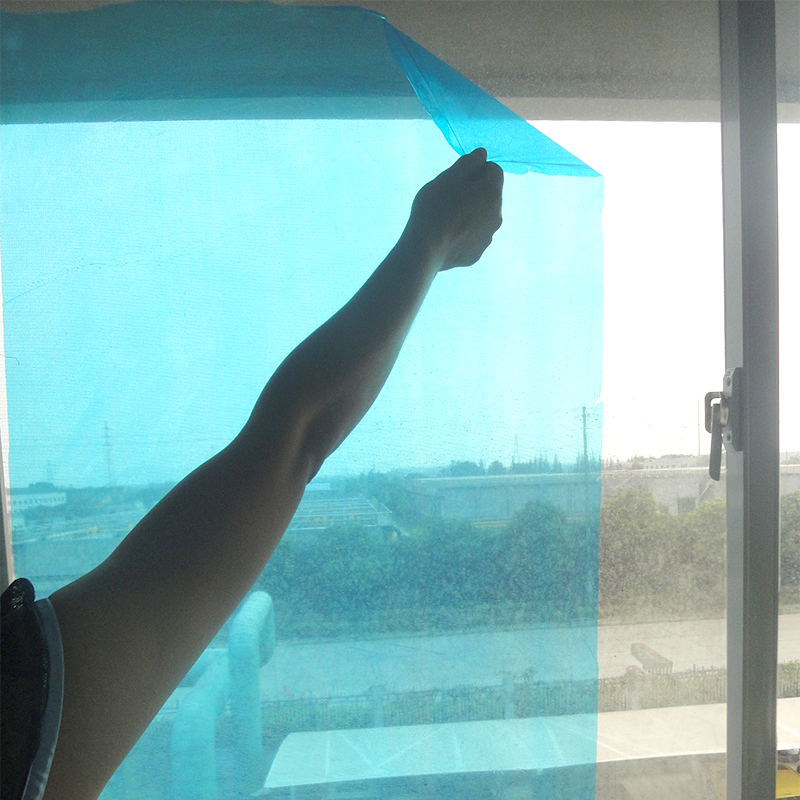
● Protect window glass against paint splatters, dirt, staining, and spillages during painting, building, plastering, tiling, general maintenance and r...
See Details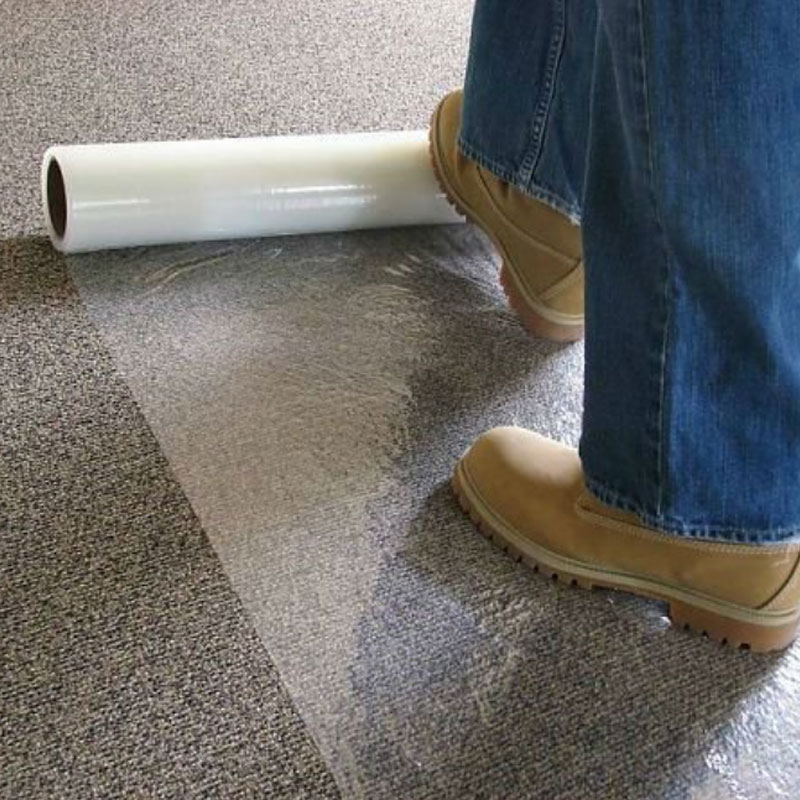
● Protects carpet against staining, paint spillage and dirt during painting, building, remodeling, plastering, tiling, decoration, general maintenance...
See Details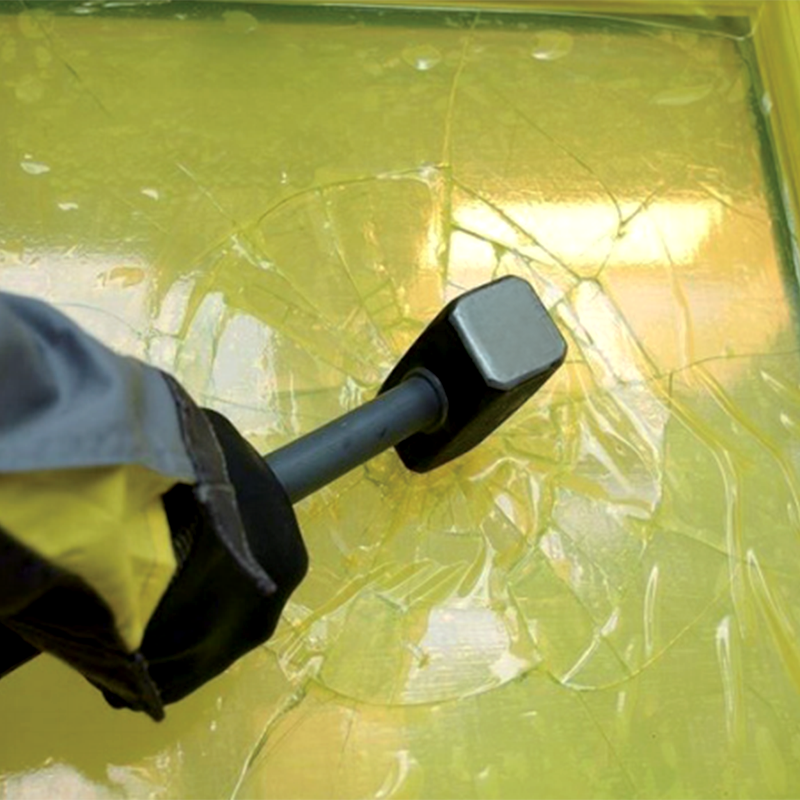
● The super tough polyethylene film with super high adhesion can stop the glass splitting and falling off during window glass demolition process;● Non...
See Details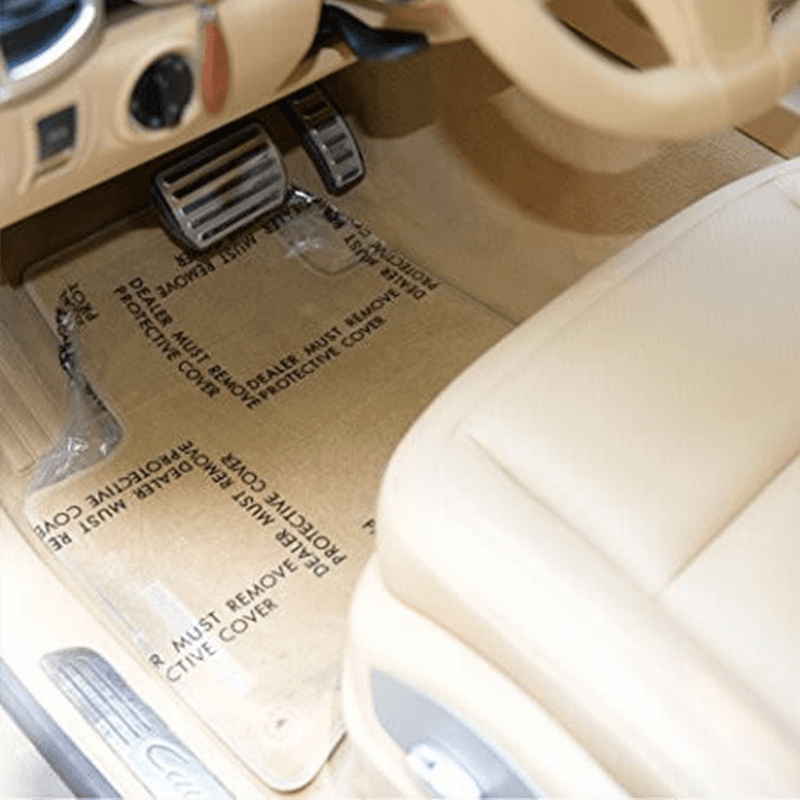
● Distance of each perforation die-cut ranges from 100mm to 1200mm;● Can peel off each die-cut piece of protective film at the perforated line easily;...
See Details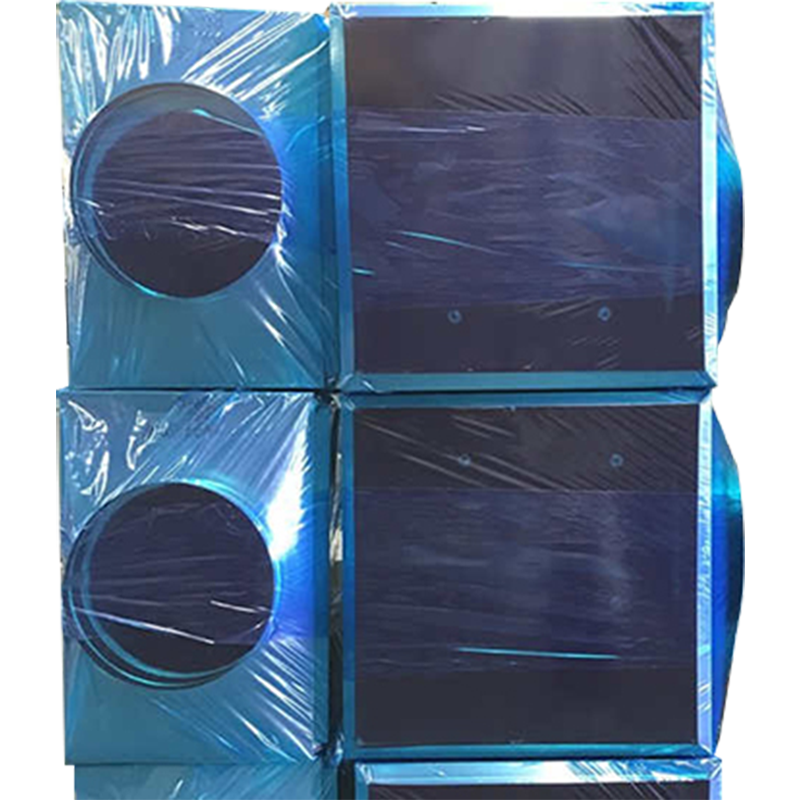
● The super-tough polyethylene film resists puncture and penetration by liquid and dirt during storage, transportation, and installation of the ductwo...
See Details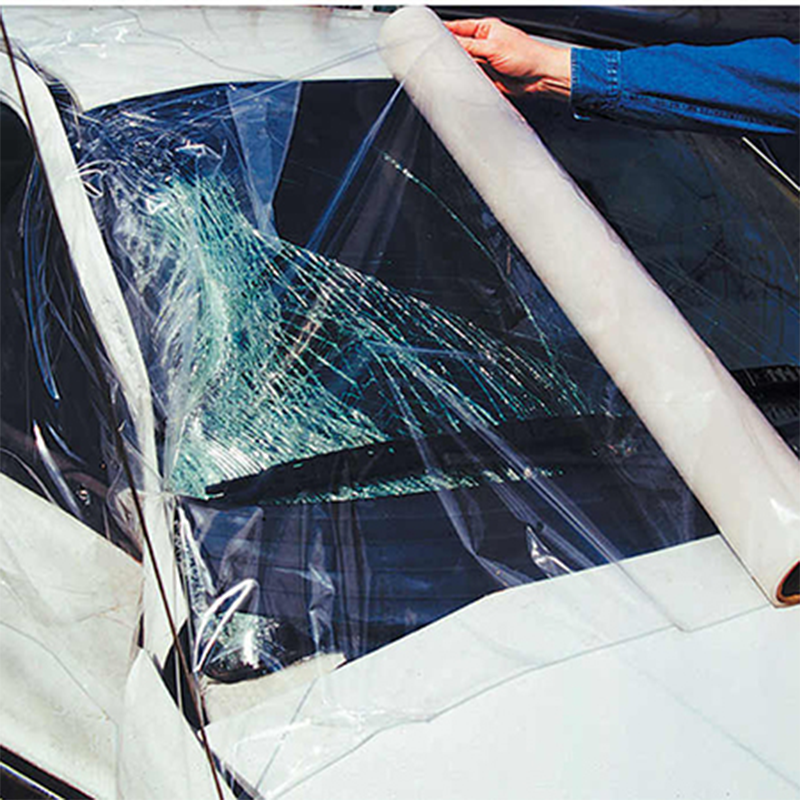
● The super-tough polyethylene film resists puncture and penetration by rain, snow, debris, and dirt during the transportation and storage of the cras...
See Details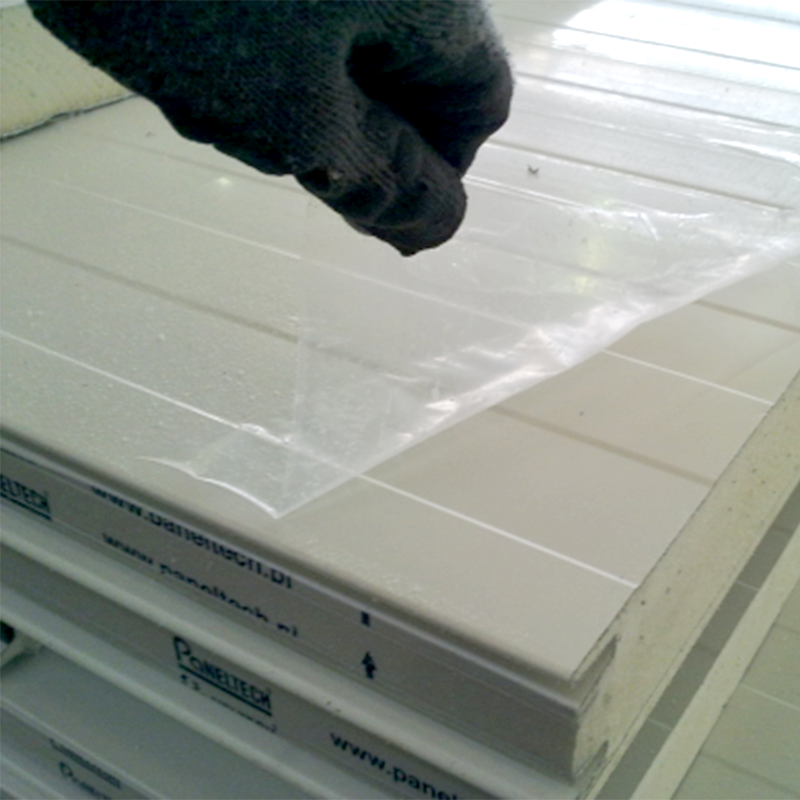
● The specially formulated adhesive ensures easy application and removal without leaving residue glue on the sandwich panels; ● The super-tough polyet...
See Details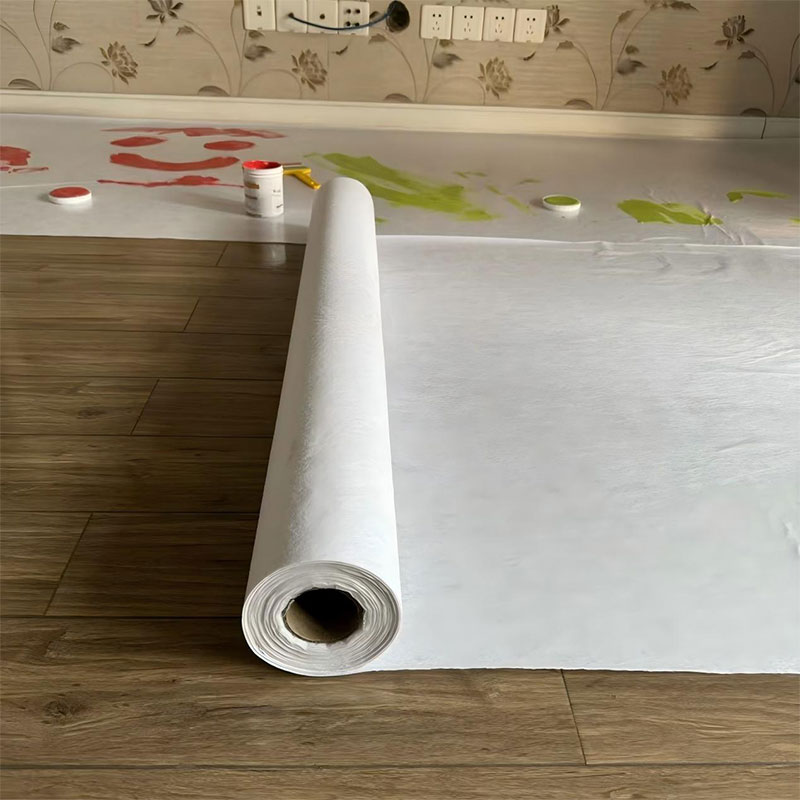
This product has non-woven synthetic fleece in middle; PE film adhered onto top of the non-woven fabric, which is coated with self adhesive glue on it...
See Details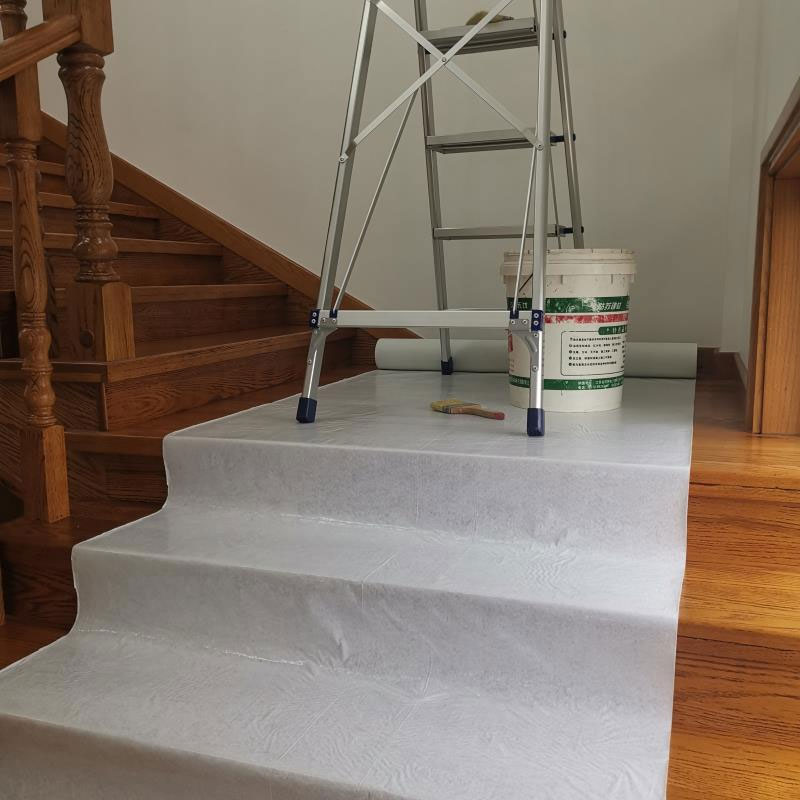
This product has non-woven synthetic fleece in middle; Breathable PE film adhered onto top of the non-woven fabric, which is coated with self adhesive...
See DetailsWe’re a reliable partner that shapes our expertise into success for your project.
Copyright 2024 Wuxi Qida Tape Co., Ltd. All Rights Reserved
 Wholesale Protective Film/Foil Manufacturers
Privacy