

 English
 English
 русский
 Français
 Español
 Português
 عربى
عربى
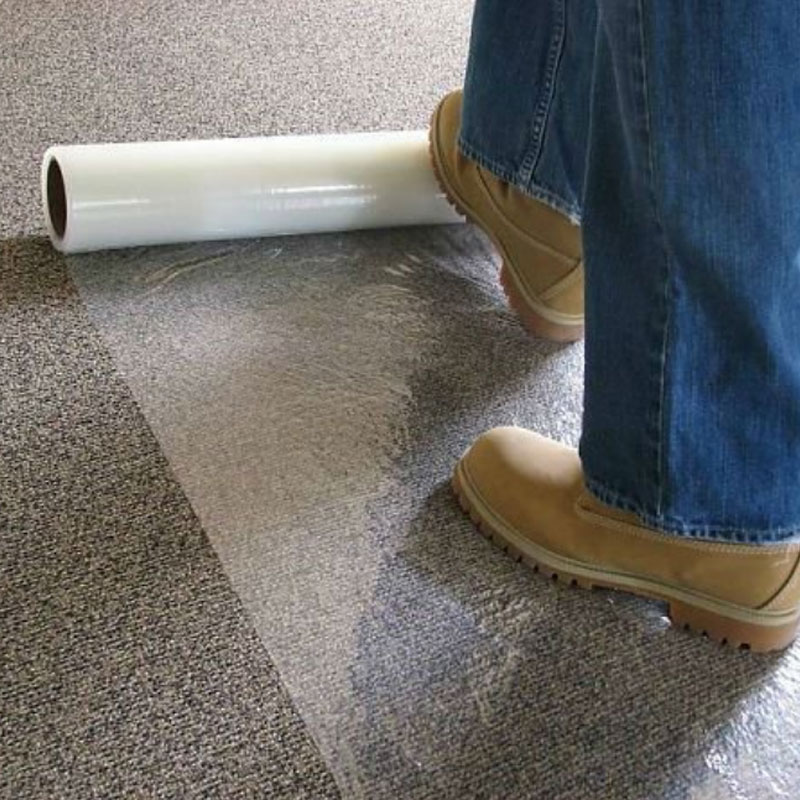
Cat:Glue -coated Protective Film
● Good weatherability for outdoor exposure; ● Stable adhesion level; ● UV resistance for up to 12 months; ● Can print customized logo or application i...
See Details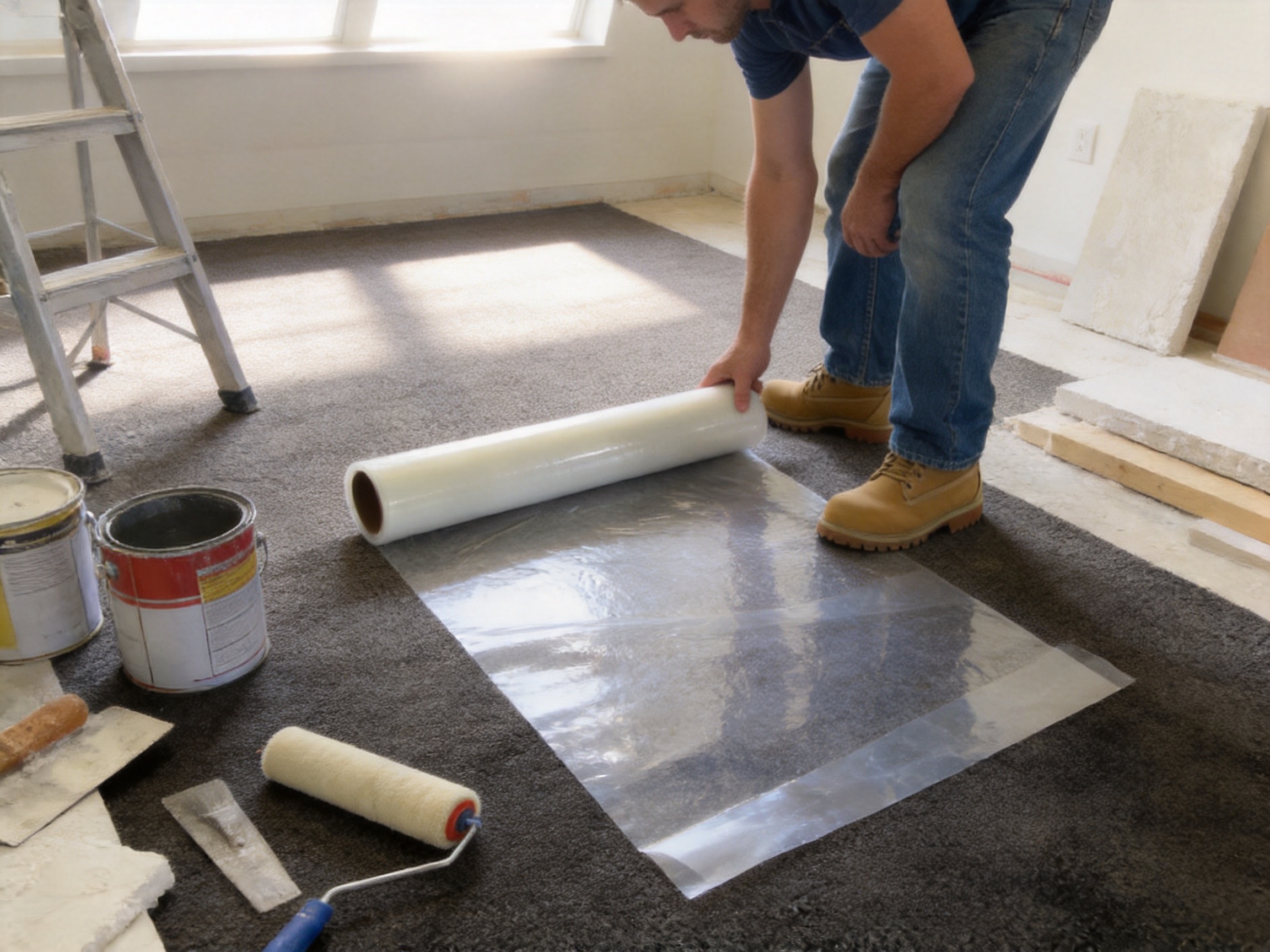
Carpeted floors are among the most vulnerable surfaces on a construction, remodeling, decorating, painting, or maintenance site. Even when a project is carefully managed, carpet can be exposed to dust, plaster, mud, paint drops, foot traffic, tool movement, furniture relocation, and accidental liquid spills. Replacing or professionally cleaning a damaged carpet can be costly, time-consuming, and disruptive. Protective film for carpet is designed to solve this problem by providing a temporary, self-adhesive barrier that shields synthetic carpets from staining, dirt, and surface damage while allowing workers, contractors, and property owners to continue their tasks with confidence.
The protective film for carpet discussed in this article is a glue-coated polyethylene surface protection solution with a patented adhesive formula, high puncture resistance, easy-peel application, and strong adhesion suitable for synthetic carpets. It is intended for use during painting, building, remodeling, plastering, tiling, interior decoration, maintenance, repairs, and other temporary protection scenarios. Compared with ordinary dust sheets, low-grade plastic coverings, or generic adhesive films, this product offers a more dependable combination of surface grip, tear resistance, residue-free removal, customization options, and manufacturing consistency.
Wuxi Qida Tape Co., Ltd. manufactures this protective film as part of a broad portfolio of surface protection solutions. The company’s production capabilities include backing film production, adhesive coating, logo printing, rewinding, slitting, and packaging. Supported by advanced equipment introduced from Germany, ISO 9001 and ISO 14001 management systems, experienced technicians, and a professional testing laboratory, the company is able to supply protective films that meet the needs of contractors, distributors, building-material suppliers, and retail markets.
Protective film for carpet is a temporary self-adhesive film designed to cover carpeted surfaces during periods of high contamination risk. Its function is simple but important: it creates a removable barrier between the carpet and external hazards. Unlike non-adhesive drop cloths that may shift under foot traffic, a properly designed carpet protection film adheres to the carpet surface and remains in place during normal use. This reduces tripping risks, prevents exposed gaps, and makes the protected area easier to manage.
The product is made from tough polyethylene film coated with a specially formulated acrylic adhesive. The polyethylene layer provides mechanical strength, resistance to tearing, and a barrier against liquid penetration. The adhesive layer allows the film to bond to synthetic carpet surfaces without requiring extra tape or mechanical fastening. When the project is complete, the film can be peeled away cleanly, helping to leave the carpet in its original condition.
Carpet protection is especially important because carpet fibers can trap dirt and absorb stains. Fine dust from plastering, cutting, sanding, or construction activity may become embedded deep within the pile. Paint and liquid spills can move quickly through fibers and backing layers, making removal difficult. Foot traffic can grind particles into the carpet, causing discoloration and premature wear. A carpet protective film reduces these risks by preventing direct contact between contaminants and carpet fibers.
This protective film is suitable for synthetic carpets. That distinction matters because adhesive behavior can vary depending on fiber composition, pile height, carpet backing, environmental humidity, and installation conditions. A high-quality carpet protection film must provide enough adhesion to remain in position while avoiding excessive bonding that could cause adhesive residue or fiber disturbance during removal. The product’s patented adhesive formula is designed to provide this balance.
The carpet protective film combines strong adhesion, tough film construction, easy application, and clean removal. These qualities make it suitable for both professional contractors and retail users. Contractors need reliable products that can be applied quickly across large areas and withstand heavy jobsite conditions. Retail users need a film that is straightforward to use, safe for appropriate carpet surfaces, and easy to remove after temporary protection is no longer required.
One of the product’s most valuable characteristics is its super high adhesion level. During renovation or construction, carpets may be exposed to repeated walking, ladders, carts, and the movement of light tools or materials. If a film lacks sufficient adhesion, it may wrinkle, slide, or lift at the edges. This not only reduces protection but can create inconvenience and possible safety concerns. A stronger adhesive helps keep the film in contact with the carpet and improves protection continuity.
At the same time, adhesion must be controlled. A film that sticks aggressively but leaves glue behind does not provide true protection because it creates a new cleaning problem. The special adhesive formula is designed to suit synthetic carpets without leaving adhesive residue when used according to appropriate conditions. This gives the product an advantage over low-cost films that may rely on inconsistent adhesive systems or lack sufficient coating control.
The polyethylene film is another strength. It is described as super-tough and resistant to puncture and penetration by paint and liquid. On a worksite, protective materials must survive real mechanical stress. Sharp debris, tool edges, shoe soles, and repeated traffic can puncture weak coverings. Once a protective layer is torn, contaminants can reach the carpet underneath. A heavy-duty polyethylene film resists tearing and ripping, helping maintain a continuous barrier over the protected surface.
The film is available in forward-wound and reverse-wound formats. This flexibility supports different application preferences and tools. Some users may apply film manually, while others may use applicators for faster coverage over long carpeted corridors, stairs, rooms, or commercial spaces. Availability in different winding formats makes the product easier to integrate into various jobsite workflows.
Specification |
Available Range or Description |
Practical Benefit |
Thickness |
50 microns to 150 microns |
Allows selection from economical light-duty protection to heavier-duty coverage for demanding sites. |
Width |
500 mm to 1200 mm |
Suitable for corridors, rooms, stairs, entrances, and broad carpeted areas. |
Roll Length |
10 m to 500 m |
Supports both small residential use and large contractor or commercial projects. |
Elongation |
At least 300% |
Provides flexibility and resistance to tearing during application and use. |
Adhesion Level |
Super high |
Helps the film stay firmly in place on suitable synthetic carpets. |
Adhesive Type |
Acrylic |
Designed for stable adhesion and clean removal under proper use conditions. |
Film Colors |
Clear, yellow, white, blue, and other options |
Allows visual preference, branding, safety visibility, and market customization. |
Printing |
0 to 3 colors |
Supports customized logos, warnings, instructions, and retail presentation. |
Many carpet protection methods are available, but they do not provide the same balance of performance. Traditional canvas dust sheets are reusable and familiar, but they can shift easily, leave gaps, absorb liquids, and allow fine dust to pass through. Thin plastic sheets may block liquids but usually lack adhesion and can become slippery or wrinkled. Ordinary tapes may secure edges but do not protect the whole surface and may leave residue. Generic low-cost films may appear similar, yet often fail because of weak film strength, uneven adhesive coating, poor unwind behavior, or residue after removal.
A purpose-made protective film for carpet provides a more complete solution. It covers the surface continuously, adheres directly to the carpet, and forms a barrier against dust, dirt, paint, and liquid. Since it is supplied in rolls, it can be applied quickly and cut to the desired length. Because it is self-adhesive, the film does not require complicated fastening. Because it is removable, it is suitable for temporary works where the final appearance of the carpet must be preserved.
Compared with competitors that focus only on price, this product emphasizes adhesive technology and controlled manufacturing. The patented adhesive formula is a major differentiator. Adhesive performance is not only about stickiness; it depends on formulation stability, coating weight, bonding behavior, aging resistance, surface compatibility, and removability. Inconsistent adhesive can create lifting, bubbling, residue, or overly aggressive bonding. A refined adhesive system helps deliver more predictable performance.
The heavy-duty nature of the polyethylene film also sets it apart. Some inexpensive carpet films are too thin for active worksites. They may tear during installation, split at corners, or puncture under debris. A film thickness range from 50 microns to 150 microns allows customers to choose the right grade for the job rather than accepting a one-size-fits-all solution. Light applications may use thinner material, while demanding commercial or construction environments may require thicker film for enhanced durability.
Customization is another competitive advantage. Different markets require different roll lengths, widths, packaging styles, colors, and printed information. Contractors may want large rolls for efficiency. Retail buyers may want smaller rolls with clear instructions. Distributors may require private-label packaging and branded printing. The ability to print customized logos or application instructions in up to three colors creates value beyond basic protection, helping customers improve brand recognition and user guidance.
Construction and remodeling sites create many hazards for carpeted surfaces. Workers may enter from outdoor areas carrying mud or dust on shoes. Drywall sanding produces fine particles that can spread through the building. Painting work introduces the risk of drips, splashes, and accidental spills. Plastering, tiling, and carpentry can generate abrasive particles. Even careful teams cannot eliminate all risks, so temporary surface protection becomes an essential part of site preparation.
Protective film for carpet is particularly useful during painting. Paint drops that land directly on carpet can be difficult or impossible to remove completely, especially after drying. A polyethylene protective barrier prevents paint from entering the carpet fibers. If paint lands on the film, it remains on the surface and can be removed together with the film at the end of the job. This is much simpler than spot-cleaning individual stains.
During building and remodeling, the film helps control dirt transfer. When workers move repeatedly between rooms, exposed carpet can quickly accumulate dust and soil. Film-covered walkways reduce this contamination. In occupied homes, offices, hotels, apartments, and commercial facilities, carpet protection can help maintain a cleaner appearance during work and reduce final cleaning effort.
For general maintenance and repair work, protective film can be applied before technicians begin service. Whether the task involves HVAC work, electrical maintenance, plumbing repairs, furniture installation, or equipment inspection, the film protects carpeted routes and work zones. This is especially valuable in customer-facing environments where cleanliness reflects professionalism.
Interior decoration projects also benefit from carpet film. Decorators may move ladders, wallpaper materials, paint containers, fabric samples, and tools. The risk of dropping small items or tracking dust is high. A self-adhesive protective film keeps the carpet covered while preserving the room’s visual order. Clear film is often preferred where the carpet’s original appearance should remain visible during work.
Choosing the right film requires consideration of carpet type, traffic level, project duration, working environment, and desired removal condition. The film is designed for synthetic carpets, and users should always confirm compatibility before large-scale application. For sensitive surfaces, unusual fibers, old carpets, recently cleaned carpets, or carpets exposed to high heat or humidity, preliminary testing in a small inconspicuous area is recommended.
Carpet pile height influences film selection. Short-pile carpets are usually flatter and provide a more uniform contact surface. A thinner protective film may be sufficient for light to medium-duty protection, preserving ease of application while reducing material cost. Long-pile carpets, by contrast, have deeper fibers and less uniform surface contact. They may require a thicker or higher-adhesion film to maintain position. However, very deep or delicate piles should be evaluated carefully because adhesive contact and removal behavior may vary.
Traffic level is another important factor. In high-traffic environments such as commercial offices, public buildings, hotels, retail spaces, or active construction corridors, the film must withstand repeated footfall and possible movement of equipment. A more durable grade with stronger puncture resistance may be appropriate. In low-traffic residential rooms, a lighter grade may offer sufficient protection for short-term painting or decoration.
Project duration also matters. Temporary film is intended for temporary protection, not permanent floor covering. Longer installation periods may increase the risk of adhesive transfer due to pressure, heat, humidity, sunlight, or carpet conditions. Users should follow recommended application durations and remove or replace the film when necessary. Regular inspection is good practice, especially at edges, doorways, stairs, and heavily traveled paths.
Film color and printing options can support practical needs. Clear film allows the original carpet color and texture to remain visible. Colored film can make protected zones more noticeable, support safety awareness, or differentiate product grades. Printed instructions can remind users about proper application, removal direction, surface suitability, or branding. For wholesale and OEM or ODM customers, these customization options help align the product with market positioning.
Proper application greatly affects performance. Before applying protective film, the carpet should be dry, clean, and free from loose debris. If dirt or grit is trapped under the film, foot traffic may press those particles into the carpet. Vacuuming the area before installation is recommended. Wet carpet should not be covered because moisture can affect adhesion and may create undesirable conditions beneath the film.
The film should be applied smoothly and gradually. Users can begin at one end of the area, press the film onto the carpet, and unroll it along the intended path. Gentle pressure helps achieve adhesive contact. Excessive stretching should be avoided because stretched film may later shrink or lift. Edges should be pressed down carefully, especially in doorways and turning points where traffic may catch the film.
When covering large areas, adjacent strips can be overlapped slightly to prevent gaps. The overlap direction should consider foot traffic so that edges are less likely to be lifted. On stairs, special care is required. Film should be firmly pressed to each tread and should not create loose sections. Since stairs present higher safety demands, users should evaluate whether additional precautions are necessary.
The film should be removed slowly and steadily after the work is finished. Pulling at a controlled angle helps reduce stress on carpet fibers. If resistance is felt, removal should be slowed, and conditions should be checked. The product is designed for clean removal from synthetic carpets under appropriate conditions, but extreme temperature, excessive installation time, unsuitable carpet material, or previous chemical treatments can influence results.
After removal, the carpet can be vacuumed lightly to restore appearance. If the protective film has performed correctly, final cleaning should be much easier than it would be on an unprotected surface. Paint, dust, plaster, and dirt that landed on the film are removed with the discarded film rather than becoming embedded in the carpet.
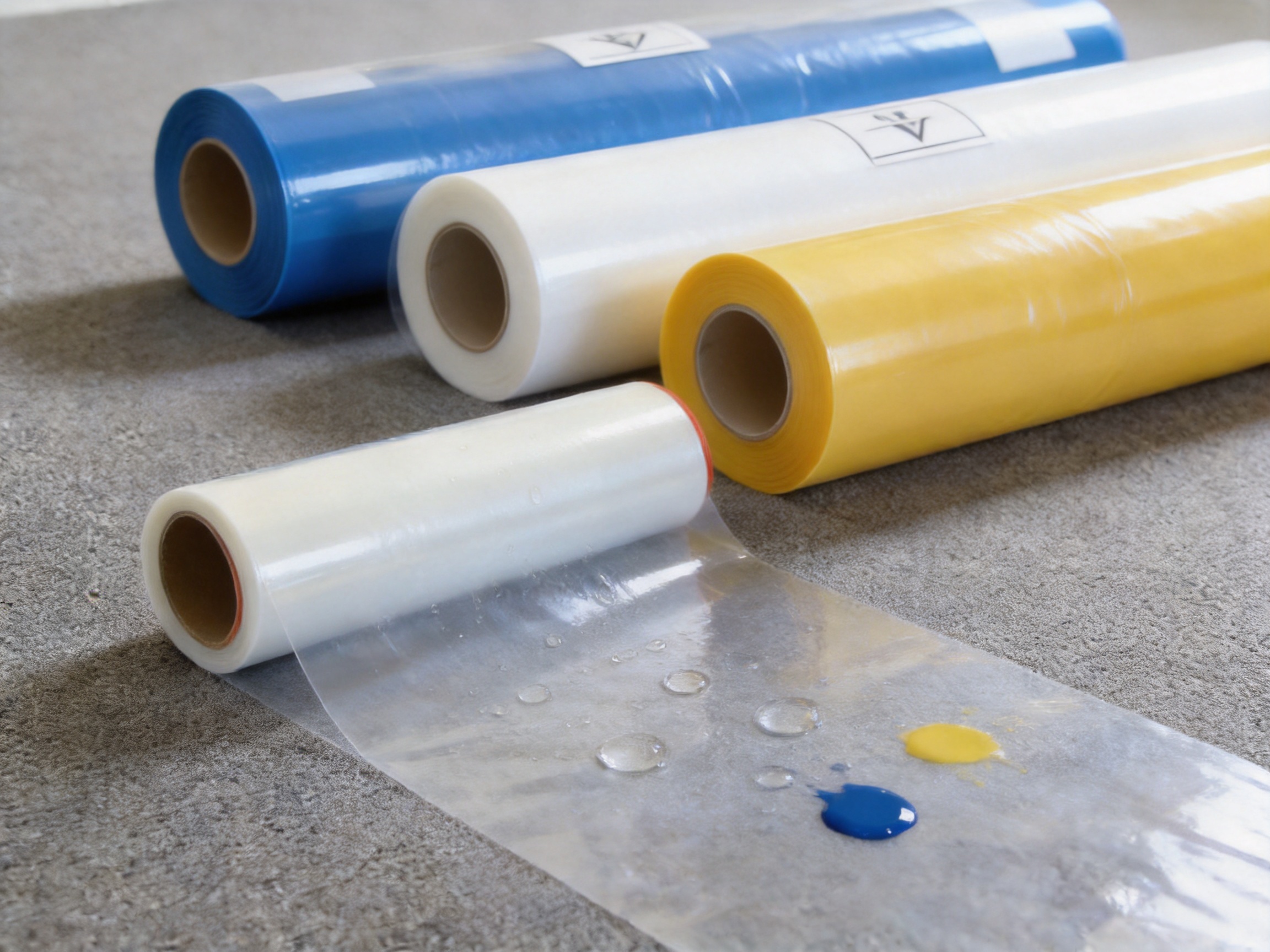
One of the main benefits of carpet protective film is that it simplifies cleaning after a project. Since the film prevents dust, dirt, and liquids from contacting the carpet directly, routine cleanup is reduced. During use, surface debris on the film can be removed with a vacuum cleaner or soft brush. This helps maintain a safer and cleaner working area without disturbing the carpet underneath.
If liquid spills occur, quick action is recommended. The polyethylene layer helps prevent liquid penetration, but spilled liquid should still be absorbed promptly with clean paper or cloth. The surface can then be wiped gently. Strong scrubbing is unnecessary and may damage the film or spread the spill. Since the film is temporary, stained or damaged sections can be removed and replaced if needed.
Regular inspection is especially important in high-traffic areas. Edges, corners, and transition zones should be checked for lifting or wear. If a section becomes torn, heavily contaminated, or loose, replacement is preferable to leaving a weak point exposed. A protective system is only as effective as its continuity; gaps or damaged areas can allow dirt to reach the carpet.
When professional carpet cleaning is required after film removal, service providers should be informed that protective film was used. Mild cleaning methods are generally preferred. Strong solvents or aggressive chemicals should be avoided because they may interact with adhesive residues if improper use conditions occurred or may affect carpet materials. However, when the film is properly selected, applied, and removed, the need for intensive cleaning is usually reduced.
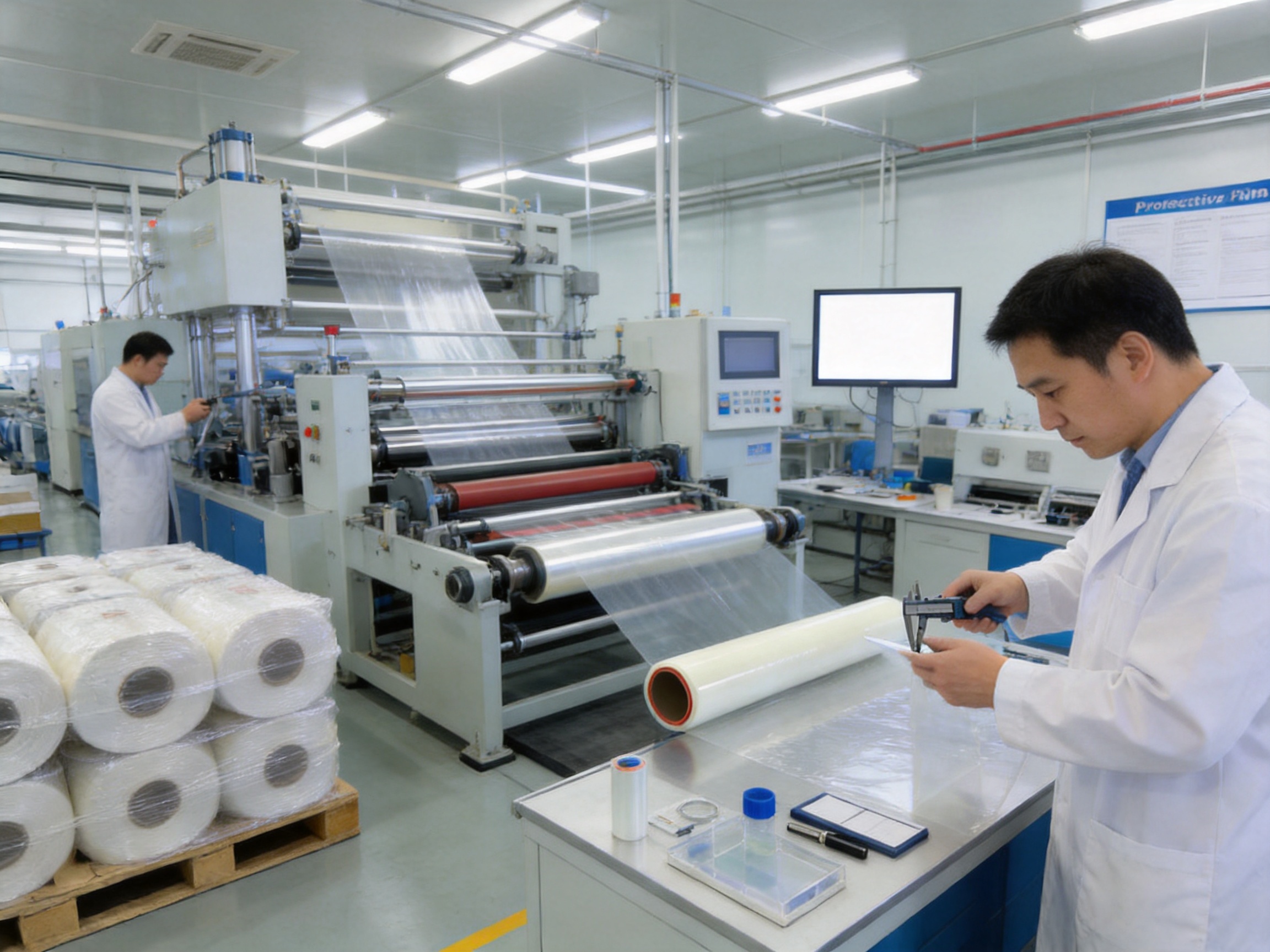
High-quality protective film is not created by simply coating adhesive onto plastic. It requires material selection, film extrusion control, adhesive formulation, coating precision, curing or drying management, winding tension control, slitting accuracy, printing quality, packaging protection, and final inspection. Wuxi Qida Tape Co., Ltd. has developed integrated manufacturing capabilities that support consistency across these stages.
The company’s production process begins with backing film production. Polyethylene film must be engineered to provide the right combination of strength, flexibility, elongation, and surface characteristics. If the film is too brittle, it may tear. If it is too soft, it may deform during application. If thickness varies significantly, adhesive coating and final performance may become inconsistent. Controlled backing film production allows the manufacturer to build performance into the product from the base layer.
Adhesive coating is one of the most critical stages. The acrylic adhesive must be applied evenly across the width of the film. Uneven coating can cause areas of weak adhesion or overly aggressive bonding. Weak areas may lift during traffic, while excessive areas may increase removal difficulty. Advanced coating equipment and process control help maintain uniform adhesive weight, stable bonding, and reliable unwind characteristics.
Printing capability adds another layer of value. For OEM and ODM customers, printed carpet protective film can include logos, usage instructions, safety messages, directional markings, or product identification. Printing must be controlled so that ink adhesion, clarity, and appearance meet customer expectations without compromising film performance. The ability to print up to three colors supports both functional and marketing requirements.
Rewinding and slitting are essential for converting large master rolls into customer-ready rolls. Tension control during rewinding affects roll appearance, unwind smoothness, and application convenience. Poor winding can cause telescoping, wrinkles, blocking, or uneven release. Accurate slitting ensures clean roll edges and correct width. These details matter to contractors who need fast application and to distributors who need professional product presentation.
Packaging completes the manufacturing chain. Protective film must arrive clean, undamaged, and ready for use. Proper packaging protects rolls during storage and transportation. For retail or private-label programs, packaging can also communicate product benefits, instructions, specifications, and brand identity. Since the company performs many processes within its own factory, it can better coordinate product design, production, quality control, and delivery.
Quality control is a major reason to choose a professional manufacturer rather than a generic supplier. Carpet protection film must perform consistently because failure can damage finished interiors and create disputes. Wuxi Qida Tape Co., Ltd. operates with ISO 9001 and ISO 14001 systems, indicating attention to quality management and environmental management. The company also maintains a testing laboratory and advanced inspection equipment to verify product performance.
Testing may include checks related to thickness, adhesion, elongation, appearance, roll quality, coating uniformity, and removability. For protective film, laboratory values must be connected with real application behavior. Adhesion must be strong enough to hold but controlled enough to remove. Film strength must resist tearing but remain easy to cut and apply. Roll tension must preserve shape but allow smooth unwinding. A disciplined quality system helps manage these trade-offs.
International customers often require compliance with safety and environmental expectations. The company’s product compliance capabilities include SGS, RoHS, REACH, PFAS, and Prop 65 testing according to market needs. This is important for customers selling into Europe, North America, Australia, Japan, the Middle East, and other regions where regulatory requirements and buyer expectations can be strict.
Environmental responsibility is increasingly important in temporary protection products. Although protective films are used temporarily, responsible manufacturing, controlled material use, and compliance testing help reduce risk throughout the supply chain. ISO 14001 management reflects attention to environmental processes, while product testing supports transparency for customers and distributors.
Wuxi Qida Tape Co., Ltd. was founded in 1999 and has developed into a specialized factory for protective films and surface protection solutions. With a factory area of approximately 20,000 square meters, more than 95 experienced staff members, and annual production capacity exceeding 12,000 tons, the company is positioned to support both standard and customized orders.
The company’s strength lies not only in capacity but also in specialization. Surface protection is a technical field because different substrates require different adhesive systems. Stainless steel, aluminum, pre-coated metal, plastic panels, ceramic surfaces, carpets, decorative laminates, glass, and other surfaces all have different surface energy, texture, sensitivity, and processing conditions. Experience across multiple industries helps the manufacturer understand how film, adhesive, and surface interact.
For carpet protective film, this experience supports better adhesive selection and application guidance. The company offers acrylic water adhesive, acrylic solvent adhesive, and natural rubber adhesive for different product categories and requirements. In the carpet film described here, acrylic adhesive provides the intended balance of adhesion and clean removal on suitable synthetic carpets.
Customization is a key advantage for wholesale and OEM or ODM customers. Buyers can request specific thicknesses, widths, roll lengths, colors, winding directions, printing designs, labels, and packaging styles. The company’s R&D team can develop products according to customer technical data sheets or physical samples. This is valuable for distributors that serve different market segments, from economical household protection rolls to professional contractor-grade products.
Cost competitiveness is strengthened by integrated production. Since backing film production, adhesive coating, printing, rewinding, slitting, and packaging are completed in the factory, the company can better control cost, lead time, and quality. Integrated production reduces dependence on multiple external suppliers and makes it easier to adjust specifications based on customer needs.
Reliable service is also important. Protective film customers often need technical advice before ordering. They may ask which thickness is suitable, how to test on carpet, what roll size works for a market, or how to design printed instructions. Professional engineers and technicians can help customers select the right film based on application conditions. This reduces product mismatch and improves user satisfaction.
The adhesive layer is the heart of carpet protective film. A user may see only a roll of plastic film, but the performance depends heavily on the chemistry and coating control of the adhesive. Adhesive must wet the carpet surface enough to hold the film in place. It must resist edge lifting under foot traffic. It must tolerate reasonable temperature and humidity conditions. It must release from the carpet when removed. It must remain stable during storage and transportation.
Competitor products often fail because they compromise adhesive quality. A weak adhesive may appear safe but can be frustrating because the film moves, wrinkles, or exposes the carpet. An overly aggressive adhesive may remain in place but create residue or fiber pull. Inconsistent adhesive may perform differently from one roll to another. A patented adhesive formula helps address these problems by creating a controlled balance specifically suited to synthetic carpets.
Acrylic adhesives are widely valued for their aging resistance, clarity, and stable performance. For temporary carpet protection, acrylic adhesive can provide dependable tack and removability when properly formulated. The adhesive must be matched to the film backing, coating weight, intended carpet surface, and expected use duration. Manufacturing experience and laboratory testing are required to maintain this balance over repeated production batches.
Adhesive behavior is also affected by external conditions. Heat can increase adhesive flow and bonding. Cold can reduce tack. Humidity and moisture can affect both carpet and adhesive performance. Heavy pressure from equipment or furniture can increase contact and make removal more difficult. For this reason, clear application instructions and user education are important, especially for retail and contractor markets.
Durability is a practical requirement, not just a specification. On a jobsite, film may be walked on thousands of times. Workers may carry ladders, toolboxes, paint cans, plaster bags, or small equipment. Small stones or debris may become trapped under shoes. A weak film can puncture, allowing paint or dirt to reach the carpet. Once torn, the film may continue ripping under traffic.
The super-tough polyethylene film used in this carpet protection product helps resist puncture and penetration. Polyethylene offers flexibility and resilience, and the available elongation of at least 300% indicates the film can stretch rather than break immediately under stress. This is valuable during application around corners, doorway transitions, and uneven carpet textures.
Thickness selection directly affects durability. A 50-micron film may be suitable for light residential work or short-term low-traffic areas. Medium thicknesses can support general painting, decoration, and maintenance. Heavier grades up to 150 microns can provide additional strength for demanding commercial or contractor use. Offering this range allows customers to match cost and performance rather than overbuying or under-protecting.
Tear resistance also improves user experience. If a film tears too easily during application, installers waste time and material. A stronger film can be pulled, aligned, and cut more predictably. It also unwinds more reliably from the roll when manufactured with proper tension control. These details help professionals work faster and achieve a cleaner result.
The product can be customized for either contractor or retail markets. This flexibility is important because the same protective technology may need different presentation and roll formats depending on the buyer. Contractors often prefer large rolls, practical packaging, and efficient application. Retail consumers may prefer smaller rolls, easy-to-read instructions, attractive labels, and clear usage warnings.
For contractors, large-width and long-length rolls reduce the number of seams and roll changes. A 1200 mm width can cover broader pathways or rooms more quickly than narrow film. Longer rolls can improve efficiency on large projects such as office renovations, apartment refurbishments, hotels, schools, or commercial buildings. Reverse-wound or forward-wound options allow compatibility with different application methods.
For retail, packaging and instruction printing are especially valuable. Many end users are not experts in surface protection. Printed application instructions can reduce misuse by reminding users to apply the film only to suitable synthetic carpets, test first, avoid wet surfaces, remove within the recommended time, and avoid use on delicate or unsuitable materials. Clear communication reduces complaints and improves customer satisfaction.
Private-label printing helps distributors and retailers build their own product lines. A logo printed on the film can increase brand visibility during use. Printed warnings or directional arrows can enhance safety and usability. Color customization also supports market segmentation: clear for appearance-sensitive use, blue or yellow for visibility, white for a clean look, or other colors for specific customer programs.
Protective film performance can be affected by storage conditions. Rolls should generally be stored in a clean, dry area away from excessive heat, direct sunlight, moisture, and contaminants. Extreme temperatures can influence adhesive behavior. Dust or damage to roll edges can affect application quality. Proper packaging helps protect rolls during transportation, but customers should still store products responsibly before use.
During handling, rolls should not be dropped or crushed. Deformed rolls may unwind unevenly. Roll edges should be kept clean because dirt on the edge can transfer during application. If rolls are stored for long periods, users should confirm shelf-life recommendations and test performance before critical applications.
For international buyers, packaging strength and shipping stability matter. Rolls may pass through multiple handling stages, including factory loading, container shipping, warehousing, and distribution. Professional packaging reduces the risk of roll deformation, moisture exposure, and label damage. A manufacturer with export experience understands these requirements and can adapt packaging to destination markets.
For professional contractors, carpet protective film saves time and reduces risk. It can be installed before messy work begins and removed afterward, simplifying site cleanup. It helps protect customer property, reducing the likelihood of disputes over stained or damaged carpets. A clean worksite also improves professional image.
For property managers, the film can protect carpets during tenant improvements, maintenance visits, moving activities, or common-area repairs. In commercial buildings, corridors and reception areas may remain in use while work is performed. Temporary protection helps preserve appearance and reduce cleaning costs.
For homeowners, carpet film provides peace of mind during DIY painting, furniture assembly, party preparation, or repairs. Instead of relying on old sheets or newspapers, users can apply a self-adhesive protective barrier that stays in place better and provides improved liquid resistance.
For distributors and wholesalers, the product offers a customizable line with broad market demand. Construction, decoration, maintenance, and retail DIY sectors all require temporary surface protection. With OEM and ODM support, buyers can build differentiated product offerings based on thickness, roll size, color, printing, and packaging.
Protective film for carpet is used to temporarily cover synthetic carpet surfaces during painting, construction, remodeling, plastering, tiling, decoration, maintenance, repair work, moving, and other activities that may create dirt, stains, or liquid spills. It helps prevent contaminants from reaching carpet fibers.
Ordinary plastic sheeting usually does not adhere to the carpet and can move, wrinkle, or expose areas. This product is self-adhesive, allowing it to stay in place on suitable synthetic carpets. It also uses tough polyethylene film and a patented adhesive formula designed for strong grip and residue-free removal under proper use conditions.
The film is designed with an adhesive formula suitable for synthetic carpets and intended to remove without leaving glue residue when properly selected, applied, used, and removed. However, users should test first, avoid unsuitable carpet materials, and follow recommended use conditions.
It is designed for synthetic carpets. Users should be cautious with wool, delicate, antique, loose-fiber, newly installed, recently cleaned, or chemically treated carpets. A small test area is recommended before full application.
Light-duty or short-term residential work may use thinner film. High-traffic commercial areas, active construction sites, or longer projects may require thicker film for better puncture and tear resistance. The available thickness range from 50 microns to 150 microns allows selection according to project demands.
Yes. The tough polyethylene film resists penetration by paint and liquid, helping prevent spills from reaching the carpet. Spills should still be cleaned from the film surface promptly to keep the work area safe and tidy.
Yes. The product features an easy-peel adhesive and is supplied in roll form. Users can unroll it onto clean, dry carpet and press it into place. Forward-wound and reverse-wound roll options are available to suit different application preferences.
Yes. Customized printing from 0 to 3 colors is available. Customers can request logos, application instructions, warnings, or other information for contractor, retail, or private-label markets.
The product can be supplied in widths from 500 mm to 1200 mm and roll lengths from 10 m to 500 m. This range supports both small retail rolls and large professional contractor rolls.
A specialized manufacturer offers better control over film production, adhesive coating, printing, rewinding, slitting, packaging, testing, and customization. Wuxi Qida Tape Co., Ltd. also supports ISO 9001 and ISO 14001 systems, advanced equipment, laboratory inspection, and international compliance testing.
Protective film for carpet is a practical and cost-effective solution for preventing stains, dirt, paint spills, and jobsite damage on synthetic carpet surfaces. Its value comes from the combination of strong adhesion, clean removal, tough polyethylene construction, puncture resistance, easy application, and customization flexibility. For contractors, it helps protect client property and reduce cleanup time. For homeowners and property managers, it offers reliable temporary protection during disruptive work. For wholesalers and OEM or ODM buyers, it provides a versatile product category with strong market demand.
Compared with ordinary dust sheets, loose plastic coverings, and low-quality generic films, this carpet protective film provides a more professional protection system. Its patented adhesive formula, heavy-duty film options, forward-wound and reverse-wound availability, printable surface, and wide specification range create advantages for both performance and market positioning.
Behind the product is an advanced manufacturing system supported by Wuxi Qida Tape Co., Ltd. The company’s integrated production, German-introduced machinery, experienced technical team, quality-control laboratory, ISO management systems, compliance testing, and customization capability make it a strong partner for customers seeking reliable protective film and surface protection solutions. In demanding construction, remodeling, painting, and maintenance environments, the right carpet protective film is not just a disposable covering; it is a safeguard for finished interiors, customer satisfaction, and professional results.
1. Wuxi Qida Tape Co., Ltd. Product Technical Information for Protective Film for Carpet.
2. Internal Product Specification Data: Thickness, Width, Roll Length, Adhesion Level, Adhesive Type, Film Color, and Printing Availability.
3. ISO 9001 Quality Management System Principles and Industrial Manufacturing Quality-Control Practices.
4. ISO 14001 Environmental Management System Principles for Manufacturing Facilities.
5. General Industry Guidance on Temporary Surface Protection Films for Construction, Painting, Remodeling, and Maintenance Applications.
6. Common Technical Literature on Polyethylene Film Properties, Acrylic Adhesive Systems, and Removable Pressure-Sensitive Adhesive Applications.
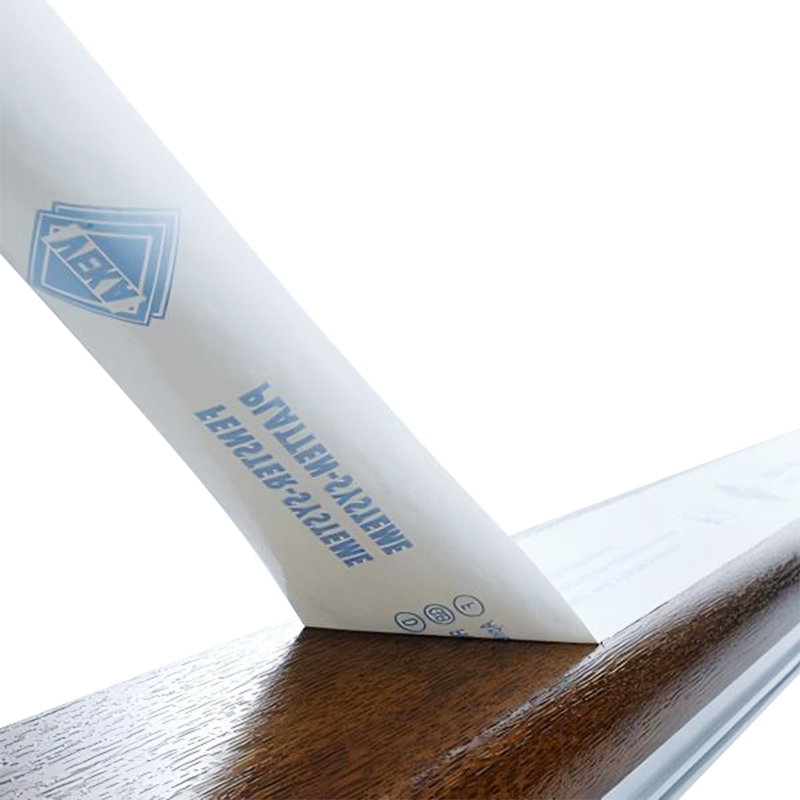
● Good weatherability for outdoor exposure; ● Stable adhesion level; ● UV resistance for up to 12 months; ● Can print customized logo or application i...
See Details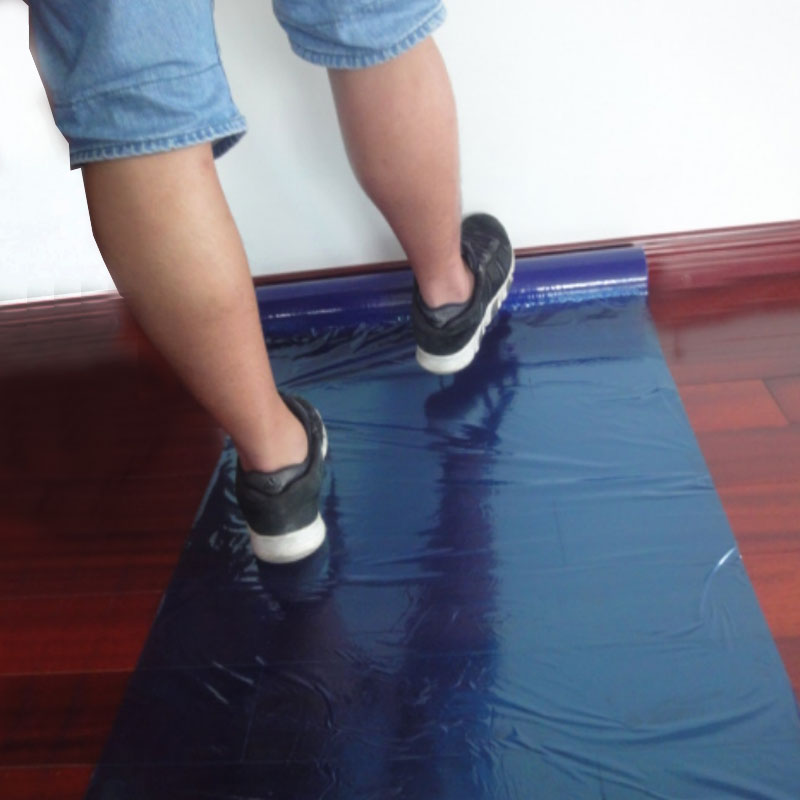
● Patented adhesive formula suits all hard surfaces such as hardwood floors, laminate floors, ceramic, marble, tile, granite, vinyl, worktops, and gla...
See Details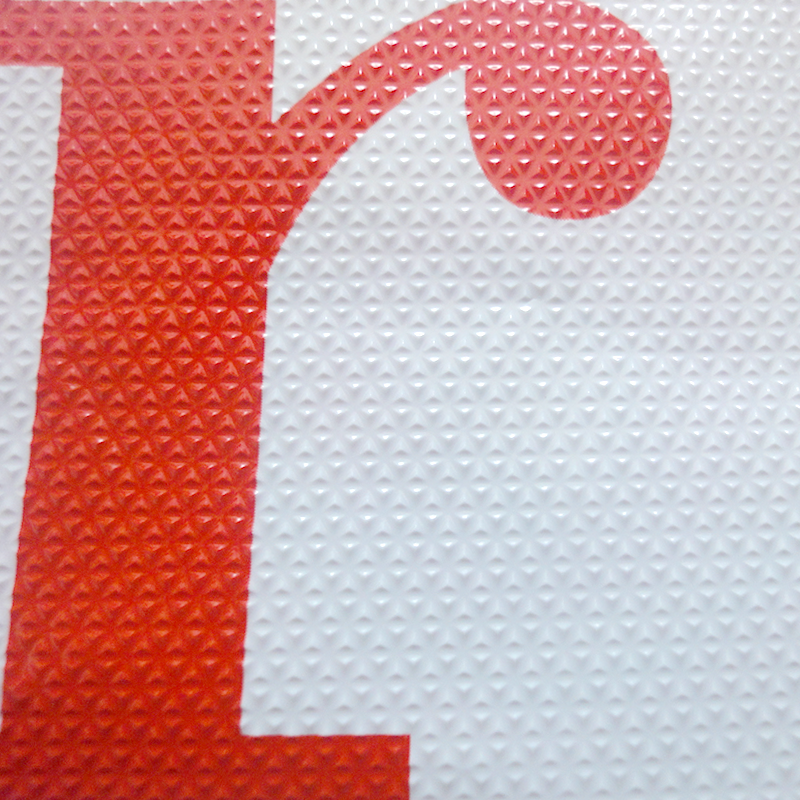
● Anti-slip; ● Embossed film surface to guarantee trip safety;● Tough puncture-resistant polyethylene film;● Can be coated with or without adhesive;● ...
See Details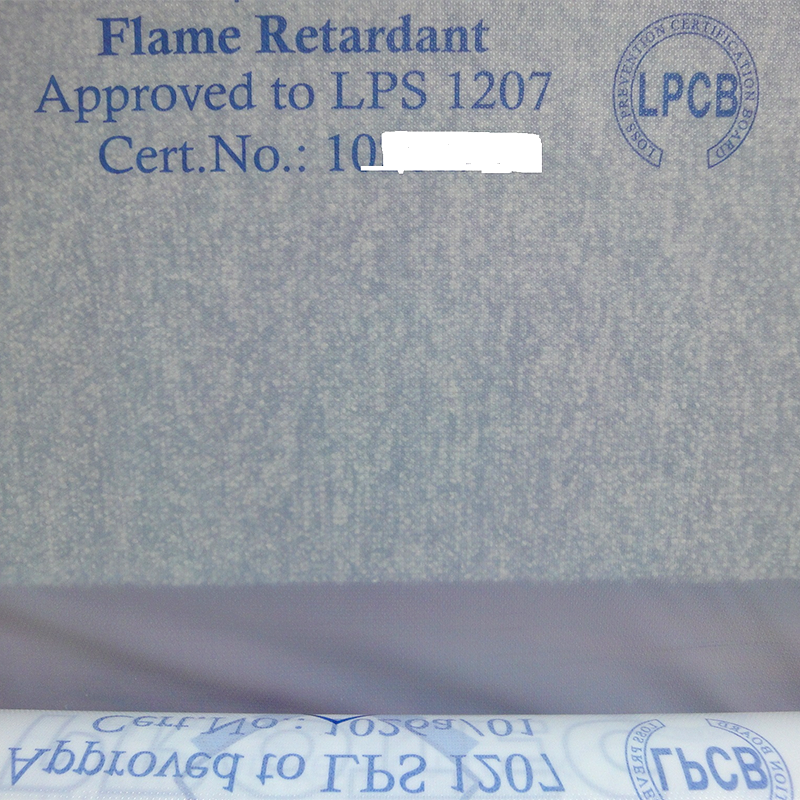
● Prevents costly damages in case of fire /flame;● Meet the strict international test standards of loss prevention; ● Extensive selection for flame re...
See Details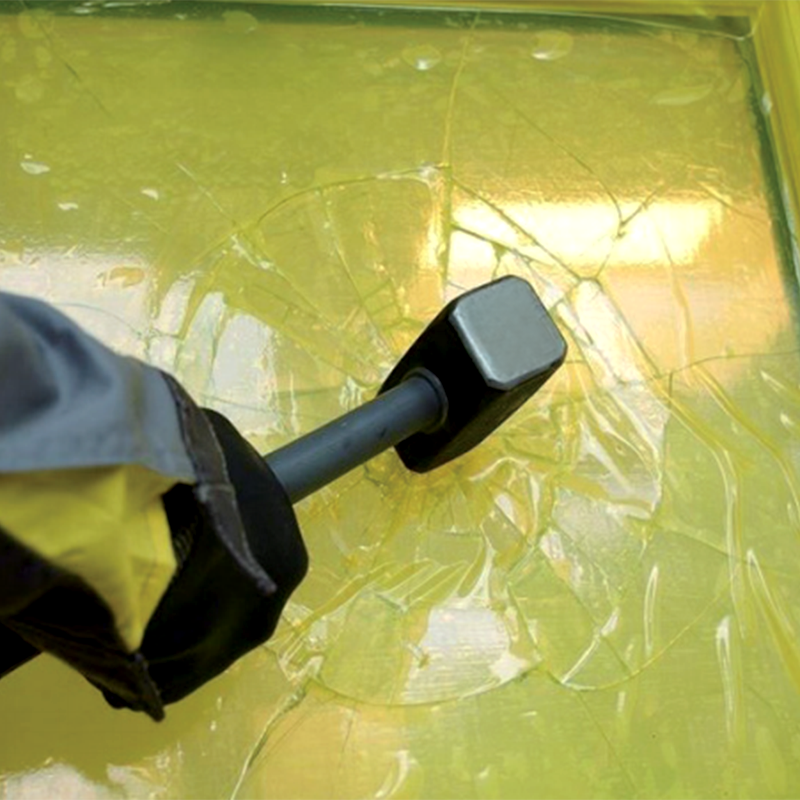
● The super tough polyethylene film with super high adhesion can stop the glass splitting and falling off during window glass demolition process;● Non...
See Details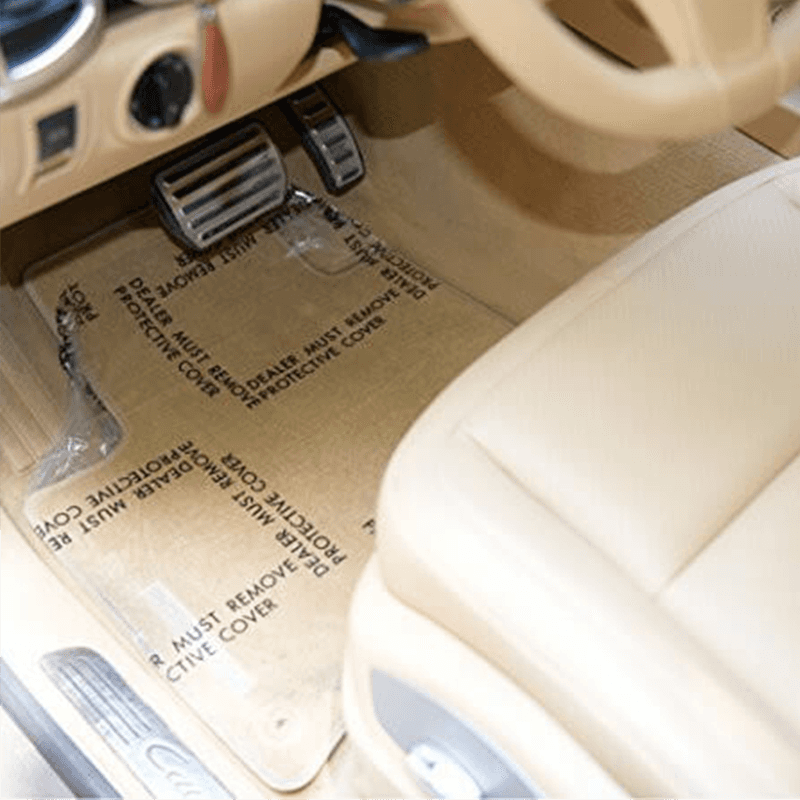
● Distance of each perforation die-cut ranges from 100mm to 1200mm;● Can peel off each die-cut piece of protective film at the perforated line easily;...
See Details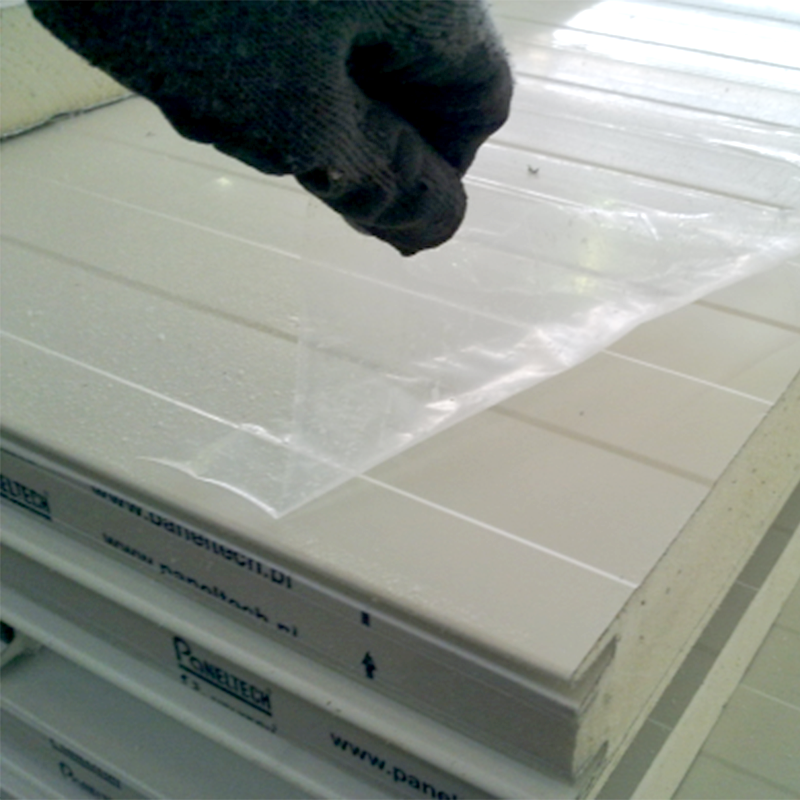
● The specially formulated adhesive ensures easy application and removal without leaving residue glue on the sandwich panels; ● The super-tough polyet...
See Details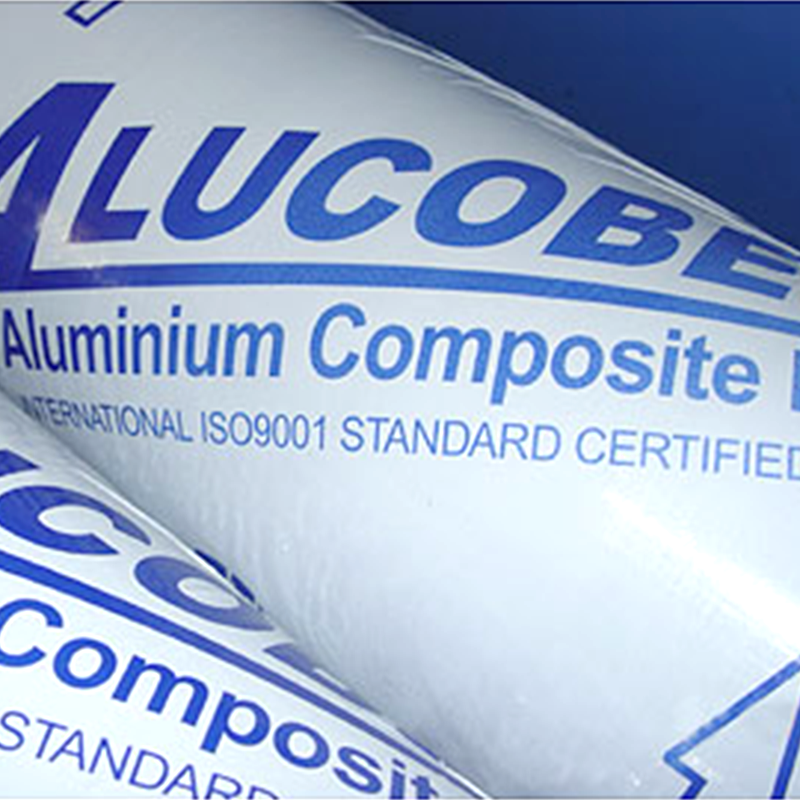
● The specially formulated adhesive ensures easy application and removal without leaving residue glue; ● The super-tough polyethylene film protects ag...
See Details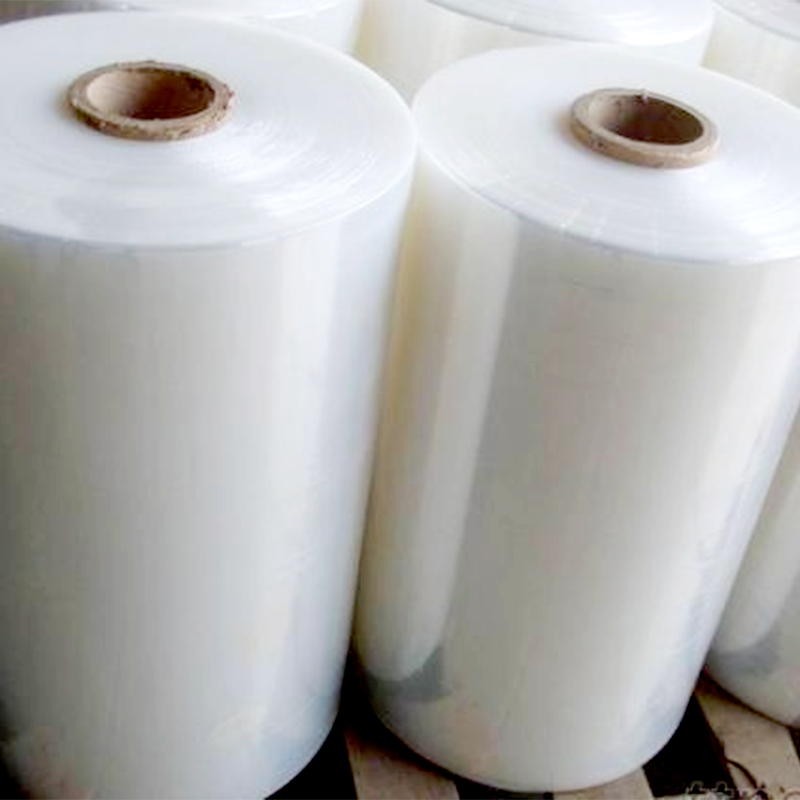
● Excellent puncture and tear resistance; ● Self-adhering-each layer of film bonds to the next for added strength; ● Big roll size to save cost and re...
See Details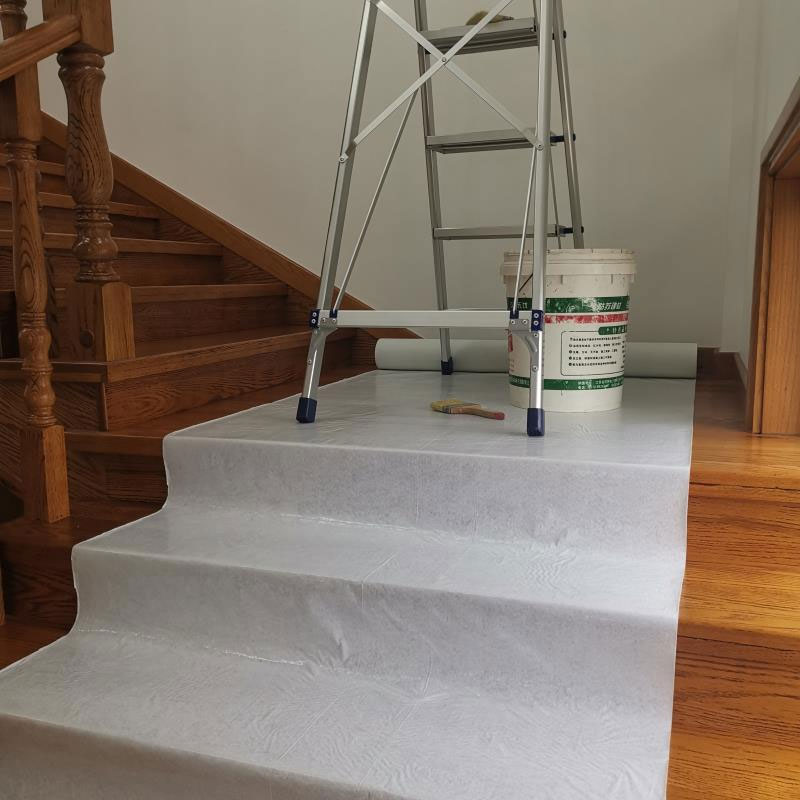
This product has non-woven synthetic fleece in middle; Breathable PE film adhered onto top of the non-woven fabric, which is coated with self adhesive...
See DetailsWe’re a reliable partner that shapes our expertise into success for your project.

Copyright 2024 Wuxi Qida Tape Co., Ltd. All Rights Reserved
 Wholesale Protective Film/Foil Manufacturers
Privacy
Wholesale Protective Film/Foil Manufacturers
Privacy