

 English
 English
 русский
 Français
 Español
 Português
 عربى
عربى
Cat:Glue -coated Protective Film
● Protect window glass against paint splatters, dirt, staining, and spillages during painting, building, plastering, tiling, general maintenance and r...
See Details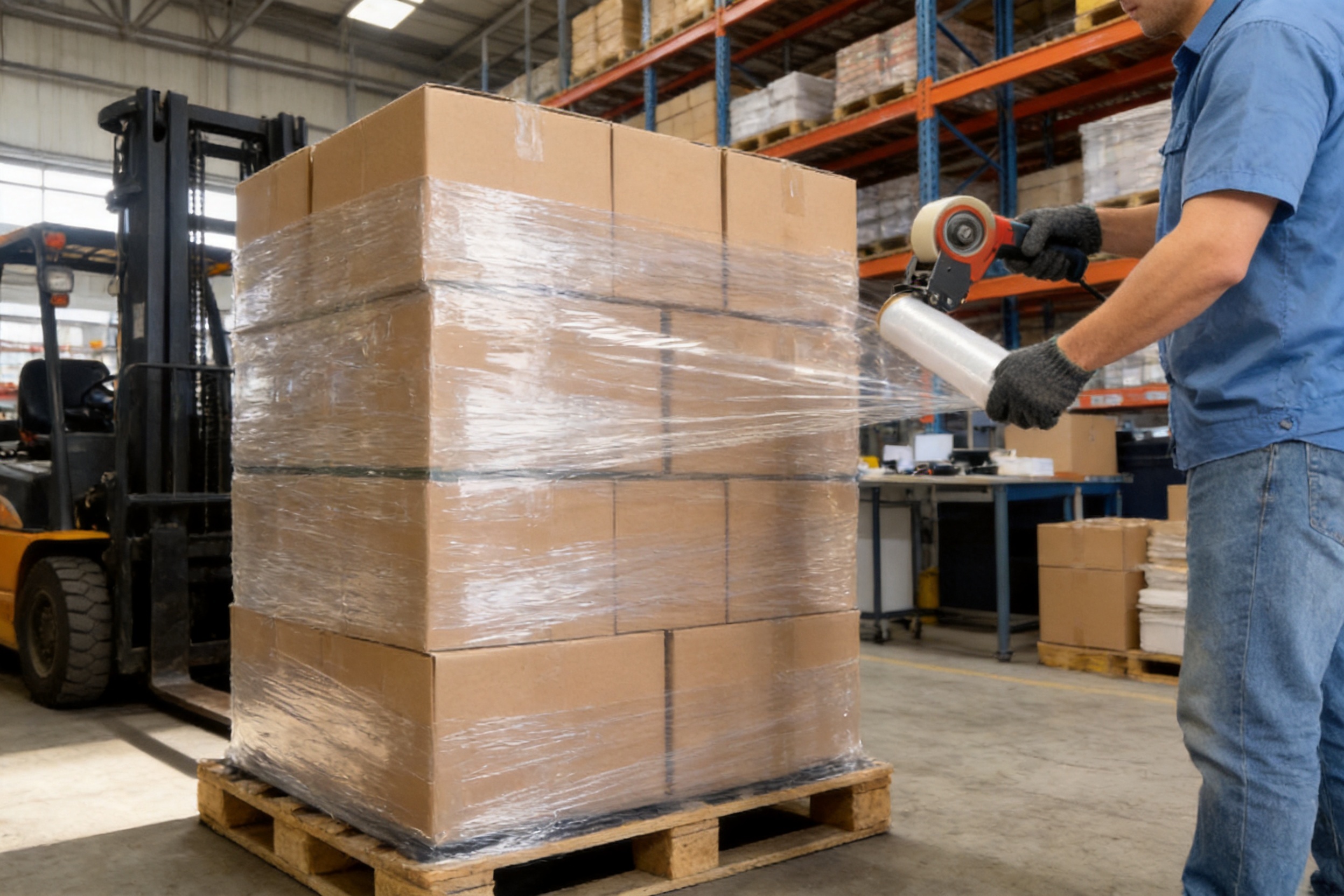
Manual stretch film is one of the most practical and widely used packaging materials for warehouses, logistics centers, manufacturing plants, retail distribution, food handling, agricultural packaging, and general cargo protection. Designed for hand application, it offers a flexible, economical, and reliable way to bundle goods, stabilize pallets, protect surfaces, reduce contamination, and improve transport safety. For businesses that require fast packaging without large automated equipment, manual stretch film provides an effective balance of strength, cling, transparency, stretchability, and ease of use.
Unlike many packaging materials that require additional tapes, straps, or adhesives, manual stretch film relies on its own self-adhering properties. Each layer clings to the next layer during wrapping, forming a tight and stable packaging structure around cartons, pallets, metal parts, plastic components, food packages, chemical containers, retail goods, and irregularly shaped items. This self-cling performance helps simplify the packaging process, reduce material waste, save labor, and protect goods from dust, water, snow, dirt, abrasion, and movement during storage and transportation.
For companies that need dependable packaging performance, manual stretch film is not simply a consumable material. It is a production efficiency tool, a logistics safety measure, and a cost-control solution. A high-quality film can reduce packaging failures, lower damage claims, improve warehouse organization, and create a cleaner, more professional presentation of goods. When manufactured under strict quality control with advanced extrusion, rewinding, slitting, and testing processes, manual stretch film can outperform ordinary low-grade films in puncture resistance, tear resistance, bonding strength, clarity, elongation, roll consistency, and application comfort.
Wuxi Qida Tape Co., Ltd. supplies manual stretch film as part of its broader range of protective film and surface protection solutions. With many years of manufacturing experience, advanced production equipment, in-house process control, strong research and development capability, and international management system certification, the company is able to provide packaging materials that meet demanding industrial requirements. Its factory-based production model allows it to control material selection, film processing, rewinding, slitting, inspection, and packaging, helping customers receive stable product quality and customized specifications.
Manual stretch film is a polyethylene-based stretchable film used to wrap and secure goods by hand. It is commonly supplied in small rolls that are easy to carry and apply by workers in warehouses, packing stations, production lines, loading areas, and retail back rooms. The film can be used with or without a handle dispenser. When stretched during application, it creates tension around the goods and helps hold them firmly in place.
The film’s main function is load stabilization. When cartons or products are stacked on a pallet, they may shift, lean, collapse, or become damaged during handling. Manual stretch film wraps the load into one integrated unit. By applying several overlapping layers from the base upward, the operator can create a tight package that resists vibration, impact, and movement. This is especially important during forklift handling, truck transportation, container loading, long-distance shipping, and warehouse stacking.
Another important function is surface protection. The film forms a temporary barrier against dust, moisture, dirt, fingerprints, light rain, snow, and minor abrasion. It is suitable for protecting finished goods before delivery, semi-finished goods between production stages, and stored products waiting for shipment. Because most manual stretch films are transparent or translucent, workers can still identify labels, product shapes, carton markings, barcodes, and inventory information without removing the film.
The product is also useful for bundling. Small cartons, pipes, rolls, panels, lightweight components, and loose goods can be grouped together quickly. Compared with tape or strapping, stretch film covers a larger surface area and distributes holding force more evenly. It does not usually leave adhesive residue because its bonding comes from cling between film layers rather than glue applied to the cargo surface.
Manual stretch film is different from machine stretch film. Machine film is designed for automated stretch wrapping machines and is normally supplied in larger rolls. Manual film is optimized for human handling, with roll sizes, widths, and weights that support easy operation. For facilities with mixed packaging tasks, low-to-medium daily wrapping volume, irregular goods, or limited space, manual stretch film is often the more flexible and economical option.
High-quality manual stretch film combines multiple performance features. It must be thin enough to remain economical, yet strong enough to resist punctures and tears. It must stretch well, but also recover enough force to hold goods tightly. It should cling securely layer to layer, but unwind smoothly and quietly. It should be clear enough for identification, while offering optional colors such as clear, white, or black for different packaging needs.
Specification Item |
Available Range or Performance |
Practical Packaging Benefit |
Thickness |
From 7 microns to 35 microns |
Allows selection between lightweight economy wrapping and heavier-duty protection |
Width |
From 100 mm to 500 mm |
Supports small bundling tasks, carton wrapping, pallet wrapping, and irregular product packaging |
Roll Length |
From 150 m to 500 m |
Provides flexibility for different packing frequencies and operator preferences |
Bonding Strength |
High self-cling strength |
Each film layer bonds to the next layer for stable wrapping without additional adhesive tape |
Transparency |
High |
Enables easy inspection, barcode reading, inventory control, and cargo identification |
Film Color |
Clear, white, black, and other options |
Supports visibility, privacy, product classification, and brand or warehouse coding needs |
UV Resistance |
Up to 3 months |
Helps protect wrapped goods during short-term outdoor exposure or sunlight contact |
Application Method |
Manual application, with handle dispenser available |
Improves convenience, speed, and wrapping consistency without requiring large machinery |
These specifications make the film suitable for many packaging environments. Thin films can reduce material consumption for light loads, while thicker films are suitable for heavier, sharper, or more demanding applications. Narrow widths are useful for bundling small goods or reinforcing corners, while wider rolls are efficient for pallet wrapping and large item coverage. Roll length can be selected based on the expected packaging volume, operator comfort, and storage requirements.
The greatest advantage of manual stretch film is its stretching ability. During application, the operator pulls the film and creates elongation. This stretched film then contracts slightly around the goods, generating holding force. Because it can stretch to several times its original length depending on the grade and application method, it can adapt to products of different sizes and shapes.
This flexibility gives manual stretch film a major advantage over rigid packaging materials. Strapping can secure goods in one direction, but it does not cover the surface or conform to irregular shapes. Tape can close cartons, but it is not designed to stabilize palletized loads. Shrink film requires heat, special equipment, and additional processing time. Manual stretch film can be applied immediately, without heat, electricity, or complex machinery.
For irregular mechanical parts, furniture components, plastic containers, bundled tubes, cartons with uneven stacking, and mixed pallet loads, manual stretch film wraps closely and creates a unified package. This reduces the risk of product movement and makes handling safer. The film’s adaptability simplifies packaging decisions and allows one product to serve many different warehouse and transport requirements.
Manual stretch film has strong self-cling properties. During wrapping, one layer adheres to the next, producing a stable and tight package. This is different from glue-coated materials that bond directly to product surfaces. In most stretch film applications, the cling occurs mainly between film layers, reducing the risk of adhesive residue on cartons, containers, or finished goods.
This feature is highly valuable for businesses that want clean packaging. Additional tapes or adhesives may leave marks, damage printed cartons, create extra waste, or slow down unpacking. Manual stretch film allows workers to complete wrapping quickly and remove the film easily when the goods arrive. The packaging process becomes cleaner, faster, and more economical.
Compared with low-grade films that lose cling quickly or slip during transport, a high-quality manual stretch film maintains stable layer-to-layer bonding. This helps prevent film tails from loosening, reduces the chance of load instability, and improves the appearance of packaged goods.
Packaging failure often occurs when film is punctured by carton corners, pallet edges, metal parts, or irregular surfaces. Once a weak film is punctured, the tear can spread rapidly, reducing the holding force of the entire wrap. Manual stretch film with excellent puncture and tear resistance provides stronger protection during real logistics conditions.
High puncture resistance is especially important for goods with sharp edges or uneven surfaces. Mechanical parts, hardware, chemical containers, industrial components, agricultural products, and rough cartons can stress the film during wrapping and transport. A stronger film can absorb these stresses and maintain package integrity.
Tear resistance also supports worker efficiency. If the film breaks repeatedly during application, operators lose time, waste material, and may apply too many layers to compensate. A consistent, tough film unwinds smoothly and withstands stretching, allowing workers to complete each package with fewer interruptions.
Packaging work is often repetitive. In warehouses and logistics centers, workers may wrap many pallets and cartons every day. A film that creates excessive noise during unwinding can make the workplace uncomfortable. Manual stretch film with low-noise unwinding improves the working environment, especially in indoor packing areas where multiple operators work at the same time.
Comfortable application also depends on roll size, film consistency, and dispenser compatibility. Small rolls are convenient for manual use and can be handled by workers without heavy equipment. A handle dispenser can help reduce hand fatigue, improve wrapping tension, and create more uniform application. These features make manual stretch film suitable for fast-paced packaging operations that value both productivity and ergonomics.
Clear manual stretch film allows workers to see the goods inside the package. This helps with warehouse management, quality inspection, inventory control, and shipping verification. Barcodes, product labels, carton markings, and pallet information can remain visible after wrapping. This saves time because workers do not need to cut the film open to identify the contents.
Transparency is also important for customer confidence. When receivers can clearly inspect packaged goods, they can confirm product condition more easily. In food, retail, and distribution applications, transparent packaging provides a neat and professional appearance while still protecting the goods.
Colored films also offer practical advantages. White film can create a clean appearance or provide light screening. Black film can provide privacy, hide valuable goods, or reduce visibility during transport. Different colors can also be used for warehouse classification, batch separation, or destination coding.
Manual stretch film creates a protective barrier around goods. Although it is not a substitute for waterproof containers in extreme conditions, it helps protect products from common logistics hazards such as dust, dirt, light moisture, rain splash, snow contact, and warehouse contamination. This is especially useful during loading and unloading, short-term outdoor staging, and storage in dusty environments.
The film also reduces surface abrasion. Cartons, containers, and bundled items may rub against each other during transport. A wrapped load has fewer exposed surfaces and is less likely to collect scratches or stains. For manufacturers shipping finished products, this protection helps preserve product appearance and reduce customer complaints.
Manual stretch film helps reduce packaging costs in several ways. First, its stretchability means less material is required to wrap a load compared with non-stretchable films or excessive tape usage. Second, its self-cling property reduces the need for extra adhesive tapes, tying materials, or complicated securing systems. Third, it shortens packaging time, which lowers labor cost and improves packing station throughput.
In many warehouses, packaging speed is just as important as material price. A cheap film that breaks easily, has poor cling, or requires many layers may be more expensive in actual use. Operators spend more time fixing failures, rewrapping loads, and dealing with unstable packages. Goods damaged during transport create even higher hidden costs, including replacement, returns, customer dissatisfaction, and administrative work.
A reliable manual stretch film offers better total value. It allows consistent wrapping with fewer breaks, better holding force, and less waste. Businesses can choose a suitable thickness according to the load requirement instead of using the thickest film for every job. This specification matching helps optimize cost per pallet or cost per package.
The availability of roll lengths from 150 m to 500 m also supports cost control. Shorter rolls may be convenient for mobile use or low-volume packing, while longer rolls reduce replacement frequency in busy operations. The ability to use a dispenser further improves efficiency and helps workers maintain consistent tension, reducing unnecessary film consumption.
Environmental performance has become an important factor in packaging decisions. Manual stretch film supports sustainability mainly through material efficiency, recyclability, and waste reduction. Because the film stretches during application, it can cover and secure goods with relatively low material weight. When used correctly, it can reduce excessive packaging and avoid unnecessary secondary materials.
Polyethylene stretch film can be recycled where appropriate collection and recycling systems are available. For businesses that generate regular quantities of used film, a recycling program can help reduce landfill waste and support circular material use. Clear film is often preferred in recycling streams because it is easier to process and repurpose than heavily contaminated or mixed-color materials.
Another sustainability benefit is damage prevention. Packaging materials should not be judged only by their own weight; they should also be evaluated by their ability to prevent product loss. When goods are damaged in transport, the environmental cost includes wasted raw materials, manufacturing energy, replacement shipping, and disposal. A strong manual stretch film helps reduce these losses by stabilizing cargo and protecting goods throughout the supply chain.
Wuxi Qida Tape Co., Ltd. supports responsible production through ISO 9001 and ISO 14001 management systems. These systems encourage structured quality control and environmental management. The company also provides products tested according to international requirements such as SGS, RoHS, REACH, PFAS, and Prop 65 where applicable, helping customers address compliance expectations in global markets.
In logistics operations, manual stretch film is a powerful tool for pallet stabilization and cargo protection. Goods often pass through many handling stages, including production packing, warehouse storage, forklift movement, truck loading, container transport, unloading, distribution sorting, and final delivery. At each stage, unstable goods can shift or fall. Manual stretch film helps hold loads together and reduce movement.
For mixed pallets, the film is particularly useful because it can wrap cartons of different shapes and sizes into one stable unit. It helps reduce the risk of toppling during turns, braking, vibration, and forklift handling. Transparent film also allows logistics staff to read labels and confirm product information without opening the package.
Warehouses rely on organized, stable, and identifiable inventory. Manual stretch film helps create neat stacks and protect stored goods from dust and moisture. It can be used to bundle partial cartons, secure picked orders, wrap returned goods, protect seasonal inventory, or stabilize pallets waiting for shipment.
Because manual film does not require large wrapping machines, it is suitable for flexible warehouse layouts. Workers can bring the roll directly to the goods instead of moving every pallet to a fixed machine location. This is helpful for irregular items, small batches, maintenance materials, and urgent shipments.
The food industry requires clean and safe packaging practices. Manual stretch film can help protect outer cartons, trays, containers, and packaged food products from dust, dirt, moisture, and handling contamination. Its transparency allows workers and inspectors to observe goods without removing the film. For wrapped food cartons and distribution pallets, stretch film helps maintain order and cleanliness during transport.
In food logistics, speed and hygiene are both important. Manual stretch film allows quick wrapping without glue, staples, or heat. It can be removed easily at receiving points, reducing unpacking time and waste complications. When selected according to relevant food-contact or outer-packaging requirements, it can become an efficient component of food supply chain packaging.
Chemical products often require secure packaging because containers may hold liquids, powders, corrosive substances, flammable materials, or sensitive compounds. Manual stretch film can wrap chemical cartons, drums, cans, and containers to reduce shifting and improve load stability. It can also help limit dust and moisture exposure around the outer packaging.
While chemical packaging must always follow relevant safety regulations and container requirements, manual stretch film can serve as a valuable secondary packaging layer. Its tear resistance and tight wrapping performance help secure containers together and reduce the chance of movement during transport. Colored film can also support classification, safety identification, or privacy needs.
In agriculture, manual stretch film can be used to bundle packaged produce, protect cartons, stabilize crates, and cover goods during short-term storage or transport. It can help reduce dust and moisture exposure while keeping products grouped together. Transparent film allows visual checks of produce crates and carton labels.
For farms, cooperatives, and produce distributors, manual stretch film is convenient because it requires no major equipment. Workers can use it in packing sheds, storage areas, and loading zones. Its flexibility is useful for seasonal operations where packaging volume changes throughout the year.
Manufacturing plants use manual stretch film in many ways. It can secure parts on pallets, bundle components, protect semi-finished goods, stabilize cartons, and temporarily hold products during internal movement. It is also useful when goods must be transported between workshops or stored before final assembly.
Compared with tying materials or adhesive tapes, stretch film covers the load surface more completely and distributes holding force evenly. It is especially helpful for plastic parts, metal components, decorative panels, mechanical accessories, and items that must remain clean before delivery. The film can be removed without complex tools, supporting efficient downstream processing.
Retailers and distributors use manual stretch film for bundling, display preparation, return handling, and internal transfers. It can group promotional items, protect cartons, secure small shipments, and organize stockroom inventory. Clear film keeps product information visible, while black film can conceal valuable goods during transport.
For retail businesses that do not have automated packaging equipment, manual stretch film is a simple and affordable solution. It supports daily packaging tasks without high investment or specialized training.

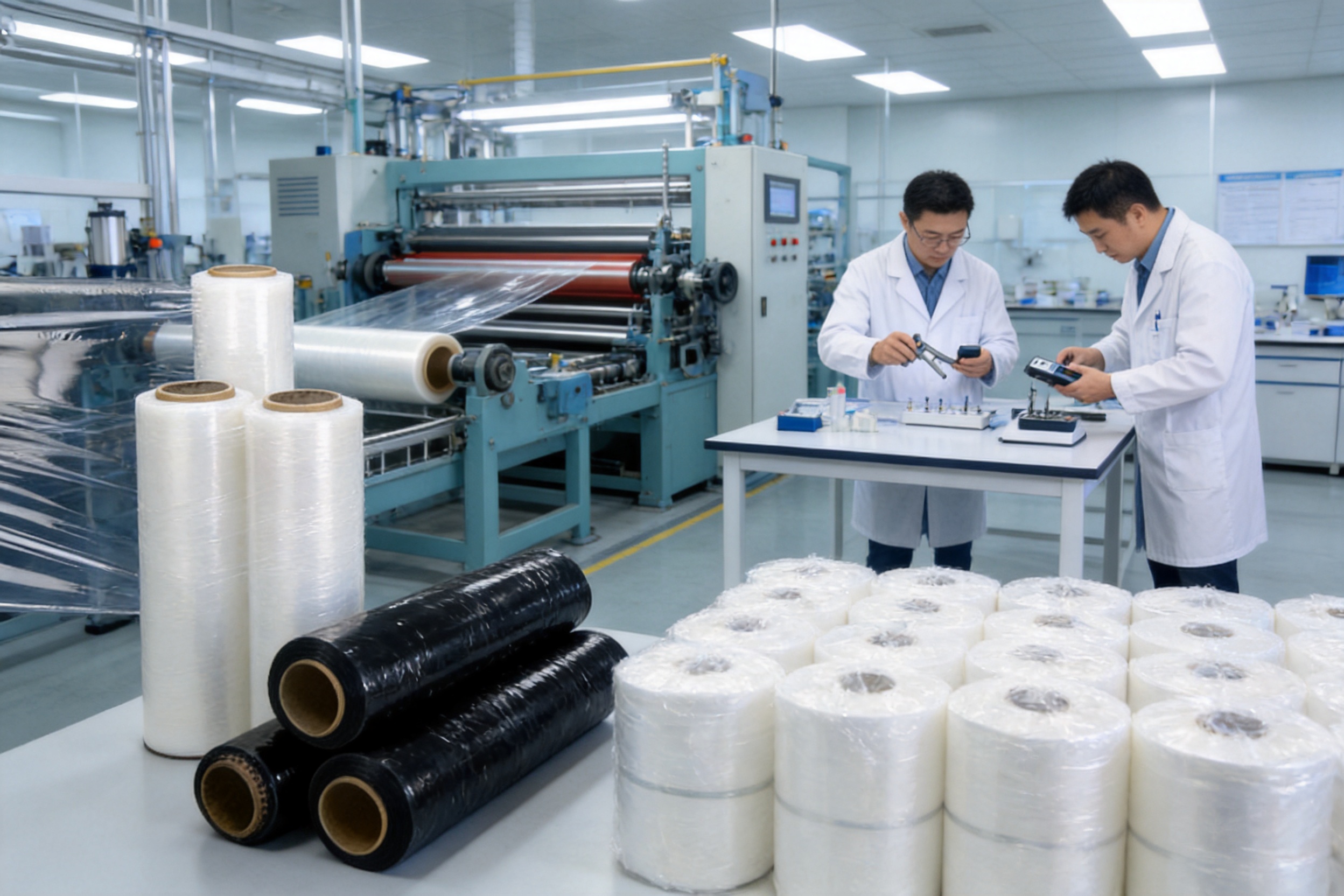
The performance of manual stretch film depends heavily on manufacturing quality. A film may appear simple, but its real-world performance is determined by resin selection, extrusion conditions, film thickness control, cooling stability, winding tension, roll edge quality, cling balance, tensile strength, puncture resistance, transparency, and final inspection. Small differences in manufacturing can lead to major differences during application.
Wuxi Qida Tape Co., Ltd. operates as a factory specializing in protective films, adhesive products, and surface protection solutions. The company has introduced advanced machines from Germany and developed integrated production capabilities. Its processes include backing film production, adhesive coating for related protective film products, logo printing, rewinding, slitting, and packaging. For manual stretch film and other PE film products, this manufacturing foundation supports stable roll quality, specification accuracy, and reliable delivery.
One key advantage is in-house process control. When a manufacturer controls multiple production steps inside its own factory, it can respond faster to customer requirements and maintain more consistent quality. Thickness, width, roll length, winding tightness, and packaging can be adjusted according to customer needs. This is particularly important for distributors, logistics companies, and manufacturers that require consistent performance across repeated orders.
The company’s testing laboratory and advanced inspection equipment further strengthen quality assurance. Manual stretch film must be tested for properties such as thickness uniformity, tensile strength, elongation, puncture resistance, cling, transparency, roll appearance, and unwinding behavior. Through systematic inspection, defective rolls can be reduced and product consistency can be improved.
Quality management certification under ISO 9001 demonstrates a structured approach to production control, documentation, corrective action, and continuous improvement. ISO 14001 certification reflects attention to environmental management. These systems are valuable for customers that require reliable suppliers, especially in international trade where documentation and consistency are essential.
The company has been active since 1999 and has built a factory area of approximately 20,000 square meters. With more than 95 experienced staff members and annual production capacity of over 12,000 tons, it can support both regular supply and customized production. Its products are sold in China and exported to Europe, North America, Australia, the Middle East, Japan, and other regions, serving customers in around 90 export areas.
Another strength is customization. Different customers have different packaging environments. A warehouse wrapping lightweight cartons may need a thinner clear film for economy. A manufacturer shipping heavy mechanical parts may need stronger film with higher puncture resistance. A distributor may require black film for privacy. A customer storing goods outdoors for short periods may require UV resistance up to 3 months. The company’s R&D capability and manufacturing flexibility allow it to develop or recommend suitable solutions based on technical data sheets, samples, or application requirements.
Although manual stretch film relies on self-cling rather than conventional surface adhesive, the company’s broader expertise in adhesive systems is still valuable. Its product portfolio includes acrylic water adhesive, acrylic solvent adhesive, and natural rubber adhesive options for protective films and tapes. This technical background shows strong material knowledge and an ability to serve multiple industries with different bonding, protection, and removal requirements.
In the packaging market, low-cost films are widely available. However, the lowest purchase price does not always mean the lowest packaging cost. A film with poor stretchability may require more layers. A film with weak cling may loosen during transport. A film with low puncture resistance may tear on carton corners. A film with inconsistent thickness may break suddenly during wrapping. These problems increase waste, slow down workers, and expose goods to damage.
High-quality manual stretch film provides more predictable performance. Operators can apply tension confidently, knowing that the film will stretch smoothly and hold firmly. Loads remain tighter and more stable. Film tails stay attached. The package looks cleaner and more professional. When many pallets are wrapped every day, these small improvements become significant savings.
Compared with ordinary film, a well-manufactured manual stretch film offers better balance. Excessive cling can make unwinding difficult, while weak cling causes loose wrapping. Excessive stiffness can make the film hard to apply, while insufficient stiffness reduces load holding. Excessive thickness increases cost, while insufficient thickness increases failure risk. Advanced manufacturing and testing help create the right balance for practical packaging use.
Manual stretch film also has advantages over competing materials. Compared with adhesive tape, it covers larger surfaces and avoids direct adhesive residue. Compared with strapping, it protects against dust and moisture while securing goods in multiple directions. Compared with shrink film, it does not require heat equipment and is faster for flexible manual tasks. Compared with paper wrapping, it offers better stretch, cling, moisture resistance, and transparency. Compared with machine film, it requires lower equipment investment and is suitable for irregular or lower-volume operations.
To achieve the best packaging result, workers should apply manual stretch film with proper technique. The process usually begins at the pallet base or the bottom of the goods. The operator anchors the film by wrapping around the base several times. This helps connect the goods to the pallet and prevents shifting. The film should then be stretched while moving upward in overlapping layers.
Overlap is important because each layer bonds to the next layer and builds strength. A typical overlap may cover part of the previous layer, creating a continuous protective surface. For heavier loads, more overlap and additional layers may be required at the bottom and top. Corners and sharp edges should receive extra attention because they are common puncture points.
Workers should maintain steady tension. Too little tension results in a loose package. Too much tension may cause film breakage or carton deformation. A handle dispenser can help maintain consistent tension and reduce hand fatigue. Operators should also ensure that the final film tail is pressed firmly against the wrapped layers so it clings securely.
For light loads, thinner film may be sufficient. For heavy or irregular loads, thicker film or additional layers may be needed. If goods will face sunlight exposure, UV-resistant film should be considered. If privacy is required, black film may be selected. If identification is critical, clear film is usually the best choice.
Selecting the right manual stretch film requires understanding the load type, handling environment, storage conditions, and packaging goals. Thickness is one of the most important choices. A 7-micron to 12-micron film may be suitable for light bundling or cost-sensitive packaging. Medium thickness films can serve general warehouse use. Films closer to 35 microns are suitable for heavier loads, sharper edges, or demanding transport conditions.
Width should be selected according to the size of the goods and wrapping method. A narrow roll such as 100 mm is useful for bundling small items, reinforcing cartons, or wrapping long thin products. Wider rolls up to 500 mm are more efficient for pallet wrapping and large surface coverage. Roll length affects how often operators change rolls and how convenient the film is to handle.
Color choice depends on operational needs. Clear film is best for visibility and inventory control. White film can provide a clean appearance or partial covering. Black film offers privacy and can help protect valuable goods from visual identification. Other colors may be used for coding departments, product categories, destinations, or production batches.
UV resistance is important when goods are stored outside or exposed to sunlight during transport. Manual stretch film with UV resistance up to 3 months can help maintain performance under short-term outdoor conditions. However, for long-term outdoor storage, customers should consult the supplier for specialized solutions and confirm suitability based on climate and exposure intensity.
Wuxi Qida Tape Co., Ltd. can help customers select suitable specifications based on practical use. Its engineers and technicians work with customers to evaluate surfaces, packaging methods, load weights, storage environments, and technical data. This service-oriented approach helps reduce trial-and-error and improves packaging reliability.
Modern supply chains require packaging that is fast, flexible, economical, and reliable. Goods may travel across cities, countries, and continents. They may be handled by multiple warehouses, carriers, and distribution centers. Packaging must protect products while also supporting identification, compliance, sustainability, and efficient labor use. Manual stretch film fits these needs because it is easy to apply, adaptable, lightweight, and effective.
For small and medium-sized companies, manual stretch film offers professional load protection without major capital investment. For large companies, it complements automated systems by handling irregular goods, repair tasks, sample shipments, low-volume orders, and special packaging requirements. For exporters, it helps stabilize goods for long-distance shipping and provides a clean outer barrier against dust and moisture.
The film also supports lean warehouse operations. Because it can be stored easily and used anywhere, workers can respond quickly to changing packaging needs. It reduces dependence on fixed machinery and helps improve workflow flexibility. When combined with proper training and suitable film specifications, manual stretch film can significantly improve packaging quality and cargo safety.
Manual stretch film is used to wrap, bundle, stabilize, and protect goods during storage and transportation. It is commonly applied to pallets, cartons, containers, mechanical parts, retail goods, food packages, agricultural products, and industrial components.
Manual stretch film is designed for hand application and is usually supplied in smaller rolls that are easy for workers to carry and apply. Machine stretch film is designed for automated wrapping machines and is often supplied in larger rolls for high-volume pallet wrapping.
No additional glue is usually required. Manual stretch film has self-cling performance, meaning each layer adheres to the next layer during wrapping. This simplifies packaging and helps reduce adhesive residue on goods.
The suitable thickness depends on the load. Lighter goods may use thinner film for economy, while heavy, sharp-edged, or irregular goods may require thicker film for improved puncture and tear resistance. Available thickness ranges from 7 microns to 35 microns.
The film can help protect goods from dust, dirt, light moisture, snow, and short-term outdoor exposure. UV-resistant options are available up to 3 months. For extended outdoor storage, application conditions should be reviewed with the supplier.
High transparency allows workers to see labels, barcodes, carton markings, and product conditions without removing the film. This improves inventory management, shipping verification, and inspection efficiency.
Yes. Film color options include clear, white, black, and other colors. Black film is useful when privacy, product concealment, or visual security is needed during storage or transportation.
It reduces costs by stretching during application, using less material, eliminating or reducing additional tapes, speeding up wrapping work, preventing cargo damage, and reducing rewrapping caused by film failure.
It is widely used in logistics, warehousing, food distribution, chemical packaging, agriculture, manufacturing, retail, and general industrial transportation.
Advanced manufacturing and testing help ensure consistent thickness, strength, cling, clarity, roll quality, and application performance. This reduces packaging failures and supports stable supply for repeated orders.
Manual stretch film is a highly efficient packaging material for businesses that need secure, flexible, and economical cargo protection. Its excellent stretchability allows it to conform to products of different shapes and sizes. Its self-cling property simplifies wrapping without additional adhesives. Its puncture and tear resistance help protect goods in demanding logistics conditions. Its transparency supports easy inspection and inventory control, while optional colors provide privacy and classification functions. With roll sizes suitable for hand use and dispenser compatibility, it improves packaging speed and operator convenience.
Compared with ordinary low-cost films and alternative packaging materials, high-quality manual stretch film offers stronger total value. It reduces waste, improves load stability, lowers labor time, prevents damage, and creates cleaner packaging. It is suitable for warehouses, logistics centers, food distribution, chemical packaging, agriculture, manufacturing, retail, and many other industries.
Wuxi Qida Tape Co., Ltd. strengthens this product value through advanced manufacturing processes, strict quality control, experienced technical teams, customization capability, international certifications, and strong production capacity. With integrated factory operations, testing equipment, R&D support, and global export experience, the company can provide manual stretch film solutions that meet practical packaging needs and international market expectations.
For companies seeking a reliable way to protect goods, improve warehouse efficiency, reduce packaging failures, and support sustainable material use, manual stretch film is an essential packaging solution. When selected correctly and manufactured to consistent standards, it becomes more than a wrapping material; it becomes a dependable part of safe, efficient, and professional supply chain management.
ASTM International. ASTM D882: Standard Test Method for Tensile Properties of Thin Plastic Sheeting.
ASTM International. ASTM D1709: Standard Test Methods for Impact Resistance of Plastic Film by the Free-Falling Dart Method.
International Organization for Standardization. ISO 9001: Quality Management Systems Requirements.
International Organization for Standardization. ISO 14001: Environmental Management Systems Requirements with Guidance for Use.
Soroka, W. Fundamentals of Packaging Technology. Institute of Packaging Professionals.
Yam, K. L. The Wiley Encyclopedia of Packaging Technology. John Wiley & Sons.
Robertson, G. L. Food Packaging: Principles and Practice. CRC Press.
Han, J. H. Innovations in Food Packaging. Academic Press.

● Protect window glass against paint splatters, dirt, staining, and spillages during painting, building, plastering, tiling, general maintenance and r...
See Details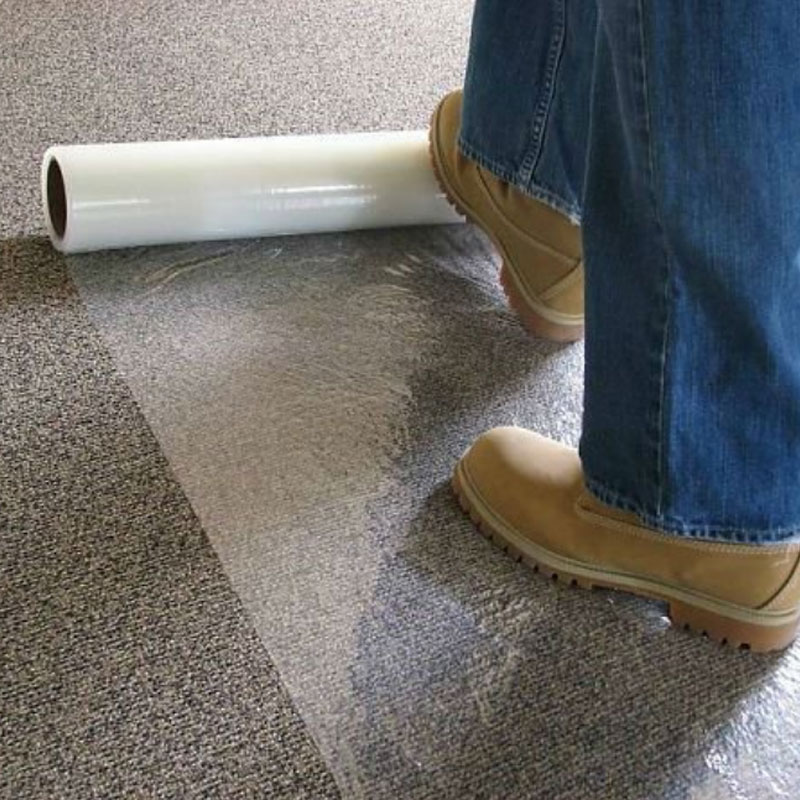
● Protects carpet against staining, paint spillage and dirt during painting, building, remodeling, plastering, tiling, decoration, general maintenance...
See Details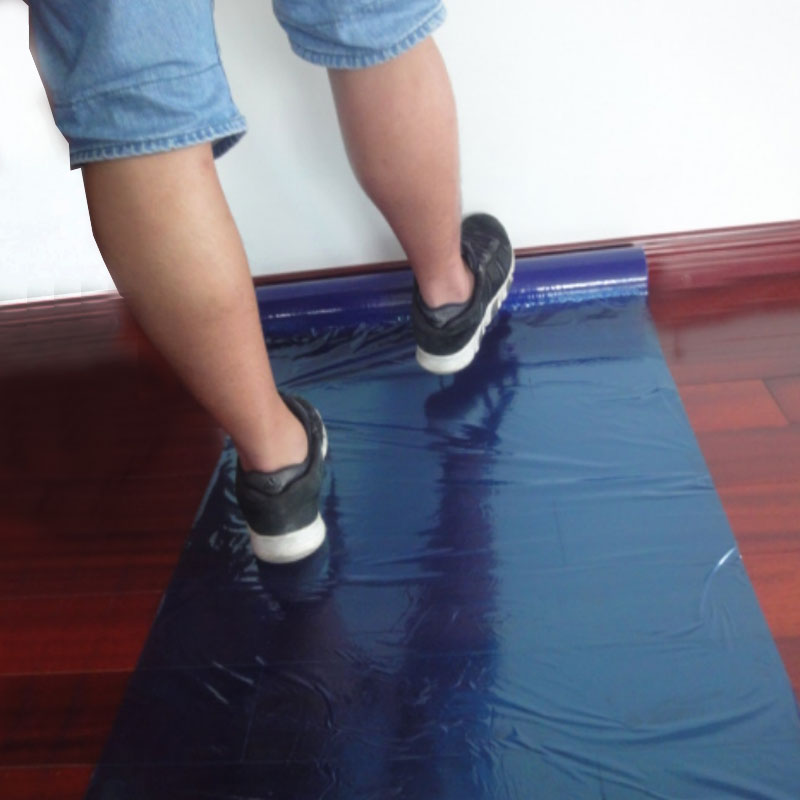
● Patented adhesive formula suits all hard surfaces such as hardwood floors, laminate floors, ceramic, marble, tile, granite, vinyl, worktops, and gla...
See Details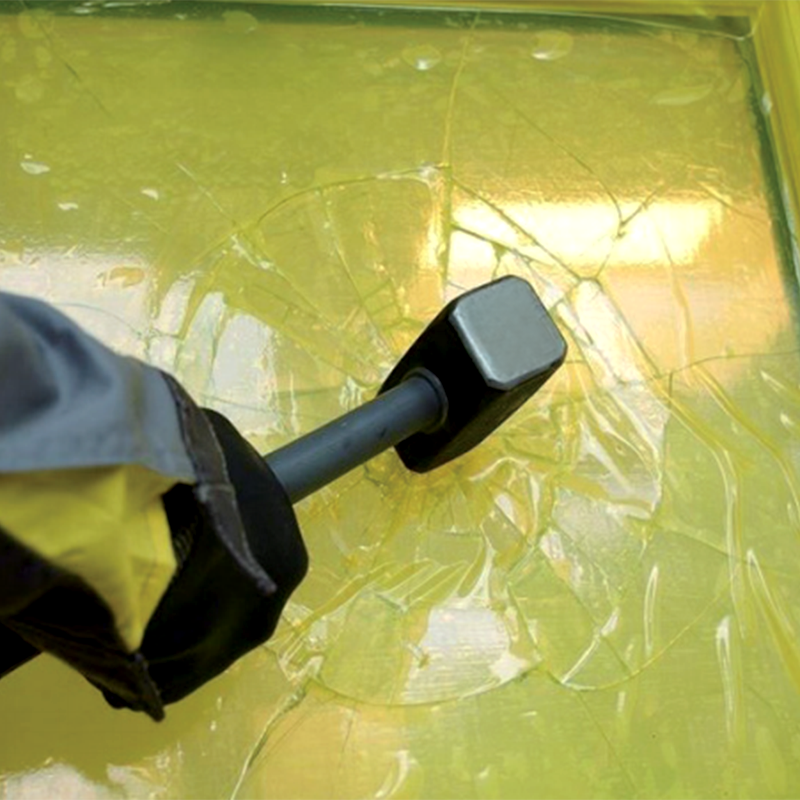
● The super tough polyethylene film with super high adhesion can stop the glass splitting and falling off during window glass demolition process;● Non...
See Details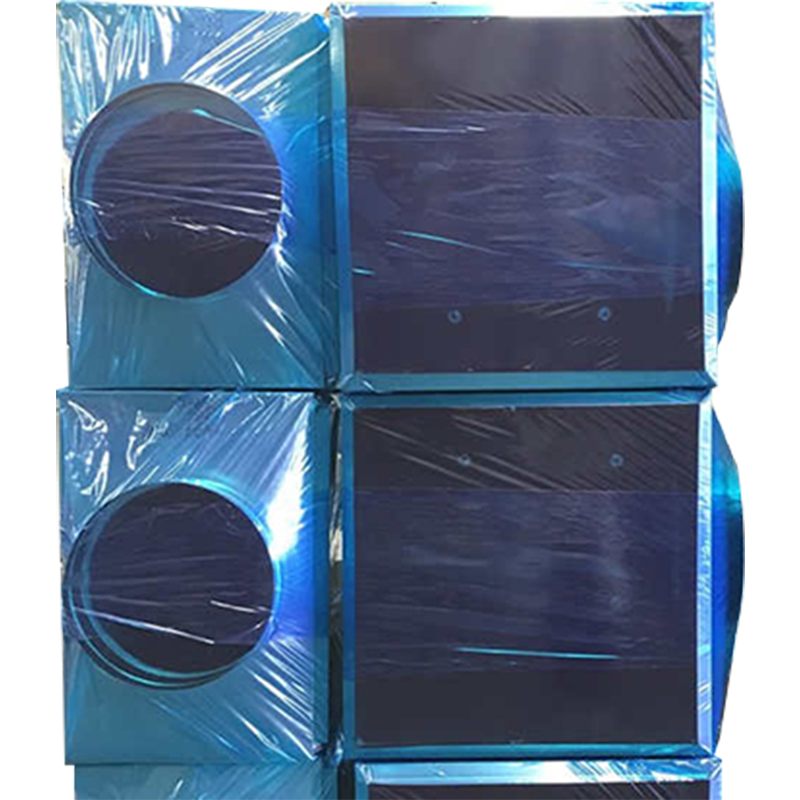
● The super-tough polyethylene film resists puncture and penetration by liquid and dirt during storage, transportation, and installation of the ductwo...
See Details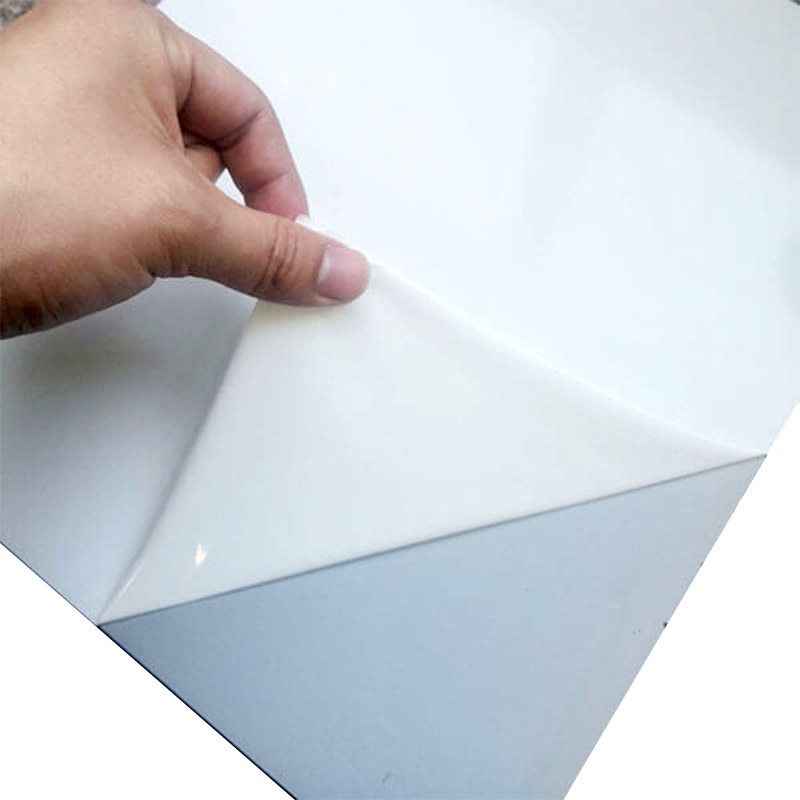
● The super tough polyethylene film with super high adhesion can stop parts of the glass or mirror from splintering away and injuring people when it i...
See Details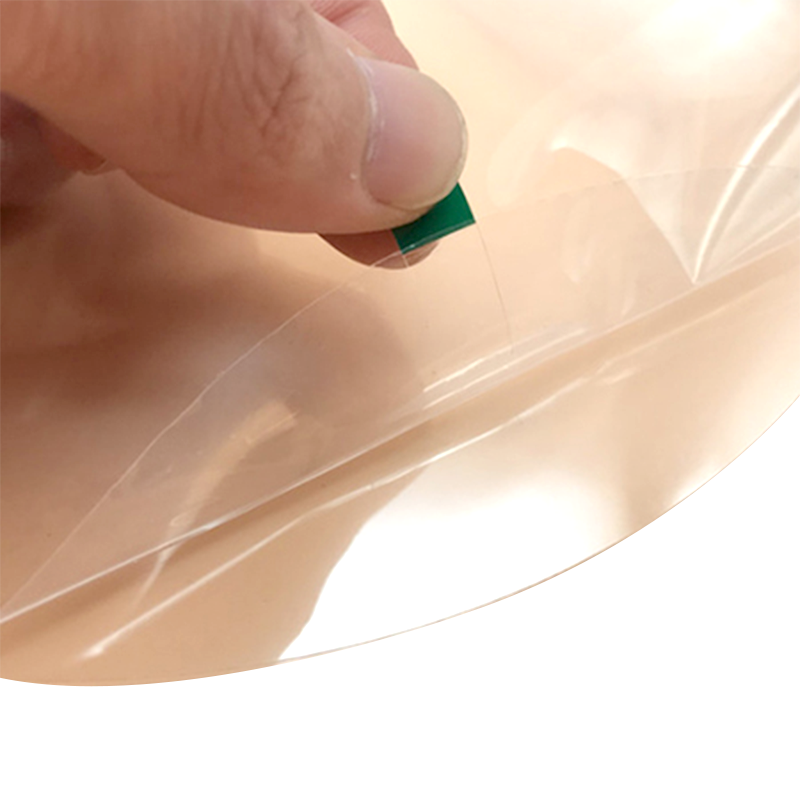
● Suitable for plastic sheets’ drilling, cutting, routing, thermoforming, bending, or post-fabrication operations;● No “ghost shadow” or “fish eye” af...
See Details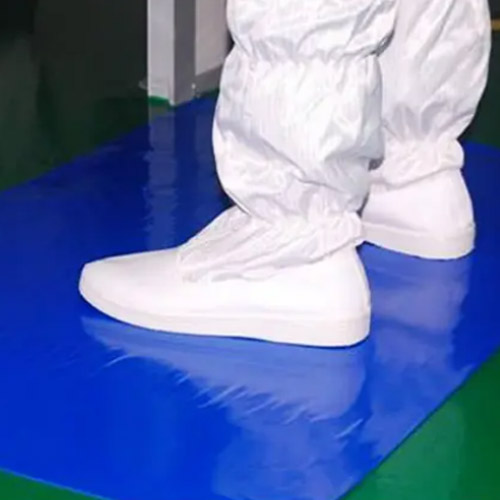
● Options for either 30 or 60 layers per mat; can be packed with four mats, eight mats, or ten mats per carton;● Remove dirt effect: ≥99.9% (5 steps);...
See Details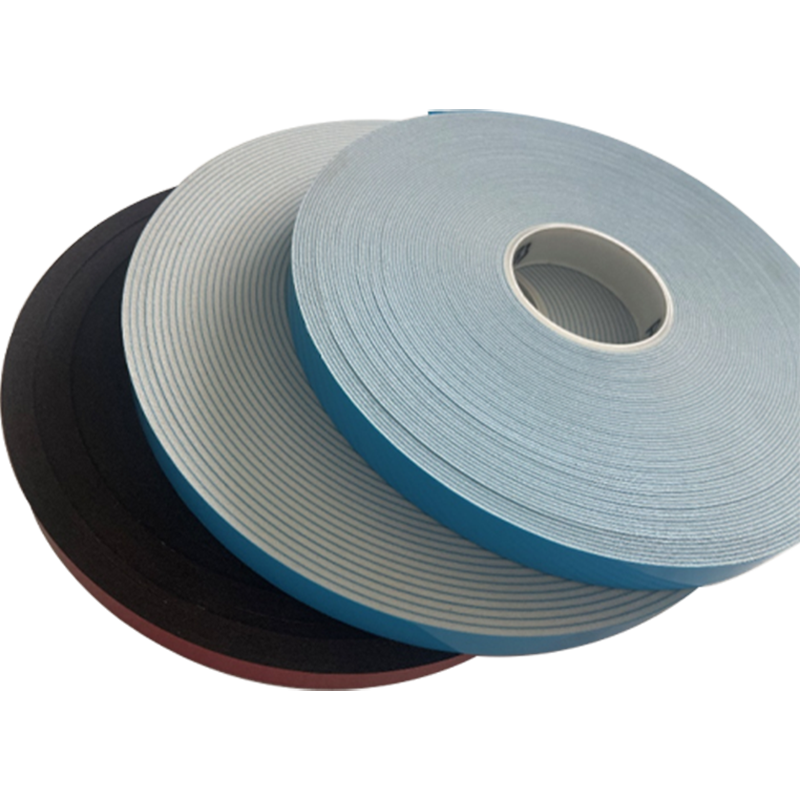
● Waterproof - the desirable material for waterproofing. ● Dust-proof - positive performance of dust prevention.● Low resilience - prevent the deforma...
See Details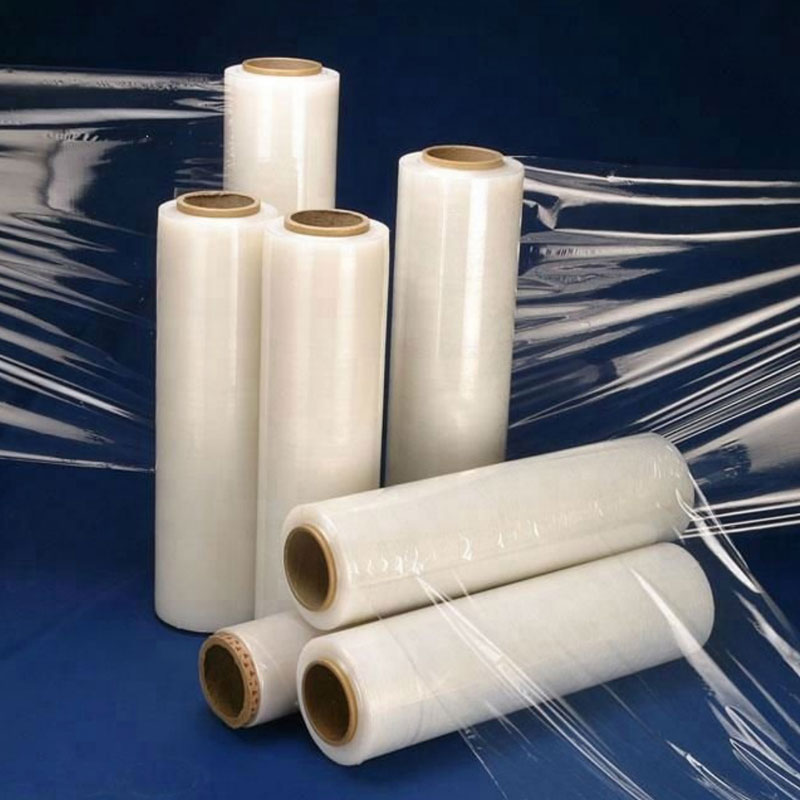
● Small roll size for convenient manual application;● Excellent puncture and tear resistance ; ● A self-adhering-each layer of film bonds to the next ...
See DetailsWe’re a reliable partner that shapes our expertise into success for your project.

Copyright 2024 Wuxi Qida Tape Co., Ltd. All Rights Reserved
 Wholesale Protective Film/Foil Manufacturers
Privacy
Wholesale Protective Film/Foil Manufacturers
Privacy